US History - NYS Regents
 Call Kai
 Learn
Learn Practice Test
 Spaced Repetition
 Match
Match Flashcards
1/264

There's no tags or description
Looks like no tags are added yet.
Name | Mastery | Learn | Test | Matching | Spaced | Call with Kai |
|---|
No analytics yet
Send a link to your students to track their progress
265 Terms
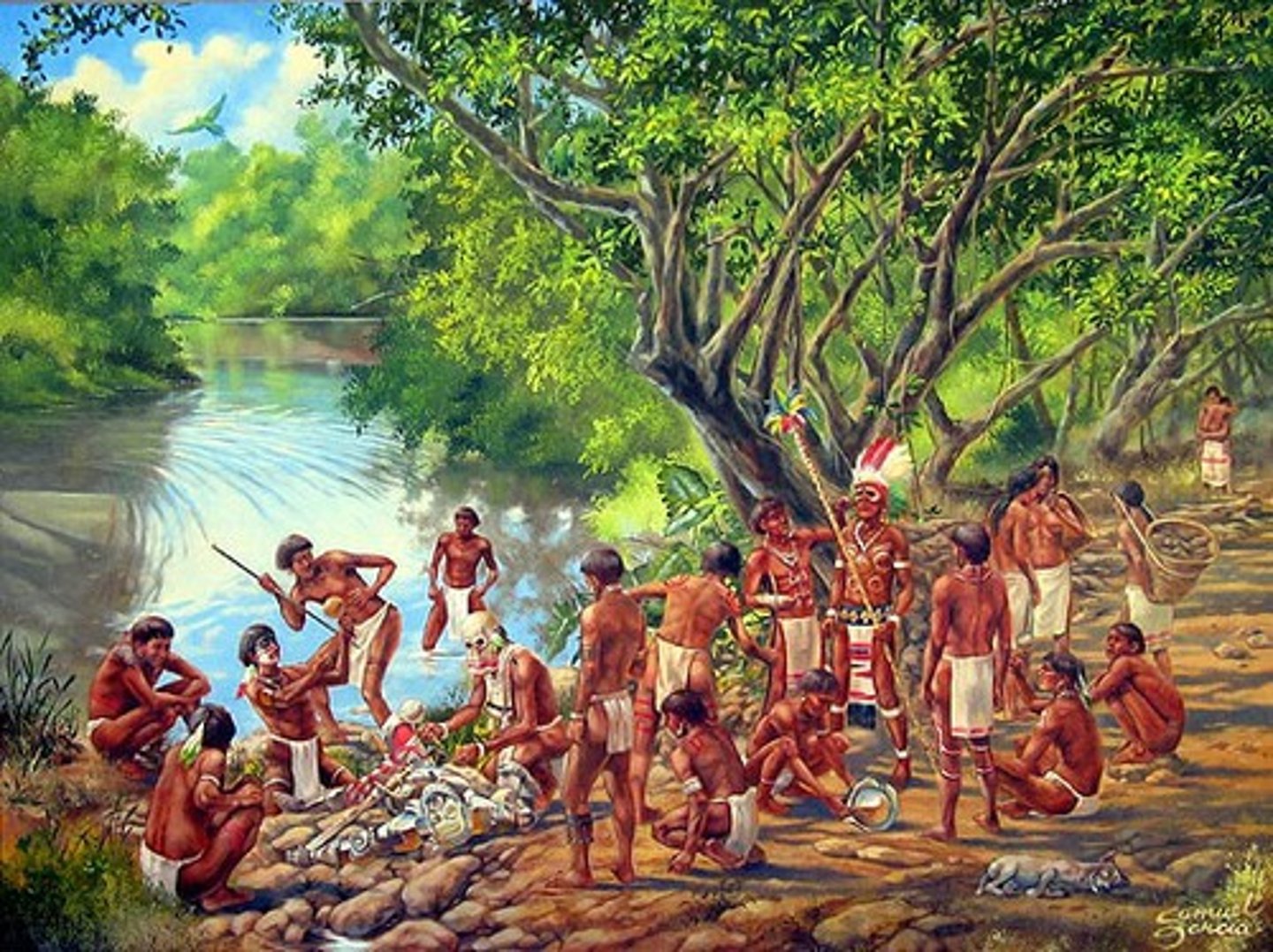
Taino Indians
the Indians that Christopher Columbus met when he traveled to America
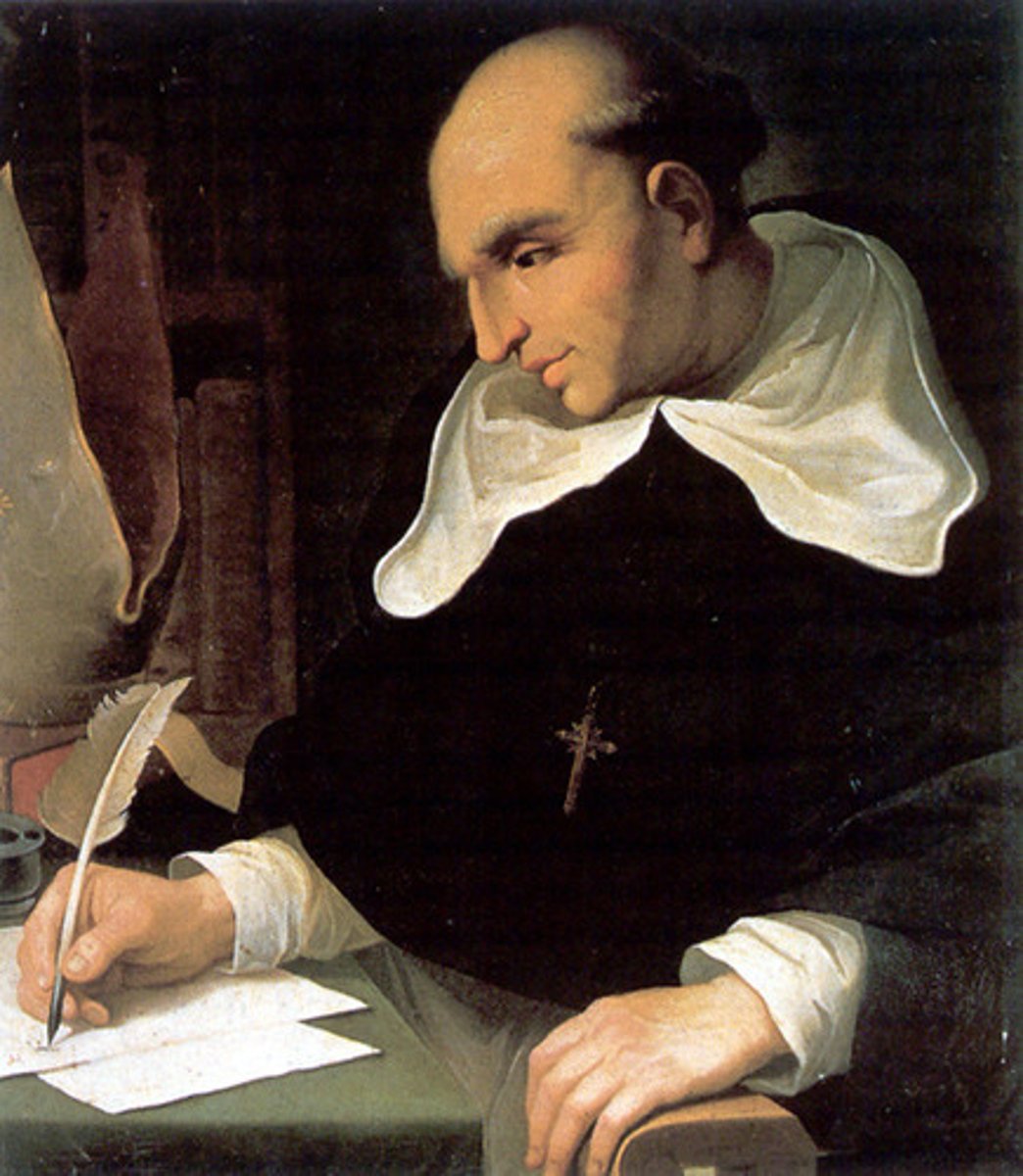
Bartolome de Las Casas
Dominican priest who spoke out against mistreatment of Native Americans
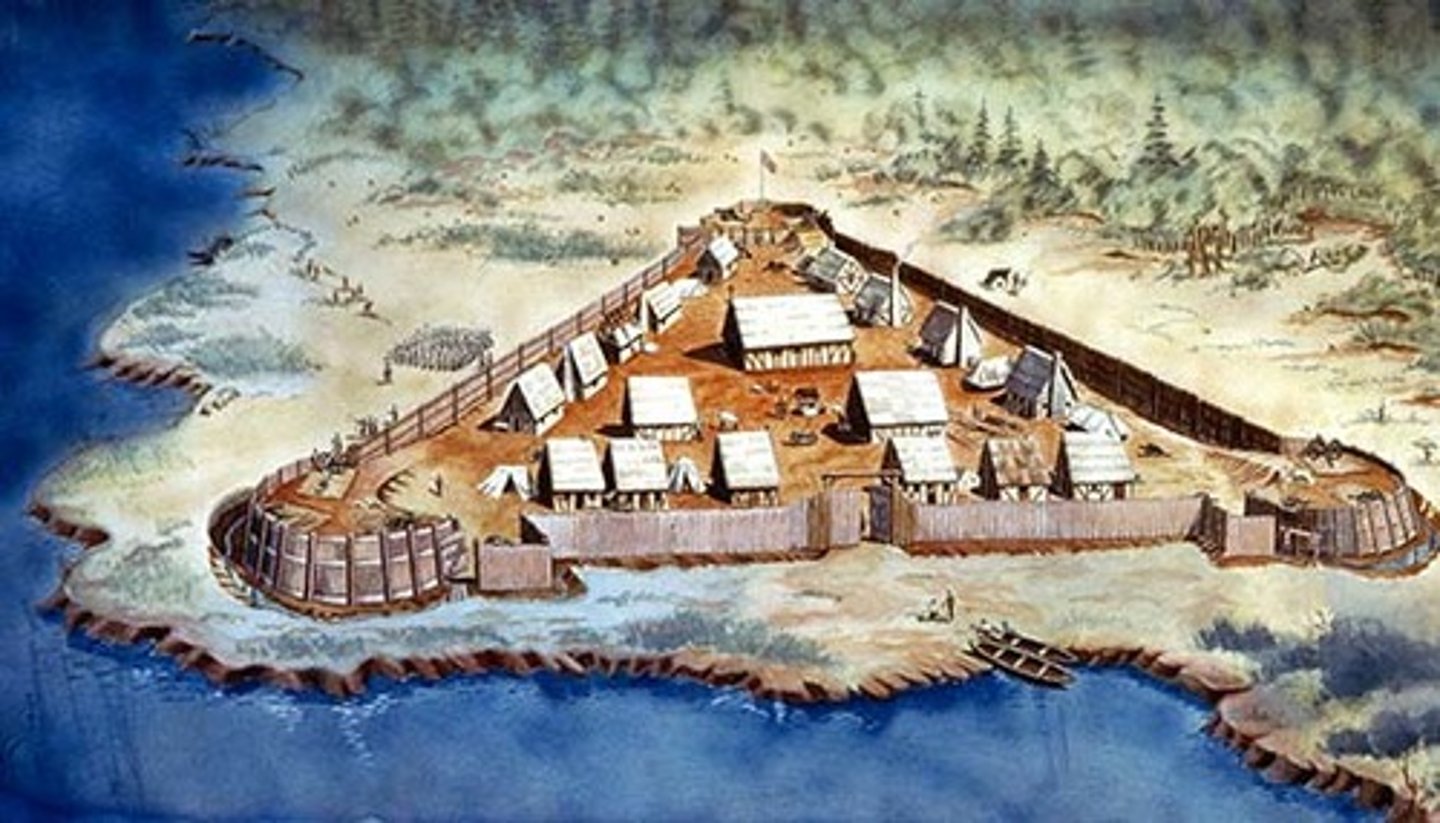
Jamestown, Virginia
the first permanent English settlement, founded in 1607 by the Virginia Company for economic reasons
Plymouth Colony
The second permanent English colony in North America
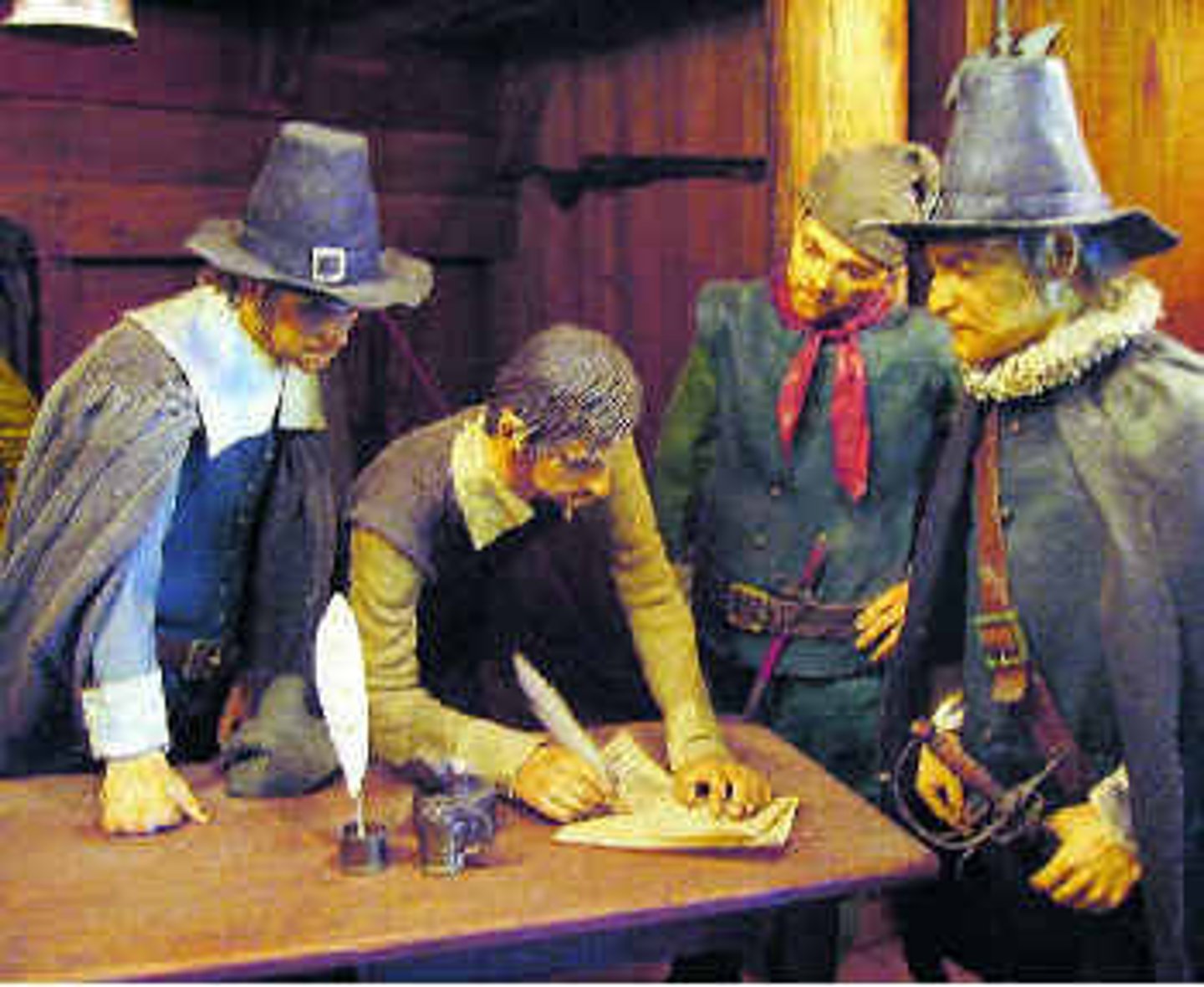
Mayflower Compact
1620 - The first agreement for self-government in America. It was signed by the 41 men on the Mayflower and set up a government for the Plymouth colony.
Virginia House of Burgesses
The first representative assembly in the new world. Created due to distance between Great Britain and the colonies.
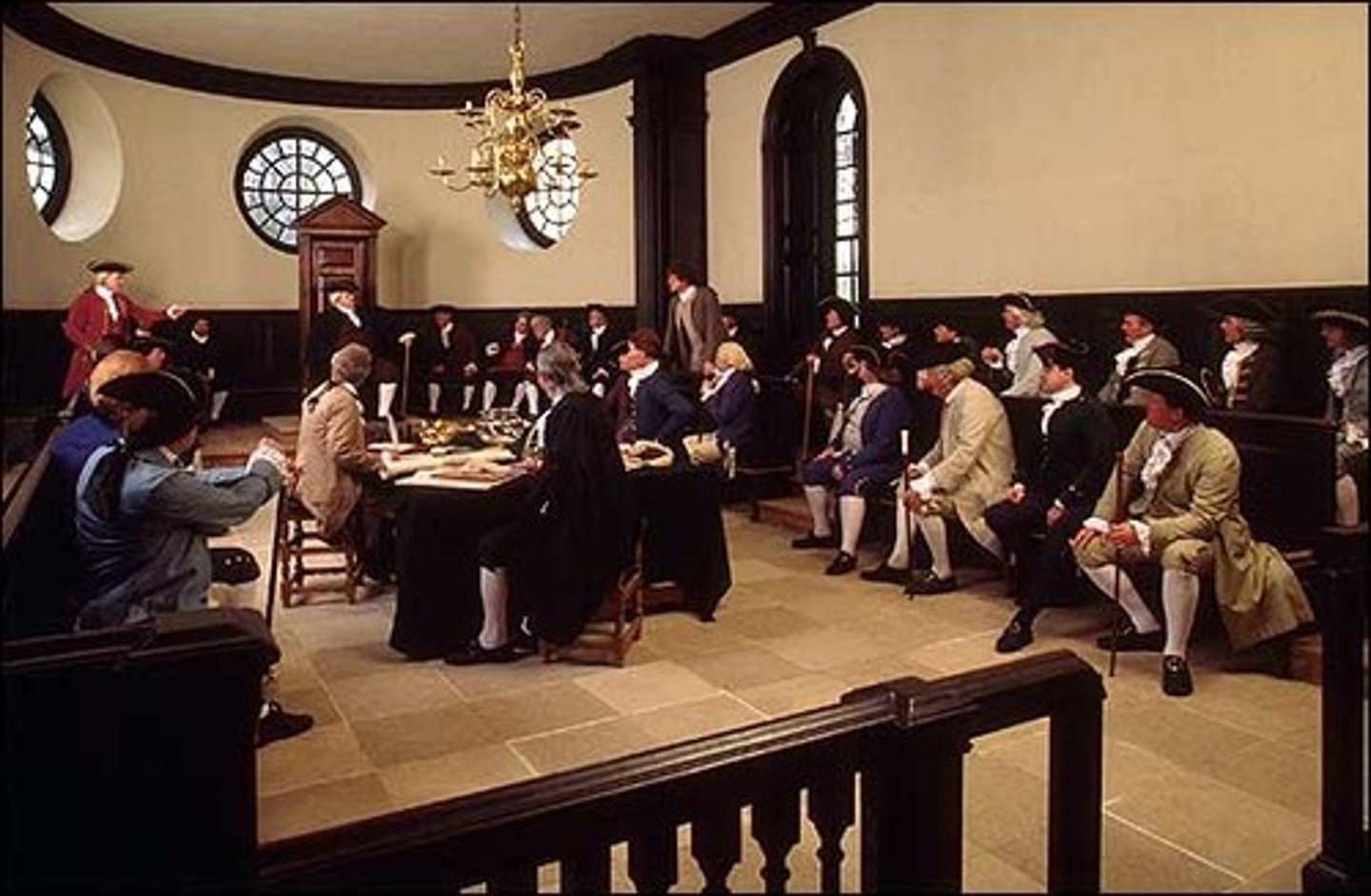
New England Town Meetings
Democratic style of government. Towns and cities grew around gathering places, and allowed mass participation in politics.
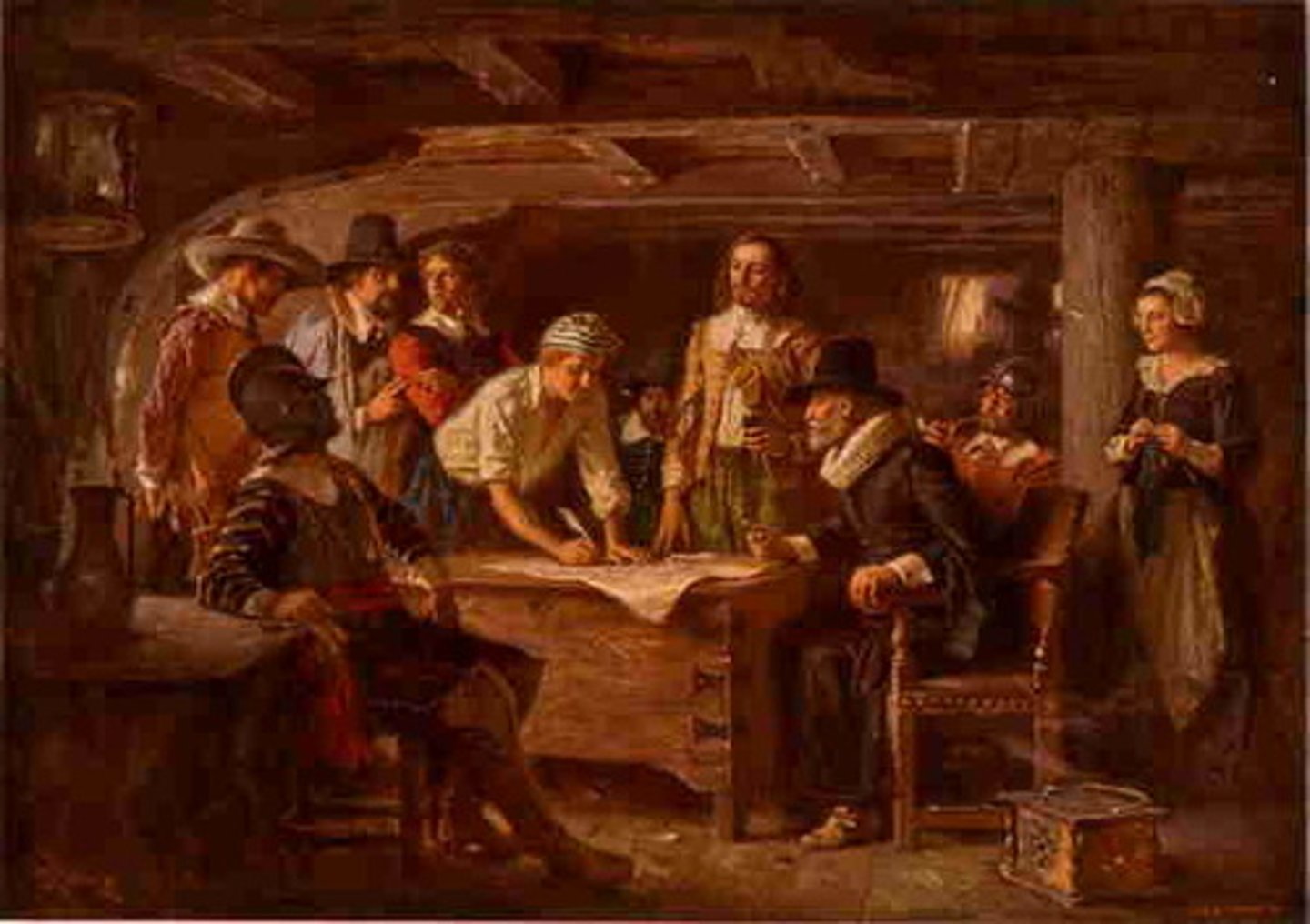
13 Colonies- New England
Rocky Soil, Harbors, Abundant Forests MA-NH-RI-CT
13 Colonies- Middle Colonies
Fertile Soil but small farms, Harbors NY-NJ-PA-DE
13 Colonies- Southern Colonies
Very Fertile Soil, Long Growing Season, Plantation Economy MD- VA-NC-SC-GA
Appalachian Mountains
Natural boundary for the 13 colonies, Proclamation Line of 1763
Great Plains
Breadbasket of America- From Mississippi River to the Rocky Mountains
Indentured Servants
Poorer Europeans signed a contract for work in exchange for passage to North America. (appx 7 years)
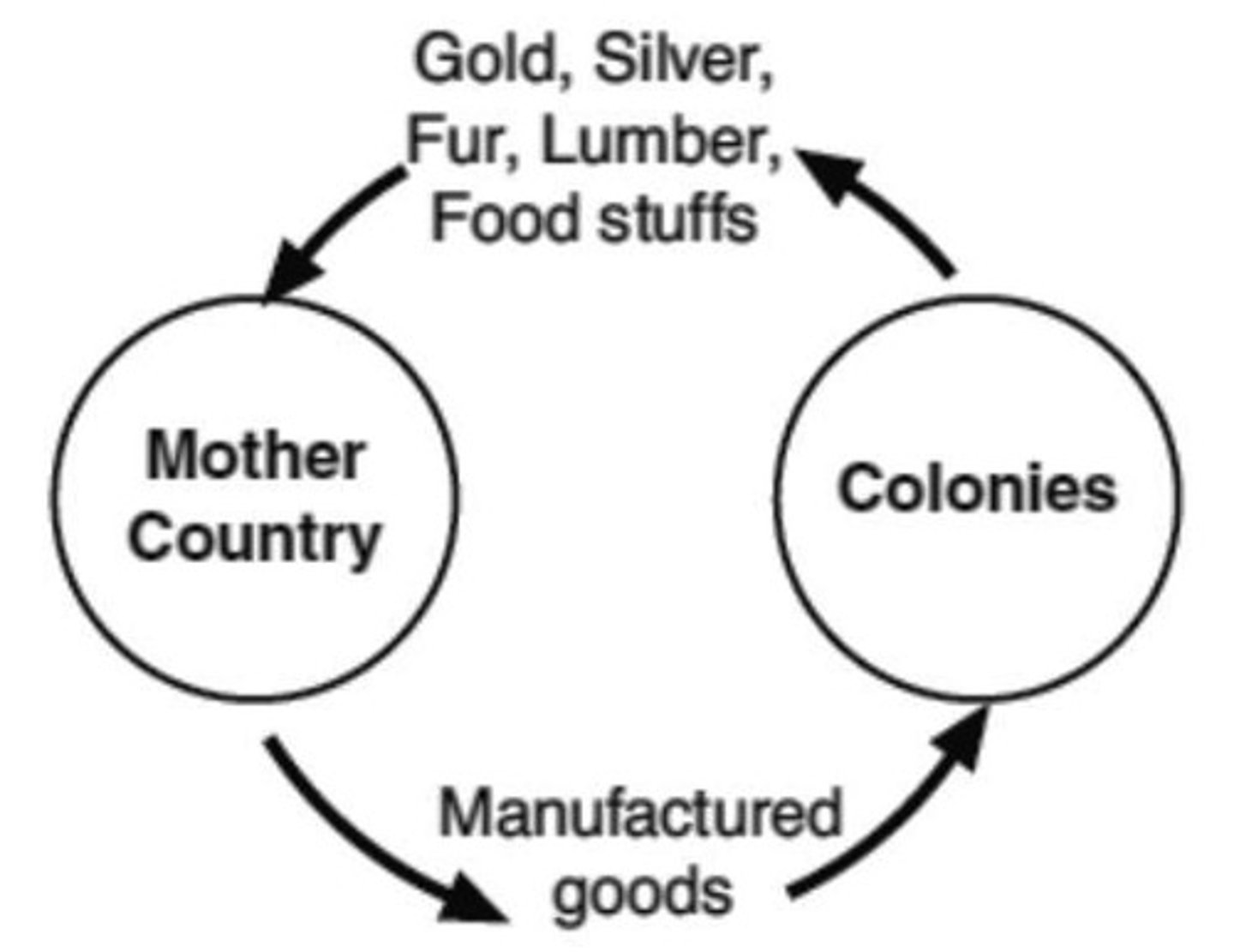
Mercantilism
Colonies must trade with the mother country
Salutary Neglect
Colonies are given more flexibility and self-government decisions
Middle Passage
African slave forced journey to the Americas
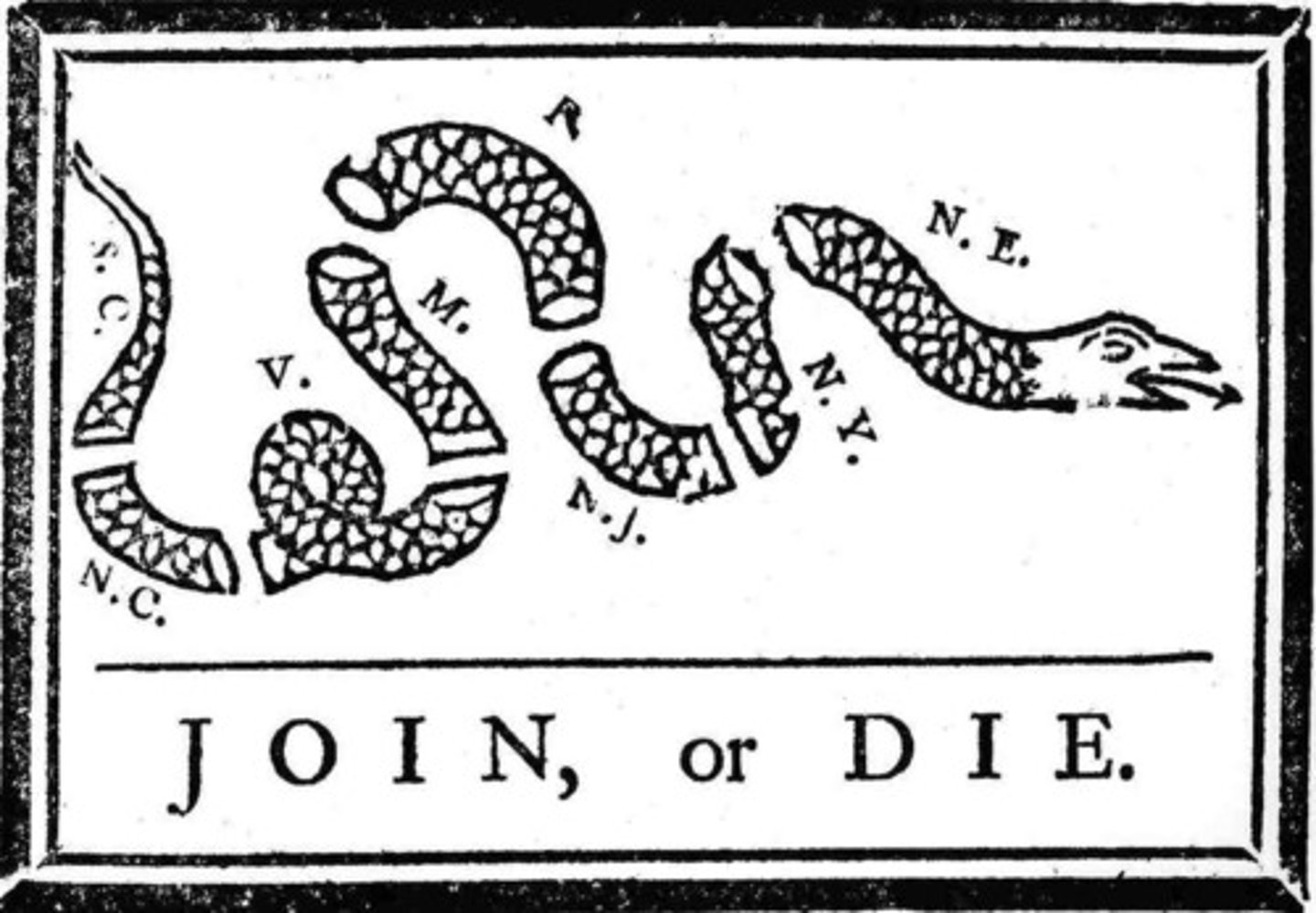
Albany Plan of Union (1754)
Plan proposed by Benjamin Franklin that sought to unite the 13 colonies for trade, military, and other purposes; the plan was turned down by the colonies & the Crown.
French and Indian War
(1754-1763) War fought in the colonies between the English and the French for possession of the Ohio Valley area. The English won.
Causes of the American Revolution
1. Taxation 2. Revocation of Royal Charters 3. Enforcement of Navigation Acts 4. British Demands for Colonists to pay for cost of French and Indian War. 5. Oppression by King 6. Interference of Parliament in Colonial Affairs. 7. No Representation in Parliament.
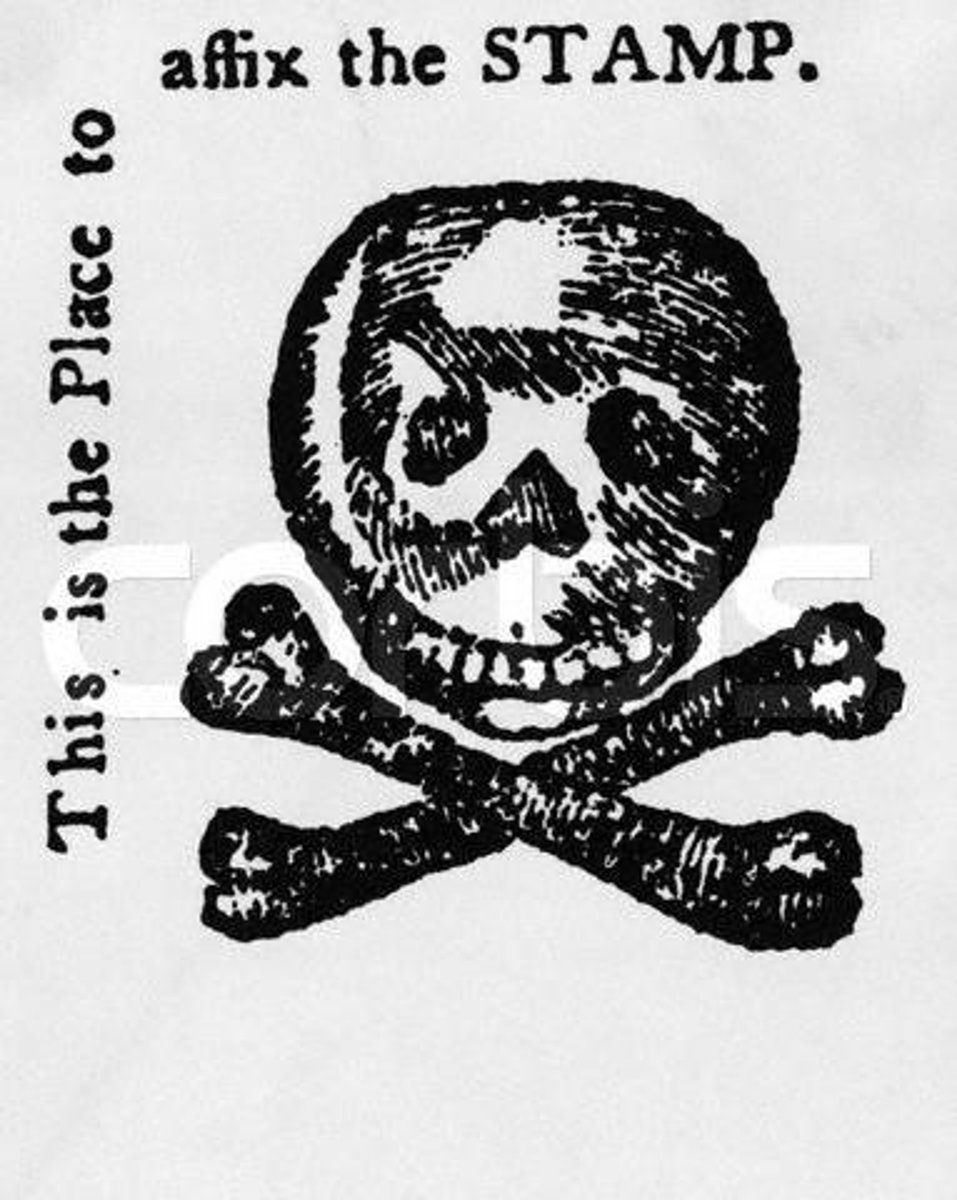
Stamp Act
1765; law that taxed printed goods, including: playing cards, documents, newspapers, etc.
Intolerable Acts
series of laws passed in 1774 to punish Boston for the Tea Party
Thomas Paine, Common Sense, 1776
Common Sense was pamphlet that attacked the British monarchy, calling for American
independence from Britain.
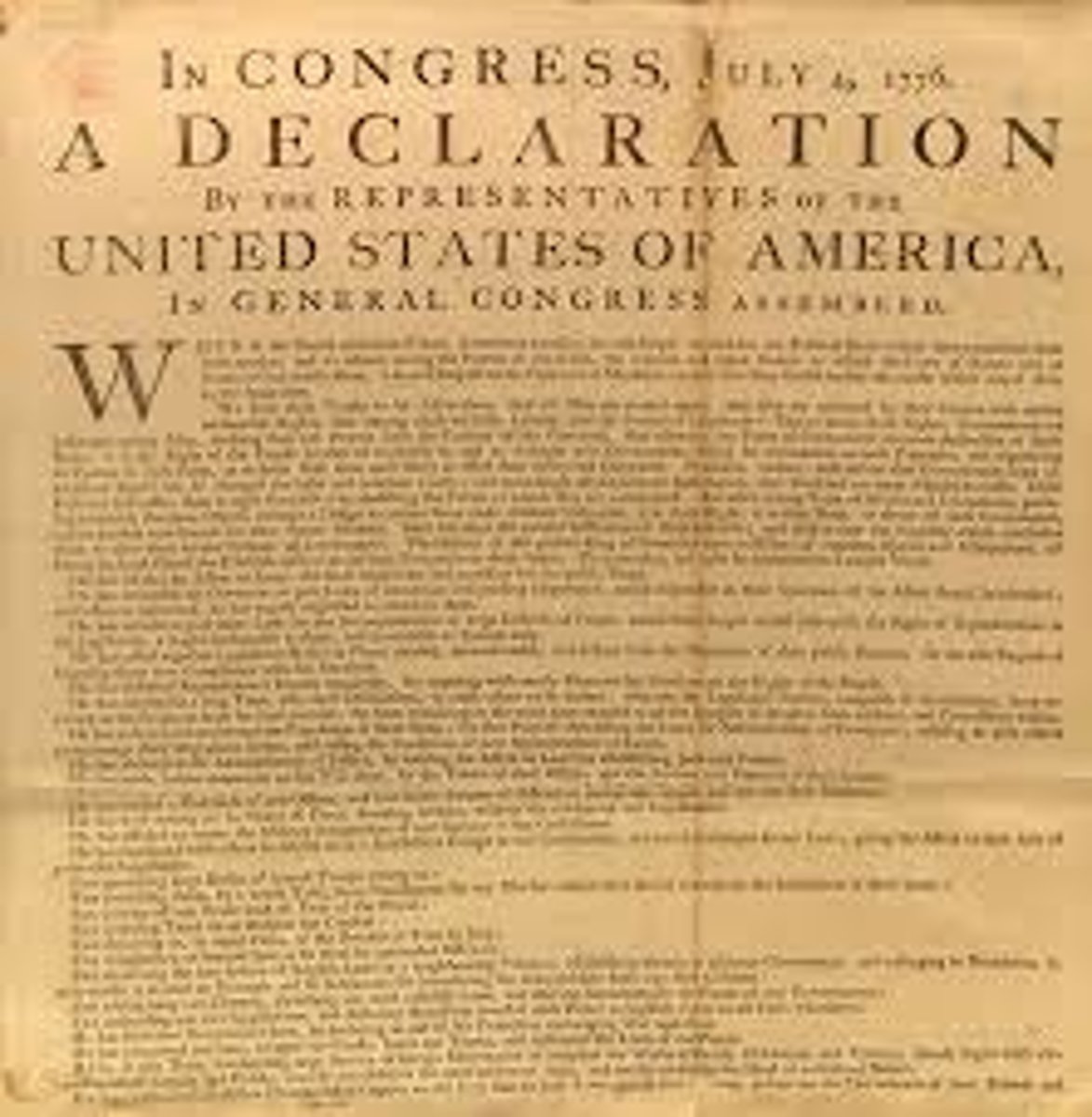
Declaration of Independence
1776 statement, issued by the Second Continental Congress, explaining why the colonies wanted independence from Britain.
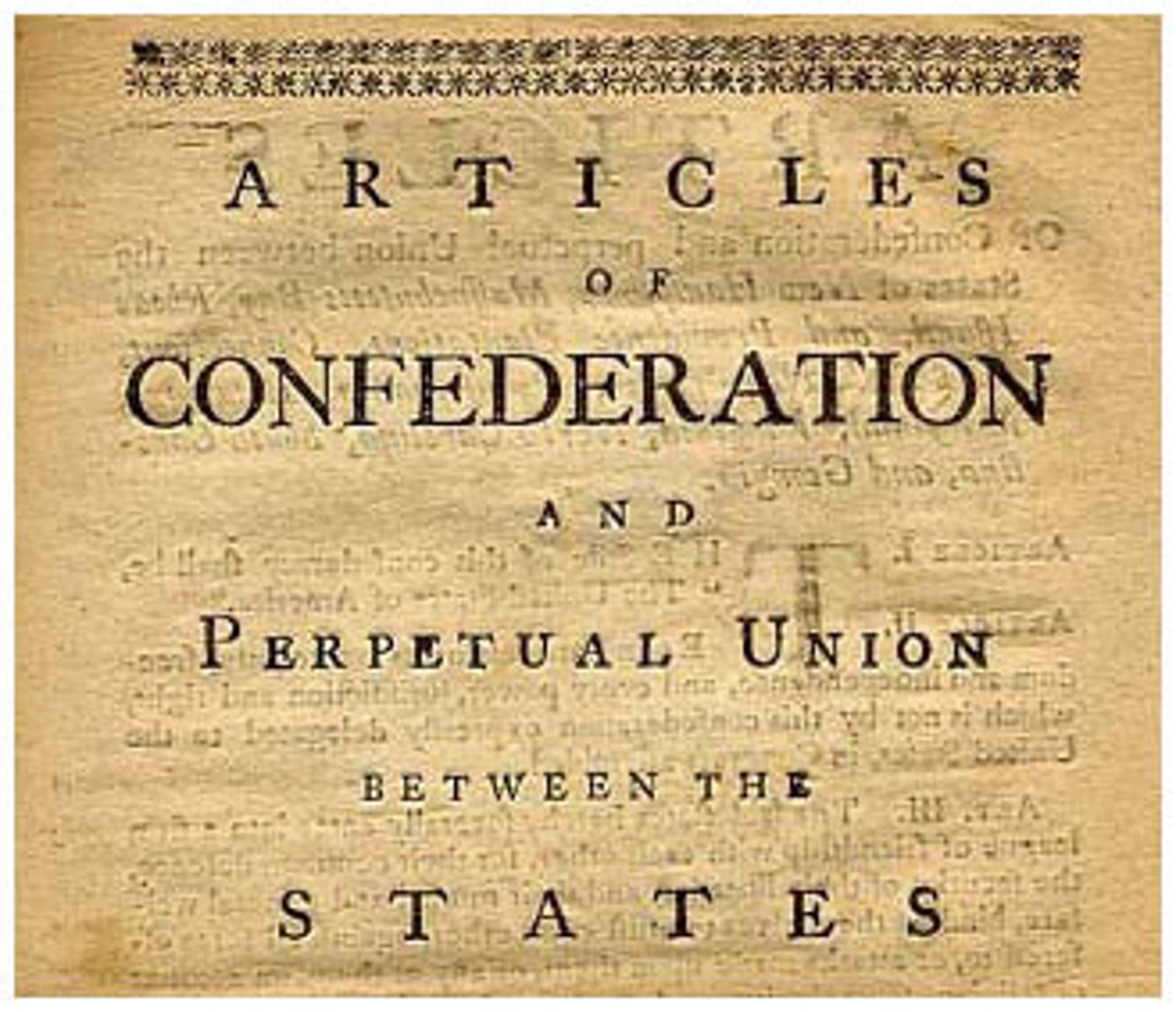
Articles of Confederation
1st Constitution of the U.S. 1781-1788 (weaknesses-no executive, no judicial, no power to tax, no power to regulate trade)
Shays' Rebellion (1786-1787)
Angered by taxes & debts, Daniel Shay led a rebellion against the American Gov't. (SHOWED how Articles of Confederation were weak) the people didn't have a commercial bank and had to borrow from each other; were in large debt.
Constitutional Convention
A meeting in Philadelphia in 1787 that produced a new constitution
Great Compromise (1787)
was an agreement between large and small states reached during the Constitutional Convention of 1787, VA plan-large states NJ-small states, CT- Great Compromise
Three-Fifths Compromise
Agreement that each slave counted as three-fifths of a person in determining representation in the House for representation and taxation purposes (negated by the 13th amendment)
Census
the official count of a population done every 10 years
Anti-Federalists
people who opposed the Constitution
Federalists
supporters of the Constitution
Bill of Rights
The first ten amendments to the Constitution, added by the Anti-Federalists demands
Federalist Papers
Written by Hamilton, Jay, & Madison to support ratification of the U.S. Constituiton
Popular Sovereignty
A government in which the people rule by their own consent.
Preamble
Introduction to the Constitution
Federalism
A system in which power is divided between the national and state governments
Elastic Clause
the part of the Constitution that permits Congress to make any laws "necessary and proper" to carrying out its powers
Checks and Balances
A system that allows each branch of government to limit the powers of the other branches in order to prevent abuse of power
strict constructionist
a person who interprets the Constitution in a way that allows the federal government to take only those actions the Constitution specifically says it can take
Loose Constructionist
broad interpretation of the Constitution
Unwritten Constitution
Political practices that are followed, but are not part of the actual Constitution. Examples include political parties, judicial review, and the Presidential Cabinet.
Marbury v. Madison (1803)
Established judicial review
Judicial Review
Allows the court to determine the constitutionality of laws
Electoral College
A group of people named by each state legislature to select the president and vice president
Alexander Hamilton
1789-1795; First Secretary of the Treasury. He advocated creation of a national bank, assumption of state debts by the federal government, and a tariff system to pay off the national debt.
Hamilton's Financial Plan
Pay off all war debts, raise government revenues, create a national bank
Thomas Jefferson
Wrote the Declaration of Independence, 3rd president; Louisiana Purchase
Whiskey Rebellion
In 1794, farmers in Pennsylvania rebelled against Hamilton's excise tax on whiskey. GW used his troops to stop the rebellion
Farewell Address
1796 speech by Washington urging US to maintain neutrality and avoid permanent alliances with European nations
Louisiana Purchase
territory in western United States purchased from France in 1803 for $15 million
Lewis and Clark
Two explorers sent by the president to explore the Louisiana Purchase
Sacagawea
A Shoshone woman whose language skills and knowledge of geography helped Lewis and Clark
War of 1812
A war (1812-1814) between the United States and England which was trying to interfere with American trade with France.
Impressment
British practice of taking American sailors and forcing them into military service
XYZ Affair (1797)
French officials presented American diplomats with a demand for bribes over impressment
Midnight Judges
a nick name given to group of judges that was appointed by John Adams the night before he left office. He appointed them to go to the federal courts to have a long term federalist influence, because judges serve for life instead of limited terms
Monroe Doctrine
A statement of foreign policy which proclaimed that Europe should not interfere in affairs within the United States or in the development of other countries in the Western Hemisphere.
Andrew Jackson
(1829-1833) and (1833-1837), Indian removal act, nullification crisis, Old Hickory," first southern/ western president," President for the common man," pet banks, spoils system, specie circular, trail of tears, Henry Clay Flectural Process.
Spoils System
A system of public employment based on rewarding party loyalists and friends.
Indian Removal Act
law passed in 1830 that forced many Native American nations to move west of the Mississippi River
Trail of Tears
The Cherokee Indians were forced to leave their lands. They traveled from North Carolina and Georgia through Tennessee, Kentucky, Illinois, Missouri, and Arkansas-more than 800 miles (1,287 km)-to the Indian Territory. More than 4, 00 Cherokees died of cold, disease, and lack of food during the 116-day journey.
Worcester v. Georgia
Supreme Court Decision - Cherokee Indians were entitled to federal protection from the actions of state governments which would infringe on the tribe's sovereignty - Jackson ignored it
Nulllification Crisis- (1832-1833)
Showdown between President Andrew Jackson and the South Carolina legislature, which declared the 1832 tariff null and void in the state and threatened secession if the federal government tried to collect duties. It was resolved by a compromise negotiated by Henry Clay in 1833.
Manifest Destiny
the 19th-century doctrine or belief that the expansion of the US throughout the American continents was both justified and inevitable.
Texas
American settlers take over this territory from Mexico, 1845- President John Tyler annexes the state
Mexican-American War (1846-1848)
Conflict between the US and Mexico that after the US annexation of Texas, which Mexico still considered its own. As victor, the US aqcuired vast new territories from Mexico through the Treaty of Guadalupe Hidalgo. New properties include CA, NV, UT, AZ, parts of Colorado and NM
Gadsden Purchase
Agreement w/ Mexico that gave the US parts of present-day New Mexico & Arizona in exchange for $10 million; all but completed the continental expansion envisioned by those who believed in Manifest Destiny.
Alaska
1867 purchase from Russia for $7.2 million
Hawaii
annexed in 1898. Dole encourages the Americans to topple Queen Liliuokalani and use the islands for profitable produce business ventures. Strategic place for a naval base
Sectionalism
Loyalty to one's own region of the country, rather than to the nation as a whole
Temperance
abstinence from alcoholic drink
Temperance Movement
An organized campaign to eliminate alcohol consumption
Seneca Falls Convention
(1848) the first national women's rights convention at which the Declaration of Sentiments was written
Elizabeth Cady Stanton
(1815-1902) A suffragette who, with Lucretia Mott, organized the first convention on women's rights, held in Seneca Falls, New York in 1848. Issued the Declaration of Sentiments which declared men and women to be equal and demanded the right to vote for women. Co-founded the National Women's Suffrage Association with Susan B. Anthony in 1869.
Dorothea Dix
A reformer and pioneer in the movement to treat the insane as mentally ill, beginning in the 1820's, she was responsible for improving conditions in jails, poorhouses and insane asylums throughout the U.S. and Canada.
Antebellum
The Social Reform movement before the Civil War
Abolitionist
A person who wanted to end slavery
Harriet Beecher Stowe
Author of Uncle Tom's Cabin
Frederick Douglass
(1817-1895) American abolitionist and writer, he escaped slavery and became a leading African American spokesman and writer. He published his biography, The Narrative of the Life of Frederick Douglass, and founded the abolitionist newspaper, the North Star.
Harriet Tubman
Former slave who helped slaves escape on the Underground Railroad
Underground Railroad
a system of secret routes used by escaping slaves to reach freedom in the North or in Canada
Missouri Compromise
"Compromise of 1820" over the issue of slavery in Missouri. It was decided Missouri entered as a slave state and Maine entered as a free state and all states North of the 36th parallel were free states and all South were slave states.
Compromise of 1850
(1) California admitted as free state, (2) territorial status and popular sovereignty of Utah and New Mexico, (3) resolution of Texas-New Mexico boundaries, (4) federal assumption of Texas debt, (5) slave trade abolished in DC, and (6) new fugitive slave law; advocated by Henry Clay and Stephen A. Douglas
Kansas-Nebraska Act
a law that allowed voters in Kansas and Nebraska to choose whether to allow slavery
Bleeding Kansas
A sequence of violent events involving abolitionists and pro-Slavery elements that took place in Kansas-Nebraska Territory. The dispute further strained the relations of the North and South, making civil war imminent.
William Lloyd Garrison
1805-1879. Prominent American abolitionist, journalist and social reformer. Editor of radical abolitionist newspaper "The Liberator", and one of the founders of the American Anti-Slavery Society.
Dred Scott Decision
A Missouri slave sued for his freedom, claiming that his four year stay in the northern portion of the Louisiana Territory made free land by the Missouri Compromise had made him a free man. The U.S, Supreme Court decided he couldn't sue in federal court because he was property, not a citizen.
John Brown
Abolitionist who was hanged after leading an unsuccessful raid at Harper's Ferry, Virginia (1800-1858)
Election of 1860
Lincoln, the Republican candidate, won because the Democratic party was split over slavery. As a result, the South no longer felt like it has a voice in politics and a number of states seceded from the Union.
Secede/Secession
to leave or withdrawal from the Union
Causes of the Civil War
-Sectionalism
-States' rights
-Slavery
Civil War (1861-1865)
deadliest war in American history; conflict between north (union) and south (confederacy); 11 southern slave states wanted to secede from Union
Civil War Amendments
13th, 14th, and 15th amendments
13th Amendment (1865)
abolished slavery
14th Amendment
Declares that all persons born in the U.S. are citizens and are guaranteed equal protection of the laws
15th Amendment (1870)
U.S. cannot prevent a person from voting because of race, color, or creed
Emancipation Proclamation
Proclamation issued by Lincoln, freeing all slaves in areas still at war with the Union.
Gettysburg Address
A 3-minute address by Abraham Lincoln during the American Civil War (November 19, 1963) at the dedication of a national cemetery on the site of the Battle of Gettysburg
Reconstruction
the period after the Civil War in the United States when the southern states were reorganized and reintegrated into the Union
Lincoln's Plan for Reconstruction
10% of voters from the last election had to pledge to support the union. Pardon all Confederates except high-ranking officials and those who were cruel to POW's