Theory of flight (copy)
 Call Kai
 Learn
Learn Practice Test
 Spaced Repetition
 Match
Match Flashcards
 Knowt Play
1/51

Earn XP
Description and Tags
Name | Mastery | Learn | Test | Matching | Spaced | Call with Kai |
|---|
No analytics yet
Send a link to your students to track their progress
52 Terms
Theory of Flight
The study of the principles and mechanics behind the operation of aircraft in the air.
EASA
European Aviation and Safety Agency, the regulatory body for aviation safety in Europe.
CAA-BE
Civil Aviation Authority Belgium, the national aviation authority responsible for regulating aviation in Belgium.
Cabin Crew
The flight attendants responsible for passenger safety and comfort during a flight.
Flight Data Recorder
Records the last 25 hours of flight data for analysis in case of accidents or incidents.
Cockpit Voice Recorder
Records the last two hours of cockpit conversations and sounds for investigation purposes.
Elevator
The flight control surface that controls the pitch of the aircraft, allowing it to climb or descend.
Ailerons
Flight control surfaces on the wings that control the roll of the aircraft, enabling it to bank left or right.
Fuselage
The main body of the aircraft that holds the crew, passengers, and cargo, but also the fuel; It has a round shape for equalised pressure distributions and lightest structure
Thrust
The force generated by jet engines that propels the aircraft forward.
Flaps & Slats
Aerodynamic devices on the wings that provide additional lift during take-off and landing. However, also additional drag = resistance = higher fuel burn if extended; Purpose is to fly slow an d used during take off and landing
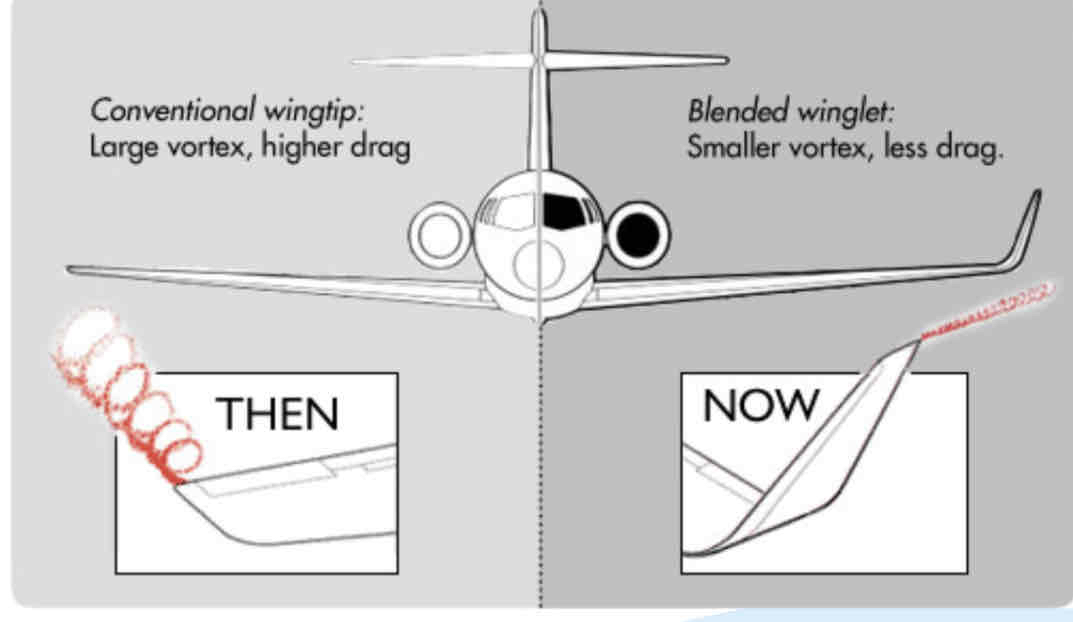
Winglet
An upward or downward extension at the wingtip to improve aerodynamic efficiency. It helps with extra fuel efficiency since u use less fuel.
Spoilers
Devices on the wings that reduce lift and increase drag, helping to slow down the aircraft. Used in flight Shen the aircraft is going too fast and used after landing to assist in braking
Jet Engine
The propulsion system of an aircraft that generates thrust to move it forward.
Use of kerosene ; additional functions = provide electric power, air conditioning and pressurisation, hydraulic pressure
With a failure of engine, aircraft can still glide about 200 km
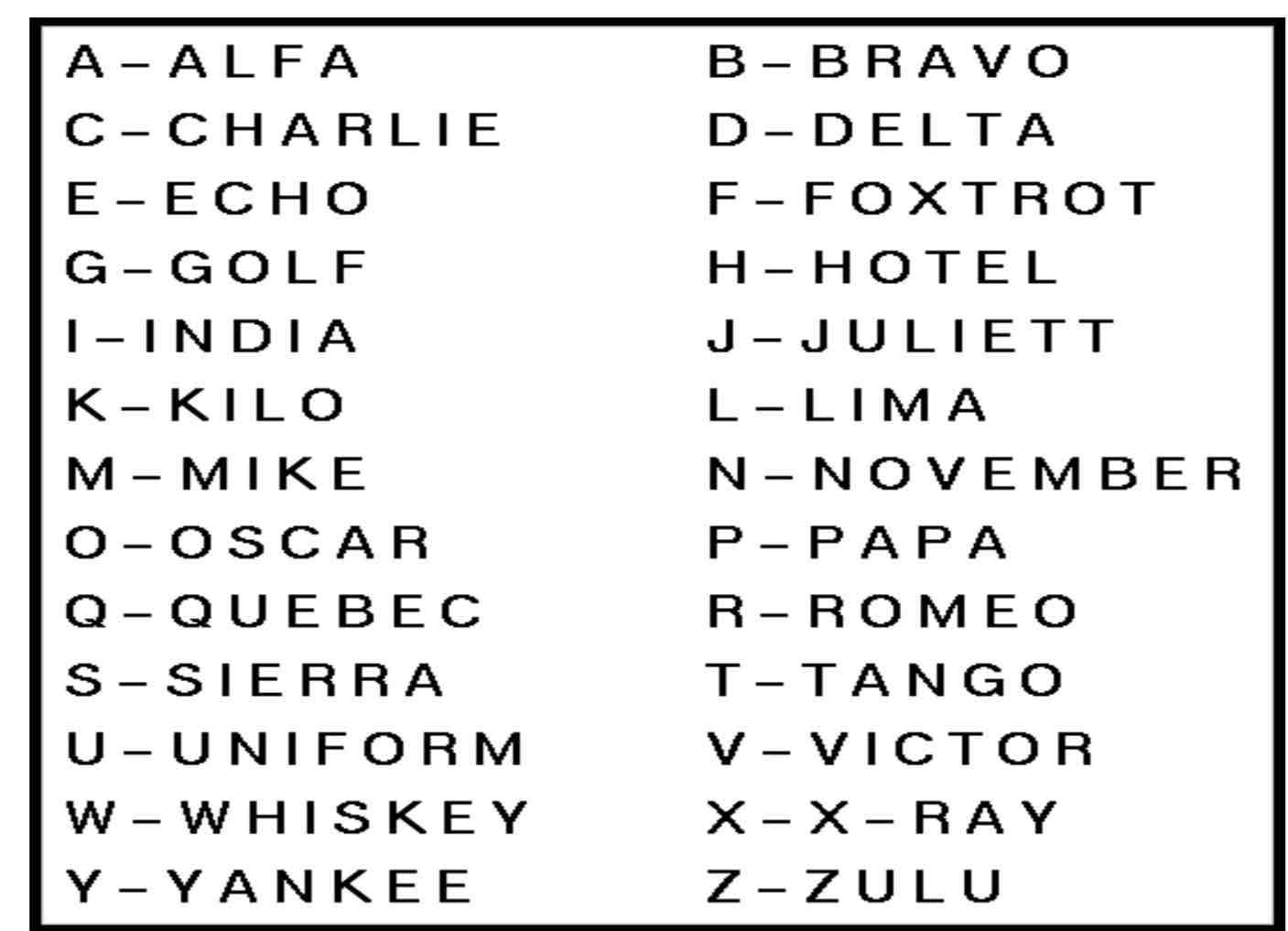
International Radiotelephony Alphabet
A standardized phonetic alphabet used for clear communication over radio transmissions in aviation.
Aircraft Registration
A unique alphanumeric code assigned to an aircraft for identification purposes.
Safety Procedures
Protocols and measures implemented to ensure the well-being and security of passengers and crew during flights.
Authority
The legal framework and regulations governing aviation operations and safety.
Human Factors
The study of how humans interact with machines and systems, including their impact on aviation safety.
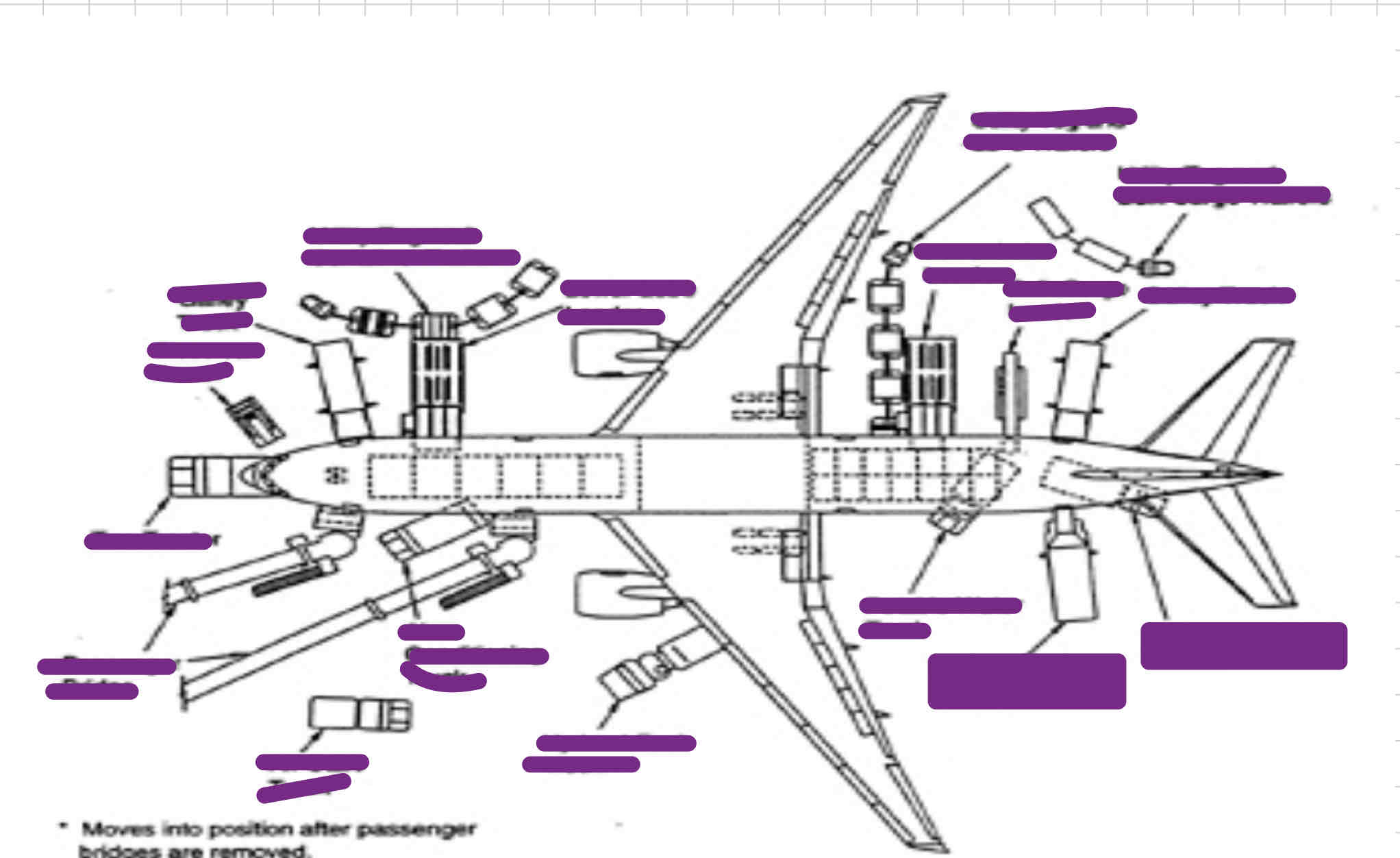
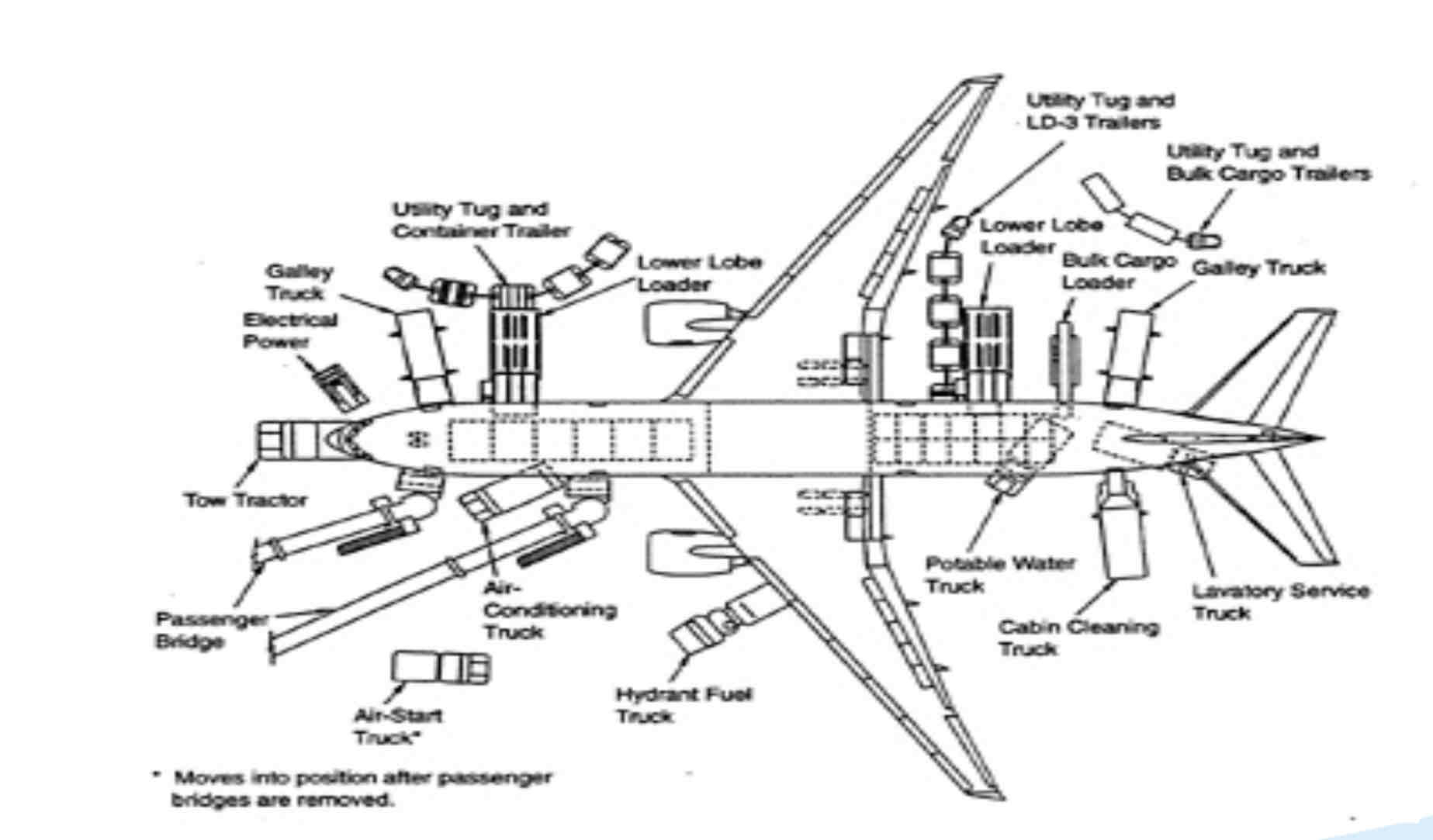
Ground Operations
Activities and procedures involved in the handling of aircraft on the ground, including taxiing, take-off, and landing.
Anti-collision light
A warning light on an aircraft indicating movement or engine activity, signaling danger to others. Do not go any further than the nose
Jet A-1
The official name for aircraft fuel, specifically kerosene, which constitutes a significant portion of operational costs. Fuel is not dangerous but refuelling is because of the fuel Vapors
Auxiliary Power Unit (APU)
A small jet engine in the tail of an aircraft providing electricity and compressed air for various functions like air conditioning and engine start.
Forces during flight
Weight (gravity), lift (from wings), thrust (from engines), and drag (resistance from fuselage and wings) are the key forces acting on an aircraft during flight.
Rejected take off
When a problem occurs during take-off roll, prompting pilots to discontinue take-off and stop the aircraft on the runway.
Speed of no return during take off is called v1= aircraft is going too fast to safely stop anymore on the remaining runway
Go around
A maneuver where pilots judge than an approach cannot be continued to a successful landing.
POSSIBLE REASONS
Runway is obstructed
Approach is unstabilized
Required visual references have not been established
Technical issue
Mayday
An emergency situation on an aircraft requiring immediate assistance due to life-threatening circumstances.
Pan-pan
An urgency situation on an aircraft where assistance is needed but there is no immediate life-threatening danger.
Cockpit
The flight deck or flight crew compartment where pilots monitor and control the aircraft, focusing on speed, altitude, heading, and other critical information.
De/Anti-Icing + hold over to,e
Processes to remove ice/snow from an aircraft before take-off (de-icing) and apply a protective layer to prevent ice formation (anti-icing). After the de/anti-icing the aircraft is protected only for a certain time (holdover time)
Turbulence
Types include mechanical (due to mountains or thunderstorms), thermal (due to warm air rising), jetstream, CAT (Clear Air Turbulence), and wake turbulence (due to other aircraft).
Air traffic control (ATC)
Manages air traffic to prevent collisions, expedite flow, provide information, and communicate with pilots using radio and radar.
Human Body
Factors affecting passengers include oxygen/hypoxia, dehydration, jet lag, and fear during flights.
SEP
Safety and emergency procedures
The most critical faces of flight?
First 5 minutes, last 5 minutes and the ground operations
Which 2 types of flight recorders exist
Thé flight data recorder and the cockpit voice recorder
How are the flight recorders located underwater
With the use of an underwater locator beacon; it send out pings every second at 37.5khz, it can be heard underwater from a range of about 2 to 3 km, it operates qt depts up to 20000 feet and the battery can last minimum 30 days
International radio telephony alphabet
Aircraft registration name of Belgium and the Netherlands
Belgium is OO and the Netherlands is PH
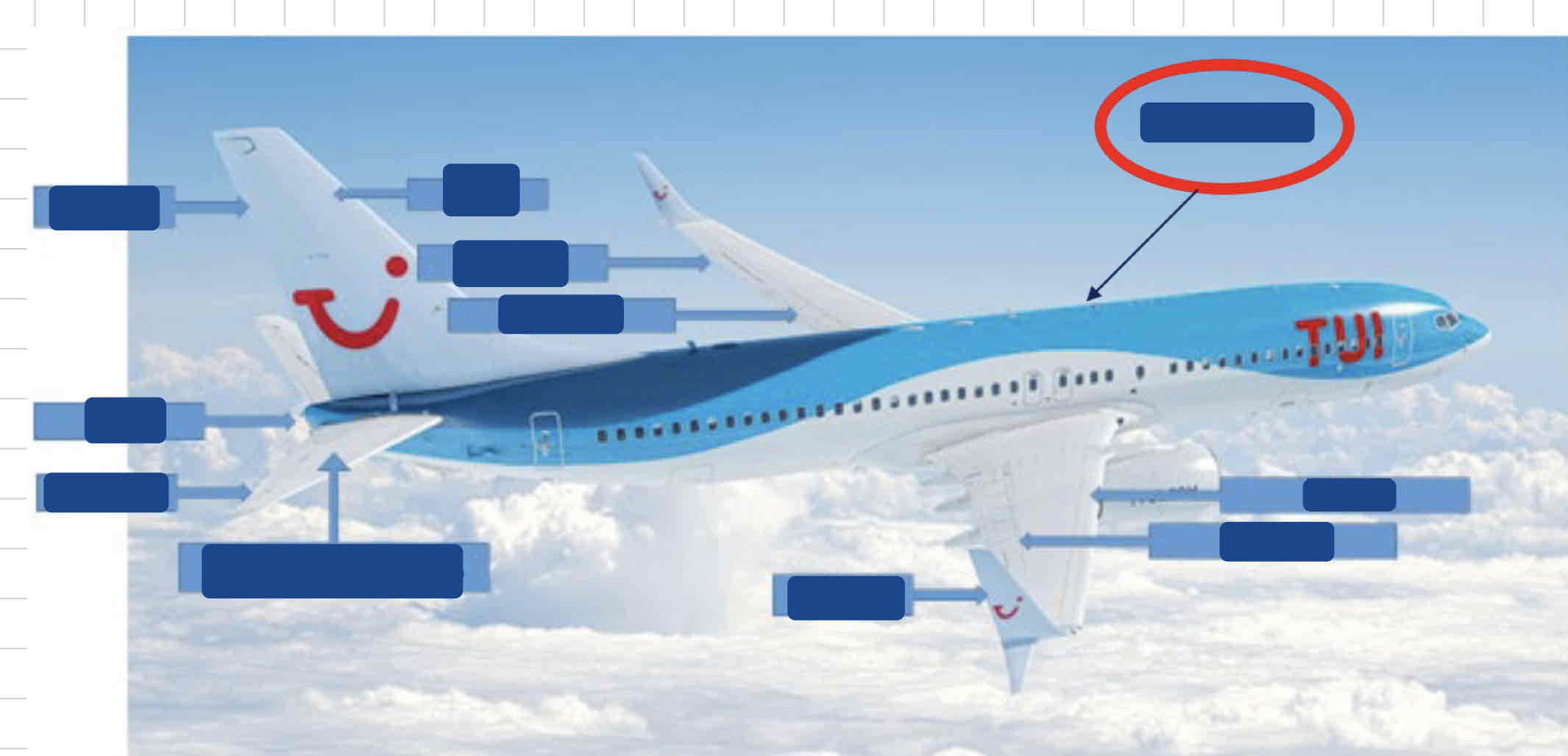
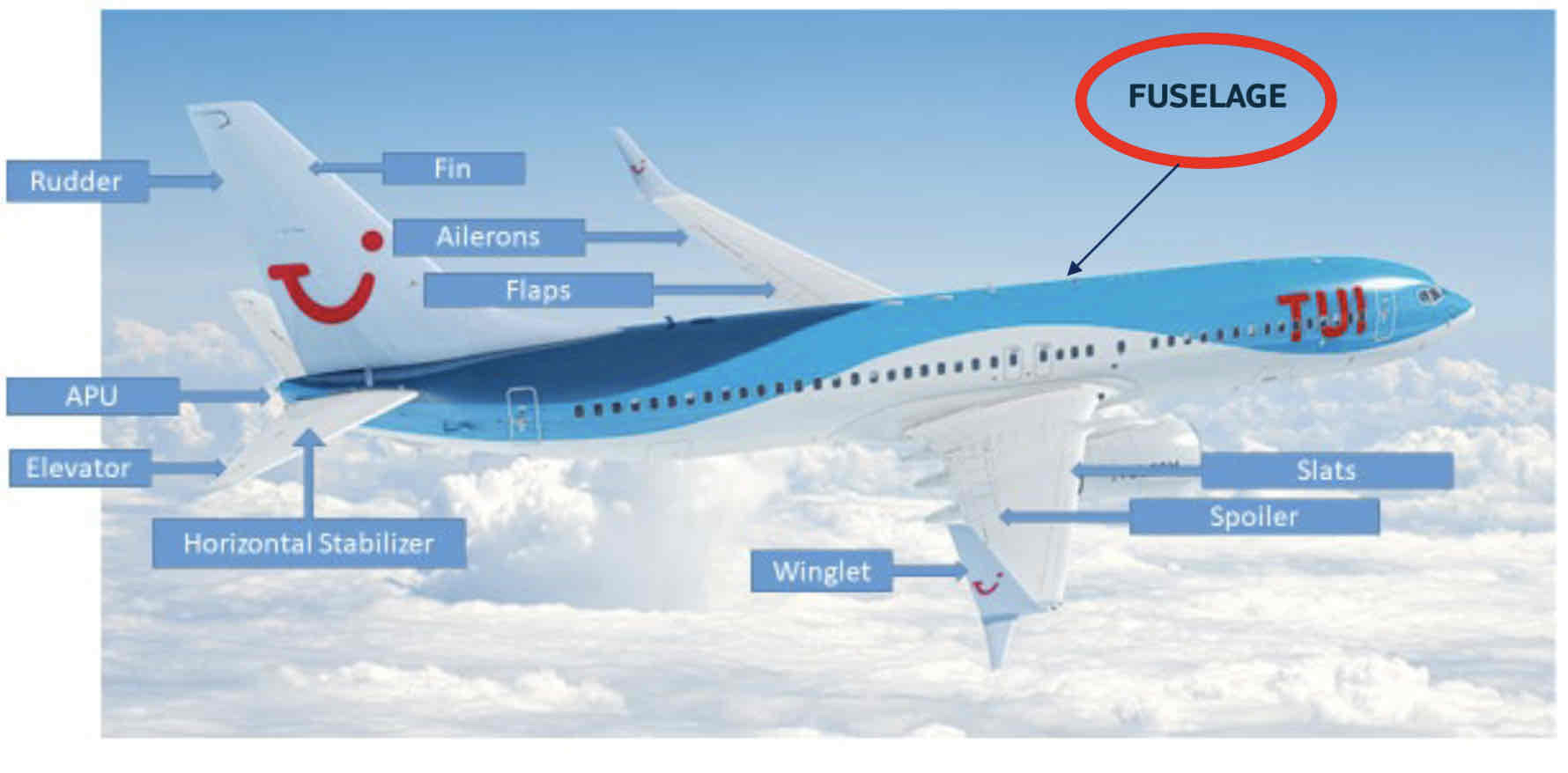
Main purpose of the wing
Provide lift, it needs an upward force keeping the aircraft in the air + it also carries fuel
Two types of winglets
1) conventional winglet = large vortex = higher drag
2) blended winglet = smaller vortex, leg drag
Tail
Provided stability and control during the flight
Aircraft control
Purpose is to change the direction in Shiah the aircraft is going; without it the aircraft could only fly in a straight line;
How: ” primary flight controls that create moving surfaces Shiah changes the airflow around the aircraft;
1° elevator = pitch up and down = to climb or descent
2° ailerons = roll left and right = to change the compass direction
3° rudder = yaw left and right = for aircraft control during crosswind landing or during engine failure
A holding
Waiting area for aircraft that have arrived at their destination but cannot land yet due to for example too much traffic, poor weather
Thé 3 most important things pilots need to know
Speed = how fast are we going
Heading= in which direction are we going
Altitude = how high are we
3 systems working together to determine aircraft position
1) gps using satellite
2) radio navigation using ratio stations on the ground
3) inertial navigation using an on board box that does not require any external signals
”-3 things that an aircraft can use to break
Brakes, spoilers, reverse thrust
Icing
Ice on the wings which Iis dangerous because if provides less lift which adds more resistance
Clean wing concept
Wake turbulence
Due to other aircraft
Clear air turbulence
Occurs in the space between a fast jet stream and a slow one
Jet stream = strong zines at high altitude + clear air turbulence — JET-STREAM CQT