Edexcel A Level Politics - USA
 Call Kai
 Learn
Learn Practice Test
 Spaced Repetition
 Match
Match Flashcards
 Knowt Play
1/53

There's no tags or description
Looks like no tags are added yet.
Name | Mastery | Learn | Test | Matching | Spaced | Call with Kai |
|---|
No analytics yet
Send a link to your students to track their progress
54 Terms
Affirmative Action
the policy of favoring historically disadvantaged members of a community.

Bipatisanship
Attempts within the structure of the US Congress to try and ensure that the tow main parties must work together in order to fulfill Congressional functions.
Campaign Finance
Refers to all funds raised to promote candidates, political parties or policy initiatives and their agendas during an election.

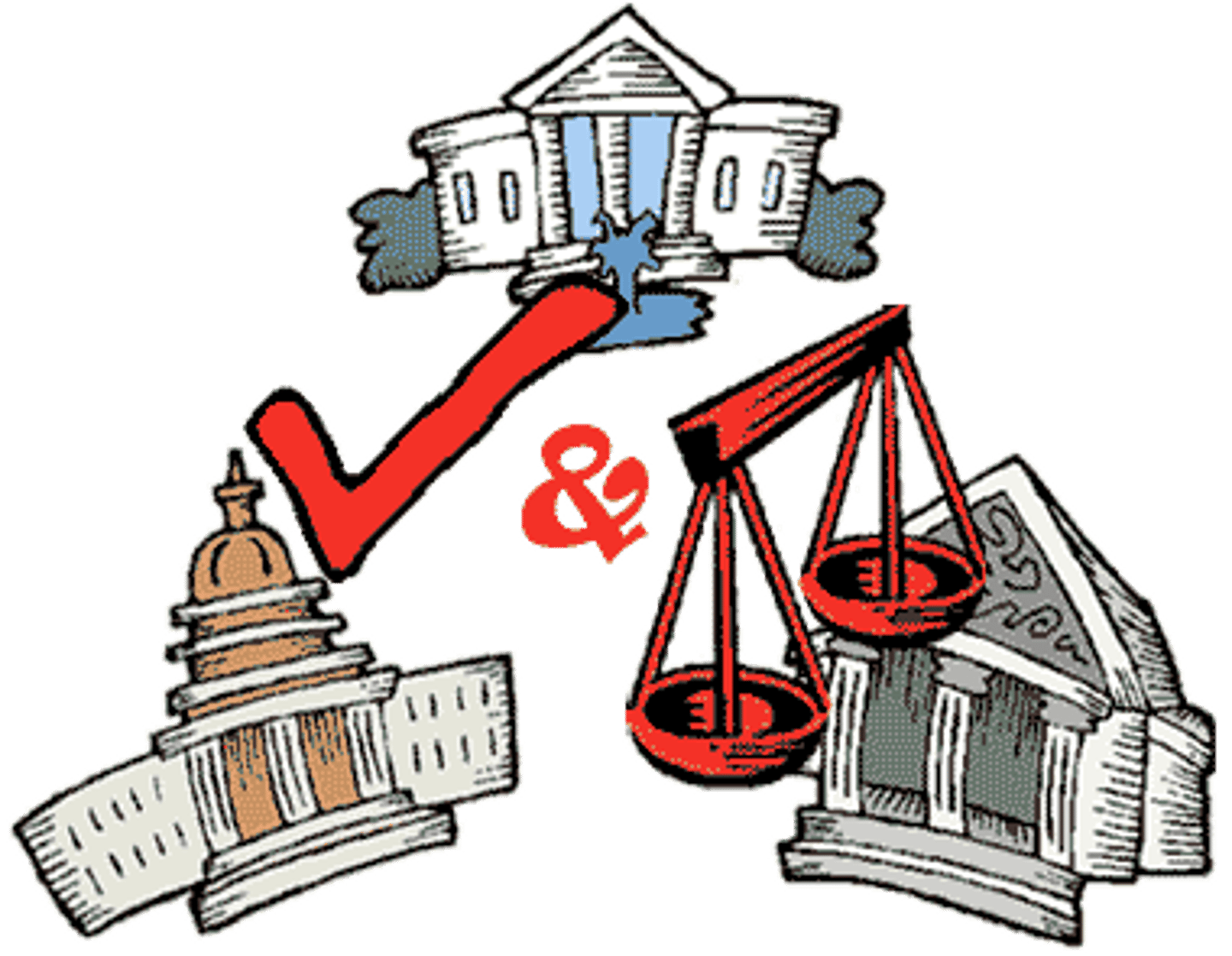
Checks and Balances
The division of power between the three branches of government where each branch has a direct ability to prevent action from another branch.
Codification
A constitution that is written down in one document
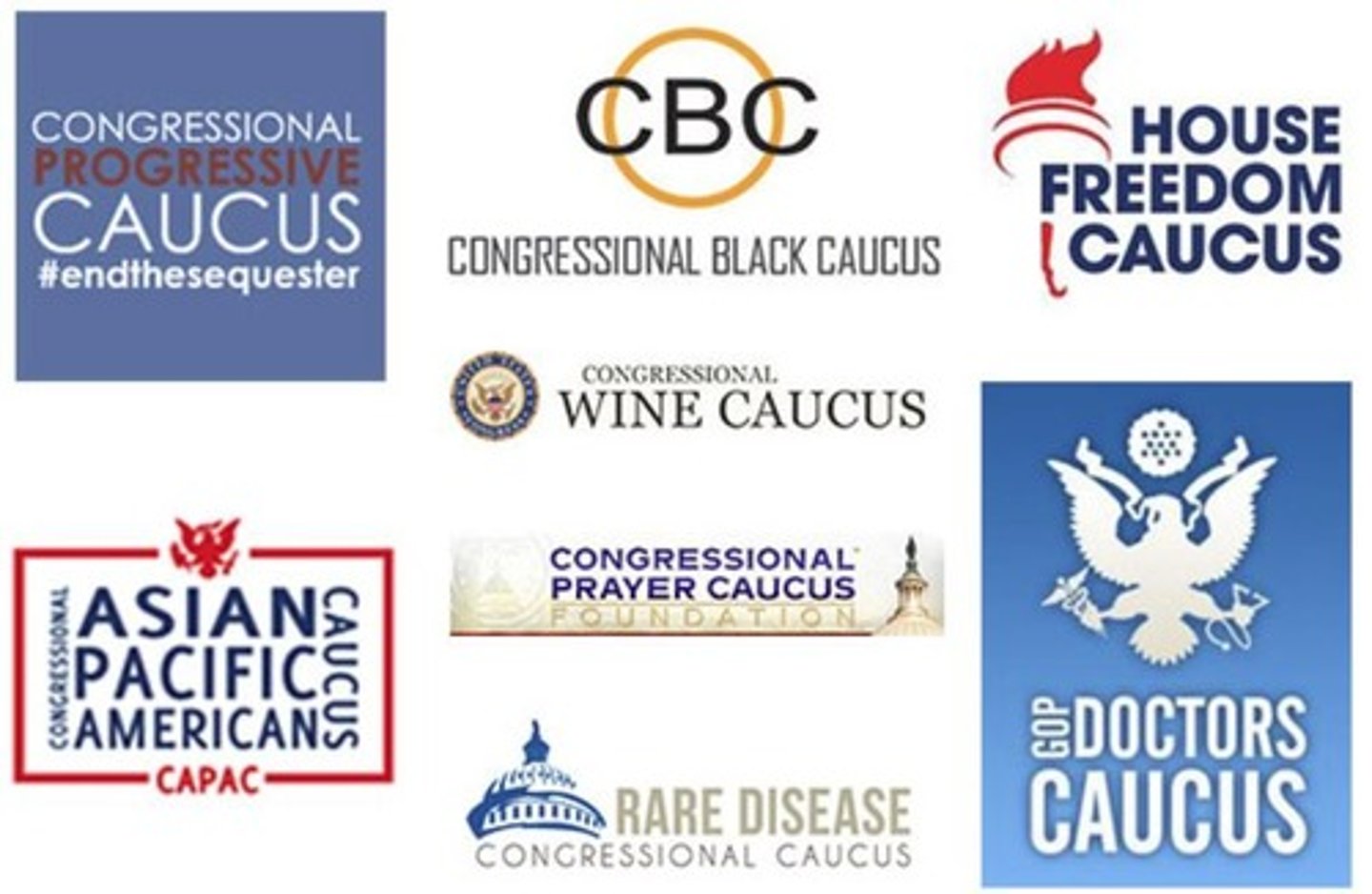
Congressional caucuses
These are groups of US legislators who share special interests and meet to pursue common legislative objectives, e.g. black caucus, women's caucus and Hispanic caucus.
conservative justice
A justice with a strong belief in 'stare decisis' with s more narrow view of the US constitution, more likely to believe in a literal interpretation of the wording, and believing in a generally smaller government.
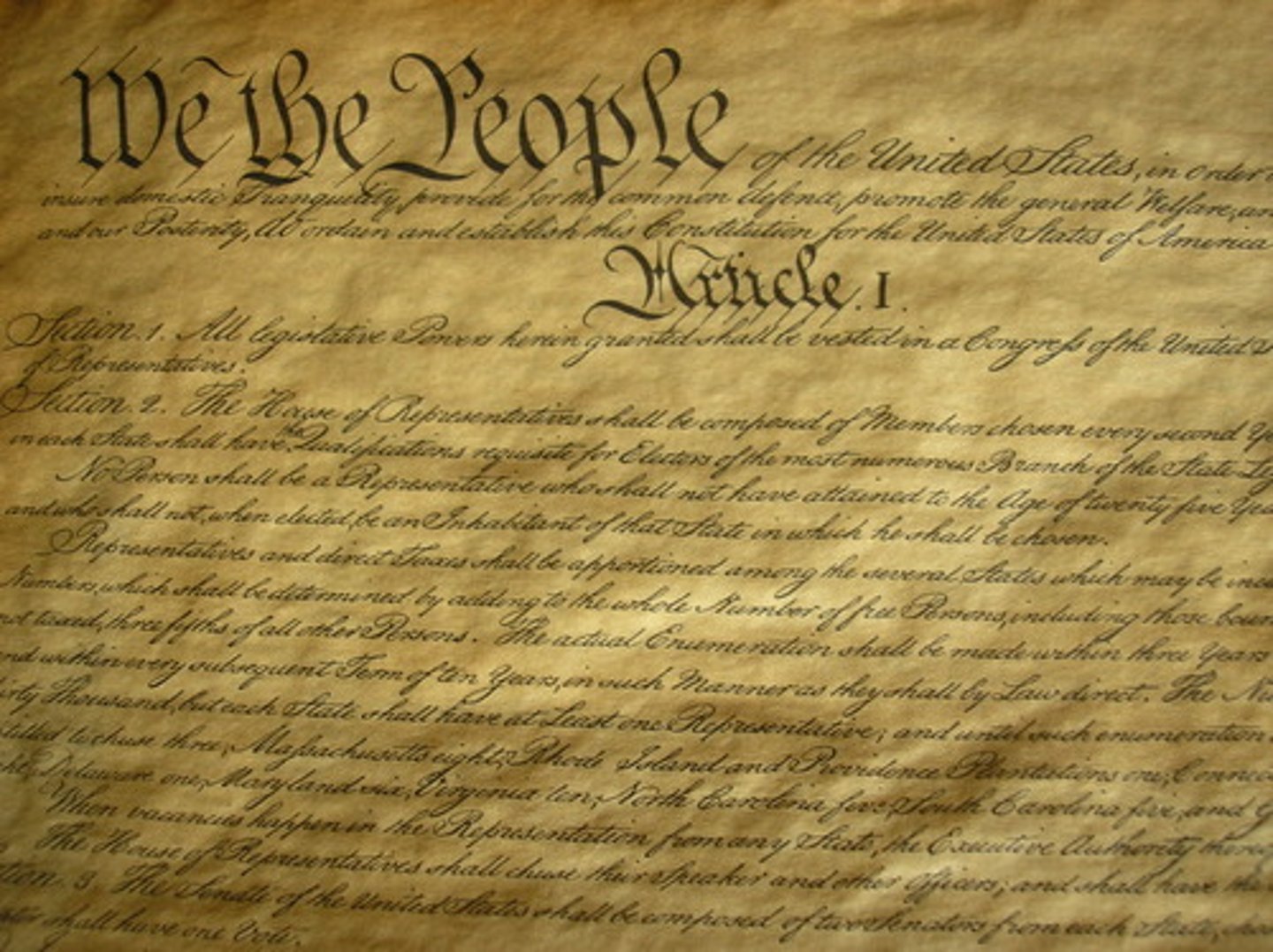
Constitution
A set of rules determining where sovereignty lies in a political system, and establishing the precise relationship between the government and the governed.
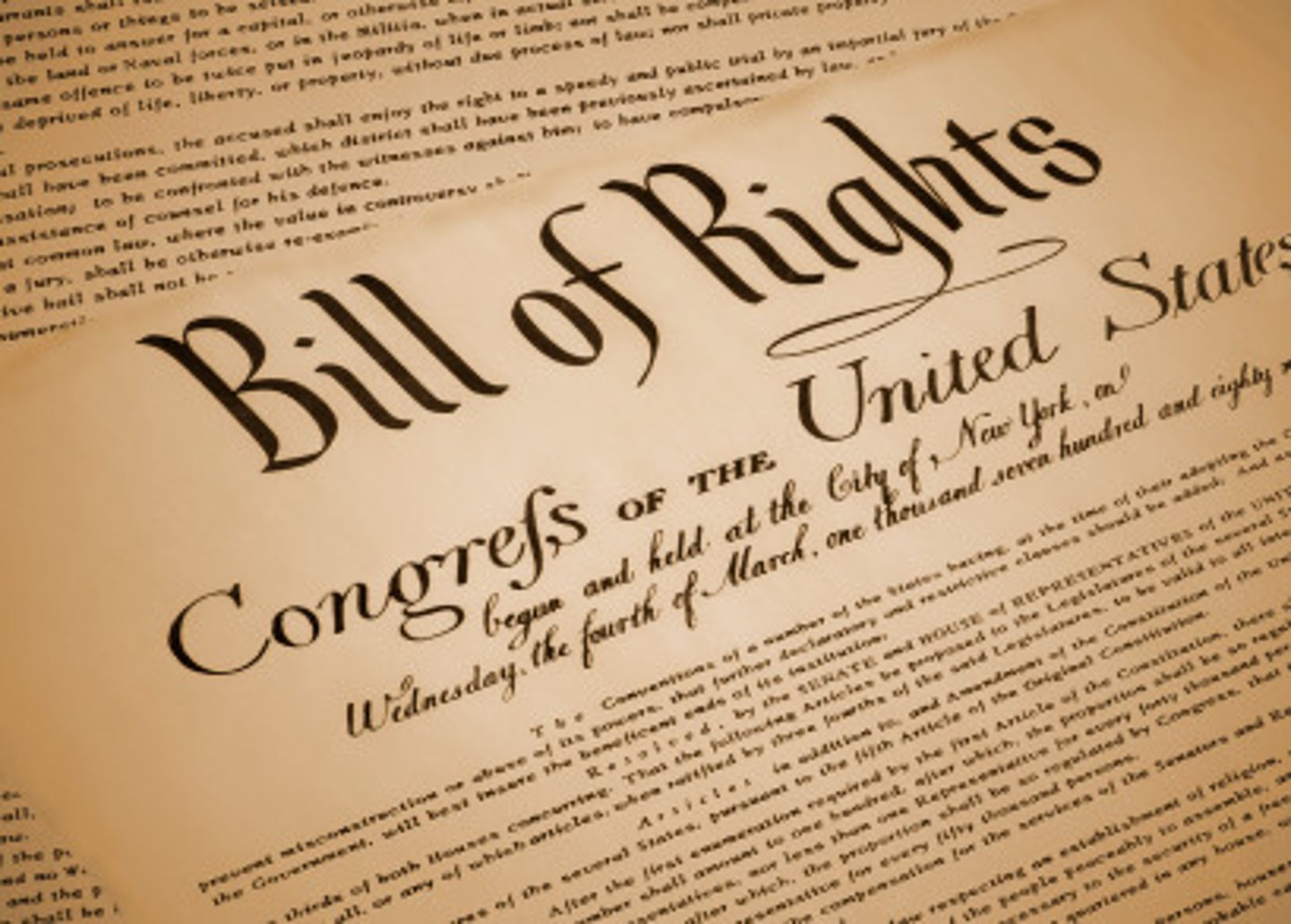
Constitutional rights
The rights specifically outlined for citizens within the US Constitution, Bill of Rights and subsequent Amendments.
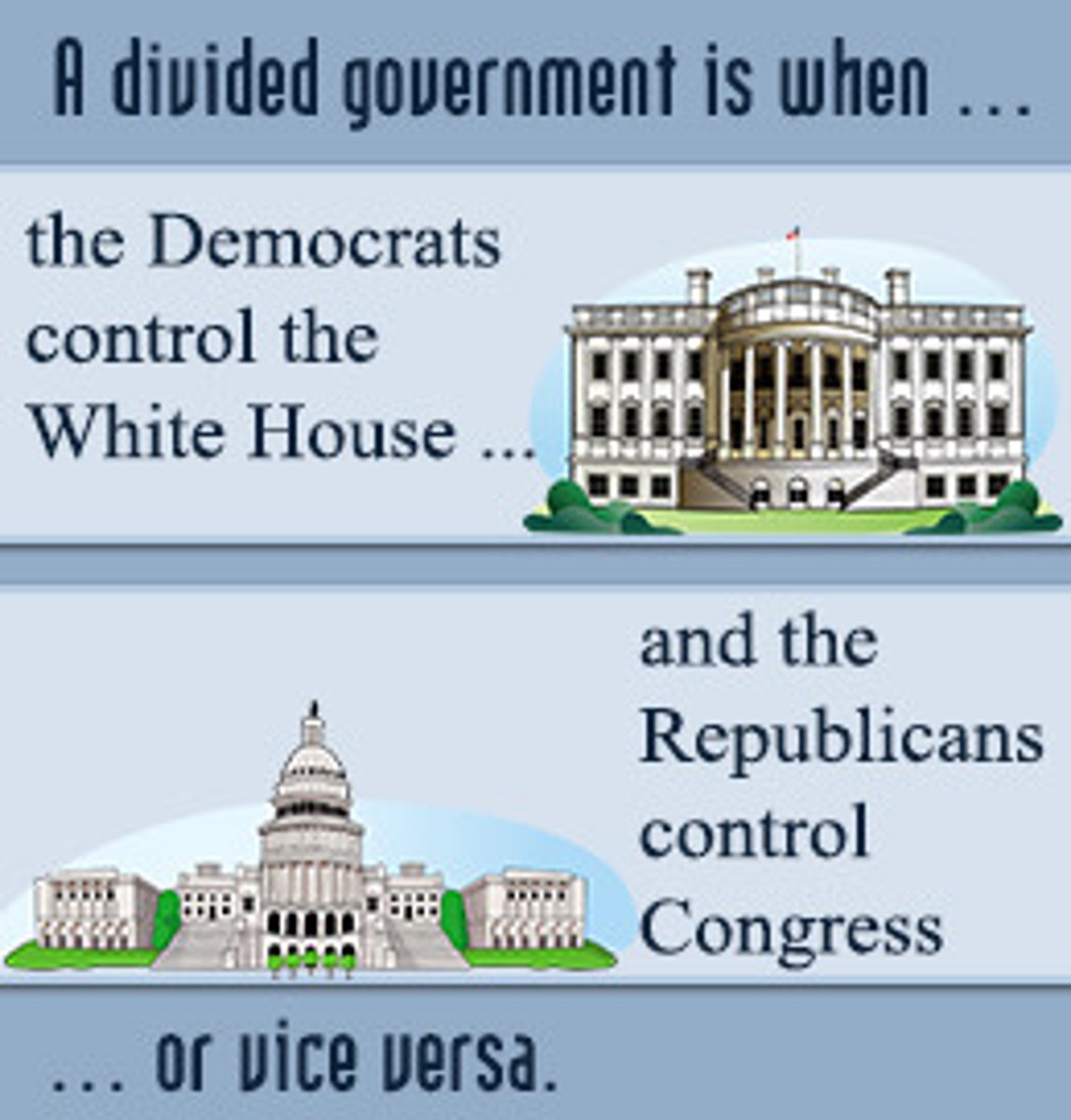
divided government
When the US House of Representatives, Senate and Presidency are not all controlled by one party.
Domestic politics
Issues within the US that directly concern citizens, e.g. health care, gun control and racial issues
entrechment
A system by which the US Constitution is protected from change by law;in this case by the amendment process of article V.
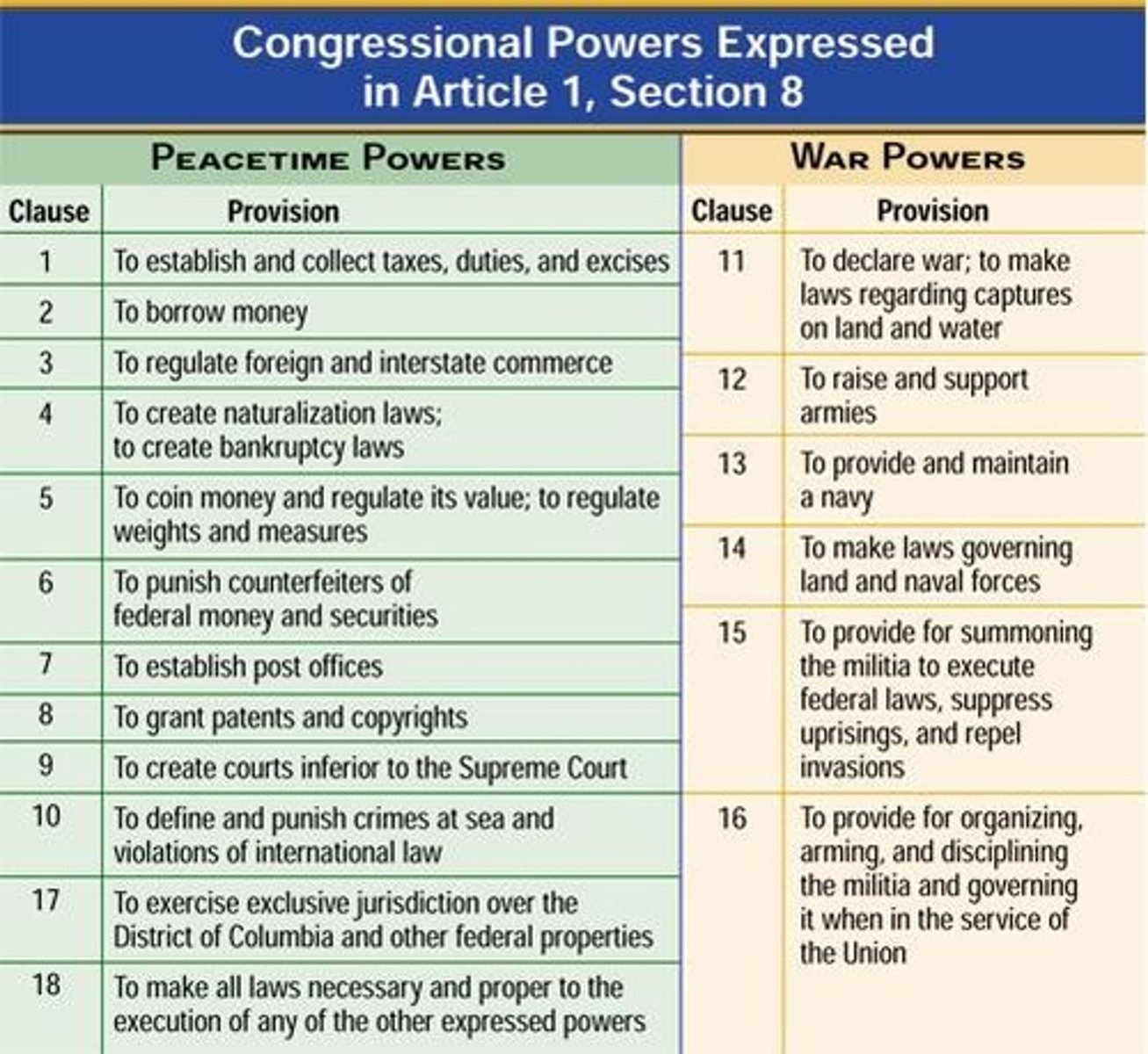
enumerated powers
Such powers are stated explicitly in the US Constitution- for example article I, Section 8 provides a list of congressional powers.
Executive Branch
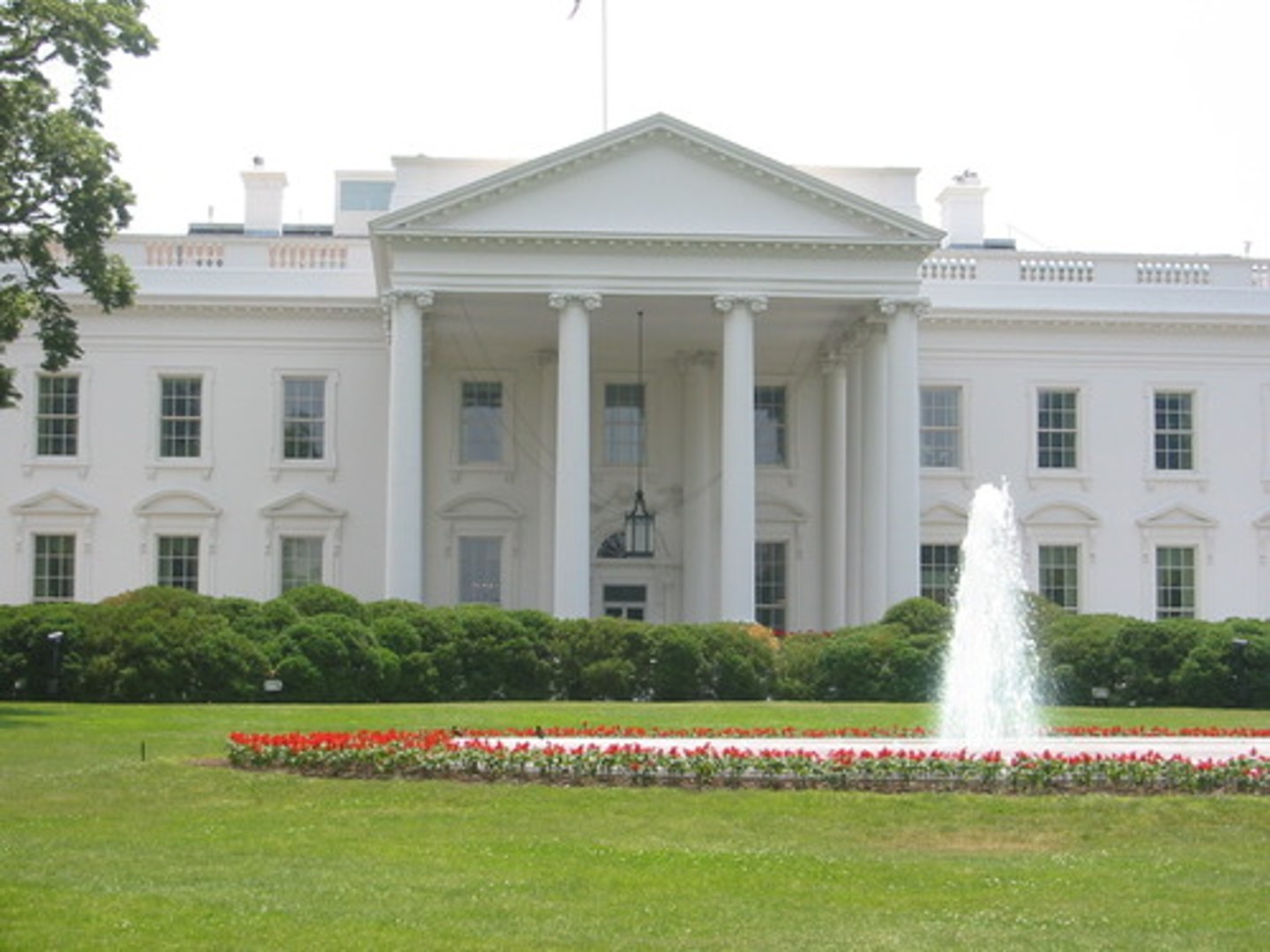
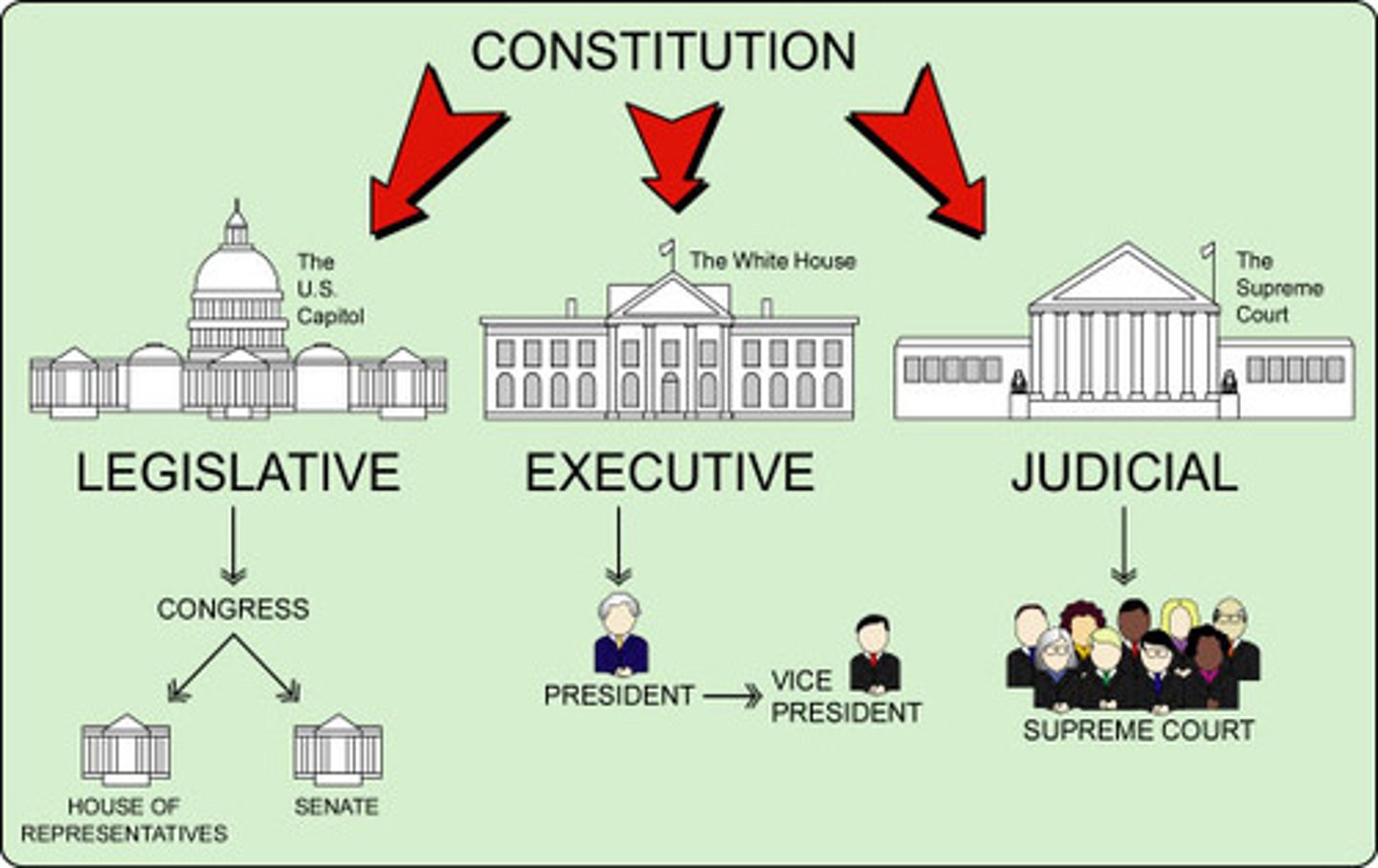
the executive branch, headed by the US president, is one of the three branches of the US government;the other two are the legislative branch (headed by congress) and the judiciary (headed by the supreme court).
executive orders
A direction to the federal bureaucracy on how the president would like a piece of legislation to be implemented.

Factions
The groups (factions) that make up a political parties-ideological wings, particular age and occupation groups, citizens concerned about particular issues-are now a feature of modern politics.

Federalism
Legal and political structures where power is distributed between two distinct levels of government on the basis that neither is subordinate to the other; the US system in which sovereignty is shared between a central government (federal government) and the individual states, with each having their own specific rights
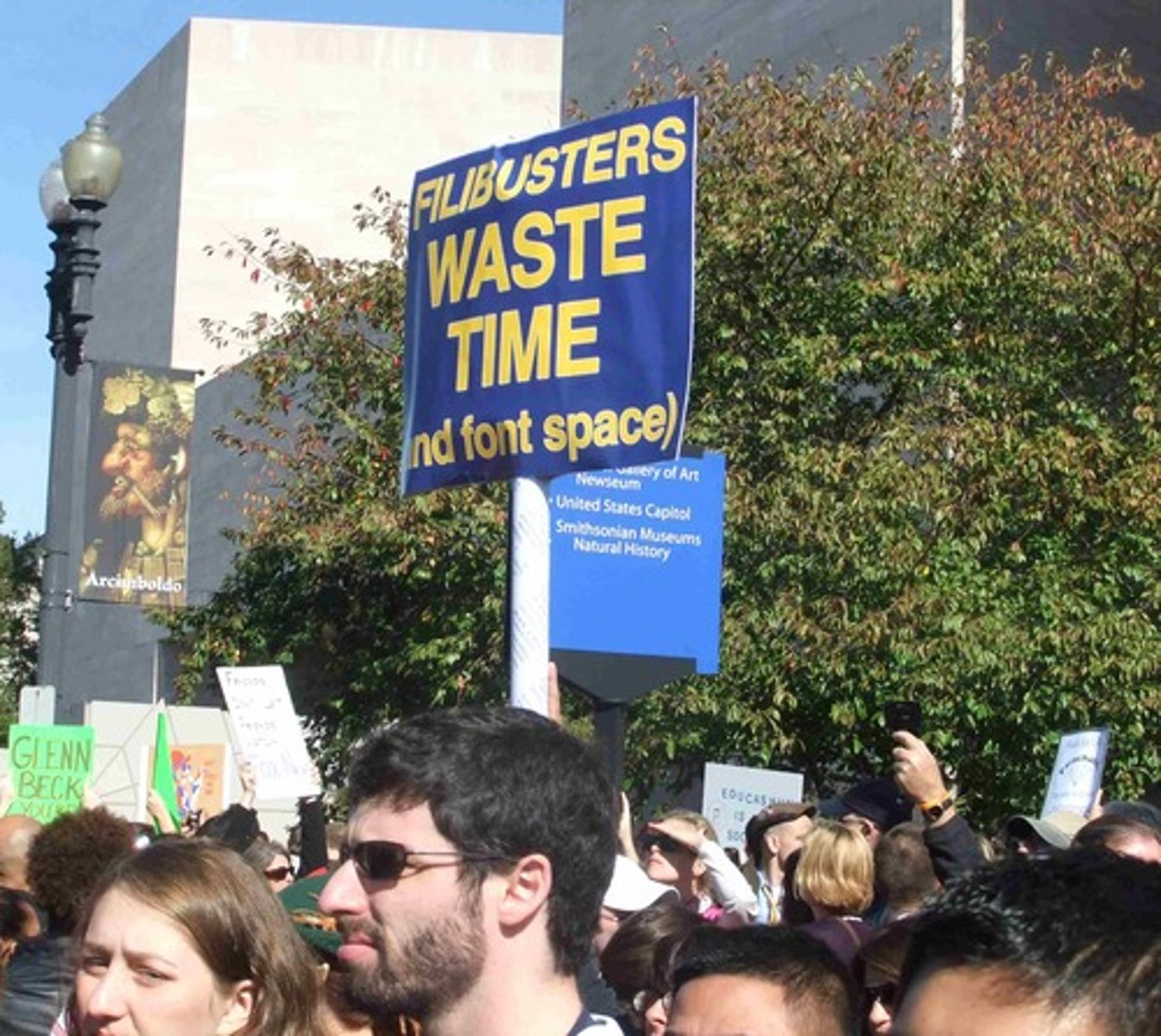
Filibuster
When a US Senator gives a prolonged speech on the floor of the Senate in order to obstruct legislative progress of a bill or confirmation of appointments to the executive or judiciary.
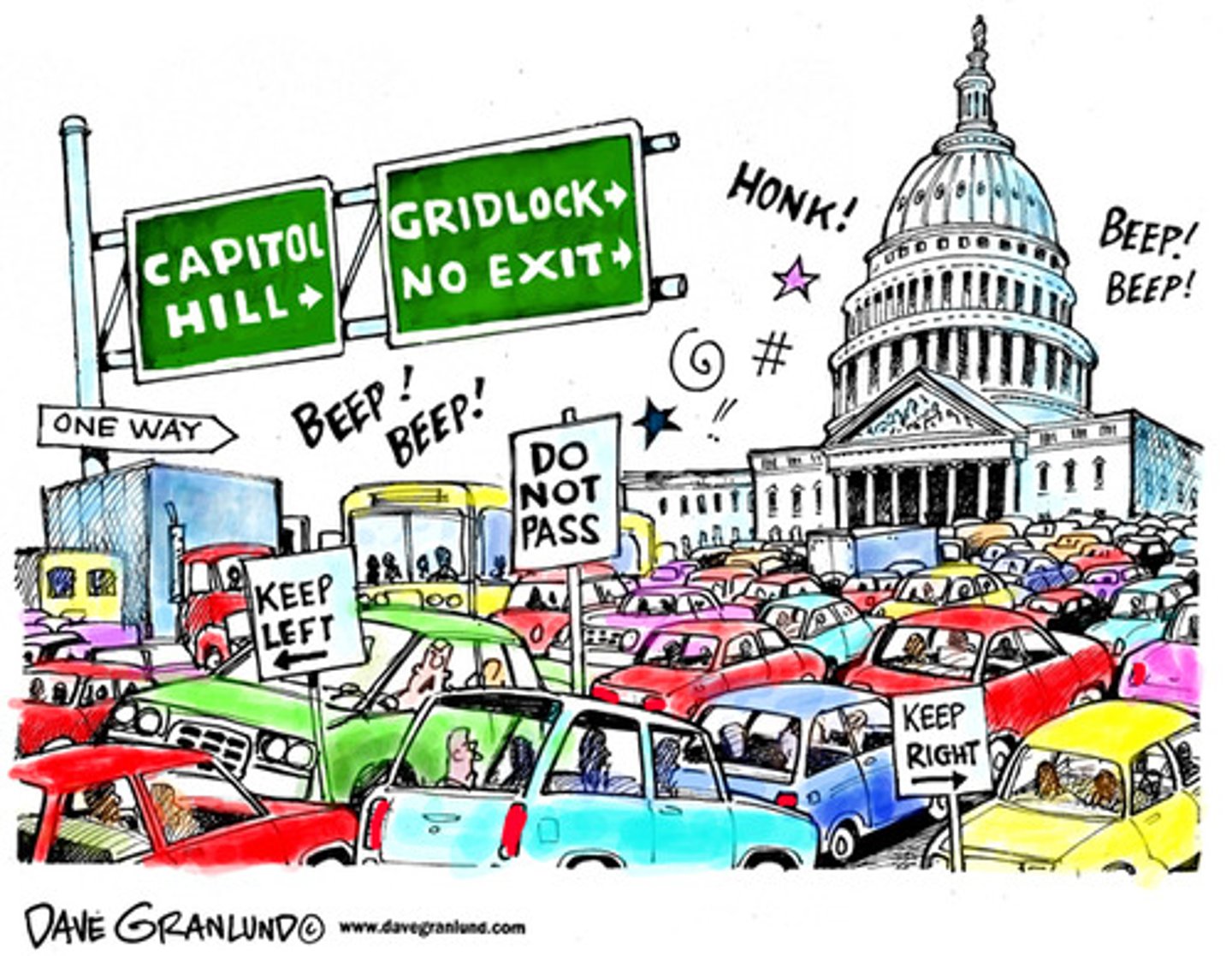
Gridlock
A situation in US politics where the president and congress are equally powerful, constantly preventing each other from acting, resulting in difficulty in passing legislation.
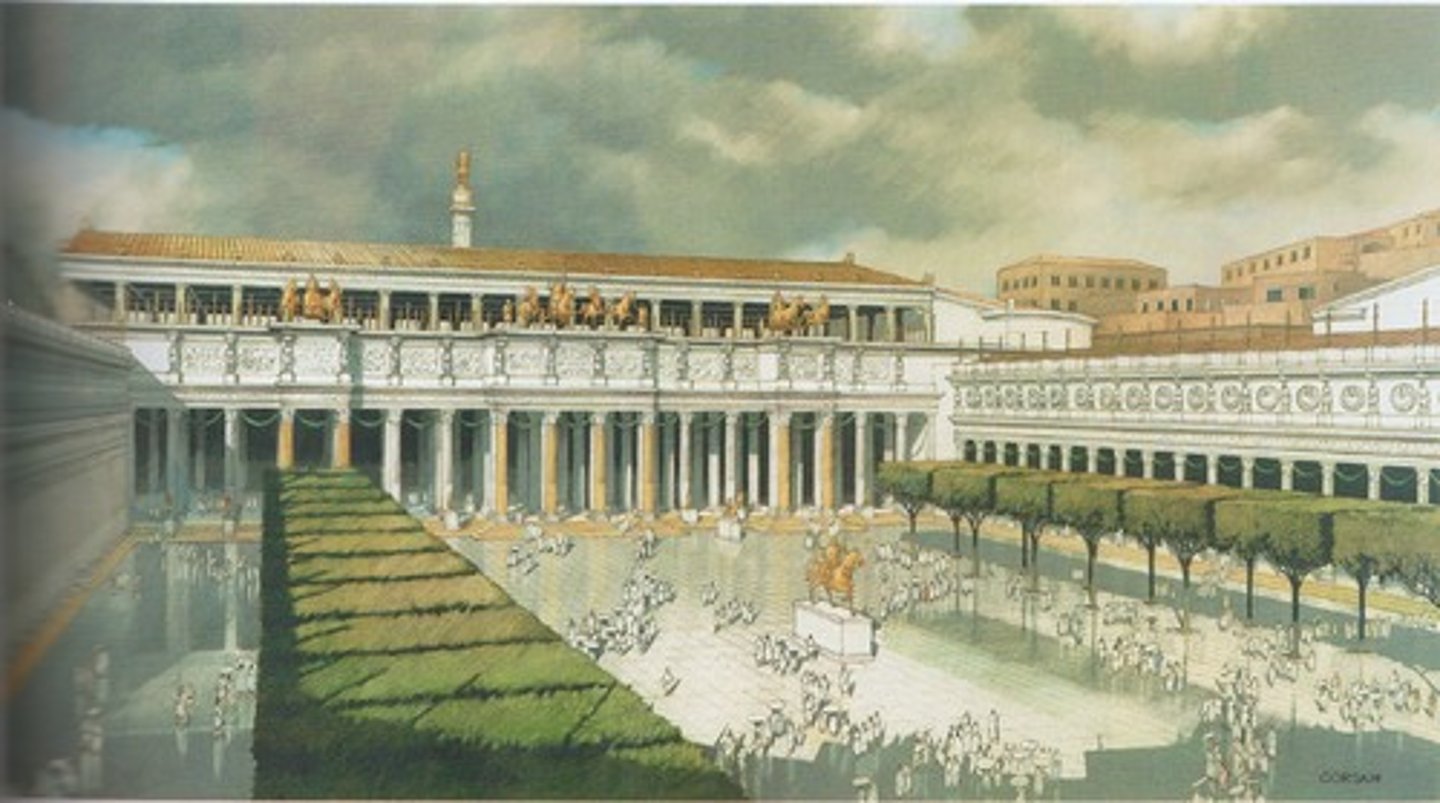
imperial judiciary
A judiciary that is all powerful and on which checks and balances are weak and ineffective.
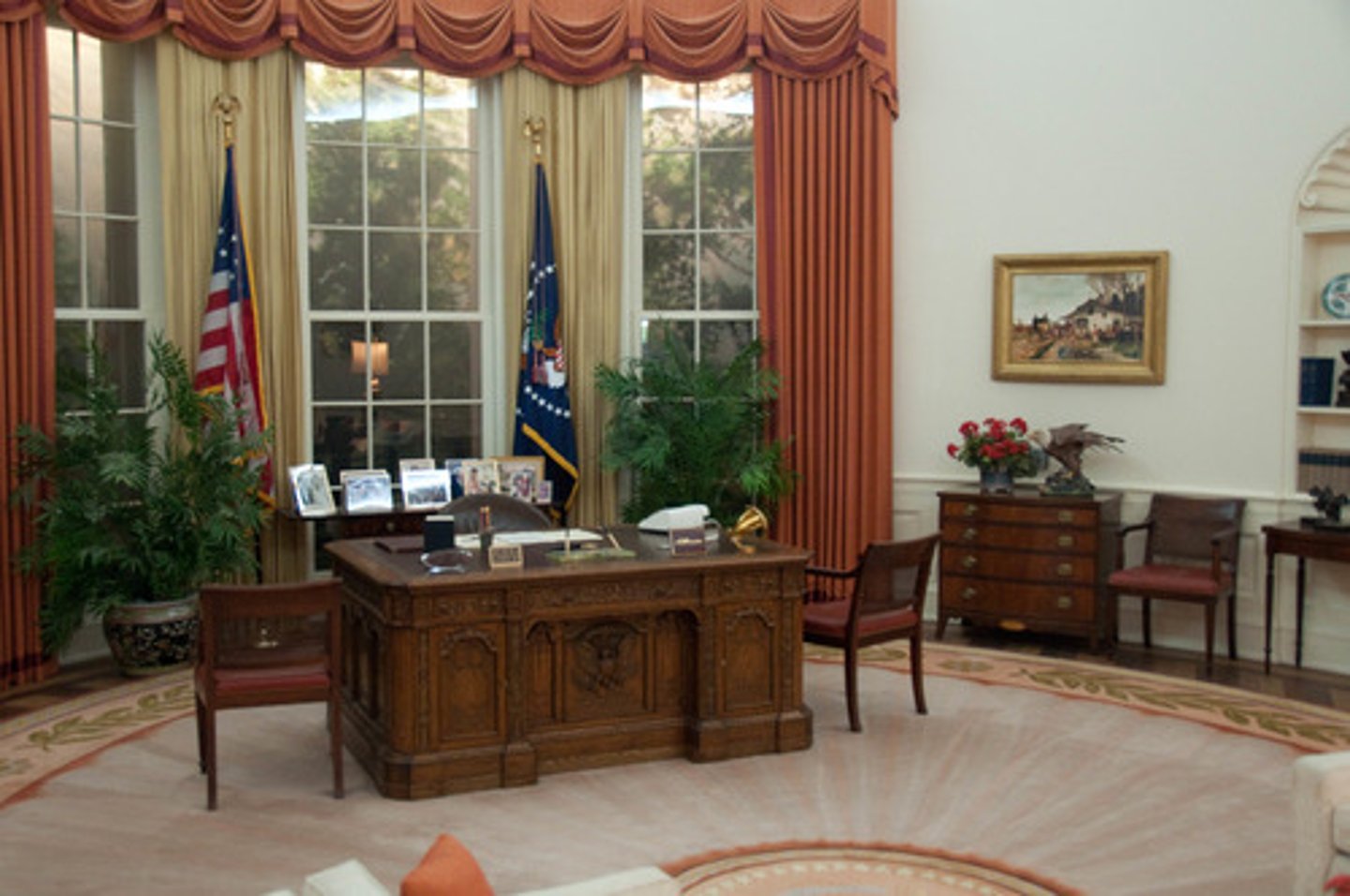
Imperial Presidency
A dominant presidency with ineffective checks and balances from other branches.
Imperilled presidency
This is the contrasting theory to that of an imperial presidency-it is claimed that the US president does not have enough power to be effective.

incumbent
The current holder of a political office such as a politician in the House, Senate or presidency or an MP in parliament.
Informal powers
Powers if the US president not listed in the constitution but taken anyway.
invisible primary
This is the period between when a candidate announces their bid for public office in the US and when the actual primaries take place. It is also sometimes called the 'money primary' since candidates spend most of their time during this period raising money in an effort to show political strength.
judicial activism
An approach to judicial decision-making that holds that a justice should use their position desirable social ends.

judicial restraint
An approach to judicial decision-making that holds that a justice should defer to the executive and legislative branches, which are politically accountable to the people,and should put great stress on the principal established in previous court decisions.
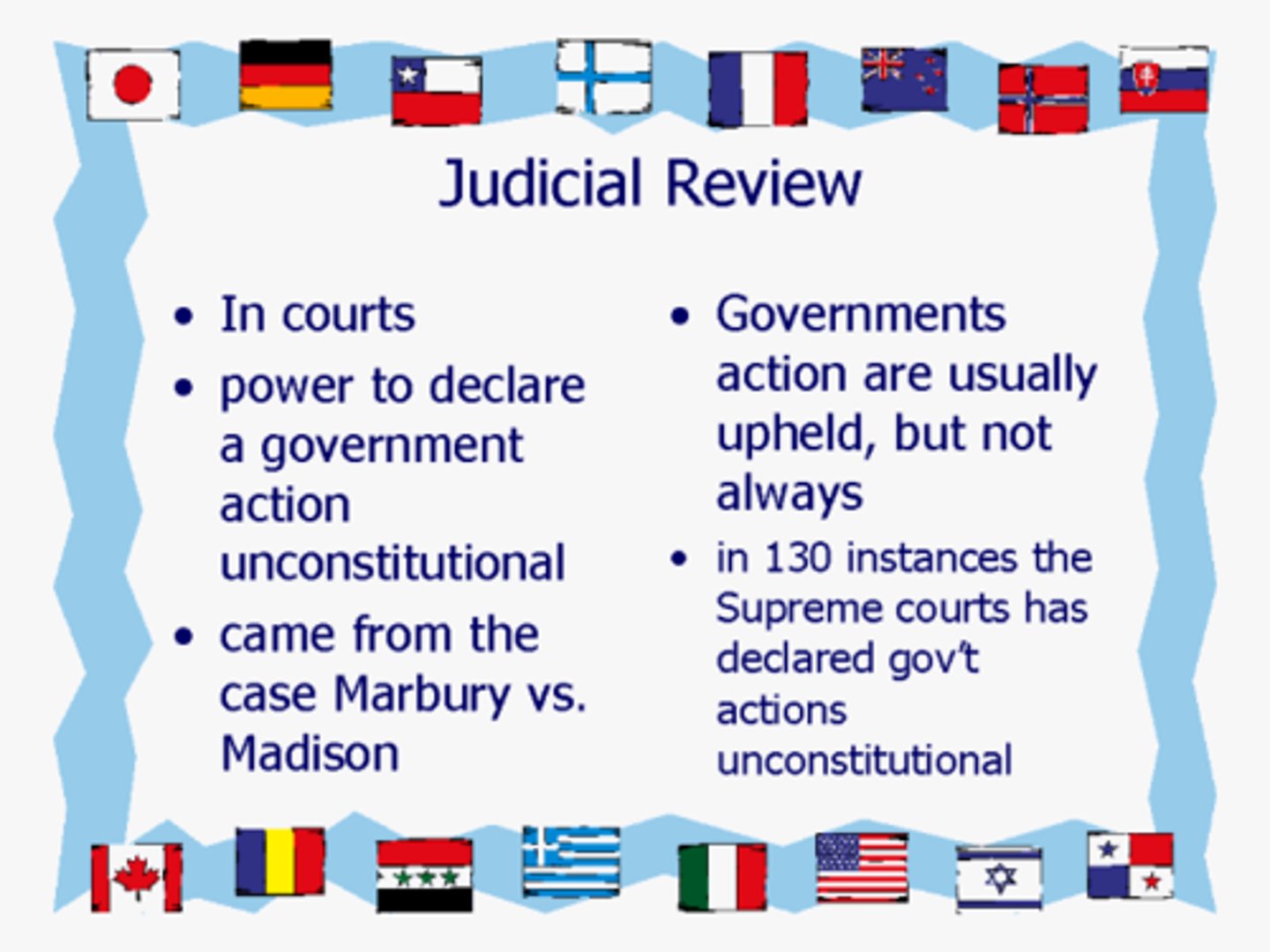
Judicial Review
The ability of the US Supreme Court to declare acts of congress, and acts of the presidency, unconstitutional and therefore null and void;the power of the to review and sometimes reverse, actions of other branches that breach the law or that are compatible with the Human Rights Act.
Living Constitution
The idea that the US constitution is an evolutionary document that can change over time through re-interpretation by the Supreme Court (linked to loose constructionism).
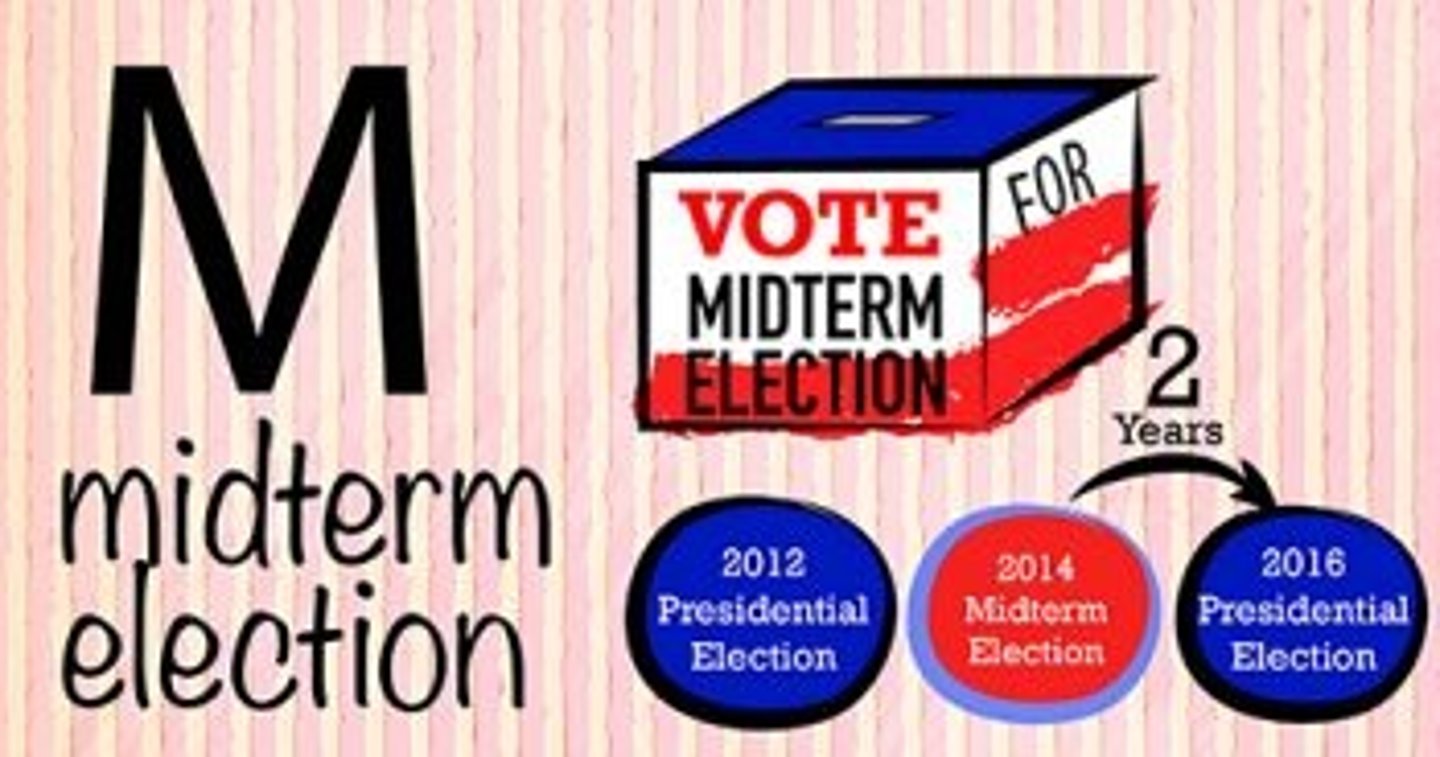
mid-term elections
Congressional elections held mid-way through a US presidents four year term.
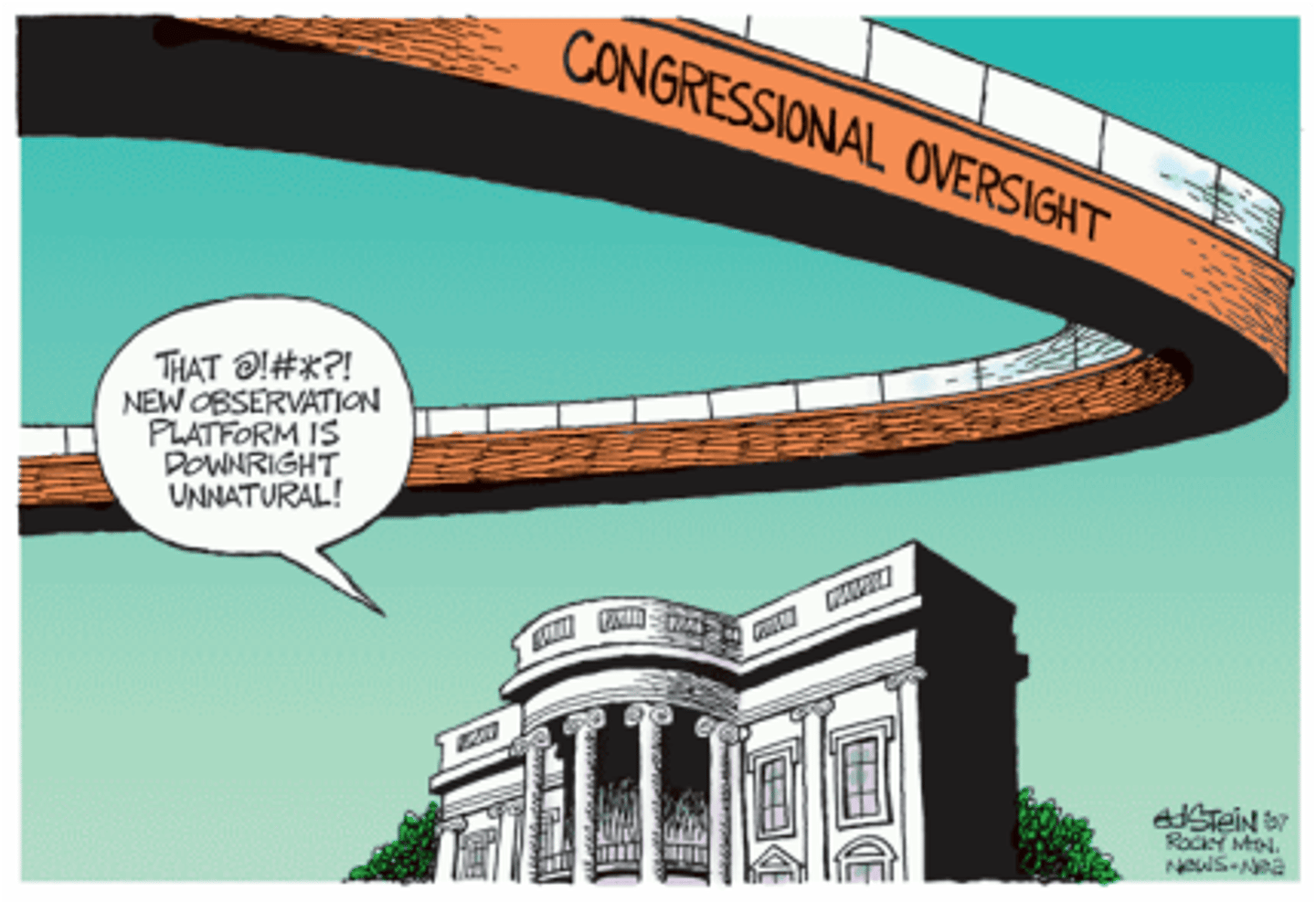
Oversight
The ability of one branch of government to supervise the work of another.
Partisan dealignment
The process where individuals no longer identify themselves on a long-term basis by being associated with a certain political party.
partisnaship
A situation in which US congressmen/women are incredibly loyal to their party, even when it seems that the result is gridlock.
Party systems
The way or manner in which the political parties in a political system are grouped and structured. There are several variants that could apply to the UK, these include one-party dominant, two-party, two-and-a-half party and multi-party systems (UK);the number of parties that have a realistic chance of forming government within a political system (US).
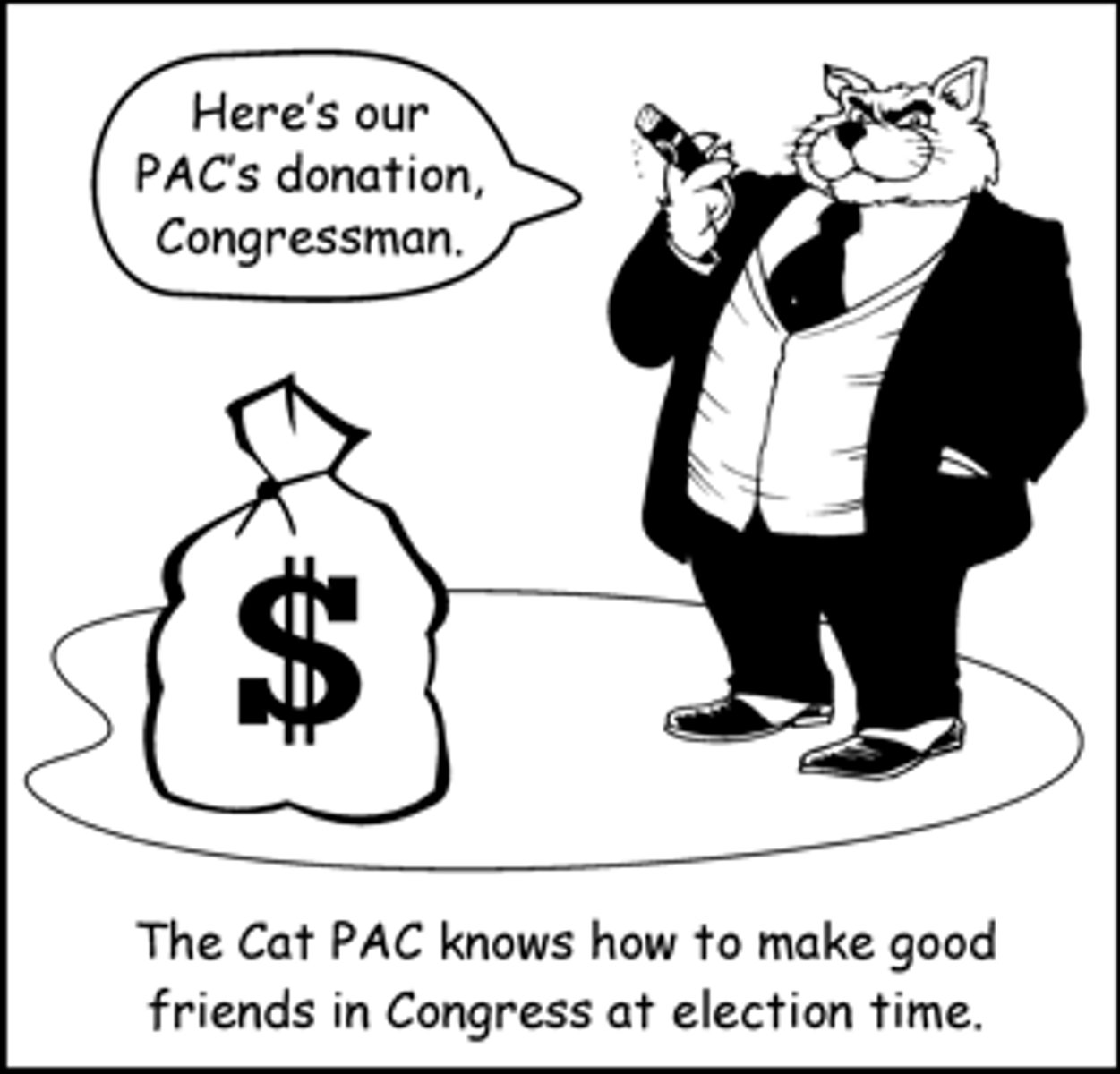
Political Action Committee (PAC)
This raises and spreads money in order to elect/defeat US electoral candidates, with a donation limit of $55,000 per candidate per election.
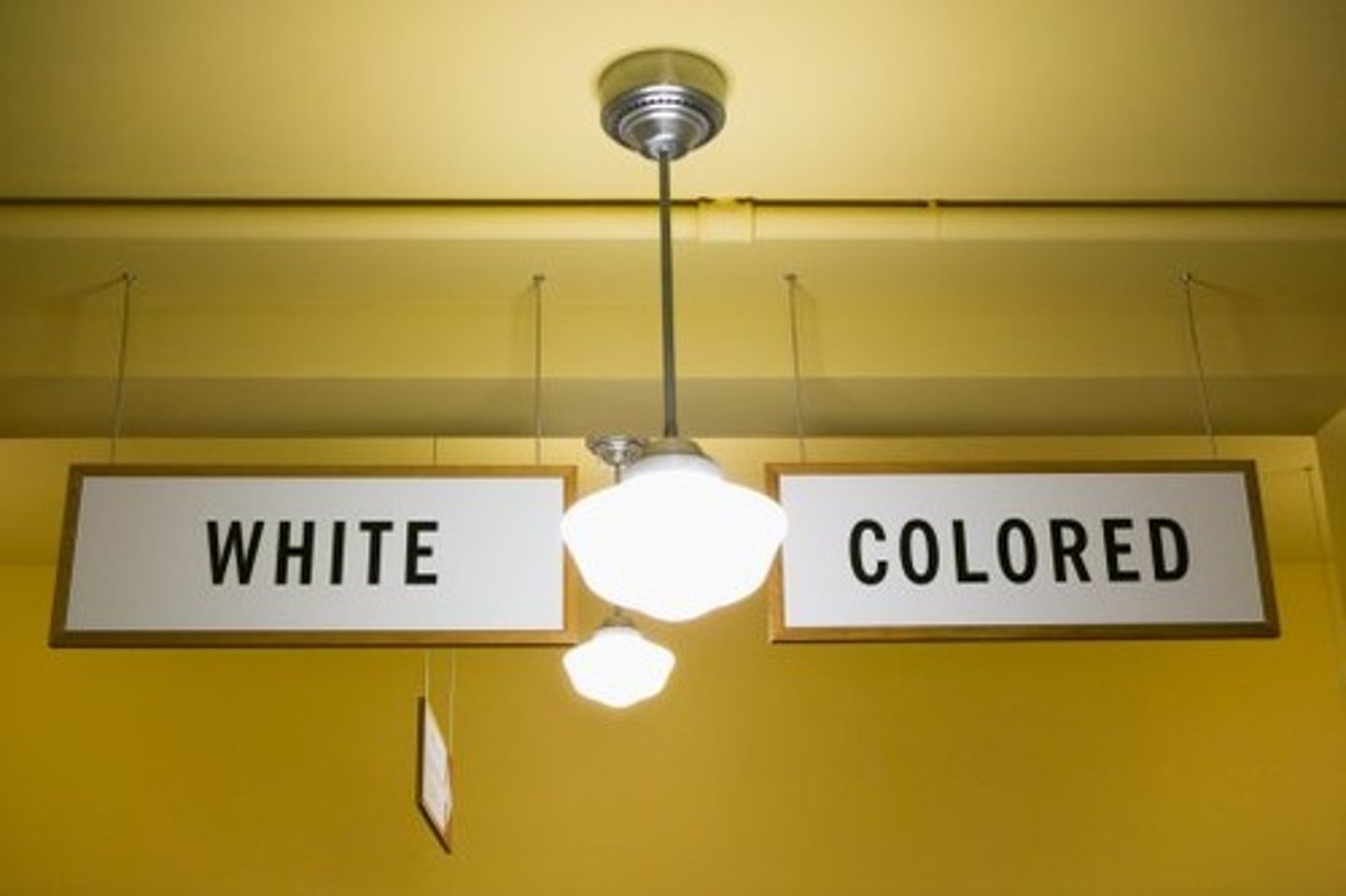
Positive discrimination
Preferential treatment for for groups in society to correct structural inequality or compensate for historical wrongs.
powers of persuasion
This is an informal power of the president in which they can use the prestige of their job,and other bargaining methods, in order to get people to do as they wish.
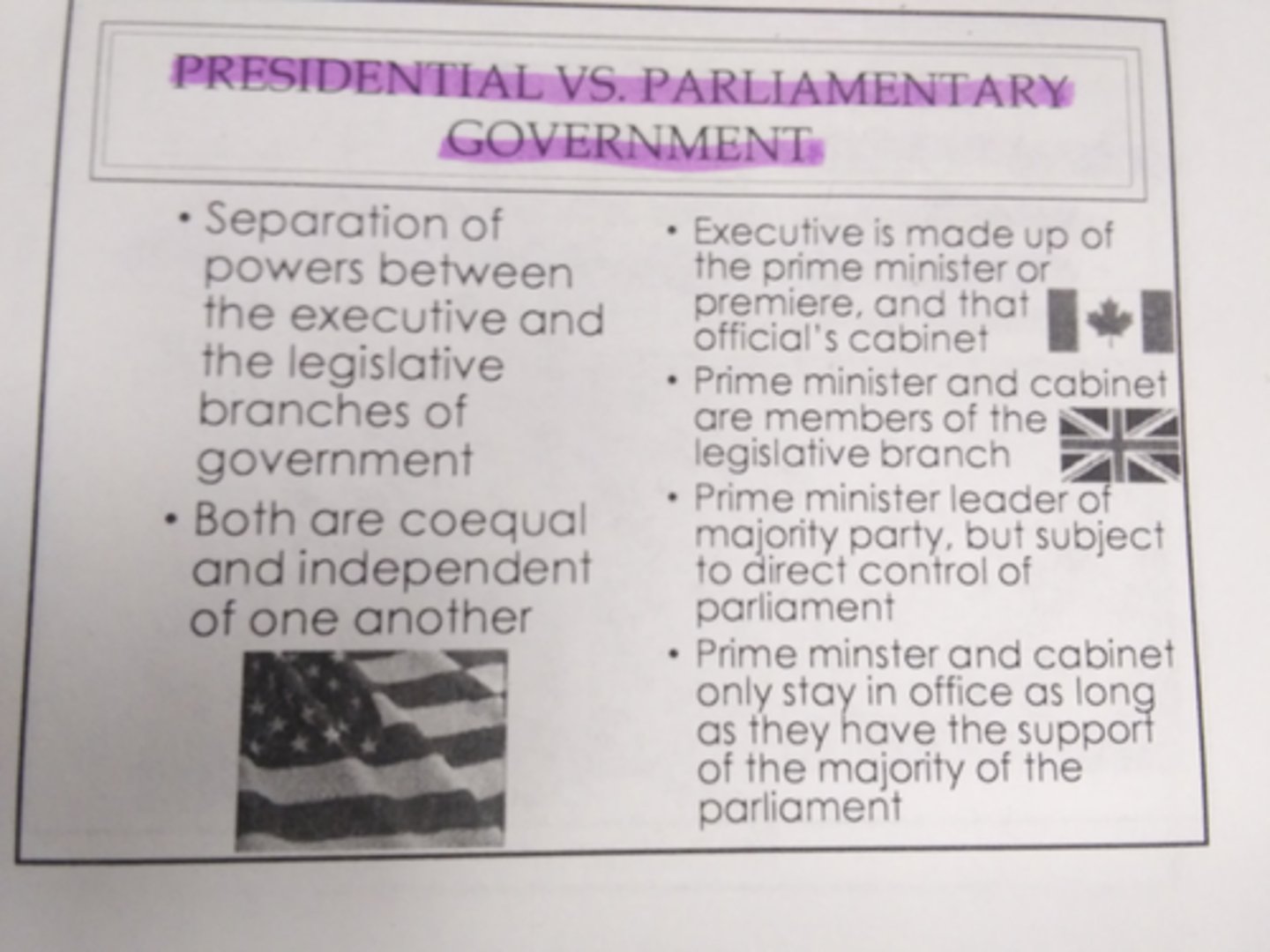
Presidental Government
An executive dominated by one individual, such as a president or a strong, dominant Prime Minister.
Principle
A fundamental and 'organizing' ideas that run throughout the US Constitution e.g. democracy or accountability.
Professional grouping
A group that represents the economic interests of its members e.g. American Medical Association (AMA), American Bar Association (ABA).

public policy
Legislation and judicial decisions made on any policy that affect the whole of the US population.

Racial equality
Racial equality is an equal regard to all races. It can refer to a belief in biological equality of all human races and to social equality for people of different races. In the USA, there remain calls for voter desegregation and voter registration in the South, and better jobs, housing and school integration in the North.
Religious right
The movement, which generally gives support to the Republican Party, as an ultraconservative religious response to the sexual revolution and an attempt to translate this in to public policy, promoting family values, opposing abortion and the 1973 Roe vs. Wade judgement, opposing same-sex marriage, civil partnerships and non-discrimination laws.
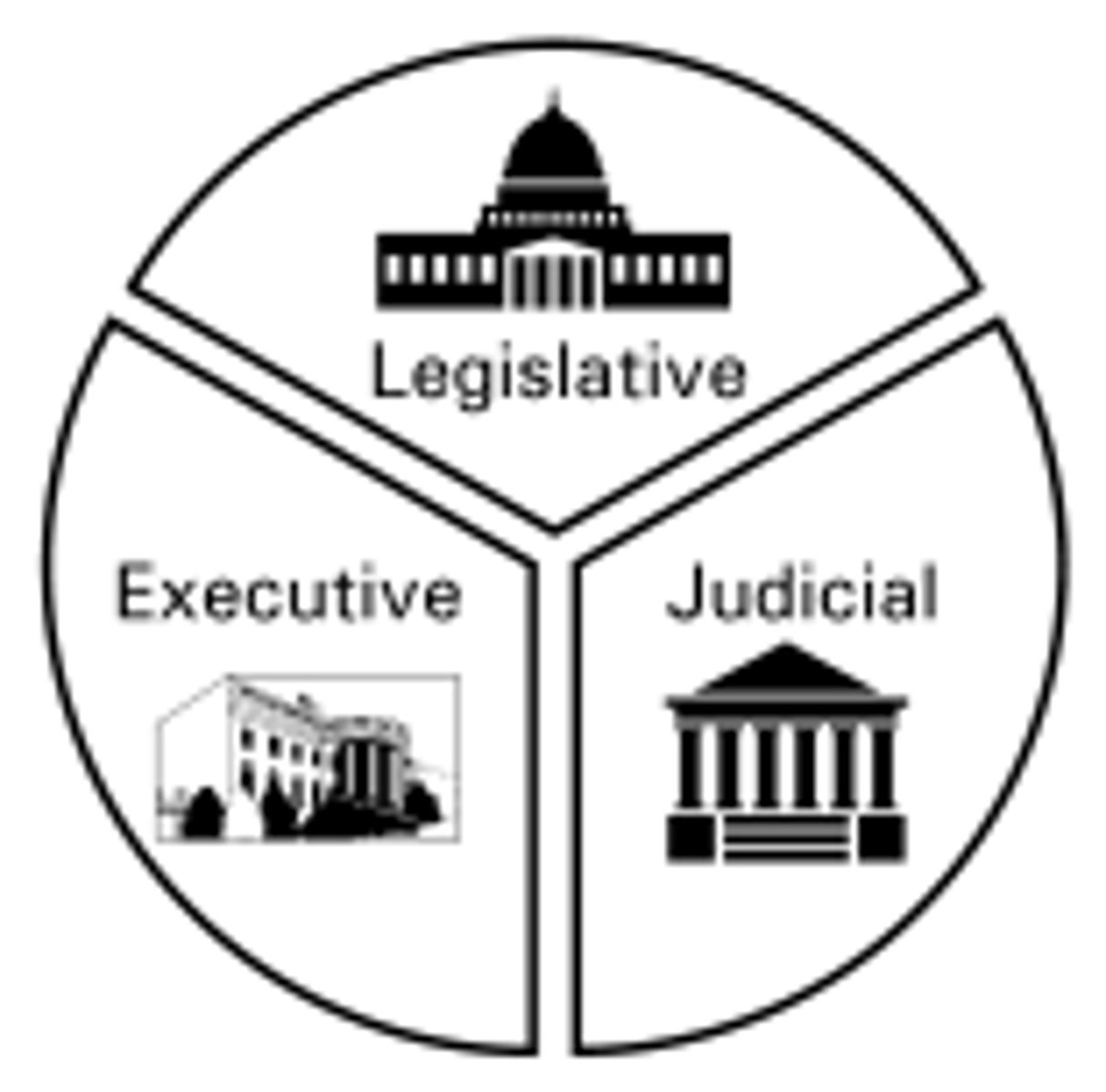
seperation of powers
The three key bodies of US government-Legislature, executive and judiciary-each have their own powers, personal and buildings. The principle behind the separation of powers ensures a that a system of checks and balances prevents too much power residing with one body.
single-interest group
A group that advocates policy surrounding small specific issue e.g. the National Rifle Association (NRA).

Soft/hard money
When cash is contributed directly to a political candidate, it is 'hard money', which may come only an individual or a political action committee. When cash is distributed to a political party, with no limits attached to the amount that can be received, this is a 'soft money' contribution.

stare decisis
This doctrine is built on the idea of standing by decided cases, upholding precedents and maintaining former adjudications and thus tends to favour status quo. This is the opposite of the 'Living Constitution' approach.

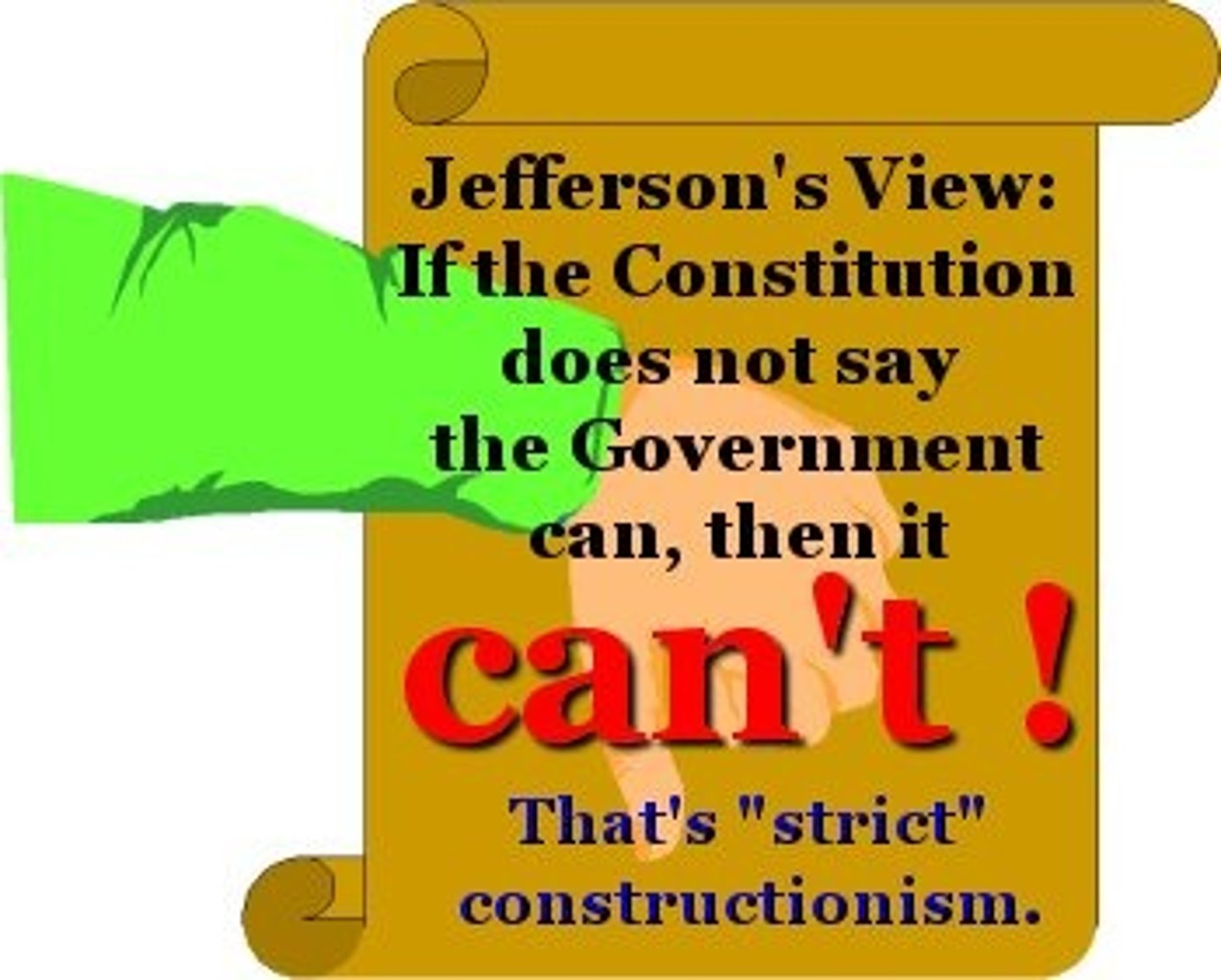
Strict/loose constructionist
'Loose construction' is a legal philosophy that favours a broad interpretation of a document's . This term is often used to contrast with 'strict construction', a philosophy that favours looking solely at the written text of the law.
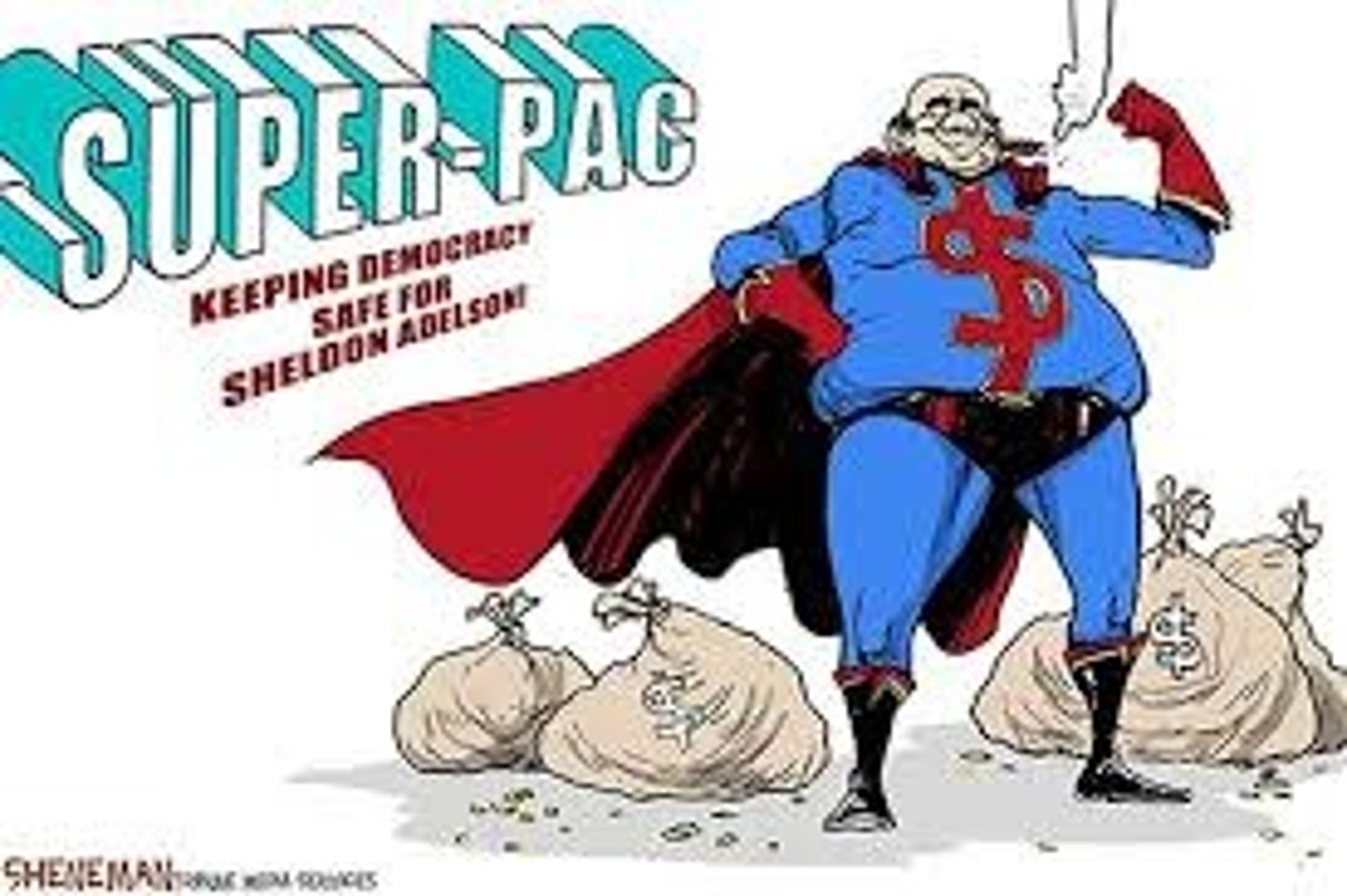
Super PACs
A Super-Political Action Committee (Super PAC) raises and spends unlimited amounts of money to support or oppose political candidates (a result of Citizens United vs FEC 2010).
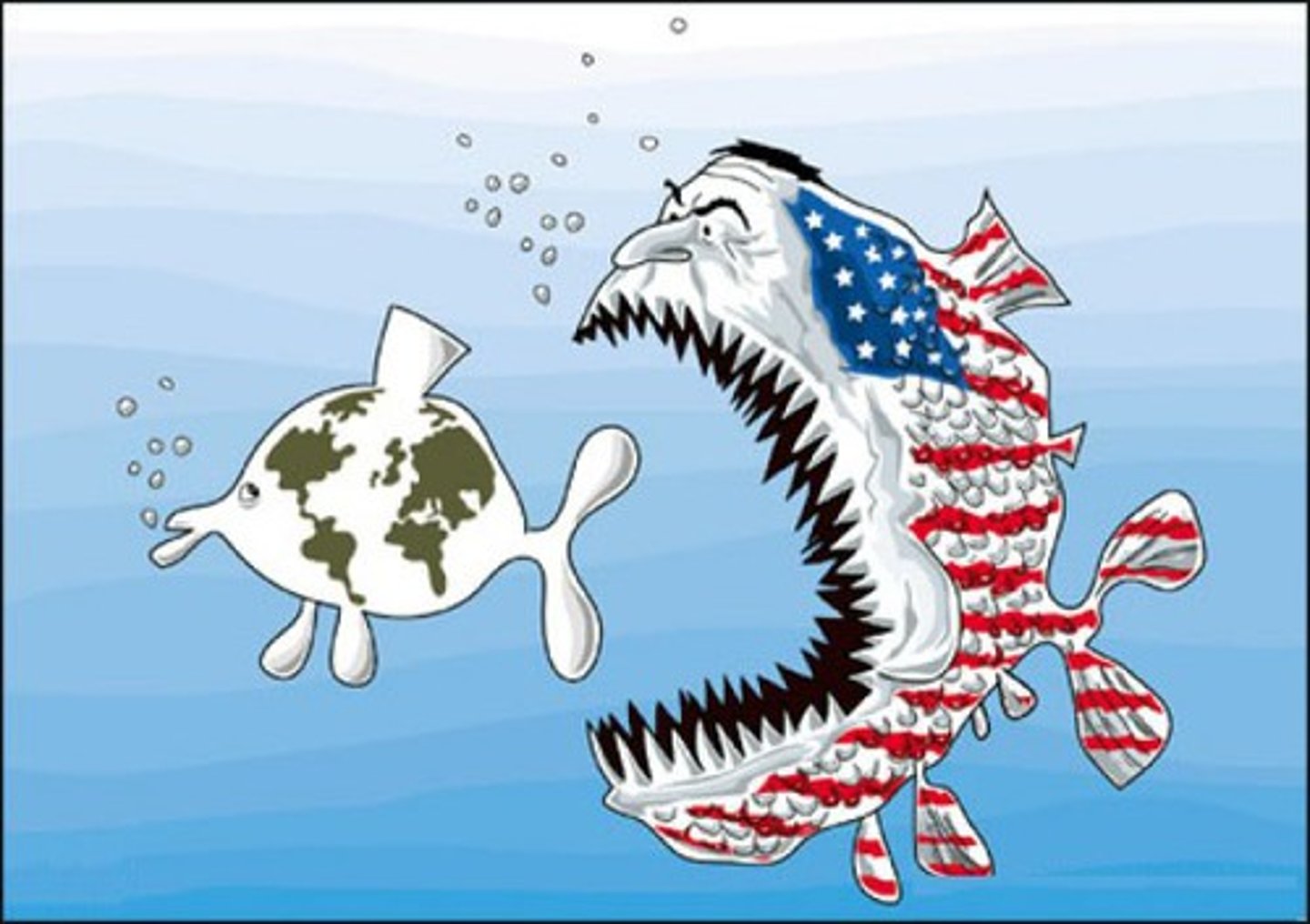
Superpower
A state with a dominant position in international relations, pre-eminent among great powers, and characterized by its unparalleled ability to exert influence or project power on a global scale.
Swing justice
An informal name for the Justice on the Supreme Court who falls ideologically in the centre of the nine current Justices.
Think tanks
A body of experts brought together to collectively focus on a certain topic(s) - to investigate and offer solutions to often complicated and seemingly intractable economic, social or political issues.

Unanimous consent
A US senator or congressman/woman may request unanimous consent on the floor to set aside a specified rule of procedure so as to expedite proceedings.

unified government
Where both US Houses of congress and the presidency are controlled by people from the same political party.