M2 FINAL COACHING
 Call Kai
 Learn
Learn Practice Test
 Spaced Repetition
 Match
Match Flashcards
 Knowt Play
1/199

There's no tags or description
Looks like no tags are added yet.
Name | Mastery | Learn | Test | Matching | Spaced | Call with Kai |
|---|
No analytics yet
Send a link to your students to track their progress
200 Terms
1. Select the site of pyruvate formation during glycolysis
A. Liver
B. Muscles
C. Heart
D. Lungs
A
2. Choose the organelle, found close to the endoplasmic reticulum, which receives and acts on proteins and membrane lipids to further modify them and then passes these on to other parts of the cell through budding vesicles
A. Golgi apparatus
B. Lysosomes
C. Ribosomes
D. Mitochondria
A
3. Select the organelles that have digestive vesicles and contain enzymes that degrade proteins and nucleic acids
A. Ribosomes
B. Mitochondria
C. Golgi apparatus
D. Lysosomes
D
4. Classify the amino acids according to their side-chain
functional groups: Glutamate, aspartic acid
A. Sulfur-containing side chain
B. Aromatic side chain
C. Carboxylic acids
D. Basic side chain
C
5. Identify the chemical bond that joins amino acids together in a protein molecule
A. Peptide
B. H-bonds
C. lonic bonds
D. Dipole-dipole
A
6. Identify the characteristic functional groups of amino acids
A. Amino acid and carboxylic acid groups
B. Amino and hydroxyl groups
C. Hydroxyl and carboxylic acid groups
D. Methyl and carboxylic acid groups
A
7. Identify the simplest amino acid among the 20 common amino acids
A. Serine
B. Alanine
C. Glycine
D. Lysine
C
8. Identify the nucleotide which is responsible for reading the complementary DNA message
A. rRNA
B. tRNA
C. hnRNA
D. mRNA
B
9. Find the examples of transport and storage proteins
A. Ribonuclease, hexokinase
B. Actin, myosin
C. Hemoglobin, myoglobin, serum albumin
D. Keratin, actin
C
10. Identify the stage in protein synthesis when the anticodon of tRNA recognizes the codon on mRNA
A. Termination
B. Transcription
C. Translation
D. Elongation
D
11. Identify the site of the initial stage of protein synthesis
A. Cytoplasm
B. Golgi apparatus
C. Ribosomes
D. Nucleus
C
12. Analyze and select the underlying principle in the ninhydrin test for proteins
A. Based on the reaction of cupric ions of the reagent with the N of the peptide bonds forming a purple or violet-colored complex
B. Based on the nitration of proteins, which leads to the formation of a yellow precipitate that turns into orange on treatment with an alkali
C. Based on the reaction between the phenolic group of a protein with mercuric sulfate in the presence of sodium nitrite and sulfuric acid resulting in the
formation of a red-colored solution
D. Based on the reaction between the reagent and the amino group of the free amino acid of the test sample, which leads to the oxidation of the compound and its deamination and resulting in the formation of a deep blue colored solution
D
13. Select the enzyme that hydrolyzes bacterial cell wall
A. Carbonic anhydrase
B. Lysozyme
C. Lactate dehydrogenase
D. Kinase
B
14. Analyze the mechanism or catalytic strategy employed by restriction endonucleases
A. Utilization of the free energy associated with the hydrolysis of ATP
B. Achievement of a high absolute rate of reaction that is suitable for integration with other physiological processes
C. Attainment of a high degree of specificity
D. Promotion of a reaction that is immeasurably slow at neutral pH
C
15. Analyze which enzyme in the Tricarboxylic Acid Cycle catalyzes the condensation of oxaloacetate and acetyl-CoA
A. Citrate synthase
B. Pyruvate carboxylase
C. Aconitase
D. Pyruvate dehydrogenase
A
16. Classify fumarase
A. Hydrolase
B. Ligase
C. Transferase
D. Lyase
D
17. Analyze the mechanism or catalytic strategy employed by carbonic anhydrase
A. Utilization of the free energy associated with the hydrolysis of ATP
B. Achievement of a high absolute rate of reaction
that is suitable for integration with other physiological processes
C. Attainment of a high degree of specificity
D. Promotion of a reaction that is immeasurably slow at neutral pH
B
18. Analyze which enzyme in the Tricarboxylic Acid Cycle catalyzes the carboxylation of pyruvate to give oxaloacetate
A. Citrate synthase
B. Pyruvate carboxylase
C. Fumarase
D. Pyruvate
B
19. Identify the zymogen that is activated by the enzyme trypsin
A. Fibrinogen
B. Pepsinogen
C. Trypsinogen
D. Procarboxypeptidase
C
20. Classify nucleoside monophosphate kinase
A. Ligase
B. Hydrolase
C. Lyase
D. Transferase
D
21. Identify the carbonic anhydrase inhibitor that finds clinical application in the treatment of glaucoma by
reducing intraocular pressure
A. Celecoxib
B. Sulfanilamide
C. Acetazolamide
D. Pirenoxine
C
22. Find the complementary base pairs in DNA molecules
A. Adenine-Thymine, Cytosine-Guanine
B. Adenine-Thymine, Cytosine-Uracil
C. Uracil-Thymine, Cytosine-Guanine
D. Uracil-Thymine, Adenine Guanine
A
23. Select the complementary sequence for the DNA segment: GATCAA
A. CTGCUU
B. CUAGUU
C. CTAGTT
D. TTAGTT
C
24. Determine the pathological condition that is caused by the absence of adenosine deaminase, an enzyme in the purine degradation pathway
A. Severe combined immunodeficiency
B. Neural tube defects
C. Gouts
D. Lesch-Nyhan syndrome
A
25. Identify the step in DNA synthesis when DNA polymerase plays a role
A. termination
B. Primer binding
C. Replication fork formation
D. Elongation
D
26. Select the sequence of the mRNA segment synthesized from this DNA template strand:
CACCGCCCGTCG
A. GUGGCGGGCAGC
B. GUGGGGGCCAGC
C. GUCGCGGGCAGC
D. GUGCCGGGCAGC
A
27. Determine the pathological condition that is caused by a deficiency in folate derivatives during early pregnancy because of the important role of these
derivatives in the synthesis of DNA
A. Lesch- Nyhan syndrome
B. Severe combined immunodeficiency
C. Gout
D. Neural tube defects
D
28. Pick the odd one out
A. Telomeres
B. Okazaki fragments
C. Leading strand
D. Lagging strand
A
29. Select the category to which D-glucose and Dmannose belong
A. Enantiomers
B. Epimers
C. Aldose-ketose
D. Diastereomers
B
30. Select the carbohydrate that is administered as an intra-articular injection in cases of osteoarthritis
A. Keratin sulfate
B. Hyaluronic acid
C. Heparin
D. Beta-D-hexosaminidase-A
B
31. Classify the carbohydrates starch, cellulose, and inulin
A. Heteroglycans
B. Homoglycans
C. Trisaccharides
D. Disaccharides
B
32. Find the statement that is NOT correct about glycolysis
A. The first part of glycolysis works on the six-carbon molecule, preparing it for oxidation
B. The third part operates on one of the glyceraldehyde-3 phosphate molecules, oxidizing it to yield energy
C. One glucose molecule generates two molecules of pyruvate and two units of ATP
D. The second part of glycolysis splits the sixcarbon molecule into three two-carbon fragments
D
33. Identify the type of chemical reaction in the conversion of glyceraldehyde-3-phosphate to 1,3bisphosphoglycerate
A. Phosphoryl shift
B. Aldol cleavage
C. Isomerization
D. Reduction-oxidation
D
34. Identify the type of chemical reaction in the conversion of fructose 1,6-bisphosphate to
glyceraldehyde-3-P and dihydroxyacetone phosphate
A. Aldol cleavage
B. Phosphoryl shift
C. Isomerization
D. Reduction-oxidation
A
35. Identify the end product of glycolysis
A. Phosphoenolpyruvate
B. Pyruvate
C. Fructose-6-phosphate
D. Glyceraldehyde-3-phosphate
B
36. Select the carbohydrate used as an acidulant, especially in infant feeding formulas
A. High-fructose sweeteners
B. Xylose
C. Lactic acid
D. Mannitol
C
37. Identify the carbohydrate that is used as a selfbinding diluent and disintegrating agent
A. Xylose
B. High-fructose sweeteners
C. Powdered cellulose
D. Lactic acid
C
38. It measures the degree of unsaturation of the oil. Those which are partially resinify on exposure to air have high values.
A. Ester value
B. Acetyl value
C. lodine value
D. Acid value
E. Saponification value
C
39. Refers to the number of mg of potassium hydroxide required to neutralize the acid combined by acylation of the sample.
A. Acetyl value
B. Peroxide value
C. Ester value
D. Hydroxyl value
E. lodine value
D
40. Select the class to which prostaglandins belong
A. Sphingolipid
B. Fatty acid
C. Glyceryl ester
D. Terpene
B
41. Select the major storage form of fatty acids
A. Ester of a long chain alcohol
B. Ester of a monohydric alcohol
C. Triglyceride
D. Ester of a polyhydric alcohol
C
42. Identify the essential fatty acids for humans
A. Linolenic acid and linoleic acid
B. Linoleic acid and alpha-linolenic acid
C. Oleic acid, linolenic acid
D. Stearic acid, linoleic acid
B
43. Identify the fatty acid referred to as "omega-3"
A. Alpha-linoleic acid
B. Beta-linolenic acid
C. Oleic acid
D. Alpha-linolenic acid
D
44. This is used for the symptomatic treatment of benign prostatic hyperplasia
A. Safflower oil
B. Sunflower oil
C. Saw Palmetto oil
D. Persic oil
C
45. Starflower oil A. Helianthus anuus
B. Carthamus tinctorius
C. Borago officinalis
D. Serenoa repens
C
46. The only liquid wax
A. Sus scrofa
B. Gaddus morrhua
C. Physeter macrocephalus
D. Simmondsia chinensis
D
47. Contains a toxic principle that causes male sterility
A. Palm kernel oil
B. Germ oil
C. Rapeseed oil
D. Cottonseed oil
D
48. Drying oil
A. Linum ussitassimum
B. Gossypium hirsutum
C. Sesamum indicum
D. Olea europaea
A
49. Solvents for IM injections, EXCEPT:
A. Corn oil
B. Cottonseed oil
C. Peanut oil
D. Soybean oil
D
50. Used to test Olive oil for Tea tree oil or Camellia oil contamination
A. Halphen
B. Baudouin
C. Millon
D. Serger
C
51. Source of lecithin and stigmasterol
A. Peanut oil
B. Soybean oil
C. Sesame oil
D. Corn oil
B
52. Identify the carrier molecule that transports fatty acids across the inner mitochondrial membrane
A. Carnitine
B. Chilomicron
C. Aldimine
D. GLUT
A
53. Find the statement that is correct about lipids
A. Thromboxanes prevent clotting
B. Prostaglandins stimulate gastric acid secretion
C. Eicosanoids act as messengers inside cells and between neighboring cells
D. Linoleoyl-CoA is derived from arachidonyl-CoA
C
54. Select the statement that BEST describes fatty acid metabolism
A. Fatty acid metabolism is NOT tied to carbohydrate metabolism
B. Fatty acids and their CoA esters are able to freely cross the inner mitochondrial membrane
C. The release of fatty acids and their subsequent Beta-oxidation is a primary source of metabolic energy for the cell
D. Fatty acid catabolism is NOT under hormonal control
C
55. Analyze the mechanism involved in the regulation of
DNA replication and synthesis of mRNA
A. Compartmentalization
B. Enzyme activation
C. Hormonal control
D. Concentration
A
56. Select the coenzyme that is required by aminotransferases
A. Nicotinamide adenine dinucleotide
B. Pyridoxal phosphate
C. Flavin adenine dinucleotide
D. Nicotinamide adenine dinucleotide phosphate
B
57. Identify the precursors of gluconeogenesis
A. Glycerol, lactic acid, pyruvic acid
B. Glycerol, lactate, pyruvate, glucogenic amino acids
C. Pyruvic acid, lactic acid, acetic acid
D. Sucrose, lactic acid, pyruvate acid
B
58. Analyze the mechanism involved in the regulation of phosphorylation and glycosylation
A. Enzyme activation
B. Hormonal control
C. Concentration
D. Compartmentalization
C
D
59. Enzyme L
A. Arginase
B. Argininosuccinase
C. Argininosuccinic synthetase or Lyase
D. Carbamoyl phosphate synthetase
Ornithine transcarbamoylase
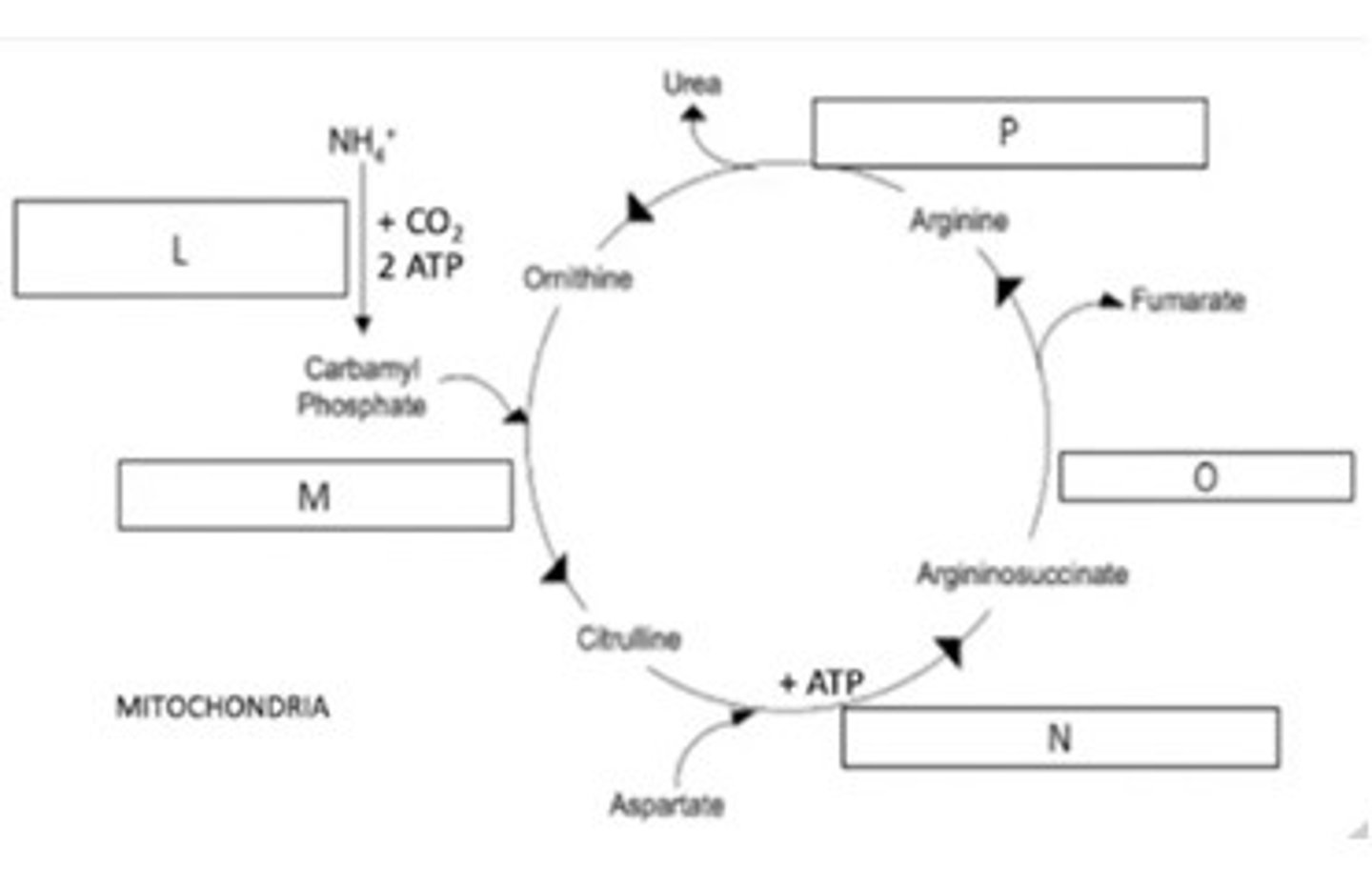
A
60. Enzyme P
A. Arginase
B. Argininosuccinase
C. Argininosuccinic synthetase
D. Carbamoyl phosphate synthetase
E. Ornithine transcarbamoylase
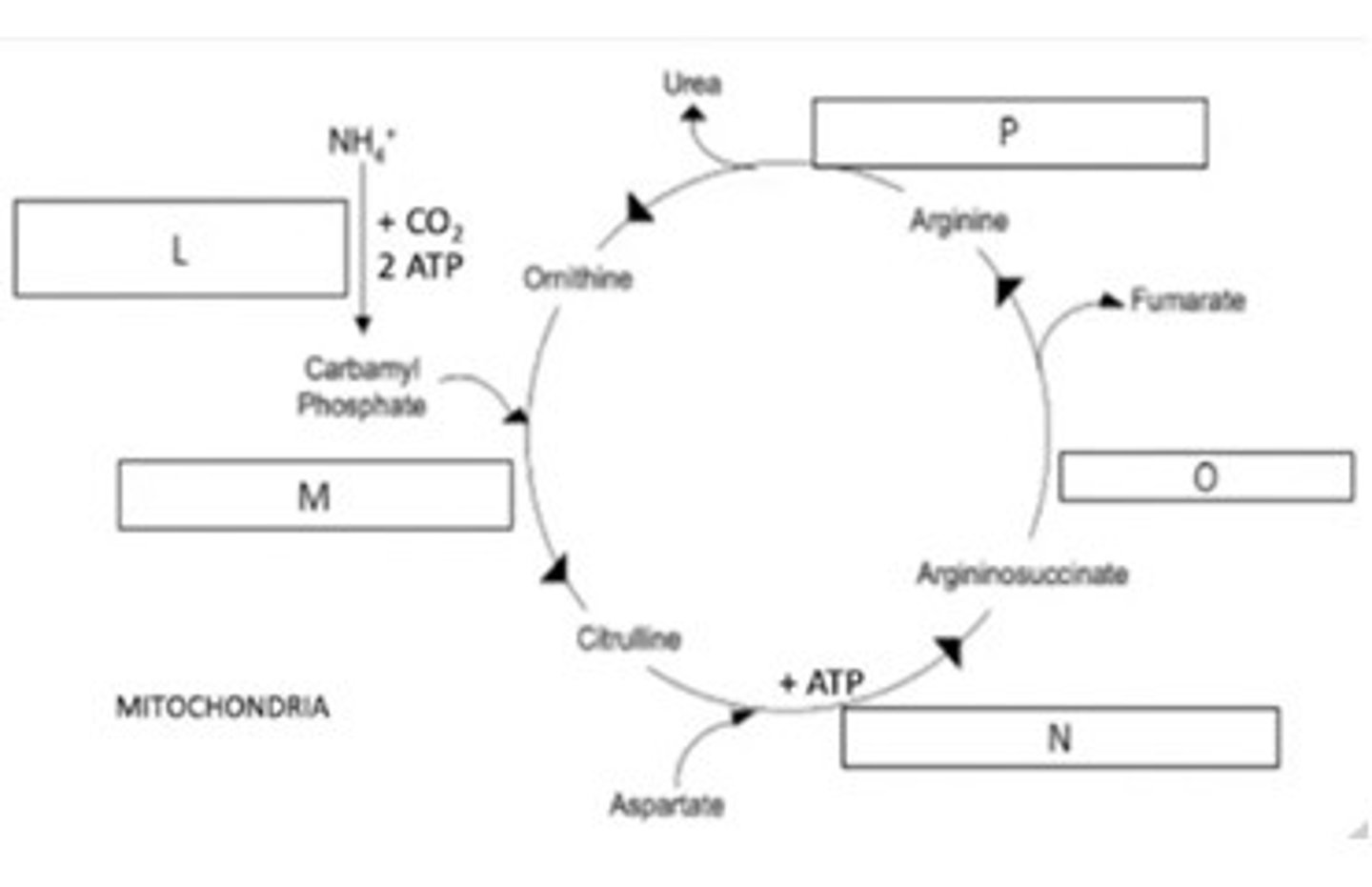
61. Control of urea cycle involves the enzyme:
A. Carbamoyl phosphate synthetase
B. Ornithine transcarbamoylase
C. Argininosuccinase
D. Arginase
A
62. Select the hormones that control glycogen metabolism
A. epinephrine, insulin
B. epinephrine, glucagon
C. epinephrine, glucagon, insulin
D. insulin, glucagon
C
63. Identify the catecholamines derived from the metabolism of tyrosine
A. Norepinephrine and epinephrine
B. Norepinephrine, epinephrine, dopamine
C. Norepinephrine, dopamine
D. Dopamine, epinephrine
B
64. Preferred method of classification of drugs in
Pharmacognosy A. By morphology
B. By taxonomy
C. By therapeutic application
D. By chemical constituents
D
65. Final step in the preparation of crude drugs A. Collection or Harvesting
B. Drying
C. Garbling
D. Packaging, Storage and Preservation (Optional)
C
66. Guttiferae
A. Apiaceae
B. Brassicaceae
C. Clusiaceae
D. Arecaceae
E. Asteraceae
C
67. Select the method of evaluating drugs which involves the use of the organs of sense, the macroscopic appearance of the drug, its odor and taste, the sound or "snap" of the fracture, and the feel of the drug to the touch
A. Physical method
B. Chemical method
C. Biological method
D. Organoleptic method
D
68. Select the method of evaluating drugs that extensively applies physical constants to the active constituents of drugs
A. Physical method
B. Chemical method
C. Biological method
D. Organoleptic method
A
69. Which of the following plant constituents are biosynthesized via Shikimic acid pathway?
I. Quinine
II. Diosgenin
III. Sennoside
IV. Terpineol
A. and II
B. I, II, III
C. I and III
D. All of the above
C
70. Which of the following compounds are biosynthesized via the Mevalonate Pathway?
I. Ouabagenin
II. Stigmasterol
III. Geranial
IV. Artemisinin
A. I and II
B. I, II, III
C. I and III
D. All of the above
D
71. The following statements are true about the shikimic acid pathway EXCEPT
A. Shikimic acid pathway produces phenylpropanoids.
B. It is also known as the Terpenoid pathway.
C. This pathway is not found in both humans and animals
D. The pathway produces the aromatic amino acids,
Phe, Tyr and Trp
B
72. An important branch-point intermediate in the Shikimate pathway
A. Dehydroshikimate
B. Chorismic acid
C. Prephenic acid
D. Anthranilic acid
B
73. Substrate P
A. DHAP
B. Dehydroquinic acid
C. Shikimic acid
D. Chorismic acid
B
74. Precursor of opium alkaloids from which they are derived
A. Q
B. R
C. S
D. T
D
75. The following statements are true about the mevalonic acid pathway (MVA) EXCEPT
A. It is found in both plants and animals
B. The MVA pathway occurs in the plastids of plant cells.
C. The rate-limiting step is catalyzed by HMG-CoA reductase
D. The pathway produces 2 important isoprene called IPP and DMAPP
B
76. The following statements are true about the methyl erythritol phosphate pathway (MEP) EXCEPT
A. Also known as Non- mevalonic acid pathway or DOXP pathway.
B. The rate limiting enzyme is DOXP synthase which catalyzes the 1st step (Pyruvate + Glyceraldehyde)
C. This pathway is absent in archaebacteria, fungi and animals
D. Plants use both MVA and MEP pathways for isoprenoid biosynthesis
B
77. Paclitaxel's origin from the MVA pathway
A. Geranyl pyrophosphate
B. Farnesyl pyrophosphate
C. Geranylgeranyl pyrophosphate
D. Squalene
C
78. Sterols' origin from the MVA pathway
A. Geranyl pyrophosphate
B. Farnesyl pyrophosphate
C. Geranylgeranyl pyrophosphate
D. Squalene
D
79. Which of the following is/are the final product/s of the dark reactions (Calvin Cycle) during photosynthesis?
I. ATP
II. NADPH
III. O2
IV. Glucose
A. I, II, III
B. I, III, IV
C. I, II, III, IV
D. IV only
D
80. Which of the following statement is incorrect about Photosynthesis?
A. Light dependent phase of photosynthesis occurs in the thylakoid membrane
B. It transforms light energy to chemical energy
C. Chlorophyll b is the principal pigment in green plants.
D. Light reactions result in the production of NADPH, O2 and ATP
C
81. Synthesized in the leaves and they accumulate in
relatively large quantities in the immature seeds and
fruits of some plants. The growth effect of this hormone
arises by cell elongation in the subapical meristem
region where young internodes are developing.
A. Auxin
B. Gibberelins
C. Cytokinins
D. Abscisic acid
E. Ethylene
B
82. Natural growth inhibitors are present in plants and
affect bud opening, seed germination and development
of dormancy.
A. Auxin
B. Gibberelins
C. Cytokinins
D. Abscisic acid
E. Ethylene
D
83. It has a role in fruit ripening.
A. Auxin
B. Gibberelins
C. Cytokinins
D. Abscisic acid
E. Ethylene
E
84. Typical effects are cell elongation giving an increase in stem length, inhibition of root growth, adventitious root production and fruit-setting in the absence of pollination.
A. Auxin
B. Gibberelins
C. Cytokinins
D. Abscisic acid
E. Ethylene
A
85. They have inhibitory effect on senescence (growth promoter) and promote cell division. They also regulate the pattern and frequency of organ production as well as position and shape.
A. Auxin
B. Gibberelins
C. Cytokinins
D. Abscisic acid
E. Ethylene
C
86. Select the correct triad
A. Datura stramonium - Scopolamine - Flavor
B. Glycyrrhiza glabra - Limonene - Expectorant
C. Catharanthus roseus - Quinine - anticancer
D. Citrus sinensis - Limonene - Flavor
D
87. Find the homoglycans
A. Cellulose, starch, inulin
B. heparin, agarose
C. Cellobiose, hyaluronic acid
D. Glycogen, agar
A
88. Select the statement that BEST describes carbohydrates
A. Phosphoglyceraldehyde is the first carbohydrate formed in photosynthesis
B. Sugars are amorphous powders, watersoluble, and sweet-tasting substances
C. The more complex, high-molecular weight heteroglycans are represented by starch, inulin, and cellobiose
D. Cellulose, composed of glucose and fructose units, forms the primary cell walls in plants
B
89. Determine the chemical test for monosaccharides
A. Benedict's test
B. Keller-Kiliani test
C. Biuret test
D. Seliwanoff's test
A
90. Identify the test for reducing sugars
A. Biuret test
B. Sudan red
C. Molisch test
D. Fehling's test
D
91. Determine the appropriate test for ketoses
A. Keller-Kiliani
B. Bial's test
C. Seliwanoff's
D. Molisch
C
92. Select the classification and therapeutic use of glucovanillin
A. Aldehyde, flavor
B. Flavonol, antibacterial
C. Anthraquinone, cathartic
D. Saponin, analgesic
A
93. A polymer of glucose synthesized by the action of
Leuconostoc mesenteroides in a sucrose medium is
A. Dextrans
B. Limit dextrin
C. Dextrin
D. Xanthan
A
94. Purified partially depolymerized cellulose prepared by treating a-cellulose with mineral acids
A. Purified cotton
B. Powdered cellulose
C. Microcrystalline cellulose
D. Purified rayon
C
95. Preferred form of tragacanth gum which made from transverse incisions on the main stems and branches
A. Vermiform
B. Tragacanth sorts
C. Ribbon and flake
D. Bassorin
C
96. Algin
A. Shrubs or Tree Exudates
B. Marine gums
C. Seed gums
D. Plant Extracts
E. Microbial gums
B
97. Guar
A. Shrubs or Tree Exudates
B. Marine gums
C. Seed gums
D. Plant Extracts
E. Microbial gums
C
98. Consist of the strands of phloem fibers from the stem bark of Corchorus capsularis
A. Jute
B. Flax
C. Hemp
D. Viscose
A
99. Tapioca or Cassava starch
A. Triticum aestivum
B. Avena sativa
C. Hordeum sp
D. Manihot utilissima
D
100. Used as a plasma expander at 6% concentration.
A. Pregelatinized starch
B. Sodium starch glycolate
C. Hetastarch
D. Dextrins
C