Classics Final
 Call Kai
 Learn
Learn Practice Test
 Spaced Repetition
 Match
Match Flashcards
 Knowt Play
1/21

There's no tags or description
Looks like no tags are added yet.
Name | Mastery | Learn | Test | Matching | Spaced | Call with Kai |
|---|
No analytics yet
Send a link to your students to track their progress
22 Terms
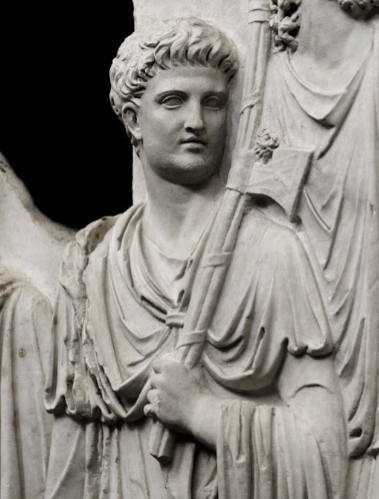
Statues with Fasces
Carried by the lictors who would protect magistrates (consuls, praetors, curule aediles, quaestors, tribunes); also a symbol of authority and power (imperium)
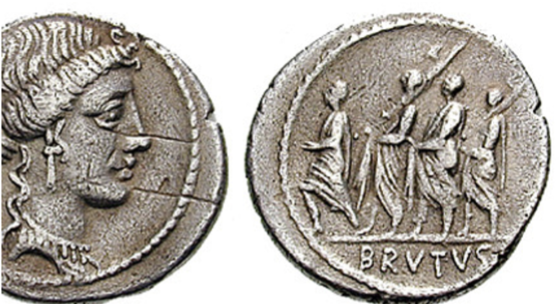
Coin depicting Brutus
Depicts Lucius Junius Brutus who helped overthrow Tarquinius Superbus, the last king of Rome. Traditionally one of its first two consuls
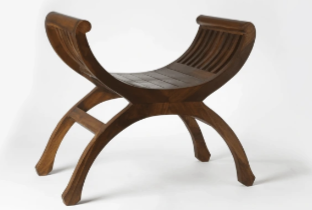
Curule chair
Used as a symbol of authority (imperium) for magistrates; commonly seen even in modern architecture as a metaphor for power
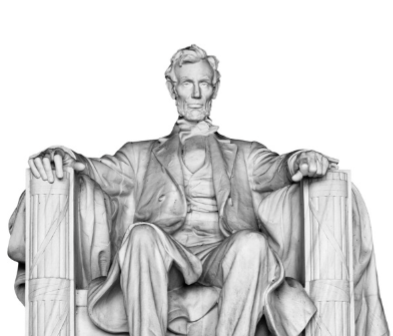
Lincoln memorial
Depicts both the curule chair and fasces which serves as a key example in which Roman symbols of authority continue to influence us
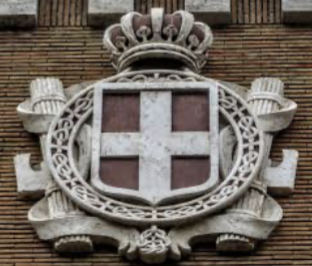
Seal in Italy with fasces
Depicts the fasces on a symbol of authority which highlights how Roman symbols of authorities remain influential in architecture
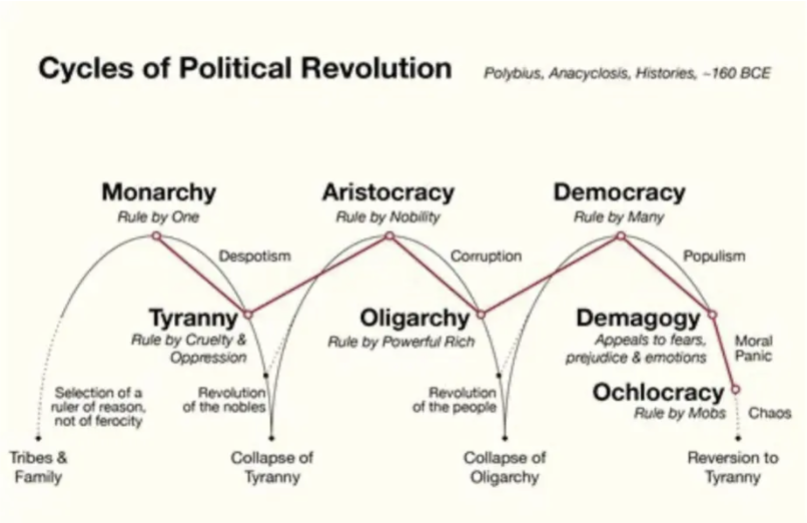
Polybius’ Theory of Anacyclosis
An ancient Greek historian’s theory of political cycles. It asserted that various forms of government rose, degraded, fell, and rose again. He believed Rome was immune because of its Mixed Constitution that combined aspects of all government.
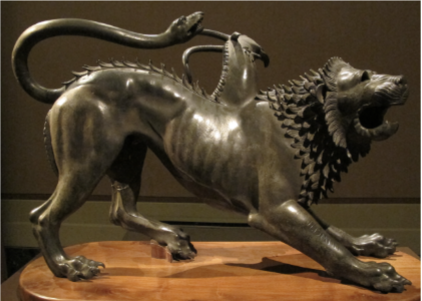
Chimera of Arezzo
Etruscan relic that suggests these people had a connection or interacted with ancient Greece.
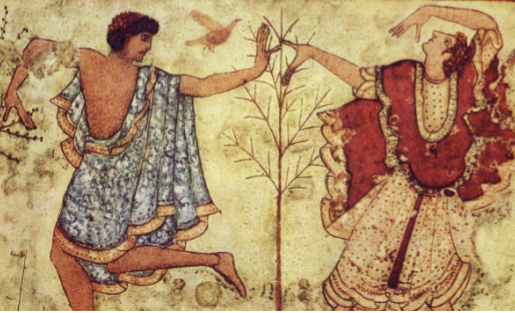
Images from the Tomb of Triclinium
Highlights the prominent place women had in Etruscan society based on their wealthy dress/equal place at the table
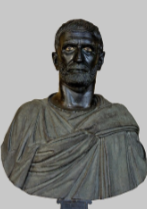
Lucius Junius Brutus
Ancient Roman republican hero; overthrew his king and uncle Tarqiunius Superbus to become one of the first consuls
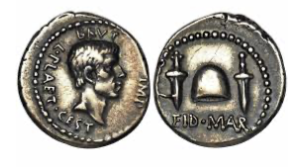
Coin depicting the Ides of March
Depicts Marcus Junius Brutus and knives and a freedman’s cap in order to symbolize his assassination of Caesar
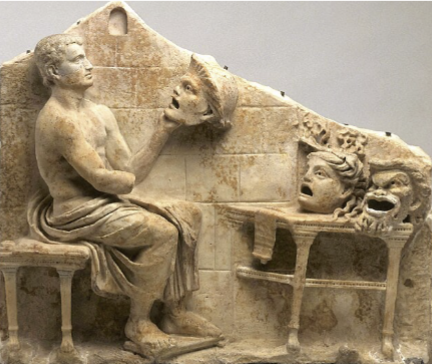
Depiction of Menander
Greek playwright who helped pioneer the form of stageplay known as the “New Comedy” alongside Alexis. These plays of Fabula Palliata highlight the Greek influence present in Roman culture.
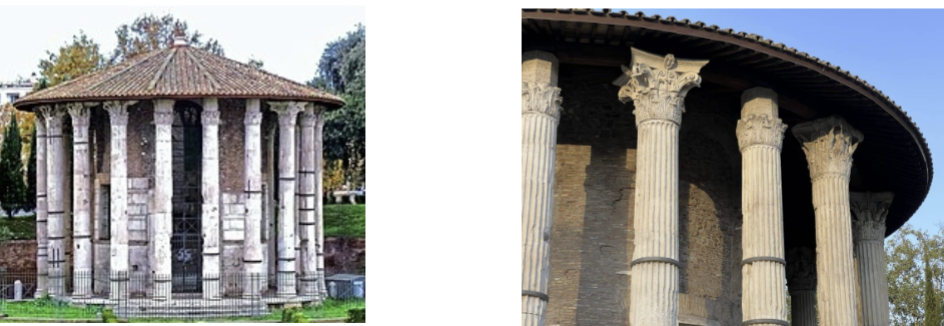
Temple of Hercules Victor
Depicts Greek influence (colonnade and Corinthian columns) in Roman temple architecture.
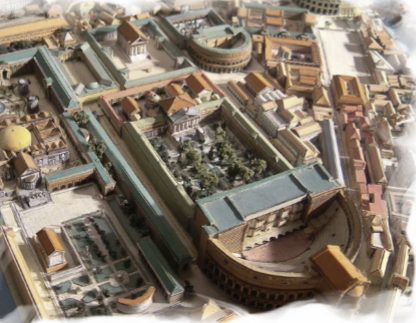
Theater of Pompey
Pompey was able to get around not being allowed to build permanent theaters by attaching it to the temple of Venus Victrix and by building it outside of Rome proper (pomerium) on the edge of the Campus Martius. Caesar celebrated his victory here but was later assassinated in its curia.
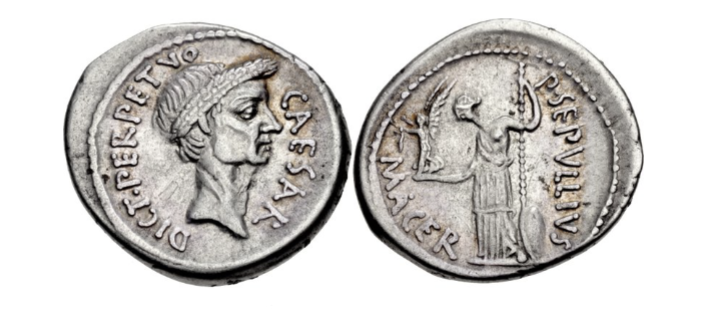
Coin depicting Julius Caesar
A coin depicting Julius Caesar. Previously, no living man had been allowed to be depicted on a coin, but Caesar broke precedence by doing so. He declared himself “dictator for life” even when this position was meant to only be for 6 months (or 10 years in some extreme cases)
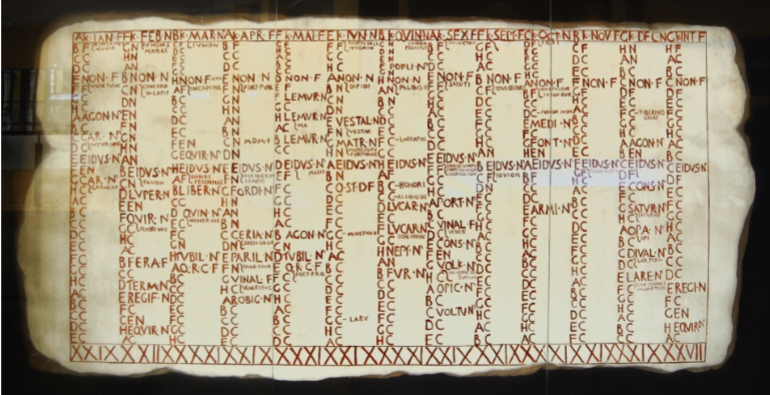
Fasti Antiates Maiores
Our only surviving example of a pre-Julian Roman calendar. The month of Quintilis would become the month of July and the month of Sextilis would become the month of August. Caesar also went on to make it purely solar-based and removed the variable intercalary month.
Depiction of Aeneas, Anchises, and Ascanius with Penates
Occurs during the Siege of Troy; Anchises initially doesn’t want to go but seeing a halo of fire around Ascanius and a comet convinces him to leave with Aeneas. Ascanius would become the king of Alba Longa (predecessor to Rome) and progenitor of Caesar’s line as Iulus.
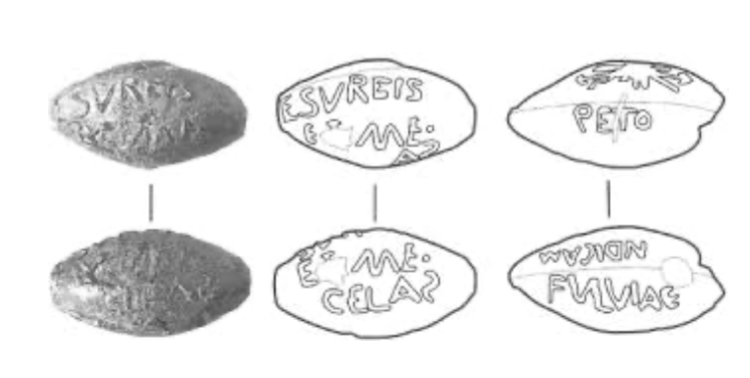
Sling bullets from Siege of Perugia
Sling bullets with very graphic sexual insults written on them directed against Fulvia who led a rebellion against Augustus. Highlights her unusual position of political power in ancient Rome as a woman.
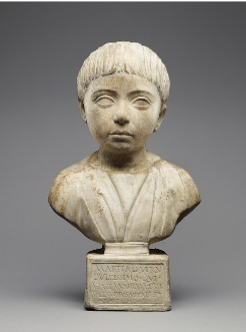
Bust of Martial
Bust of a house-born slave, suggesting that not all slaves were treated particularly badly. It’s possible that he was the illegitimate son of his master
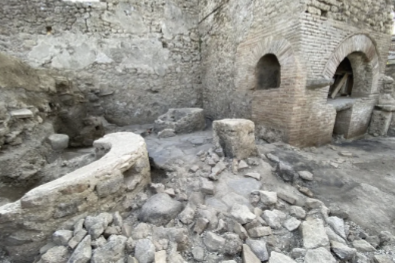
Slave mill
This mill had terrible working conditions for slaves, showing how brutal the conditions some slaves faced were
Tomb of Eurysaces the Baker
The tomb of a wealthy freedman named Eurysaces. His opulence and ostentatiousness with his tomb highlights the way freedman tended to flaunt their wealth even in death.
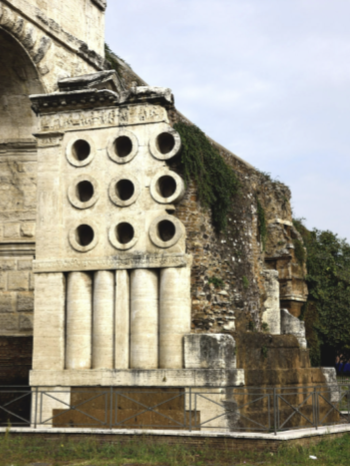
Freedman’s tomb
More examples of a freedman’s tomb. Again, note the ostentatious and larger than life nature of these tombs.