ARTH 121 - History of Graphic Design - Ringling College of Art and Design
 Call Kai
 Learn
Learn Practice Test
 Spaced Repetition
 Match
Match Flashcards
 Knowt Play
1/57

Earn XP
Description and Tags
Exam 3
Name | Mastery | Learn | Test | Matching | Spaced | Call with Kai |
|---|
No analytics yet
Send a link to your students to track their progress
58 Terms
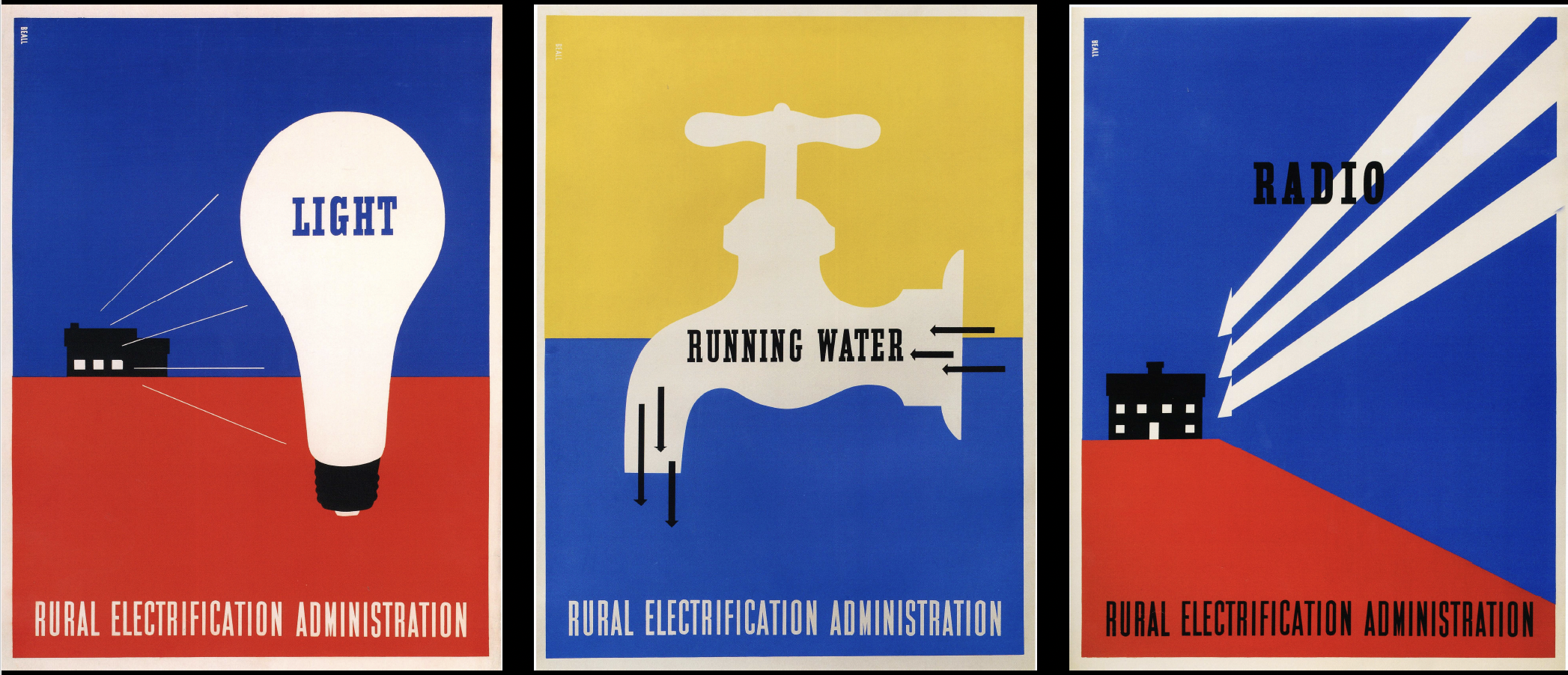
Lester T. Beall, “Poster Series for the RURAL ELECTRIFICATION ADMINISTRATION”
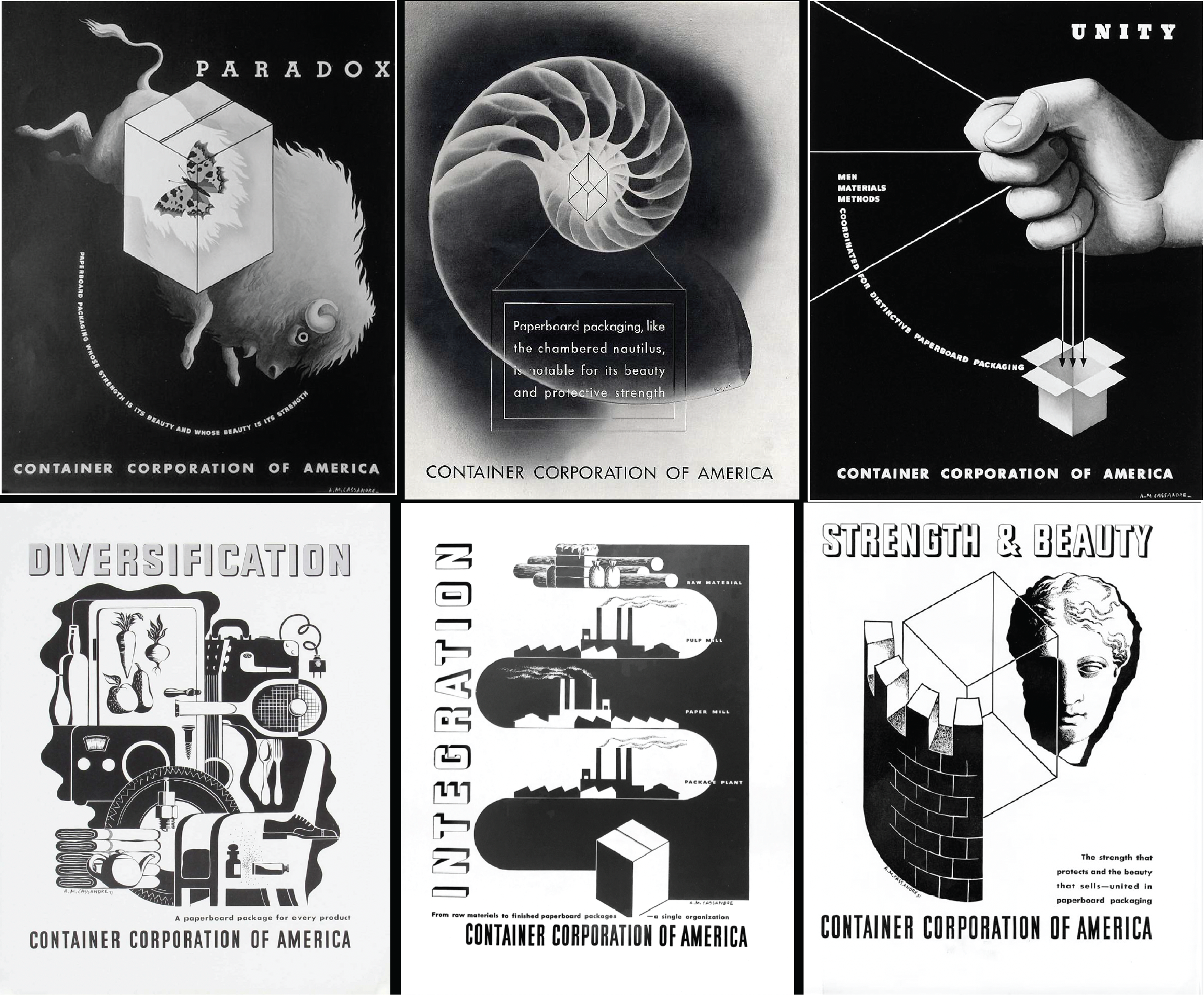
A.M. Cassandre, “Advertisement for the Container Corporation of America”
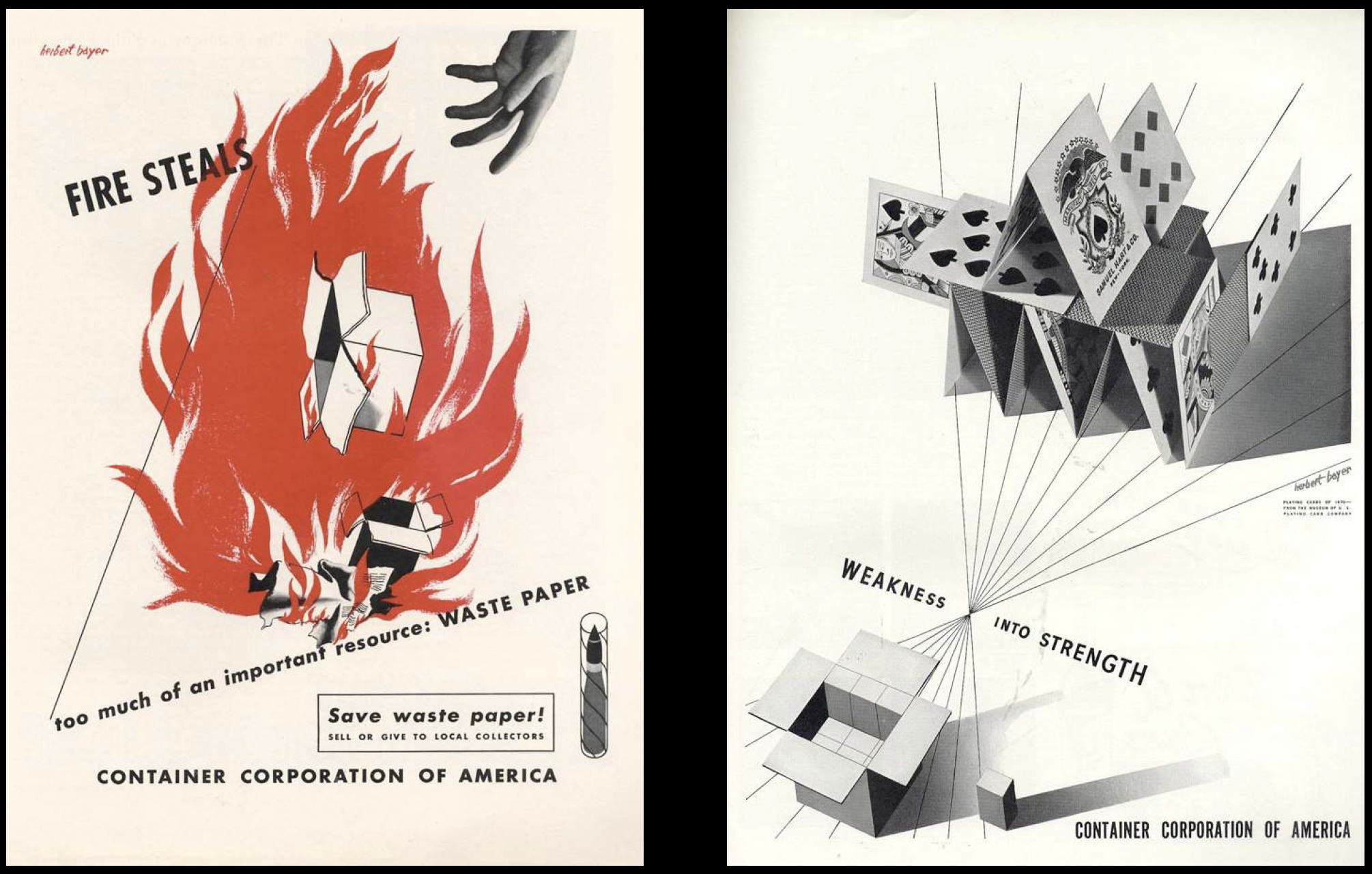
Herbert Bayer, “Advertisement for the Container Corporation of America”
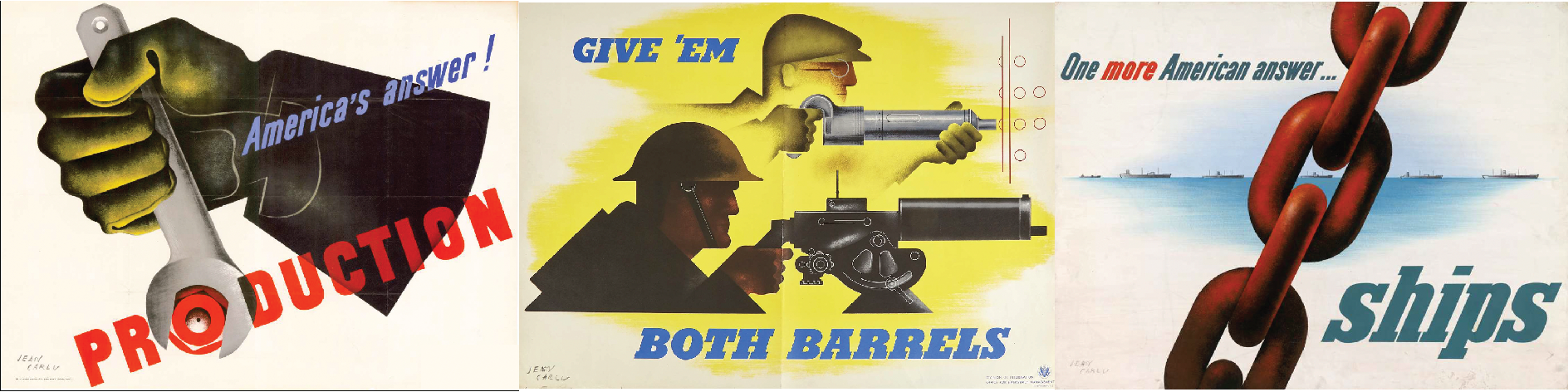
Jean Carlu, “Poster for the US Office of Emergency Management”
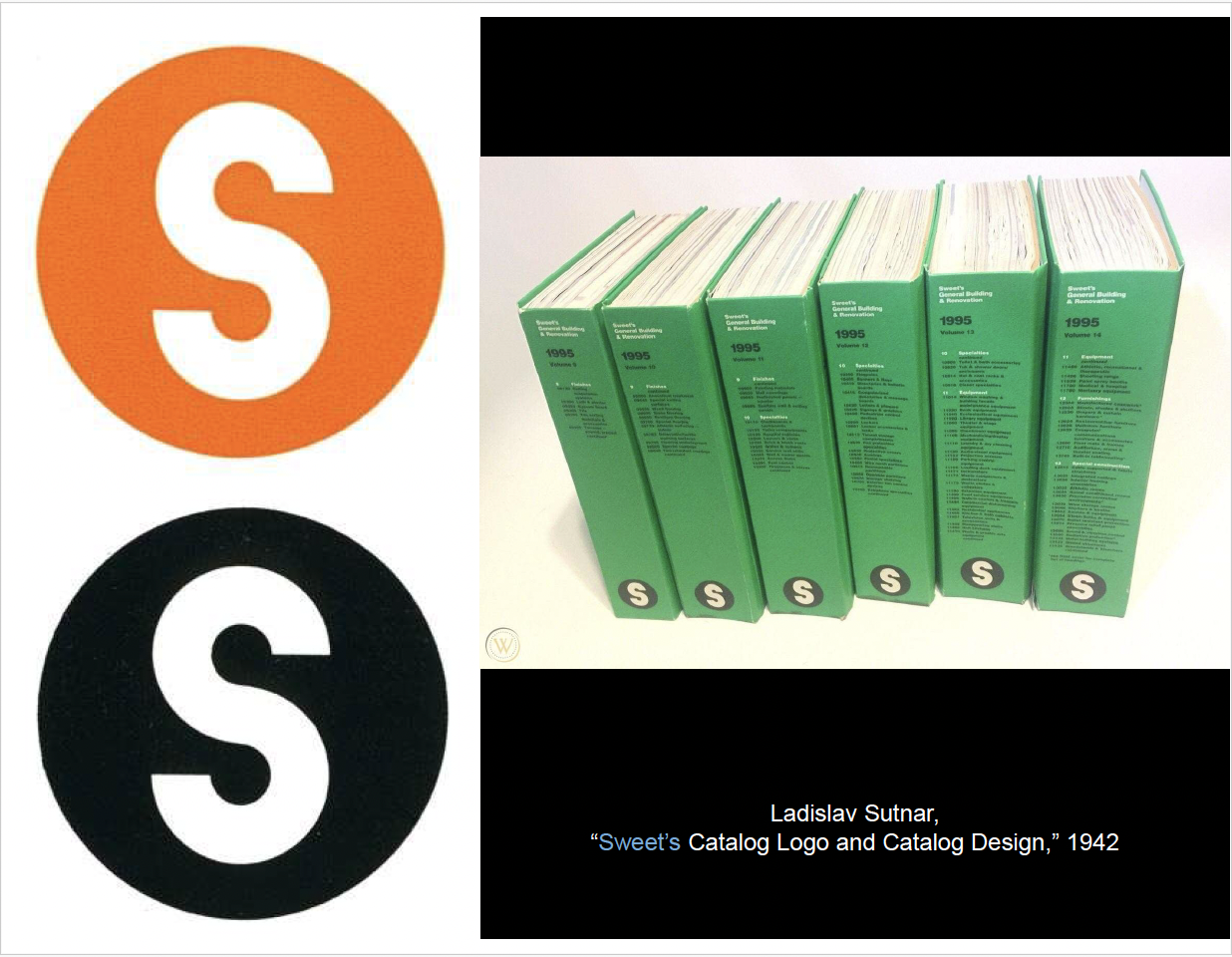
Ladislav Sutnar, “Sweet’s Catalog Logo and Catalog Design”
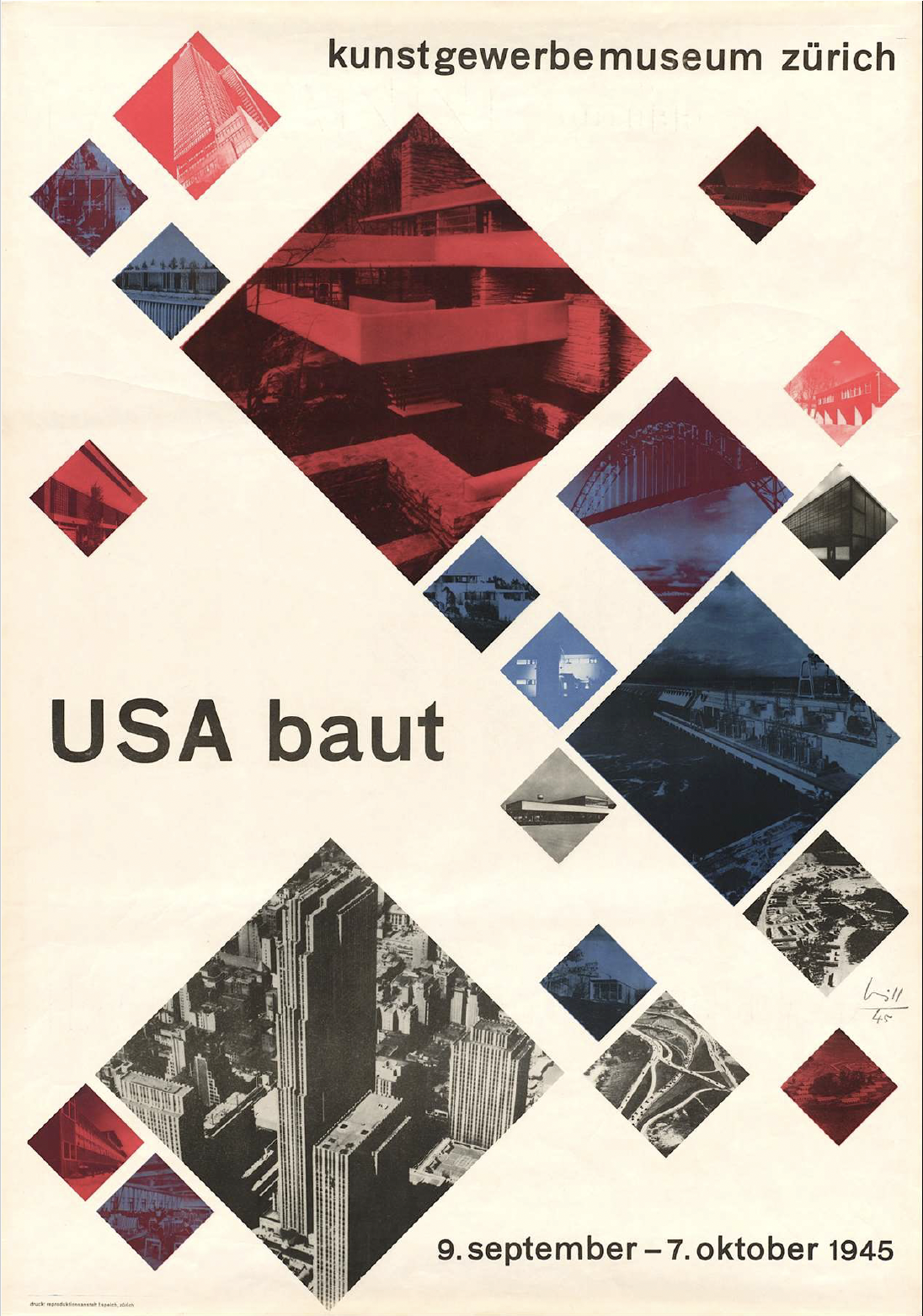
Max Bill, “Poster for the ‘USA Builds’ Exhibition at the Zurich Arts & Crafts Museum”
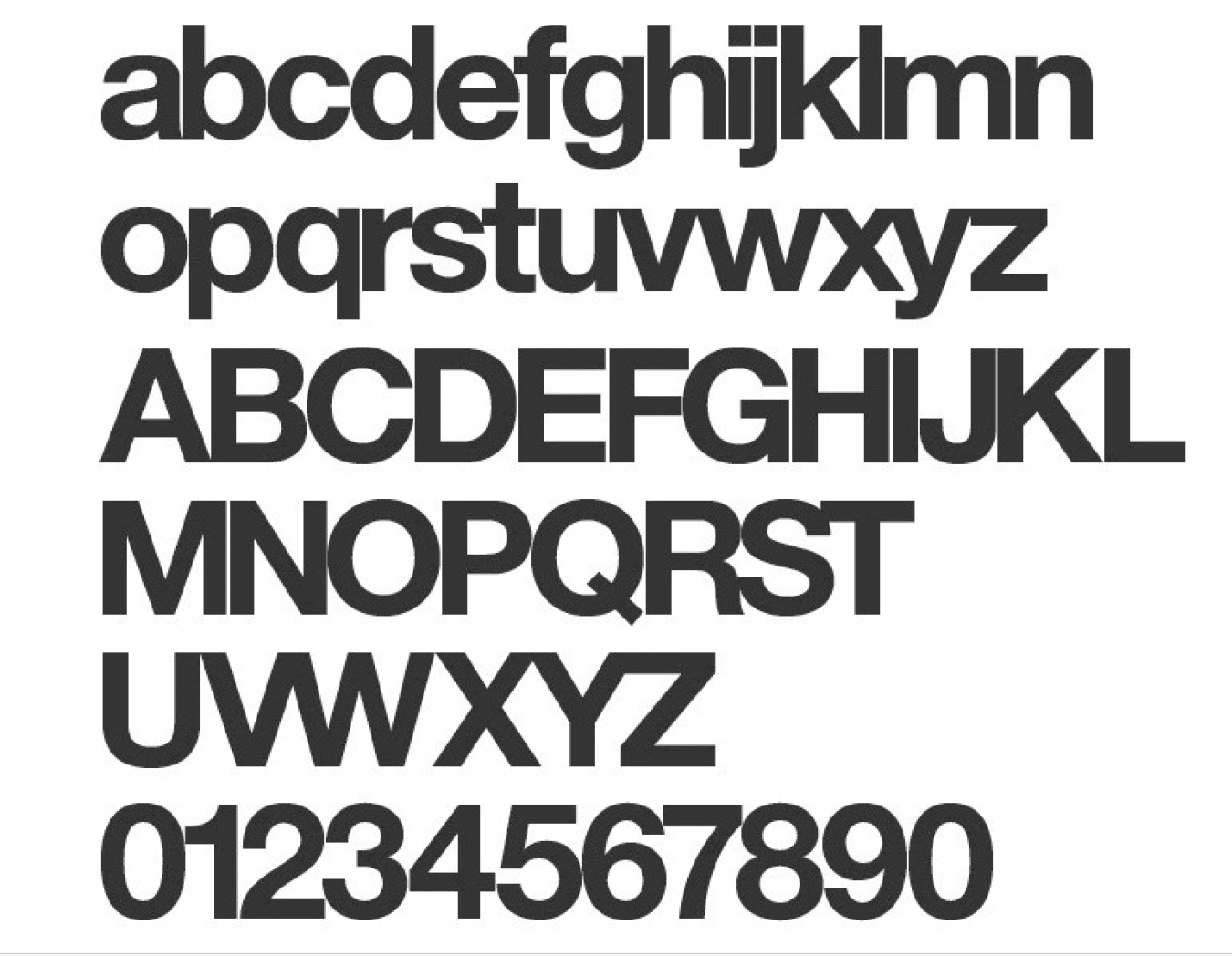
Edouard Hoffman and Max Miedinger, “Helvetica Typeface”
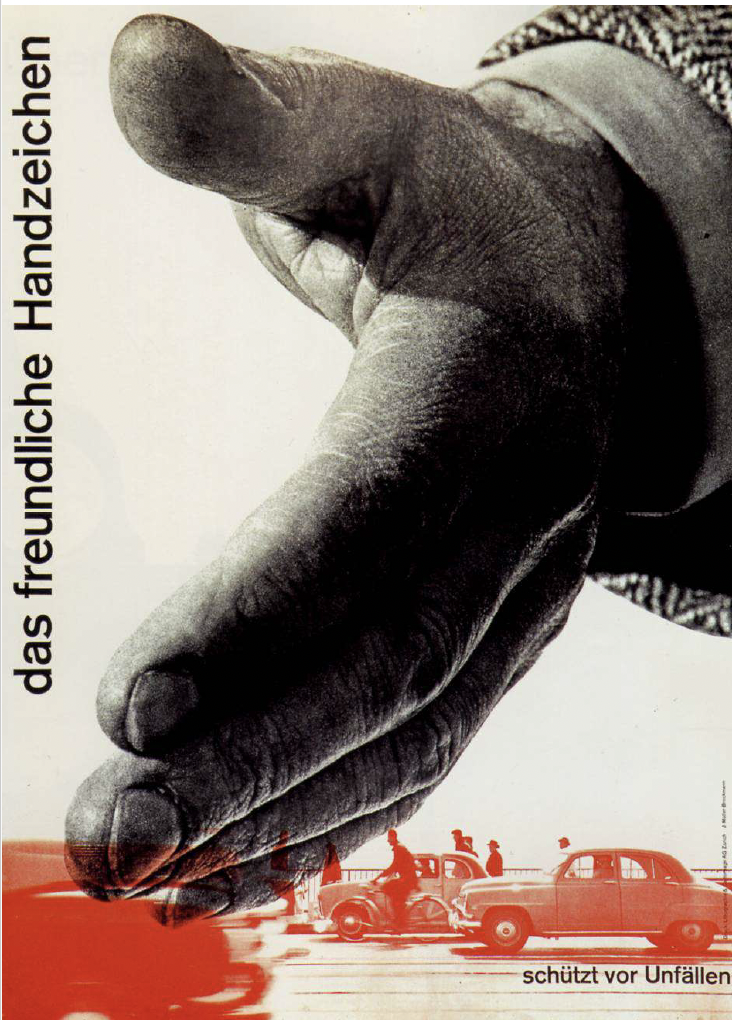
Josef Müller-Brockmann, “Poster for the Swiss Auto Club”
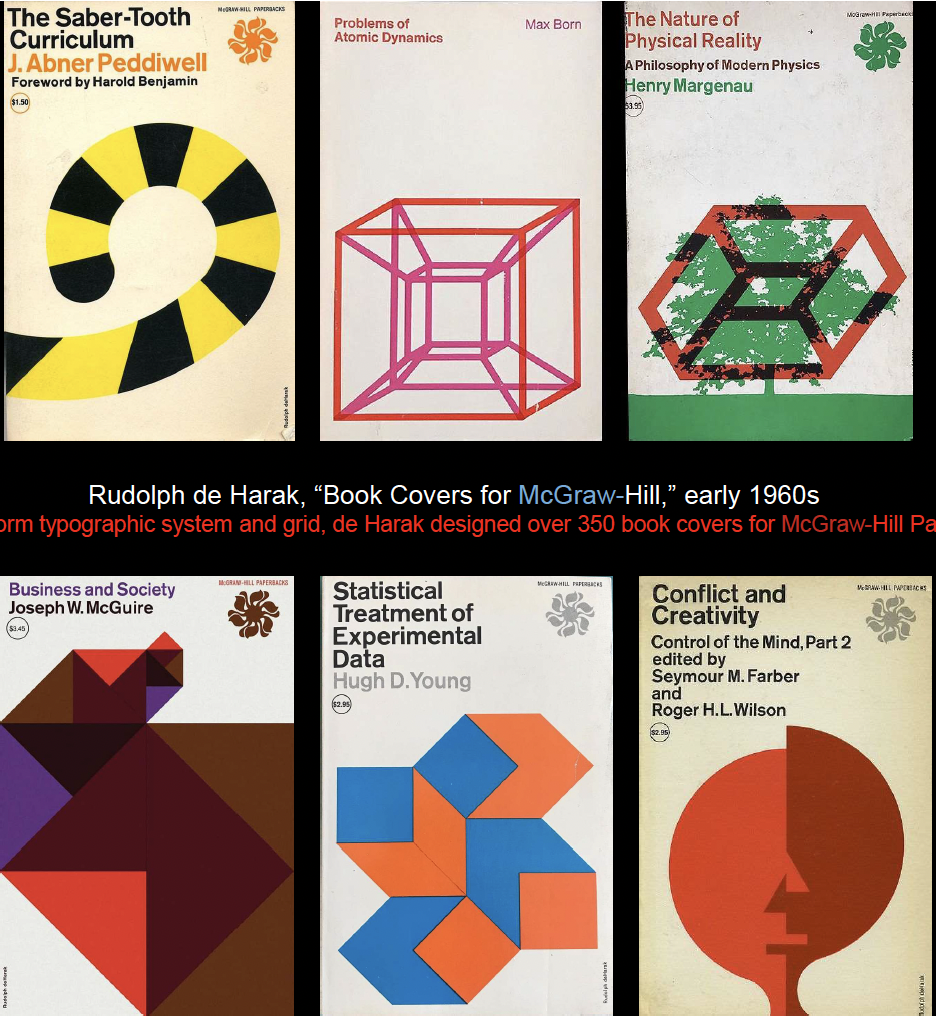
Rudolph de Harak, “Book Covers for McGraw-Hill”
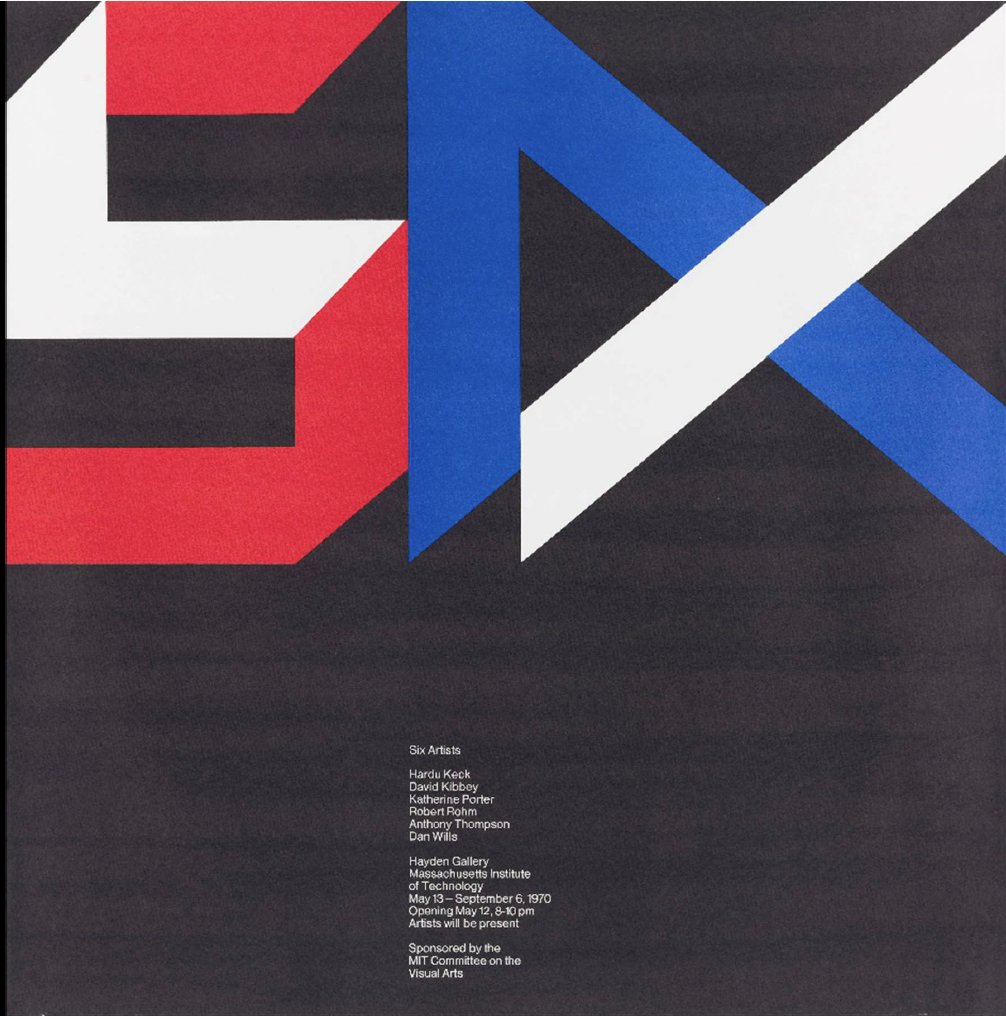
Jacqueline S. Casey, “Six Artists Exhibition Poster for MIT”
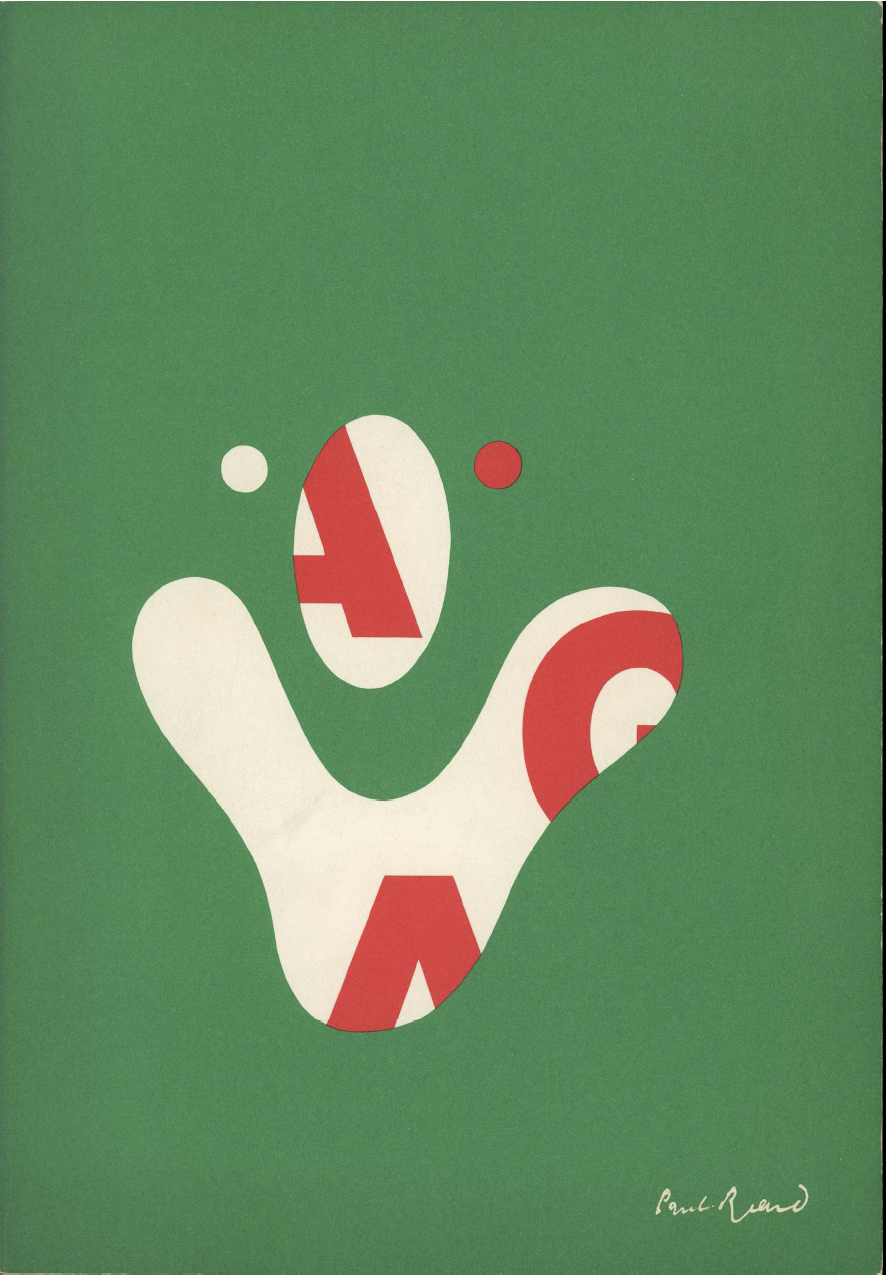
Paul Rand, “Poster for the American Institute of Graphic Arts”
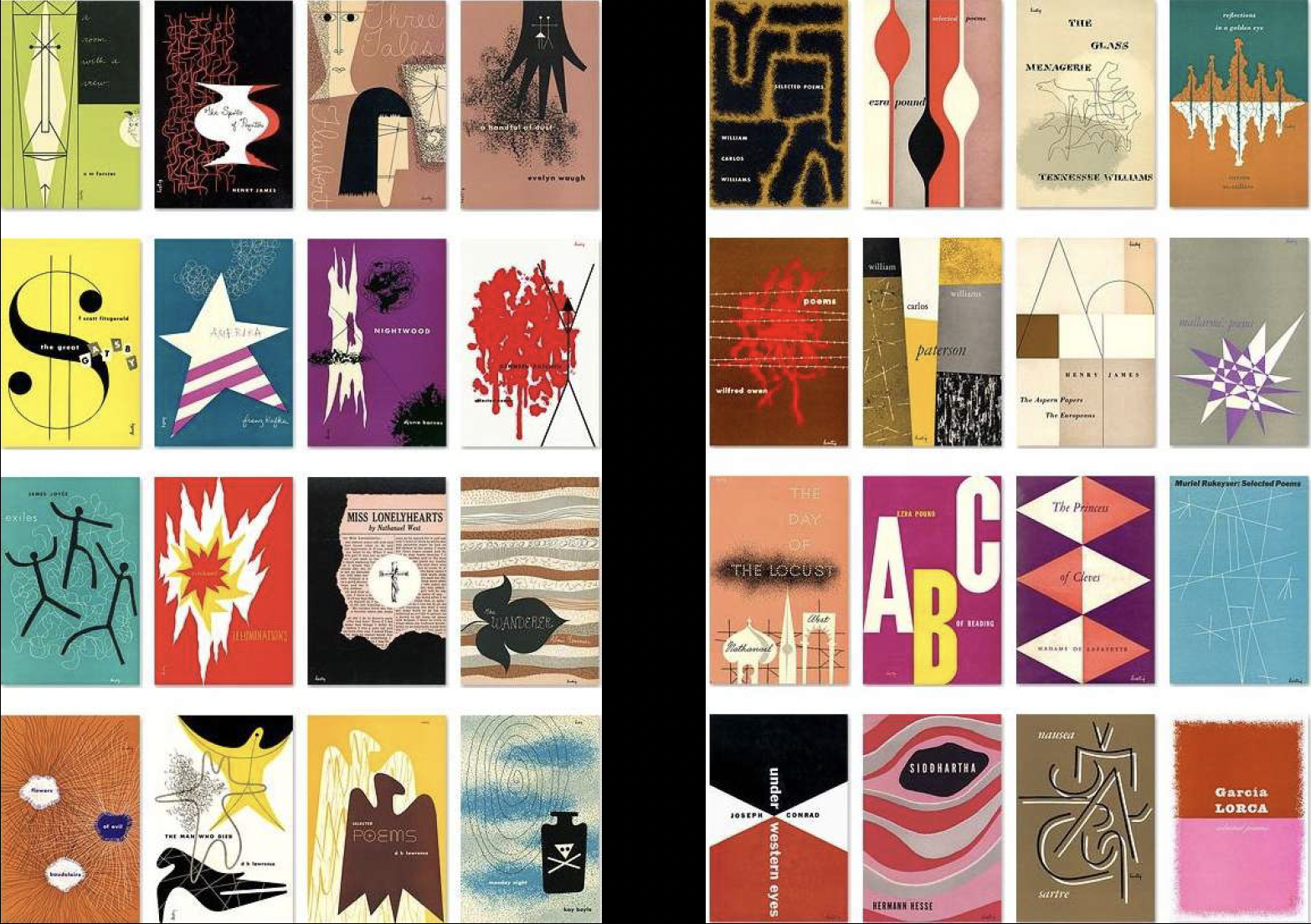
Alvin Lustig, “Book Cover Designs,” 1940s & 1950s
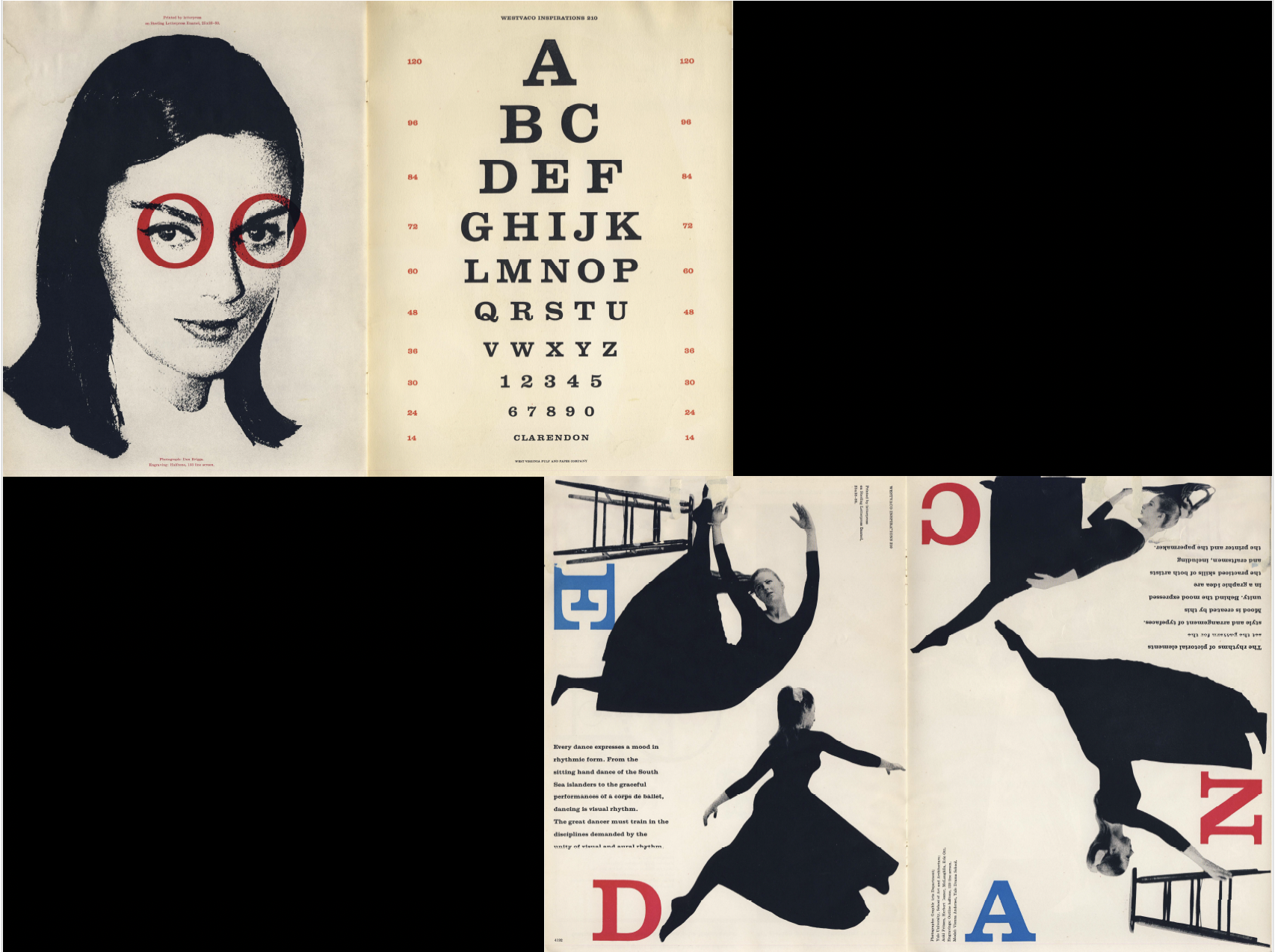
Bradbury Thompson, “Pages from Westvaco Inspirations 210”
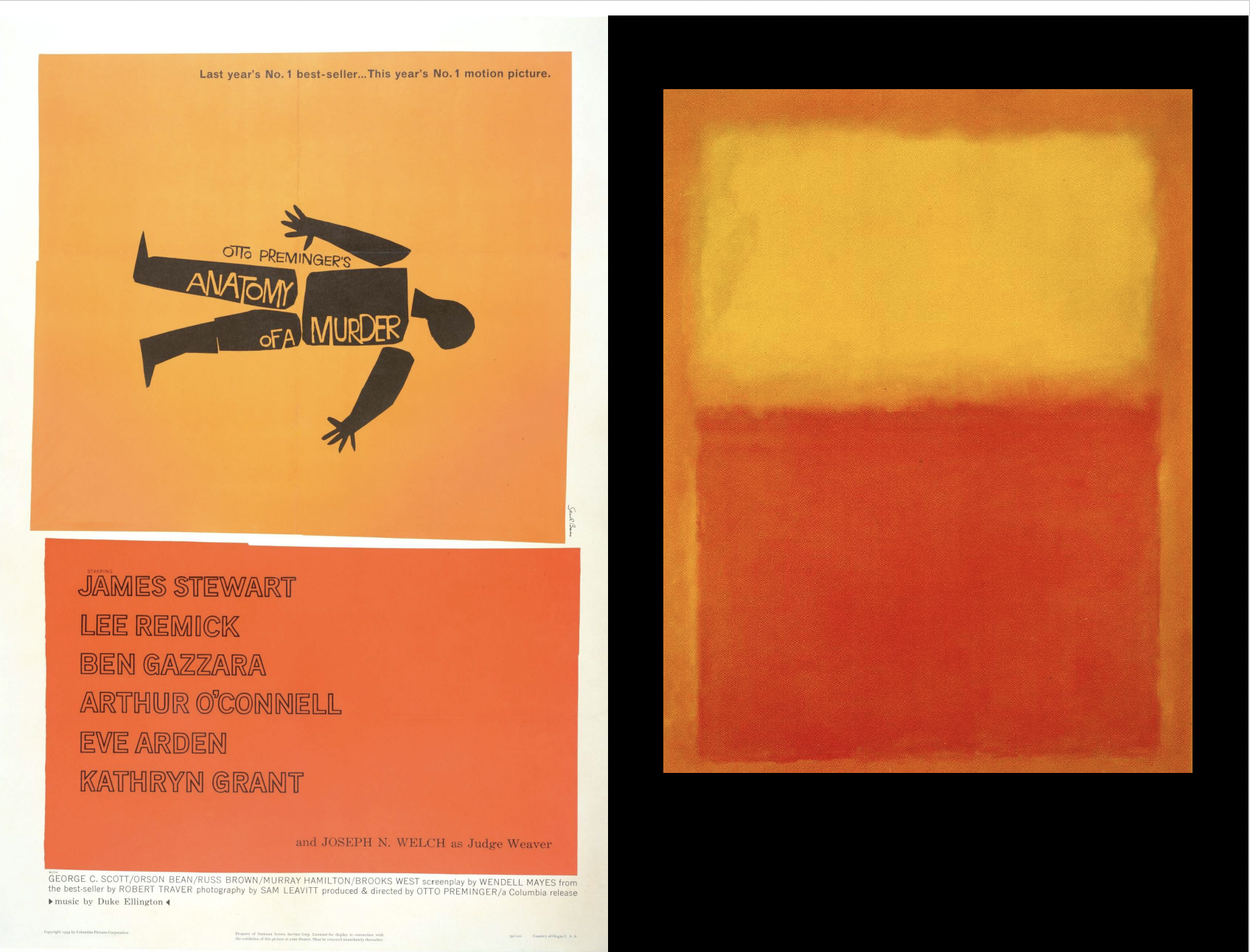
Saul Bass, “Movie Poster for Anatomy of a Murder”
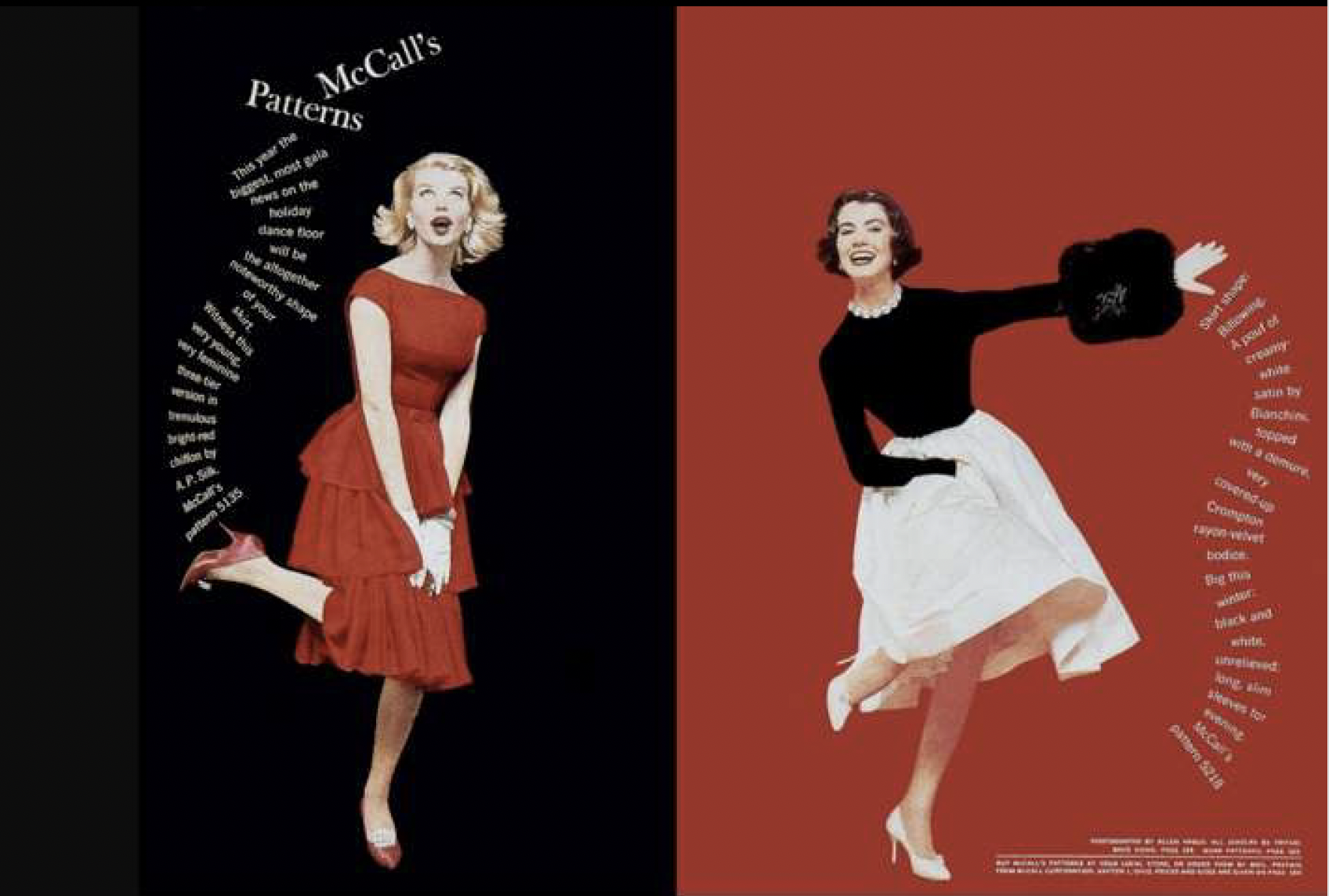
Otto Storch (art director) and Allen Arbus (photographer), “Layout for McCall’s Magazine,”
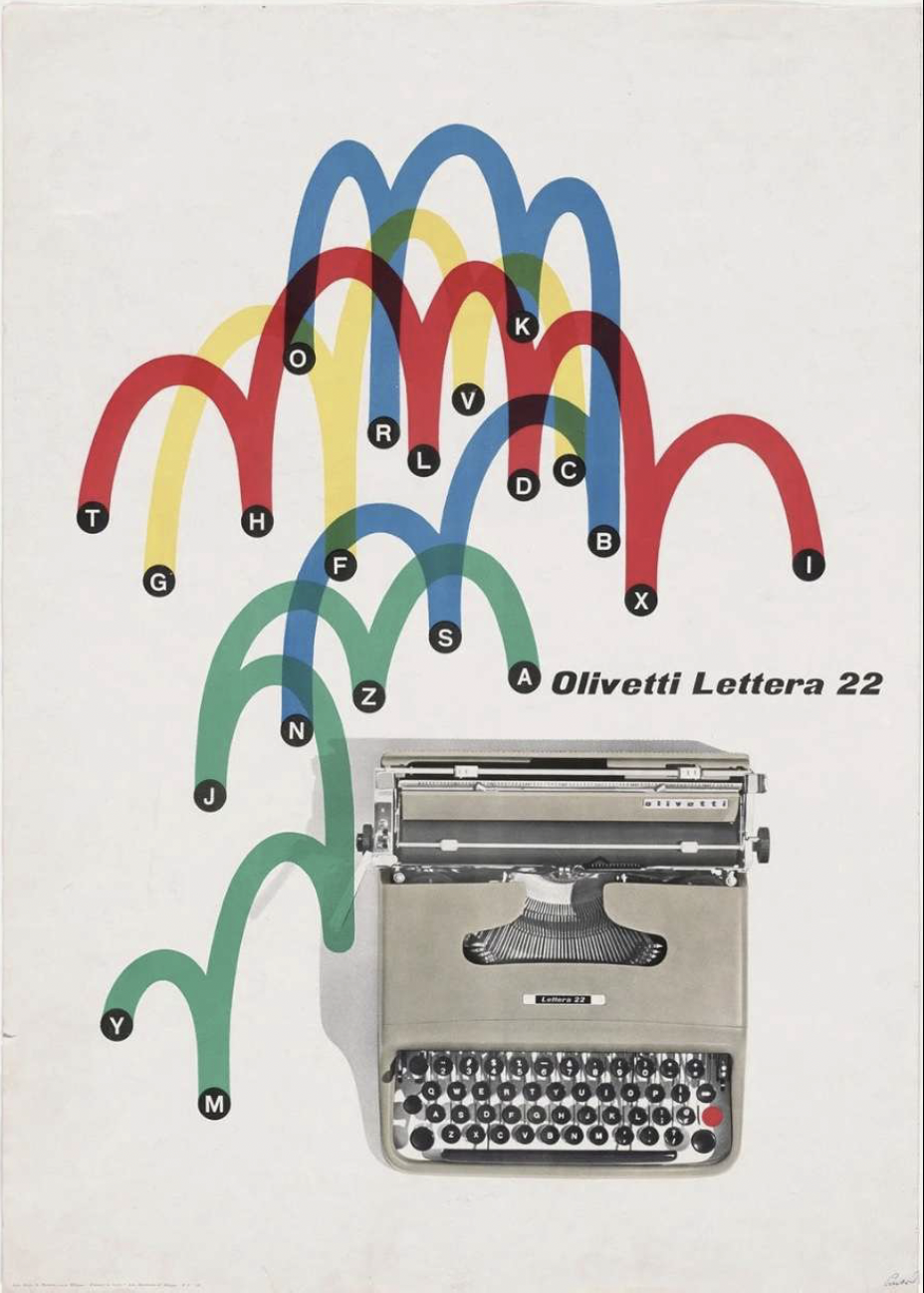
Giovanni Pintori, “Olivetti Lettera 22 Advertisement”
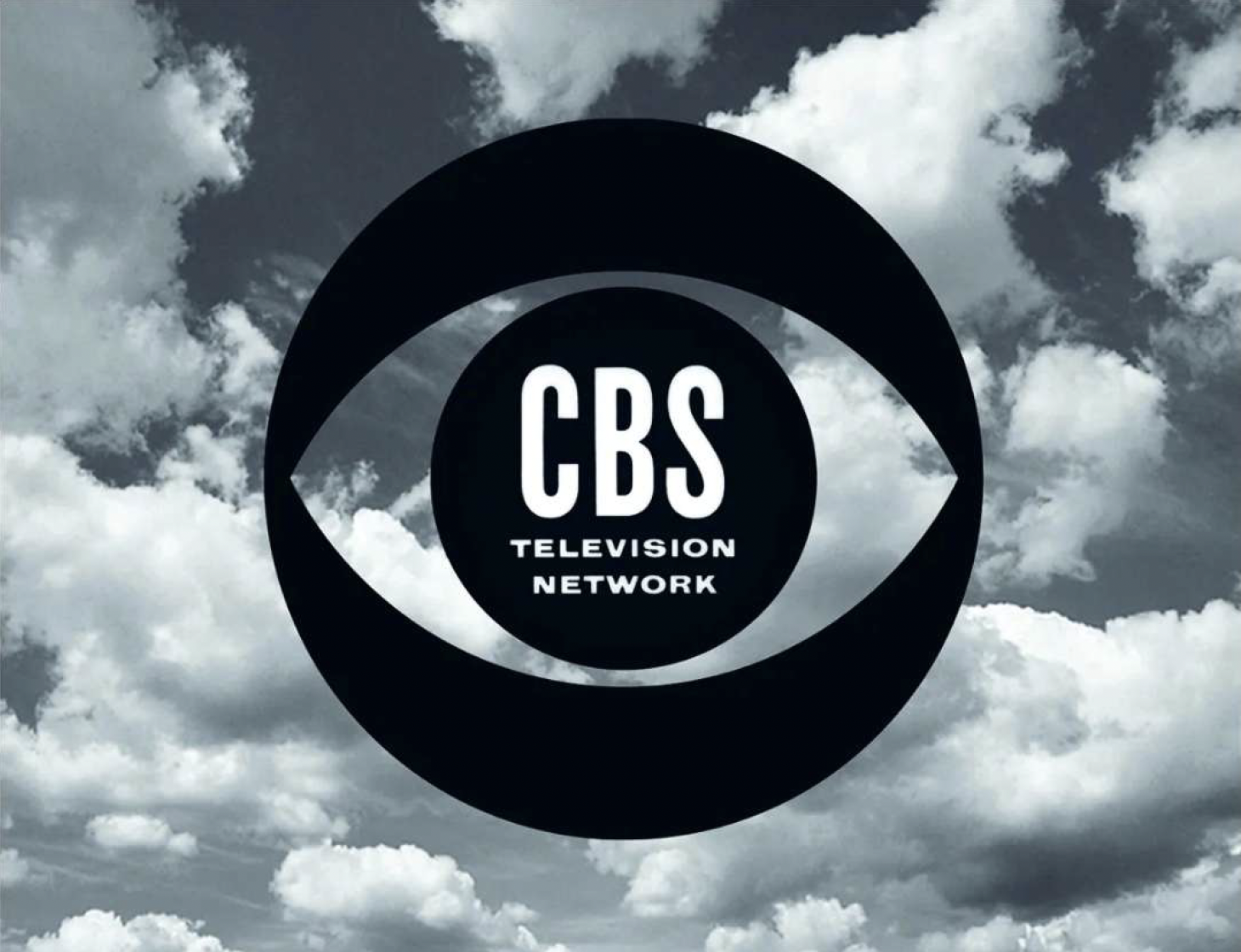
William Golden, “CBS Television Logo”
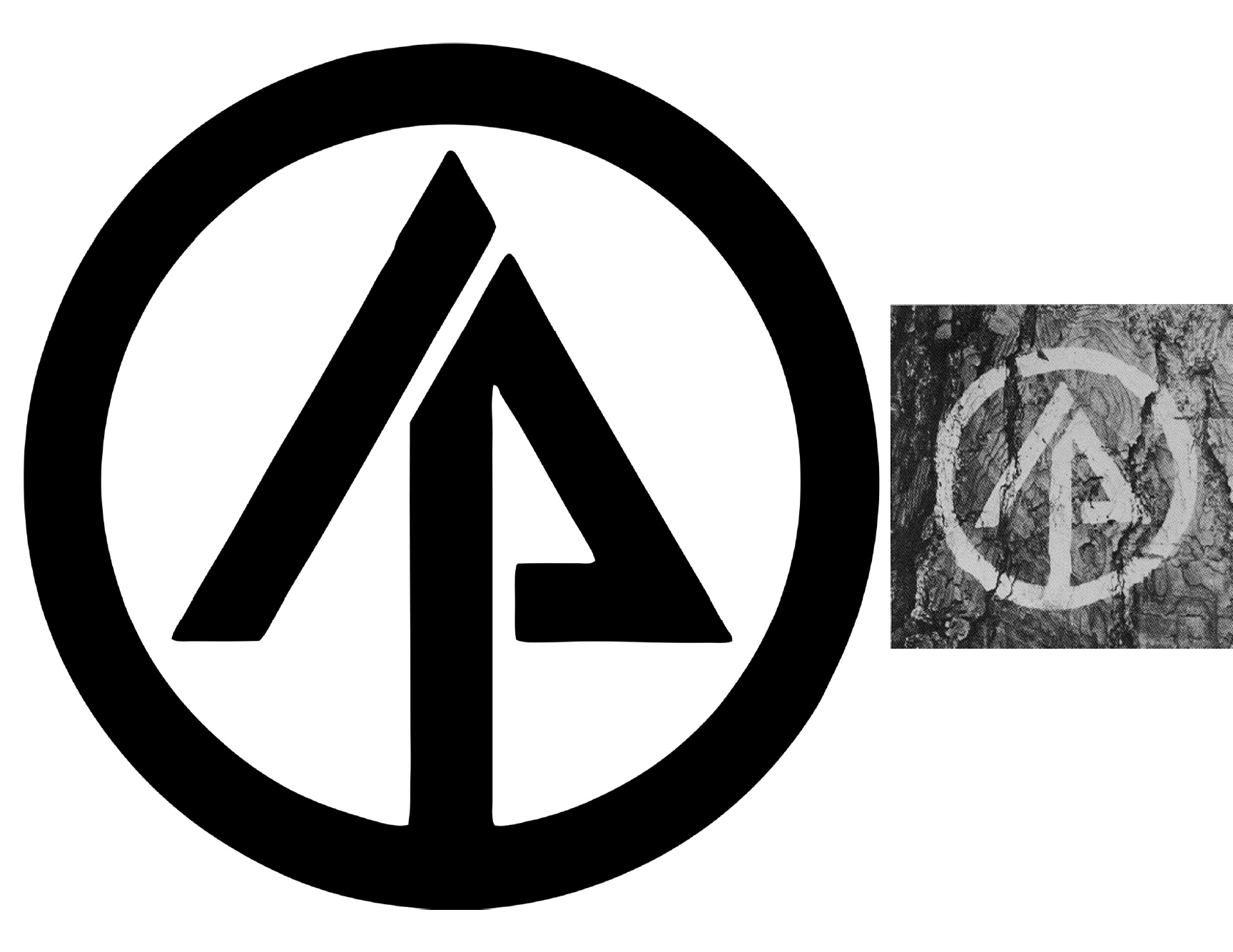
Lester Beall, “Logo for the International Paper Company”
Chermayeff & Geismar, “Logo for Chase Manhattan Bank”

Lance Wyman, “Typeface for the 1968 Mexico Olympics”

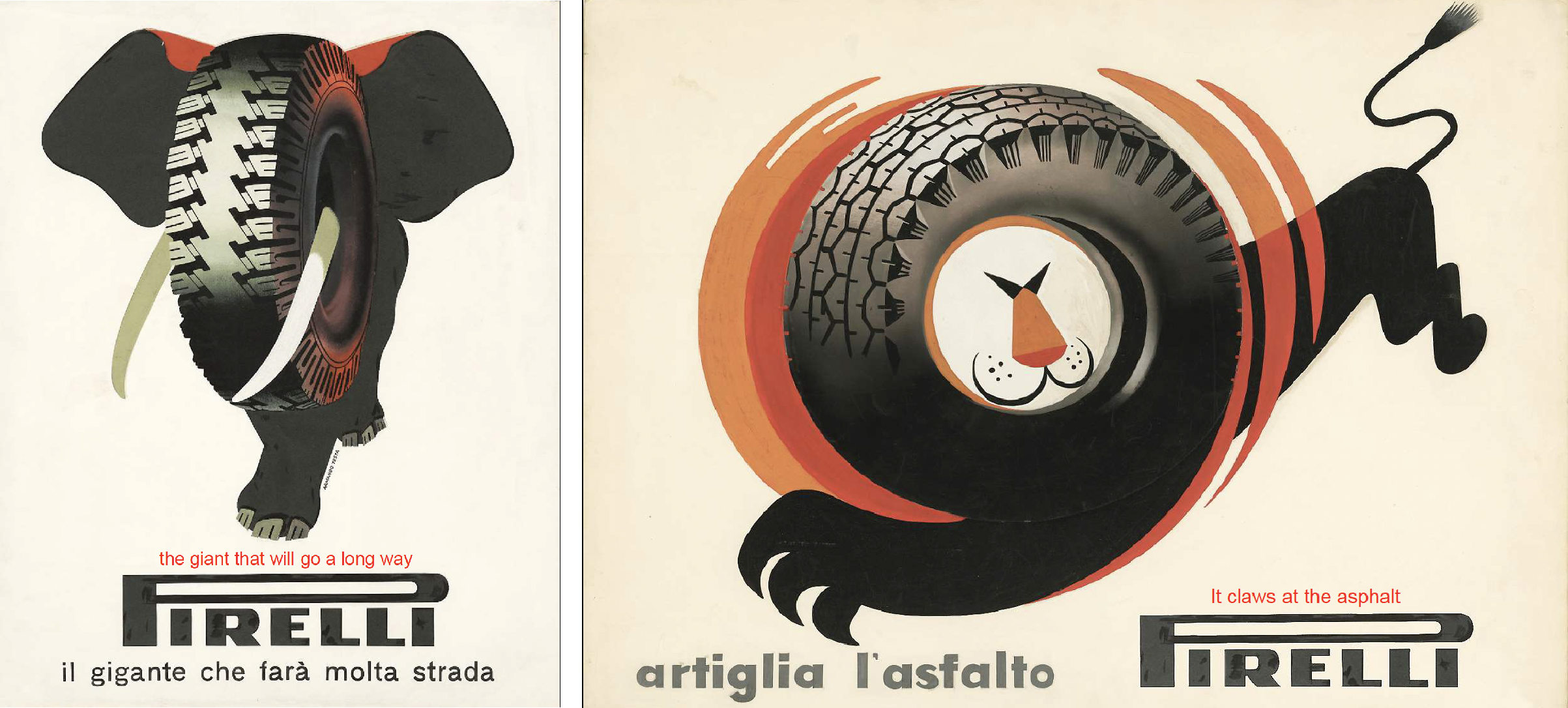
Armando Testa, “Poster for Pirelli Tires,” 1954
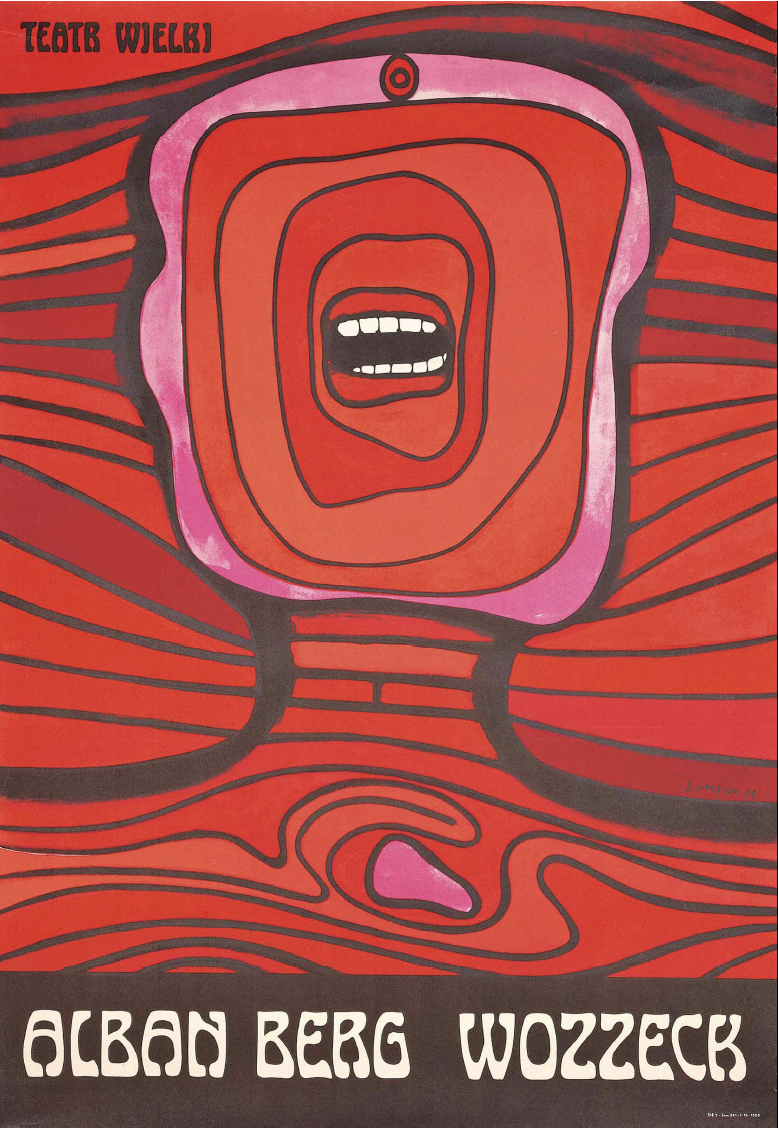
Jan Lenica, “Poster for Wozzeck (play) by Alban Berg,” 1964
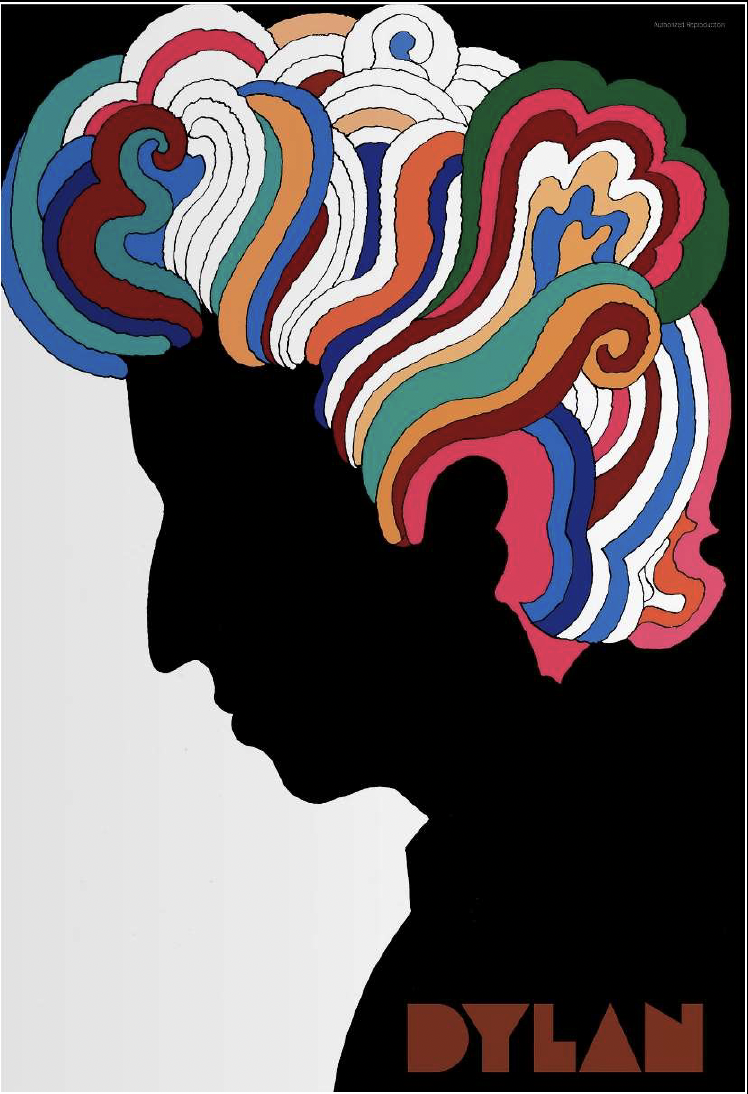
Milton Glaser, “Poster for Bob Dylan,” 1967
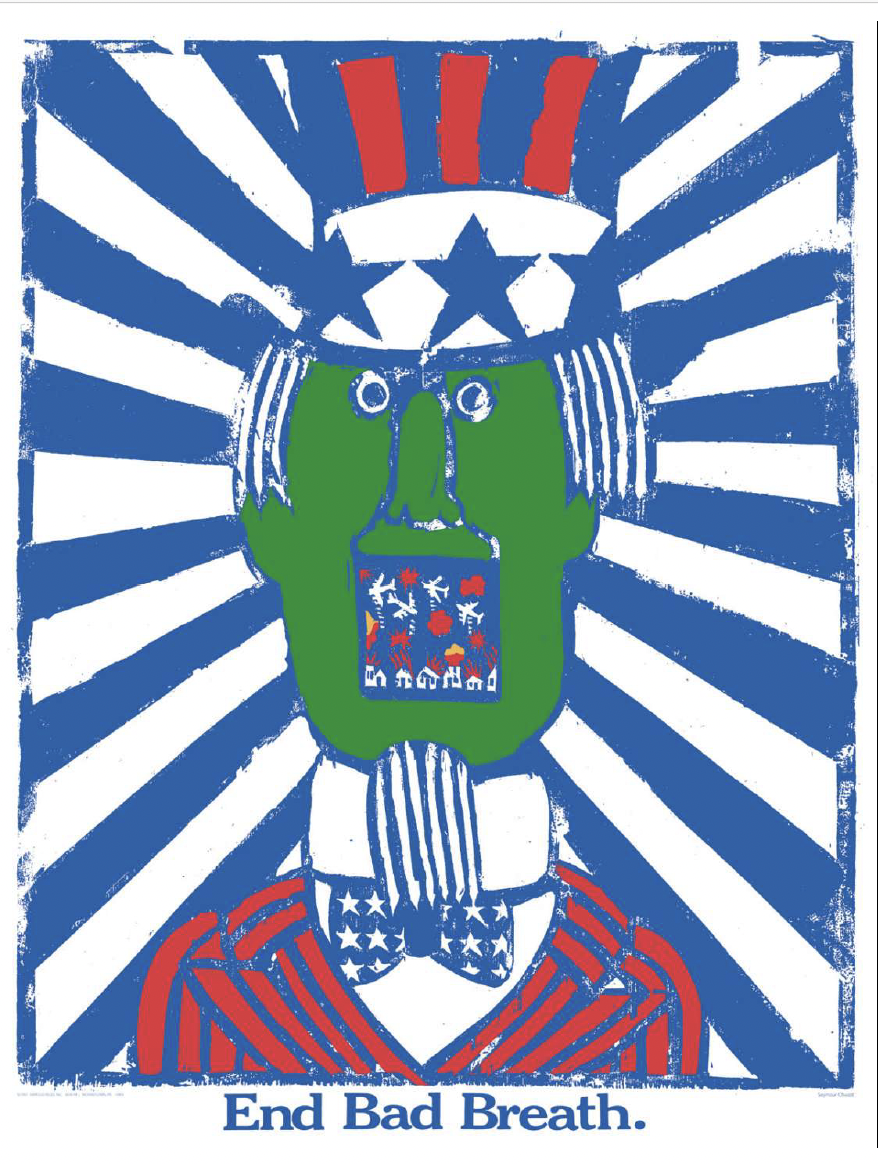
Seymour Chwast, “Poster Protesting the Bombing of Hanoi,” 1968
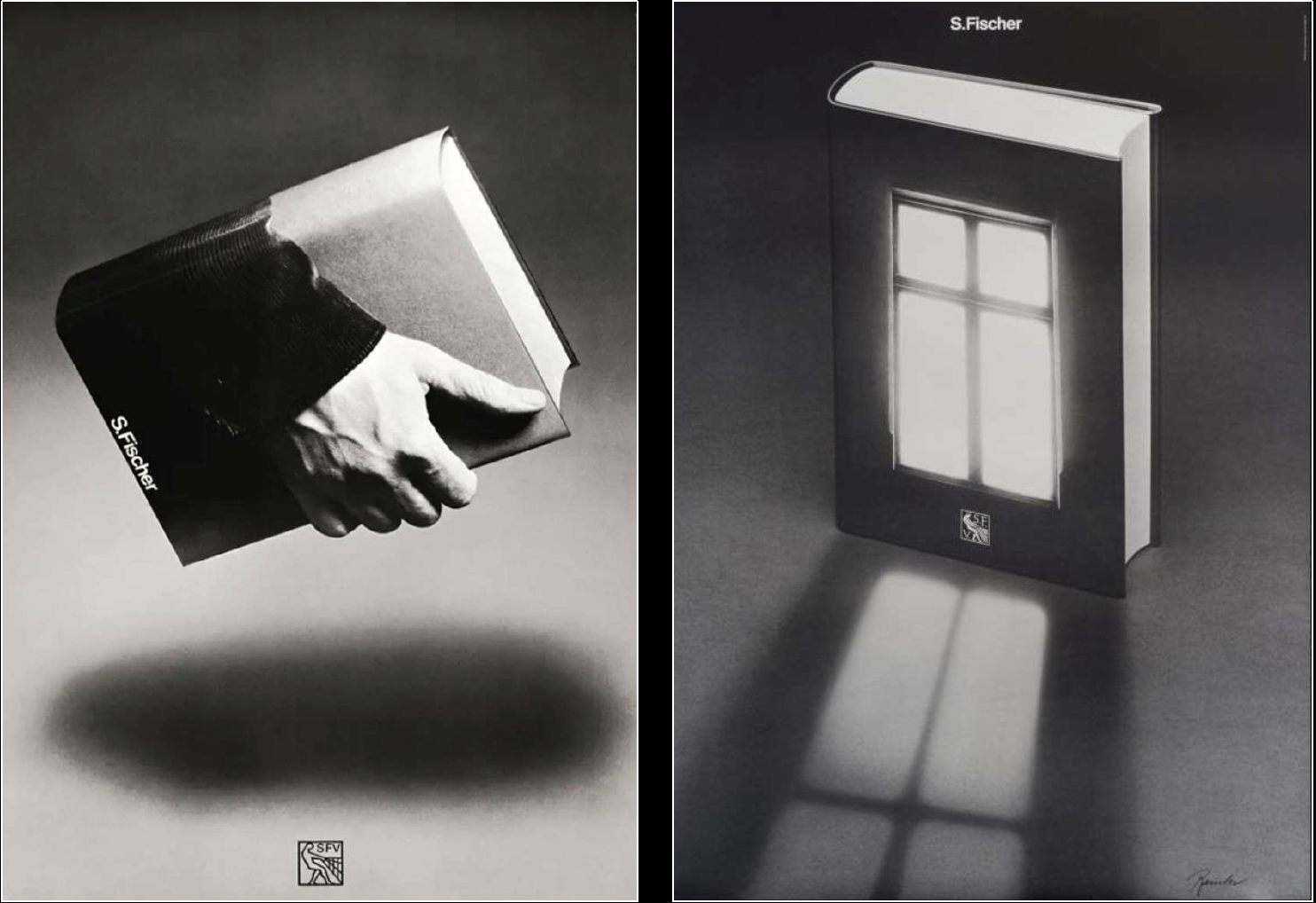
Gunther Rambow, “Advertisement for S. Fischer Publishers,” 1970s
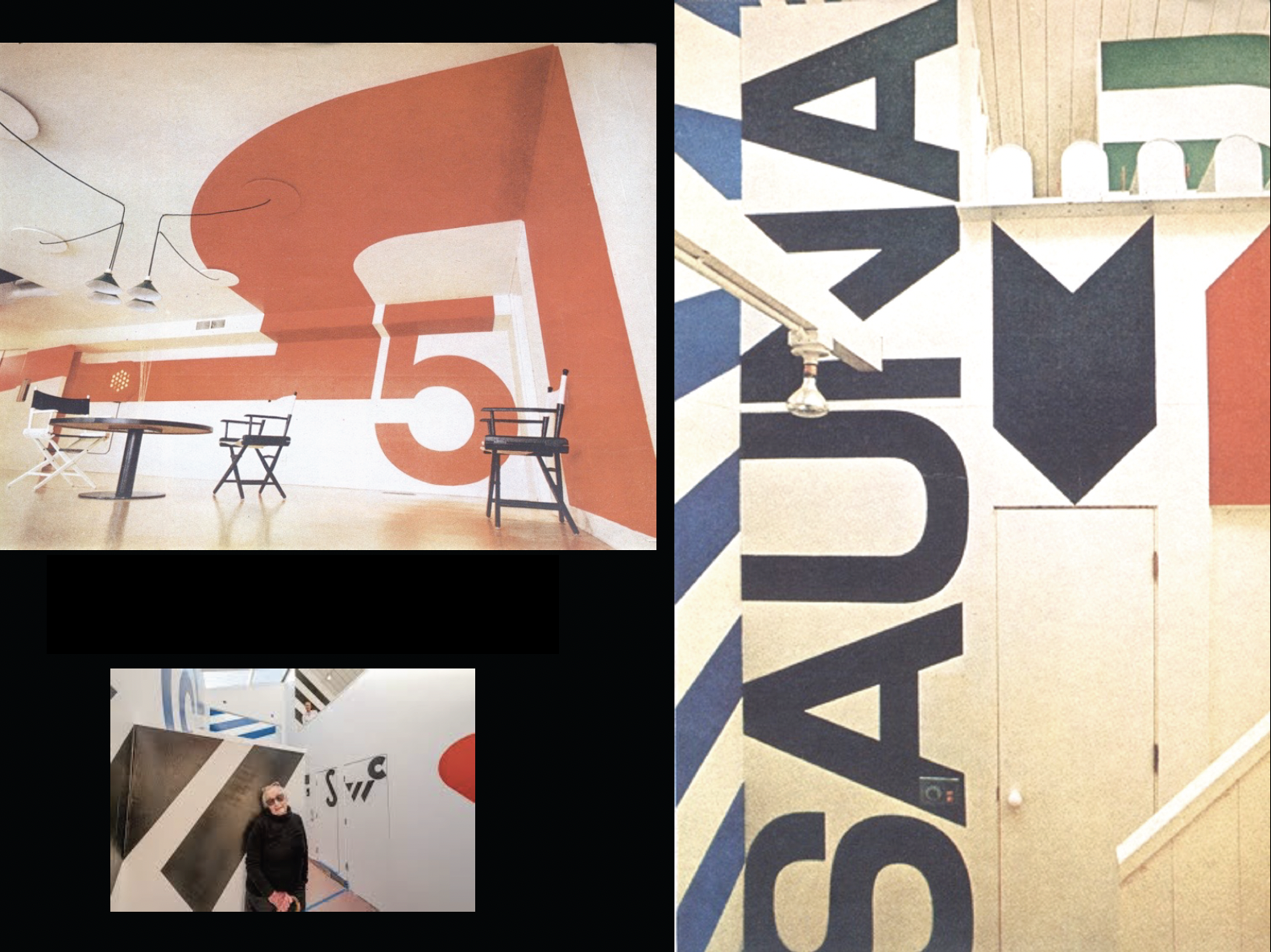
Barbara Stauffacher, “Super-Graphics,” late 1960s
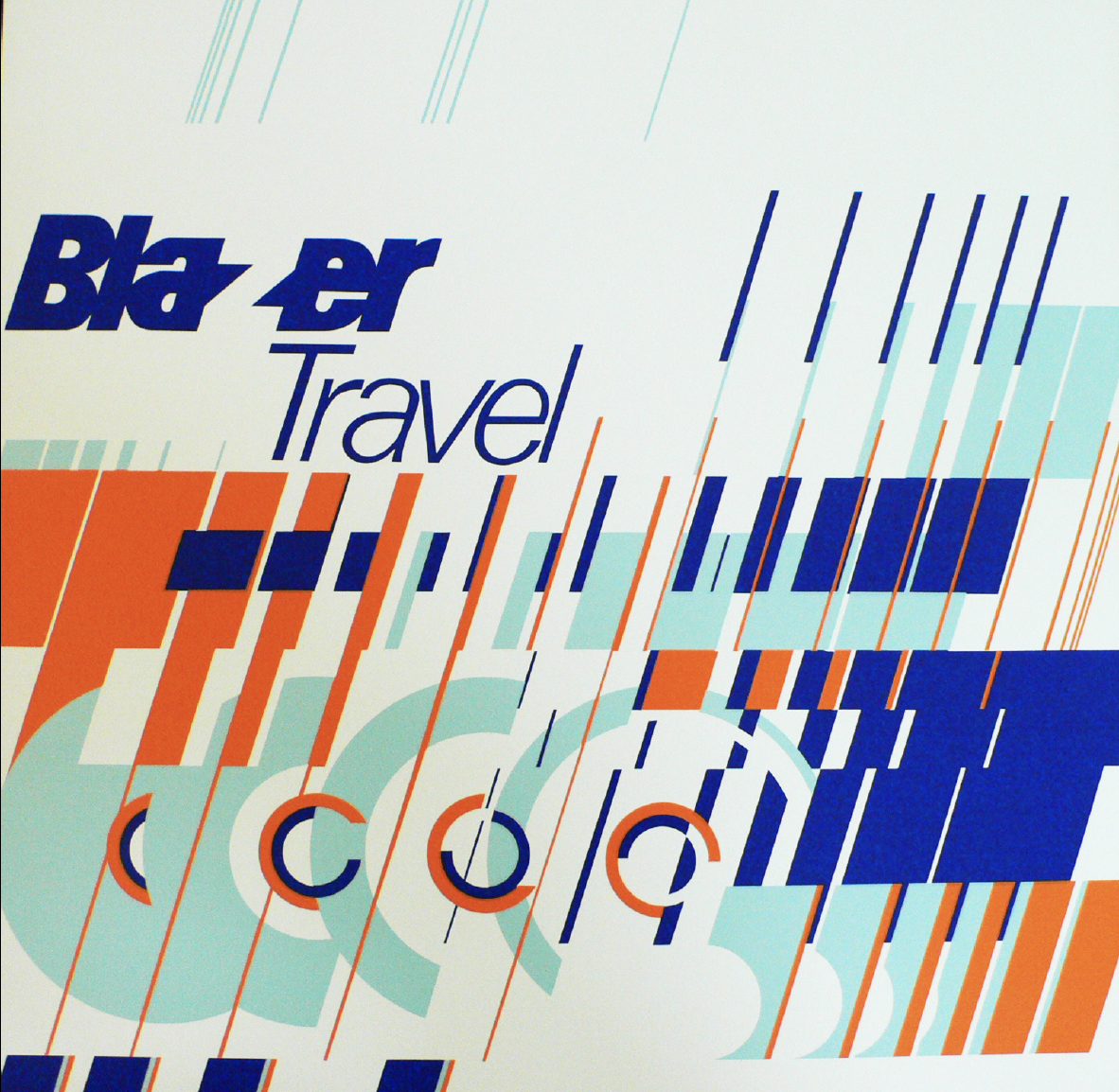
Steff Geissbühler, “Poster for BLAZER Financial Services,” 1974
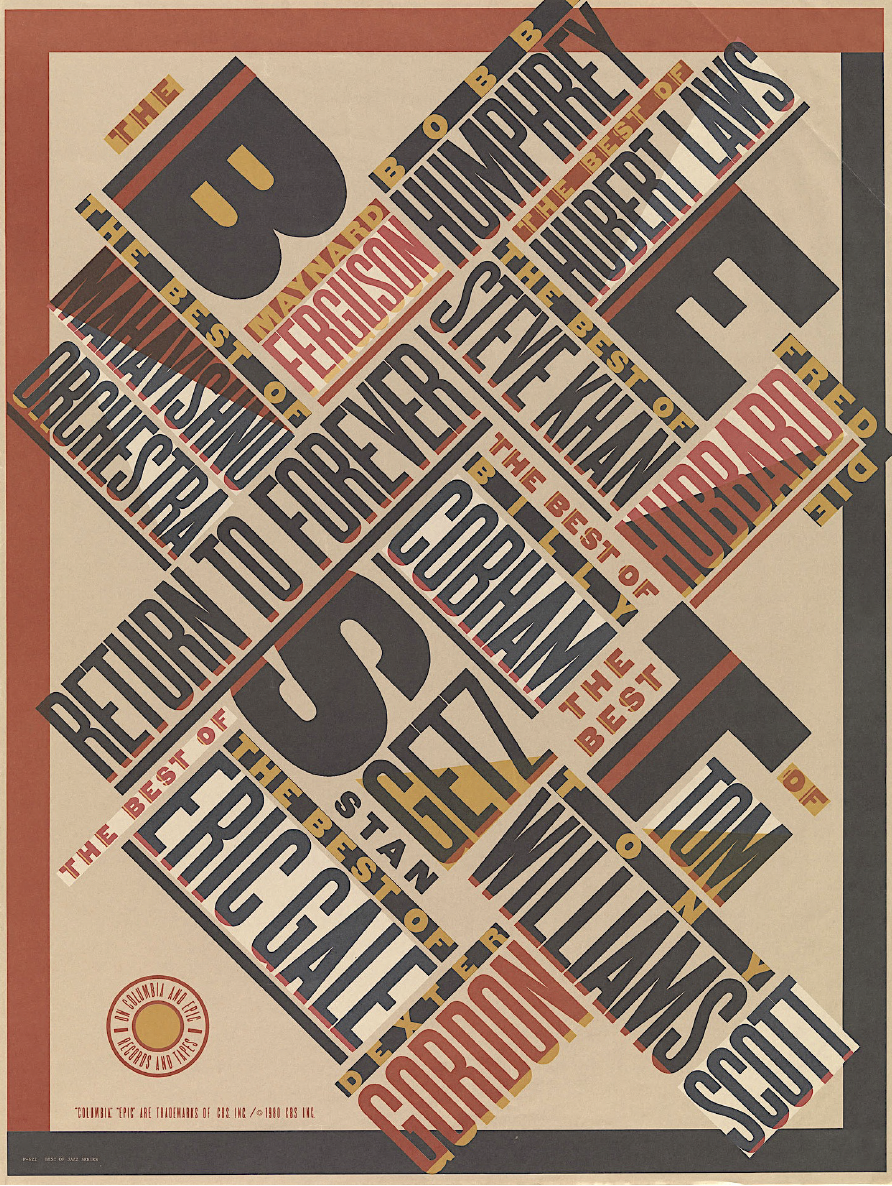
Paula Scher, “Poster for CBS Records”
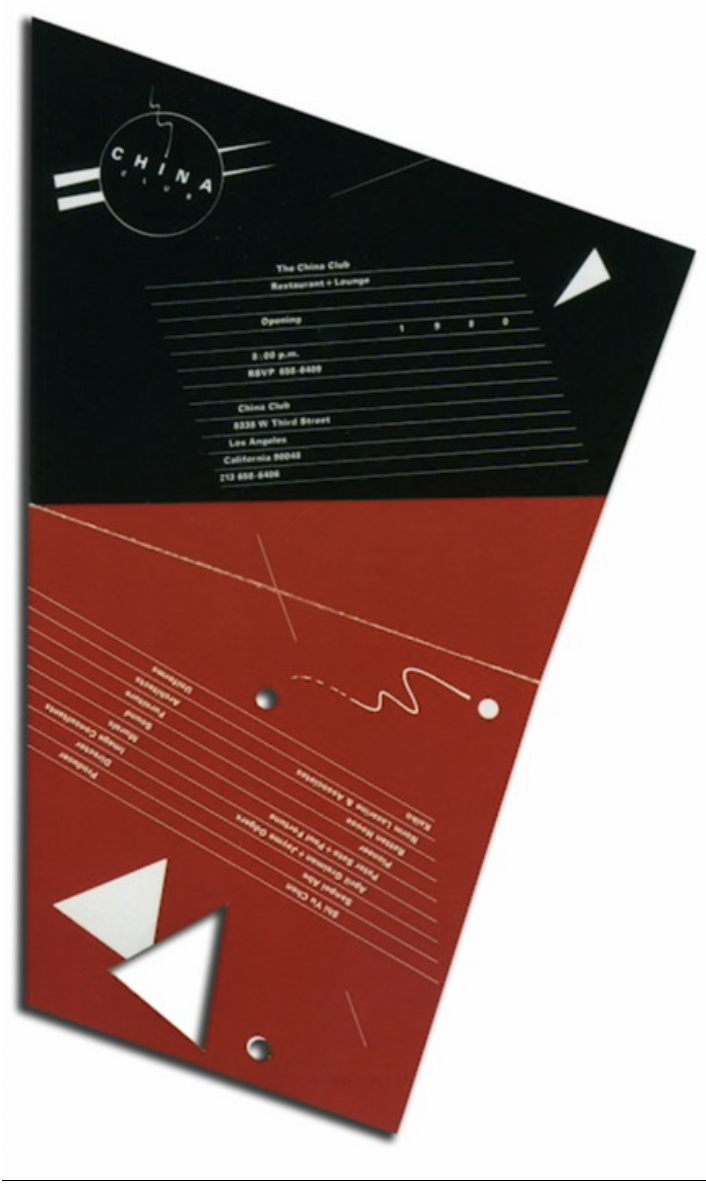
April Germain, “Opening Night Invitation for The China Club,” 1980
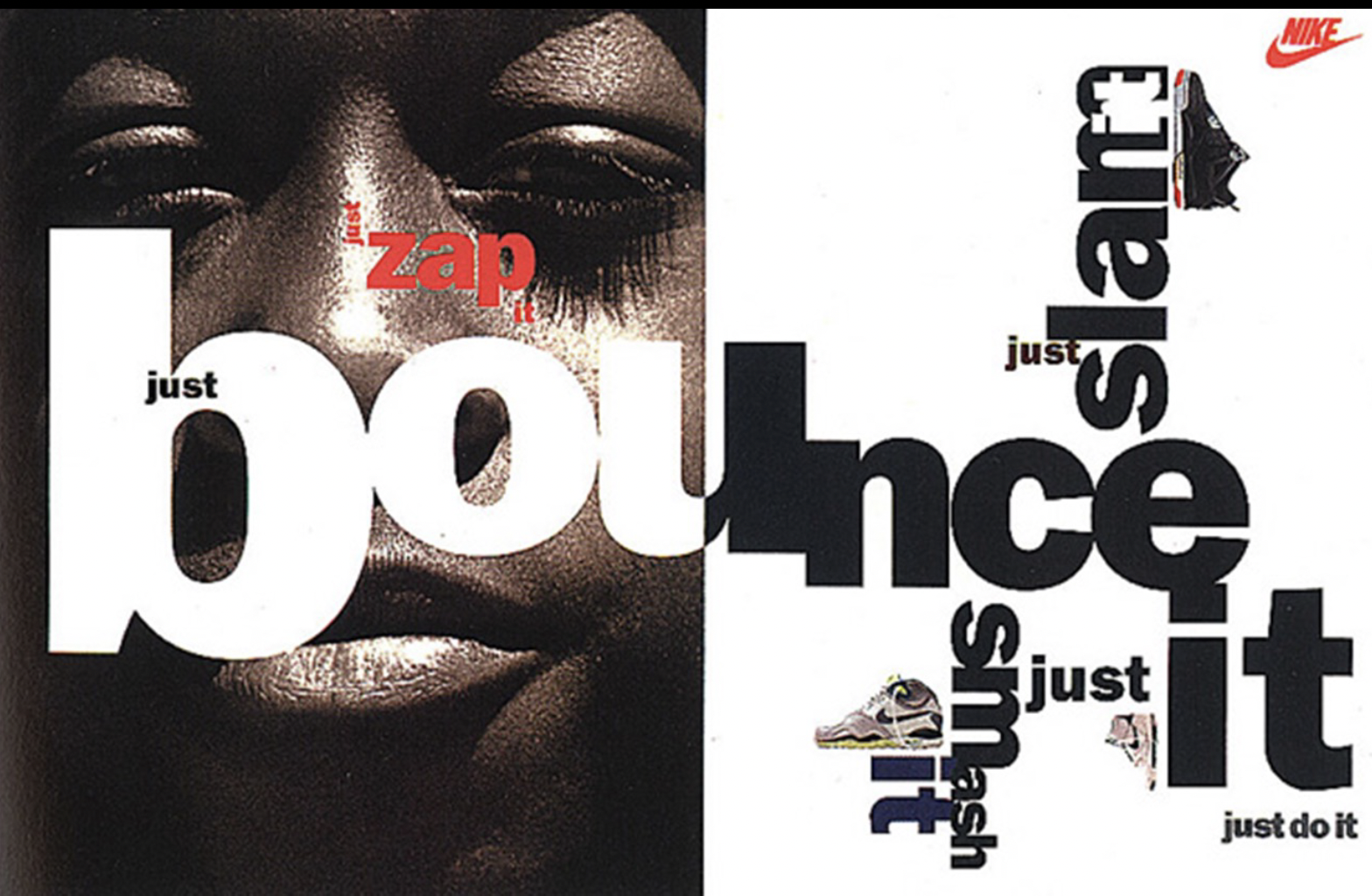
Neville Brody, “Nike Advertisement”
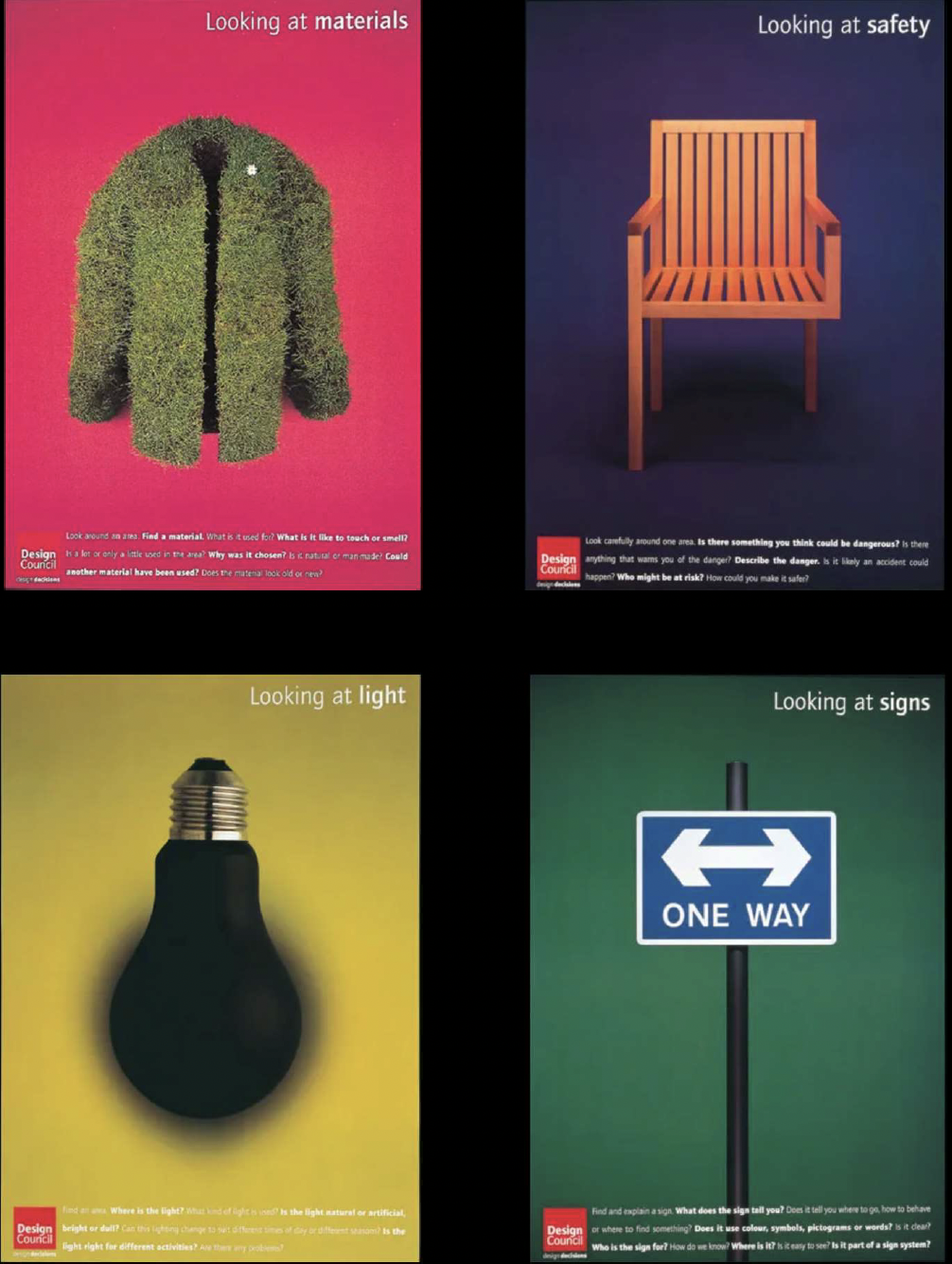
Michael Johnson, “Design Decisions Poster Series for the Design Council,” 1996
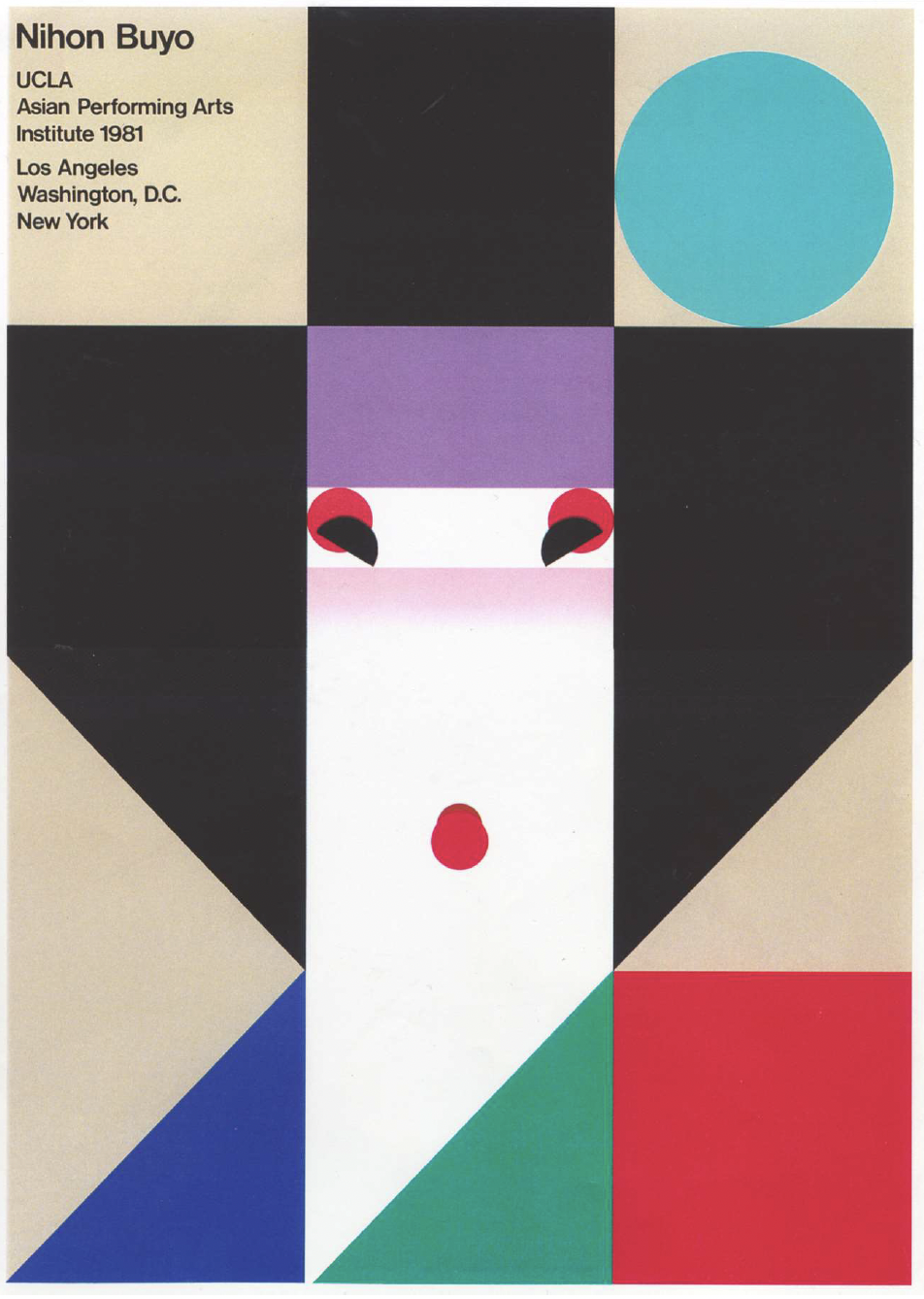
Ikko Tanaka, “Poster for Nihon Buyo at UCLA,” 1981
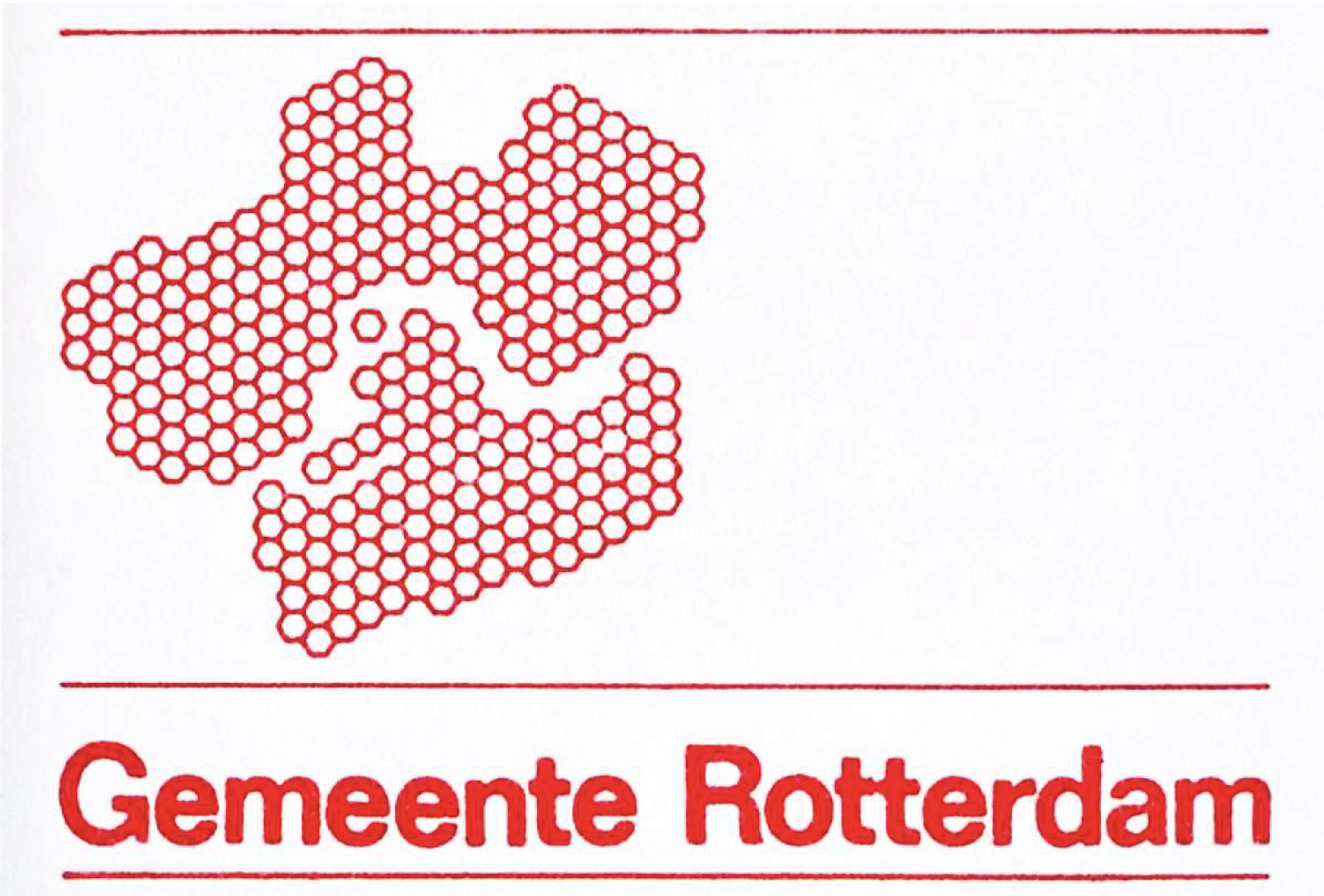
Wim Crouwel of TOTAL DESIGN, “City of Rotterdam Logo,” 1972
Luba Lukova, “Peace Poster,” 2001

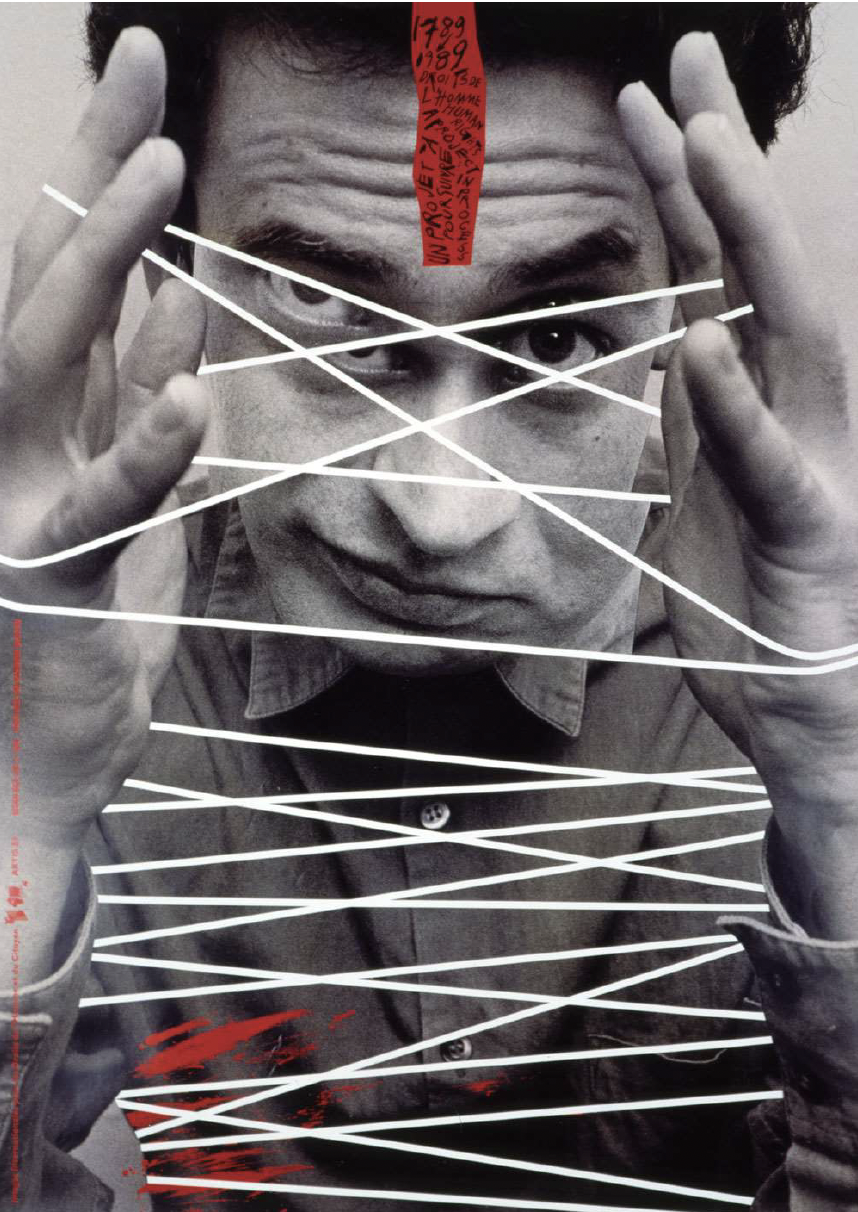
Rico Lins “Human Rights Poster for ARTIS 89,” 1989
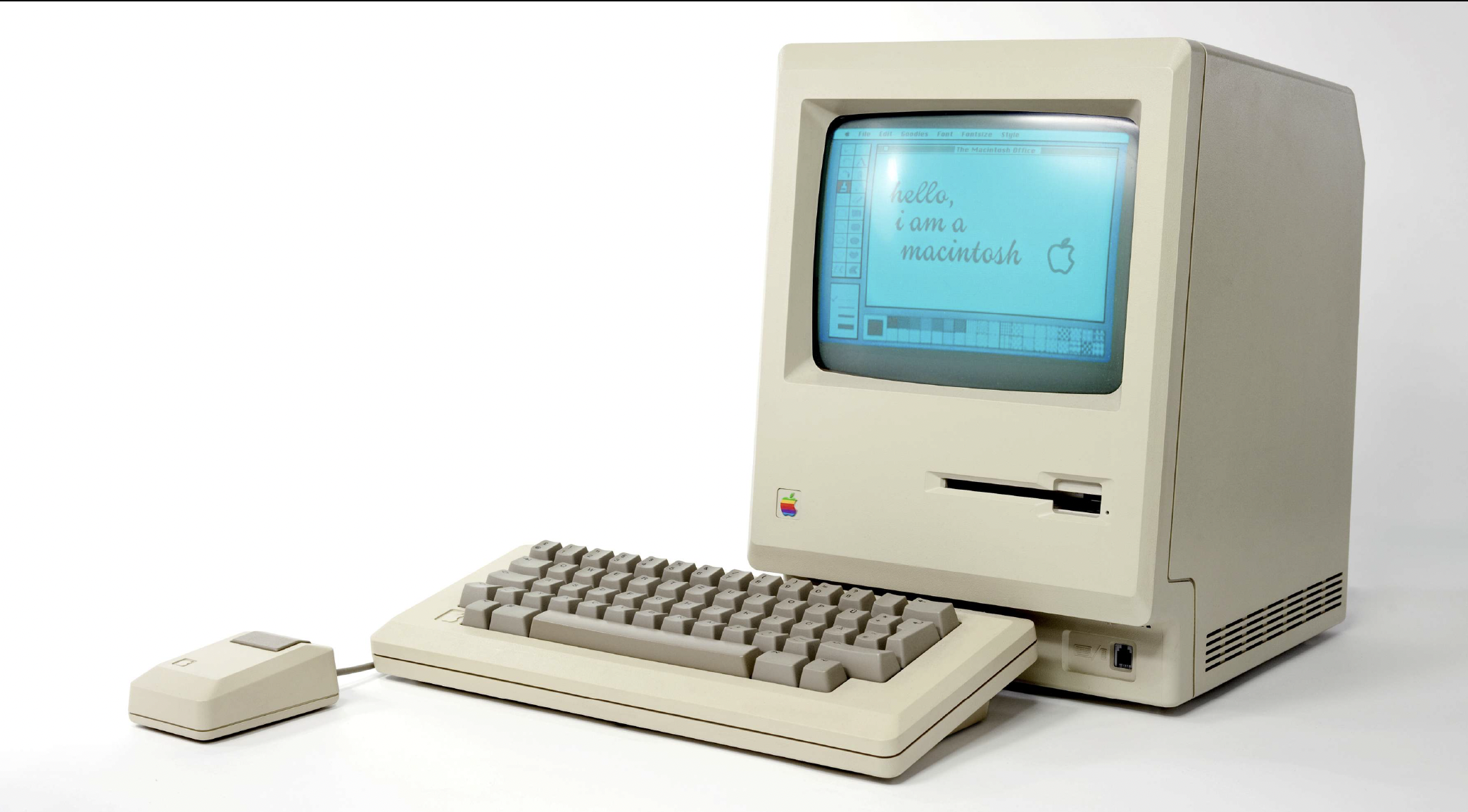
Apple Computer Company, “The Macintosh,” 1984
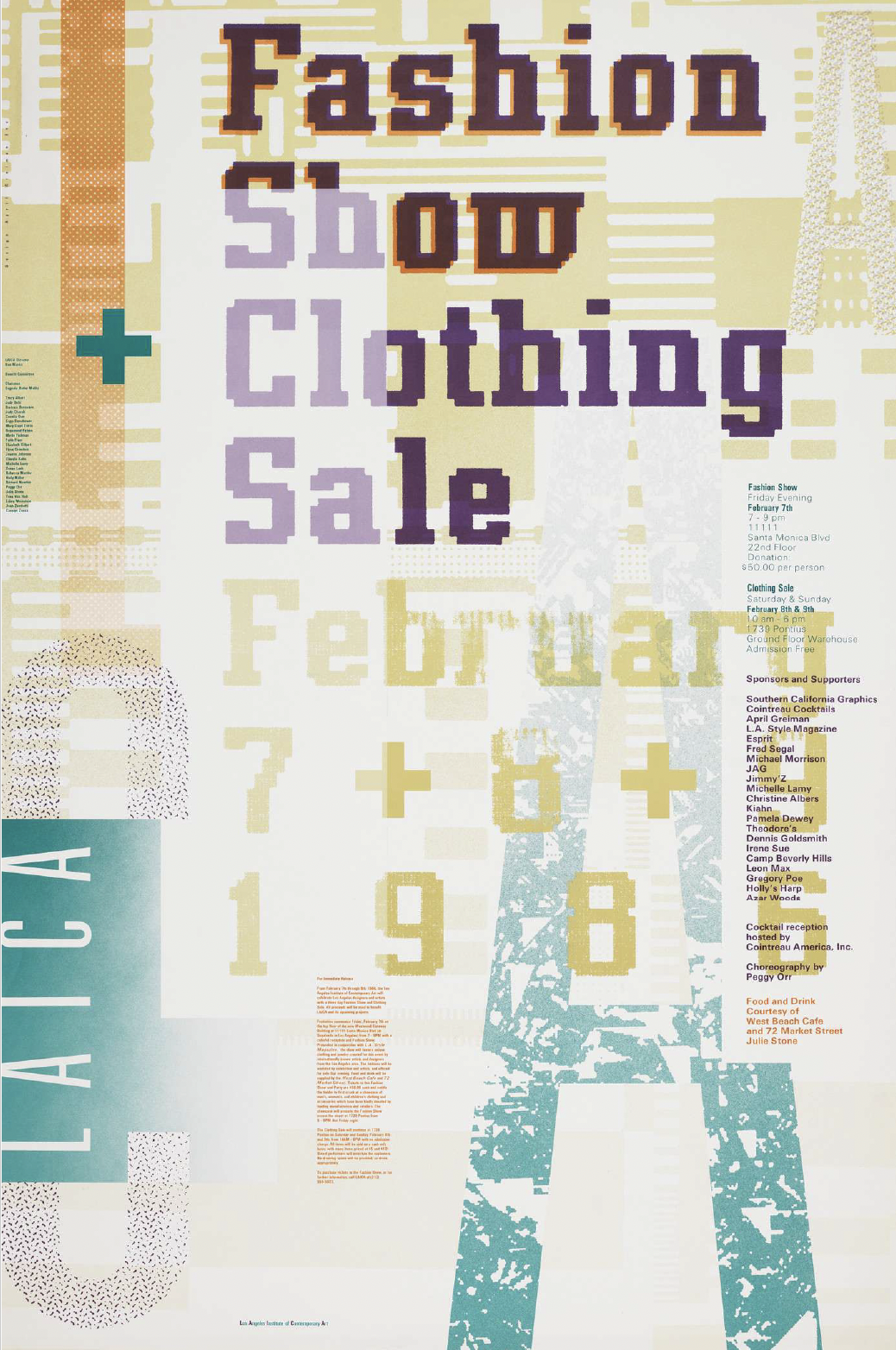
April Greiman, “Poster for Los Angeles Institute of Contemporary Art’s Fashion Show,” 1986
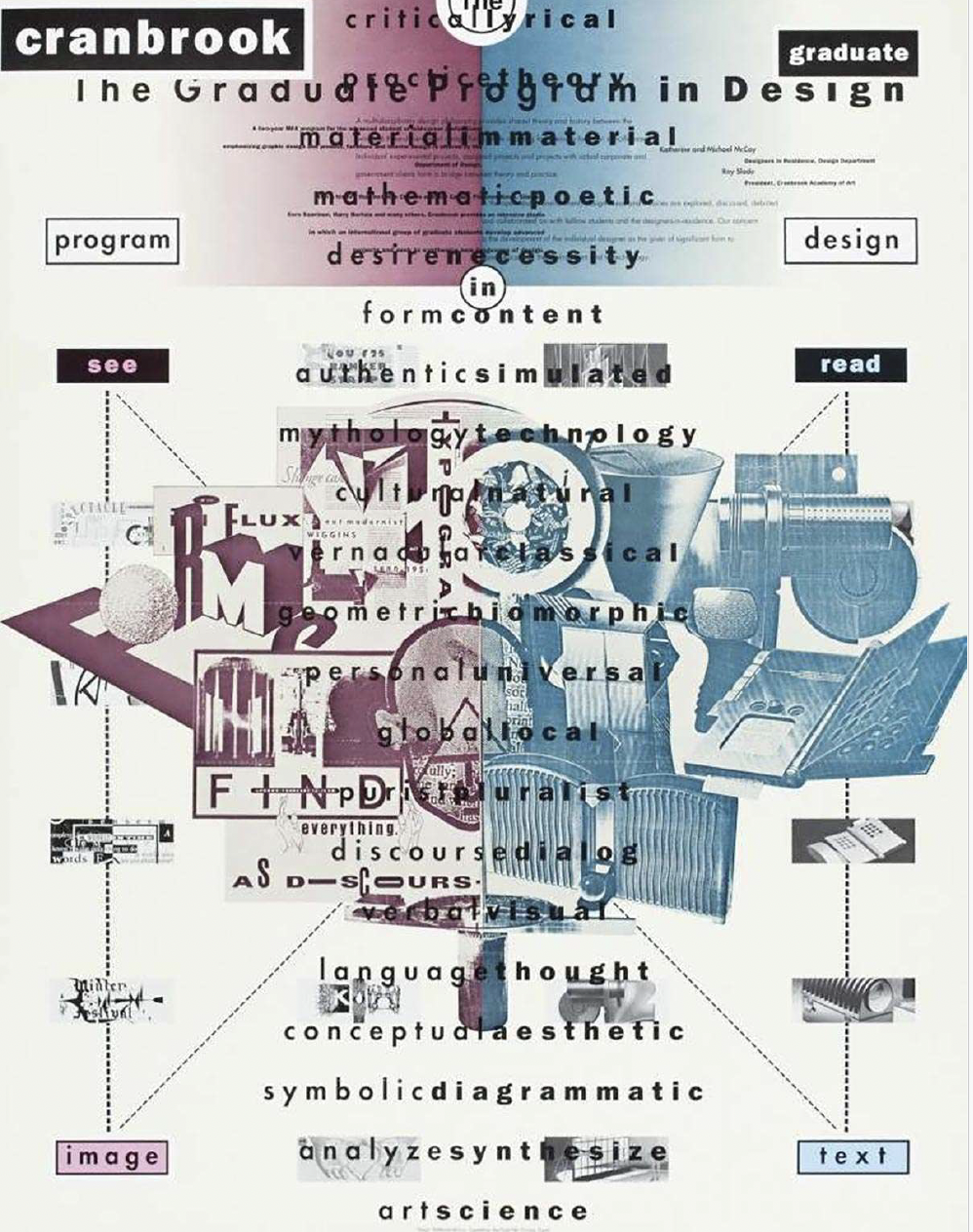
Katherine McCoy, “Recruiting Poster for Cranbrook Academy,” 1989
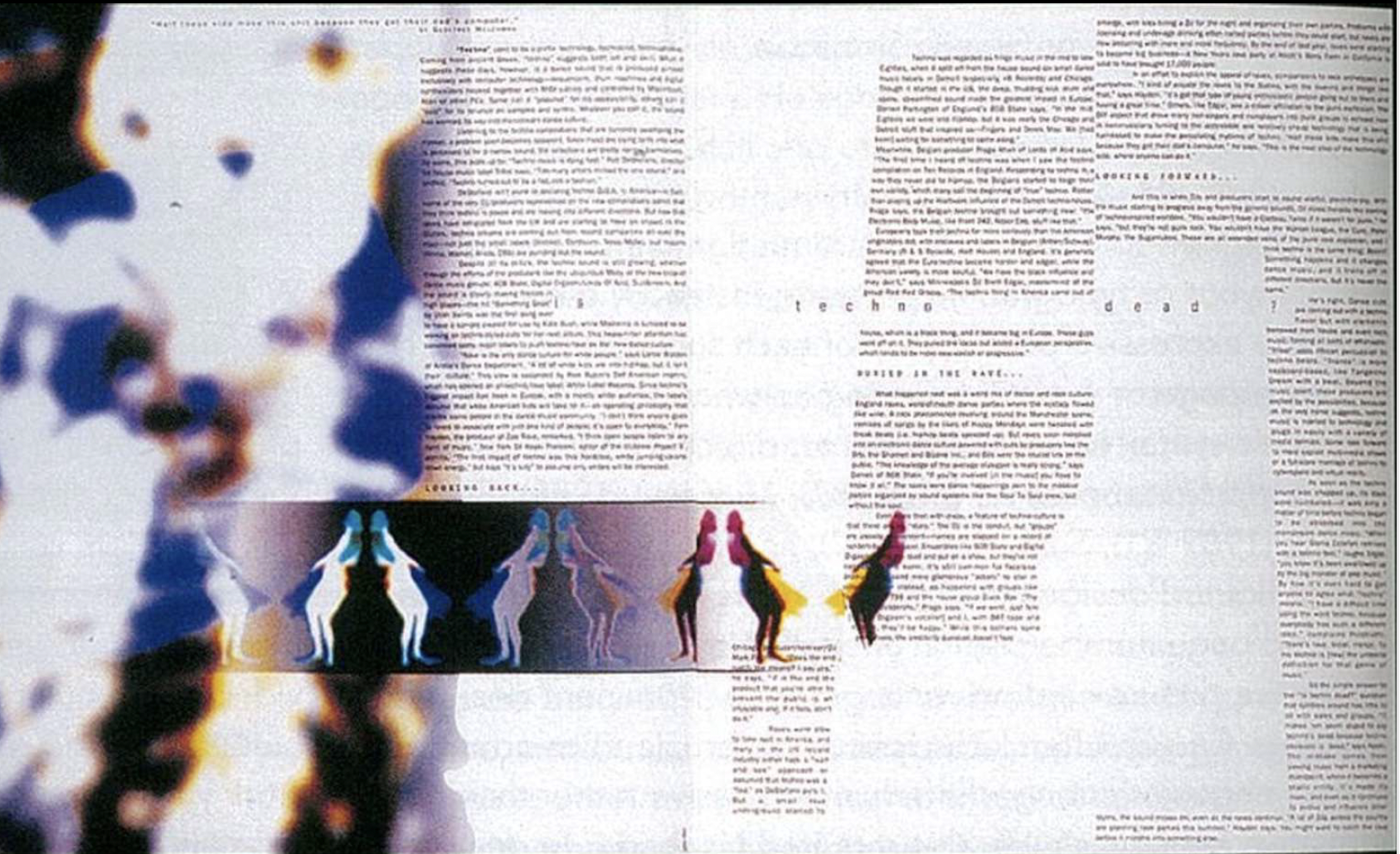
David Carson, “Brian Ferry (article) for Raygun Magazine,” 1994
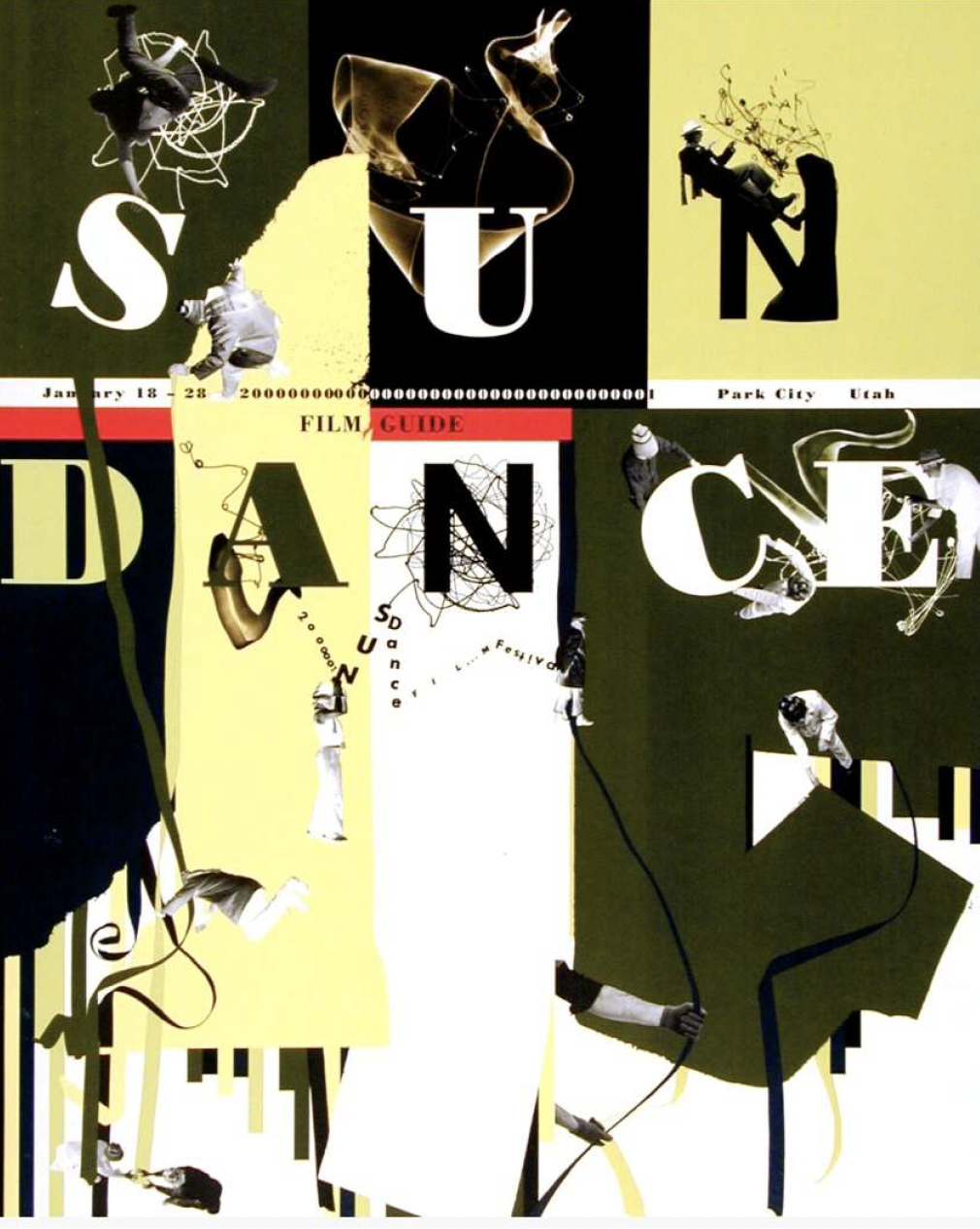
Martin Venezky, “Sundance Film Festival Guide,” 2001
Explain how Modern graphic design spread from Europe to the USA and the rest of the world before World War 2.
Modern graphic design spread from Europe to the United States before World War II largely through the emigration of influential designers—especially from movements like the Bauhaus—who brought their ideas into American schools, industry, and advertising. It further expanded globally through publications, exhibitions, and advances in printing and photography, which helped establish a shared international visual style.
Explain THREE visual characteristics of the International Typographic Style (also known as Swiss Design).
strict grid system to organize content, creating clean, balanced, and highly readable layouts.
favors sans-serif typefaces - especially fonts like Helvetica - with asymmetrical compositions that emphasize simplicity and legibility.
Prioritizes objective, universal communication by minimizing decoration and often using photography instead of illustration to present information in a clear, factual way.
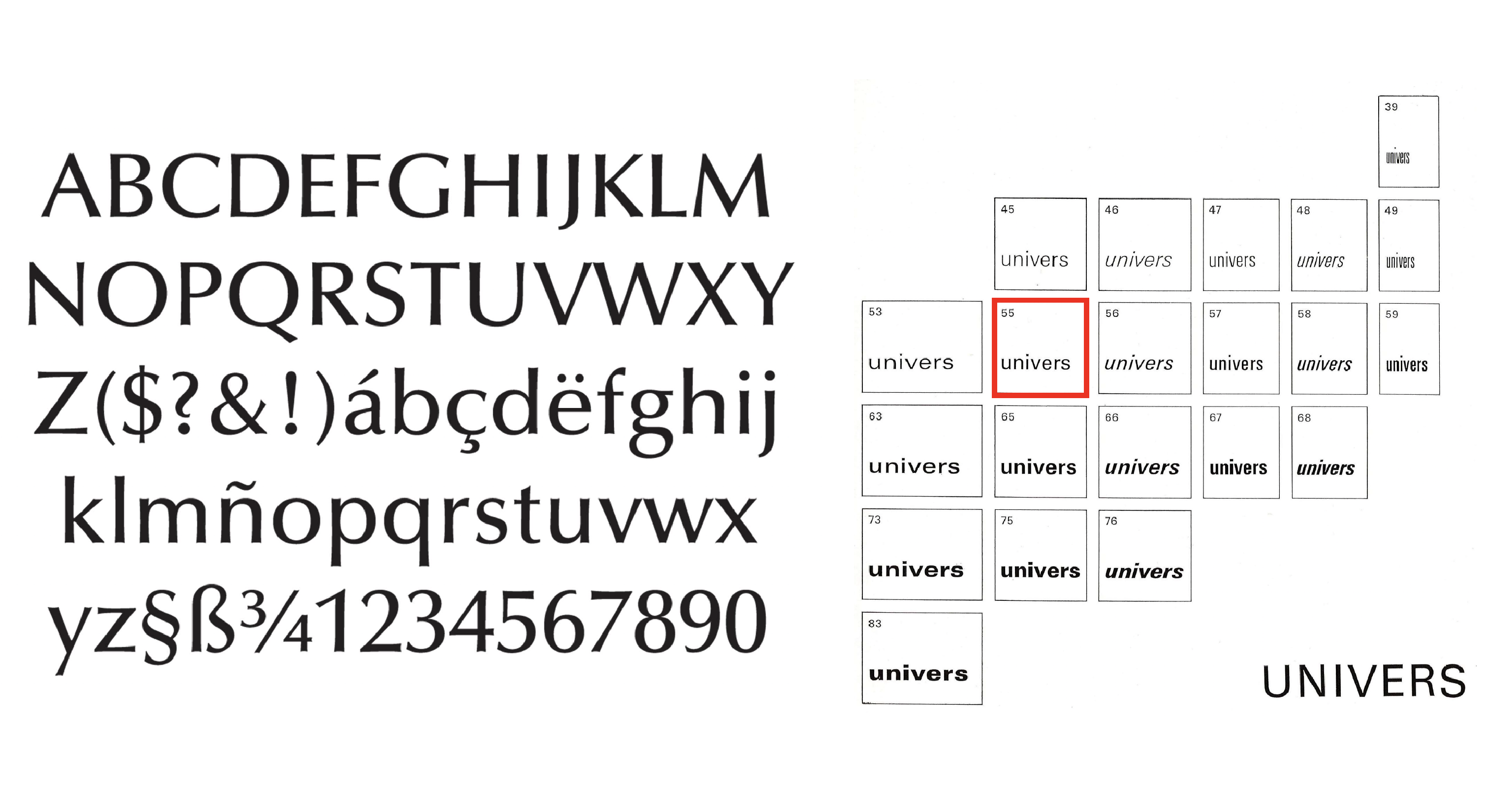
Compare or contrast Adrian Frutiger’s “Univers” typeface (1954) with Hermann Zapf’s “Optima” typeface (1958).
Univers by Adrian Frutiger is a clean, highly organized sans-serif with many weights, designed for clarity and a structured, modern look. Optima by Hermann Zapf, while also without serifs, has softer, more elegant strokes that make it feel more human and less rigid.
Define “corporate identity” and give THREE designed examples that help to shape it.
The “face” of a corporation, which is designed to represent its goals and objectives.
It is visually seen through branding and the use of logos and trademarks, but also in a company’s products, packaging, stationery, forms, vehicles, buildings, publications, uniforms, and advertisements.
IBM — developed a strong identity system with consistent typography and the famous striped logo designed by Paul Rand.
Container Corporation of America — used modernist posters and unified design campaigns under art direction by Herbert Bayer.
CBS — built a recognizable identity through its “eye” logo and consistent broadcast branding system.
Explain the rise of pictograph design in the world during the 1960s and 1970s, especially for the Olympic Games.
pictograph design rose in importance as international events like the Olympics required clear, universal visual communication that could be understood across language barriers.
IBM
“Think”
New York, New Haven and Hartford Railroad
“The Route of the Merchants.” and “The Friendly New Haven”
Container Corporation of America
“Good design is good business.”
CBS Television Network
“Eye on America”
Olivetti
“Machines for People” and “community and innovation”
Explain “Post-Modern” design and when it started to appear in the 20th century.
rejected Modernism’s strict rules and embraced decoration, variety, and experimentation. It began in the late 1960s–1970s and grew strongly in the 1980s.
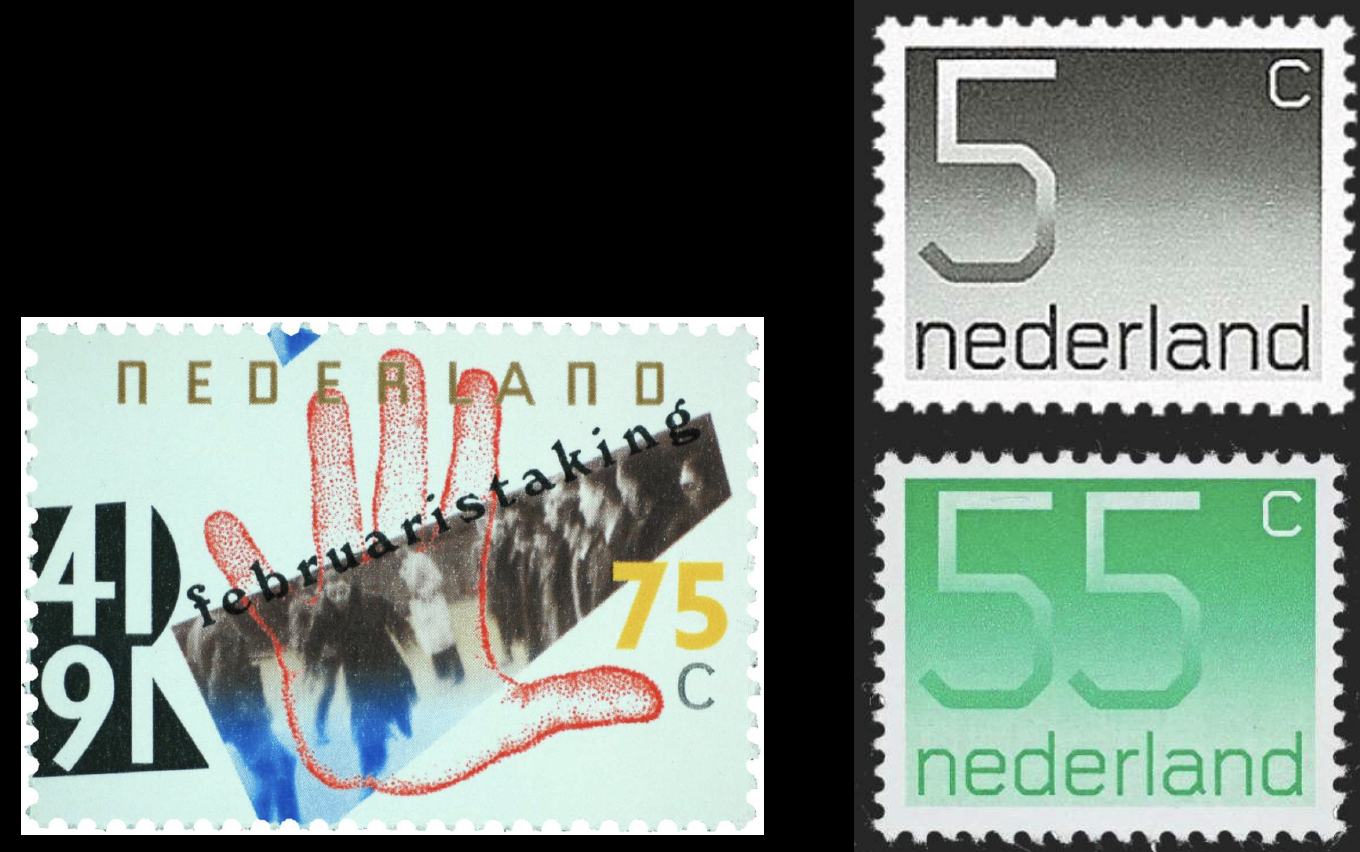
Compare or contrast Jan van Toorn’s “Postage Stamp for PTT Commemorating 1941 February Strike,” and 1991 with Wim Crouwel’s “Postage Stamps for PTT,” 1976.
Jan van Toorn’s stamp design is expressive and symbolic, focusing on emotional and historical meaning, while Wim Crouwel’s PTT stamps are highly structured, minimal, and purely functional, reflecting Modernist clarity.
Contrasting elements (identify with image)
Post modern (identify with image)
Conceptual (identify with image)
Logo (identify with image)
Identity Manual (identify with image)
Appropriation (identify with image)