animal health - non infectious diseases
 Call Kai
 Learn
Learn Practice Test
 Spaced Repetition
 Match
Match Flashcards
 Knowt Play
1/61

There's no tags or description
Looks like no tags are added yet.
Name | Mastery | Learn | Test | Matching | Spaced | Call with Kai |
|---|
No analytics yet
Send a link to your students to track their progress
62 Terms
types of non infectious diseases
metabolic
nutritional
neoplastic
degenerative
developmental
genetic
toxicities
acute conditions
rapid onset
short duration
chronic conditions
slow onset
long term
welfare implicates acute vs chronic
pain + discomfort
reduced productivity or performance
long term quality of life issues
metabolic + nutritional disorders
can be inherited or acquired
often linked w higher requirements for energy and/or nutrients that are not met thru nutrition
esp common during critical stages in life or high stress situations
associated w too much of a specific nutrient - mins + vits
affect energy production or damage tissues critical for survival
key examples
hypocalcemia (milk fever)
pregnancy toxaemia
equine metabolic syndrome
diabetes mellitus
common nutritional disorders
calcium + phosphate imbalance
copper deficiency
vitamin A deficiency
iodine deficiency
obesity as malnutrition
acidosis
microflora digest fibre successfully
microflora starts to ‘choke’ - sub acute ruminal acidosis red milk fat
microflora cannot digest fibre - acute acidosis - animal death
ketosis - acetonemia - twin lamb disease
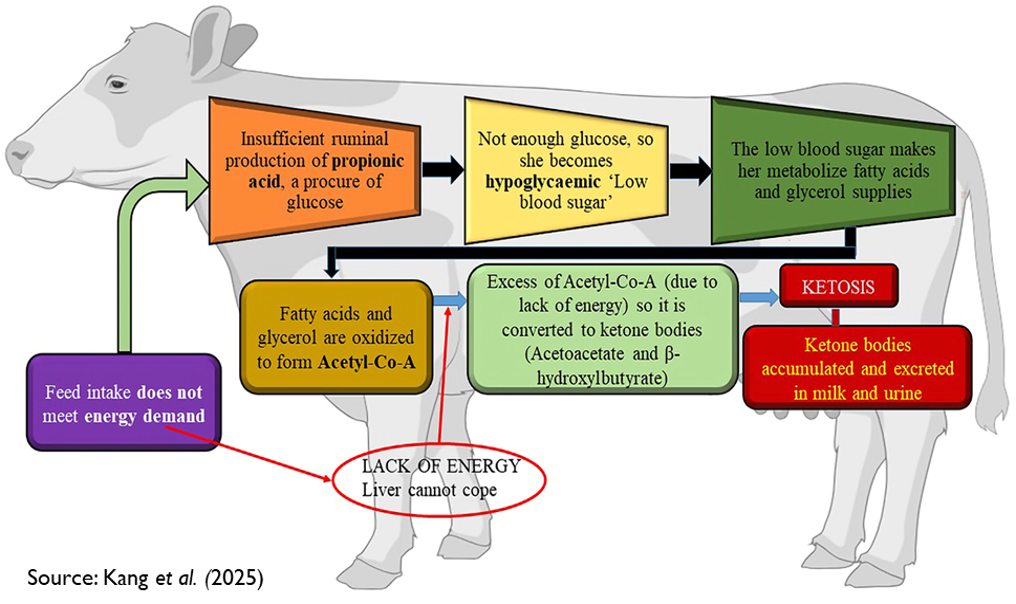
storage diseases
accumulation or storage of lysosomal enzyme substrates or byproducts within cells
storage diseases - happen why
genetic - animals appear normal at birth, signs show win first few weeks of life, progress quick + end w death
no known treatment
acquired - linked w ingestion of plants containing inhibitors of specific lysosomal catabolic enzymes
obesity
excessive accumulation of adipose tissue
obesity - over 20% above ideal body weight
most common in companion animals
50% dogs
43% cats
31% small mammals
9% birds
body condition scales
healthy
overweight
obese
very obese
very thin
thin
ideal
overweight
obese
causes + risk factors of obesity
poor diet formulation - nutrient deficiencies or excesses
rapid production demand - esp in production animals
obesity + exercise
life stage
management + prevention
diet management
body condition scoring
monitoring + early intervention - esp during transition stages
supplements (?)
adverse reaction to food
clinically abnormal response to any food
food intolerance
does not involve the immune system e.g. food poisoning
food allergy
involves the immune system e.g. colitis or atopic dermatitis
intolerance vs allergy
food allergies hard to differentiate from intolerance so need to do a food trial
symptoms from GI tract should be tested for 2-4 weeks
skin reactions should be tested over 8-12 weeks
neoplastic diseases
neoplasia = new growth
uncontrolled cell growth
forms a tumour or mass
can affect any tissue
all cancers are tumours - not all tumours are cancerous
benign tumour
slow growing
dont spread
often surgically curable
malignant tumour
invasive growth
can metastasise - spread
often life limiting
cell activity in nonneoplastic tissue
continuously dividing (labile tissues - e.g. surface epithelium)
quiescent - stable - tissues e.g. parenchymal cells of liver
nondividing - permanent tissue - e.g. neurons
normal tissue growth
size of a cell pop is controlled by the relative rates of cell
proliferation
differentiation
death - apoptosis
basic cell changes
pre-neoplastic changes - usually reversible
hyperplasia
inc cell number in a tissue
metaplasia
transformation of one differentiated cell type into another
dysplasia
abnormal pattern of tissue growth
tumour growth - mutation
damage to the nuclear DNA which will be passed on to the next gen of cells
tumour growth - promotion
factors promoting replication of mutated cells
mutated cell number are small + can be eliminated by immune system
tumour growth
irreversible tumour growth
latent period
time before tumour becomes clinically detectable
1cm or 1g with 10 squared 9 cells
tumour characteristics
unlimited proliferation
much less differentiation than normal
can be forced to differentiate into more mature near normal cells
resistant to apoptotic cells
genomic instability
common examples by species
dogs: mast cell tumours, lymphoma, osteosarcoma
cats: mammary tumours, squamous cell carcinoma, lymphoma
horses: sarcoids, melanomas, squamous cell carcinoma
livestock: ocular squamous cell carcinoma, papillomavirus - induced lesions
causes of neoplasia
complex - often more than one event involved
exposure to carcinogen (e.g. UV light, chems)
environmental causes
predisposing risk factors
some cases - known aetiological agent (e.g. feline leukaemia virus)- but most are unknown or partially understood
extrinsic causes
physical agents
tumour viruses
chemical carcinogens
physical agents - neoplasia
UV light
ionising radiation
tumour viruses
DNA viruses
RNA viruses
chemical carcinogens
aromatic hydrocarbons
nitrosamines
benzidines
mycotoxins
intrinsic causes - neoplasia
diet
hormones
genetic
age
diet causes neoplasia
indirect
food components may act to initiate cell changes or modulate organ susceptibility
hormones causes neoplasia
neoplasia can result from prolonged stimulation of a tissue - e.g. mammary gland, uterus, testes - rep status of animals makes a diff
genetic cause neoplasia
genetic susceptibility + hereditary predisposition is recognised for certain types of tumour
age causes neoplasia
most neoplasia occurs in older animals - with exceptions
other factors for causing neoplasia
host dependent factors - species, breed, sex
environ factors - climate, regional diet, toxins
lifestyle - obesity, lack of activity
management systems - stress
management, treatment + prevention of neoplasia
surgery, chemo, palliative care
welfare-based decision making
early detection + monitoring
preventative strats - neutering, UV protection
degenerative diseases
progressive deterioration of function + structure of tissues + organs
can affect any tissue + any animals - max common in pets
most common in older animals
usually start slowly w/ symptoms but progresses causing pain + discomfort
can cause permanent disability + even death
arthritis
degenerative joint disease
can affect any breed at any age
symptoms of arthritis
pain
inflammation
bone damage
restricted mobility
reluctancy to play, run, jump
treatment of arthritis
medication
laser
weight control
supplements
stem cell therapy
arthritis risk factors
breed - can be hereditary: cats: persian + siamese, dogs: german sheperd, golden retriever, great dane, lab, mastiff, rott, saint B
obesity
joint abnormalities - e.g. hip dysplasia
stress or trauma to the joints e.g. prev accidents, rep motions
infections
immune disorders - lead to inflammation + degeneration
hip dysplasia
ball of the hip joint is malformed + doesnt fit properly together w the socket
earliest signs 4-8months can appear later in life
symptoms sim to arthritis bunny hopping, lameness
common in larger breeds
hip dysplasia treatment
med
surgery
stem cells
developmental orders
inherited disorders present at birth
congenital - present or apparent at birth
other defects that might appear later in life but are result of developmental defect
teratogens
agents or factors that cause the development of physical defects in the embryo or foetus
timing is important
inherited defects
can be recessive or dominant
het z might appear normal - need to be tested
sometimes selected for:
het z cattle - short tibia sometimes desired
overo colour in horses lethal in homoz - hetz desired
polled gene in goats is linked w masculinisation of females in homoz
nutritional factors in congenital + inherited anomalies
deficiency of nutrients can result in congenital defects in the neonate
iron deficiency - congenital goitre or cretinism
copper deficiency - enzootic ataxia in lambs
maganese deficiency - congenital limb deformities in calves
vit D deficiency - neonatal rickets
vit A deficiency - eye defects or cleft lip
nutrient excesses can also be teratogenic
physical factors in congenital + inherited anomalies
restricted space in uterus can lead to joint contracture
transverse or caudal foetal presentation can result in spinal or limb abnormalities
pervious urachus caused by twisting of umbilical cord
atresia coli in calves due to rectal exam during preg
toxicities +poisoning
natural or synthetic substances - gas, liquid, solid
poisoning occur when large enough dose enters body - can be a minute amount but enough to cause damage, dont need to be ingested to cause harm
what is toxic + poisonous
damage caused
attacking blood cells, can cause internal bleeding
limiting cellular func - processing protein
attacking the CNA - affect brain + heart
slowly shit down organs
chocolate toxicity
mostly methylxanthines theobromine 3,7 dimethylxanthine
also caffeine 1,3,7 trimethylxanthine
causing potentially life threatening cardiac arrythmias and CNS dysfunction
signs of poisoning/ toxicity
vomiting
diarrhoea
coughing + sneezing
drooling
lack of appetite
drinking more than usual
skin irritation, swelling, inflammation
inc or unable to urinate
pale gums
lethargy
abdominal pain
inc heartbeat
shaking + muscle treamors
lack of coordination
trouble breathing
seizures
extreme excitability or agitation