Chem 1LC Safety Practical
 Call Kai
 Learn
Learn Practice Test
 Spaced Repetition
 Match
Match Flashcards
 Knowt Play
1/103

There's no tags or description
Looks like no tags are added yet.
Name | Mastery | Learn | Test | Matching | Spaced | Call with Kai |
|---|
No analytics yet
Send a link to your students to track their progress
104 Terms
perform only supervised and authorized experiments in lab. An [K] must be present at all times and all procedures must be followed.
instructor
use tongs or protective gloves to handle [L] objects.
hot
add concentrated [M] slowly to water while stirring when diluting - NEVER the reverse!
acid
use [N] procedures and precautions when inserting glass tubing into a rubber stopper.
correct
properly label all chemical containers and [O] labels before using chemicals.
read
store all book bags, purses, coats, etc., in [P] areas to avoid clutter.
designated
[Q] my workspace and wash hands frequently during lab and thoroughly before leaving lab.
clean
I will wear safety [A], not safety glasses, and lab aprons at all times.
goggles
wear clothing providing [B] protection. Shorts, Capri pants, sandals, slip on shoes, minis, and bare stomach, shoulders, or backs are not allowed in the labs.
maximum
conduct myself in a mature fashion. Excessive noise or [C] behaviors are NOT permitted.
disruptive
note the exact location of all [D] and learn its proper use.
safety equipment
perform reactions using (or evolving) noxious or highly combustible chemicals in a [E].
fume hood
report and [F] all spills immediately.
clean up
[G] from eating, drinking, smoking, or chewing gum in lab.
refrain
[H] of any cracked or broken glassware.
dispose
extinguish all flames or ignition sources when using [I] and/or volatile chemicals.
flammable
place all left-over chemicals in the appropriate collection bottles in the hood. Do NOT dump chemicals into the [J].
sink or trash
think before acting and use [R] judgement and care in the lab.
good
[S] report all injuries to the instructor no matter how small the injury appears.
immediately
When working with a heat source
Always assume glassware and metal objects are hot
when working with volatile chemical
work in the fumehood
working with a bottle containing a chemical
never assume the cap is tighten, grasp it firmly, hold the bottle with the label in the palm of your hand.
What should be worn at all times in the laboratory?
Goggles, Closed toe water shedding shoes, Long pants, Lab Coat
What should be done in case of a fire?
notify the lab instructor, evaluate the situation, move away from the fire
What if the fire alarm sounds?
Stop chemical reactions, lower hood sashes, evacuate building by taking the stairs, unplug electrical equipment
What if an accident occurs
Notify lab instructor, seek medical attention, act quickly, don't panic
What should NOT be allowed in lab?
Drink,Food,Mixing chemicals without specific instruction from lab instructor, open flame, students not enrolled in lab section
When should gloved be worn?
Handling toxic or corrosive chemicals
What should a student location when entering lab?
Eye wash stations, Emergency exits, Safety showers, Stairwells, Fire Extinguisher
What is the most appropriate action if chemical has just splashed on a person's face in lab?
Wash face without removing goggles if eyes are not yet affected
2 multiple choice options
If large portion of a person's body are exposed to harmful chemicals, what should be done?
Remove clothing and use safety showers
What is the minimum amount of time an area of a person's body that has been exposed to harmful chemicals should be washed?
15 minutes
3 multiple choice options
Safety
Freedom from danger, injury, or damage
Hazard
potential source of danger or harm
Risk
probability of suffering harm because of exposure
Exposure
Coming in contact with a hazard
What eye protection is best against chemical splash?
Chemical splash safety goggles
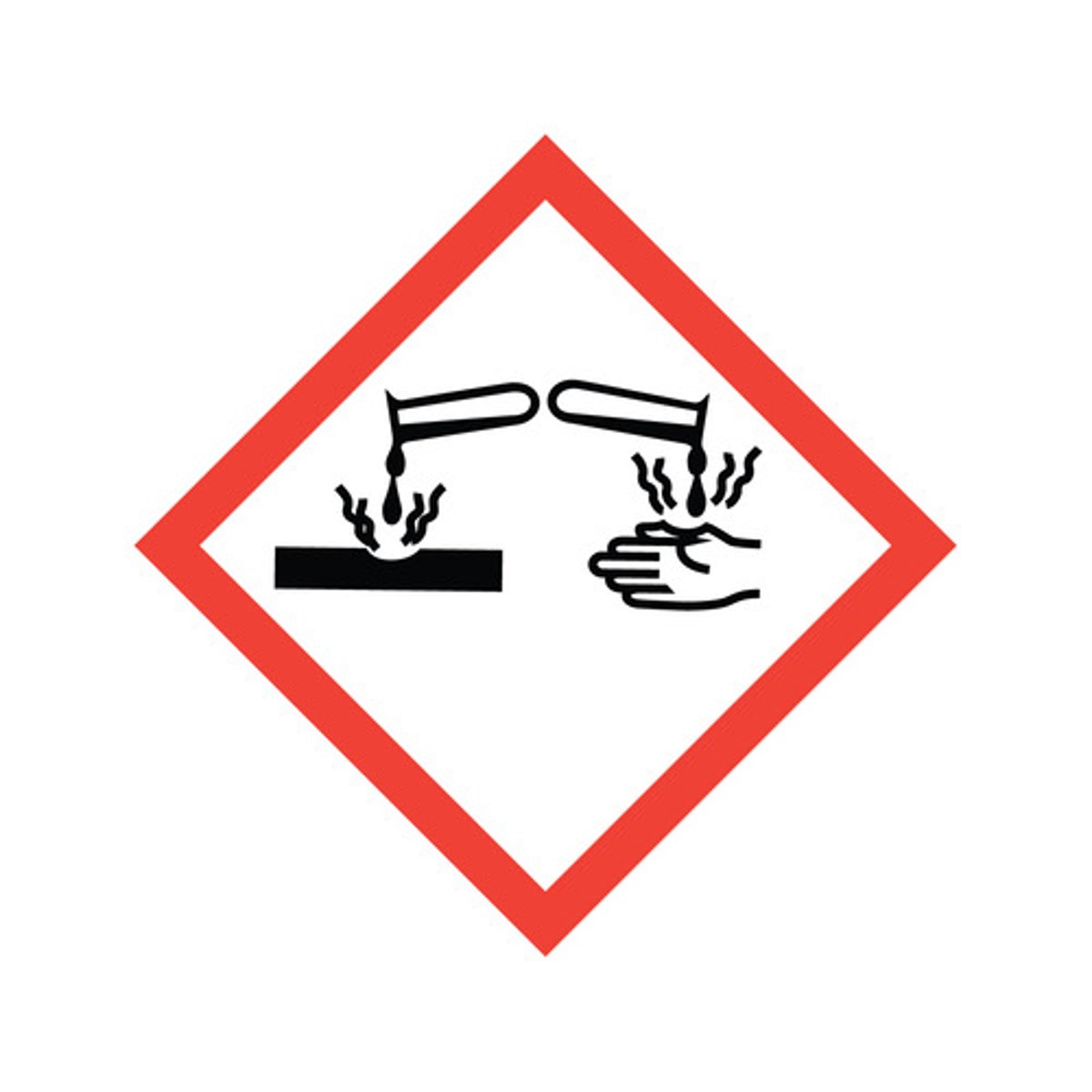
Destroys Living Tissue on contact
Corrosive
3 multiple choice options
Easily ignites and burns rapidly
Flammable
3 multiple choice options
Irritates living tissue on contact
irritant
3 multiple choice options
Rapidly oxidizes, can result in combustion
oxidizer
May be fatal to humans & animals
poison
1 multiple choice option
causes severe immune reaction after repeated exposures
sensitizer
1 multiple choice option
causes adverse health effects
toxic
1 multiple choice option
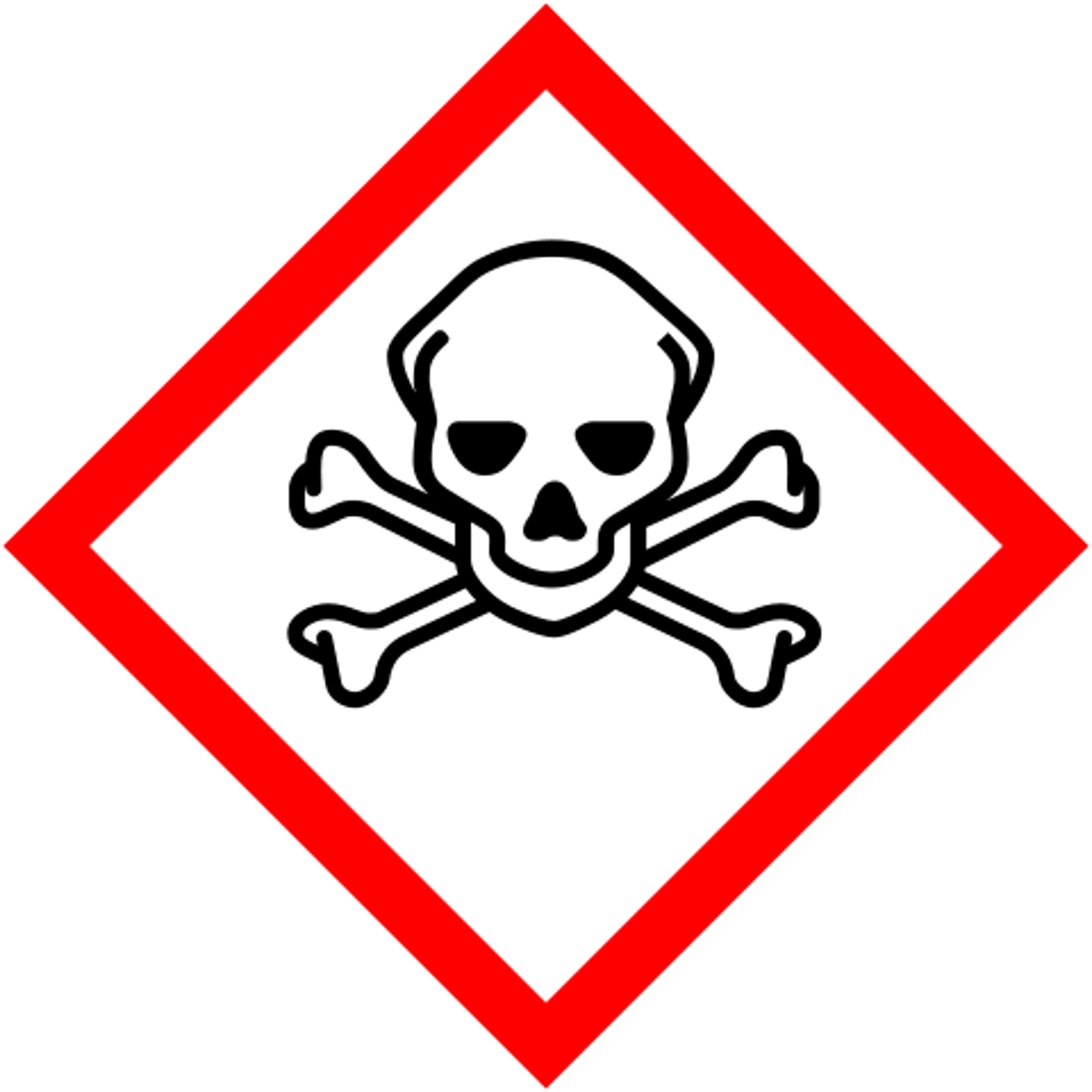
What is the GHS symbol with a skull face?
Fatal
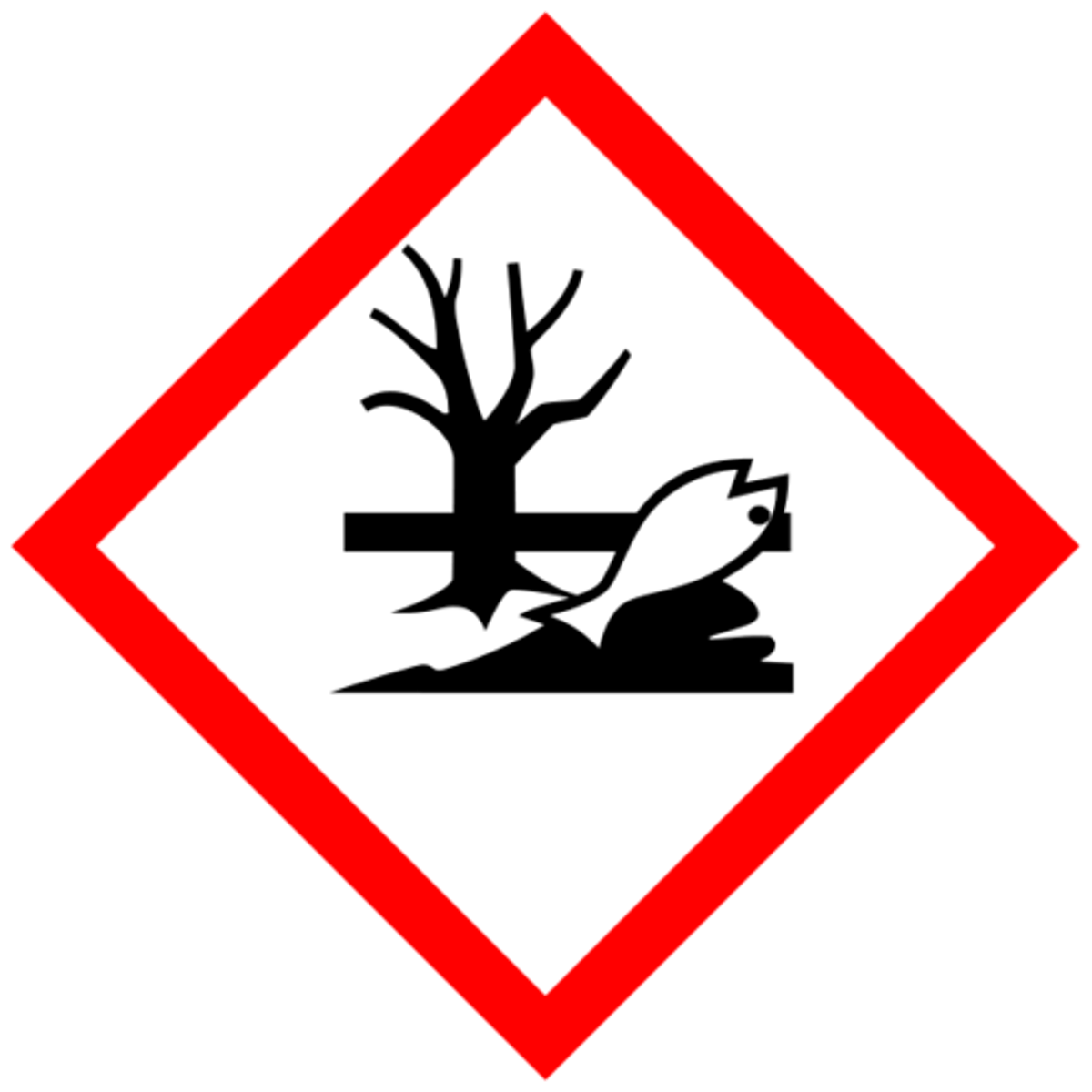
What is GHS symbol of fish in the water?
Aquatic Toxicity
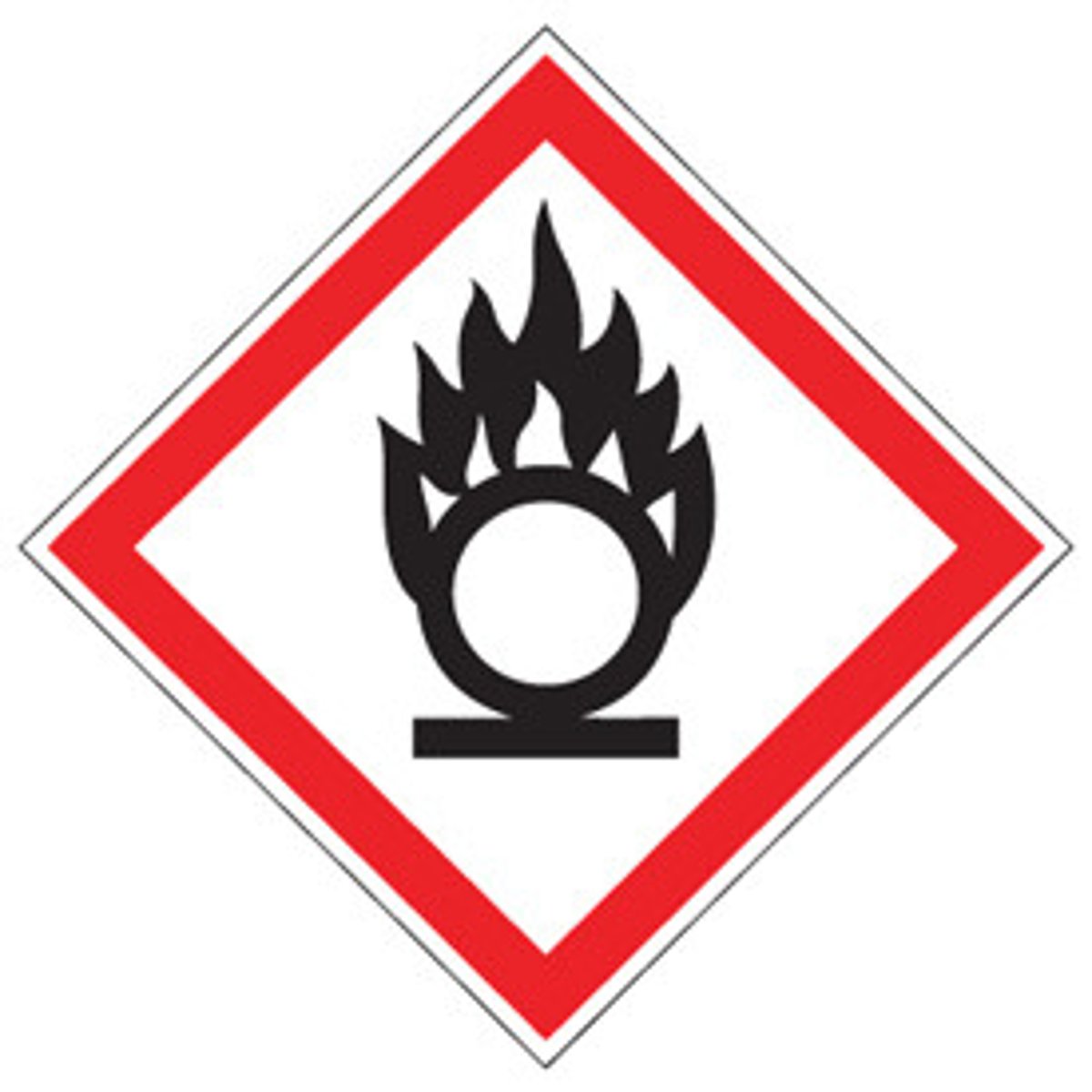
What is GHS symbol of circle on fire?
Oxidizer
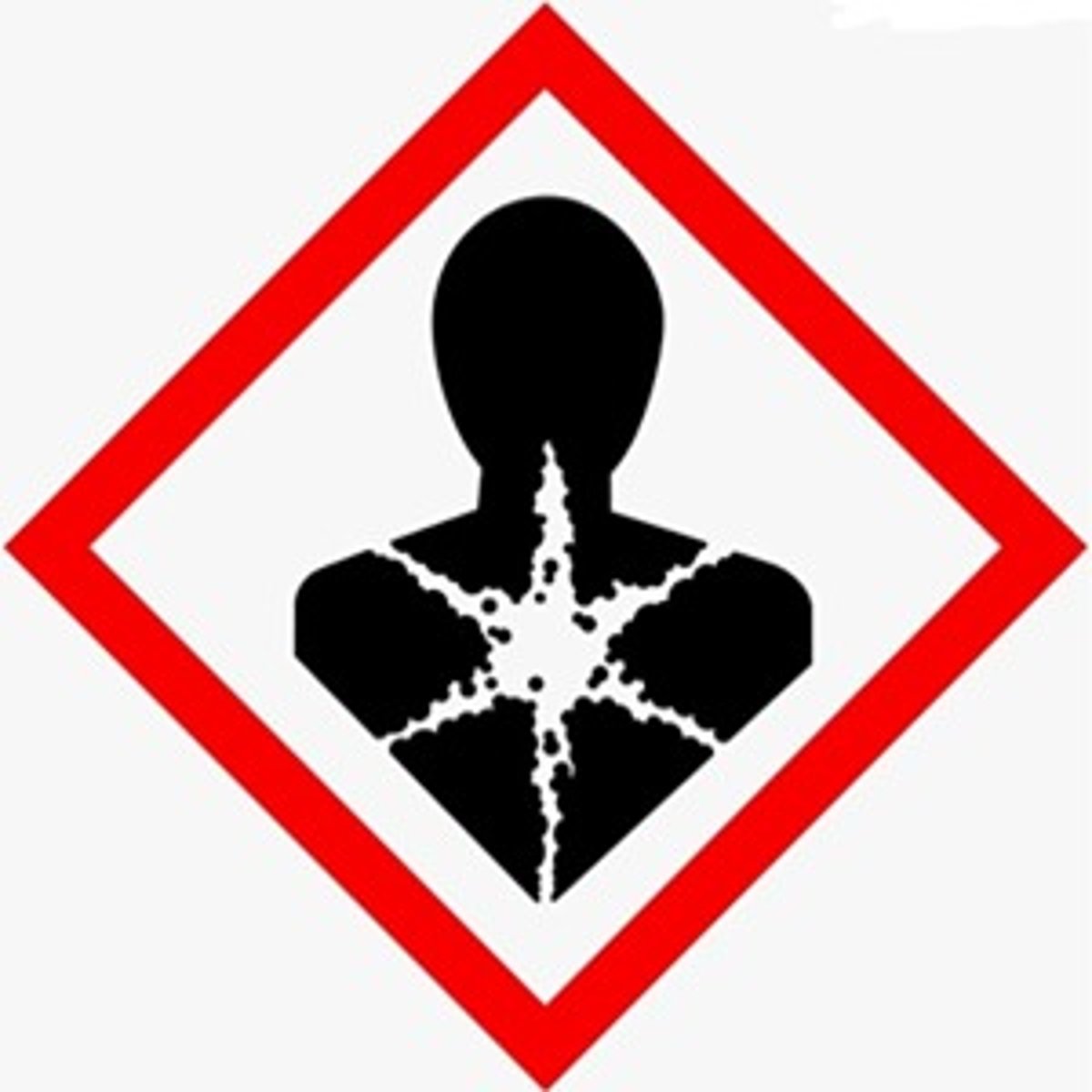
What is GHS symbol with a human shape?
Carcinogen & Toxic
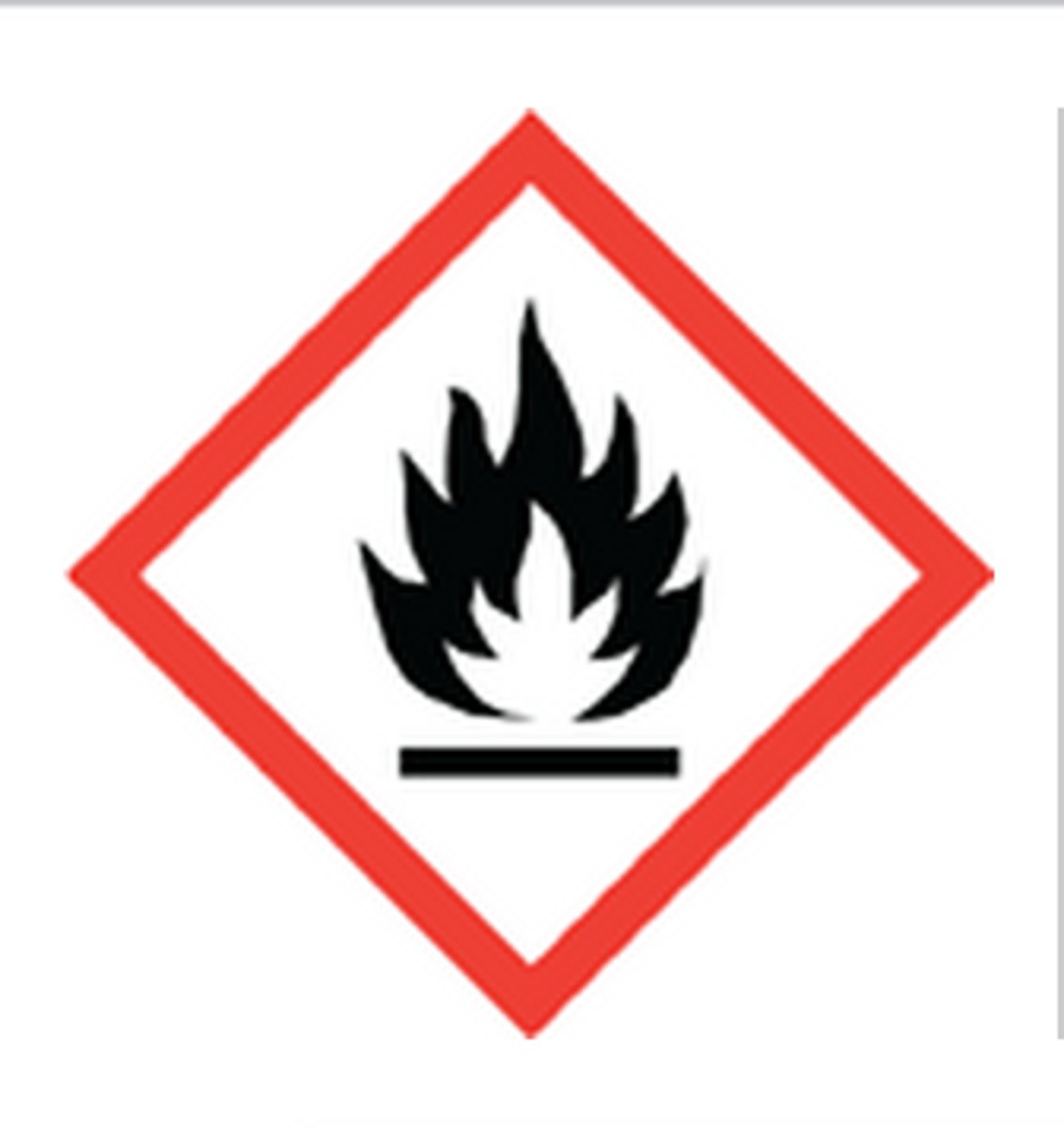
What is the GHS symbol with a flame?
Flammable
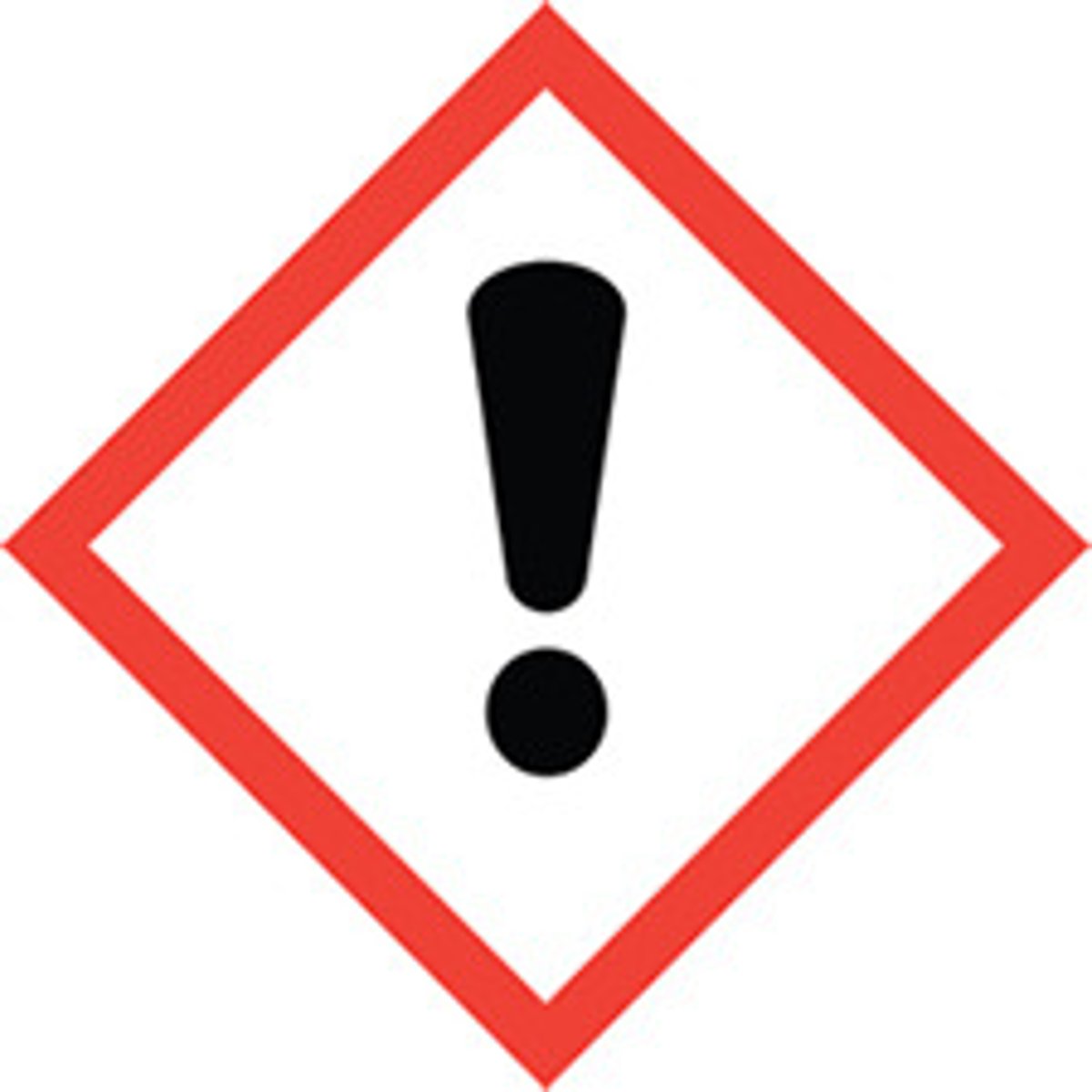
What is the GHS symbol for exclamation mark.
Irritant, skin sensitizer
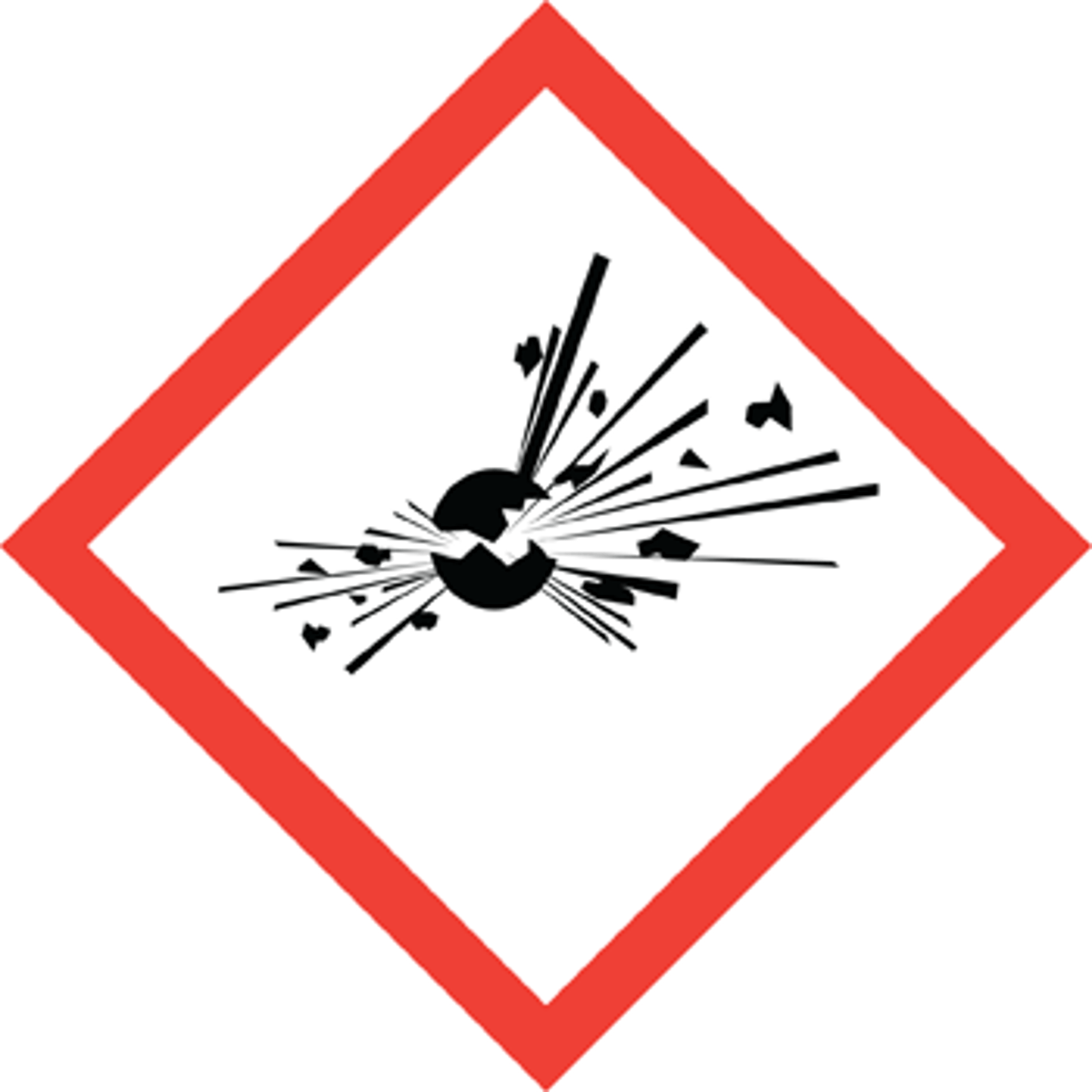
What is GHS symbol of a circle exploding?
Explosive
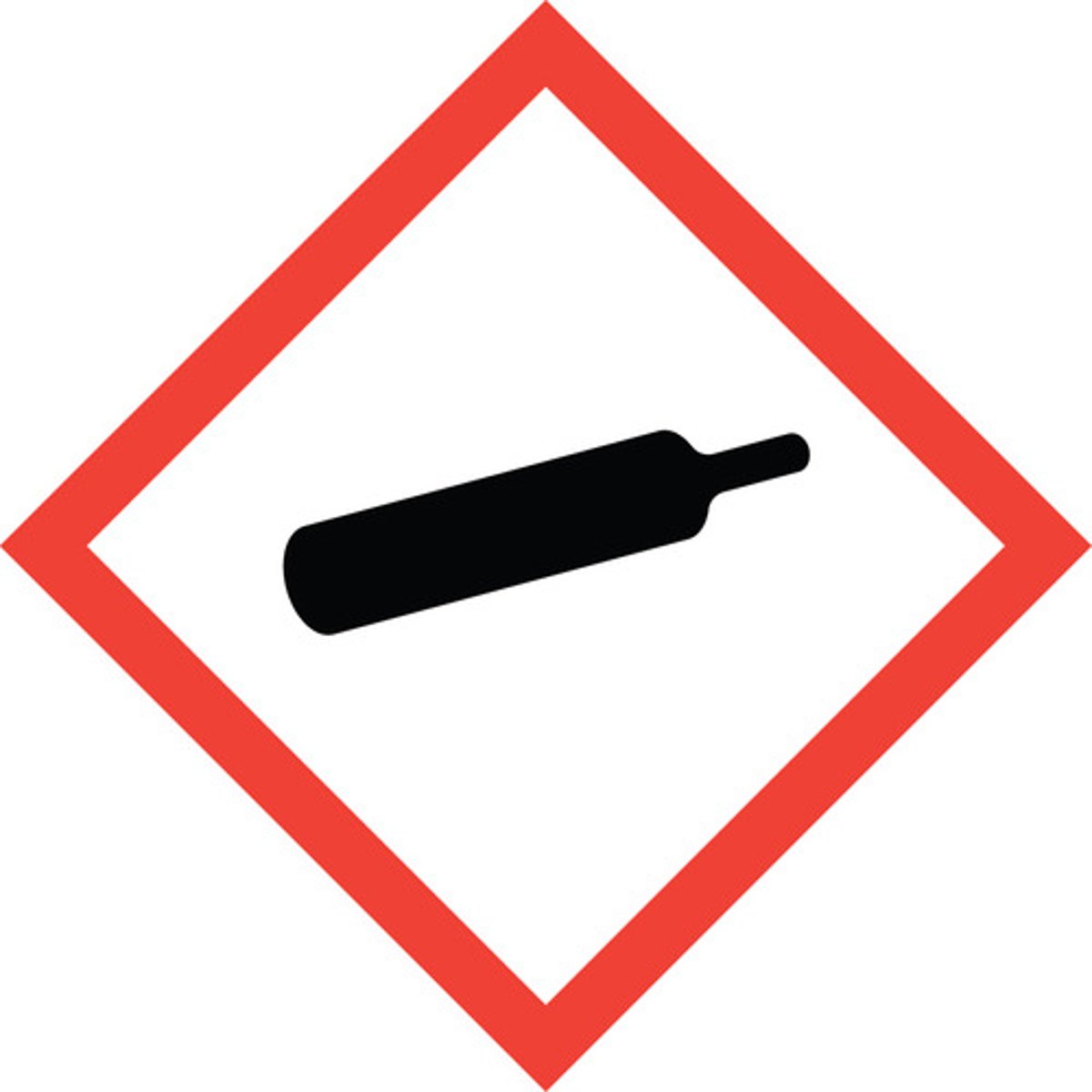
What is the GHS symbol for a bottle?
Gas Under Pressure
What is GHS symbol of the liquid being poured on a slab and hand?
Corrosive
NFPA 704
A color-coded system used to identify the hazards associated with materials, primarily in emergency situations.
Health Hazard (Blue Section)
Indicates the degree of health risk posed by exposure to a material, rated from 0 (no hazard) to 4 (deadly hazard).
Flammability Hazard (Red Section)
Represents the material's susceptibility to catch fire, rated from 0 (will not burn) to 4 (extremely flammable).
Reactivity Hazard (Yellow Section)
Describes the stability of a material under normal conditions, rated from 0 (stable) to 4 (may detonate).
Specific Hazard (White Section)
Provides additional information on specific hazards such as radiation or acid, often indicated by symbols.
GHS Hazard Categories
Category 1: Most severe hazard; greatest danger.
Category 2: High/Moderate hazard.
Category 3: Moderate hazard.
Category 4 / 5: Lowest hazard within the classified system
Signal Words
Warning(less severe category 3&4), Danger (for most severe categories 1&2)
Safety Data Sheet
SDSs include safety information about products compiled by the manufacturer, including hazardous ingredients, safe use and handling procedures to reduce the risk of accidental harm or overexposure, and more. May not be accurate
What percentage of known chemicals have SDS?
0.1%
Who creates SDS?
chemical suppliers
2 multiple choice options
What GHS components are incorporated in SDS?
Pictograms, Signal Words,Hazard Statements
Are SDS legally required to be accurate?
No, so you should also cross examine from different manufacturers
SDS is written for a (professional or industrial) setting, because of this, chemical hazards and personal protective equipment requirements may be (under or overstated).
industrial, overstated
Compare label, determine hazard class, look for procedures
Rearrange these steps for using SDS:
-Look at the procedures for safe handling
-compare label info to ensure you have right SDS
-determine hazard class
What is true about NaOCl?
1. Bleach can cause severe skin burns and eye damage.
2. Bleach is a weak reducing agent.
3. If a significant amount of bleach is spilled on you, get into the safety shower.
4. Bleach forms poisonous chlorine & chloramine gas when combined with ammonia
5. Nitrile gloves have a 480 min breakthrough time for bleach.
1,3,4,5
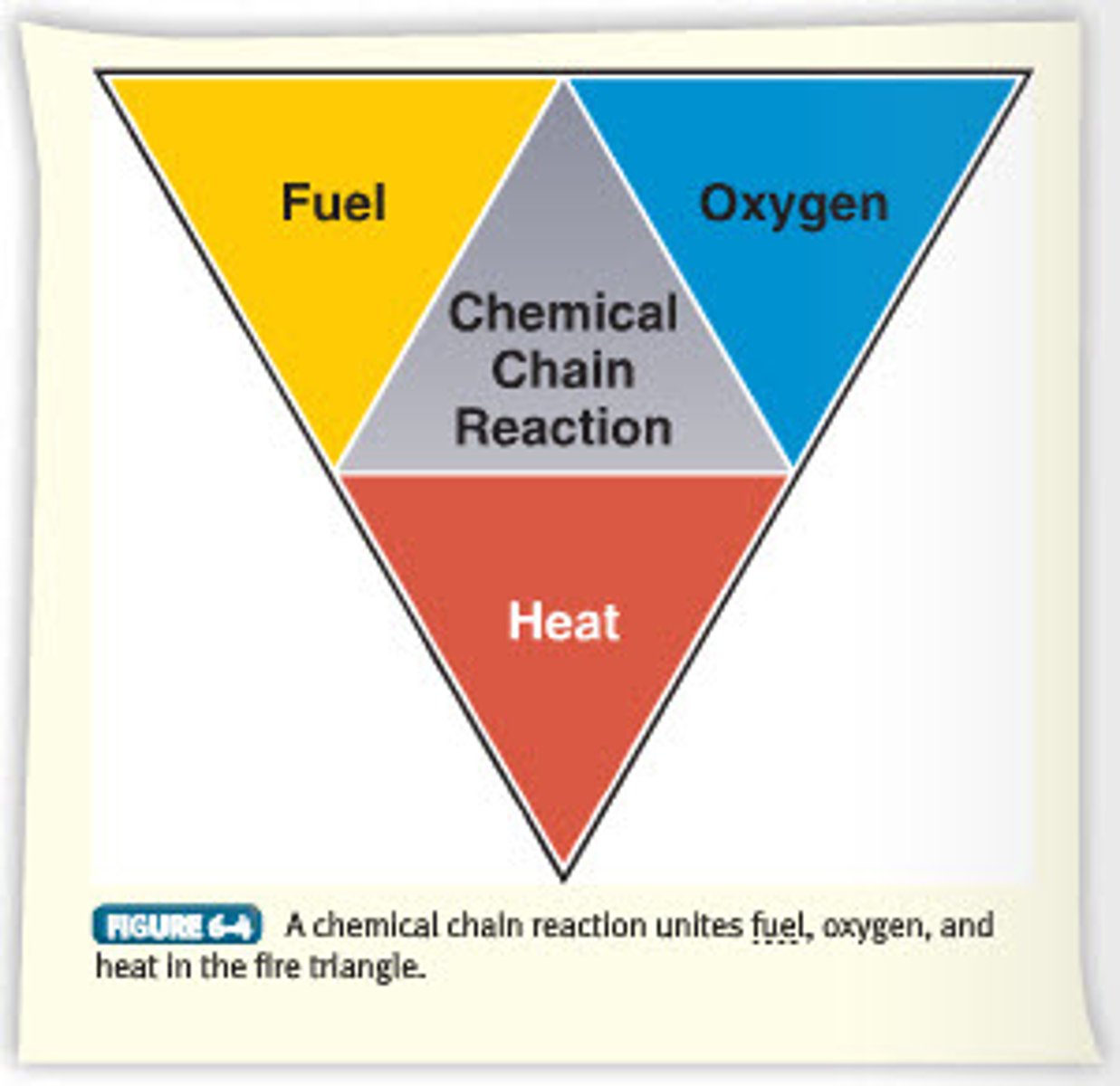
Fire Tetrahedron
Model of the four elements/conditions required to have a fire. The four sides of the tetrahedron represent fuel, heat, oxygen, and chemical chain reaction.
How to remove Heat?
1. Use a halon fire extinguisher
2. Carbon dioxide fire extinguishers blanket substance to put out the fire
3. Pour water on the fire
4. Keep amounts of flammable solvents at a minimum in lab
3. Pour Water on the fire
How to remove oxygen fire?
1. Use a halon fire extinguisher
2. Carbon dioxide fire extinguishers blanket substance to put out the fire
3. Pour water on the fire
4. Keep amounts of flammable solvents at a minimum in lab
2. Carbon Dioxide fire extinguishers blanket substance to put out the fire
How to remove chemical chain reaction fire?
1. Use a halon fire extinguisher
2. Carbon dioxide fire extinguishers blanket substance to put out the fire
3. Pour water on the fire
4. Keep amounts of flammable solvents at a minimum in lab
1. Use a halon fire extinguisher
How to remove a fuel fire?
1. Use a halon fire extinguisher
2. Carbon dioxide fire extinguishers blanket substance to put out the fire
3. Pour water on the fire
4. Keep amounts of flammable solvents at a minimum in lab
4. Keep amounts of flammable solvents at a minimum in lab
what is the PASS acronym?
P-pull safety pin
A-aim at the base of fire
S-squeeze handle
S-spray in sweeping motion
Which of the following actions should you take if you or your labmate are on fire?
Stop,drop, roll, and wrap the person in a fire blanket
Class A Fires
Paper,clothing,plastic
Which are the following statements are true about fire?
1. Water can be used to extinguish a class B fire.
2. Water cannot be used to extinguish a class D fire.
3. Fires are classified by what type of oxidizing agents are involved.
4. The fuel must be vaporized to burn.
5. Removing heat keeps the fuel from vaporizing
2,4,5
Class B Fires
Gasoline, oil, organic solvents
Class C Fires
Hot plates, computers, electrical components
Class D Fires
Reactive Metals (sodium, lithium)
Choose appropriate actions to take in the event of a spill.
1. If splashed with a large quantity of liquid, wipe off contaminated clothing.
2. Eyewashes should be used for at least 15 minutes.
3. Use a spill pillow to absorb liquids with nontoxic vapors.
4. Use a small brush & dustpan when cleaning up a solid.
5. Contaminated clothing must be removed & treated as hazardous waste.
6. If splashed with a large quantity of a chemical, use the shower immediately.
7. Spilled solid should be returned to its original bottle.
8. If solid is spilled on skin wash scrape off, then wash with water.
9. Nonvolatile liquid spills require lab evacuation.
2,3,4,5,6,8
What the key steps for responding a spill?
Communication, Isolate, Mitigate, Evacuate
Notify an instructor or stockroom staff of the spill location & contents
Communicate
If possible contain the spill with a spill pillow,sand,etc
Isolate
If spill is large and/or hazardous, leave the room or building
Evacuate
Spill clean up, Your instructor will determine if you are able to assist
Mitigate
Which of the following should be done when handling a corrosive?
1. wear goggles, lab coat & gloves
2. wear long sleeved shirts, long pants, and closed toe shoes
3. carry bottles in secondary containers
4. know the location of eyewash stations & safety showers
5. use chemicals in the fume hood if the they're an inhalant hazard
6. if exposed to skin, wash off immediately
7. use concentrated solutions whenever possible
8. discard gloves after contamination or taking off
1,2,3,4,5,6,8
What does RAMP protocol stand for?
Recognize the hazard of acid to the eyes
Assess procedure, their knowledge,& exposure probability
Minimize risk of exposure by wearing goggles
Prepare for emergencies by locating eye wash
What types of airborne particles are there?
Mists, Fumes, Dusts, Smoke,Nanoparticles
Mists
Tiny droplets of liquid suspended in air
Fumes
Colloidal suspension of solid or liquid particles in air
Dusts
Solid particles suspended in air
Smoke
Mixture of dry particles and droplets of liquid
Nanoparticles
Ultrafine homogenous particles ranging in size from 1 to 100 nm
How to minimize ingestion exposure?
Do not put anything in your mouth that has been in lab
How to prevent eye exposure?
Always wear goggles
How to prevent inhalation exposure?
Cap flasks containing volatile liquids
How to prevent skin exposure?
Clean surfaces, wear gloves & lab coat
How to prevent injection exposure?
Use a dustpan and broom to clean up broken glass
Which of the following playing significant roles in the extent of injusry or harm when exposed to a hazardous chemical ?
1. The amount of time one is exposed to the chemical
2. How the chemical entered the body
3. The atmospheric pressure
4. The relative humidity
5. The amount of chemical one is exposed to
6. The availability of safety equipment
1,2,5