WBC Abnormalities
 Call Kai
 Learn
Learn Practice Test
 Spaced Repetition
 Match
Match Flashcards
 Knowt Play
1/24

There's no tags or description
Looks like no tags are added yet.
Name | Mastery | Learn | Test | Matching | Spaced | Call with Kai |
|---|
No analytics yet
Send a link to your students to track their progress
25 Terms
increased
infection, inflammatory response, stress response, malignancies, chemical assault, pregnancy, or surgery
decreased
certain infectious diseases, chemo, drugs, or autoimmune disease
neutropenia is the most significant abnormal WBC finding (count is less than 2)
What conditions cause increased and decreased neutrophils?
increased
allergies, parasitic disease, skin disease, transplant rejection, or myeloproliferative disorders
decreased
acute infections, bone marrow aplasia
What conditions cause increased and decreased eosinophils?
increased
myeloproliferative disorders, hypersensitivity reactions, chronic inflammatory diseases
decreased
steroids, inflammation
What conditions cause increased and decreased basophils?
increased
chronic infections (TB), malignancies, leukemias, or bone marrow failure
decreased
autoimmune diseases, Hairy Cell Leukemia
What conditions cause increased and decreased monocytes?
leukocytosis
an increase in all WBCs
leukemoid reactions
exaggerated responses to infections and inflammation results in high WBCs and immature cells (no blasts, though)
leukoerythroblastic picture
PBS contains immature WBCs, nRBCs, and platelet abnormalities
What is leukocytosis, leukemoid reactions, and leukoerythroblastic pictures?
an increase in bands, metamyelocytes, and myelocytes in the PBS
seen in response to infection
BM is responding to the increased WBC count by sending out young cells
What is left shift?
toxic changes in WBCs due to stress during maturation
in response to infection or inflammation
takes place in the cytoplasm or nucleus
toxic granulation, toxic vacuolization, and Dohle bodies
What are qualitative defects in WBCs?
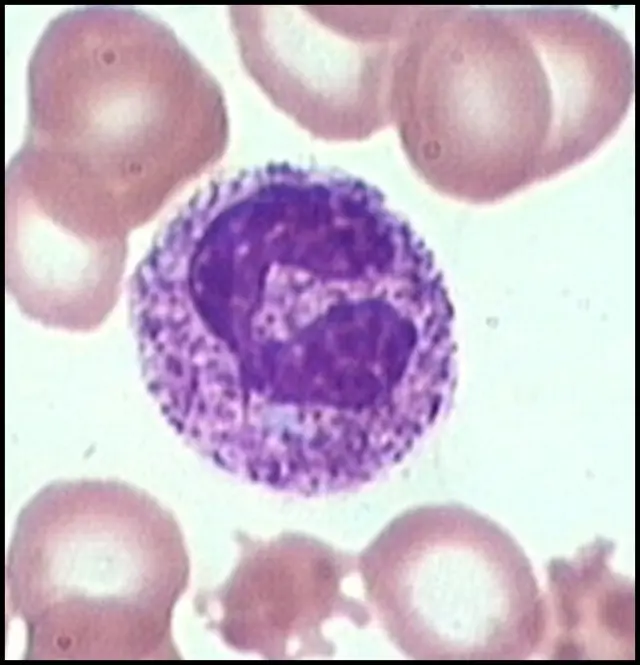
excessive granulation in segmented neutrophils
response to enhanced lysosome enzyme production
clusters of toxic, blue-black granules
toxic granulation
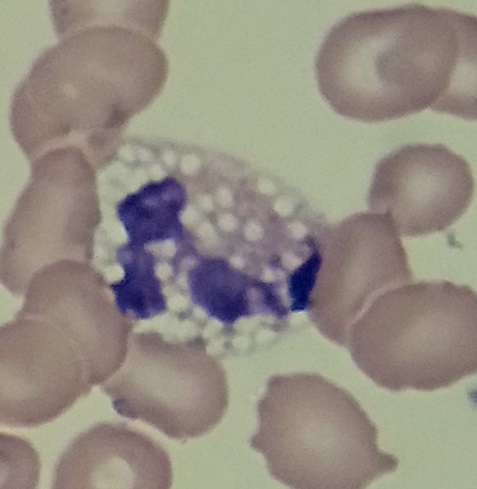
vacuoles in the cytoplasm of segmented neutrophils
caused by prolonged exposure to drugs or storage time (storage time causes pseudo-vacuolization)
usually a sign of serious infection or sepsis
toxic vacuolization
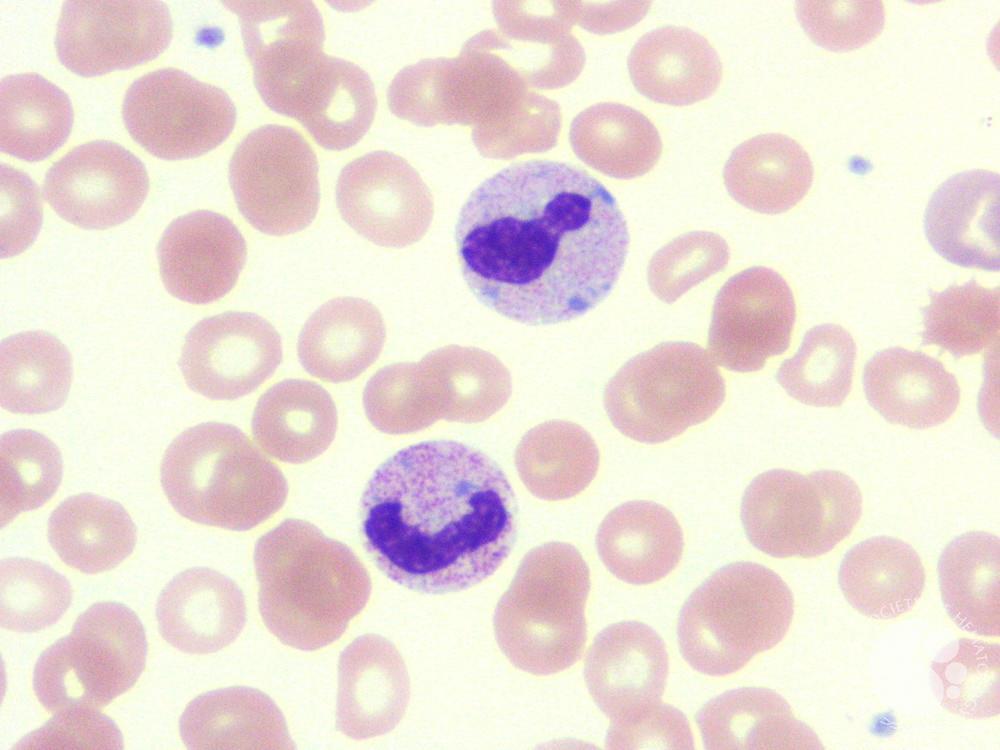
cytoplasmic inclusions composed of rRNA
1-5 um, rod-shaped, bluish-gray
seen in neutrophils, some in monocytes and bands
occurs in pregnancy, May-Hegglin anomaly, and bacterial infections
Dohle bodies
megaloblastic anemias
In what types of blood processes can you expect to see hypersegmented neutrophils (5+ lobes)?
May-Hegglin Anomaly
Alder’s Anomaly
Pelger-Huet Anomaly
Chediak-Higashi Syndrome
List 4 hereditary WBC disorders
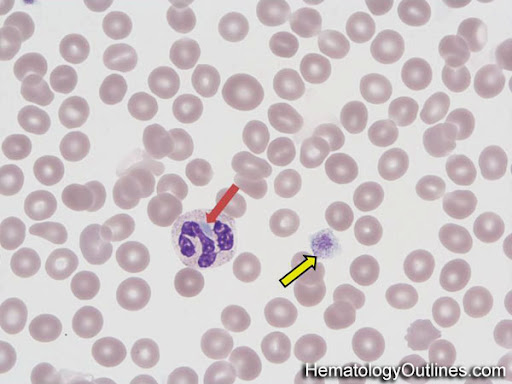
associated with thrombocytopenia and giant platelets
patients present with abnormal bleeding
large Dohle bodies can be seen in the cytoplasm of neutrophils
response to infection or inflammation
What is May-Hegglin Anomaly?
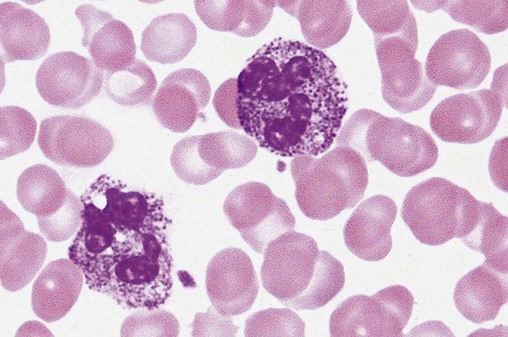
rare genetic disorder
associated with coarse, dark granules in ALL WBCs
granules thought to be lipid deposits
What is Alder’s Anomaly?
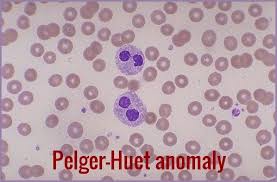
hyposegmentation of neutrophils
in heterozygotes, the nucleus is dumbbell shaped, in homozygotes, the nucleus is spherical and has no lobes
pseudo-pelger huet seen in myeloproliferative disorders
can be misidentified as bands or metas
What is Pelger-Huet Anomaly?
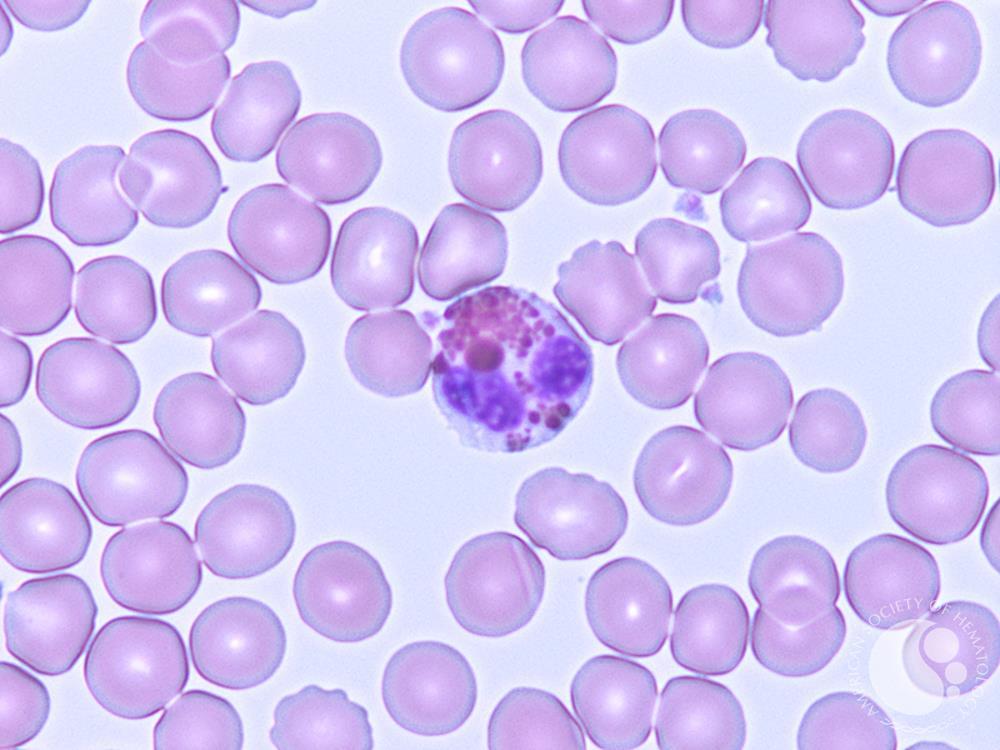
presence of purple-gray granules in the cytoplasm of neutrophils
causes decreased WBC chemotaxis and bactericidal function
patients may develop hepatomegaly, liver failure, or abnormal bleeding times
lymphs and monos may have red granules in their cytoplasm
What is Chediak-Higashi Syndrome?
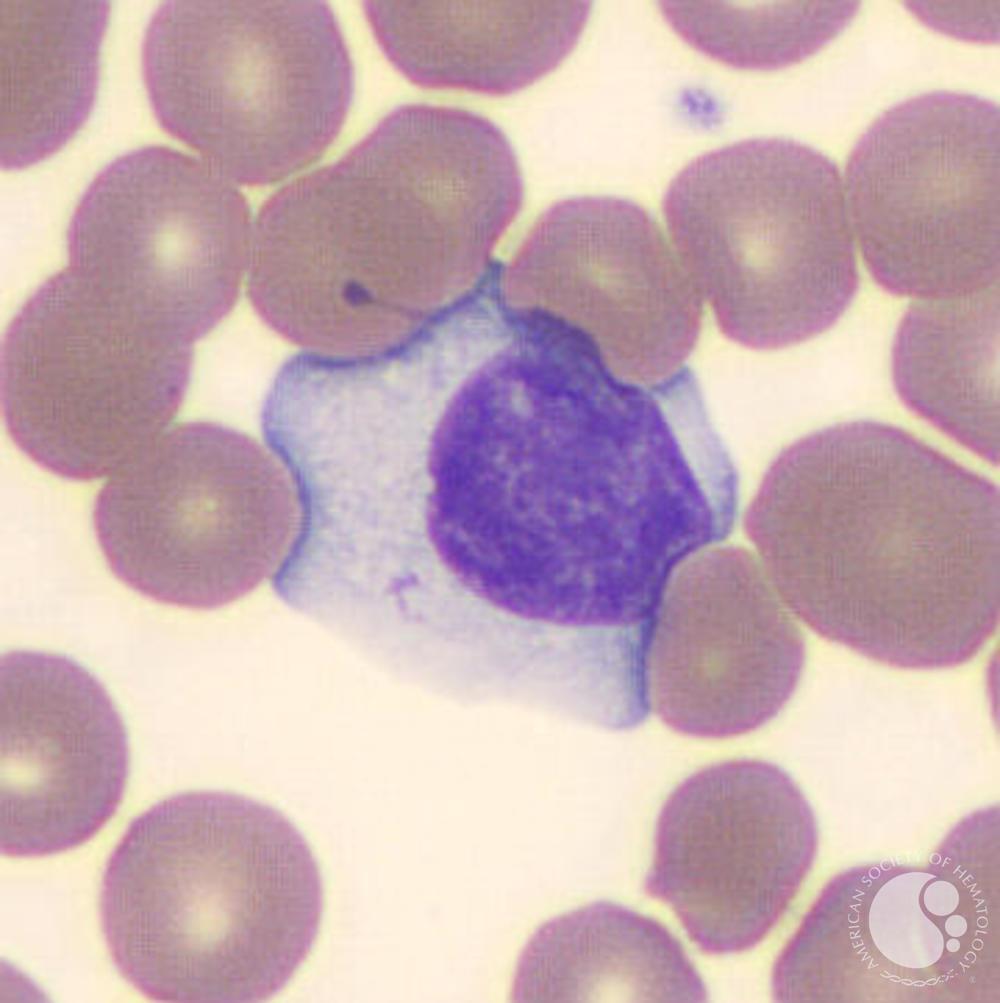
abnormal morphology:
increased cell size
increased basophilia
increased cytoplasm
normal lymphocytosis is normal in young children (1-4 years)
seen in EBV, CMV, and Hep A, B, and C
What is reactive lymphocytosis?
infectious mononucleosis
caused by EBV, found in saliva and body fluids
infects B lymphocytes
sore throat, fatigue, fever, heachache, and enlarged lymph nodes
What is the most common disease showing variation in lymphocytes (reactive lymphocytosis)?
the patients lymphocytes show reactive changes
with basophilic cytoplasm or vacuolization
a decrease in T helper cells causes an overall decrease of immune function
patients present with:
anemia of inflammation, decreased WBC counts, decreased platelet count, impaired iron studies, and reticulocytopenia
How does HIV/AIDS affect patients and their hematology parameters?
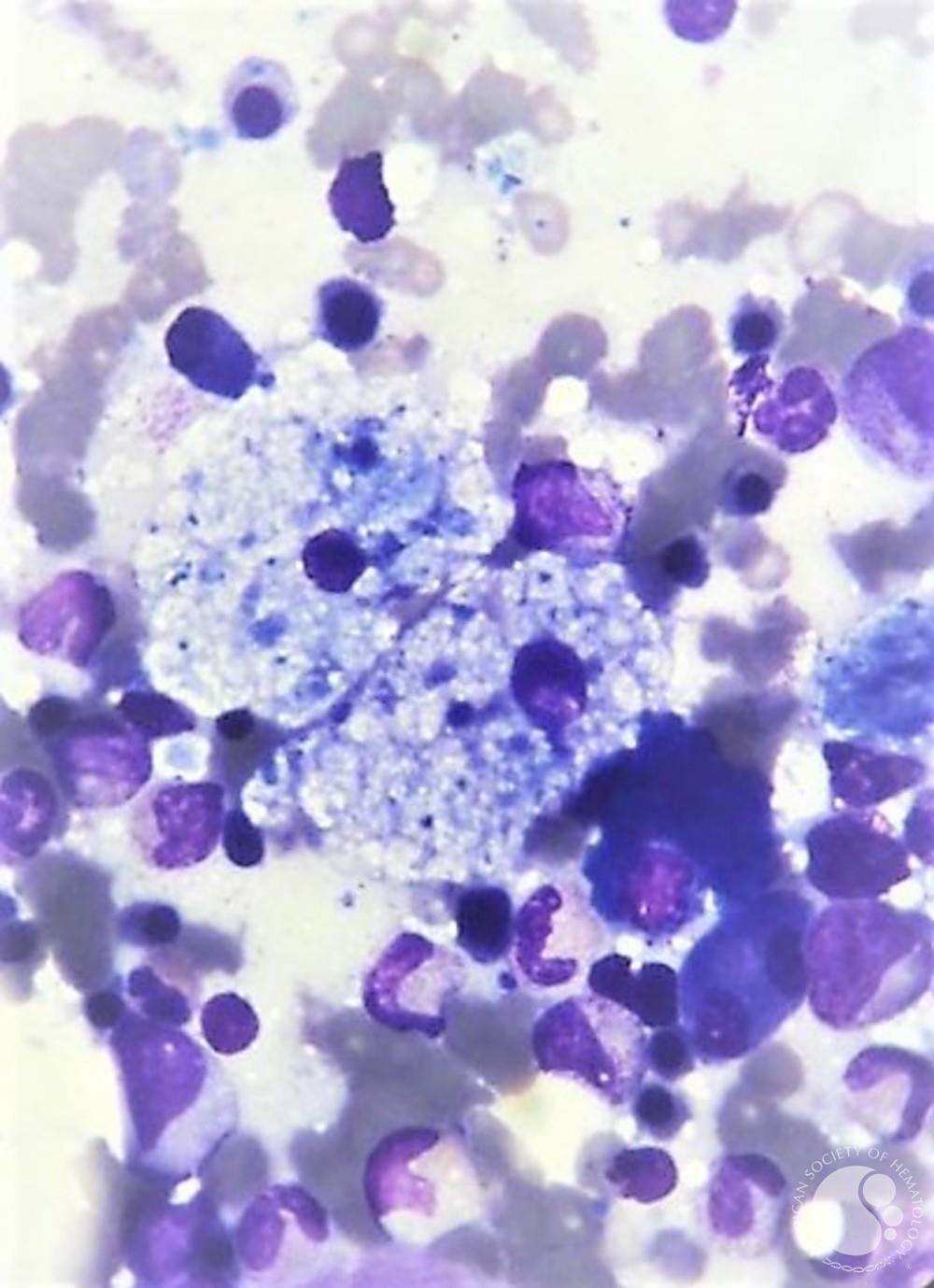
group of diseases caused by missing or inactive strategic metabolic enzyme
results from a gene deletion
undigested metabolic products accumulate in cells
bone marrow shows large, identifiable cells specific to each disease
no cure
but enzyme replacement therapy or BM transplant is possible
3 diseases: Gaucher’s Disease, Niemann-Pick Disease, and Tay-Sachs Disease
What are lipid storage diseases?
bacteremia or sepsis
The presence of bacteria in a peripheral blood smear indicates:
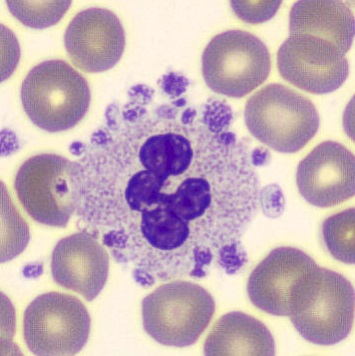
a phenomenon when patient’s blood reacts with EDTA
causes platelets to ring around neutrophils
produces a falsely low platelet count
can only be corrected by collecting specimens in sodium citrate tubes
What is platelet satellitism?
toxic granulation
Which inclusion is most likely seen in acute infections?
lymphocytosis WITHOUT anemia and WITH many reactive lymphocytes
A typical blood picture in infectious mononucleosis shows:
decreased production by the bone marrow
impaired release from BM to blood
increased destruction
List 3 mechanisms by which neutropenia is usually produced