Gene Expression Control in Cell Differentiation and Regulation
 Call Kai
 Learn
Learn Practice Test
 Spaced Repetition
 Match
Match Flashcards
 Knowt Play
1/18

There's no tags or description
Looks like no tags are added yet.
Name | Mastery | Learn | Test | Matching | Spaced | Call with Kai |
|---|
No analytics yet
Send a link to your students to track their progress
19 Terms
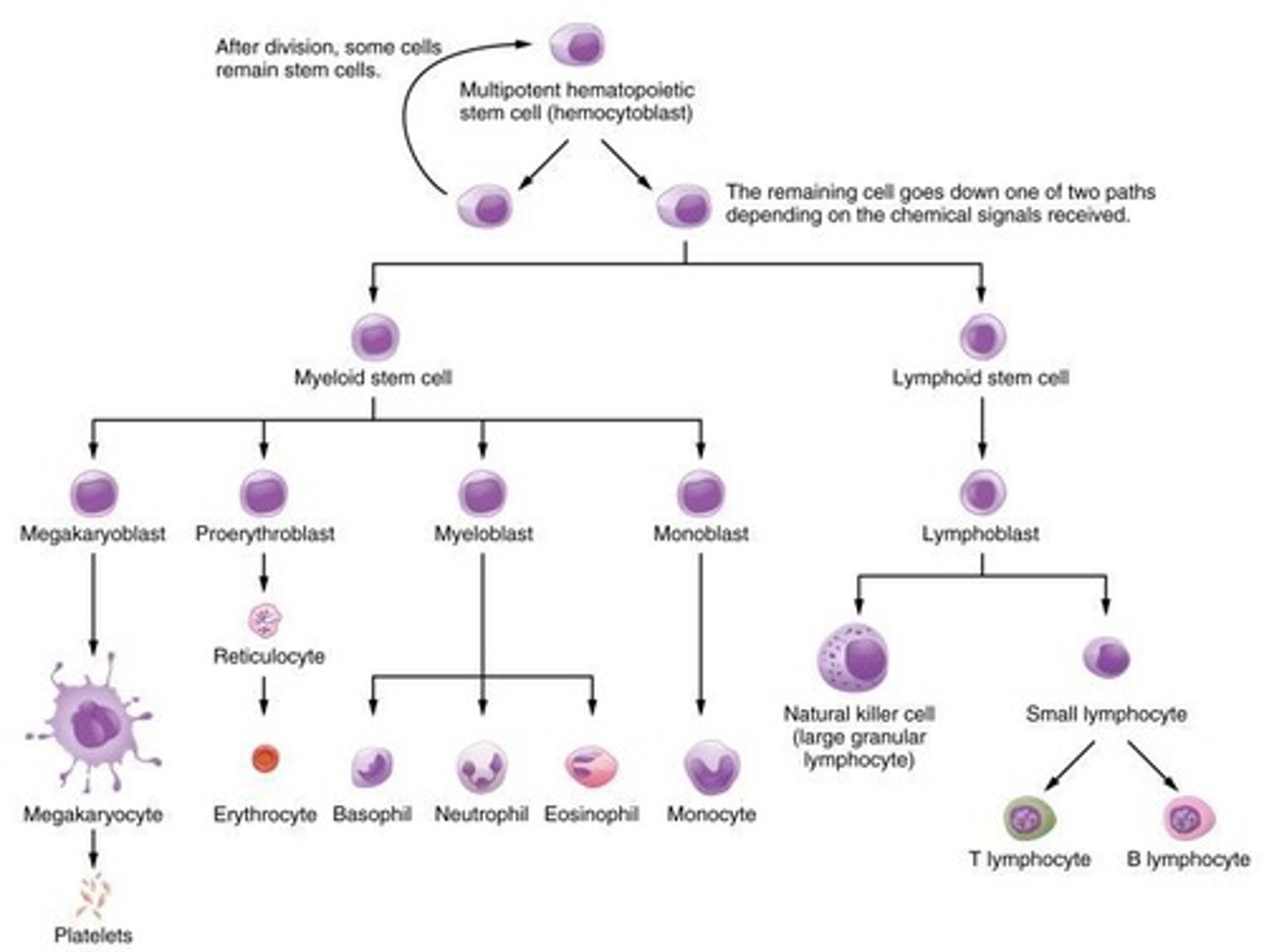
What is cell differentiation?
The process that allows cells to perform different functions.
How does differentiation arise in cells?
It arises because cells produce and accumulate different sets of RNA and protein molecules.
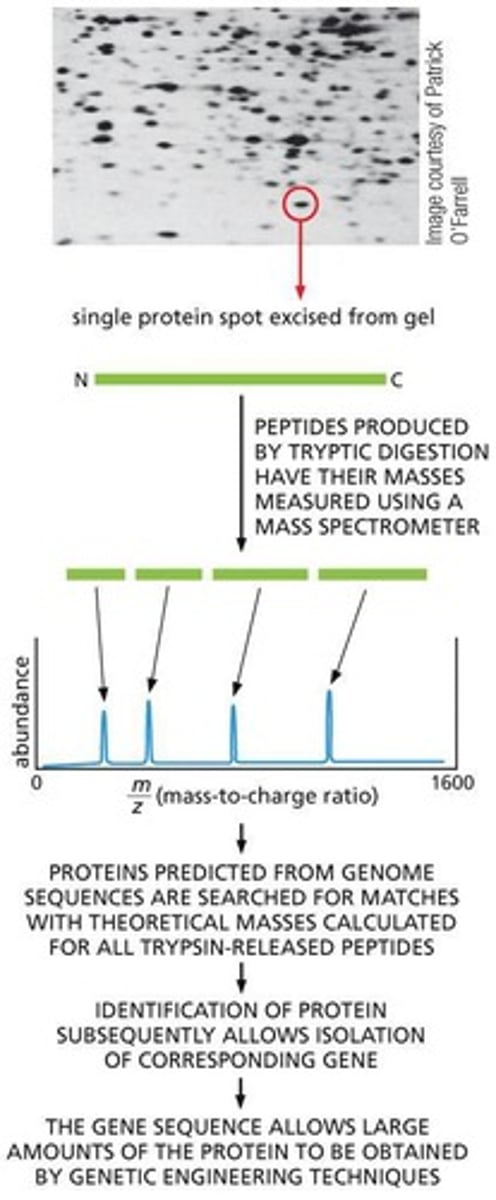
What techniques can identify proteins made by cells?
2-D electrophoresis and mass spectrometry.
What is the most important mechanism for controlling gene expression?
Control of transcription.
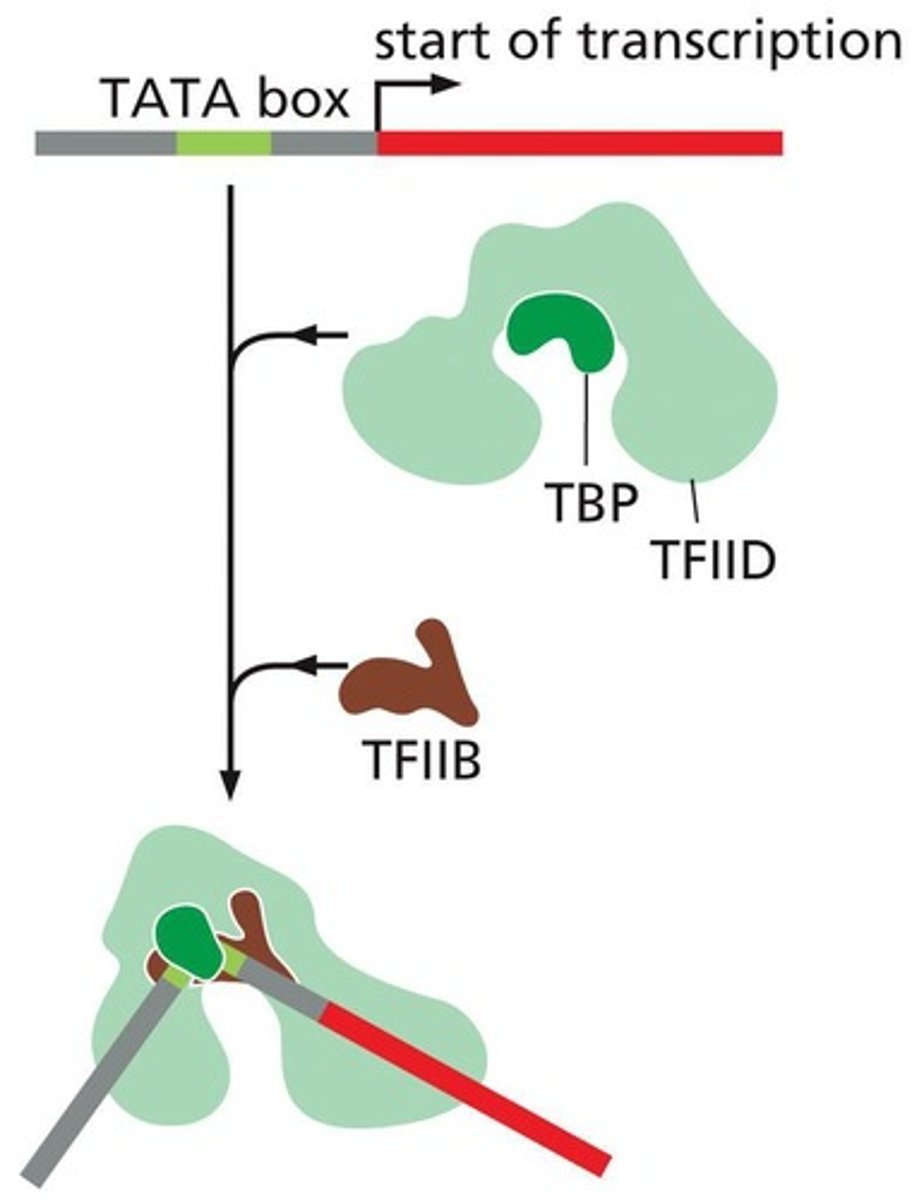
What do sigma factors and general eukaryotic transcription factors like TFIID do?
They assist with low-level transcription of many genes.
How many known transcription regulators do humans have?
Approximately 2000.
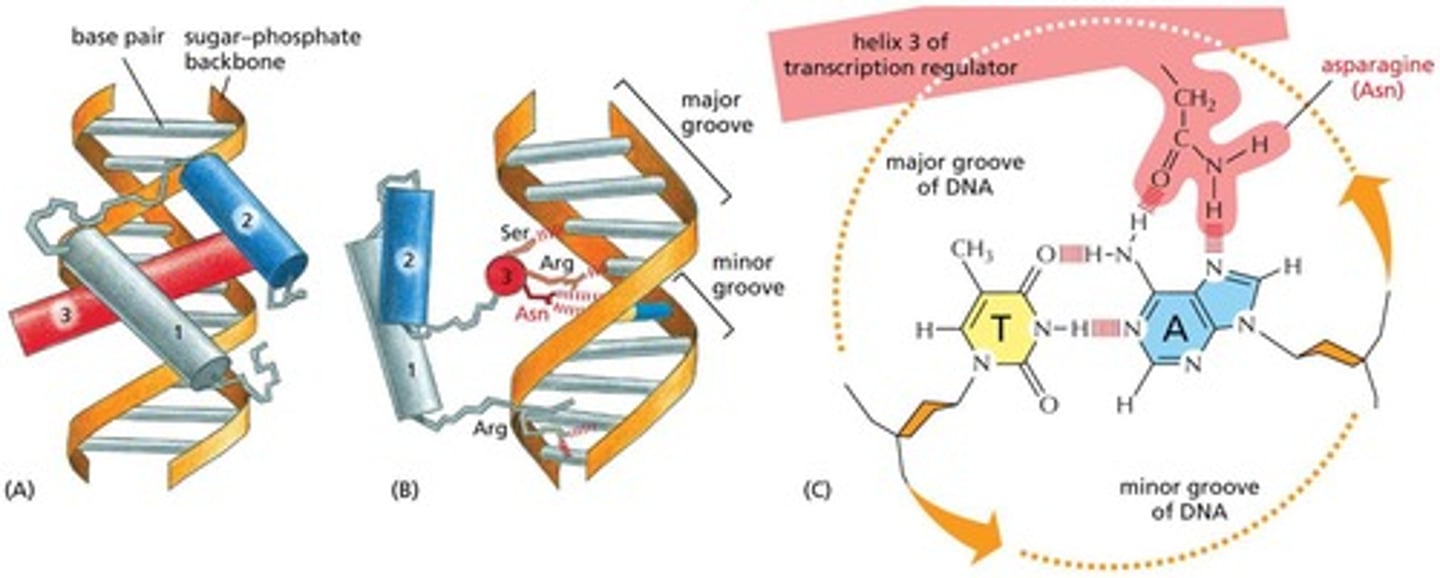
Where do regulatory proteins typically bind in DNA?
In the major groove of DNA via noncovalent bonding.
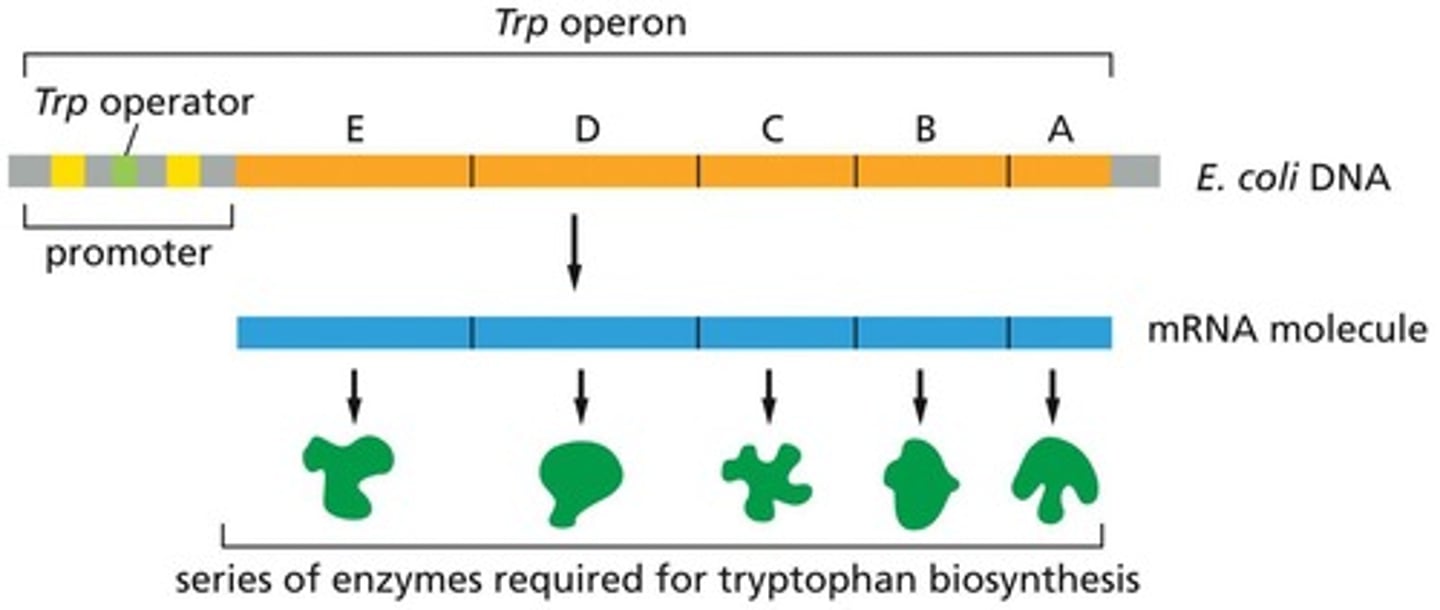
What is an operon?
A cluster of genes on a chromosome that are transcribed from a single promoter.
What is the role of regulator proteins in transcription?
They can activate or repress transcription.
What is the tryptophan operon?
An operon that regulates the synthesis of tryptophan in bacteria.
Can eukaryotic transcription regulators bind DNA far from the promoter?
Yes, they can bind DNA far from the promoter.
What are cohesins?
Structural Maintenance of Chromosomes proteins that help in chromosome structure.
What are condensins?
Proteins that help in the condensation of mitotic chromosomes.
What do ATP-dependent chromatin-remodeling complexes do?
They use energy from ATP breakdown to change the position of nucleosomes.
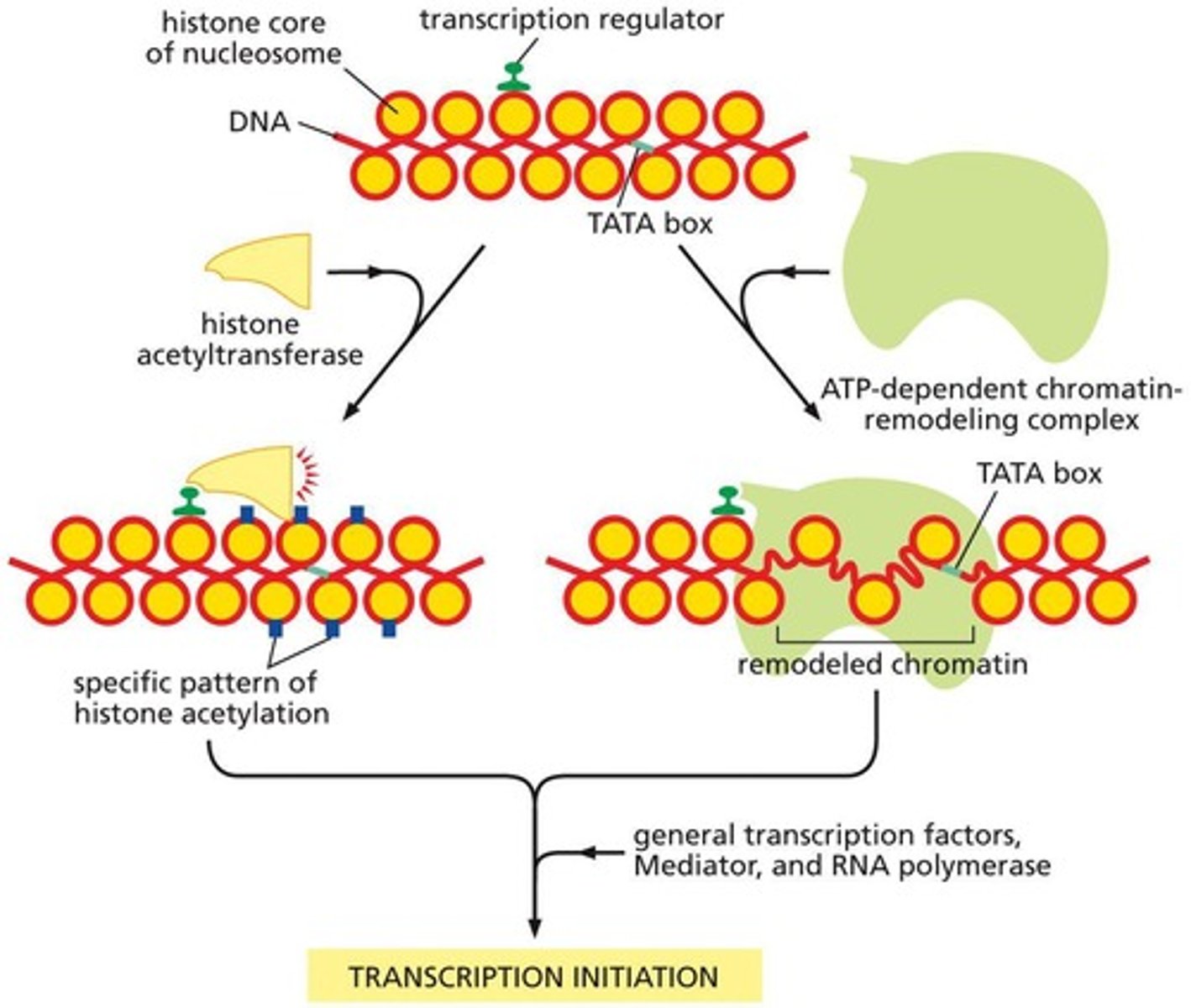
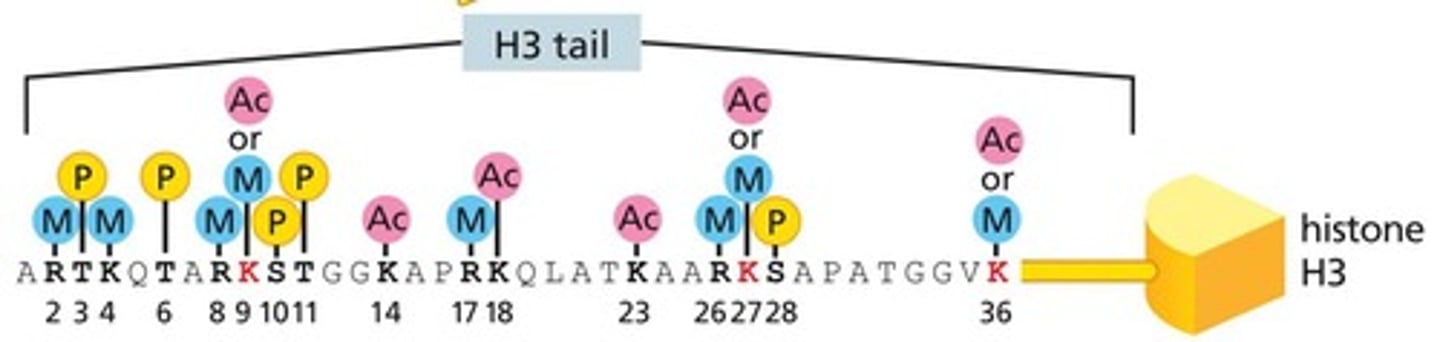
What is the function of histone-modifying enzymes?
They add or remove phosphate groups, acetyl groups, and methyl groups in histones.
What is combinatorial control in gene expression?
It allows groups of transcription regulators to work together to control gene expression.
What are microRNAs?
Small RNA molecules that play a role in post-transcriptional control.
How long are mature microRNAs?
About 22 nucleotides.
How many different miRNAs are encoded in the human genome?
More than 1000 different miRNAs.