Affect in Organizations
 Call Kai
 Learn
Learn Practice Test
 Spaced Repetition
 Match
Match Flashcards
 Knowt Play
1/35

There's no tags or description
Looks like no tags are added yet.
Name | Mastery | Learn | Test | Matching | Spaced | Call with Kai |
|---|
No analytics yet
Send a link to your students to track their progress
36 Terms
Affect
abilities to influence behaviors or actions (emotions)
Can be broken into emotions, moods, and temperaments (trait emotion)
Emotions
what you are feeling in the moment
Moods
longer-term, averaged across time (hours, days, weeks)
General Temperaments
trait level emotion averaged across the lifetime
ex. high trait positive affect (emotion)
Importance of Emotions
informs out decision-making (they are not irrational)
they can be contagious and can motivate
Negative Emotions
communicate threat, provoke discussion about “what’s wrong”
Positive Emotions
communicate correct path, predict continued motivation
The Basic Emotions
Cross-cultural facial expressions
surprise, fear, disgust, contempt, anger, joy, sadness, and pride(contested)
Theory of Constructed Emotion
emotions emerge from our interpretation of core activation/arousal and valence (pleasantness vs unpleasantness)
Amygdala Hijacking
doing something due to heightened emotions without rational thinking (crashing out)
ex. panic/anxiety attacks
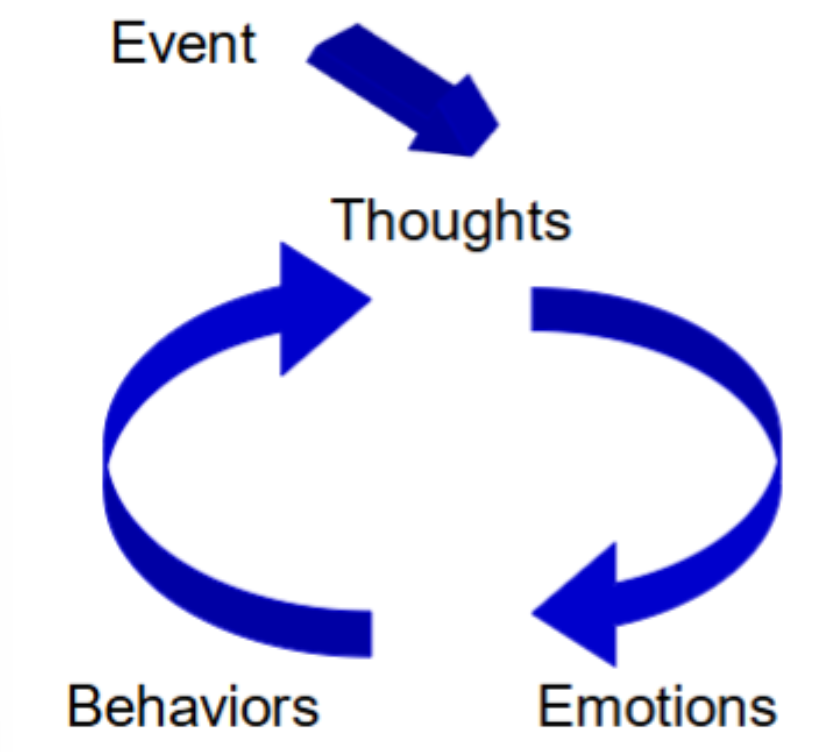
Cognitive Reappraisal
seeing something in another light (flipping your emotions from negative to positive)
Emotional Intelligence
recognizing, regulating, and “harnessing” or changing emotions (experience most appropriate emotion state for the task at hand)
managing ours or others’ emotions
Needed to combat maladaptive negative emotions
Affect Labeling
recognizing emotions and giving them a name
Labeling lowers amygdala activity
Alexithymia
people with difficulty labeling and differentiating emotions default to anxiety
Acceptance and Commitment
accepting and committing to changing behaviors and situations
Situation Selection
choosing or avoiding situations based on response they may provoke
Group Affect
emotions and mood of the group as determined by the affective composition (bottom up; group member’s individual emotions) and affective context (situational determinants of emotions to be experienced)
Bottom Up
aggregate of team/group/organizational members’ emotions (state or trait)
Top Down
emotional culture, affective climate
Positive Group Affect
greater cooperation, creativity, productivity (helps enhance problem solving)
Negative Group Affect
emotional conflict, low group cohesion, lowered efficiency (decreased performance ratings and satisfaction)
Affective Events Theory
workplace events provoke reactions at work
Social Identity Theory
individuals derive identity and self-esteem from group members and self esteem leads to a positive effect
Emotional Contagion
emotions spread from one person to another
susceptibility can vary from person to person (individual difference)
Mirror Neurons
neurons which fire when we perform an action AND when we observe those actions (yawning, crossing arms)
Mimicry
automatically mimic others’ facial expressions
Afference/Efference
expression sends feedback to the brain and creates a similar emotional experience
Facial Feedback Hypothesis
making expressions leading to “feeling” those emotions in the short-term (mixed results however when the study was replicated)
Countercontagion
experiencing differing or even opposing emotions in response to emotions of others
Can occur due to group differences (ingroup vs. outgroup)
Affective Homogeneity
(Bottom Up) consistent affective reactions within a group (aka group affective tone)
Affective Diversity
(Bottom Up) variance in individual emotions and trait affect (temperament) within the group
Affective/Emotional Culture
(Top Down) collection of assumptions, beliefs, norms, practices, rituals, symbols, stories, and physical arrangements which suggest meaning and subsequent appropriate behavioral enactment of those emotions within groups (emotions that determine how people act) (Barsade & O’Neill)
Can better individual and group performance and satisfaction
Emotional Labor
(Top Down) managing emotions to meet organizational expectations
Surface Acting
(Top Down) modifying external expressions without changing internal feelings
can lead to stress, burnout, eventual organizational exit, even customer abuse (you are being mistreated by customer)
Deep Acting
(Top Down) modifying internal feelings to align with expected emotions
can lead to a decrease in stress and burnout, can increase person-organization fit and job satisfaction
Leaders Emotions
(Top Down) this affect influences individuals and groups (often via contagion)
they often model appropriate emotional responses