LA 222 Quiz 5
 Call Kai
 Learn
Learn Practice Test
 Spaced Repetition
 Match
Match Flashcards
 Knowt Play
1/24

There's no tags or description
Looks like no tags are added yet.
Name | Mastery | Learn | Test | Matching | Spaced | Call with Kai |
|---|
No analytics yet
Send a link to your students to track their progress
25 Terms
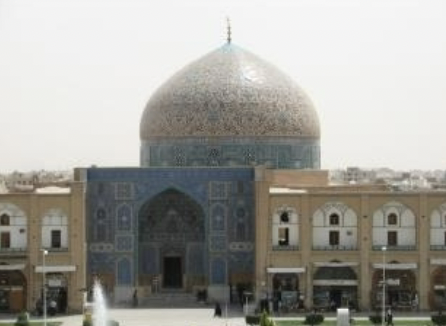
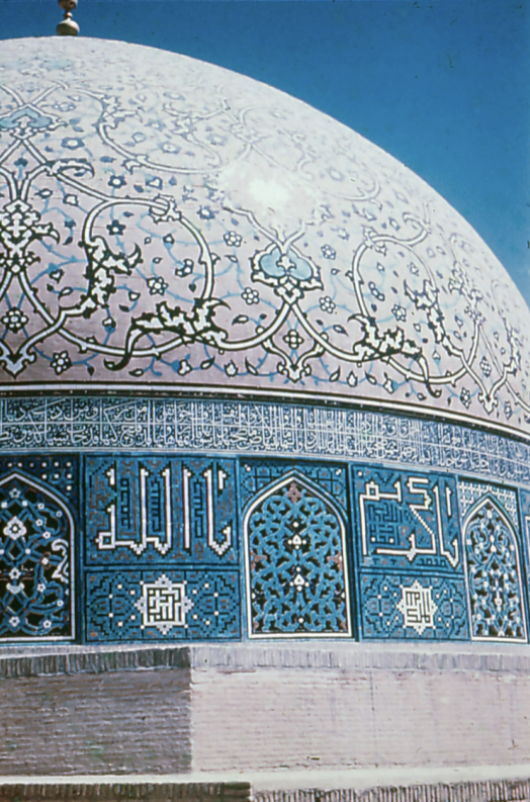
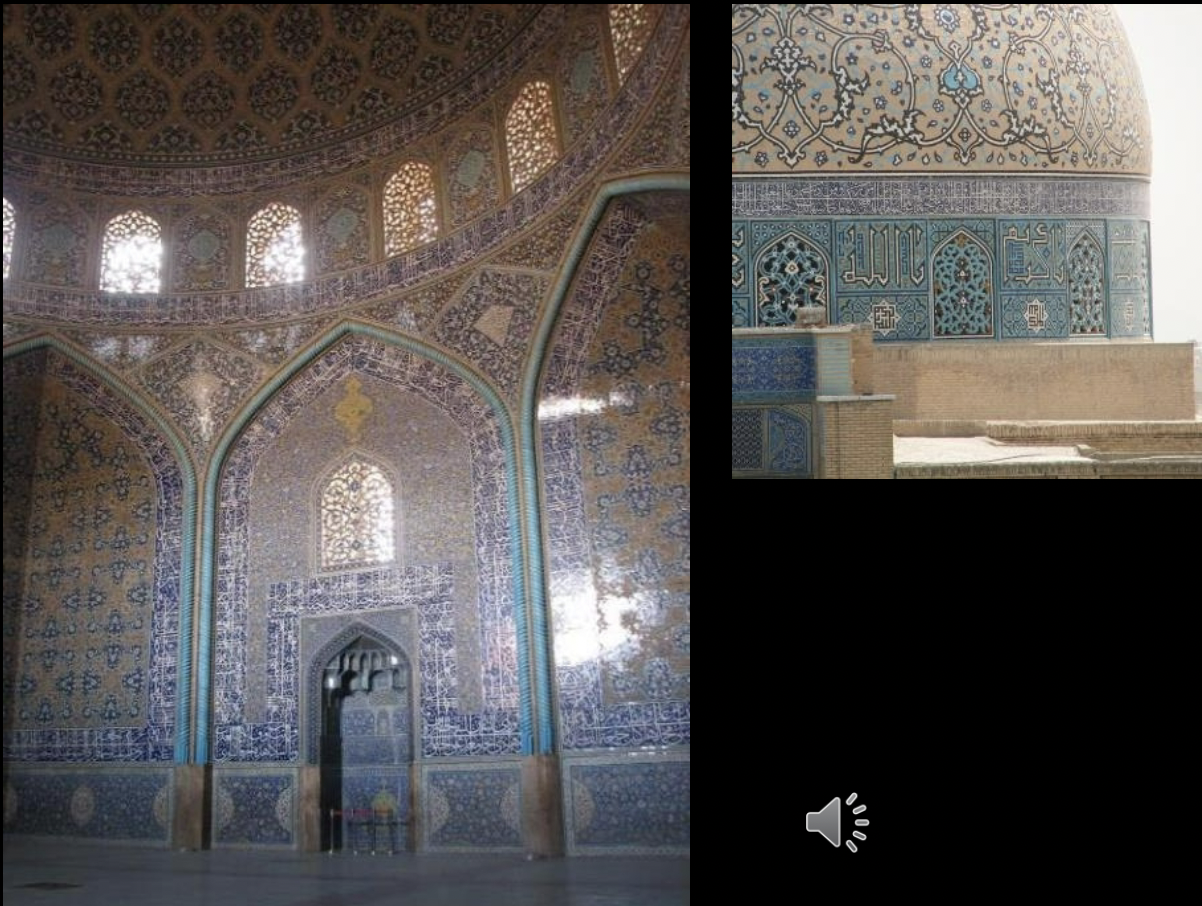
Lutfullah Mosque, Isfahan, 17th century, Safavid
first monumental addition to the maydan in Isfahan
used as shah’s private chapel (bc of this, there is no mineret or courtyard since it’s not congregational)
maqsura = private building for shah
tile work (blue) from Timurid legacy
skewed facade
low dome
light filtered through screened window which is ornamental on exterior
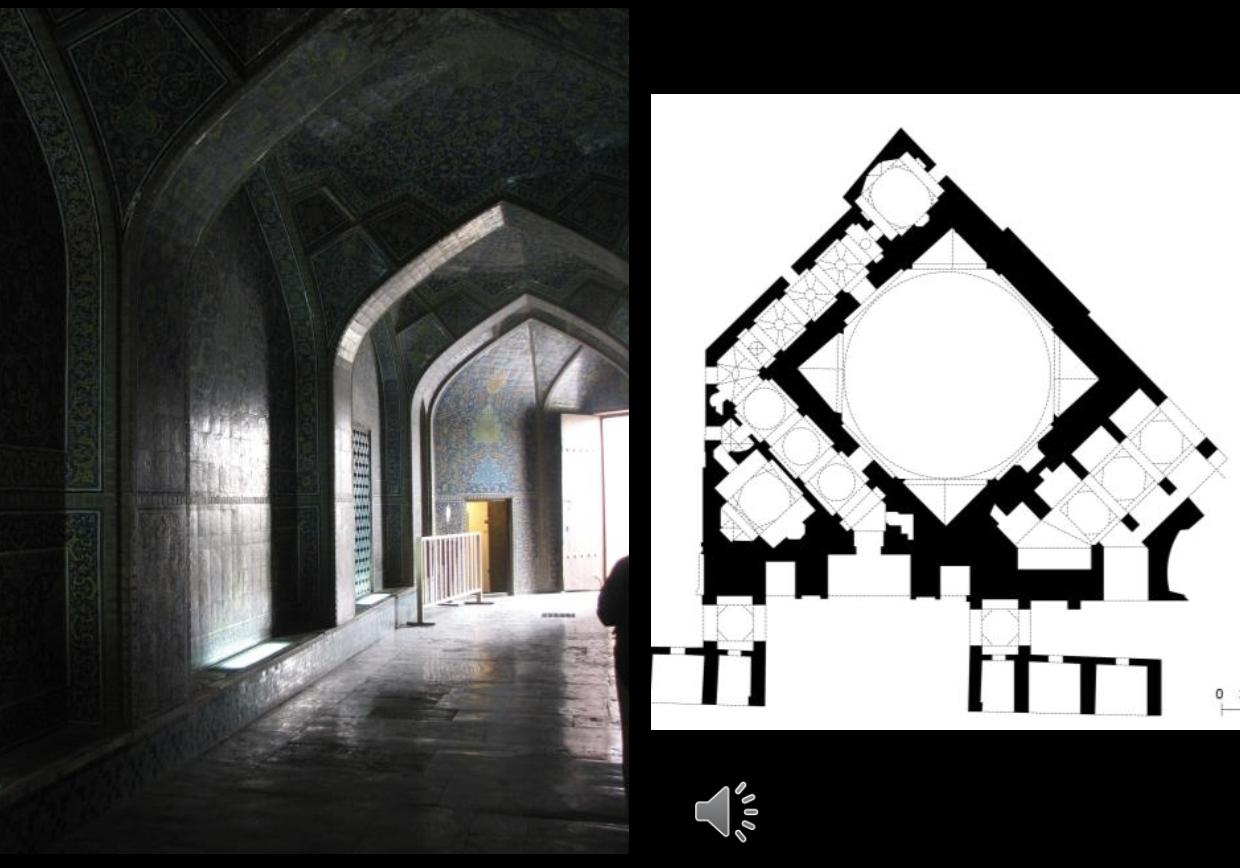
maqsura
private building for shah
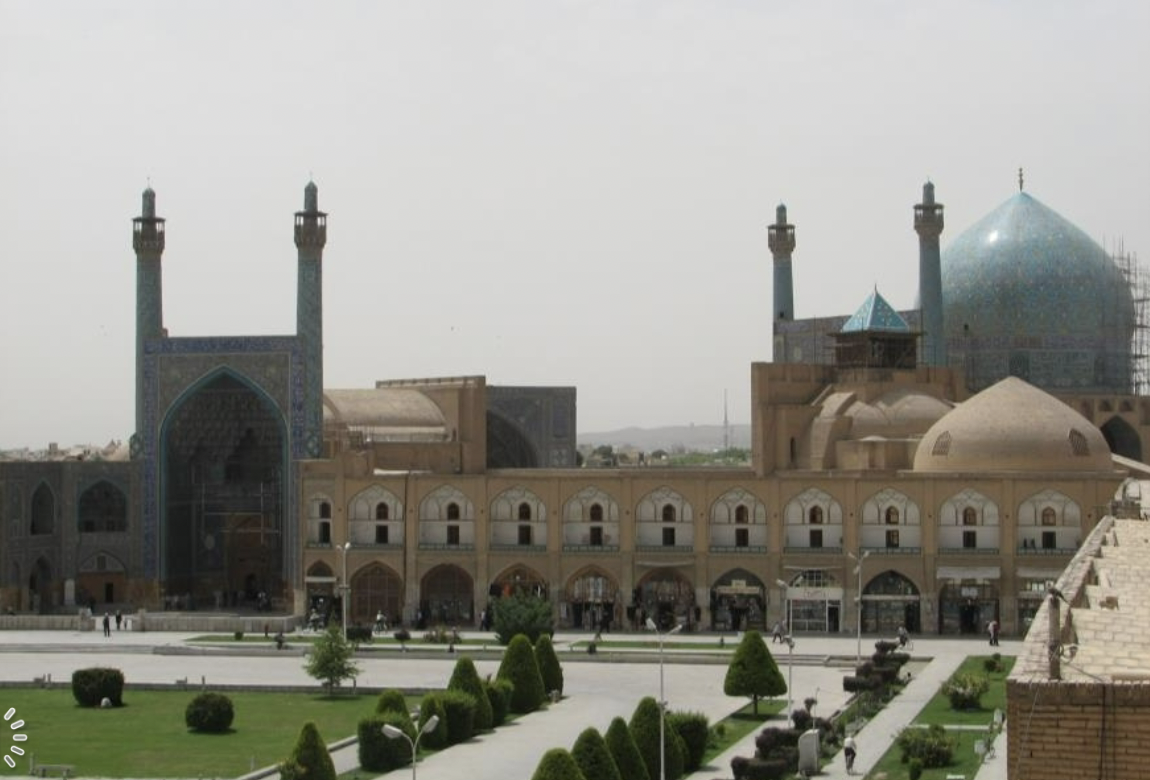
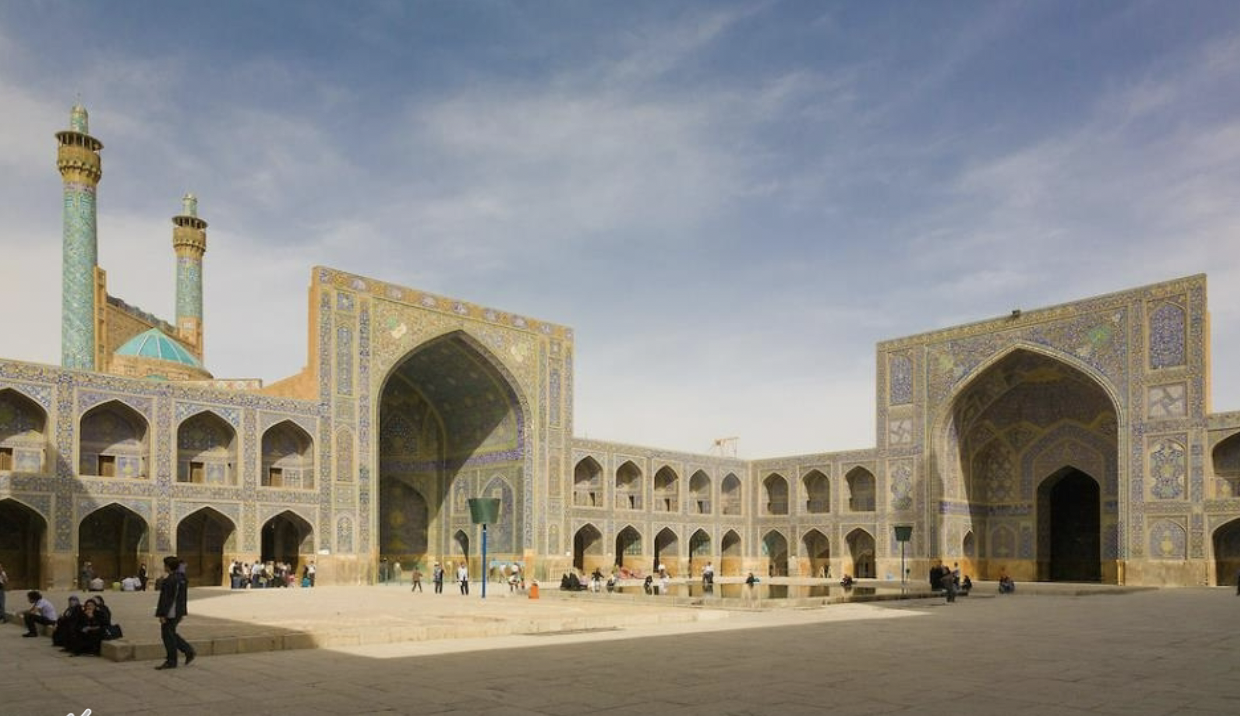
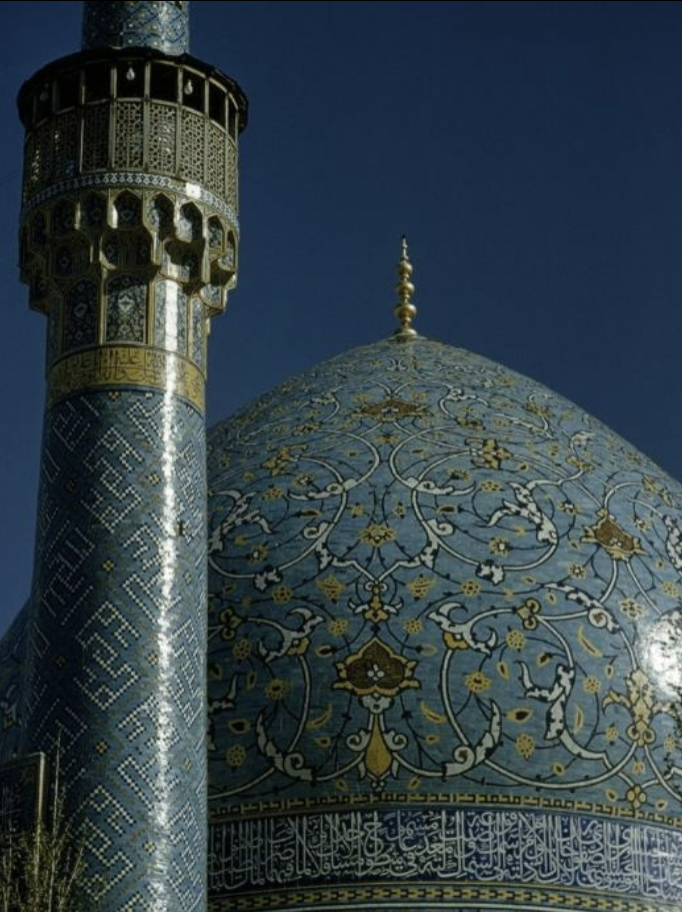
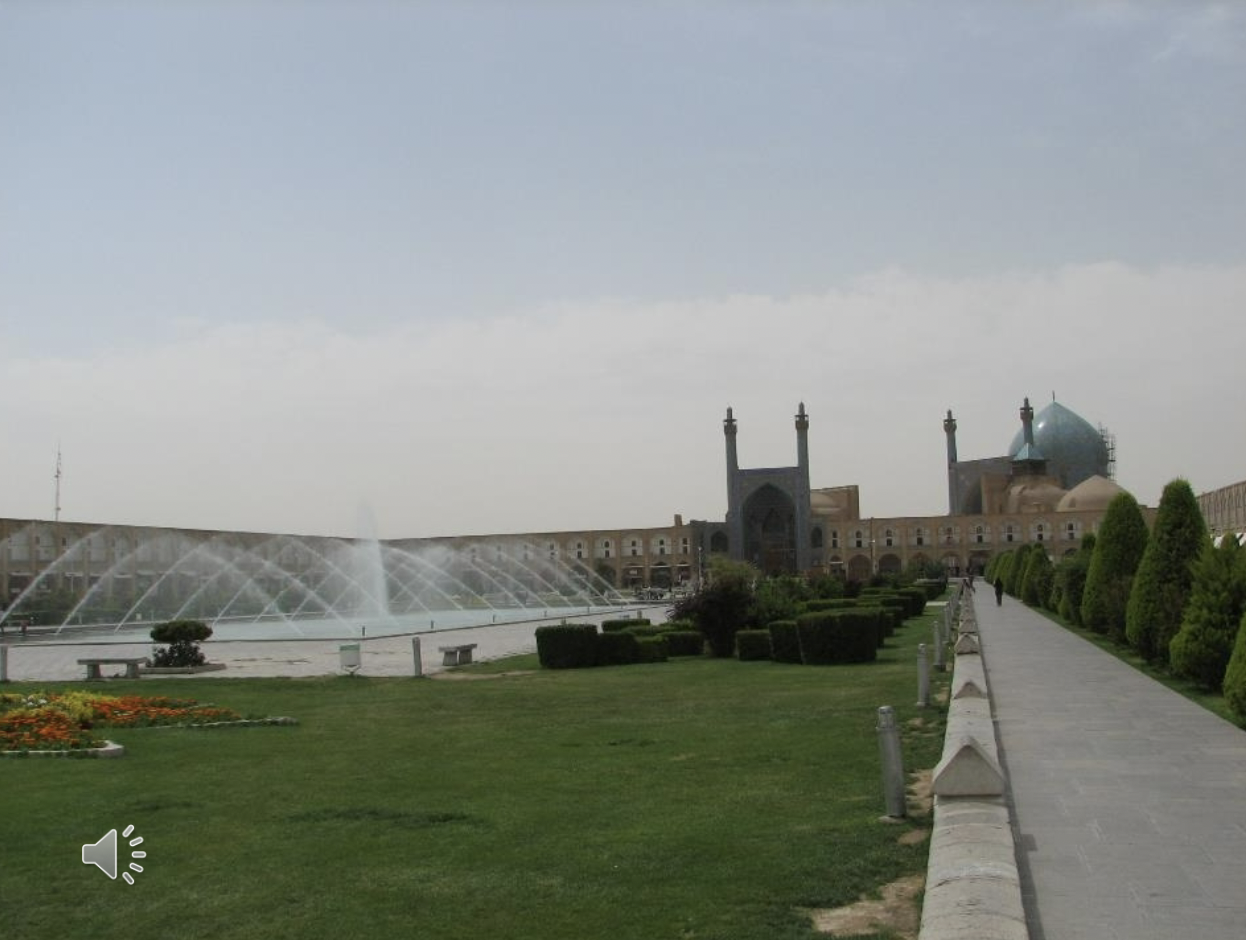
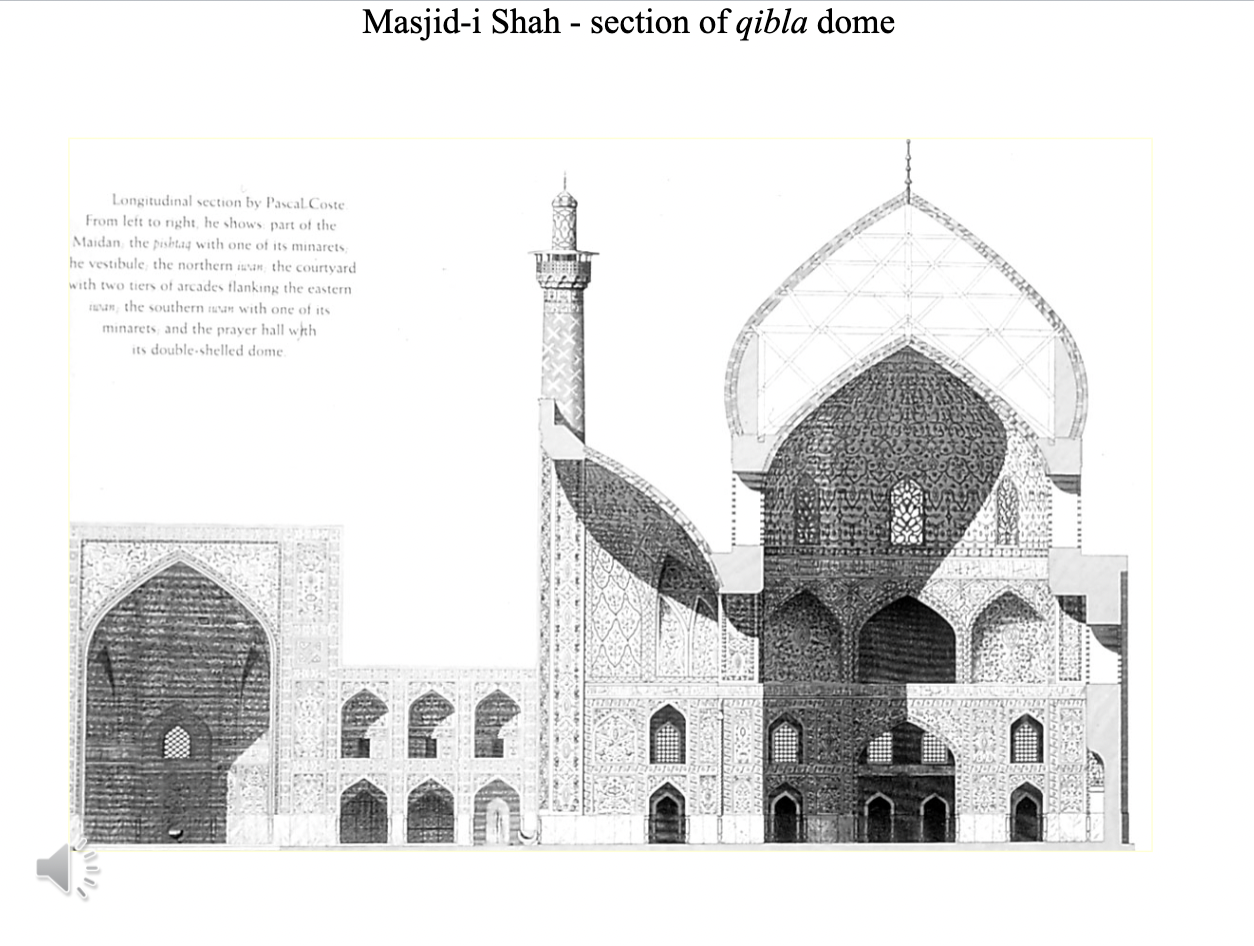
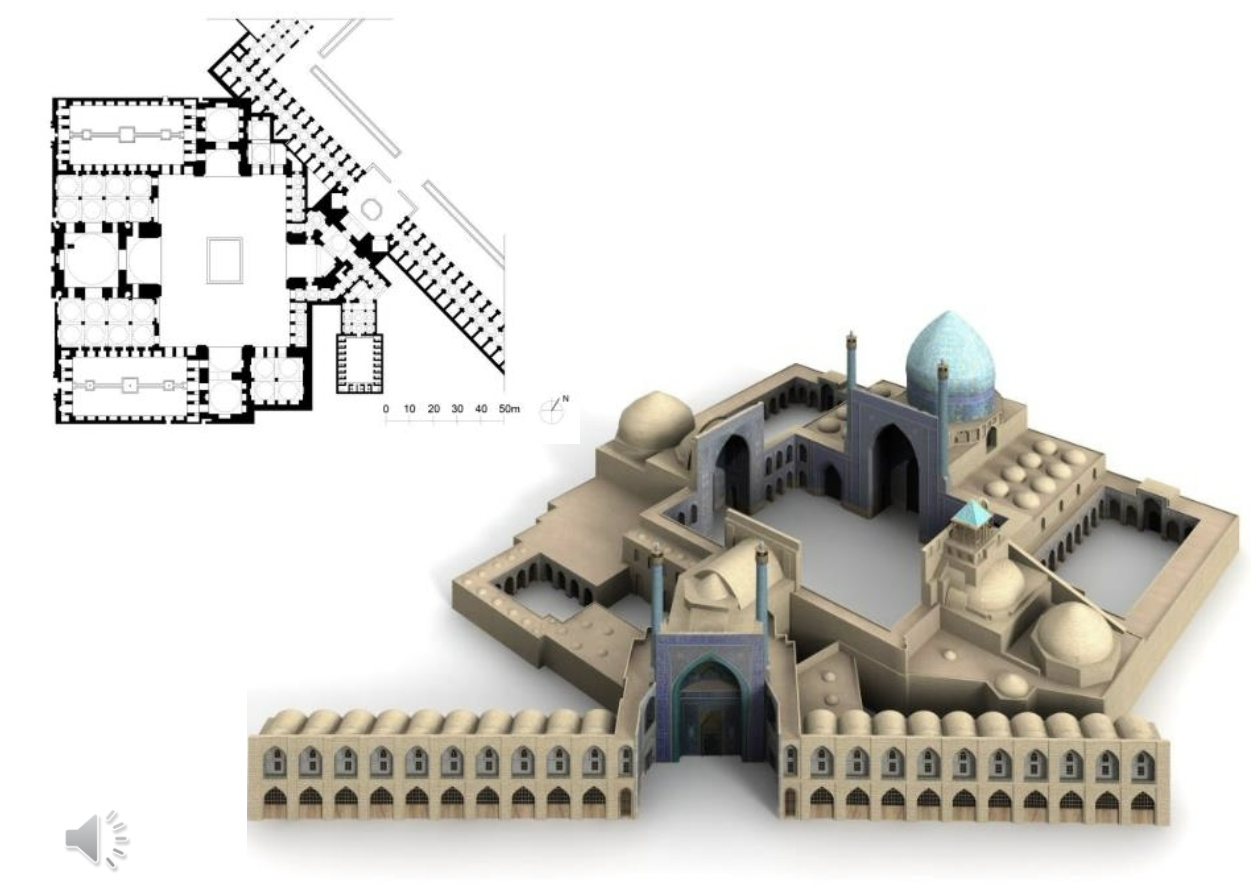
Masjid-i-Shah, 17th century, Isfahan, Safavid
congregational mosque
at the south end of the Maydan so it draws people through the maydan, past shops
skewed, 4-iwan mosque
iwans and blue tile across buildings creates cohesion
large pishtaq portal
double shell pointed dome and drum, rises above city with a commanding presence, prepresentative of shah
spolia from mosques (unusual)
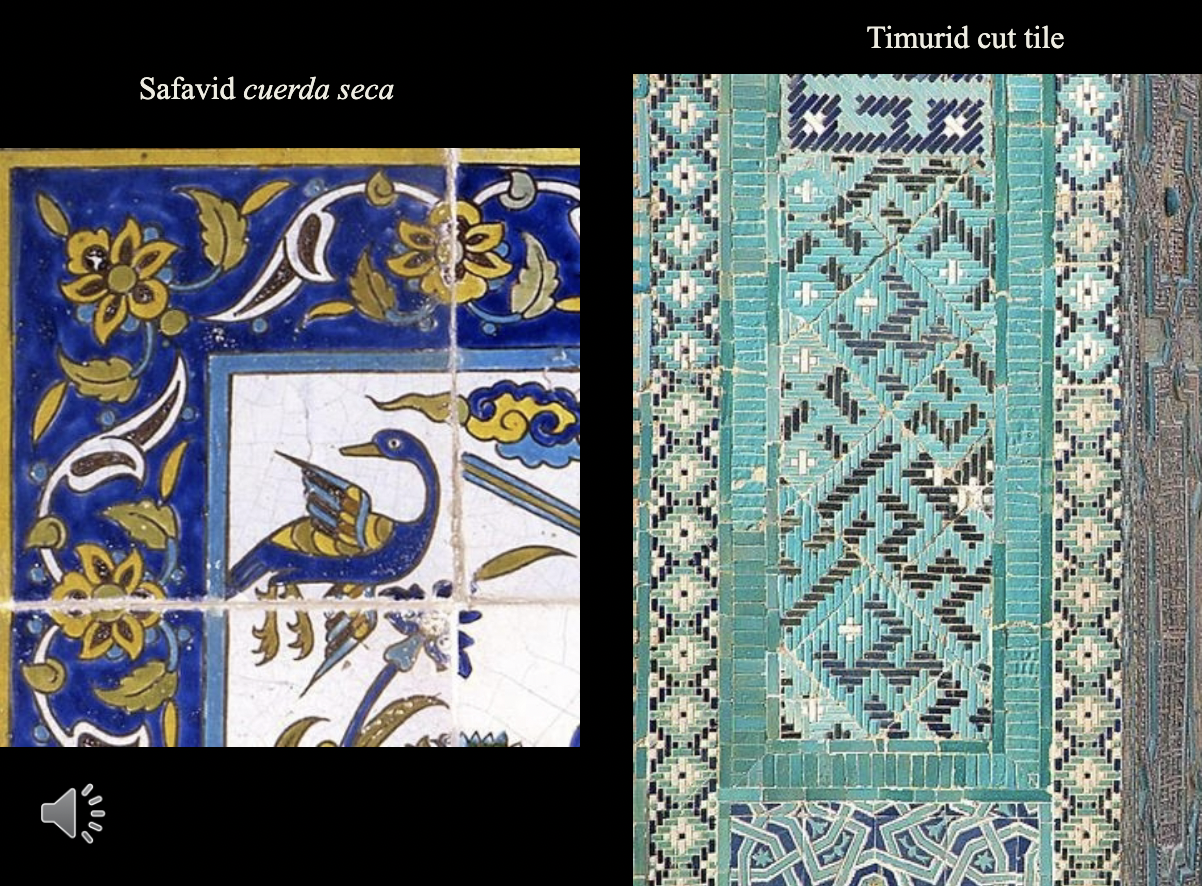
painted tile instead of cut tile to save time
cuerda seca = wax resisting glazing technique
rushed construction to finish before shah’s death
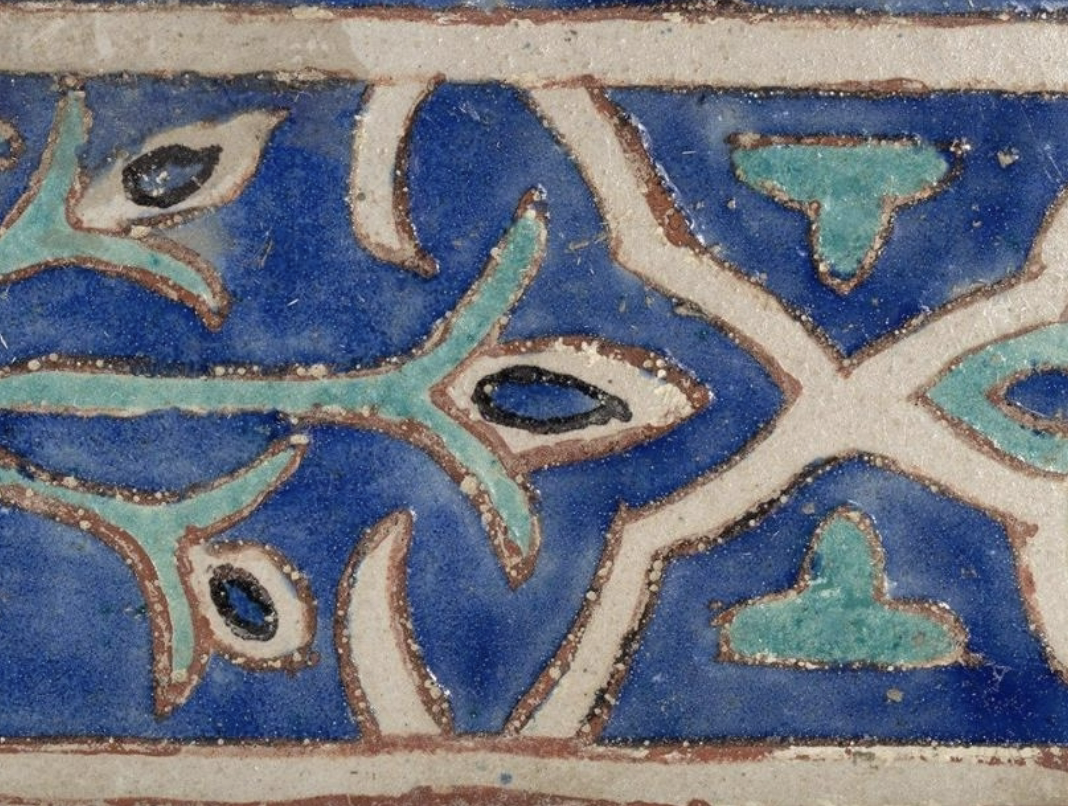
cuerda seca
wax resisting glazing technique
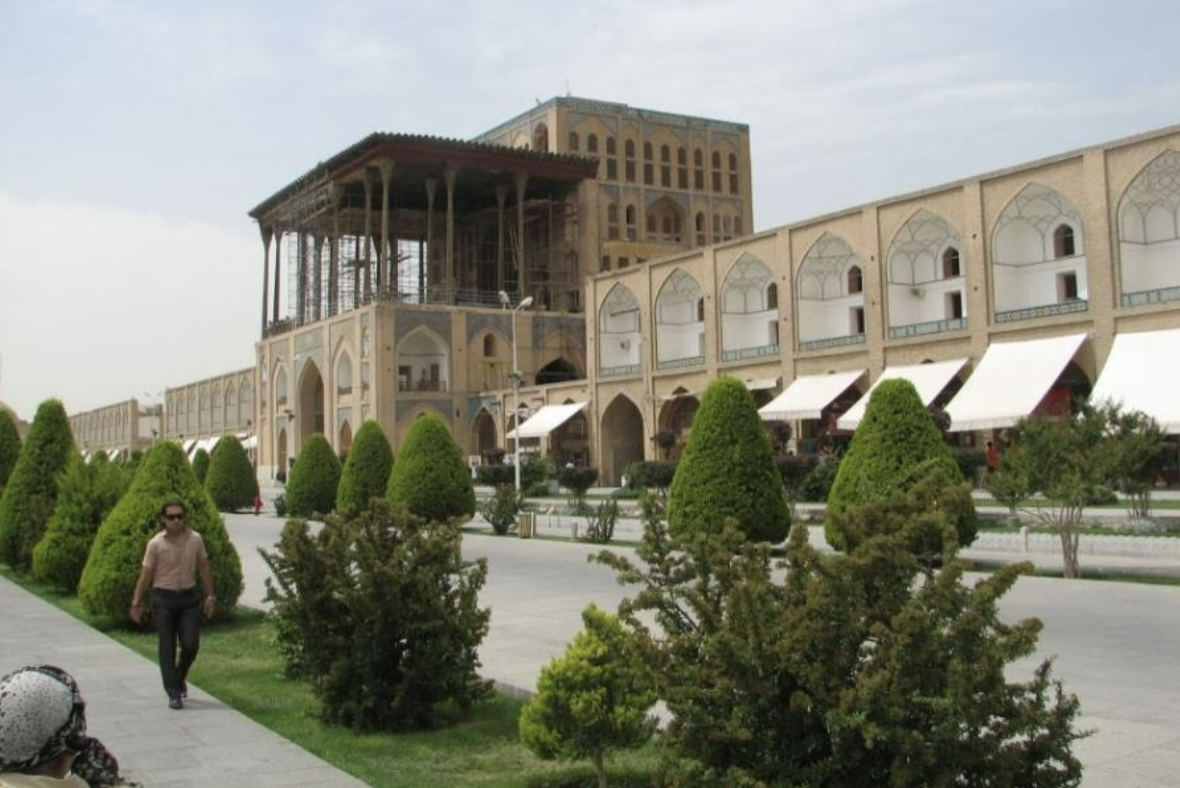
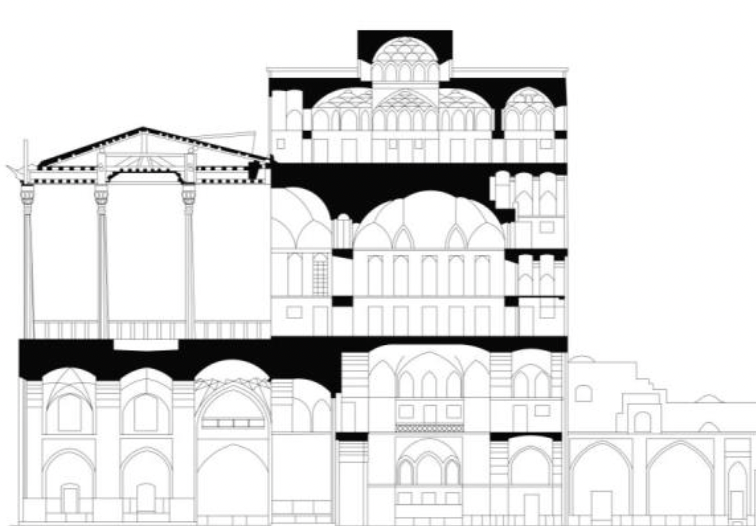
Ali Qapu Pavillion, 16-17th century, Isfahan, Safavid
Ali Qapu means “Sublime Portal
palace and gateway overlooking the Maydan
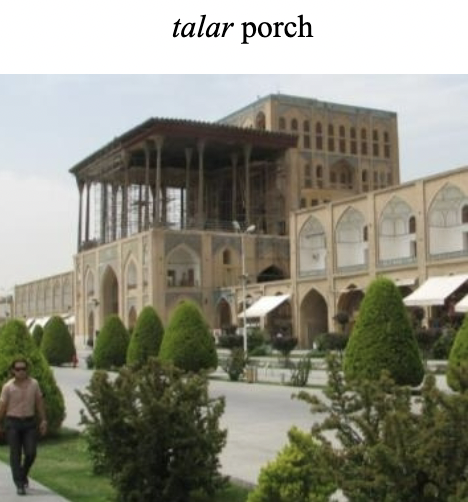
talar porch = hypostyle porch
no cohesive plan because it was constructed in stages
porch is the most notable feature, it was used for the Shah’s viewing of the Maydan
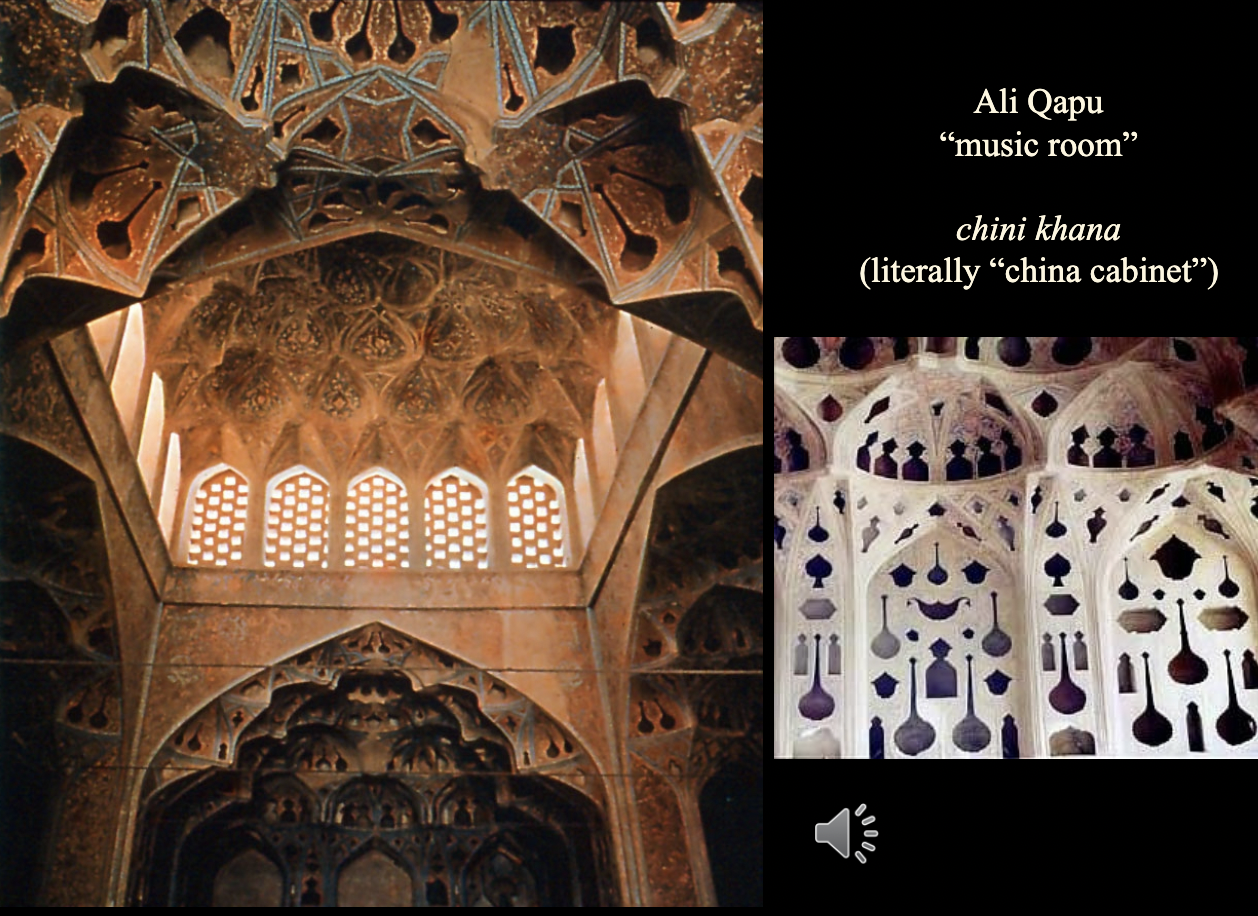
music room with muquarnas valut ceiling, chini khana added increased sonic reverance and a playful visual effect
wall murals
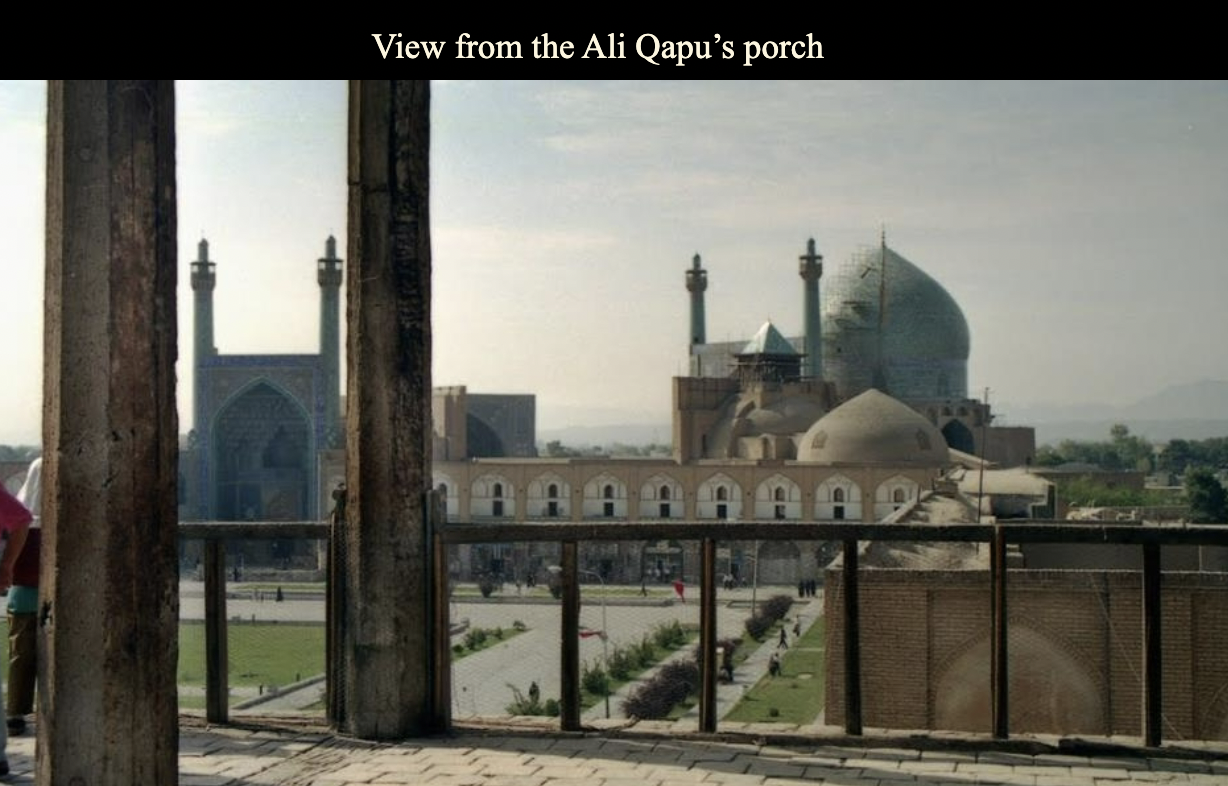
talar porch
hypostyle porch, porch with trabiated arches
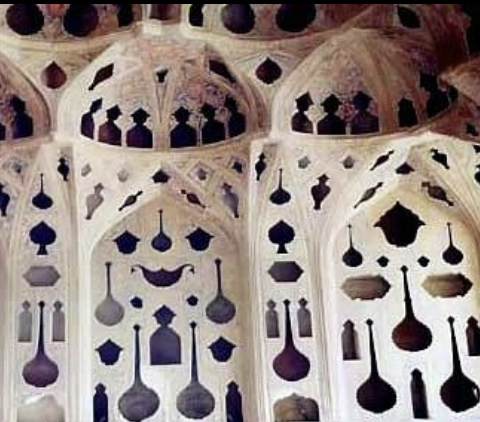
chini khana
“china cabinet”, shaped cutouts as design
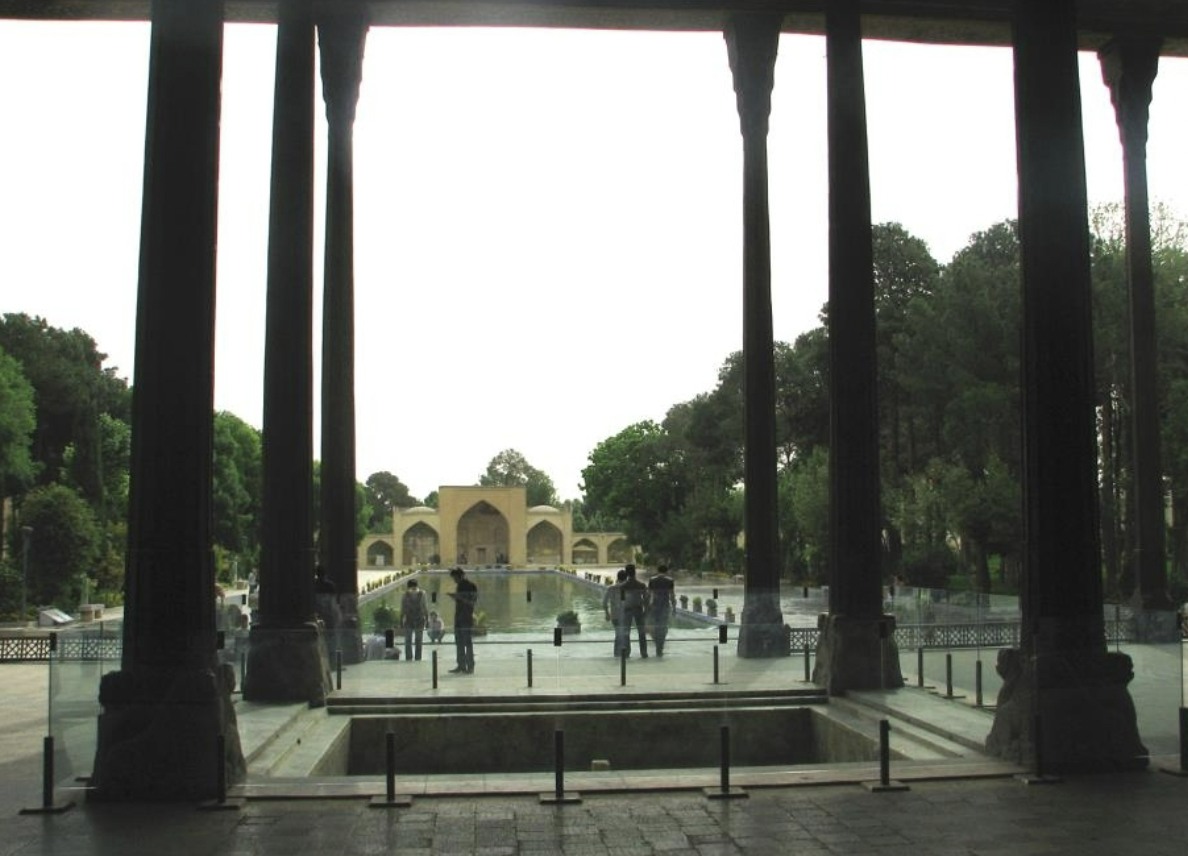
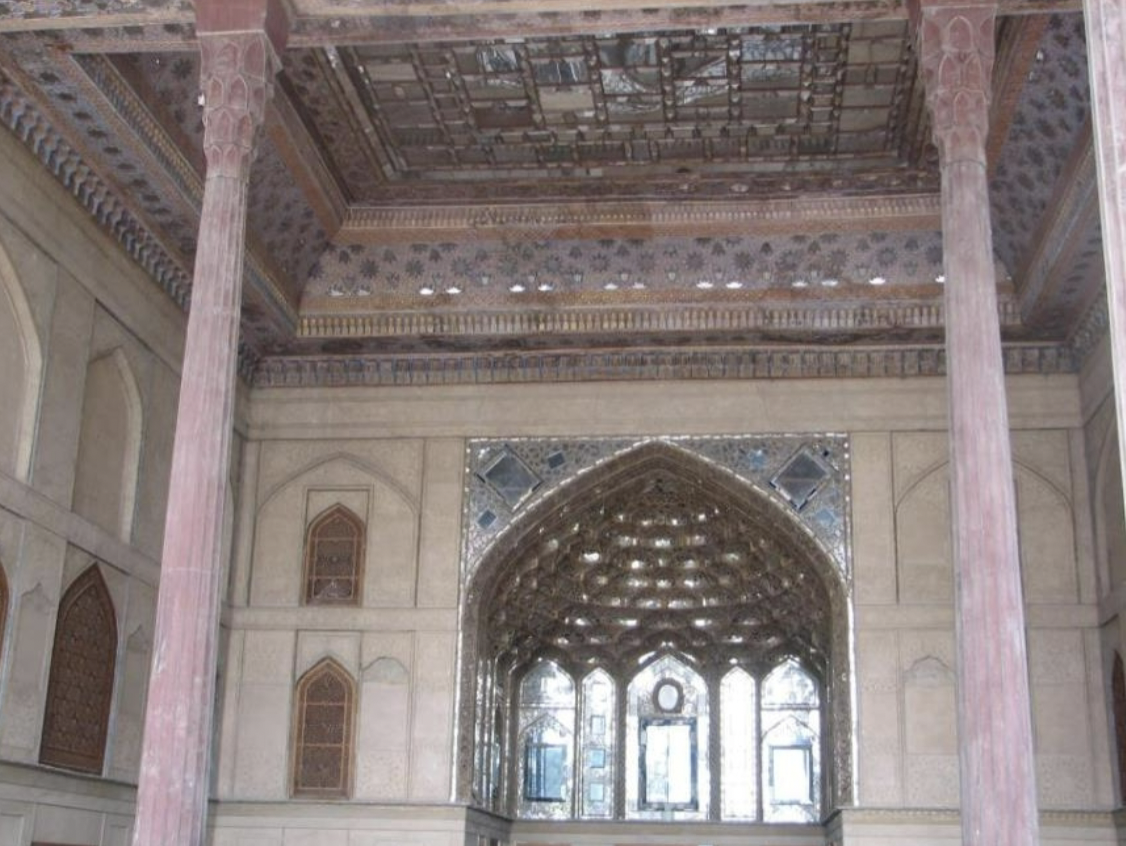
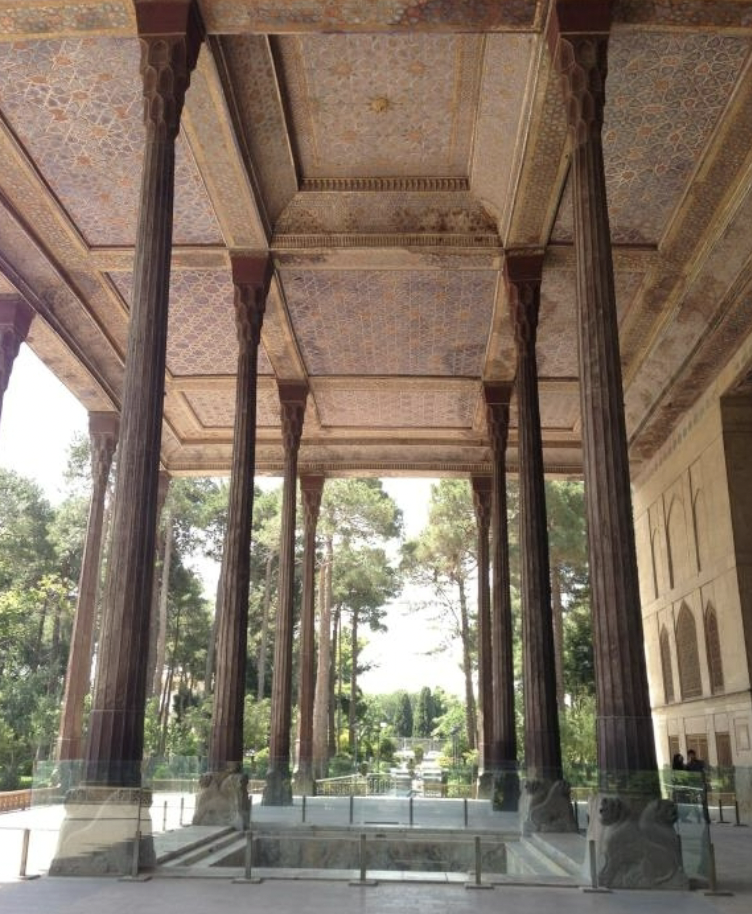
Chihil Sutun Pavilion and Garden, 17th century, Isfahan, Safavid
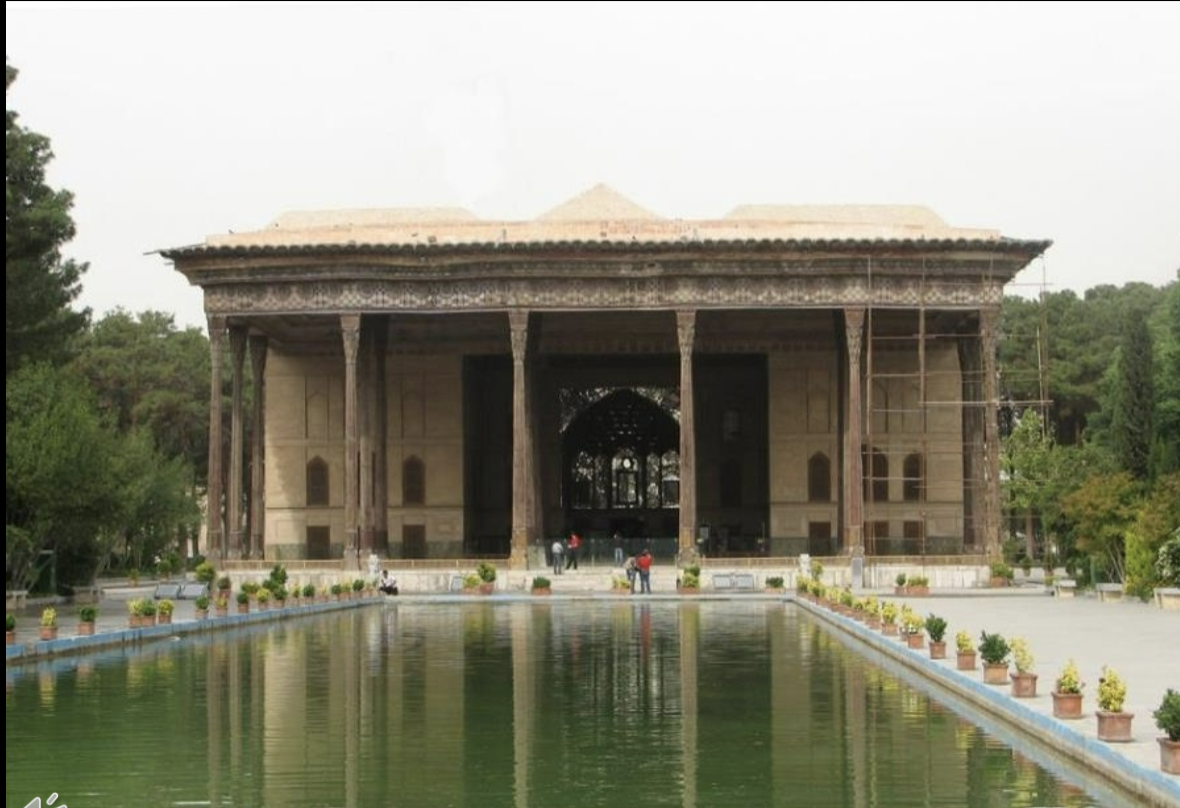
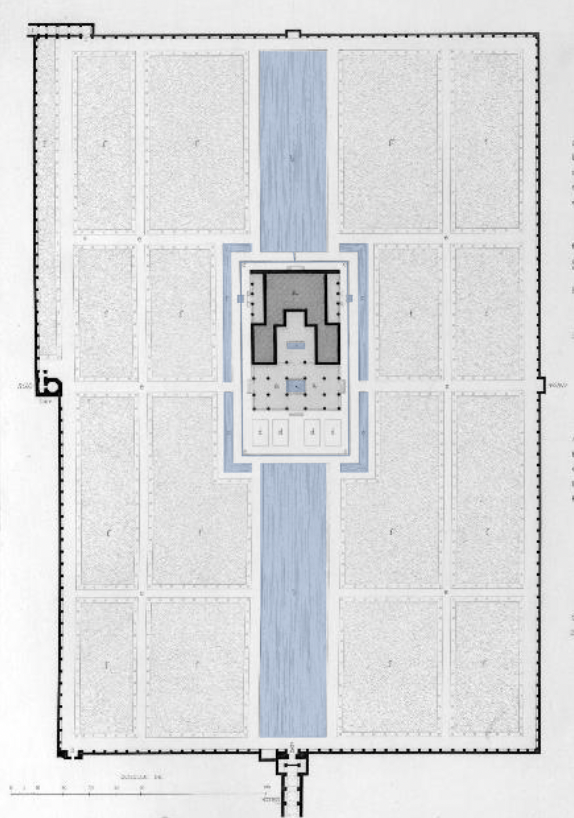
pavillion in the middle of a garden
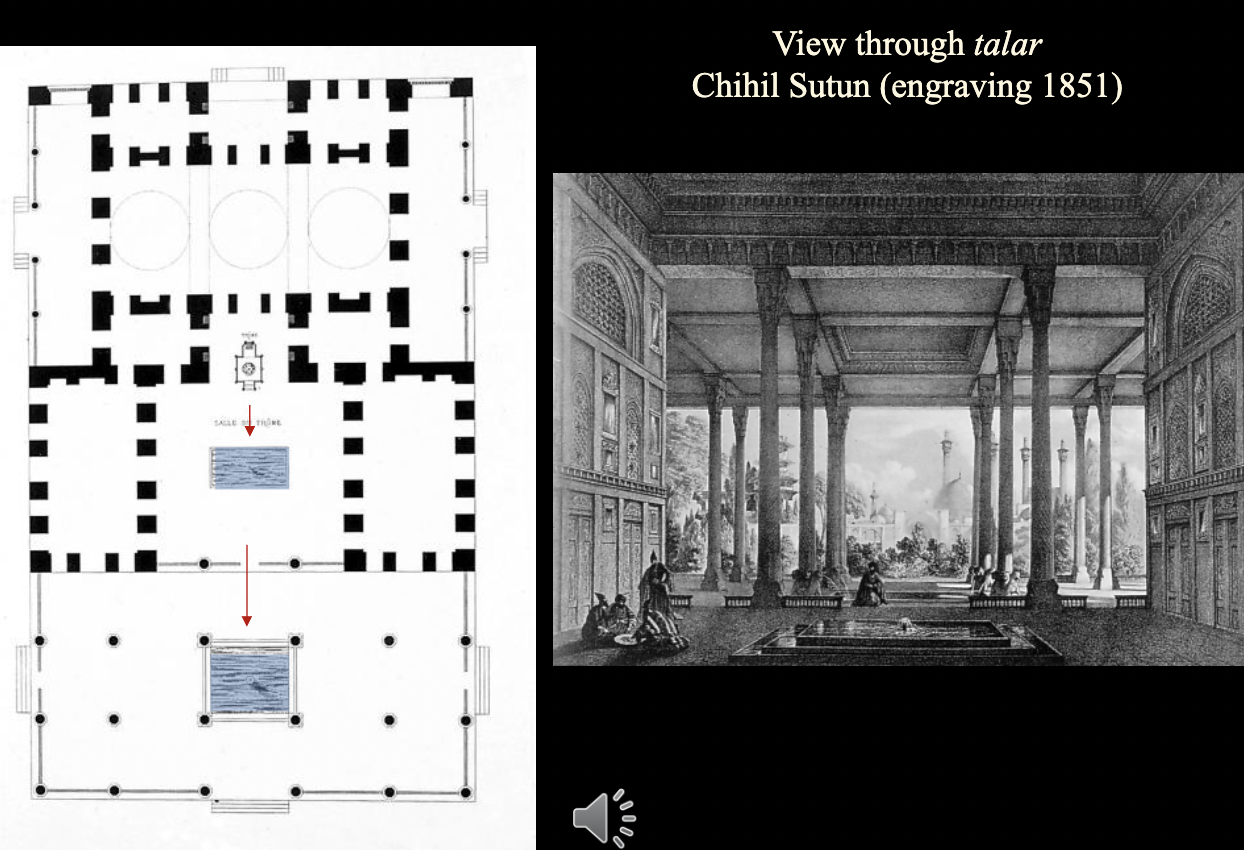
talar porch
re use of timurid name, shows self consciousness of past
talar porch helps blur distinction between indoors and outdoors, focus on looking outward
in laid mirrors reflect garden, helps the building and garden melt together
large pool in front of pavillion
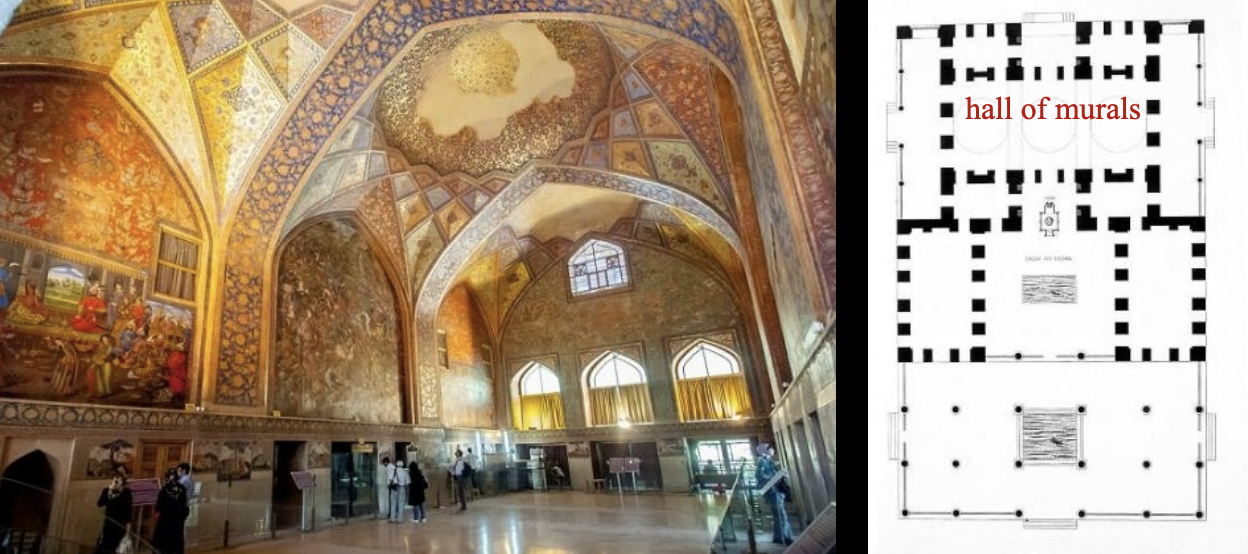
Hall of Murals
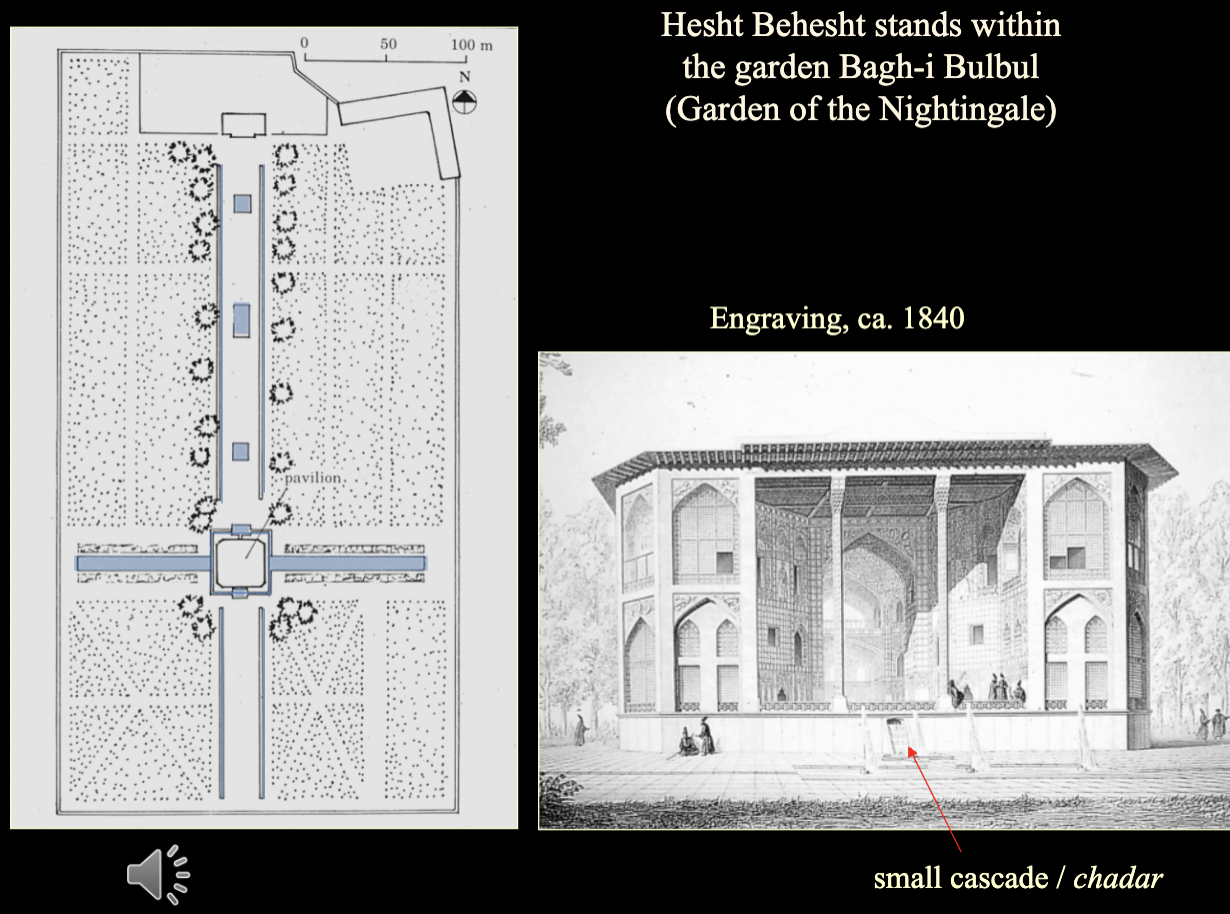
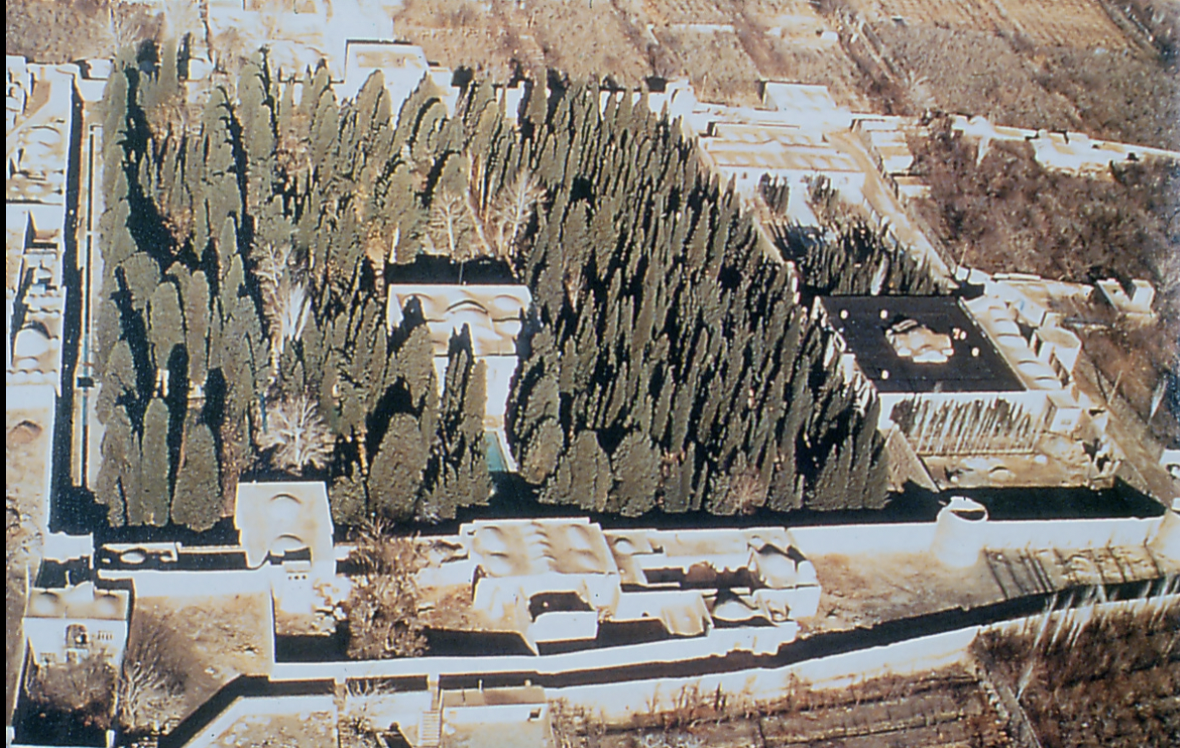
Hesht Behesht Pavilion in the Bagh-i Bulbul (Garden of the Nightingale), 17th century, Isfahan, Safavid
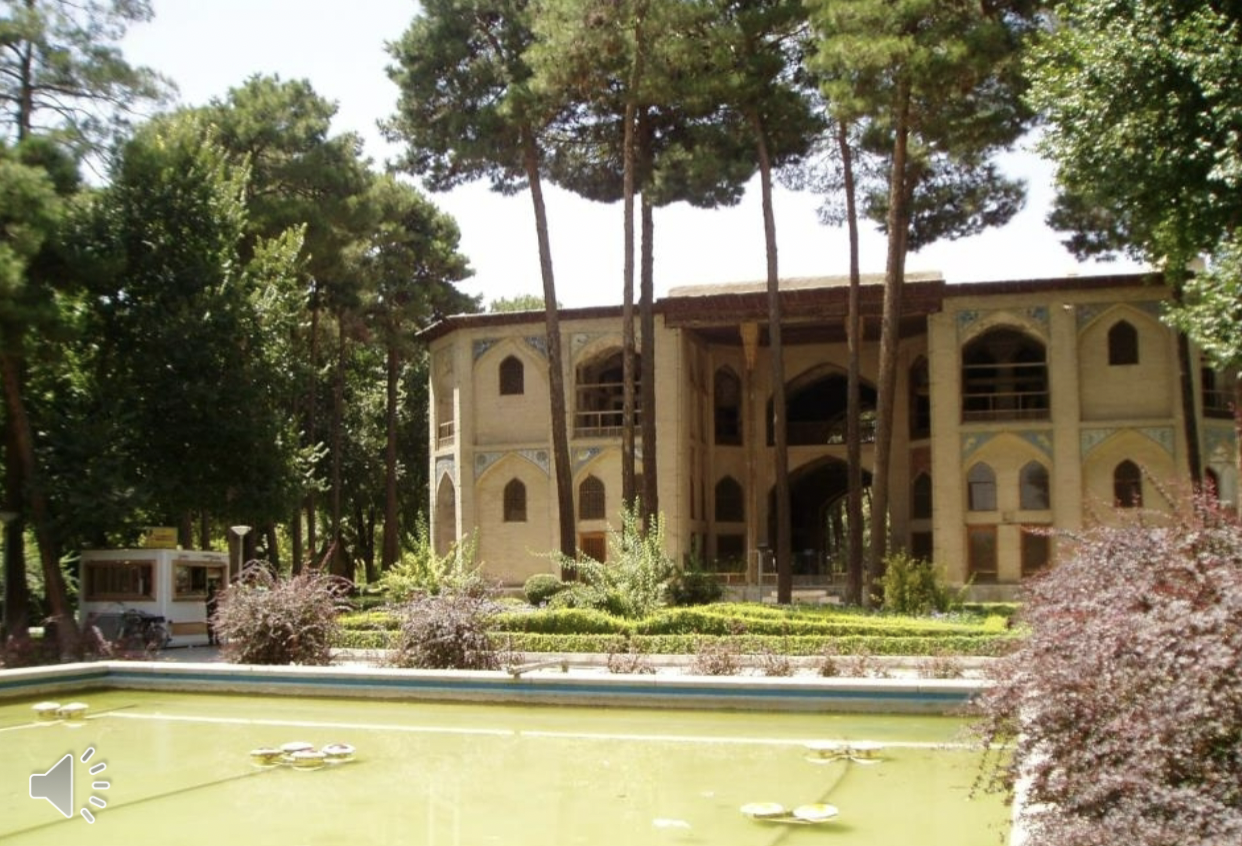
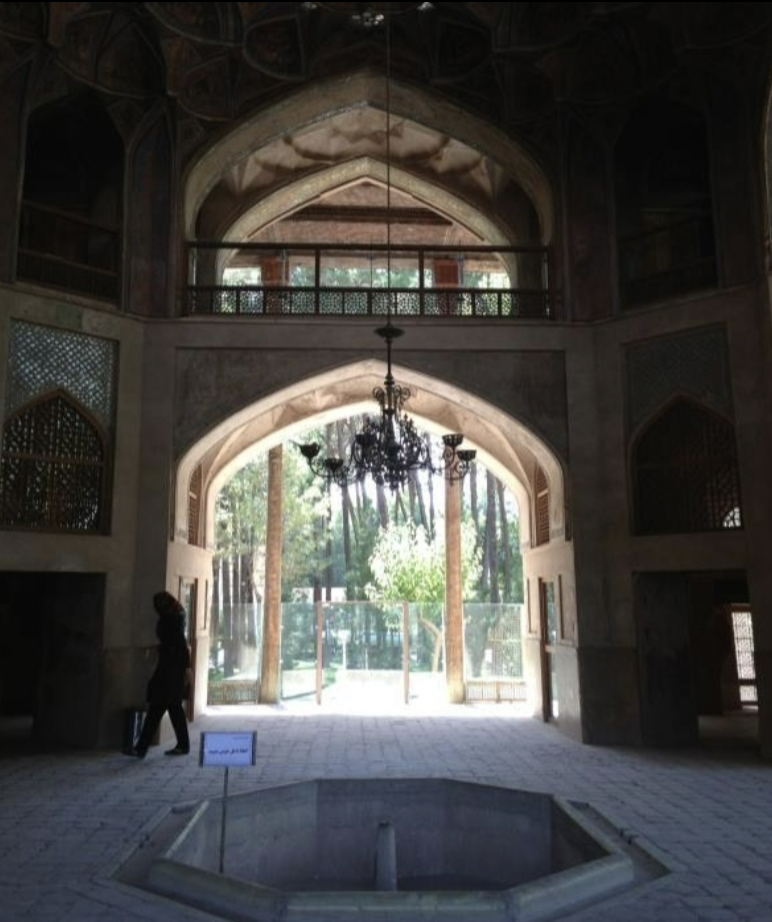
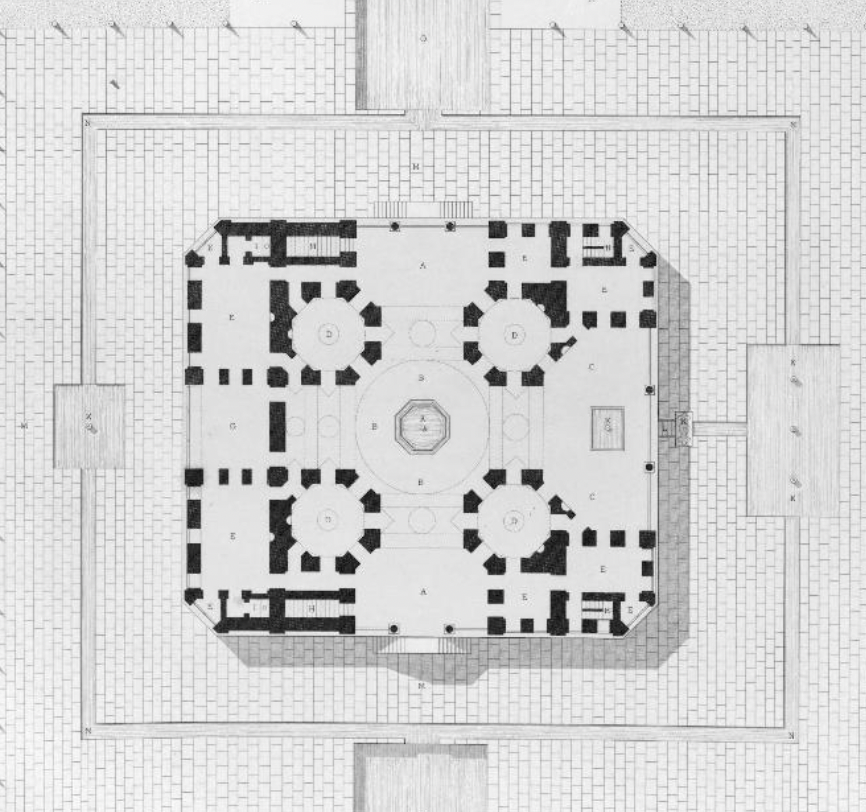
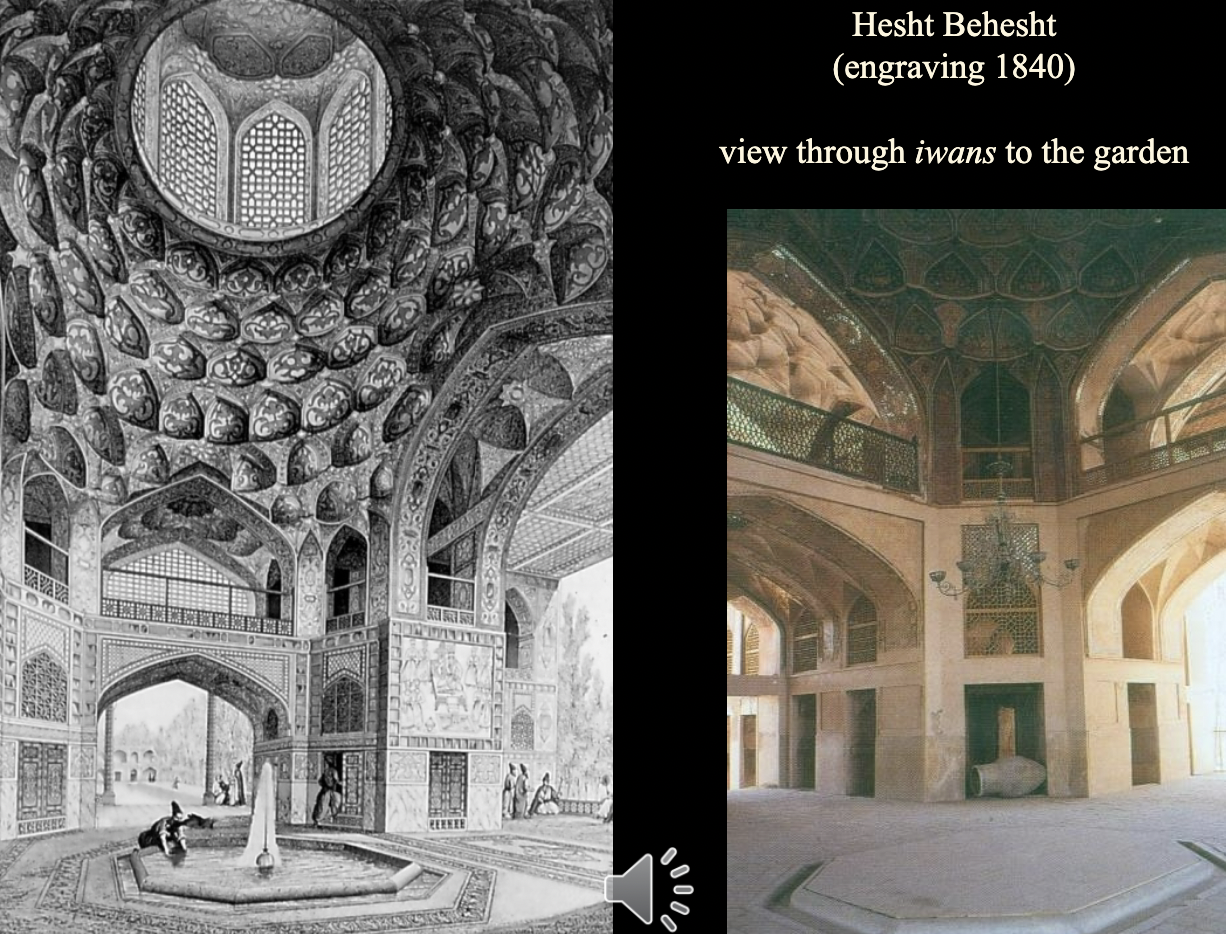
octagonal pavilion
hesht behesht means “8 paradises” = timurid names
3 deep talars + a 4th porch
4 open areas and 4 closed areas
look out to garden and water
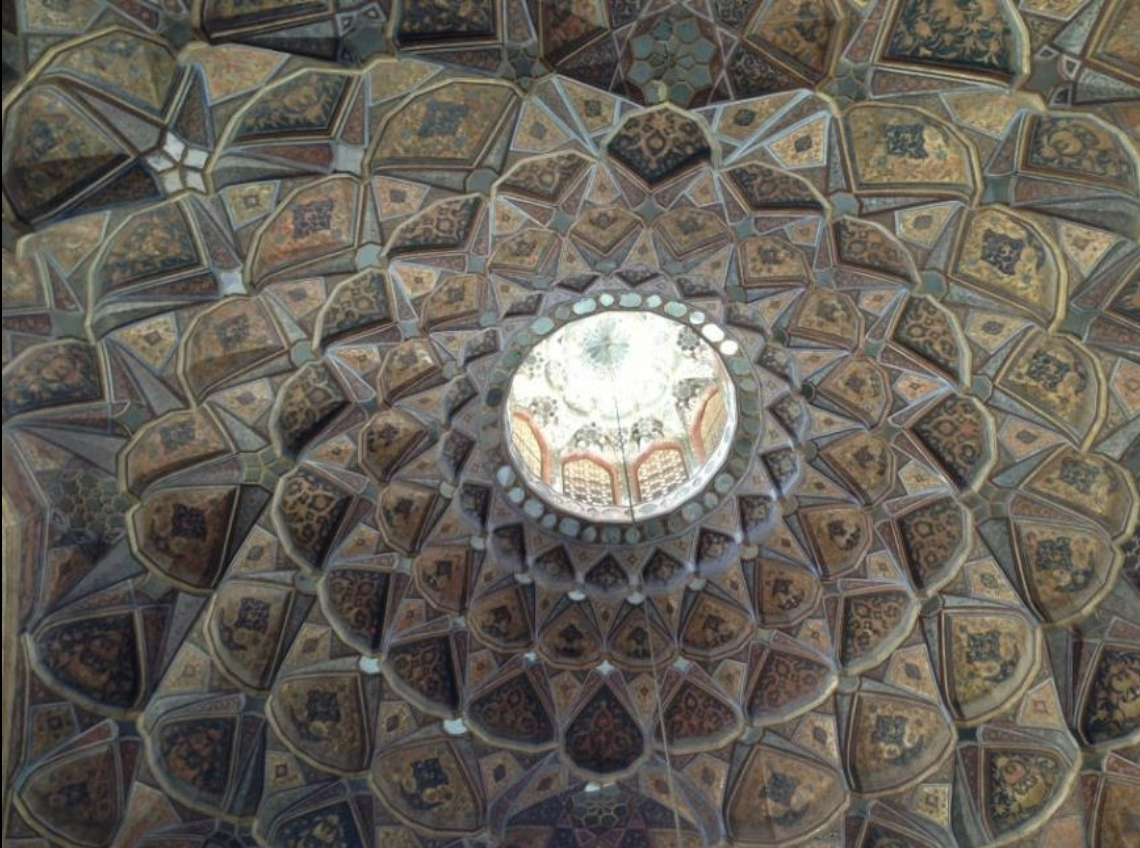
pavilion = center piece of garden, it has a grand fountain, under muqarnas dome painted with gold, tiny mirrors and occulus
fanciful metal fruit as decoration, representing a mastery over nature
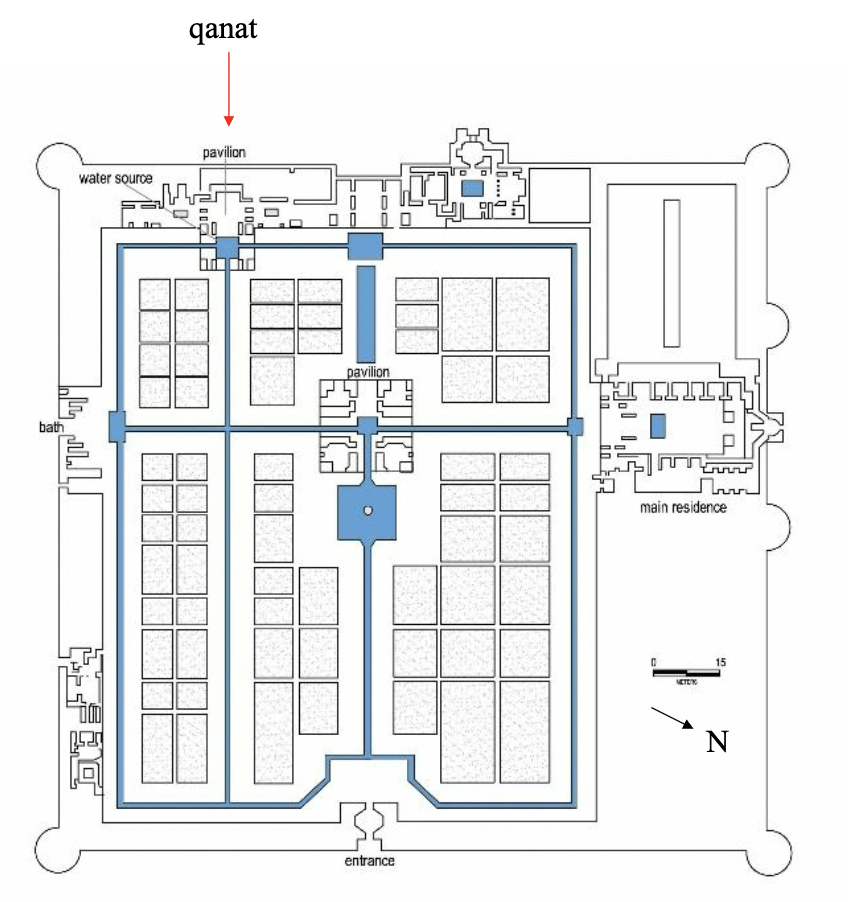
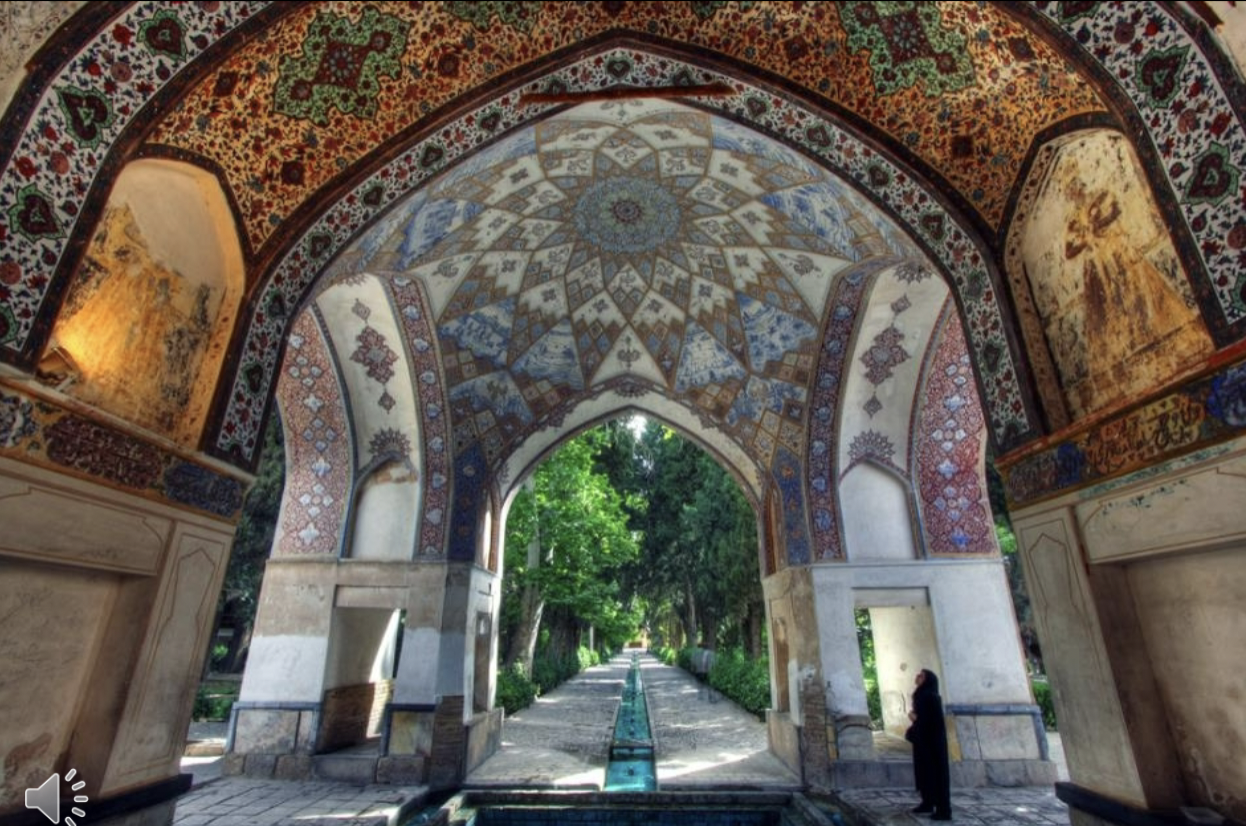
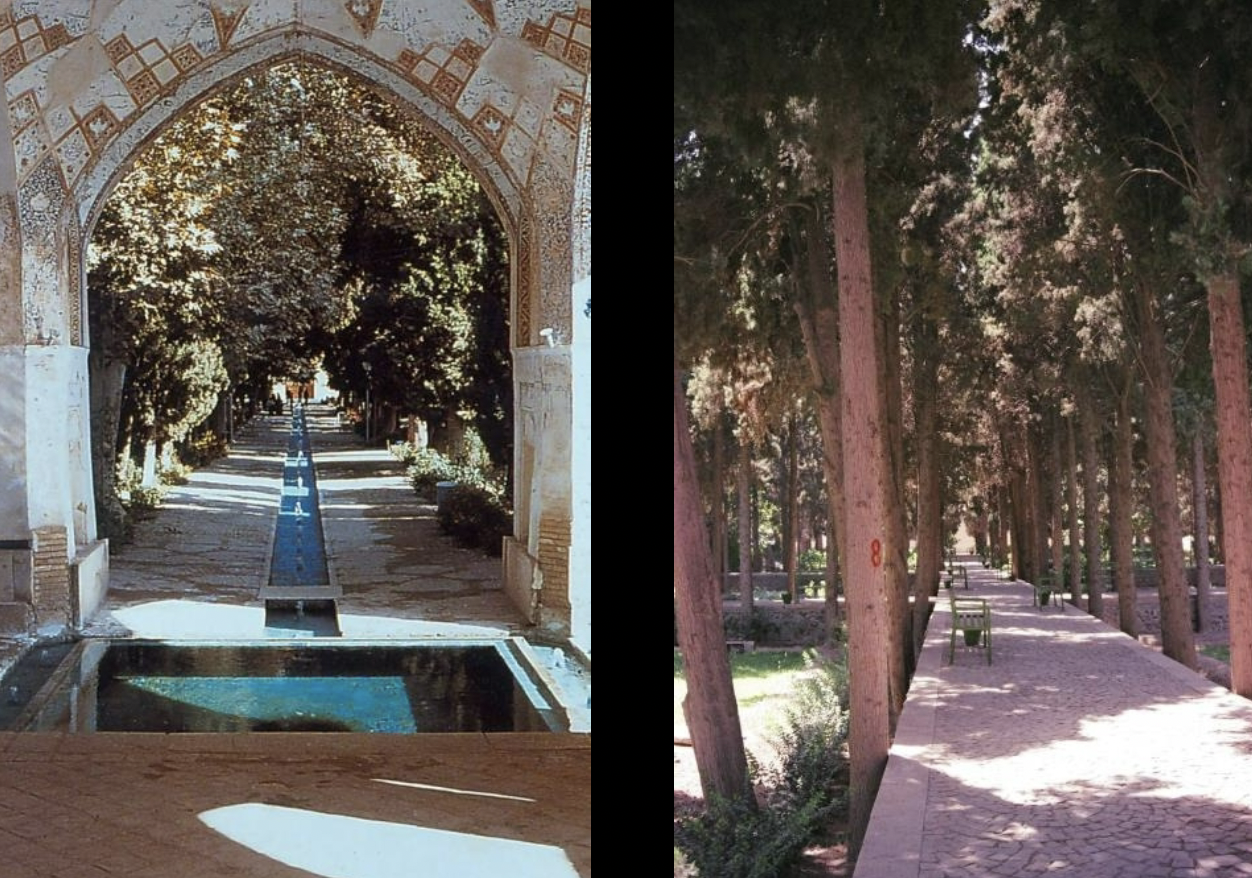
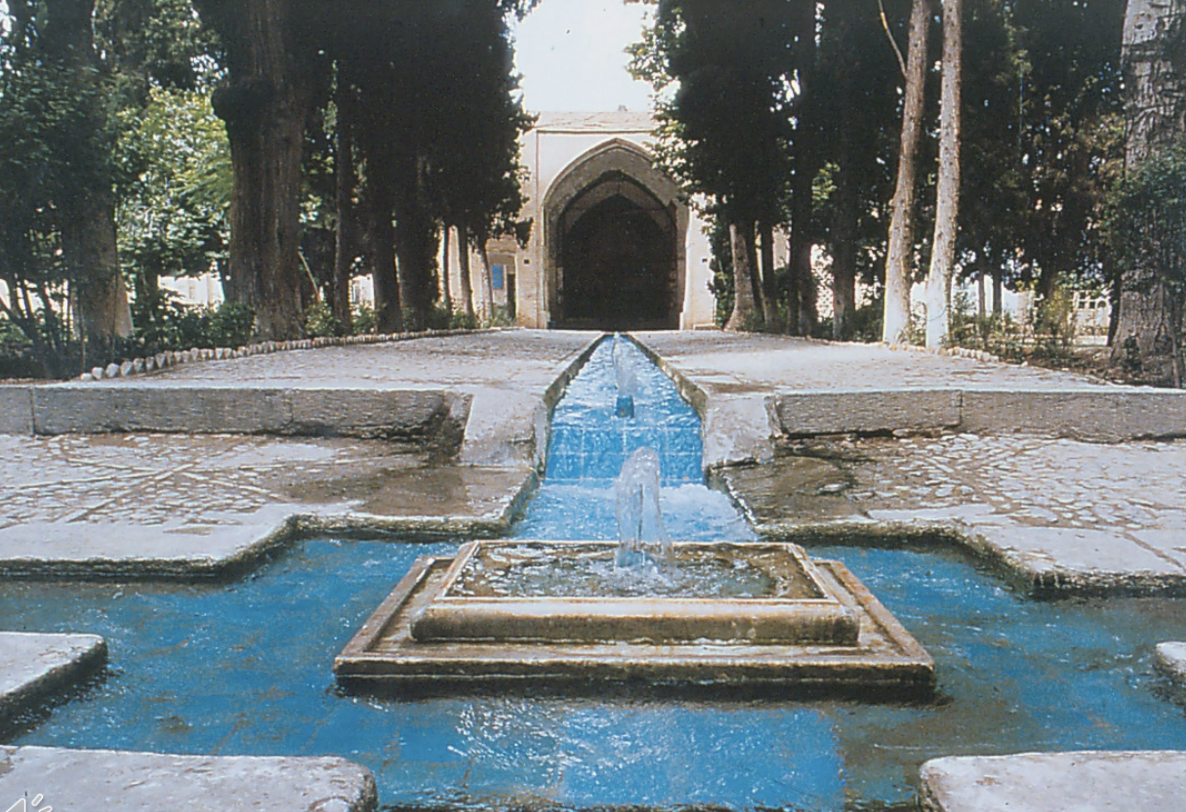
Bagh-i Fin, 16th century, in Kashan, Safavid +Wajar
restored in 18-19th century
estate
used qanats for water
inside-outside flow
blue tile waterways
chadars at slight ground level changes
under pavilion’s dome, water takes up the entire central space focing you to notice the water
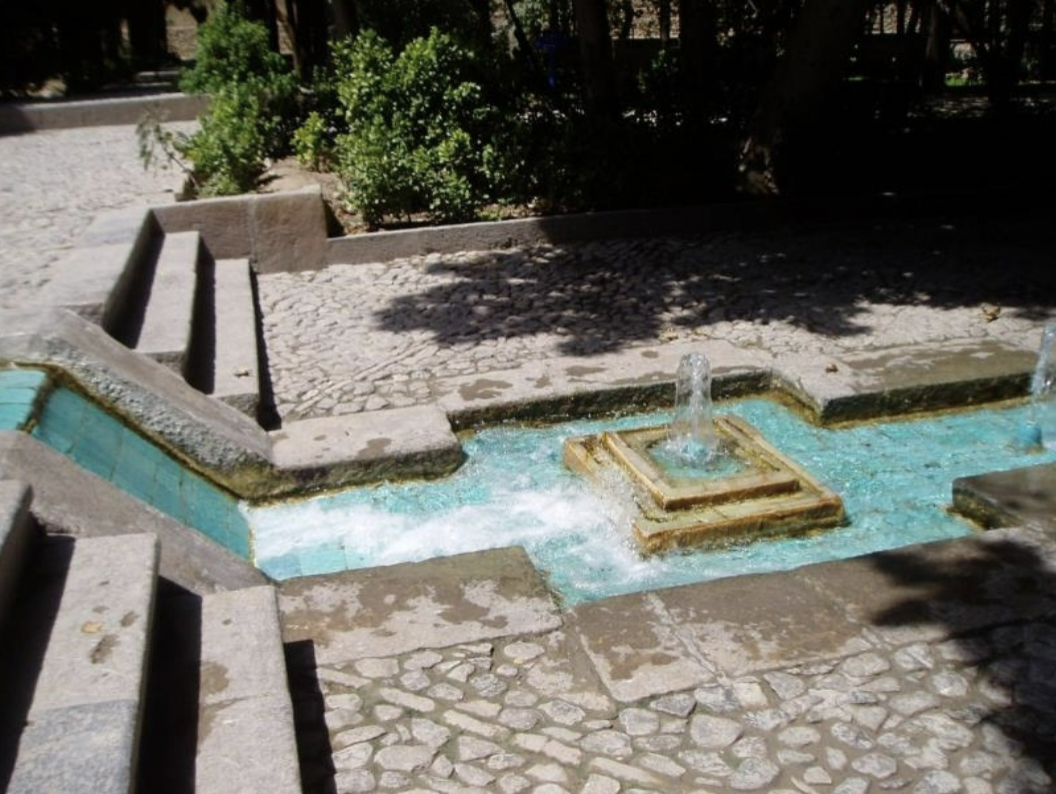
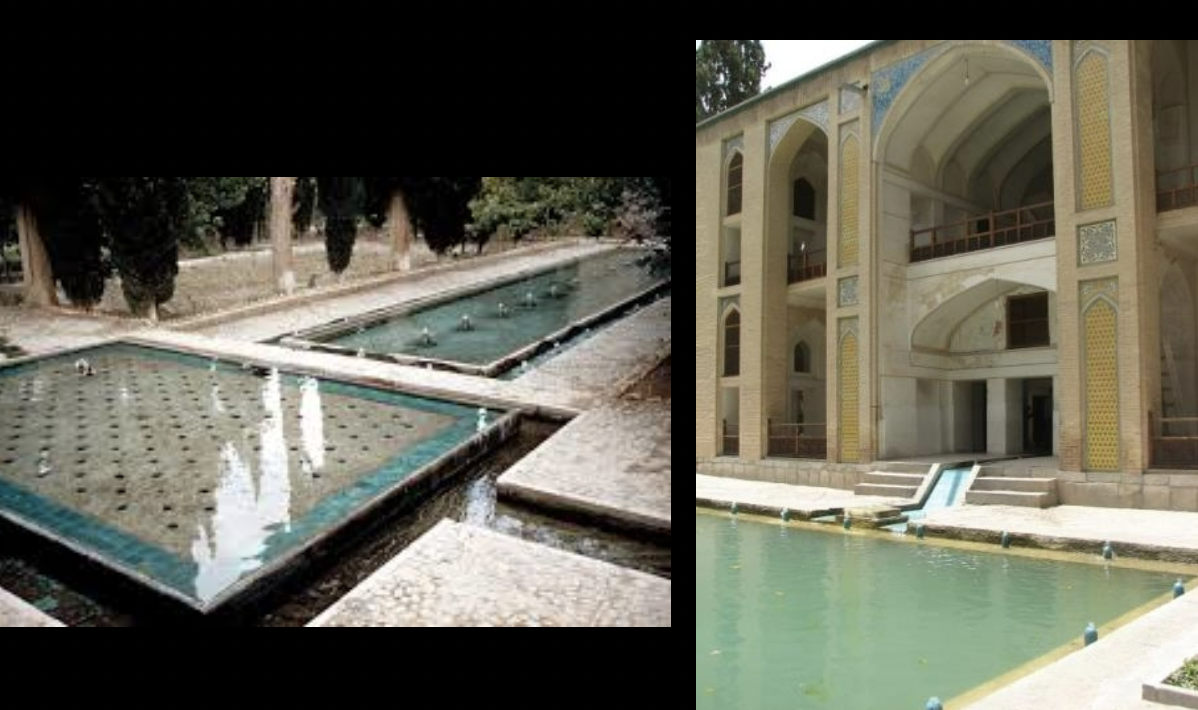
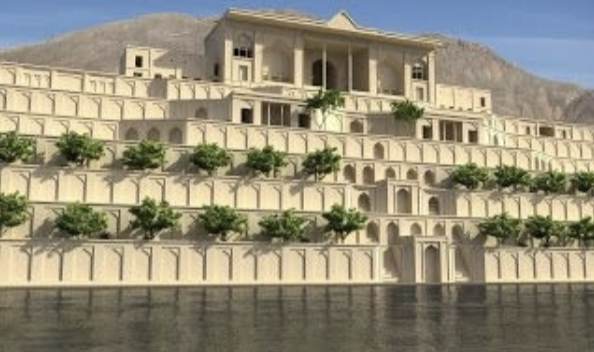
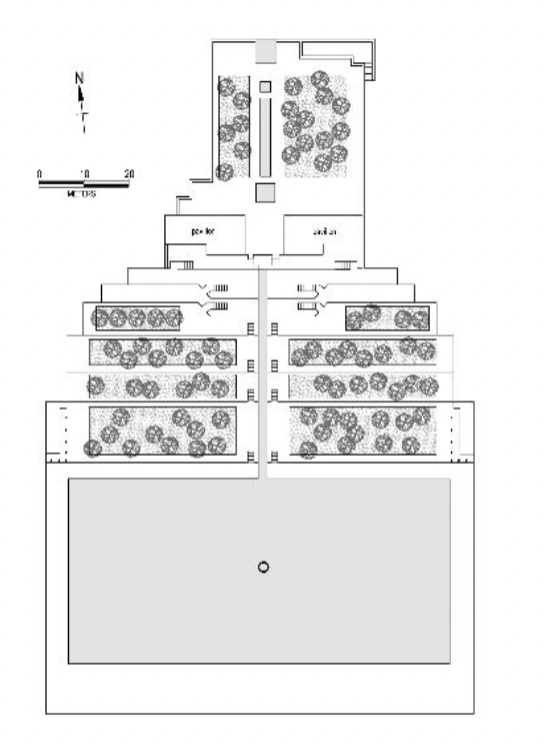
Bagh-i Takht, 17th century, rebuilt 18th century, Shiraz, Safavid + Qajar
hillside setting with stepped terraces
7 garden terraces with water flowing from one consistent axis
highest terrace = residential pavillion overlooking everything
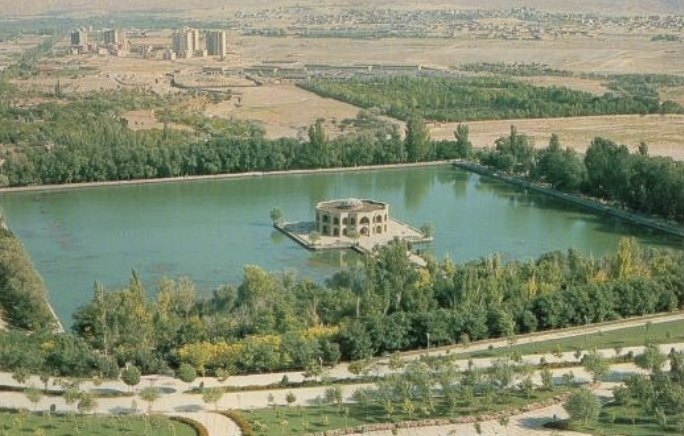
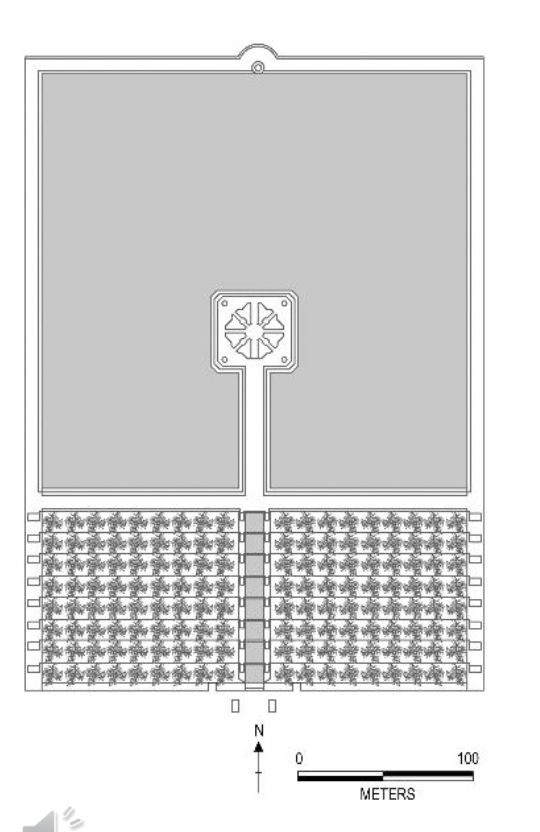
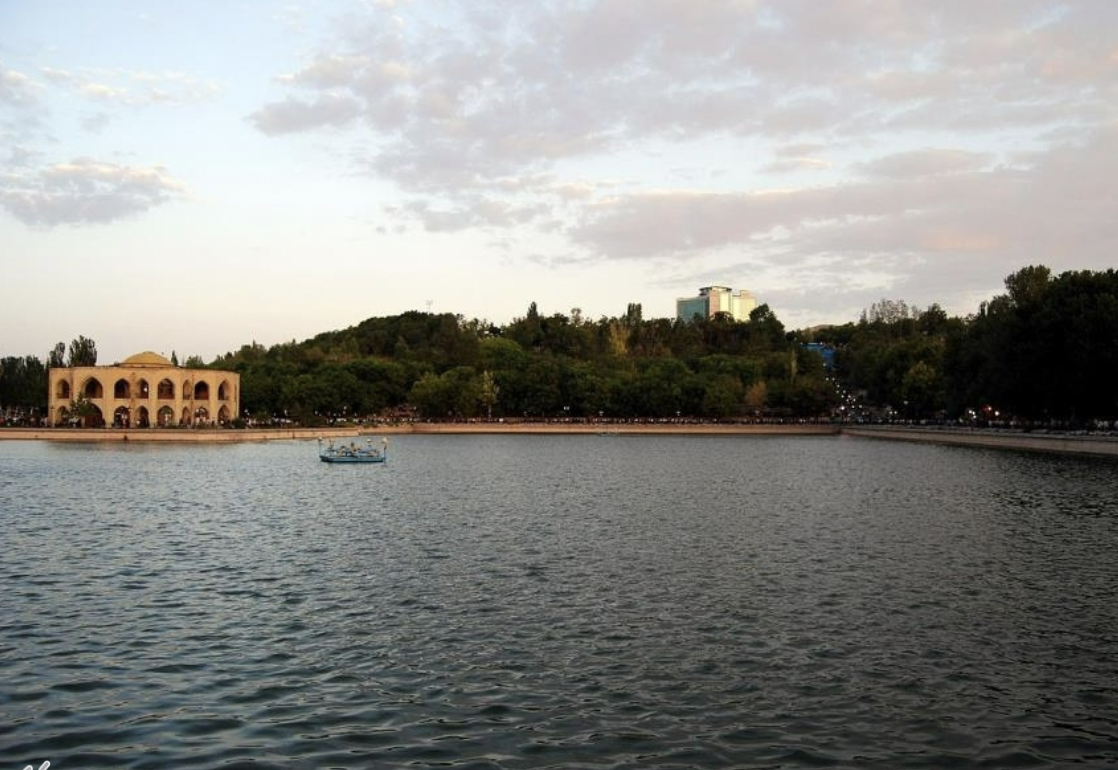
Shah-Gul Garden, 18/19the c ?, in Tabriz, Qajar Period
artifical lake (11 acres)
7 stepped terraces
walkway to middle of water here ther’s a floating pavillion
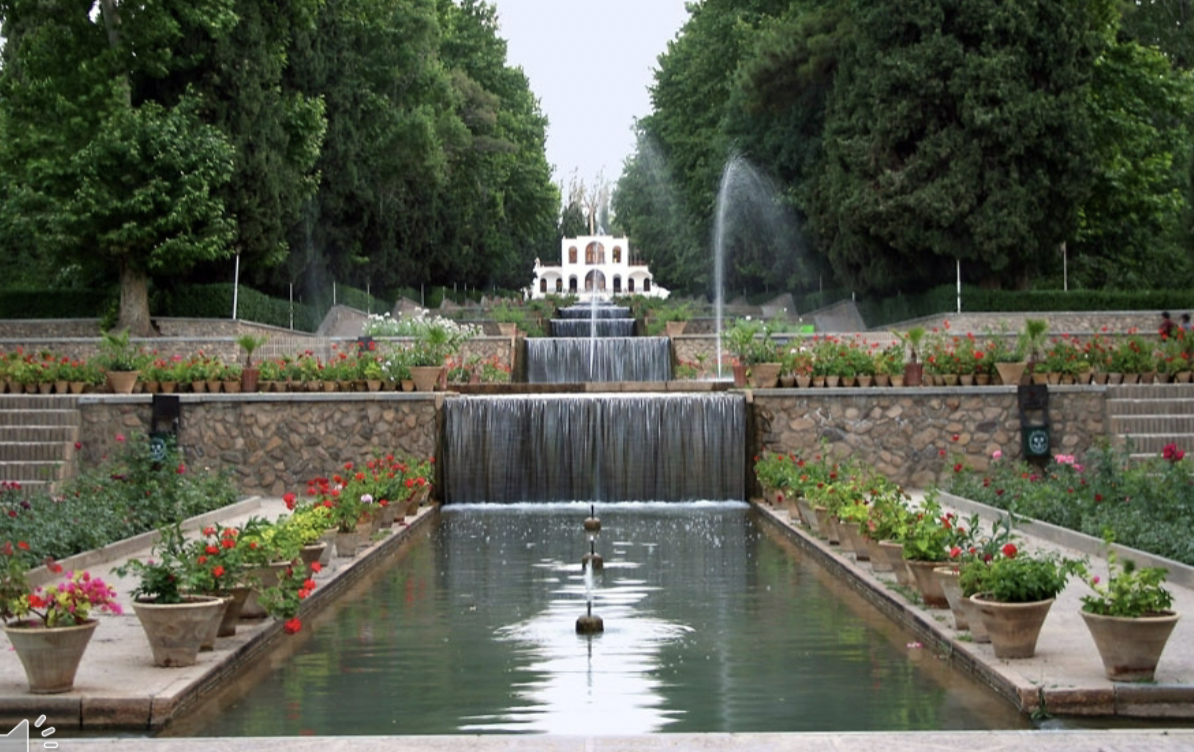
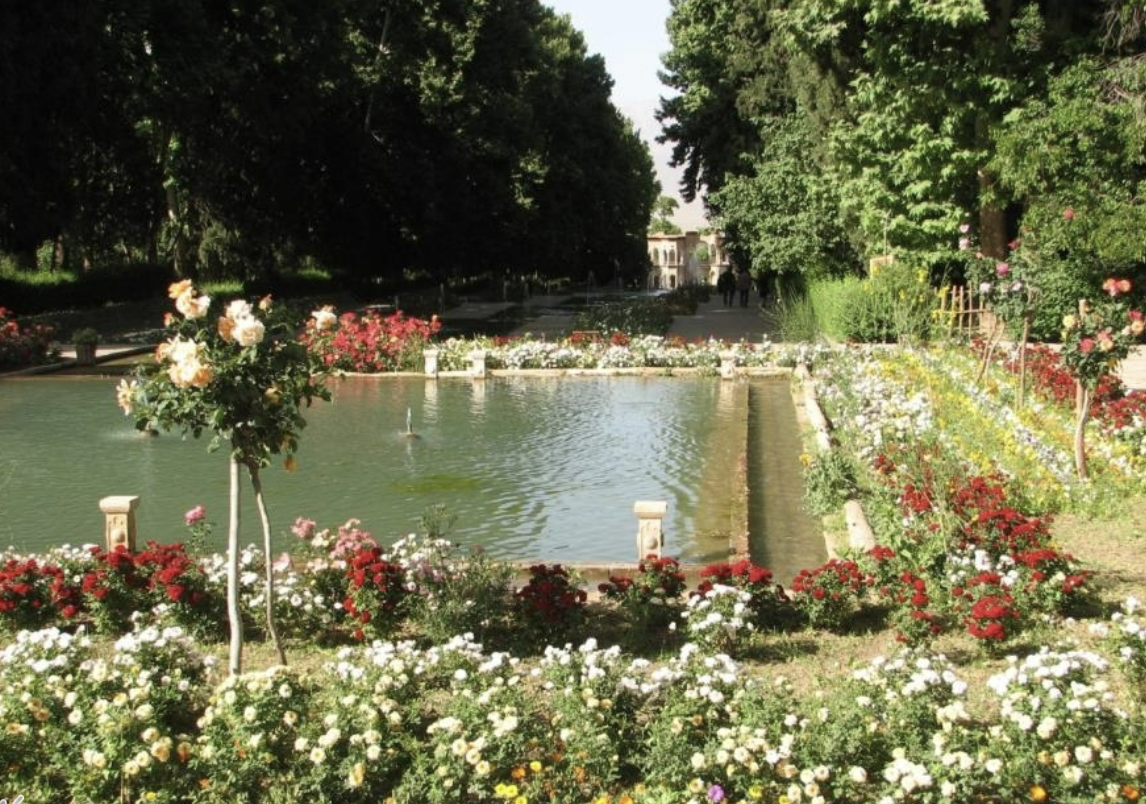
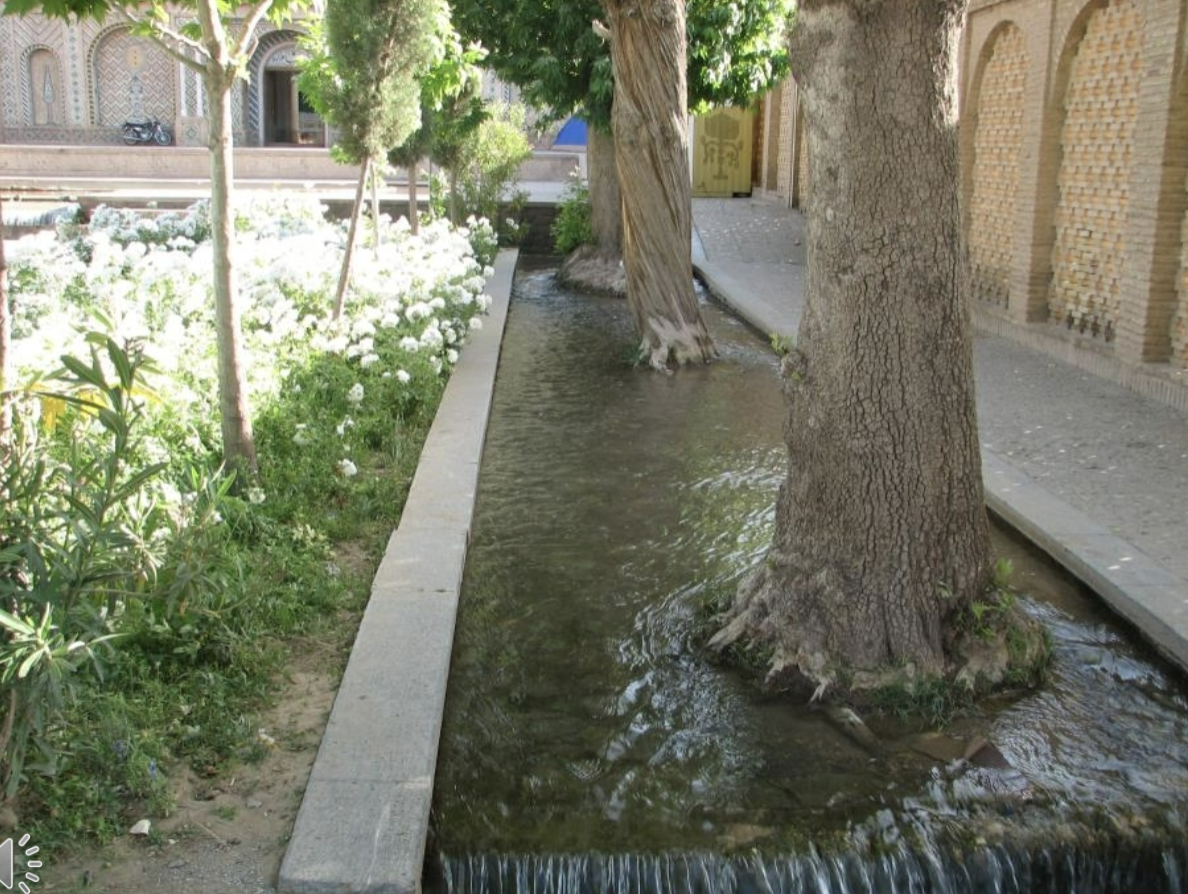
Bagh-i Shahzadeh in Mahan (Iran),19th century, Qajar period
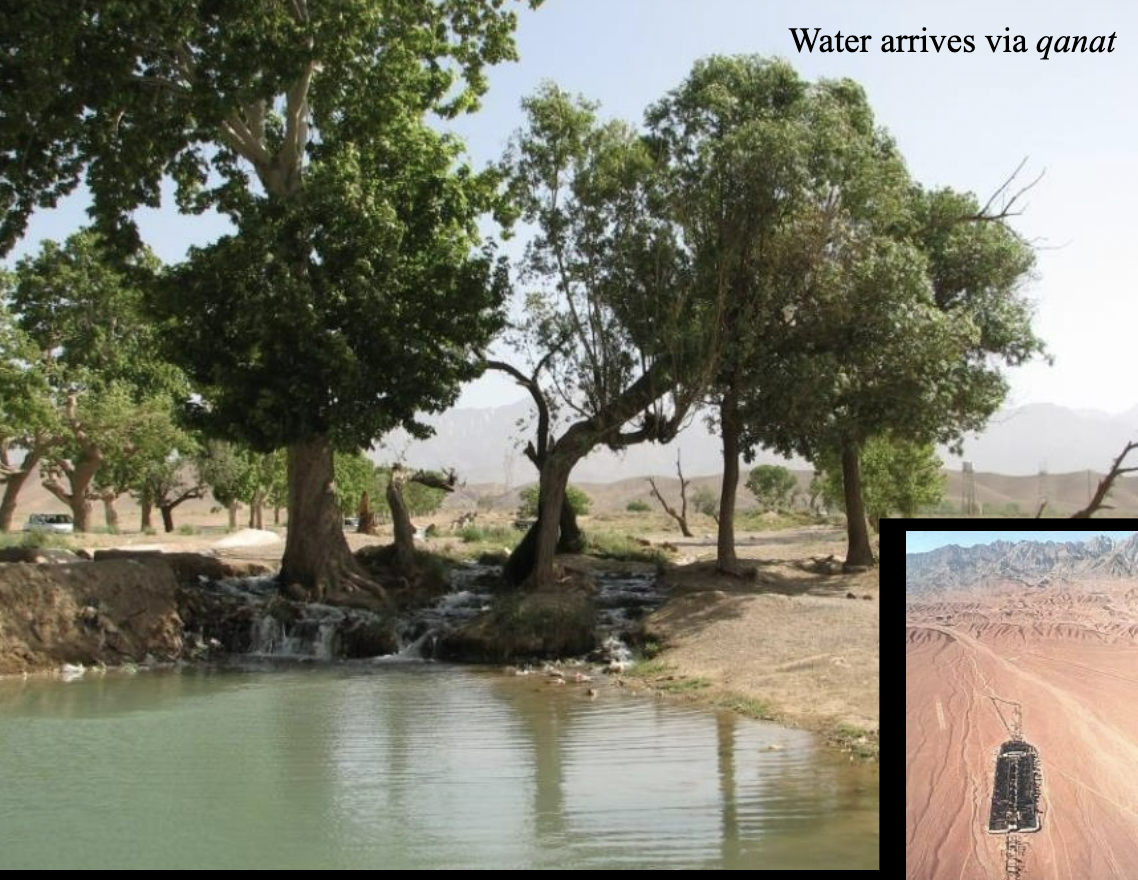
water arrives via qanat
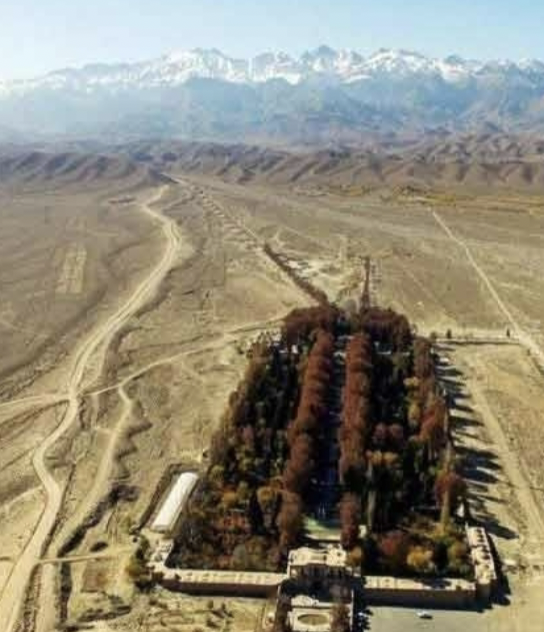
human-made oasis in a desert
trees, flower beds, chadars
axis of water flow dictates layout/ organization
dependent on irrigation
contrast between desert and garden
Mughal Empire
1526-1868
Emperors= Babur, Humayun, Akbar
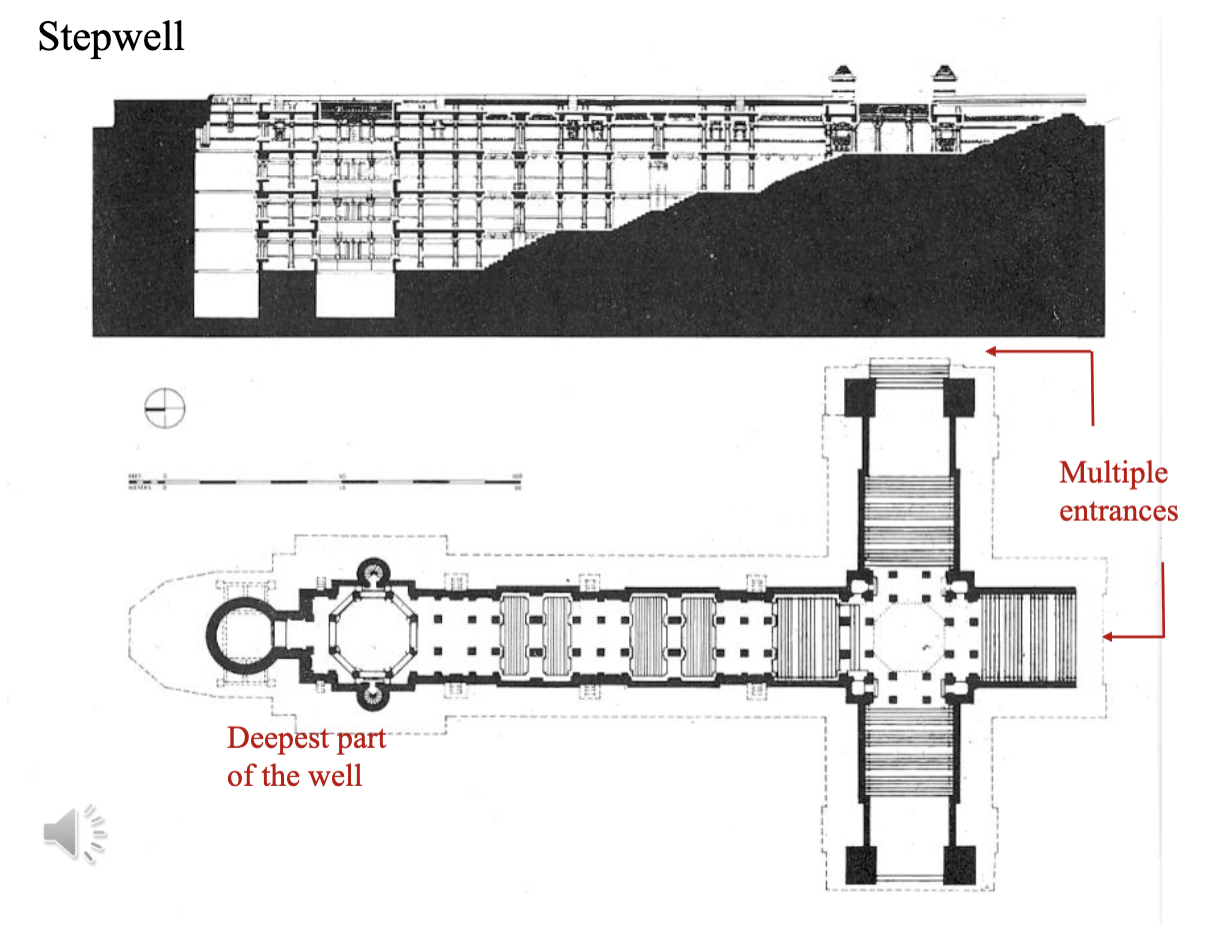
Stepwell
water level changes according to monsoon season
access by tiered steps
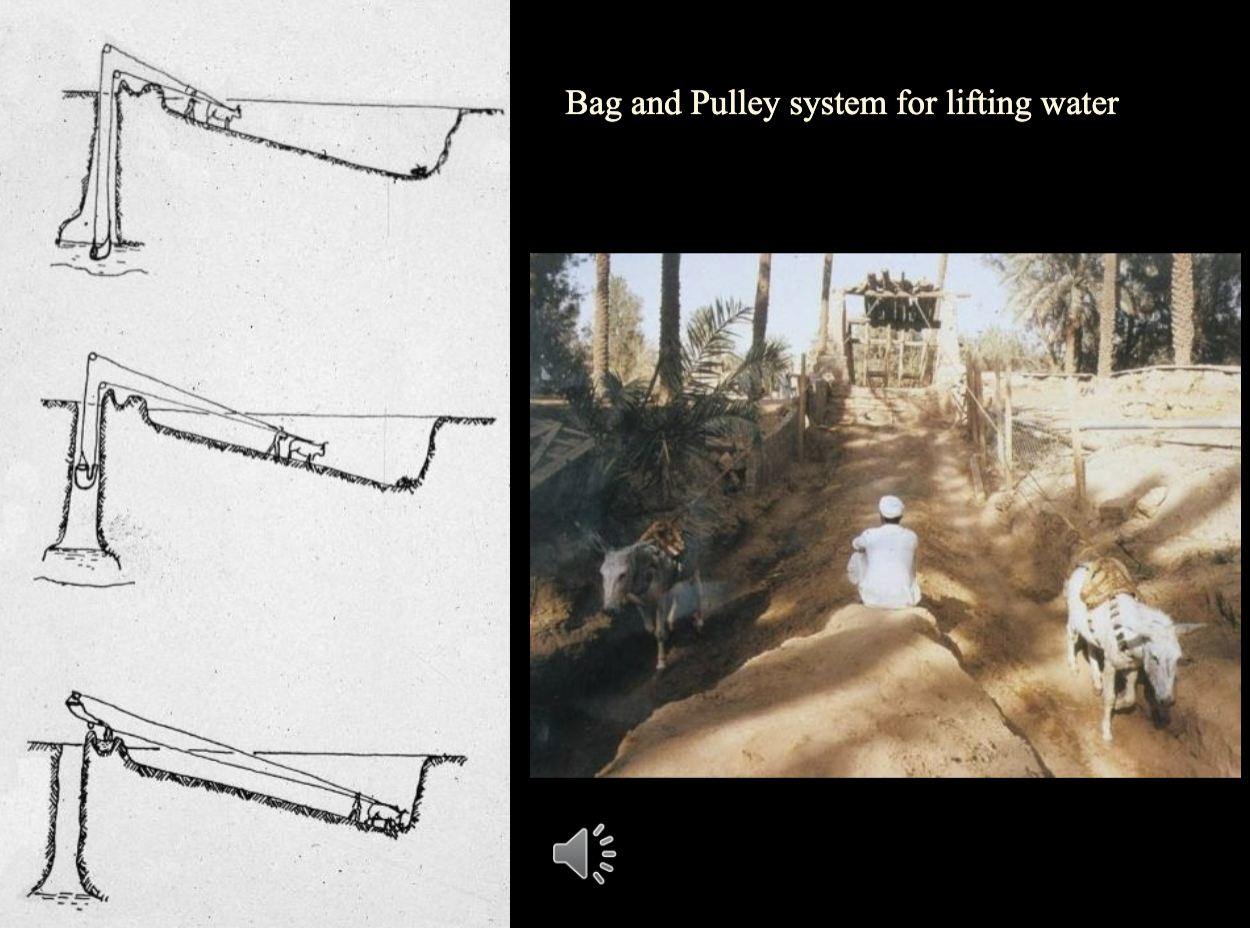
bag and pulley system for water lifting
Bag & Pulley System
bags of water pulled up by draft animals with the help of a pulley
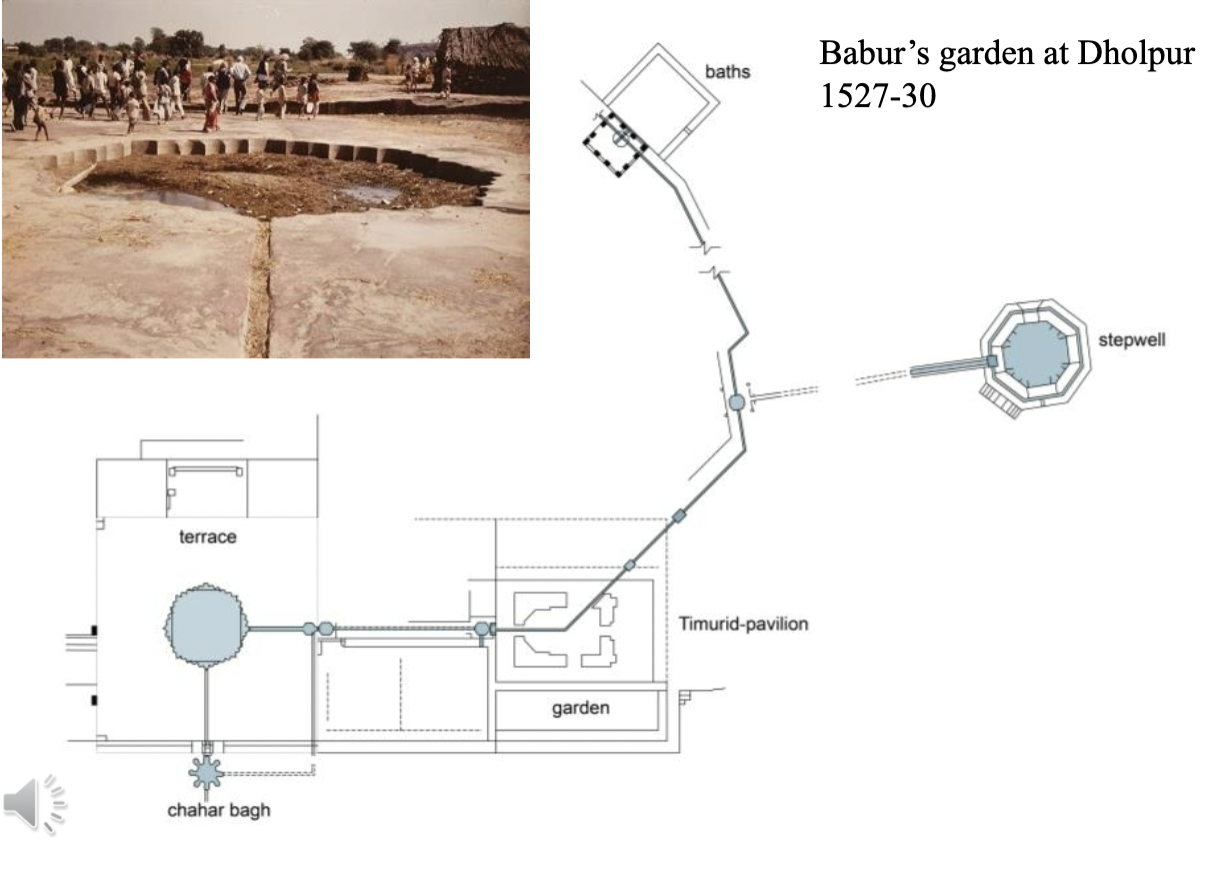
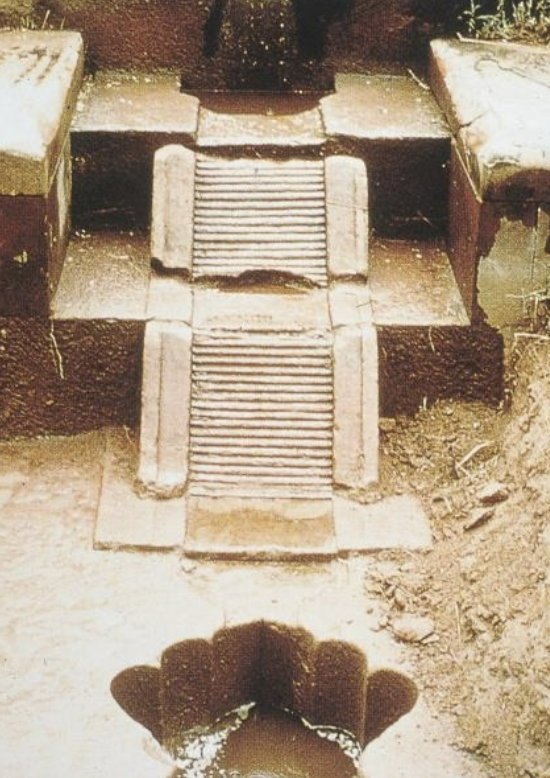
Babur’s Garden at Dholpur, 16th Century, Mughal
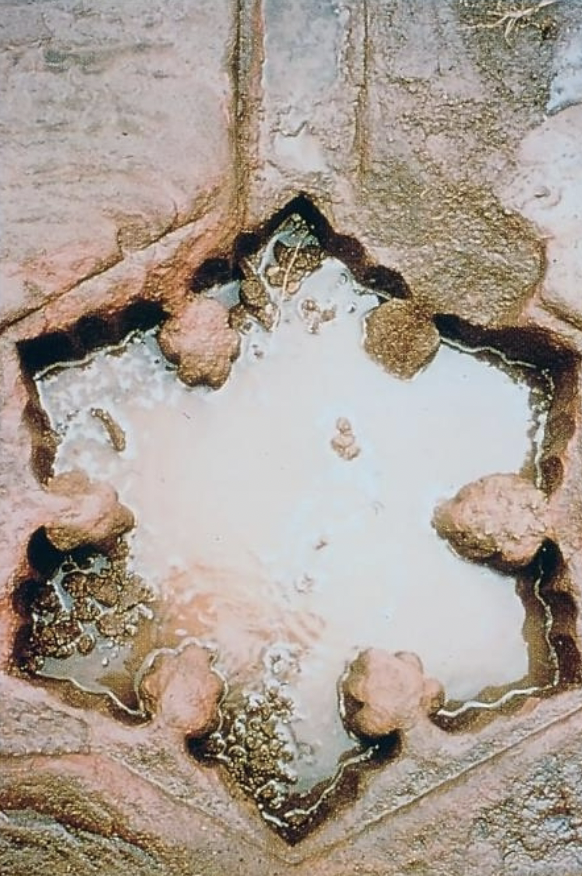
life cycle of the lotus represented in ornamental stone pools
chadar with ridges to animate the water cascade
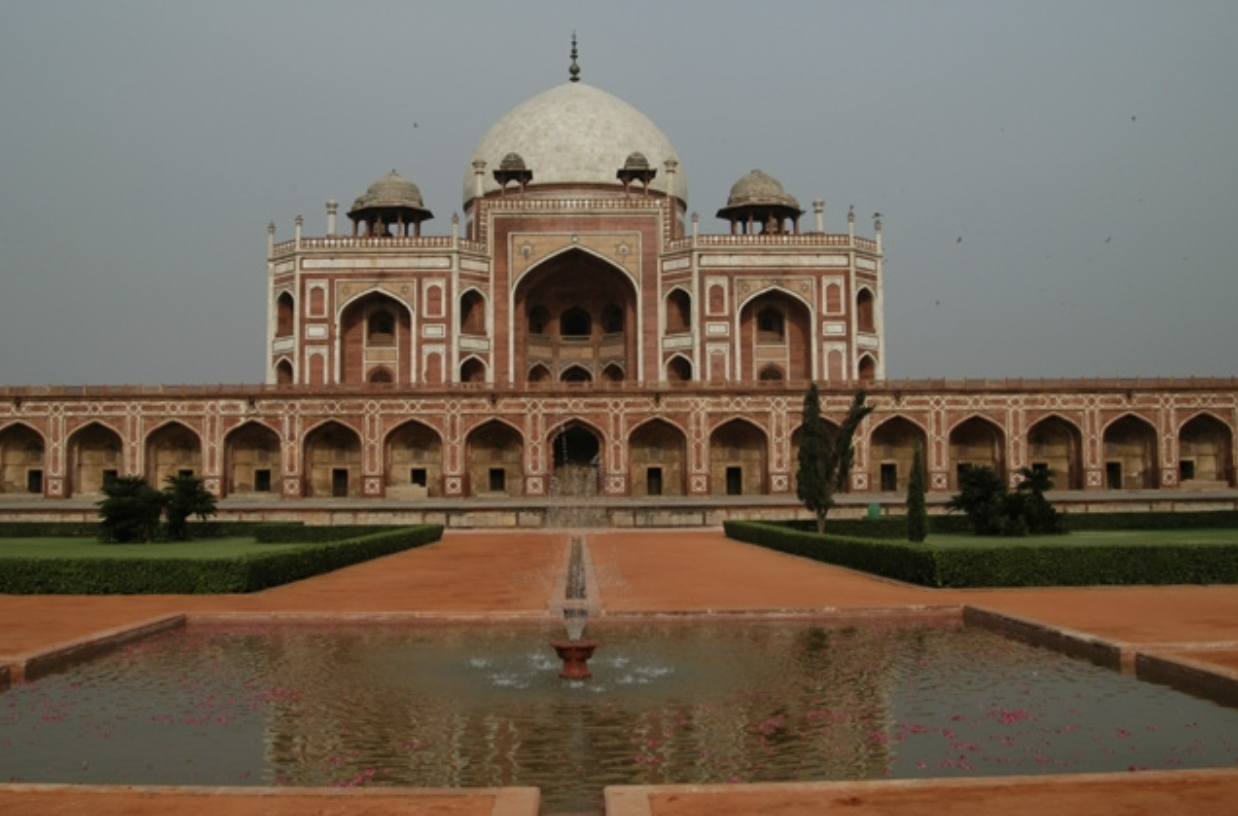
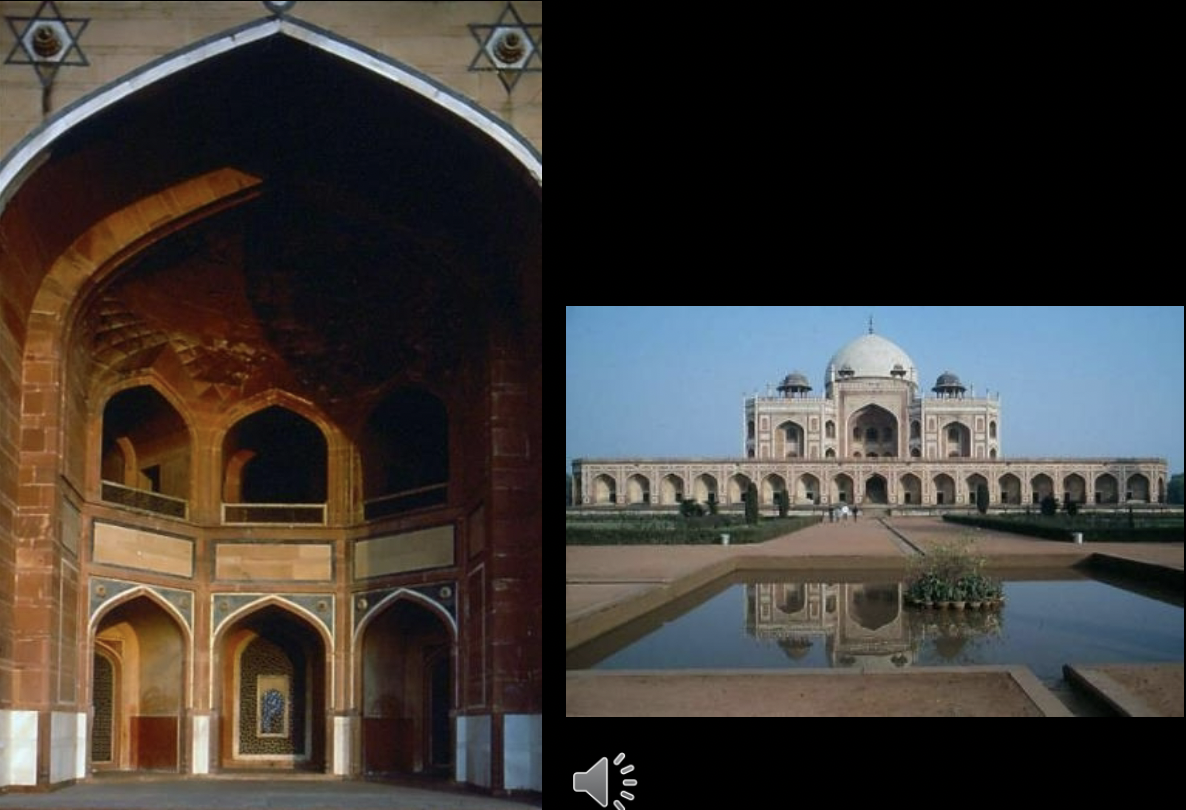
Humayun’s Tomb, Delhi, 16th century, Mughal
built by son Akbar in collaboration with Humayun’s Widow
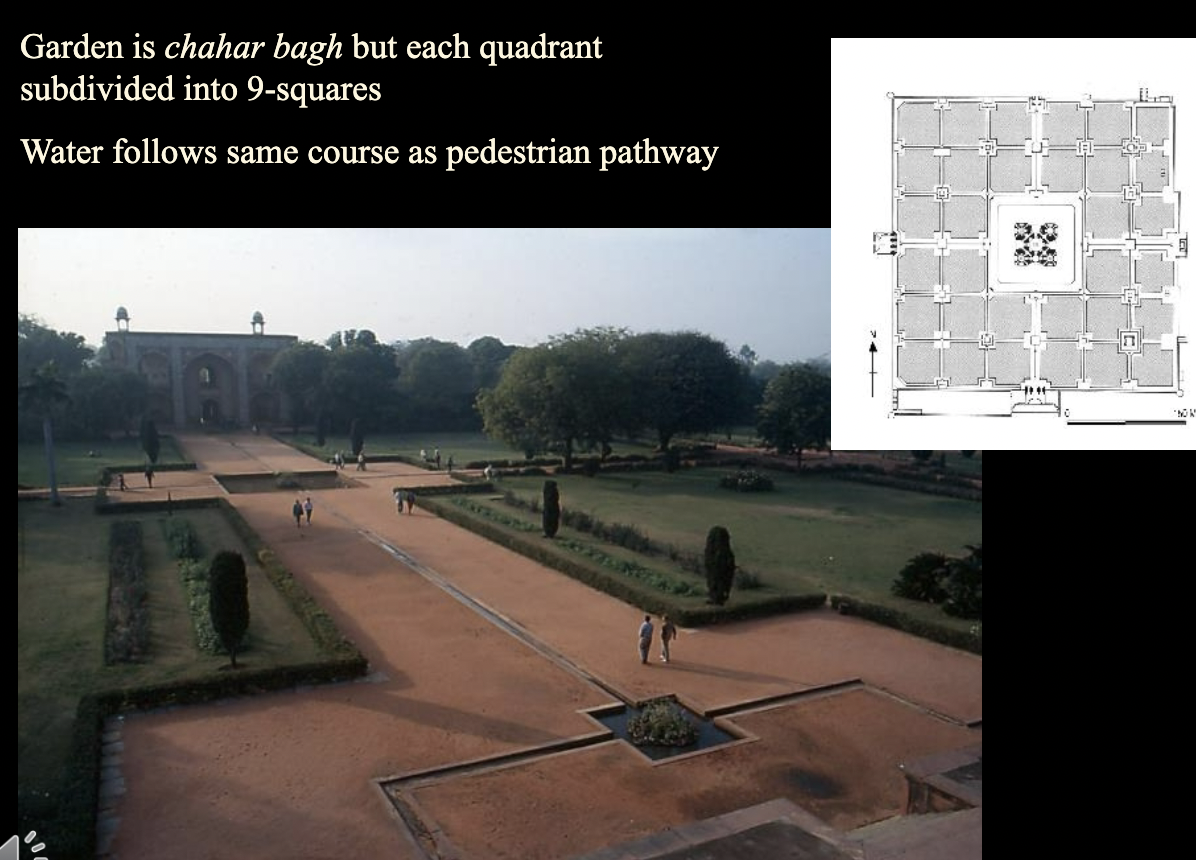
chahr bagh on a grand scale
first monumental Mughal Imperial Tomp, it represents Mughal authority and legitimacy, and also expresses connections betweeen Mughal dynasty and Timur
each chahr bagh quadrant is subdivided into 9 squares
water follows same path as pedestrian path
chadars and ornamental pools
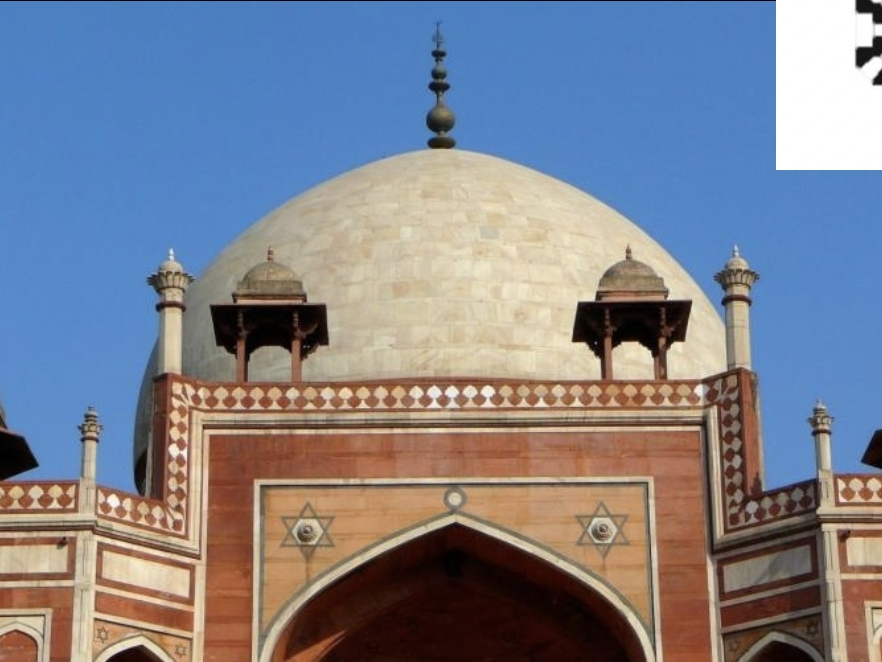
Tomb = double-shell central dome, 8-part hesht behesht plan (timurid influence)
local red sandstone facade
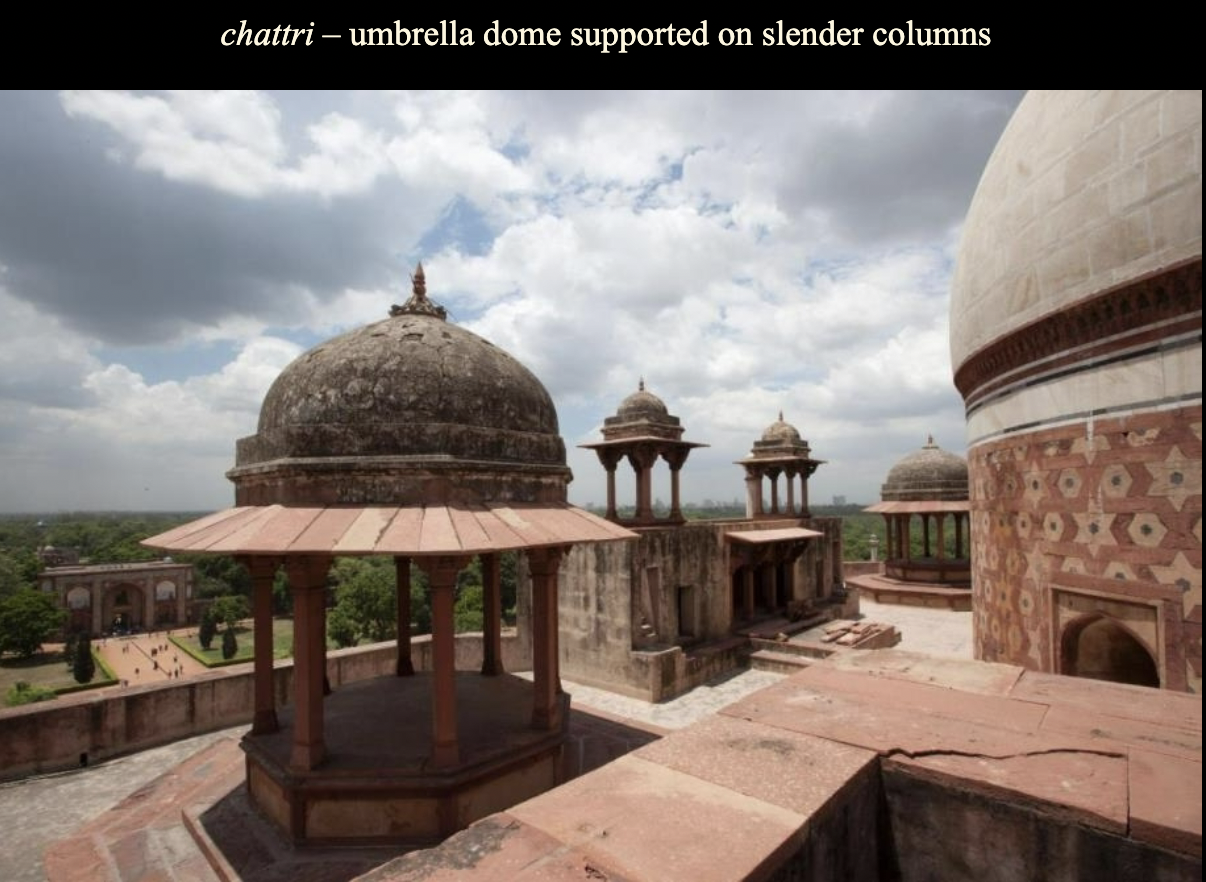
chattris are indigenous Indic element
iwans on each face of tomb are Timurid Importation
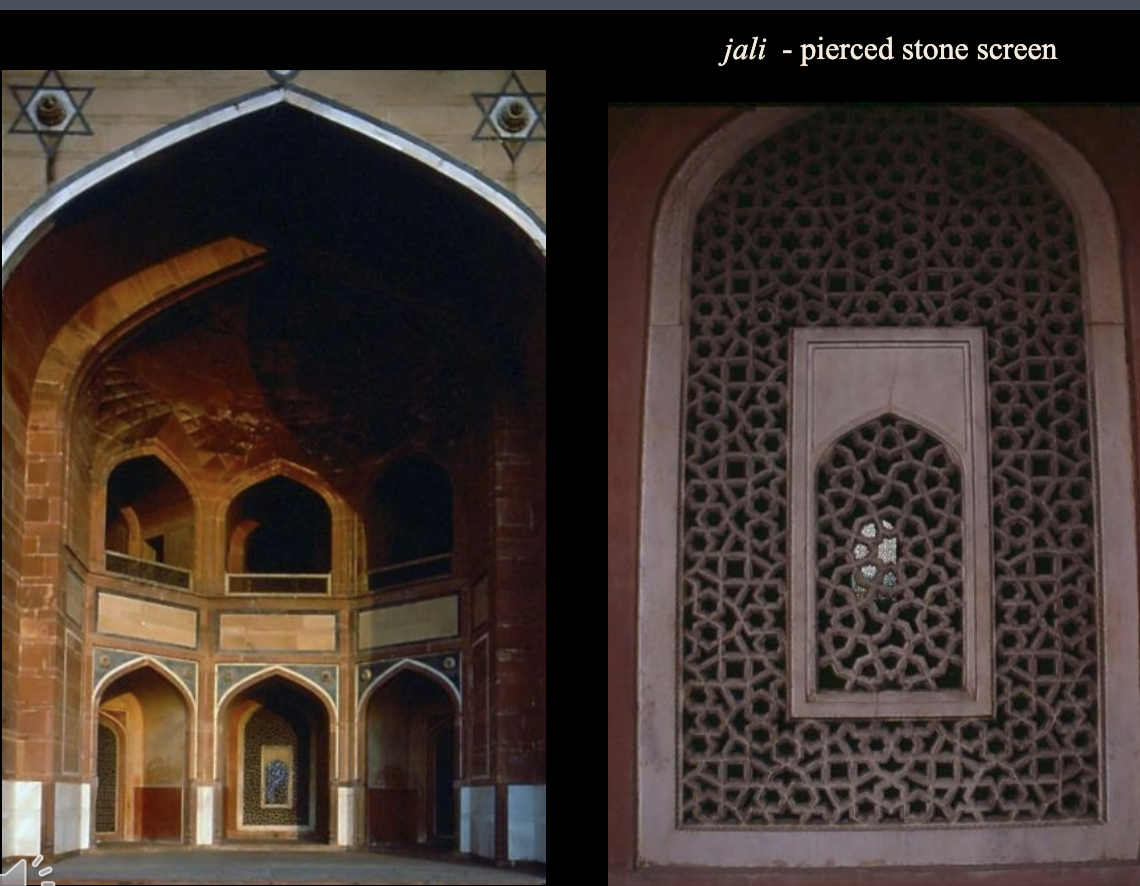
jali- pierced stone screens
hizar (restricted space) tomb area
chattris
“umbrellas”- an indigenous Indic element
jali
pierced stone screens
Agra
1565 Akbar made Agra the Mughal capitol
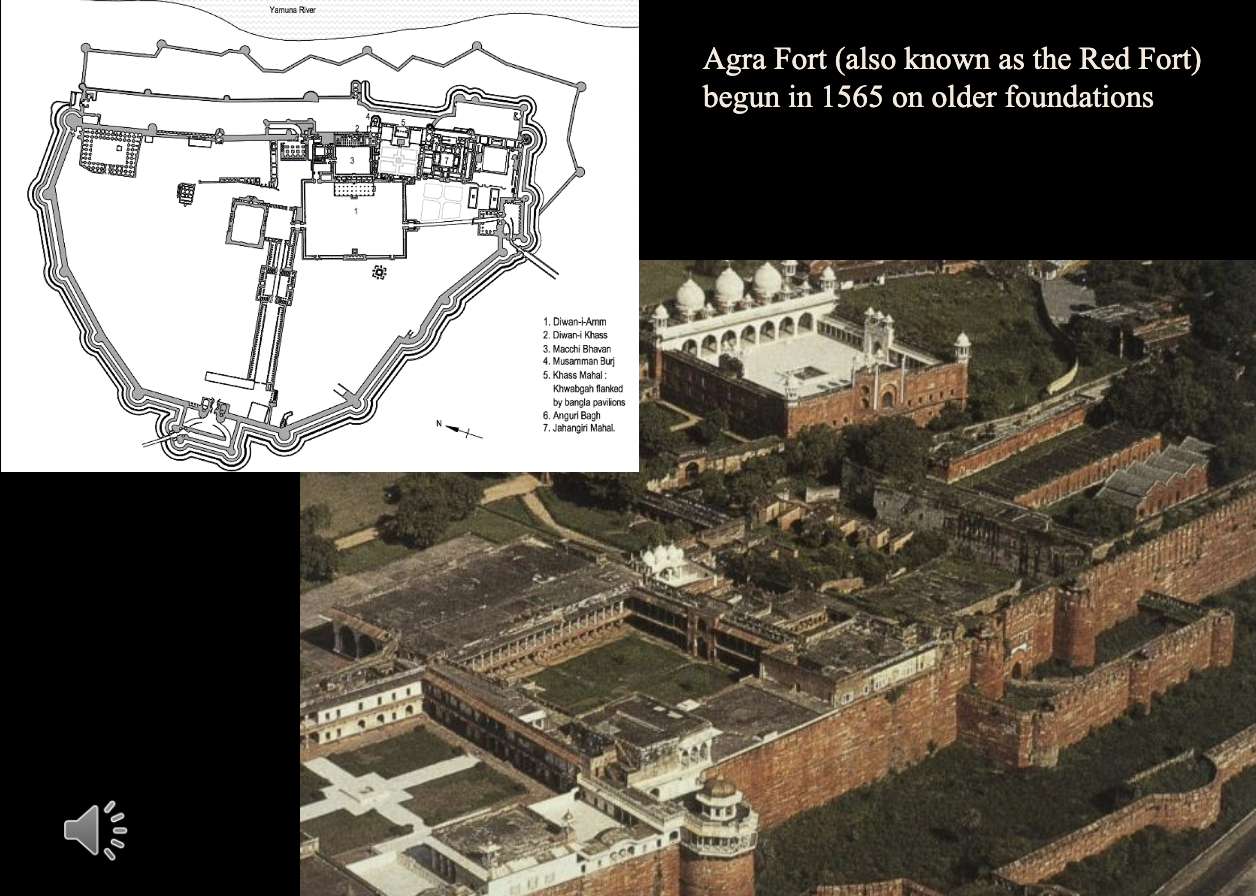
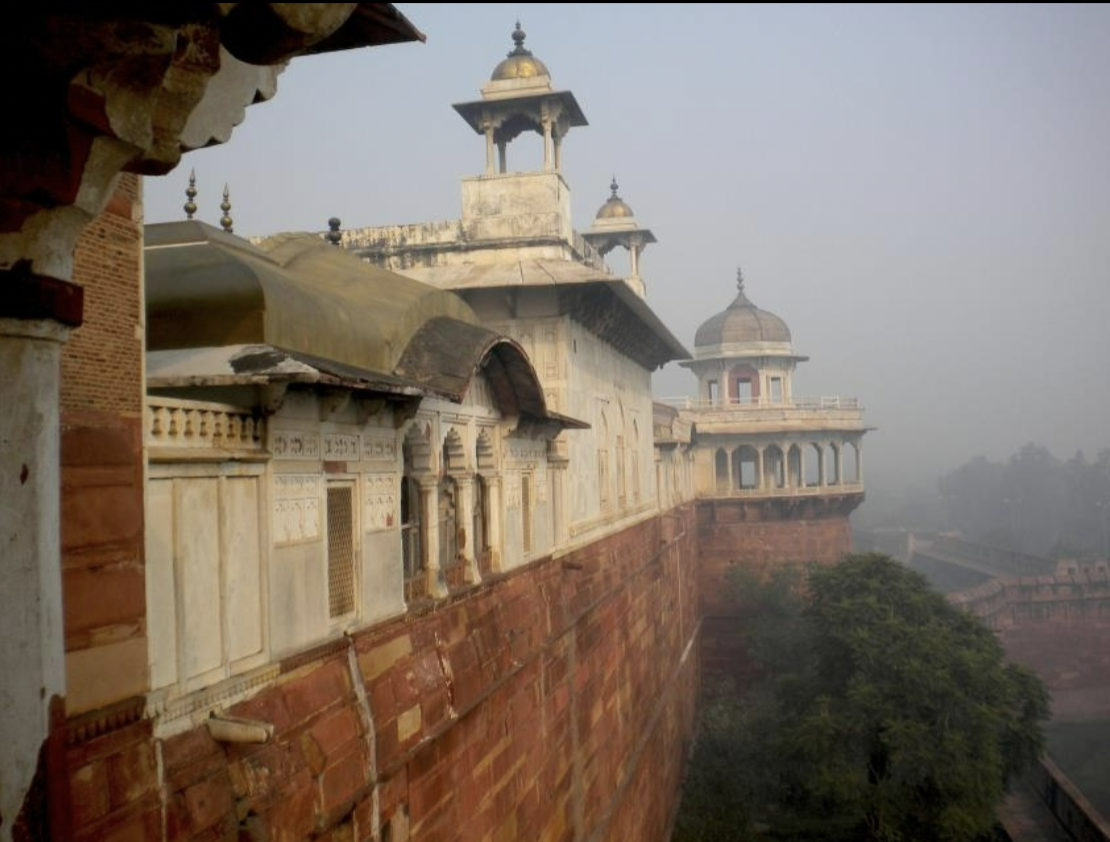
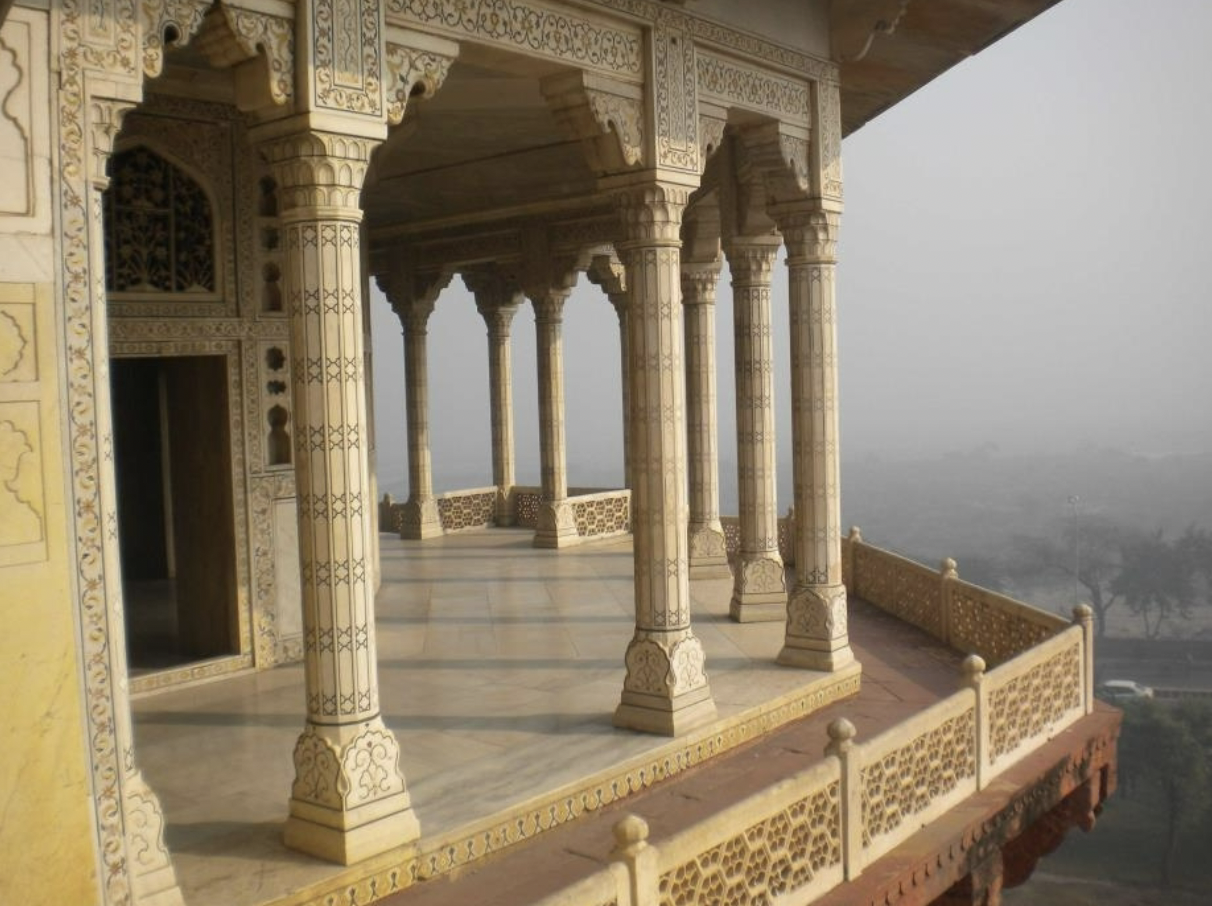
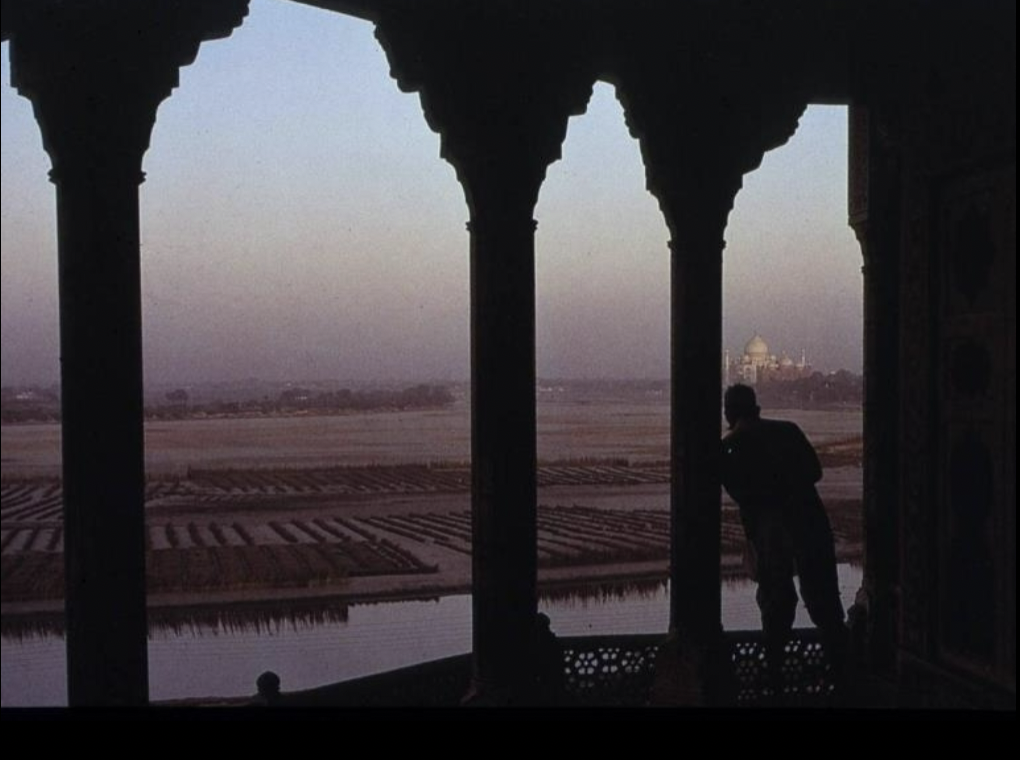
Agra Fort, 16th century, in Agra, Mughal
seat of government
semi-circle shape
red sandstone fort, called “red fort”
panoramic vistas, along river
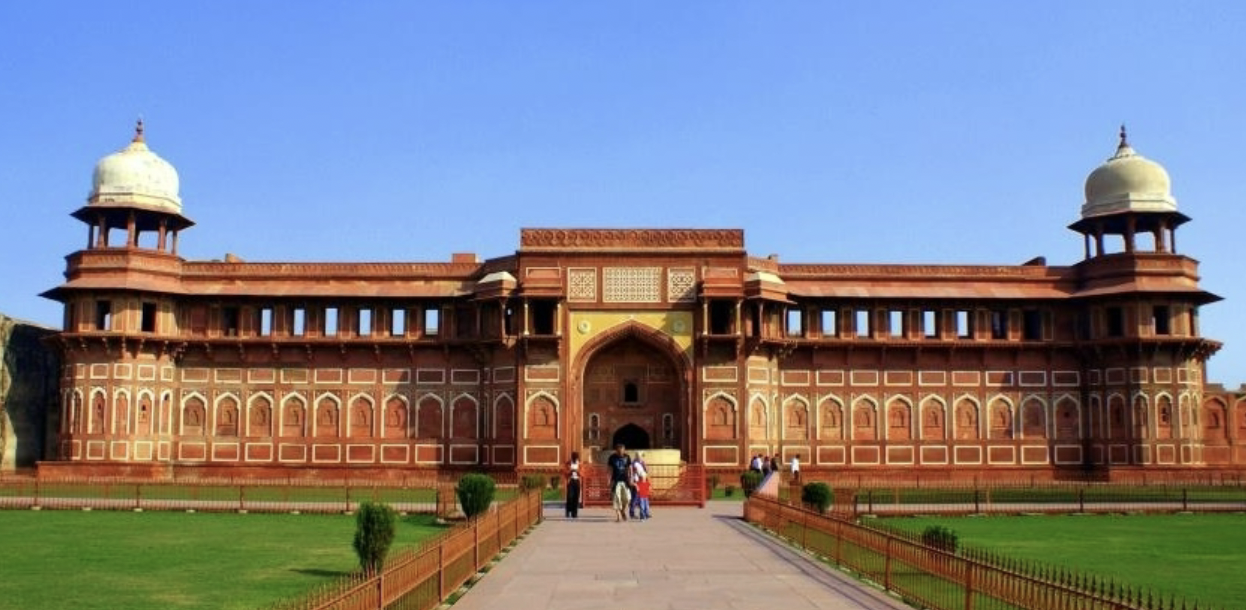
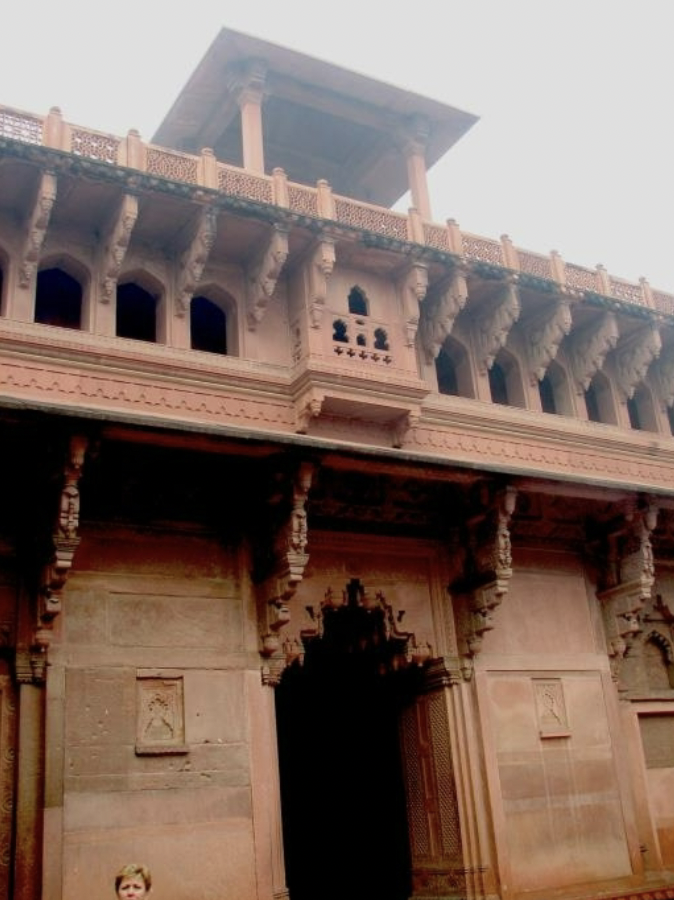
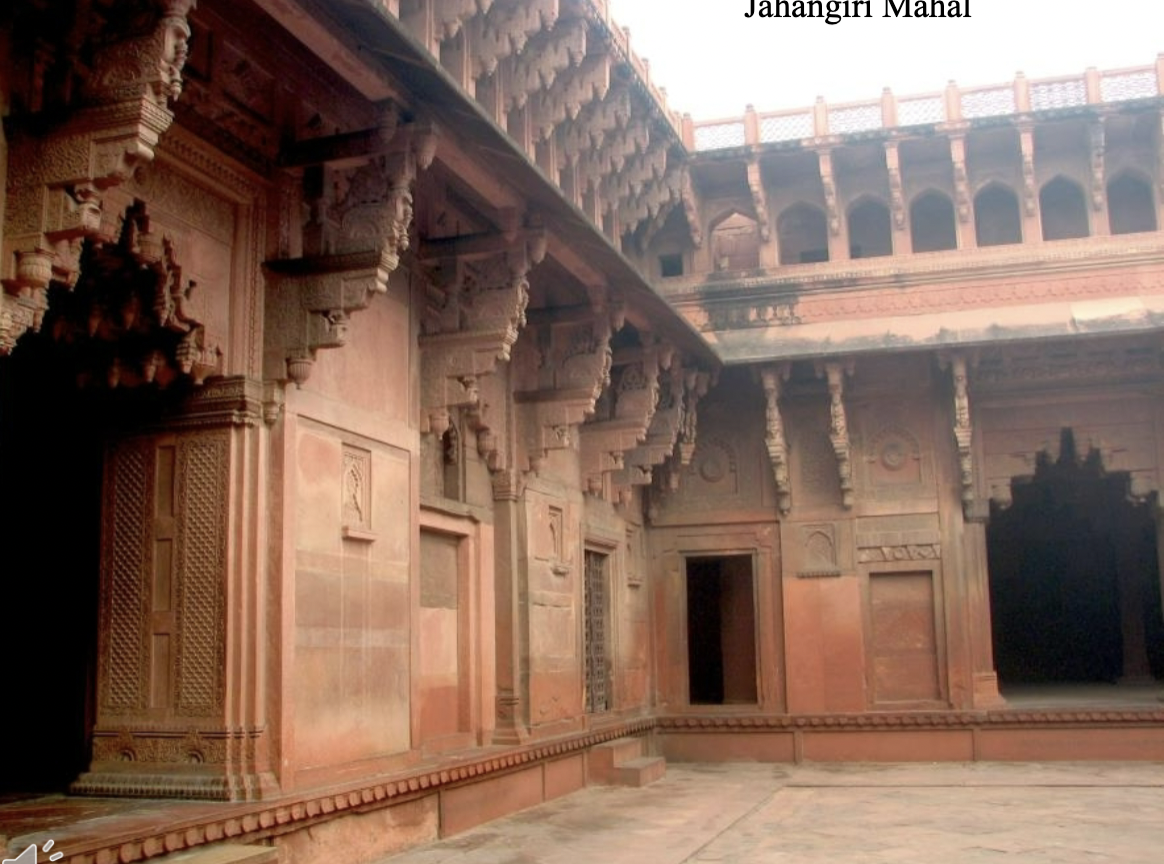
Jahangiri Mahal at Agra Fort, 16th century, Agra, Mughal
zenana = imperial women’s quarters
calm, balance, order
iwan + pishtaq portal
chattris mark end of facade (like how minerets did)
red sandstone
corbeled arches
visual representation
chini khana used as a screen
Mughal theme: eclectic architecture symbolic of the Mughal eclectic population
Fatehpur-Sikri, Mughal
Palace city by Akbar
Akbar held theological debate——→ Akbar was pro personal spiritualism, which contributed to the move of the palace city to Fatehpur-Sikri
fiat city
Public and Residential Zone of Fatehpur-Sikri
semi-Public
private audience hall with central pillar and balcony
cosmic or mandala references
semi-Private
Anup Talau: large pool with platform and bridges, entertainment space
Akbar’s apartments
parcheesi board
Private
Panch Mahal: 5 stories, for women to surveil, edge of private and semi-private zone
Zenana (Harem) Garden
chahr bagh
2 chattris
water channels
corner tank stored water from step well
Ffatehpur-Sikri Jami Mosque, 16th century, Mughal
sufi center or kanqah
stepwell for ablution before prayer
Tomb of Salim ad-Din Chisti, in the mosque (Akbar’s Spiritual advisor)