Business Cycles
 Call Kai
 Learn
Learn Practice Test
 Spaced Repetition
 Match
Match Flashcards
 Knowt Play
1/16

Earn XP
Description and Tags
lecture 13
Name | Mastery | Learn | Test | Matching | Spaced | Call with Kai |
|---|
No analytics yet
Send a link to your students to track their progress
17 Terms
potential output
the level of output that occurs when all resources are fully employed
business cycle
short-term fluctuations in economic activity
causes unemployment rate to rise and fall sharply
recessions don’t lsat long but have a lasting impact on people’s careers
output gap
the difference between actual and potential output, measured as a percentage of potential output
negative output gap- the economy is producing less than it can
bust
idle resources- workers cant find jobs, storefronts are shuttered, etc
positive output gap- the economy is producing more than its potential
boom
unsustainable intensity possible for short time only

stages of the business cycle
peak- a high point in economic activity
trough- a low point in economic activity
recession- a period of declining economic activity
runs from peak to trough
expansion - a period of increasing economic activity
runs from trough to peak
expansions keep going until they’re killed by an adverse shock
common characteristics of business cycles
recessions- short and sharp
expansions- long and gradual
business cycles are persistent
impact many parts of the economy
unusual expansion
rapid bounce back folling coronavirus shutdowns
recession triggers
slowing productivity
oil price hikes
credit controls
high interest rates
banking crises
overvaluation of technology stocks
housing market meltdown
financial crisis
global pandemic
comovement
variables that move up and down together
if one part of the economy is doing well, then the other parts of the economy are also doing well
economic indicators
many rise and fall together
real gdp
industrial production
non farm payrolls
retail sales
new businesses
housing construction
automobile sales
imports from overseas
new investment projects, business profits
workers real wages
stock prices
inflation and interest rates
goos and services industries rise and fall together, though goods are more sensitive to the business cycle
leading indicators
variables that tend to predict the future path of the economy
ex) business confidence; consumer confidence; the stock market
lagging indicators
variables that tend to follow business cycle movements with a bit of a delay
ex) unemployment
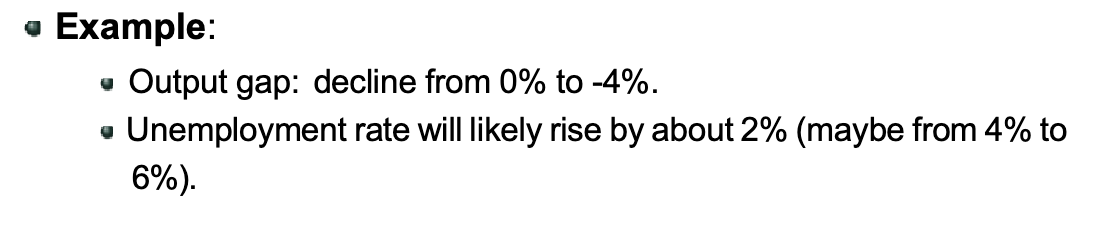
okun’s rule of thumb
for every percentage point that actual output is less than potential output, the unemployment rate will be around half a point higher
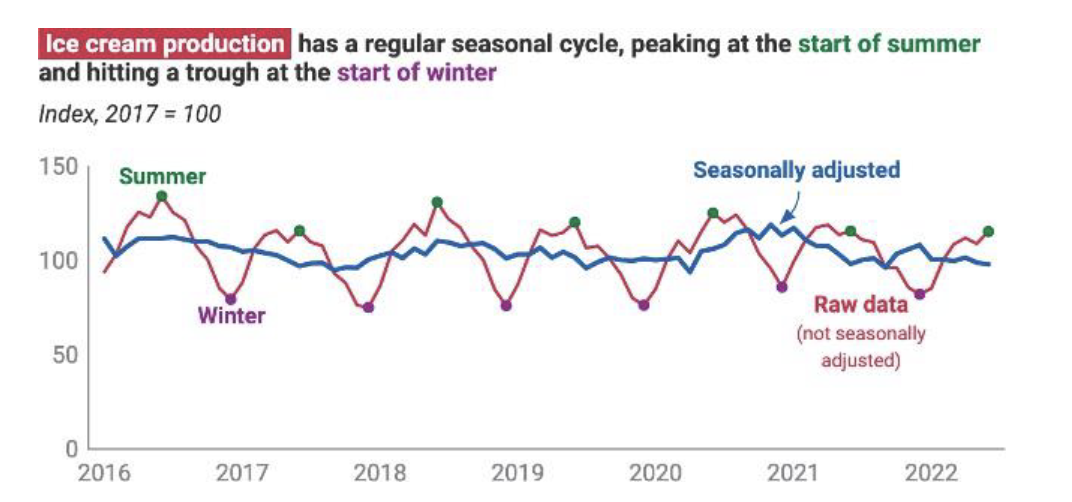
seasonally adjusted
data stripped of predictable seasonal patterns
annualized rates
data converted to the rate that would occur if the same rate had occured throughout the year
real variables are adjusted for inflation
top ten economic indicators(1-5)
read gdp is the broadest measure of economic activity
measures total size of economy
CAUTION: incomplete when first released
real GDI acts as a useful cross-check on GDP
gross domestic income adds up total income
GDP and GDI should be equal, but often differ
early reports of GDI are often more reliable than GDP
non farm payrolls tell you if the labor market is improving
tell you how many jobs are created each month by tracking the number of workers on businesses’ payrolls
the unemployment rate is an indicator of excess capacity
share of the labor force that wants a job but can’t find one
initial unemployment claims provide a timely indicator
how many people lost their jobs and applied for unemployment insurance during the previous week
top ten indicators (6-10)
business confidence tells you what managers are planning
supply managements purchasing managers index
consumer confidence tells you what consumers are thinking
asks regular people how optimistic they are about the economy
the inflation rate tells you what’s happening with prices
consumer price index provides a sense of how much economy wide prices are growing
the unemployment cost index tells you what’s happening with wages
how fast wages and benefits are rising
leading indicator of inflationary pressure
the stock market tells you about future expected profits of businesses
CAREFUL- the stock market has predicted nine out of the last five recessions
economy watchers guide
track many indicators
imperfect measures
broad indicators beat narrow indicators
give more weight to indicators that account for a greater share of the economy
seek just-in-time date and distinguish between leading and lagging indicators
timely indicators about current trends
find the signal among the noise
averaging over the past few data points
look past volatile components
adjust your outlook when data differ from expectations
whether its good or bad news depends on whether that indicator came in stronger or weaker than expected