EXAM 3 Concepts
 Call Kai
 Learn
Learn Practice Test
 Spaced Repetition
 Match
Match Flashcards
 Knowt Play
1/46

There's no tags or description
Looks like no tags are added yet.
Name | Mastery | Learn | Test | Matching | Spaced | Call with Kai |
|---|
No analytics yet
Send a link to your students to track their progress
47 Terms
Baroque Characteristics
Dramatic, emotional art with strong contrast and movement
Catholic Baroque in Italy and Spain
it was used to inspire faith because of its dramatic and theatrical nature
Ultra-Baroque
Extremely ornate and dramatic
Las Meninas (The Maids of Honor) by Valazquez
complex portrait of the royal family that he included himself in
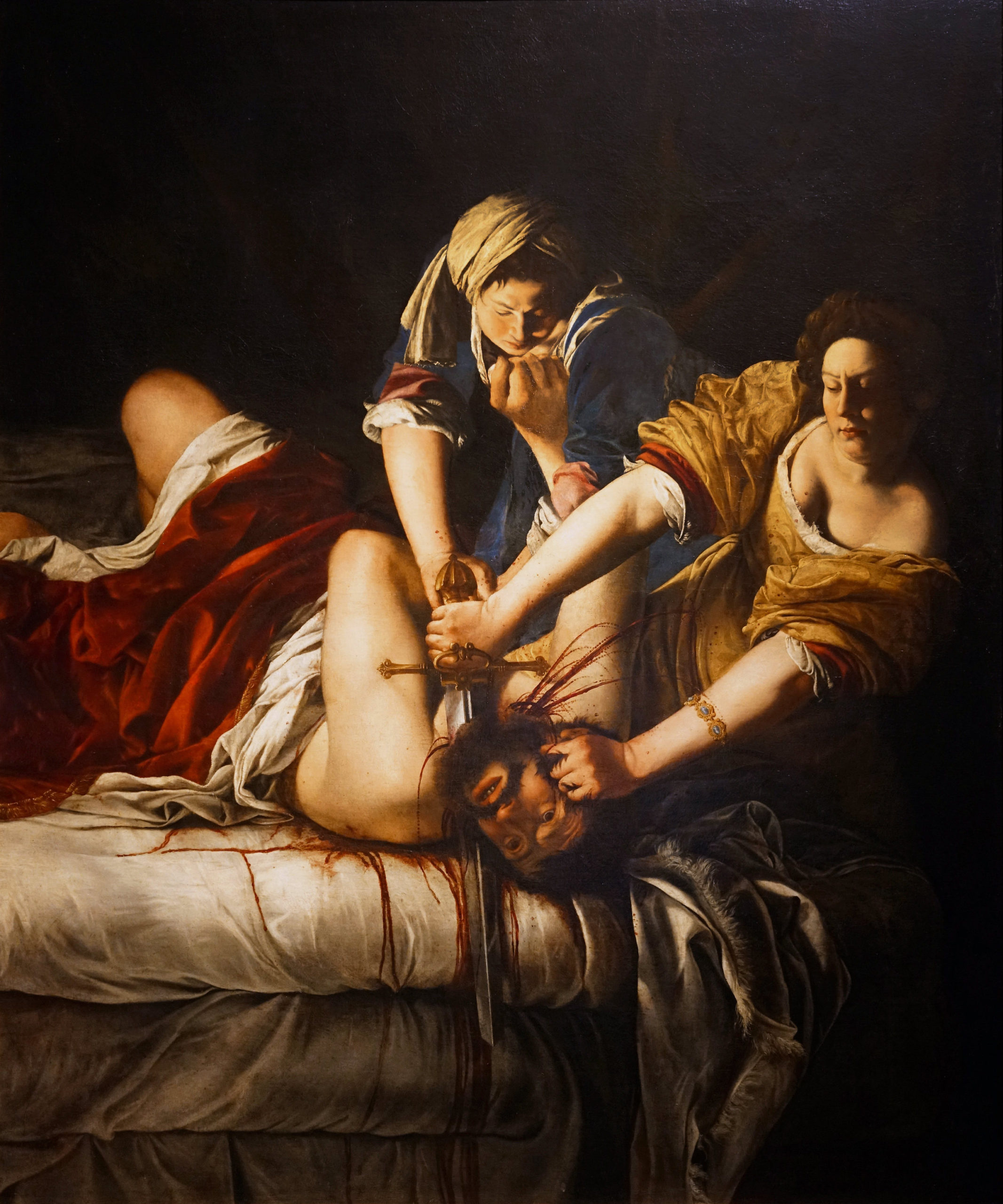
Artemisia Gentileschi
Judith Slaying Holofernes
she was assulted by a man who taught her to paint, so she made lots of paintings with women avenging men in places of power. Painted in the style of Carravagio, the scenes empower women.
Ecstasy of St. Teresa & Coronaro Chapel by Bernini
the sculpture shows a spiritual drama at a point where St. Teresa was in a mystical experience.
Bel Composto
unified sculpture, arcitecture, and painting
Bernini
Italian sculptor and architect of the Baroque period in Italy, known for movement and emotion.
Caravaggio
Italian painter noted for his realistic depiction of religious subjects and his intense use of tenebrism
Tenebrism
a certain type of painting that shows faces and bodies being illuminated by highlights, which contrast in a dark setting.
Valazquez
Spanish court painter, master of realism
Cornaro Chapel
Chapel designed by Bernini around St. Teresa sculpture
Dutch context
protestant, middle class patrons, every day subjects
Group Portraiture
Dutch baroque style of group painting, this genre is one Rembrandt worked and was the most lucrative
Still Lifes
arrangements of non human objects in an artful manner, the objects were used as symbolism of wealth, time, and morality.
Vermeer
A Dutch painter who used a great deal of light. He enjoyed painting people doing everyday things. His most famous painting is the Girl With the Pearl Earring
Camera Obscura
early optical device that was used to aid composition
Louis XIV of France
“Sun King,” he loved theatrics and dancing. He was the absolute monarch of France, and he commissioned the palace of versailles
Versailles
massive palace symbolizing royal control and wealth.
Hall of Mirrors
Grand hallway in Versailles, extravagantly gilded and lavish
Enlightenment
18th century, age of reason, science, progress, and questioning authority
Moralizing satire
art criticizing society
Conversation piece
a type of genre painting in which a group of figures are posted in a landscape or domestic setting, popular especially in the 18th century.
Rococo
light, pastels, lots of white, playful, aristocratic, lush foliage, private settings, loose brushstrokes
Rococo salons
elegant social rooms for conversations. Also known as drawing rooms
Fete galante
a type of rococo painting depicting the outdoor amusement of the French upper-class society.
Watteau, Pilgrimage to Cythera
romantic, fete galante, embodies rococo art
Fragonard’s The Swing
playful, flirtatious, rococo scene, lush foliage, pastels, private outdoor scene, aristocratic clothing.
French Revolution
overthrow of the monarchy, rise of citizen power, impacted art themes.
Royal academies
European professional art societies established in the mid 17th century that operated schools of instruction and held exhibitions. They controlled artistic standards in Europe.
Salon Exhibitions
official art shows deciding success or failure.
History Paintings
highest genre: moral, heroic stories
Prix de Rome
a prestigious scholarship for young artists that sent them to study classical art in Rome
Grand Tour
wealthy Europeans traveling to study culture
Rosalba Carriera
famous pastel portrait artist. She used pastels instead of oil because they dried quicker. This was for the people visiting on their grand tours.
Pastels
soft chalk medium, popular for portraits
Romanticism
19th century artistic movement that appealed to emotion rather than reason.
The Sublime
awe mixed with terror, giant nature overpowering humans.
Odalisque
a female slave in the harems of the East. It was a favorite subject of the 19th century artists in a reclining position
Goya
dark emotional works, criticism of war and humanity
Romantic Landscape
emotional nature scenes, the sublime
Turner
dramatic, atmospheric landscapes, created the Slave Ship
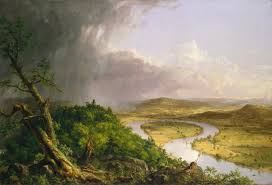
Thomas Cole, The Oxbow
American wilderness vs. civilization
Neoclassicism
return to greco roman order. Reason, simplicity, depicting classical history. Larger sized paintings, polished brushstrokes, classical references.
Winckelmann
Scholar who inspired Neoclassicism
Oath of the Horatii
David’s painting of duty and sacrifice, depicted the men with strong, straight lines, and the women with more curved lines and a softer stance.
Neoclassicism vs. Romanticism
Neoclassicism: universal truths, historical examples, logic, line
Romanticism: personal subconscious, contemporary events, the sublime, color