Exam 1 Week 2 Notes
 Call Kai
 Learn
Learn Practice Test
 Spaced Repetition
 Match
Match Flashcards
 Knowt Play
1/30

There's no tags or description
Looks like no tags are added yet.
Name | Mastery | Learn | Test | Matching | Spaced | Call with Kai |
|---|
No analytics yet
Send a link to your students to track their progress
31 Terms
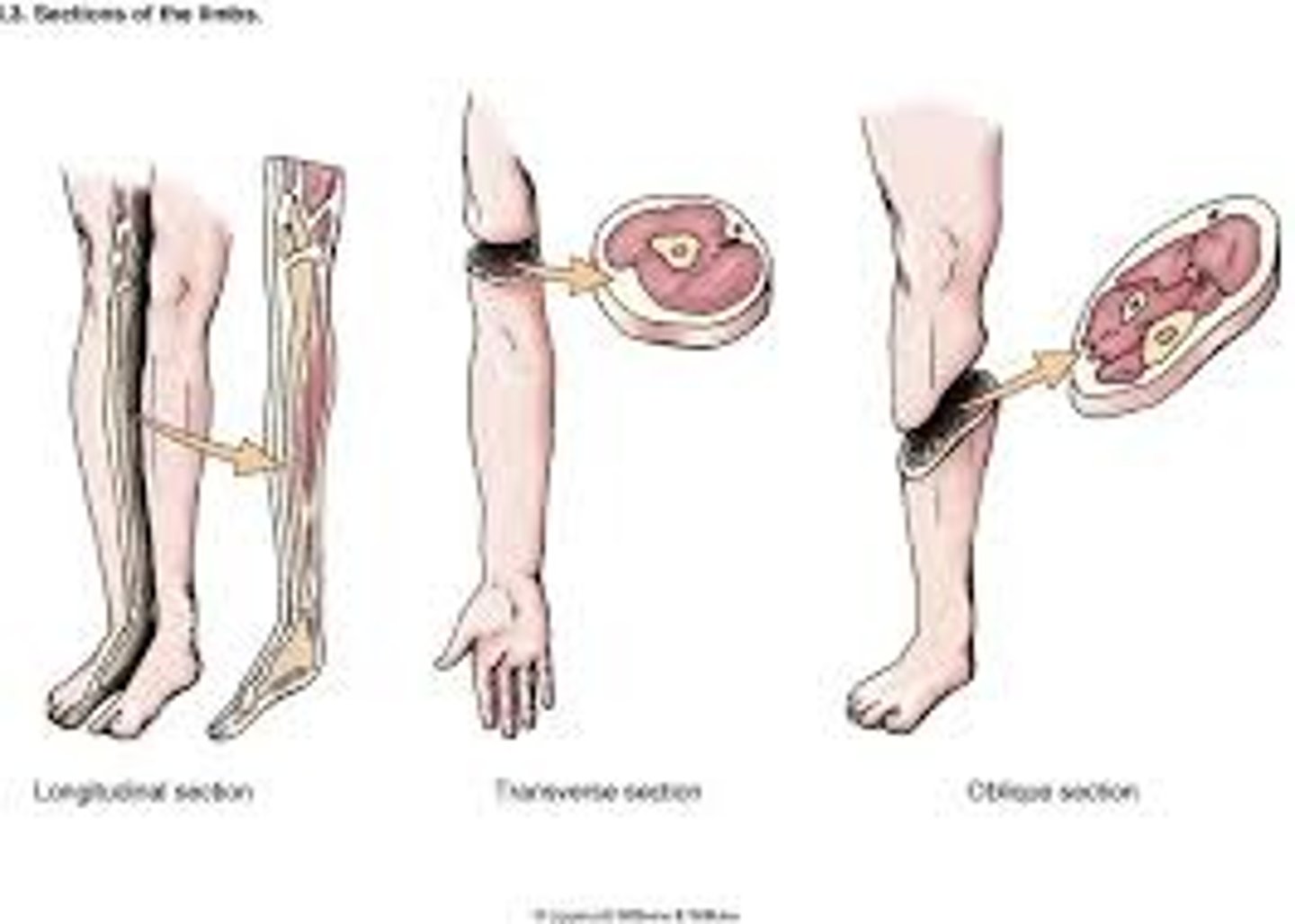
Sections of Limbs
longitudinal, transverse, oblique
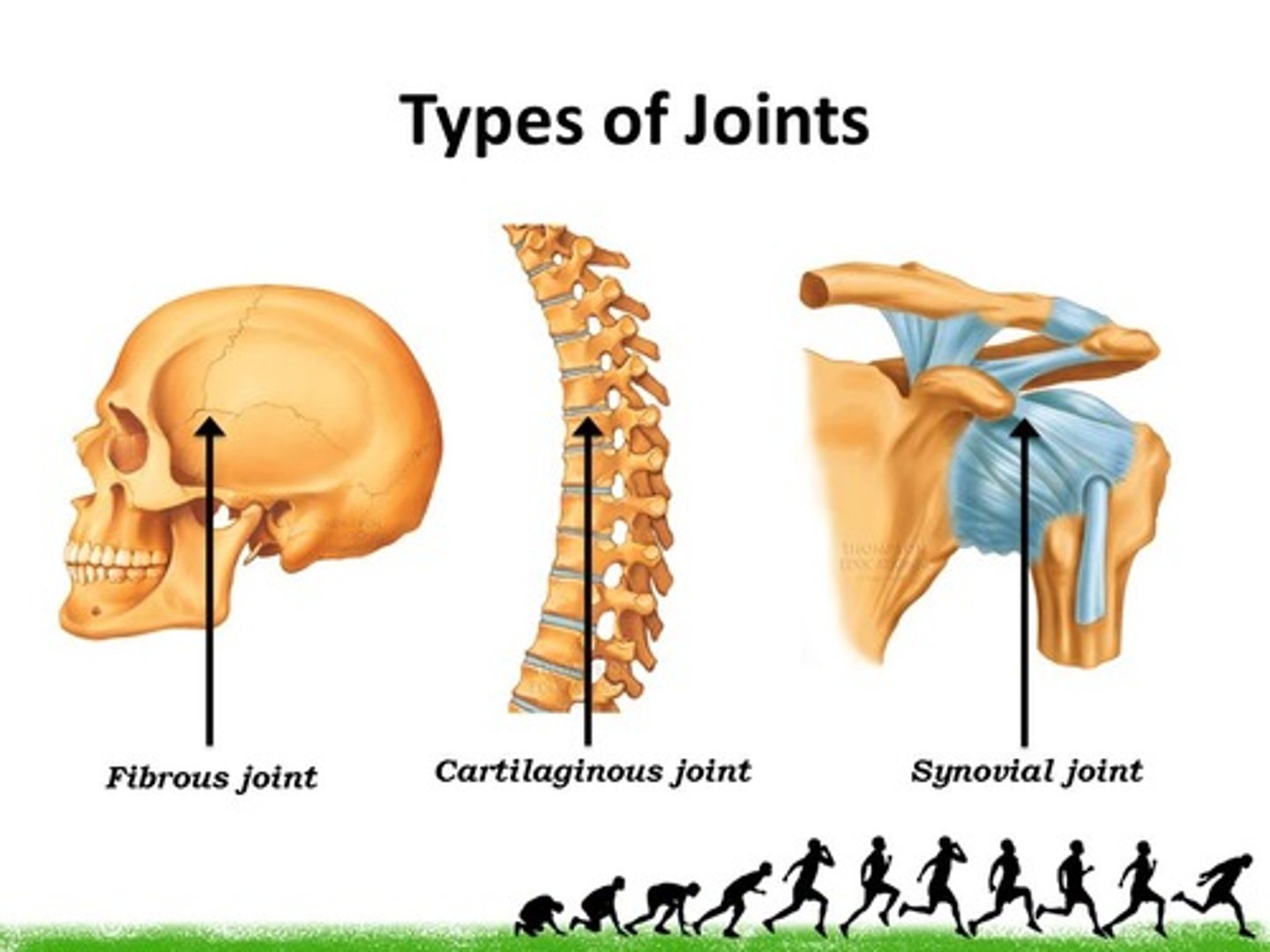
Types of Joints:
fibrous joints, cartilaginous joints, synovial joints
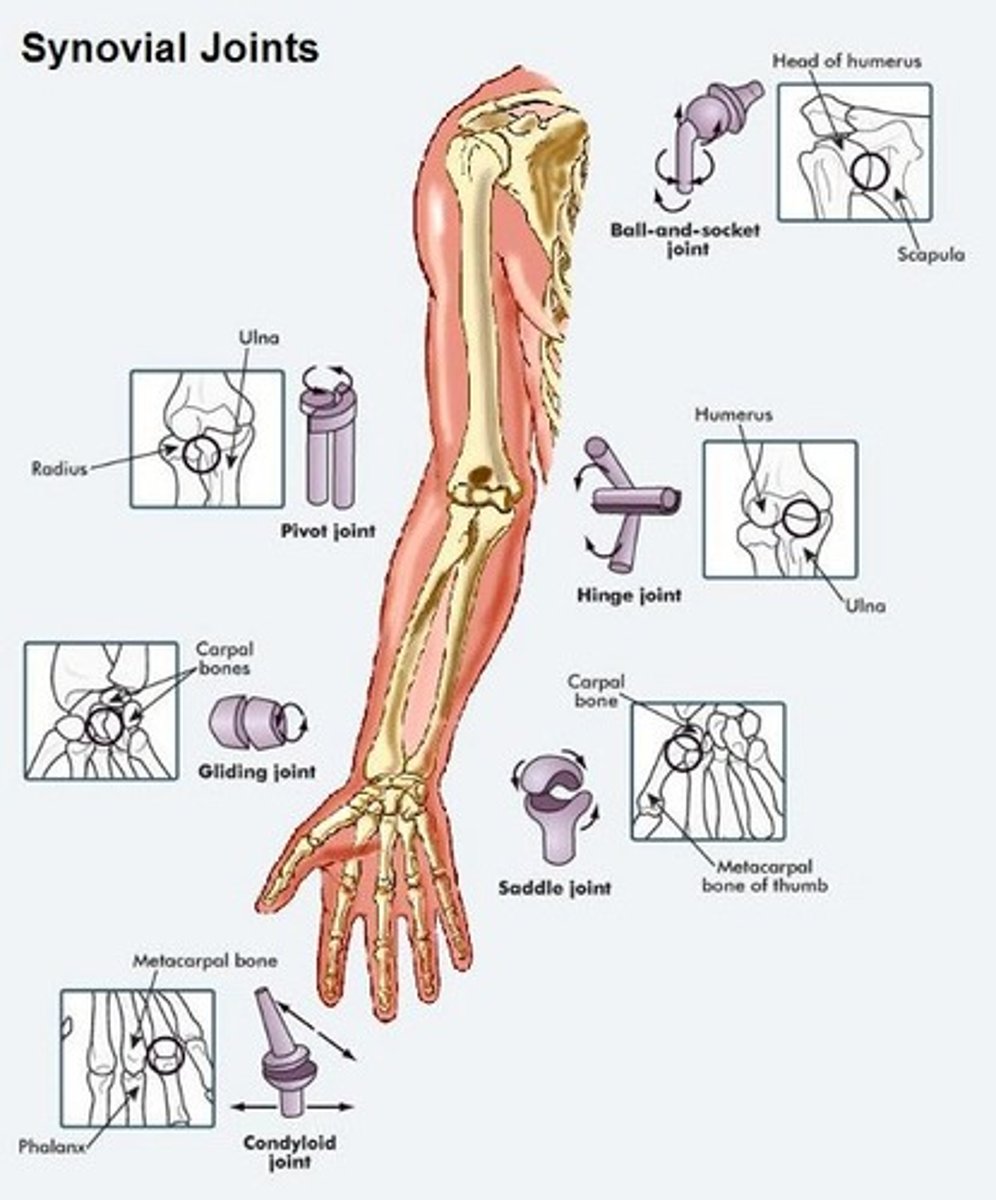
Synovial Joint Types
plane, hinge, pivot, condyloid, saddle, ball and socket
Architecture & shape of Skeletal Muscles
fusiform (biceps brachii), flat (external oblique), bipennate (rectus femoris), unipennate, convergent (Pec), multi-pennate (deltoid)
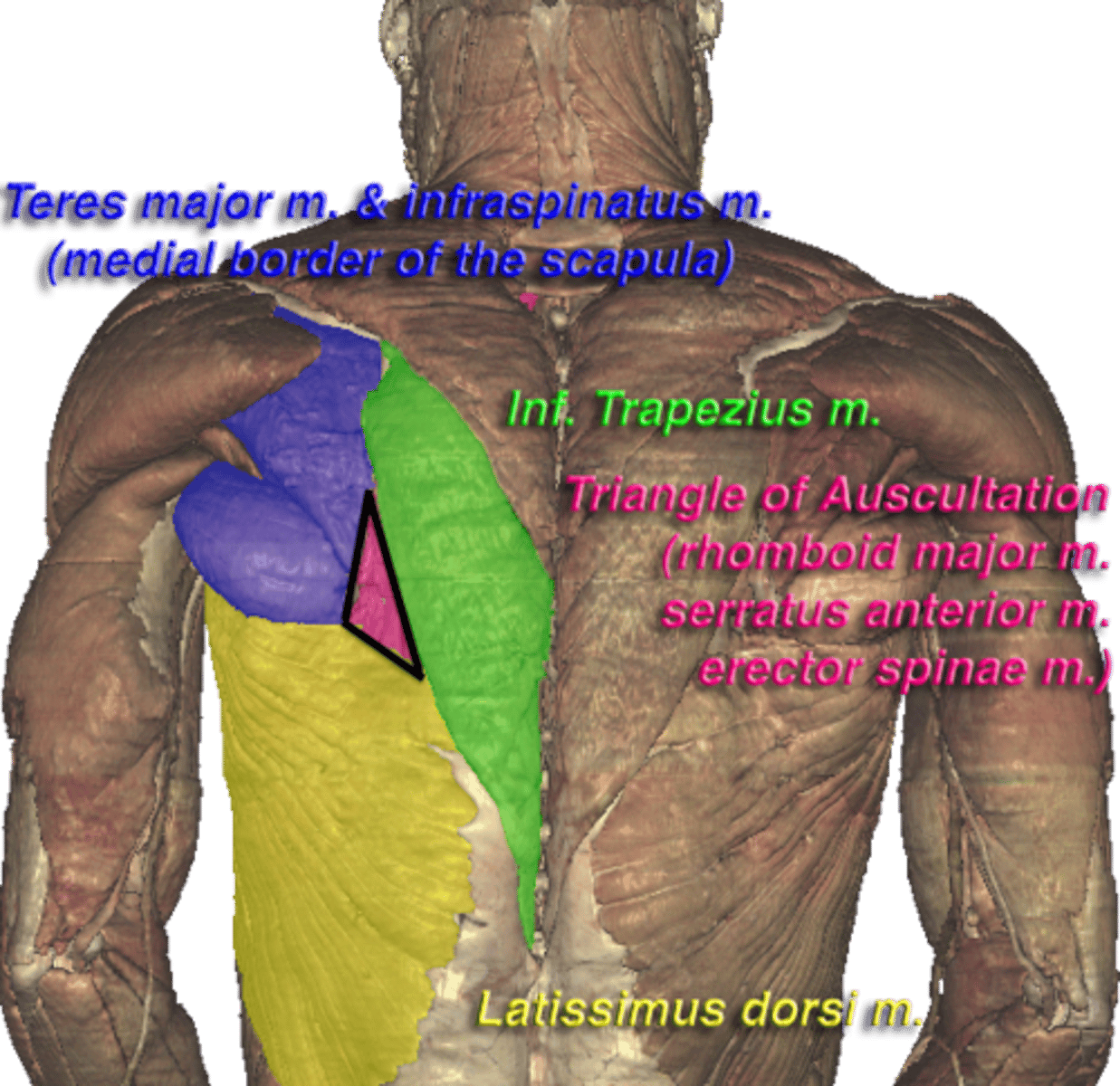
triangle of auscultation
- inferior border of trap, medial border of rhom major, sup border of lat
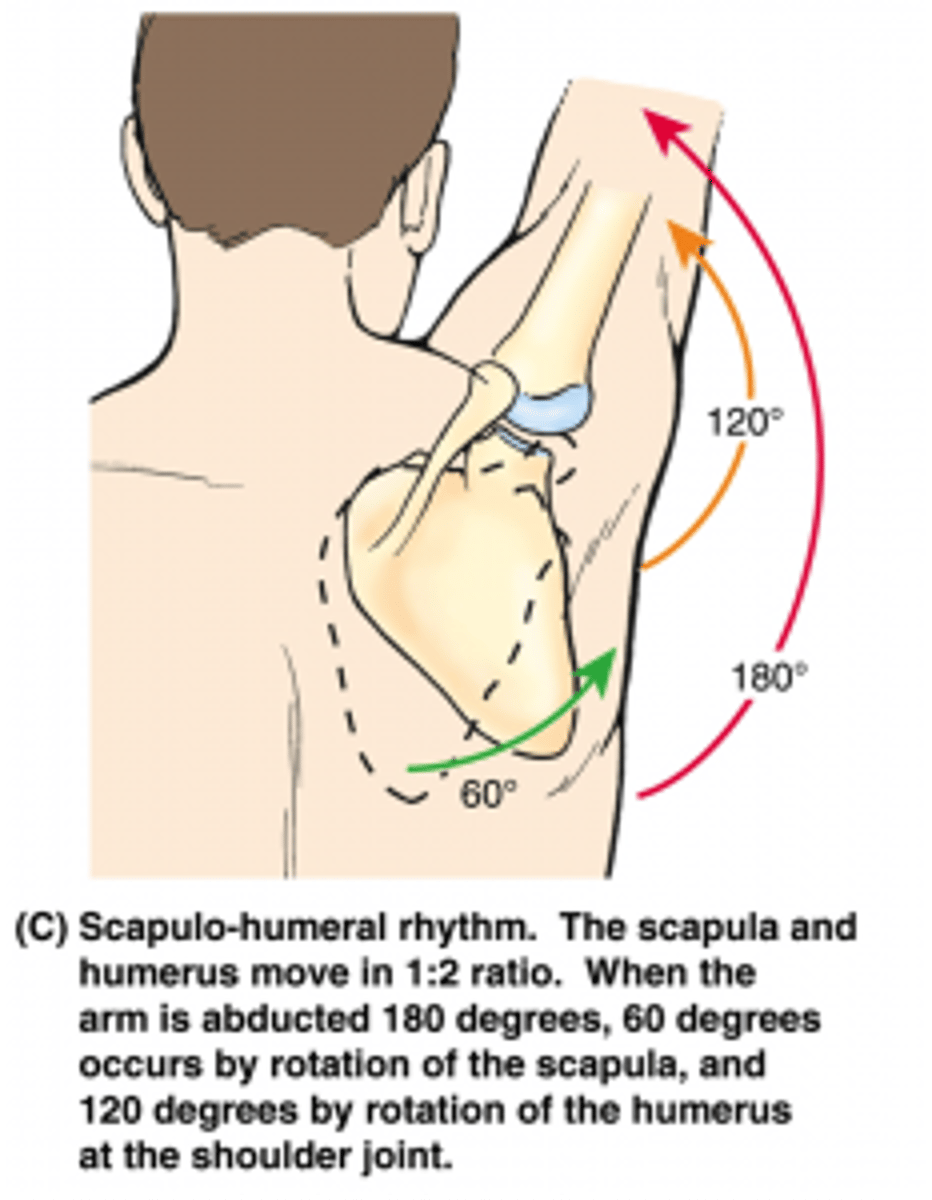
Scap rhythm
- Scapula rotates for the first 60 degrees (scapulothoracic joint)
- Humerus for the second 120 degrees
- 1:2 ratio
What ligaments strengthen the Anterior aspect of the GH joint
- acromioclavicular lig, coracohumoral lig, GH ligaments
What ligaments strengthen the Superior aspect of the GH joint
coracohumeral ligament
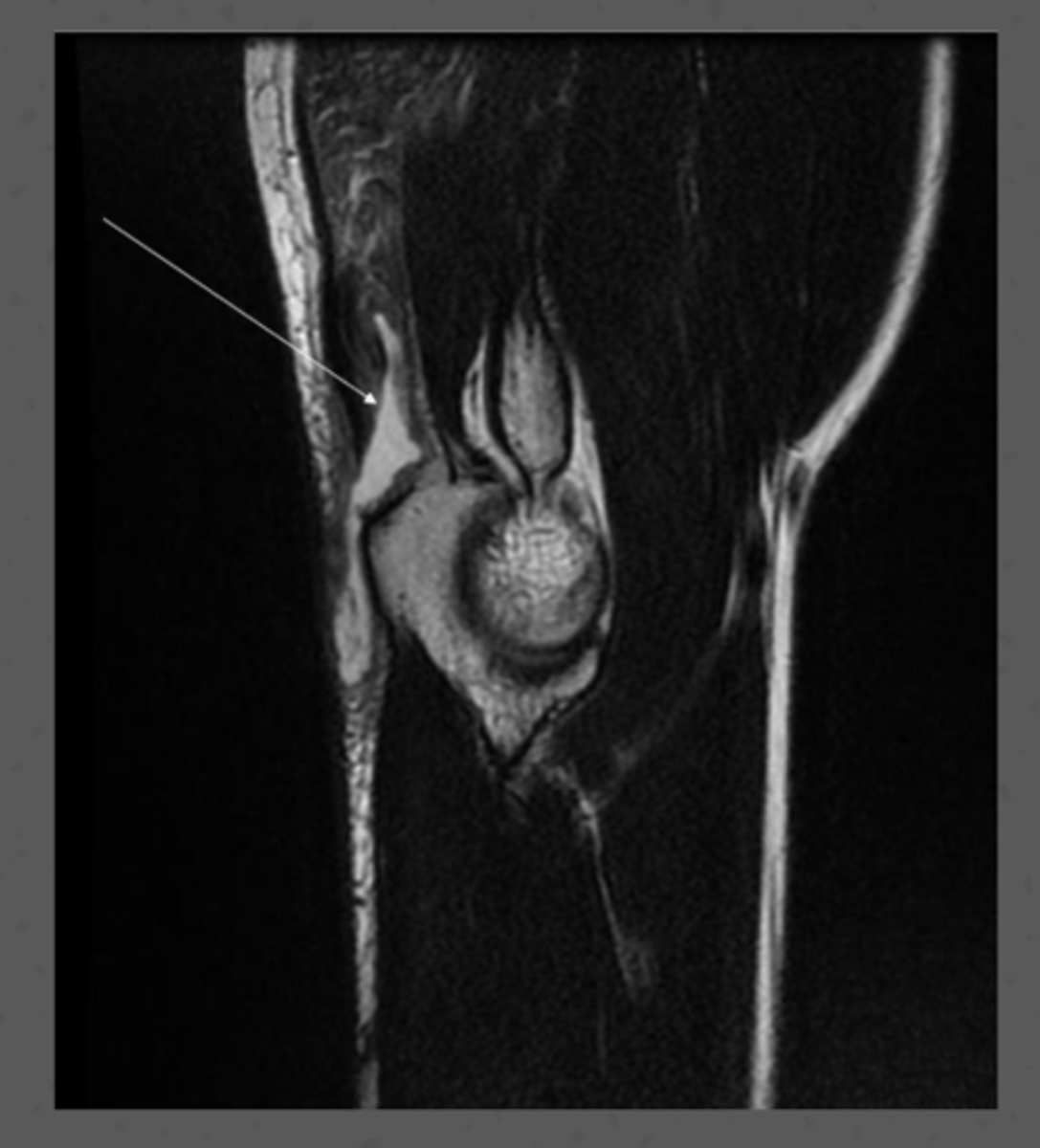
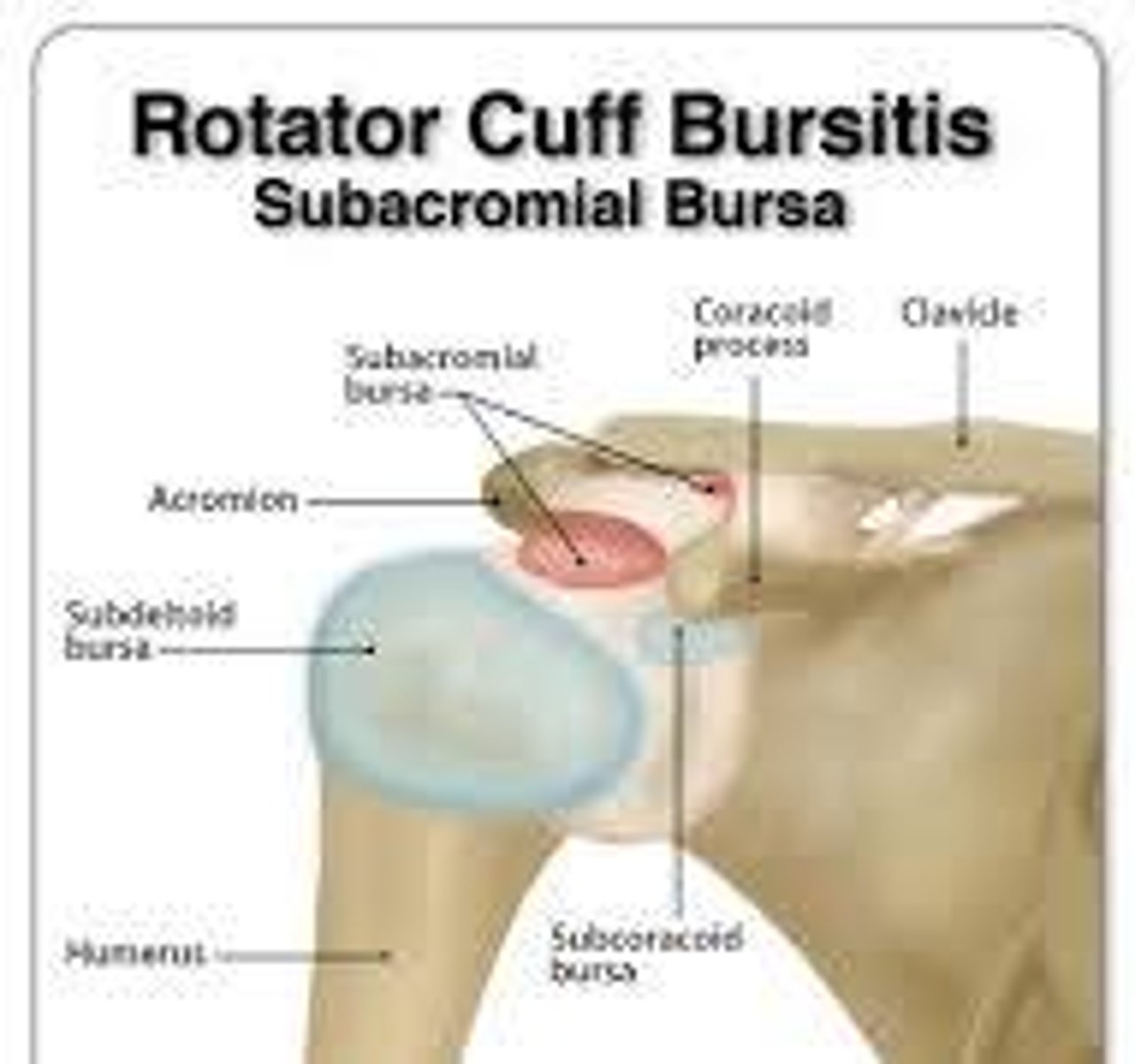
subacromial and subdeltoid bursae
We will see white on an MRI
- We don't wanna see a lot of fluid
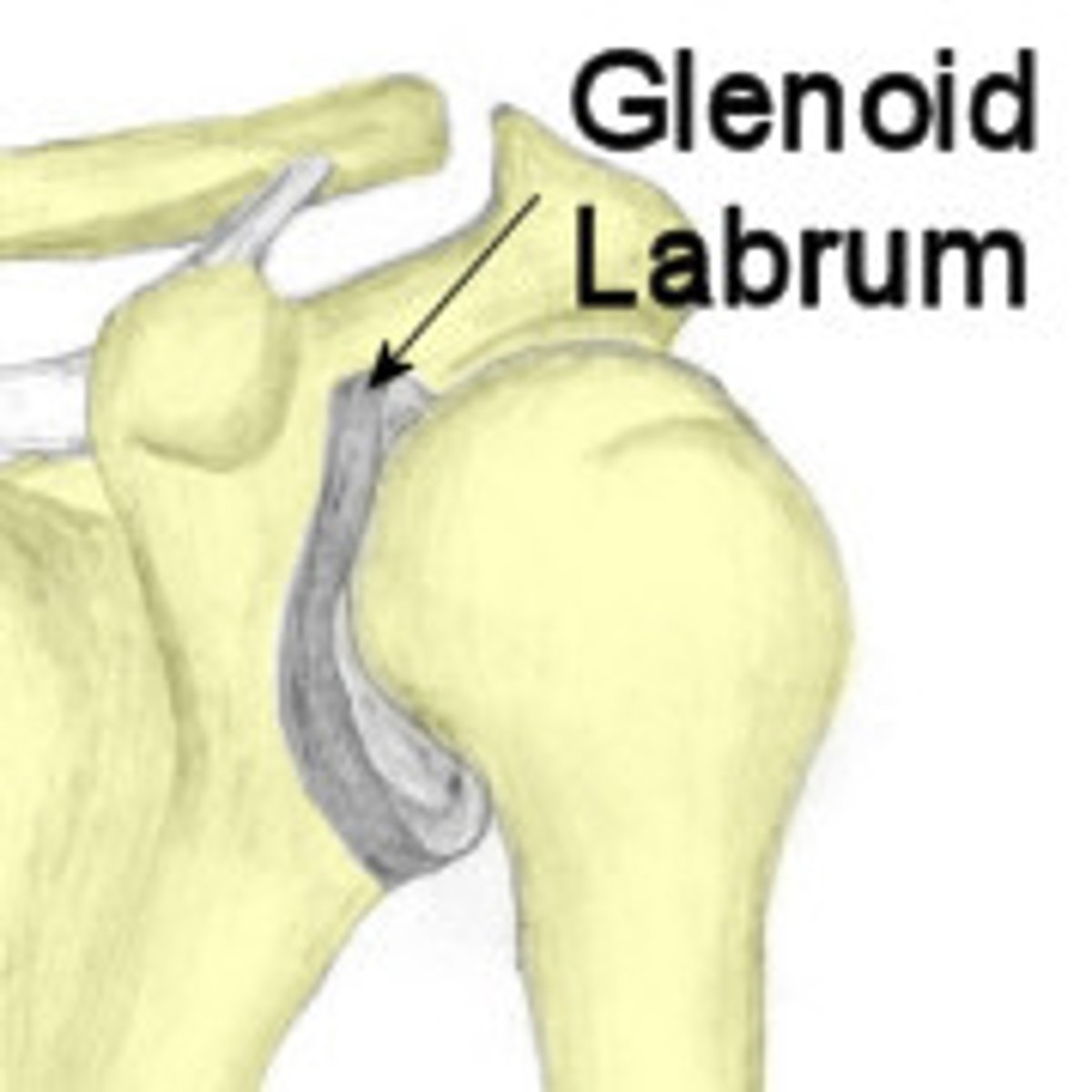
Glenoid Labrum
fibrocartilage rim of the glenoid fossa; serves to deepen the socket, provide protection, stability, inc surface area
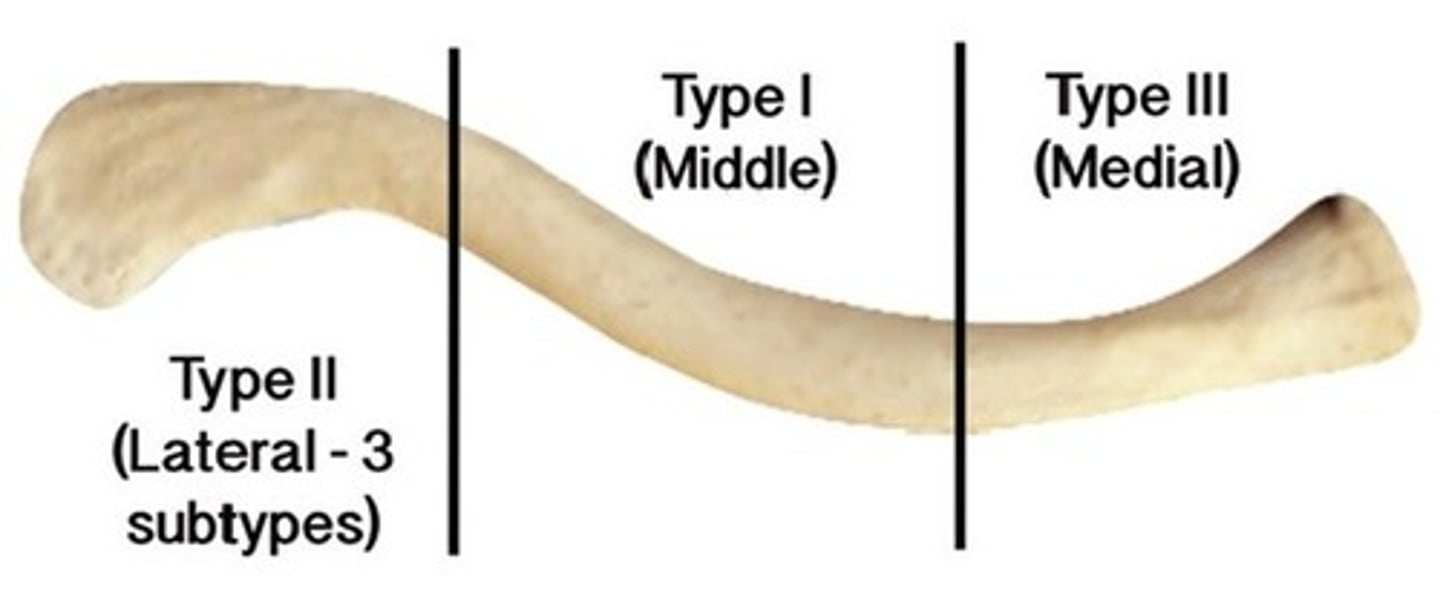
Fractures of the clavicle
- Caused by FOOSH
- Classified by: Proximal, medial, distal
- Surgery needed for open fractures, neurovascular injury, and unstable distal fractures
- Nonunion: 2 bones don't come together
Proximal humerus fractures
- high-energy trauma
- age, linked to osteoporosis
- nondisplaced (one part) and displaced fractures (2,3,4 part)
- only 5% of fractures
Humerus fracture complications:
- Avascular necrosis (4-part fractures)
- Neural injury: brachial plexus or cervical plexus
Acromioclavicular separation:
- A traumatic sprain to the AC joint
- Usually caused by a direct blow to the shoulder (downward force on the acromion process)
- Grade 1: Mild, grade 2: moderate, grade 3: severe
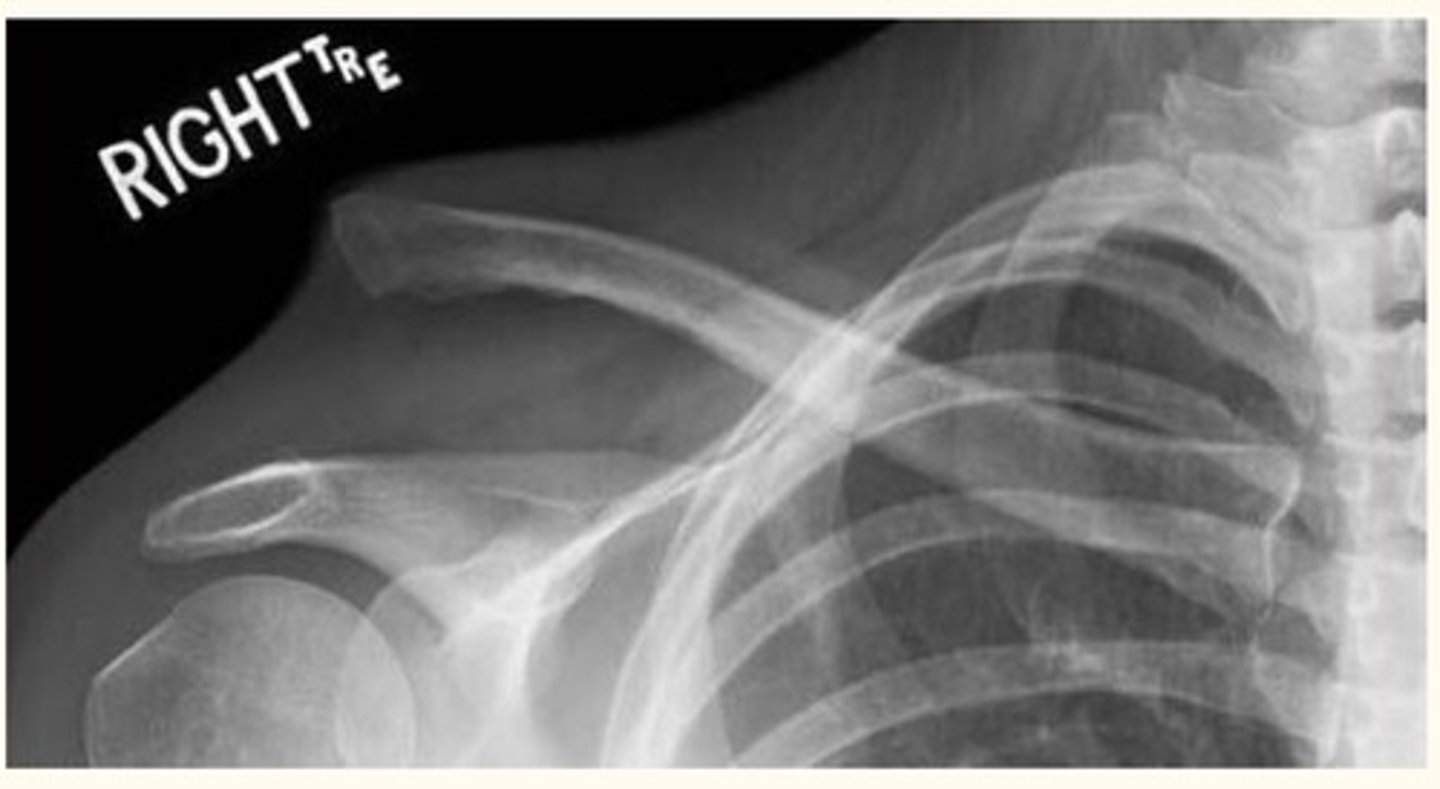
Glenohumeral dislocation:
- Anterior is the most common
- Subluxation: the 2 aren't fully separated
- dislocation: the 2 are fully separated
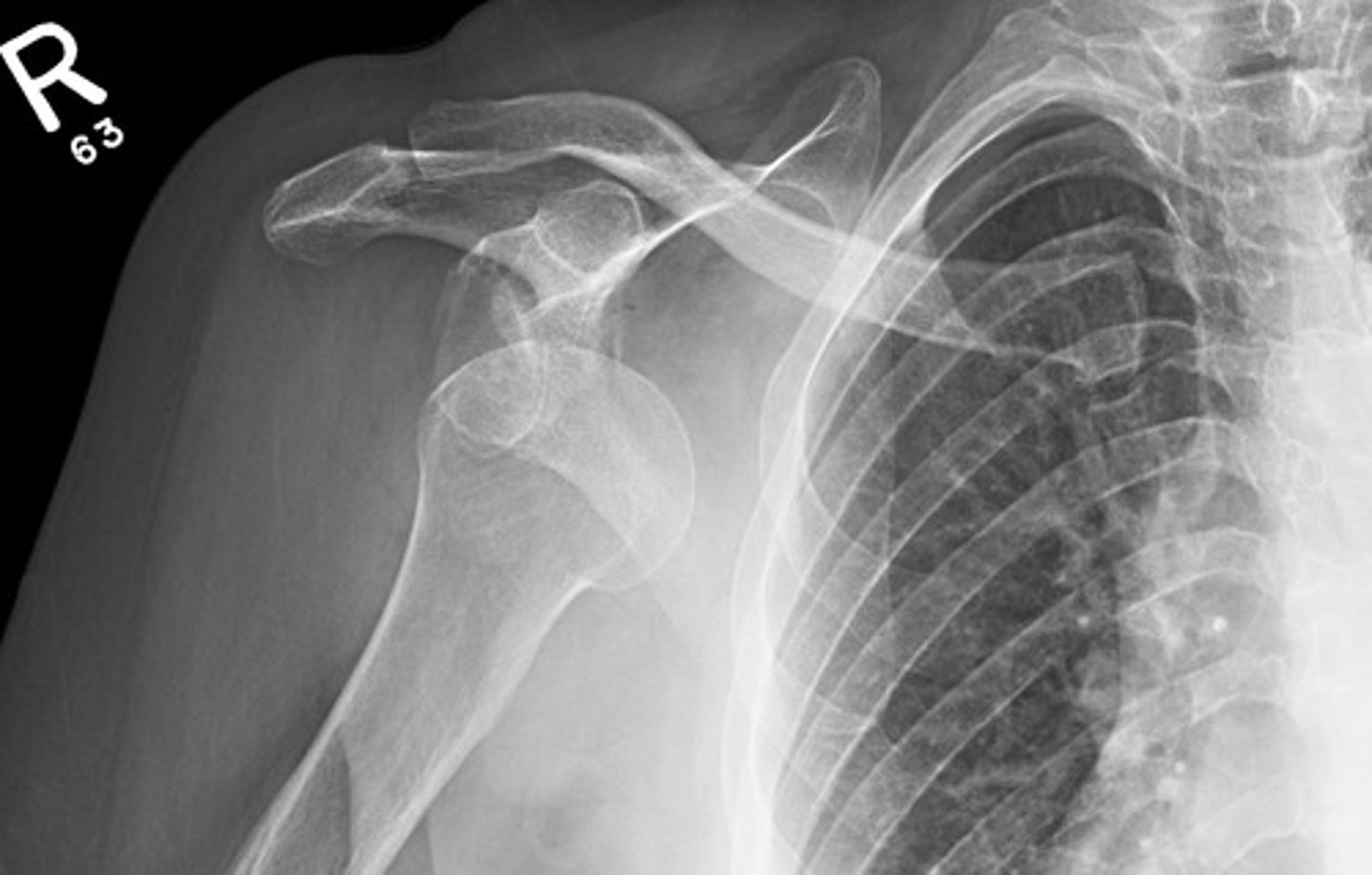
Hill-Sachs Lesion:
- Compression fracture of the posterolateral humeral head
- Occurs during dislocation
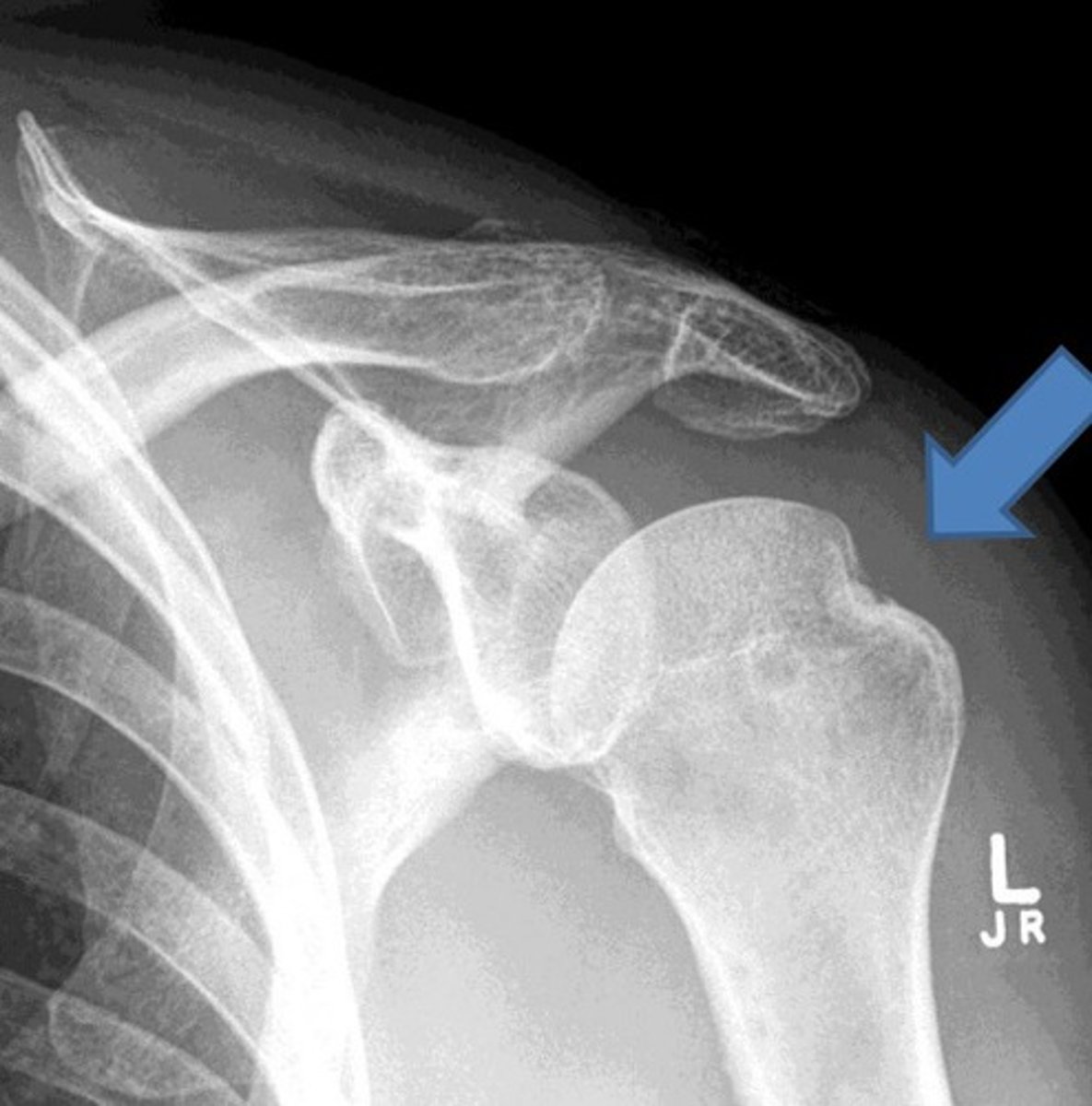
Bankhart Lesion:
- Bony avulsion of the anterinferior rim of the glenoid
- Seen with a Hill-Sachs lesion
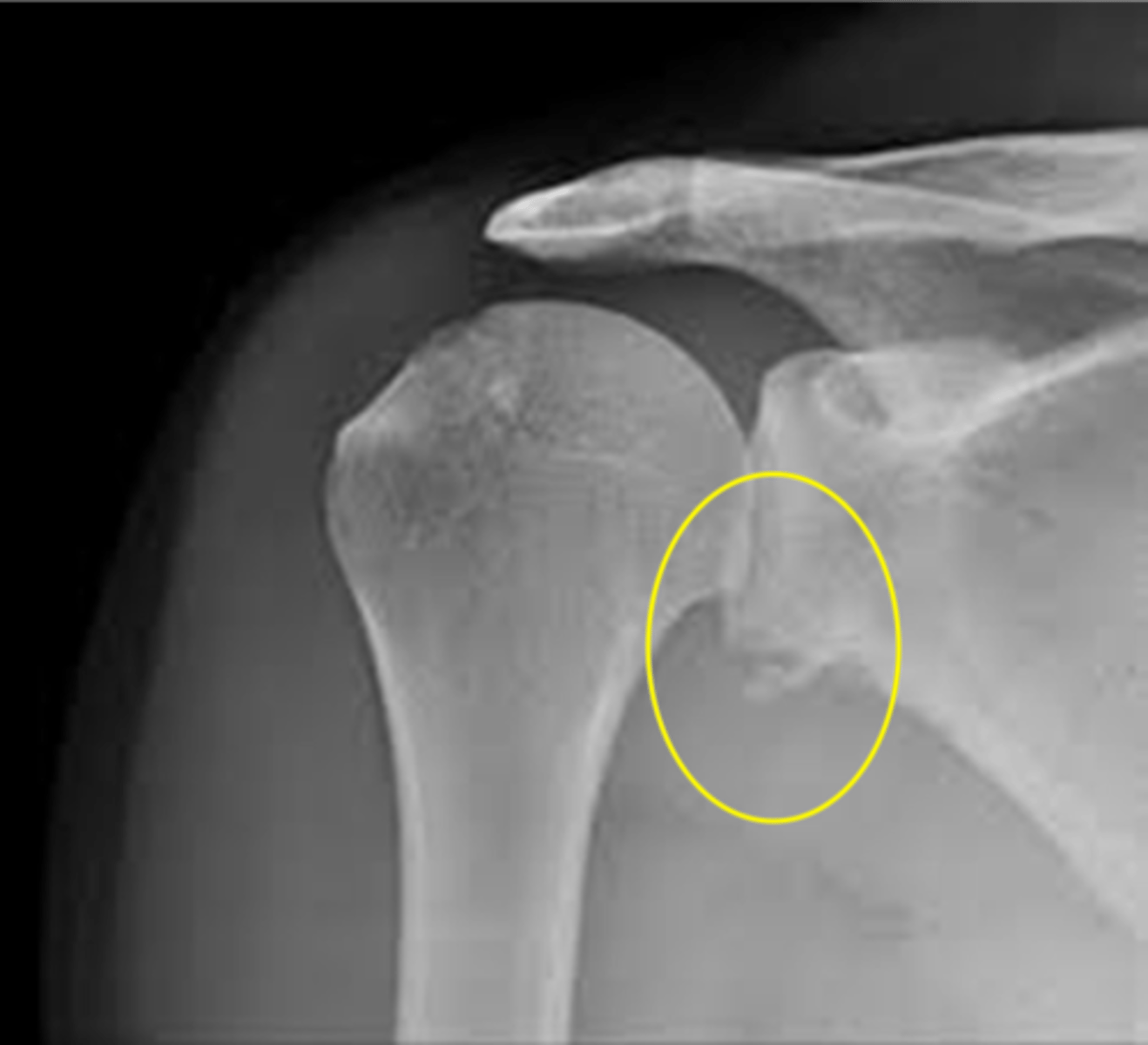
Glenoid labrum tears
- traumatic or degenerative
- dislocations or FOOSH
- involve biceps anchor: sup glenoid tubercle and adjacent labrum
- avulsions of glenoid rim'
- SLAP tears
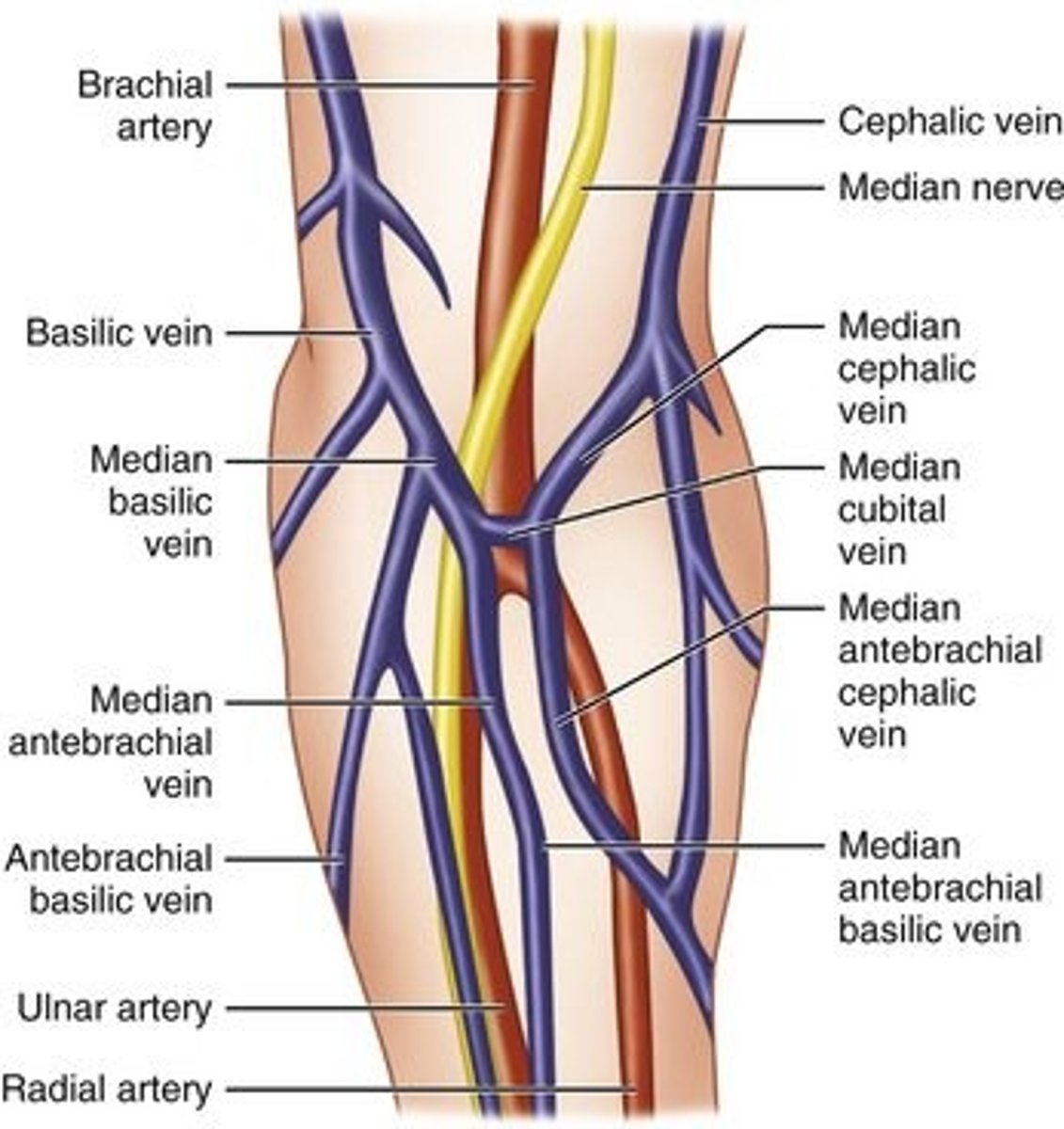
Two main Veins:
- Cephalic Vein (lateral)
* Goes to the clavipectoral
- Basilic Vein (medial)
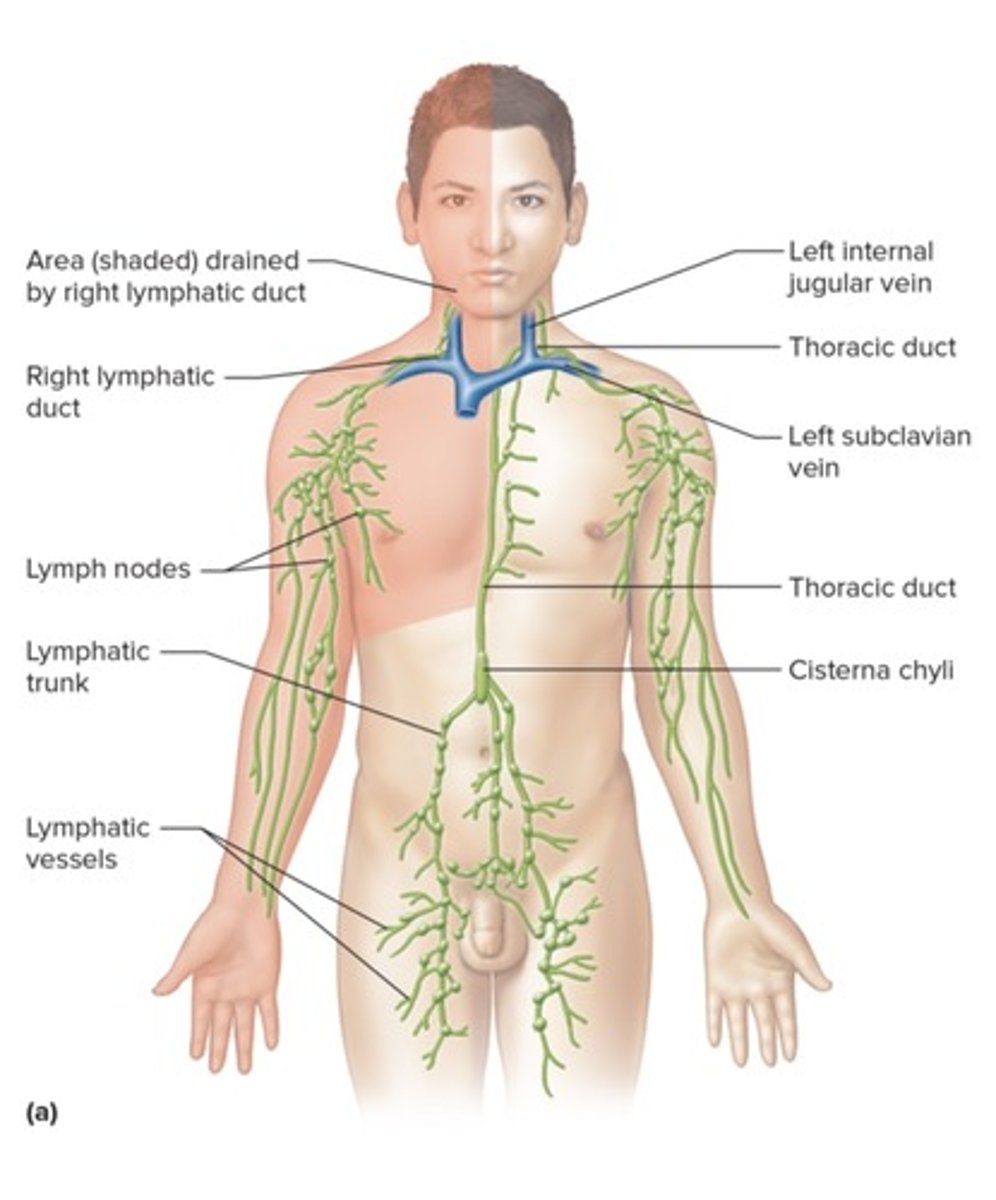
Lymph Systems:
- vessels to nodes to trunks to ducts
- Mostly drains to the left venous angle but sometimes to the right
Right Lymphatic Ducts:
- right interjugular vein
- right subclavian vein
Thoracic Ducts:
- left intrgugular vein
- left subclavian vein
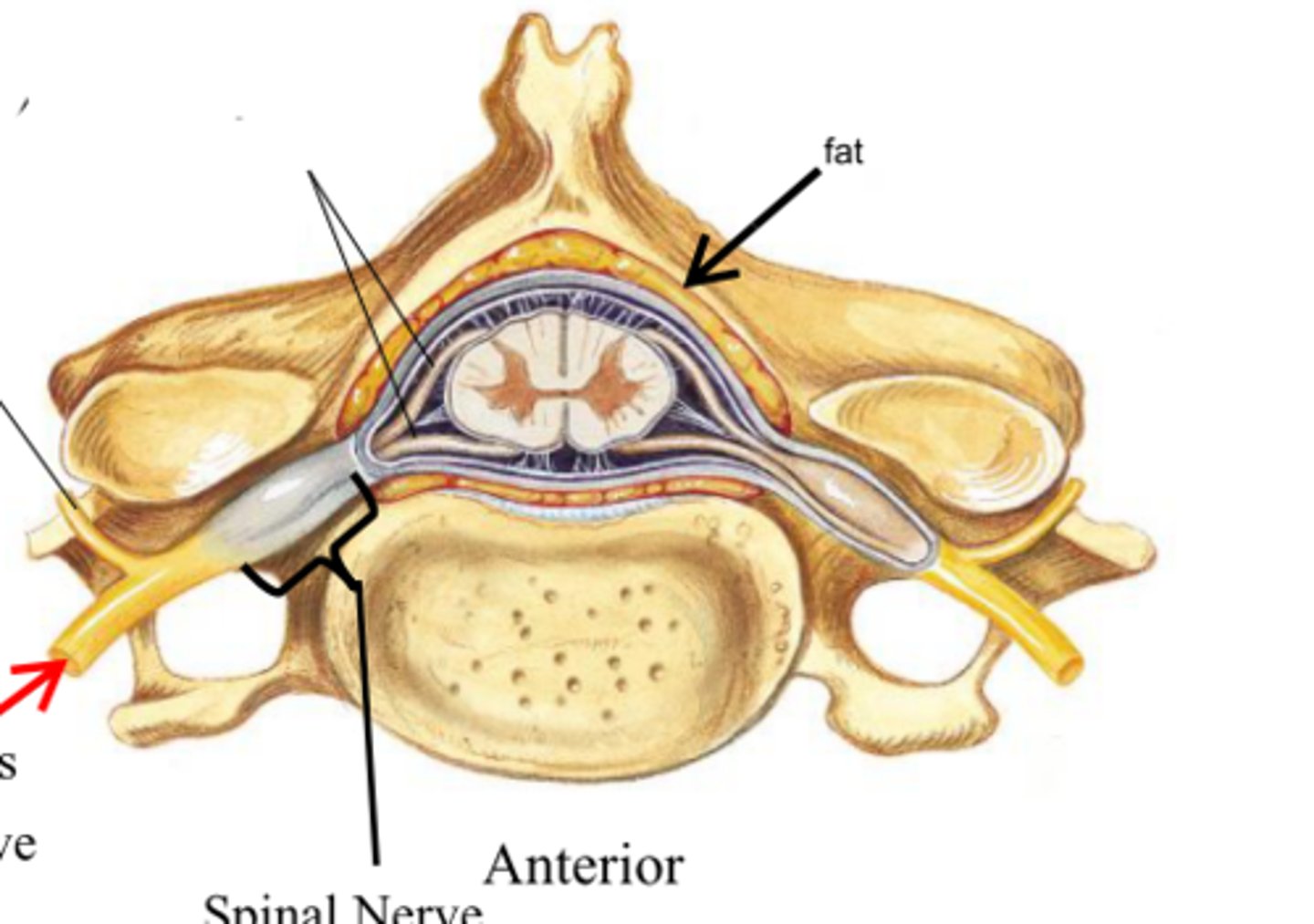
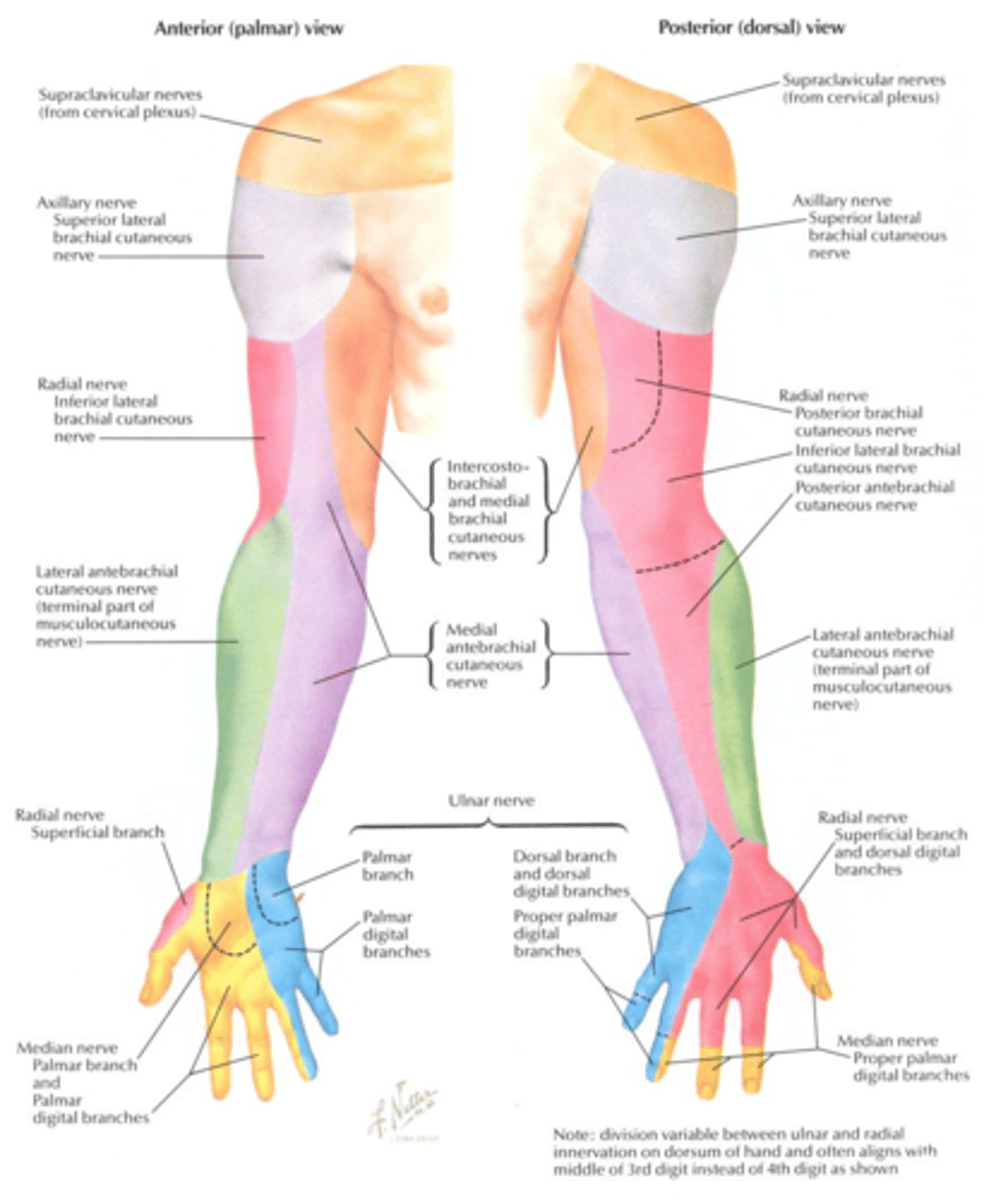
Anterior Ramus:
This is where most named nerves come from
Peripheral cutaneous nerves
- contain fibers from more than one spinal nerve or spinal segment
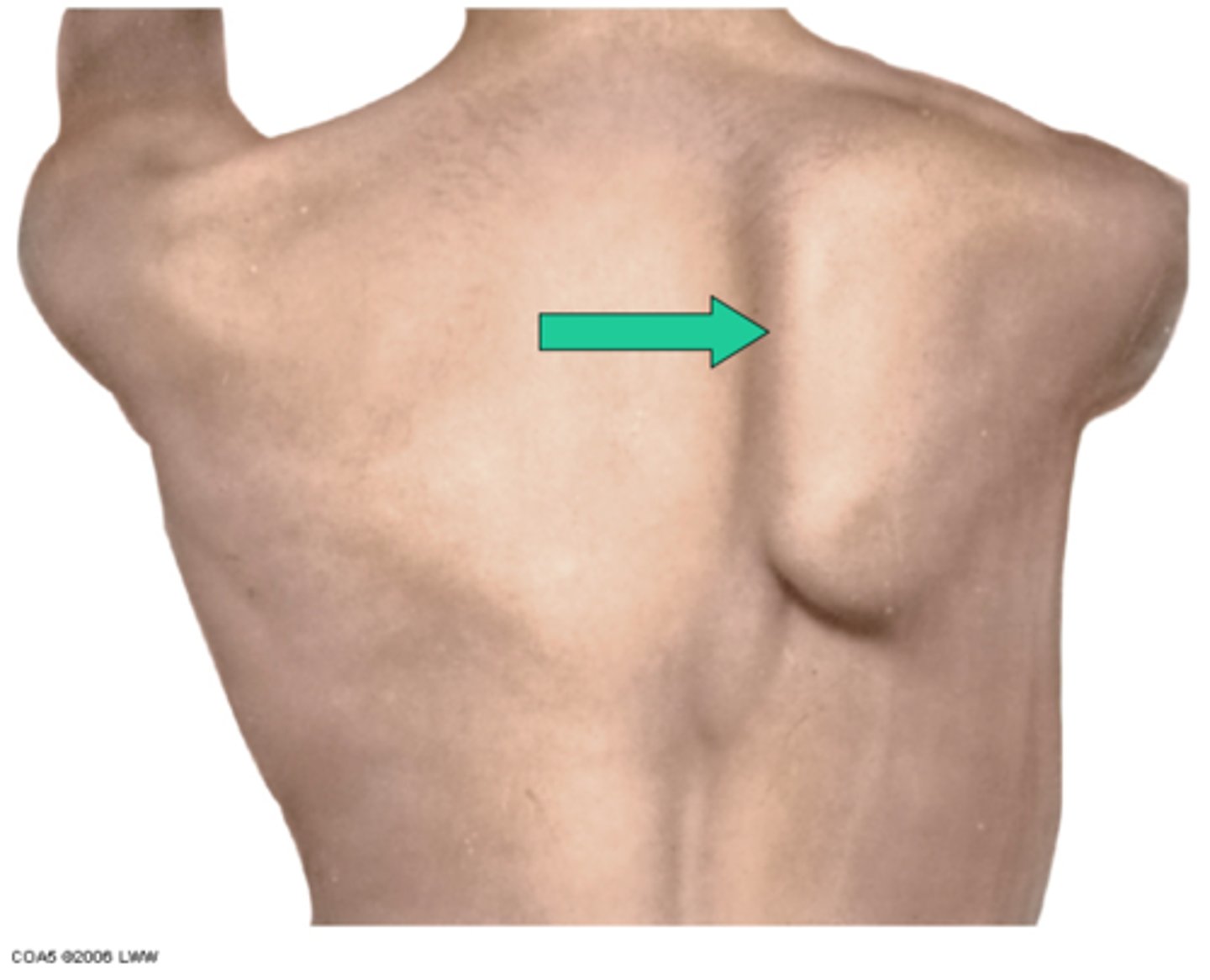
Long Thoracic Nerve Injury
Winged Scapula
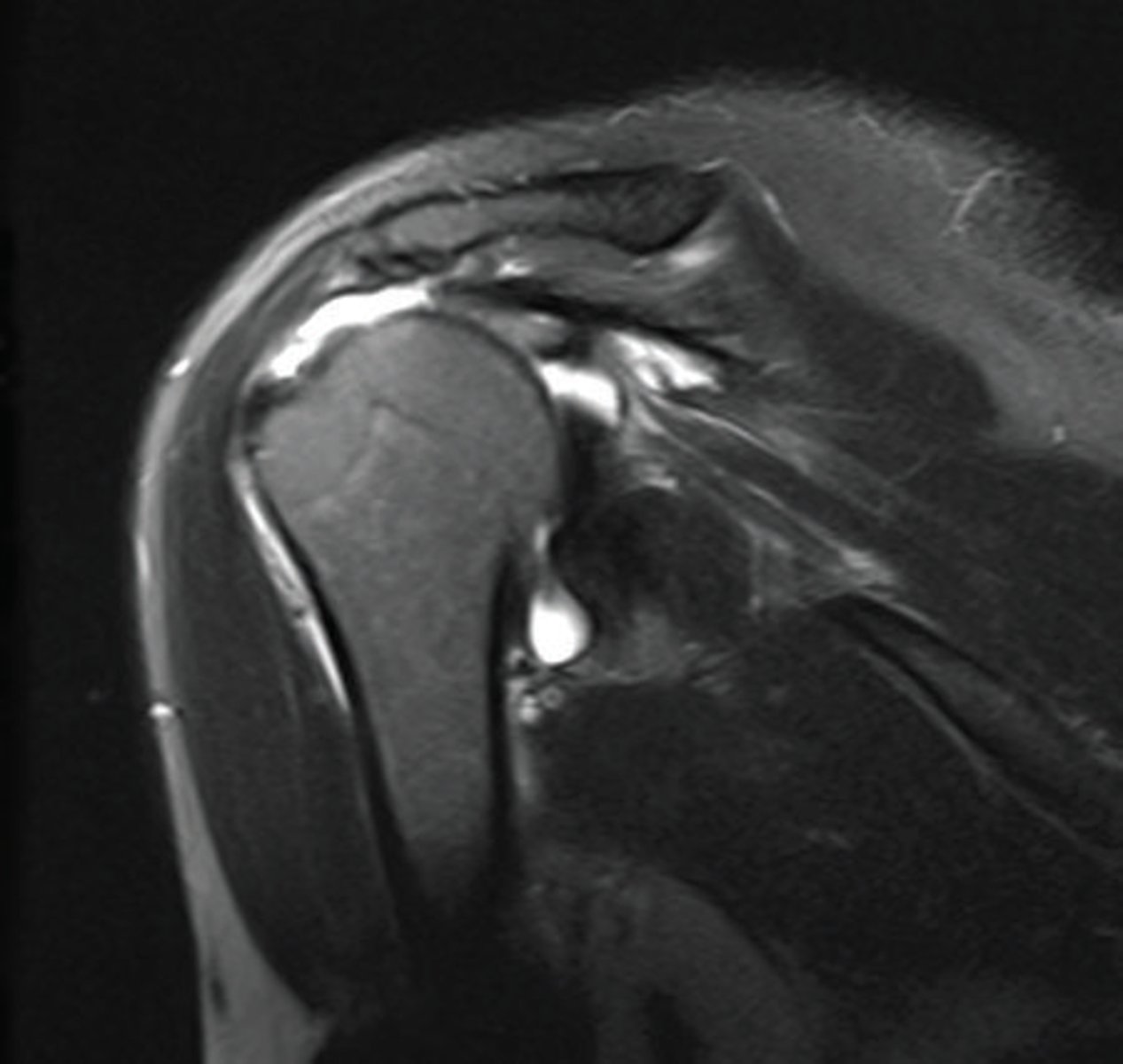
rotator cuff muscles
- supraspinatus, infraspinatus, teres minor, subscapularis
- creates movement in multiple directions
- As you ABD, the head of the humerus has to stay depressed
Supraspinatus tear
can be repaired by stitching it to the remaining supra, which covers the humerus, as it is on the side of the greater tubercle
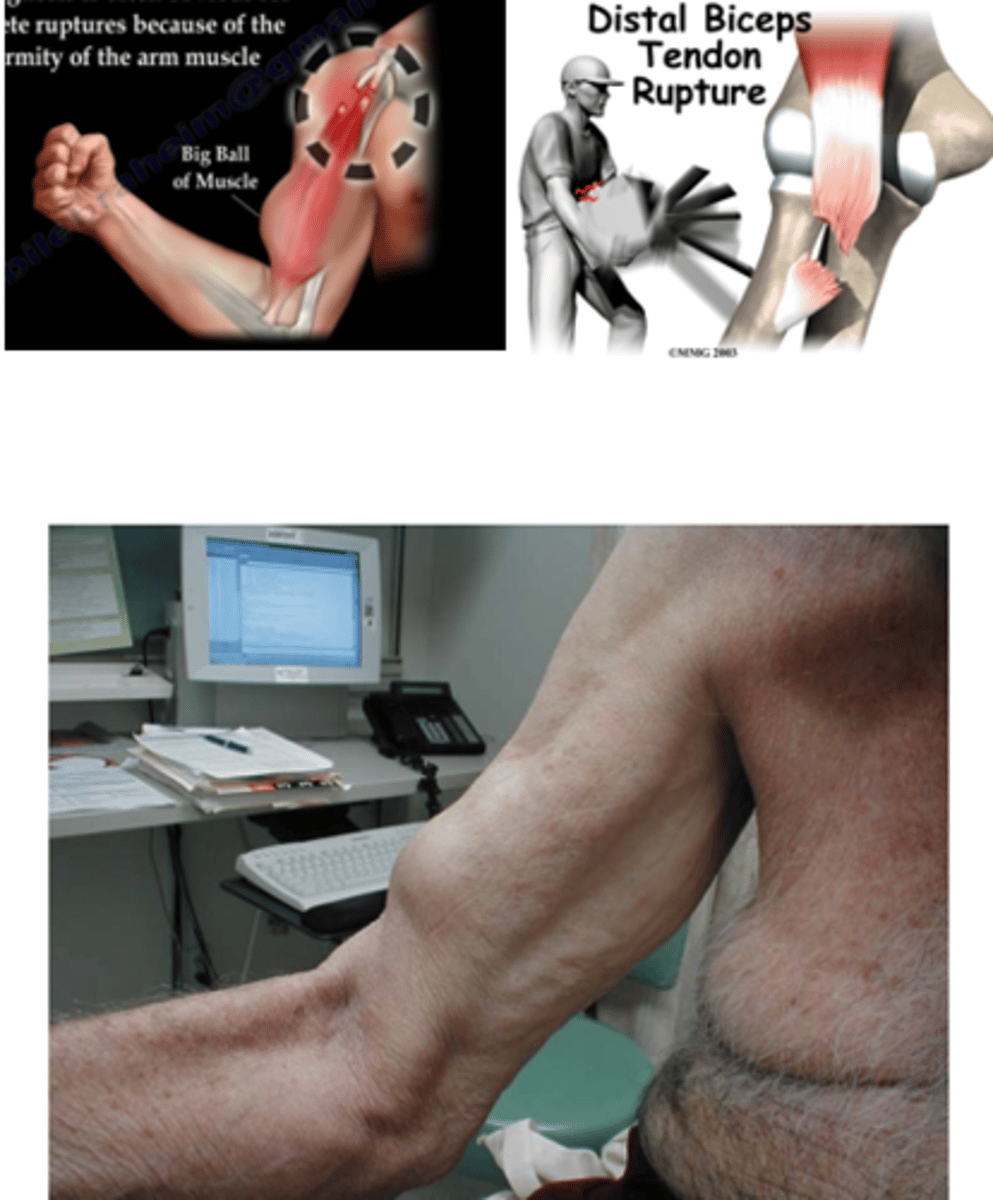
Long Head Biceps Rupture
- Very quick, and the pain goes away
- POPEYES!
- Empty bicipital groove
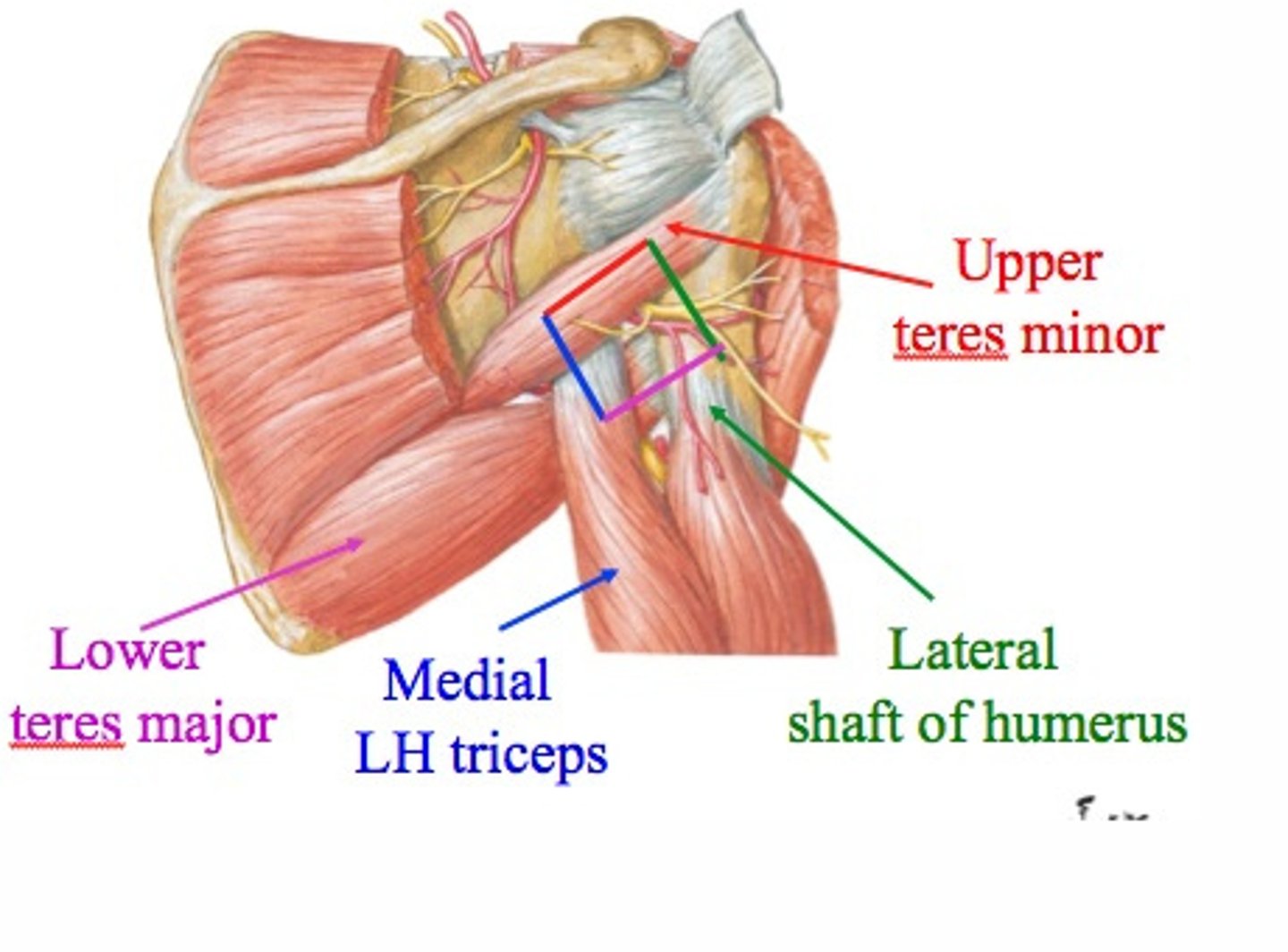
Quadrangular Space:
- Teres minor, teres major, long head of triceps humerus
- Axillary nerve
- Posterior circumflex humeral artery/vein
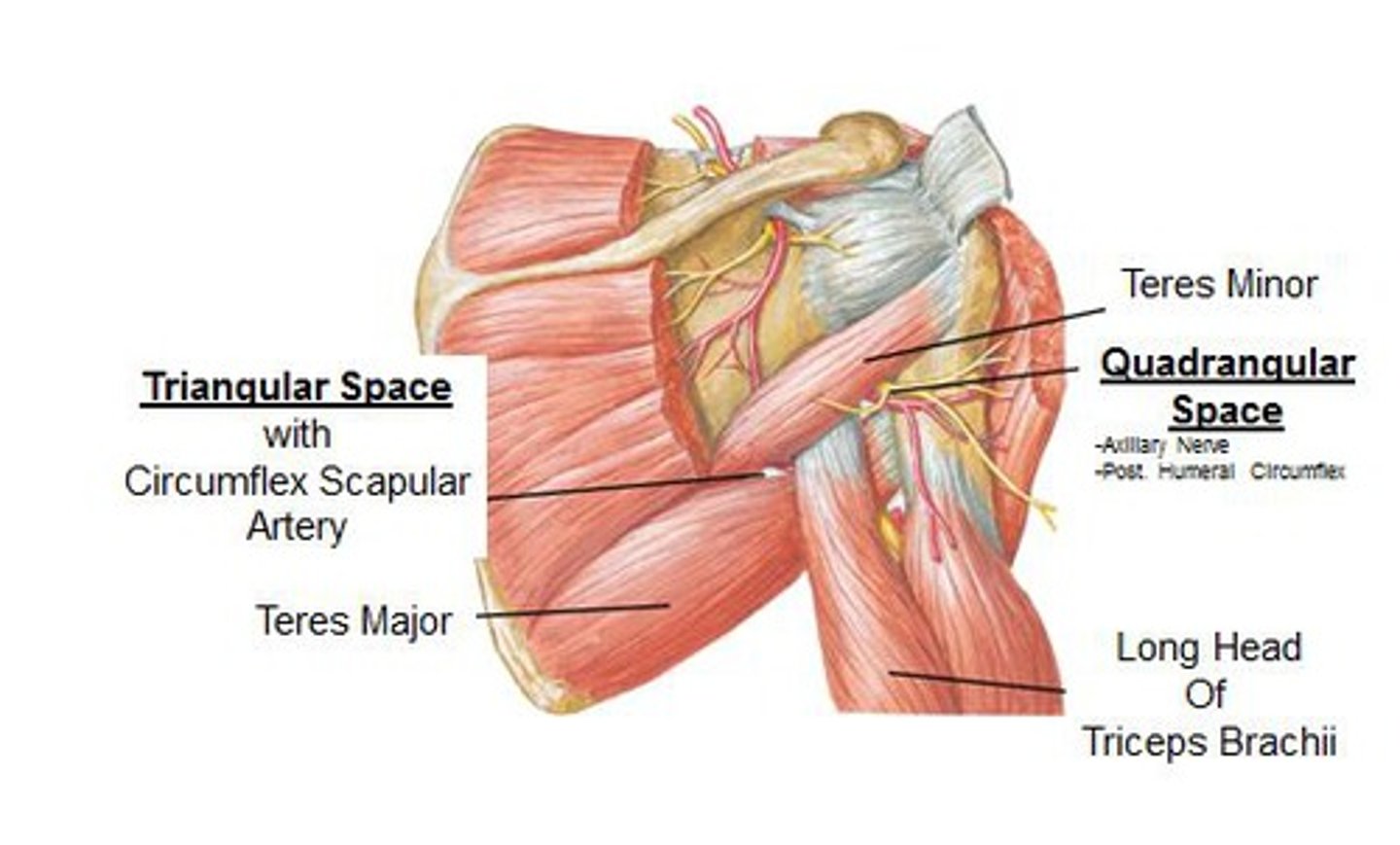
Trangular Space:
- Teres minor, teres major, long head of triceps
- Scapular circumflex artery
Triceps Tear