6. Reactions
 Call Kai
 Learn
Learn Practice Test
 Spaced Repetition
 Match
Match Flashcards
 Knowt Play
1/10

There's no tags or description
Looks like no tags are added yet.
Name | Mastery | Learn | Test | Matching | Spaced | Call with Kai |
|---|
No analytics yet
Send a link to your students to track their progress
11 Terms
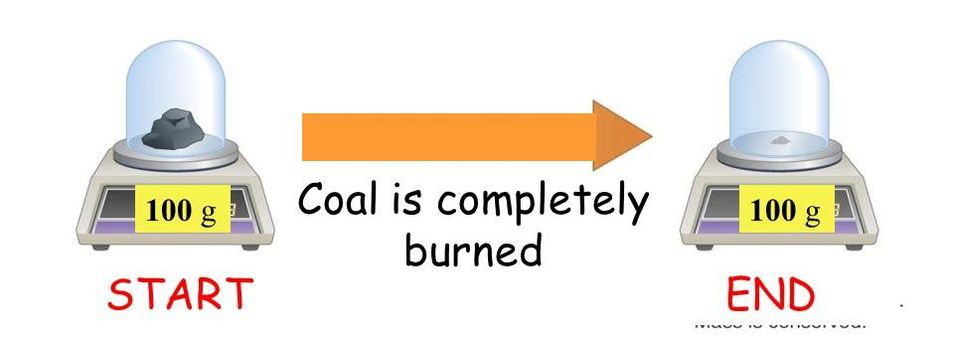
Law of Conservation of Mass
M of the reactants = M of the products
Physical Change
Change in state, colour, shape
NO NEW COMPOUNDS
Chemical Change
New Compounds or Elements formed
Change in colour, gases produced, burning.
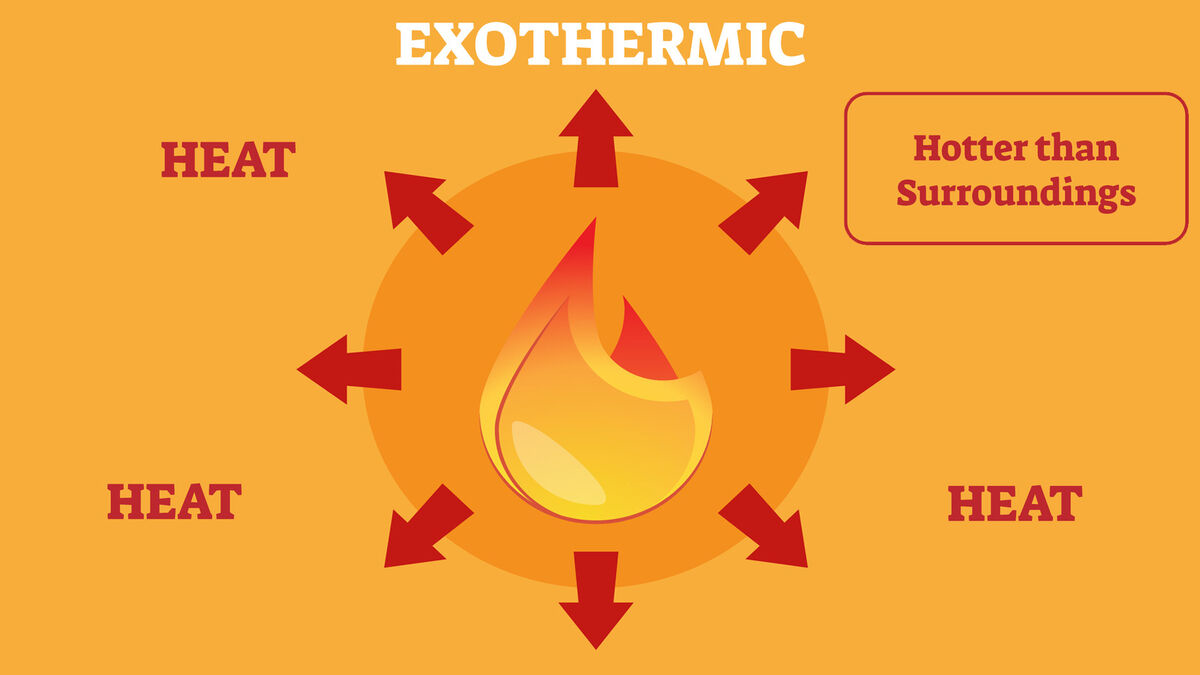
Exothermic Reaction
Reaction that releases heat
Ex: Combustion
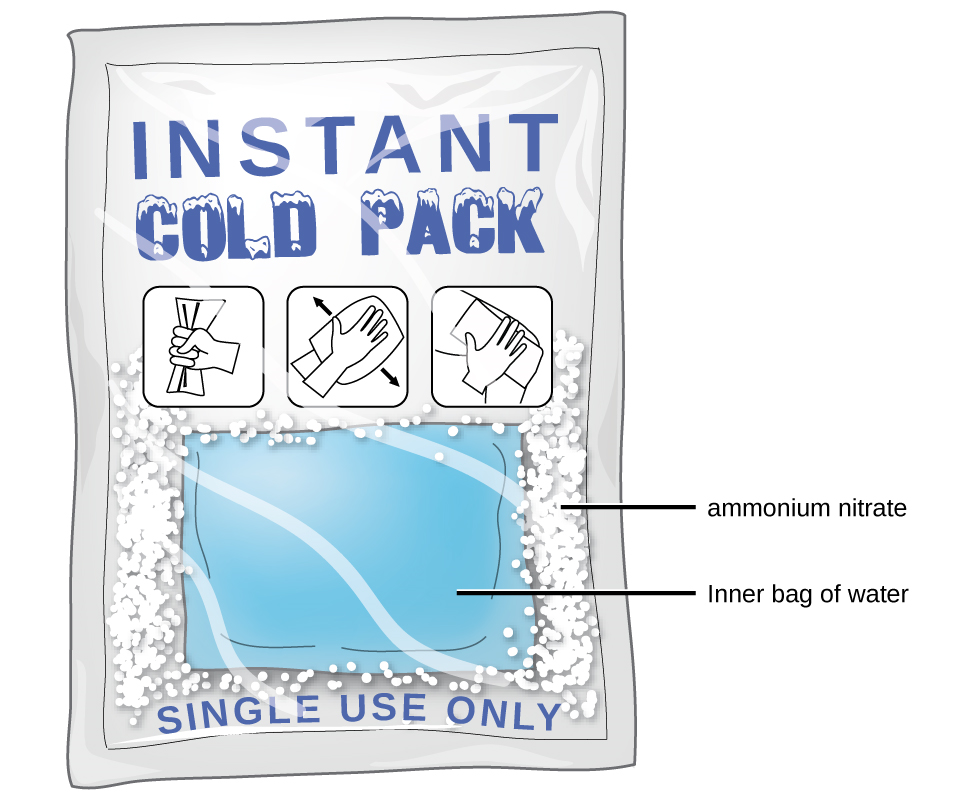
Endothermic Reaction
Reaction that absorbs heat
Ex: Cold Pack
Synthesis
2 Elements combine to form a compound
A + B → AB
Mg + O2 → 2MgO
Decomposition
A compound is broken down into its elements
AB → A + B
2Fe2O3 → 4F + 3O2
Hydrocarbon Combustion
A compound with Carbon + Hydrogen reacts with Oxygen to produce CO2 and H2O
C4H10 + 13O2 → 8CO2 + 10H2O
Single Replacement
Element reacting with a compound
Metals and NonMetals trade places
2Al +3CuCl2 → 3Cu + 2AlCl3
Double Replacement
2 Compounds react
The cations+ and anions- trade places
Pb(NO3)2 + 2KI → PbI2 +2KNO3
Neutralization
Acid(H) + Base(OH) react to for a salt(ionic compound) and water
HCl + NaOH → H2O + NaCl