Audiology Final Exam (Exam1-4)
 Call Kai
 Learn
Learn Practice Test
 Spaced Repetition
 Match
Match Flashcards
 Knowt Play
1/192

There's no tags or description
Looks like no tags are added yet.
Name | Mastery | Learn | Test | Matching | Spaced | Call with Kai |
|---|
No analytics yet
Send a link to your students to track their progress
193 Terms
The designation of the clinical doctorate in audiology is the
Au.d
The time frame to complete most audiology doctoral programs is
4 years
During the Weber Test, the stem of the tuning fork is held against
The forehead
The air conduction and bone conduction pathways intersect at the
Cochlea
Bone conduction testing
Bypasses the conductive mechanism
When a tuning fork is held to the right mastoid of an individual with conductive hearing loss in their left ear and sensorineural hearing loss in their right ear, the tone
Will be heard in the left ear only
If a person hears a bone conducted tone and then plugs their ears, the tone will become louder if they have
Normal hearing
Conductive hearing loss may be produced by all of the following EXCEPT
Damaged outer hair cells
The term air bone gap suggests that
Bone conduction is better than air conduction
Which of the following does not belong with the other three
Endolymph
The purpose of a hearing screening is to
Identify the possible presence of hearing loss
The pressure reference for dBspl is
20 micropascals
All of the following are important aspects of a decibel EXCEPT
It is a linear scale
5 important aspects of a decibel
1. Involves a ratio
2. Utilizes a logarithm
3. Non-linear
4. Specified in terms of a reference level
5. A relative unit of measure
The Bing test
Determines the presence of the occlusion effect
In a mixed hearing loss
There is impairment in both the conductive and sensorineural mechanism
The conductive mechanism includes
The pinna, ear canal, ossicles, and eustachian tube
It is essential that the examiner have normal hearing when performing the
Schwabach test
A sensorineural hearing loss could be caused by disorder of the
Auditory nerve and inner ear
The air conduction pathway includes
Outer ear, Middle ear, Inner ear, Auditory nerve
Which of the following is FALSE?
Air conduction may be better than bone conduction
2 multiple choice options
Explain why air conduction cannot be better than bone conduction
When AC is impaired, it does not impair BC (conductive hearing loss) meanwhile in sensorineural hearing loss, BC is impaired, meaning AC must also be impaired. An ABG is only present when BC is better than AC.
According to OSHA, one can be exposed to a level of ____ for up to 8 1/2 hours after which hearing is at risk
90 dBspl
The dBA weighted scale
All of the above
A tuning fork test of lateralization when there is unilateral hearing loss is the
Weber
Tuning fork tests are able to
None of the above
The middle ear functions in each of the following ways EXCEPT
As a neural impulse generator
The formula for calculation of dBspl is
20 log PO/PR
TRUE OR FALSE: If the cochlea is normal in each ear for a person who has an ear infection, a bone conducted tone will most likely be heard in the ear that does not have the infection
FALSE
TRUE OR FALSE: Tuning forks are commonly used to test hearing today
FALSE
TRUE OR FALSE: According to NIOSH, exposure to 109 dBspl (such as in a nigh club) is potentially hazardous to your hearing after being exposed to such noise for 1 minute and 53 seconds
TRUE
TRUE OR FALSE: The air conduction pathway bypasses the middle ear
FALSE
TRUE OR FALSE: The occlusion effect is an enhancement of bone conduction when the ear is occluded
TRUE
TRUE OR FALSE: A bone conducted tone will be heard in better cochlea if the middle ear is normal in each ear and there is a difference in hearing between ears
TRUE
Its Cortaca, a housemate is playing music really, really loud; potentially hearing loss loud. To prevent possible damage to your hearing, there are three actions that you can consider taking. What are they?
1. Putting headphones on/ear plugs in
2. Moving away from the house for the day
3. Turn the music down
Conductive hearing loss (3 things)
1. Air conduction impaired
2. Bone conduction normal
3. Air bone gap
Sensorineural hearing loss (3 things)
1. Air conduction is impaired
2. Bone conduction is impaired
3. There is NO air bone gap
Mixed hearing loss (3 things)
1. Air conduction impaired WORSE
2. Bone conduction impaired
3. Air bone gap
You have normal hearing and a patient comes to you complaining of hearing loss. With a tuning fork, you alternate back and forth comparing their BC sensitivity to yours. They can still hear the tone after you cannot hear it anymore. What type of hearing loss and why?
Conductive hearing loss because of the occlusion effect that states that BC sensitivity is enhanced when there is an occlusion. If it were to be sensorineural, the patient would not hear the tone at all depending on severity.
If one has normal hearing and is listening to a low frequency bone conducted tone and then plugs their ears, what happens to the tone and why?
The tone would get louder due to the occlusion effect that states that bone conduction sensitivity is enhanced when there is an occlusion, which in this case is plugging the ears.
A patient complains that they cannot hear out of their right ear. You present a low frequency bone conducted tone behind their right ear. They hear the tone and then you ask them to plug their ear. The tone does NOT become louder. What type of hearing loss and why?
Conductive hearing loss because if there is already an occlusion in the ear, the occlusion effect is already happening and any further occlusion will not have an effect on sound intensity.
A patient complains that they cannot hear out of their right ear. You present a low frequency bone conducted tone to their forehead. They hear the tone in their left ear. What type of hearing loss and why?
Sensorineural hearing loss in the right ear because when one cochlea is damaged, the bone conducted tone will lateralize to the better working cochlea, which, in this case would be the left cochlea.
Define Audiologist
A person in the field of clinical practice devoted to the study of hearing disorders, assessment of hearing, hearing conservation, and aural rehabilitation.
Explain the difference between dBhl and dBspl
dBhl is the sound measurement of what we can hear with human ears and has a reference level of the audiometric zero whereas dBspl is sound pressure level which is measured and has a reference level of 2 X 10^1 micropascals
What is the difference between OSHA and NIOSH?
OSHA- government agency who has teeth and can fine companies for not following precautions that are set, although the time of exposure to certain sound pressure levels are much more lenient than NIOSH (Ex. 100 dBspl-2 hours for OSHA and 30 minutes for NIOSH)
NIOSH- does not have the same pull over companies and is strictly there to educate the public about hearing safety and how to prevent hearing loss
4 work settings where audiologists may be employed
1. Medical setting
2. School setting
3. Rehabilitation facility
4. Private practice/home setting
Right bone conduction unmasked no response
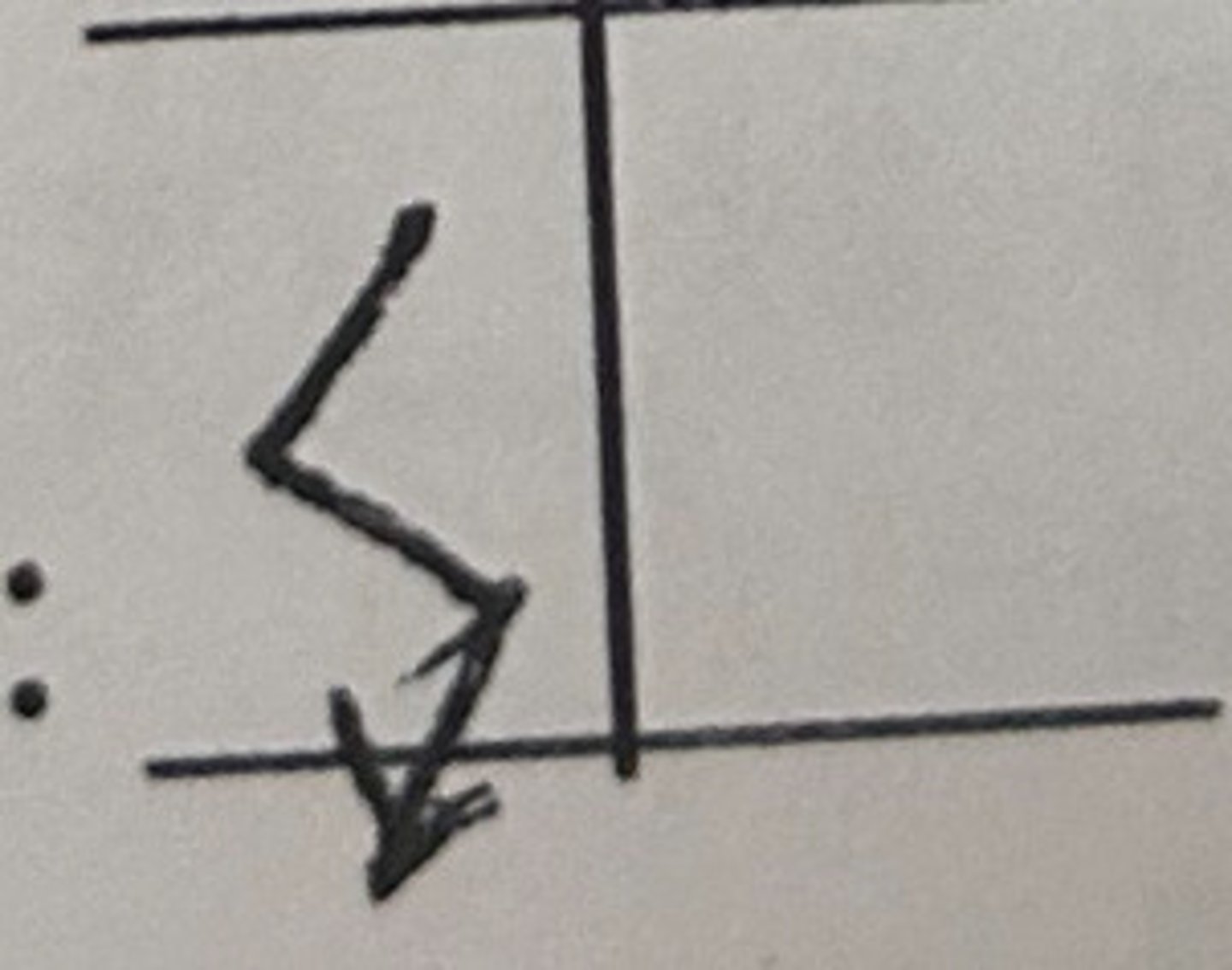
Right bone conduction masked

Right air conduction masked
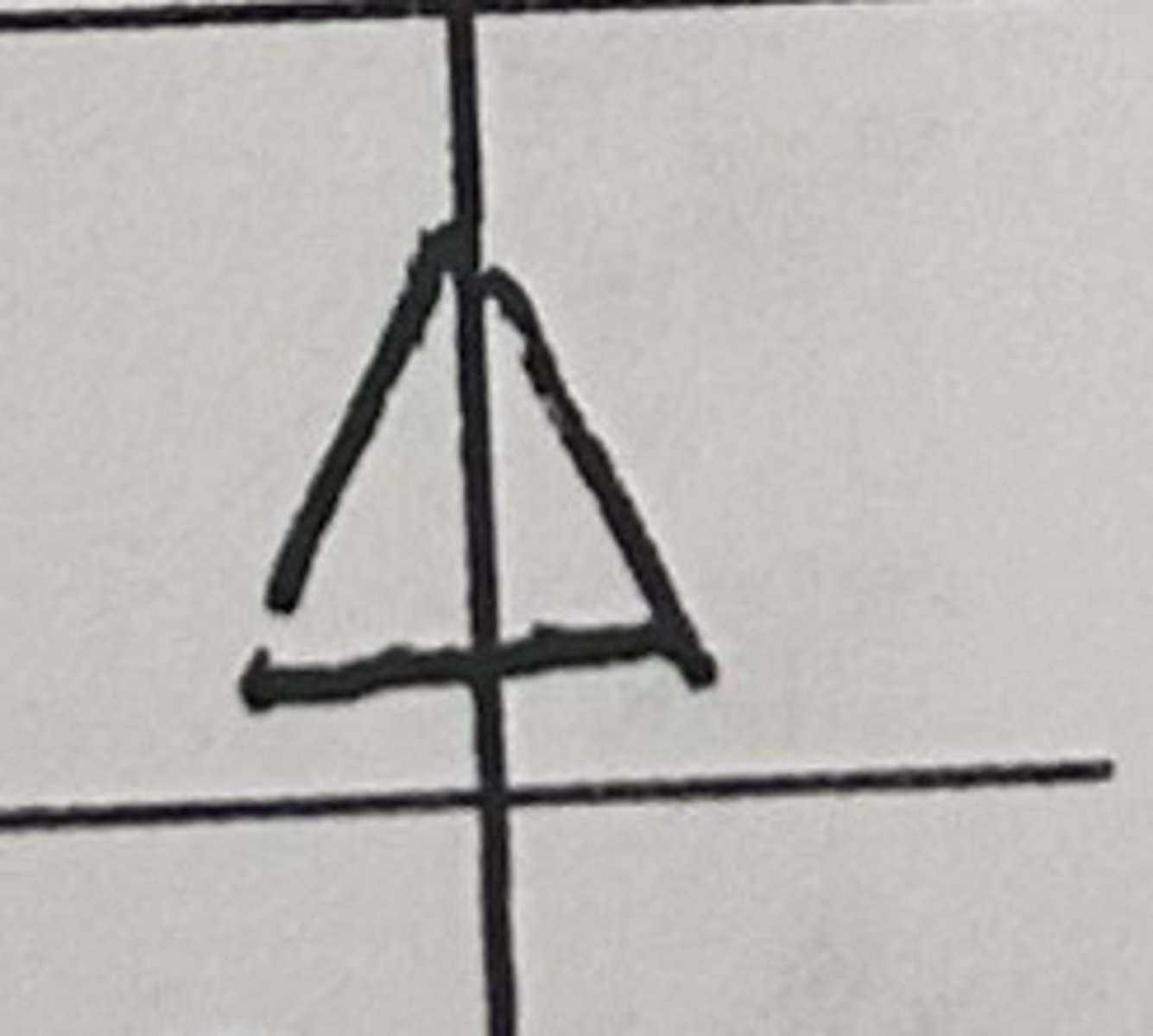
Right air conduction unmasked
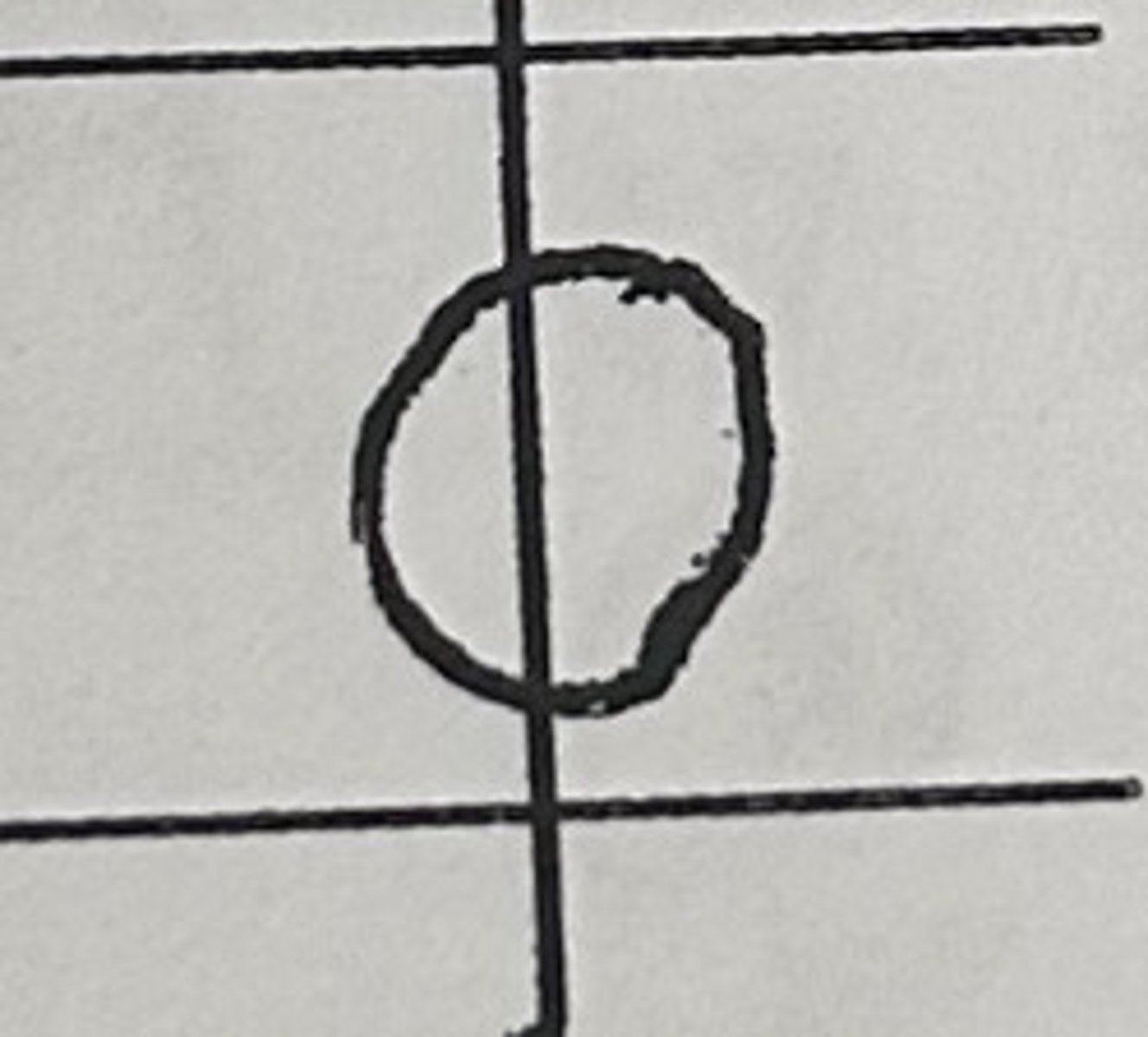
Left air conduction masked
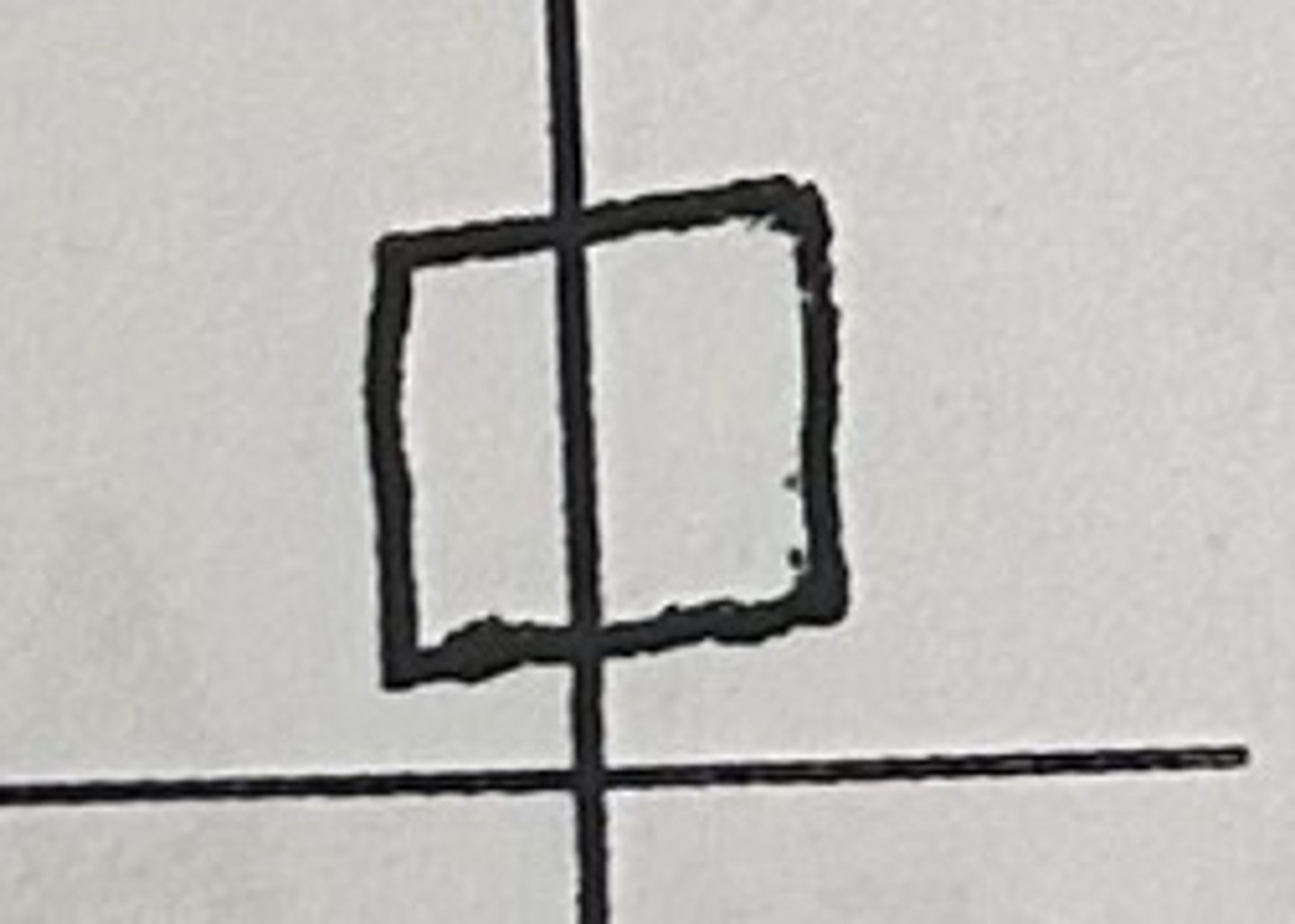
Left bone conduction unmasked
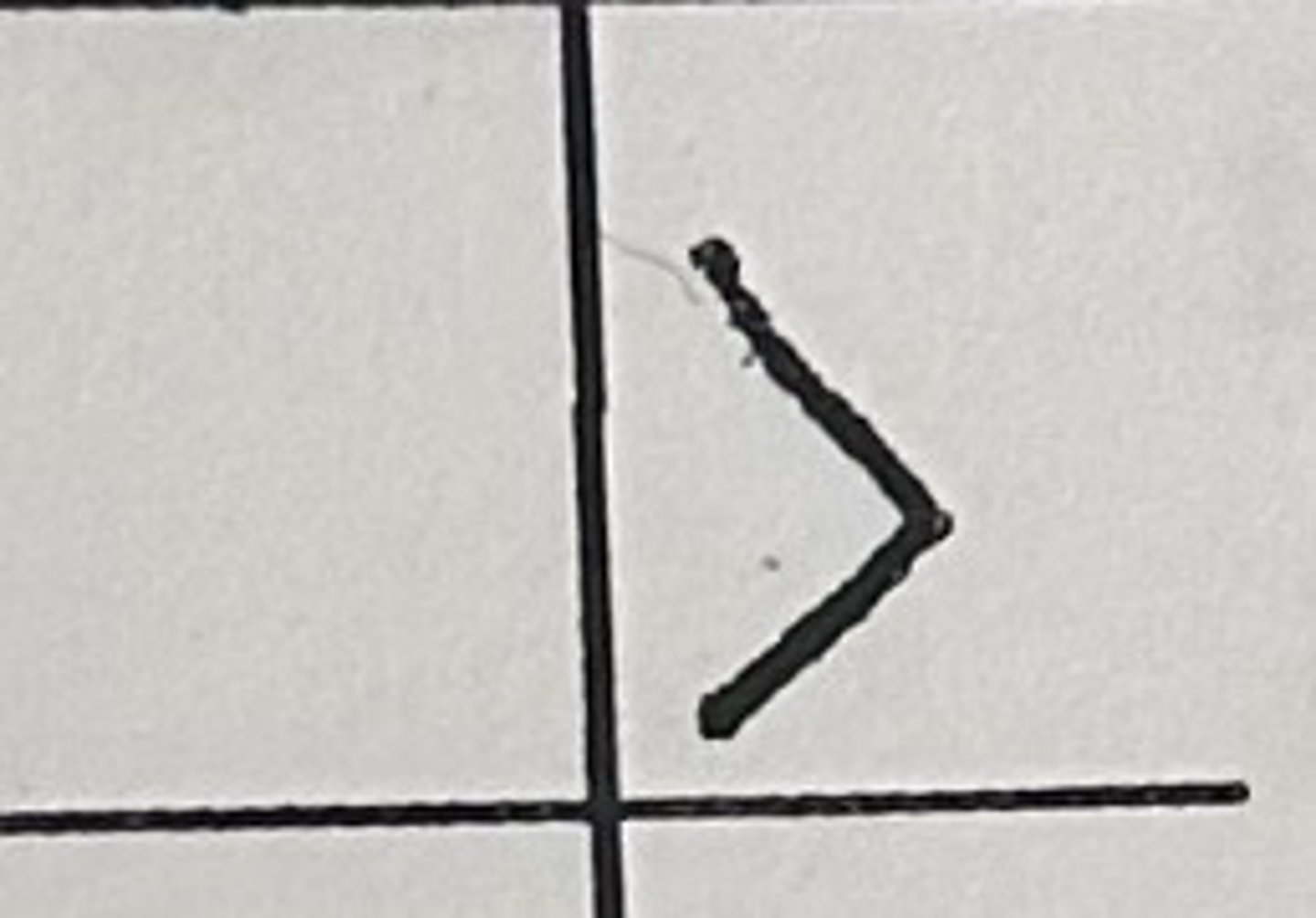
Right air conduction unmasked no response
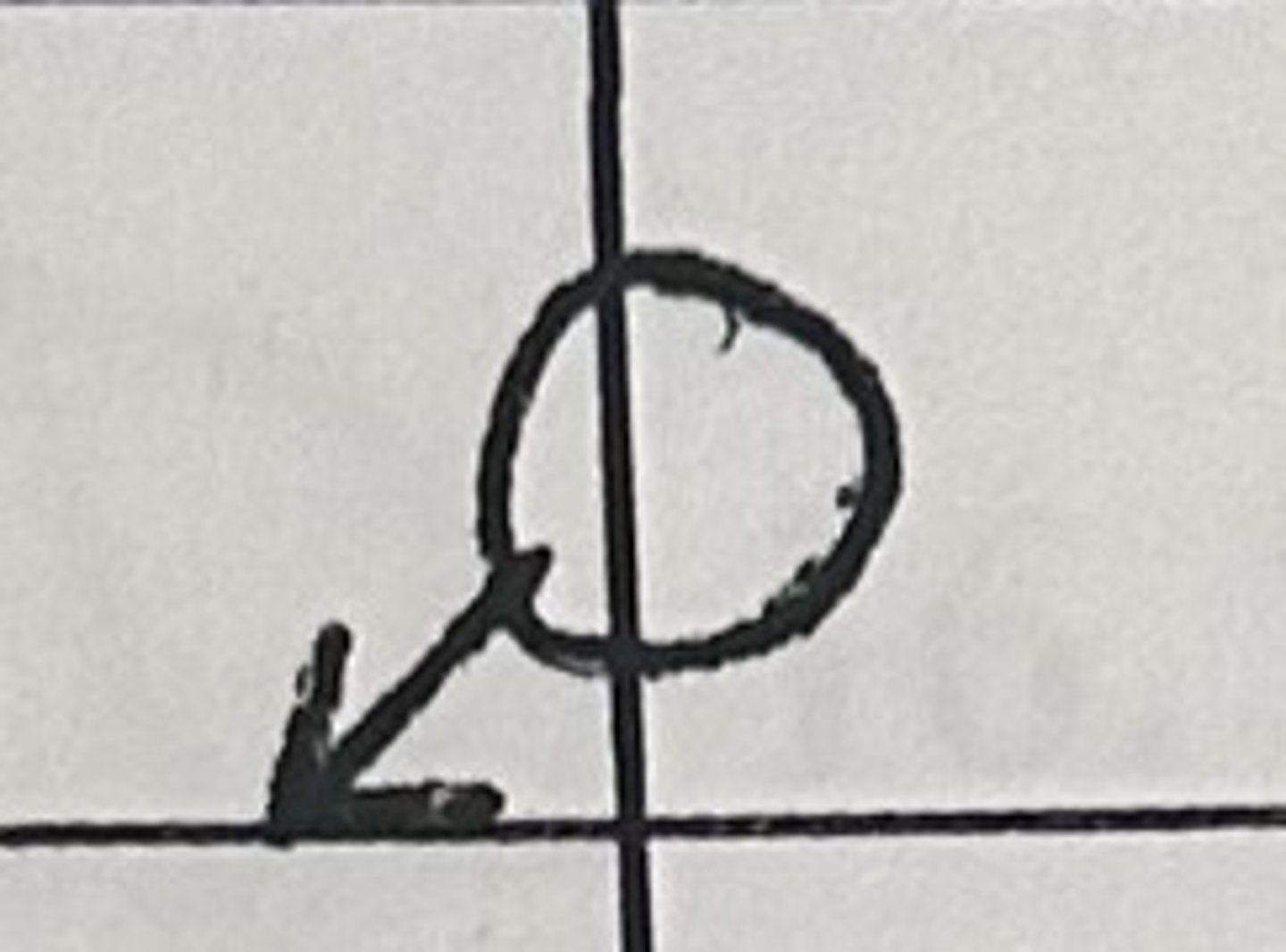
Left bone conduction masked
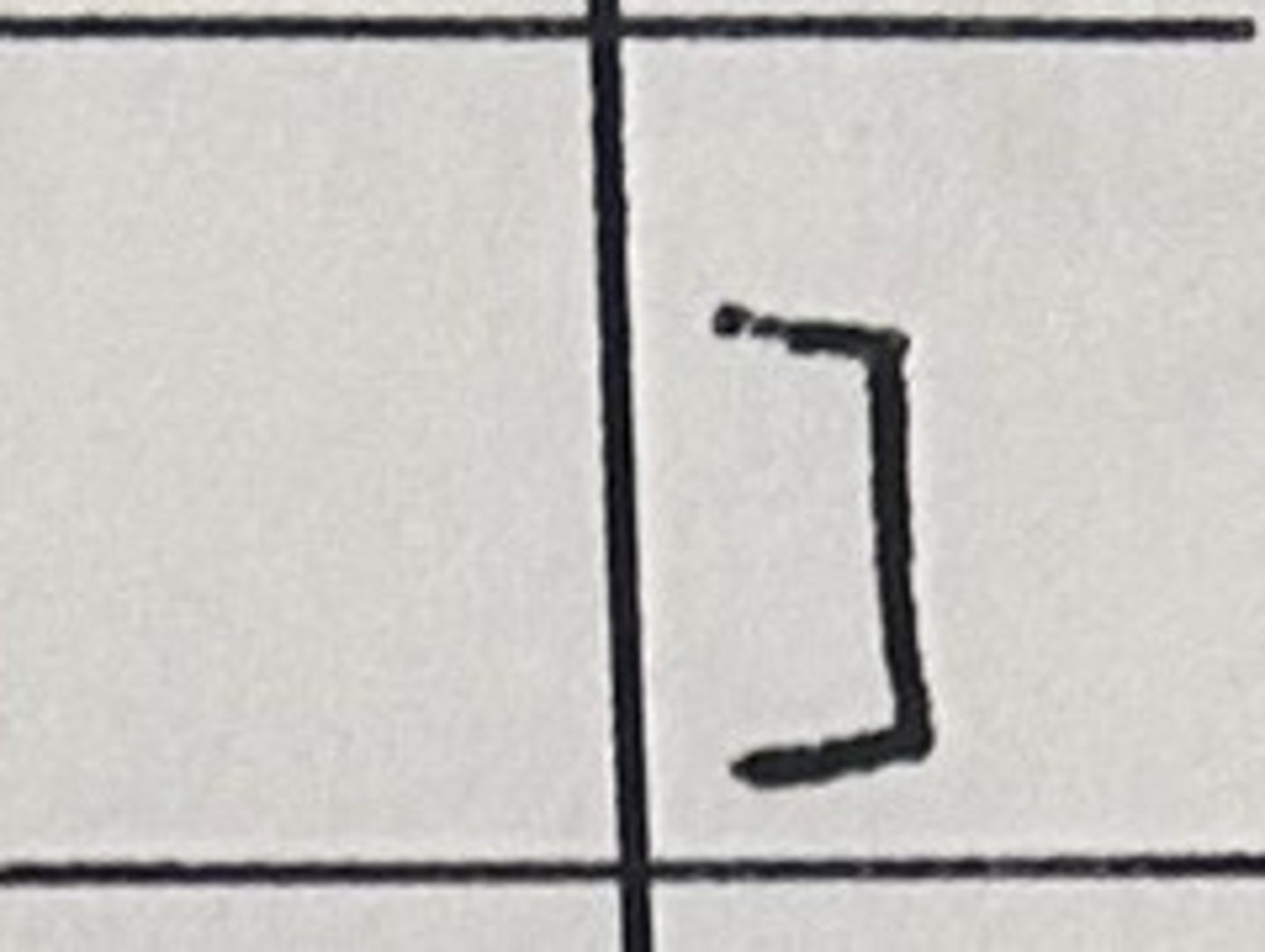
Left air conduction unmasked
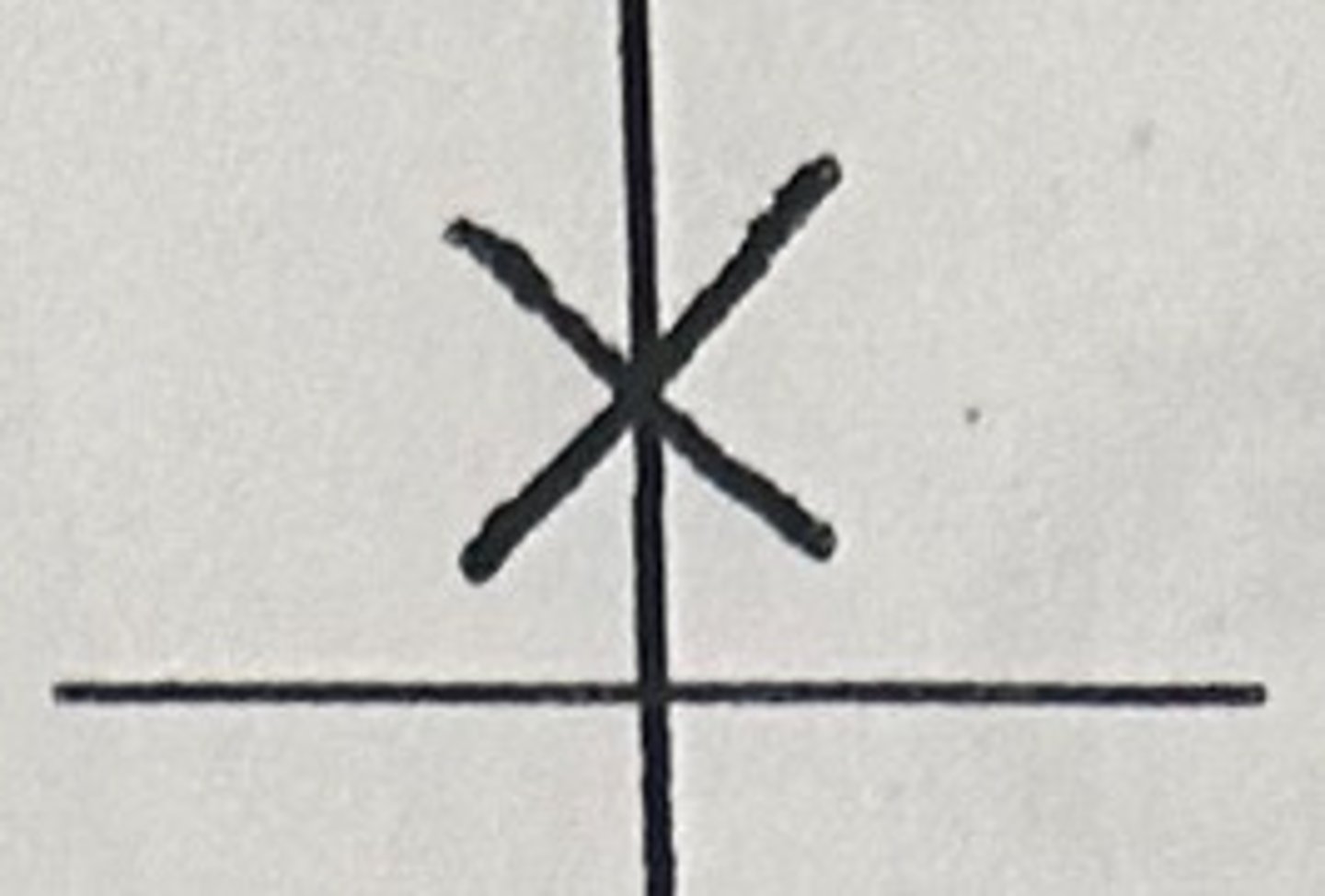
Right bone conduction unmasked
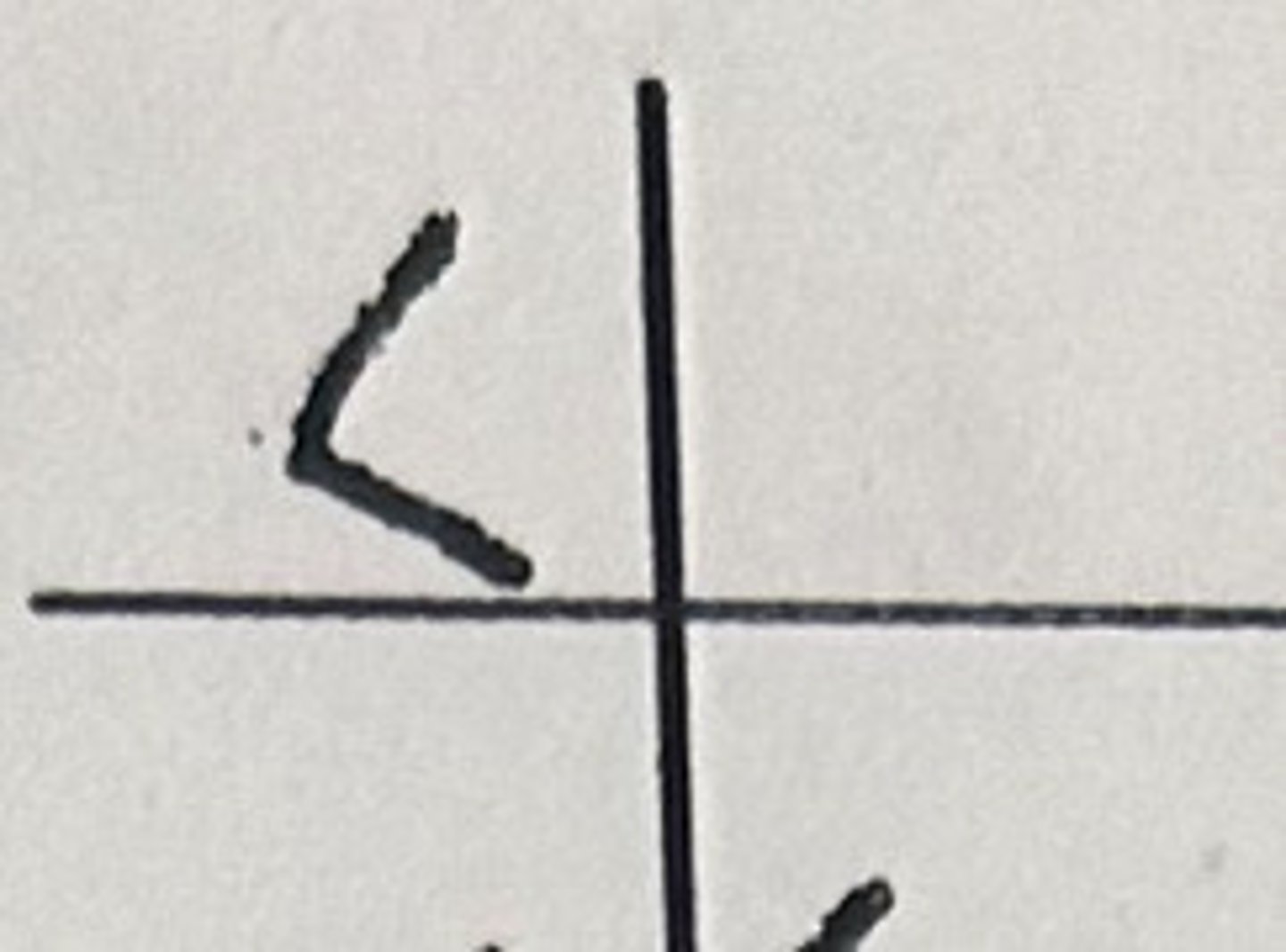
The bracketing procedure for puretone threshold testing utilizes a
Down 10, up 5 approach
Puretone air conduction threshold test results will determine all of the following EXCEPT
Type of hearing loss
Given the procedure addressed in class, if you start a puretone air conduction test with 30 dB at 1000Hz and you know that the patient understands the directions but does not respond, you would then present the pure tone at
50 dB
Puretone thresholds are generally obtained at octave frequencies from 250Hz through 8000Hz. ASHA recommends that inter-octave frequencies be tested when adjacent frequencies differ by
More than 20 dB
Without bone conduction test results, one is unable to determine _________ by the audiogram alone
hearing loss type
The danger of cross hearing for air conduction presents itself when the following is true:
ACte - IA >= BCnte
Interaural attenuation for bone conduction is
0dB
Because interaural attenuation (IA) for AC differs by frequency, the most conservative approach when using standard supra aural earphones is to consider IA to be
40 dB
IA for insert earphones is estimated to be
70 dB
Failure to identify cross hearing for AC may result in
Underestimation of hearing loss severity
Failure to identify cross hearing for BC may result in
Diagnosing sensorineural hearing loss as being conductive hearing loss
A significant ABG is defined as the difference between AC and BC thresholds on the order of
Greater than 10 dB
TRUE OR FALSE: Bone conduction thresholds are frequently obtained at 8000Hz
FALSE
TRUE OR FALSE: We mask for bone conduction whenever there is an ABG of 10 dB or more
FALSE
TRUE OR FALSE: Under certain circumstances, masking noise can cross over to the test ear
TRUE
TRUE OR FALSE: BC testing assesses the sensitivity of the sensorineural mechanism
TRUE
TRUE OR FALSE: Masked BC symbols suggest the threat for cross hearing was identified and the non-test ear was removed from the test
TRUE
TRUE OR FALSE: It is possible for a person with normal hearing sensitivity to present with an ABG
TRUE
TRUE OR FALSE: A unilateral hearing loss assumes one ear is normal
TRUE
TRUE OR FALSE: When the threat for cross hearing is identified, masking noise is delivered to the test ear
FALSE
TRUE OR FALSE: BC testing is not typically performed at levels greater than 65 dB
TRUE
TRUE OR FALSE: Masking would not be necessary in the case of bilateral severe sensorineural hearing loss
TRUE
TRUE OR FALSE: Unmasked BC testing will reflect the BC sensitivity of the better cochlea
TRUE
Normal severity
-10dB to 25dB
Mild severity
26dB to 40dB
Moderate severity
41dB to 55dB
Moderately-severe severity
56dB to 70dB
Severe severity
71dB to 90dB
Profound severity
>90dB
Air conduction on audiogram tells you
Severity and configuration
Bone Conduction on audiogram tells you
Type of hearing loss
How to determine when the threat for cross hearing exists for AC
ACte - IA >= BCnte
How to determine when the threat for cross hearing exists for BC
Look for air bone gaps!
What is masking and why is it done?
In certain circumstances during initial testing, the BC sensitivity of the left and right ear will reflect as the same, because it is reflecting the BC sensitivity of the better cochlea. To avoid misdiagnosing sensorineural hearing loss as conductive hearing loss, we must put noise in the ear we are not testing to distract that cochlea from hearing the tone being presented to the other ear.
The type of tympanogram most likely to be found with sensorineural hearing loss would be a
Type A tympanogram
A flat tympanogram is considered a
Type B typmanogram
Ossicular discontinuity / disarticulation may be reflected in a
Type Ad tympanogram
Type B tympanogram is associated with
All of the above
A type C tympanogram would be most consistent with
Eustachian tube dysfunction
3 multiple choice options
The stapedius muscle is innervated by
Cranial nerve VII
Absence of an acoustic reflex is probable in
All of the above
The efferent pathway for the acoustic stapedial reflex originates at the
Superior olivary complex
Type As tympanogram would most likely be associated with
None of the above
Static acoustic compliance at C2 is reflective of
Outer ear + middle ear compliance