Roman & Etruscan Visual Cultures
 Call Kai
 Learn
Learn Practice Test
 Spaced Repetition
 Match
Match Flashcards
 Knowt Play
1/28

There's no tags or description
Looks like no tags are added yet.
Name | Mastery | Learn | Test | Matching | Spaced | Call with Kai |
|---|
No analytics yet
Send a link to your students to track their progress
29 Terms
tufa
a porous, soft volcanic stone; light and easy to sculpt, often used in Etruscan and Roman tombs
imago (pl. imagines)
an Etruscan mask or effigy of an ancestor, made of wax, bronze, or terracotta
verism
hyper-realistic style of Roman sculpture that highlighted wrinkles, beards, receding hair, and non-idealized features, often to suggest wisdom and experience
domus
word for a Roman house; would be decorated so as to display the owner’s personality, interests, and wealth
fresco
a watercolor painting done on wet plaster to fix the colors directly into the wall; often used in Roman households to showcase wealth and interests, in four distinct chronological styles
damnatio memoriae
Latin for condemnation of memory; the erasure of a person’s legacy from public memory by physically destroying their name, depictions, and house
1st style of fresco paintings
aka masonry style; mimicked colored marble in the style of the Macedonian palaces, using light and shadow to make the flat paint appear three-dimensional
atrium
an open-roofed hall at the center of a typical Roman home, where visitors would be received
lararium
a shrine for the household gods of a Roman home
illusionism
the practice of making 2d art appear 3d through shadow, light, vanishing points, overlapping, etc.; typical of the first and second styles of Roman interior frescoes
3rd style of fresco painting
a departure from the three-dimensional illusionism of the previous styles; instead “flattened” the walls by depicting small mythical scenes against solid color
concrete
a mixture of cement and crushed brick or stone; an easily-transportable building material that revolutionized Roman architecture
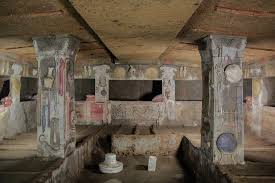
Tomb of the Reliefs (Etruscan, stone and stucco)
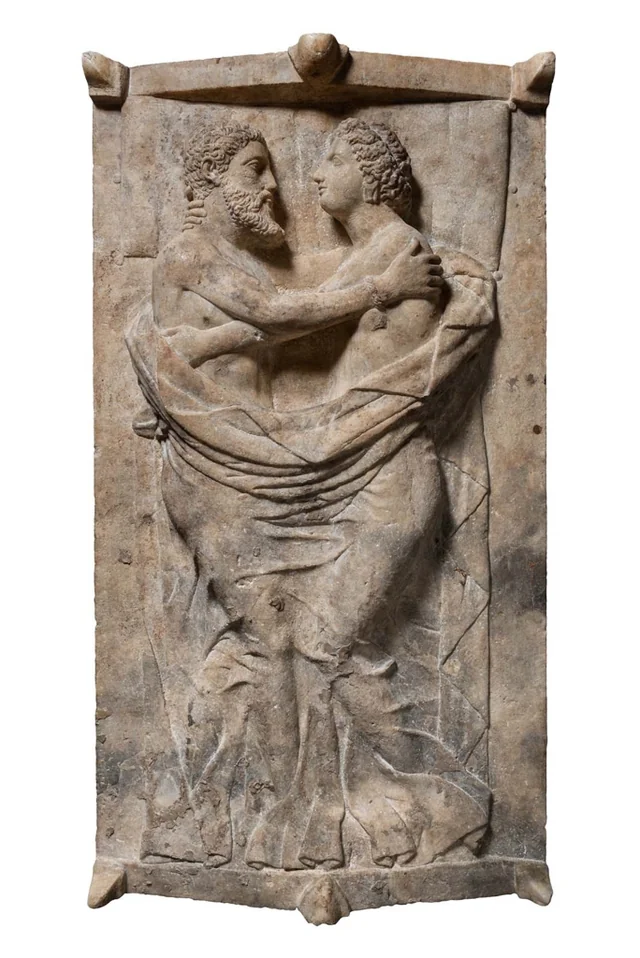
Sarcophagus lid with married couple (Larth Tetnies and Thanchvil) in bed (Etruscan, stone)
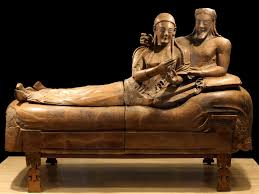
Sarcophagus with archaic man and woman from Leverteri (Etruscan, terracotta)
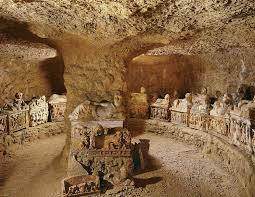
Tomb of the Volumni (Etruscan, stone)
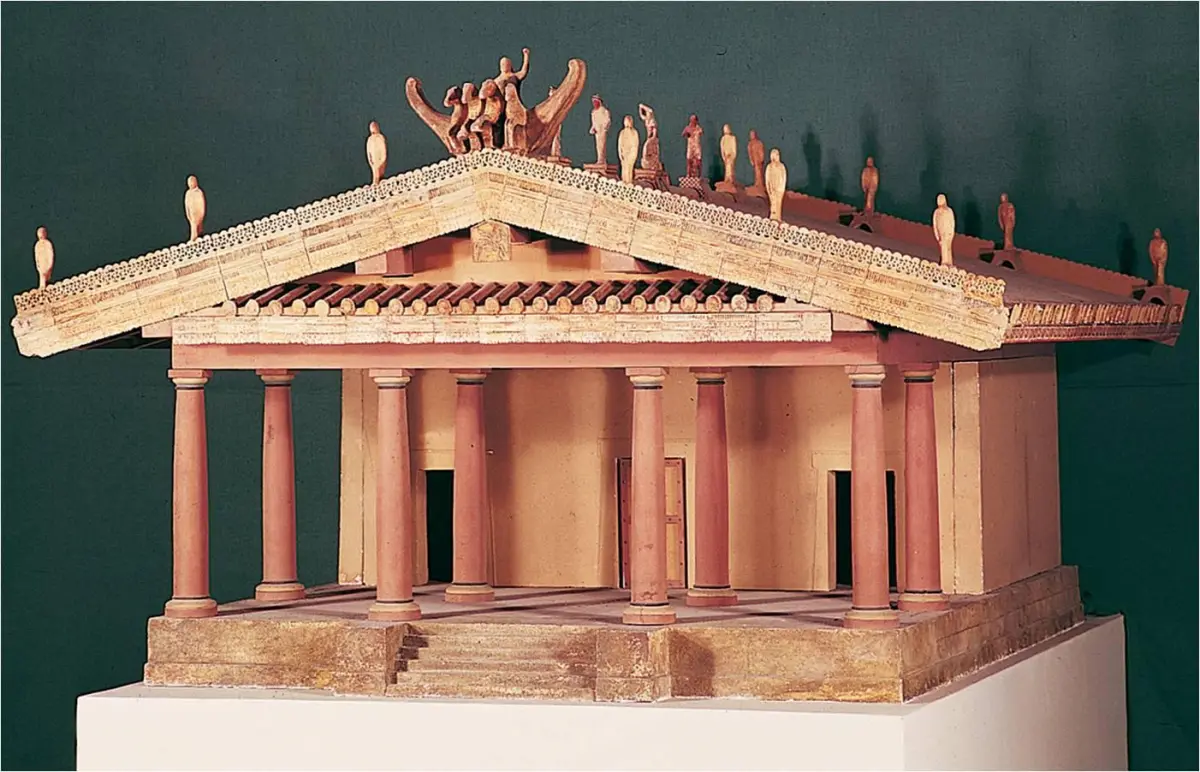
Temple of Minerva at Veii (Etrsucan; stone, wood, mud-brick, and terracotta)
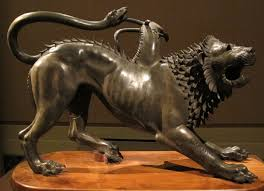
Chimera of Arezzo (Etruscan, bronze)
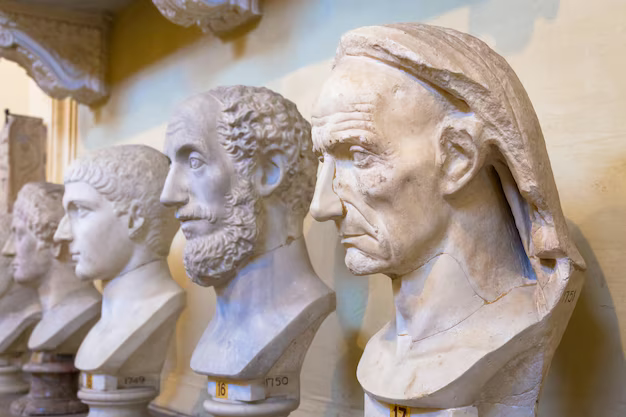
veristic portraits (Roman, usually marble)
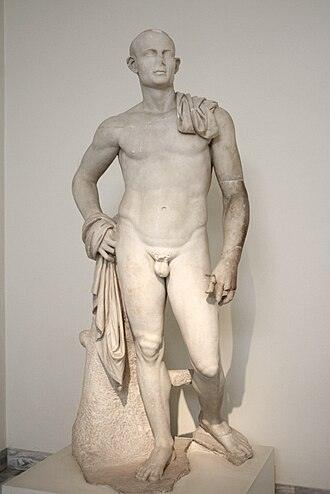
Pseudo-athlete from Delos (Roman, marble)
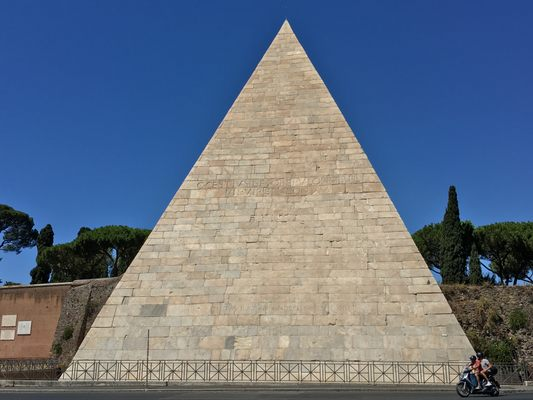
Pyramid of the freedman Cestius (Roman, concrete with marble veneer)
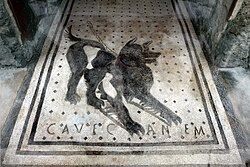
Cave Canem mosaic (Roman, mosaic)
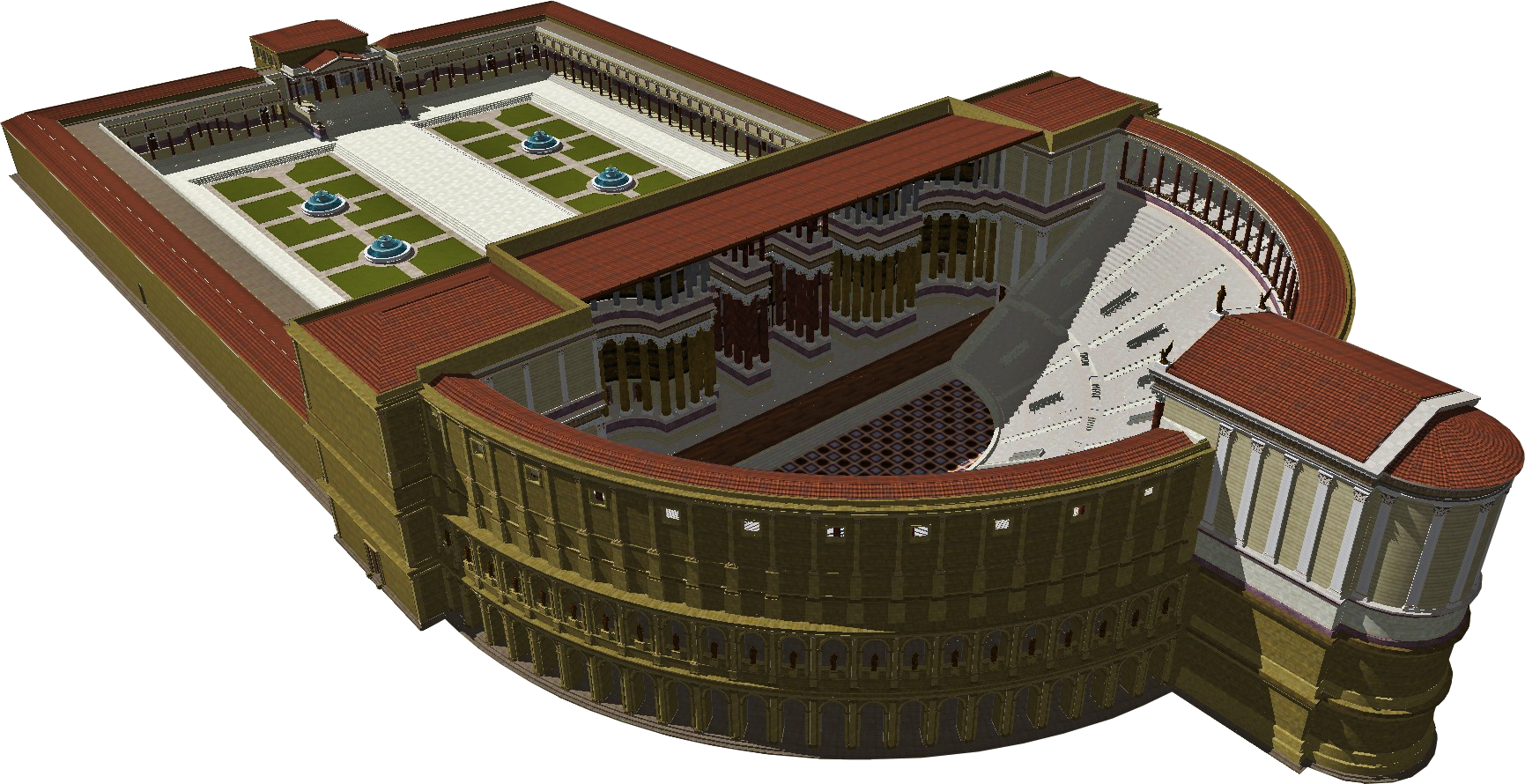
Theatre of Pompey (Roman; stone, concrete, and brick)
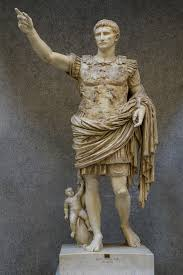
Augustus Primaporta (Roman; marble copy of bronze)
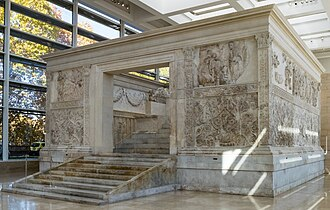
Ara Pacis (Roman, marble)
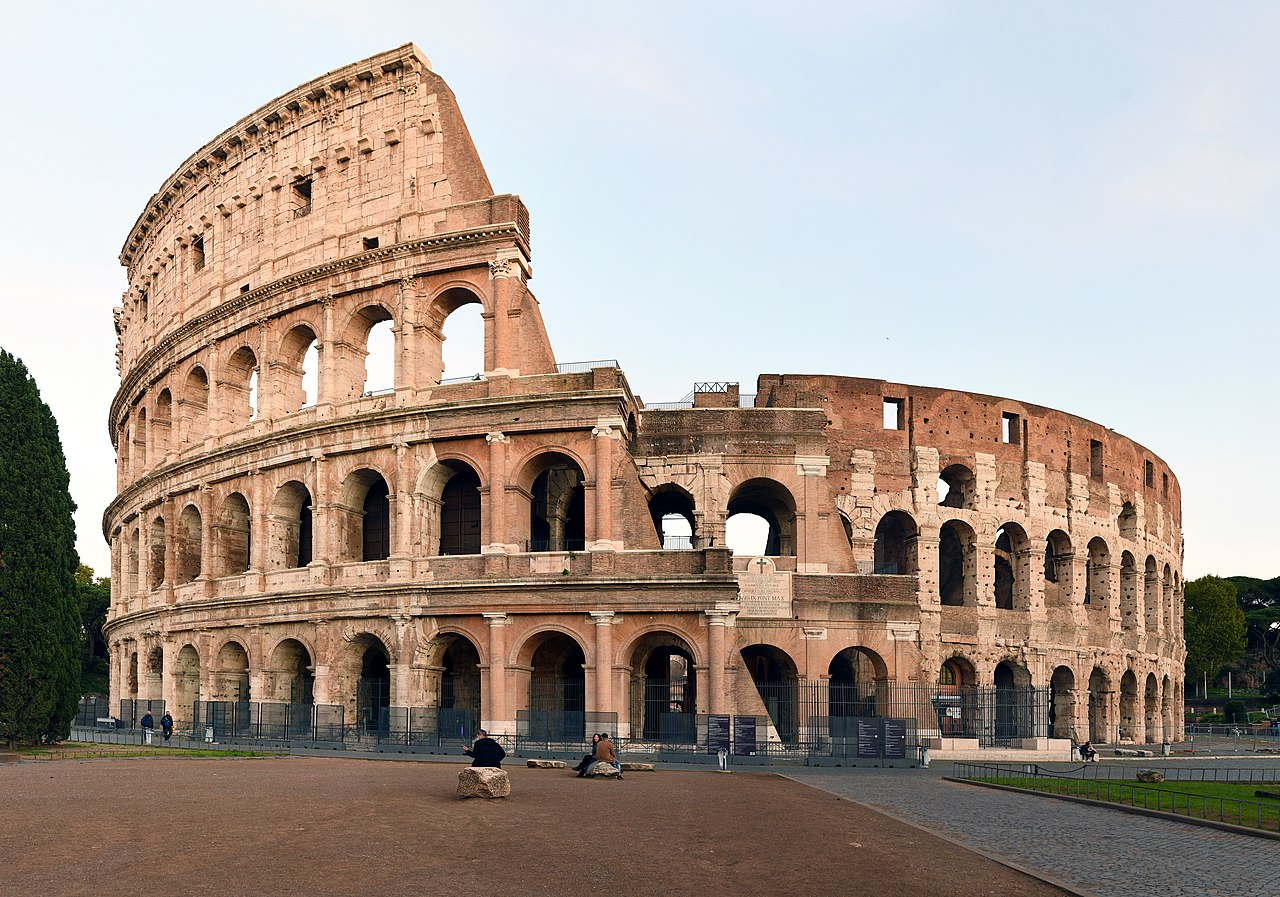
Colosseum/Flavian Amphitheater (Roman, limestone and concrete)
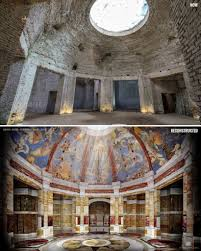
Domus Aurea / Nero’s Golden House (Roman; stone, gold, ivory, etc.)
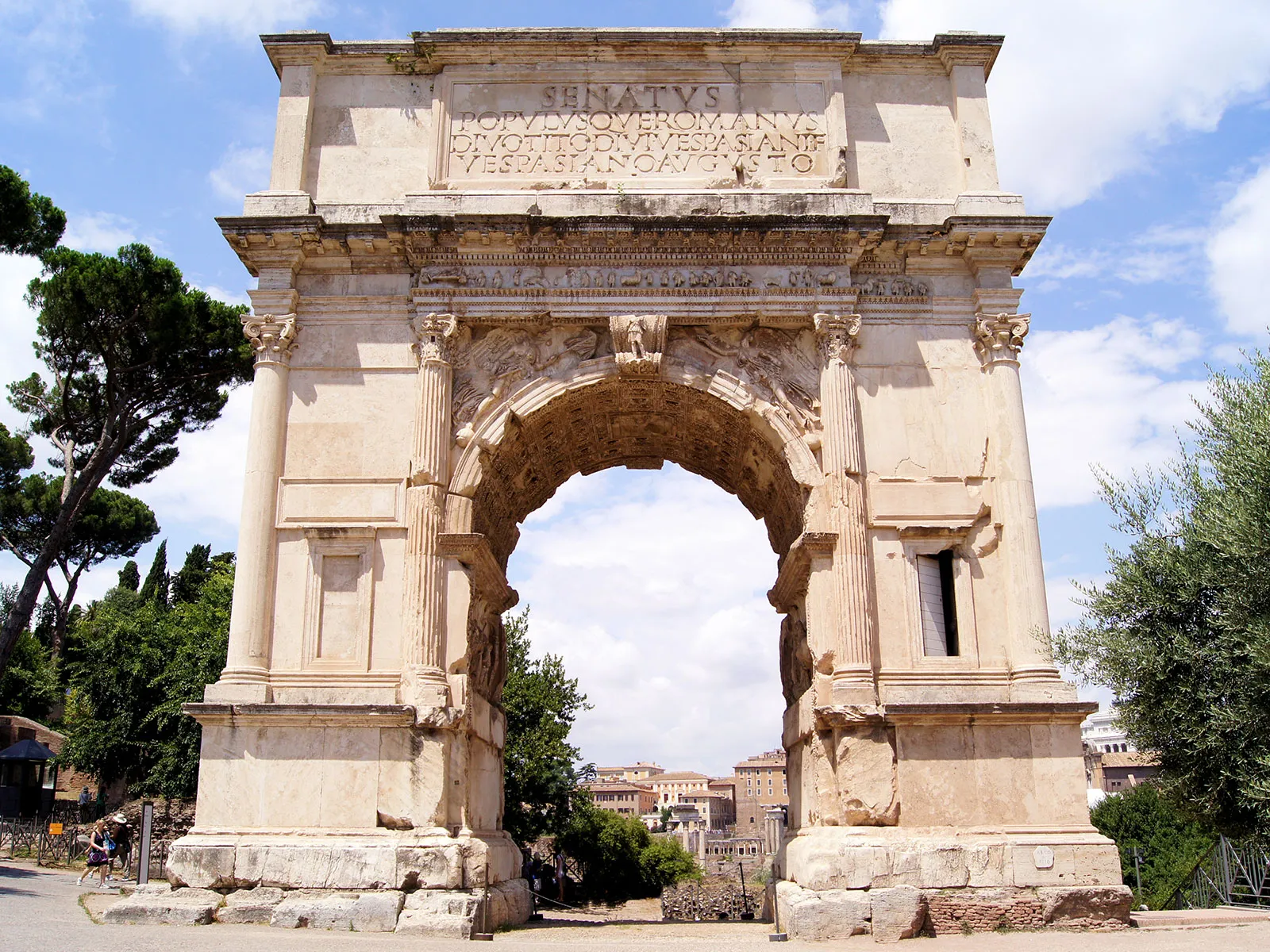
Arch of Titus (Roman, marble)
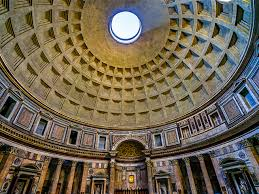
The Pantheon (Roman, various stones and concrete)