Energy and Environment Week 15
 Call Kai
 Learn
Learn Practice Test
 Spaced Repetition
 Match
Match Flashcards
 Knowt Play
1/17

Earn XP
Description and Tags
batteries, critical minerals and rare earths
Name | Mastery | Learn | Test | Matching | Spaced | Call with Kai |
|---|
No analytics yet
Send a link to your students to track their progress
18 Terms
Lithium
lightest metal, simple. 3 protons and electrons. Low density allows for light, rechargeable batteries and easy ion transfer between cathode and anode
batteries can have high voltage and charge storage, may overheat
Lithium sources
hardrock mining (spodumene)
brine facilities (brine is pumped up from underground and evaporated to concentrate LiCl
geothermal (brine comes up from subsurface as byproduct of geothermal, and LiCl is extracted from it)
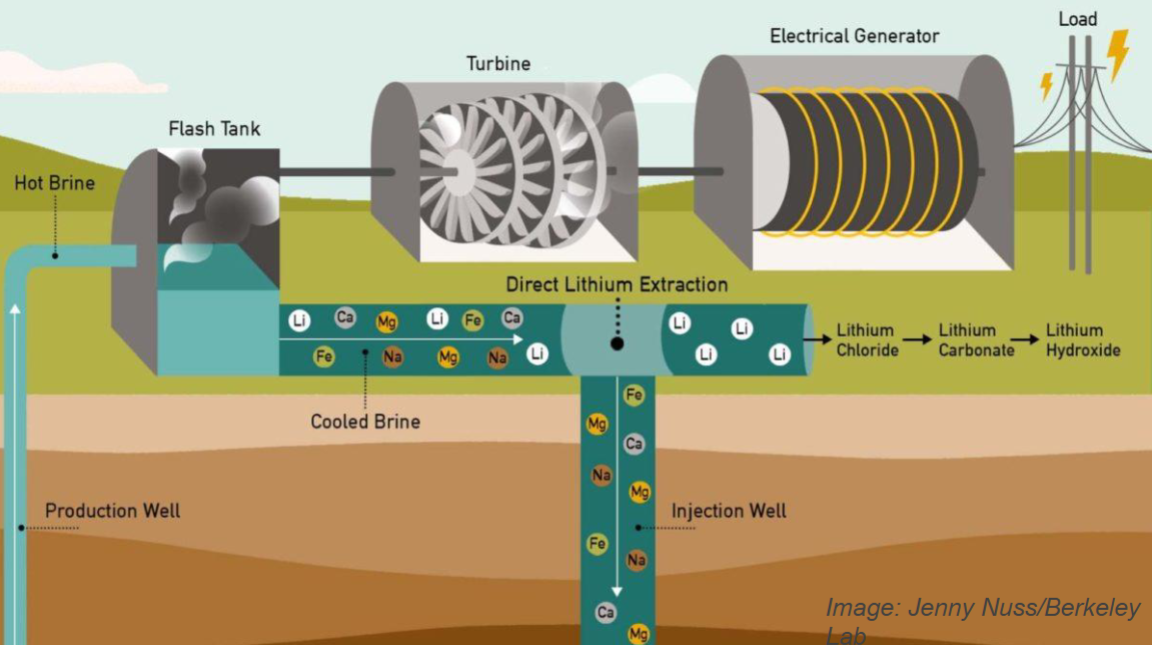
Lithium mining effects
energy and water intensive
damaging to environment
concentrated in SA and Canada/Australia
Cobalt
byproduct of copper mining. Cathode mineral. Provides stable batteries that don’t light on fire and high energy density/life.
Supply is limited (concentrated in southern DRC)
Nickel
Most nickel used for car batteries is gained via damaging strip-mining. Produces sulfur dioxide that kills surrounding forests and pollutes water bodies. Mostly in Philippines (converted rainforest)
used in extending battery life and storage
Rare earths
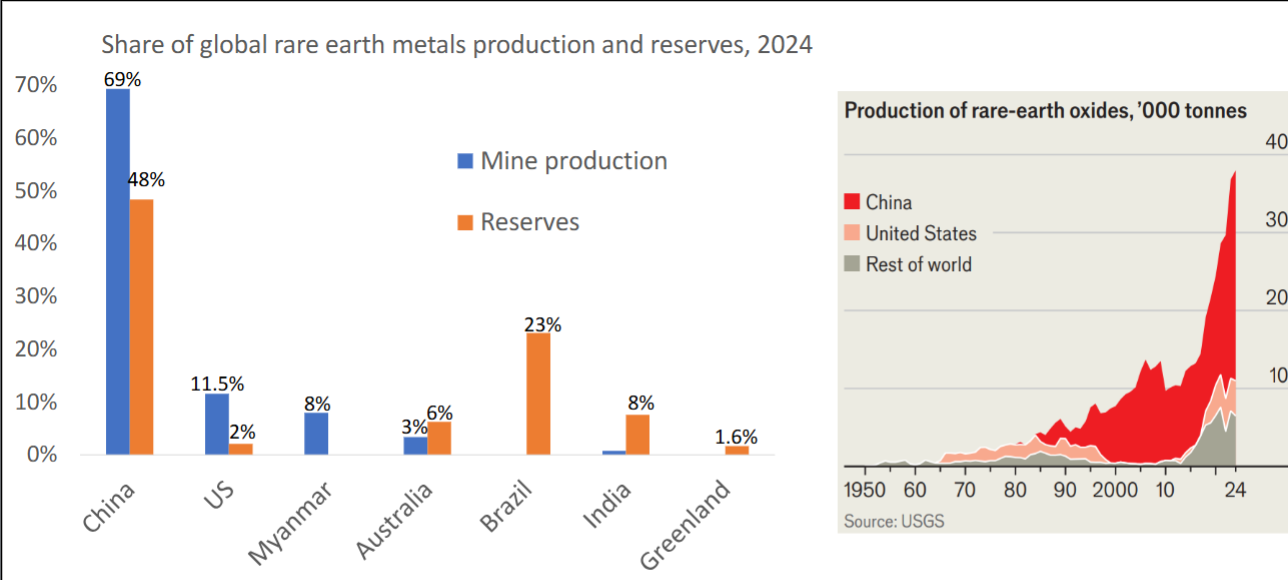
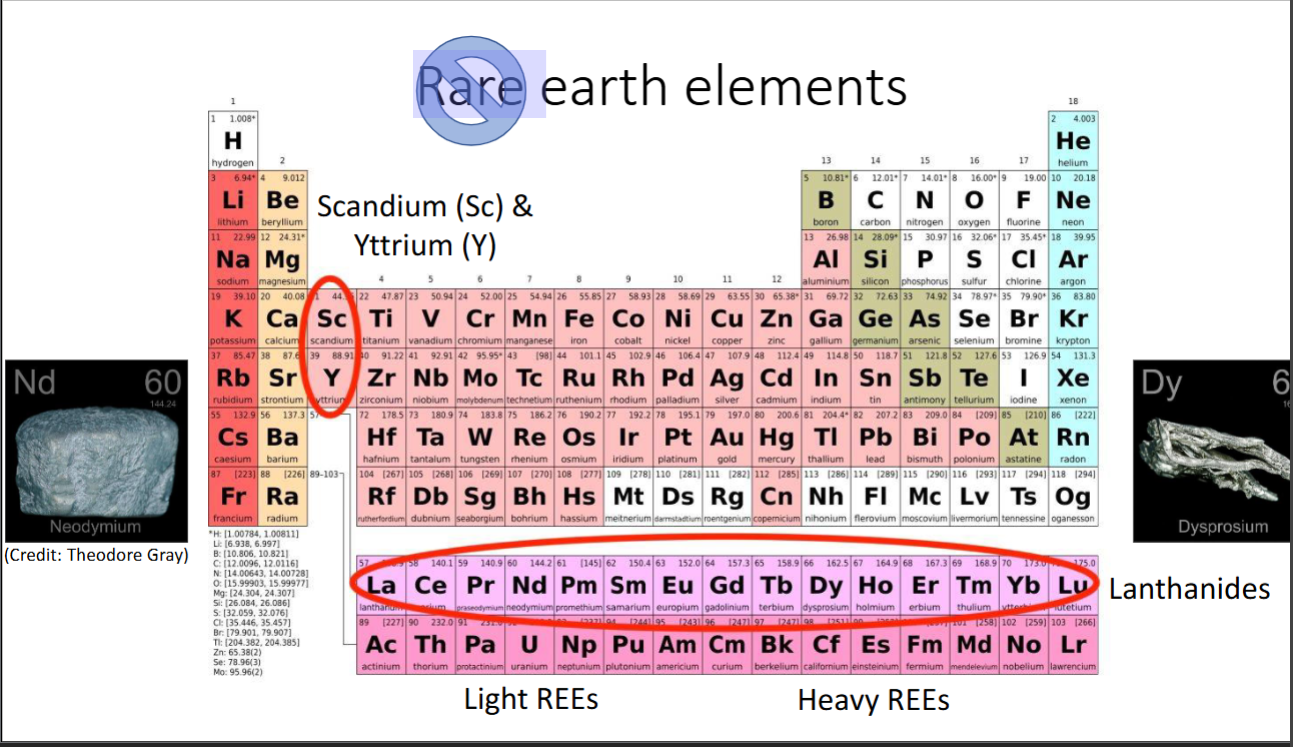
Light and heavy types. Used everywhere, especially in military, motors, and magnets for turbines. Heavy RE are scarce, more complex, and expensive to extract.
Not very geographically concentrated, all over globe despite name. NOT used in EV batteries
Deep seabed mining
• Ferromanganese crusts; seamounts
• Polymetallic sulfides around hydrothermal vents
• Polymetallic nodules
Seabed mining impacts
pros:
extreme reserves--much more so than terrestrial deposits
highly concentrated mineral deposits
ease of access
cons:
potential to displace animals and cause habitat damage
noise, and stirring up harmful metals into the water column
lack of regulation
deep seafloor needs more research
Pillars of decarbonization
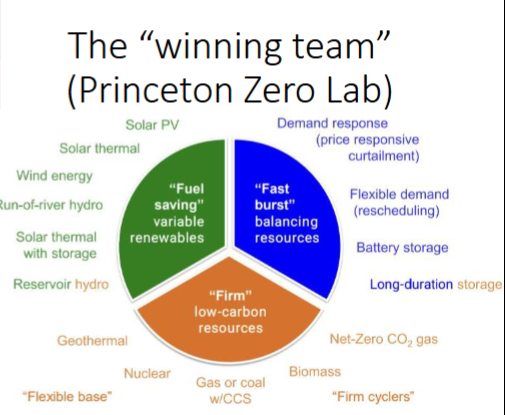
clean electricity
efficiency and electrification
net-zero fuels
CCS
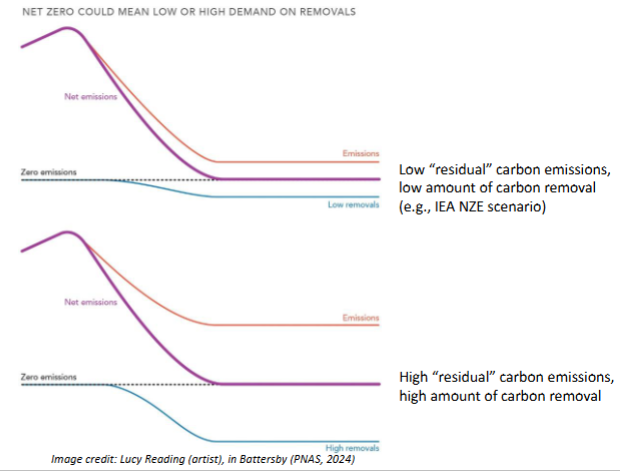
Amount of CCS depends on
Amount of residual emissions left after carbon removal. Important due to CCS’ cost
Carbon Capture and sequestration (CCS)
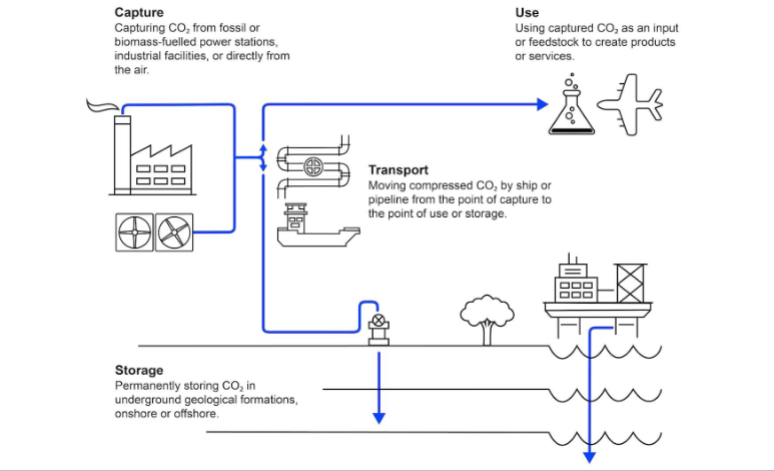
prevention of CO2, once produced, from entering the atmosphere
Point source (CCS)
extracting CO2 directly from fossil fuel plants by trapping it as it is released
Enhanced oil recovery (CCS)
at oil wells, CO2 is captured and reinjected into the subsurface in such a way that allows more oil to be extracted. Most plausible method
CCS issues
hard to know if storage of CO2 is permanent
where to store it (saline aquifers under basins?)
how to transport it
time consuming process
Carbon dioxide removal (CDR)
Removal of CO2 already in the atmosphere via intentional interventions
Direct air capture (CDR)
extracts CO2 directly from atmosphere using chemical reactions. Captured CO2 can be reinjected underground or diverted for other use
Enhanced weathering (CDR)
Artificial weathering of high grade silicate rock to absorb CO2 (olivine, basalt) and spreading it over suitable areas (beaches, agricultural land, oceans)
could cause environmental issues/not be effective enough
Reasons for rising electricity cost
Datacenters raising demand, taxes, natural disasters (wildfire, wind, storms, etc), lack of transmission and distribution, sources of energy, natural gas volatility (due to war)
electricity mix doesn’t really affect consumer prices