BIO (2010) - Scientific Investigation Vocab
 Call Kai
 Learn
Learn Practice Test
 Spaced Repetition
 Match
Match Flashcards
1/26

There's no tags or description
Looks like no tags are added yet.
Name | Mastery | Learn | Test | Matching | Spaced | Call with Kai |
|---|
No analytics yet
Send a link to your students to track their progress
27 Terms
conclusion
the answer to a hypothesis based on the data obtained from the experiment
constant
factor that is kept the same for all groups in an experiment
control
part of the experiment that doesn't get exposed to the independent variable; it is the standard that is used for comparison between subjects receiving treatment and those receiving no treatment
data
- results; may be qualitative or quantitative
- must be organized (charts, tables, graphs, report)
dependent variable (dv)
the variable the scientist measures as a result of the experimental /manipulated variable
experiment
a scientific procedure used to make a discovery, test a hypothesis or demonstrate a known fact; should have limited variables and a constant to ensure the validity of results
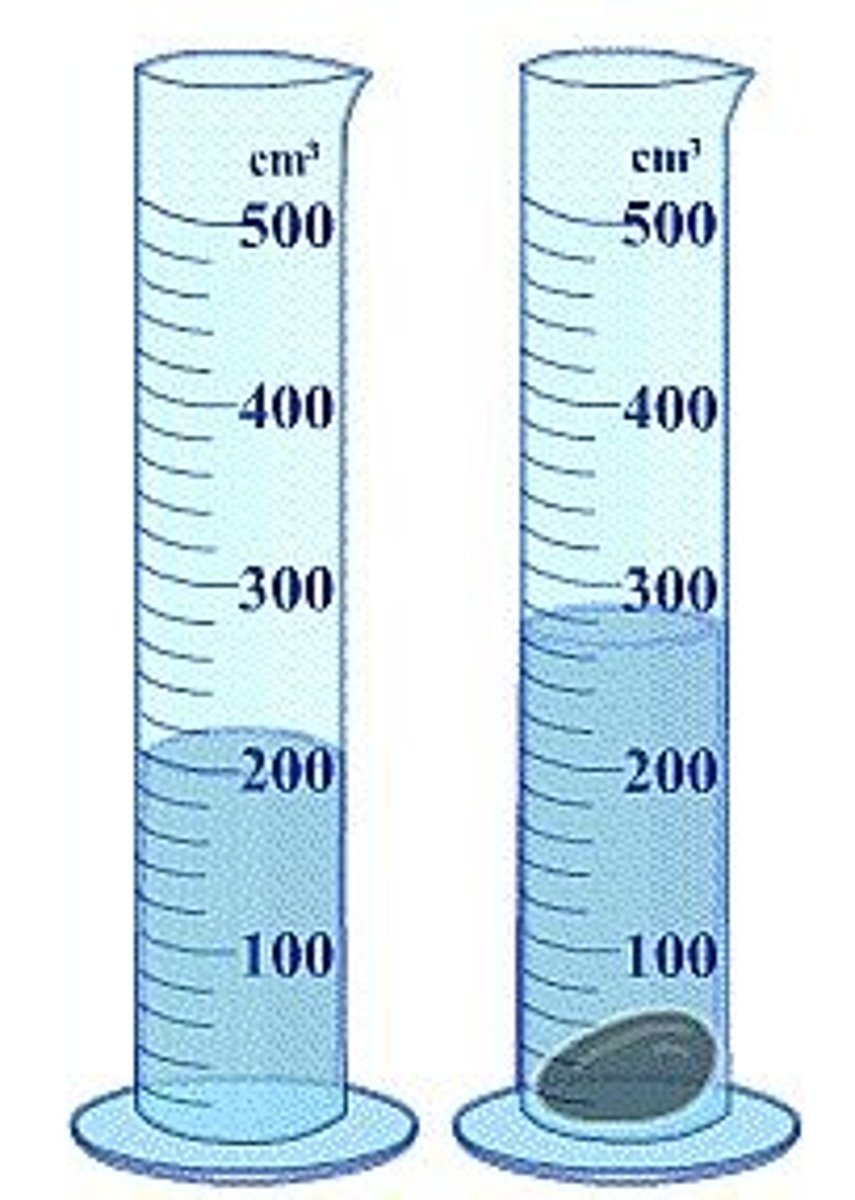
used to measure volume of an irregular shaped object
graduated cylinder
hypothesis
- a suggested solution to a problem
- must be testable
- predicts an outcome
- sometimes written as "If [independent variable] then [dependent variable]"
independent variable (iv)
variable that "I" have control over, that "I" change/manipulate and test
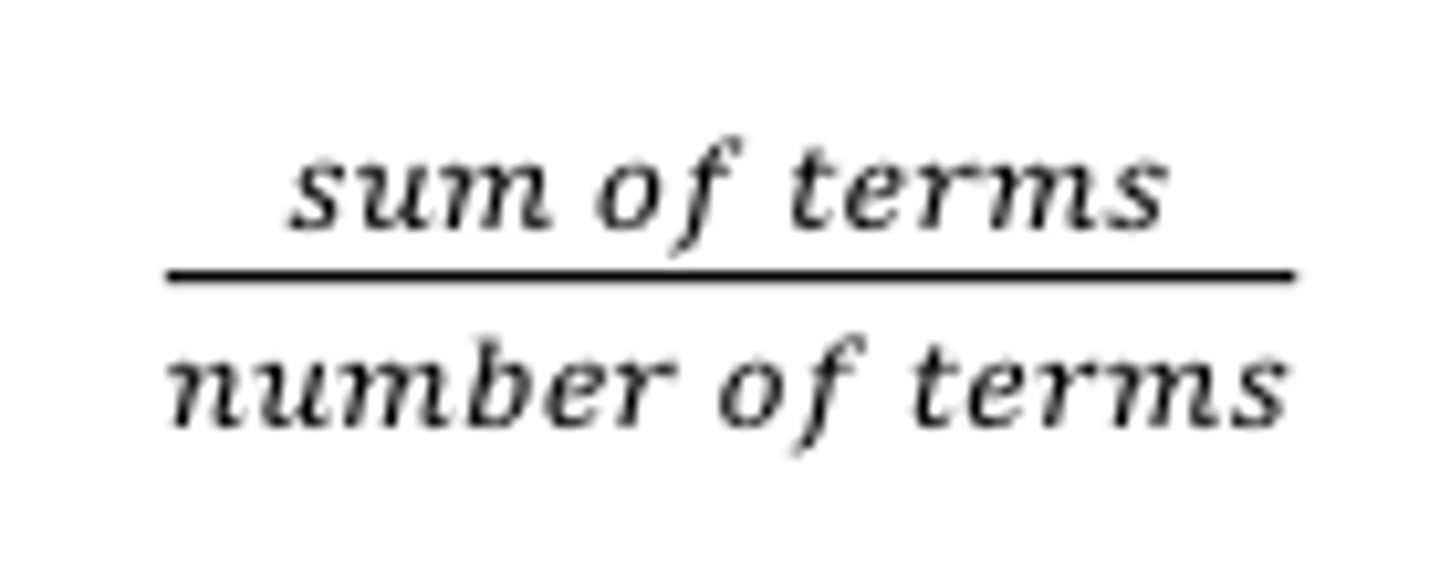
mean (average)
used to measure length, distance, height
ruler (inches, feet, miles) or meter stick (mm, cm, m...)

scientific method
1. identify a problem
2. form a hypothesis
3. test (experiment)
4. analyze data
5. conclusion
variable
any factor that changes and impacts the outcome of an experiment
reliablility
When a research technique produces nearly identical results in repeated trials; the trait of being dependable
valid
well-founded on evidence and corresponds accurately to the real world
theory
explains how or why something occurs or occurred; not mathematical; based on consistent data from many experimental trials
law
explains what will happen given certain circumstances; can be reduced to an equation
observation
information gathered with the senses
inference
a conclusion based on evidence, reasoning, prior knowledge, and/or information that is not explicitly stated
professional / scientific peer-reviewed journals
best place to locate current findings on the newest technologies
state agencies
good for researching local information
sources/causes of error
anything that can have an effect on the results of an experiment; most common are too many uncontrolled variables and inaccuracy of making and recording measurements
collaboration
the act of working together
invalid
not correct, no basis in truth or fact
qualitative data
descriptive data
quanitative data
data that describes the results of an experiment in numbers
spontaneous generation
theory that life can arise form non-living matter