England: Notable Architecture (and Notable Architects)

0.0(0)
Studied by 0 people
call kaiCall Kai
learnLearn
examPractice Test
spaced repetitionSpaced Repetition
heart puzzleMatch
flashcardsFlashcards
GameKnowt Play
Card Sorting

1/42

encourage image

There's no tags or description

Looks like no tags are added yet.

Last updated 2:03 PM on 5/25/26
Name
Mastery
Learn
Test
Matching
Spaced
Call with Kai

No analytics yet

Send a link to your students to track their progress

43 Terms

1
New cards

Romanesque (All Facts)

  • Architectural style that came to dominate England and Europe by 1100

    • Style derived from the round Roman arch, which it repeats in series to divide church naves and abbey cloisters into bays

    • Style characterized by its carved capitals, which appeared on church columns and around the arches of churches throughout England and Europe

  • Architectural style that possessed a grandiose quality that derived from the use of stone vaults below the roofs and partly from a more unified concept of the church

    • Developed in response to the needs of the clergy, monks, and pilgrims who used them

  • Style which informed the namesake cathedrals in England at

    • Winchester

    • Norwich

    • Durham

2
New cards

959 - Westminster Abbey (All Facts)

  • Consecrated by Edward the Confessor, who is buried inside

  • Used a “Continental Model,” marking the end of English architectural isolation
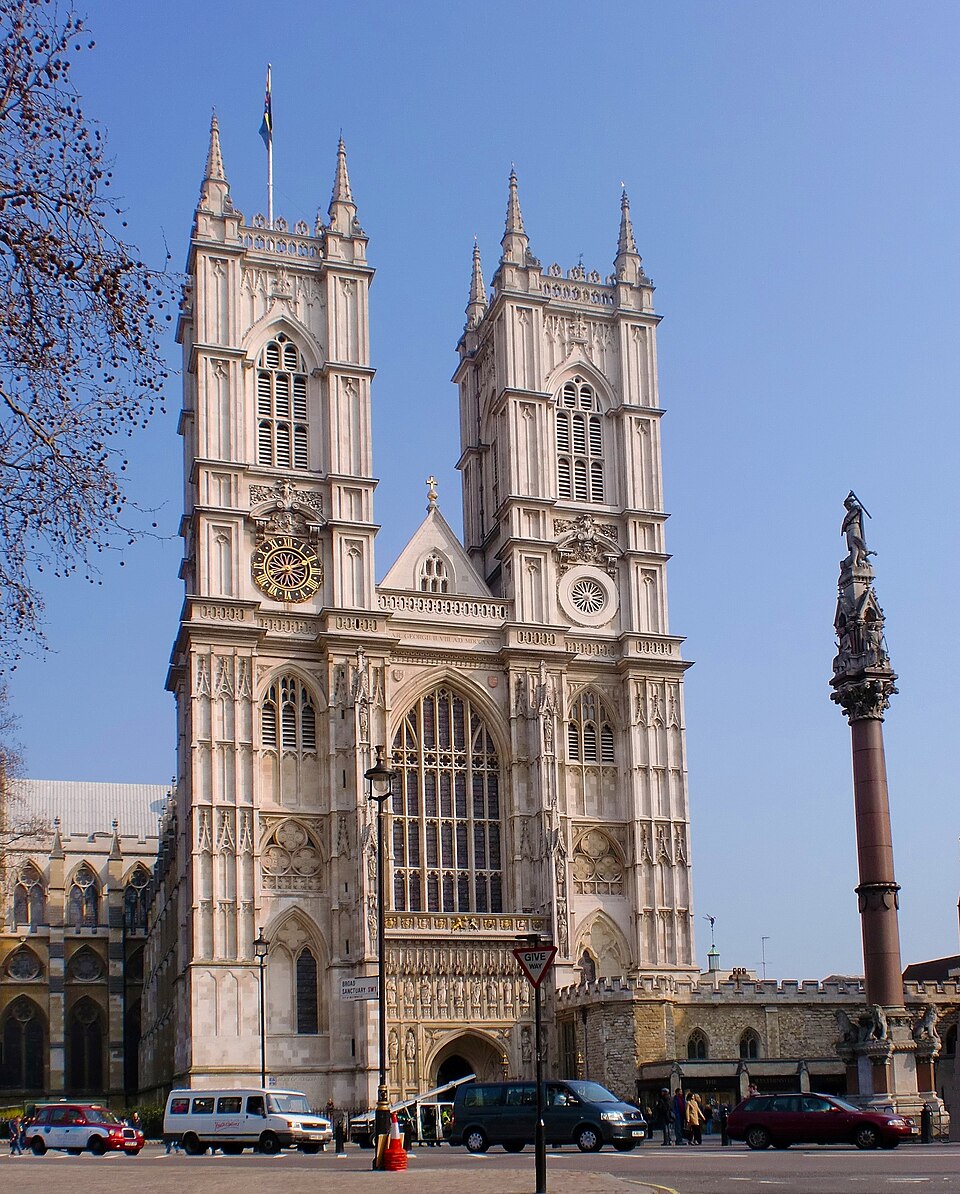
<ul><li><p>Consecrated by Edward the Confessor, who is buried inside </p></li><li><p>Used a “Continental Model,” marking the end of English architectural isolation </p></li></ul><p></p>
3
New cards

1066 - The Tower of London (All Facts)

  • Built during the reign of William the Conqueror
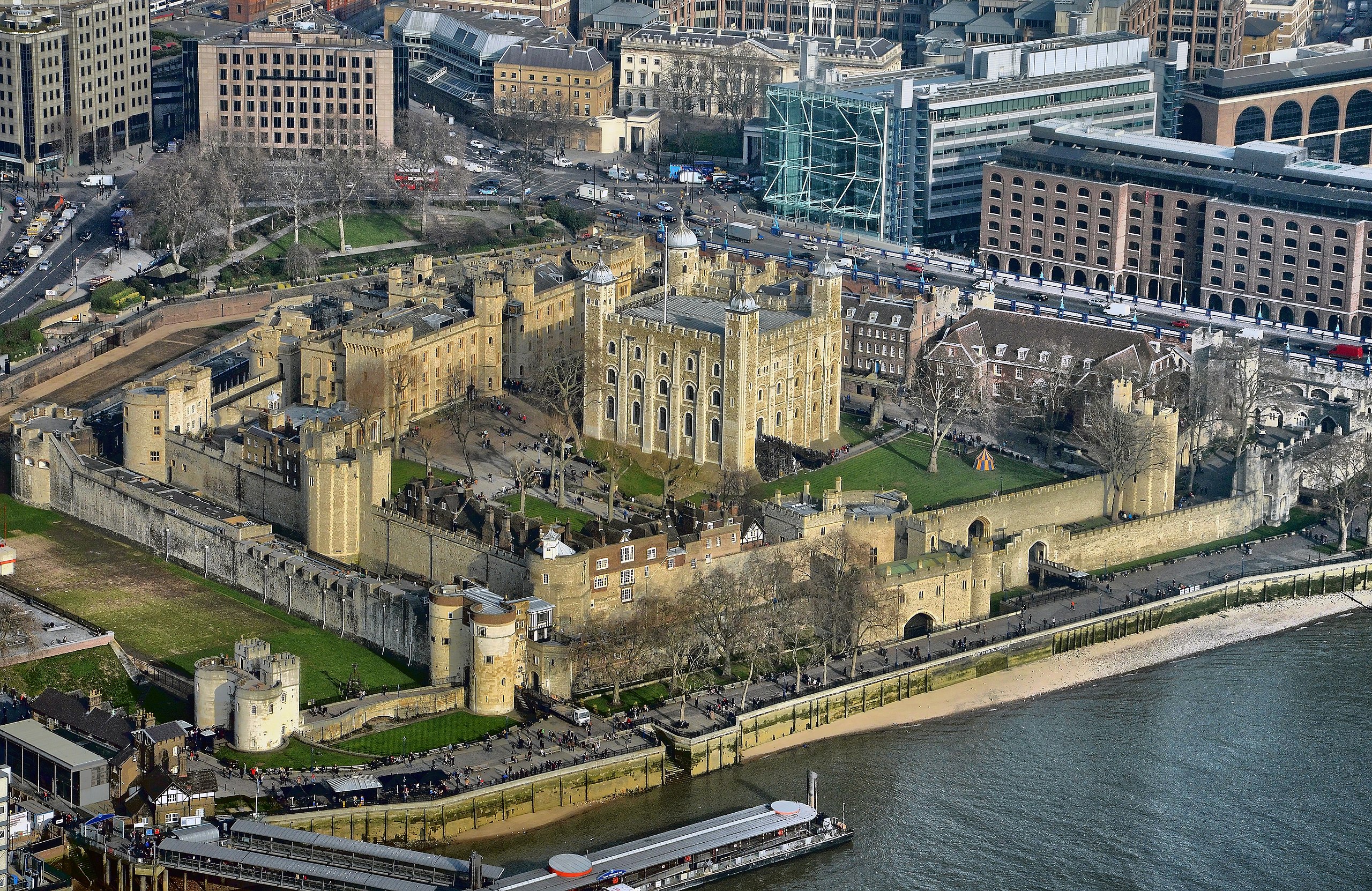
<ul><li><p>Built during the reign of William the Conqueror </p></li></ul><p></p>
4
New cards

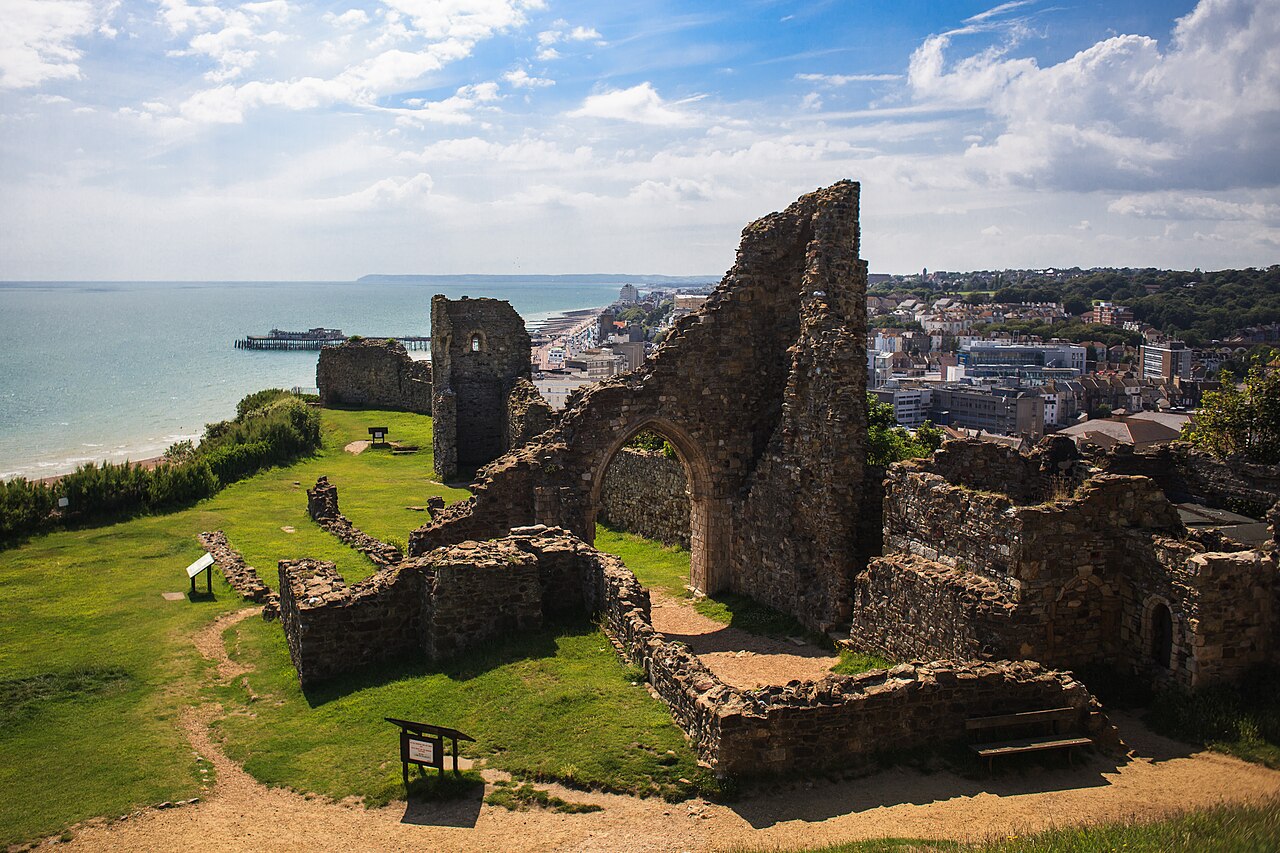
1066 - Hastings Castle (All Facts)

  • Built during the reign of William the Conqueror
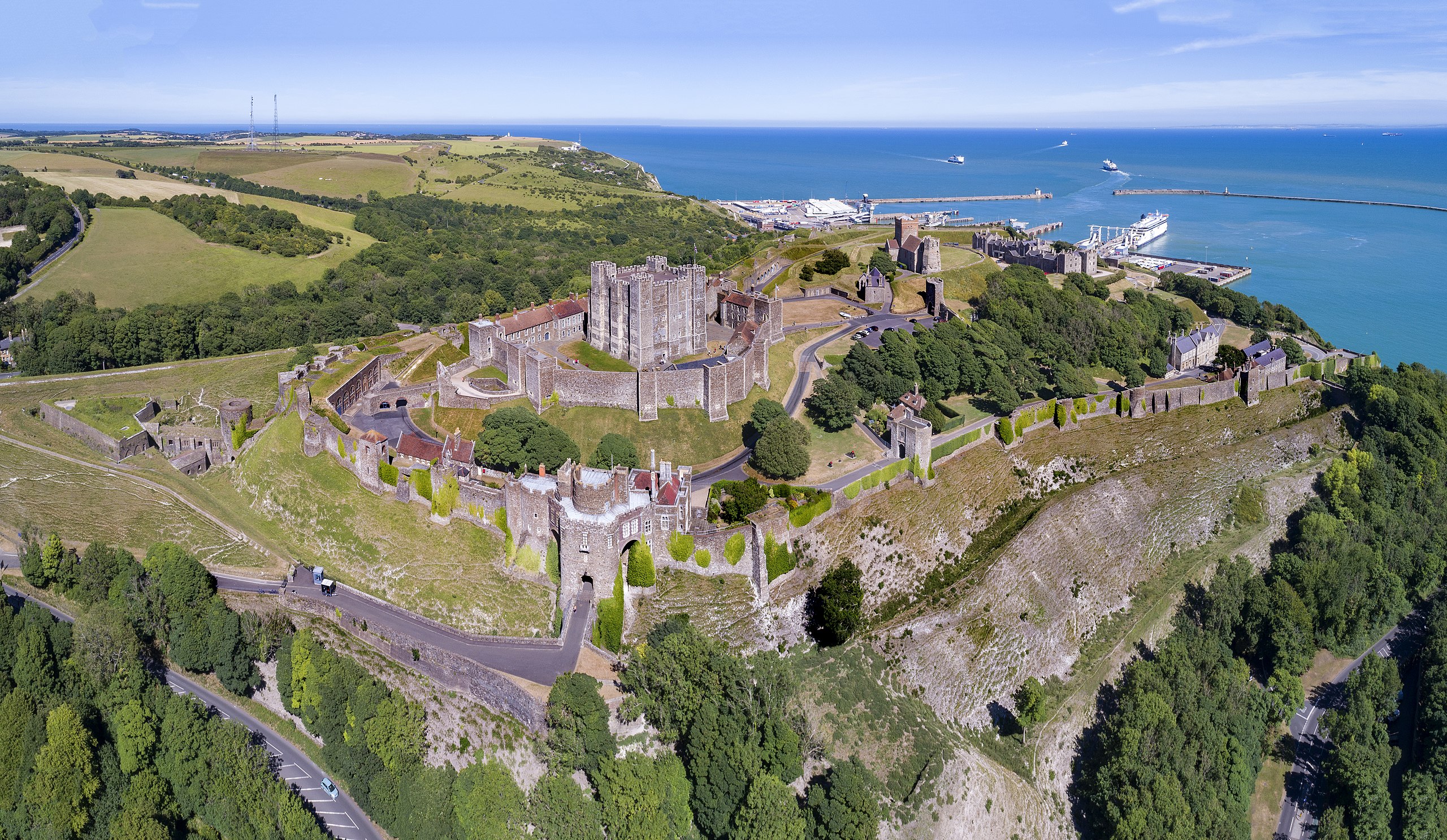
<ul><li><p>Built during the reign of William the Conqueror </p></li></ul><p></p>
5
New cards

1066 - Dover Castle (All Facts)

  • Rebuilt during the reign of William the Conqueror
<ul><li><p>Rebuilt during the reign of William the Conqueror </p></li></ul><p></p>
6
New cards

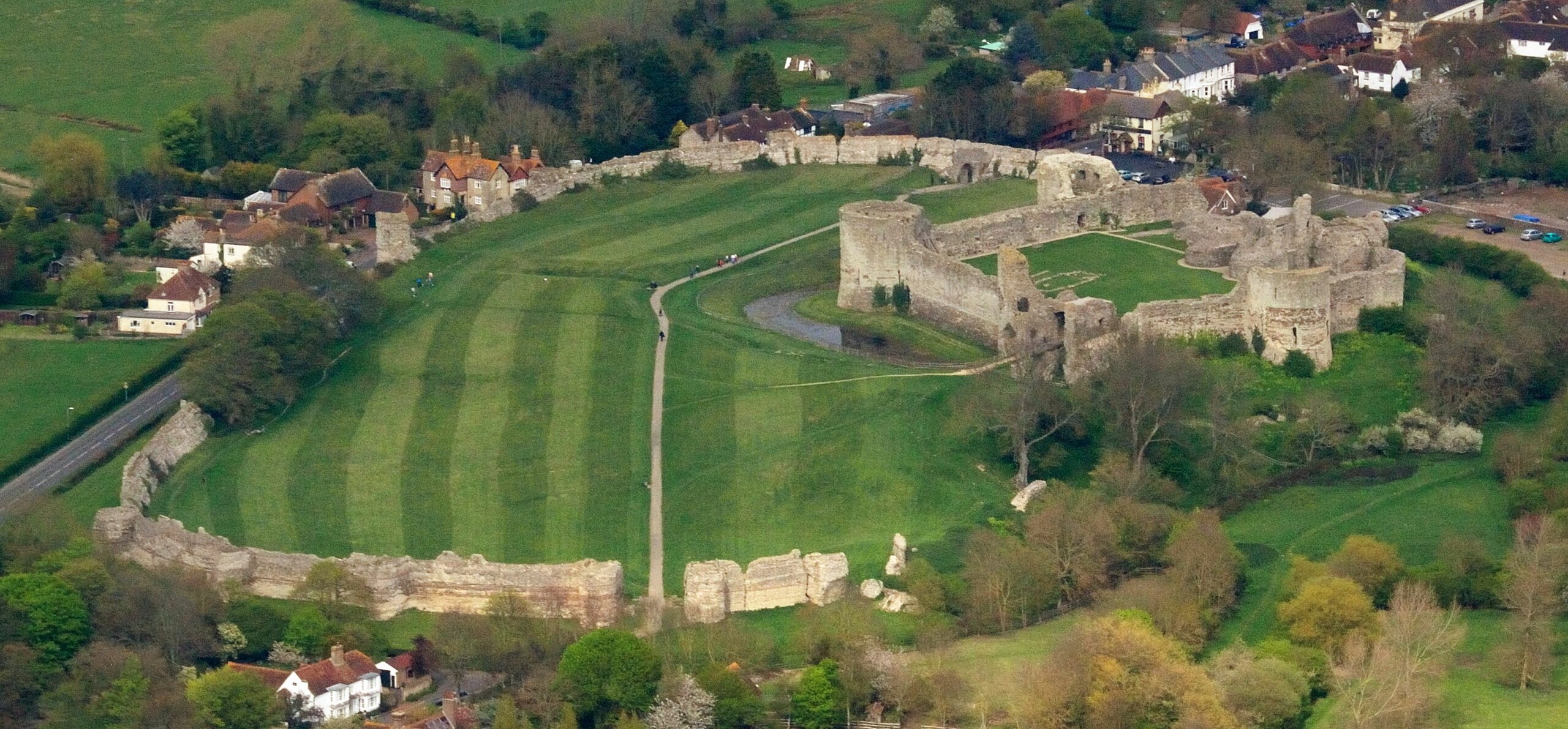
1066 - Pevensey Castle (All Facts)

  • Rebuilt during the reign of William the Conqueror

<ul><li><p>Rebuilt during the reign of William the Conqueror </p></li></ul><p></p>
7
New cards

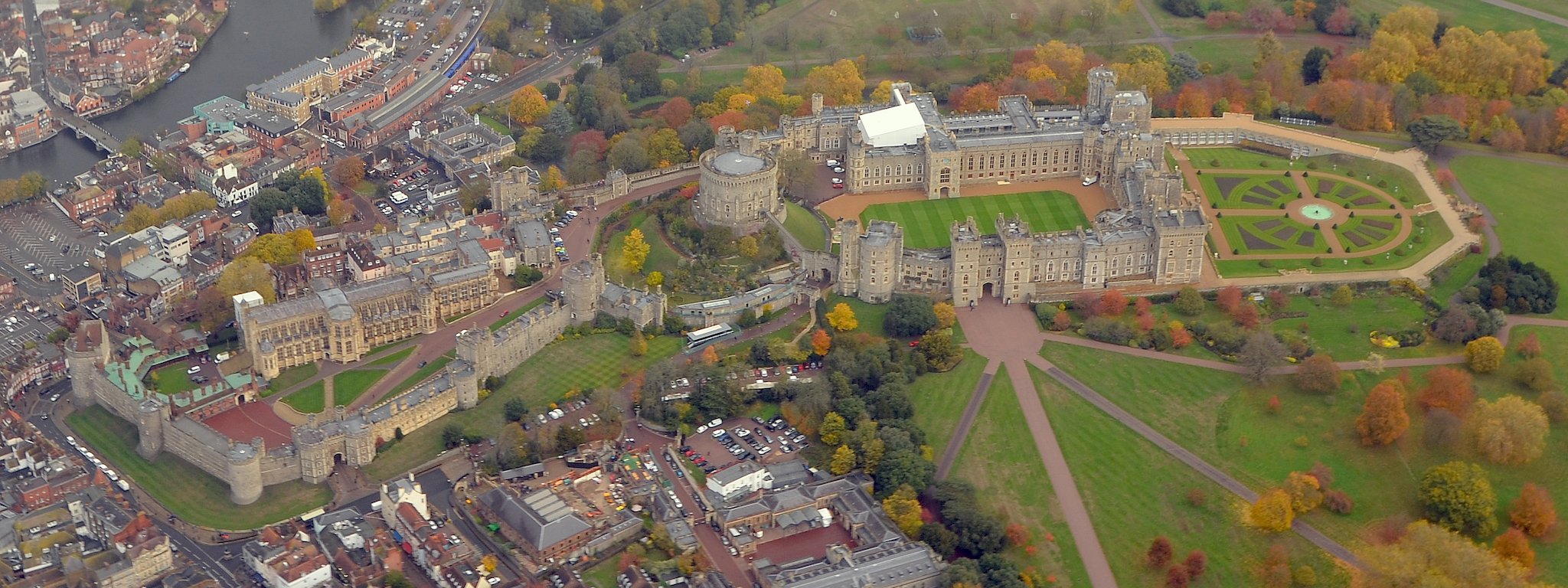
1070 - Windsor Castle (All Facts)

  • Built during the reign of William the Conqueror

<ul><li><p>Built during the reign of William the Conqueror </p></li></ul><p></p>
8
New cards

1078 - White Tower (All Facts)

  • Built during the reign of William the Conqueror

  • Its placed at the center of the Tower of London and gives it its name
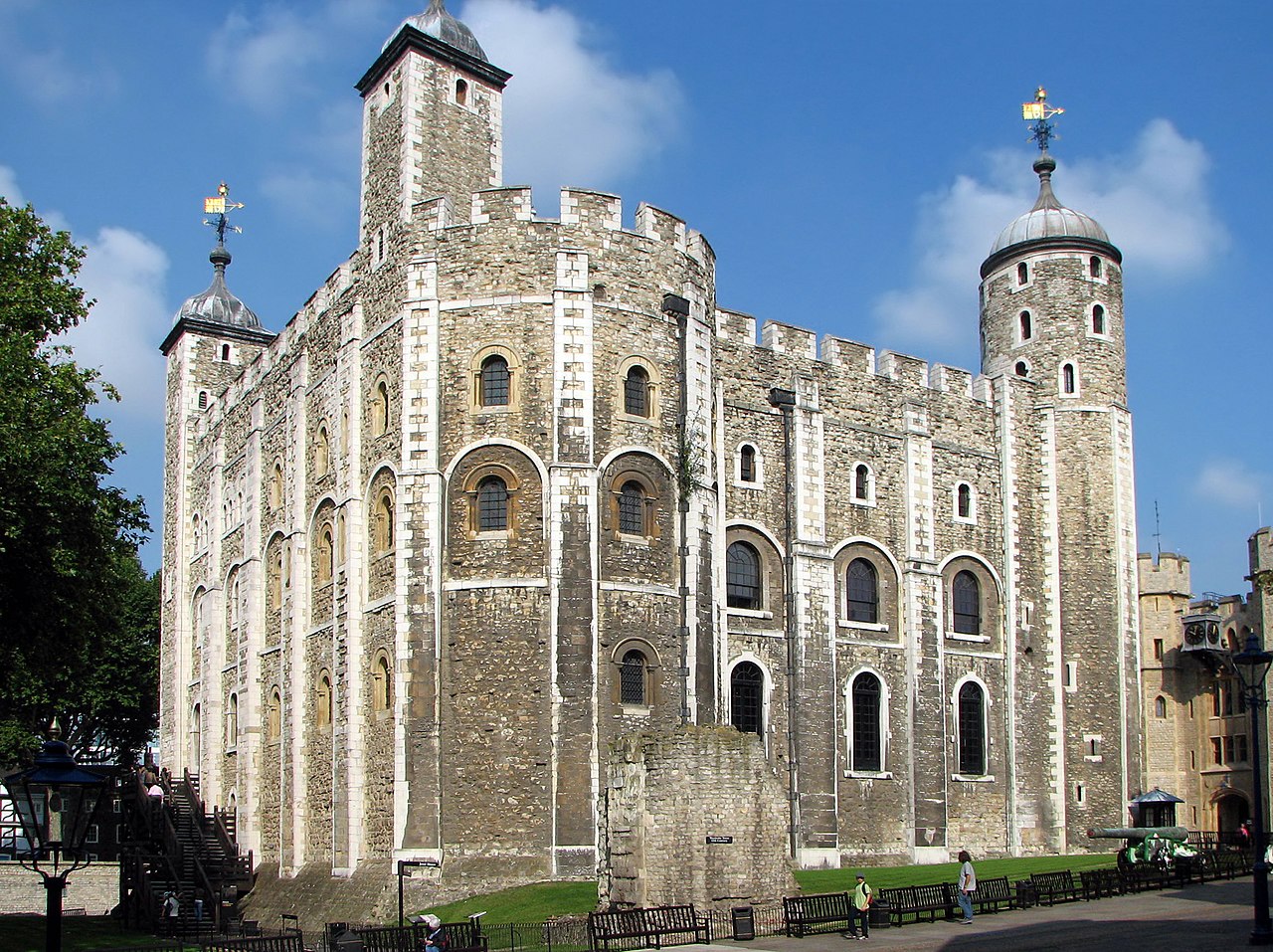
<ul><li><p>Built during the reign of William the Conqueror </p></li><li><p>Its placed at the center of the Tower of London and gives it its name </p></li></ul><p></p>
9
New cards

1070 - Canterbury Cathedral (All Facts)

  • When it was built, it was a Catholic Church

    • Its crypt featured its being carved with goats and she-devils

  • Represented the English Perpendicular architectural style, in that its nave had smoothly shafted columns rising to the “lierne vaults”
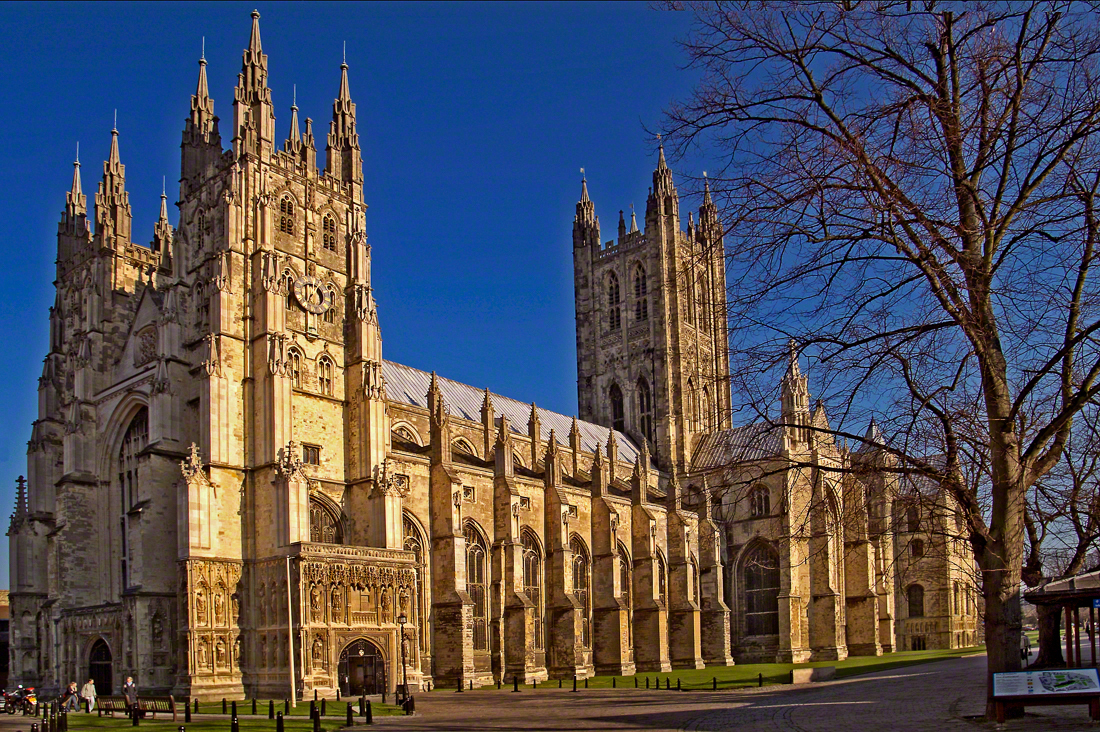
<ul><li><p>When it was built, it was a Catholic Church</p><ul><li><p>Its crypt featured its being carved with goats and she-devils</p></li></ul></li><li><p>Represented the English Perpendicular architectural style, in that its nave had smoothly shafted columns rising to the “lierne vaults” </p></li></ul><p></p>
10
New cards

1079 - Winchester Cathedral (All Facts)

  • Church built in the Norman-Romanesque style

  • When it was built, it was a Catholic Church
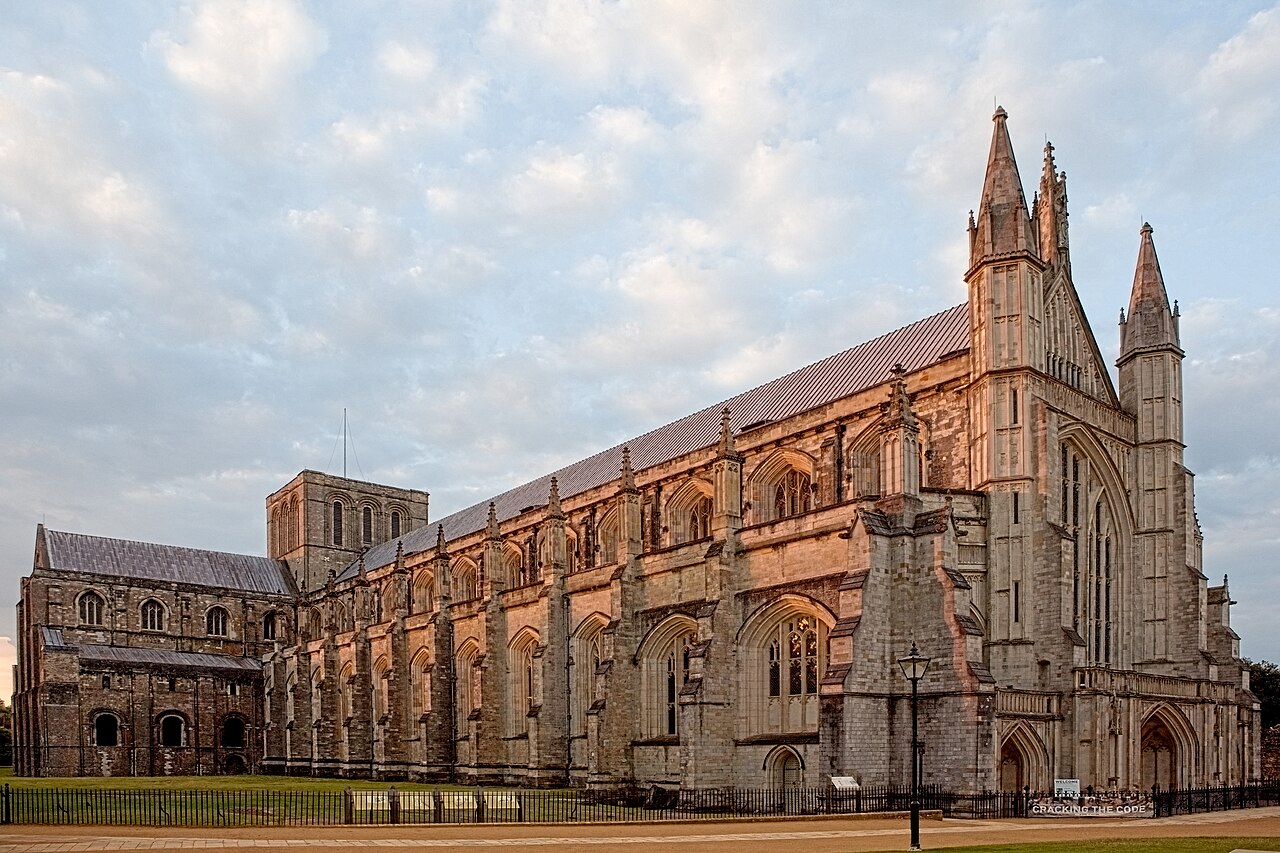
<ul><li><p>Church built in the Norman-Romanesque style</p></li><li><p>When it was built, it was a Catholic Church </p></li></ul><p></p>
11
New cards

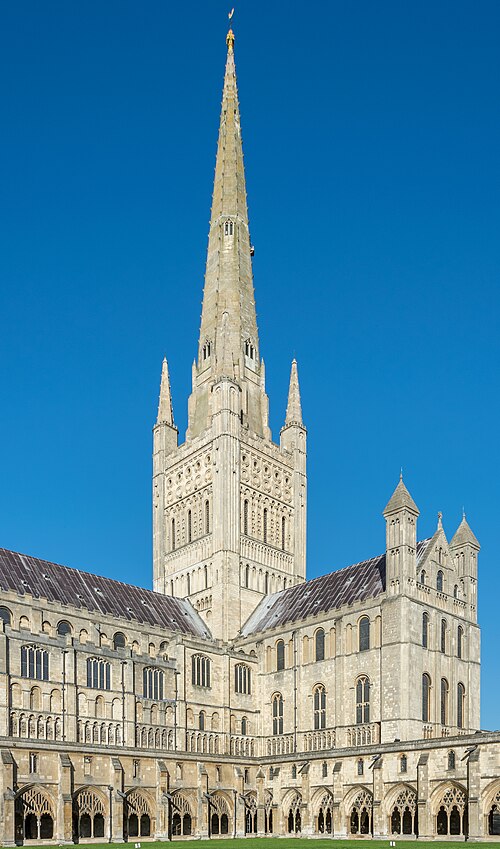
1096 - Norwich Cathedral (All Facts)

  • When it was built, it was a Catholic Church

<ul><li><p>When it was built, it was a Catholic Church </p></li></ul><p></p>
12
New cards

1133 - Durham Cathedral (All Facts)

  • When it was built, it was a Catholic Church

  • It featured clusters of columns up the nave alternative with massive piers decorated with carved zig-zag chevrons

    • Unlike all previous church architecture, it was vaulted throughout

    • It used a new and more stable combination of pointed arches and had buttressed arches beneath the gallery roof
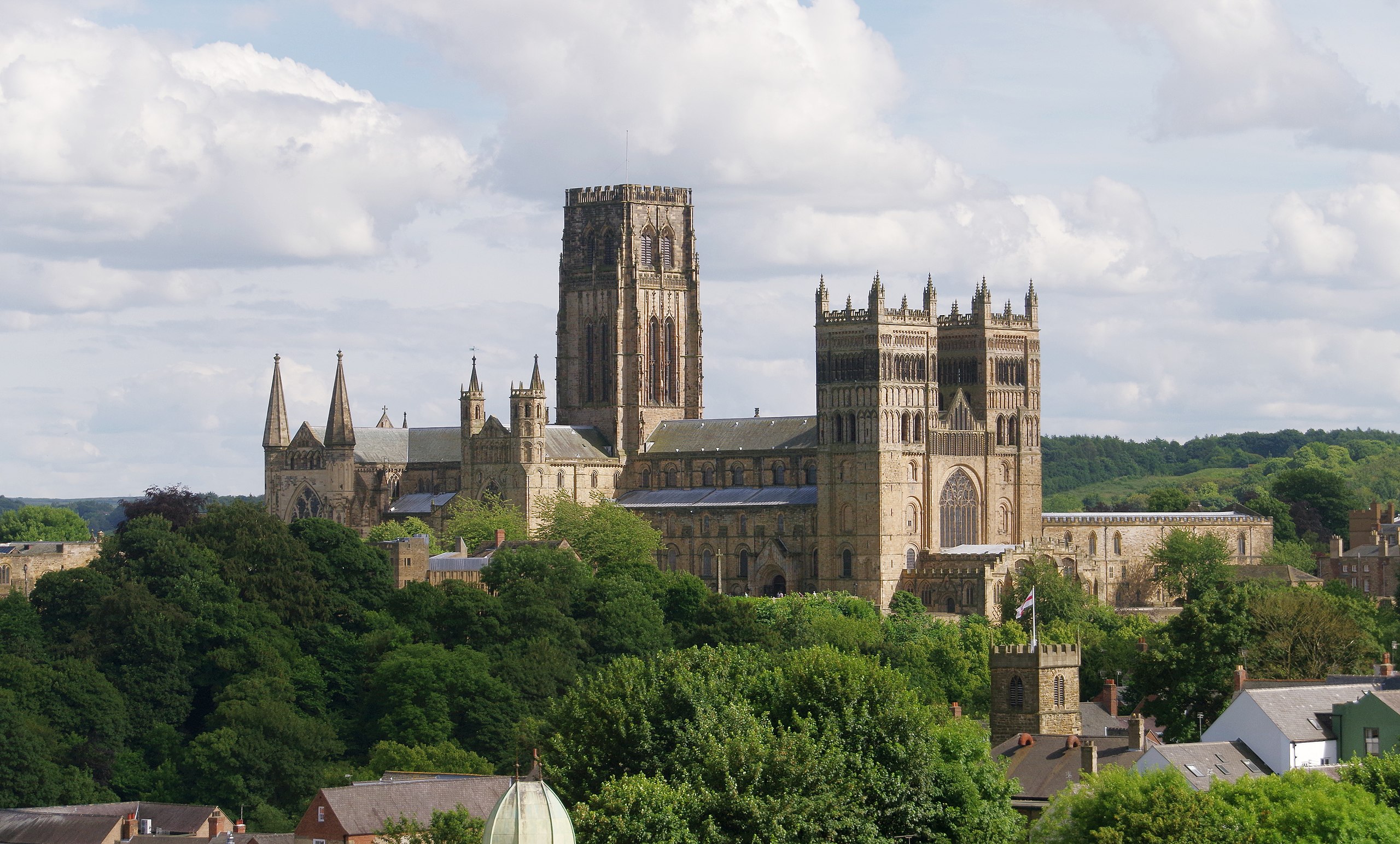
<ul><li><p>When it was built, it was a Catholic Church</p></li><li><p>It featured clusters of columns up the nave alternative with massive piers decorated with carved zig-zag chevrons</p><ul><li><p>Unlike all previous church architecture, it was vaulted throughout </p></li><li><p>It used a new and more stable combination of pointed arches and had buttressed arches beneath the gallery roof </p></li></ul></li></ul><p></p>
13
New cards

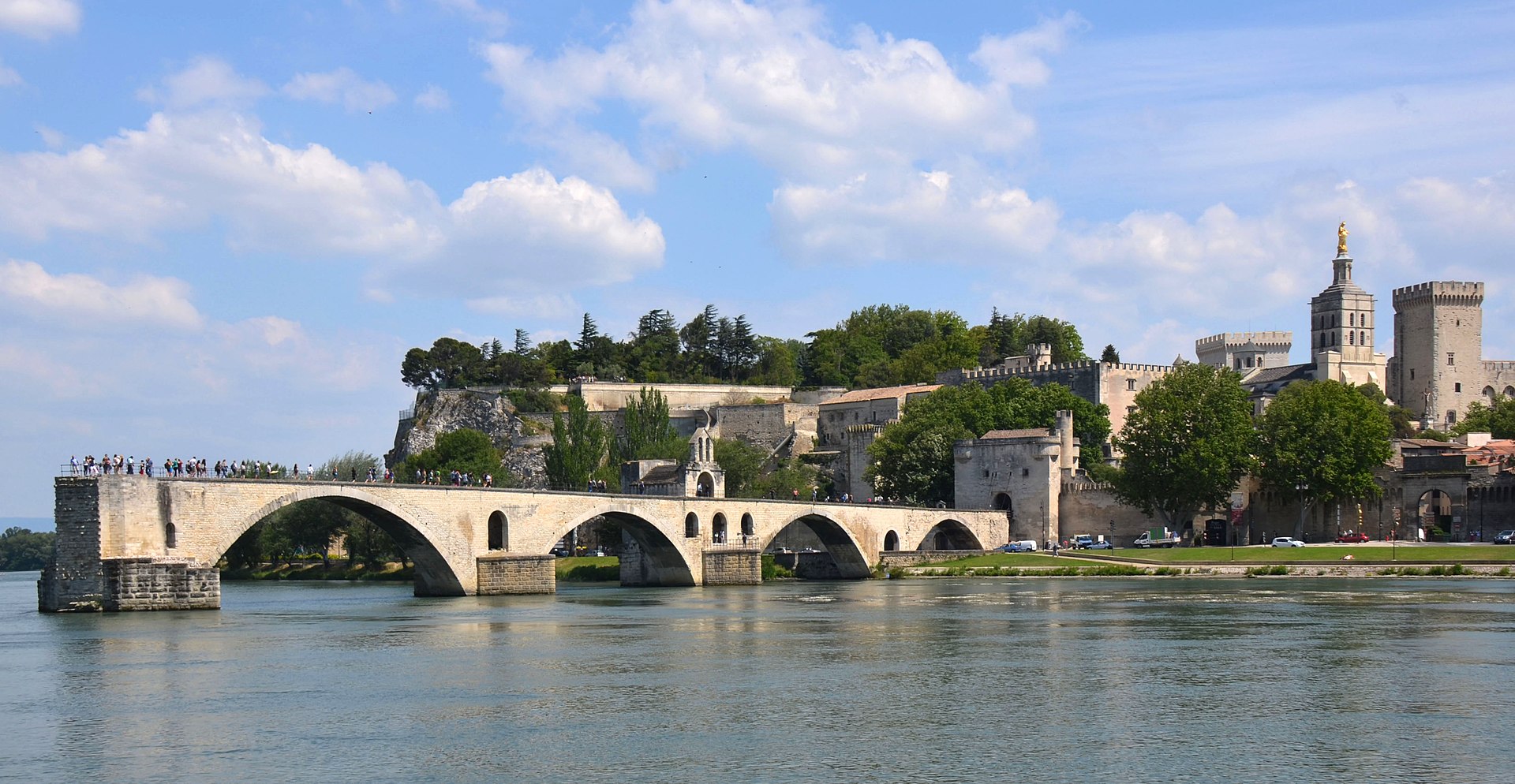
1177 - Avignon Bridge (All Facts)

<p></p>
14
New cards

1185 - Lincoln Cathedral (All Facts)

  • Exemplary of High Gothic architecture, in which new construction techniques were used to varied aesthetic ends and structures themselves were made ornamental
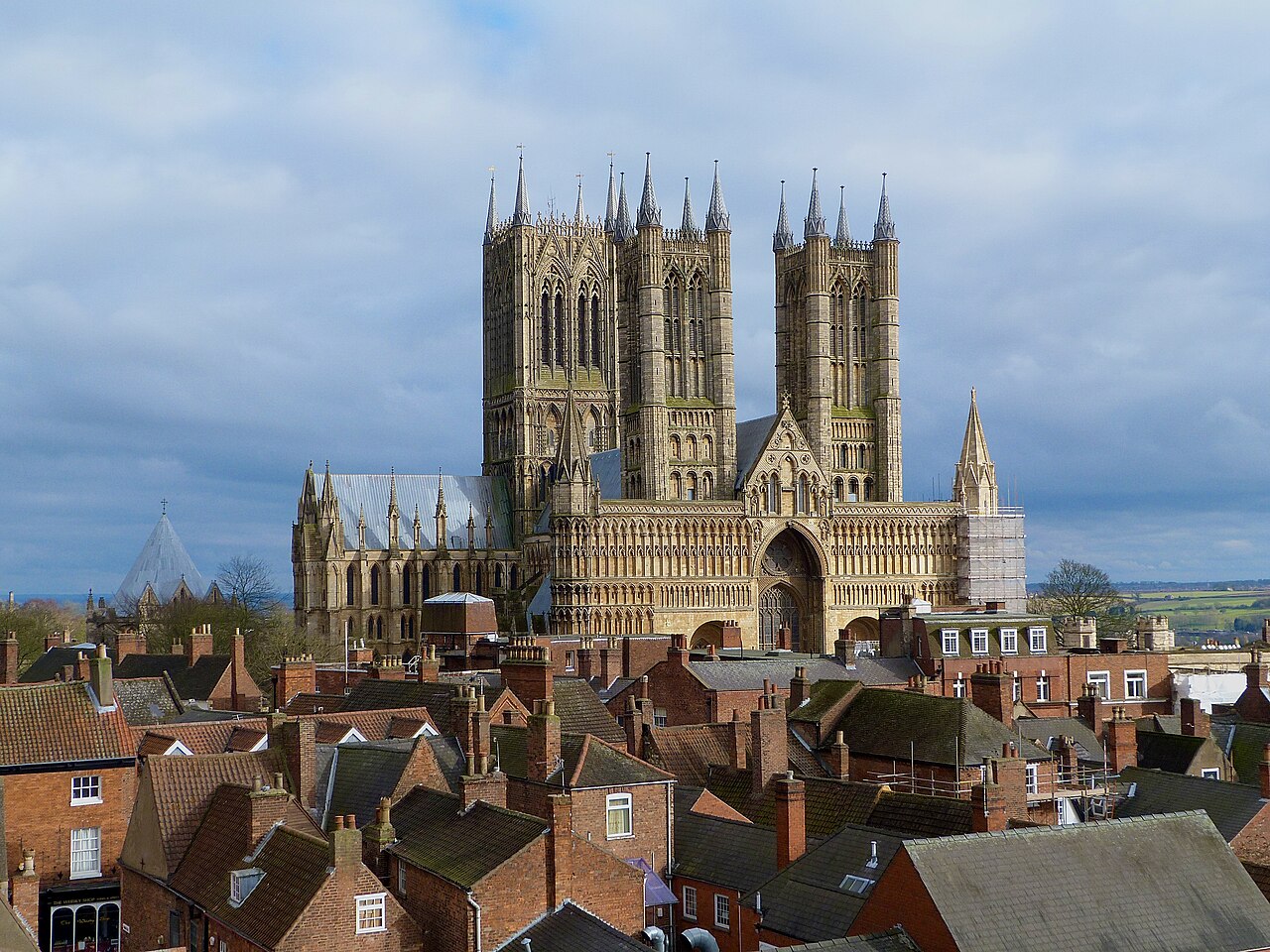
<ul><li><p>Exemplary of High Gothic architecture, in which new construction techniques were used to varied aesthetic ends and structures themselves were made ornamental</p></li></ul><p></p>
15
New cards

1220 - Salisbury Cathedral (All Facts)

  • Known for containing the earliest surviving weight-driven clock in England, which was installed there in 1386
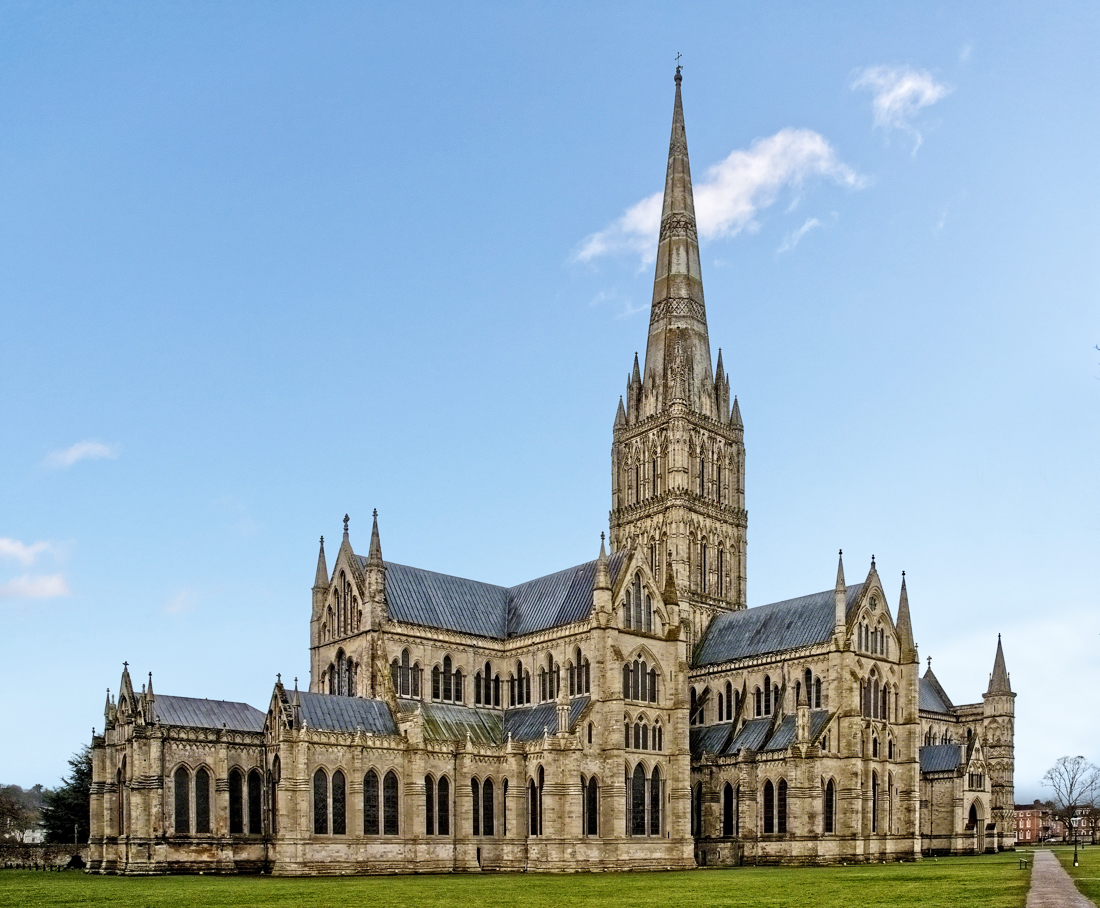
<ul><li><p>Known for containing the earliest surviving weight-driven clock in England, which was installed there in 1386 </p></li></ul><p></p>
16
New cards

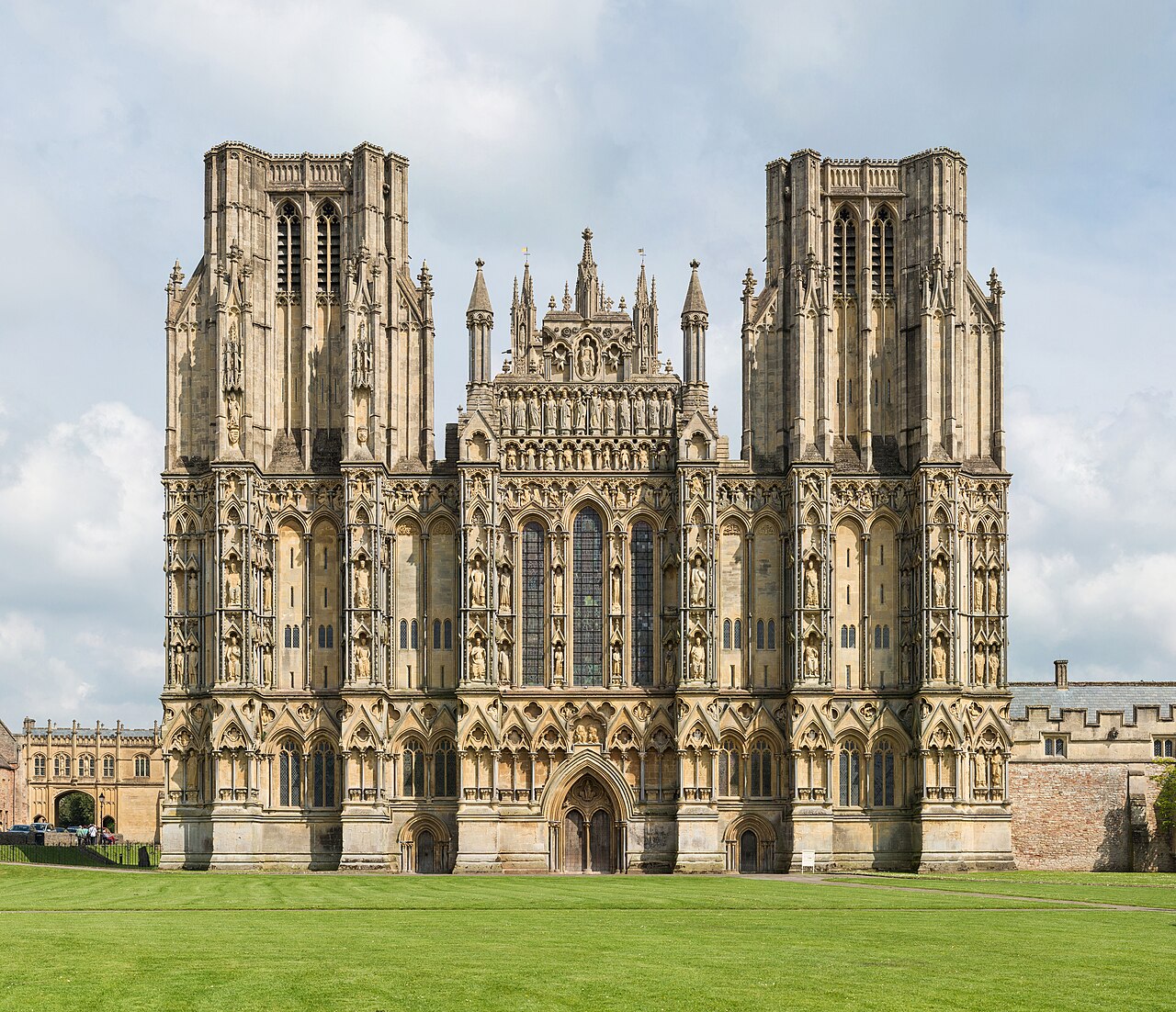
1239 - Wells Cathedral (All Facts)

knowt flashcard image
17
New cards

1288 - Pershore Abbey (All Facts)

  • Famous for its being the place of one of the earliest “lierne vaults”, characterized by small ribs running from one major rib to another

  • These “lierne vaults” because a purely decorative albeit typical device of English architecture thereafter
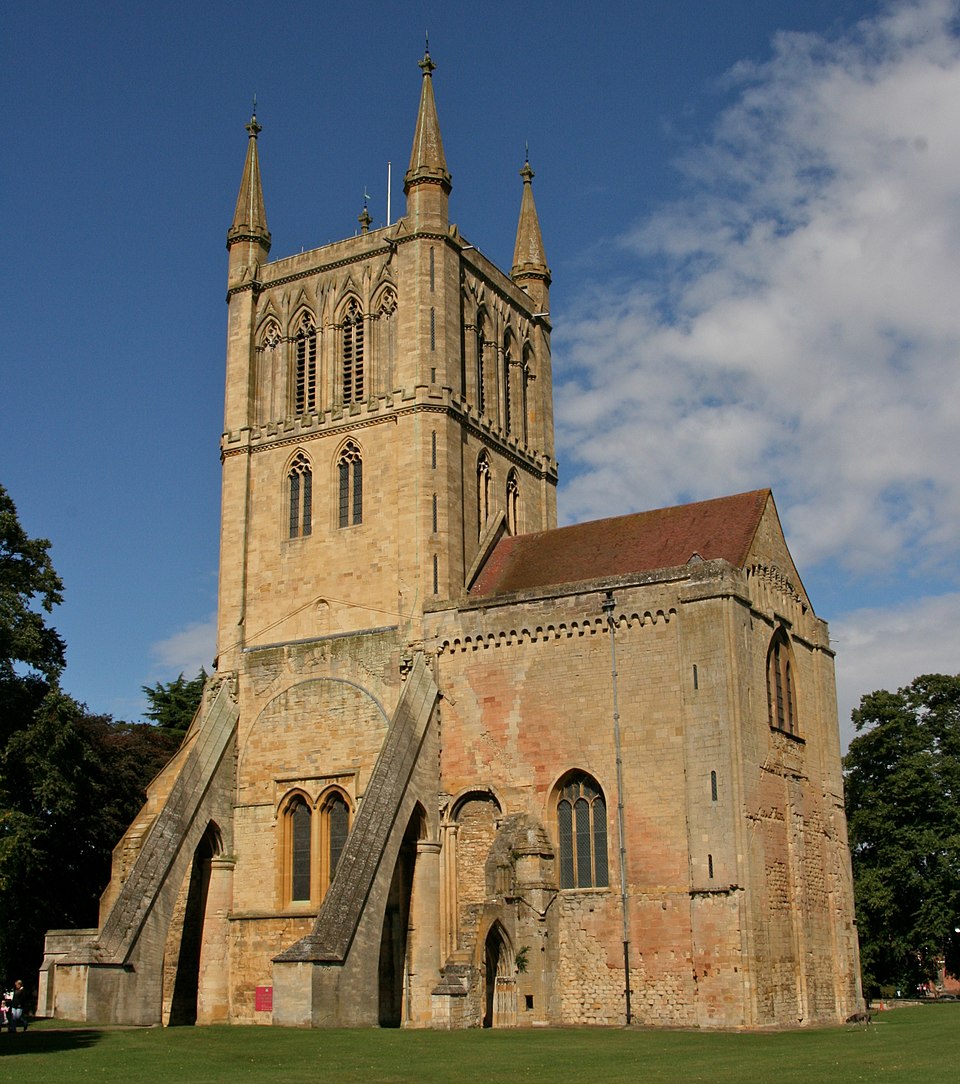
<ul><li><p>Famous for its being the place of one of the earliest “lierne vaults”, characterized by small ribs running from one major rib to another </p></li><li><p>These “lierne vaults” because a purely decorative albeit typical device of English architecture thereafter </p></li></ul><p></p>
18
New cards

1348 - 1375 - Ely Cathedral (All Facts)

  • Represented Second Generation “Decorated” Gothic architecture in England

  • Known for its undulating blind arcading and curvilinear tracery derived from geometrical forms
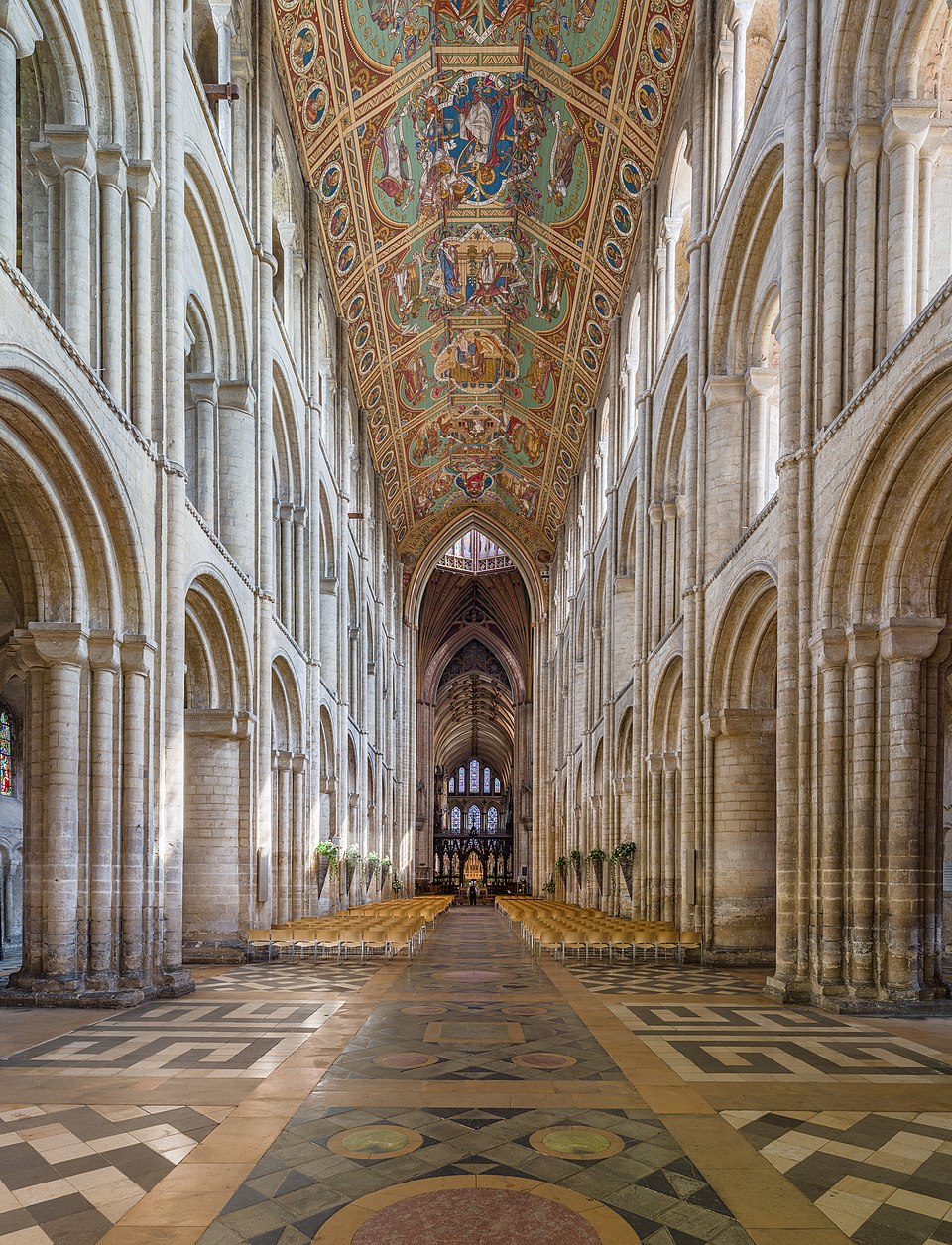
<ul><li><p>Represented Second Generation “Decorated” Gothic architecture in England </p></li><li><p>Known for its undulating blind arcading and curvilinear tracery derived from geometrical forms </p></li></ul><p></p>
19
New cards

1300s - 1600s - Tower Hill (All Facts)

  • Site in London near White Tower where high-status prisoners were executed, sometimes beheaded
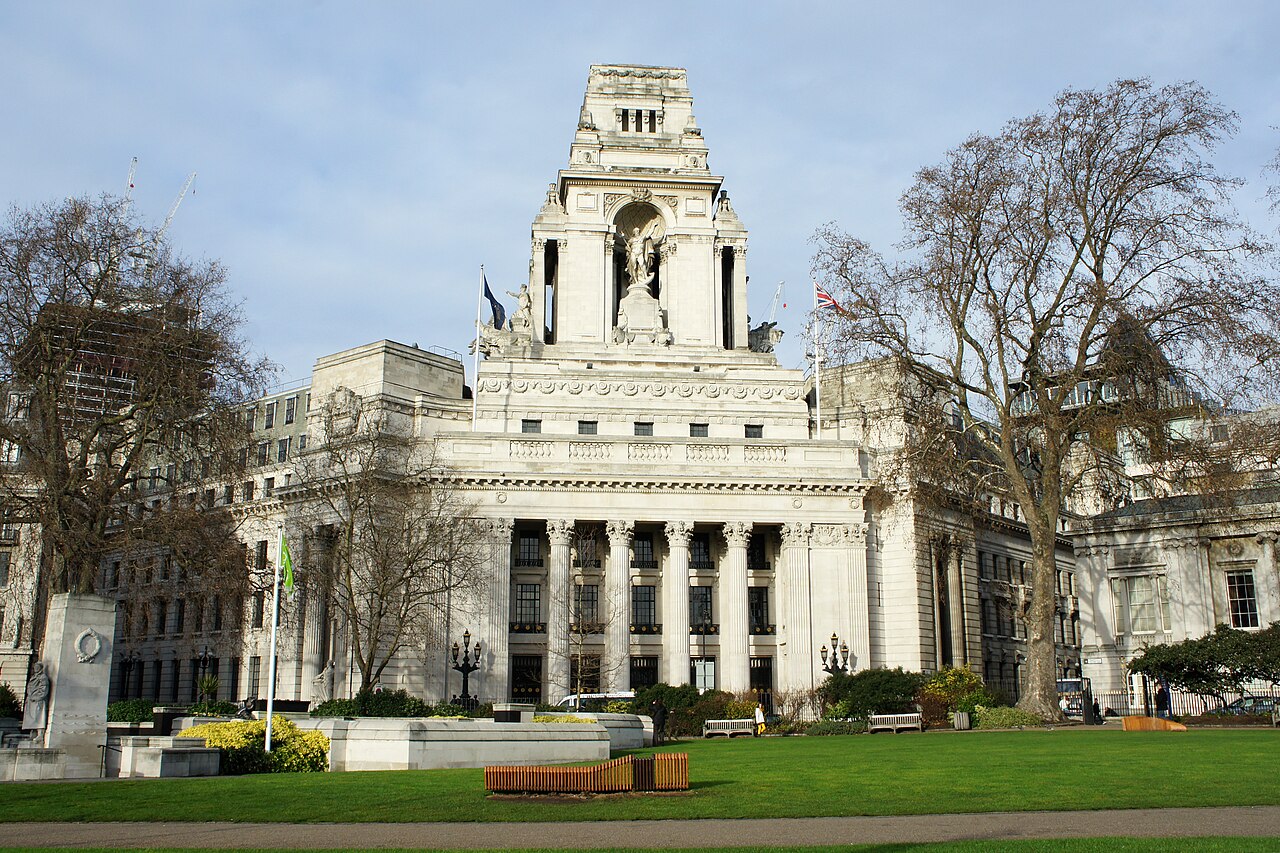
<ul><li><p>Site in London near White Tower where high-status prisoners were executed, sometimes beheaded</p></li></ul><p></p>
20
New cards

1480 - Divinity School (All Facts)

  • Located at the University of Oxford

  • Represented the English Perpendicular Gothic style, with its extremely intricate vaulting
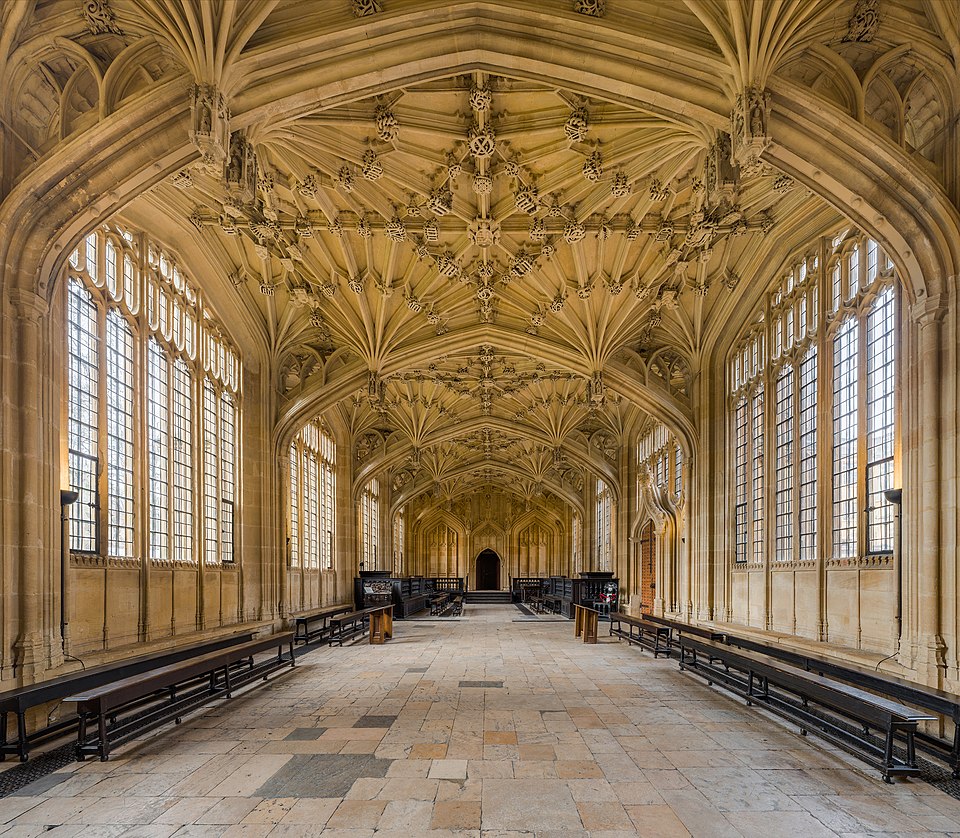
<ul><li><p>Located at the University of Oxford</p></li><li><p>Represented the English Perpendicular Gothic style, with its extremely intricate vaulting </p></li></ul><p></p>
21
New cards

1482 - Gloucester Cathedral (All Facts)

  • Represented the Perpendicular style of architecture in England with its cloister, where the ribs of the vault spread out into fan-vaulting
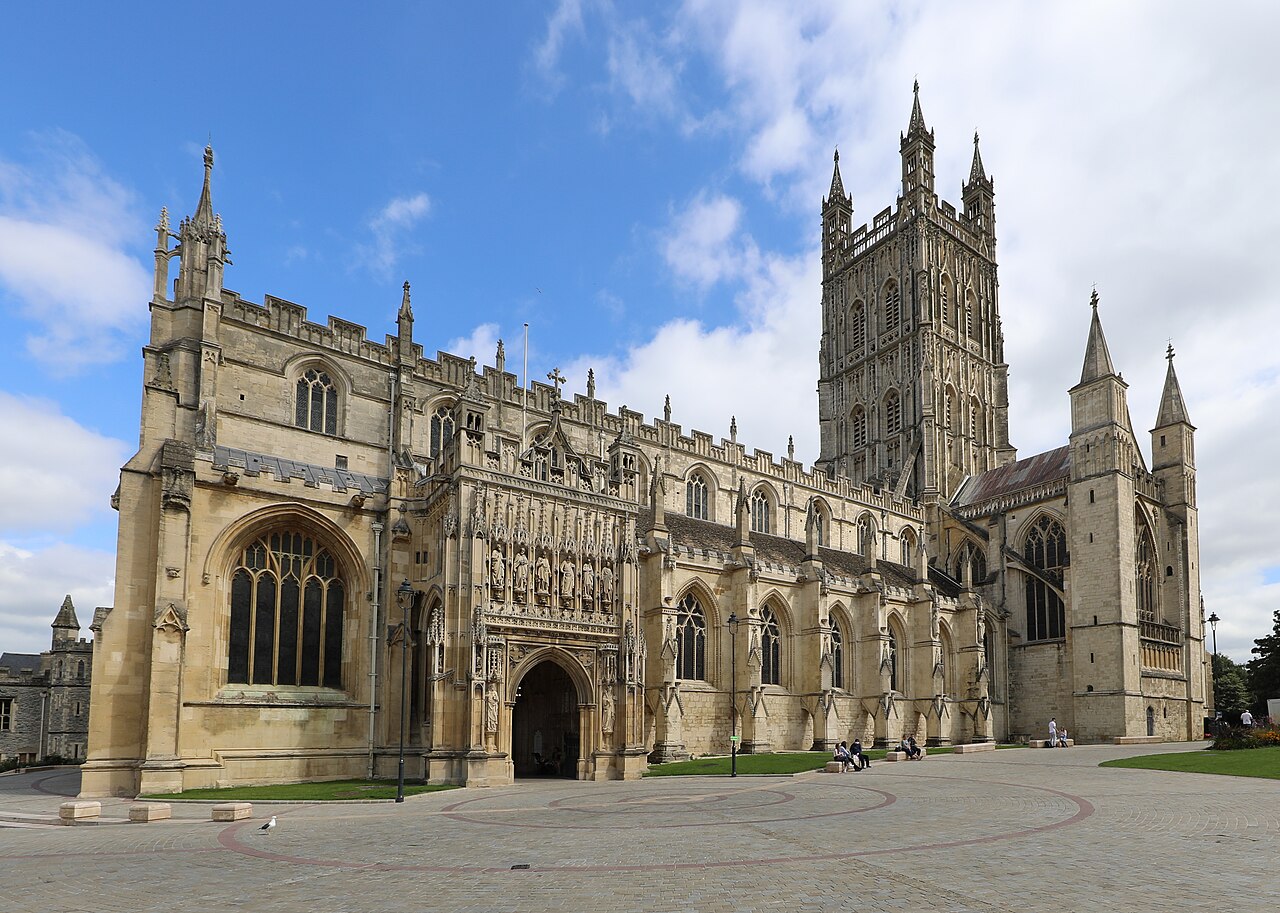
<ul><li><p>Represented the Perpendicular style of architecture in England with its cloister, where the ribs of the vault spread out into fan-vaulting</p></li></ul><p></p>
22
New cards

Waltham Abbey (All Facts)

  • Located in Essex

  • It was the last of England’s big monastic houses to be seized during the Dissolution of the Monasteries under King Henry VIII and the English Reformation
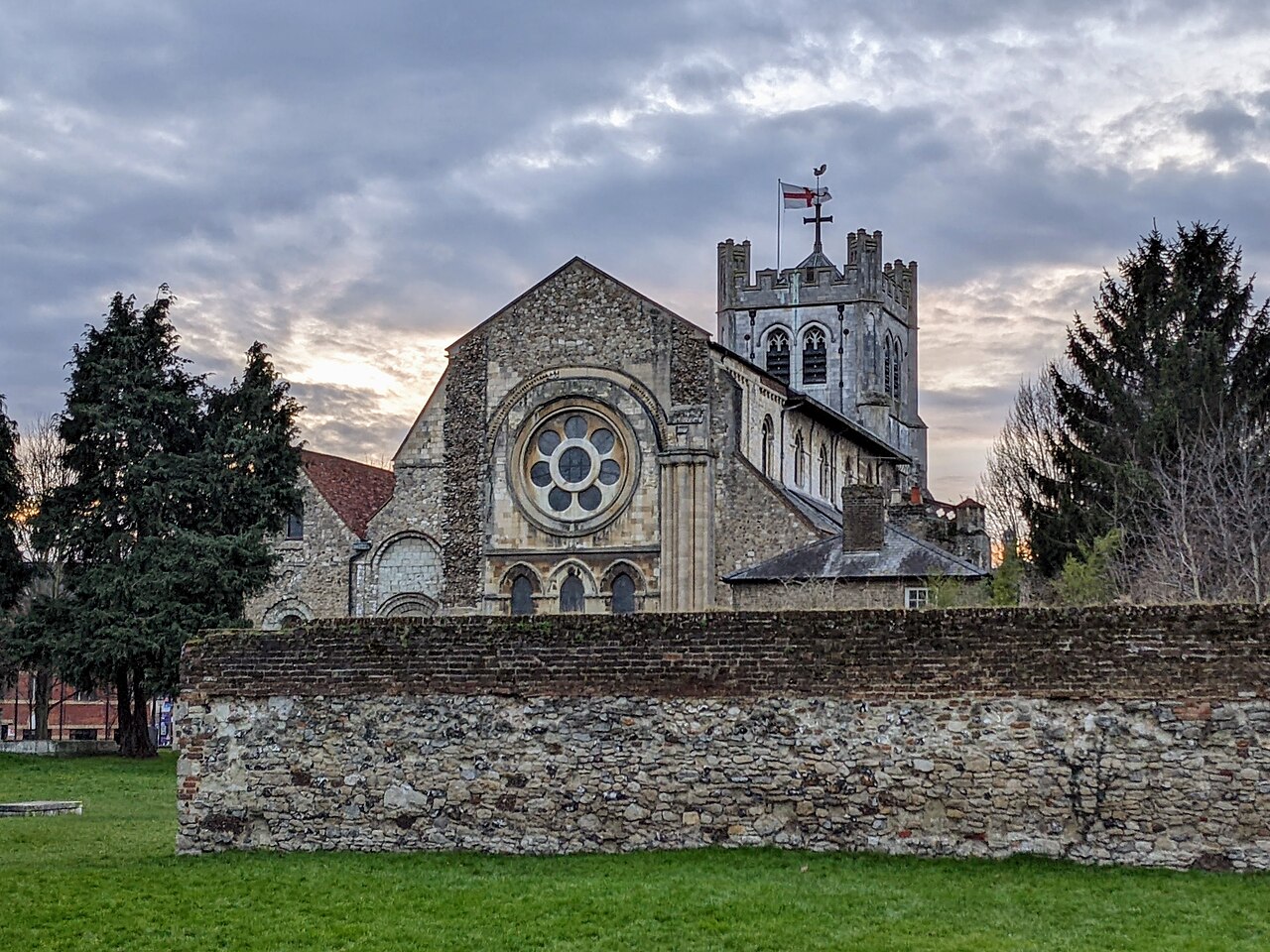
<ul><li><p>Located in Essex</p></li><li><p>It was the last of England’s big monastic houses to be seized during the Dissolution of the Monasteries under King Henry VIII and the English Reformation </p></li></ul><p></p>
23
New cards

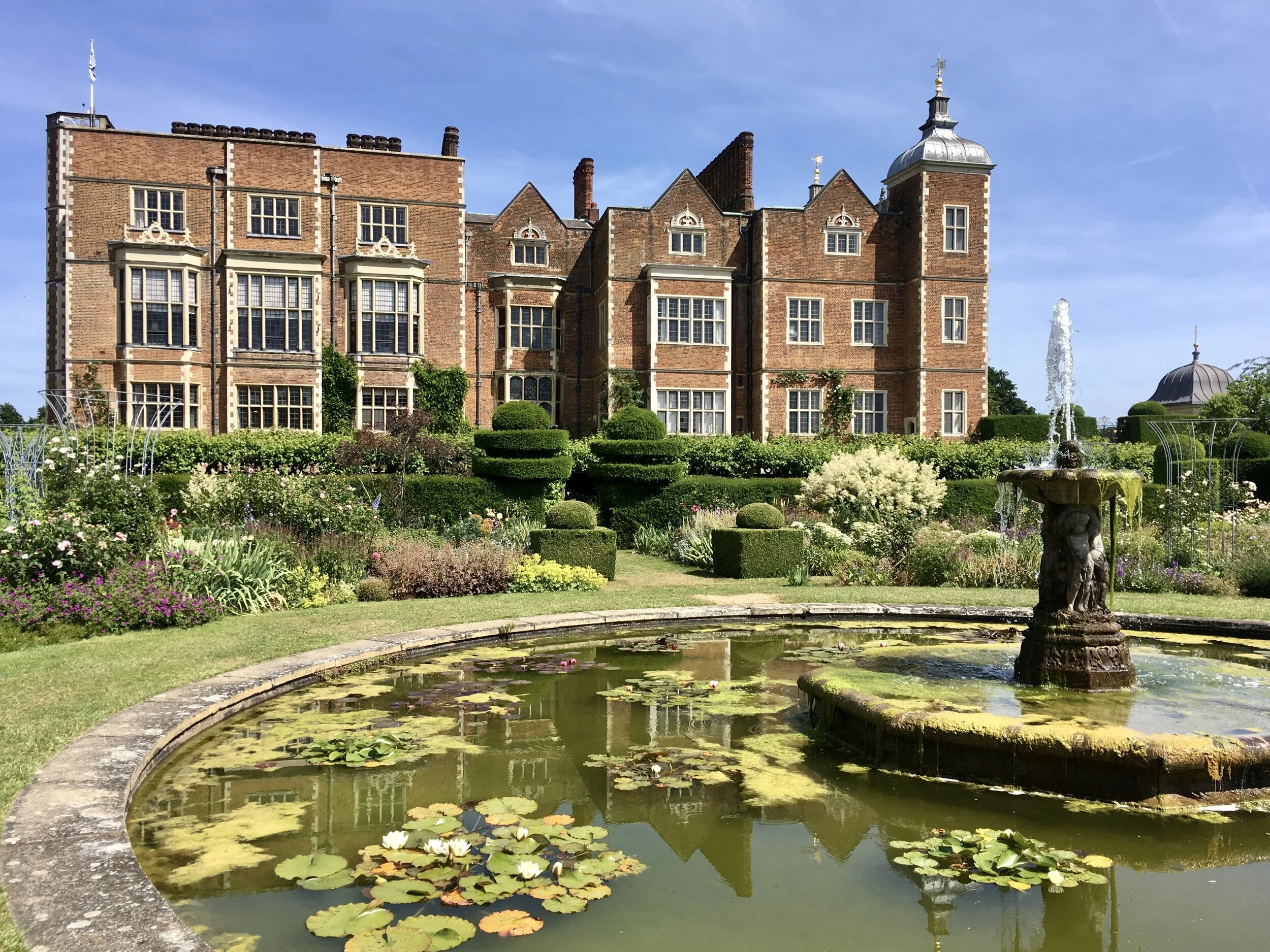
1485 - 1603 - Tudor Gothic Architecture (All Facts)

24
New cards

1514 - Hampton Court Palace (All Facts)

  • Home built by Thomas Wolsey for King Henry VIII of England

    • Wolsey had built it to try and save his own life as he fell out of favor with the king

  • Unlike many French castles, it never saw the scene of battle

  • Its namesake conference took place here, which led to the publication of the King James Version of the Holy Bible
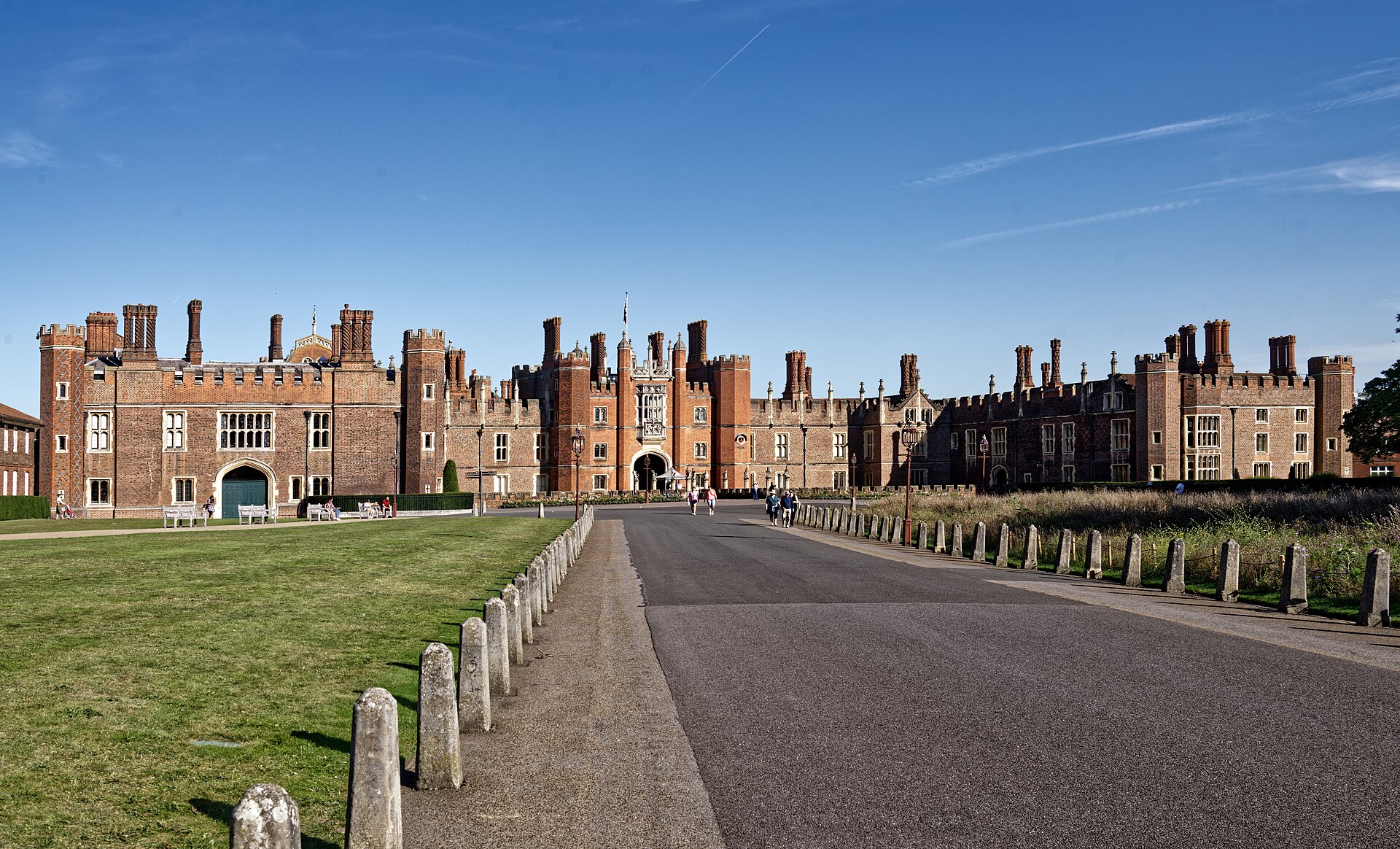
<ul><li><p>Home built by Thomas Wolsey for King Henry VIII of England</p><ul><li><p>Wolsey had built it to try and save his own life as he fell out of favor with the king</p></li></ul></li><li><p>Unlike many French castles, it never saw the scene of battle</p></li><li><p>Its namesake conference took place here, which led to the publication of the King James Version of the Holy Bible </p></li></ul><p></p>
25
New cards

1538 - Nonsuch Palace (All Facts)

  • Built during the reign of King Henry VIII
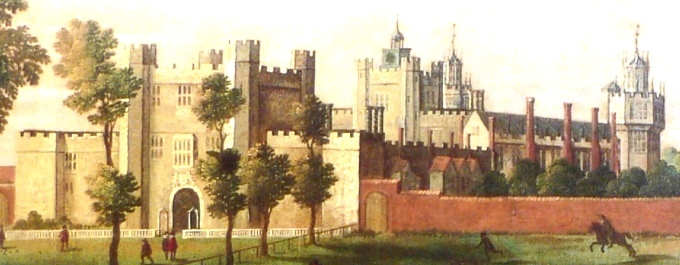
<ul><li><p>Built during the reign of King Henry VIII </p></li></ul><p></p>
26
New cards

1571 - Royal Exchange (All Facts)

  • Center of commerce in Cornhill for the city of London in England built during the English Renaissance / reign of Queen Elizabeth

  • Founded by Thomas Gresham

  • It was built over piazzas supported by marble pillars

  • Its ground floor was reserved for wholesalers, with retail shops in its gallery above

  • Its merchants were summoned to meetings by bells
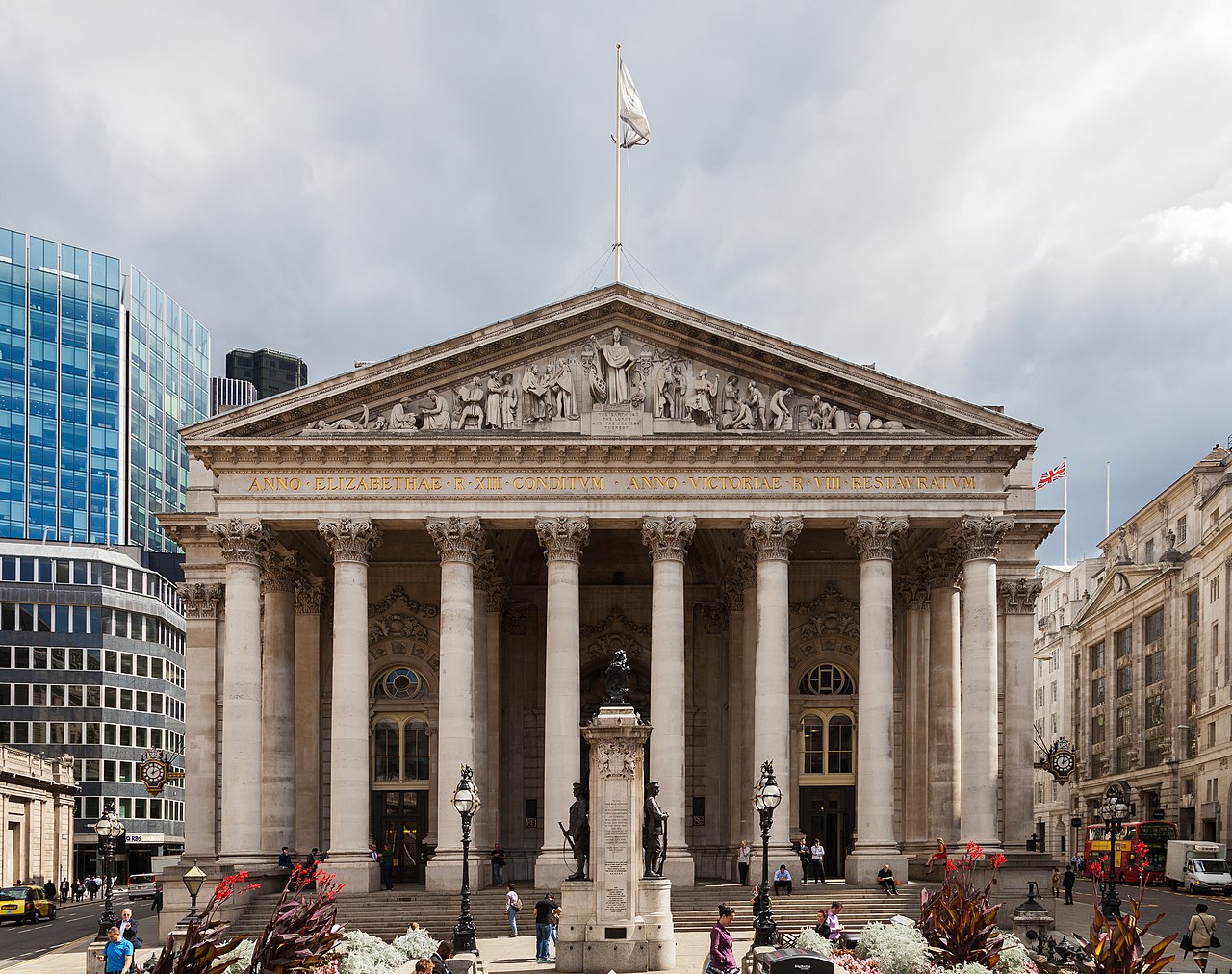
<ul><li><p>Center of commerce in Cornhill for the city of London in England built during the English Renaissance / reign of Queen Elizabeth </p></li><li><p>Founded by Thomas Gresham</p></li><li><p>It was built over piazzas supported by marble pillars</p></li><li><p>Its ground floor was reserved for wholesalers, with retail shops in its gallery above</p></li><li><p>Its merchants were summoned to meetings by bells</p></li></ul><p></p>
27
New cards

1579 - 1757 - Nonsuch House (All Facts)

  • Four-story house that was located on London Bridge and built during the English Renaissance / reign of Queen Elizabeth

  • It was the first prefabricated building in history

    • It was set up among the shops and houses that lined London Bridge at the time

    • It was originally built in Holland and then brought over in sections and re-erected
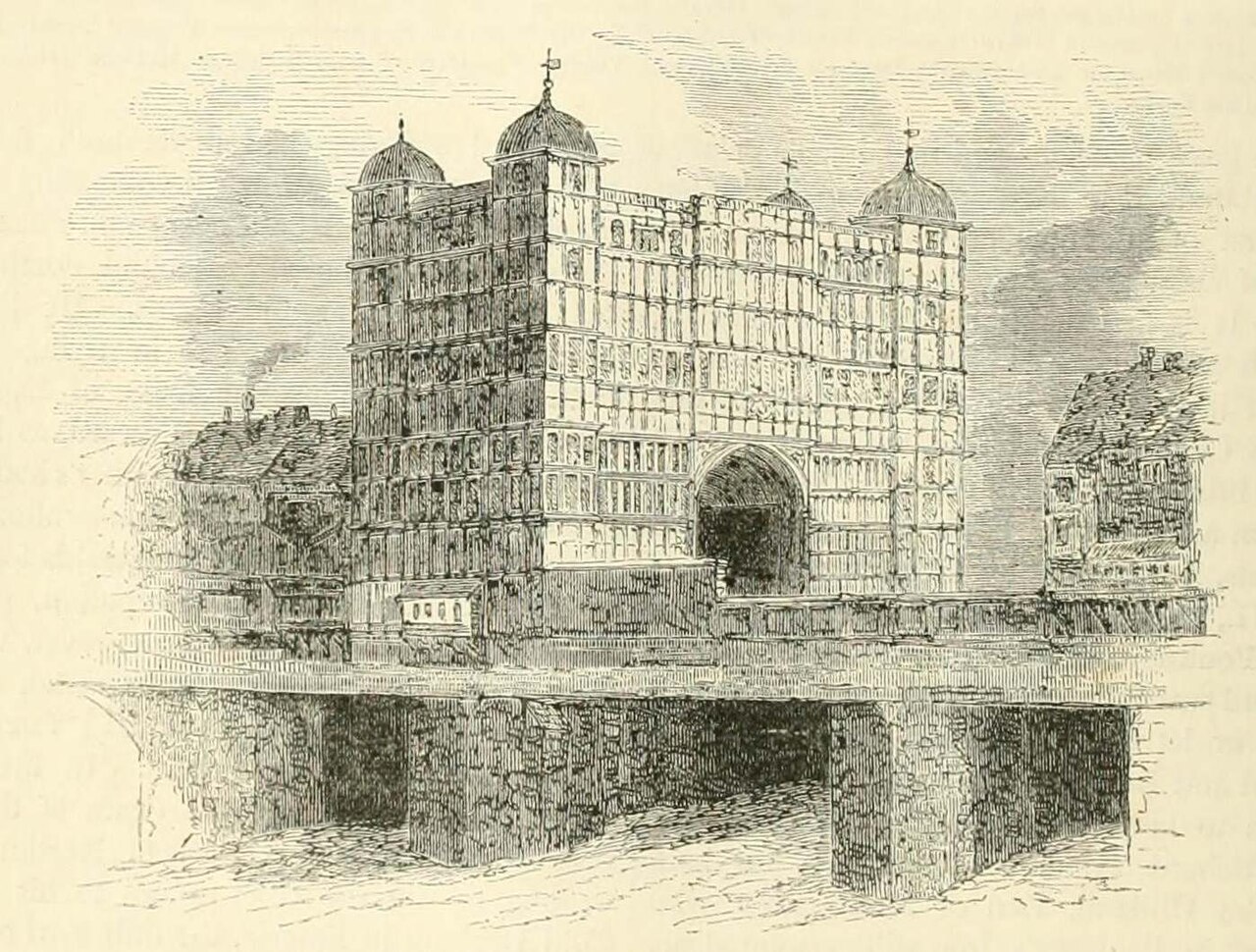
<ul><li><p><span>Four-story house that was located on </span>London Bridge and built during the English Renaissance / reign of Queen Elizabeth </p></li><li><p><span>It was the first </span>prefabricated building in history </p><ul><li><p>It was set up among the shops and houses that lined London Bridge at the time </p></li><li><p>It was originally built in Holland and then brought over in sections and re-erected </p></li></ul></li></ul><p></p>
28
New cards

1558 - 1603 - Elizabethan Architecture (All Facts)

  • Architectural Style of England during the English Renaissance / reign of the namesake

    • heavily influenced by the Northern Renaissance in Europe (continental via Flanders and France, not Italy) and the style of (Dutch) Fleming Vredeman de Vries

    • which acquired great originality, despite Italian influence on its large houses, which could be seen in the tendency for the English at the time to build symmetrical frontages

    • in which the arrangement of rooms internally was generally similar to that of earlier times, with a great chamber as the ceremonial heart of the English house

    • which reflected the growing wealth at the time of families that prospered from rising prices, royal service, and the dissolution of the monasteries

    • which, despite their grandeur, were criticized at the time for being flimsy and two-dimensional compared with prior Tudor Gothic buildings in which windows were often flush with walls rather than set deeply into them

    • in which pilasters were preferred to columns

    • in which buttresses were rare

<ul><li><p>Architectural Style of England during the English Renaissance / reign of the namesake</p><ul><li><p>heavily influenced by the Northern Renaissance in Europe (continental via Flanders and France, not Italy) and the style of (Dutch) Fleming Vredeman de Vries</p></li><li><p>which acquired great originality, despite Italian influence on its large houses, which could be seen in the tendency for the English at the time to build symmetrical frontages</p></li><li><p>in which the arrangement of rooms internally was generally similar to that of earlier times, with a great chamber as the ceremonial heart of the English house</p></li><li><p>which reflected the growing wealth at the time of families that prospered from rising prices, royal service, and the dissolution of the monasteries</p></li><li><p>which, despite their grandeur, were criticized at the time for being flimsy and two-dimensional compared with prior Tudor Gothic buildings in which windows were often flush with walls rather than set deeply into them </p></li><li><p>in which pilasters were preferred to columns </p></li><li><p>in which buttresses were rare </p></li></ul></li></ul><p></p>
29
New cards

1580 - Longleat House (All Facts)

  • Exemplifies Elizabethan Architecture, built during the English Renaissance / reign of Queen Elizabeth
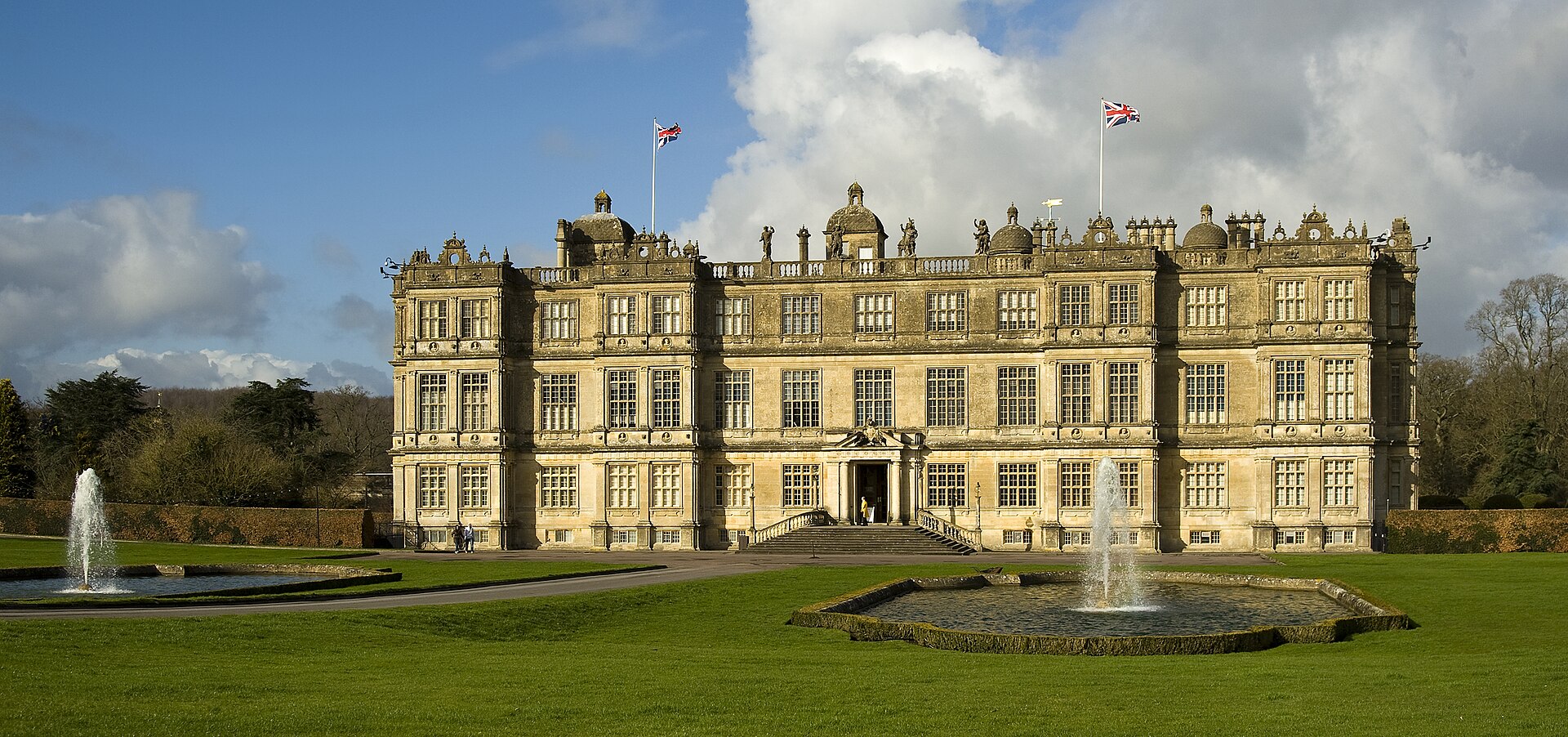
<ul><li><p>Exemplifies Elizabethan Architecture, built during the English Renaissance / reign of Queen Elizabeth </p></li></ul><p></p>
30
New cards

1583 - Holdenby House / Holmby House (All Facts)

  • Exemplifies Elizabethan Architecture, built during the English Renaissance / reign of Queen Elizabeth
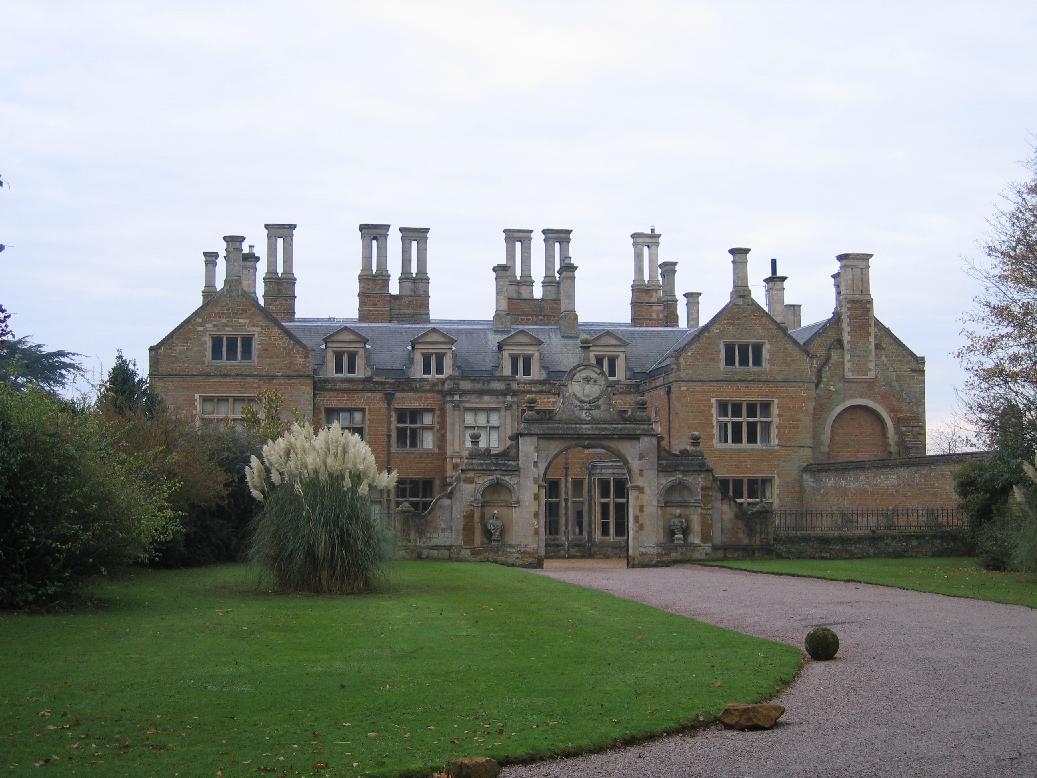
<ul><li><p>Exemplifies Elizabethan Architecture, built during the English Renaissance / reign of Queen Elizabeth</p></li></ul><p></p>
31
New cards

1583 - Theobalds House (All Facts)

  • Exemplifies Elizabethan Architecture, built during the English Renaissance / reign of Queen Elizabeth by William Cecil

  • Located in Hertfordshire

<ul><li><p>Exemplifies Elizabethan Architecture, built during the English Renaissance / reign of Queen Elizabeth by William Cecil </p></li><li><p>Located in Hertfordshire </p></li></ul><p></p>
32
New cards

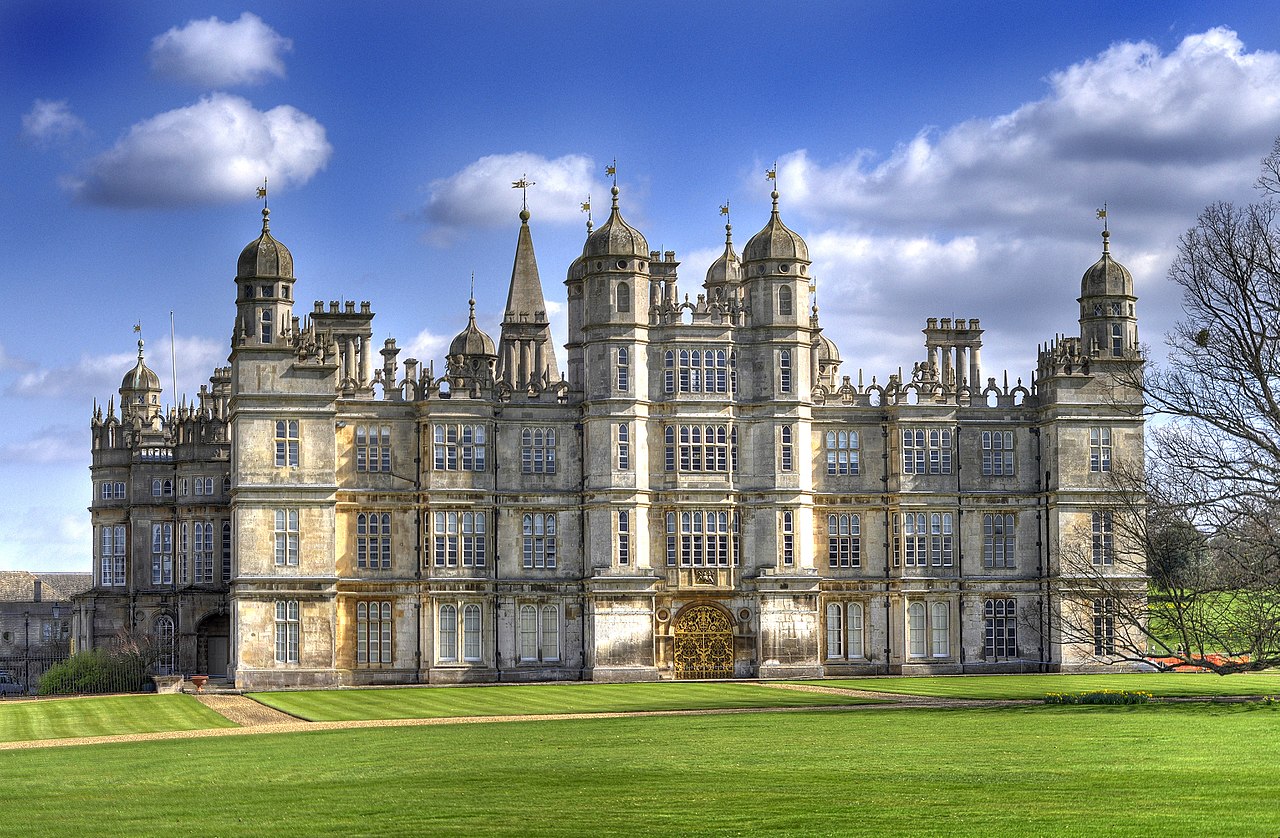
1587 - Burghley House (All Facts)

  • Exemplifies Elizabethan Architecture, built during the English Renaissance / reign of Queen Elizabeth by William Cecil

  • Located in Stamford

<ul><li><p>Exemplifies Elizabethan Architecture, built during the English Renaissance / reign of Queen Elizabeth by William Cecil </p></li><li><p>Located in Stamford </p></li></ul><p></p>
33
New cards

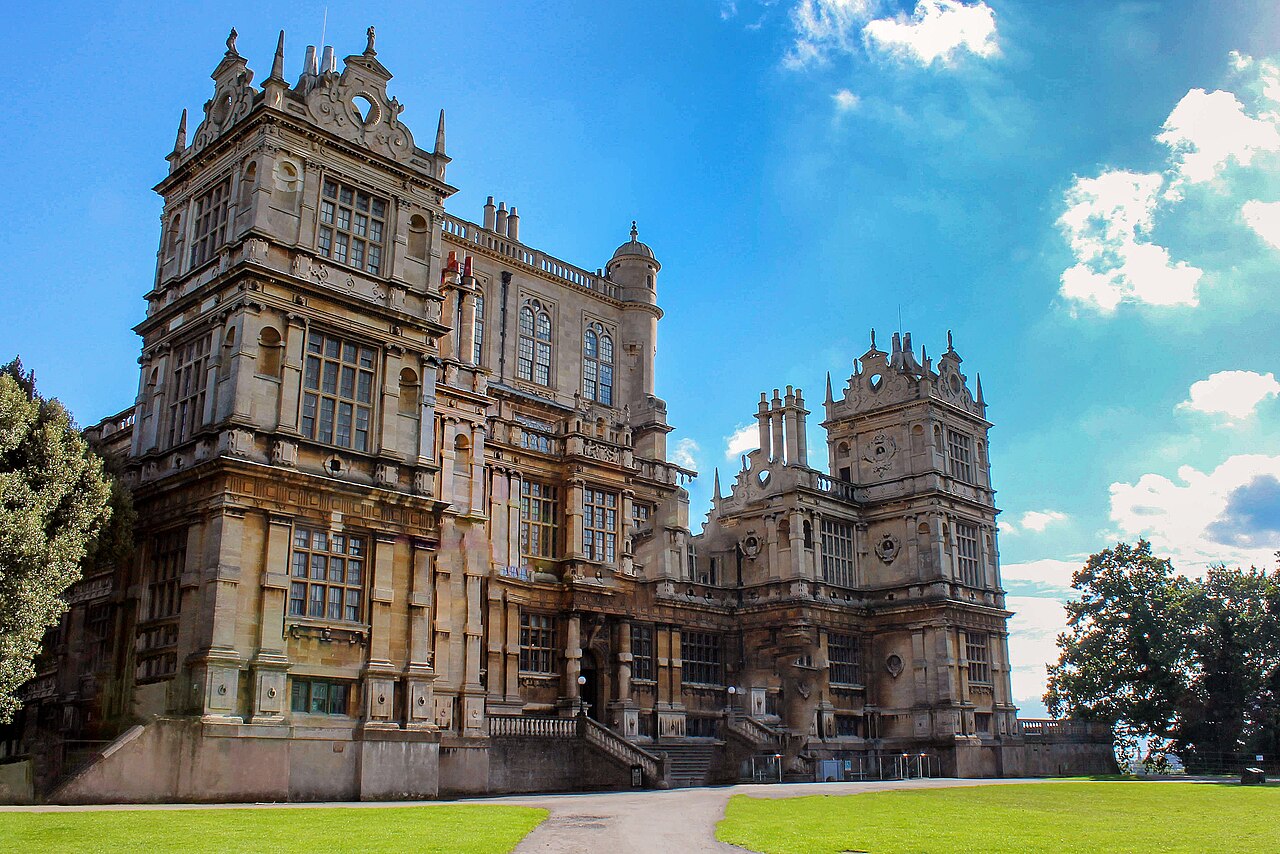
1588 - Wollaton Hall (All Facts)

  • Exemplifies Elizabethan Architecture, built during the English Renaissance / reign of Queen Elizabeth
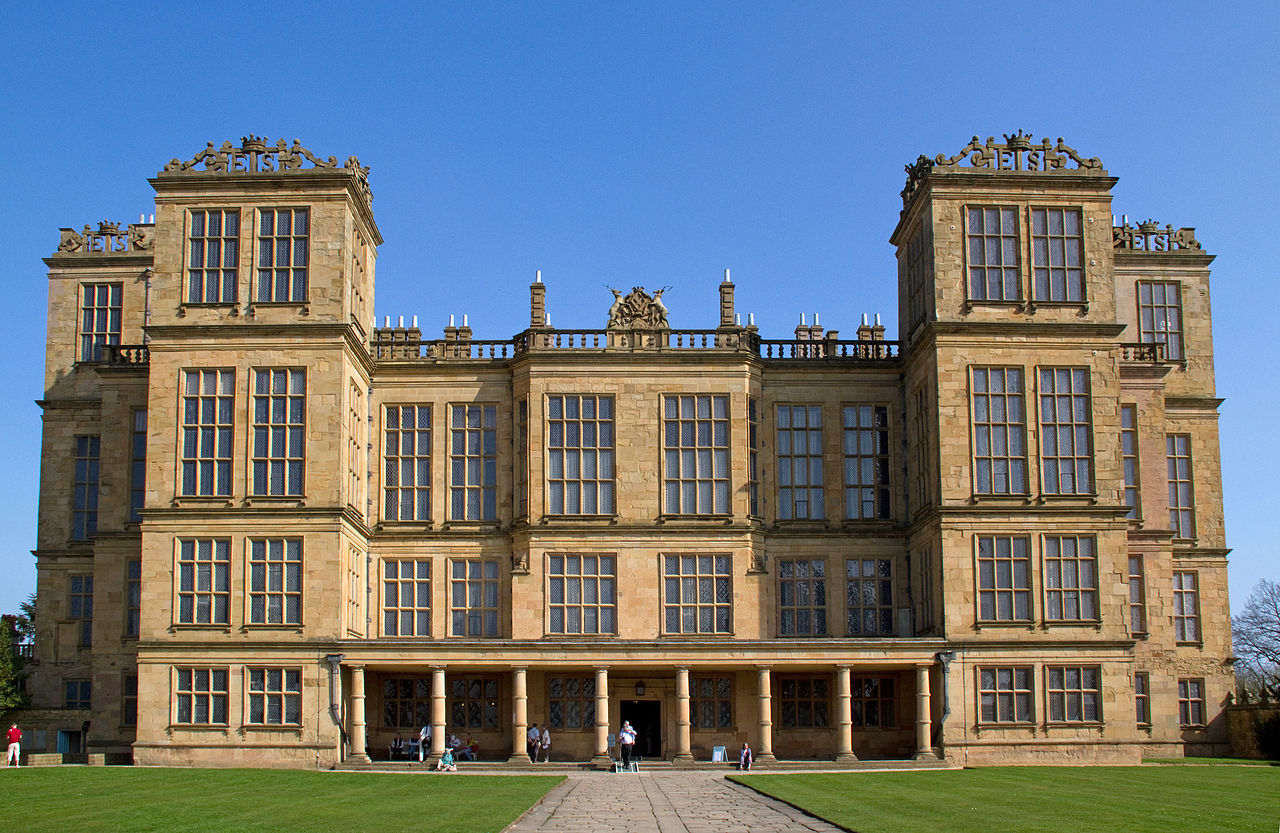
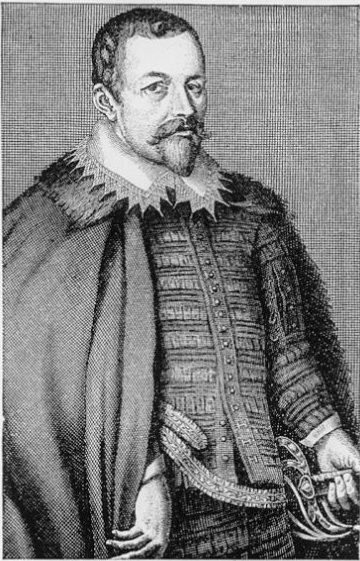
  • Located in Nottingham

<ul><li><p>Exemplifies Elizabethan Architecture, built during the English Renaissance / reign of Queen Elizabeth</p></li><li><p>Located in Nottingham</p></li></ul><p></p>
34
New cards

1597 - Hardwick Hall (All Facts)

  • Exemplifies Elizabethan Architecture, built during the English Renaissance / reign of Queen Elizabeth

<ul><li><p>Exemplifies Elizabethan Architecture, built during the English Renaissance / reign of Queen Elizabeth</p></li></ul><p></p>
35
New cards
<p>1602 - Bodelian Library (All Facts) </p>

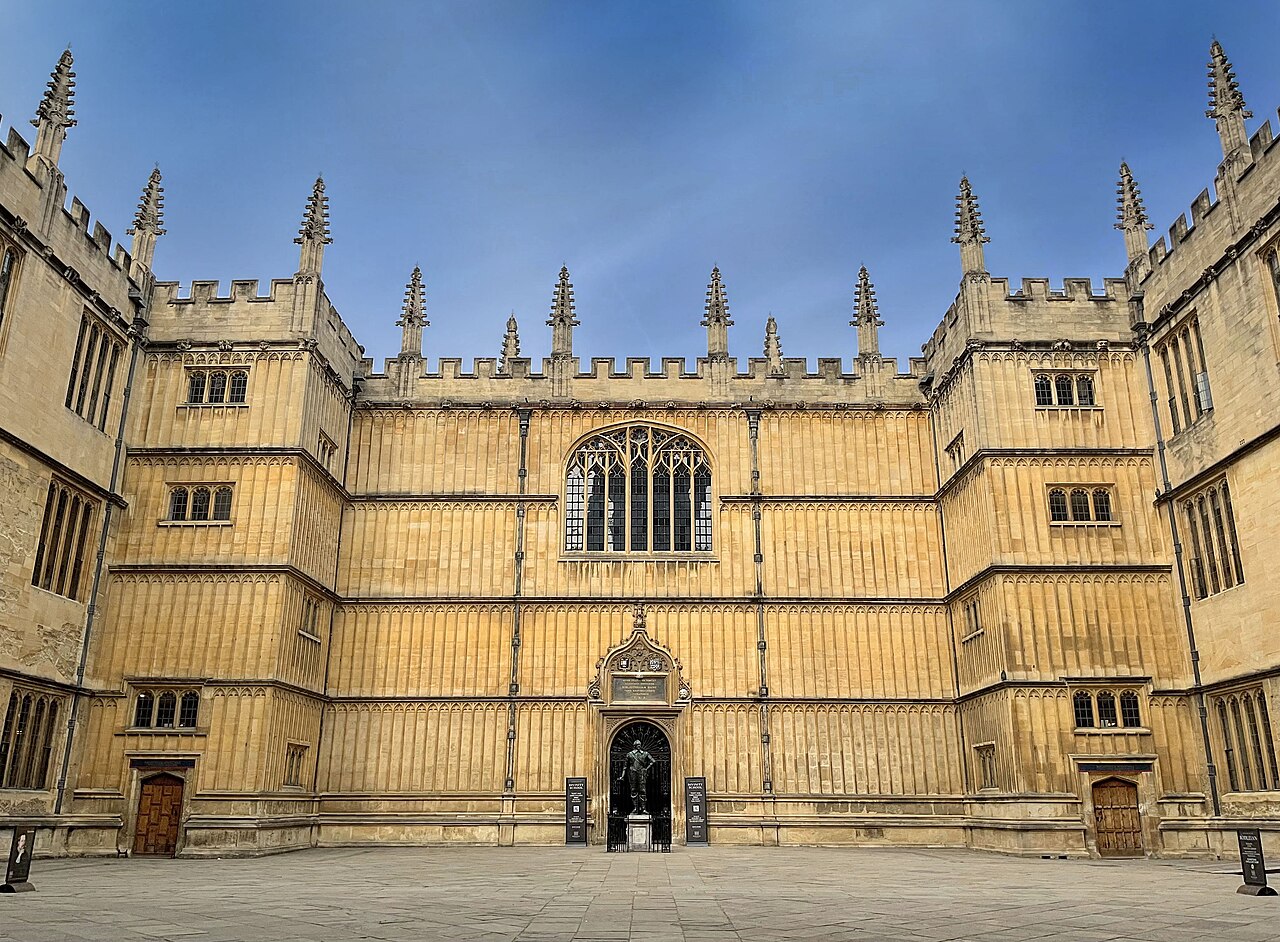
1602 - Bodelian Library (All Facts)

  • Exemplifies Elizabethan Architecture, built during the English Renaissance / reign of Queen Elizabeth

  • Located in Oxford

  • Founded by Thomas Bodley

<ul><li><p>Exemplifies Elizabethan Architecture, built during the English Renaissance / reign of Queen Elizabeth</p></li><li><p>Located in Oxford </p></li><li><p>Founded by Thomas Bodley </p></li></ul><p></p>
36
New cards
<p>1573 - 1652 - Inigo Jones (All Facts) </p>

1573 - 1652 - Inigo Jones (All Facts)

  • English Architect

  • He was the Surveyor the Crown

  • He began as a stage designer, and his court masques introduced a proscenium arch, a revolving stage, flying scenery, and costly costumes of cloth of silver and gold

    • He introduced movable scenery

  • He staged Ben Jonson’s masques for King James of England

37
New cards
<p>1622 - Inigo Jones: Banqueting House at Whitehall (All Facts)</p>

1622 - Inigo Jones: Banqueting House at Whitehall (All Facts)

  • Rebuilt by the namesake on the Italian model of Andrea Palladio and inspired by Virtruvius’s Roman treatise which the namesake brought back from Italy

  • Its scale was grandiose and its ceiling panels were commissioned from Peter Paul Rubens by King Charles of England, sent over from Antwerp which depicted the reign of King James in Olympian style
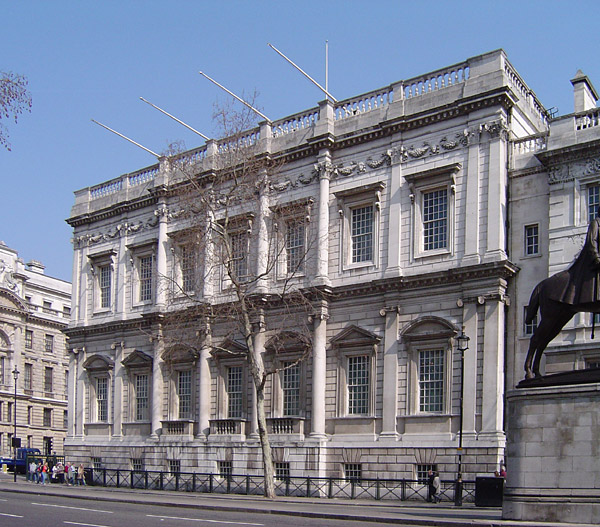

<ul><li><p>Rebuilt by the namesake on the Italian model of Andrea Palladio and inspired by Virtruvius’s Roman treatise which the namesake brought back from Italy</p></li><li><p>Its scale was grandiose and its ceiling panels were commissioned from Peter Paul Rubens by King Charles of England, sent over from Antwerp which depicted the reign of King James in Olympian style</p></li></ul><p></p>
38
New cards
<p>1622 - Inigo Jones: Queen’s House (All Facts) </p>

1622 - Inigo Jones: Queen’s House (All Facts)

  • Built for Queen Henrietta Maria

  • Located at Greenwich (east of London on the Thames River)

  • It was in the style of a Palladian villa
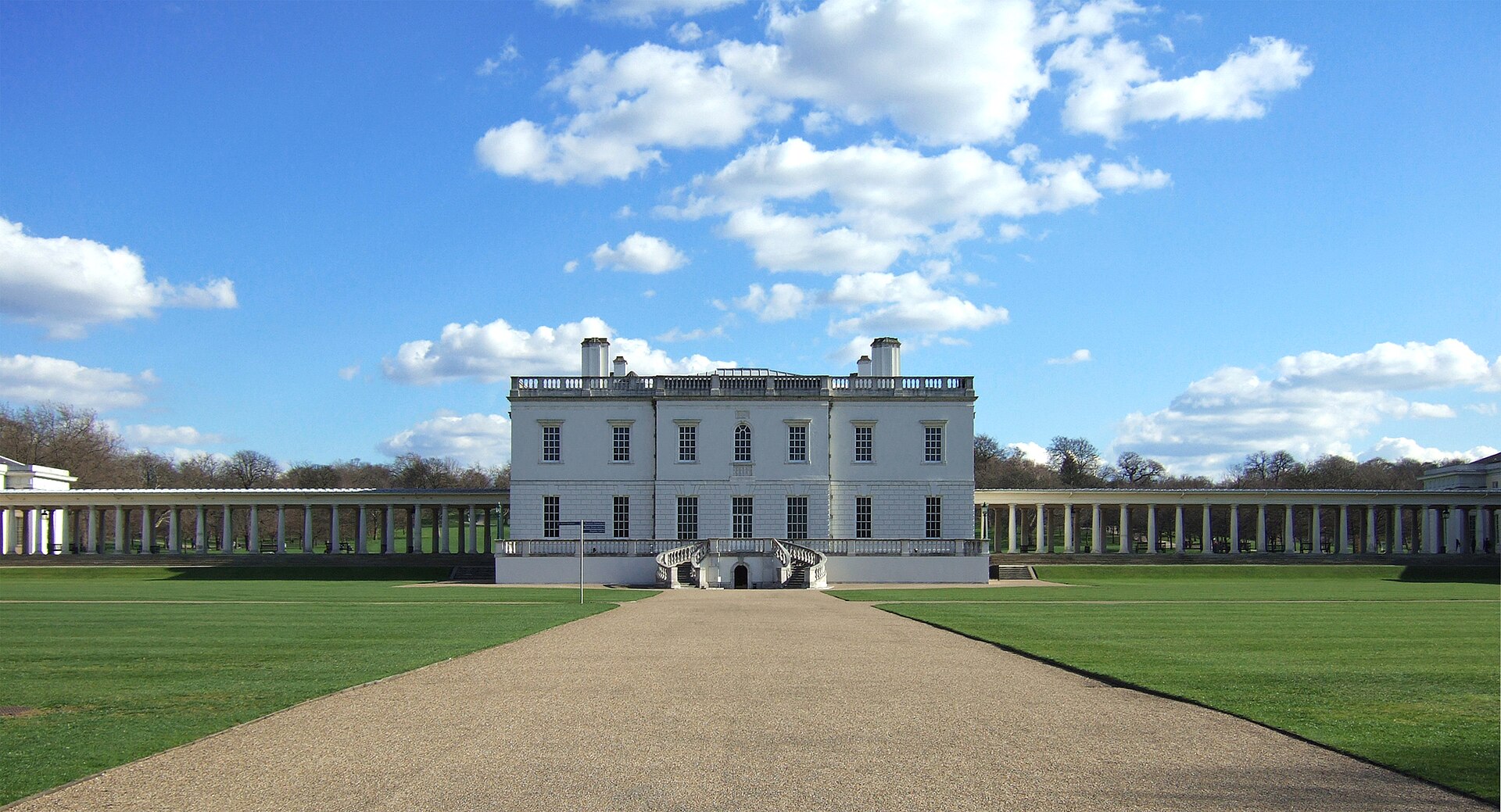
<ul><li><p>Built for Queen Henrietta Maria </p></li><li><p>Located at Greenwich (east of London on the Thames River) </p></li><li><p>It was in the style of a Palladian villa </p></li></ul><p></p>

39
New cards
<p>1625 - Inigo Jones: Queen’s Chapel (All Facts) </p>

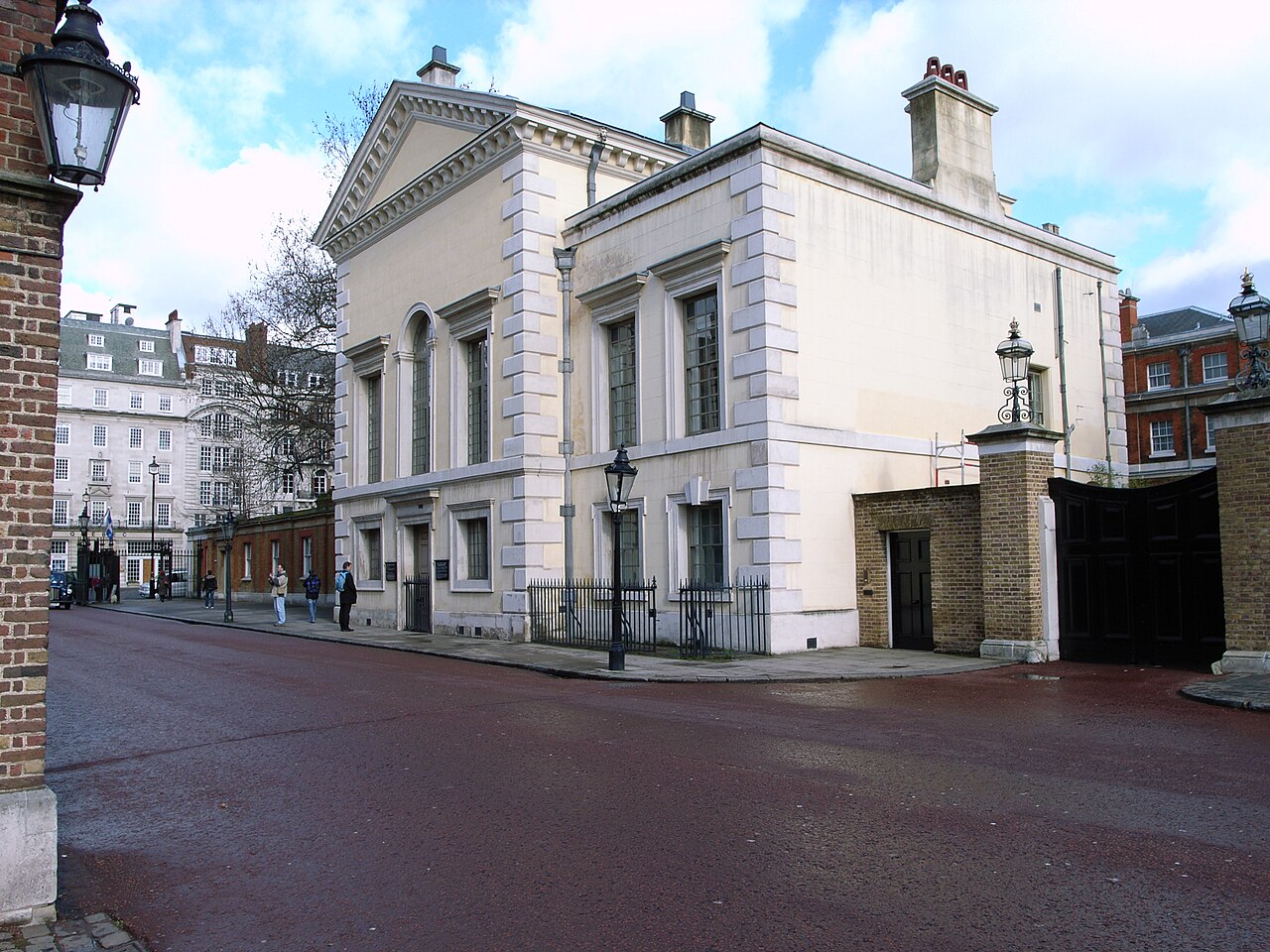
1625 - Inigo Jones: Queen’s Chapel (All Facts)

  • Located in St. James Palace

<ul><li><p>Located in St. James Palace </p></li></ul><p></p>
40
New cards
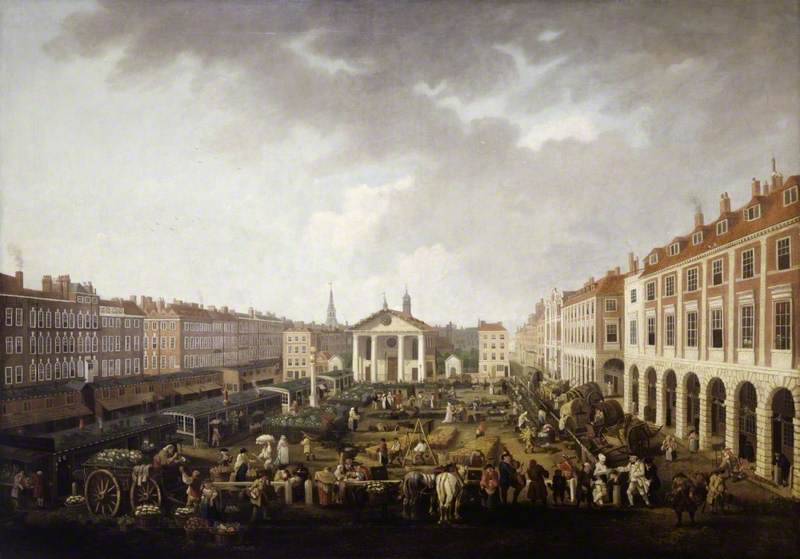
<p>1638 - Inigo Jones: Piazza at Covent Garden (All Facts) </p>

1638 - Inigo Jones: Piazza at Covent Garden (All Facts)

  • London’s first example of town planning, laid out as “an estate for gentlemen” on behalf of the landlord it was commissioned to, the earl of Bedford

  • It was / is a large square formed by uniform houses built over arcaded loggias in the Italian manner

  • It included (the old) St. Paul’s Cathedral, which, like the classical temple of the Tuscan order, stood at one end of the piazza, where a fruit and vegetable market was opened

  • Located just north of the strand

<ul><li><p>London’s first example of town planning, laid out as “an estate for gentlemen” on behalf of the landlord it was commissioned to, the earl of Bedford </p></li><li><p>It was / is a large square formed by uniform houses built over arcaded loggias in the Italian manner </p></li><li><p>It included (the old) St. Paul’s Cathedral, which, like the classical temple of the Tuscan order, stood at one end of the piazza, where a fruit and vegetable market was opened </p></li></ul><ul><li><p>Located just north of the strand</p></li></ul><p></p>
41
New cards
<p>1641 - Ingo Jones: Lindsey House, Lincoln's Inn Fields (All Facts) </p>
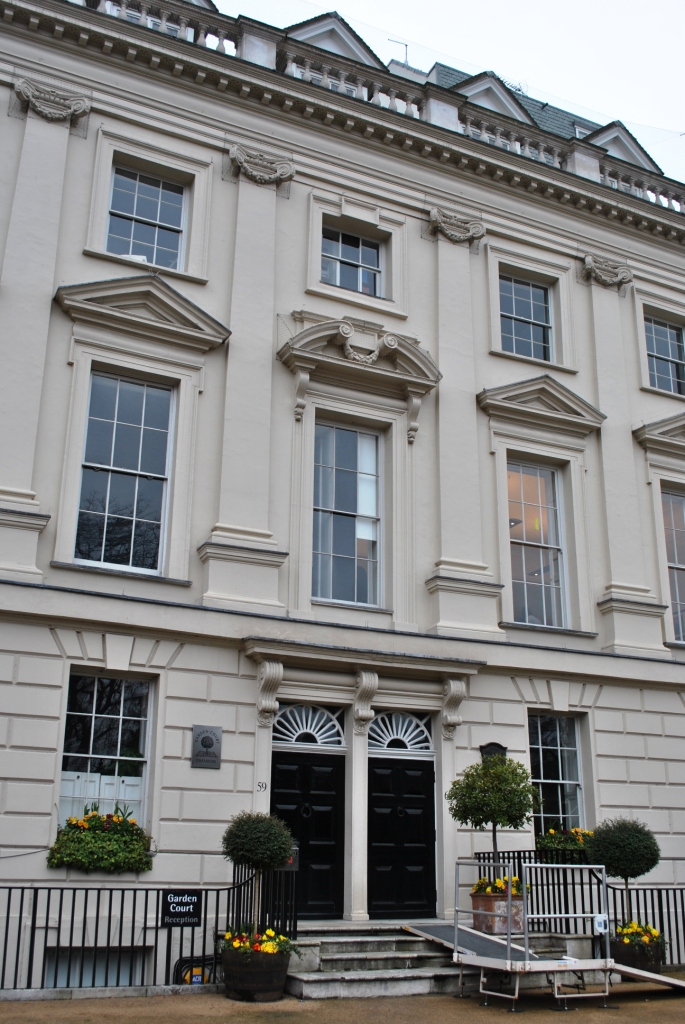
1641 - Ingo Jones: Lindsey House, Lincoln's Inn Fields (All Facts)
knowt flashcard image
42
New cards
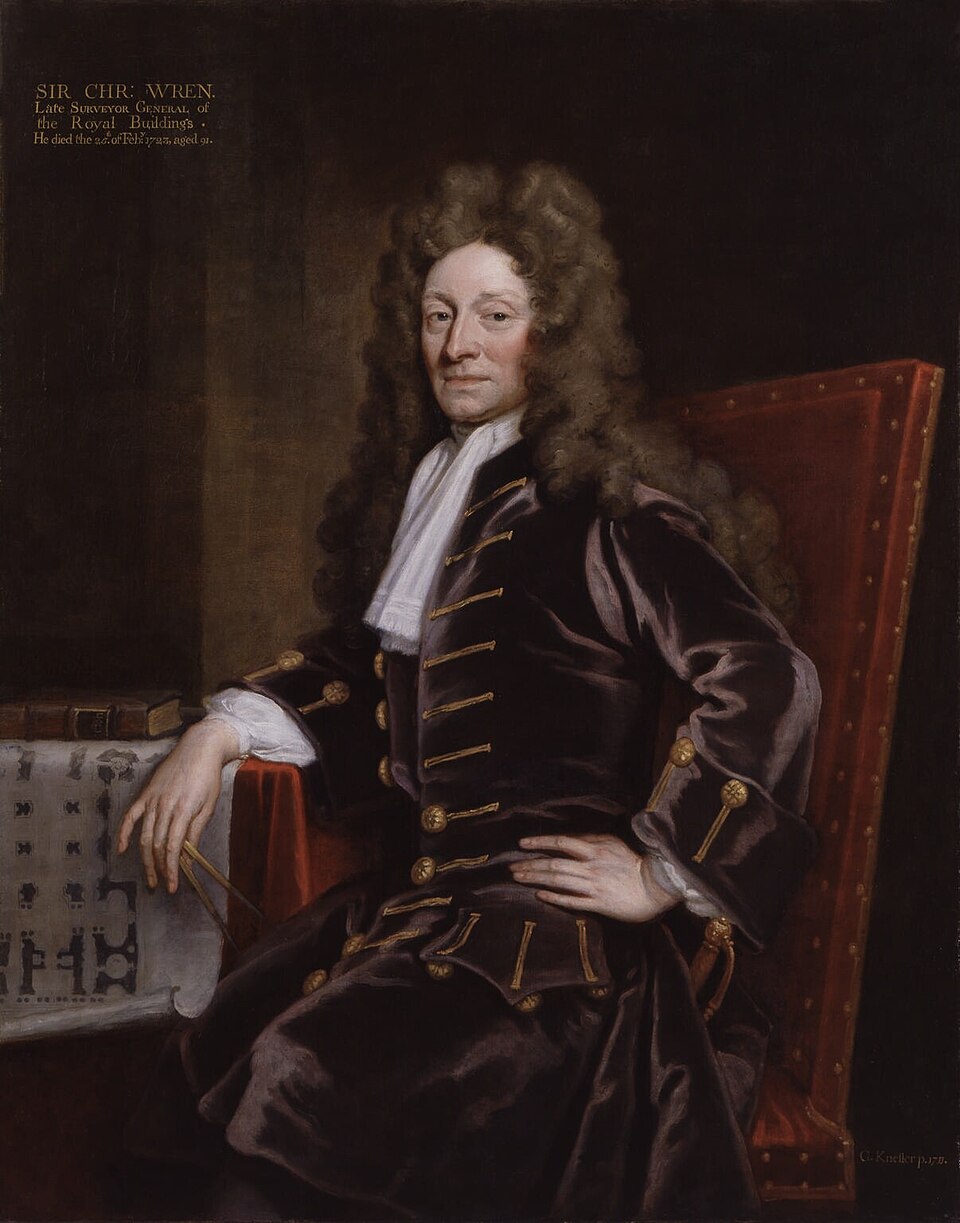
<p>1632 - 1723 - Christopher Wren (All Facts) </p>

1632 - 1723 - Christopher Wren (All Facts)

  • English Architect and Polymath

    • He is one of the most highly acclaimed architects in the history of England

43
New cards