ch. 11 - skeletal muscle tissue
 Call Kai
 Learn
Learn Practice Test
 Spaced Repetition
 Match
Match Flashcards
 Knowt Play
1/60

There's no tags or description
Looks like no tags are added yet.
Name | Mastery | Learn | Test | Matching | Spaced | Call with Kai |
|---|
No analytics yet
Send a link to your students to track their progress
61 Terms
the 4 functional properties of muscle tissue
contractibility
excitability
extensibility
elasticity
What are the two kinds of myofilaments that make up muscle myofibrils?
actin and myosin
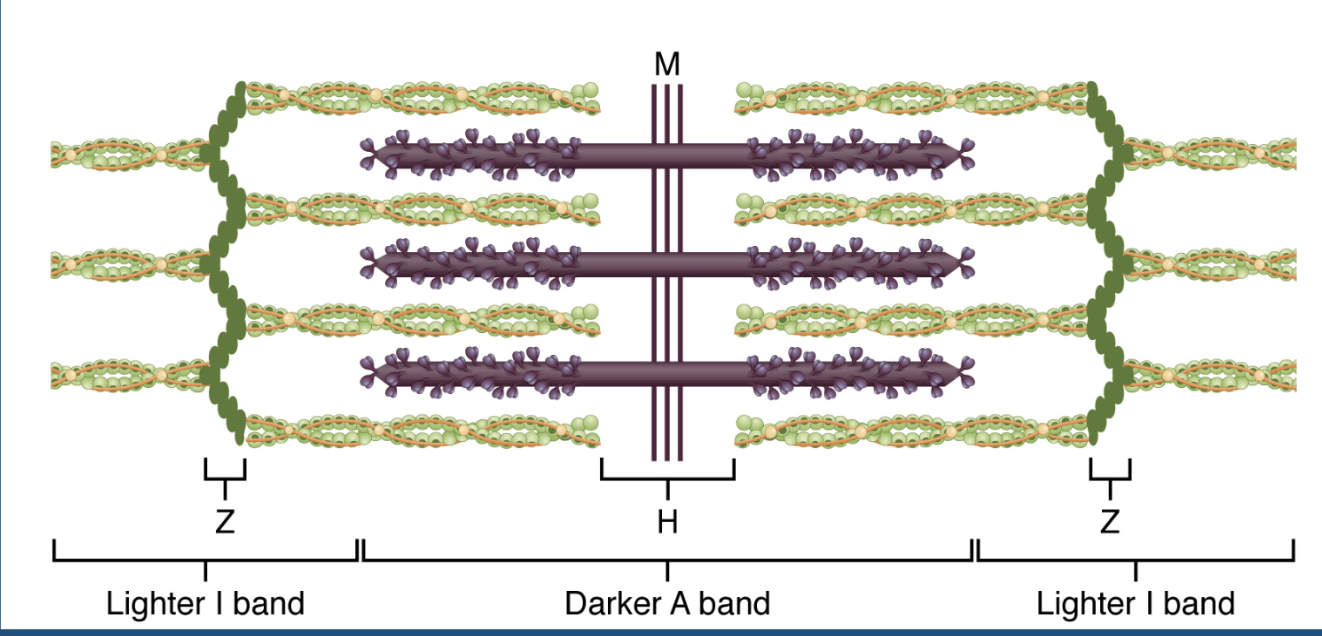
sarcomeres
a structural unit of a myofibril in striated muscle
sliding filament model
describes how muscles contract through the action of actin filaments sliding past myosin filaments, shortening the sarcomere without changing the filaments length.s
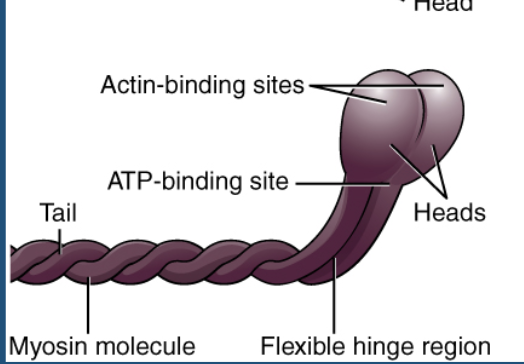
myosin head
the myosin heads bind and hydrolyze ATP, which provides the energy to drive filament slidings.
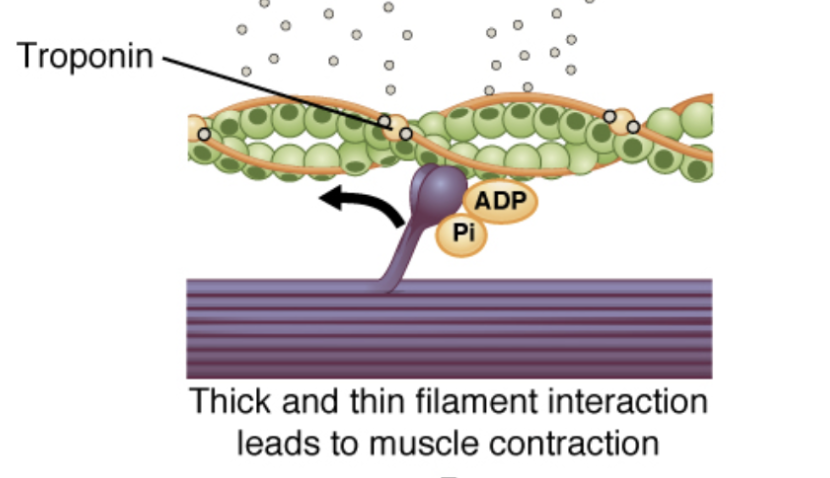
tropomyosin
an actin binding protein that blocks the myosin binding sites on actin to prevent myosin actin interaction and sarcomeric contraction
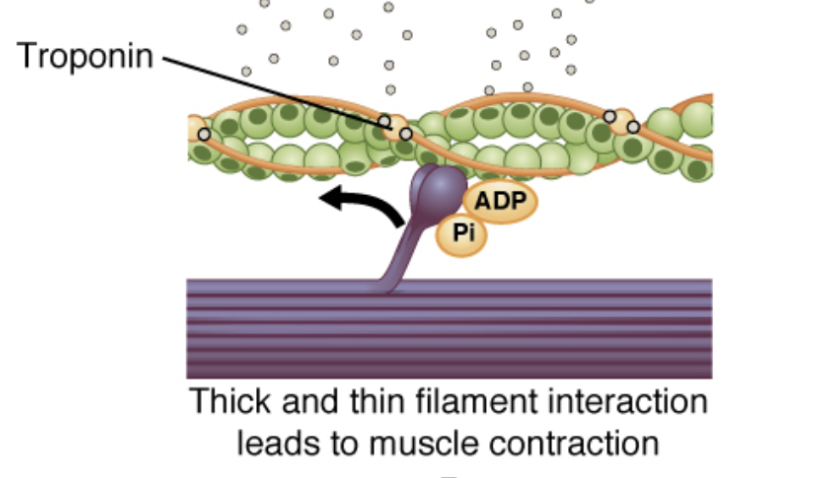
troponin
a protein located on the actin filaments of the sarcomere, acting as the calcium dependent switch for muscle contraction. Moves tropomyosin upon binding calcium, allowing myosin heads to attach and start the cross bridge cycle.
sarcolemma
plasma membrane of muscle cells
sarcoplasm
cytoplasm of muscle cells
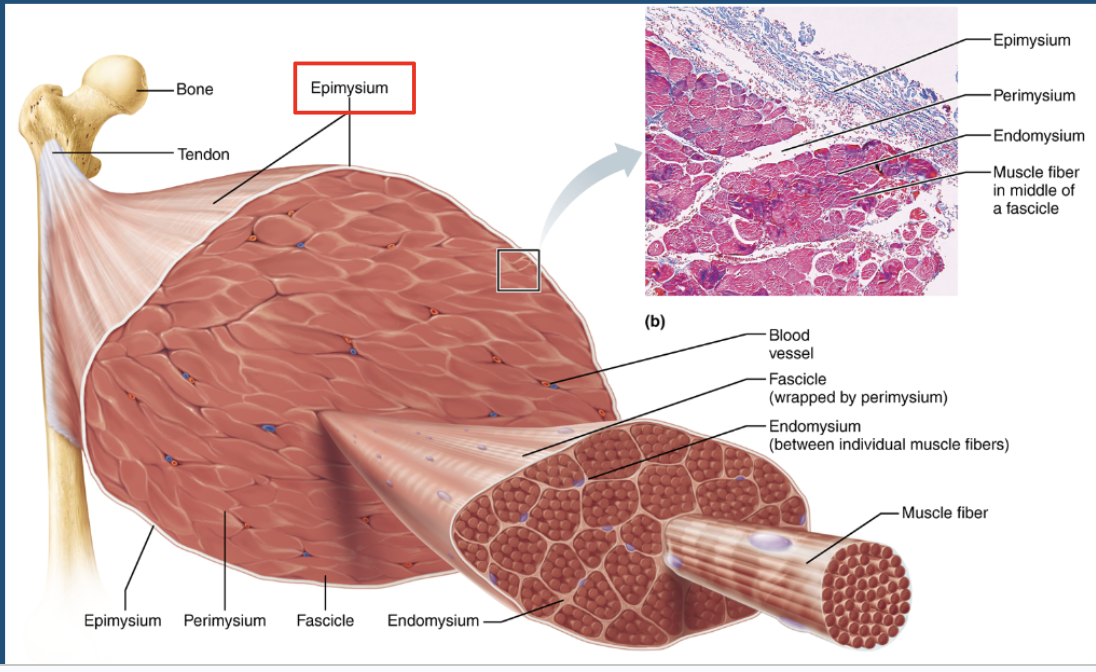
epimysium
outer layer of dense, irregular connective tissue surrounding the whole skeletal muscle
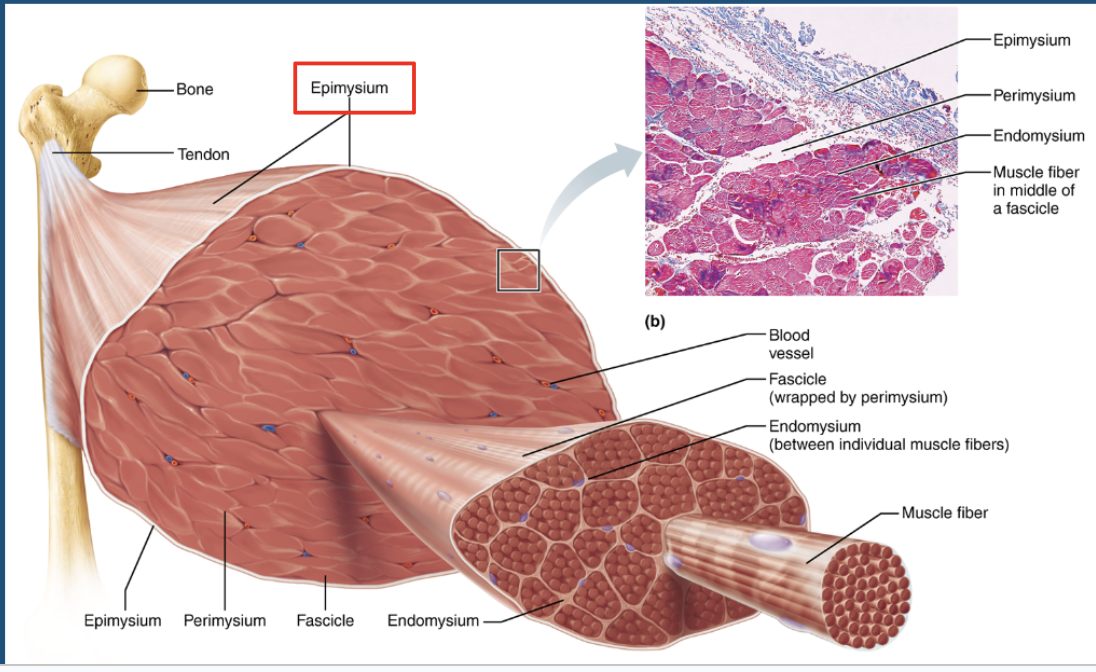
perimysium
surrounds each fascicle
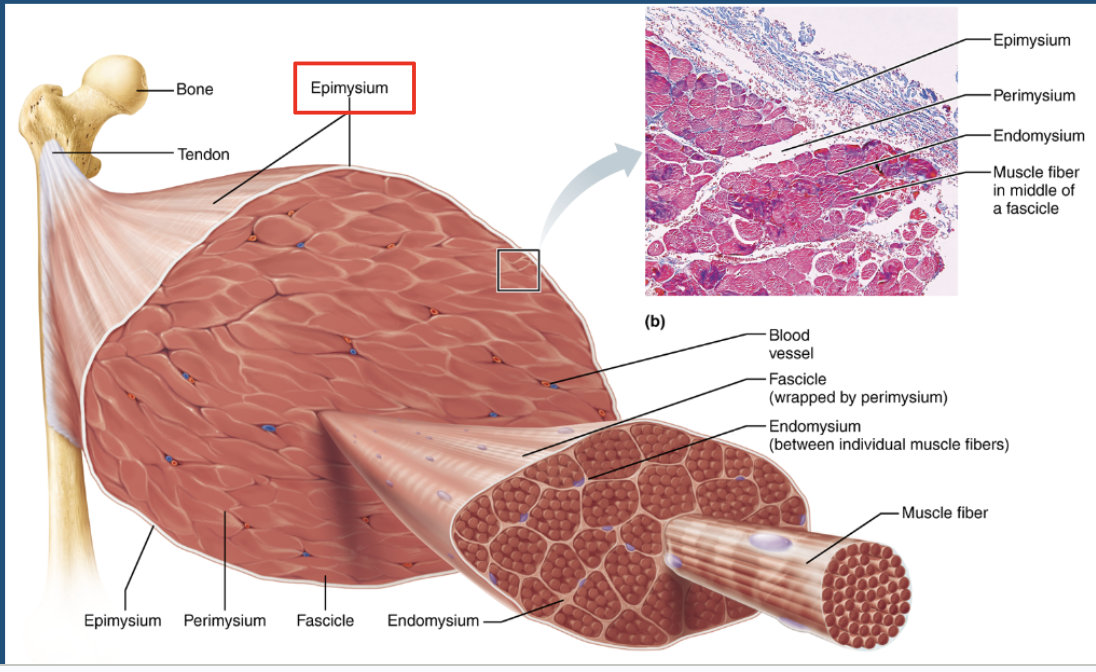
endomysium
each muscle fiber is surrounded by this fine sheath of loose connective tissue consisting mostly of reticular fibers
tendons
formed by the convergence of the three connective tissue sheaths
function of muscle contraction with skeletal movement
when muscle fibers contract, they pull on the surrounding endomysium. because of the continuity between sheaths, this pull exerts the perimysium, epimysium, and tendon. this sequence transmits the force of contraction to the bone being moved
fascicles
small, organized bundles of muscle fibers surrounded by perimysium. arrangements differ in muscle functions
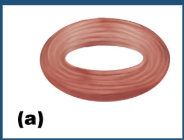
circular fascicle
Fascicles are arranged in concentric rings surrounding external body openings.
sphincter muscles
ring-shaped muscles that relaxes or tightens to open or close bodily passages
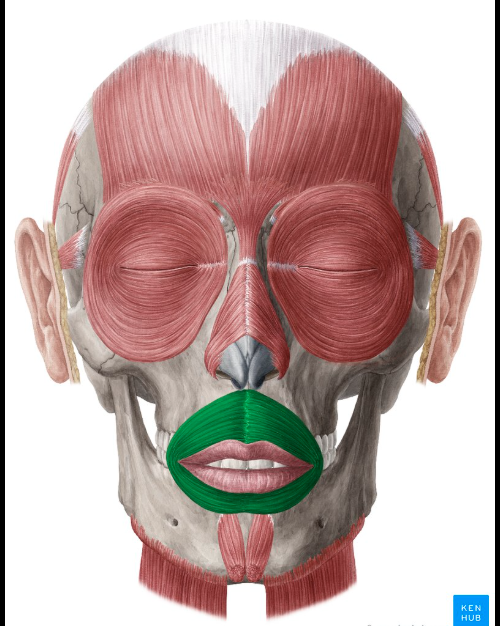
orbicularis oris
O: muscle fibers around mouth
I: mucous membrane of lips
N: CN VII
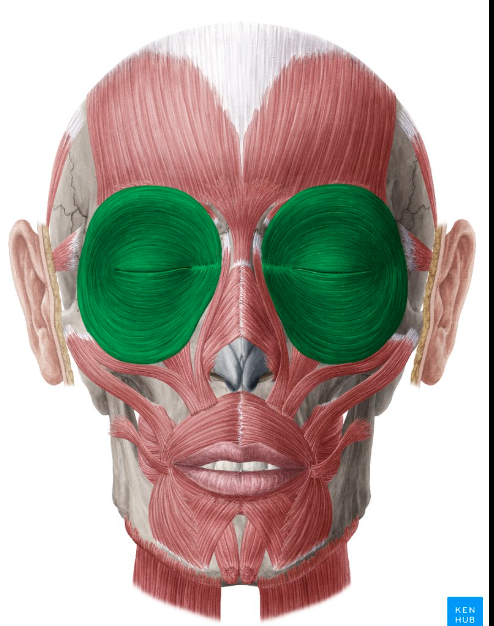
orbicularis oculi
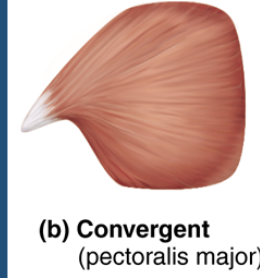
convergent fascicles
origin of the muscle is broad and converge toward the tendon of insertion. ex: pectoralis major
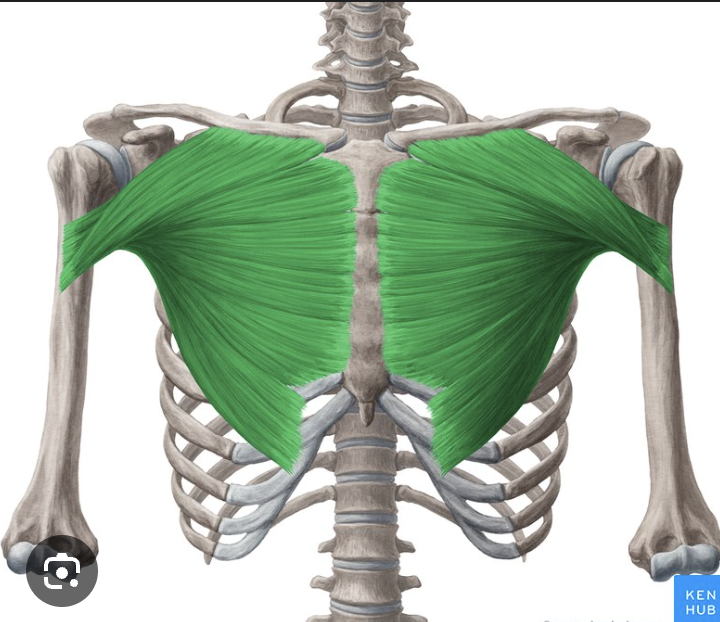
pectoralis major
parallel fascicles
fascicles run parallel to the long axis of the muscle. fusiform vs straplike
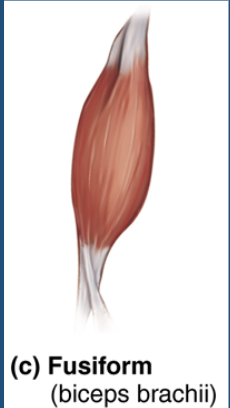
fusiform parallel fascicles
run parallel to the long axis of the muscle with an expanded central belly. ex: biceps brachii
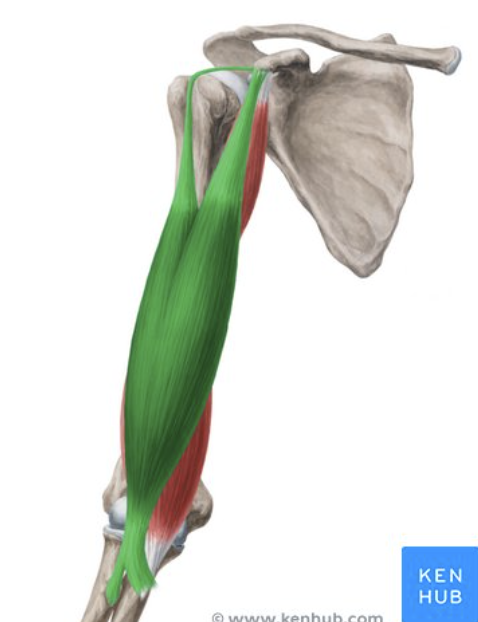
biceps brachii
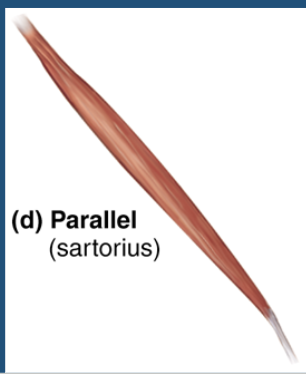
straplike parallel fascicles
straight parallel muscle formation
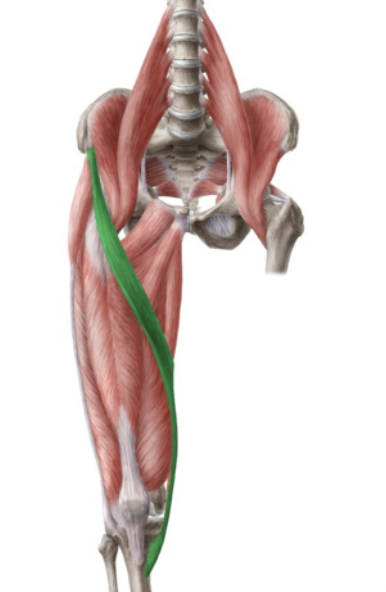
sartorius muscle
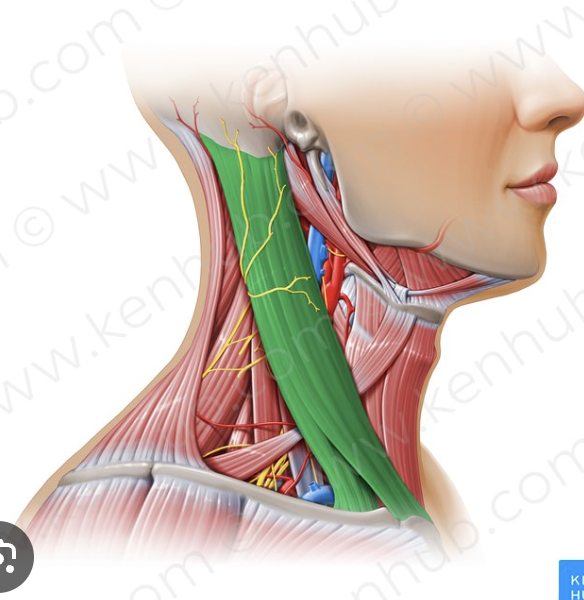
sternocleidomastoid
O: clavicle, manubrium
I: mastoid process
N: CN XI
pennate fascicles
fascicles are short and attach obliquely to a tendon that runs the whole length of the muscle
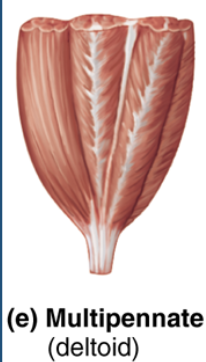
multipennate fascicle
looks like many feather situated side by side, with all their quills inserting into one large tendon. ex: deltoid
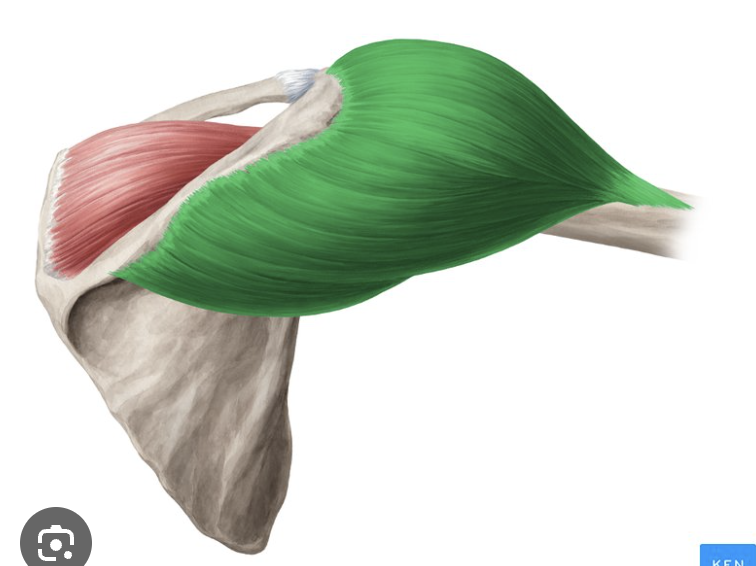
deltoid muscle
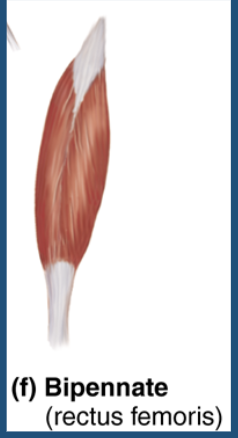
bipennate fascicles
fascicles insert into the tendon from both sides. ex: rectus femoris
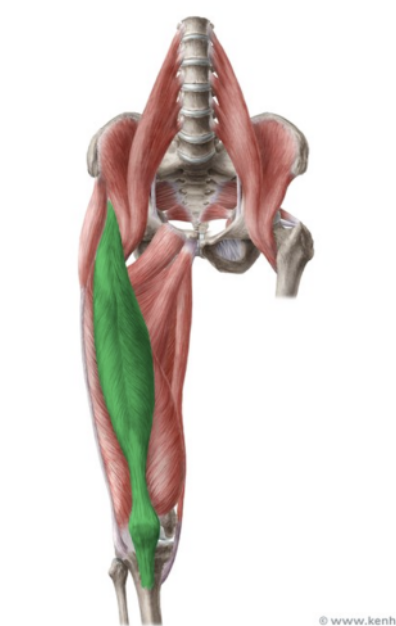
rectus femoris
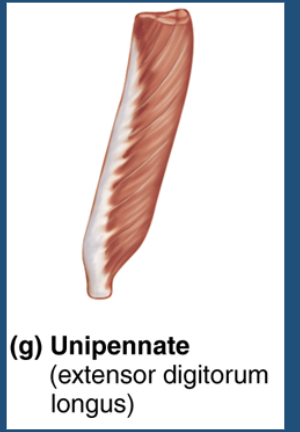
unipennate fascicles
fascicles insert into only one side of the tendon. ex: extensor digitorum longus
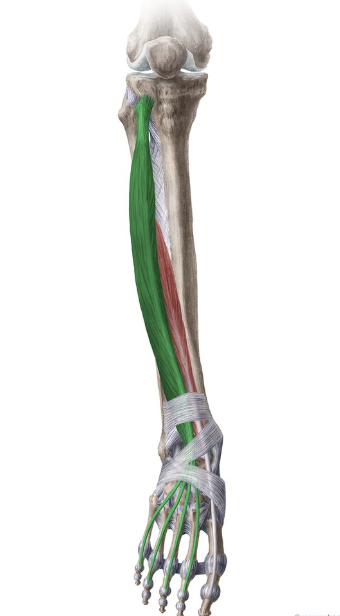
Extensor digitorum longus
lever system
a lever is is a rigid bar that moves on a fixed point called the fulcrum, when a force is applied the lever. the applies force, effort, is used to move a resistance, or load
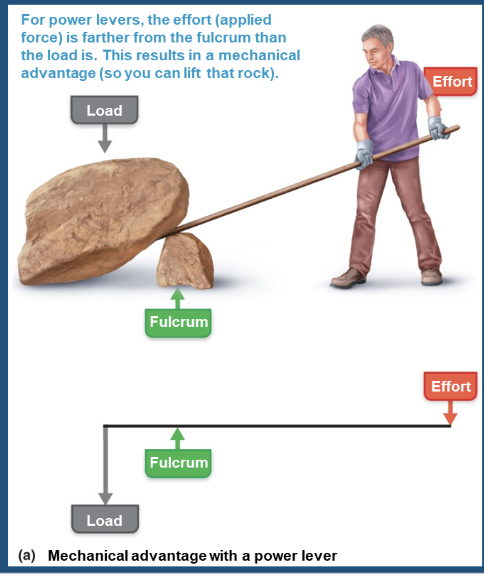
mechanical advantage with a power lever
in moving a heavier load, if the load to be moved is close to the fulcrum and the effort is applied far from the fulcrum, a small effort can move a large load.
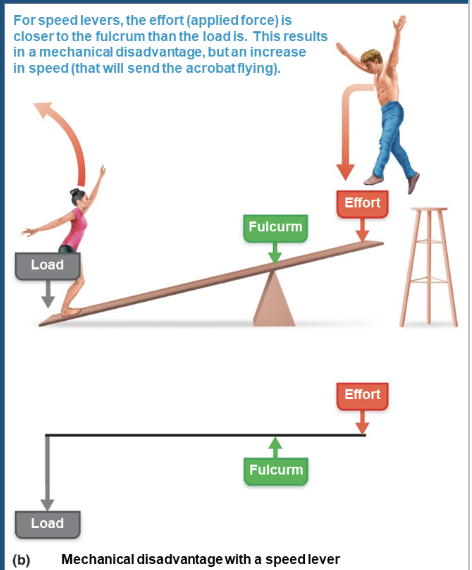
mechanical disadvantage with a speed lever
in moving a load farther and faster, if the effort is applied closer to the fulcrum than the load to be moved, greater effort is required to move the load. Due to the load arm being longer than the effort arm, the load is move dover a greater distance and greater speed
prime mover / agonist
muscle that has a major responsibility for producing a specific movement
antagonist
muscles that oppose or reverse a particular movement
synergists
help the prime movers, either by adding a little extra force to a movement or reducing undesirable extra movement that the prime mover may produce
flexion
makes the joint angle smaller bringing two body parts closer together
extension
makes the joint angle larger, moving two body parts farther away from each other
Which muscle is the primary mover in chewing (mastication) and elevates the mandible?
Masseter
Which muscle is involved in inspiration by expanding the thoracic cavity downward?
Diaphragm
The gluteus medius muscle is primarily involved in:
Medial rotation and abduction of the thigh
The flexor carpi ulnaris is located:
In the anterior forearm and flexes the wrist on the ulnar side
Which muscle is NOT part of the quadriceps femoris group?
Biceps femoris
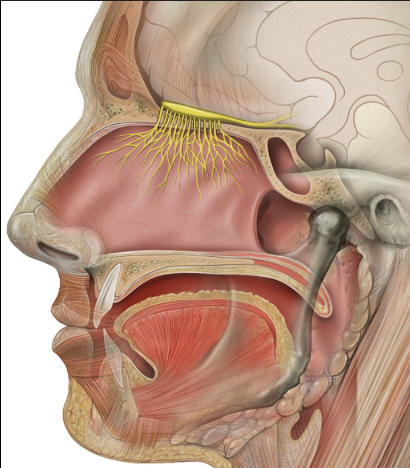
Cranial Nerve No. 1
Olfactory. Function for smell
Cranial Nerve No. 2
optic nerve. function in visual acuity
Cranial Nerve No. 3
oculomotor nerve. function in opening of eyelids, eye movement
Cranial Nerve No. 4
trochlear nerve. Function in eye movement (downward/medial)
Cranial Nerve No. 5
trigeminal nerve. function in facial sensation, chewing movements
Cranial Nerve No. 6
abducens nerve. Function in lateral eye movement
Cranial Nerve No. 7
facial nerve. function in facial muscle movement (except chewing muscles) and eyelid closing
Cranial Nerve No. 8
vestibulocochlear nerve. function in hearing and balance
Cranial Nerve No.9
glossopharyngeal nerve. function in taste on the posterior third of the tongue
Cranial Nerve No. 10
vagus nerve. function in uvula and swallowing
Cranial Nerve No. 11
accessory nerve. function in shoulder shrug
Cranial Nerve No. 12
hypoglossal nerve. function in tongue movement
what muscles consist within the rotator cuff?
supraspinatus
infraspinatus
teres minor
subscapularis