ALS and BLS Resuscitation
 Call Kai
 Learn
Learn Practice Test
 Spaced Repetition
 Match
Match Flashcards
 Knowt Play
1/26

There's no tags or description
Looks like no tags are added yet.
Name | Mastery | Learn | Test | Matching | Spaced | Call with Kai |
|---|
No analytics yet
Send a link to your students to track their progress
27 Terms
What is the initial assessment?
Ensure both personal and scene safety
DR ABC
What the algorithm for a shockable rhythm?
1 immediate shock
CPR for 2 minutes before a rhythm check
After 3rd shock give amiodarone and 1mg adrenaline IV and if in refractory VF place new pads in anterior-posterior position
Continue adrenaline every 3-5 minutes
After 5th shock give 150mg amiodarone
What is the algorithm for an unshockable rhythm?
Resume CPR for 2 minutes
Perform a rhythm check
Give adrenaline 1mg every 3-5 minutes
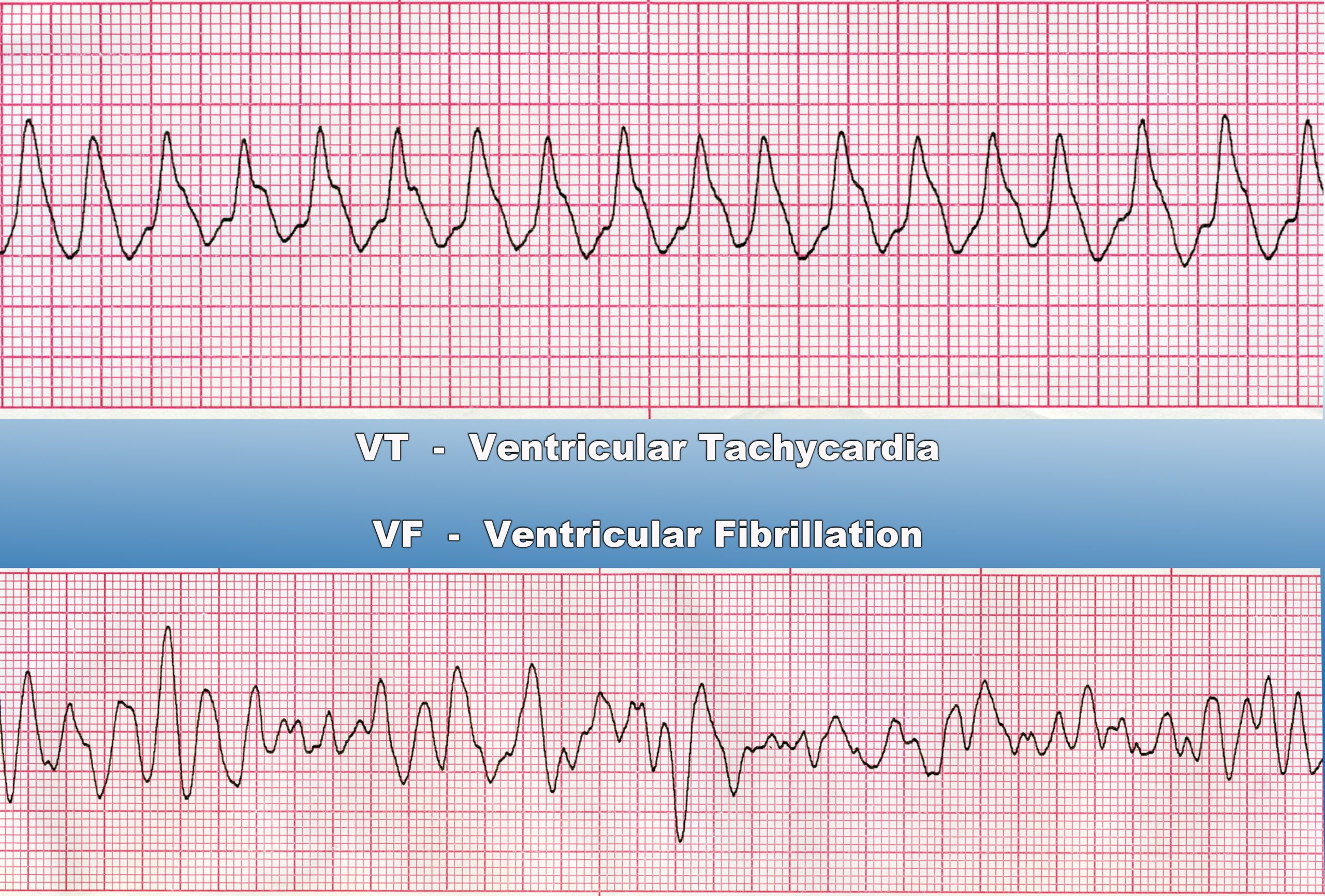
What are the shockable rhythms?
pulseless Ventricular Tachycardia and Ventricular Fibrillation
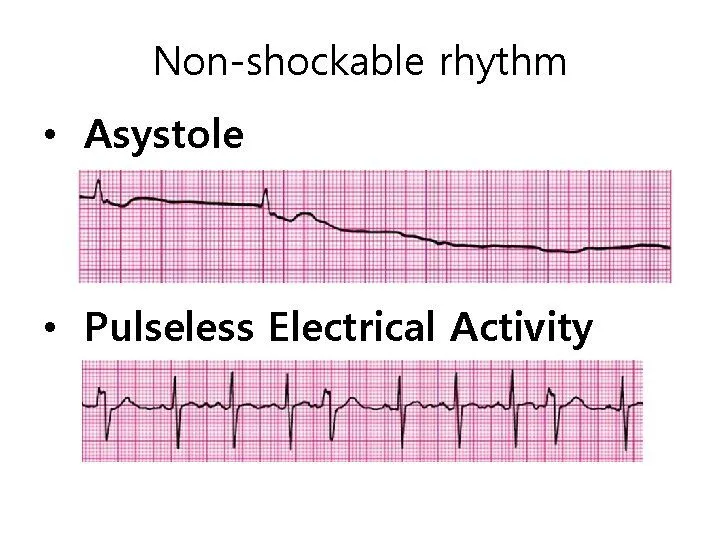
What are the non-shockable rhythms?
asystole, pulseless electrical activity
What is the BLS ratio?
30:2 in adults
5 breathes then 15:2 in paeds
What are the 6 Ps of defibrillation safety?
Perspiration
Pacemakers
Patches
Piercings
Puddles
Explosives
What is the stepwise approach for airways?
head tilt, chin lift
jaw thrust
OPA/NPA
iGel
Endotracheal intubation
What are the 4 Hs?
Hypoxia, Hypovolaemia, Hypokalaemia/glycaemia, Hypothermia
What is the algorithm for hypoxia?
High concentration oxygen, such as in all patients in cardiac arrest
What is the algorithm for hypovolaemia?
Prioritise controlling catastrophic haemorrhage
Rapidly restore intravascular volume with up to 2L IV/IO saline fluid
Consider early transportation
What is the algorithm for hypoglycaemia/kalaemia?
consider medical history, e.g. Diabetes, eating disorders, gastric disease
BM should be monitored during the arrest and ROSC, IV/IO samples are acceptable
Administer IV glucose if indicated
Undertake a time-critical transfer if hypokalaemia is suspected
What is the algorithm for hypothermia?
look for signs of life for up to 1 minute
prevent further heat loss by removing wet clothes, protecting against wind chill, etc.
If temp is under 30 give a single dose of 1:10,000 adrenaline and amiodarone with a maximum of three shocks
If temp is 30-35 give adrenaline 1:10,000 every 6-10 minutes and standard amiodarone
What are the four Ts
Toxins, tension pneumothorax, thrombosis, tamponade
What is the algorithm for toxins?
Prioritise crew safety around contamination
Rapid conveyance to ED with pre-alert if unknown toxin
Overdose/poisoning should be transported with resus en route
Prolonged resus may be appropriate as good neurological outcome is possible
Naloxone may be considered following opioid overdose with respiratory/hypoxic arrest
What is the algorithm for tension pneumothorax?
Treat early with needle thoracentesis
High suspicion in asthma/trauma patients
What is the algorithm for thrombosis?
If coronary follow ALS algorithm
If pulmonary use the history to help diagnose and undertake a time-critical transfer
What is the algorithm for tamponade?
undertake a time-critical transfer
What is tamponade?
Compression of the heart preventing adequate filling and ejection, leading to cardiac arrest
Often due to a build up of fluid, blood, or gas in the pericardial sac.
Triggers include trauma
What are signs of hypovolaemia?
Thirst and dryness, dizziness, exhaustion, muscle cramping, fainting
A rapid and weak pulse, low blood pressure
Rapid, shallow, or accelerated breathing
Cyanosis, cold/clammy skin
Confusion, agitation
Little to no urine output
Haemorrhage
What are signs of hypoglycaemia?
sweating, shaking, palpitations
headache, nausea
confusion, speech difficulty, drowsiness, odd behaviour, aggression
seizures
hx of diabetes
What are signs of hypokalaemia?
Often asymptomatic
Skeletal muscle weakness, lethargy, muscle cramps, paraesthesia, numbness
Dyspnoea, respiratory failure
Smooth muscle weakness, constipation, nausea, vomiting
Cardiac arrhythmias, e.g. bradycardia, premature atrial and ventricular beats, atrioventricular block, ventricular tachycardia, VF
What are signs of hypothermia?
shivering, cold/pale/dry skin, cyanosis
slurred speech
slow and shallow breathing, bradycardia
tiredness, confusion, poor coordination
What are signs of tension pneumothorax?
high suspicion in trauma or patients with asthma, esp. penetrating trauma/blunt or crushing injuries to the chest
Rapid increase in breathlessness and extreme respiratory distress (resp. rate 30+), with subsequent deterioration to resping under 10 before arresting
One sided chest movement, one sided chest hyperexpansion, reduced air entry on the effected side
Displaced trachea/apex beat
Hyperresonance
What are signs of tamponade?
signs of hypovolaemic shock
tachycardia, hypotension
blunt/penetrating chest trauma
distended neck veins, muffled heart sounds
What are signs of pulmonary thrombosis?
dyspnoea, resp rate 20+
cough, haemoptysis
tachycardia
sats under 92
pleuritic chest pain, substernal chest pain
What are signs of coronary thrombosis?
cardiac chest pain radiating to the jaw, neck, or shoulder
epigastric discomfort
nausea, vomiting, sweating, dyspnoea, pallor
feeling of impending doom