DMH 1) Introduction and Neuroanatomy of Language
 Call Kai
 Learn
Learn Practice Test
 Spaced Repetition
 Match
Match Flashcards
 Knowt Play
1/22

Earn XP
Description and Tags
This set of vocabulary flashcards covers essential terminology from language research methods, neuroanatomical structures, and models of language processing based on the lecture notes.
Name | Mastery | Learn | Test | Matching | Spaced | Call with Kai |
|---|
No analytics yet
Send a link to your students to track their progress
23 Terms
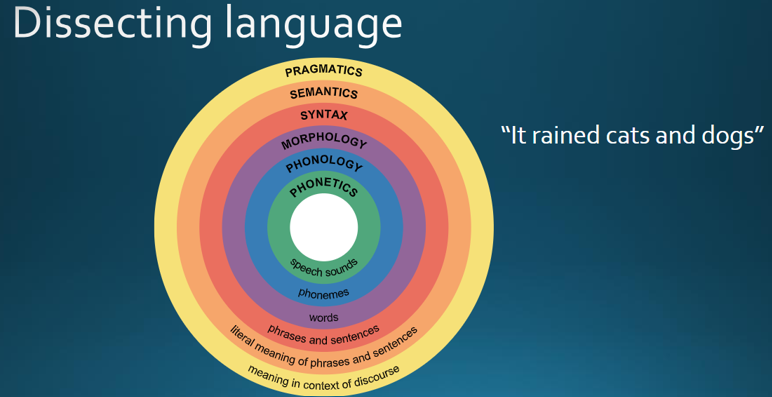
Phonemes
The most basic sound unit which the human speech apparatus can emit clearly and reliably.
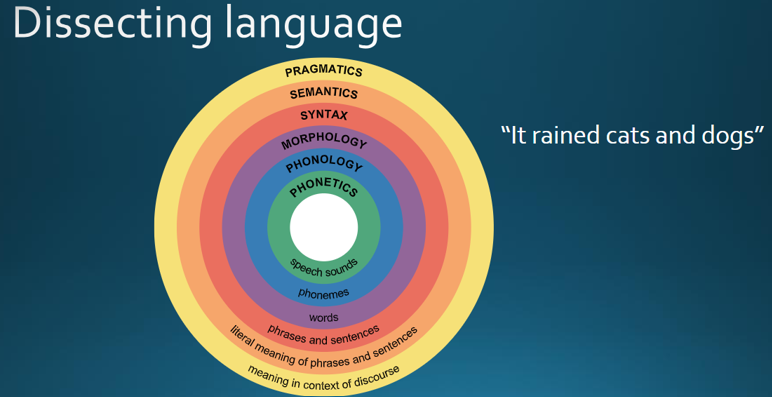
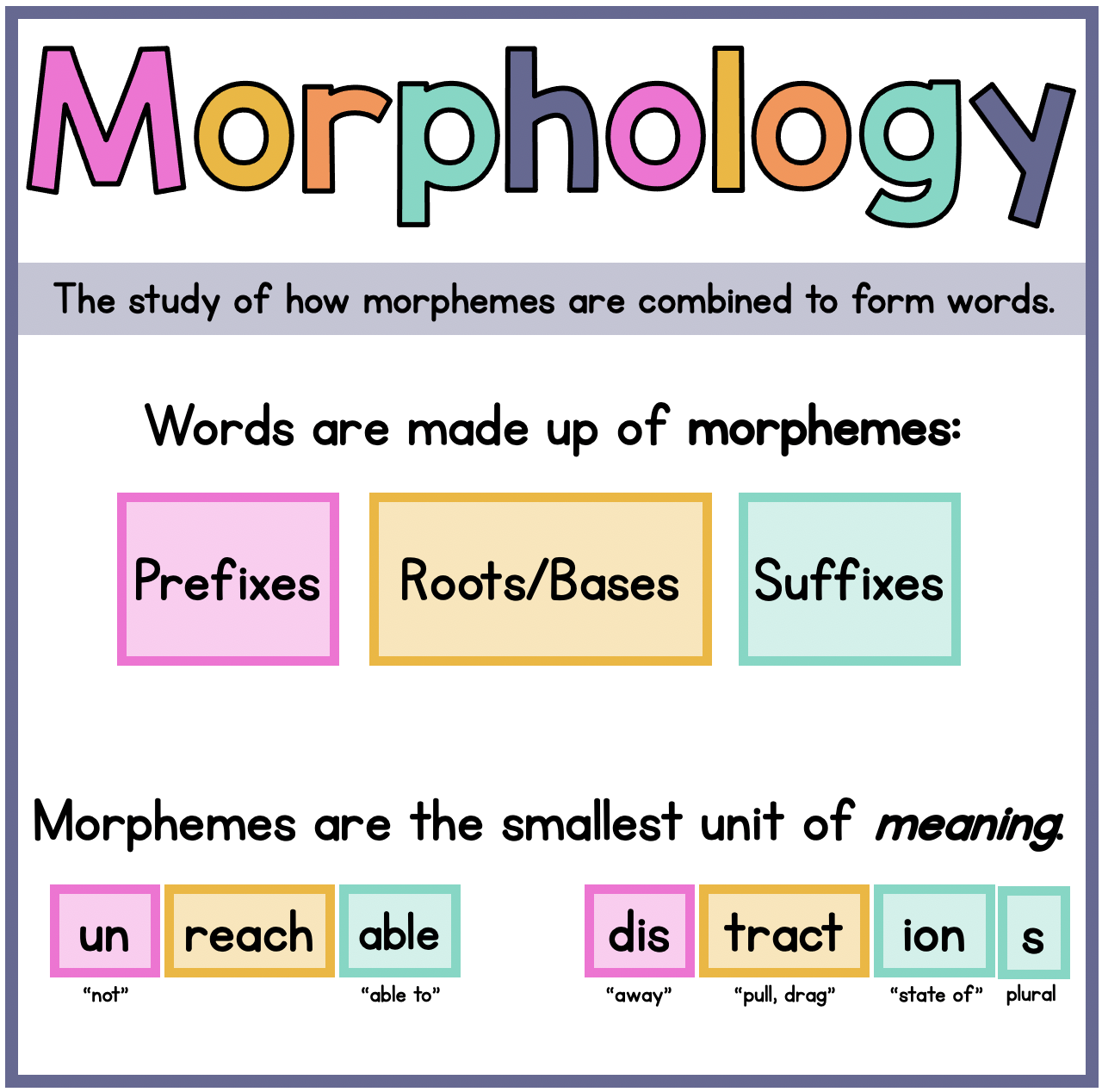
Morphemes
The basic unit of meaning, consisting of content morphemes (words) and function morphemes (bound elements like "-s" that change meaning).
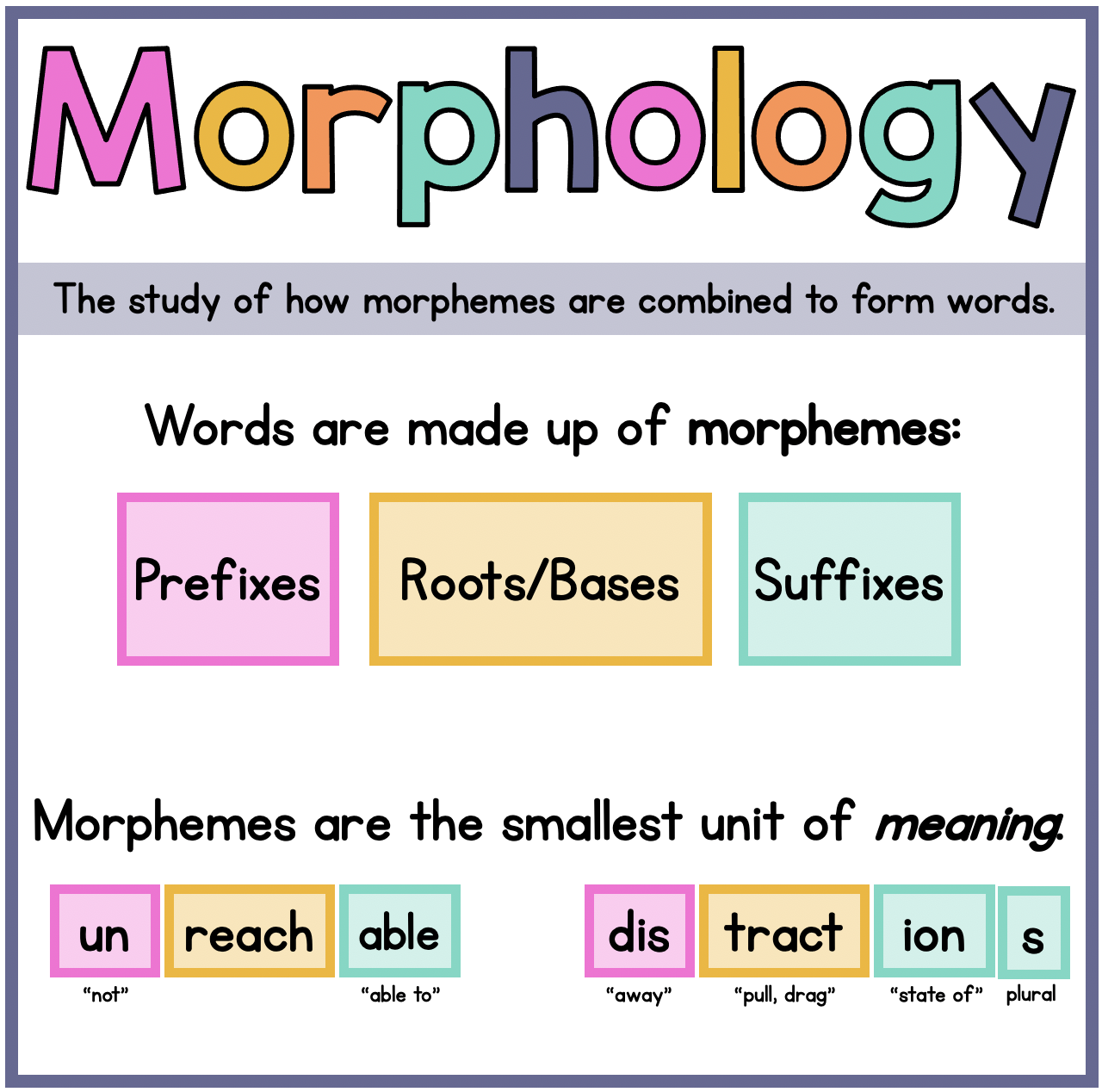
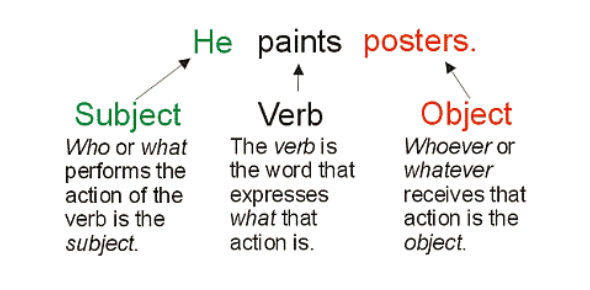
SVO language
A language, such as English, that follows a Subject-Verb-Object word order.
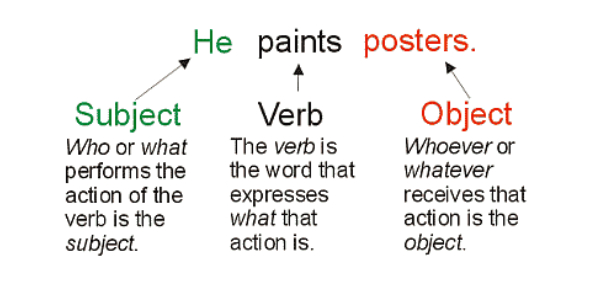
Recursion
According to Chomsky, the capacity to embed linguistic structures of the same type such as sentence clauses within one another endlessly to make an infinite number of sentences.
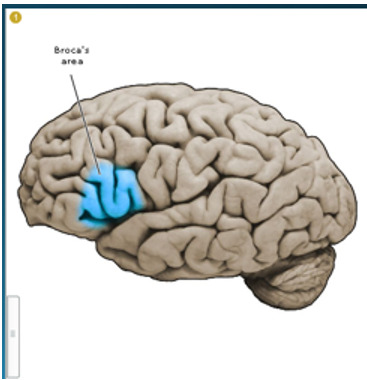
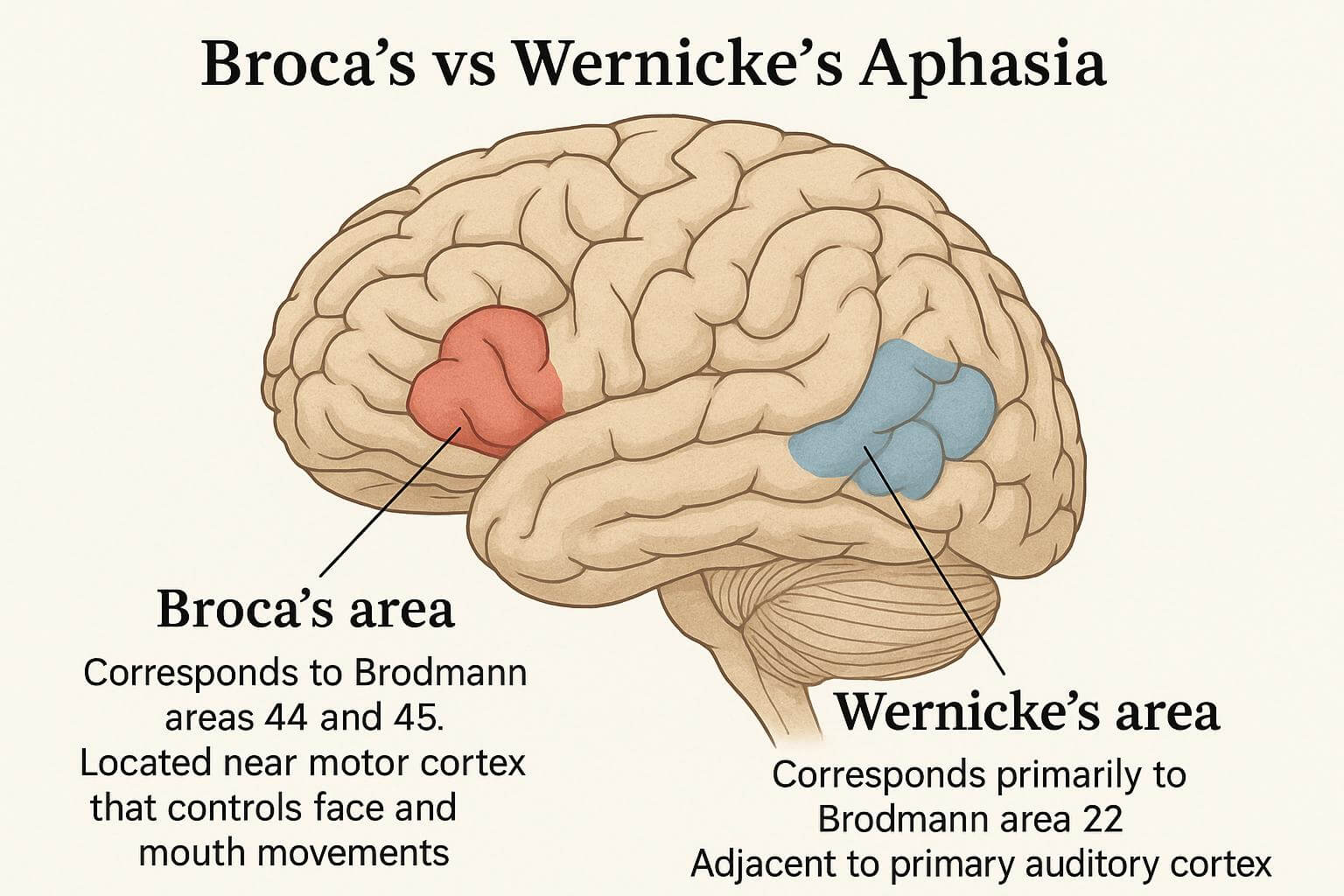
Broca's Area
An area in the posterior Left Inferior Frontal Gyrus (LIFG) named after Paul Broca, crucial for speech production.

Transcranial Magnetic Stimulation (TMS)
A method that applies a strong magnetic field to a brain region (as small as 11cm2) to temporarily disrupt or enhance its function, simulating a lesion.

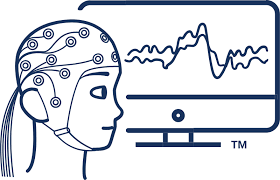
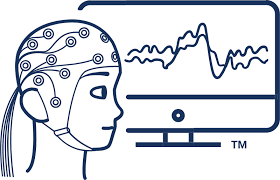
Event-Related Potentials (ERPs)
Measured brain responses via EEG that are time-locked to a specific sensory, cognitive, or motor event, such as an incorrect or rare word.
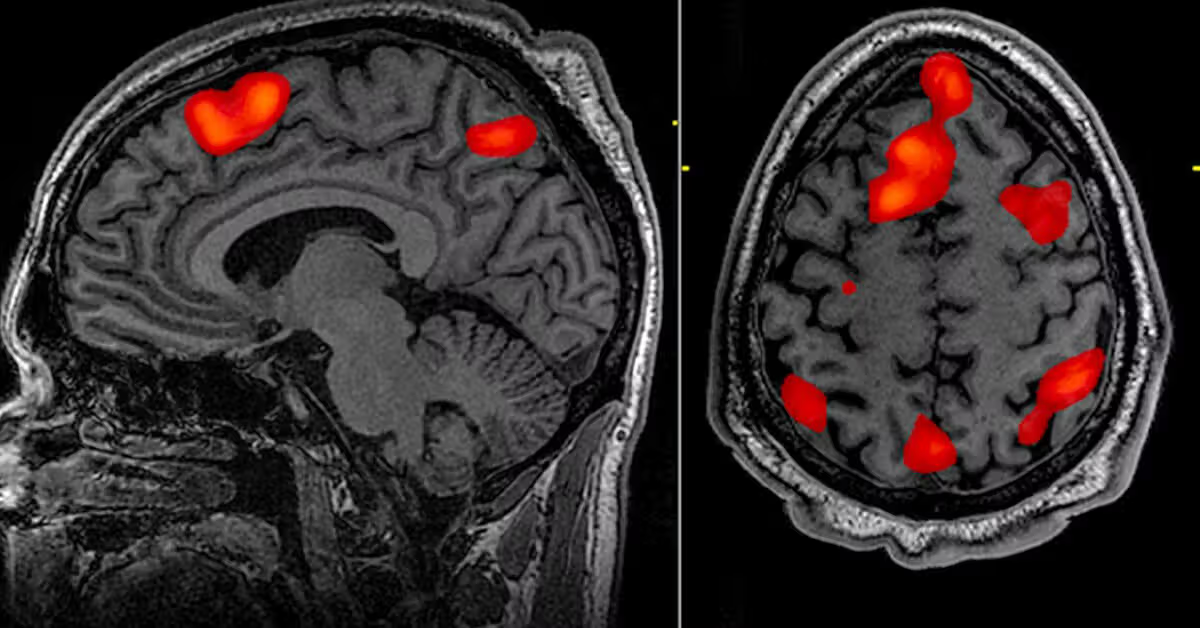
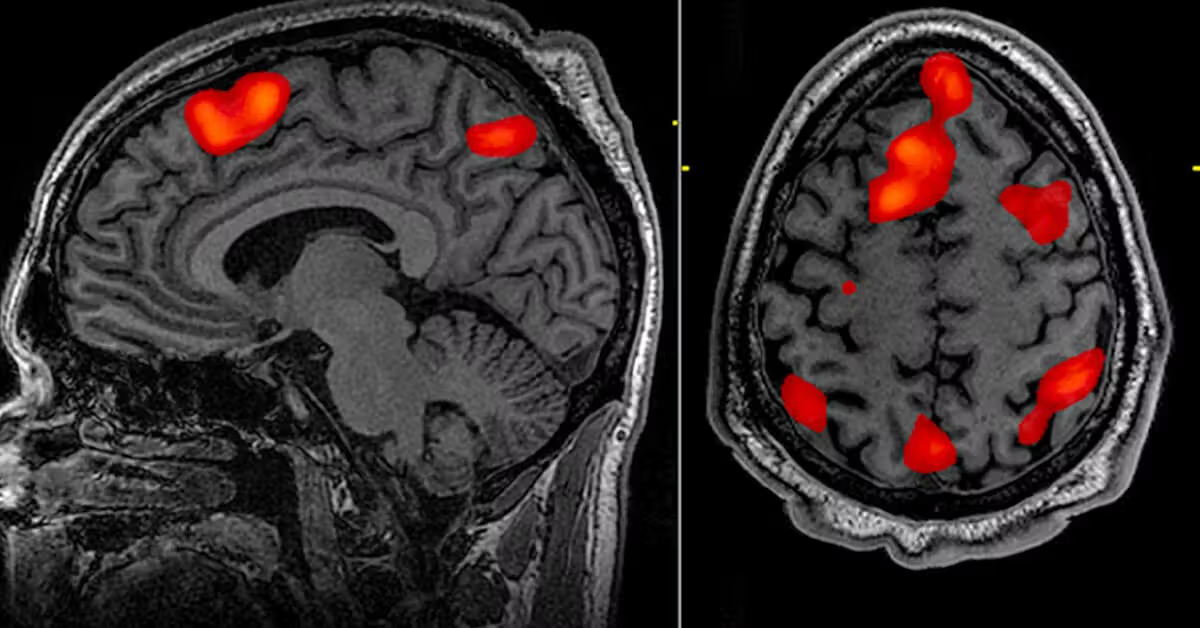
fMRI
A neuroimaging method with high spatial resolution (∼2mm3) that looks at the localisation of brain function in response to specific stimuli in real time.
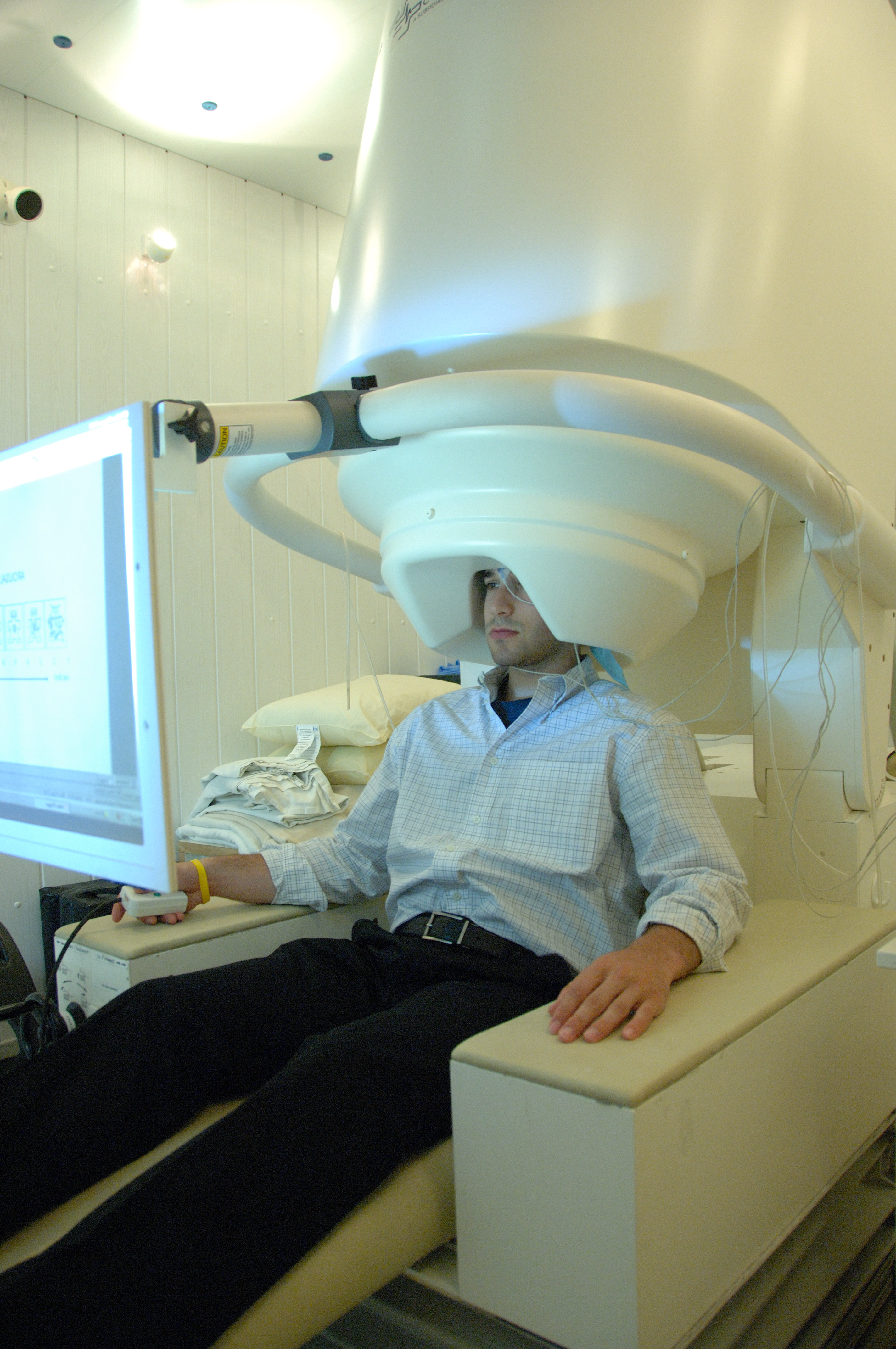
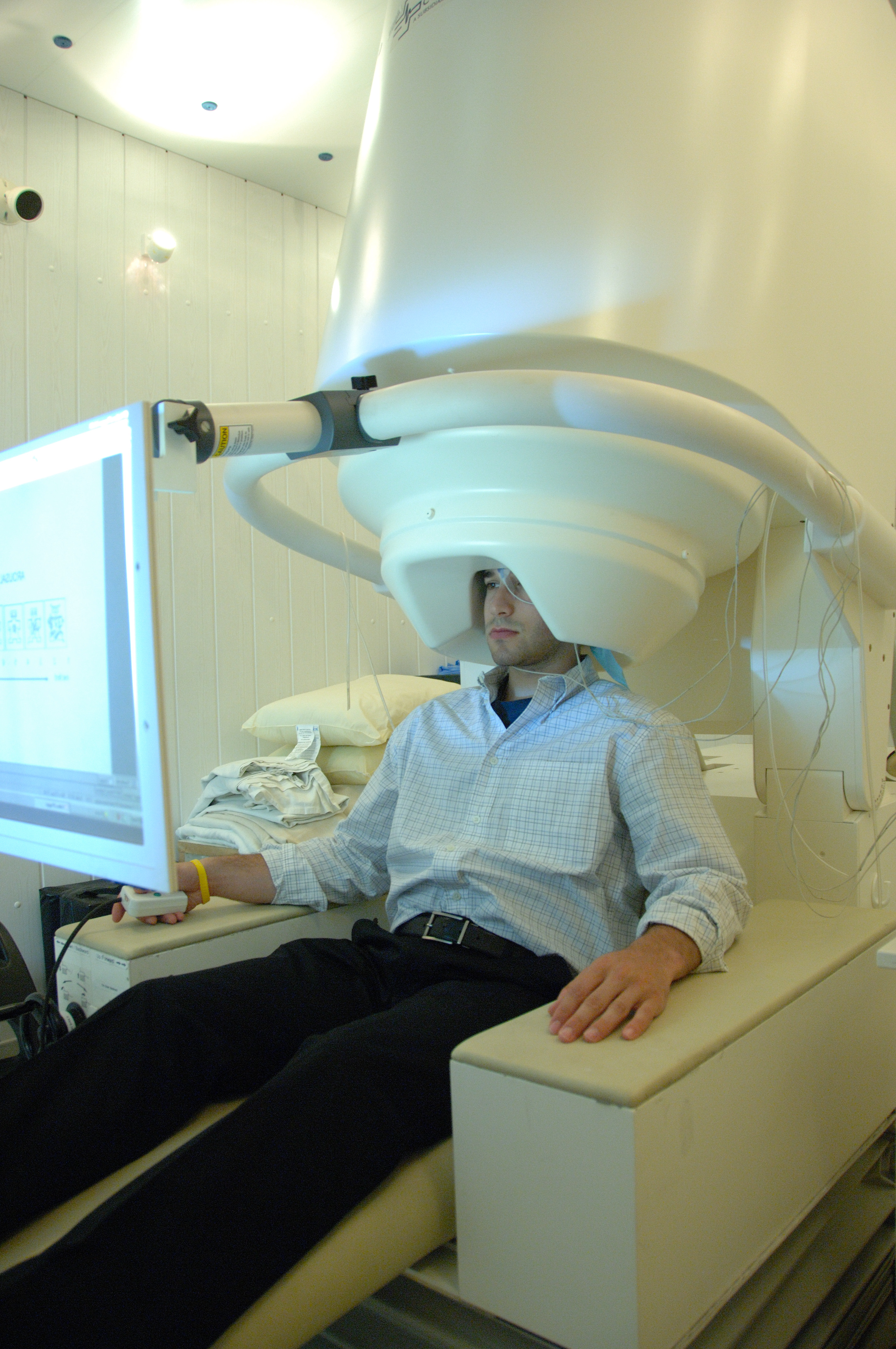
Magnetoencephalography (MEG)
A recording of magnetic fields produced by electrical currents in the brain, offering high temporal resolution (∼10msec) and high spatial resolution (∼5mm3).
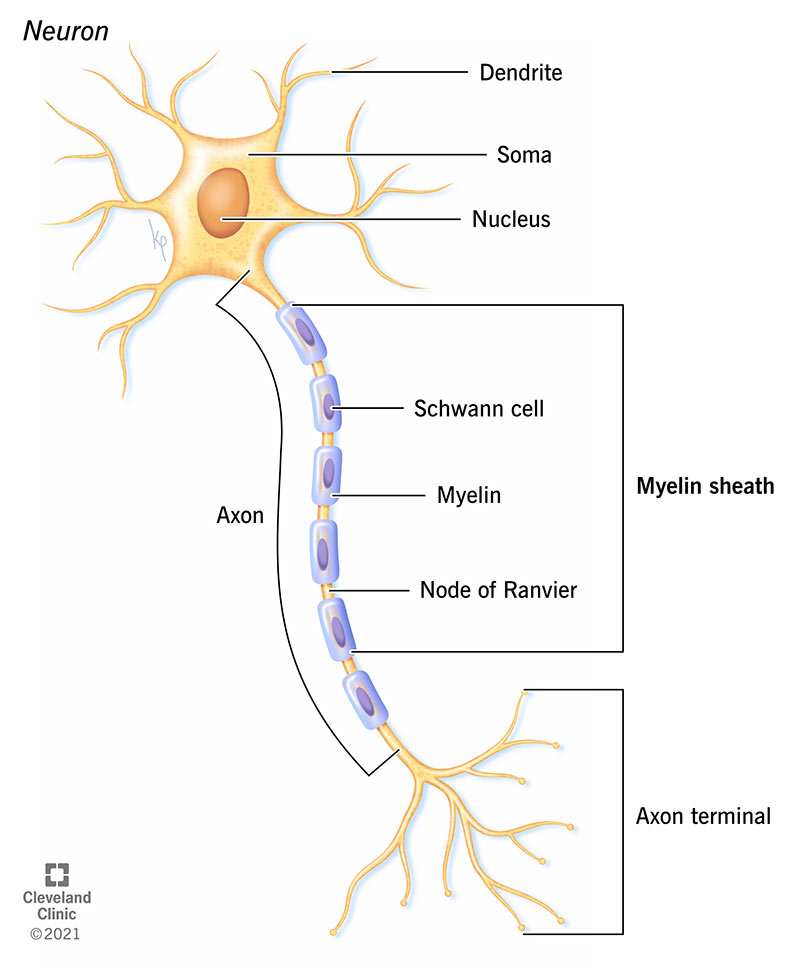
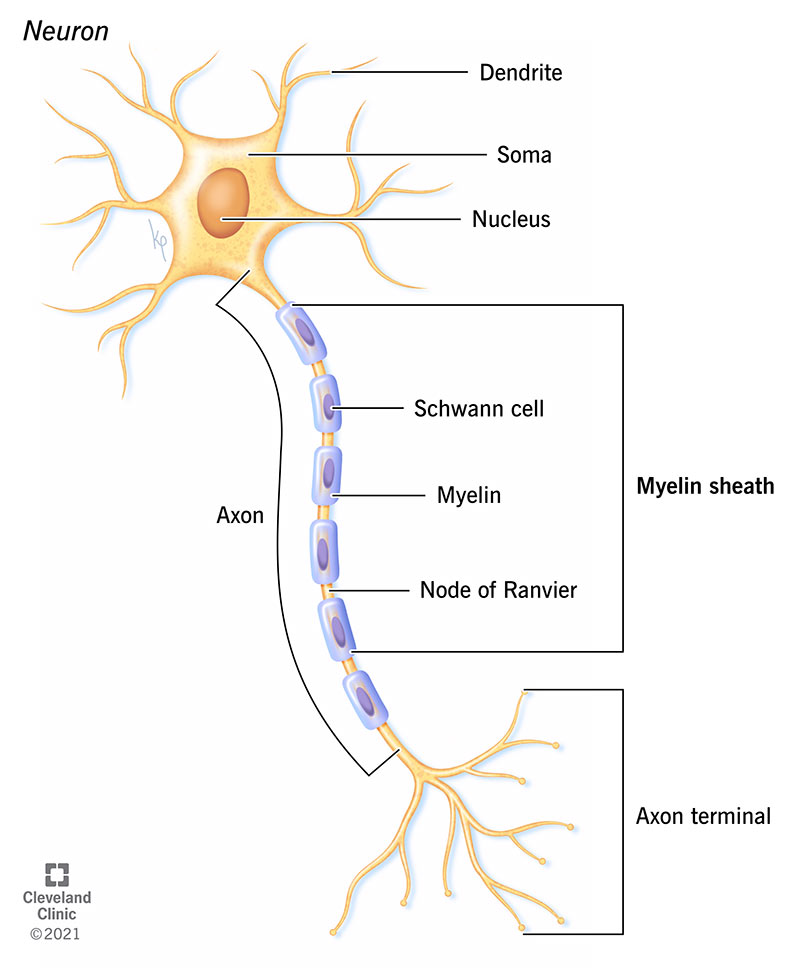
Myelin sheath
A fatty substance that insulates the axon of a neuron to facilitate signal propagation.
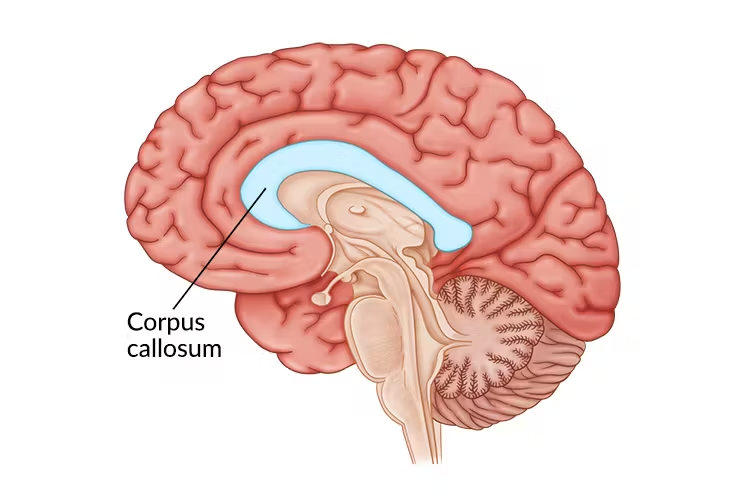
Corpus callosum
The large white matter fibre tract that interconnects the two hemispheres of the brain, allowing seamless communication and data sharing between them
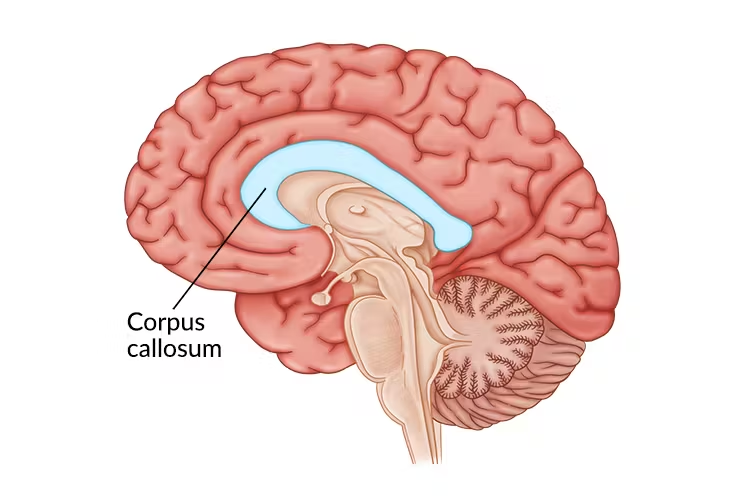
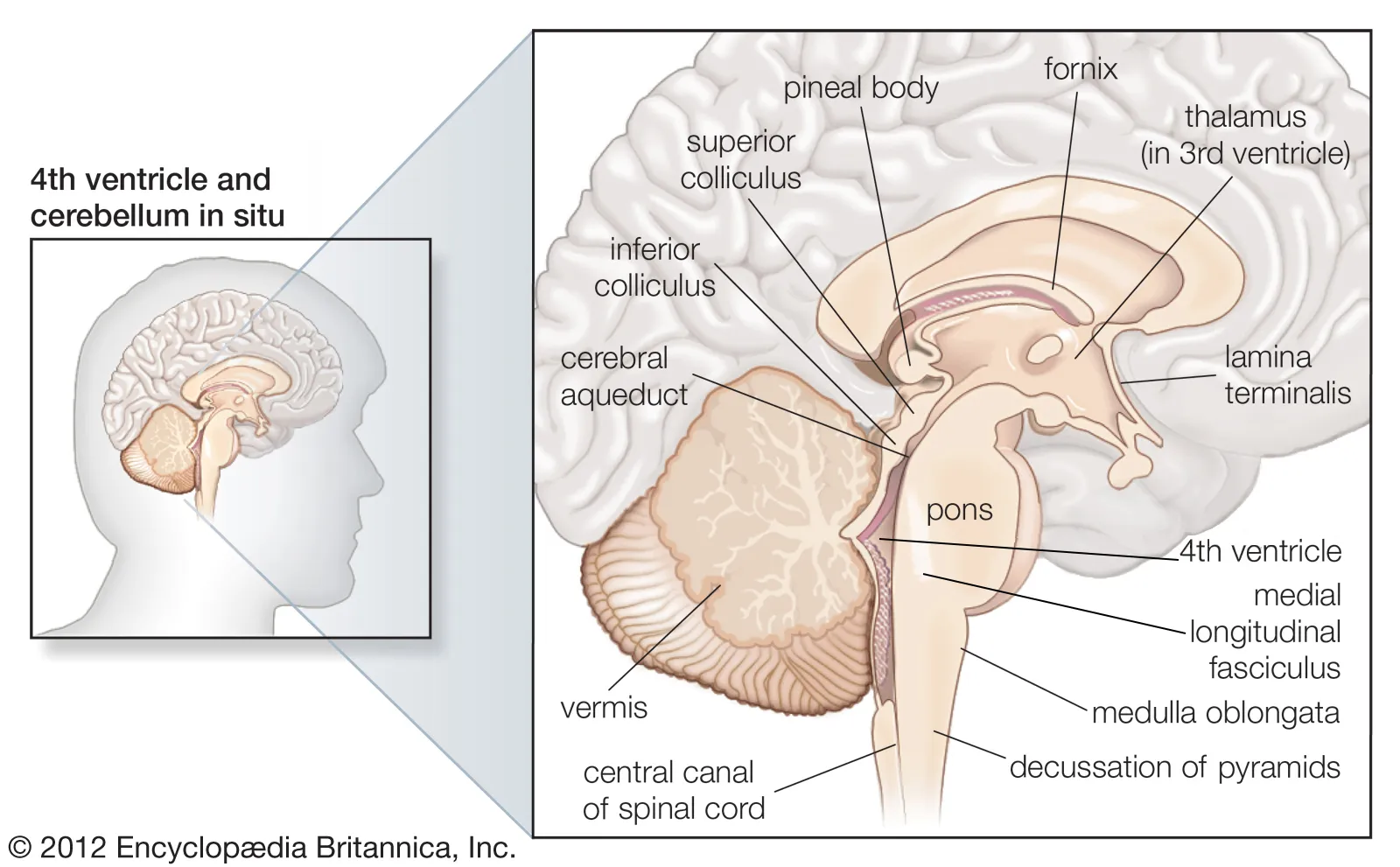
Thalamus
The "gateway to the cortex" that facilitates attention, short-term memory, and coordinates sensory inputs before they reach the cortex.
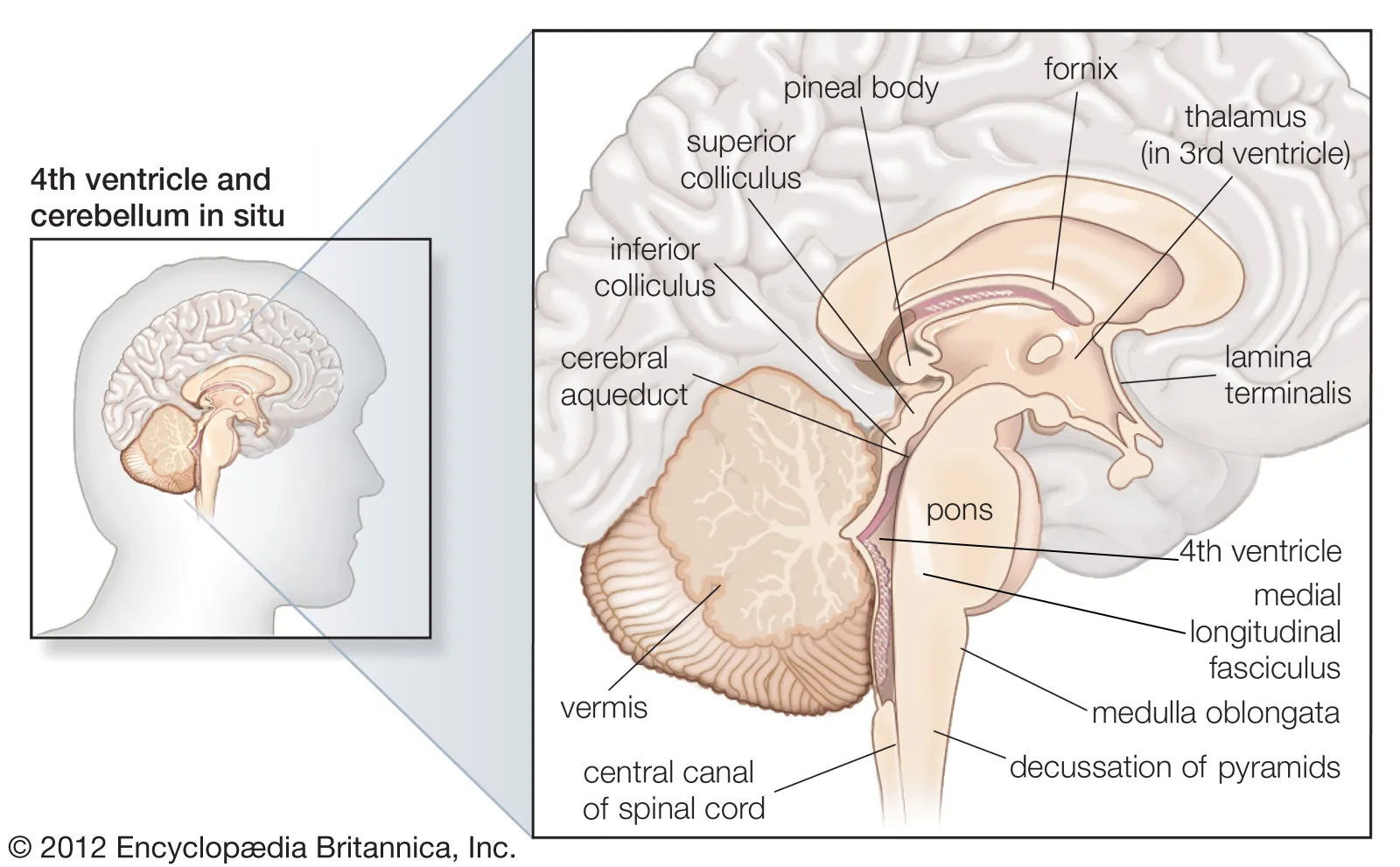
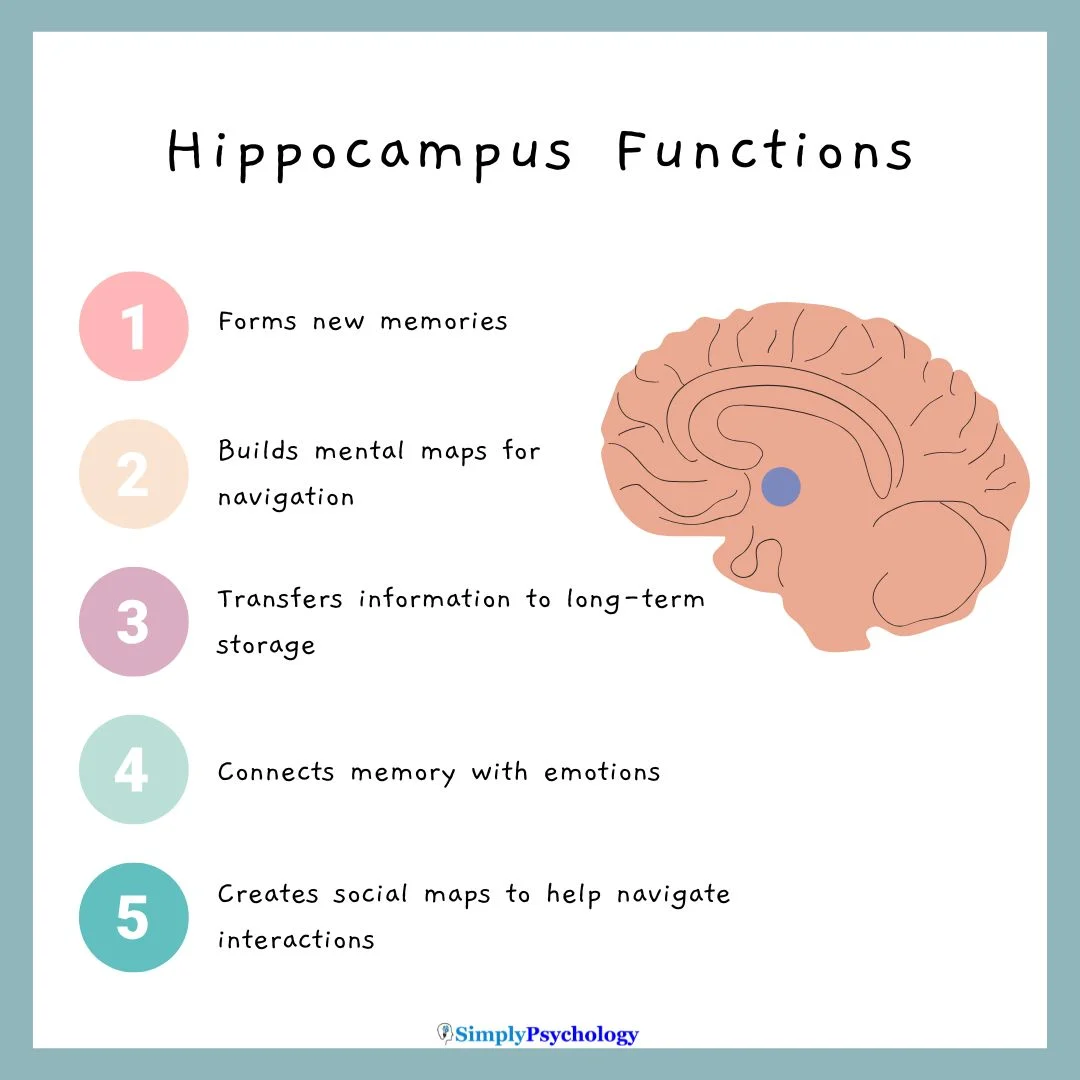
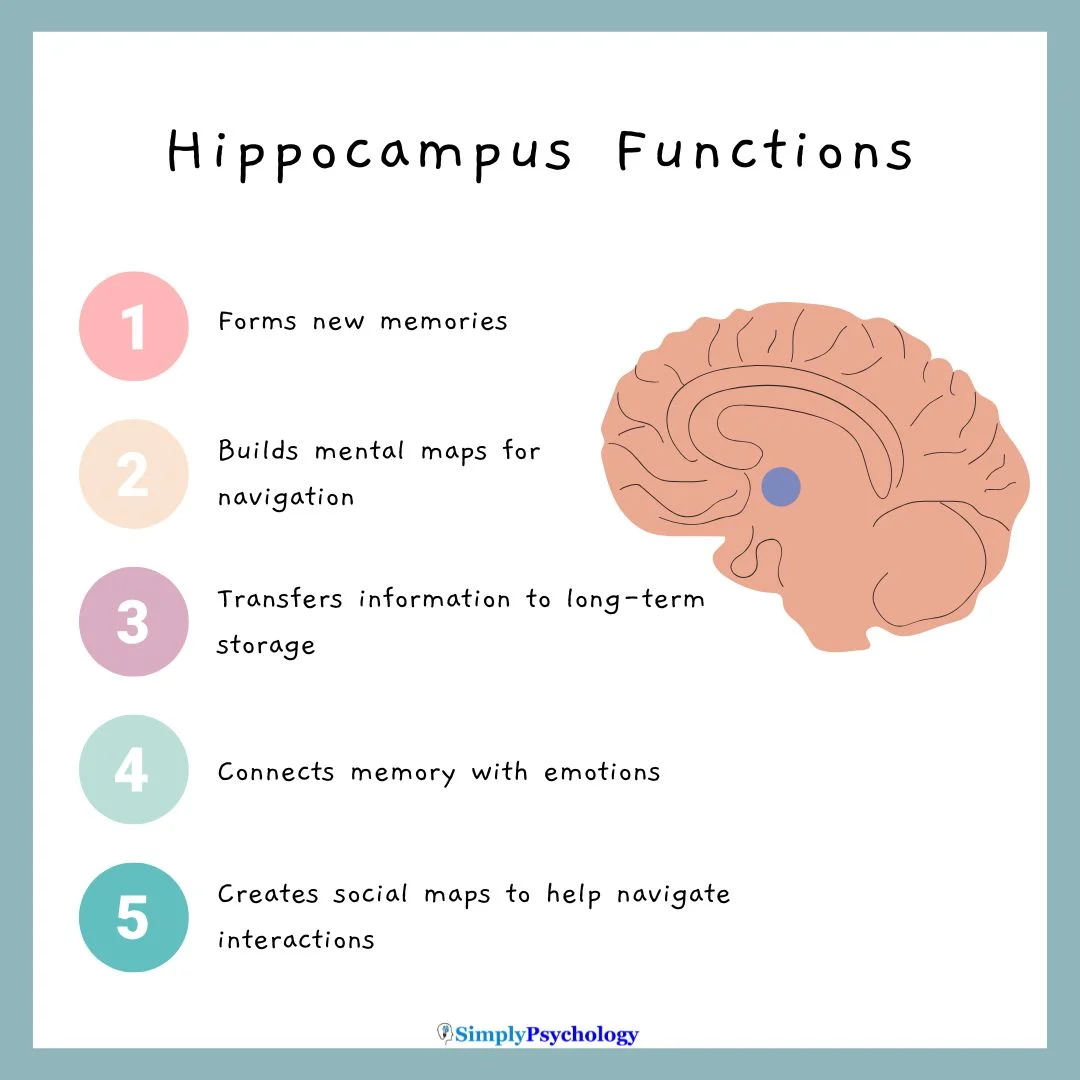
Hippocampus
A structure in the medial temporal lobe essential for consolidating long-term declarative memories and acquiring explicit linguistic information like vocabulary.
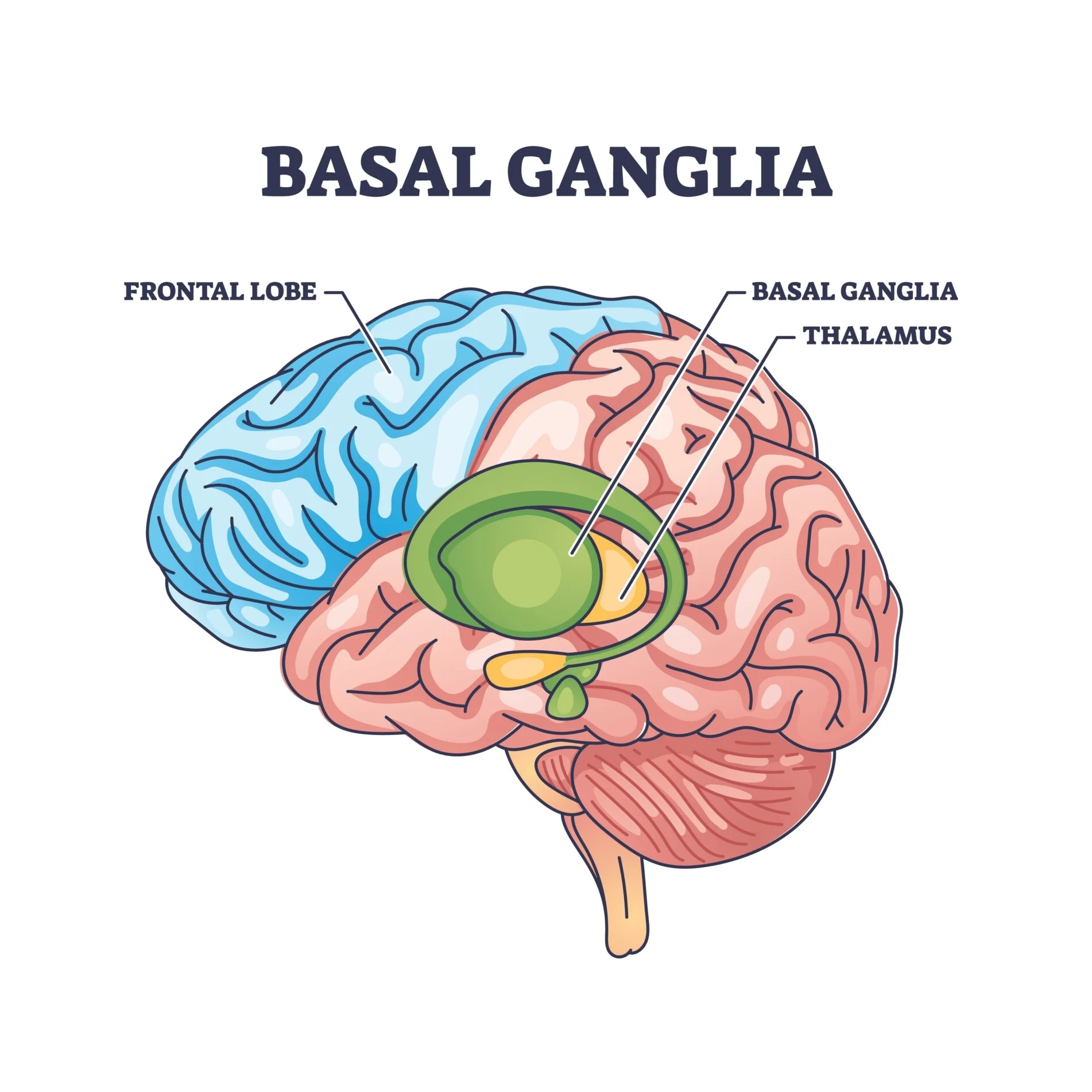
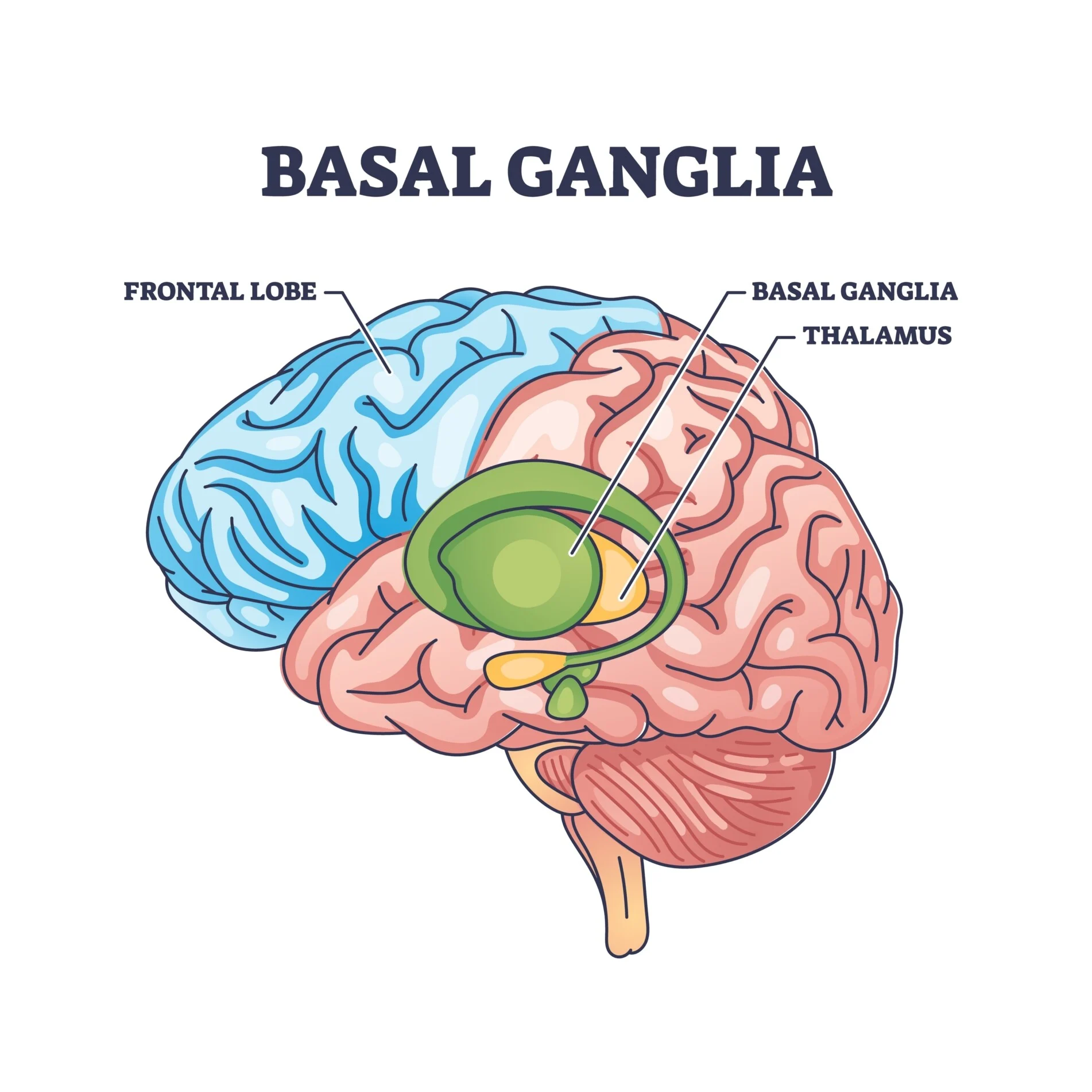
Basal Ganglia
Interconnected nuclei beneath the frontal and temporal lobes involved in phonological processing; they are dysfunctional in conditions like Parkinson’s disease.
Aphasia
The inability or impaired ability to understand or produce speech because of focal brain disease or damage, such as stroke or tumors.
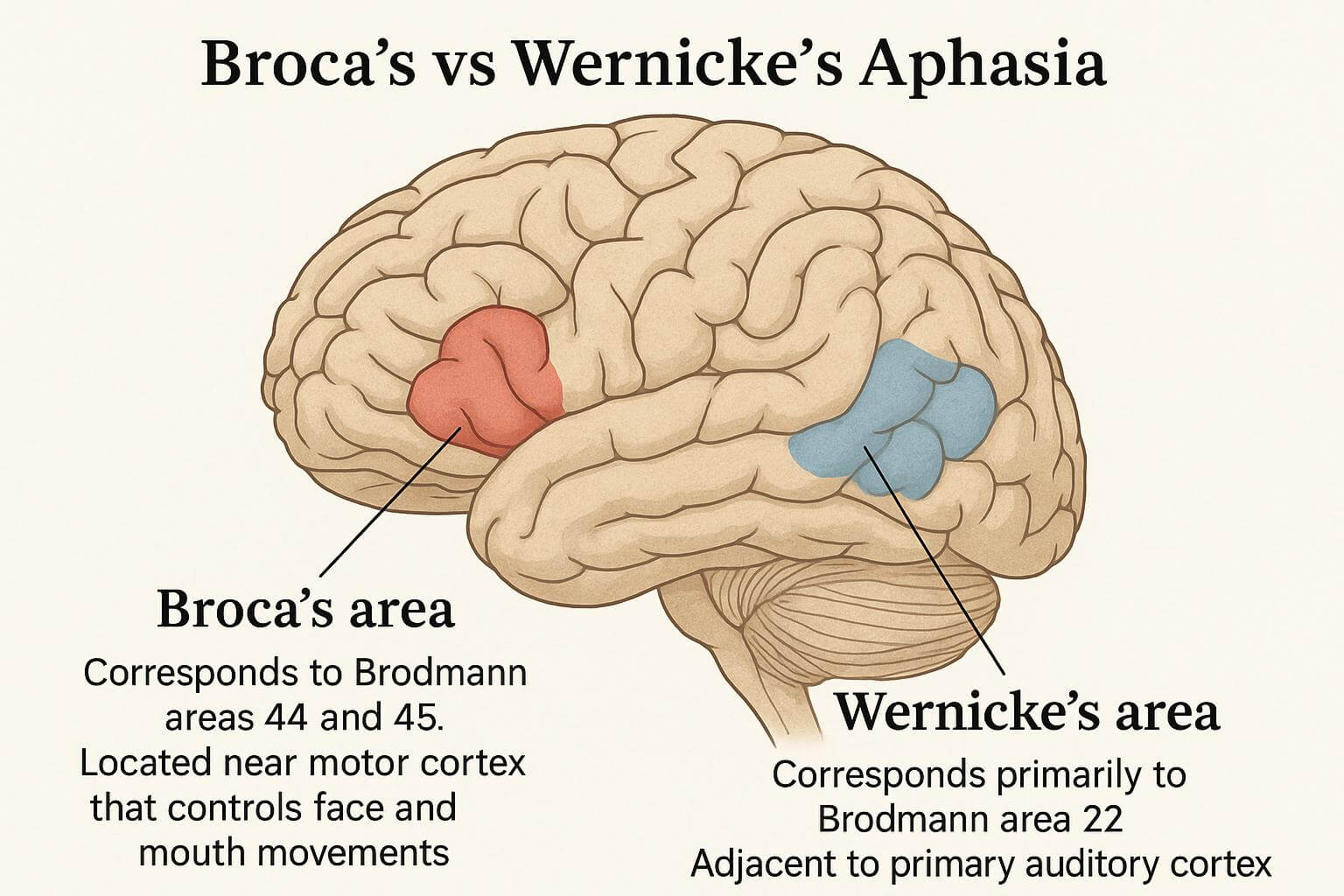
Wernicke's Area
An area situated in the posterior part of the Superior Temporal Gyrus (STG) in the left temporal lobe, crucial for language decoding and speech comprehension.
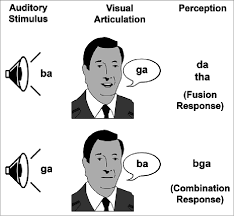
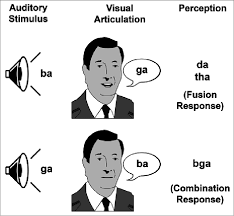
McGurk effect
A perceptual phenomenon where conflicting visual cues and auditory speech cues blend to create a false perception of a third, combined sound.
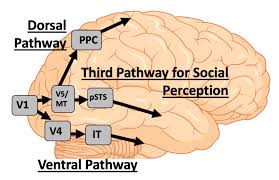
The Ventral pathway
Also known as the "what" pathway; it links sound to meaning by mapping phonological representations to semantic representations.
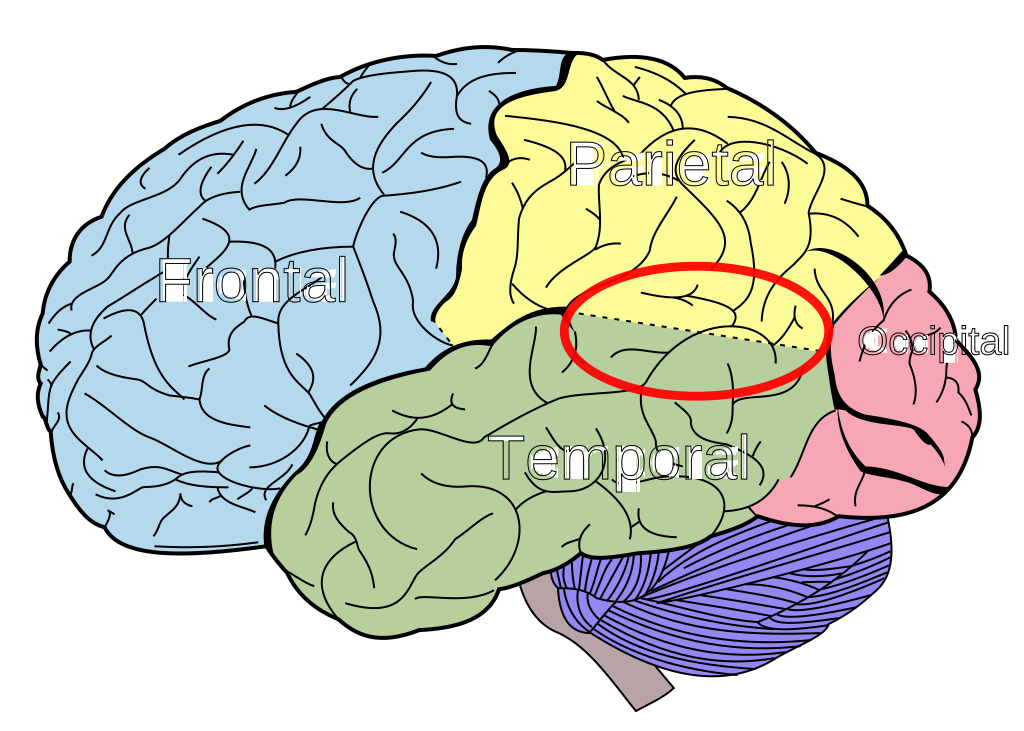
Spt (Sylvian parietal-temporal)
A region in the left Planum Temporale that serves as the sensorimotor interface between the phonological and articulatory networks.
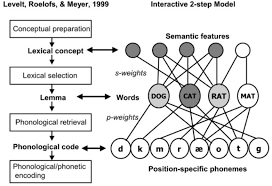
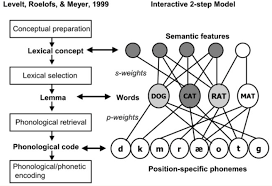
Lemma
In the Levelt model, the linguistic label of a concept that is activated and competes against others during lexical selection.
Limitations to lesion studies
Disorders themselves are not static; clinical profiles changes even with the lesion stayed intact (therapy, spontaneous recovery). In addition, scientists cannot inflict lesions to target the function of a particular region inevitably dependent on the death of the patients.
Declarative model of language (Ullman, 2007)
A theoretical framework suggesting that language processing relies on declarative (the processing of explicit linguistic information: word meaning, sounds, and sound-meaning pairs) and procedural (the processing of implicit linguistic information such as syntactic, morphological, and phonological rules) memory systems, encompassing both lexical knowledge and grammatical rules, rather than solely on procedural memory.
How do we produce speech? (Fromkin et al., 1973)
Phoneme anticipation – a reading list spoken as a leading list. Phoneme shifts: 'Black boxes' is spoken as 'black bloxes'. These errors usually involve single phonemes or phoneme clusters. This suggests that that they are treated as the “building blocks” of the architecture of speech