Full Lab Exam Study Guide
 Call Kai
 Learn
Learn Practice Test
 Spaced Repetition
 Match
Match Flashcards
 Knowt Play
1/53

There's no tags or description
Looks like no tags are added yet.
Name | Mastery | Learn | Test | Matching | Spaced | Call with Kai |
|---|
No analytics yet
Send a link to your students to track their progress
54 Terms
what makes a good vs bad hypothesis
Good hypothesis makes a prediction and has an explanation for why
what is a good vs bad resource
CRAAP:
Currency
Reliablity
Author
Accuracry
Purpose
Why does chlorophyll fluoresce in solution?
Being there is no longer an ETC which means the energy has no where to go and just get released, causing visible light
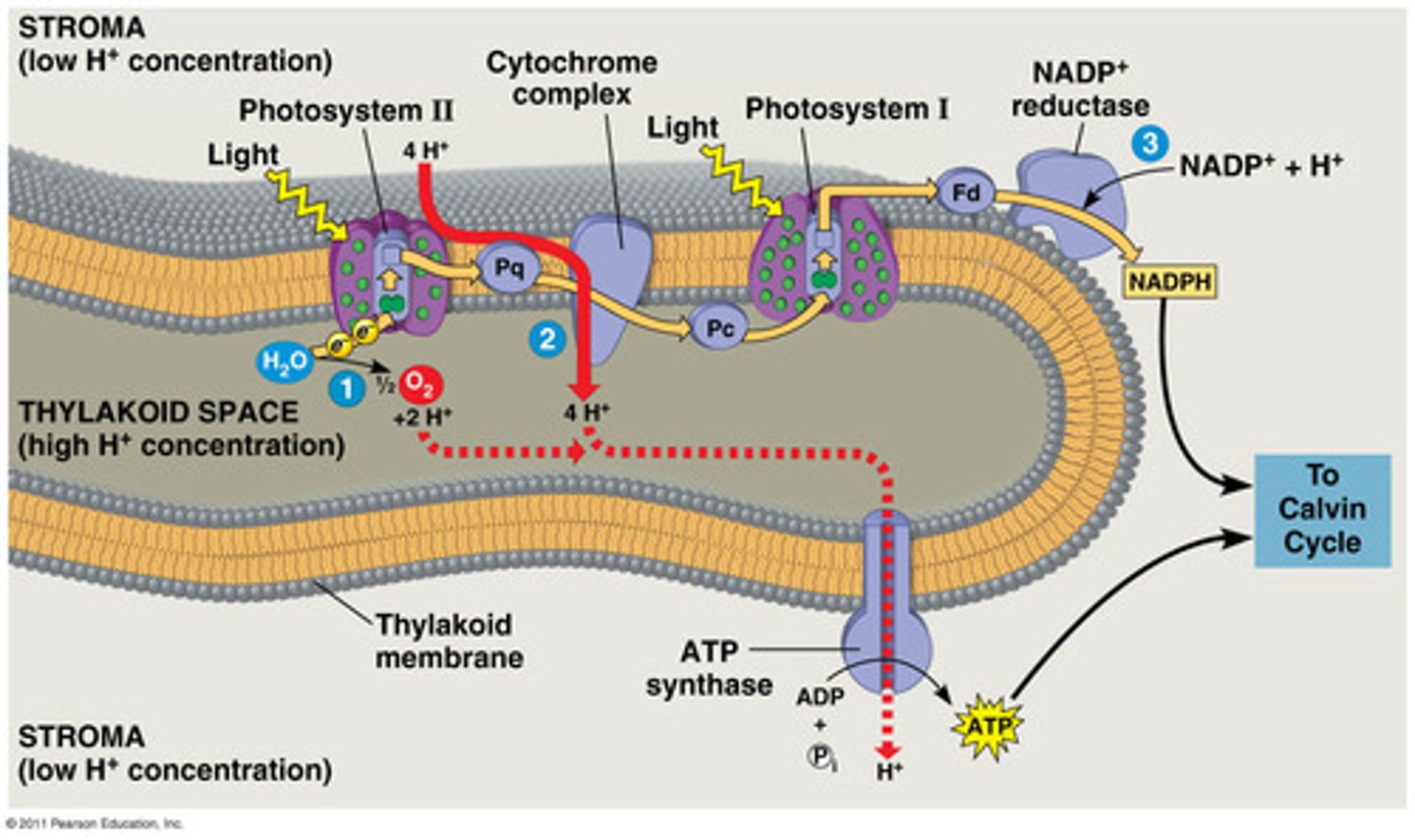
Diagram the movement of electrons through the electron transport chain in a chloroplast
PSII --> cytochrome (pumps H+) --> PSI --> NADP reductase --> ATPase
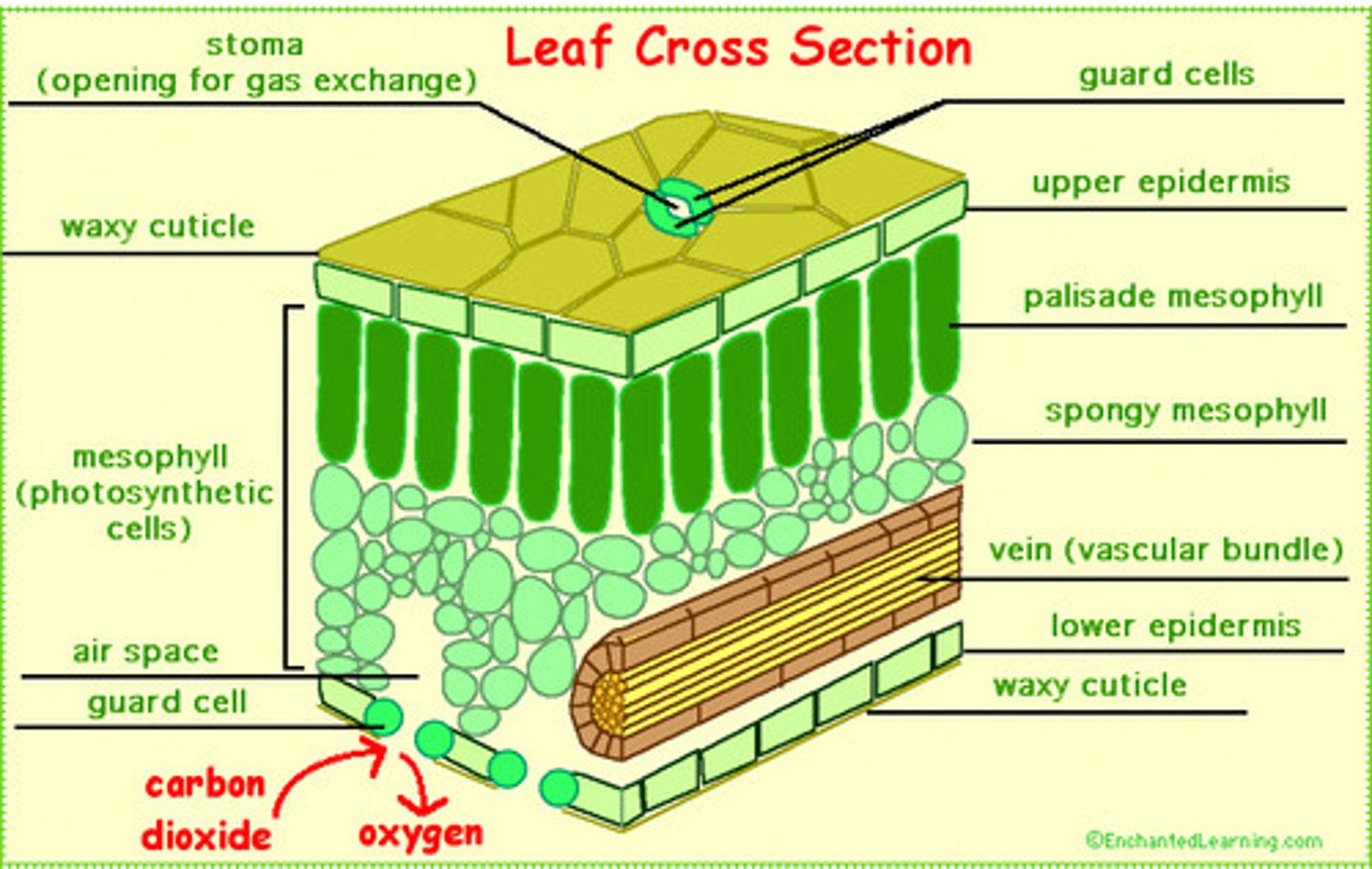
Identify and diagram a leaf cross section:
4 terms
o Epidermis
o Mesophyll
o Vascular bundle
o Bundle sheath
C3 plant leaf cross section
Often looks organized in vertical layers
You can see distinct, elongated palisade cells at the top and loose spongy cells at the bottom.
Small Bundle Sheath: The bundle sheath cells around the vein are small, translucent, and contain very few or no chloroplasts
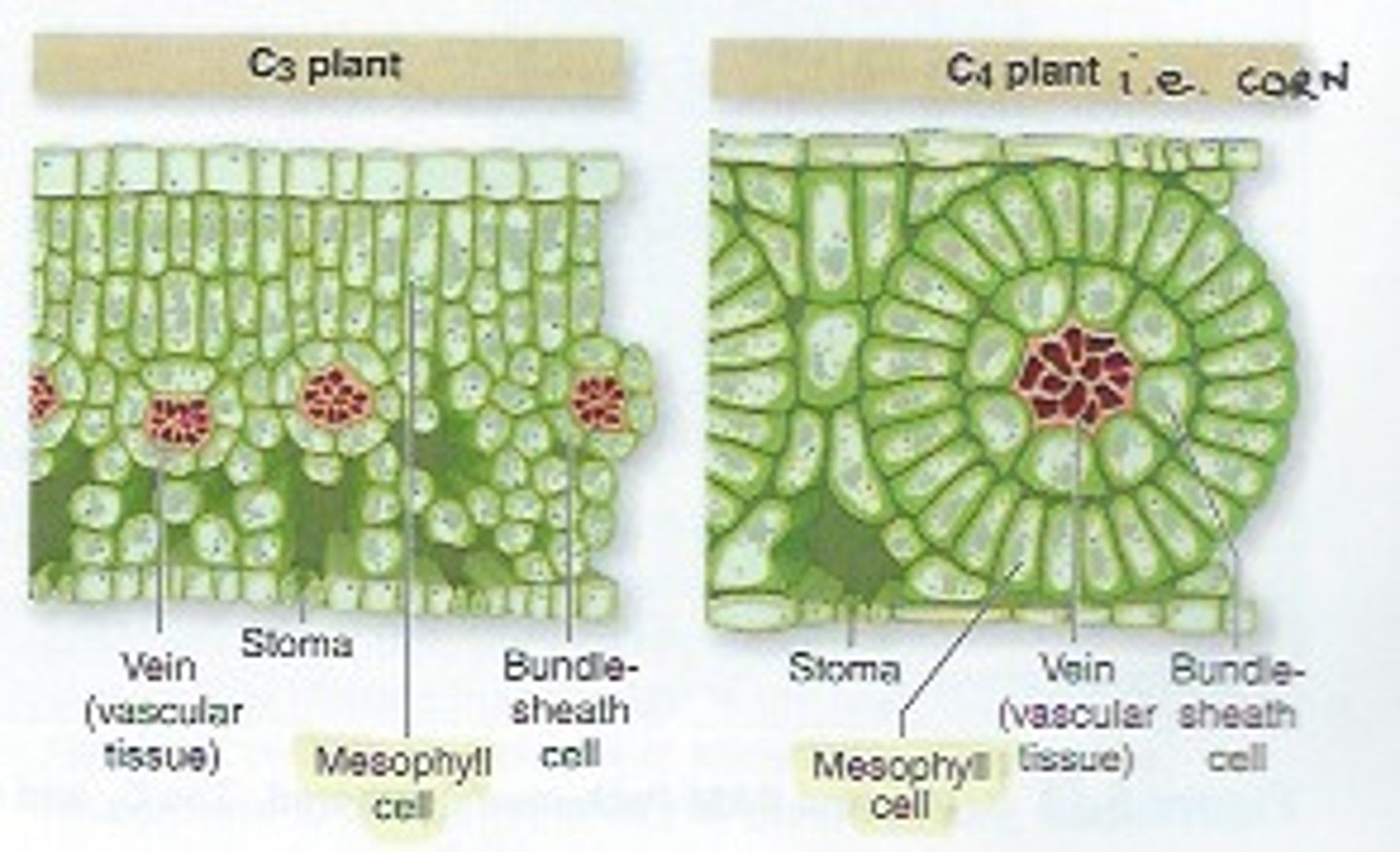
C4 plant leaf cross section
Looks like a series of tight "rings" around every small vein
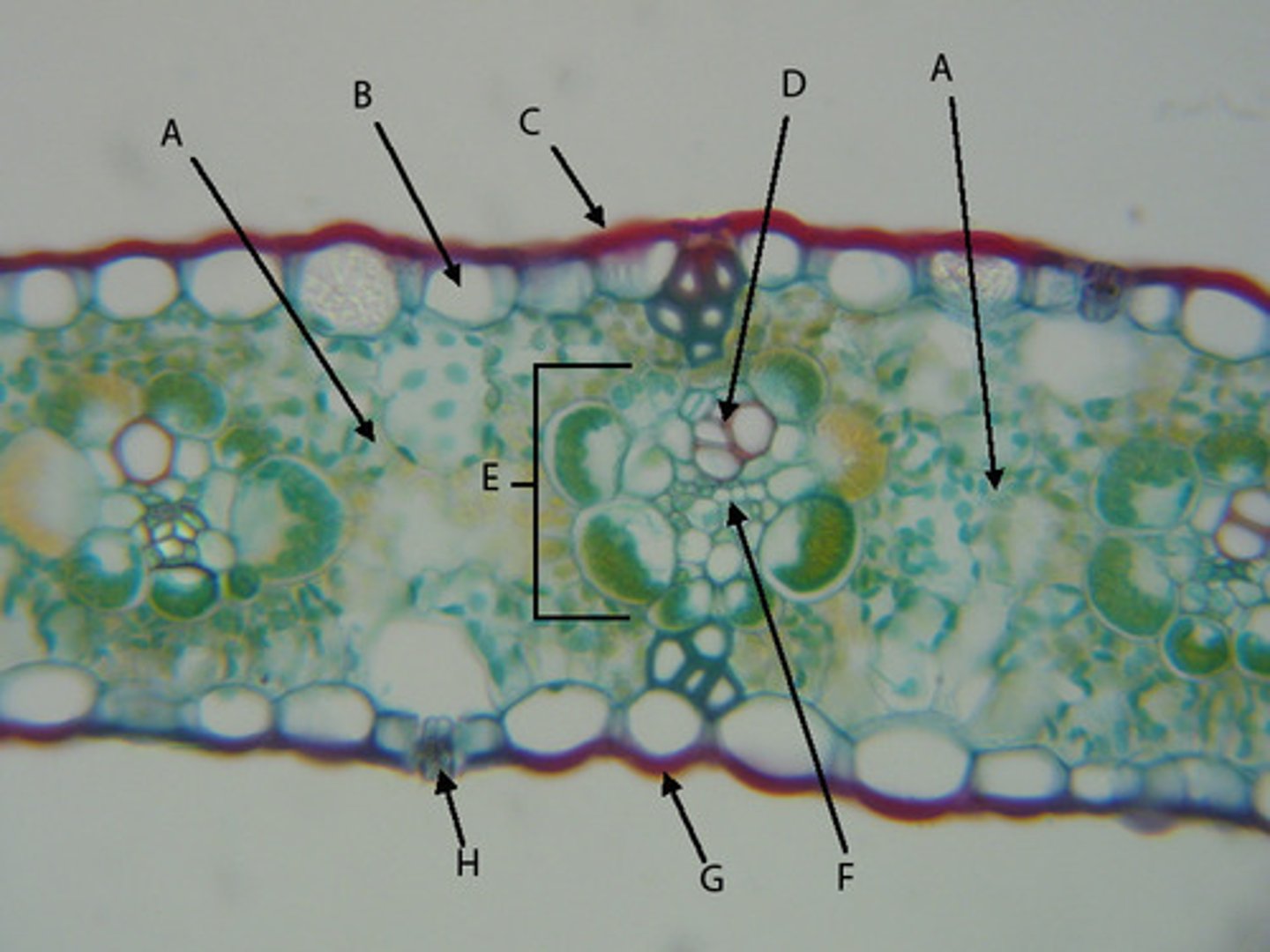
How do you make an epidermal peel and its purpose
o Count the number or stomata
o Recognize guard cells and epidermal cells
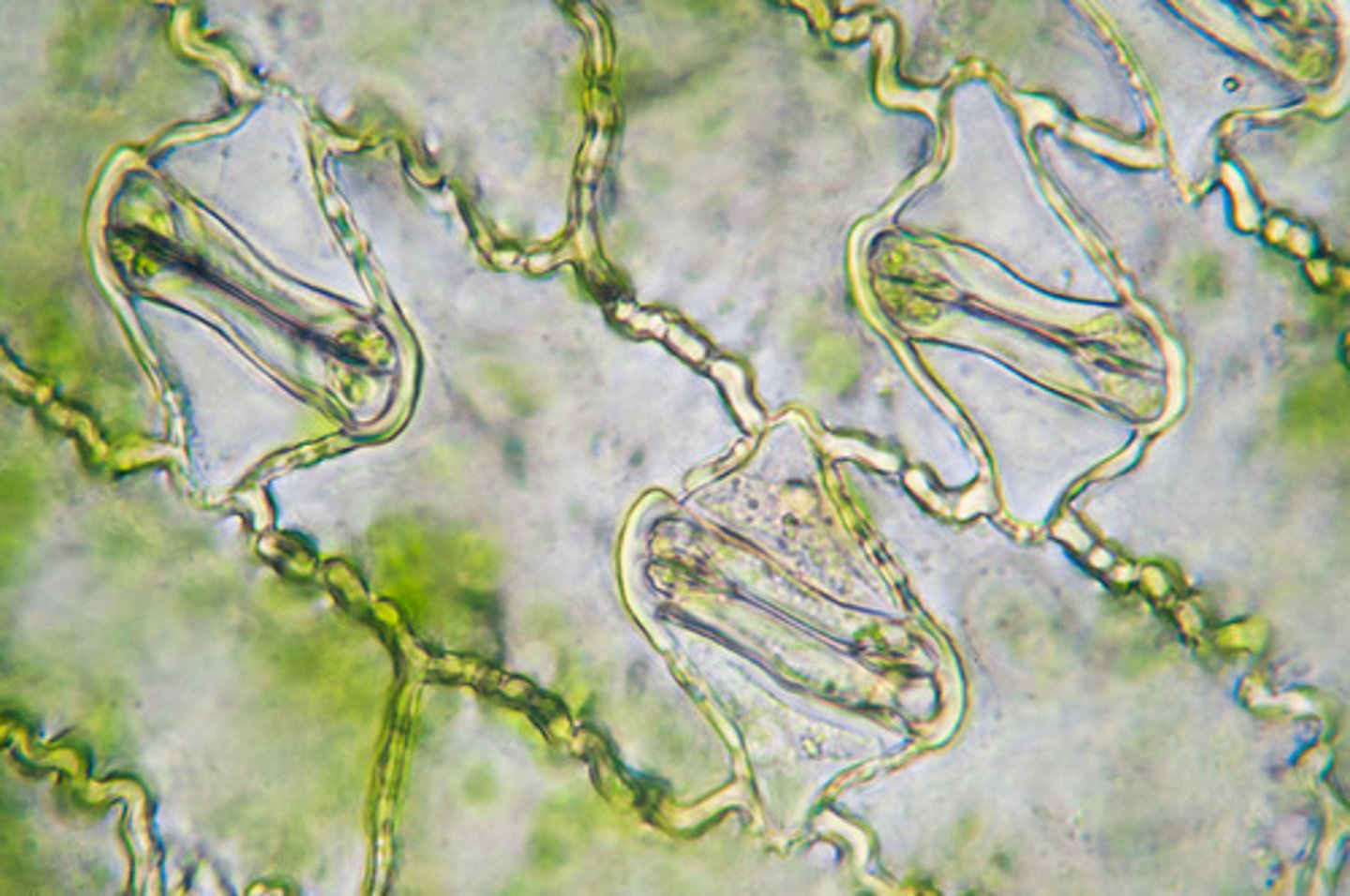
Stomata and the significance of:
where they are located on the leaf?
number of stomata?
open vs. closed?
in relation to the environmental conditions
o Where located on leave: more on the bottom to prevent transpiration
o Number: the higher the CO2 content, the less stomata because the plant does not as many stomata to take in CO2 and therefore avoid excesses water loss
o Open vs closed: stomata open when the temp is low and there is low wind because this is when the least amount of water loss will occur
Stomatal Index
# stomata/ # stomata + # epidermal cells
Understand and able to explain water potential and the effects it has on water movement
o Water potential water will move from high to low WP
o From negative to more negative, or from positive to negative
o Will move from areas of low solute to high solute
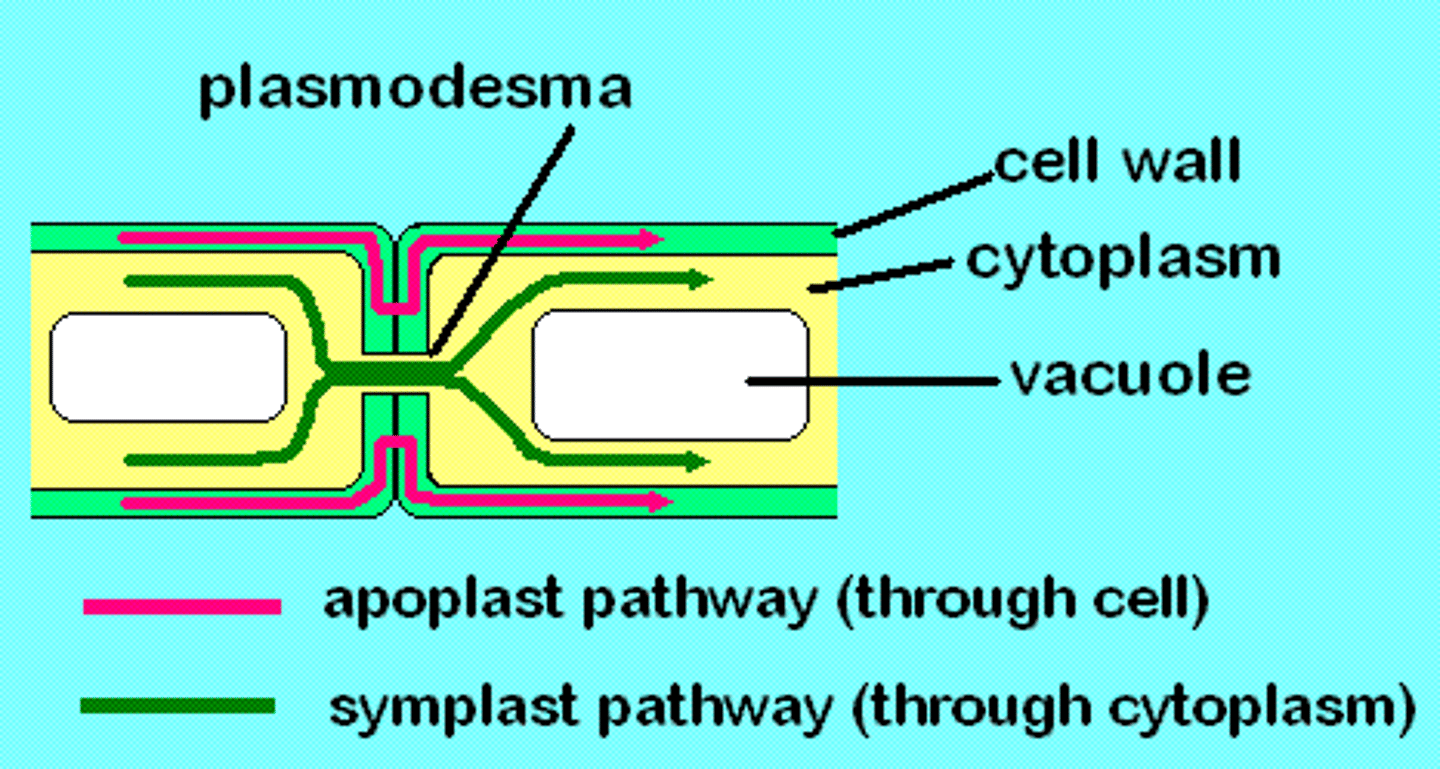
What is the difference between apoplastic and symplastic routes that water can take
o Apoplastic: between cells
o Symplastic: through cells
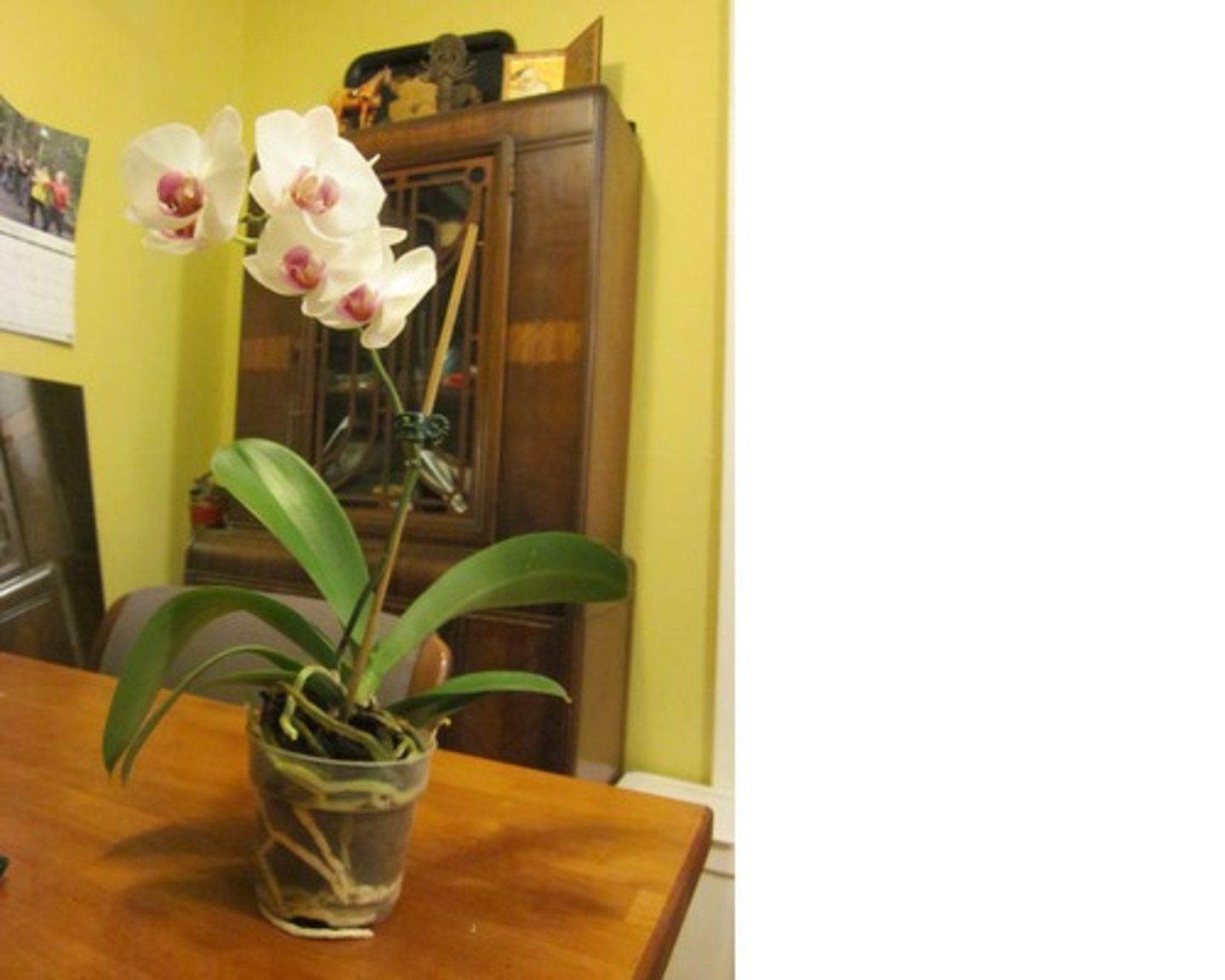
Ariel roots
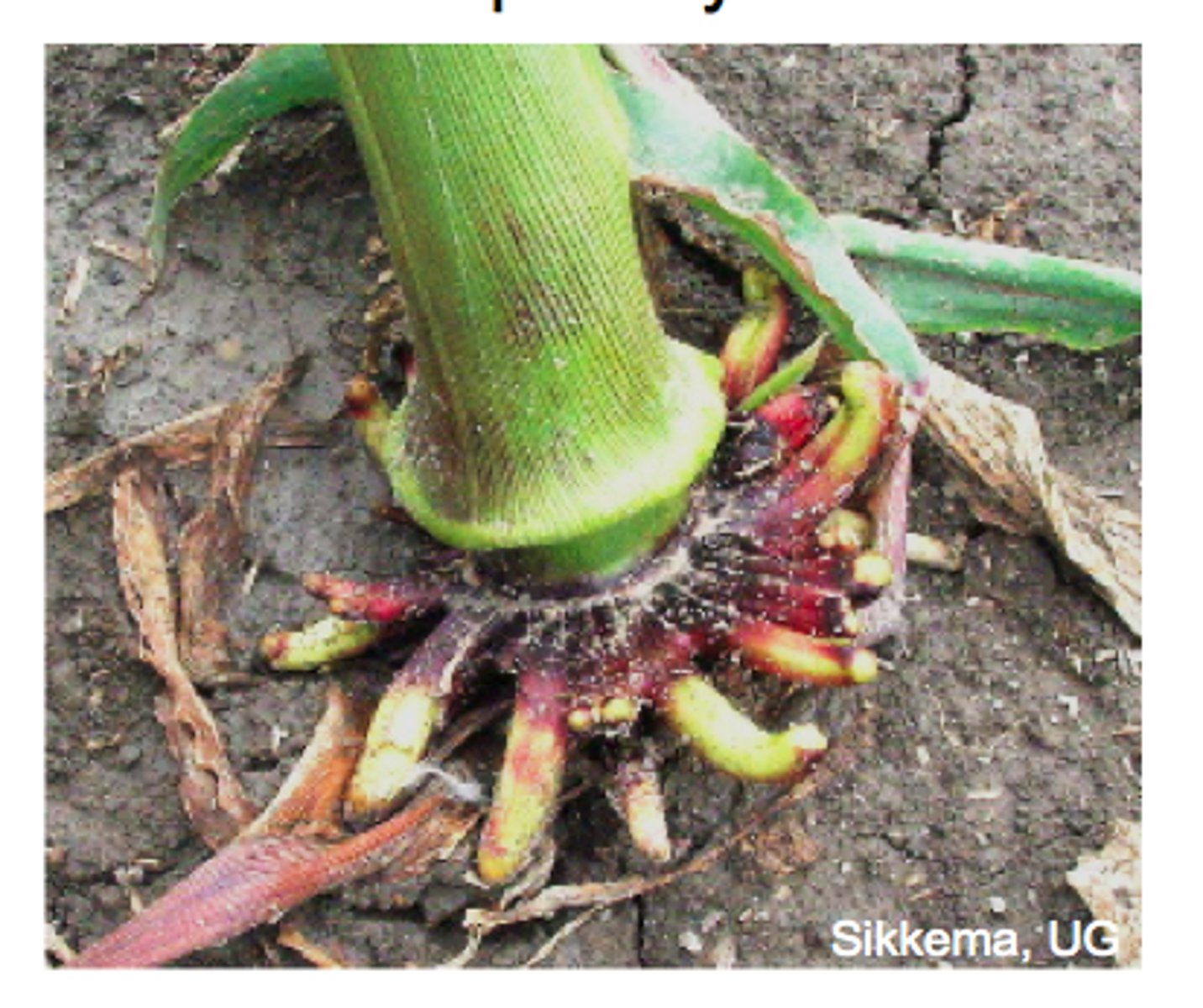
Brace roots
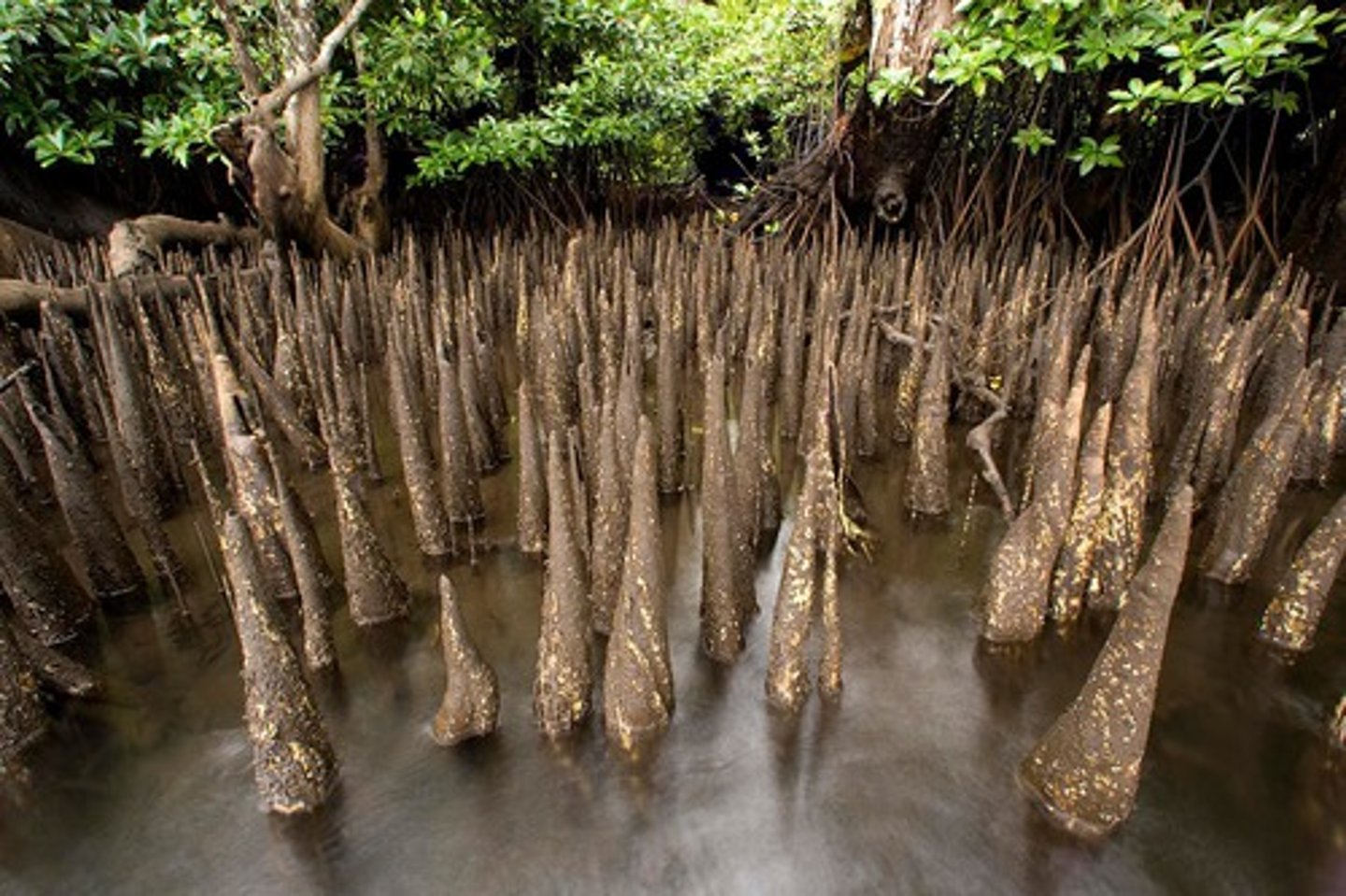
Pneumatophores
Rhizome
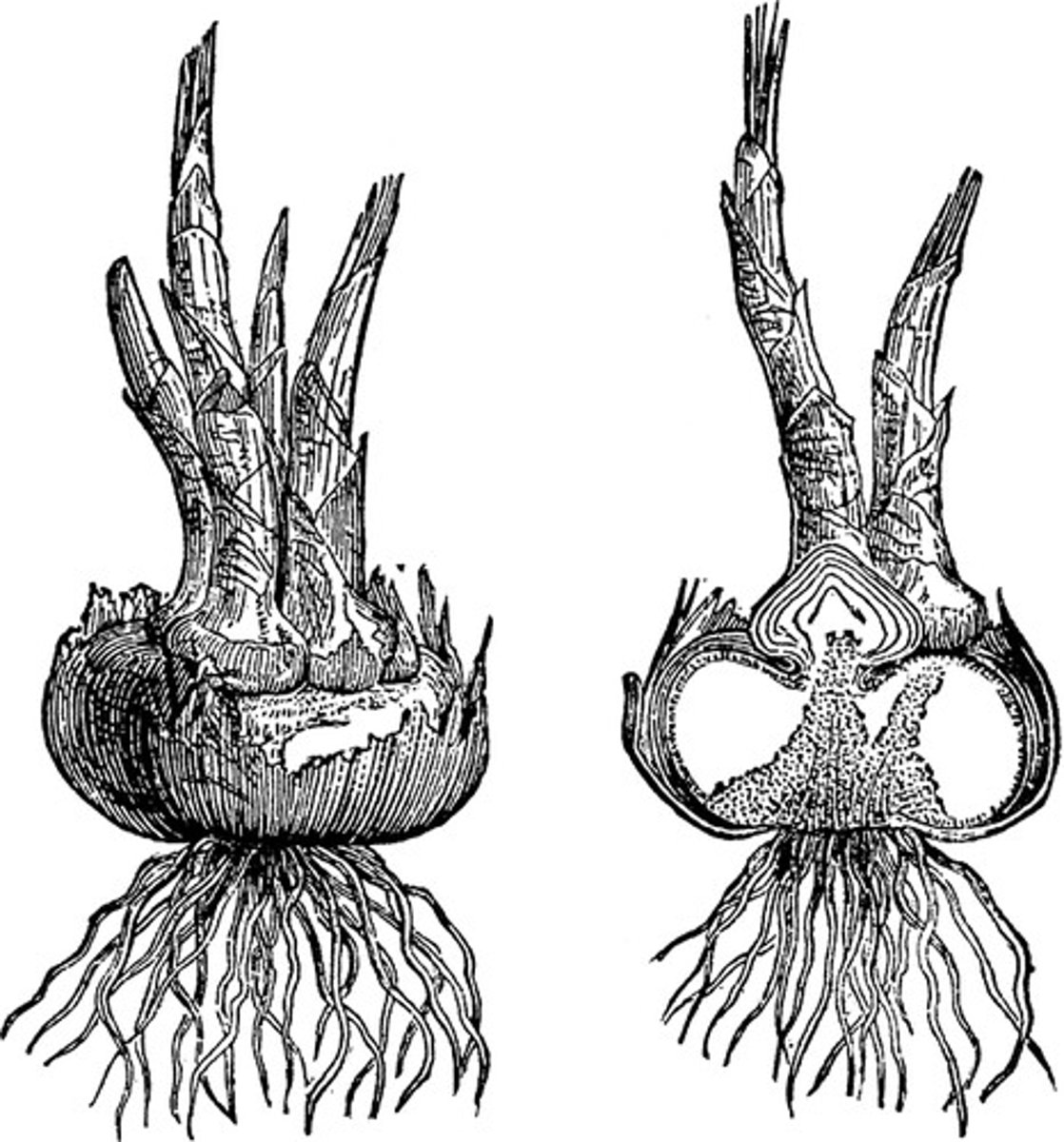
Corm
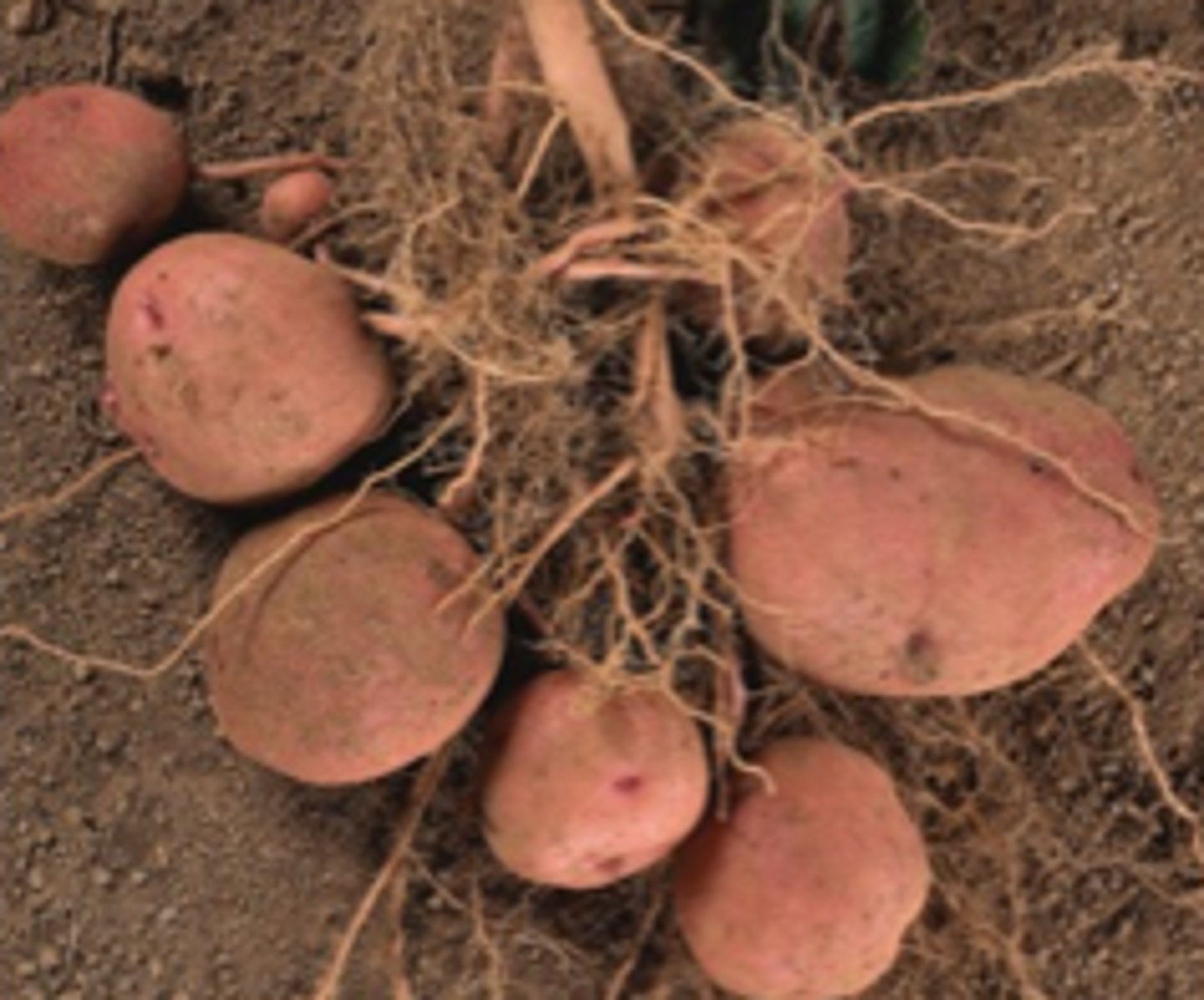
Tuber
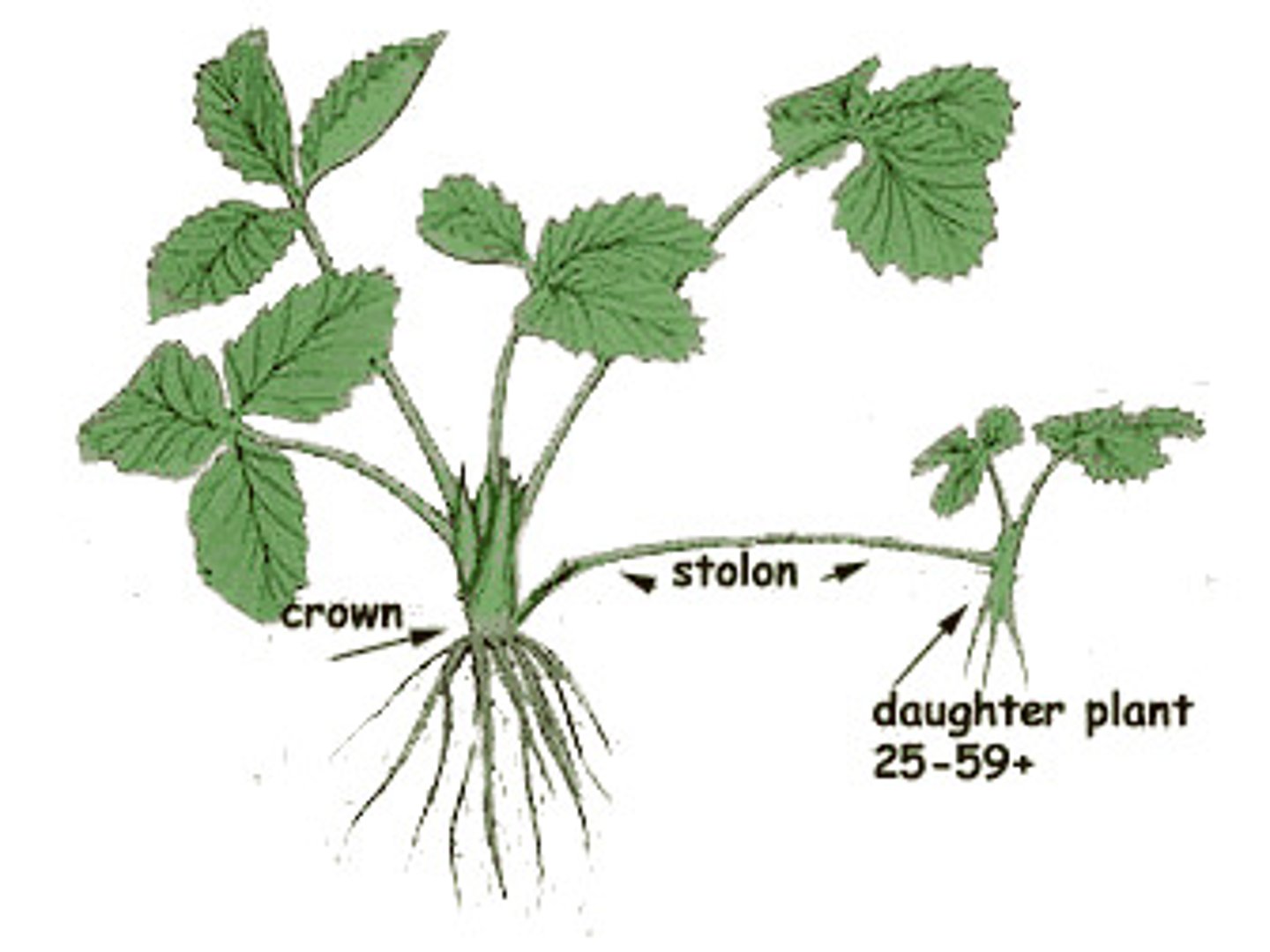
Stolon
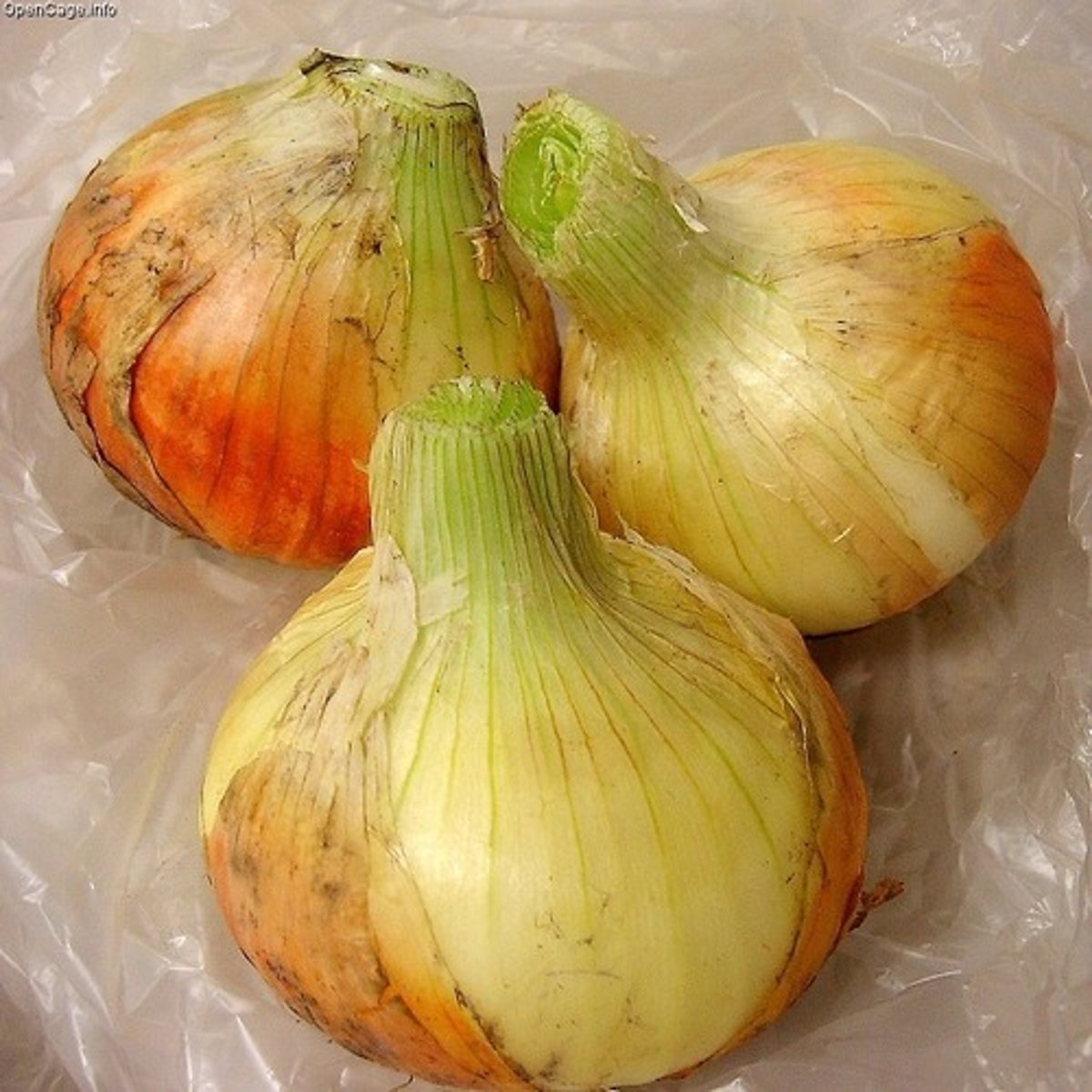
Bulb
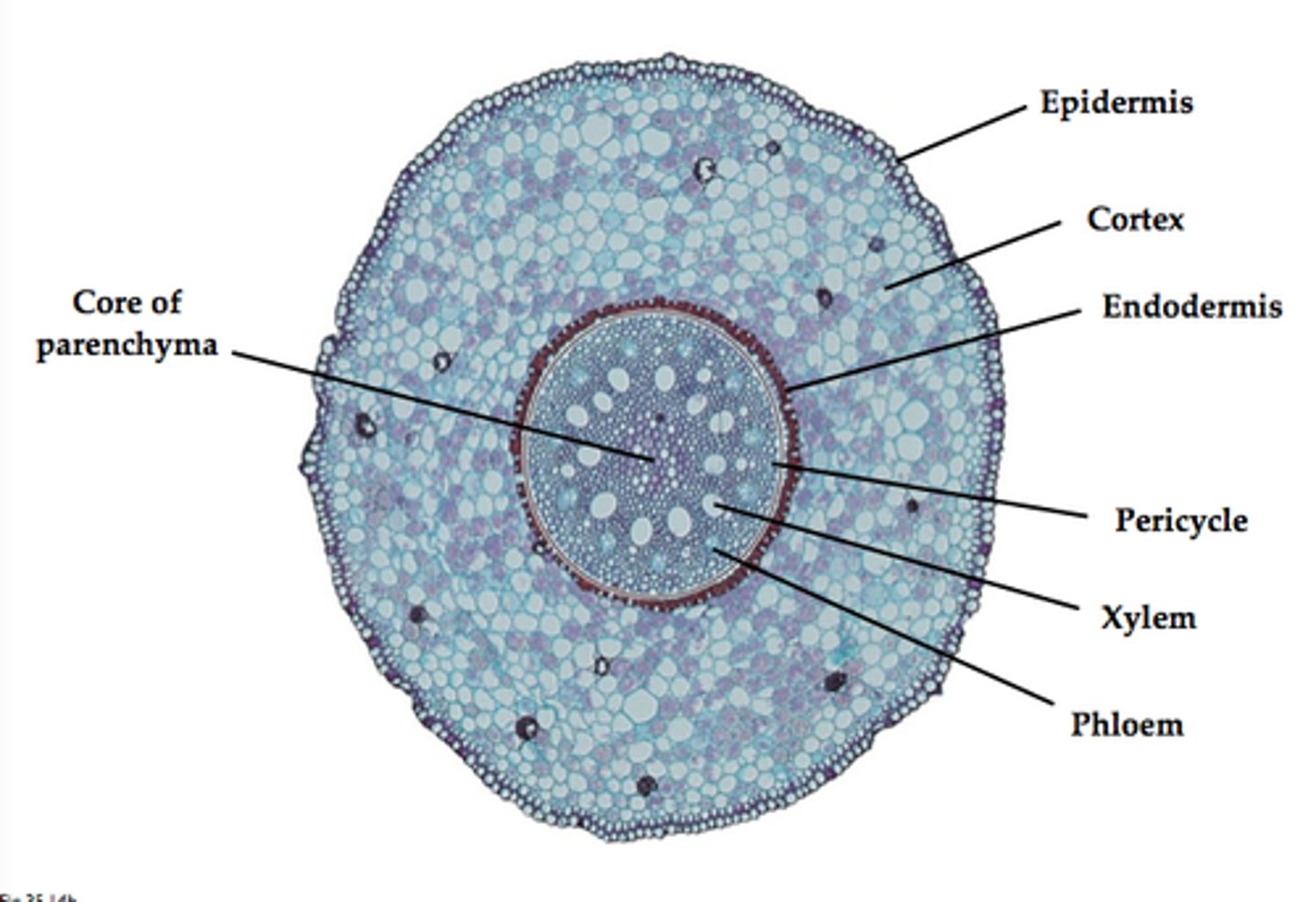
Monocot root
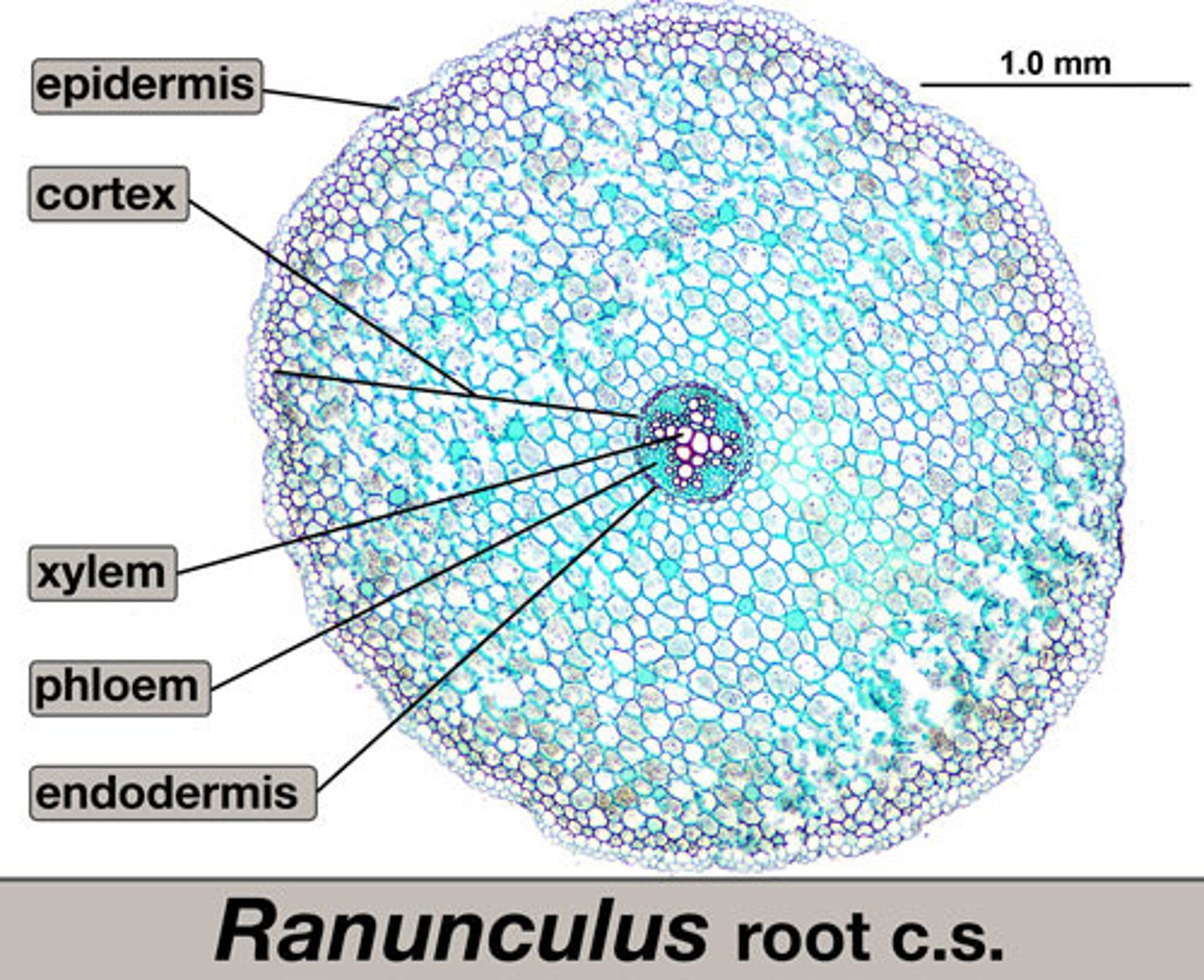
Dicot root
Monocot shoot
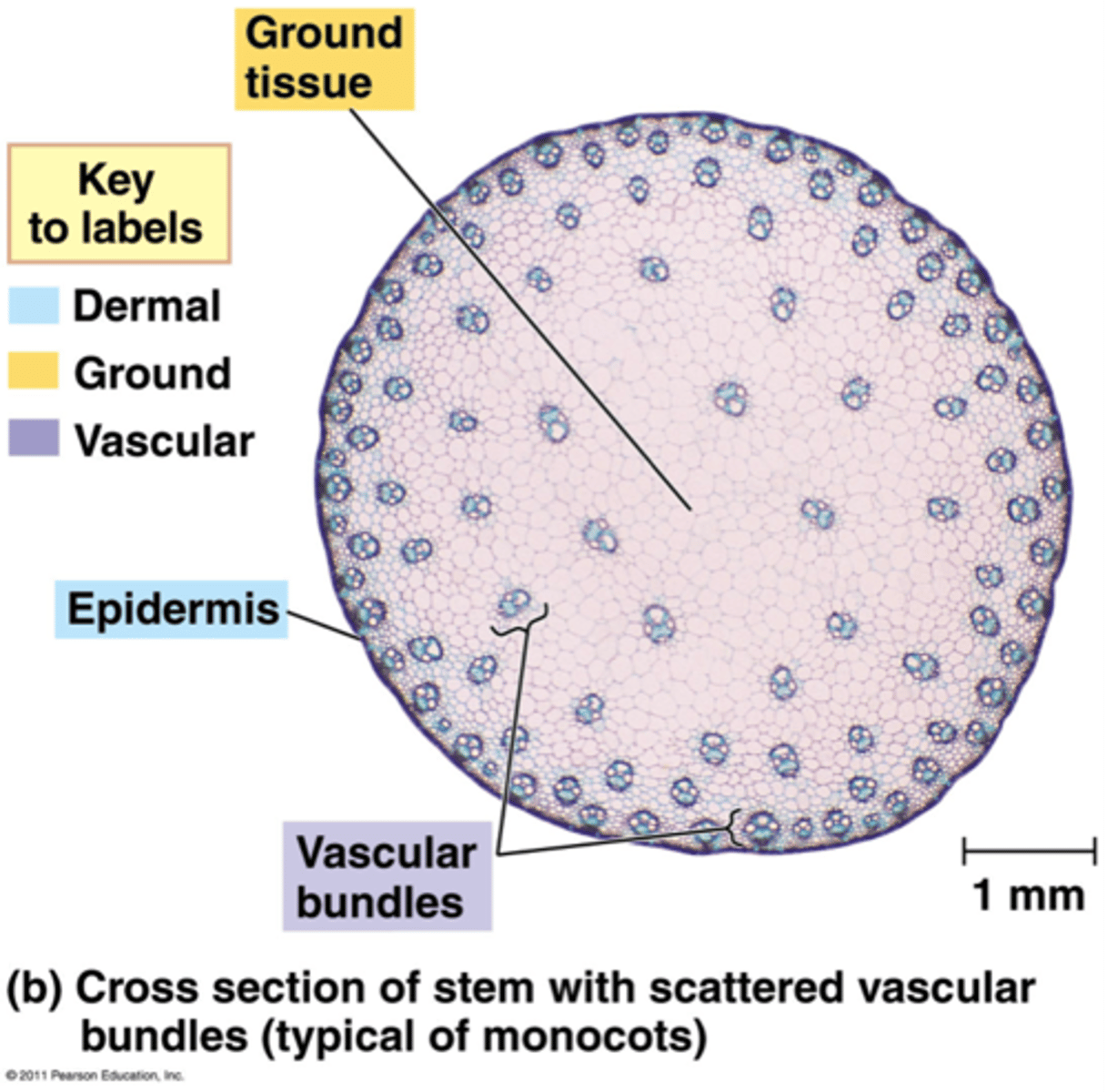
Dicot shoot
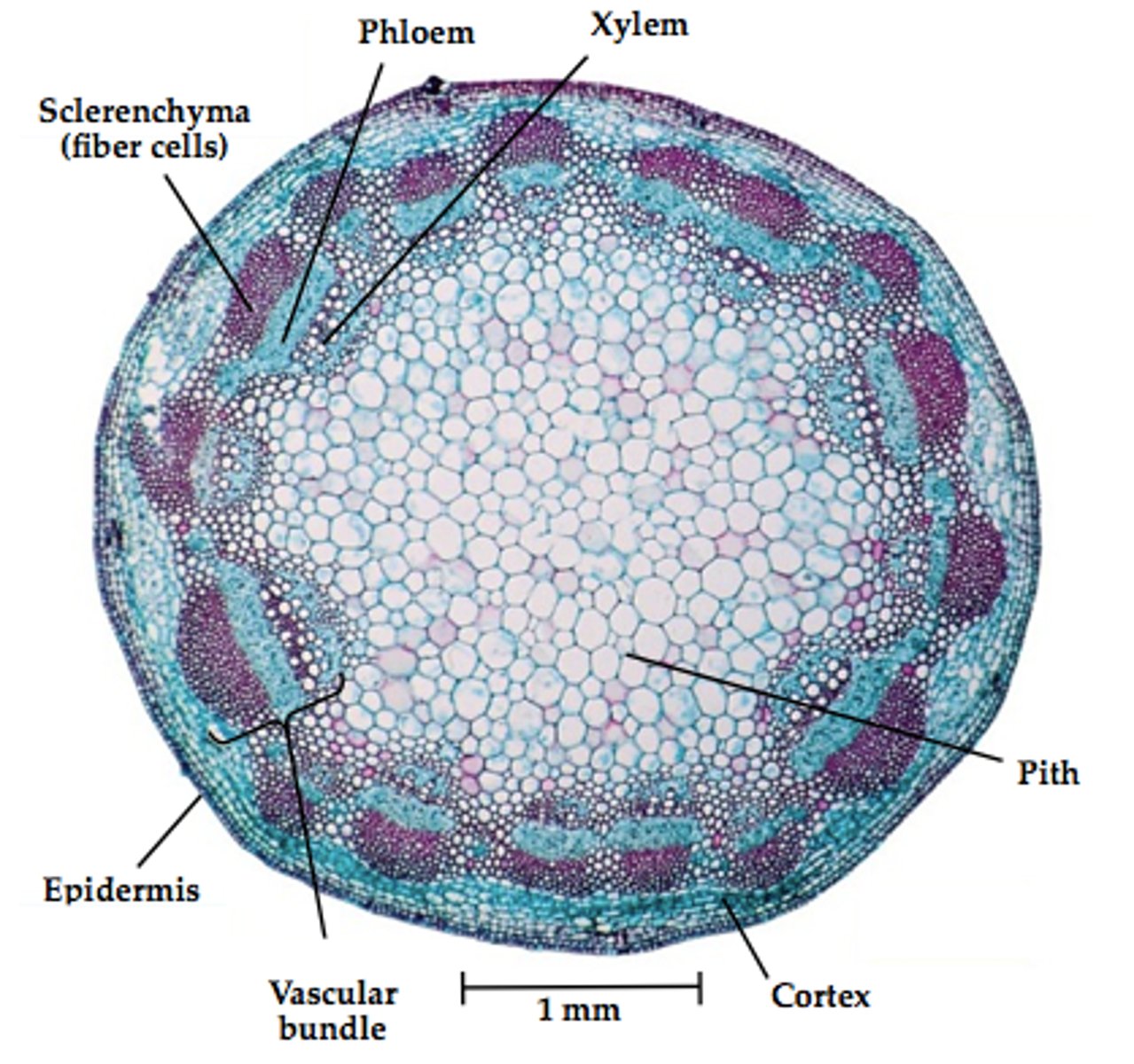
Terms to Know
o Epidermis
o Cortex (ground tissue)
o Vascular Steel
o Endodermis (root)
o Pericycle (root)
o Pith (mono root)
o Xylem
o Phloem
o Cambium (di stem)
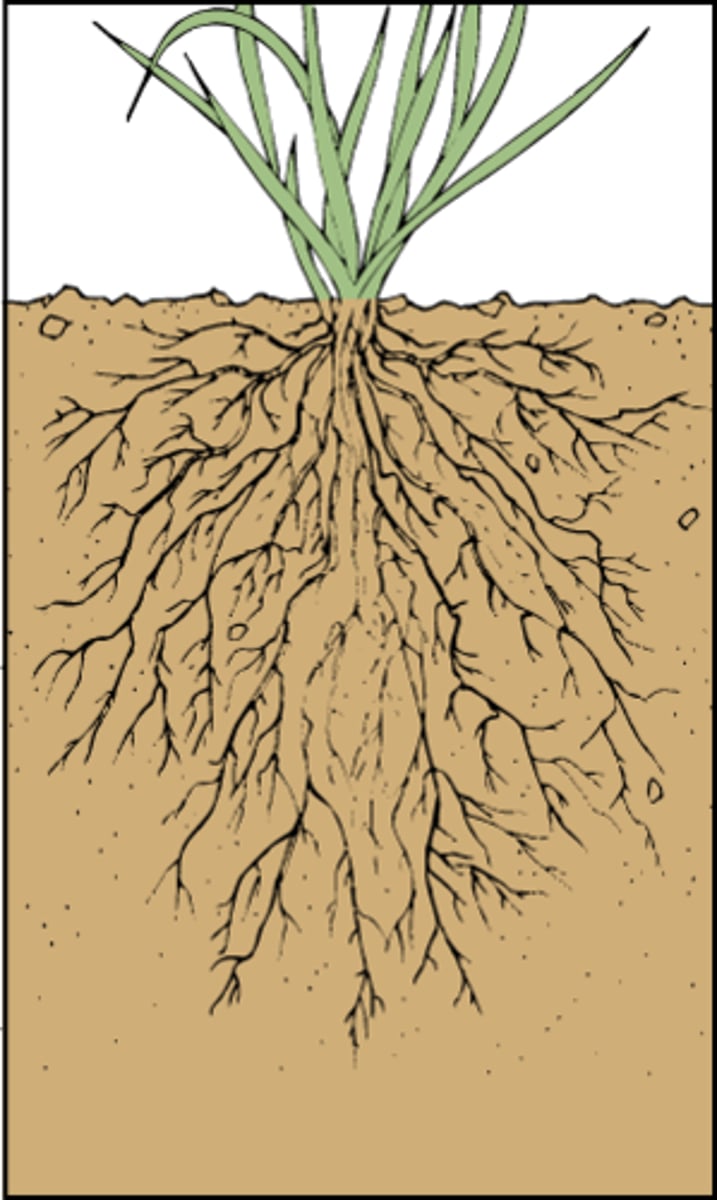
What type of roots do monocots typically have
fibrous roots
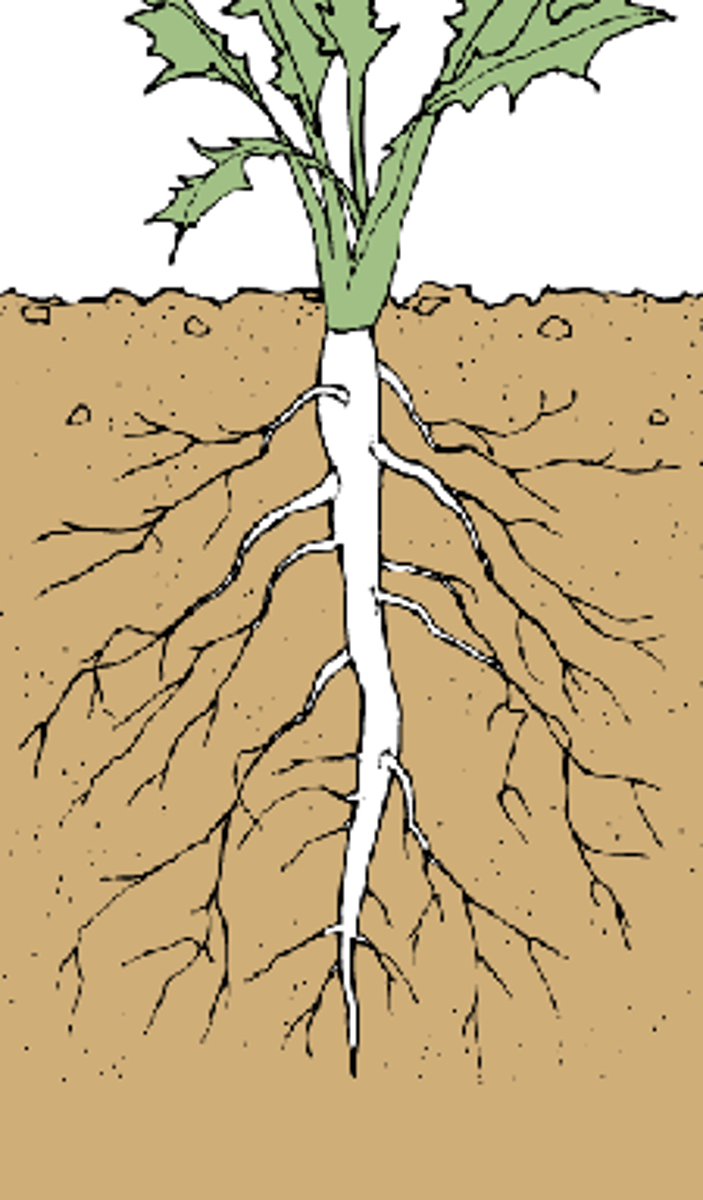
what type of roots do dicots typically have
tap roots
How does asexual reproduction work in plants and identify and diagram the types of propagules used
list 8 examples
the offspring is genetic copy of the parents
o Plantlets
o Stolon
o Tuber
o Corm
o Rhizome
o Bulb
o Plant cuttings (leaf, stem or root)
Layering
Division
Grafting
o Tissue culture
Advantages of Asexual
§ Able to populate an area quickly
§ No need to find a mate
§ Conserve parental genetics
§ No need for seed germination
Economics
Disadvantages of asexual
§ Low genetic diversity
§ No seed bank
§ Short dispersal area
what are 2 characteristics of dicot flowers/plants
groups of 4-5
web like leaves
what are 2 characteristics of monocot flowers/plants
§ 3
§ Parallel leaves
§ Have coleoptile
perfect flower
has both male/female reproductive parts (stamens and carpels)
imperfect flowers
Flowers with either stamens or carpels, but not both
Imperfect - Staminate
only has stamens
Imperfect - Carpellate/pistillate
only has carpels
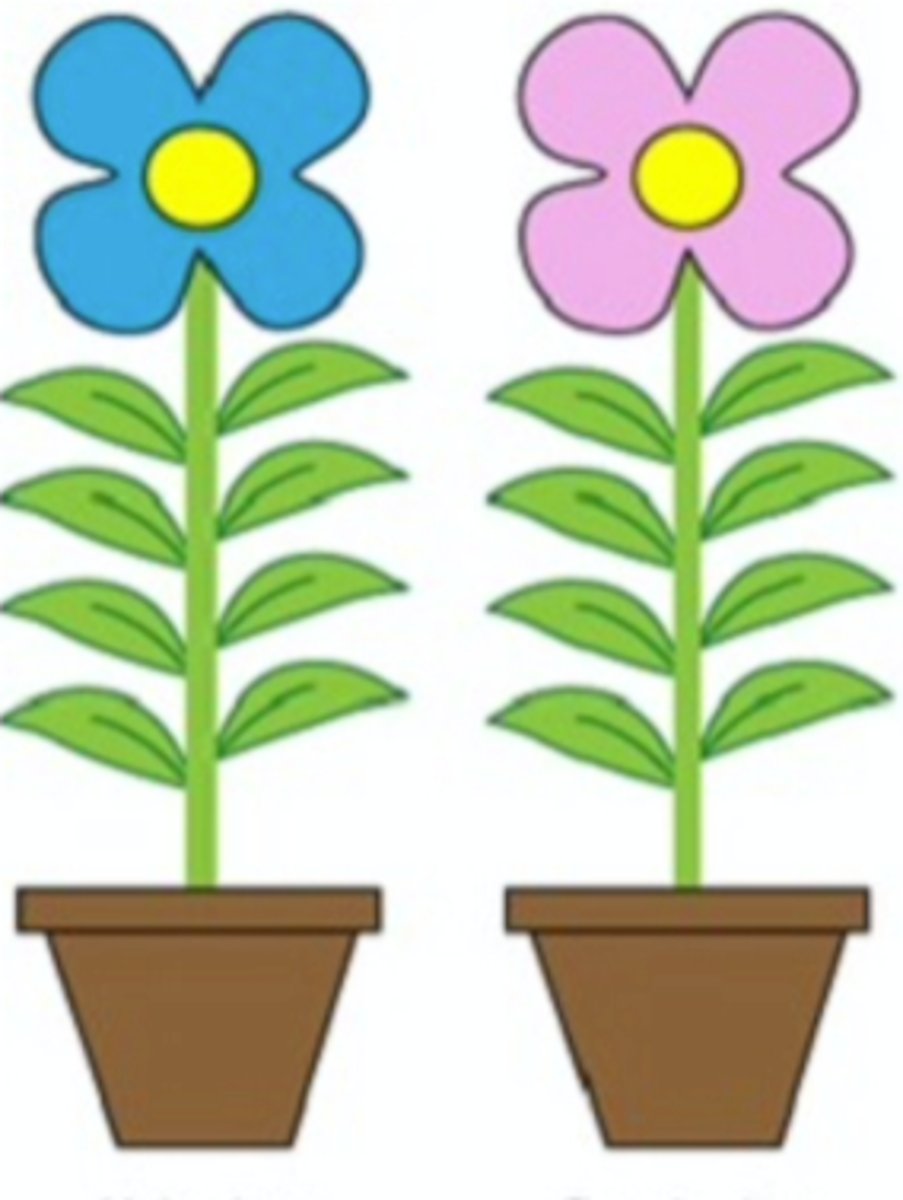
Imperfect - monoecious
one house (male and female flowers on the same plant)
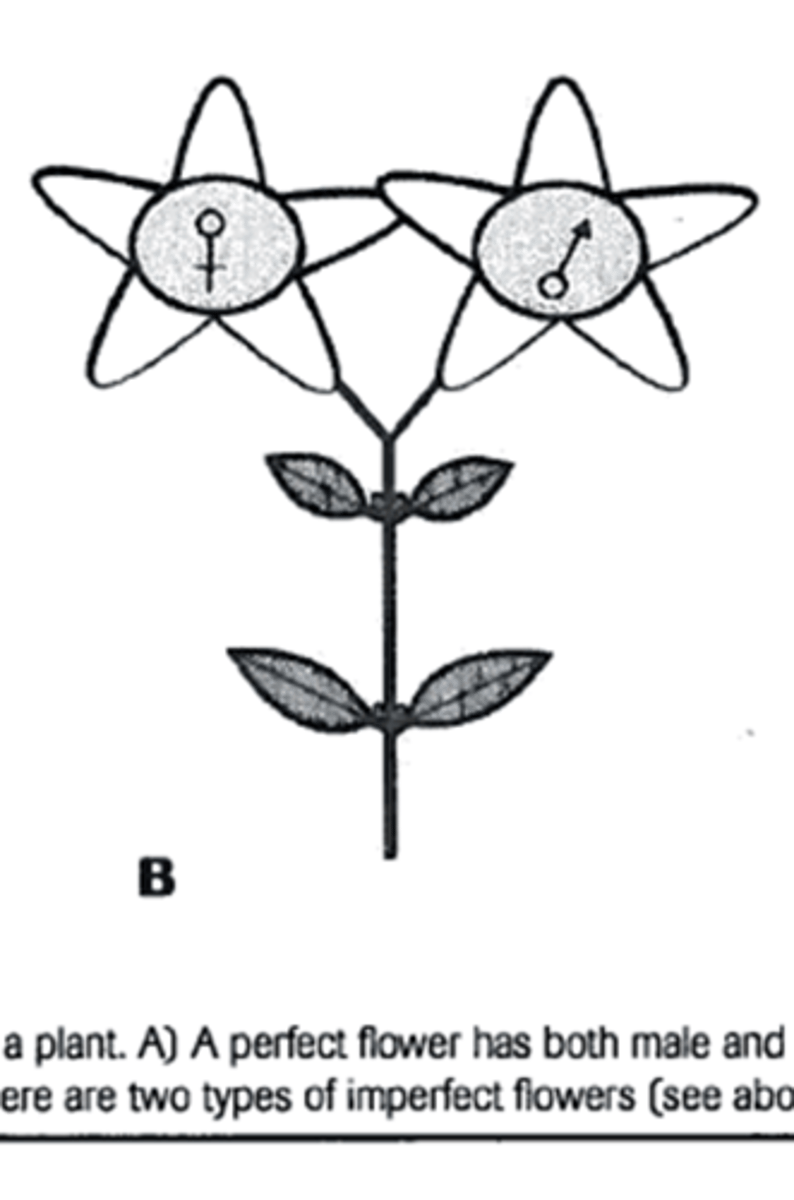
Imperfect - Diecious
2 houses (different male and female plants)
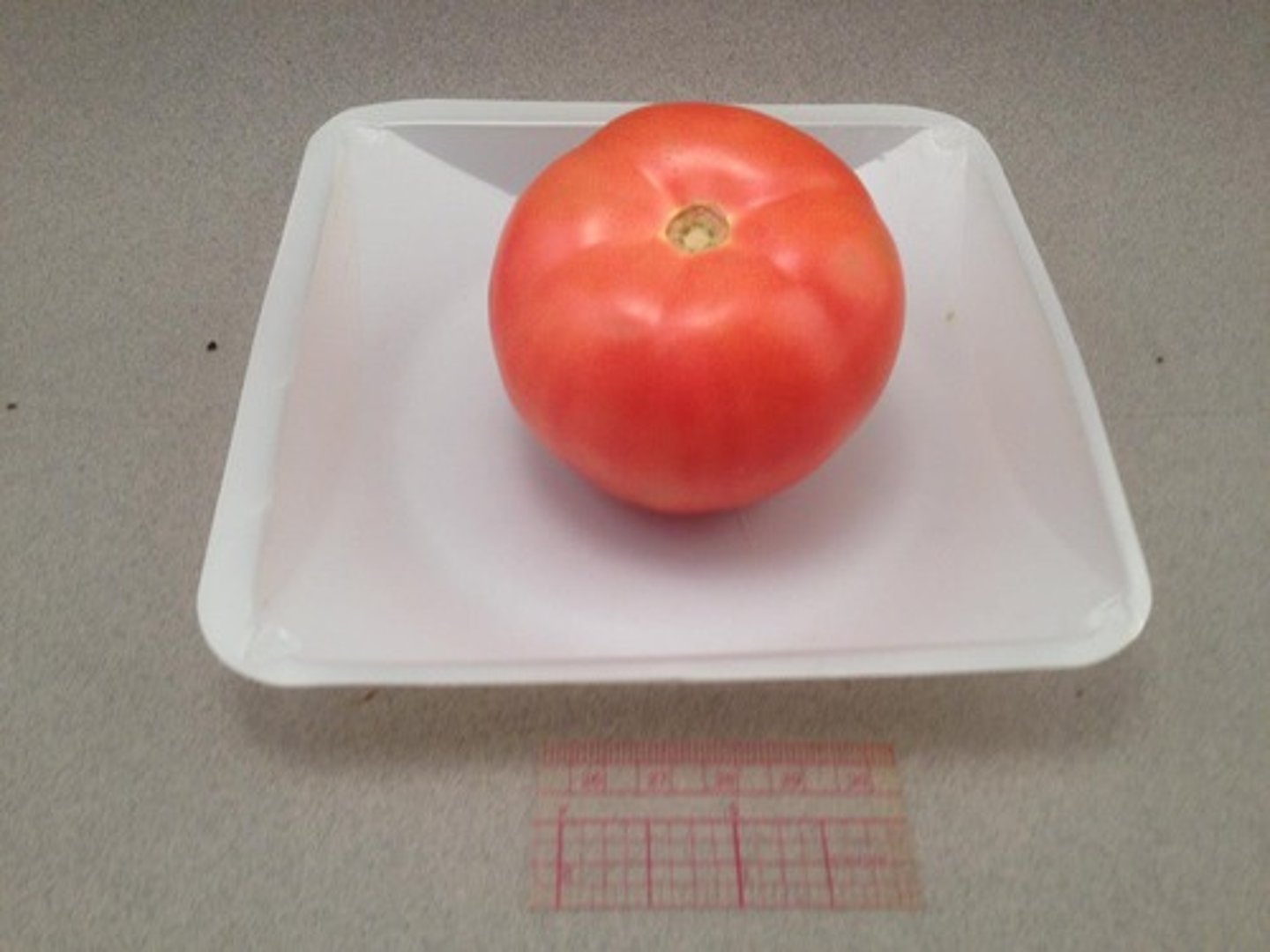
True fruit
Fruit is derived from ovary tissue only
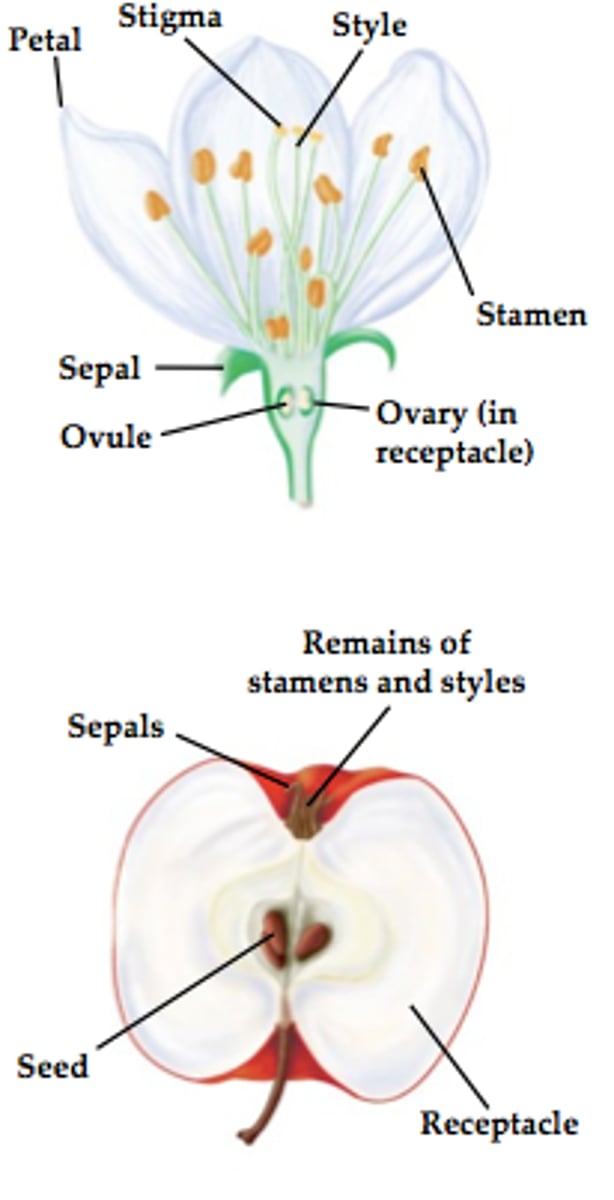
Accessory fruit
Fruit is derived from ovary, but also other nearby tissues (receptacles, sepals, etc
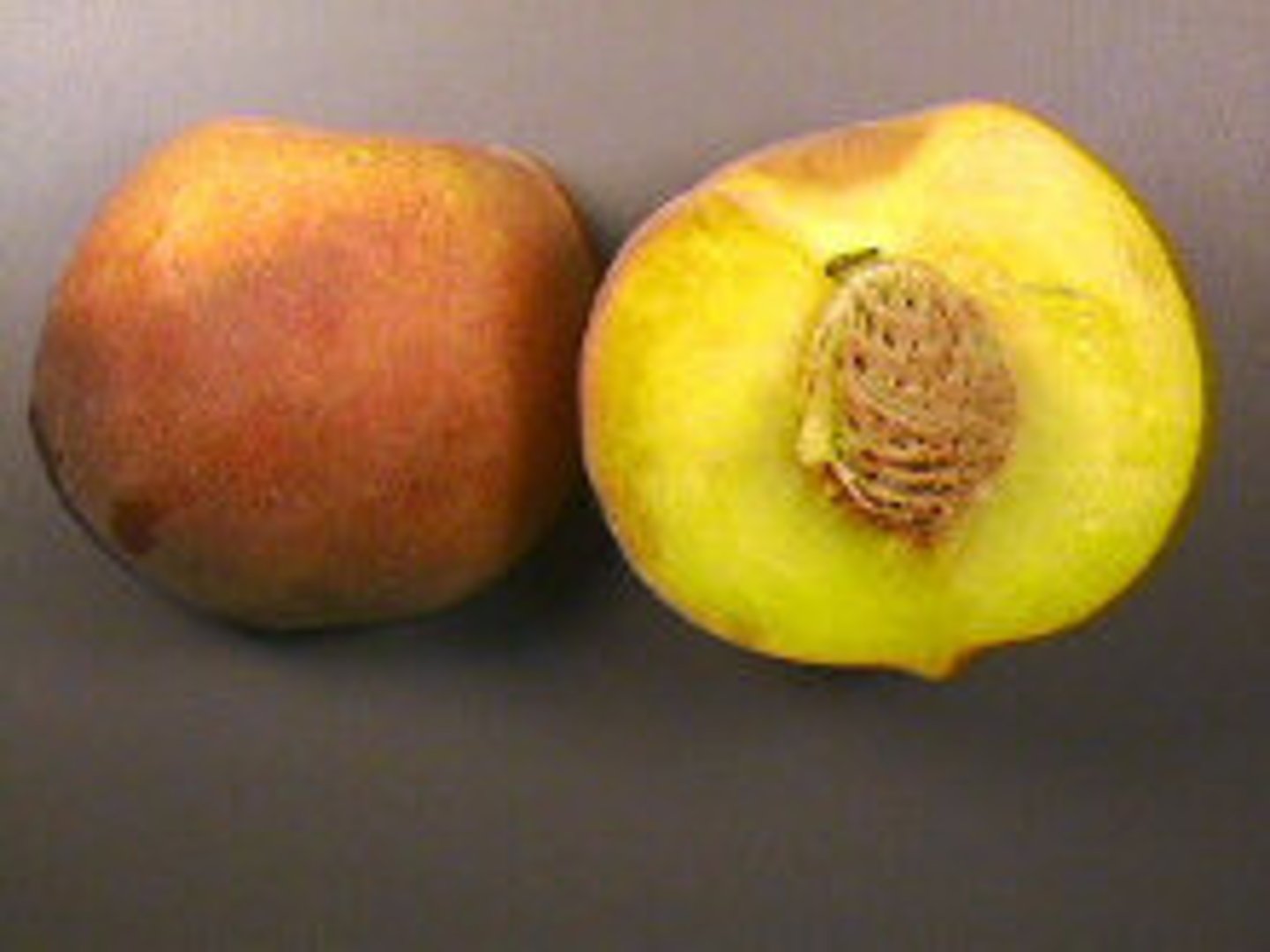
Drupe and examples
fleshy mesocarp, stony endocarp covering the seed (Peach, Cherry, Olive, Plum
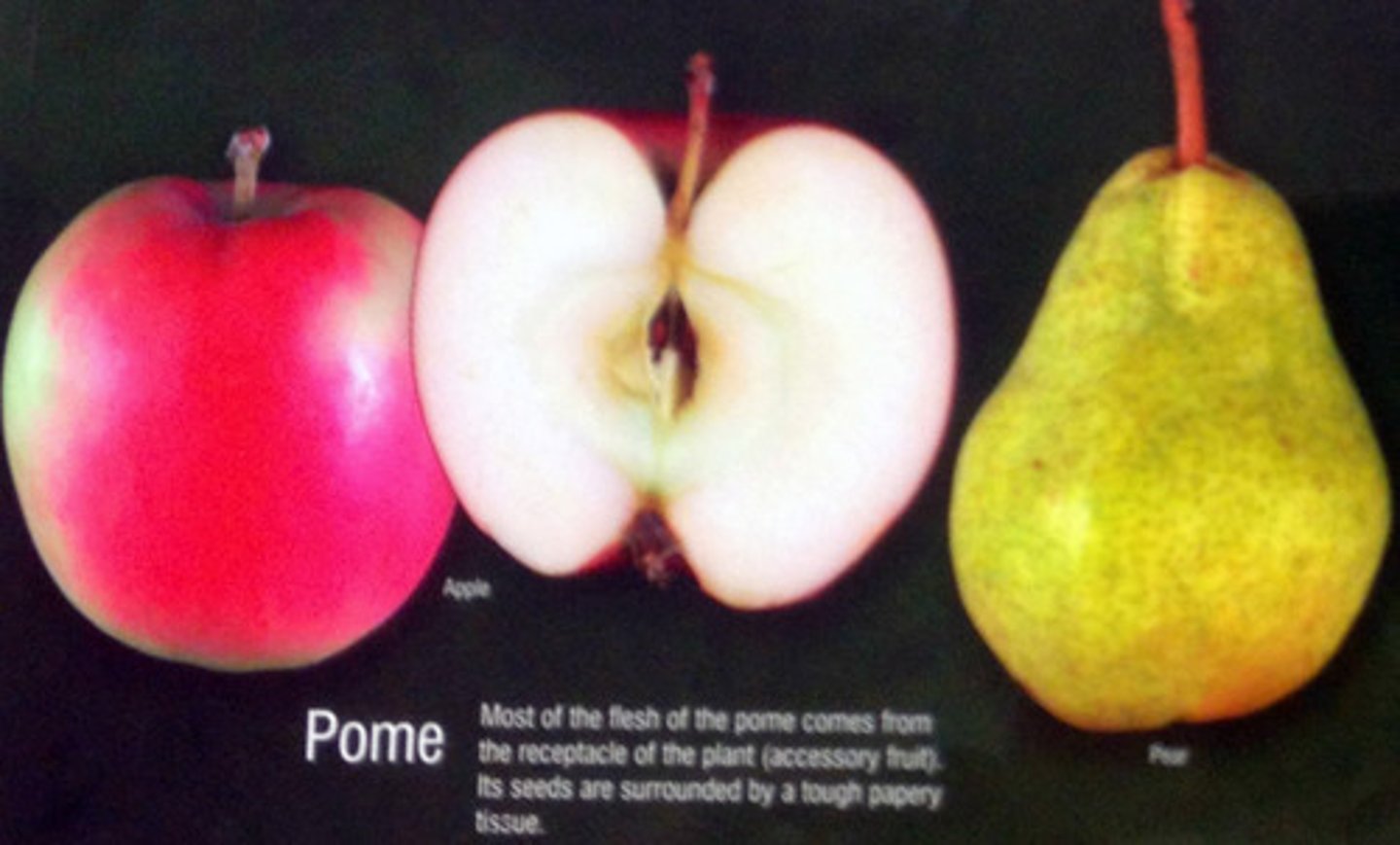
Pome
has a 'core' that contains many seeds, surrounded by fleshy mesocarp, found in the family Rosaceae (Apple, Pear) Accessory fruit
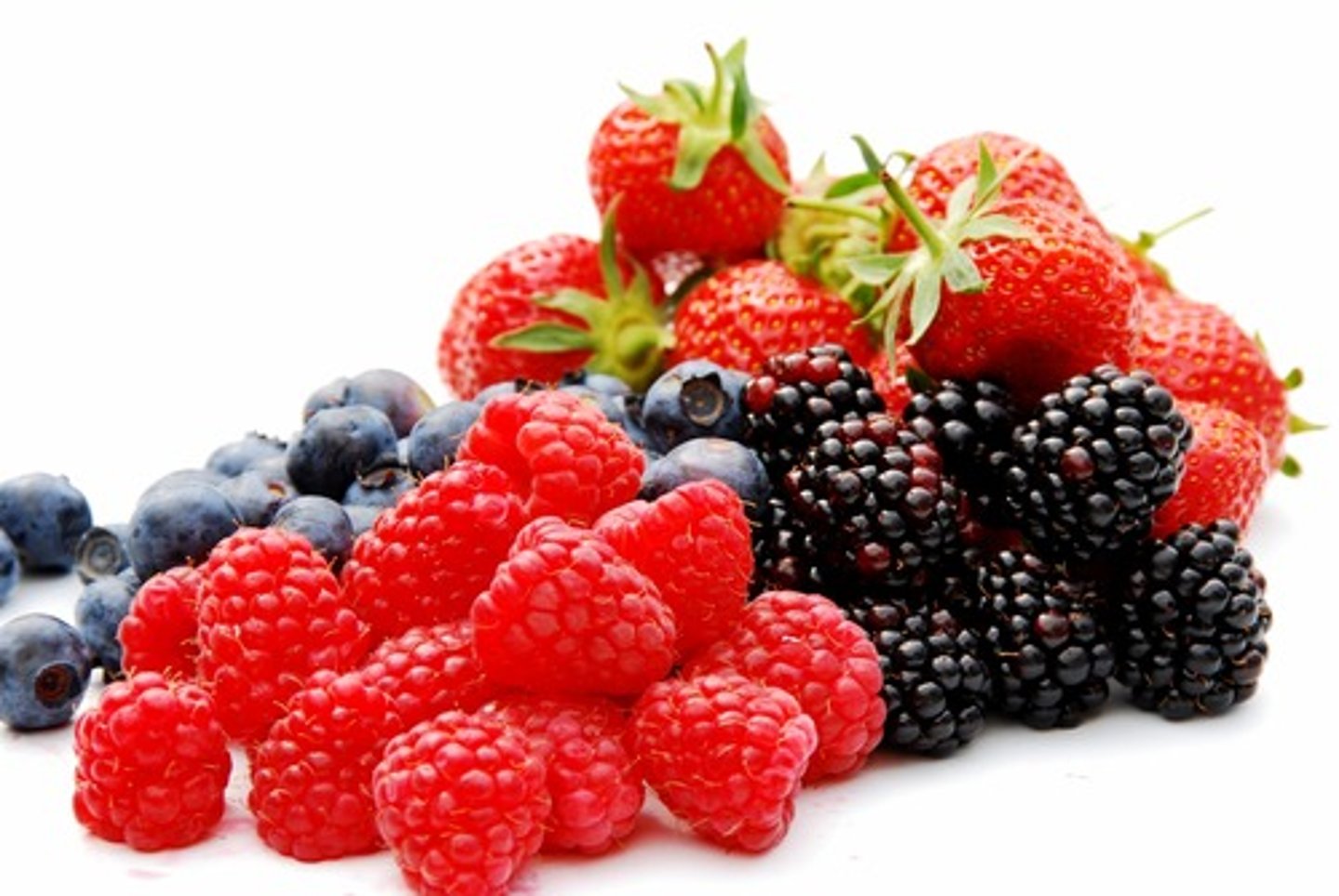
Berry
the entire pericarp is fleshy, composed of 1+ carpels (Blueberry, Grape, Tomato
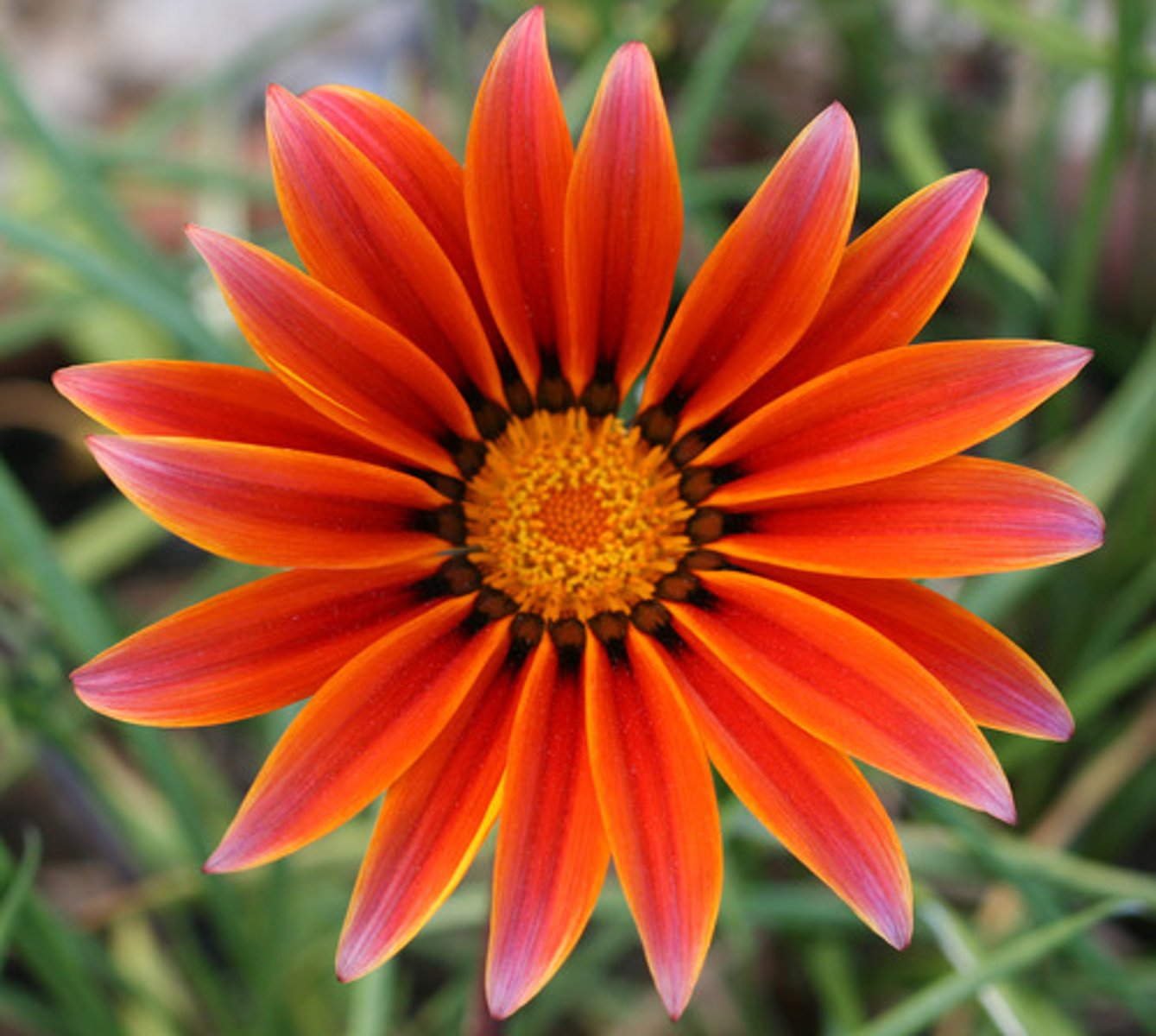
radial symmetry
also called regular or actinomorphic ('ray-shape'
Bilateral symmetry
also called irregular or zygomorphic ('pair-shape')
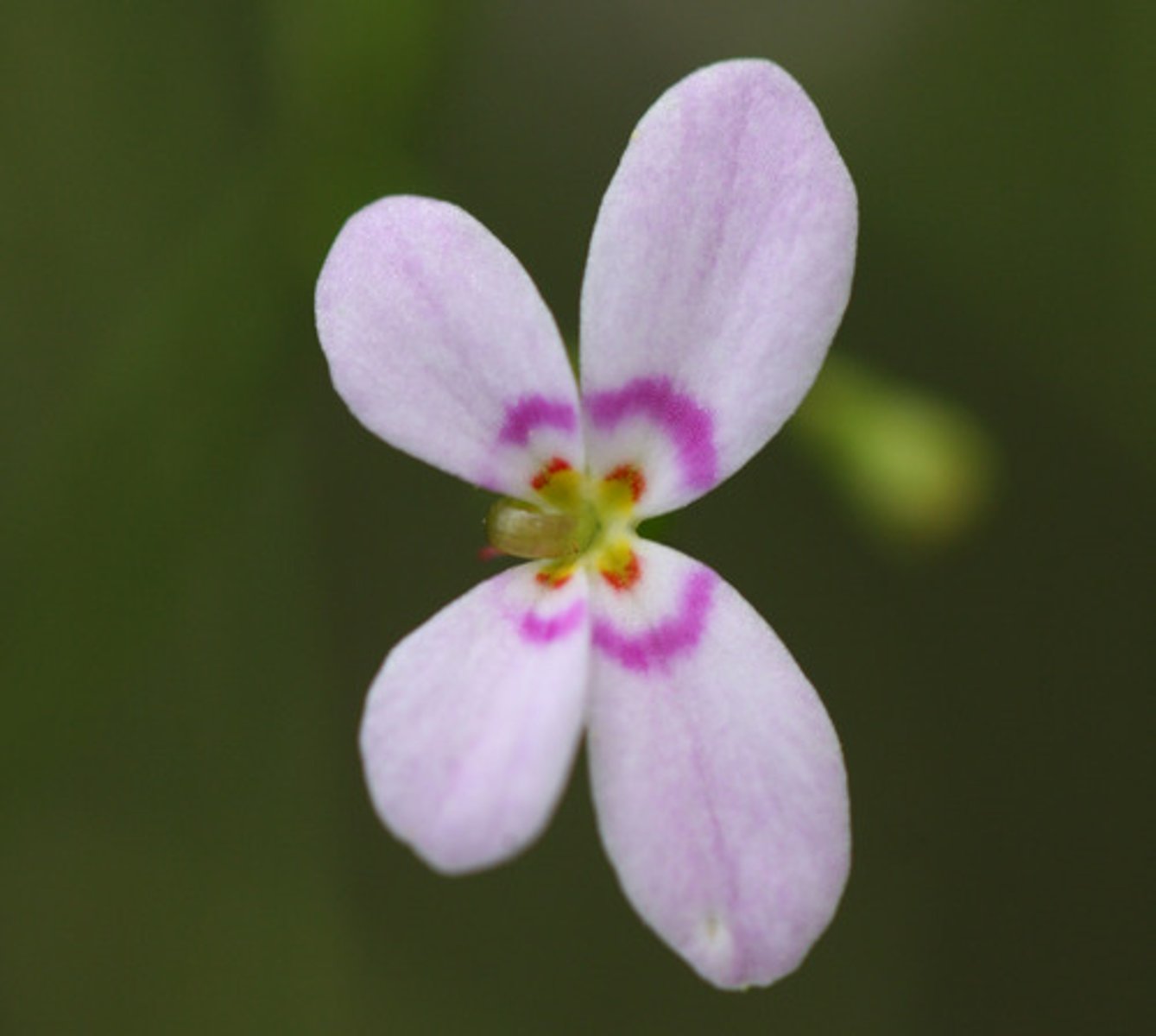
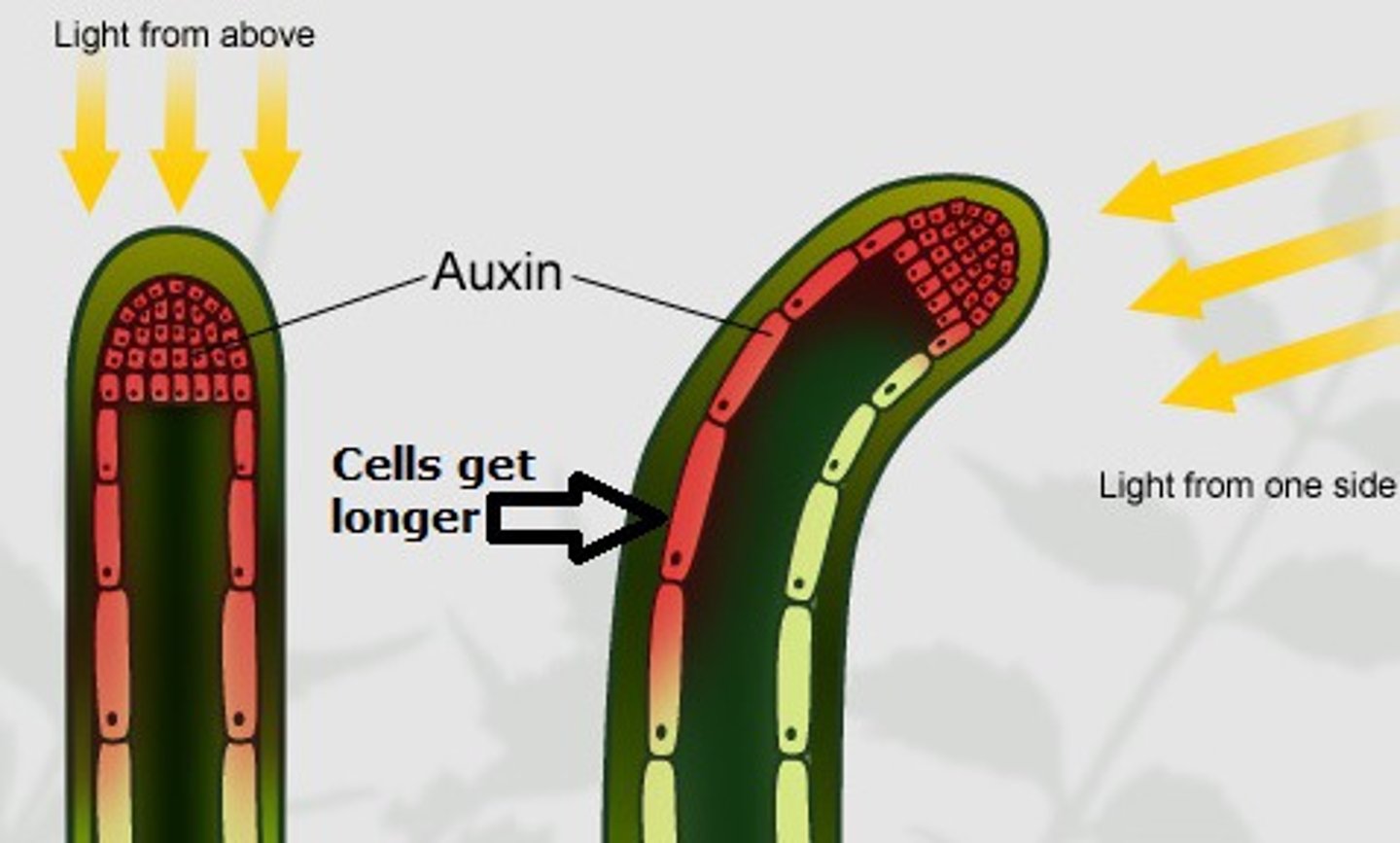
Auxins
(IAA):
Root growth
Stimulate cell elongation, apical dominance (growth at the tip), root formation, and phototropism (growing toward light). They are crucial for shaping plant structure.
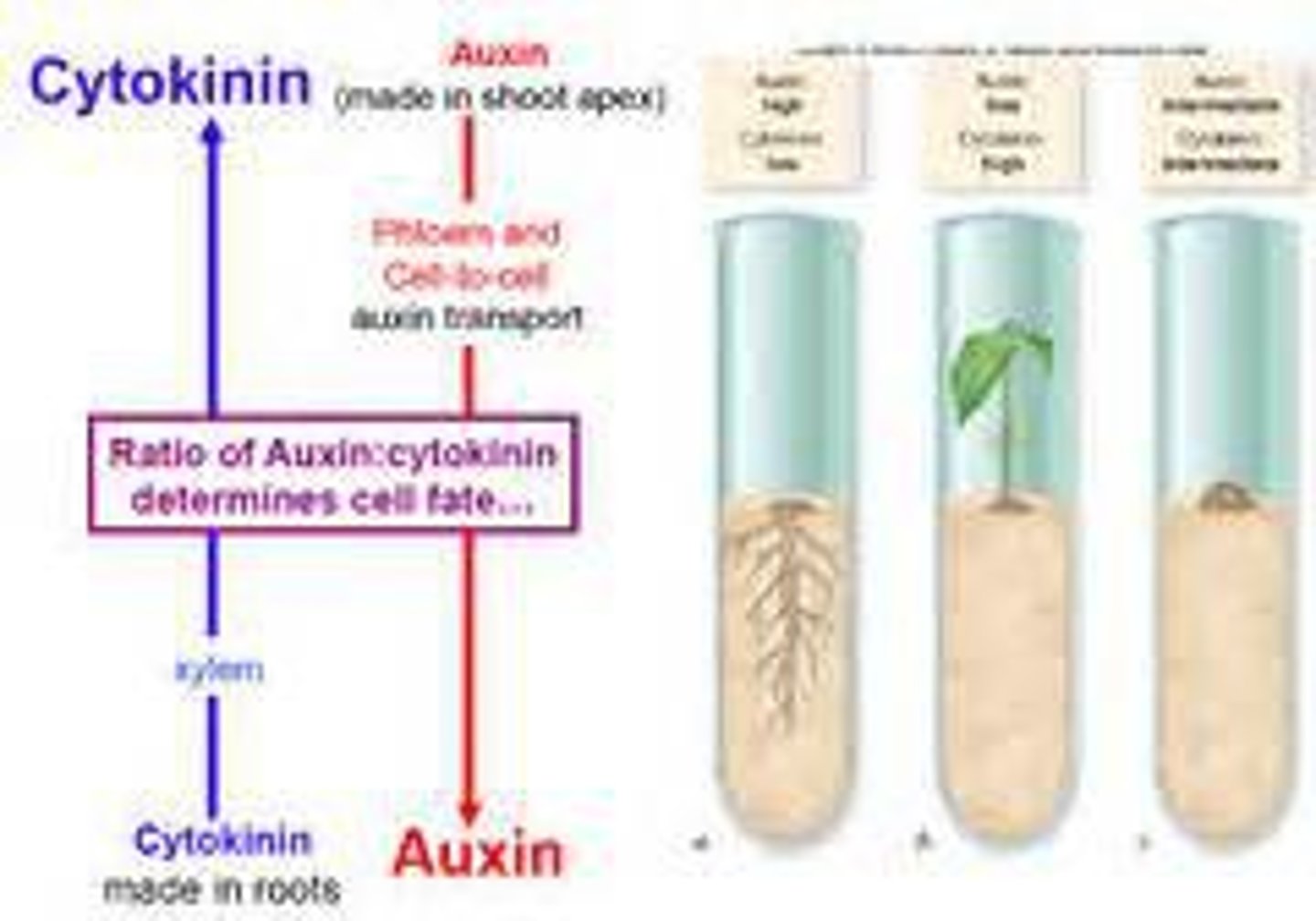
Cytokinin
Shoot growth
Stimulate cell division (cytokinesis) in roots and shoots, delay senescence (aging) of tissues, and promote leaf expansion
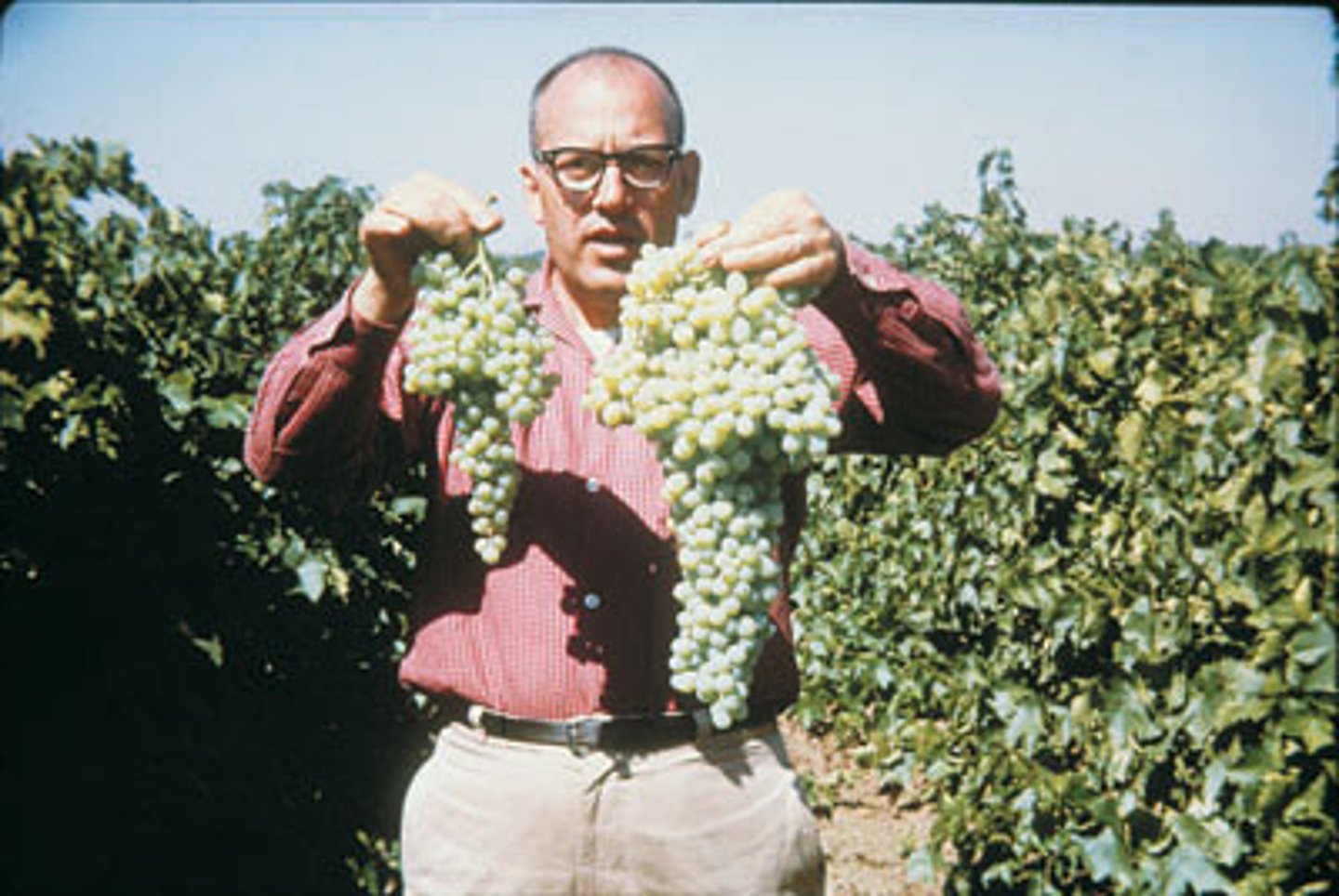
Gibberellins
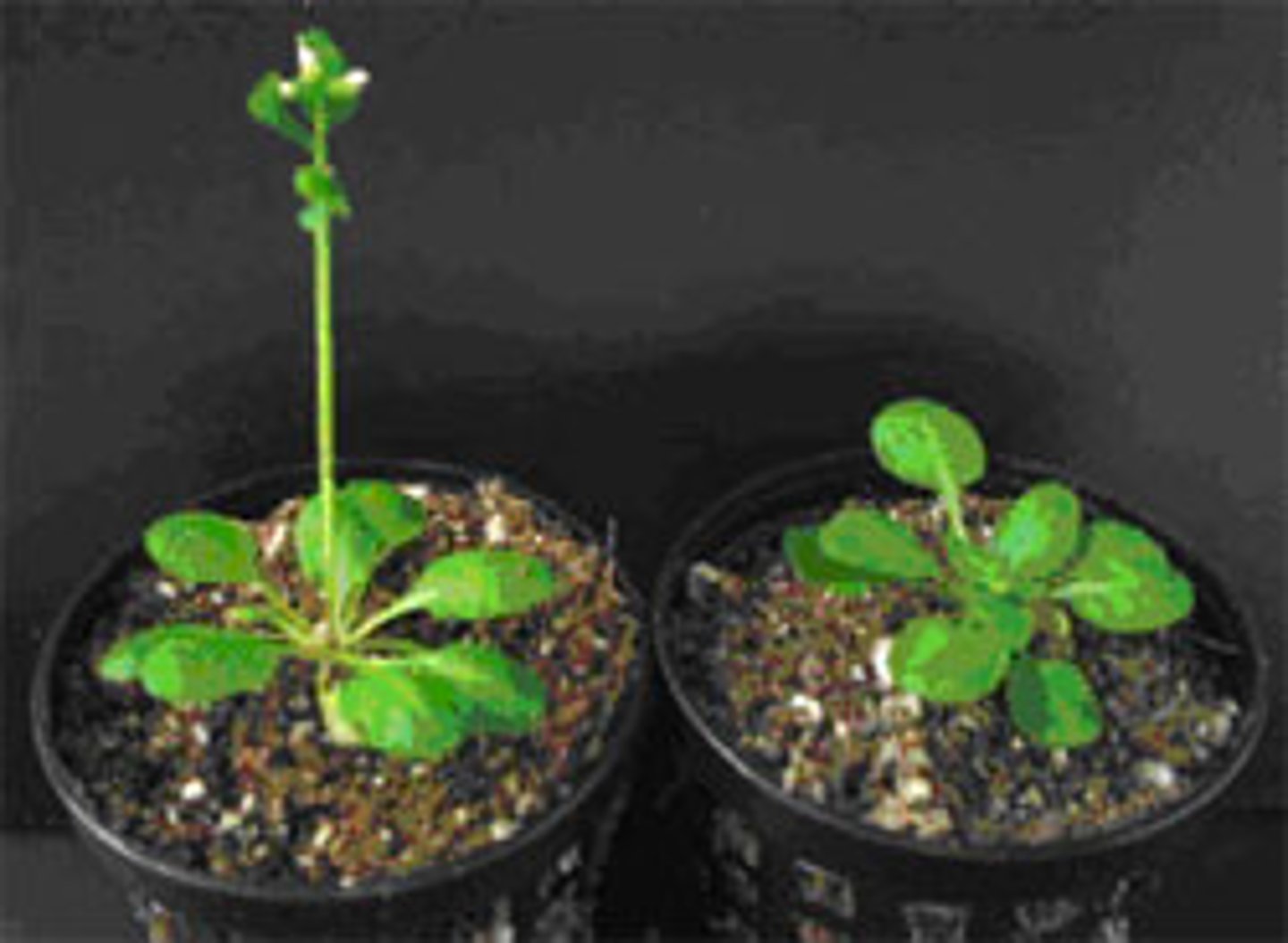
(GA): Promote rapid stem elongation, break seed dormancy, and trigger germination. They induce plants to grow taller
Ethylene
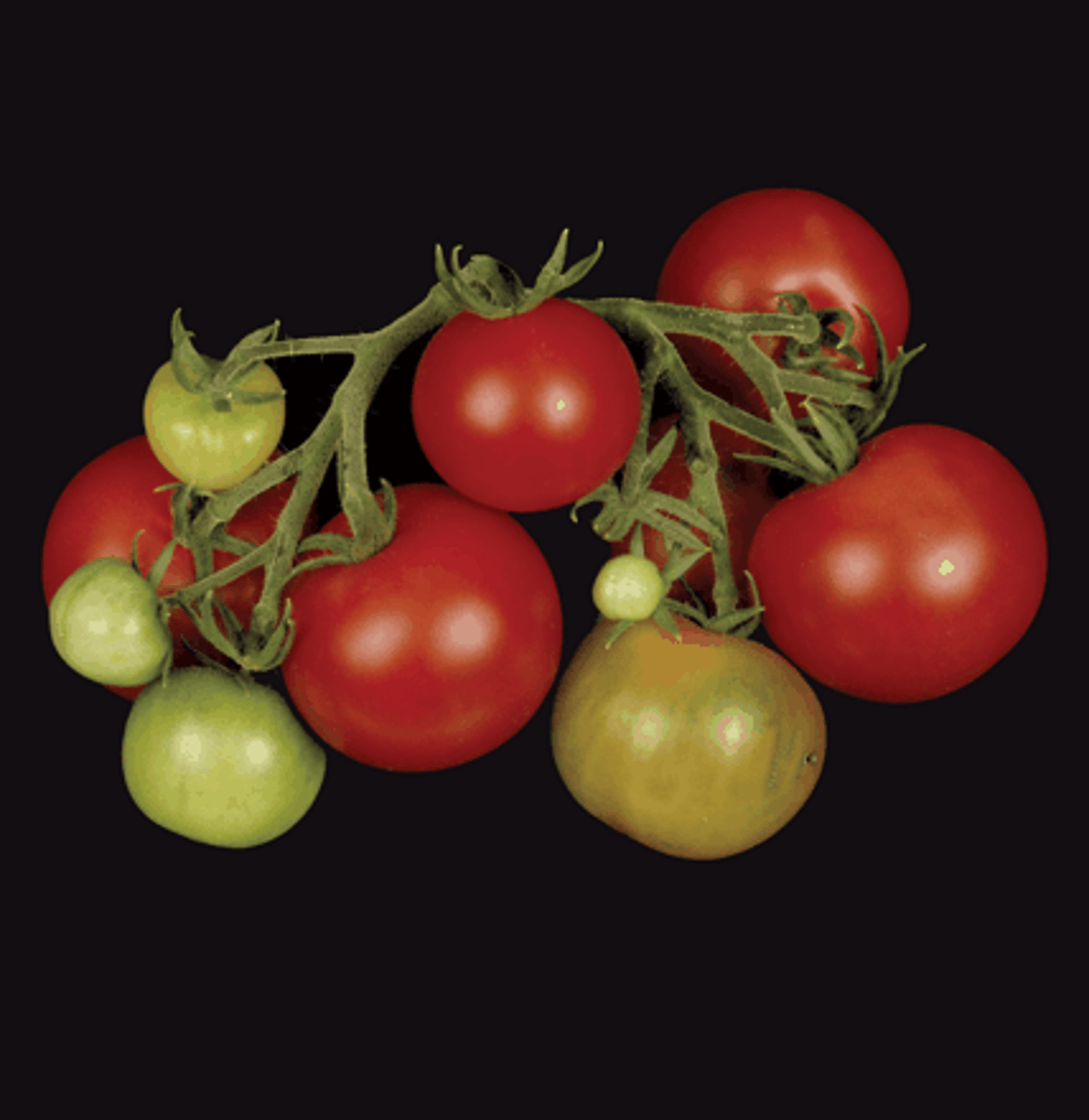
plant hormone that stimulates fruits to ripen
A gaseous hormone that promotes fruit ripening, leaf and fruit abscission (dropping), and stem thickening, often acting to manage stress
Abscisic Acid
(ABA): Known as the "stress hormone," it inhibits growth, promotes seed dormancy, and triggers stomata closure to reduce water
what hormones, receptors, and colors of light are responsible for germination
§ Receptors: Phytochromes
§ Colors of Light: Red promotes germination; Far-red inhibits it.
§ Hormones:
· Gibberellins (GA): Promotes germination by breaking dormancy.
· Abscisic Acid (ABA): Maintains seed dormancy (inhibits germination).
Mechanism: Red light converts inactive phytochrome to active which moves into the nucleus, reduces ABA levels, increases GA levels, and triggers starch breakdown
What hormones, receptors, and colors of light are responsible for phototropism
§ Receptors: Phototropins
§ Colors of Light: Blue light
§ Hormones: Auxin
Mechanism: Phototropins detect directional blue light and cause auxins to move from the illuminated side to the shady side of the stem. Higher auxin concentration on the shady side promotes faster cell elongation, causing the plant to bend toward the light
What hormones, receptors, and colors of light are responsible for etiolation
§ Receptors: Phytochromes
§ Colors of Light: Red and Blue light.
§ Hormones:
Auxin (stimulates stem elongation in the dark)
Gibberellins
§ Mechanism:
§ Etiolation (Dark):
Without light, high auxin causes long stems, closed
cotyledons, and no chlorophyll (pale color).
De-etiolation (Light):
Exposure to light activates phytochrome,
which inhibit auxin-mediated elongation, open the cotyledons,
and turn the plant green
Fast Plant project
• What are they:
• Their life cycle:
• Why do we use them for experiments?
What are they:
o a rapid-cycling, specialized form of Brassica rapa (mustard family) developed by the University of Wisconsin-Madison for education and research.
• Their life cycle:
o They are selectively bred to complete their entire life cycle—from seed to plant to new seed—in just 35-40 days