Volcanic
 Call Kai
 Learn
Learn Practice Test
 Spaced Repetition
 Match
Match Flashcards
 Knowt Play
1/58

There's no tags or description
Looks like no tags are added yet.
Name | Mastery | Learn | Test | Matching | Spaced | Call with Kai |
|---|
No analytics yet
Send a link to your students to track their progress
59 Terms
Mount ST. Helens, Washington
Largest historic eruption in North America (1980).
Erupted a cubic kilometer of ash and rock debris
Associated ash, pyroclastic flows, and mudflows
Claimed 59 lives
Kilauea, Hawai’i
Began in 1983 and is the most recent of at least 50 eruptive phases
Non-explosive eruptions of fluids lavas
Destroyed 180 homes and a national park visitor center
The Nature of Volcanic Eruptions: Magma
Magma is the source material for volcanic eruptions
Composition: Basaltic and Granitic
Basaltic: rich in dark silicates
Granitic: rich in light silicates
The Nature of Volcanic Eruptions: Where magma is generated?
Basaltic: results from partial melting of upper mantle
Granitic: results from melting of continental crust
Effusive versus explosives eruptions are controlled by…
Viscosity and Gas content
Viscosity: the resistance to flow
Higher Silica content = higher viscosity
Higher Viscosity are more explosive
Gas content: amount of dissolved gasses present in magma
Higher viscosity have more tapped gasses = more explosive
High Gas content / High Silica
Conical Composite
Ex: MT.ST.Helens
made of two things (ash and lava)
High Gas Content / Low Silica
Cinder Cone
Ex: Amboy
Low Gas Content / High Silica
Dome
Ex: MT.ST.Helens
Low Gas Content / Low Silica
Shield Volcano
Ex: Hawai’i
Eruptions of highly viscous lavas may produce explosives clouds of hot ash and gases called…..
Eruption Columns
Materials Extruded During an Eruption: Lava Flows - Basaltic lavas are much more….
Fluid!
What are the 3 types of lava
Pahoehoe lava
Aa lava
Pillow Lava
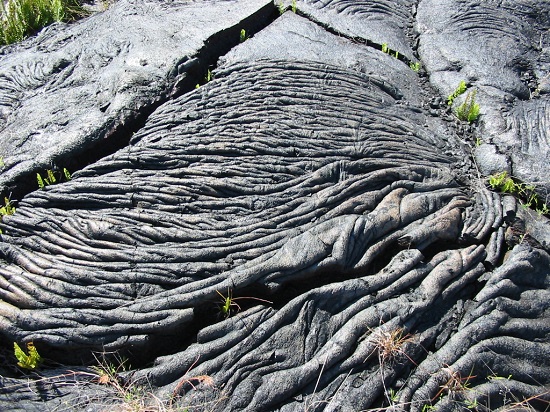
Pahoehoe Lava
resembles a twisted or ropey texture
Aa Lava
rough, jagged blocky texture
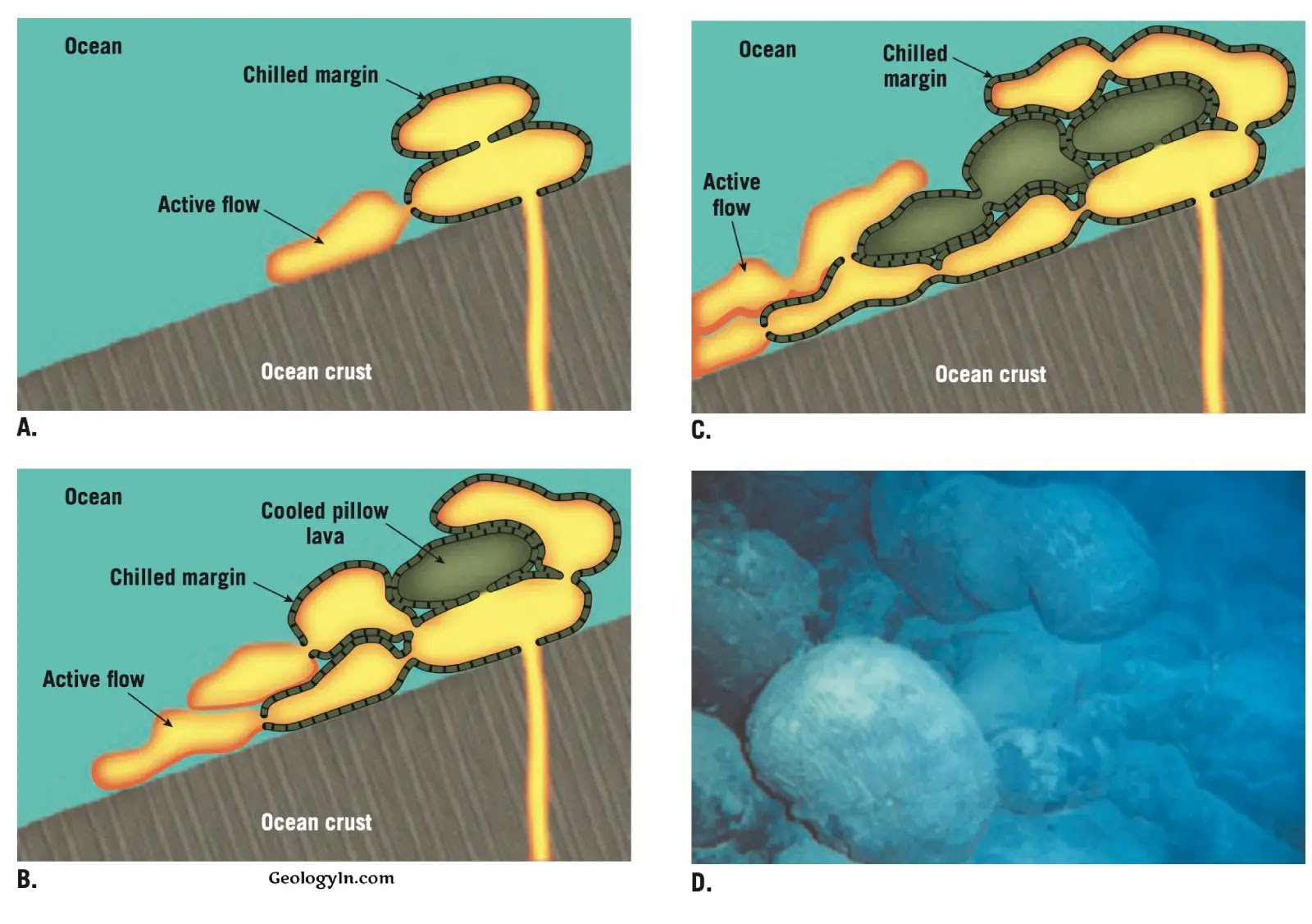
Pillow Lava
occurring along divergent plate boundaries on the ocean floor or other underwater eruptions
Materials Extruded during an Eruption: Lava Flows - Andesitic/Rhyolitic lavas are viscous….
Black Lavas (rough, travel short distances)
Materials Extruded During an Eruption: Dissolved Gasses
one to six percent of a magma by weight
Mainly water vapor and carbon dioxide
Materials Extruded During of Eruption: Pyroclastic Materials (“Fire Gragments”) what are they?
Pumice
Ash and Dust
Lapilli
Cinders
Blocks
Bombs
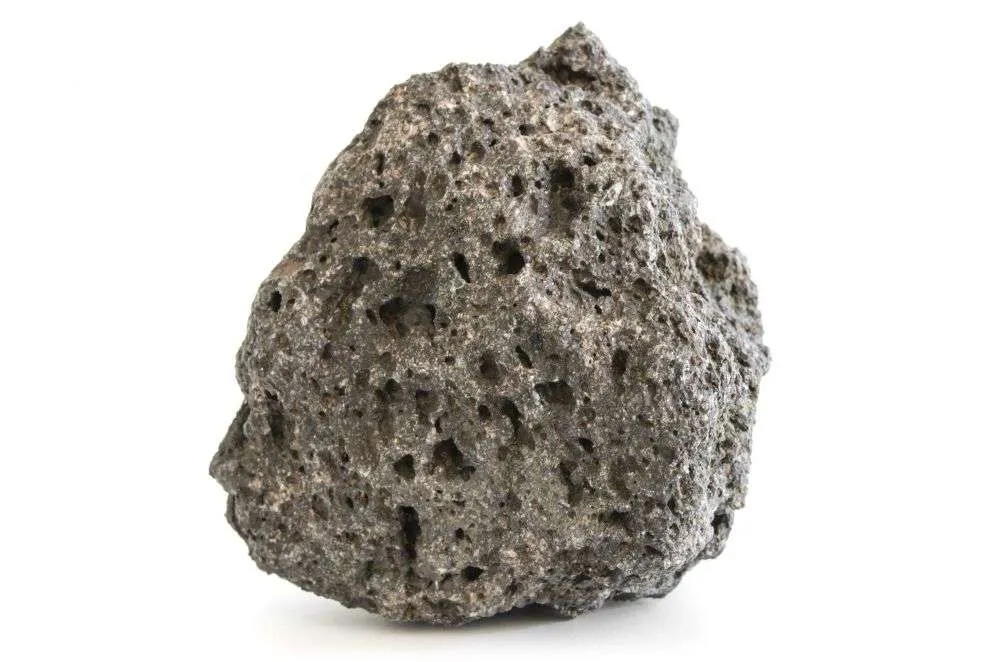
Pumice
Porous rocks from “frothy” lava
Ash and Dust
fine, glassy fragments
Lapilli
walnut-sized materia
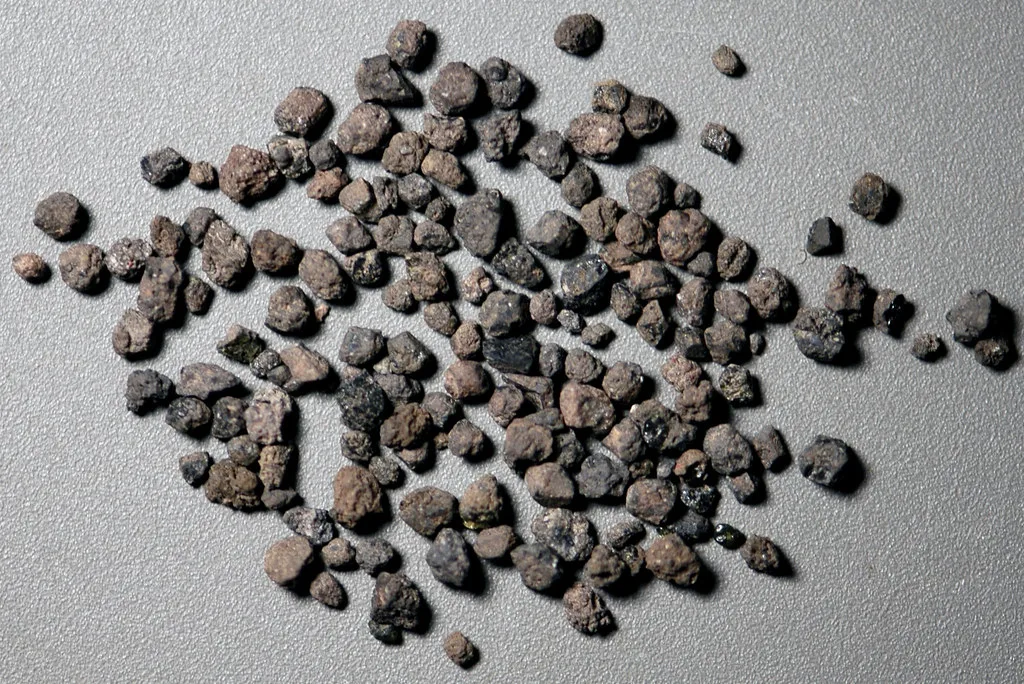
Cinders
pea-sized material
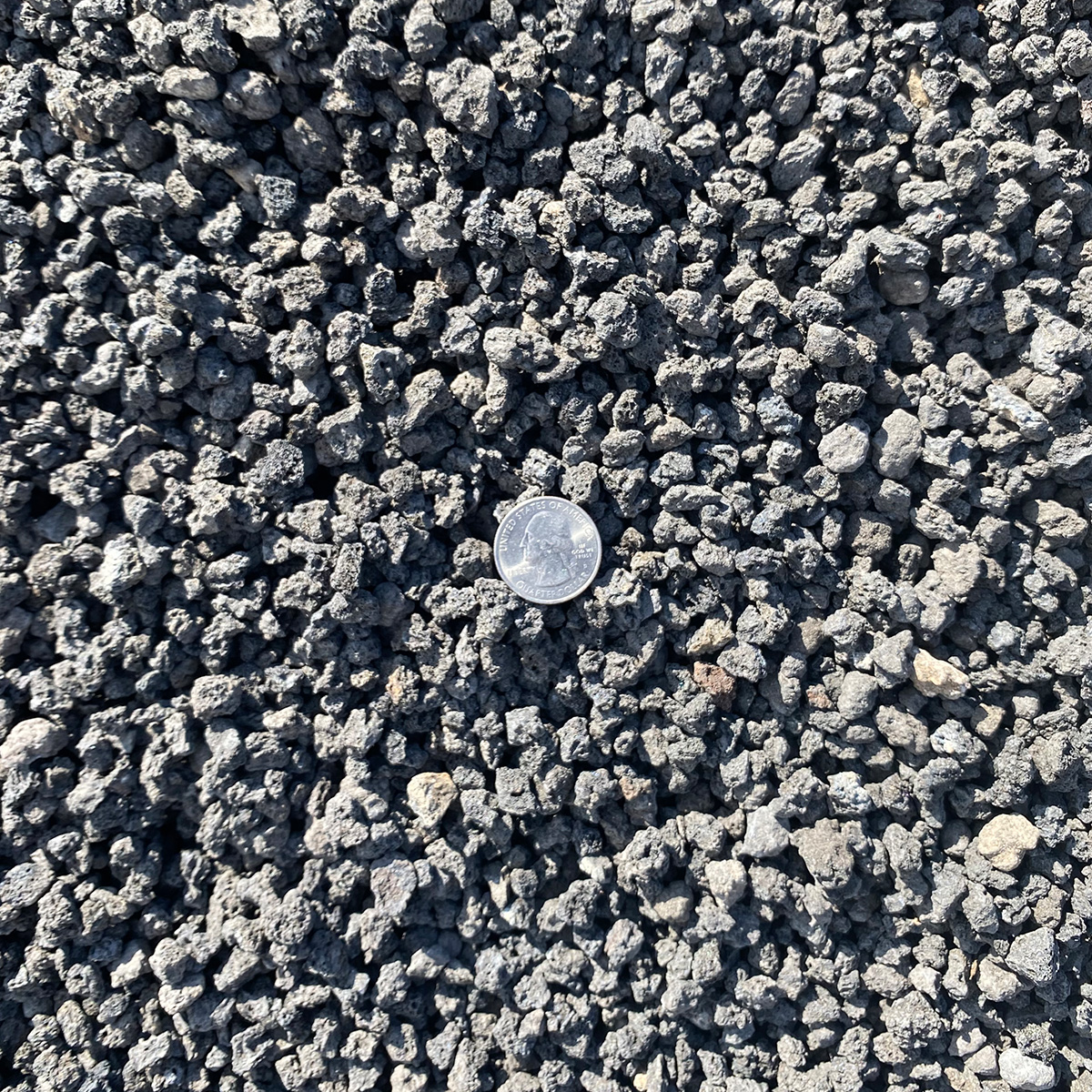
Blocks
hardened or cooled lava
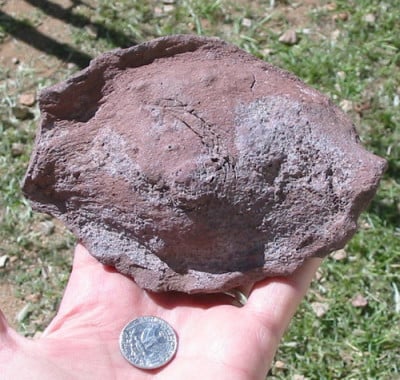
Bombs
ejected as hot lava
molten lava
Anatomy of a Volcano: General Features
opening at the summit of a volcano
Crater
Caldera
Vent
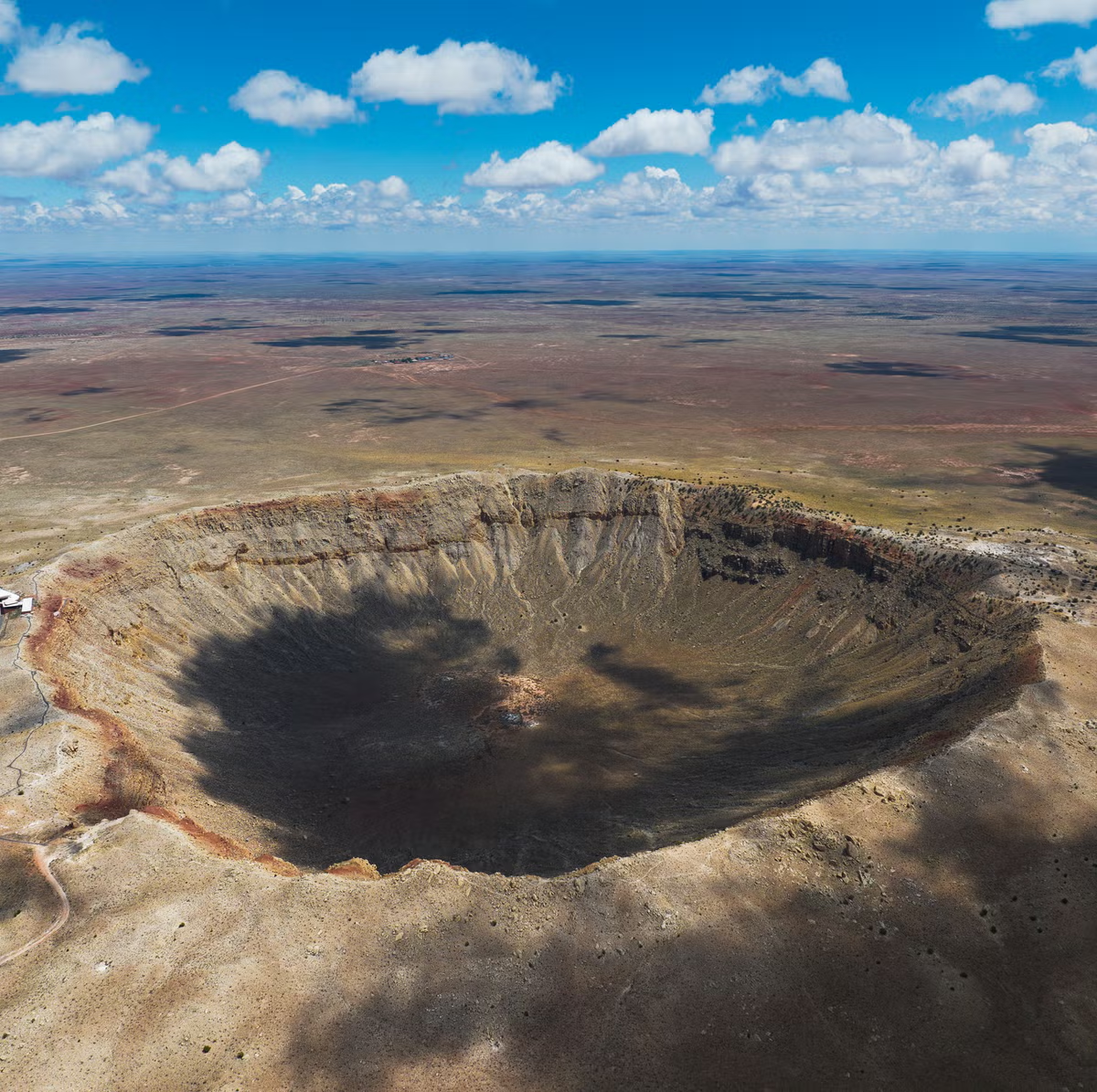
Crater
steep-walled depression at the summit, generally less than 1 kilometer in diameter
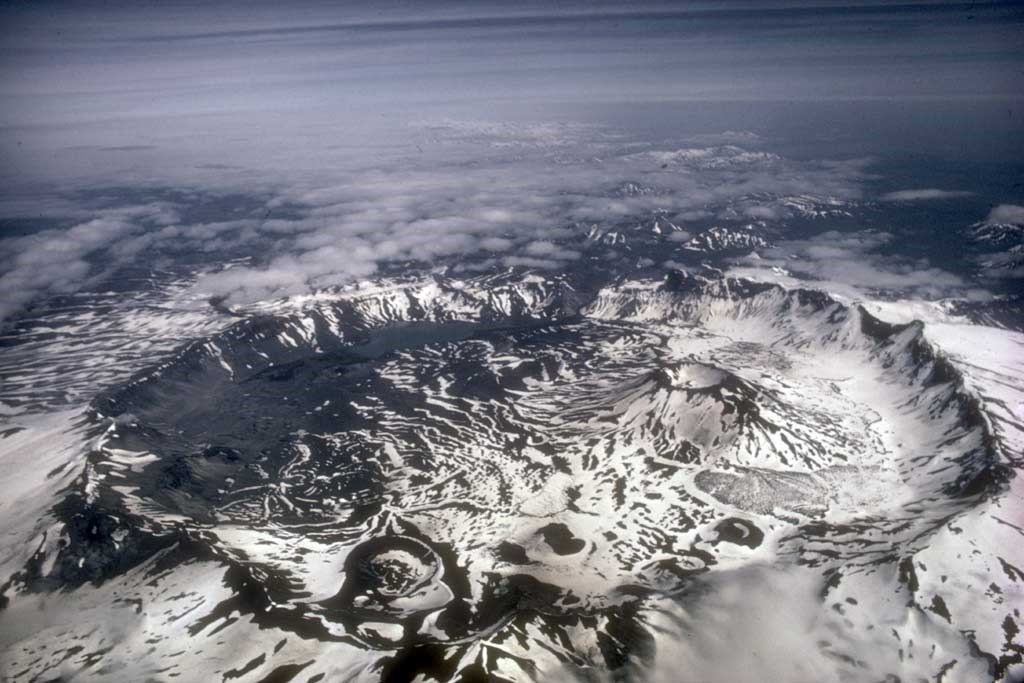
Caldera
a summit depression typically greater than 1 kiometer in a diameter, sometimes produced by collapse following a massive eruption
Vent
a general name for any opening in a volcano that materials come out of, such as a gas vent (fumarole), lava vent, etc.
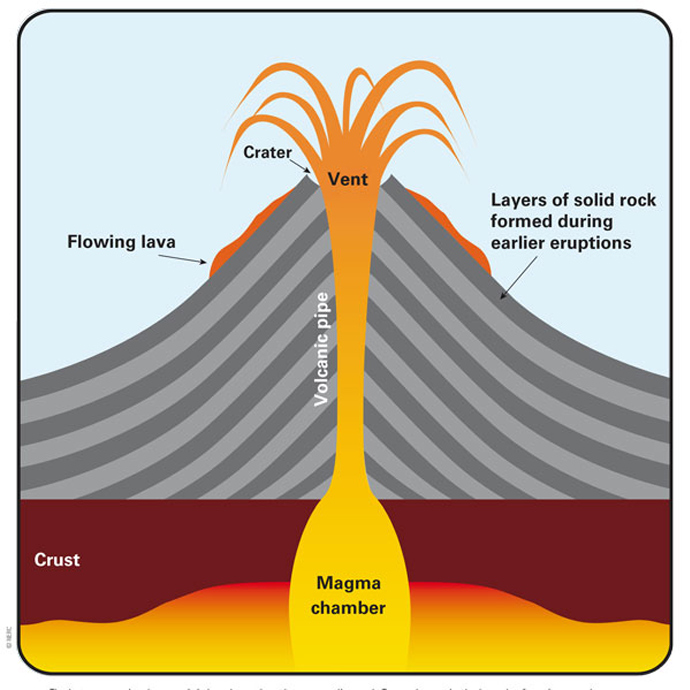
All craters are……….But not all vents are……..
all craters are VENTS but not all vents are CRATERS
Shield Volcanos
Features:
Largest Volcanoes
Broad, slightly dome-shaped
Basaltic Lava
Mild eruptions of large volumes of lava
Most begin on the ocean floor (called seamounts)
Cinder Cones
Features:
Built from ejedted basaltic lava (mainly cinder-sized) fragments, forming a steep slope
Small in size and frequently occur in groups
Composite Volcanoes
Features:
Large, classic-shaped volcano (thousands of feet high and several miles at base)
composed of interbedded lava flows and layers of pyroclastic debris
violent eruptions
Most are located adjacent to the the pacific ocean (e.g. Fujiyama, MT.ST. Helens)
Volcanic Hazards
Pyroclastic flow
Lahar
Tsunamis
Volcanic Ash and Aviation
Volcanic Gas and Respiratory Health
Effects on Climate
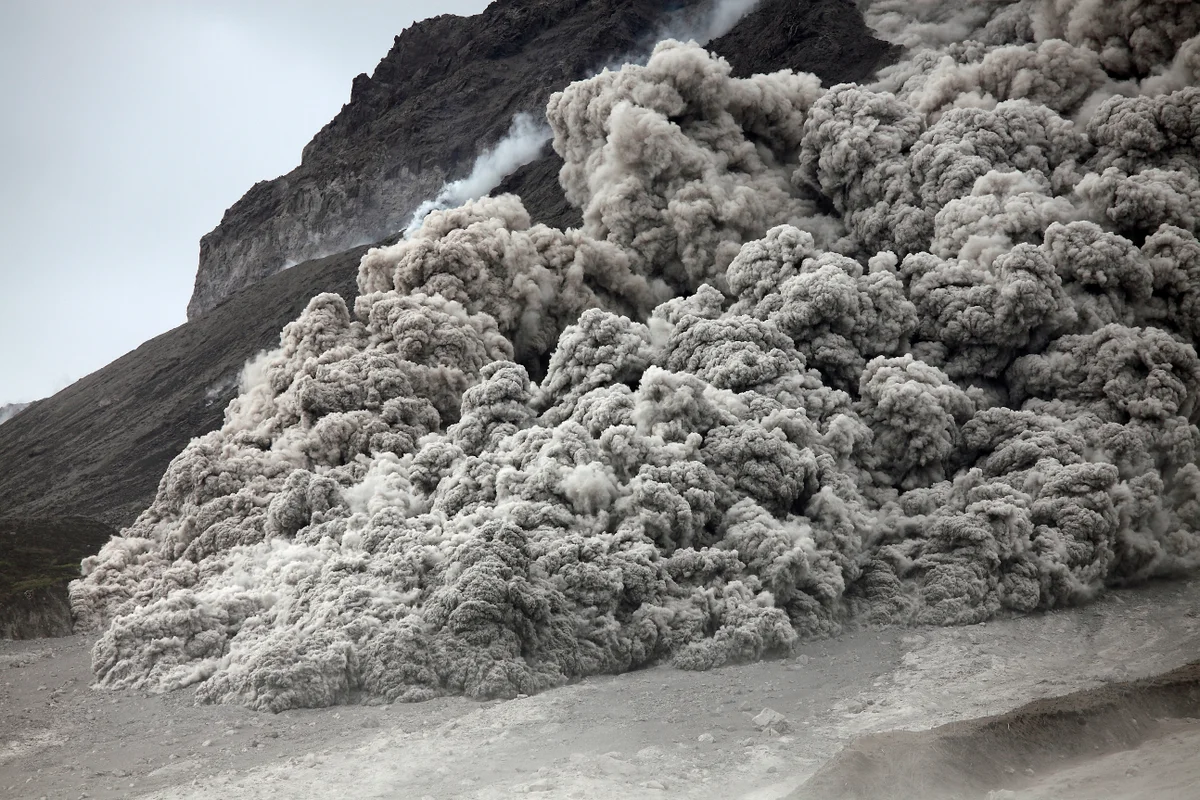
Pyroclastic Flow
a fast-moving, ground-hugging avalanche of hot gas, ash, and volcanic rock (tephra) that rushes down a volcano's flanks during explosive eruptions
A flow of hot gas, ash, rock or any combination of the three
Driven by gravity down the slopes of a volcano at speeds over 200 kilometers per hour
can be over 1100 degress celsius (2000 degrees Fahrenheit)
Destroyed the ancient cities of Pompeii and Herculaneum as well as many others
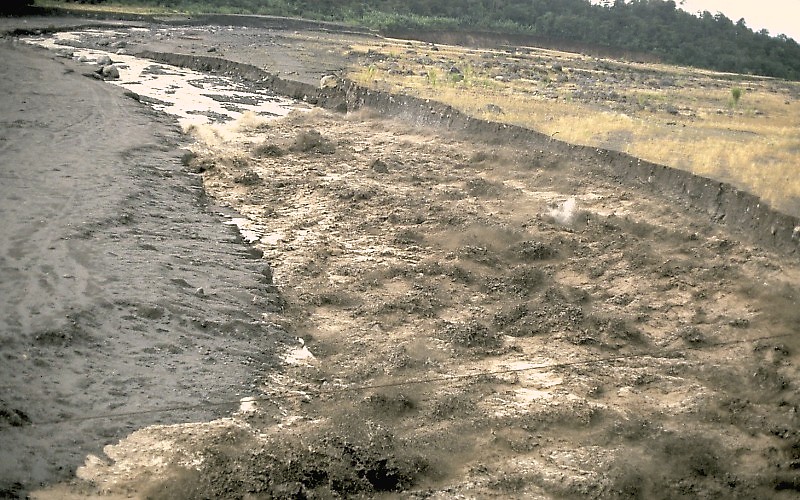
Lahar
Mudflow from interaction with ash/rock and water
Follow stream valleys
Can result from melting of summit glaciers or snowpack
a violent, fast-moving mixture of water, volcanic ash, and debris that flows down volcano slopes like wet concrete, reaching speeds over
Tsunamis
triggered from collapse of volcanic landforms in the ocean
Volcanic Ash and Aviation
clouds of volcanic ash damage planes
Volcanic Gas and Respiratory Health
poisonous gases can be inhaled
Effects on Climate
dust and gas can significally alter global temperature
Other Volcanic Landforms: Calderas
Calderas are steep-walled depressions that are generally larger than 1 kilometer
They form from either…
Collapse of an empty magma chamber
collapse of the top of a shield volcano from subterranean drainage
Collapse of a large area from discharge of large volumes of pumice and ash
Other volcanic landforms: Fissure eruptions and basalt plateaus
Fluid Basaltic lava extruded from crustal fractures called fissures
Example: Columbia River Plateau
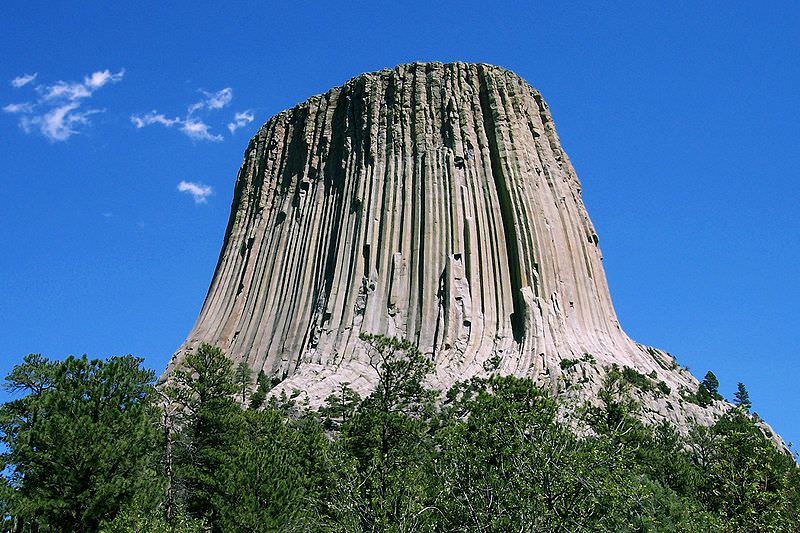
Other volcanic landforms: Volcanic Necks
Volcanic necks are resistant vents left standing after erosion has removed the volcanic cone
Ex: Ship Rock, New Mexico
Intrusive Igneous Activity
Intrusions (plutons)
Tabular Intrusive Bodies
Massive Intrusive Bodies
Intrusive Igneous Activity: Intrusions (plutons)
magma rises through crust
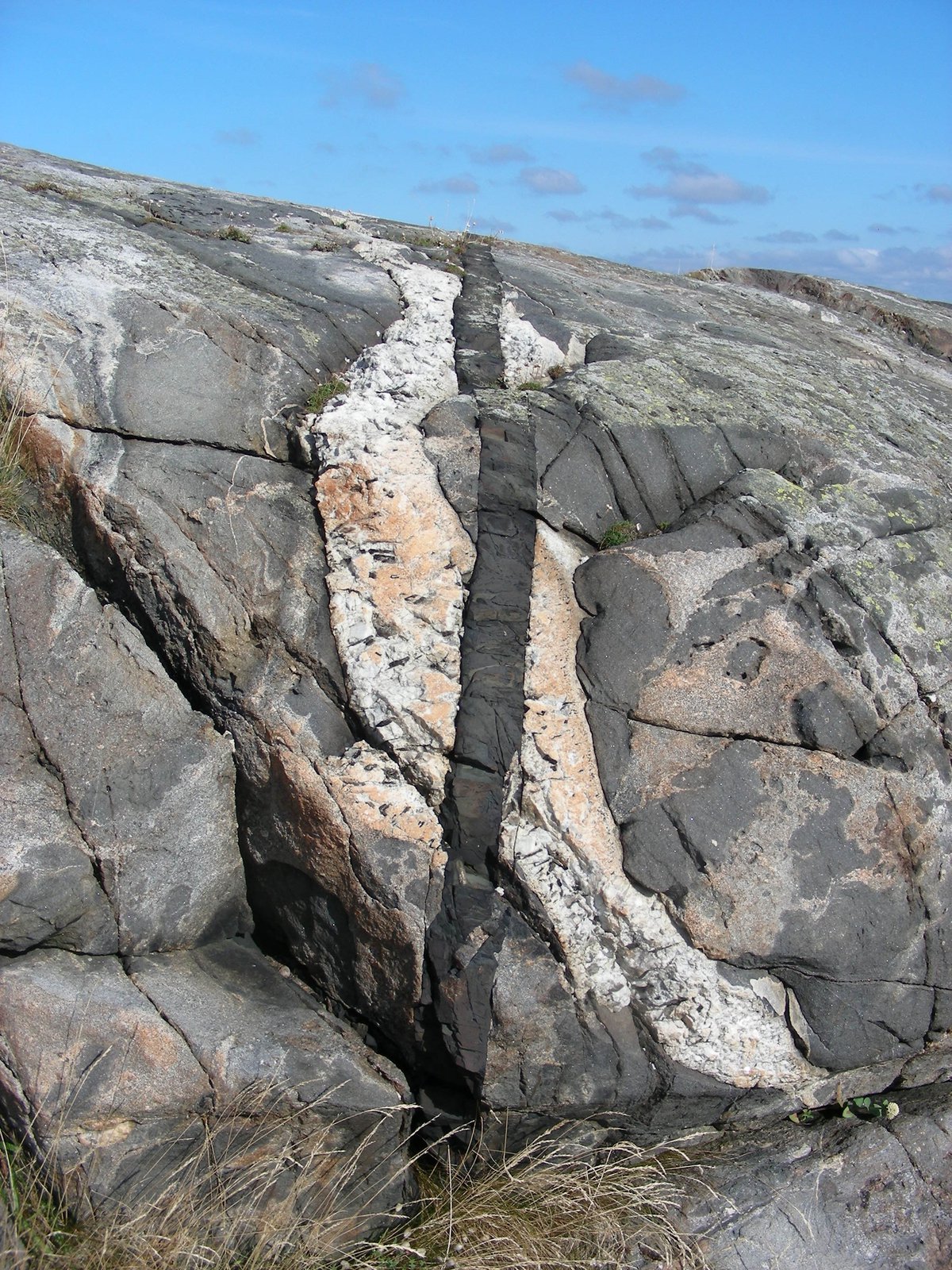
Intrusive Igneous Activity: Tabular Intrusive Bodies
magma forcibly injected into a fracture zone or bedding plane
Dikes
Sills
Dikes
Cuts across bedding surfaces
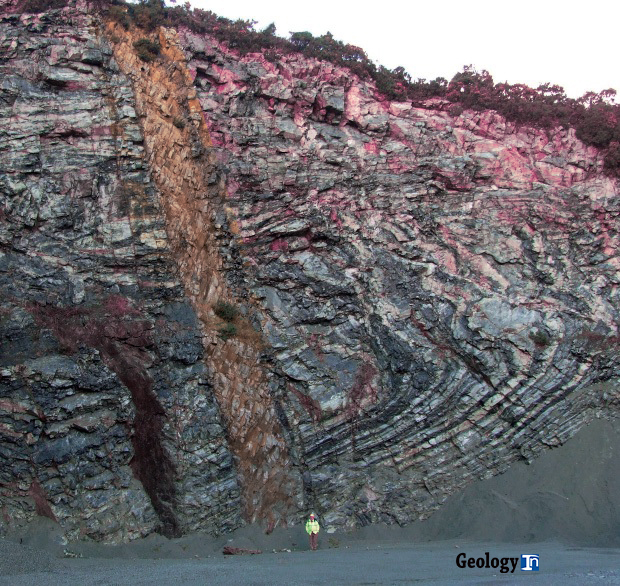
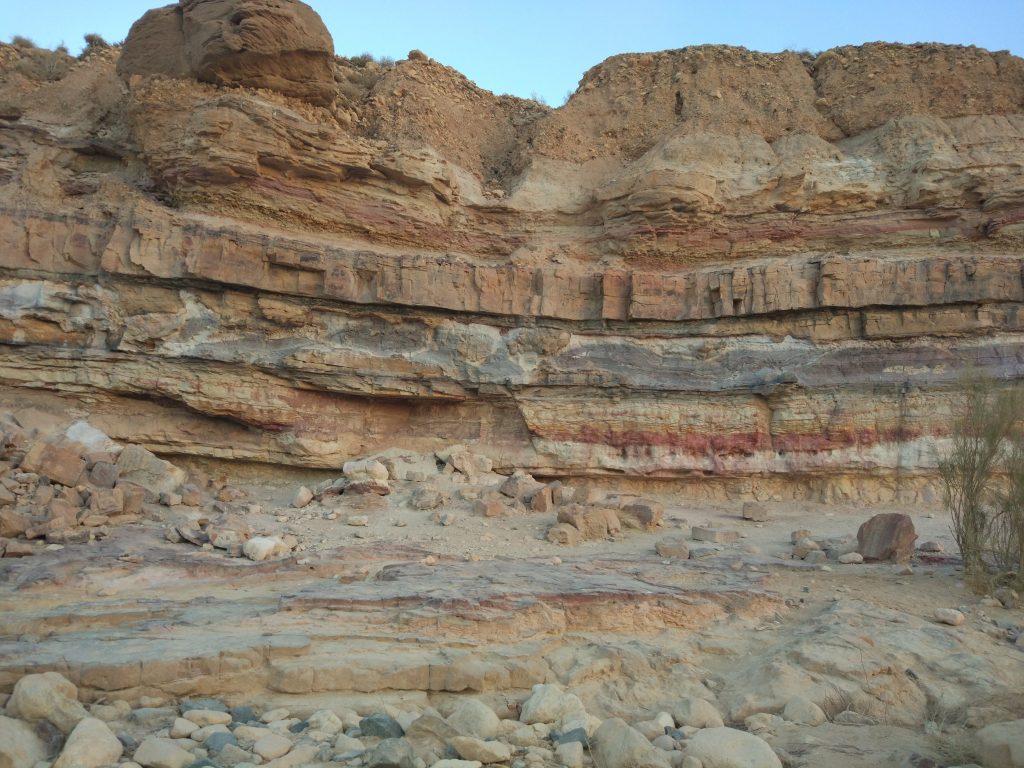
Sills
travel along bedding planes
Intrusive Igneous Activity: Massive Intrusive Bodies
large amounts of intruded material
Batholiths
Stacks
Laccoliths
Batholiths
Largest intrusive bodies
occur as long, linear features, often under mountain
Stacks
small batholith
Laccoliths
Forcibly injected between strata
Can cause strata on top to rise
Partial Melting and the origin of magma: Earths Crust and Mantle are composed primarily of…..
Solid, not molten rock
Partial Melting and origin of Magma: Partial Melting
incomplete melting of rocks that produces most magma
generating magma through decompression
adding water causes melting of lower temperatures
Plate Tectonics and Volcanism: Global distribution of igneous activity is…….
Not random!
Plate Tectonics and Volcanism: Most Volcanoes are located…..
within or near plate margins
Plate Tectonics and Volcanism: Divergent Boundaries…..
produce greatest volume of lava
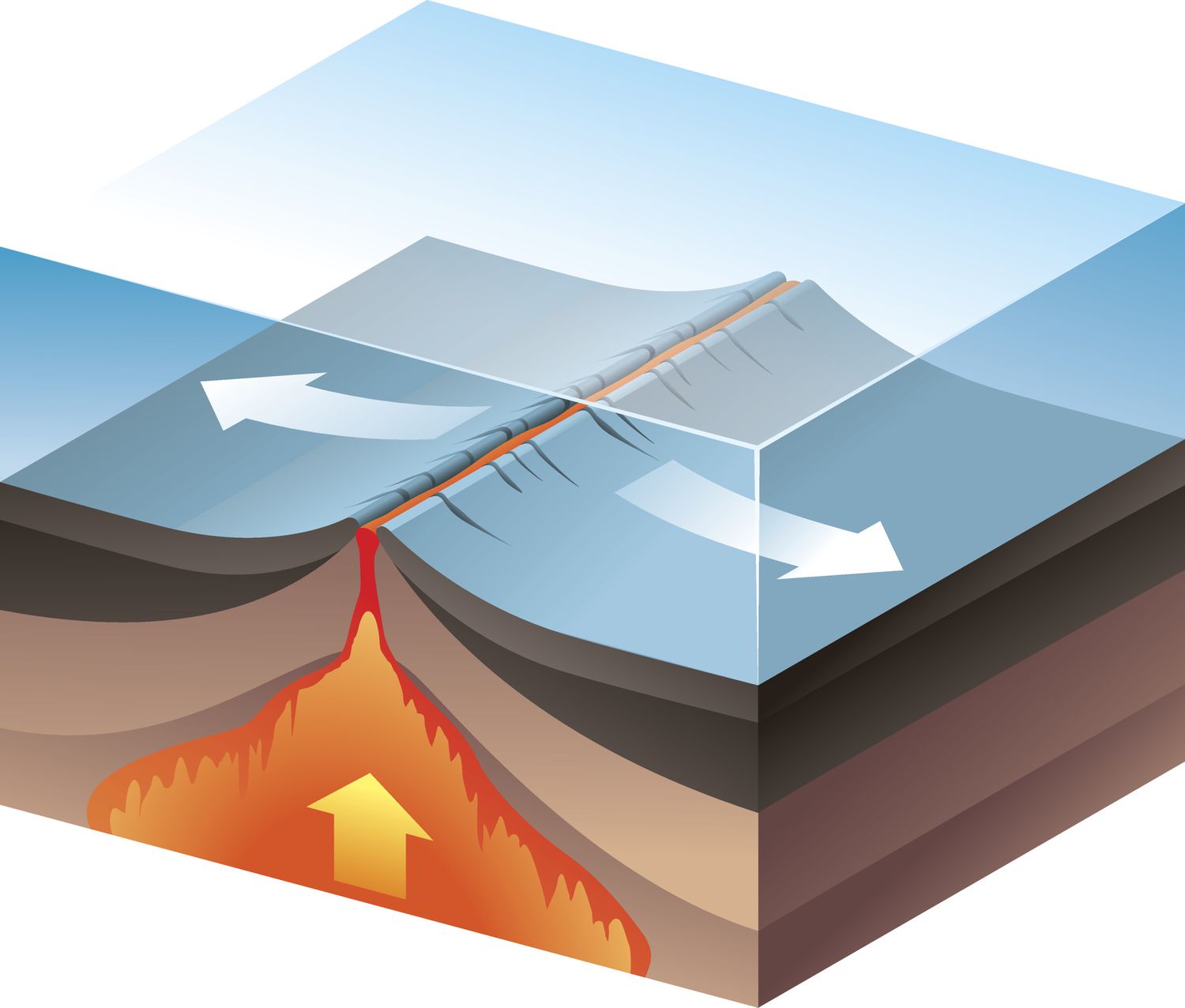
Plate Tectonics and Volcanism: Convergent boundaries result…..
in more explosive volcanism
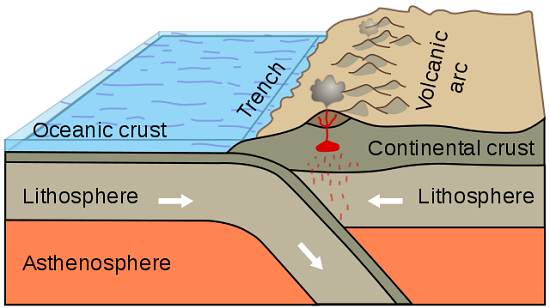
Plate Tectonics and Volcanism: Interplate Volcanism
activity within a tectonic plate
Associated with plumes of heat in the mantle
Forms localized volcanic regions in the overriding plate called a hot spot
Produces basaltic magma sources in oceanic crust (e.g., Hawai’i and Iceland)
Produces granitic magma sources in continental crust (e.g. Yellowstone park)
How many volcanoes are there?
550 volcanoes