IB GloPo Peace n Conflc
 Call Kai
 Learn
Learn Practice Test
 Spaced Repetition
 Match
Match Flashcards
 Knowt Play
1/51

There's no tags or description
Looks like no tags are added yet.
Name | Mastery | Learn | Test | Matching | Spaced | Call with Kai |
|---|
No analytics yet
Send a link to your students to track their progress
52 Terms
Direct violence
Structural violence
Cultural violence
Positive peace
Balance of power
Feminist peace
Destructive conflict
Constructive conflict
Strategic non
violence
Non
violent resistance
Pacifism
Geneva Conventions
Primary disputants
Interstate conflict
Conflict that occurs between two or more internationally recognized sovereign states
Ex. Russia-Ukrain war
Intrastate conflict
Conflict within a single country
Against the state (gov. vs. __)
ex. Syrian civil war, Sudan
Secondary parties to conflict
Third parties to conflict
Violent state actors
Collective defense
Violent non-state actors
Non-violent state actors
Non-violent non-state actors
Track I diplomacy
Track II diplomacy
Non state conflict
Conflict between two organized groups that are not states
Three types:
- formaly organized NGOs
- Informally organized groups composed of supporters of a political party
- Informmally organized groups engaged in communal conflict based around shared identity (religion / ethnicity)
ex: Cartel violence in Mexico
Extrastate conflict
Conflict State vs Non-State actor
Wars against al-Qaeda and ISIS
Identity conflict
Conflict creates ingroups v. outgroups (focus on differences)
Myanmar - ingroup (budhist majority); outgroup (muslim minority)
Interest-based conflict
Defending group interests, usually economic or power related
Cycle of competitive begavior, groups cling to their perspectives
Ex. USA vs China tarriff war - one raises then the other raises
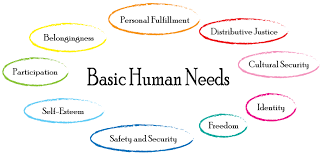
Human needs theory of conflict
Human needs must be satisfied to resolve conflict, threated human needs lead to conflict
Ideological conflict
beliefs, values, & ideas that form our world view & influence our actions (tied clearly to identity)
Ex. Taliban’s ideology different than others.
‘Just War’ theory
Symmetric conflict
Asymmetric conflict
Guerrilla warfare
Counterinsurgency
Terrorism
Cyber conflict
Non violent conflict
Peacemaking
Mediation
Peace treaties
Sanctions
Embargoes
Election observers
Peacekeeping
Genocide
Peacebuilding
Restorative justice
Truth & reconciliation commissions
Negative peace
Institutions as a cause of conflict
Nature, design, and quality of institutions can cause conflict because they fail to do what they’re ment to do.
UN security council VETO power