Muscle Anatomy
 Call Kai
 Learn
Learn Practice Test
 Spaced Repetition
 Match
Match Flashcards
 Knowt Play
1/82

There's no tags or description
Looks like no tags are added yet.
Name | Mastery | Learn | Test | Matching | Spaced | Call with Kai |
|---|
No analytics yet
Send a link to your students to track their progress
83 Terms
-Muscle Name:
-Actions:
-Origin:
-insertion:
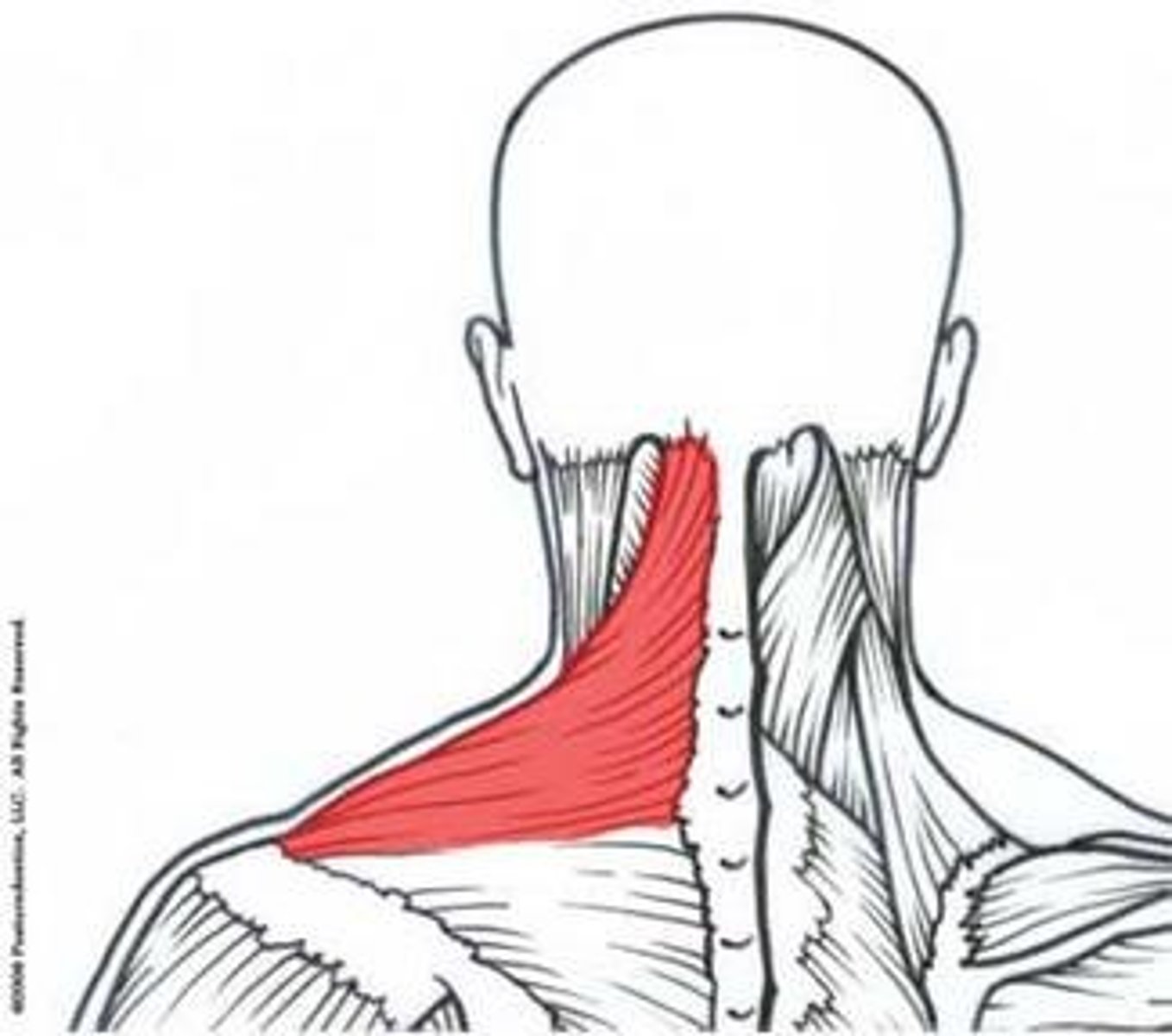
- Muscle name: Upper trapezius
- Actions: scapula elevation
-origin: occipital bone
-insertion: acromion process
-Muscle Name:
-Actions:
-Origin:
-insertion:
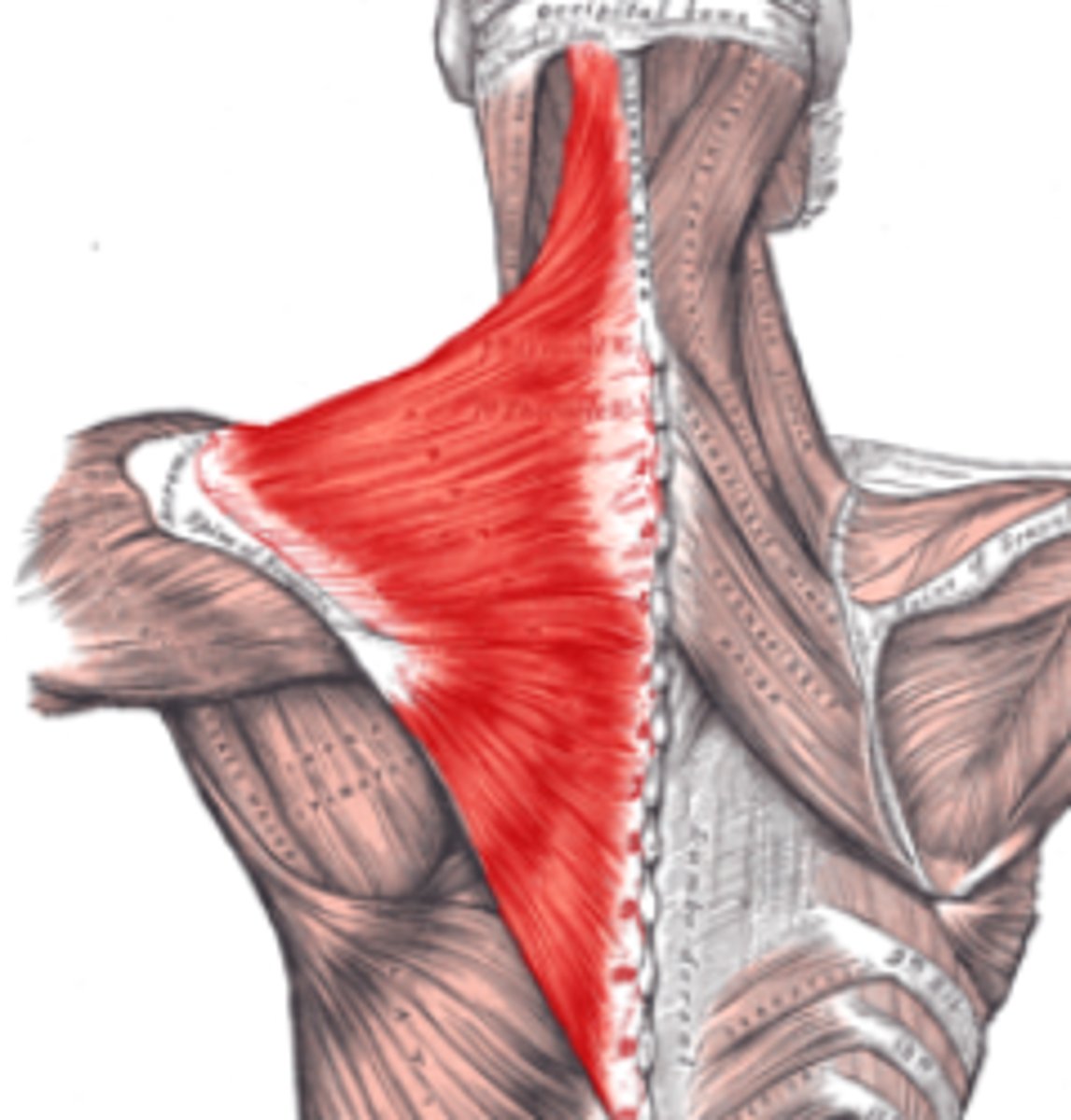
Muscle name: Trapezius
Actions: elevation
Origin: spinous processes of vertebrae C1-T12
Insertion: spine of scapula
-Muscle Name:
-Actions:
-Origin:
-insertion:
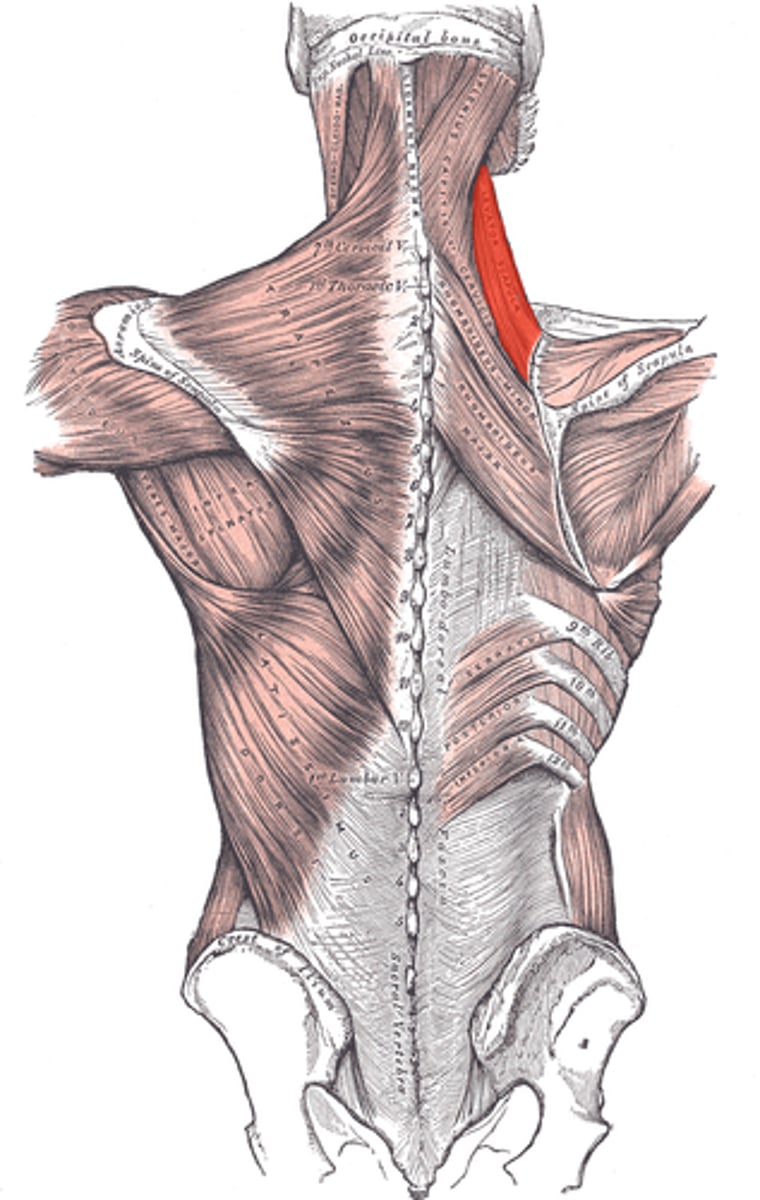
Muscle name: levator scapulae
Actions: Elevates scapula
Origin: Posterior tubercles of transverse processes of C1 - C4 vertebrae
Insertion: superior part of the medial border of scapula
-Muscle Name:
-Actions:
-Origin:
-insertion:
Muscle name: latissimus dorsi
Actions: extends and rotates the arm
Origin: iliac crest
Insertion: Floor of the intertubercular groove of the humerus
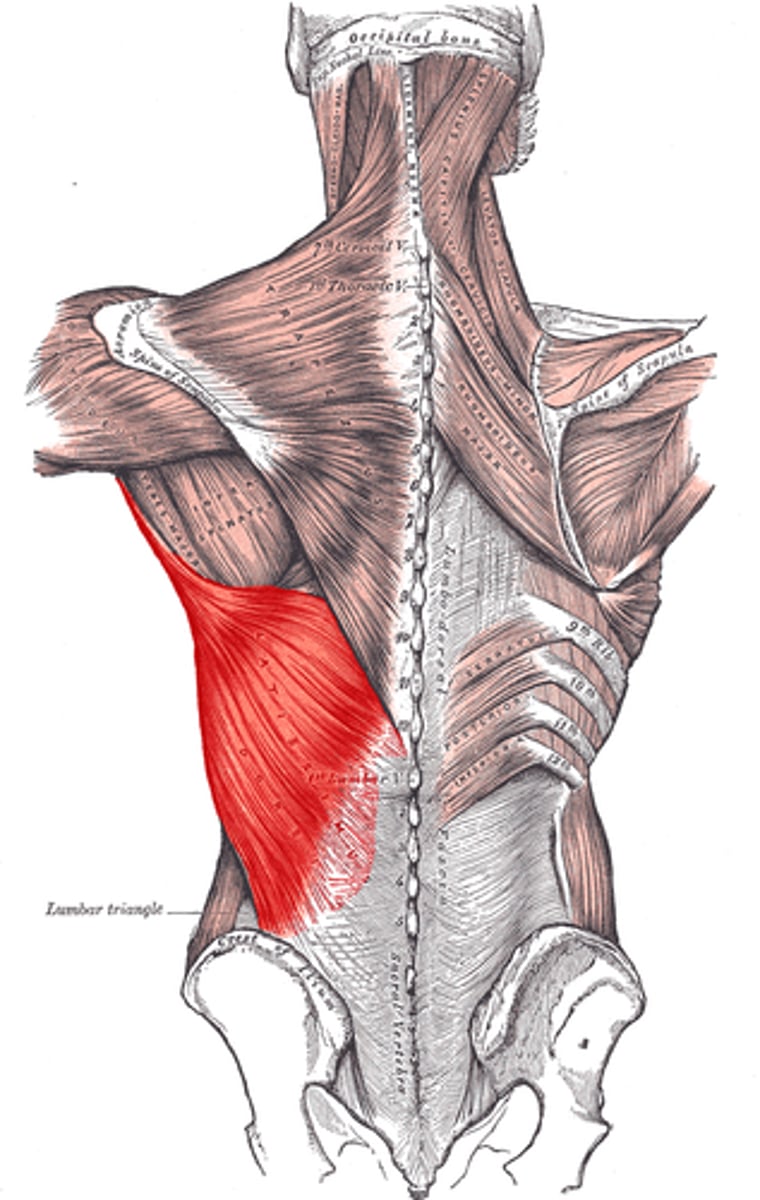
Muscle Name:
Actions:
Origin:
Insertion:
Muscle name: Pectoralis major
Action: flexes the humerus
Origin: Clavicular head
Insertion: intertubercular groove of the humerus
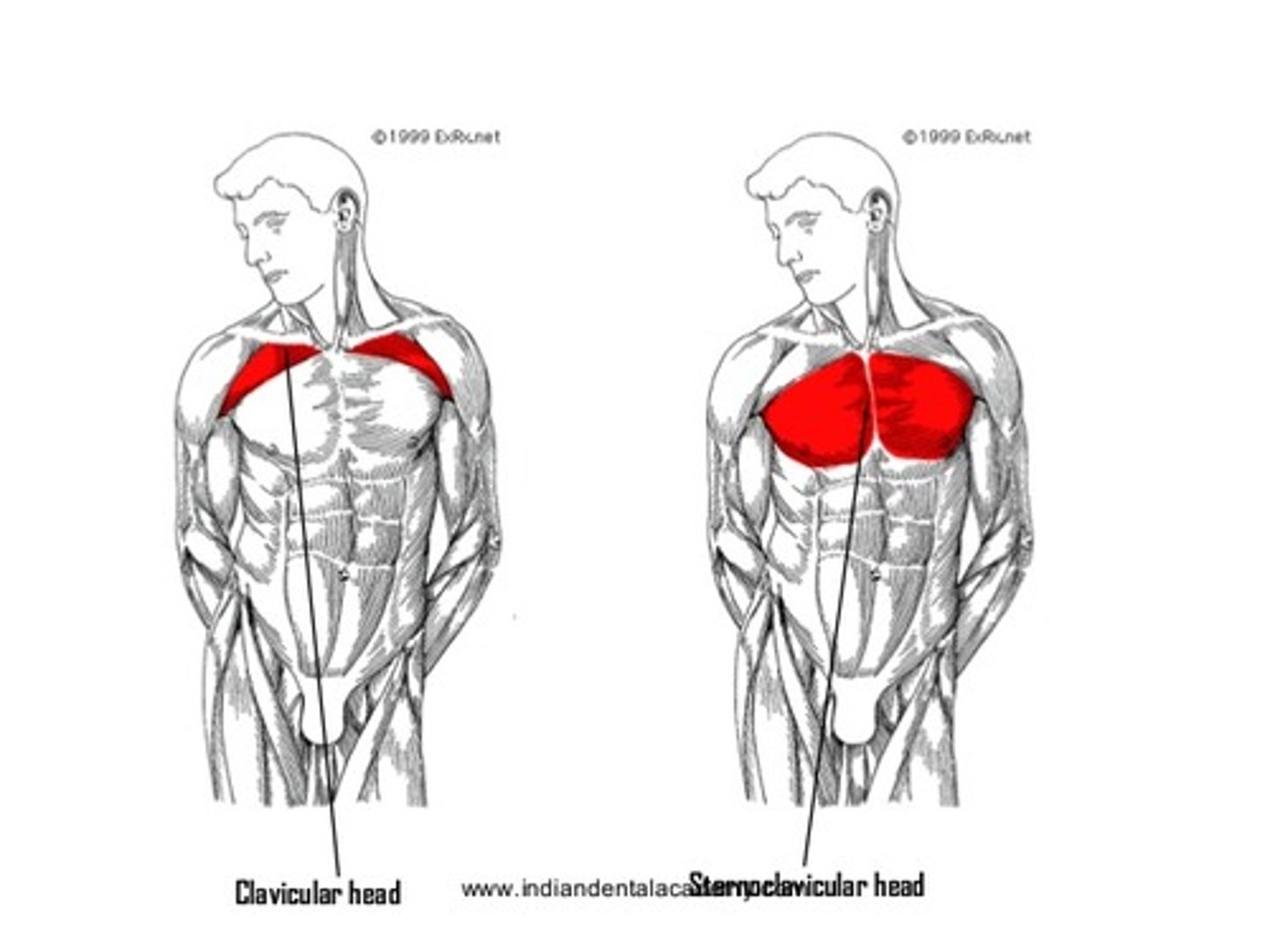
Muscle Name:
Actions:
Origin:
Insertion:
Muscle name: Pectoralis minor
Actions: stabilizes the scapula
Origin: Third to fifth ribs, near their costal cartilages
Insertion: Medial border and superior surface of the coracoid process of the scapula
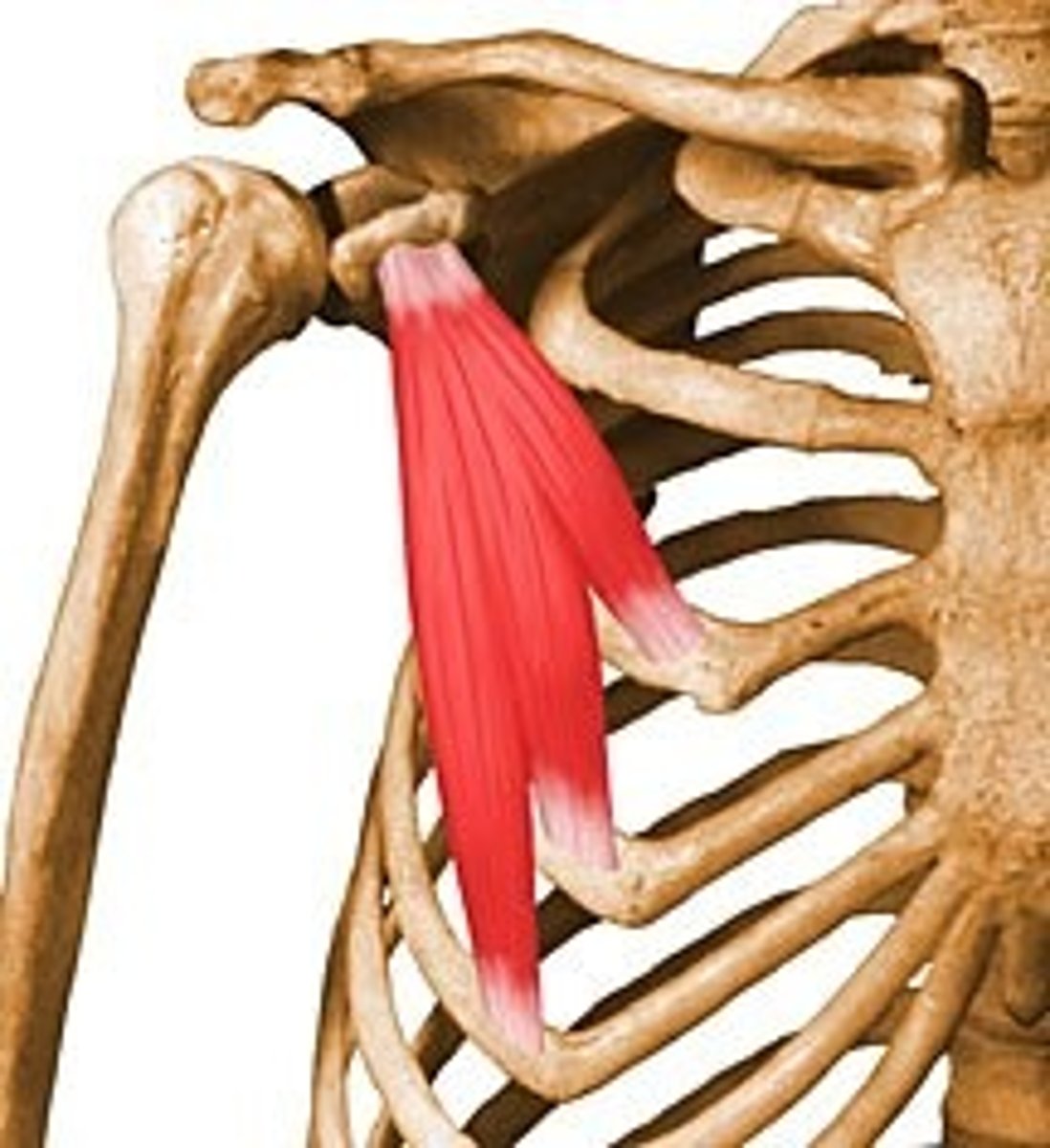
Muscle Name:
Actions:
Origin:
Insertion:
Muscle name: Serratus anterior
Actions: assists in upward rotation
Origin: fleshy slips from the outer surface of the upper 8 or 9 ribs
Insertion: costal aspect of the medial margin of the scapula
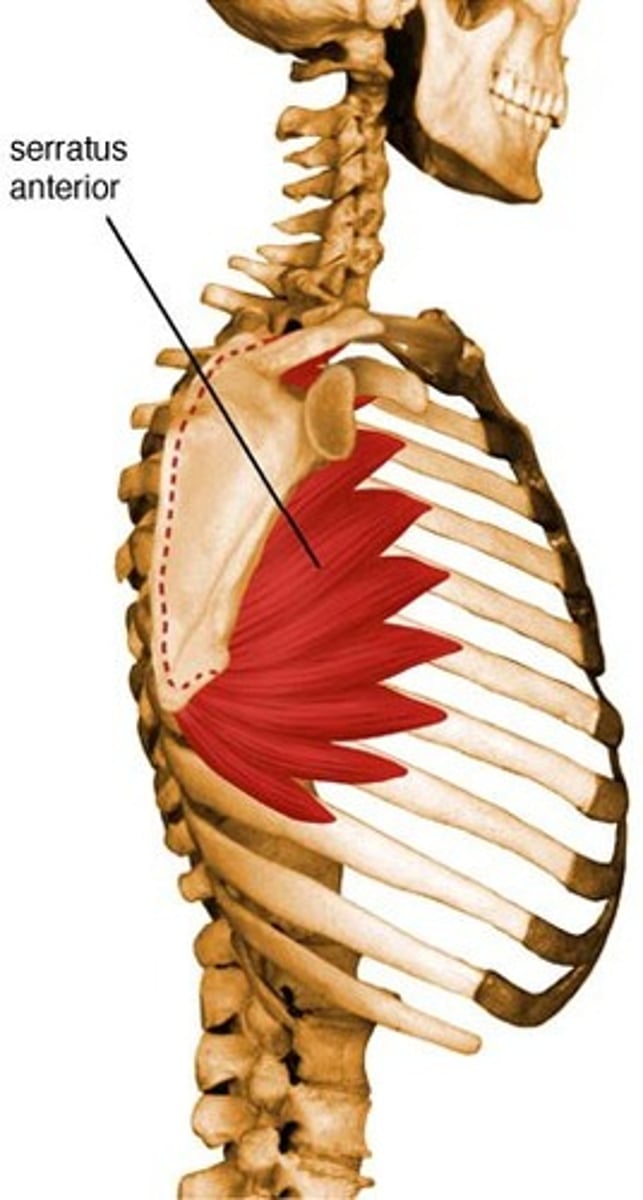
two muscles:
Actions:
Origin:
Insertion:
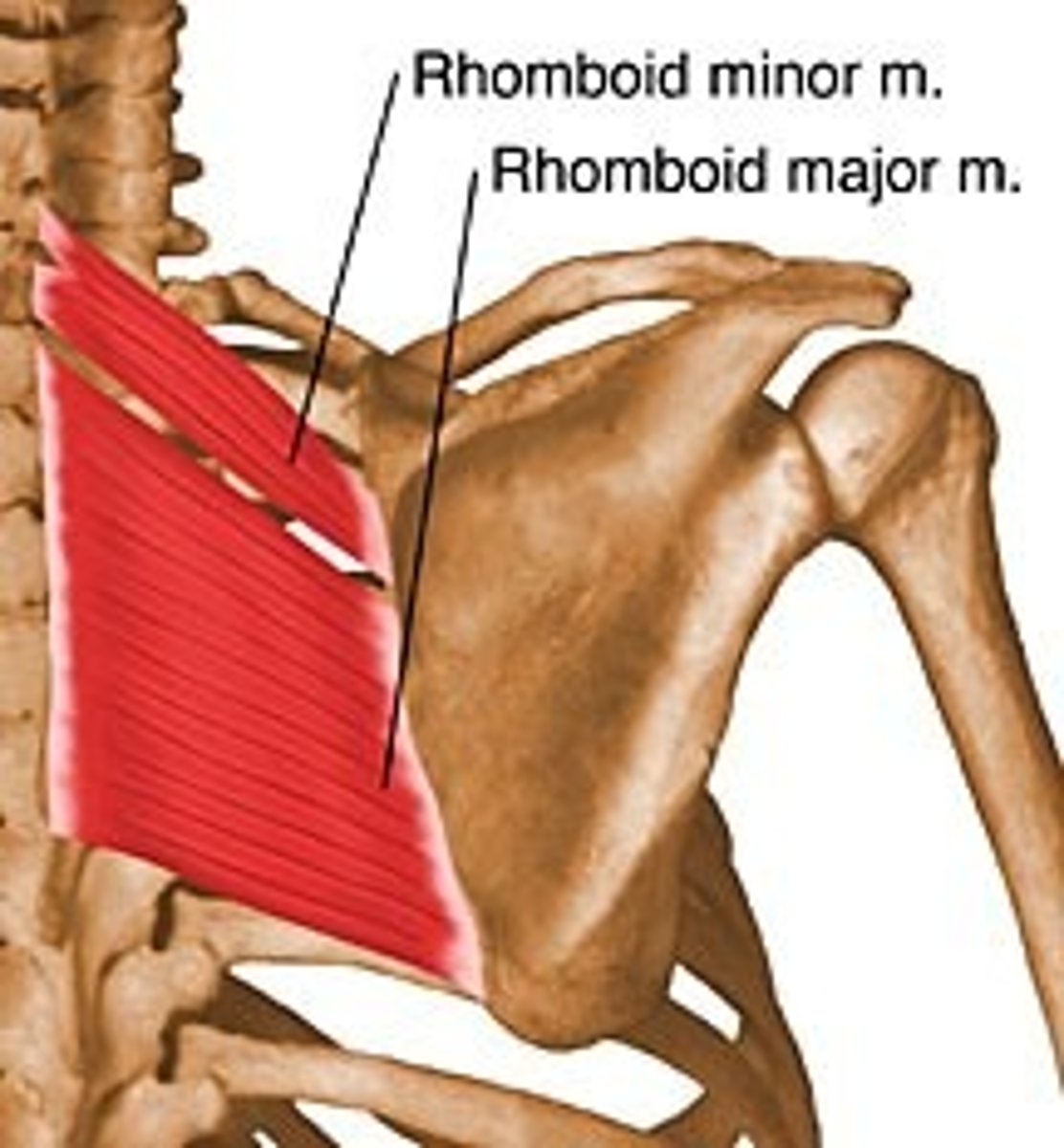
Muscle names: rhomboid major and minor
Action: rotates the scapula
Origin: nuchal ligaments
Insertion: medial border of the scapula
Muscle name:
Origin:
Insertion:
Action:
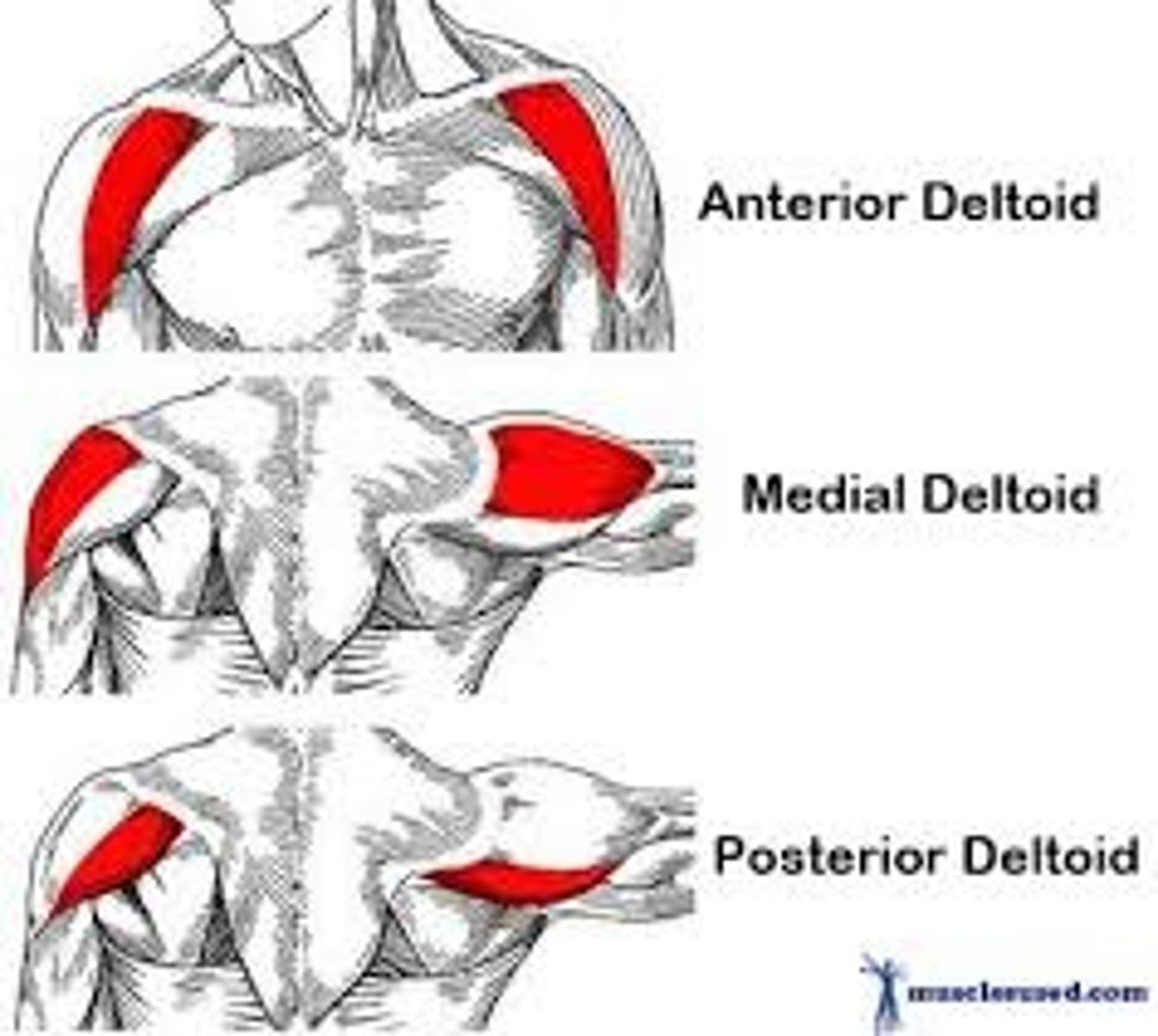
Muscle name: deltoid
Actions: shoulder abduction by the middle deltoid
Origin: acromion
Insertion: of the deltoid tuberosity of the humerus
Muscle name:
Origin:
Insertion:
Action:
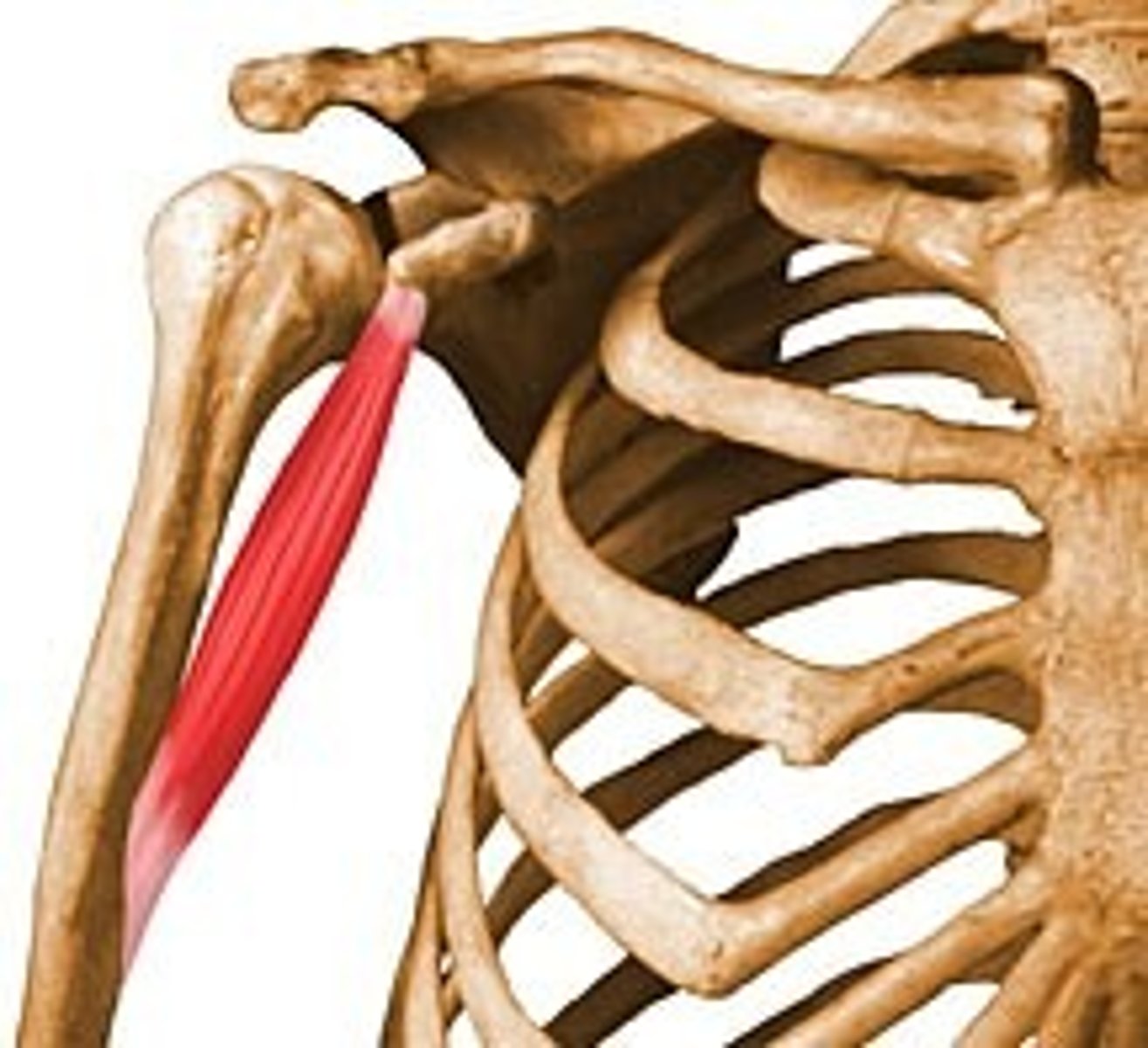
Muscle name: brachialis
Origin: Coracoid process of scapula
Insertion: Medial humerus
Actions: adducts humerus
Muscle name:
Origin:
Insertion:
Action:
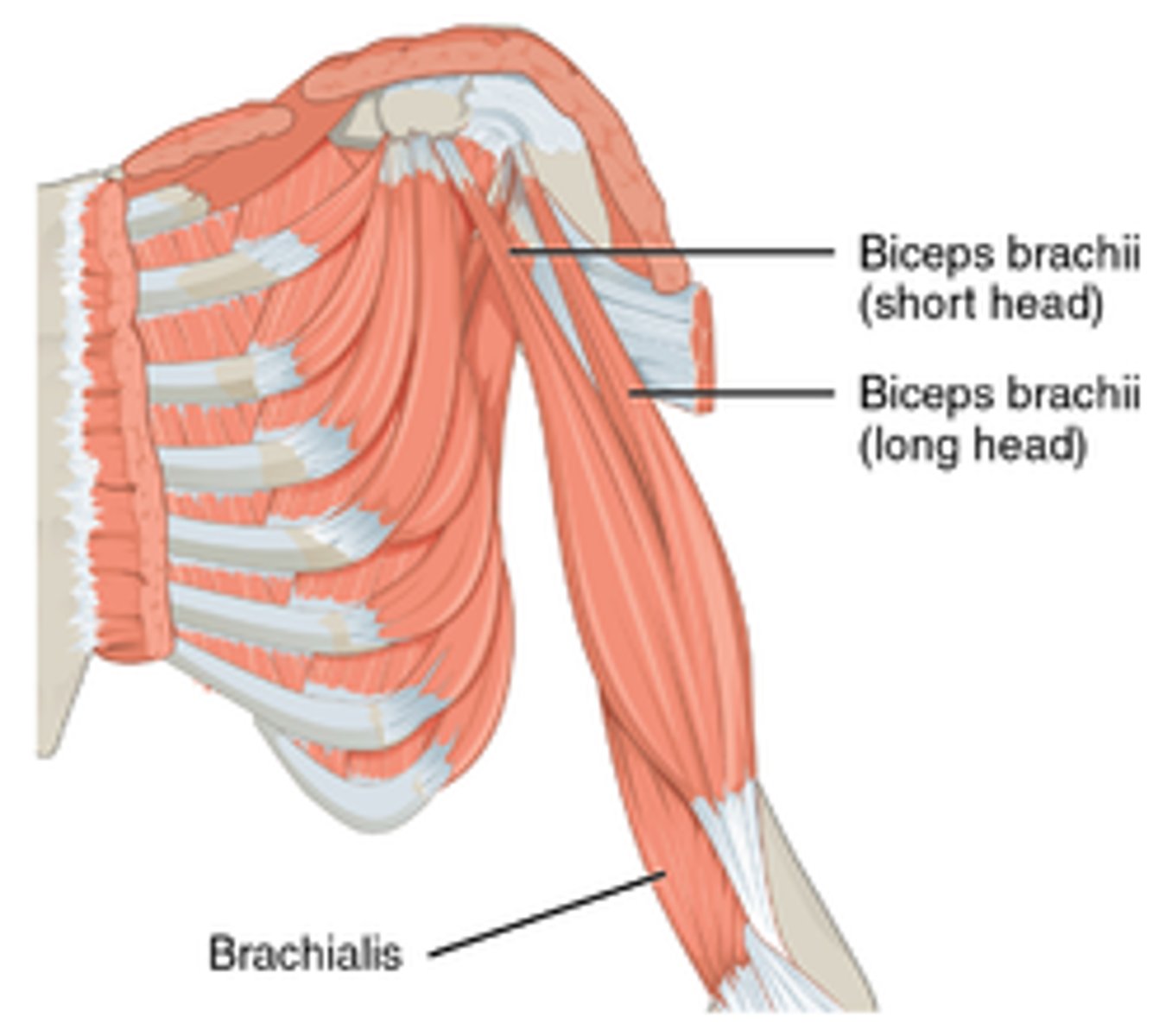
Muscle name: biceps brachii
Origin: coracoid process of the scapula.
Insertion: Radial tuberosity
Action: Flexes elbow
bicipital aponeurosis
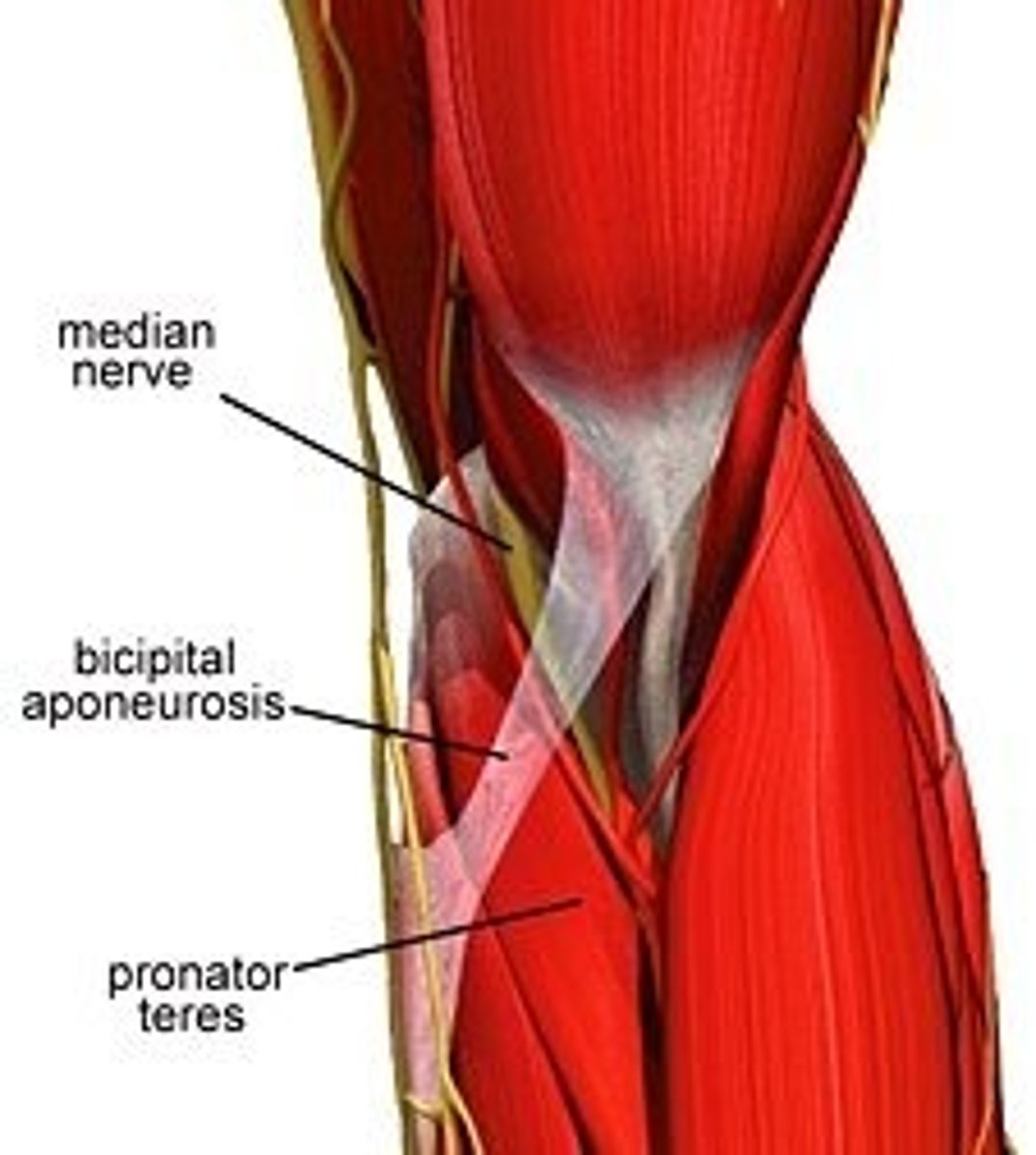
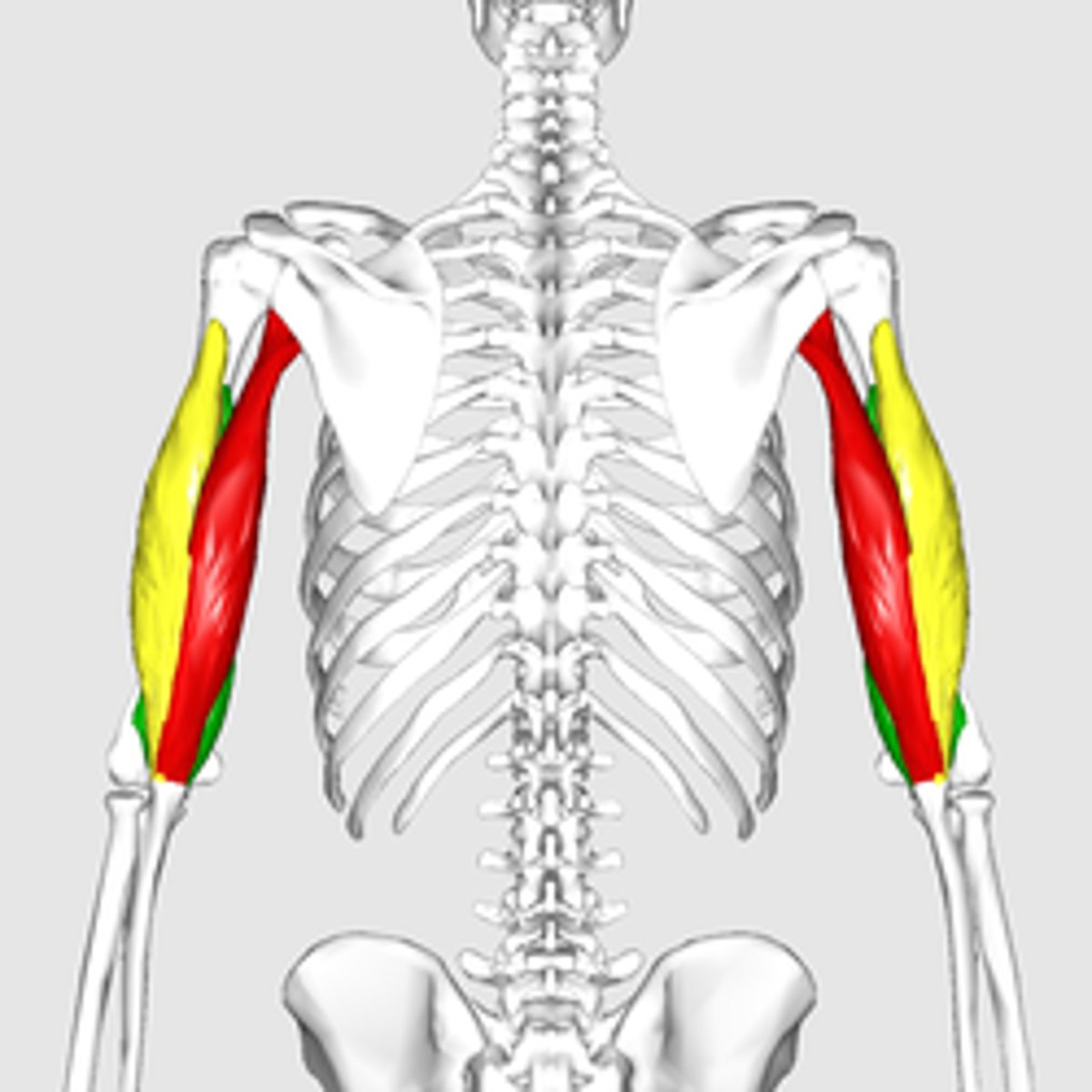
triceps
-Origin
=Long head: infraglenoid tubercle of scapula
=Lateral head: above the radial sulcus
=Medial head: below the radial sulcus
-Insertion Olecranon process of ulna
-Nerve Radial nerve
-Actions
= Extends forearm,
= long head extends,adducts arm, Extends shoulder
-Antagonist Biceps brachii muscle
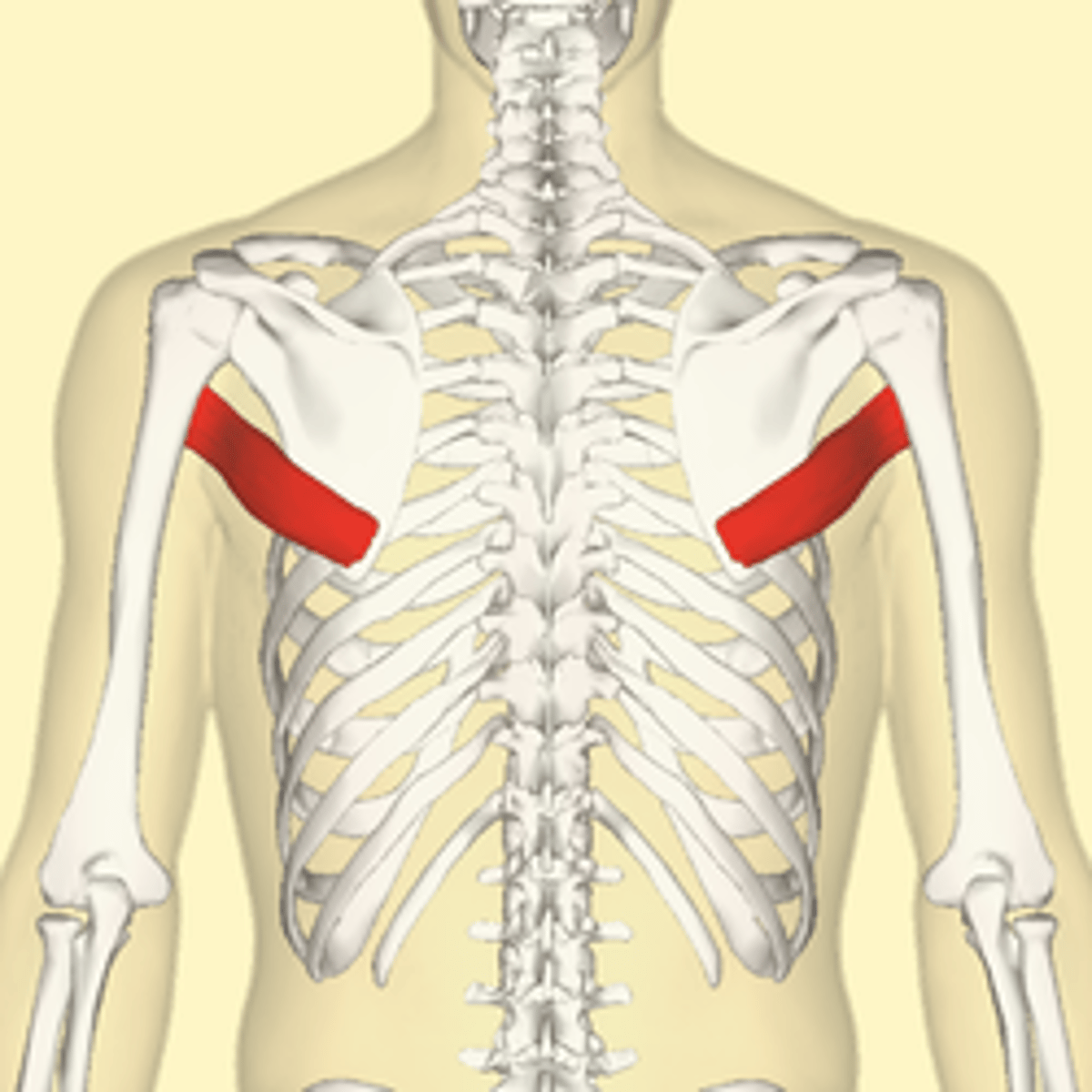
teres major
-Origin Posterior aspect of the inferior angle of the scapula
-Insertion Medial lip of the intertubercular sulcus of the humerus
-Nerve Lower subscapular nerve (segmental levels C5 and C6)
-Actions
= adduct the humerus,
= Internal rotation (medial rotation) of the humerus
= extend the humerus from flexed position,
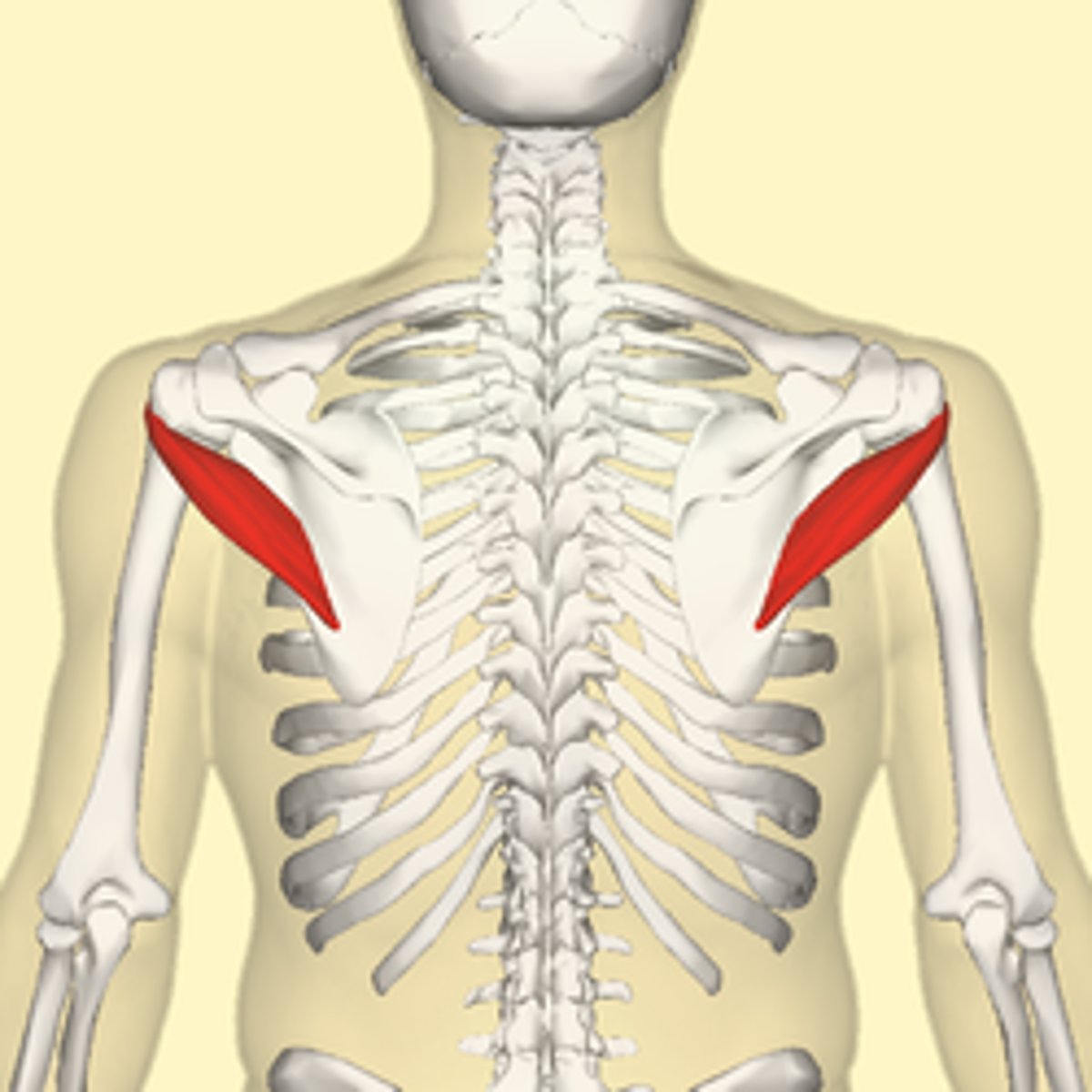
teres minor
-Origin lateral border of the scapula
-Insertion inferior facet of greater tubercle of the humerus
-Nerve axillary nerve
-Actions laterally rotates the arm, stabilizes humerus
supraspinatus
-Origin supraspinous fossa of scapula
-Insertion superior facet of greater tubercle of humerus
-Nerve suprascapular nerve
-Actions abduction of arm and stabilizes humerus
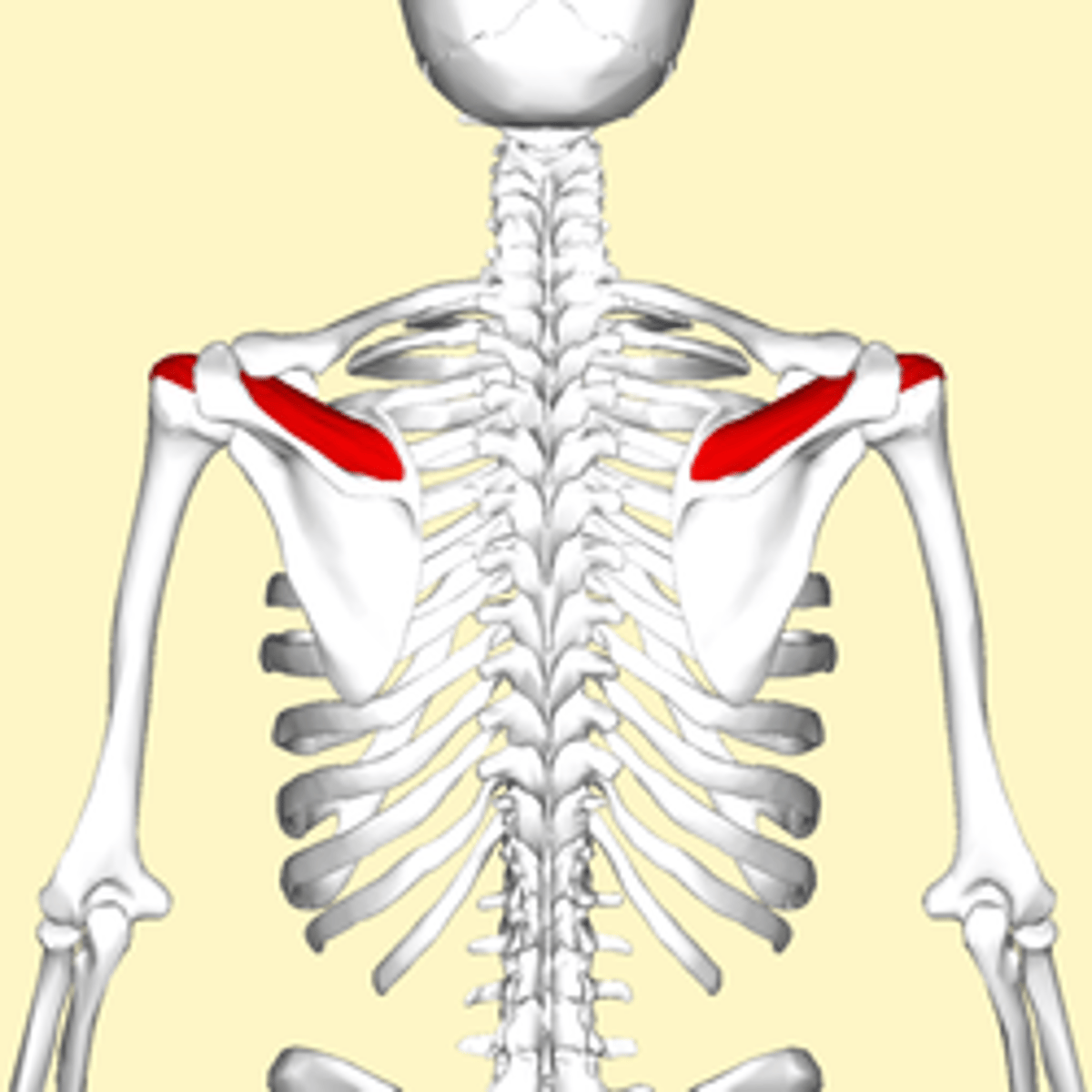
infraspinatus
-Origin infraspinous fossa of the scapula
-Insertion middle facet of greater tubercle of the humerus
-Nerve suprascapular nerve
-Actions Lateral rotation of arm and stabilizes humerus
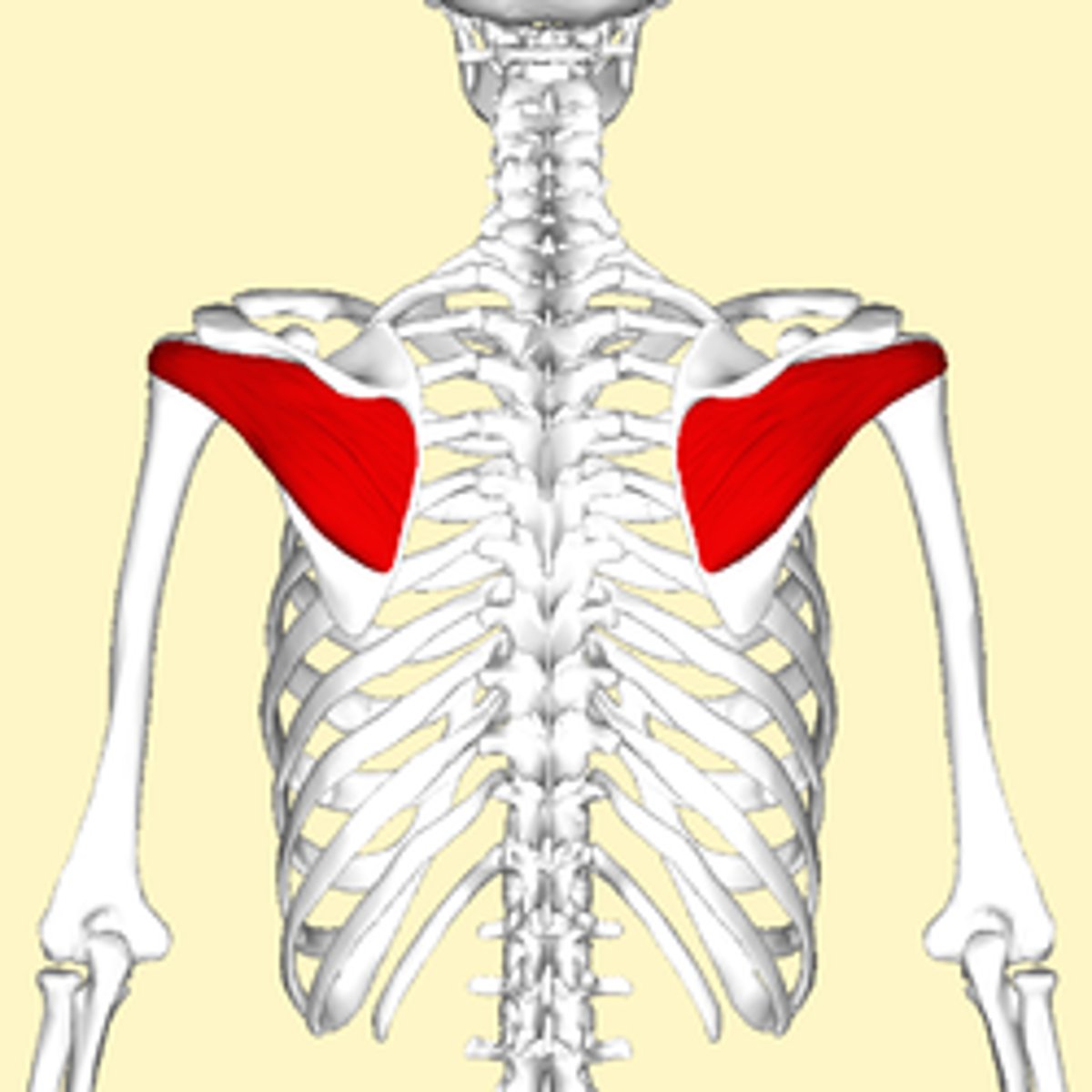
subscapularis
-Origin Subscapular fossa
-Insertion Lesser tubercle of humerus
-Nerve Upper subscapular nerve, lower subscapular nerve (C5, C6)
-Actions Internally (medially) rotates humerus and stabilizes shoulder
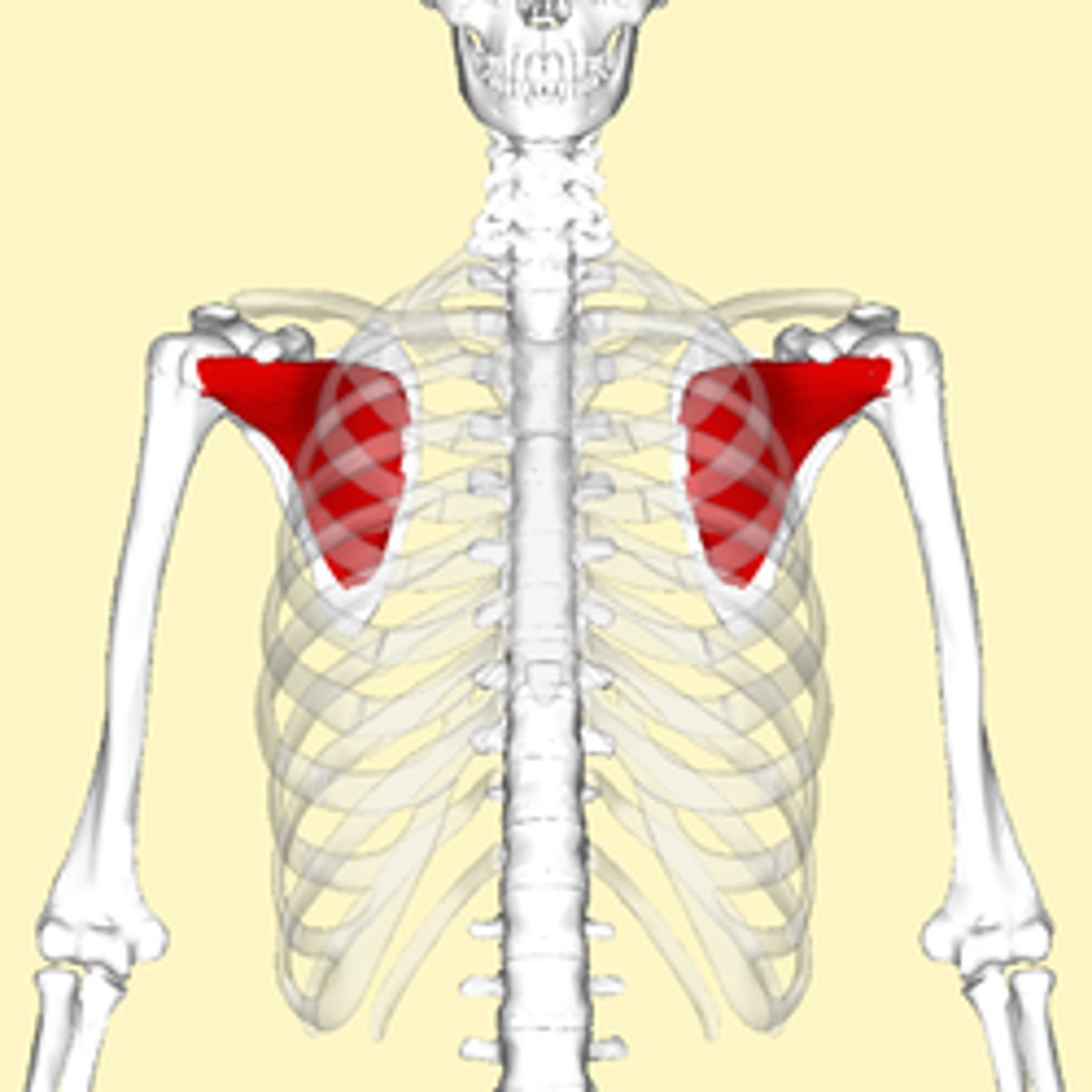
Subscapular fossa
subscapular fossa is a feature on the scapula bone, which is also known as the shoulder bone (or shoulder blade)
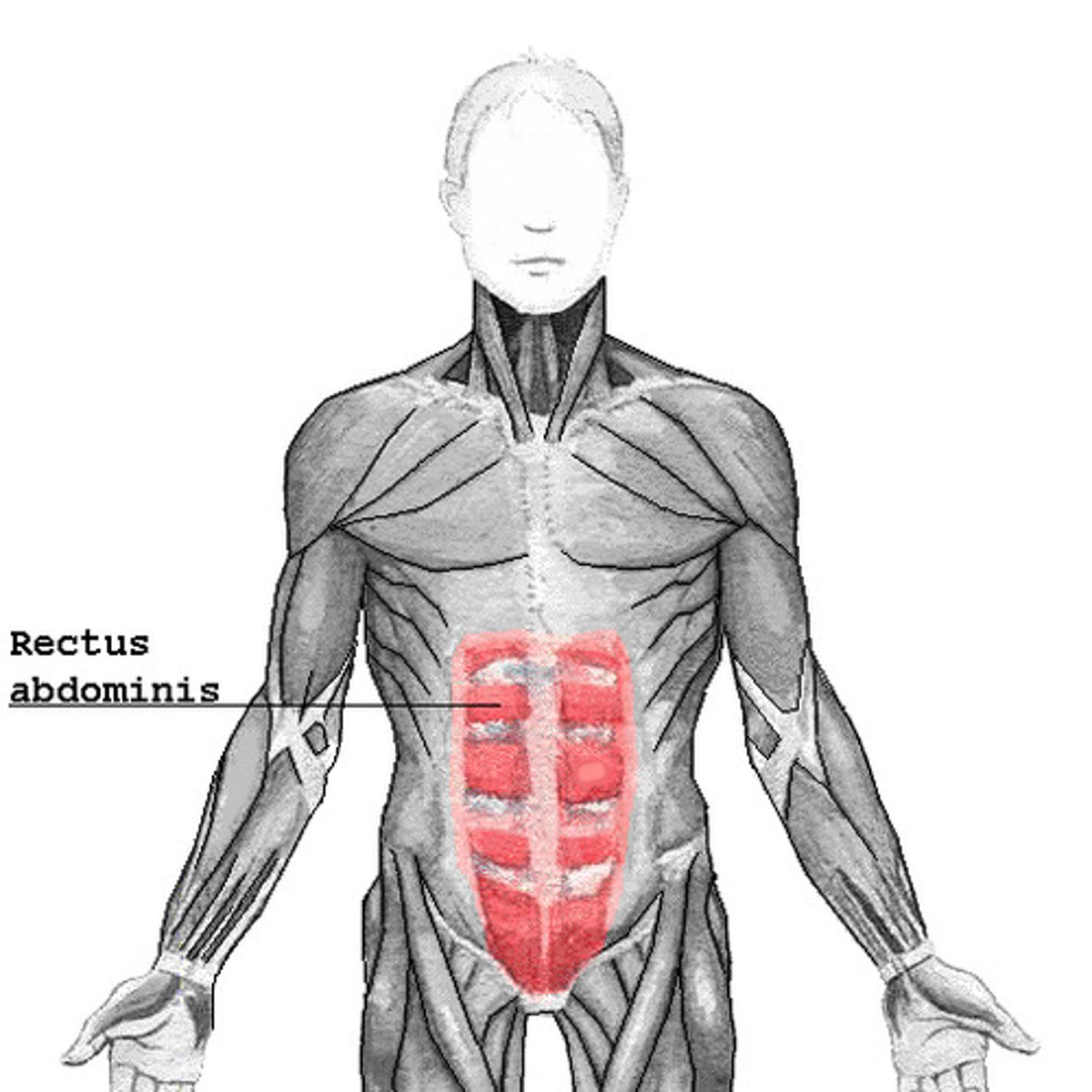
rectus abdominis
-Origin crest of pubis
-Insertion
=Costal cartilage of ribs 5-7,
=xiphoid process of sternum
-Nerve segmentally by thoraco-abdominal nerves (T7 to T11)
-Actions Flexion of the lumbar spine
-Antagonist Erector spinae
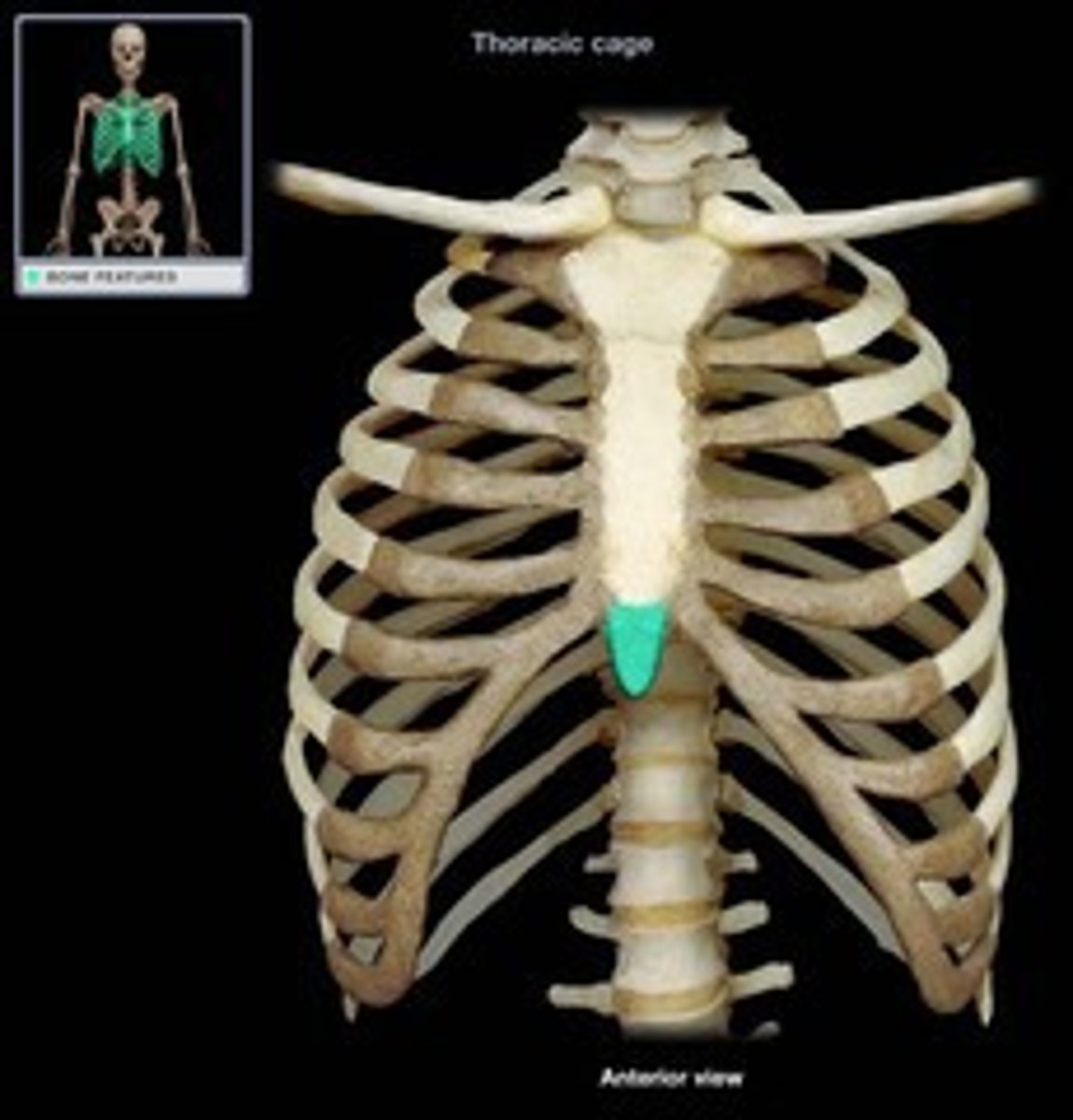
xiphoid process of sternum
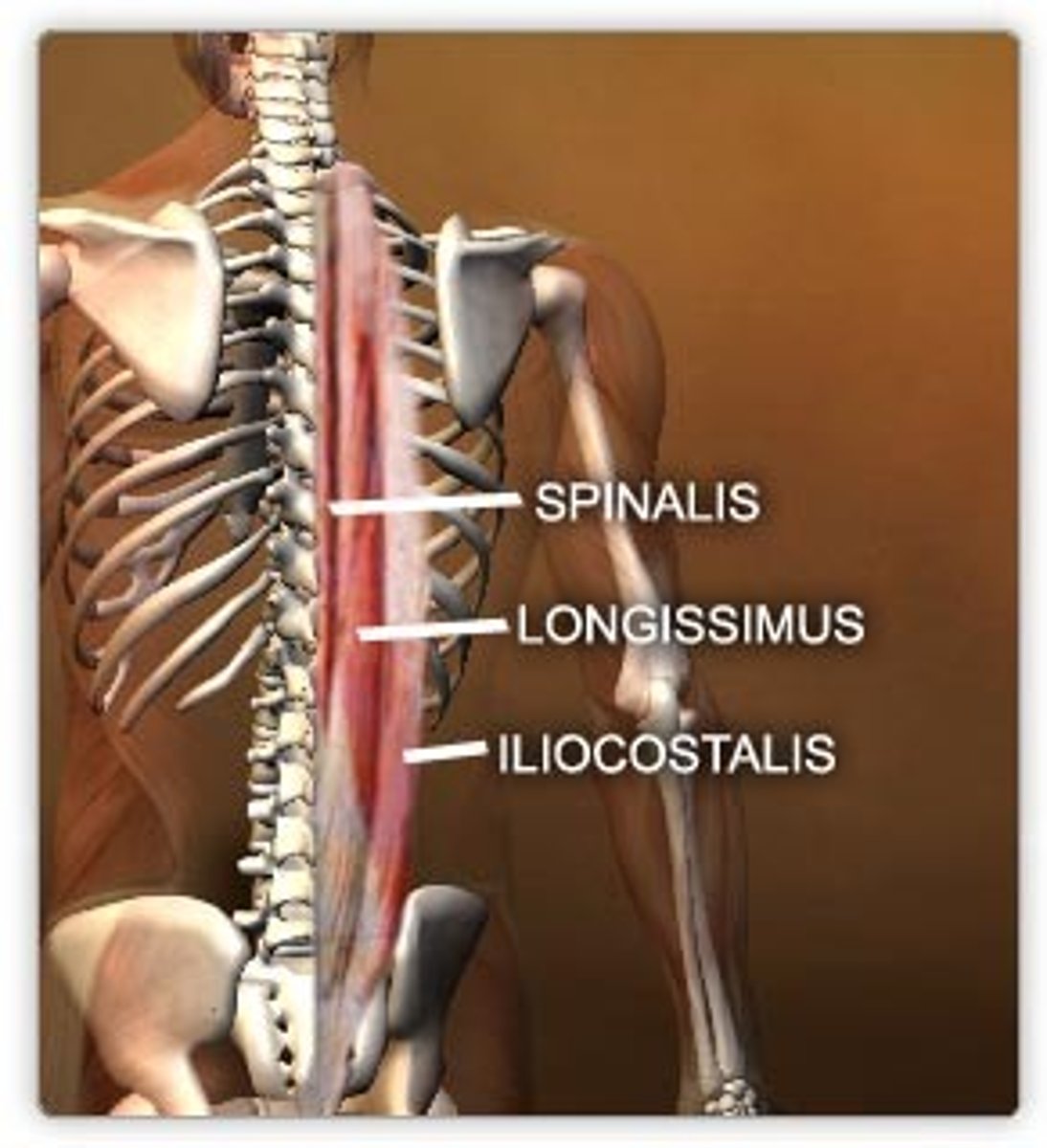
erector spinae
-Origin Spinous processes of T9-T12 thoracic vertebrae, medial slope of the dorsal segment of illiac crest
-Insertion spinous processes of T1 and T2 thoracic vertebrae and the cervical vertebrae
-Actions extends the vertebral column
-Antagonist rectus abdominis muscle
internal oblique
-Origin Inguinal ligament, Iliac crest and the Lumbodorsal fascia.
-Insertion Linea alba, Pecten Pubis (via Conjoint tendon) and ribs 10-12.
-Actions
= Compresses abdomen
=unilateral contraction rotates vertebral column to same side.
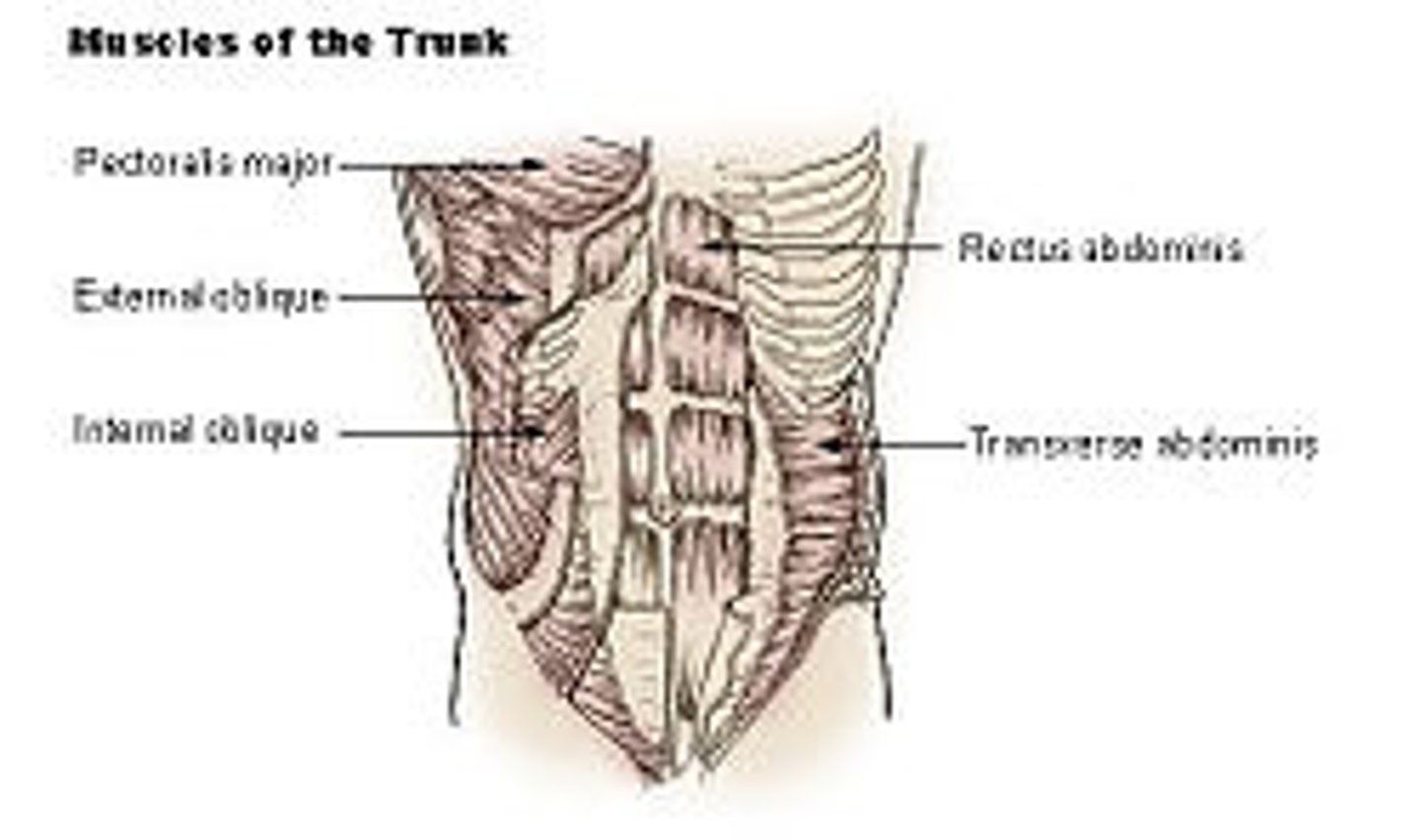
external oblique
-Origin Ribs 5-12
-Insertion Iliac crest, Pubic tubercle, Linea alba
-Actions Contralateral rotation of torso
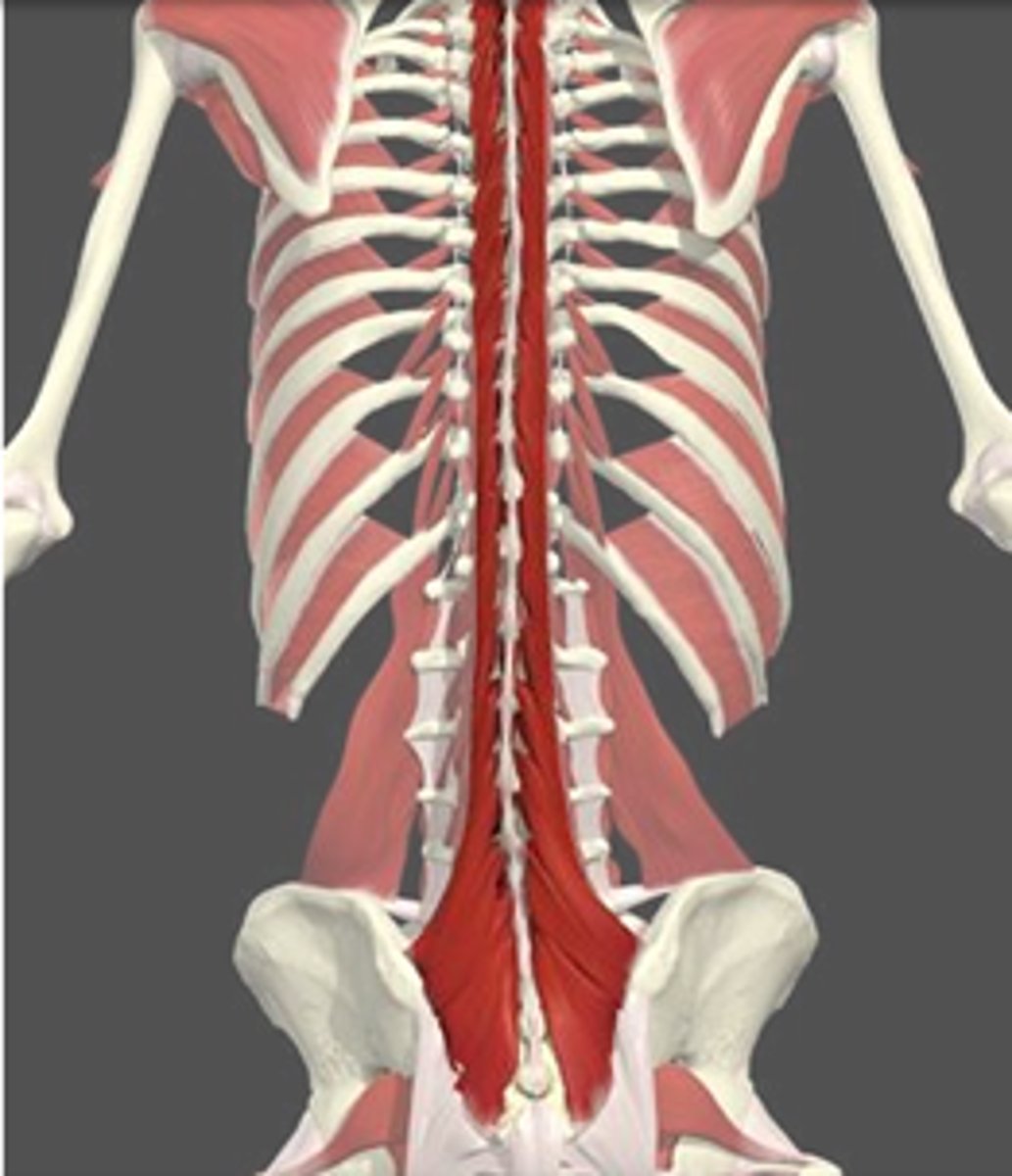
multifidus
-Origin Sacrum, Erector spinae Aponeurosis, PSIS, and Iliac crest
-Insertion spinous process
-Actions
=Bilateral backward extension,
= unilateral side-bending to the ipsilateral side
=rotation to the contralateral side
brachialis
-Origin anterior surface of the humerus, particularly the distal half of this bone
-Insertion coronoid process and the tuberosity of the ulna
-Nerve musculocutaneous nerve (C5, C6)
-Actions flexion at elbow joint
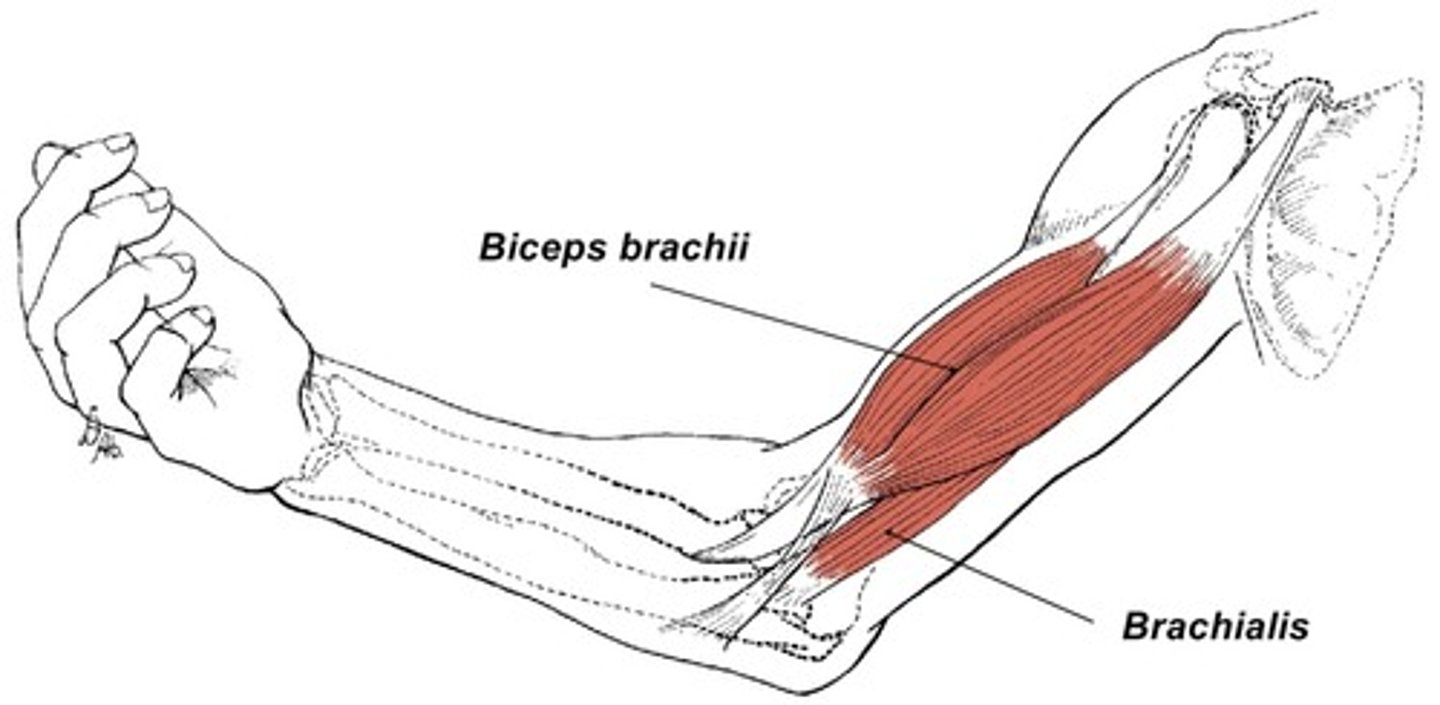
brachioradialis
-Origin Lateral supracondylar ridge of the humerus
-Insertion Distal radius (radial styloid process)
-Nerve :Radial nerve
-Actions :Flexion of elbow and supination
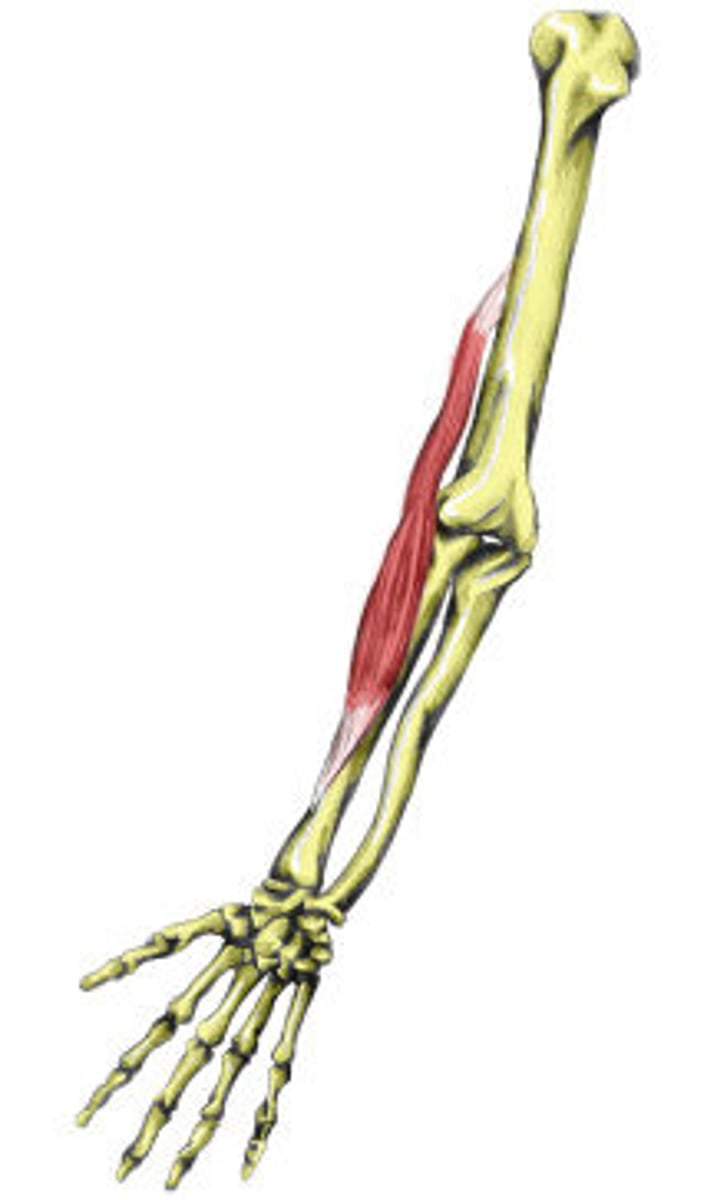
supinator
-Origin Lateral epicondyle of humerus, supinator crest of ulna, radial collateral ligament, annular ligament
-Insertion Lateral proximal radial shaft
-Nerve Deep branch of the radial nerve
-Actions Supinates forearm
-Antagonist Pronator teres, pronator quadratus
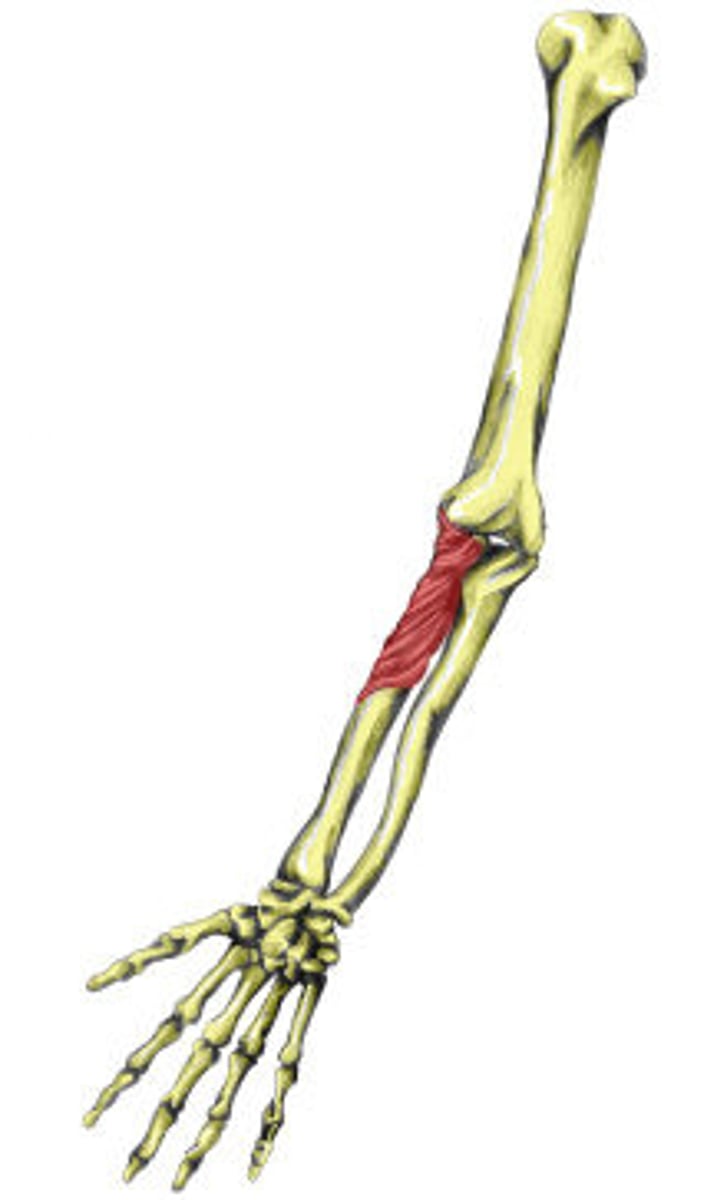
pronator teres
-Origin
=humeral head: medial supracondylar ridge of humerus (common flexor tendon)
=ulnar head: coronoid process of ulna
-Insertion Middle of the lateral surface of the body of the radius
-Nerve median nerve
-Actions pronation of forearm, flexes elbow
-Antagonist Supinator muscle
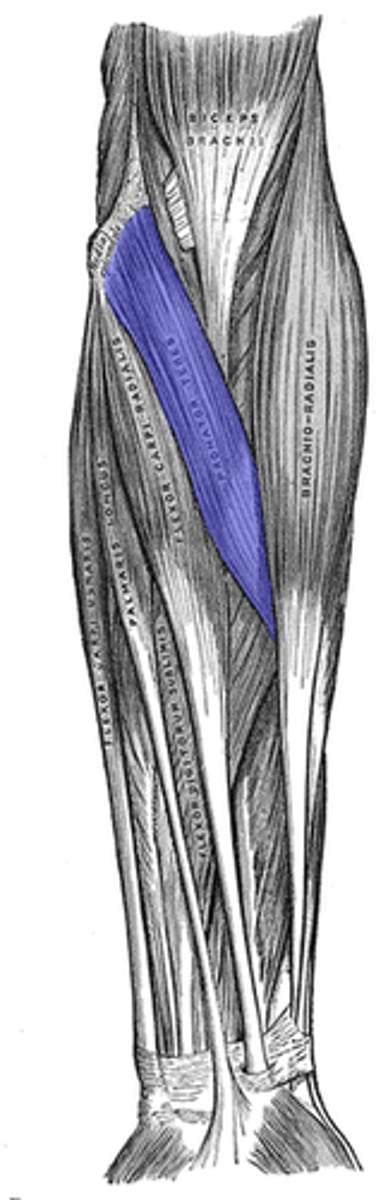
pronator quadratus
-Origin medial, anterior surface of the ulna
-Insertion lateral, anterior surface of the radius
-Nerve median nerve (anterior interosseous nerve)
-Actions pronates the forearm
-Antagonist Supinator muscle
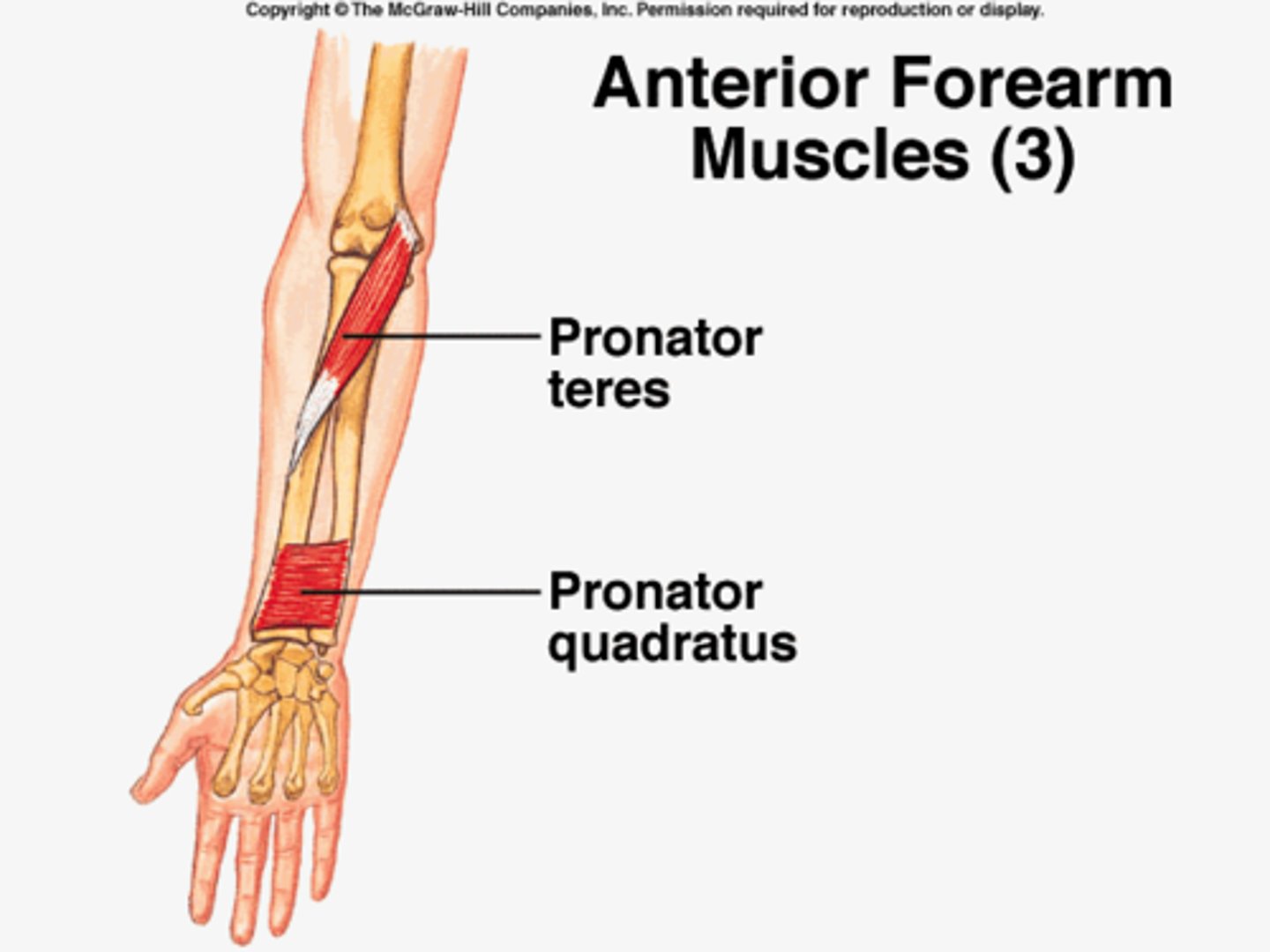
flexor carpi radialis
-Origin medial epicondyle of humerus (common flexor tendon)
-Insertion Bases of second and third metacarpal bones
-Nerve Median nerve
-Actions Flexion and abduction at wrist
-Antagonist Extensor carpi ulnaris muscle
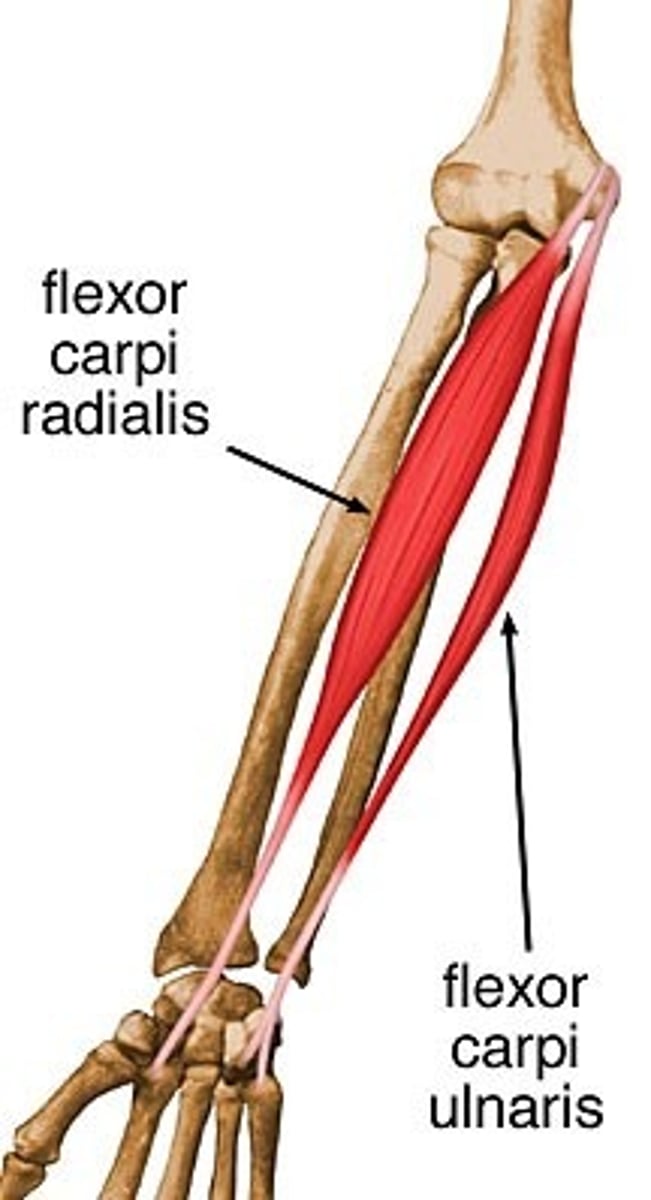
flexor carpi ulnaris
-Origin Medial epicondyle (common flexor tendon) and medial margin on olecranon of ulna
-Insertion Pisiform, hook of the hamate, base of the fifth metacarpal bone
-Nerve ulnar nerve
Nerve root C7, C8 and T1
-Actions Flexion and adduction of wrist
-Antagonist Extensor carpi radialis brevis muscle and extensor carpi radialis longus muscle
extensor carpi radialis longus
-Origin lateral supracondylar ridge
-Insertion 2nd metacarpal
-Nerve radial nerve
-Actions extensor at the wrist joint, abducts the hand at the wrist
-Antagonist Flexor carpi ulnaris muscle
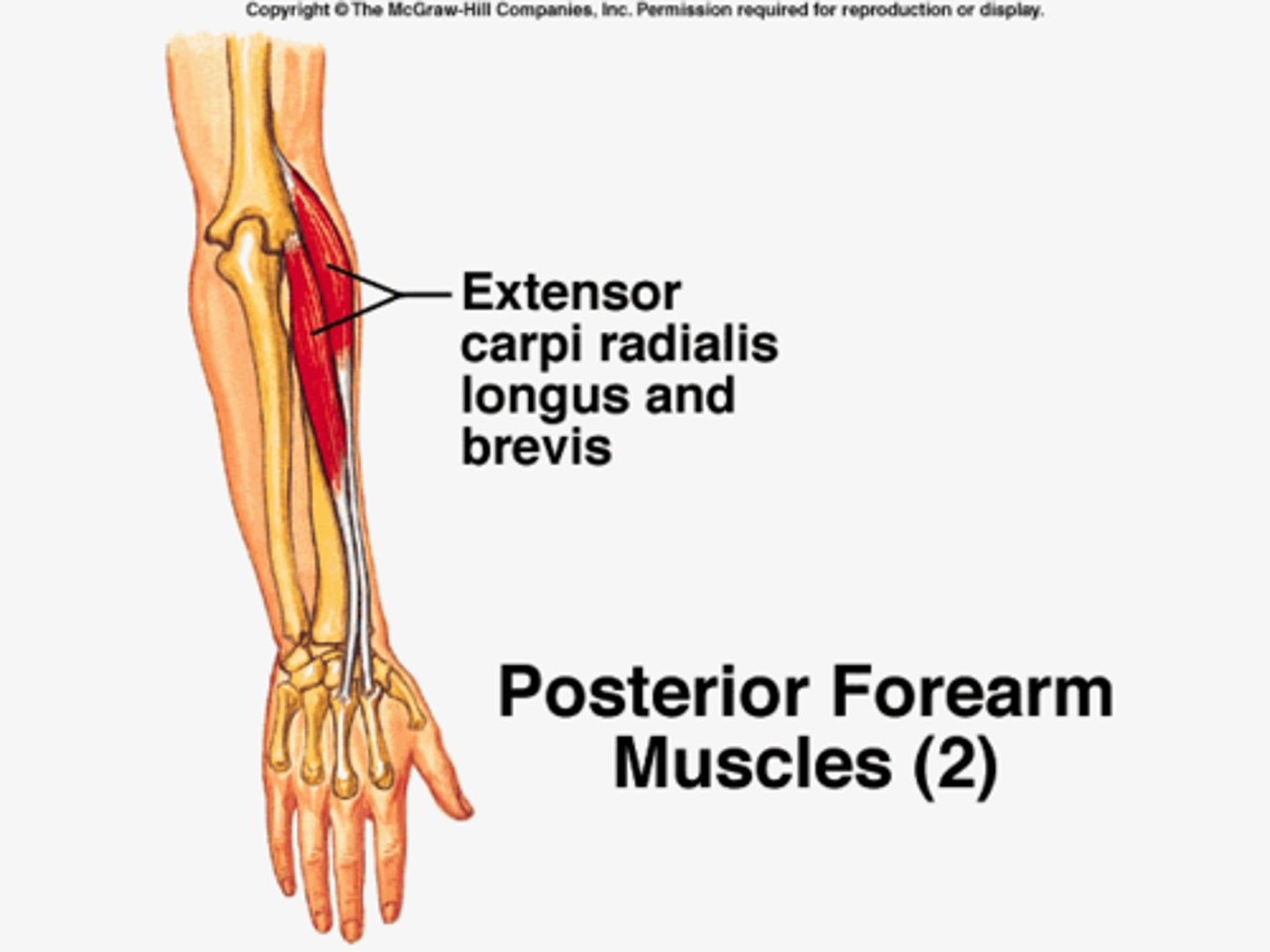
Extensor carpi radialis brevis
extensor carpi ulnaris
-Origin Common extensor tendon (lateral epicondyle), ulna
-Insertion 5th metacarpal
-Nerve Deep branch of the radial nerve (C7, C8)
-Actions extends and adducts the wrist
-Antagonist Flexor carpi radialis
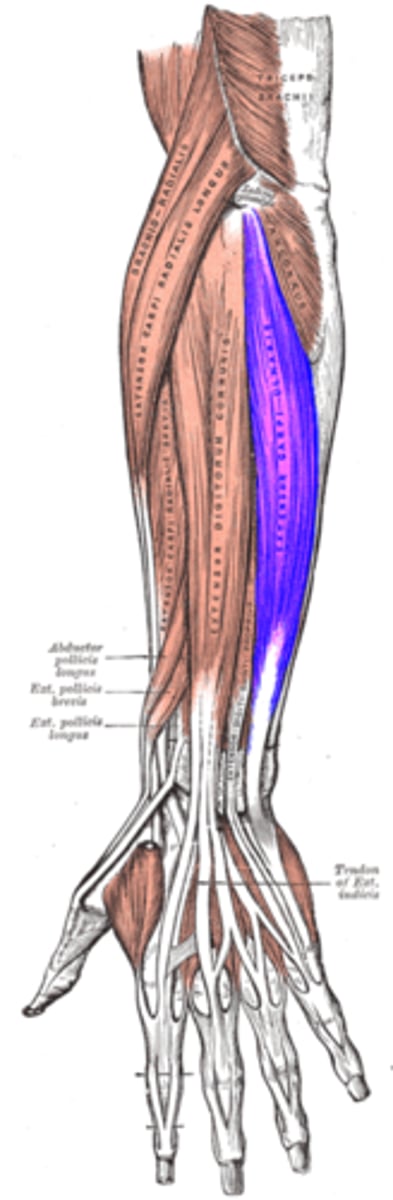
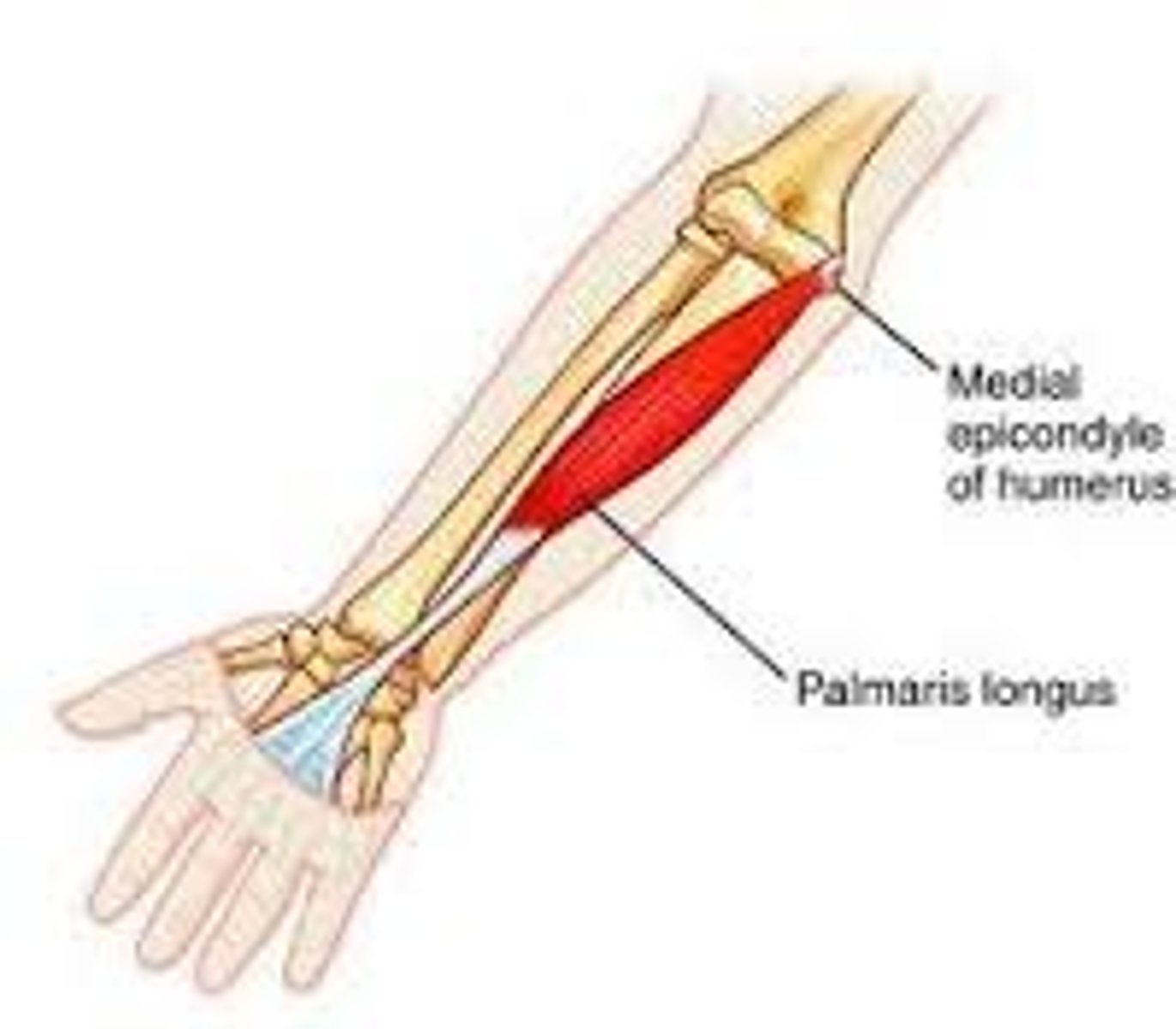
palmaris longus
-Origin medial epicondyle of humerus (common flexor tendon)
-Insertion palmar aponeurosis
-Nerve median nerve
-Actions wrist flexor
-Antagonist Extensor carpi radialis brevis, Extensor carpi radialis longus, Extensor carpi ulnaris
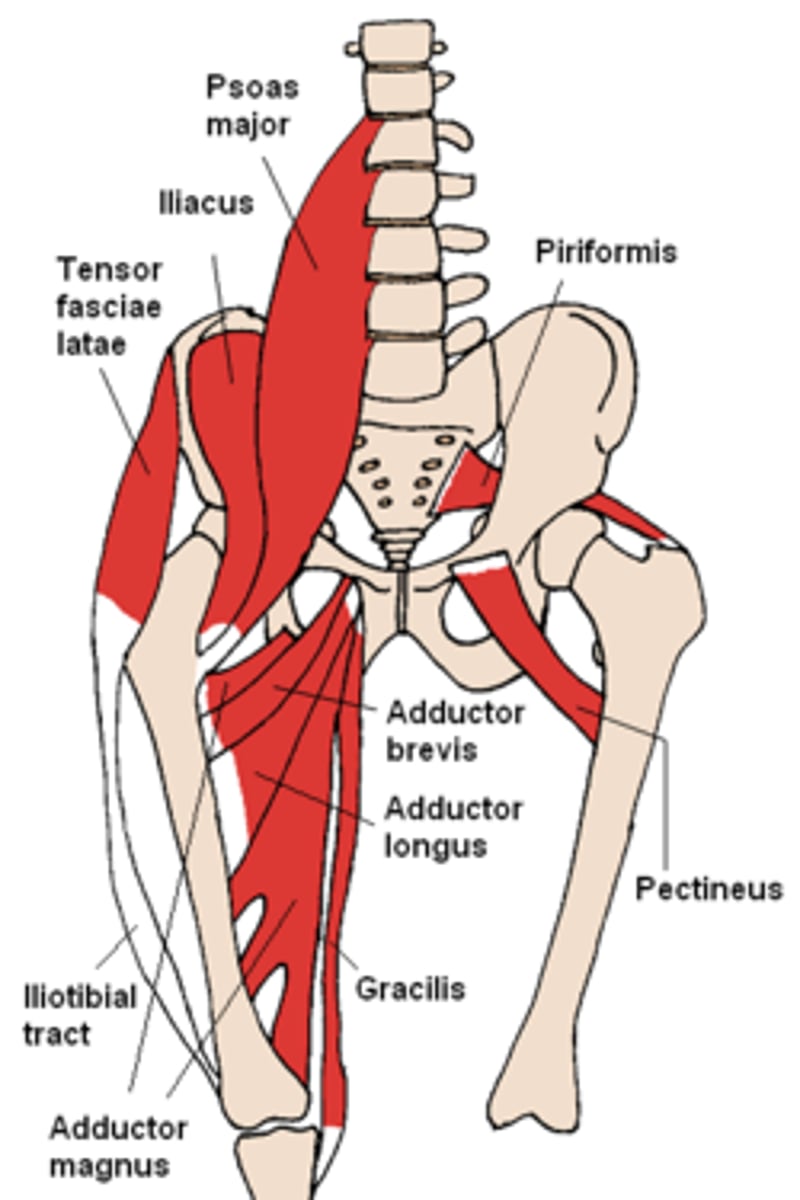
iliopsoas
-Origin Iliac fossa and lumbar spine
-Insertion Lesser trochanter of femur
-Nerve Branches from L1-L3
-Actions Flexion of hip
-Antagonist Gluteus maximus and the posterior compartment of thigh
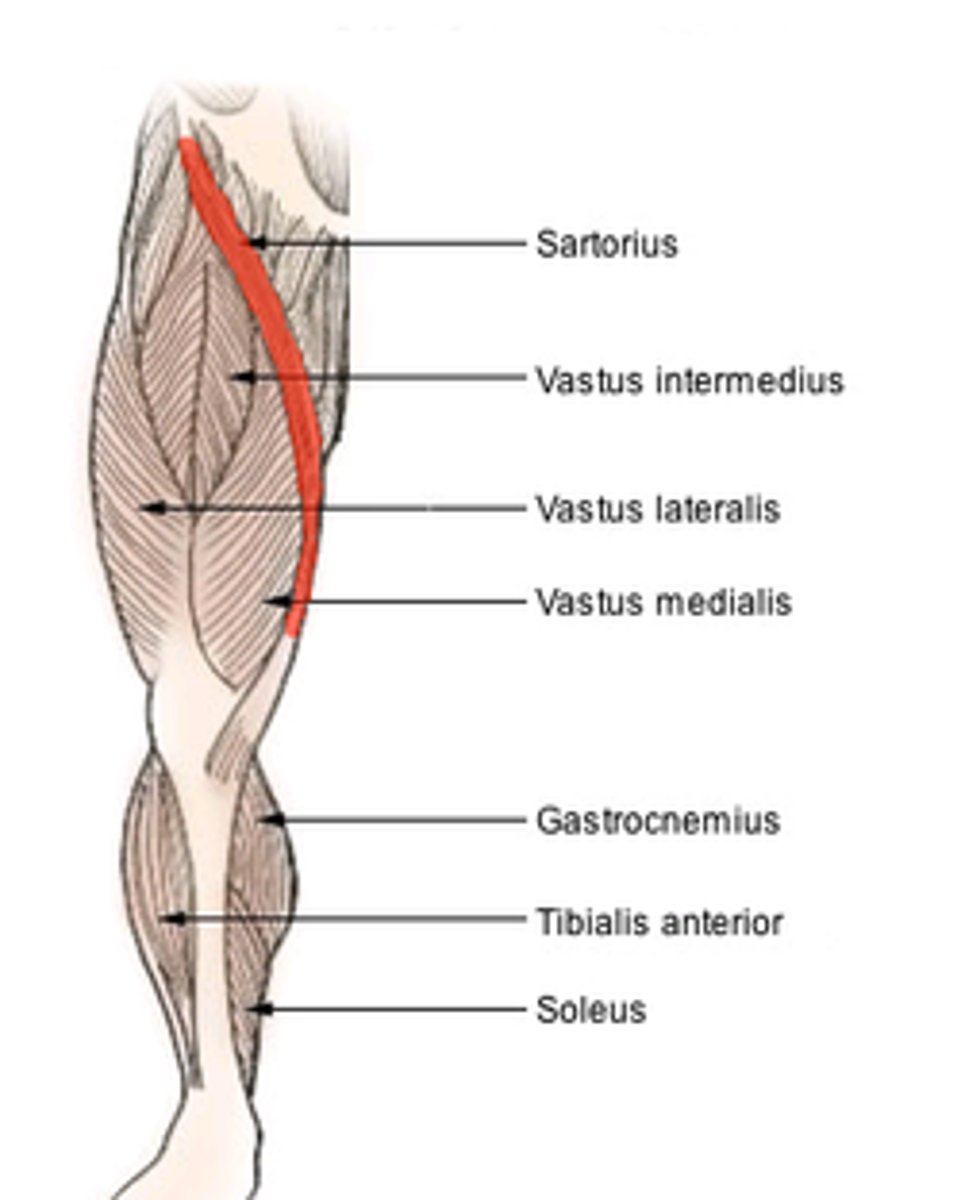
sartorius
-Origin Anterior superior iliac spine of the pelvic bone
-Insertion anteromedial surface of the upper tibia in the pes anserinus
-Nerve femoral nerve (sometimes from the intermediate cutaneous nerve of thigh)
-Actions Flexion, abduction, and lateral rotation of the hip, flexion of the knee
-tailor's muscle and longest.
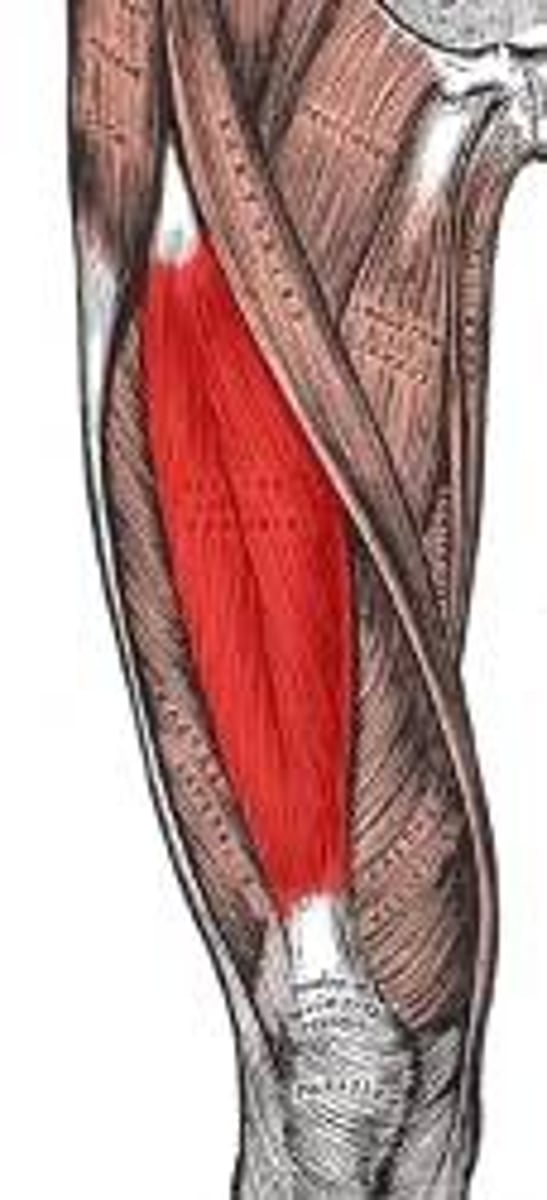
rectus femoris
-Origin anterior inferior iliac spine and the exterior surface of the bony ridge which forms the groove on the iliac portion of the acetabulum
-Insertion inserts into the patellar tendon as one of the four quadriceps muscles
-Nerve femoral nerve
-Actions knee extension; hip flexion
-Antagonist Hamstring
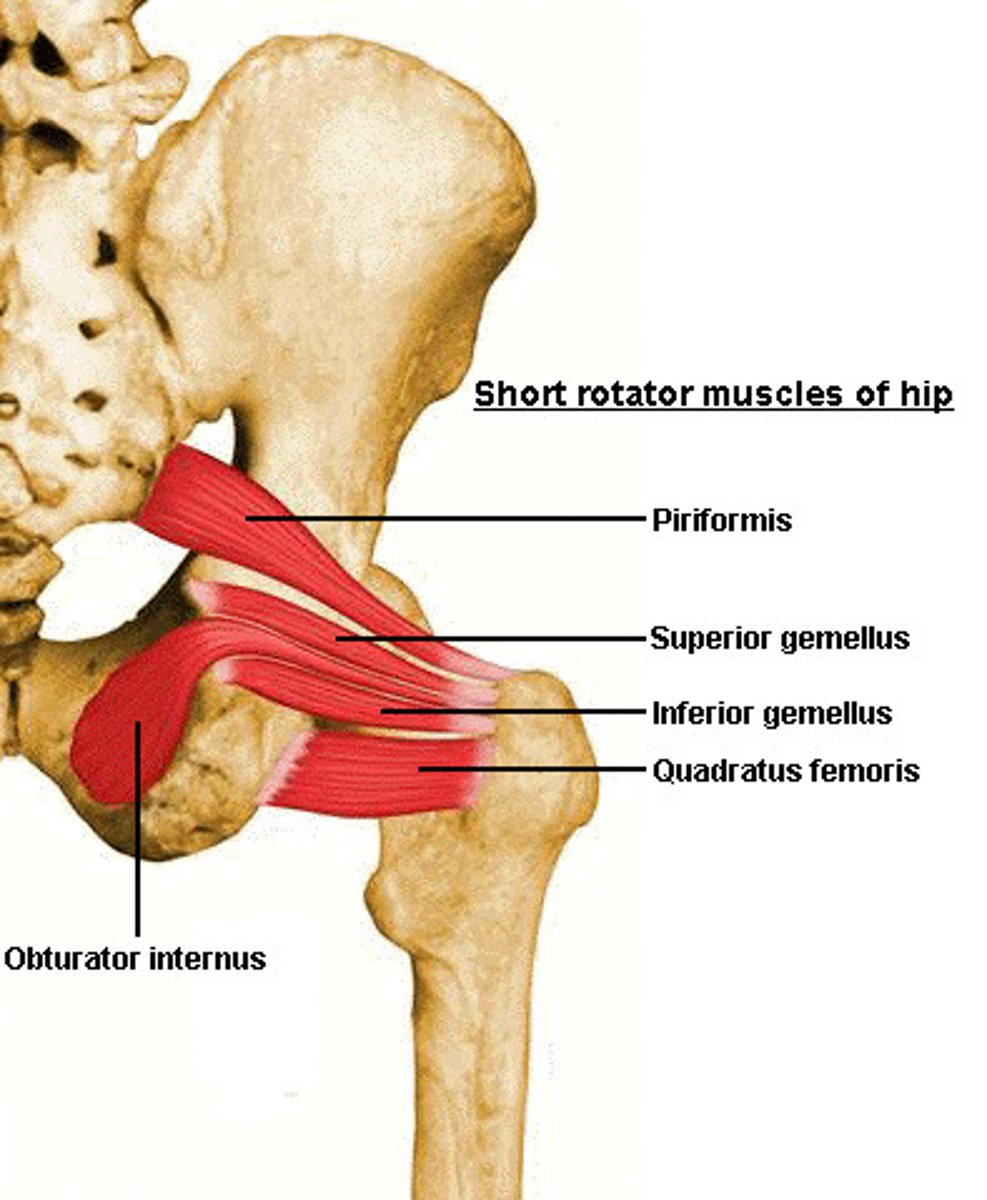
piriformis
-Origin Sacrum
-Insertion Greater trochanter
-Nerve Nerve to the piriformis (L5, S1, and S2)
-Actions External rotator of the thigh
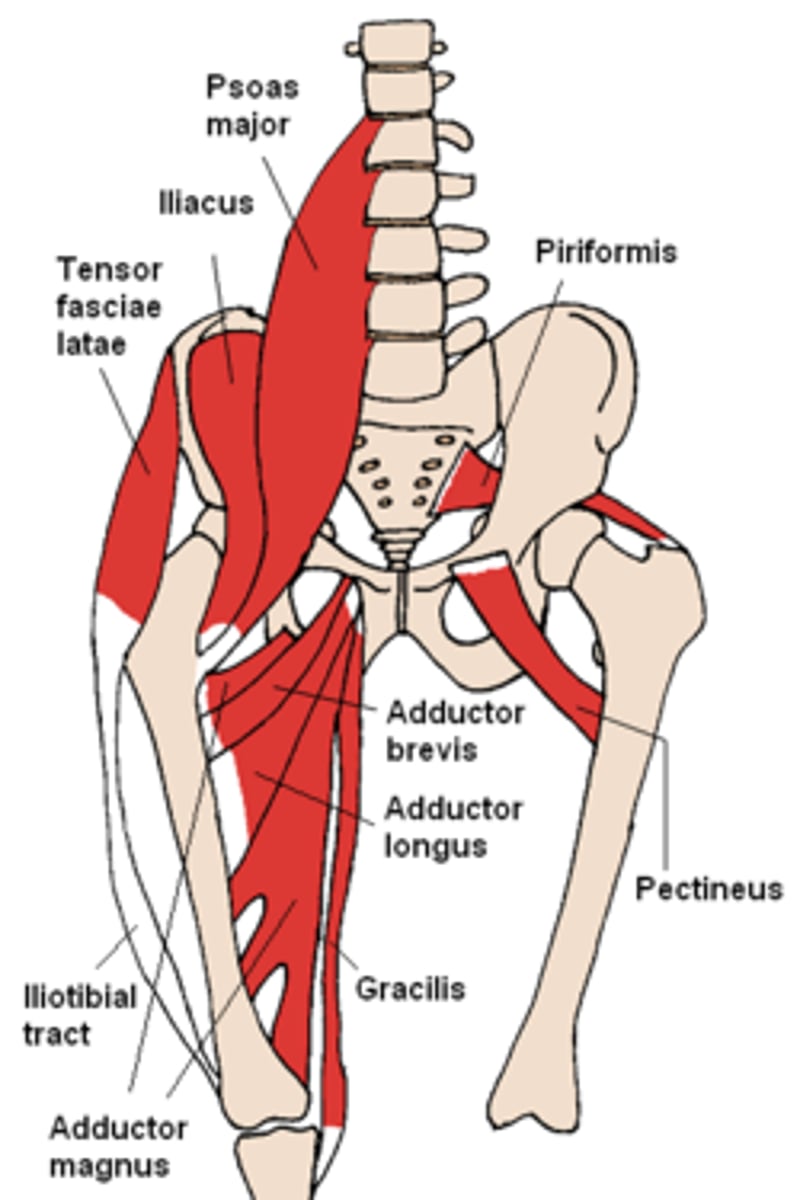
gracilis
-Origin ischiopubic ramus
-Insertion tibia (pes anserinus)
-Nerve anterior branch of obturator nerve
-Actions flexes, medially rotates, and adducts the hip,
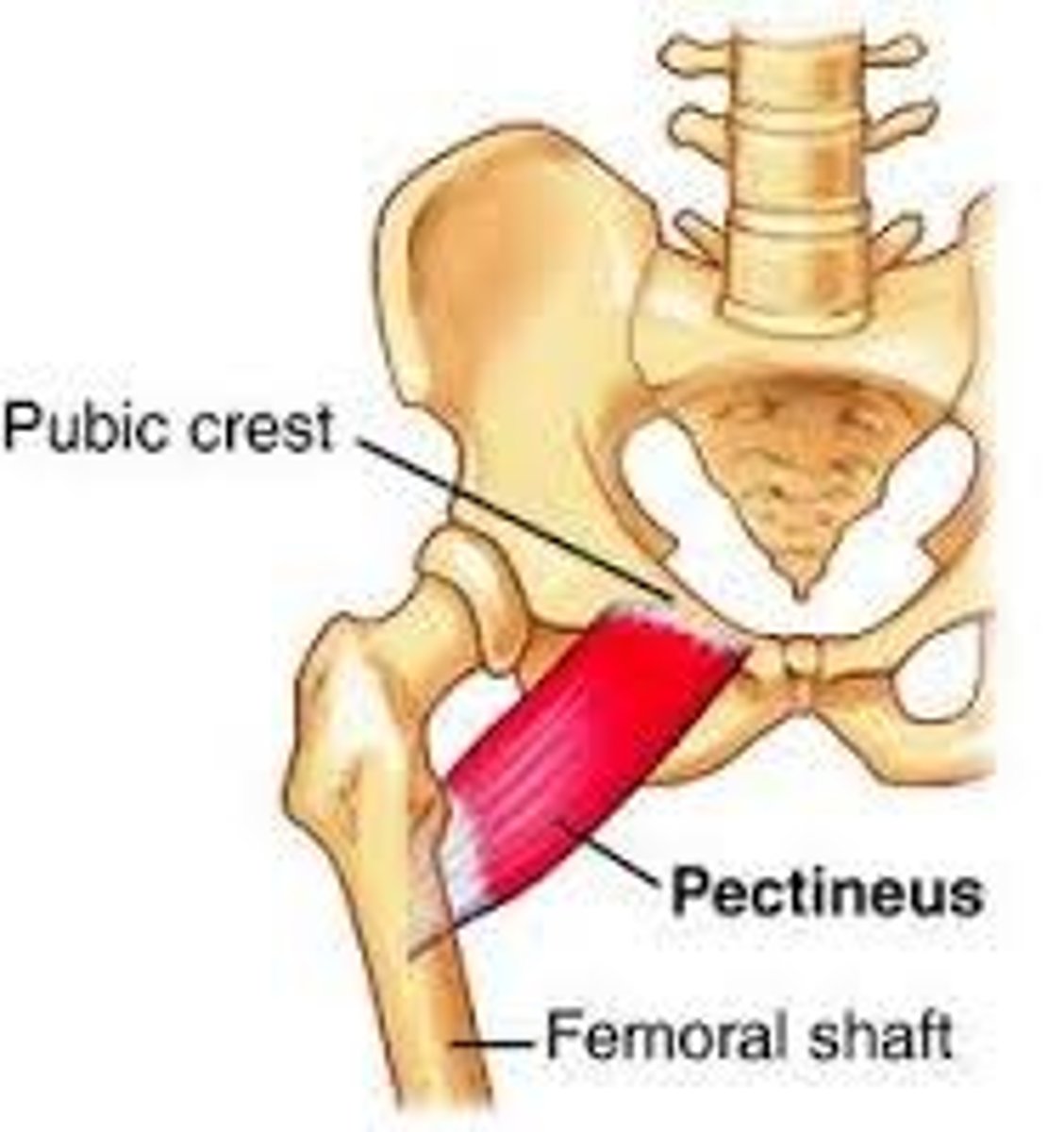
pectinus
-Origin Pectineal line of the pubic bone
-Insertion Pectineal line of the femur
-Nerve Femoral nerve, sometimes obturator nerve
-Actions flexion and adduction of thigh
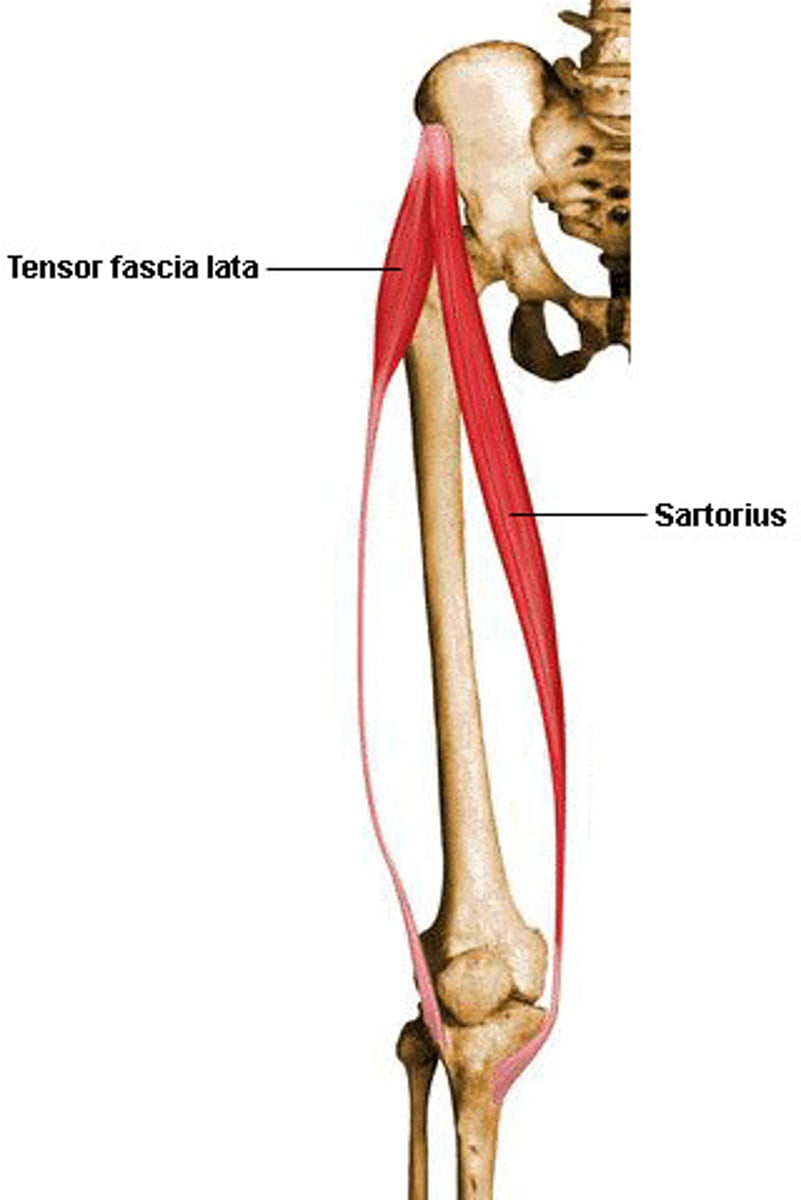
tensor fascia latae
-Origin Iliac crest
-Insertion Iliotibial tract
-Nerve Superior gluteal nerve (L4, L5, S1)
-Actions
=Hip; flexion, medial rotation, abduction
*hamstring*
-Origin tuberosity of the ischium, linea aspera
-Insertion tibia, fibula
-Nerve: sciatic nerve (tibial nerve and common fibular nerve)
-Actions: flexion of knee, extension of hip
-Antagonist: Rectus femoris muscle
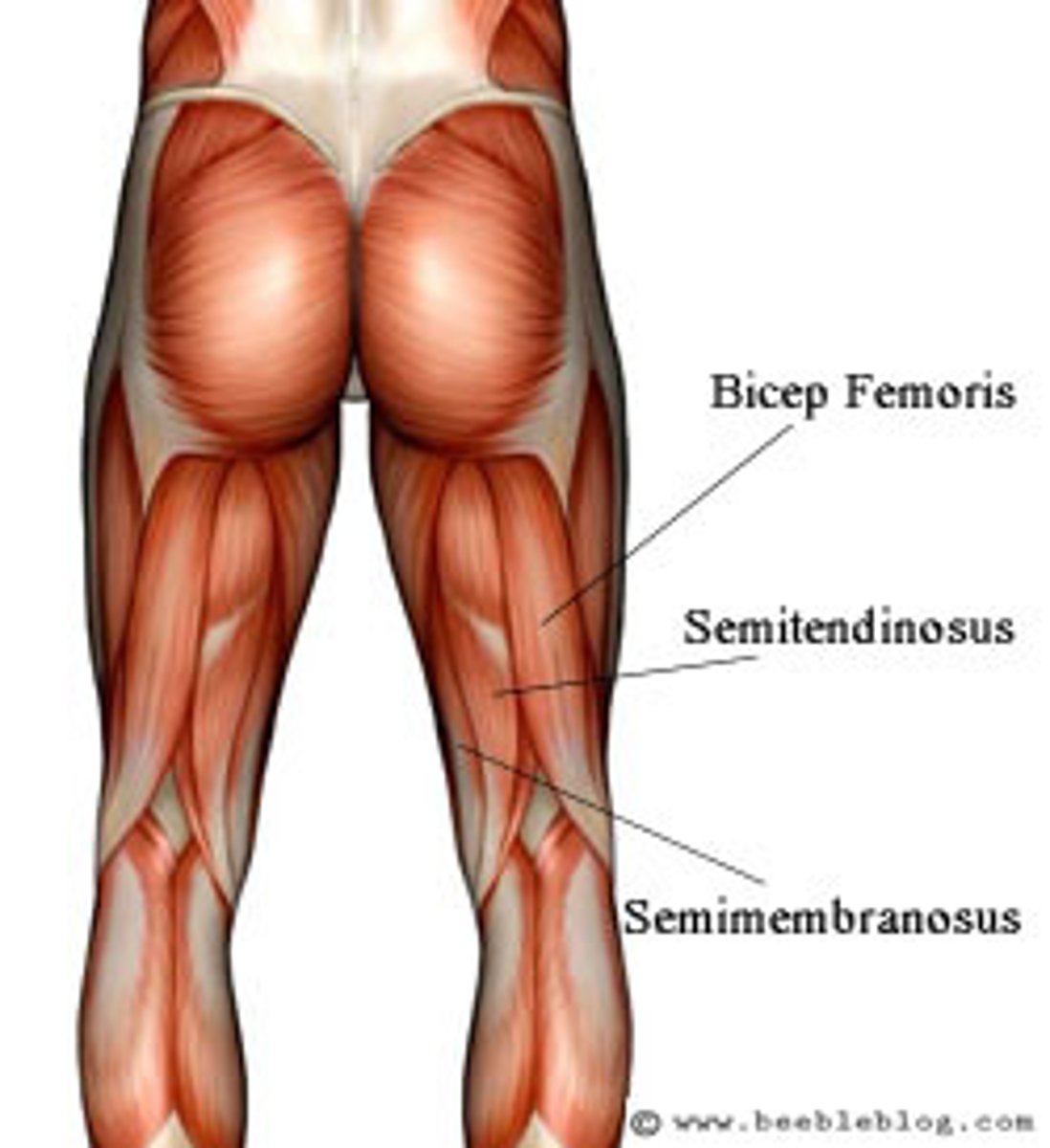
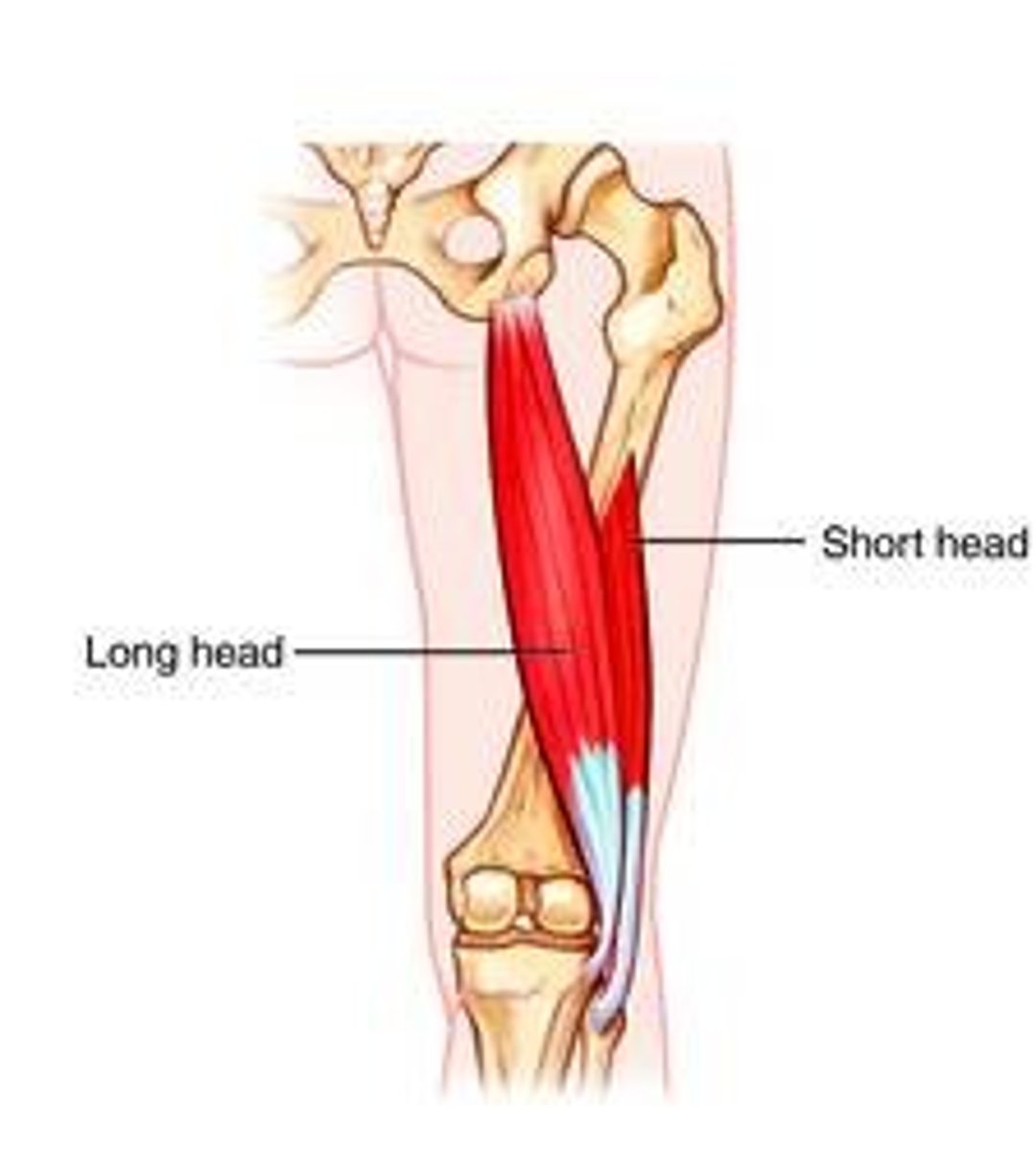
biceps femoris
-Origin tuberosity of the ischium, linea aspera, femur
-Insertion the head of the fibula which articulates with the back of the lateral tibial condyle
-Nerve
=long head: tibial nerve
=short head: common fibular nerve
-Actions
=flexes knee joint,
=laterally rotates knee joint (when knee is flexed),
=extends hip joint (long head only)
-Antagonist Quadriceps muscle
semitendinosus
-Origin Tuberosity of the ischium
-Insertion Pes anserinus (tibia)
-Nerve Sciatic (tibial, L5, S1, S2)
-Actions Flexion of knee, extension of the hip joint
-Antagonist Quadriceps muscle
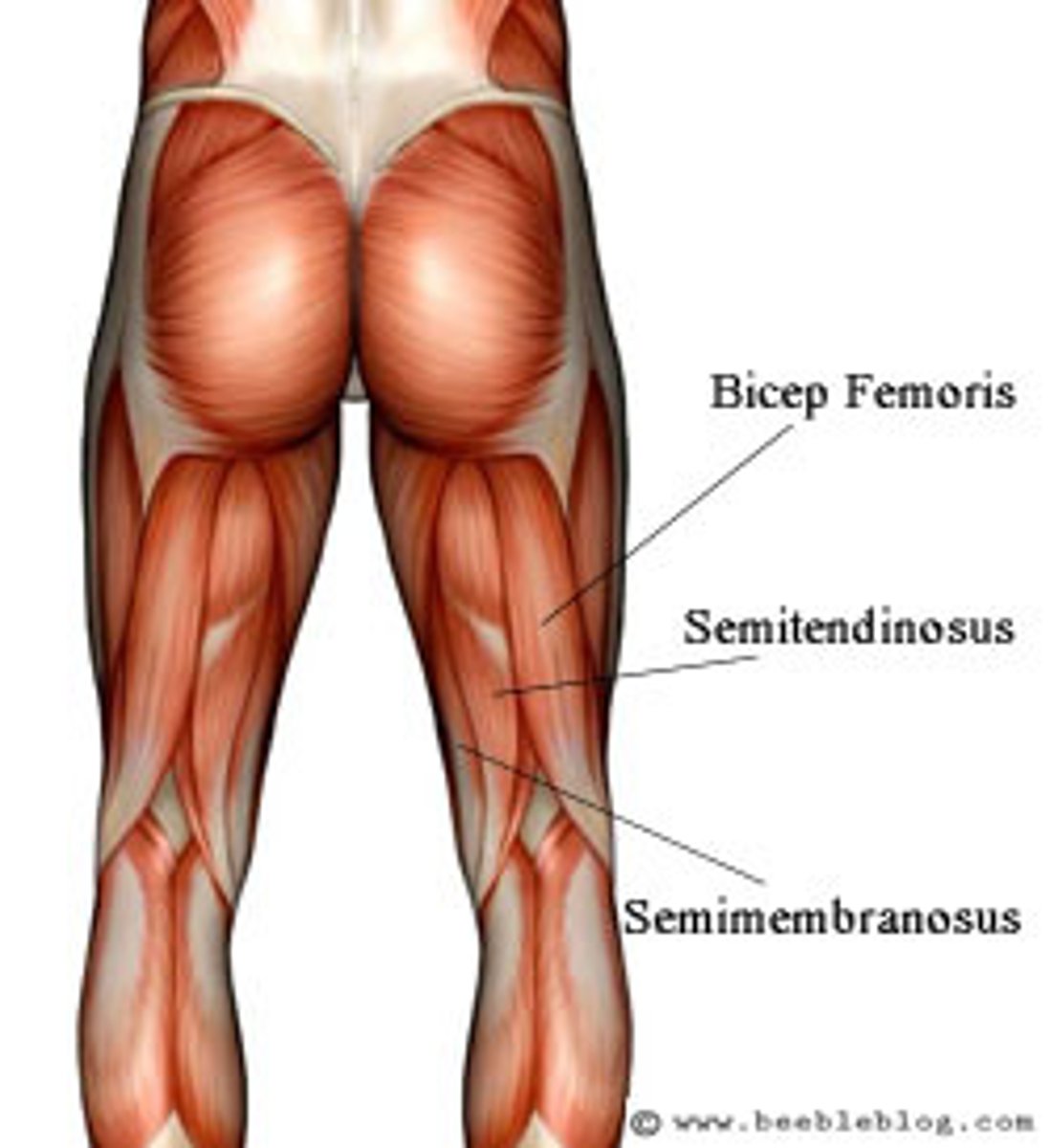
semimembranosus
-Origin Ischial tuberosity
-Insertion Medial condyle of tibia
-Nerve Tibial part of sciatic nerve
(L5, S1 and S2)
-Actions Extension of hip and flexion of knee
-Antagonist Quadriceps muscle and Tensor fasciae latae
*quadriceps*
-Origin Combined rectus: femoris and vastus muscles
-Insertion: Tibial tuberosity
-Nerve: Femoral nerve
-Actions
=Knee extension
=Hip flexion (Rectus femoris only)
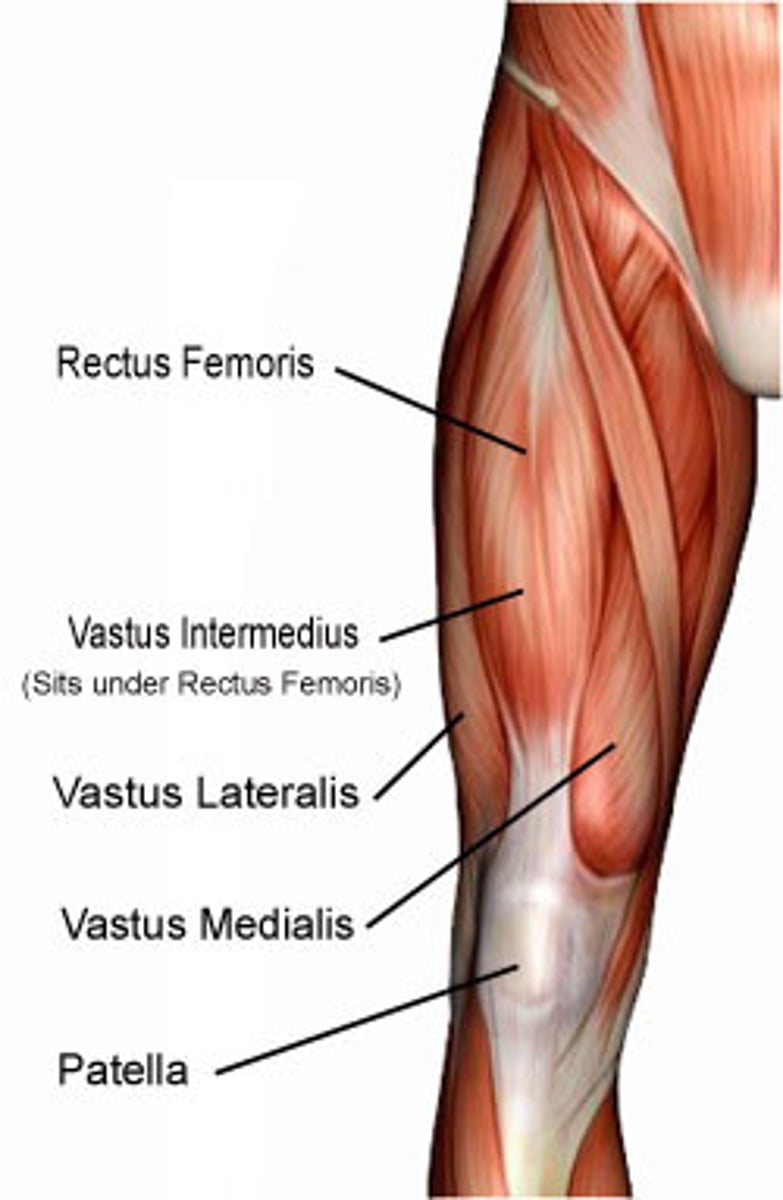
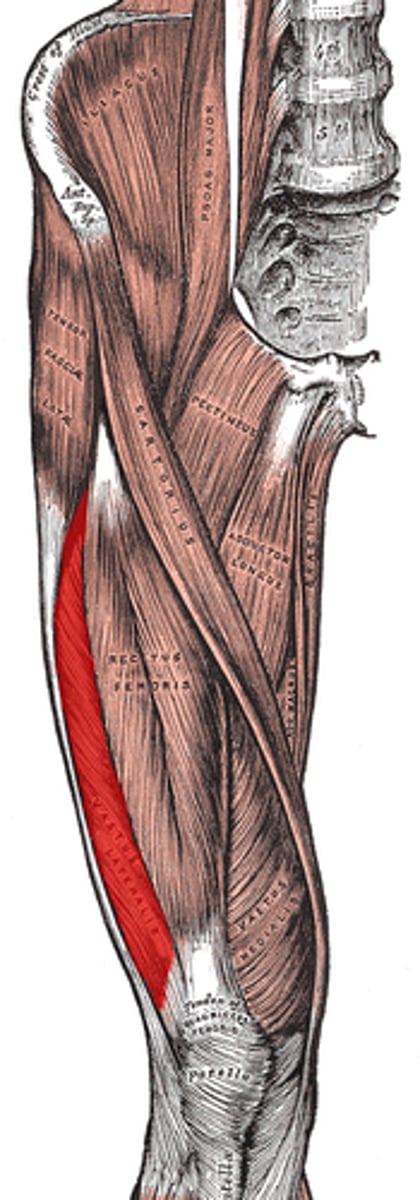
vastus lateralis
-Origin Greater trochanter, Intertrochanteric line, and Linea aspera of the Femur
-Insertion Patella via the Quadriceps tendon and Tibial tuberosity via the Patellar ligament
-Nerve femoral nerve
-Actions Extends and stabilizes knee
-Antagonist Hamstring
vastus intermedius
-Origin antero/ lateral femur
-Insertion Quadriceps tendon
-Nerve femoral nerve
-Actions Extension of knee joint
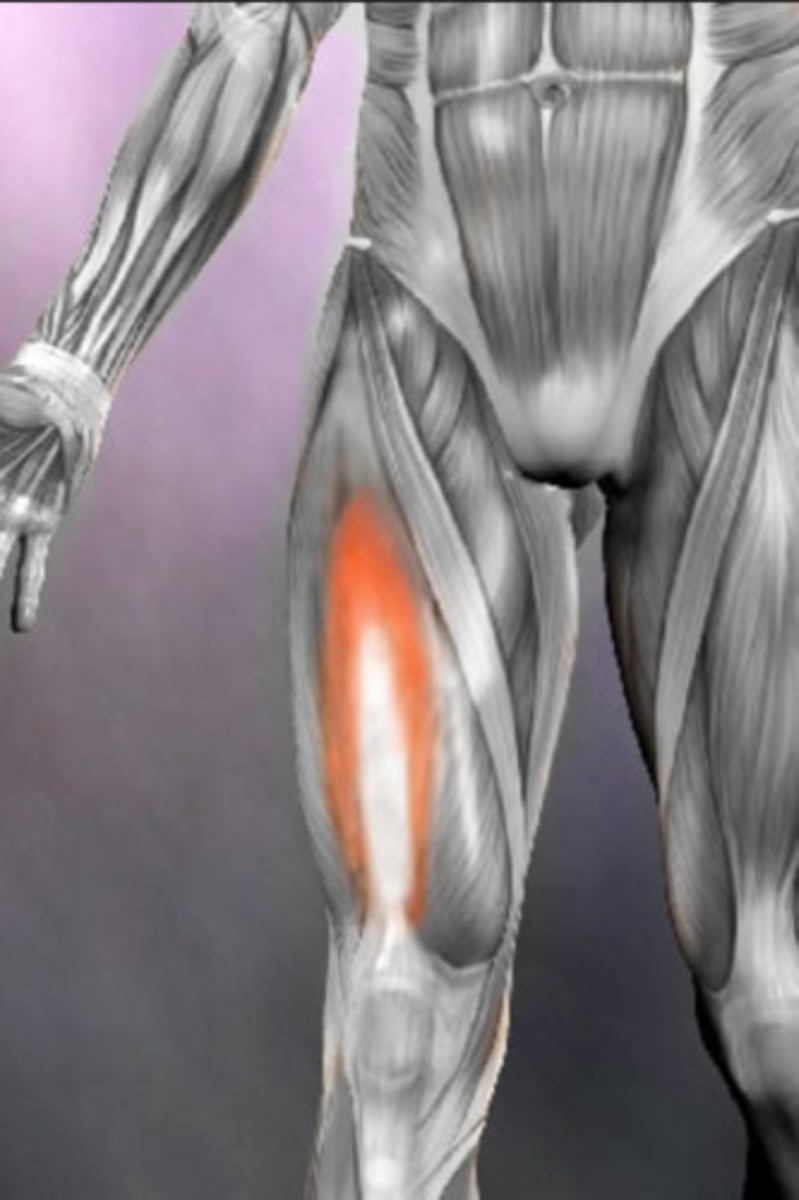
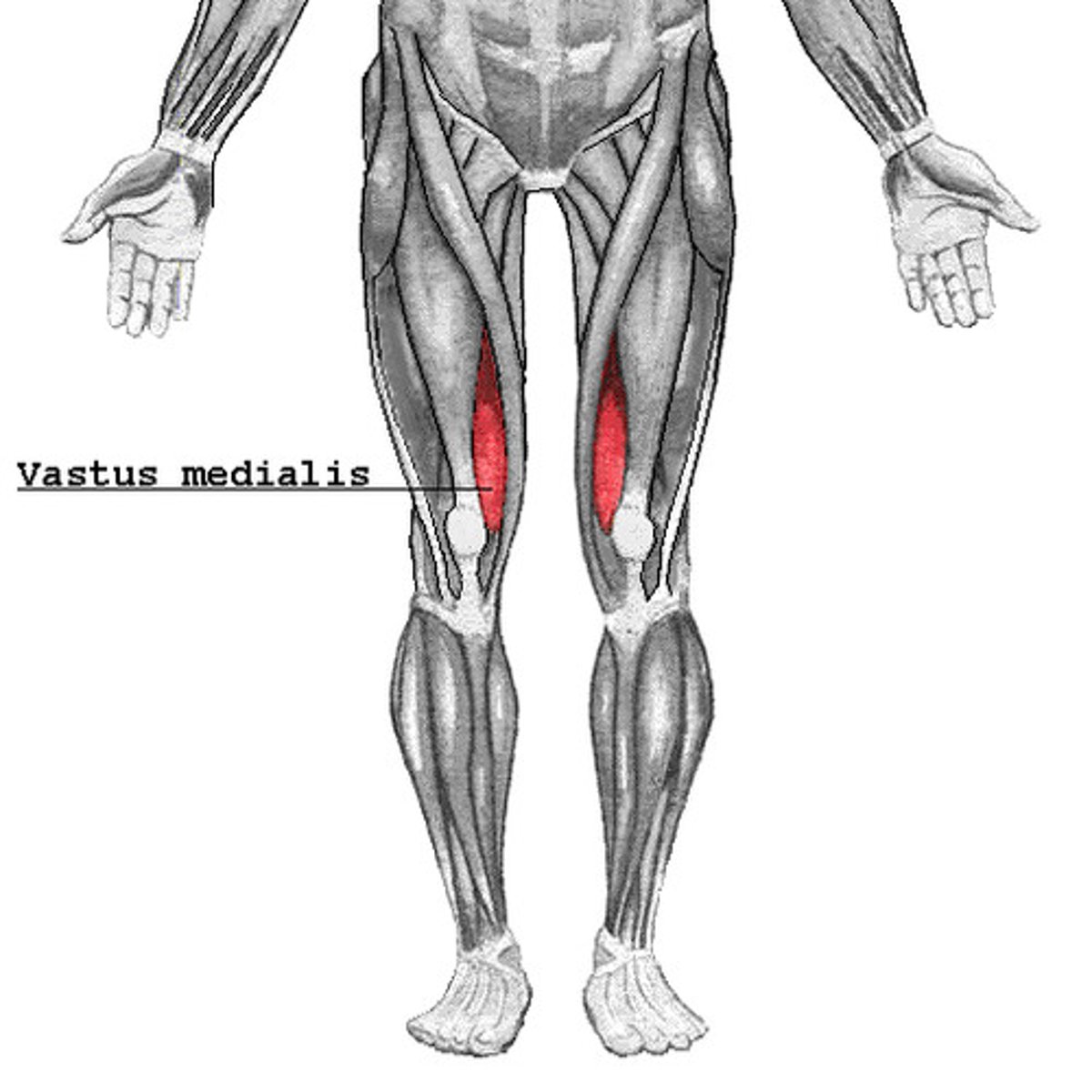
vastus medialis
-Origin Medial side of femur
-Insertion Quadriceps tendon
-Nerve Femoral nerve
-Actions Extends leg
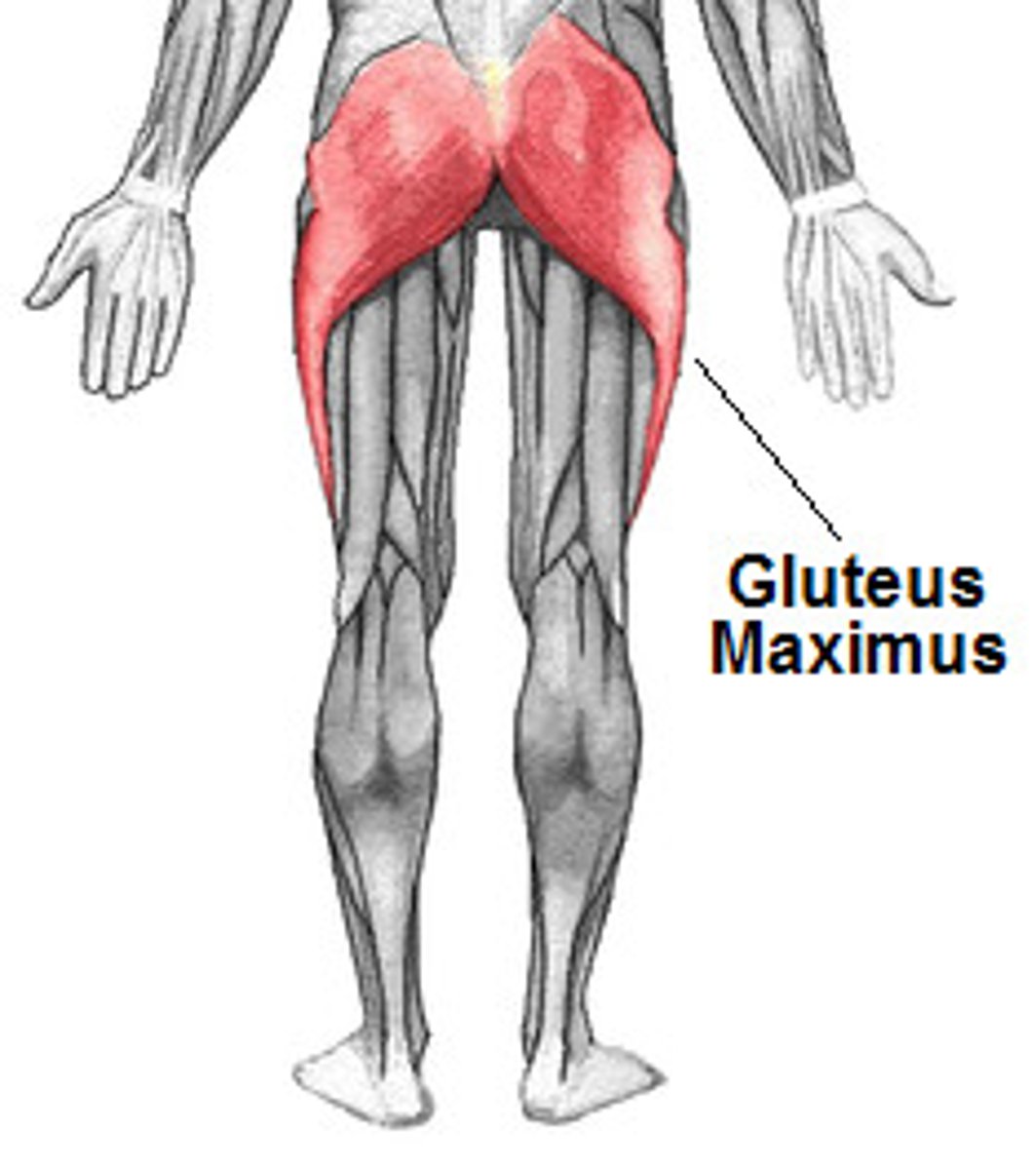
*gluteus maximus*
-Origin Gluteal surface of ilium, lumbar fascia, sacrum, sacrotuberous ligament
-Insertion Gluteal tuberosity of the femur and iliotibial tract
-Nerve Inferior gluteal nerve (L5, S1 and S2 nerve roots)
-Actions
=External rotation and extension of the hip joint
=chief antigravity muscle in sitting and abduction of the hip
-Antagonist iliopsoas
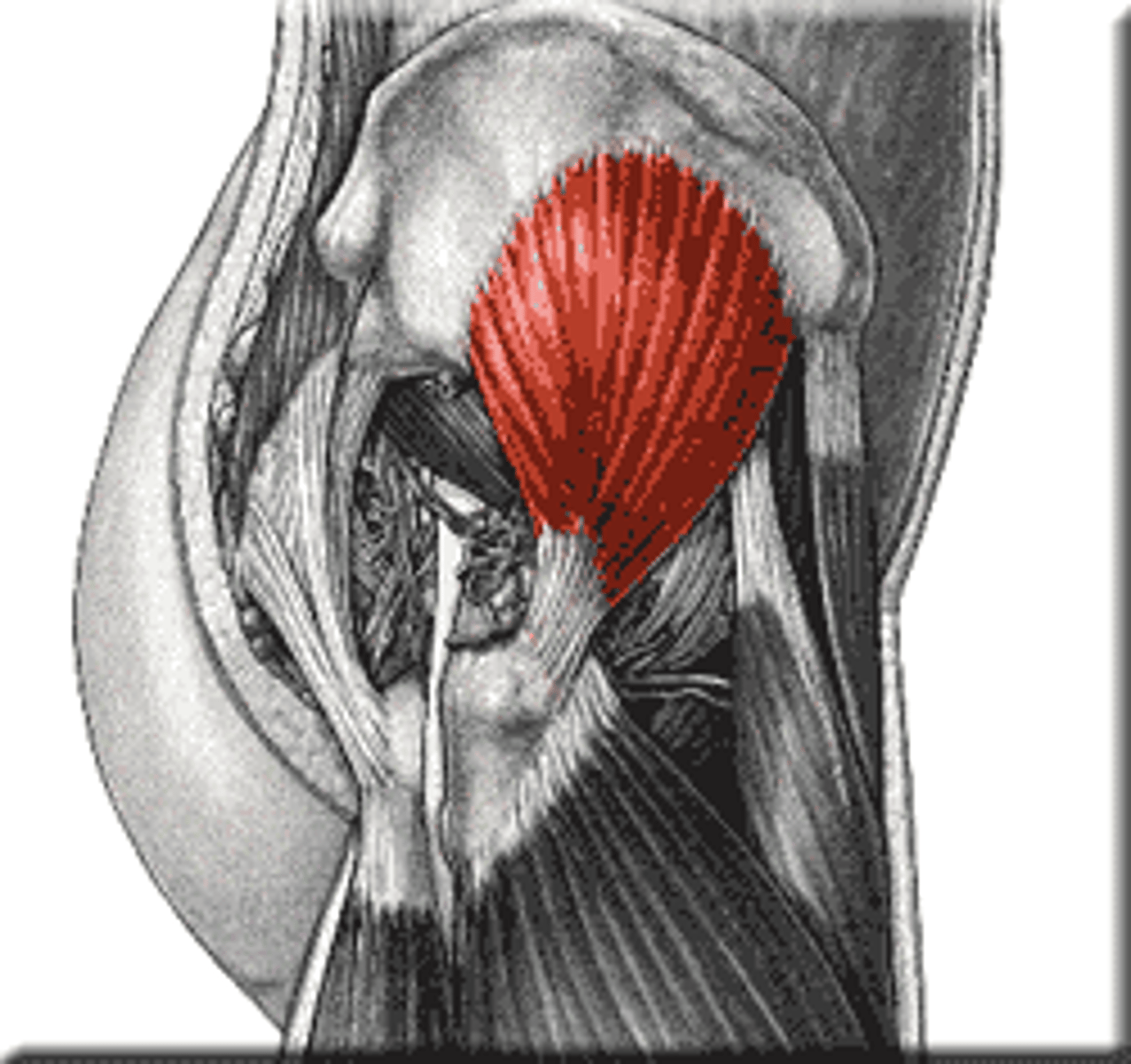
*gluteus medius*
-Origin Gluteal surface of ilium, under gluteus maximus
-Insertion Greater trochanter of the femur
-Nerve superior gluteal nerve (L4, L5, S1 nerve roots)
-Actions
=abduction of the hip
=Medial rotation of thigh.
-Antagonist adductors
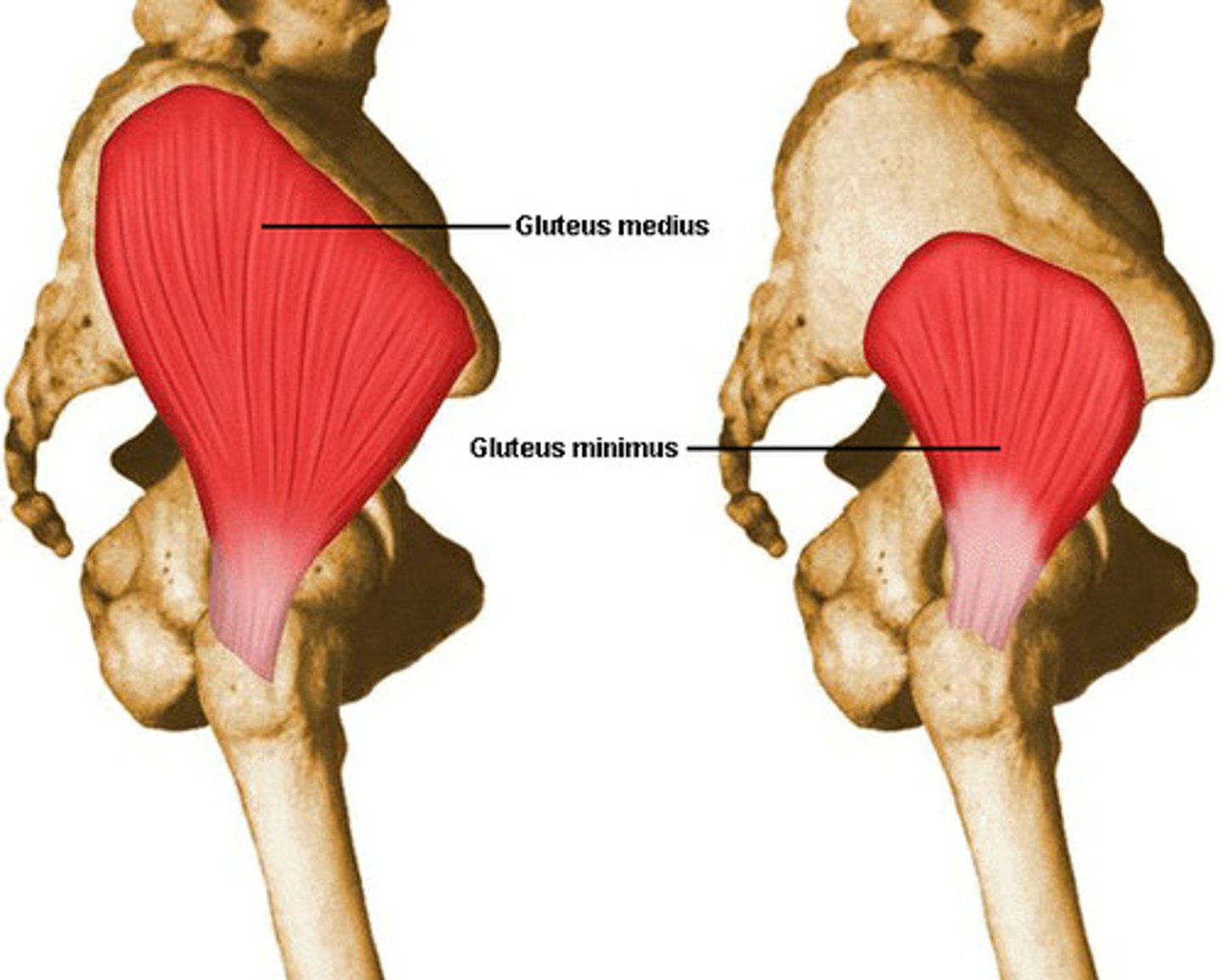
gluteus minimus
-Origin From area in between the anterior gluteal line and inferior gluteal line of Gluteal surface ilium, under gluteus medius.
-Insertion Greater trochanter of the femur
-Nerve superior gluteal nerve (L4, L5, S1 nerve roots)
-Actions
=Works in concert with gluteus medius: abduction of the hip
=Medial rotation of thigh.
-Antagonist lateral rotator group
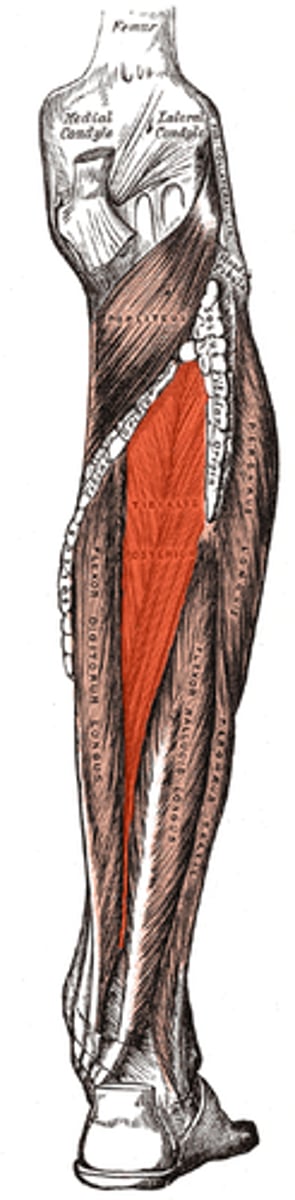
*tibialis posterior*
-Origin Tibia and fibula
-Insertion: Navicular and medial cuneiform bone
-Nerve Tibial nerve
-Actions
=Inversion of the foot.
-Antagonist Fibularis brevis
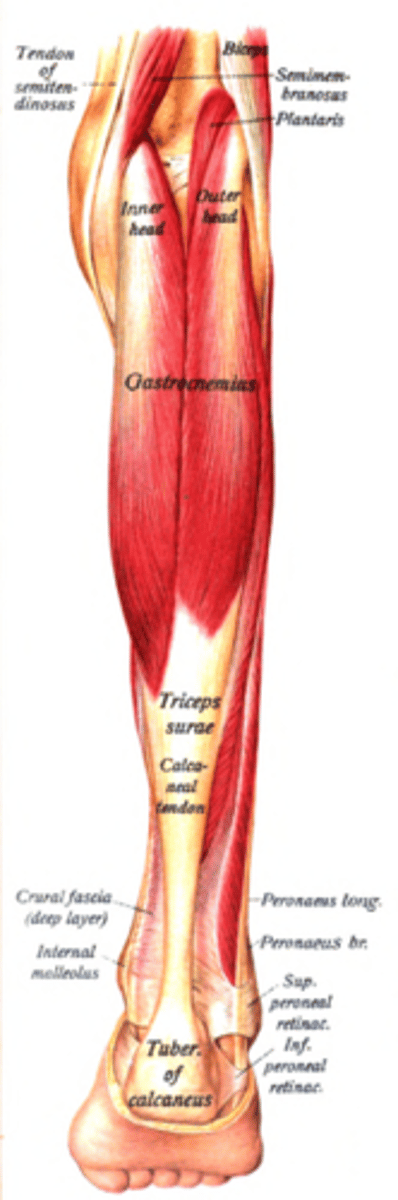
*GCM*
-Origin superior to articular surfaces of lateral condyle of femur and medial condyle of femur
-Insertion: tendon calcaneus (achilles tendon) into mid-posterior calcaneus
-Nerve tibial nerve from the sciatic, specifically, nerve roots S1-S2
-Actions:
= plantar flexes foot,
=flexes knee
-Antagonist Tibialis anterior muscle
soleus
-Origin fibula, medial border of tibia (soleal line)
=Insertion tendo calcaneus
-Nerve tibial nerve, specifically, nerve roots L5-S2
-Actions plantarflexion
-Antagonist tibialis anterior
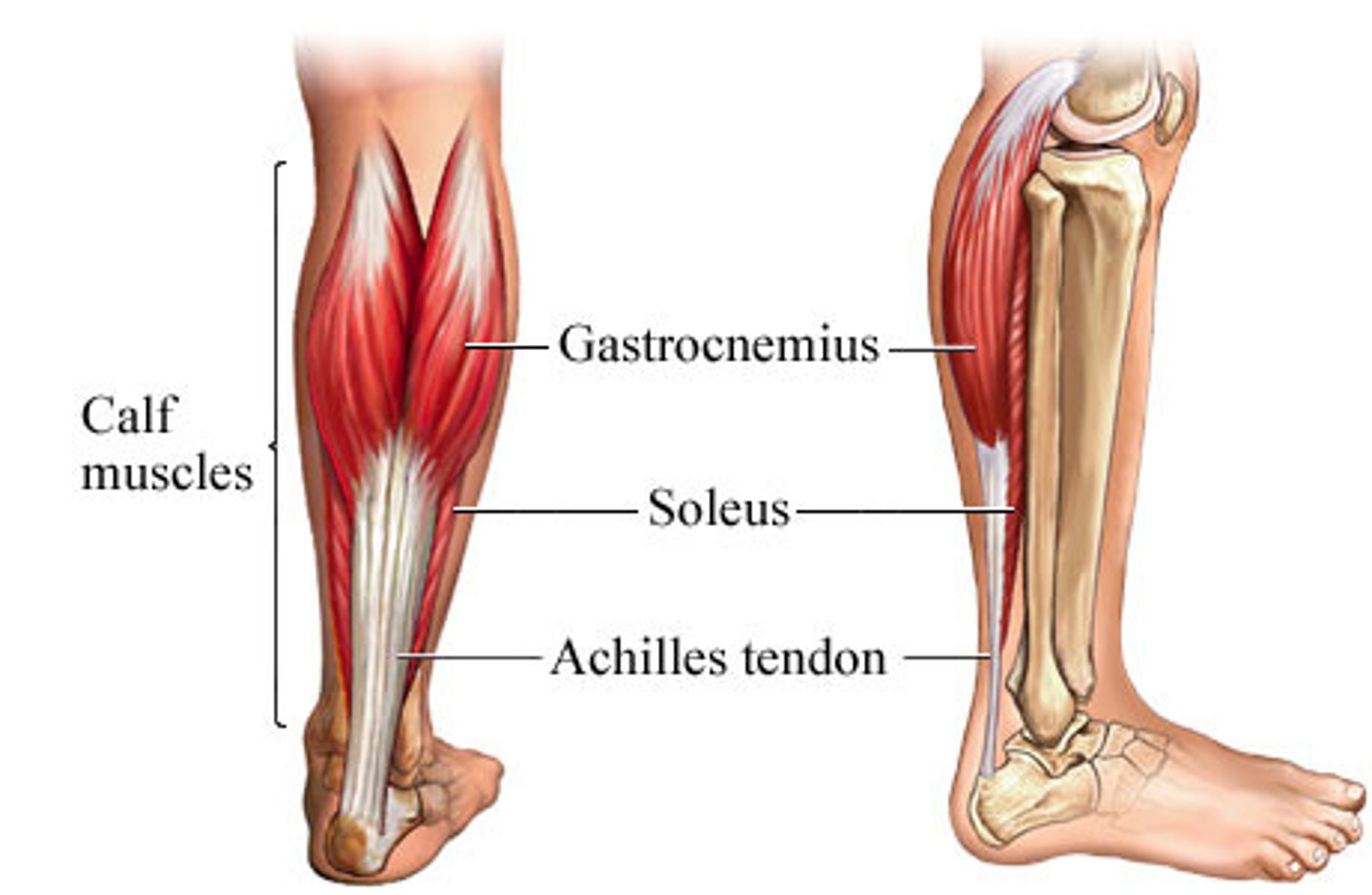
triceps surae
calf muscle:gcm, soleus, achilles tendon
peroneus longus
-Origin Upper lateral shaft of fibula
-Insertion first metatarsal, medial cuneiform
[same insertion as Tibialis Anterior]
-Nerve Superficial fibular (peroneal) nerve
-Actions plantarflexion, eversion,
-Antagonist Tibialis anterior muscle that does Inversion and Dorsiflexion
![<p>-Origin Upper lateral shaft of fibula</p><p>-Insertion first metatarsal, medial cuneiform</p><p>[same insertion as Tibialis Anterior]</p><p>-Nerve Superficial fibular (peroneal) nerve</p><p>-Actions plantarflexion, eversion,</p><p>-Antagonist Tibialis anterior muscle that does Inversion and Dorsiflexion</p>](https://knowt-user-attachments.s3.amazonaws.com/0625cb12-668d-42fd-a5cd-3dda06b1921d.jpg)
peroneus brevis
-Origin Lower two-thirds of lateral fibula
-Insertion Fifth metatarsal
-Nerve Superficial fibular nerve
-Actions Plantarflexion, eversion
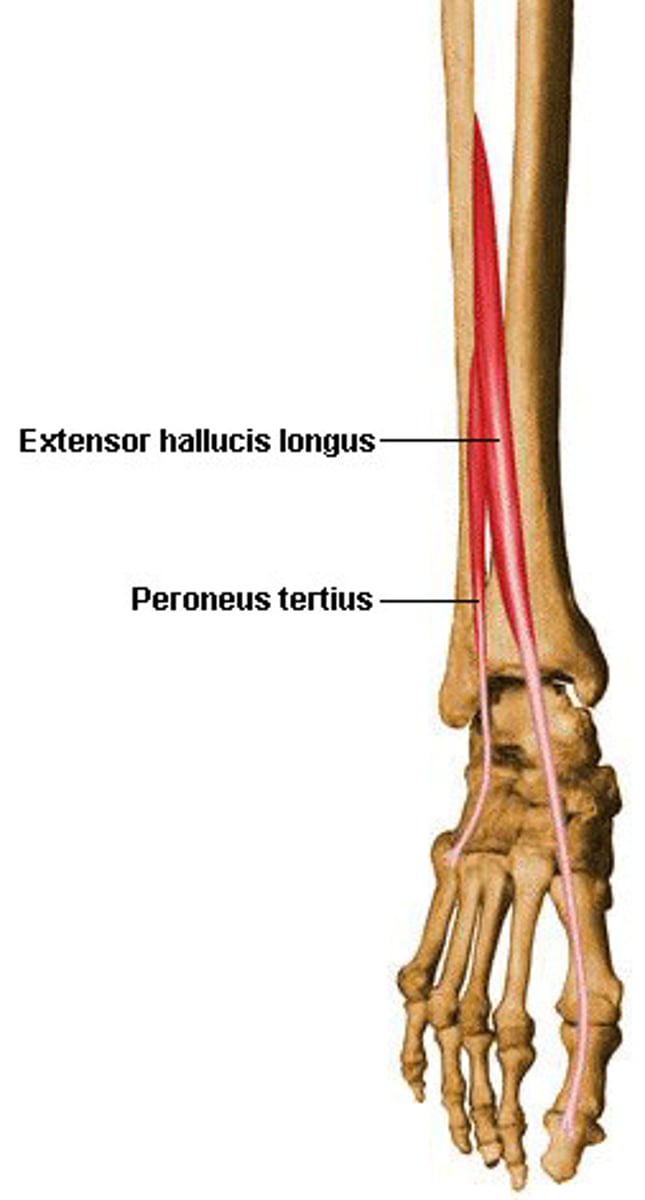
peroneus tertius
-Origin distal anterior surface of the fibula also the interosseous membrane
-Insertion dorsal surface of metatarsal 5
-Nerve deep fibular nerve
-Actions dorsiflexion and eversion of the foot
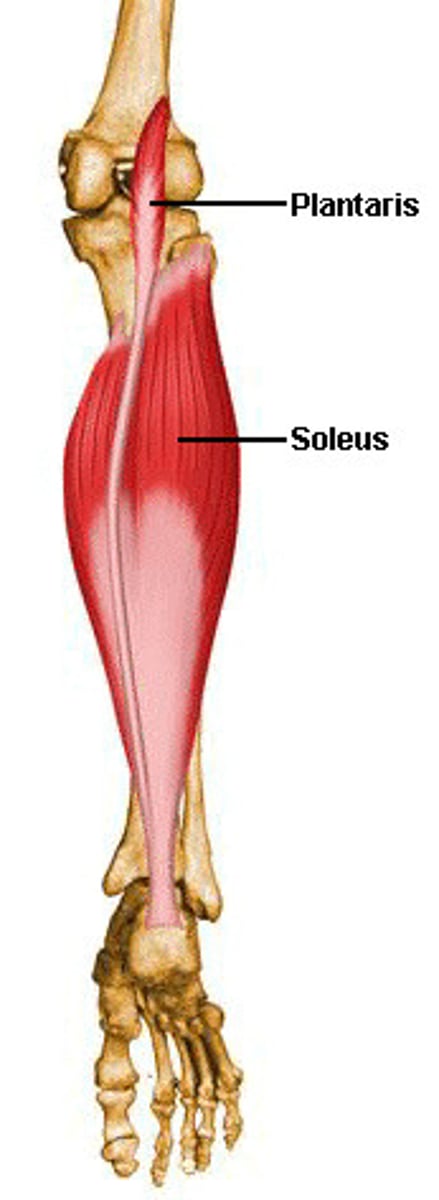
plantaris
-Origin: Lateral supracondylar ridge of femur above lateral head of gastrocnemius
-Insertion: Tendon calcaneus (medial side, deep to gastrocnemius tendon)
-Nerve tibial nerve from S1-S2
-Actions Plantar flexes foot and flexes knee
-Antagonist Tibialis anterior muscle
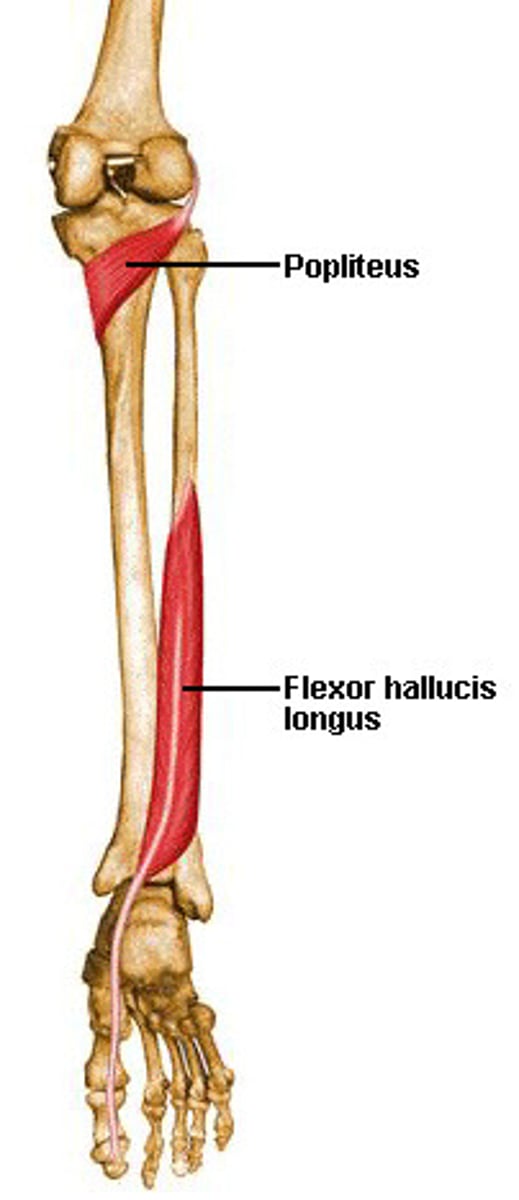
flexor hallucis
-Origin fibula, posterior aspect of middle 1/3
-Insertion Plantar surface; base of distal phalanx of hallux
-Nerve tibial nerve, S2 & S3 nerve roots
-Actions
=flexes all joints of the big toe,
=plantar flexion of the ankle joint
-Antagonist Extensor hallucis longus muscle
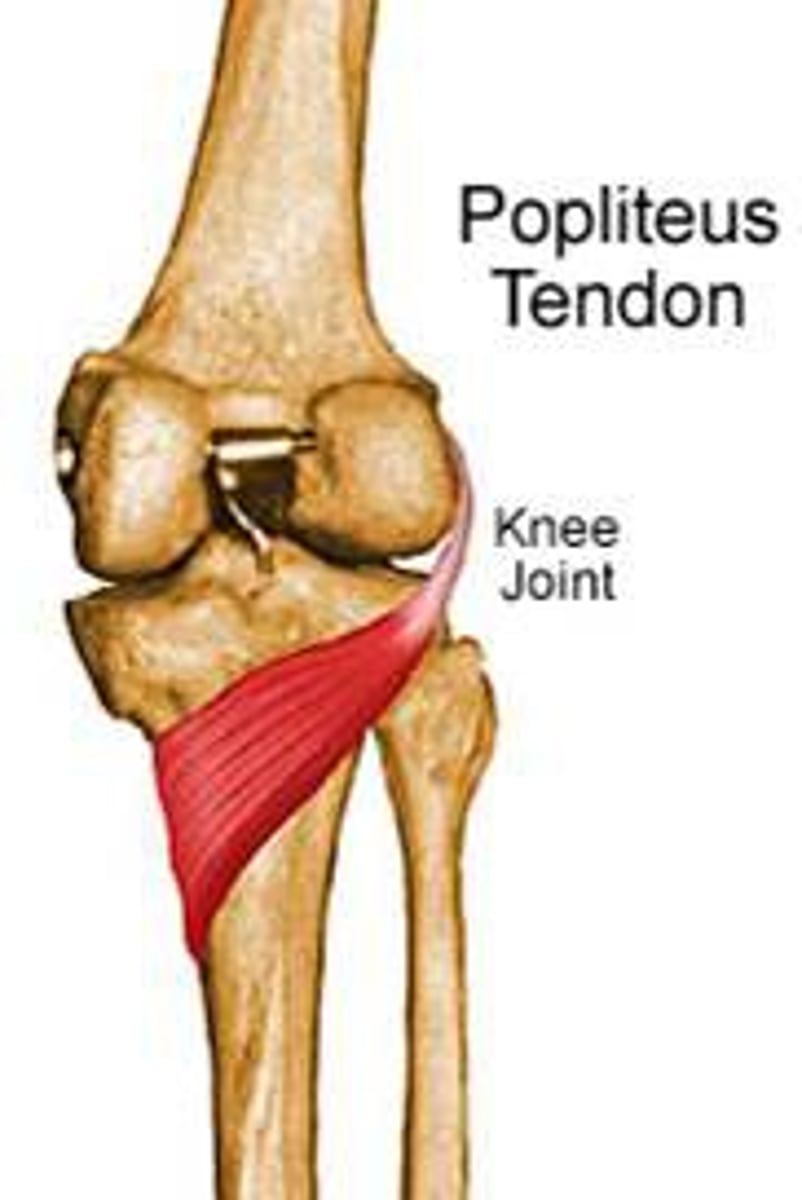
*popliteus*
-Origin lateral femoral epicondyle
-Insertion posterior surface of tibia proximal to soleus line
-Nerve Tibial nerve
-*Actions*
=Medially rotates tibia on the femur if the femur is fixed (sitting down) or
= laterally rotates femur on the tibia if tibia is fixed (standing up),
=unlocks the knee to allow flexion (bending)
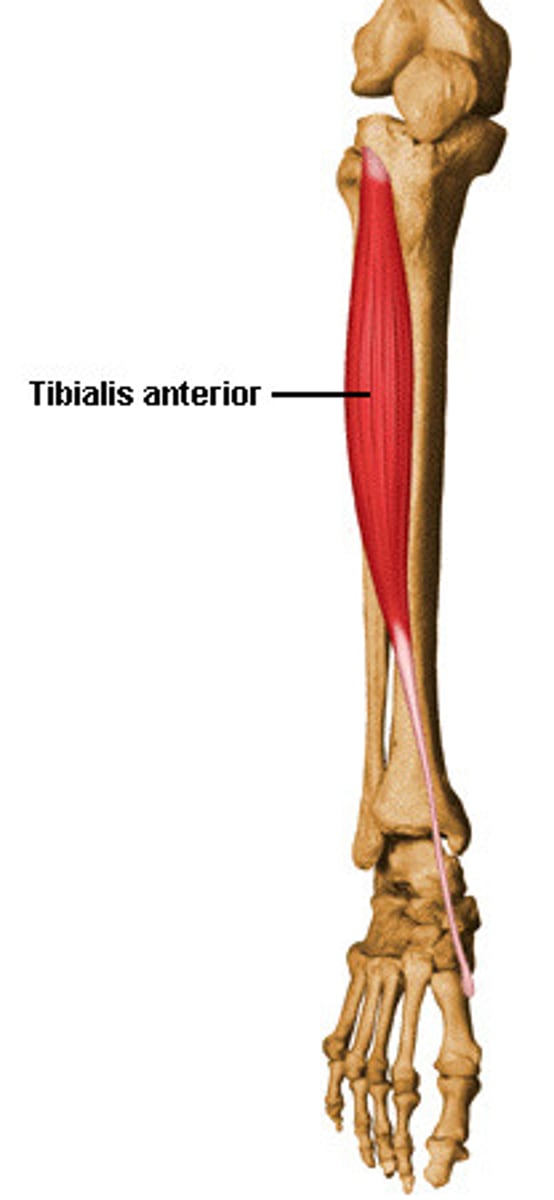
tibialis anterior
-Origin Upper 1/2 & Lateral Condyle of Tibia
-Insertion medial cuneiform and first metatarsal bones of the foot
-Nerve: Deep Fibular (peroneal) nerve (L5)
-Actions Dorsiflexion and Inversion of the foot
-Antagonist Fibularis longus, Gastrocnemius, Soleus, Plantaris, Tibialis posterior
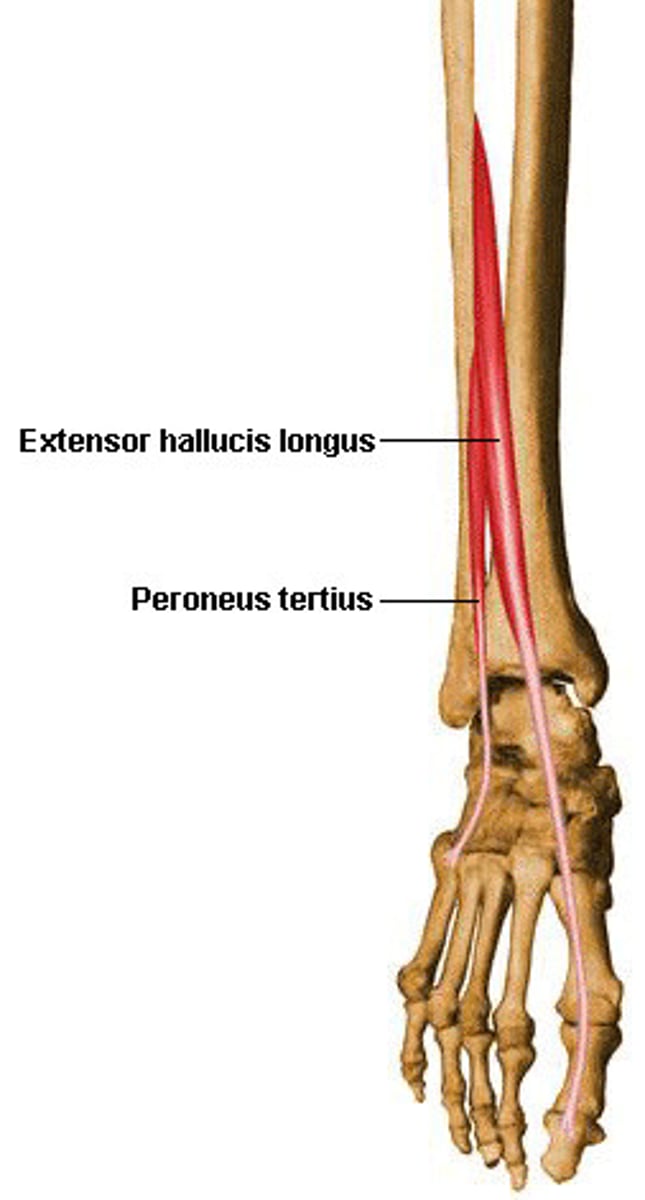
extensor hallucis longus
-Origin Arises from the middle portion of the fibula on the anterior surface and the interosseous membrane
-Insertion Inserts on the dorsal side of the base of the distal phalanx of the big toe
-Nerve deep fibular nerve
deep peroneal nerve, L5 (L4-S1)
-Actions
=Extends the big toe and assists in dorsiflexion of the foot at the ankle.
-Antagonist Flexor hallucis longus, Flexor hallucis brevis
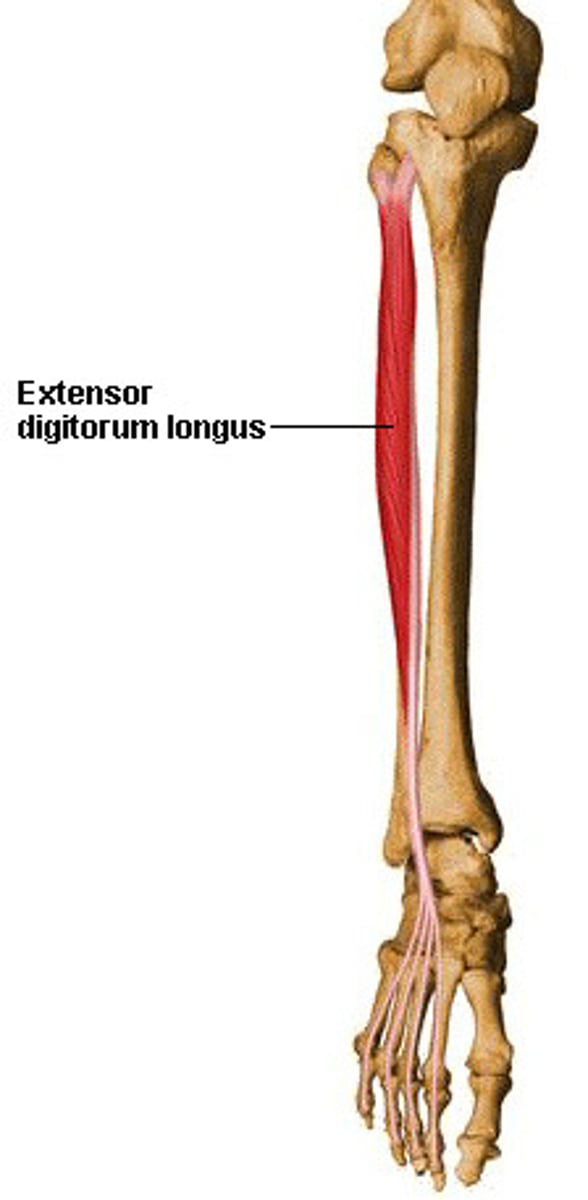
extensor digitorum longus
-Origin Anterior lateral condyle of tibia, anterior shaft of fibula and superior 3⁄4 of interosseous membrane
-Insertion: Dorsal surface; middle and distal phalanges of lateral four digits
-Nerve deep fibular nerve
-Actions
=extension of toes
=dorsiflexion of ankle
-Antagonist Flexor digitorum longus, Flexor digitorum brevis
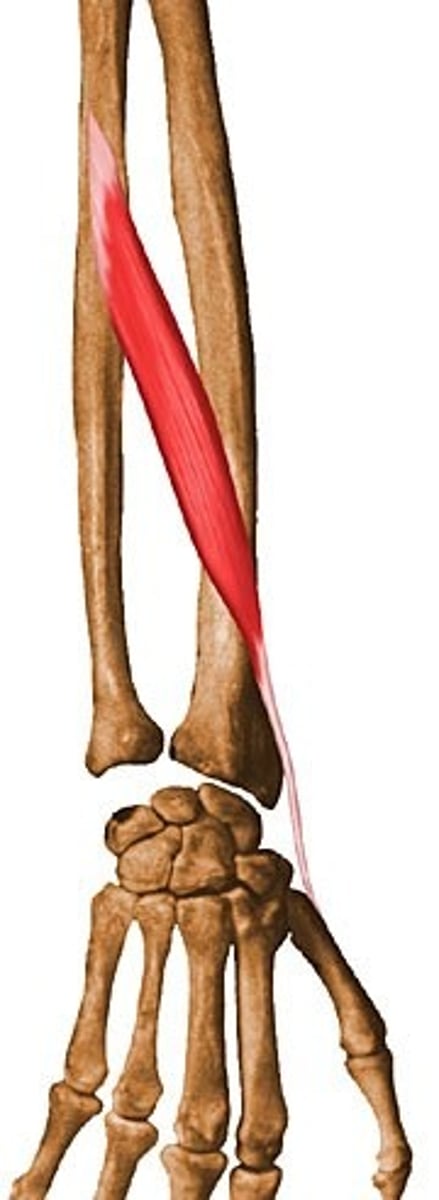
Abductor pollicis longus
Origin; ulna, radius, Interosseous membrane
Insertion; 1st metacarpal
Nerve; Posterior interosseous nerve
from deep branch of radial nerve
C7, C8
Actions; abduction, extension of thumb
Antagonist; Adductor pollicis muscle
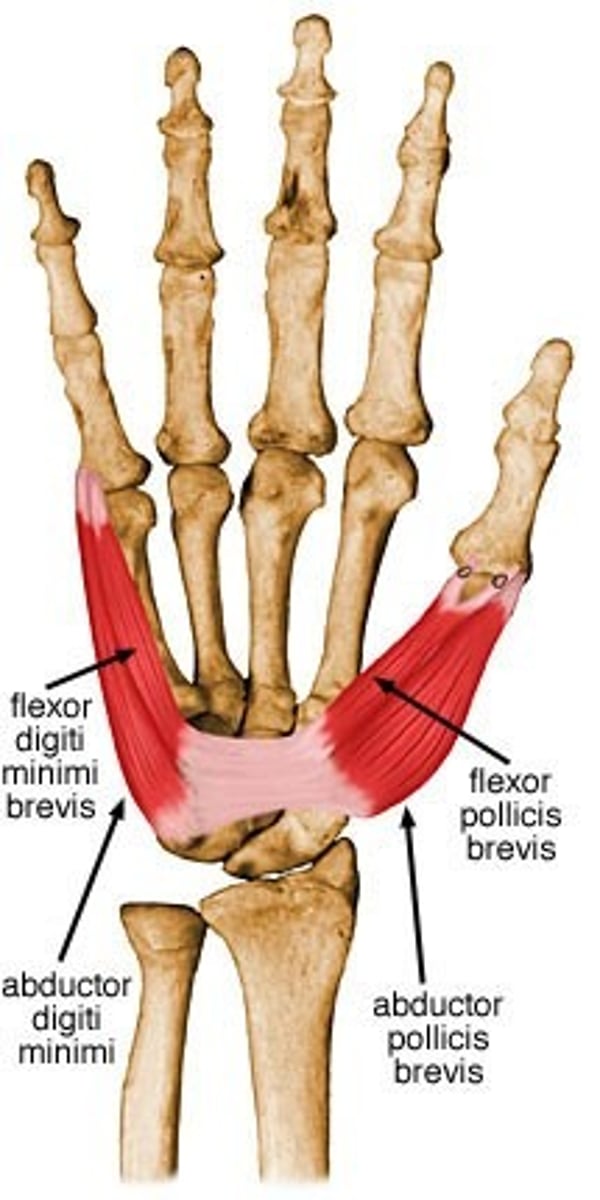
Abductor pollicis brevis
Origin Transverse carpal ligament, the scaphoid and trapezium
Insertion Radial base of proximal phalanx of thumb and the thumb extensors
Nerve Recurrent branch of the median nerve
Actions
=Abduction of the thumb by acting across the carpometacarpal joint and the metacarpophalangeal joint.
=It also assists in opposition and extension of the thumb.
Antagonist Adductor pollicis muscle
Extensor pollicis longus
Origin Middle third of posterior surface of ulna, interosseous membrane
Insertion thumb, distal phalanx
Nerve posterior interosseous nerve (branching from the radial nerve)
Actions extension of the thumb (metacarpophalangeal and interphalangeal)
Antagonist Flexor pollicis longus muscle, Flexor pollicis brevis muscle
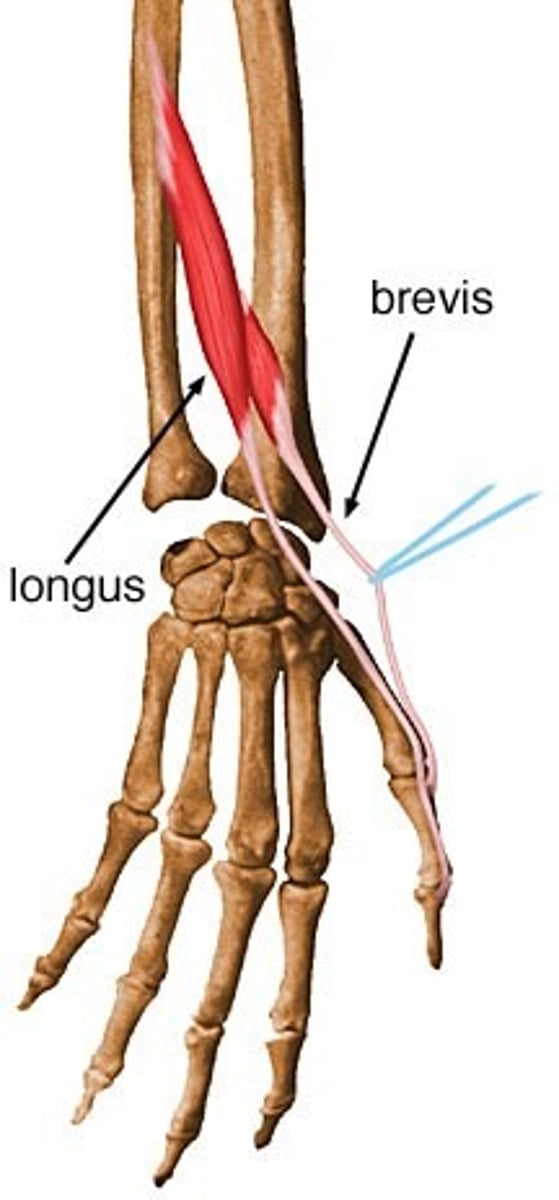
Extensor pollicis brevis
Origin radius and the interosseous membrane
Insertion thumb, proximal phalanx
Nerve posterior interosseous nerve
Actions extension of thumb at metacarpophalangeal joint
Antagonist Flexor pollicis longus muscle, Flexor pollicis brevis muscle
Extensor digitorum muscle
Origin lateral epicondyle (common extensor tendon)
Insertion extensor expansion of middle and distal phalanges of the 2nd, 3rd, 4th, and 5th fingers[1]
Nerve radial nerve
Actions extension of hand, wrist and fingers
Antagonist Flexor digitorum superficialis muscle, Flexor digitorum profundus muscle
![<p>Origin lateral epicondyle (common extensor tendon)</p><p>Insertion extensor expansion of middle and distal phalanges of the 2nd, 3rd, 4th, and 5th fingers[1]</p><p>Nerve radial nerve</p><p>Actions extension of hand, wrist and fingers</p><p>Antagonist Flexor digitorum superficialis muscle, Flexor digitorum profundus muscle</p>](https://knowt-user-attachments.s3.amazonaws.com/f0d1b5cf-f561-4bc0-aa0c-76290b749db4.jpg)
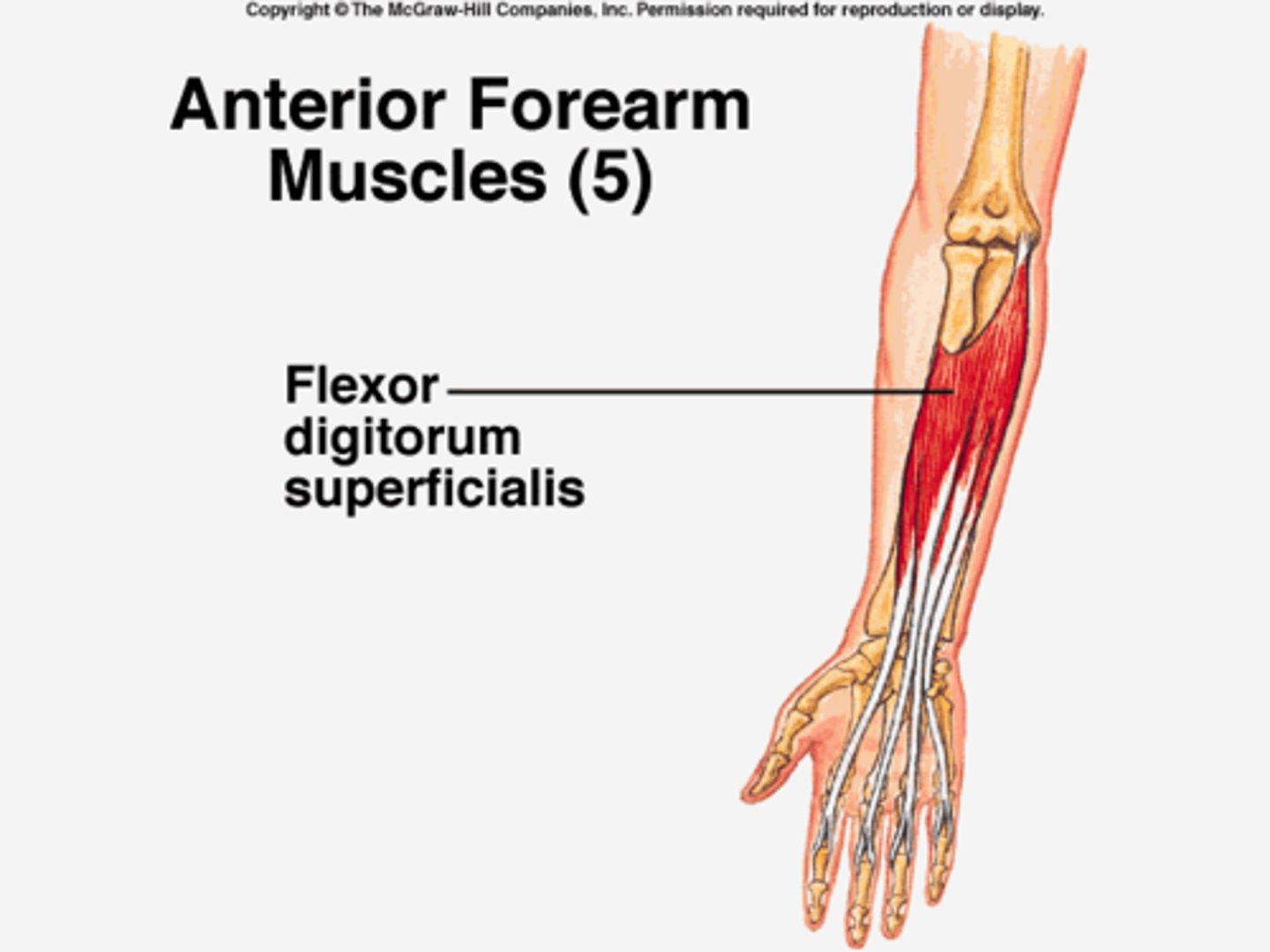
Flexor digitorum superficialis
Origin medial epicondyle of the humerus (common flexor tendon) as well as parts of the radius and ulna.
Insertion anterior margins on the bases of the middle phalanges of the four fingers
Nerve median nerve
Actions flexor of fingers (primarily at proximal interphalangeal joints)
Antagonist Extensor digitorum muscle
Flexor digitorum profundus
Origin upper 3/4 of the anterior and medial surfaces of the body of the ulna, interosseous membrane and deep fascia of the forearm
Insertion base of the distal phalanges of the fingers
Nerve median (anterior interosseous), muscular branches of ulnar
Actions flex hand and both interphalangeal joints
Antagonist Extensor digitorum muscle
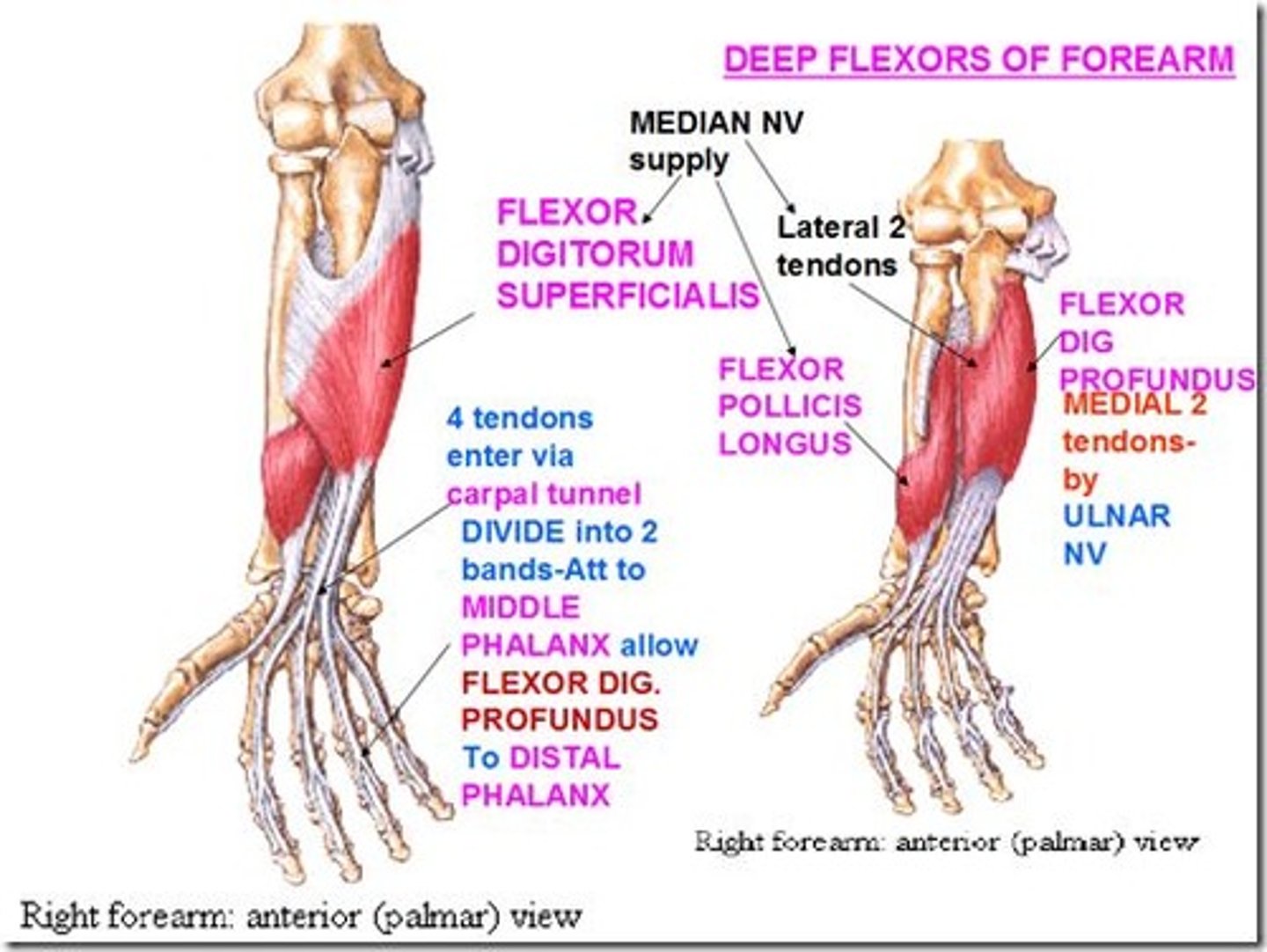
Lumbricals
Origin flexor digitorum profundus
Insertion extensor expansion
Nerve
= 3rd and 4th deep branch of ulnar nerve,
= 1st and 2nd median nerve
Actions
=flex metacarpophalangeal joints,
=extend interphalangeal joints
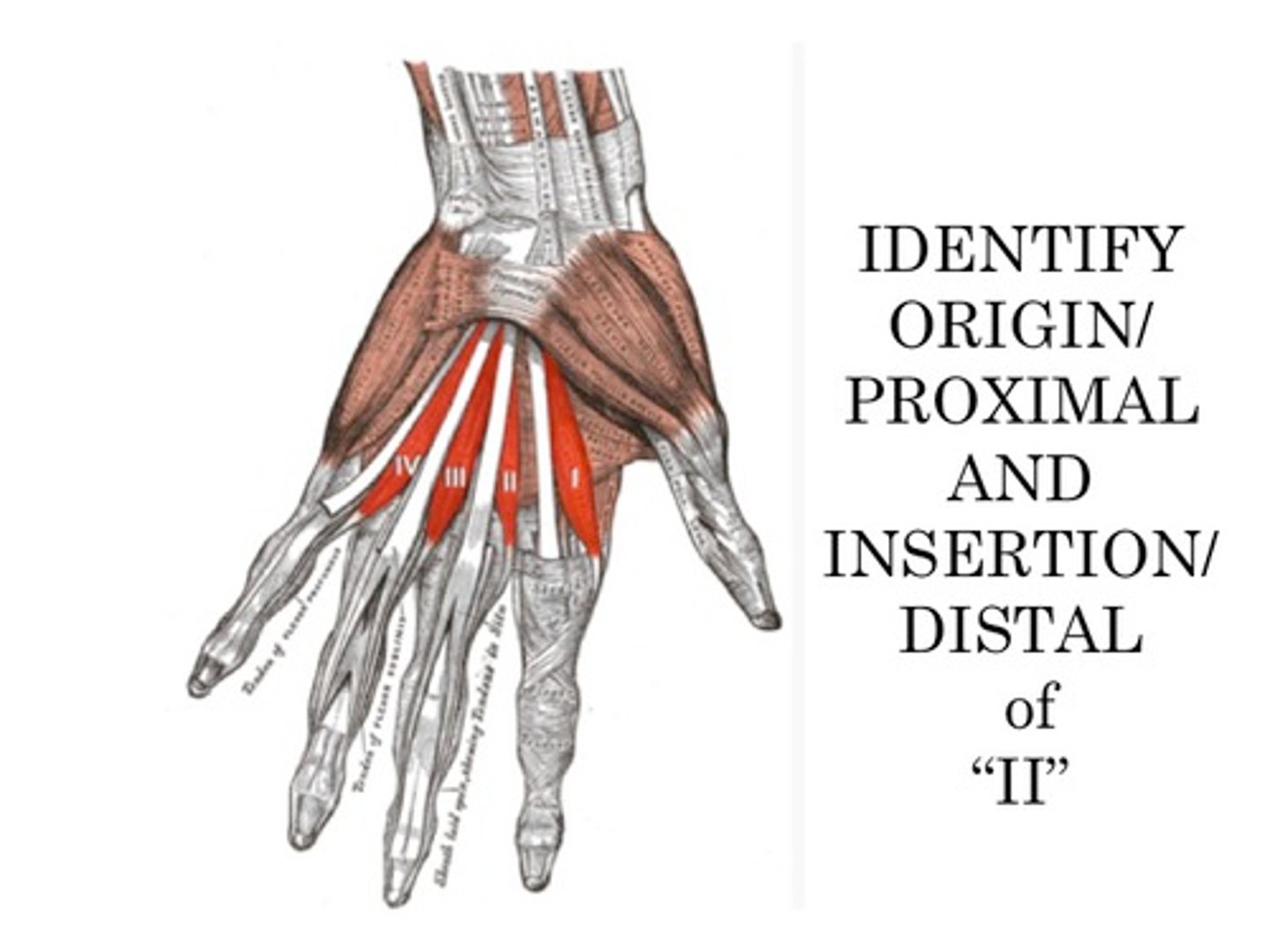
Dorsal interossei
Origin Metacarpals
Insertion Proximal phalanges and extensor expansions
Nerve Deep branch of ulnar nerve
Actions Abduct finger
Antagonist Palmar interossei
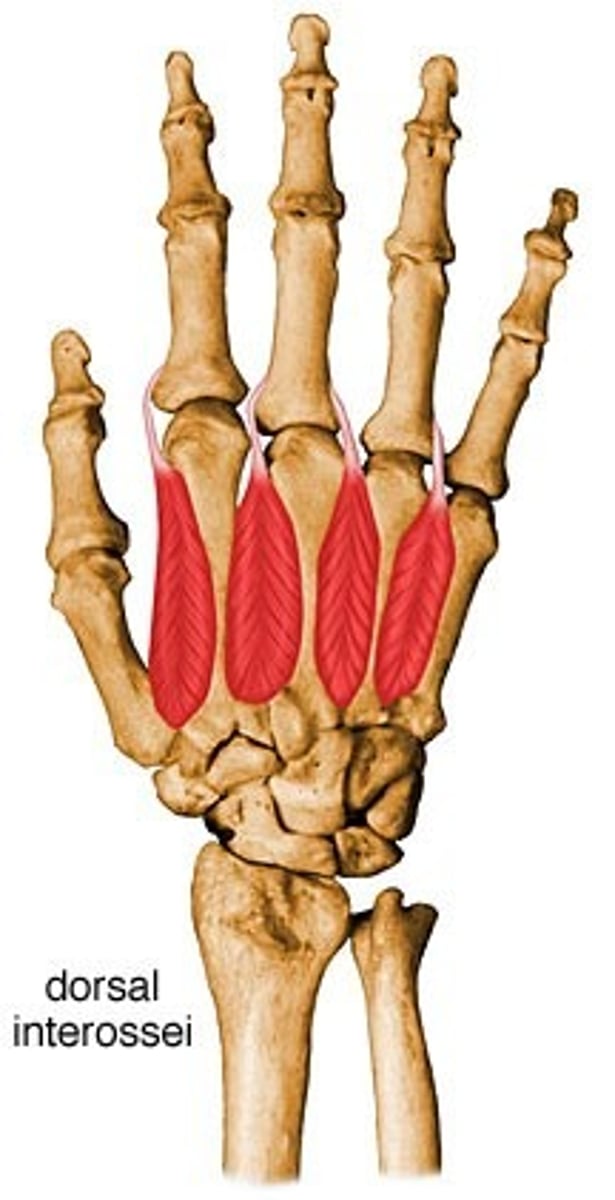
Palmar interossei
Origin Sides of metacarpals facing midline
Insertion Bases of proximal phalanges, extensor expansions
Nerve Deep branch of ulnar nerve
Actions Adduction, flexion and extension of fingers
Antagonist Dorsal interossei
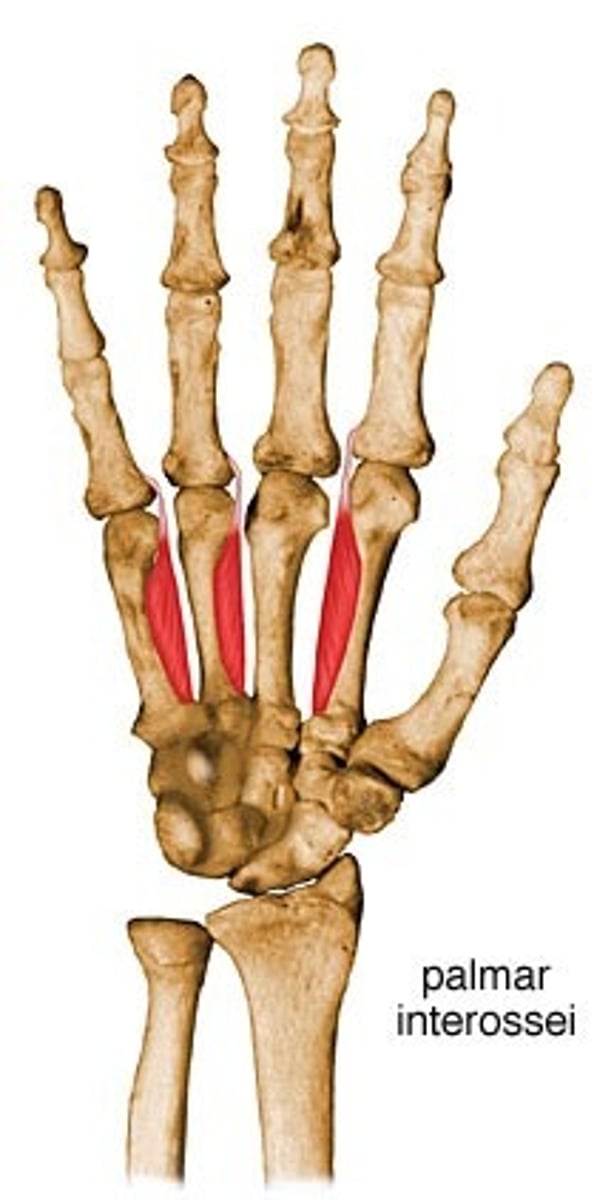
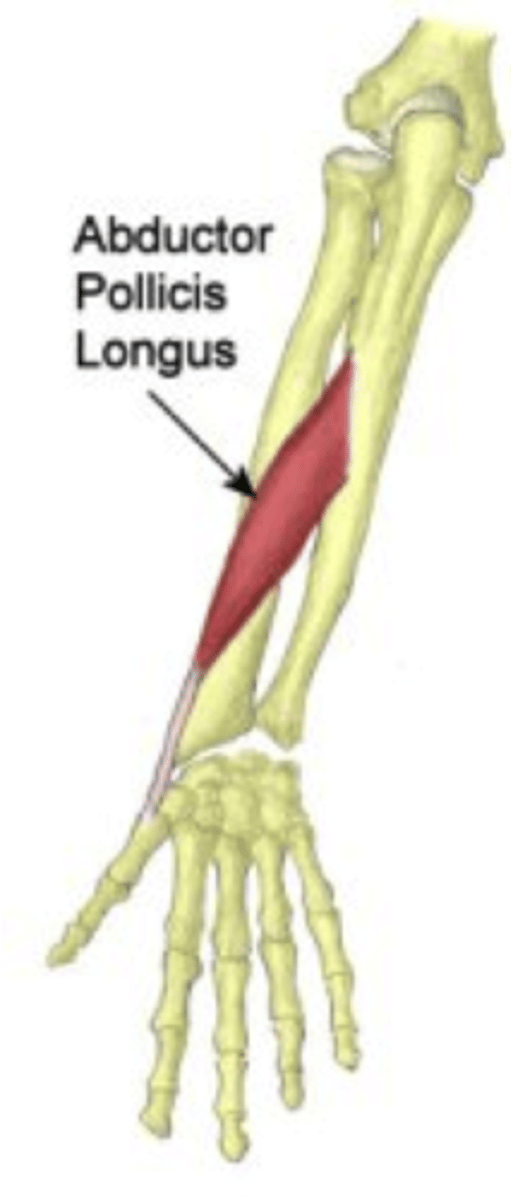
Abductor pollicis longus
Origin ulna, radius, Interosseous membrane
Insertion 1st metacarpal
Nerve Posterior interosseous nerve
from deep branch of radial nerve
C7, C8
Actions abduction, extension of thumb
Antagonist Adductor pollicis muscle
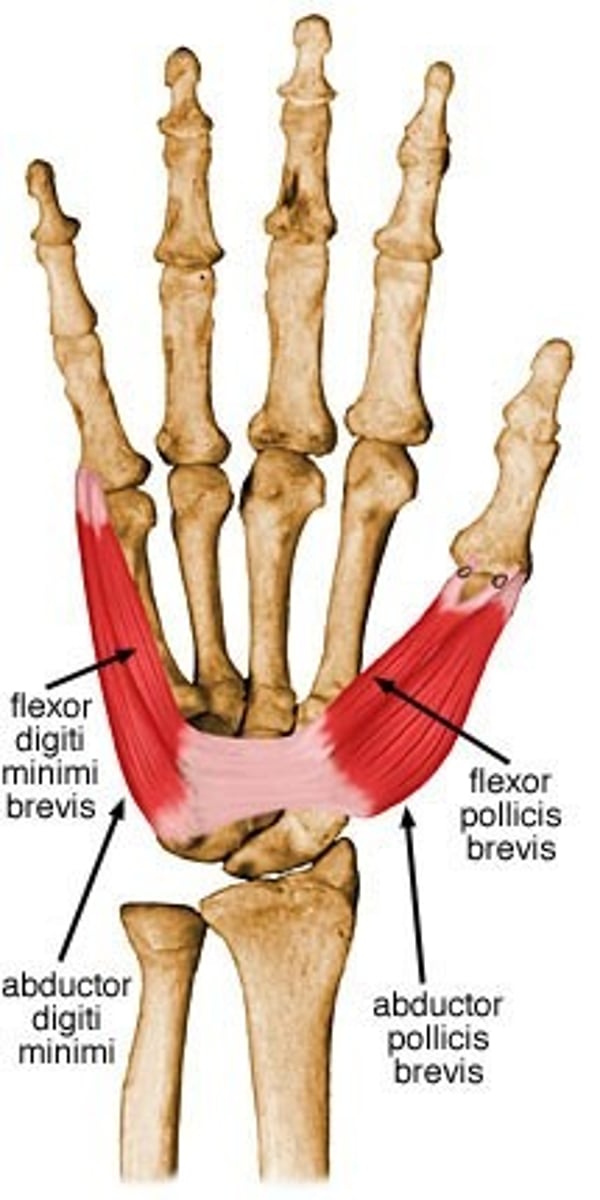
Abductor pollicis brevis
Origin Transverse carpal ligament, the scaphoid and trapezium
Insertion Radial base of proximal phalanx of thumb and the thumb extensors
Nerve Recurrent branch of the median nerve
Actions
=Abduction of the thumb by acting across the carpometacarpal joint and the metacarpophalangeal joint.
= It also assists in opposition and extension of the thumb.
Antagonist Adductor pollicis muscle
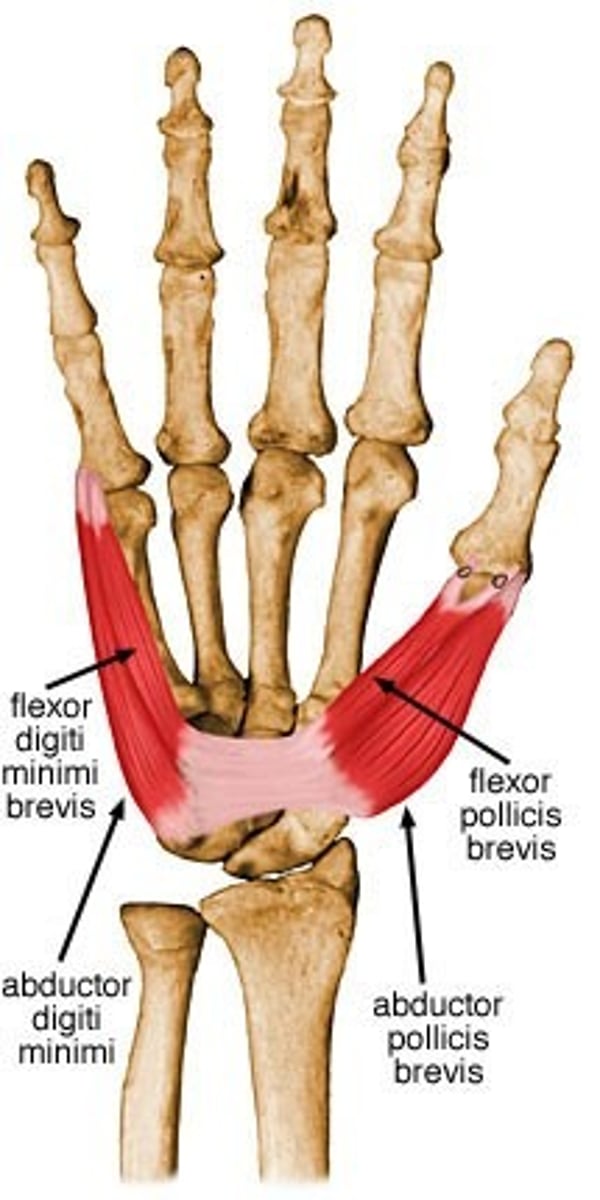
Flexor pollicis brevis
Origin trapezium, flexor retinaculum
Insertion thumb, proximal phalanx
Nerve
=Recurrent branch of the median nerve, =deep branch of ulnar nerve (medial head)
Actions Flexes the thumb at the first metacarpophalangeal joint
Antagonist Extensor pollicis longus and brevis
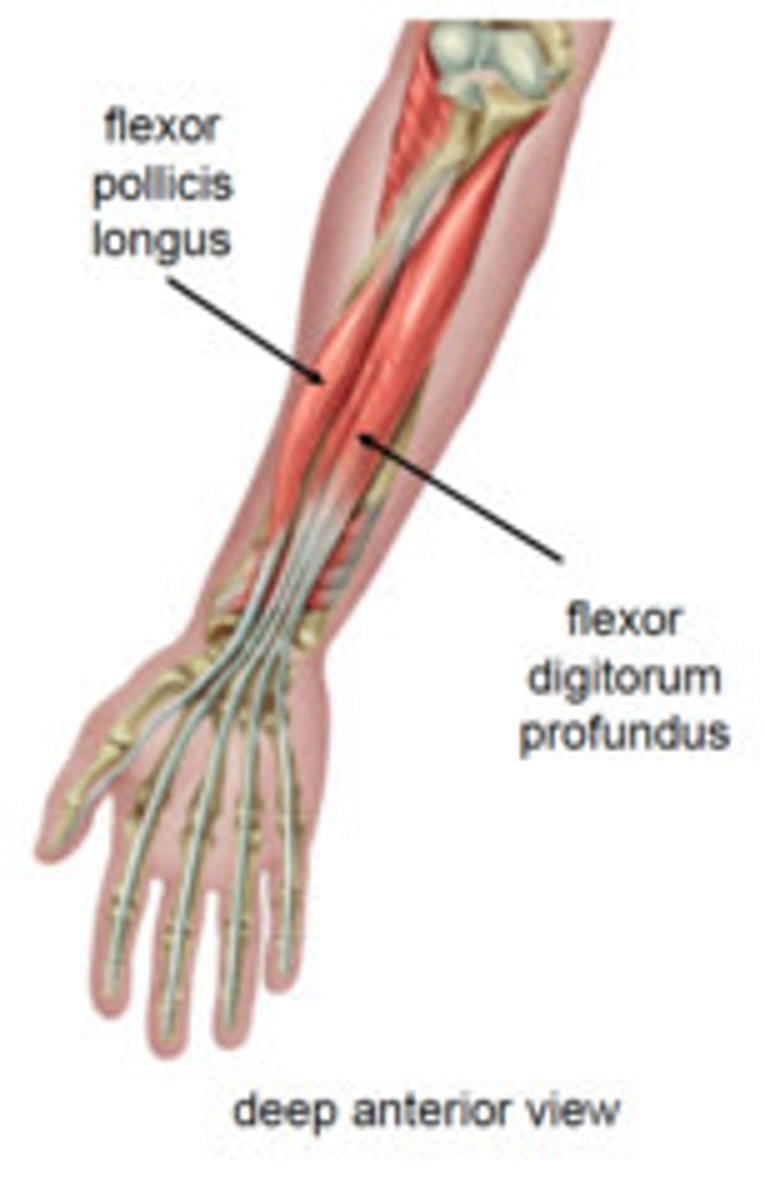
Flexor pollicis longus
Origin The middle 2/4 of the anterior surface of the radius and the adjacent interosseus membrane.
Insertion The base of the distal phalanx of the thumb
Nerve Anterior interosseous nerve (branch of median nerve) (C8, T1)
Actions Flexion of the thumb.
Antagonist Extensor pollicis longus muscle, Extensor pollicis brevis muscle
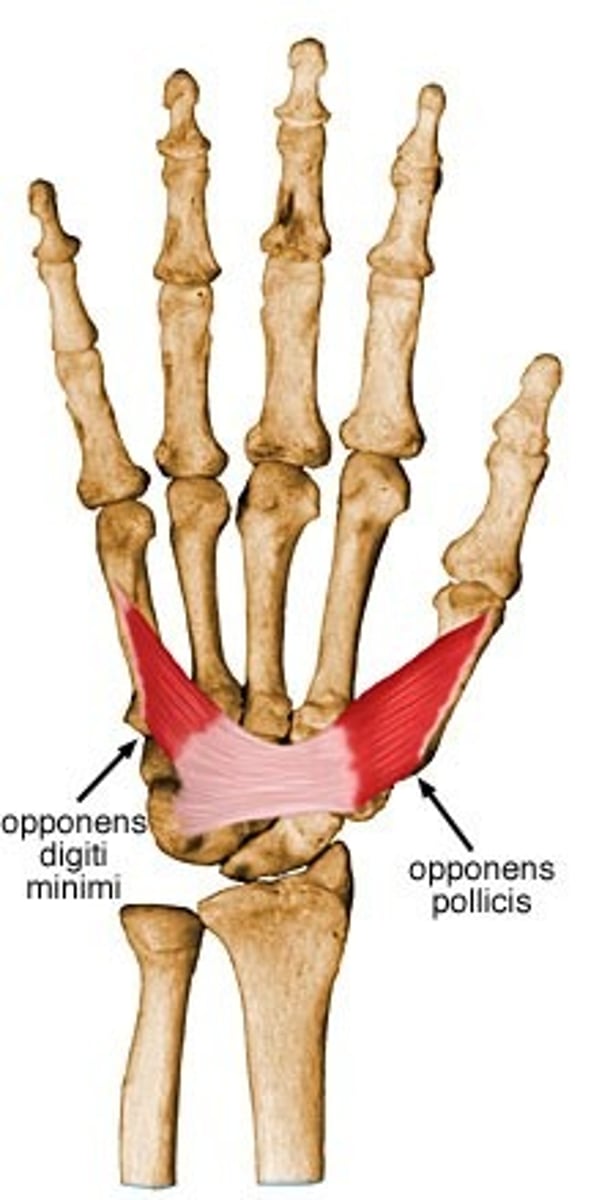
Opponens pollicis
Origin trapezium and transverse carpal ligament
Insertion metacarpal bone of the thumb on its radial side
Nerve Recurrent branch of the median nerve
Actions Flexion of the thumb's metacarpal at the first carpometacarpal joint, which aids in opposition of the thumb
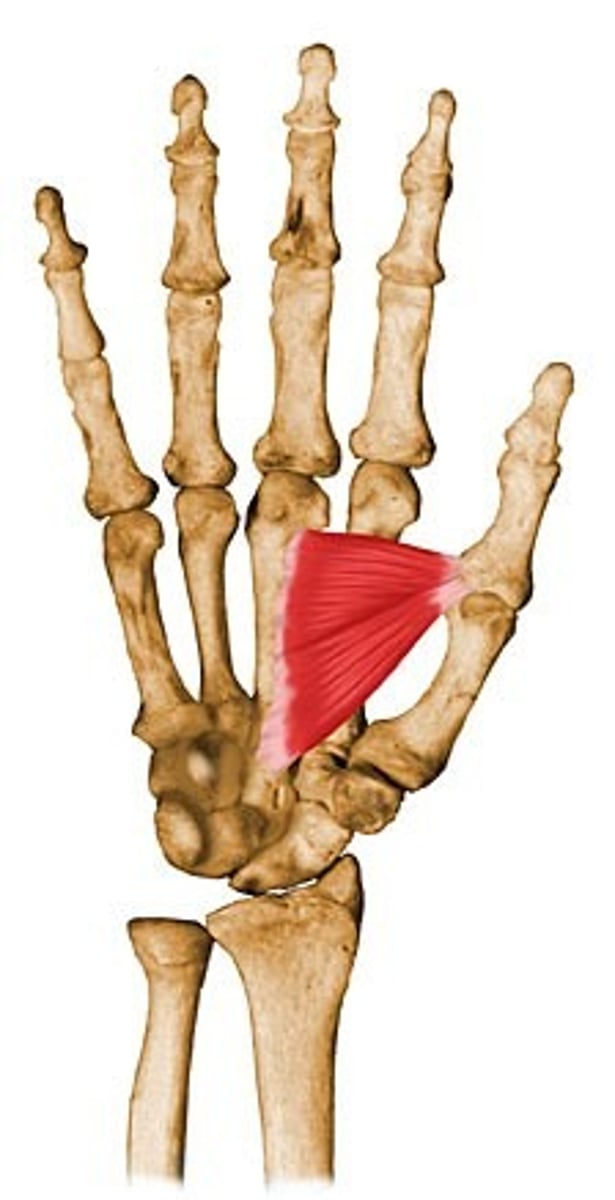
Adductor pollicis
Origin Transverse head: anterior body of the third metacarpal
Oblique head: bases of the second and the third metacarpals and the adjacent trapezoid and capitate bones
Insertion medial side of the base of the proximal phalanx of the thumb and the ulnar sesamoid
Nerve deep branch of the ulnar nerve
Actions adducts the thumb at the carpometacarpal joint
Antagonist Abductor pollicis longus muscle, Abductor pollicis brevis muscle