Unit 6: Regional Webs
 Call Kai
 Learn
Learn Practice Test
 Spaced Repetition
 Match
Match Flashcards
 Knowt Play
1/46

There's no tags or description
Looks like no tags are added yet.
Name | Mastery | Learn | Test | Matching | Spaced | Call with Kai |
|---|
No analytics yet
Send a link to your students to track their progress
47 Terms
Syncretism
When ideas from different cultures or religions mix together and create something new.
Cultural Diffusion
The spread of ideas, religions, technology, or goods from one culture to another.
Silk Road
A network of trade routes that connected China to the Middle East and Europe, where goods, ideas, and religions were exchanged.
Theravada Buddhism
A branch of Buddhism that focuses on the original teachings of the Buddah and personal enlightenment through meditation.
Mahayana Buddhism
A branch of Buddhism that teaches people can help others reach enlightenment and that Buddah can be a worshiped divine figure.
Stupa
A dome-shaped Buddhist monument that holds artifacts and is used for meditation and prayer.
Pagoda
A tall, multi-level tower that is often connected to Buddhist temples.
Shintoism
Japan’s native religion that focuses on nature spirits called kami and respect for nature and ancestors.
Cultural borrowing/ selective borrowing
When a culture adopts some ideas or traditions from another culture but changes them to fit its own society.
Heian Japan
A time period in Japan known for art, literature, poetry, and a powerful imperial court.
Zen Buddhism
A type of Buddhism that teaches meditation, self-discipline, and finding enlightenment through simplicity. |
Haiku
A short Japanese poem with 3 lines and a 5–7–5 syllable pattern, usually about nature.
African Diverse Geography
Africa has many different landscapes like deserts, rainforests, mountains, and savannas, which affect how people live and travel.
Savanna
A large grassland with scattered trees found in parts of Africa, home to many grazing animals.
The Sahara
the largest hot desert in the world located in northern Africa.
Polytheism
The belief in many gods who control different parts of nature or life.
Bantu migration
The movement of Bantu-speaking peoples across Africa started around 3000 BCE, spreading language, culture, and farming.
West Africa
A region of Africa located south of the Sahara Desert that was home to powerful empires like Ghana, Mali, and Songhai.
Mansa Musa
The emperor of the Mali Empire in the 1300s who is known as one of the richest people in history.
Trans Sahar Gold/Salt Trade
A trade network where merchants crossed the Sahara Desert to exchange gold from West Africa for salt from North Africa.
Mali/Timbuktu
Mali was a powerful West African empire, and Timbuktu was one of its most important cities for trade, education, and religion.
Islam
A major religion that began in the Middle East and spread to Africa through trade.
Haji
The pilgrimage to Mecca that Muslims are expected to make at least once in their lifetime if they are able.
Mosque
A place of worship for Muslims.
Caravan
A group of traders traveling together, often with camels, across long distances like the Sahara Desert.
Indian Ocean trade
A network of sea trade routes that connected East Africa, the Middle East, India, and Asia, where merchants traded goods like gold, ivory, silk, spices, and beads.
Monsoons
Seasonal winds in the Indian Ocean change direction during the year and help sailors travel back and forth between different regions.
East Africa city-states
Independent coastal trading cities in East Africa that became wealthy from Indian Ocean trade, such as Kilwa, Mombasa, and Malindi.
Kilwa
A powerful Swahili trading city on the East African coast that became rich from trading gold, ivory, and other goods across the Indian Ocean.
Swahili
A culture and language that developed on the East African coast from the mixing of African, Arab, and Asian influences through trade.
Maya
a civilization in Mesoamerica known for advanced math, calendars, and writing.
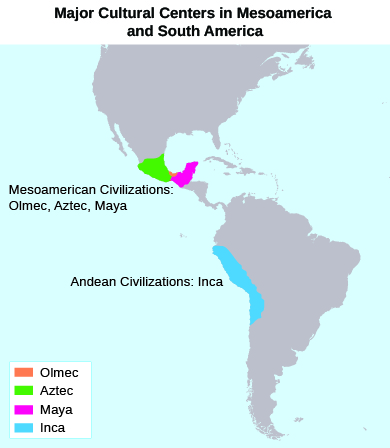
Mesoamerica
a region in Mexico and Central America where early civilizations developed
City states
small, independent cities with their own government and rulers
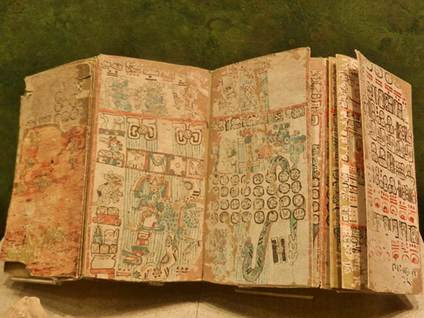
Glyphs/Codex
symbols used for writing, and books made from bark paper with writing and pictures
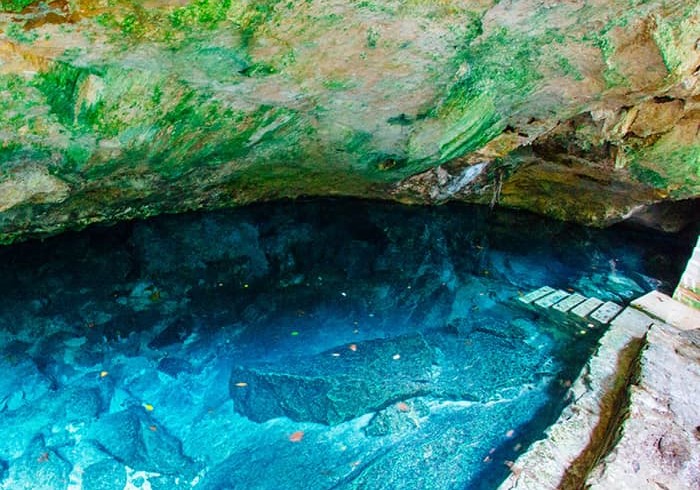
Cenote
a natural sinkhole filled with water (used as a water source)
Inca
a powerful civilization in South America
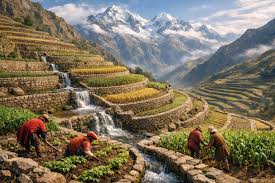
Terrace Farming/Vertical Economy
cutting steps into mountains to grow crops, using different elevations to grow different foods
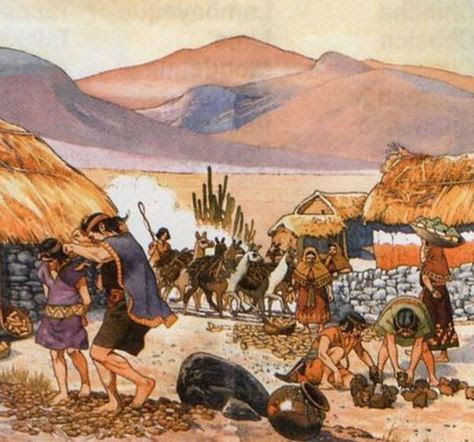
Ayllu
a community or family group that shares land and works together
Sapa Inca
the emperor (ruler) of the Inca (seen as god)
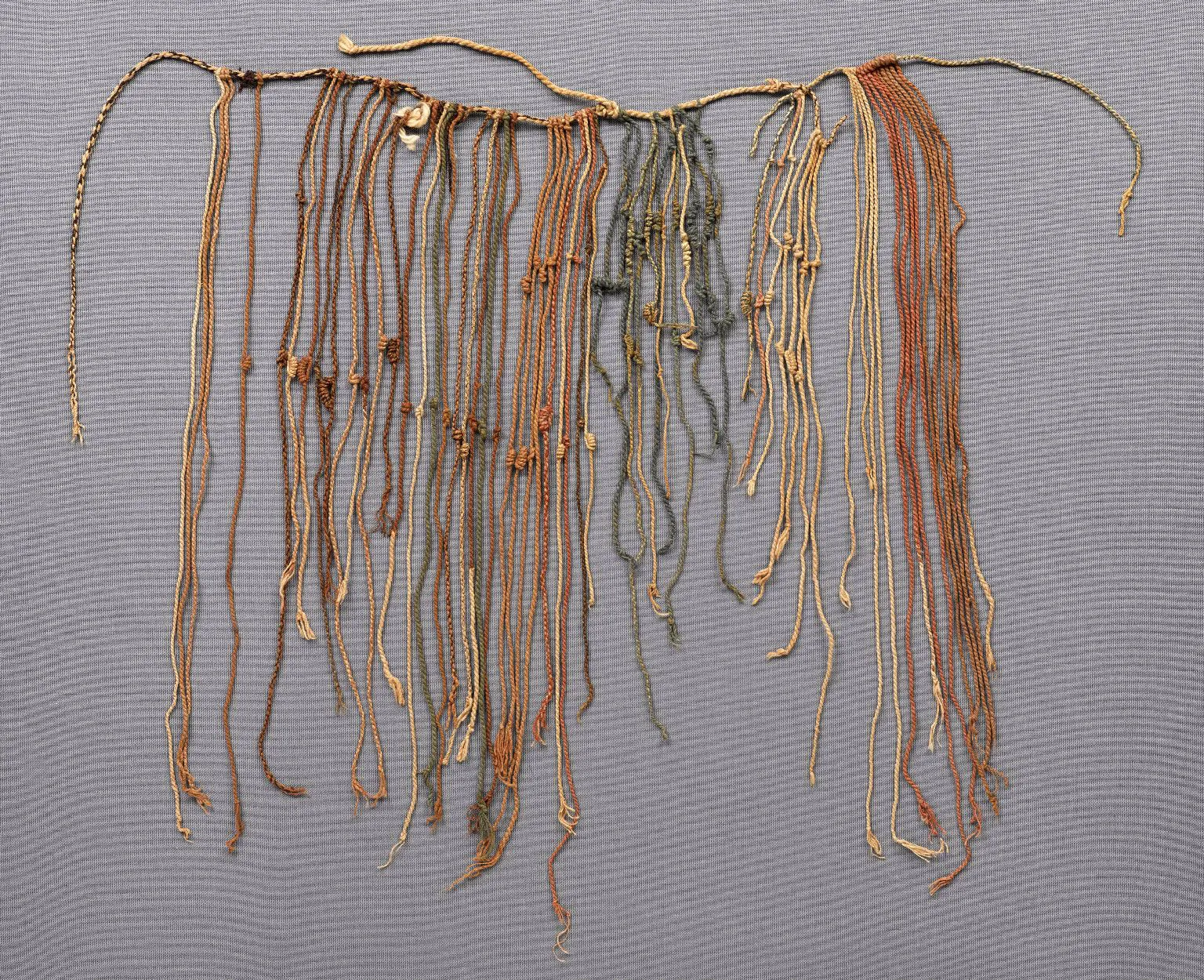
Quipu
a system of knotted strings used to record information
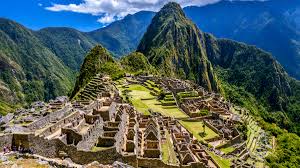
Machu Picchu
a famous Inca city high in the mountains
Mita System
when Inca people had to work for the government instead of paying taxes
Aztec
a powerful civilization in central Mexico with a large empire
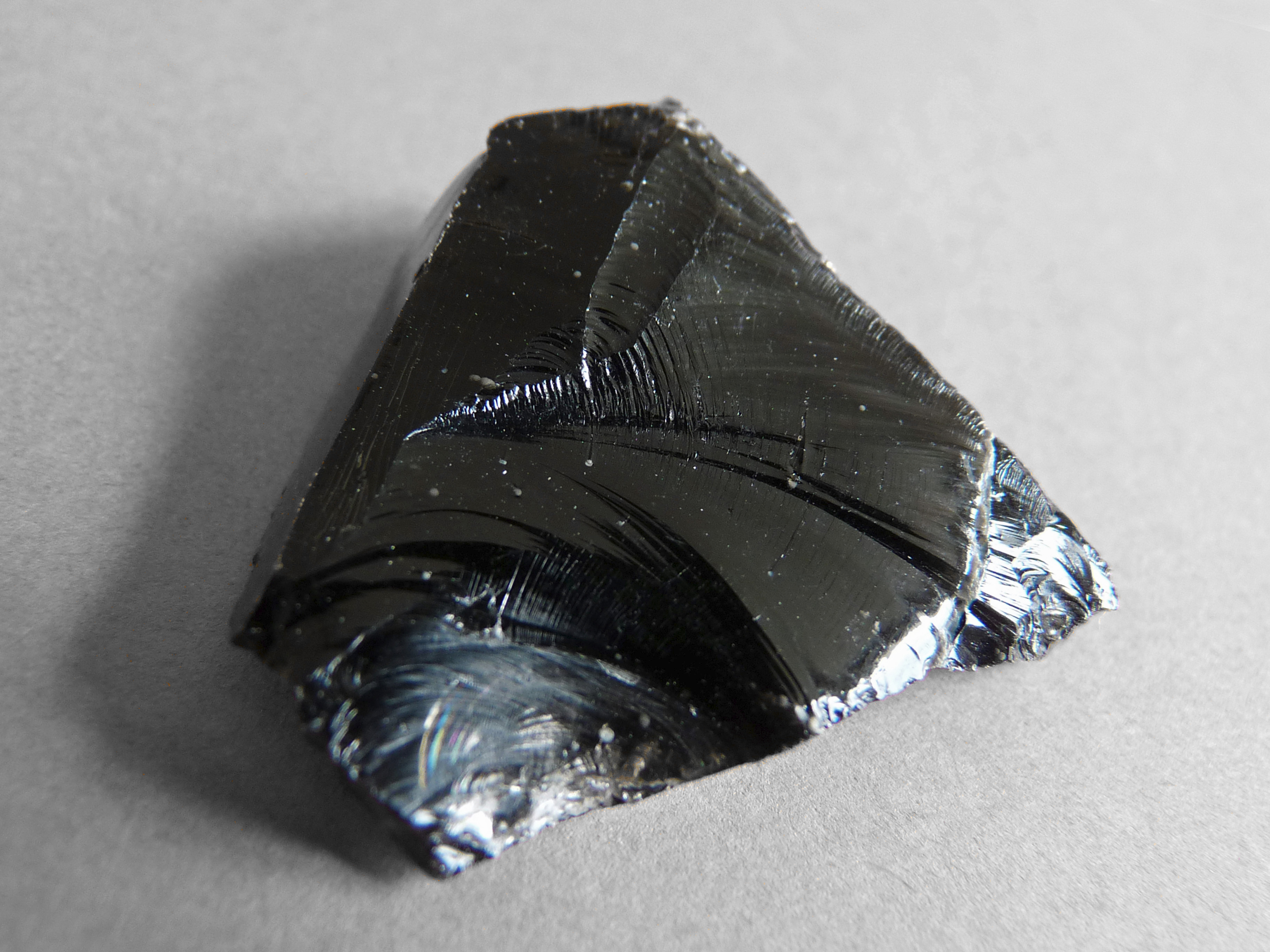
Obsidian
a volcanic glass used to make very sharp tools and weapons
Corvee
a system where people must do unpaid work for the government
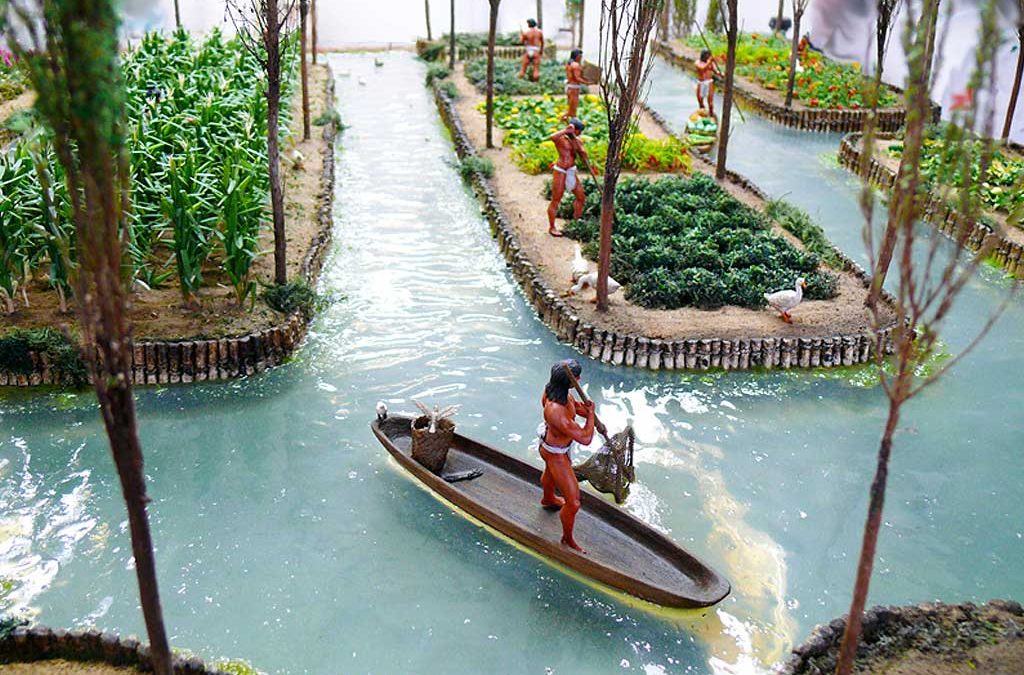
Chinampas
floating gardens used by the Aztecs to grow crops on water
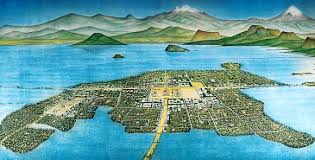
Tenochtitlan
the capital city of the Aztec Empire built on a lake