Module 3 Cardiovascular System Lab Practice
 Call Kai
 Learn
Learn Practice Test
 Spaced Repetition
 Match
Match Flashcards
 Knowt Play
1/33

Earn XP
Description and Tags
MAMA M?MDSMMSMMSD????? fgoiegrehtjrgeskgbegerbg
Name | Mastery | Learn | Test | Matching | Spaced | Call with Kai |
|---|
No analytics yet
Send a link to your students to track their progress
34 Terms
Heart
Cardiovascular organ located in the thoracic cavity in an area known as the mediastinum, located between the lungs. Pumps deoxygenated blood to the lungs for oxygenation and then delivers oxygenated blood to the body. Also contributes to the regulation of blood pressure by the way of fluid volume and temperature through blood flow.
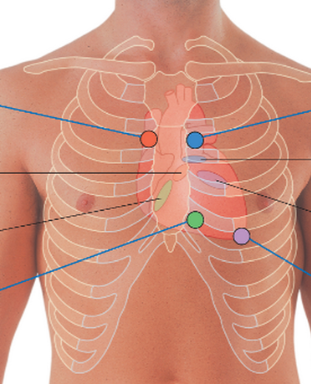
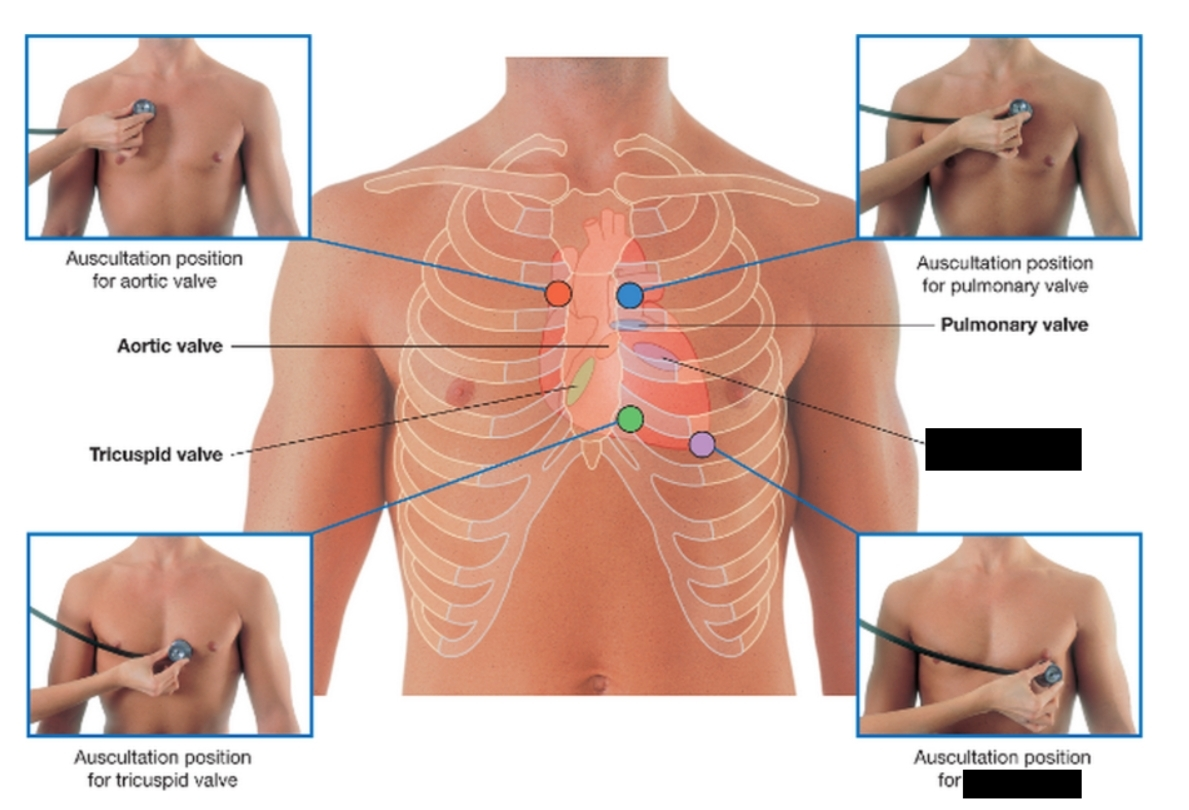
Aortic Valve
a critical one-way valve in the heart that controls blood flow from the left ventricle into the aorta
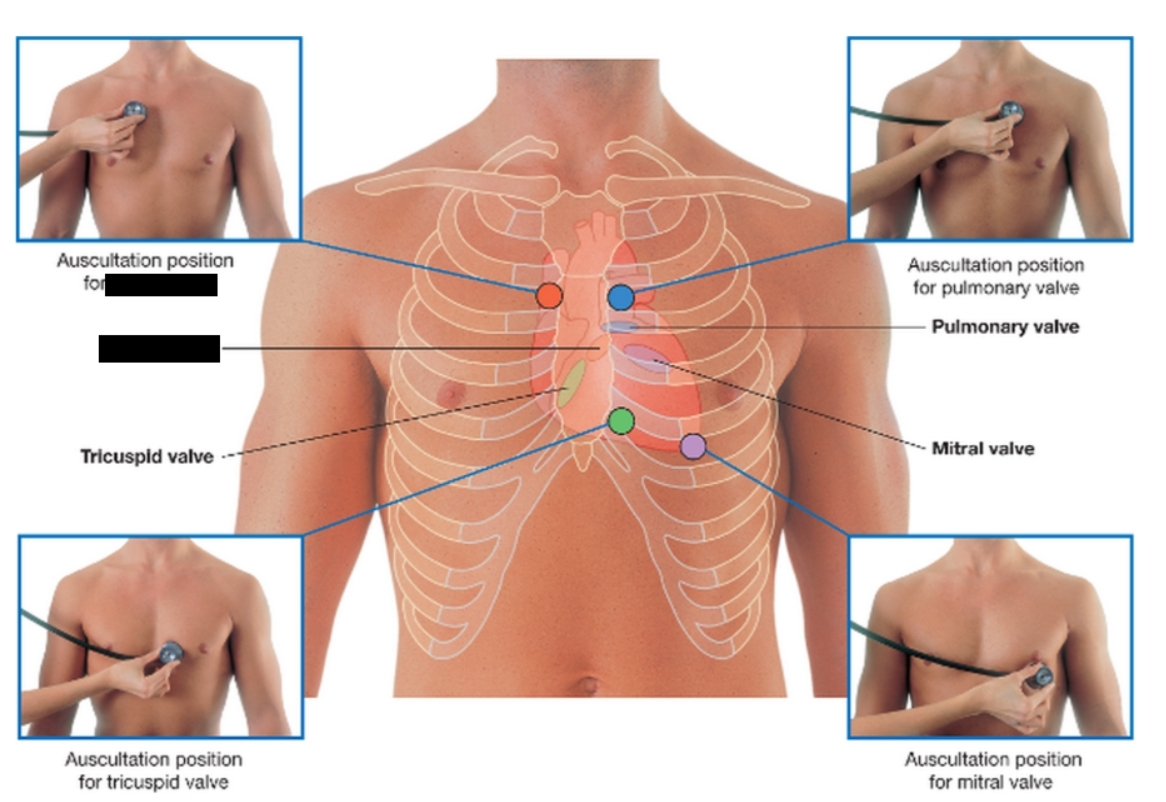
Pulmonary Valve
a crucial one-way valve in the heart that lies between the right ventricle and the pulmonary artery. Its primary function is to allow oxygen-poor blood to flow into the lungs for reoxygenation, while snapping shut to prevent the blood from flowing backward into the heart.
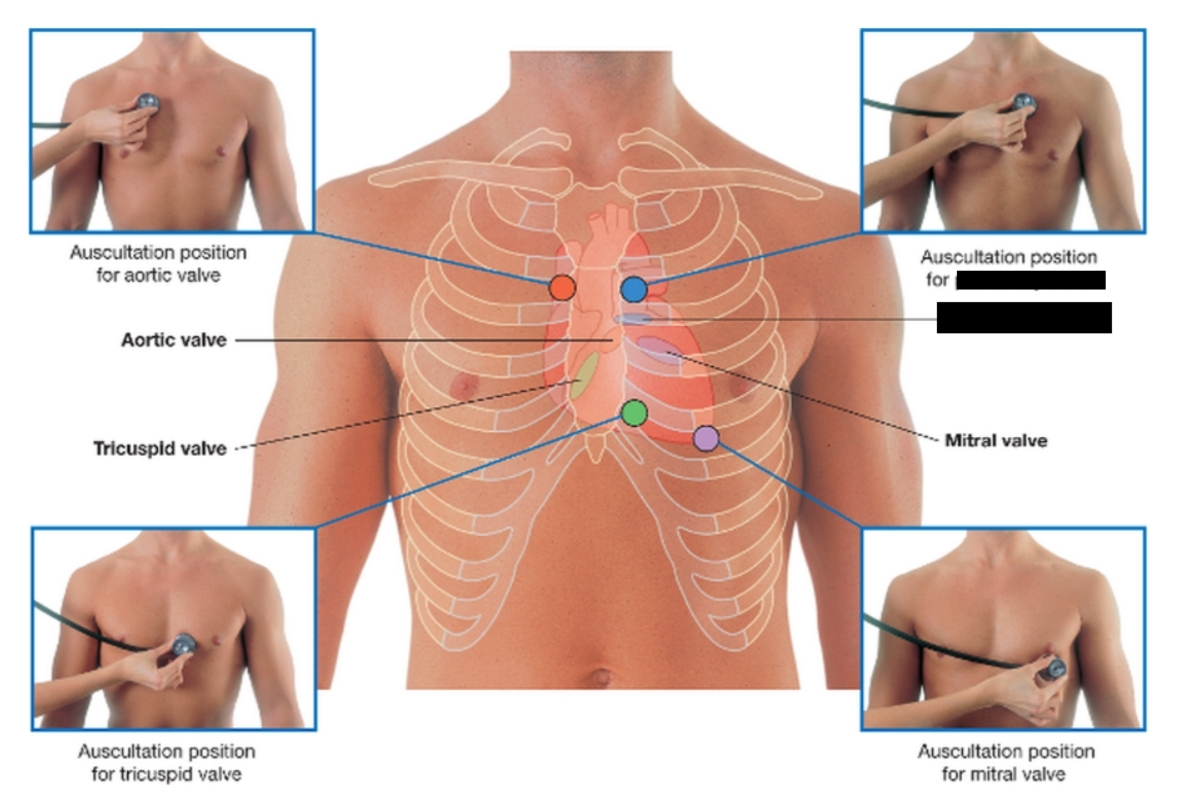
Tricuspid Valve
a one-way heart valve situated between the right atrium and right ventricle. Its three flaps (leaflets) open to allow deoxygenated blood to flow into the ventricle and close tightly to prevent backward flow when the heart pumps the blood to the lungs
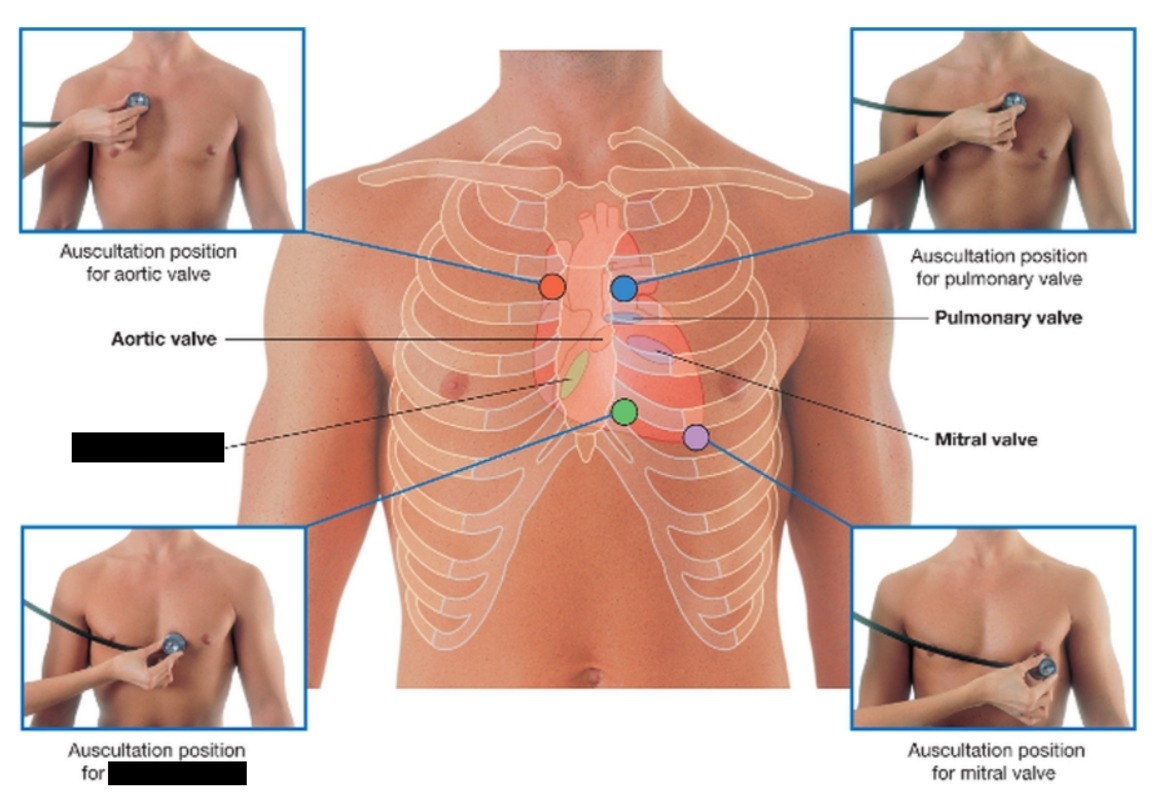
Mitral Valve
a crucial one-way gate in the heart located between the left atrium and the left ventricle. It opens to let oxygen-rich blood flow into the main pumping chamber and closes tightly to prevent blood from leaking backward into the lungs.
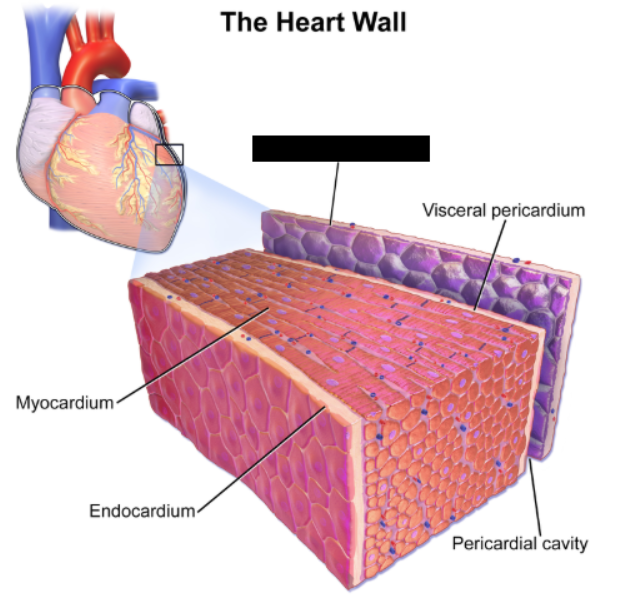
Fibrous/Parietal Pericardium
The outer membrane of the heart, consisting of fibrous connective tissue.
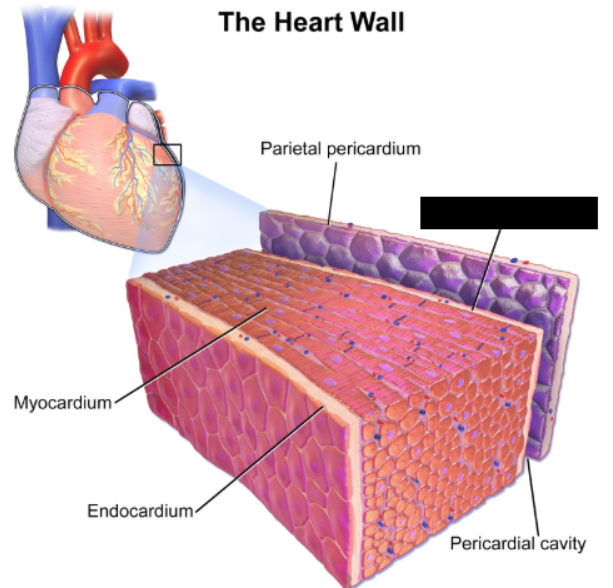
Visceral/Serous Pericardium
The inner membrane of the heart, thinner than the outer membrane, and consists of simple squamous epithelium. Consistent with the great vessels of the heart and the diaphragm.
Pericarditis
A condition where the Visceral Pericardium gets inflamed and produces extra fluid. Can result from infection of diseases of the connective tissues, and even damage from radiation therapy. Can cause severe, sharp pains in the chest and back.
Serous Fluid
Also called pericardial fluid, it exists between the inner and outer membranes of the heart. It helps to reduce friction when the heart beats.
Outer Tunica Externa
The outer layer of an artery; consists of elastic and collagen fibers
Tunica Media
The middle layer of the artery. Thicker in arteries than in veins. Consists of smooth muscle with some elastic fibers, which allows for constriction and dilation of the arteries. The nervous system has control over the diameter of the arteries in order to control blood pressure.
Tunica Interna
The inner layer of an artery; consists of an inner thin layer of simple squamous epithelium called endothelium, anchored to another layer by a basement membrane. The basement membrane anchors the endothelium to a layer called the internal elastic lamina, consisting of elastic fibers.
Precapillary Sphincter
A round smooth muscle that helps to control the flow of blood to the capillary beds.
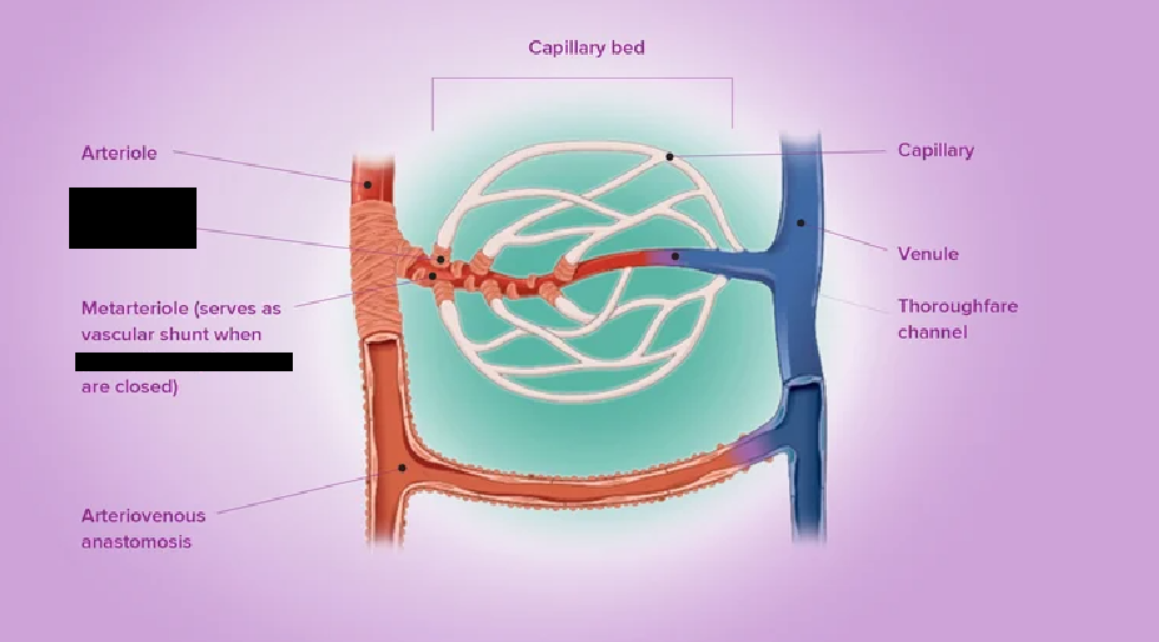
arterioles
Arteries branch to form smaller structures called ________, which help to control blood flow to various parts of the body by way of vasoconstriction and vasodilation.
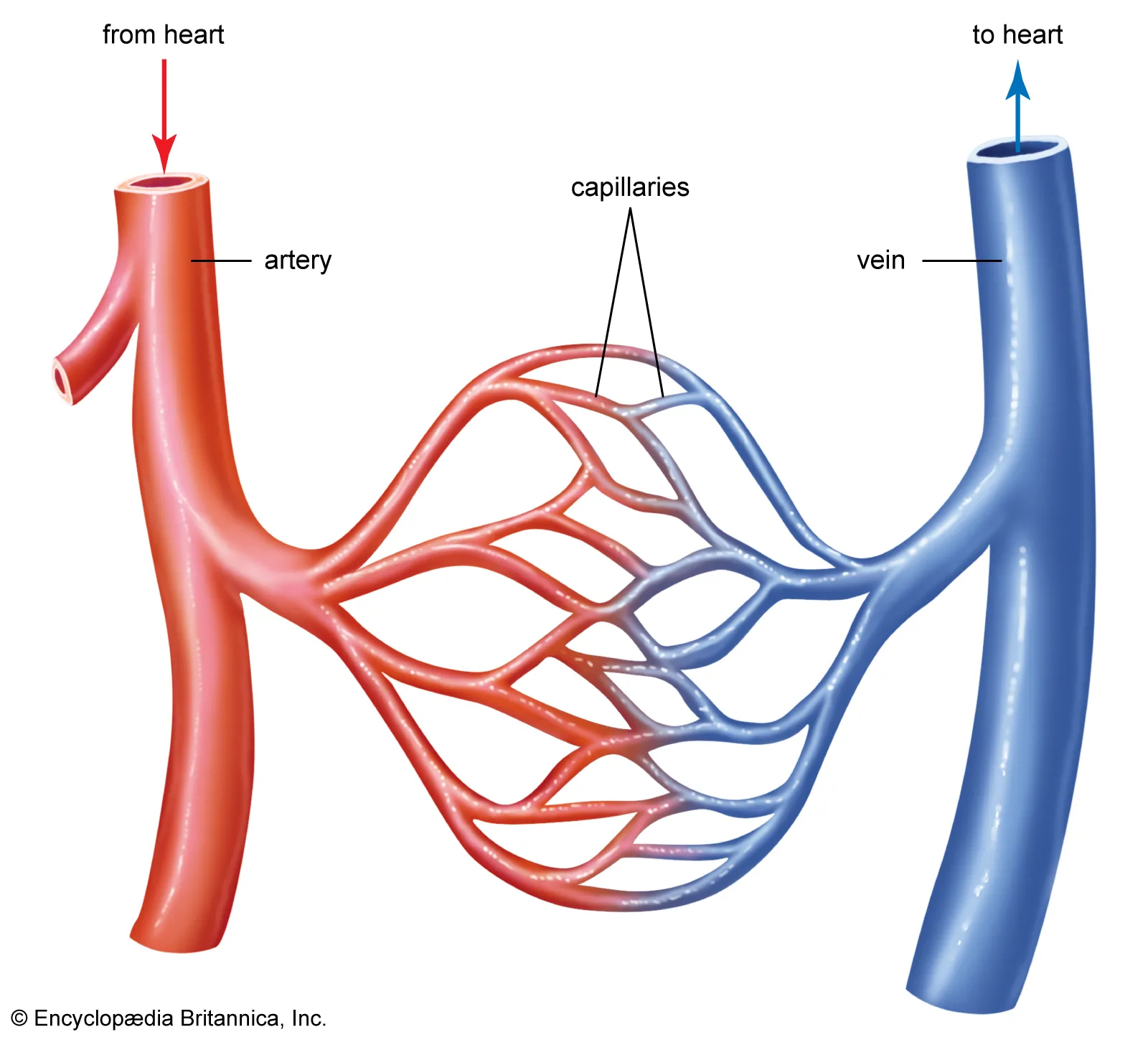
Capillaries
The smallest blood vessels in the body. They carry blood to the venous system and allow for the exchange of substances between the blood and the tissues. They form complex networks, and it is estimated that there are about 1 billion capillaries in the human body. Blood flow to capillaries is controlled by precapillary sphincters.
metabolic
Capillaries are more numerus in locations with high _________ activity, such as muscle and nervous tissue.
Veins
Blood vessels that return deoxygenated blood to the heart. They have valves to block backflow of blood, and larger internal spaces than arteries.
Hepatic Veins
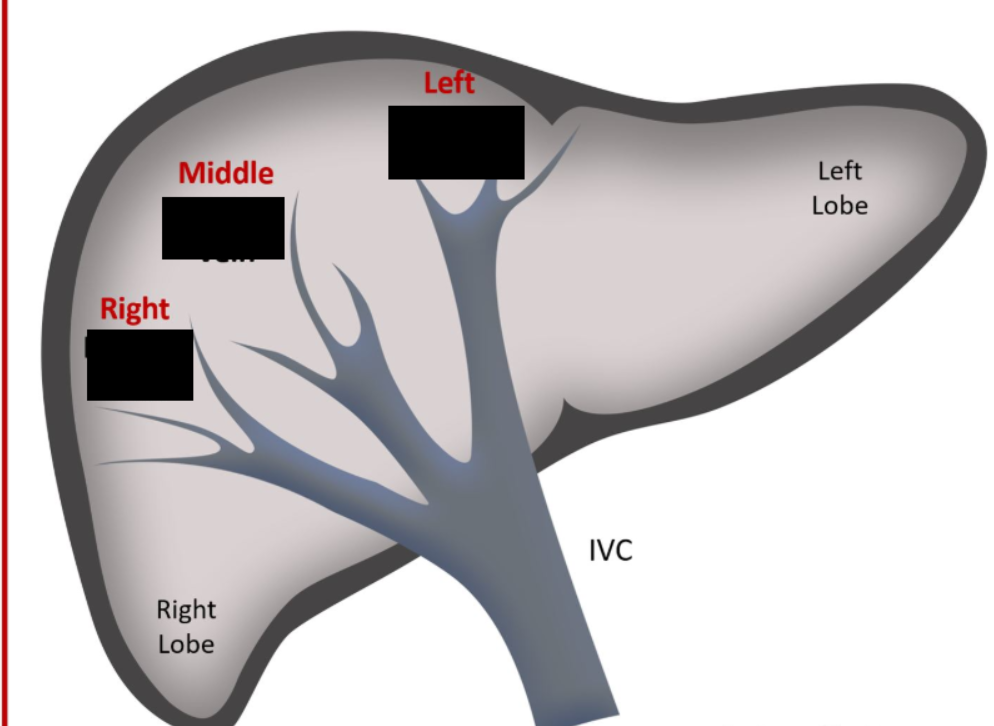
Veins located inside of the liver, and are called the hepatic portal system. The liver requires a great deal of blood flow, and the veins account for the majority of blood in the liver. In diseases such as cirrhosis, the liver becomes fibrous, which increases resistance to blood flow in the veins.
Ascites
A condition that causes plasma to leak out of the hepatic veins due to an increase in pressure, causing edema in the abdominal cavity.
Congestive Heart Failure
A cardiovascular disorder where the heart cannot pump enough blood to the body. Caused by a variety of disorders, such as structural defects with heart valves, disease of the heart muscle, abnormal heart rhythms, and heart attack.
Pulmonary Hypertension
A cardiovascular condition characterized by high blood pressure in the pulmonary arteries, which are large vessels that carry deoxygenized blood from the heart to the lungs. Cellular changes cause the pulmonary arteries to stiffen and thicken, making blood flow difficult and increasing blood pressure. May lead to heart failure.
Atherosclerosis
A cardiovascular disease characterized by the gradual buildup of plaque in the arterial walls. Results from damage to the arterial wall. Causes arterial stiffness, and plaque could cause a blood clot to form.