laboratory vet tech prep power pages
 Call Kai
 Learn
Learn Practice Test
 Spaced Repetition
 Match
Match Flashcards
 Knowt Play
1/355

There's no tags or description
Looks like no tags are added yet.
Name | Mastery | Learn | Test | Matching | Spaced | Call with Kai |
|---|
No analytics yet
Send a link to your students to track their progress
356 Terms
Diabetes mellitus
a common endocrine problem in dogs and cats caused by inadequate insulin production of peripheral insulin resistance.
key clinical signs of diabetes mellitus
PU/PD,
polyphagia
and weight loss
Less common clinical signs of diabetes mellitus
plantigrade stance (cat)
and cataracts (dog)
Diabetes mellitus type 1
pancreas is no longer producing insulin
diabetes mellitus type 2
caused by insulin resistance (rare in the dog, more common in the cat);
if treated properly, some cats may actually go into diabetic remission
there are 2 presentations of diabetes mellitus:
healthy diabetic or diabetic ketoacidosis
diabetes mellitus: healthy diabetic clinical signs
● PU/PD (polyuria and polydipsia)
● Polyphagia (increased appetite) and weight loss
● Recurrent infections
● Plantigrade stance from diabetic neuropathy (cats)
● Cataracts (dogs)
diabetes mellitus: diabetic ketoacidosis (DKA) clinical signs
● Anorexia
● Vomiting
● Weakness
● Metabolic acidosis
● Blood glucose > 500 mg/dl
● May have previous history of the signs of a "healthy diabetic"
what diagnoses diabetes mellitus
based on clinical signs and bloodwork analysis with urinalysis
hyperglycemia can diagnose diabetes mellitus this is
often >300mg/dl
NOTE: stress can cause hyperglycemia particularly in cats
what else can diagnose diabetes mellitus?
● Glucosuria +/- ketonuria
○ NOTE: While less common, stress in cats can also cause glucosuria
Ancillary tests of fructosamine and glycosylated hemoglobin reflect
the patient's blood glucose levels over several weeks
treatment of diabetes mellitus mainly includes
insulin injections most often given twice daily subcutaneously at home by the owner
what diet changes are recommended for diabetes mellitus patients
A high fiber, low fat diet (dogs) or high protein, low carb diet (cats) is recommended
types of insulin
-short acting
-intermediate or long acting insulin
-peakless insulin
short acting insulin
Humulin R
What insulin is most often used in cases of diabetic ketoacidosis (DKA)
short acting insulin (Humulin R)
ketoacidosis (DKA) ○ Intermediate-or longer-acting insulins
Humulin-N, Vetsulin
Peakless insulin
Glargine (lantus)
Peakless insulin is used in
cats
in horses, internal parasites can cause significant health problems in horses such as
-weight loss
-diarrhea
-colic
-chronic weight loss
horses GI parasites are
-strongyles. Divided into small vs large
-Anoplocephala perfoliata -equine tapeworm
-Parascaris equorum- equine roundworm
large strongyles
-Strongylus vulgaris
-Strongylus edentatus
-Strongylus equinus
The adult strongyles are located within the
cecum and colon of infected horses.
Strongyles in horses may also
migrates throughout host tissues during the developmental stages resulting in damage to various organs
Strongylus vulgaris (lg) is most commonly associated with
clinical signs of disease; however, with the advent of modern anthelmintics, colic as a result of S. vulgaris is fairly infrequent.
strongylus vulgaris (lg) Larvae route of travel
they penetrate submucosal arteries and migrate along endothelium to the cecal and colic arteries and then to the base of the cranial mesenteric artery; they return to the intestine via the arteries.
As strongylus vulgaris (lg) parasites migrate through mesenteric arteries, they can cause
thrombosis, inflammation and infarction with subsequent necrosis of the intestine.
Strongylus edentatus (lg) larvae route of travel
Larvae invade gut wall, penetrate blood vessels and migrate to liver via the hepatic portal vein; larvae then travel through the liver and return to the large intestine via the mesentery.
● Migration may or may not result in observable clinical signs.
Strongylus equinus (lg) larvae route of travel
● During maturation, larvae leave the intestine and migrate to the liver; from there they migrate back to the large intestine
. ● Migration may or may not result in observable clinical signs.
equine tapeworm scientific name
Anoplocephala perfoliata
the equine tapeworm may be a
common cause of colinc
the equine tapeworm inhabits
the region of the ileocecal junction and can produce ulcerations of the mucosa.
equine roundworm scientific name
Parascaris equorum
equine roundworms mainly affect what age
foals, not a significant parasite in the adult horse
adult horses develop immunity to
roundworms
Disease from roundworms in foals results in
ill thrift and poor weight gain, but can also result in significant disease from such a heavy burden of large worms resulting in intestinal impaction
small strongyles
Cyathostomes spp
small strongyles include over
40 species
Small strongyles cause
severe diarrhea in adult horses (larval cyathostomiasis)
severe diarrhea in adult horses from small strongyles
larval cyathostomiasis
larval cyathostomiasis typically occurs in what seasons
the late winter or spring
-is associated with the simultaneous emergence of a large number of fourth-stage larvae from the intestinal mucosa.
larval cyathostomiasis rapid emerge can lead to
significant diarrhea, weight loss, hypoproteinemia and possibly death
Equine Lung Worm
Dictyocaulus arnfieldi
the equine lung worm is commonly observed in
Donkeys but they rarely produce clinical signs
the suspected natural host/ inapparent carriers of equine lungworm are
donkeys.
how do horses get equine lungworm
the horses acquire it through contact with donkeys or their pastures.
symptoms of equine lungworms
bronchial inflammation and chronic cough
the equine lungworm can grow up to
16cm
what parasite that is not a lung worm can migrate through the lung and produce signs of resporatory disease
equine lungworm can do this in foals
Macrocyclic Lactones
Ivermectin Moxidectin
Macrocyclic Lactones treats what in horses
-adult large strongyles
-migrating large strongyle larvae
-Cyathostomes- adult small strongyles
Ascarids-roundworms
Bots
Benzimidazoles
Fenbendazole
Oxfendazole
Mebendazole
Macrocyclic Lactones mode of action
Affect glutamate-gated chloride channels
Benzimidazoles mode of action
Beta-tubulin binding and inhibition of microtubule formation
Benzimidazoles treat what in horses
-adult large strongyles
-migrating large strongyle larvae
-Cyathostomes- adult small strongyles
Ascarids-roundworms
Bots
Pyrimidines
Pyrantel pamoate
Pyrantel tartrate
Pyrimidines mode of action
Cholinergic effect on parasite ganglia
Pyrimidines treat what in horses
adult large strongyles
-Cyathostomes- adult small strongyles
Ascarids-roundworms
Heterocyclics
Piperazine
Heterocyclics mode of action
neuromuscular hyperpolarization
heterocyclics treat what in horses
adult large strongyles
-Cyathostomes- adult small strongyles
Ascarids-roundworms
Pyrazinoisoquinolines
Praziquantel
treat what in horses
tapeworms
what dewormer classes are used in horses
Macrocyclic Lactones
Benzimidazoles
Pyrimidines
Heterocyclics
Pyrazinoisoquinolines
CBC
complete blood count
RBC count
the number of RBC's per microliter of whole blood
Hemoglobin (Hgb) measurement
Grams of hemoglobin per microliter of whole blood
Hematocrit (Hct) measurement
percentage of whole blood volume composed of RBCs
MCV (mean corpuscular volume)
Average size of red blood cells in femtoliters (a femtoliter is 1 x 10^-15 liters)
used with hematocrit measurement
RBC distribution width (RDW)
Percent variation in size of the RBC population
Mean Corpuscular Hemoglobin (MCH)
Average weight of hemoglobin per RBC in picograms
Mean Corpuscular Hemoglobin Concentration (MCHC)
Average concentration of hemoglobin per RBC in grams per deciliter
WBC count
The number of WBCs per microliter of whole blood
Differential count
thie percentage and absolute number of each WBC
WBC's
○ Neutrophils (also known as "Segs")
○ Lymphocytes
○ Monocytes
○ Eosinophils
○ Basophils
platelet count
the number of platelets per microliter of whole blood
Mean Platelet Volume (MPV)
Average size of platelets in femtoliters
Anemia
decreased number of red blood cells
Polycythemia
increased number of red blood cells
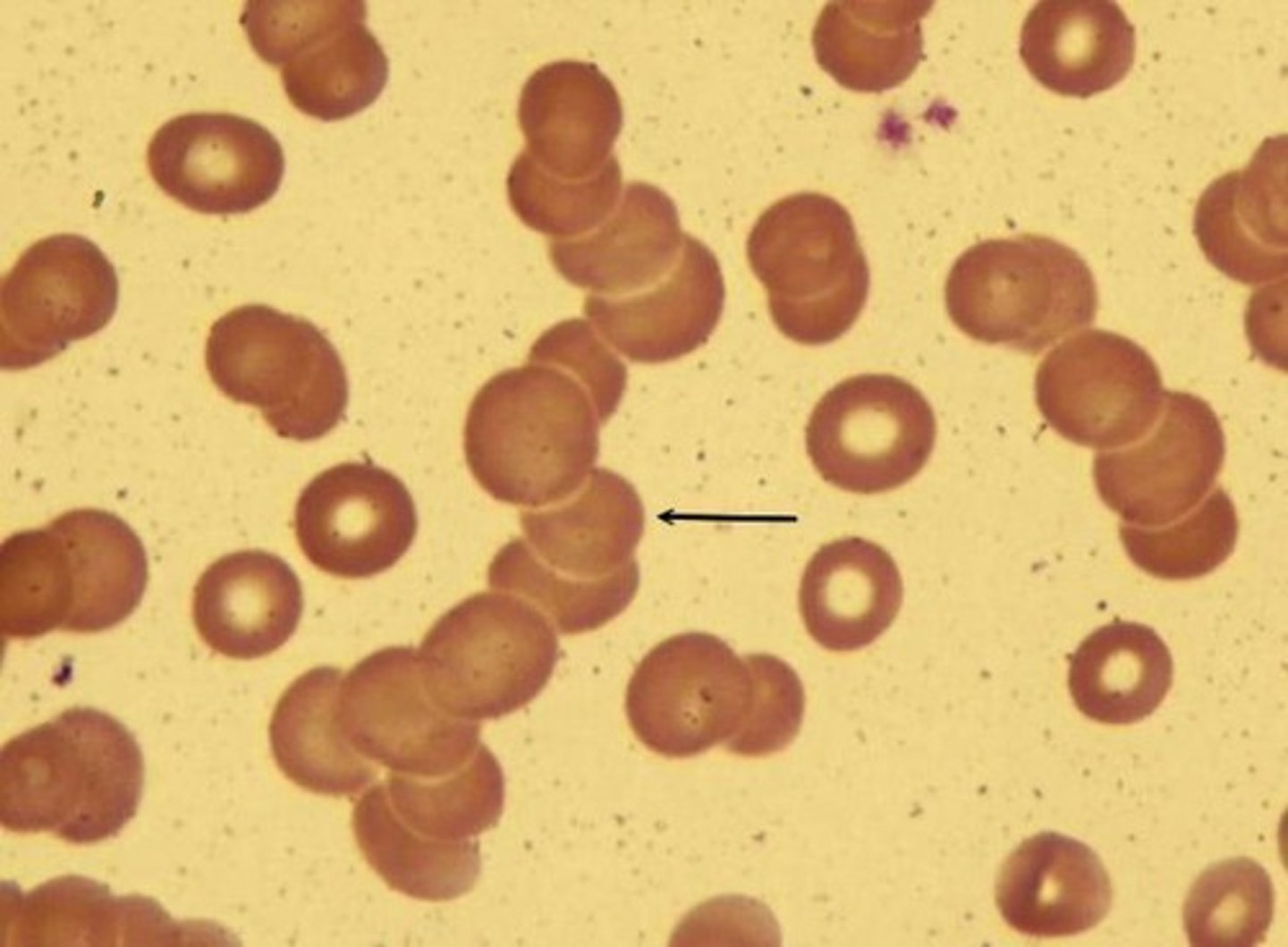
Rouleaux formation
red blood cells that form stacks
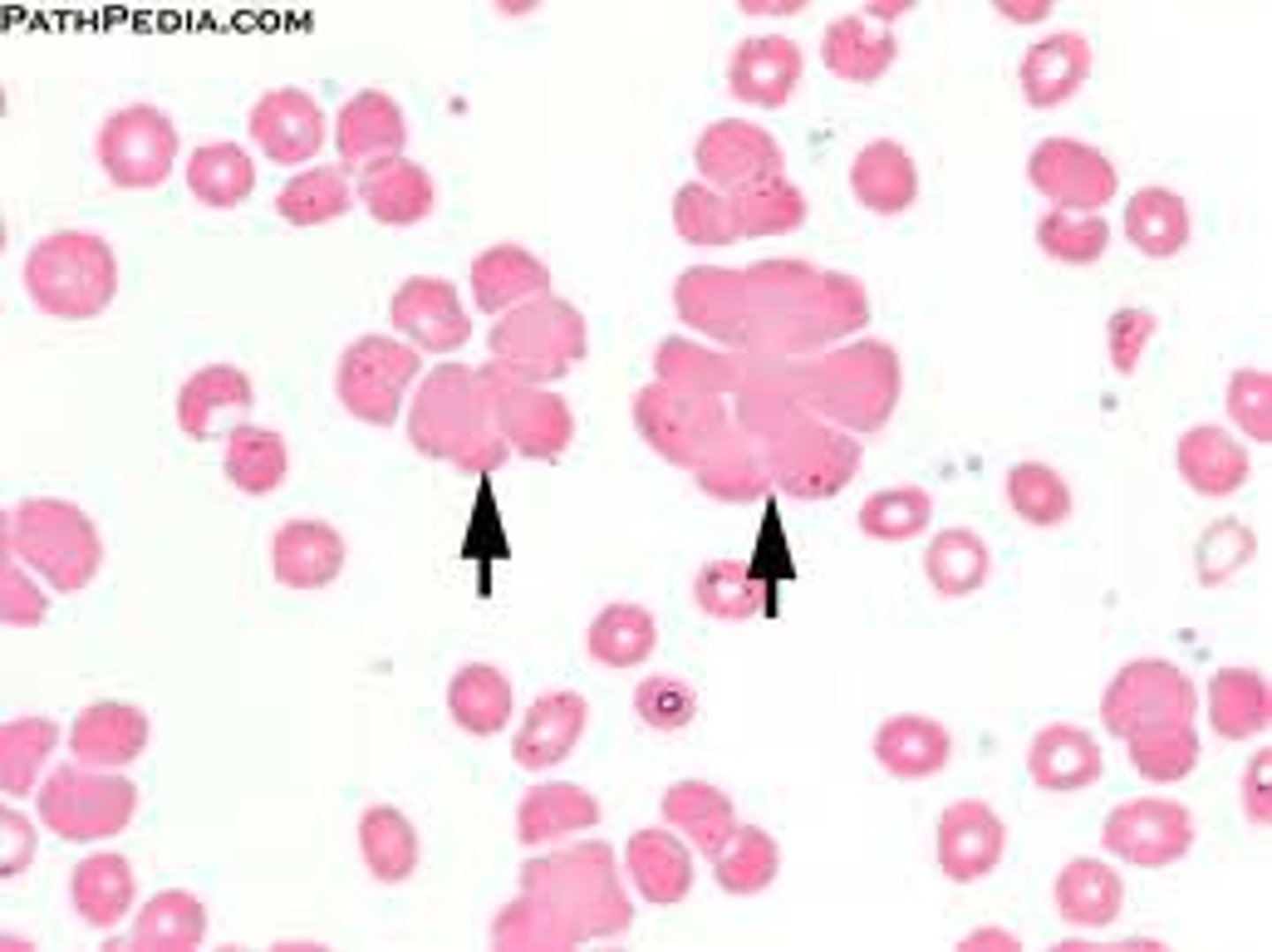
agglutination
RBC's that form irregular clumps
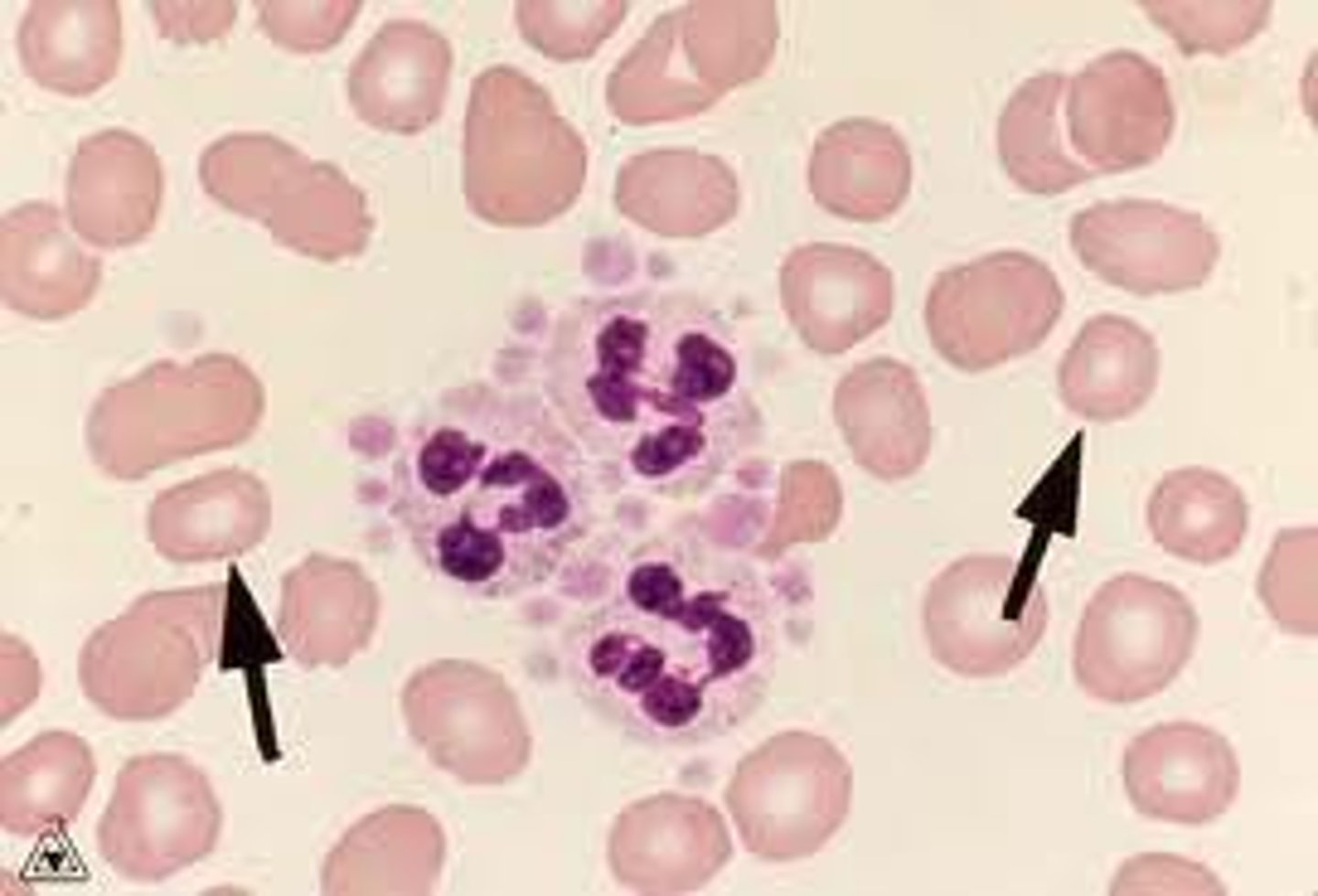
microcytosis
decreased red blood cell size
macrocytosis
increased RBC size
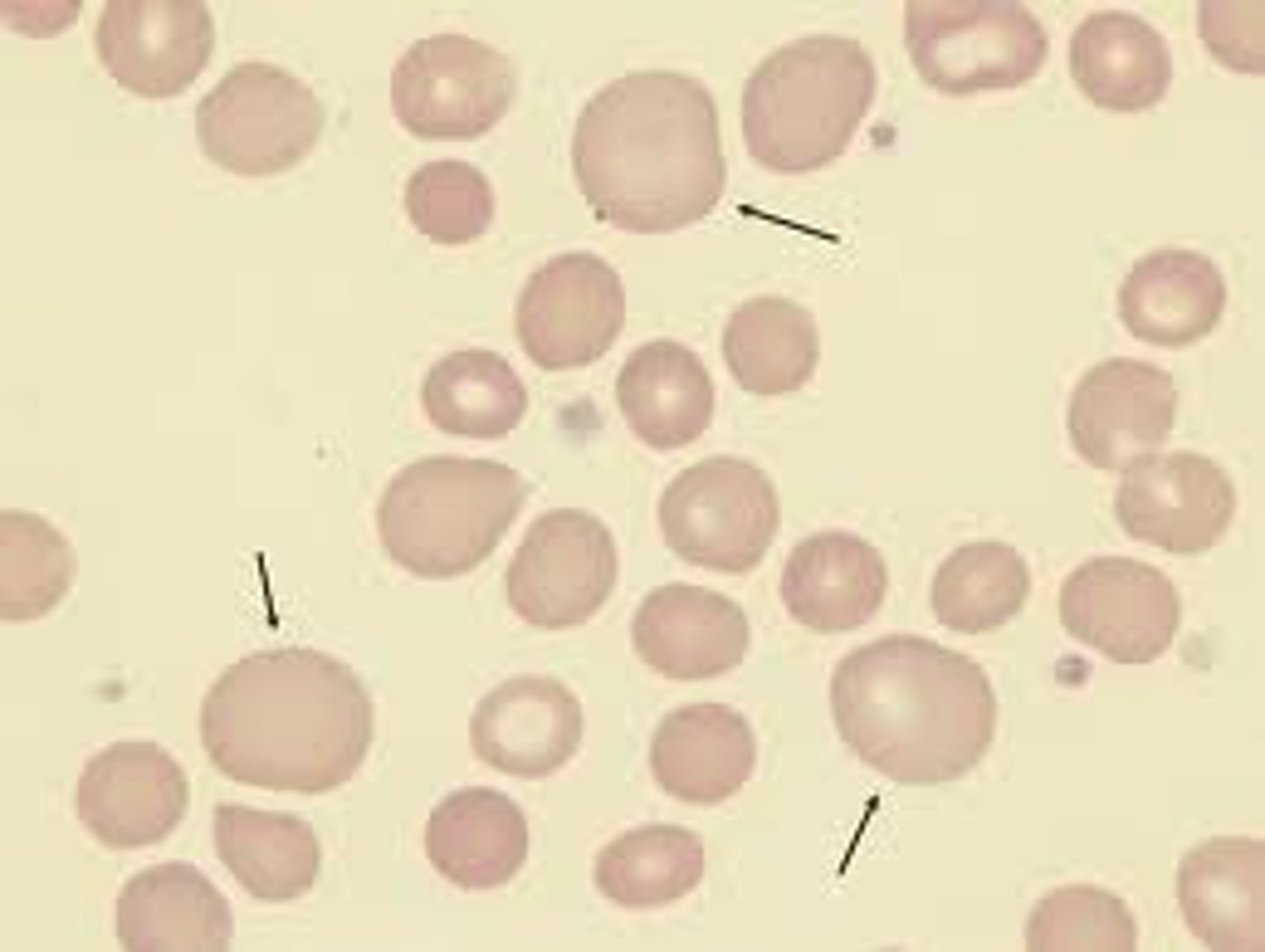
Anisocytosis
increased variation in cell size
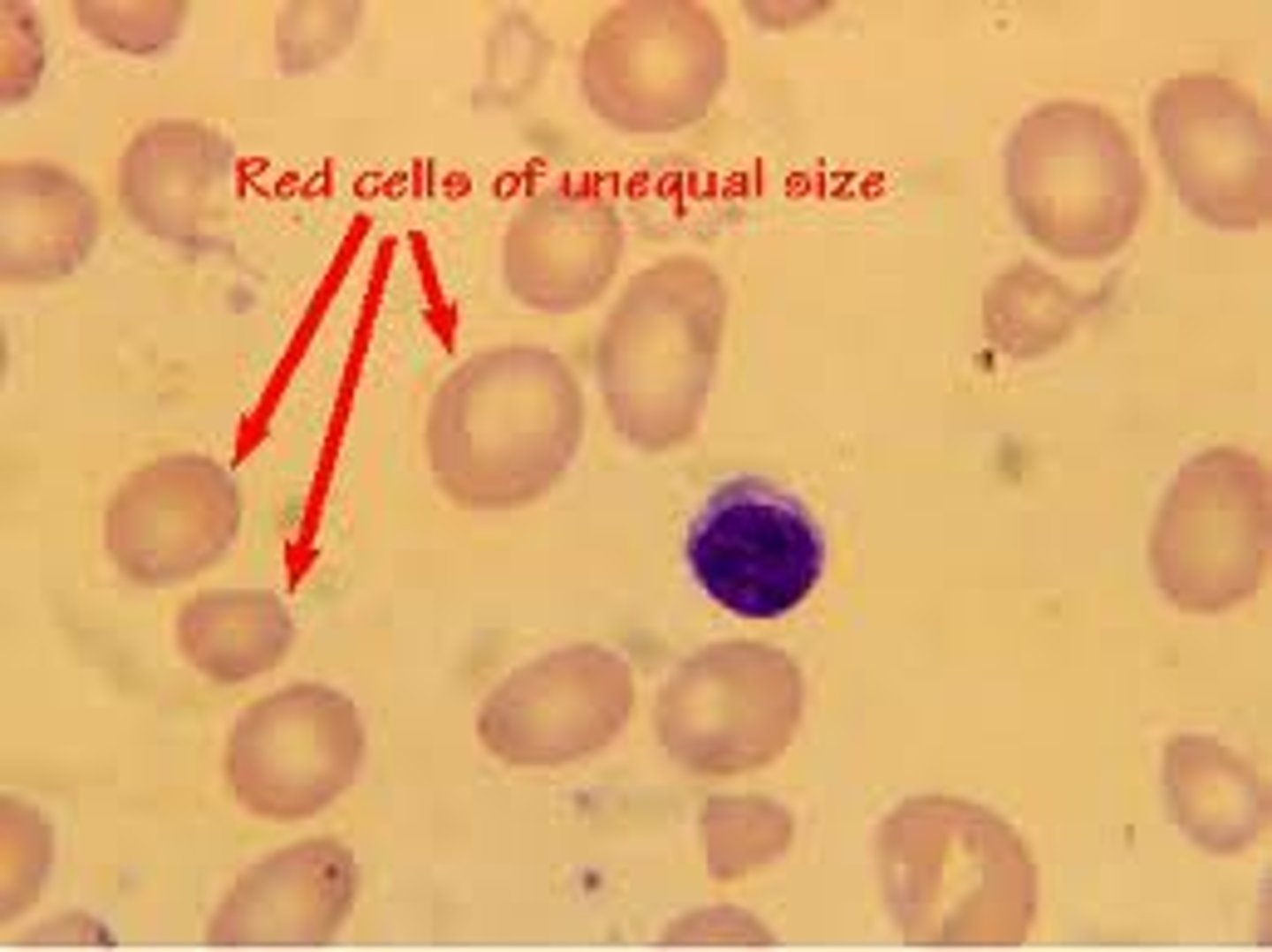
hypochromia
(cell color)
decreased pigment (increased pallor)
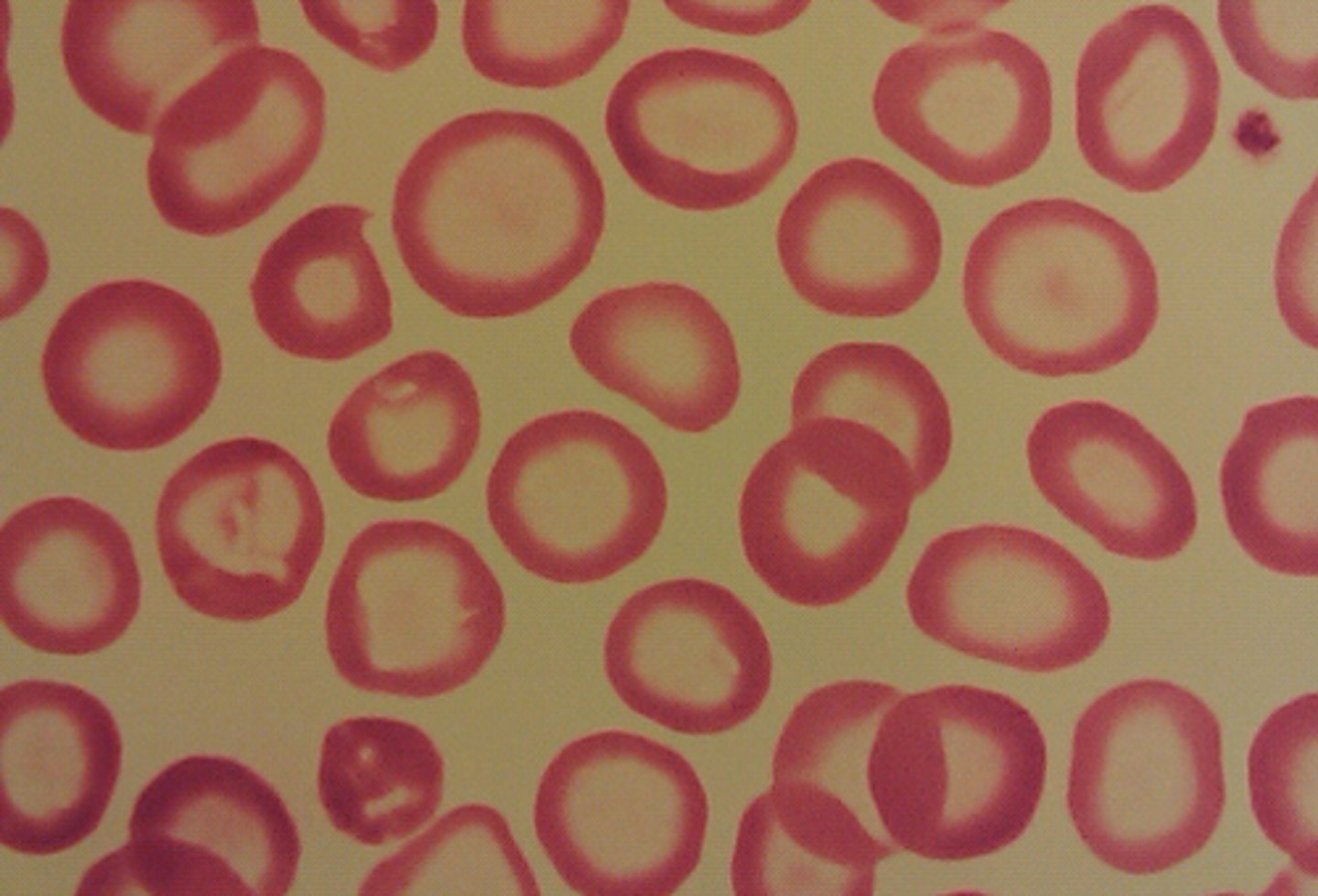
Hyperchromia
(cell color)
increased pigment (lack of central pallor)
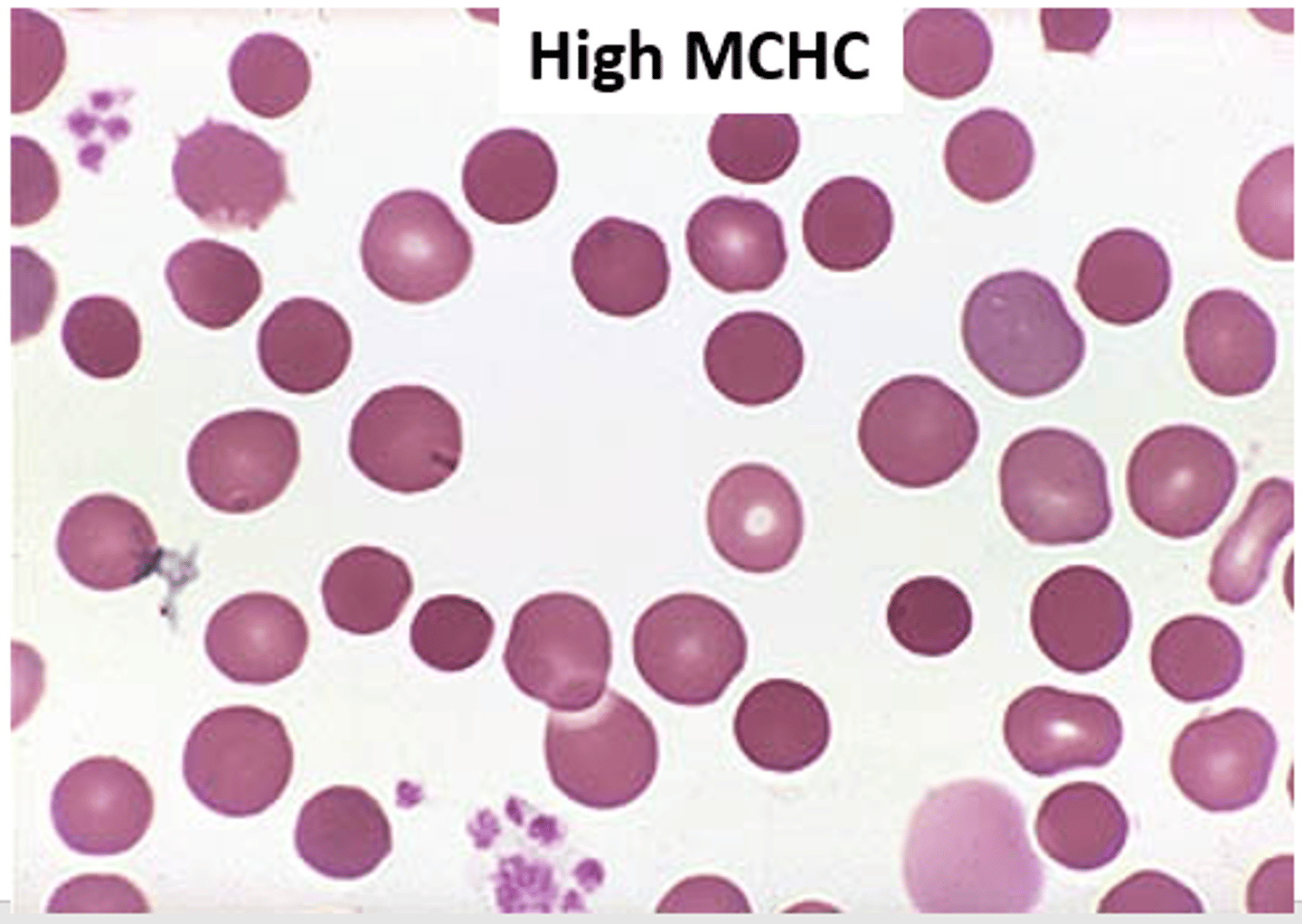
Anisochromasia
(cell color)
Increased variation in pigmentation
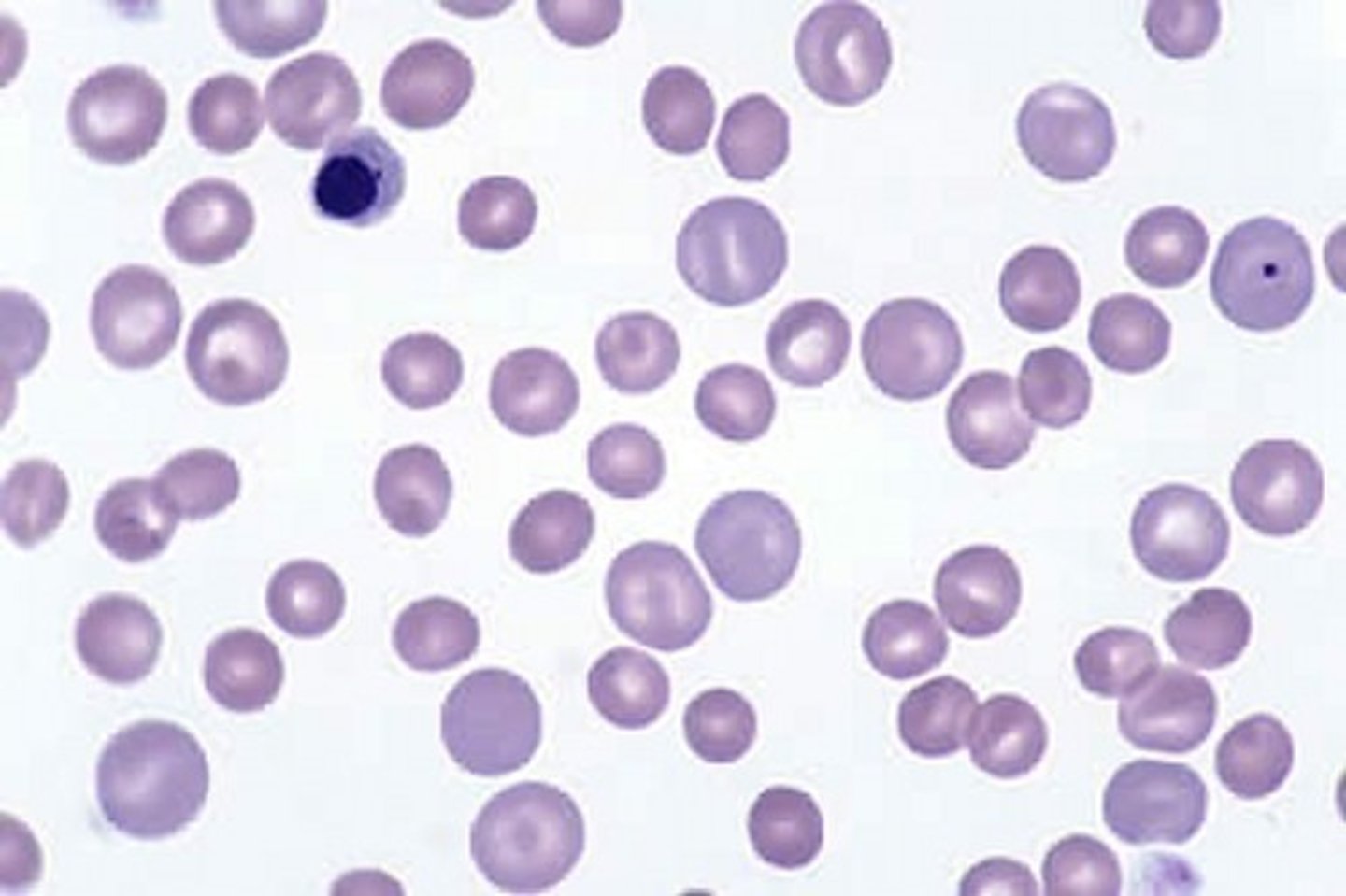
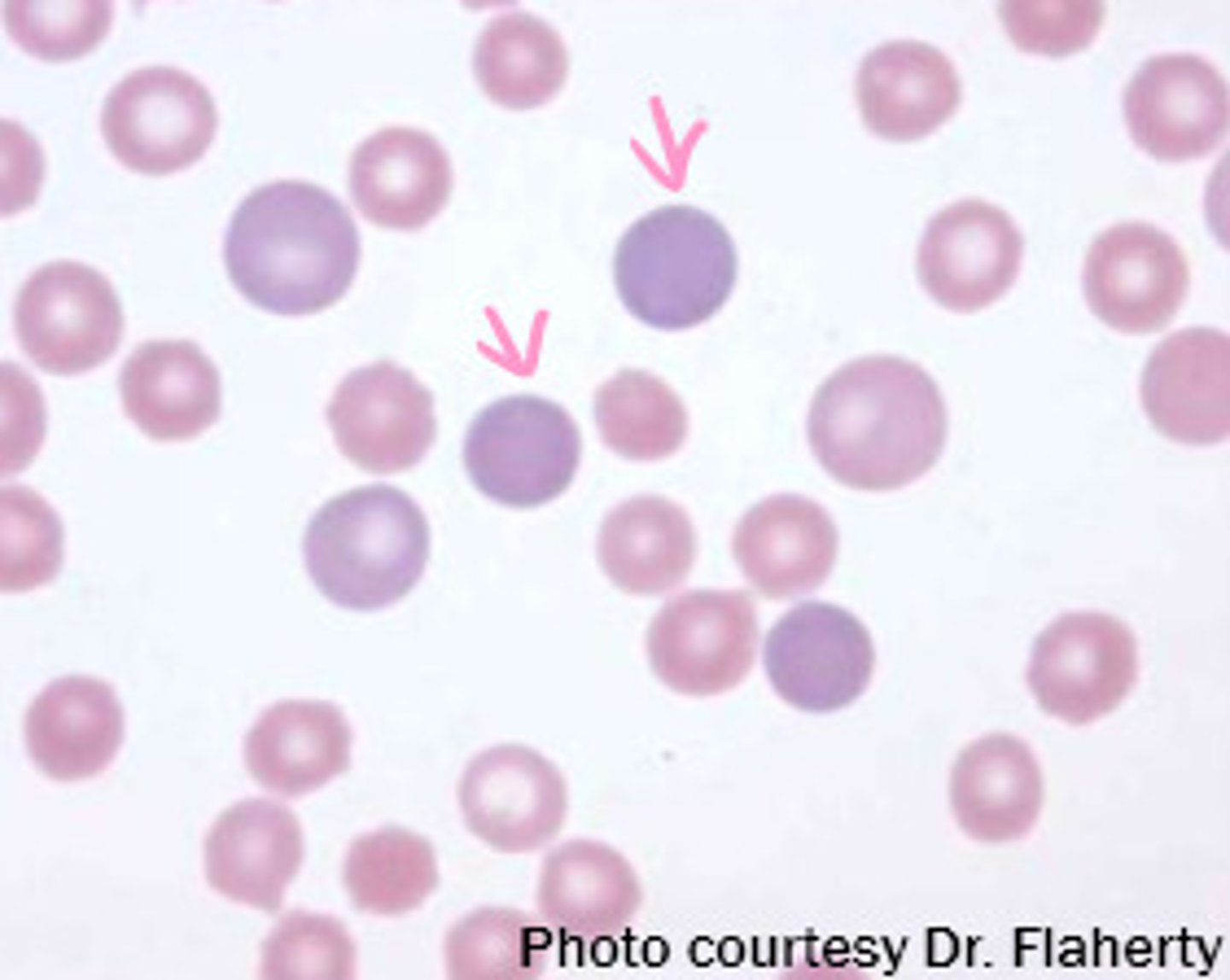
polychromasia
(cell color)
RBC's with a blue or lilac tinge
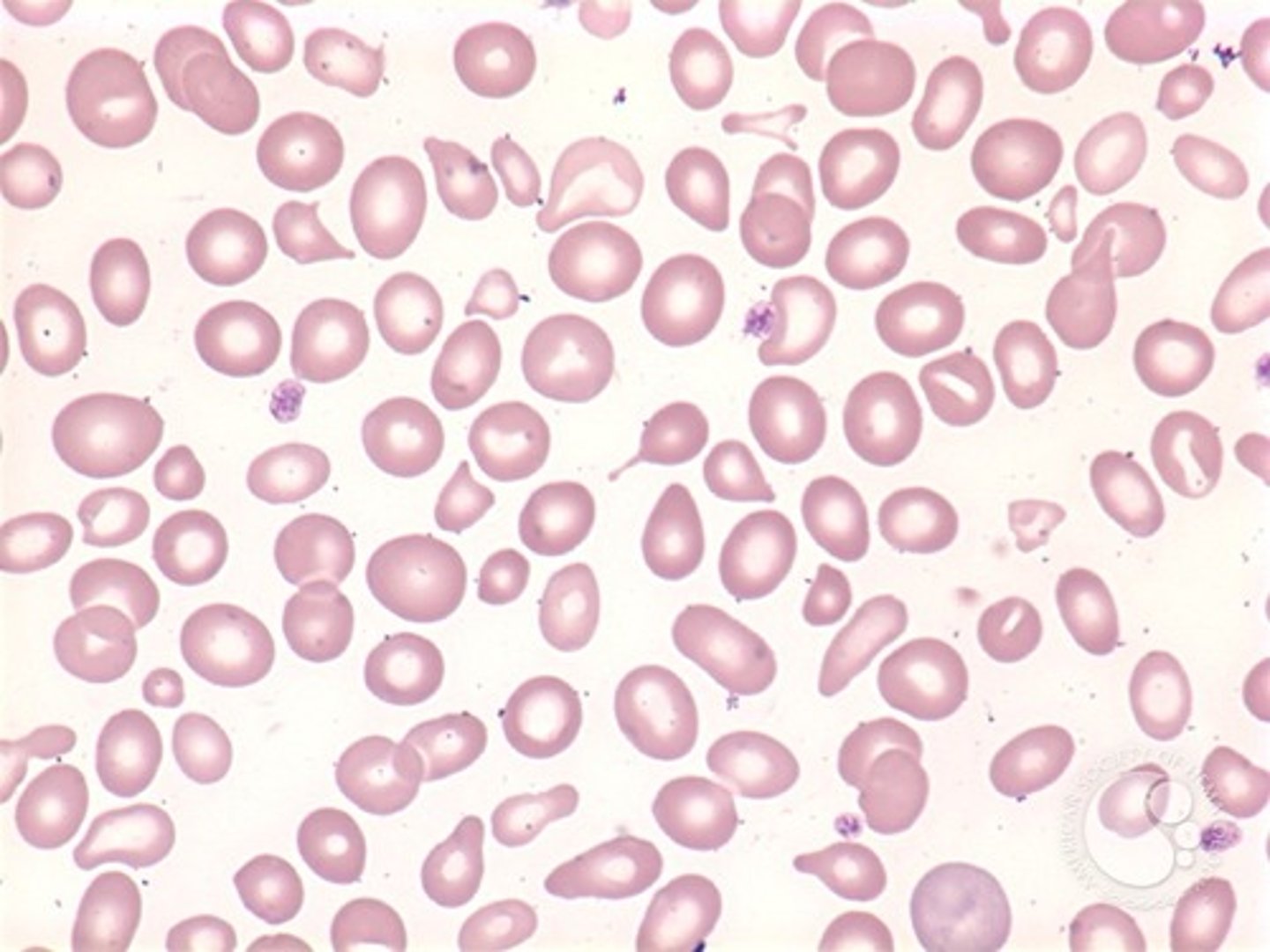
Poikilocytosis
increased variation in RBC shape
(cell shape)
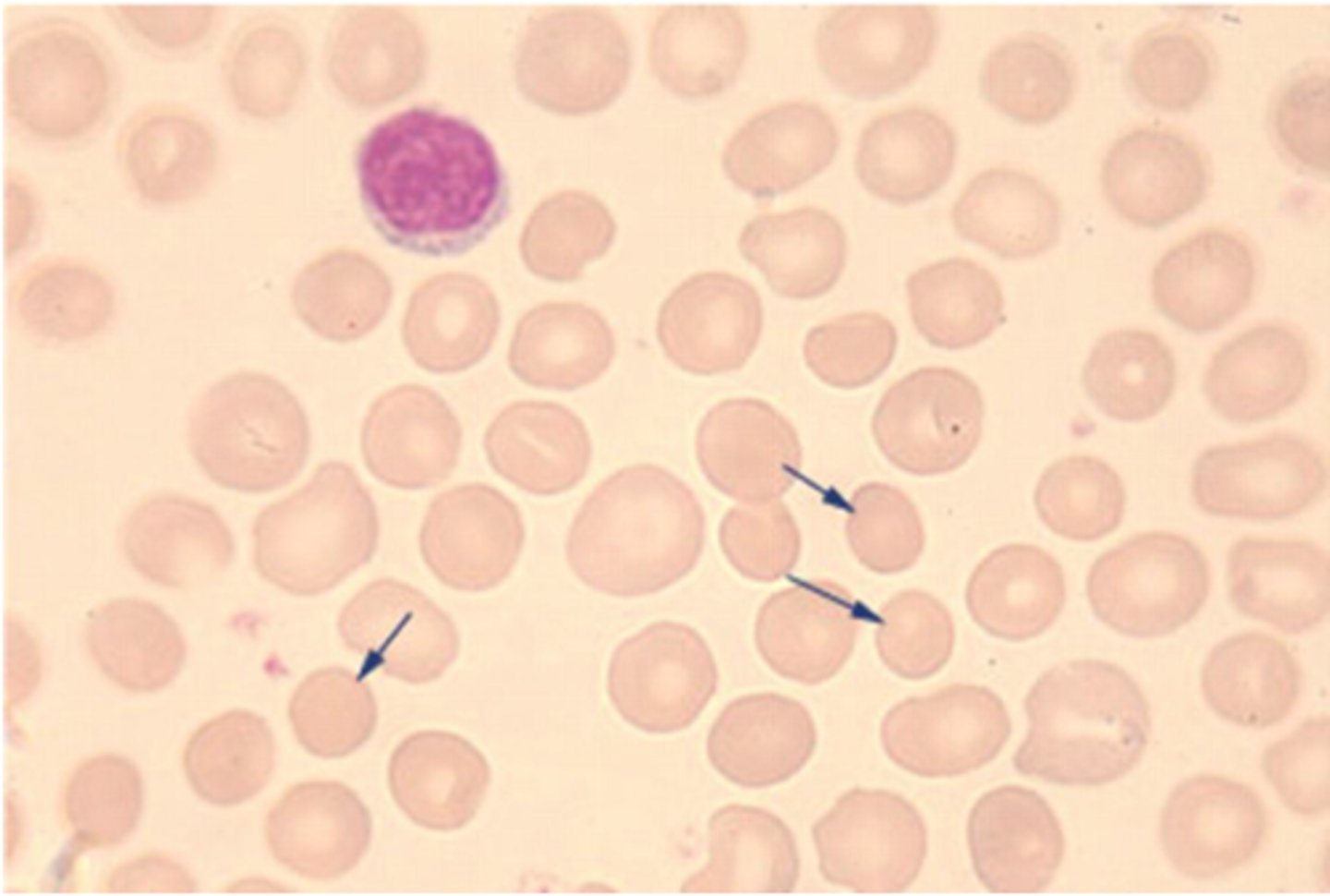
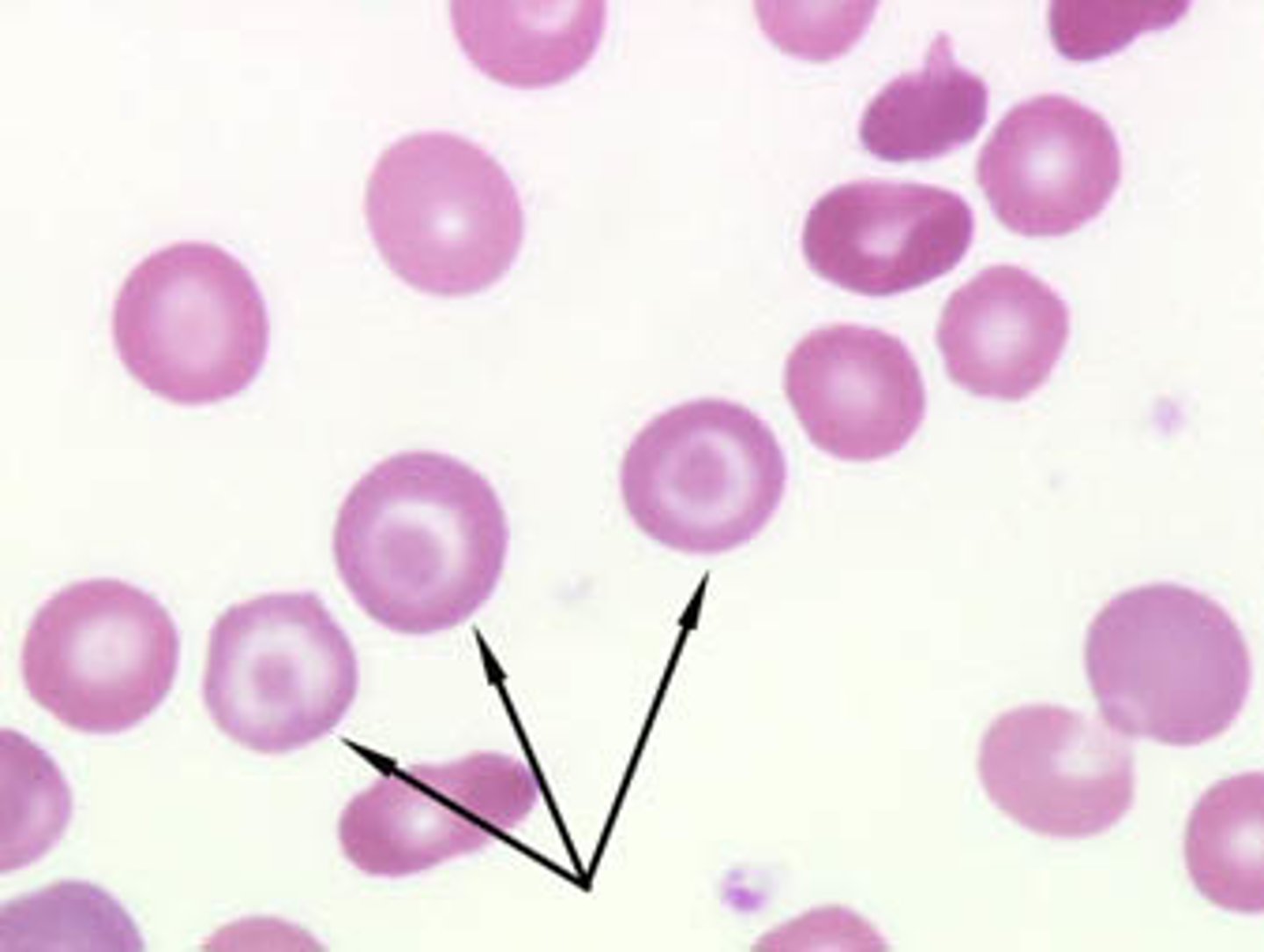
Spherocytosis
cells that are spherical in shape with lost central pallor
(cell shape)
target cell
cell with strongly staining area in the middle of the central pallor region
(cell shape)
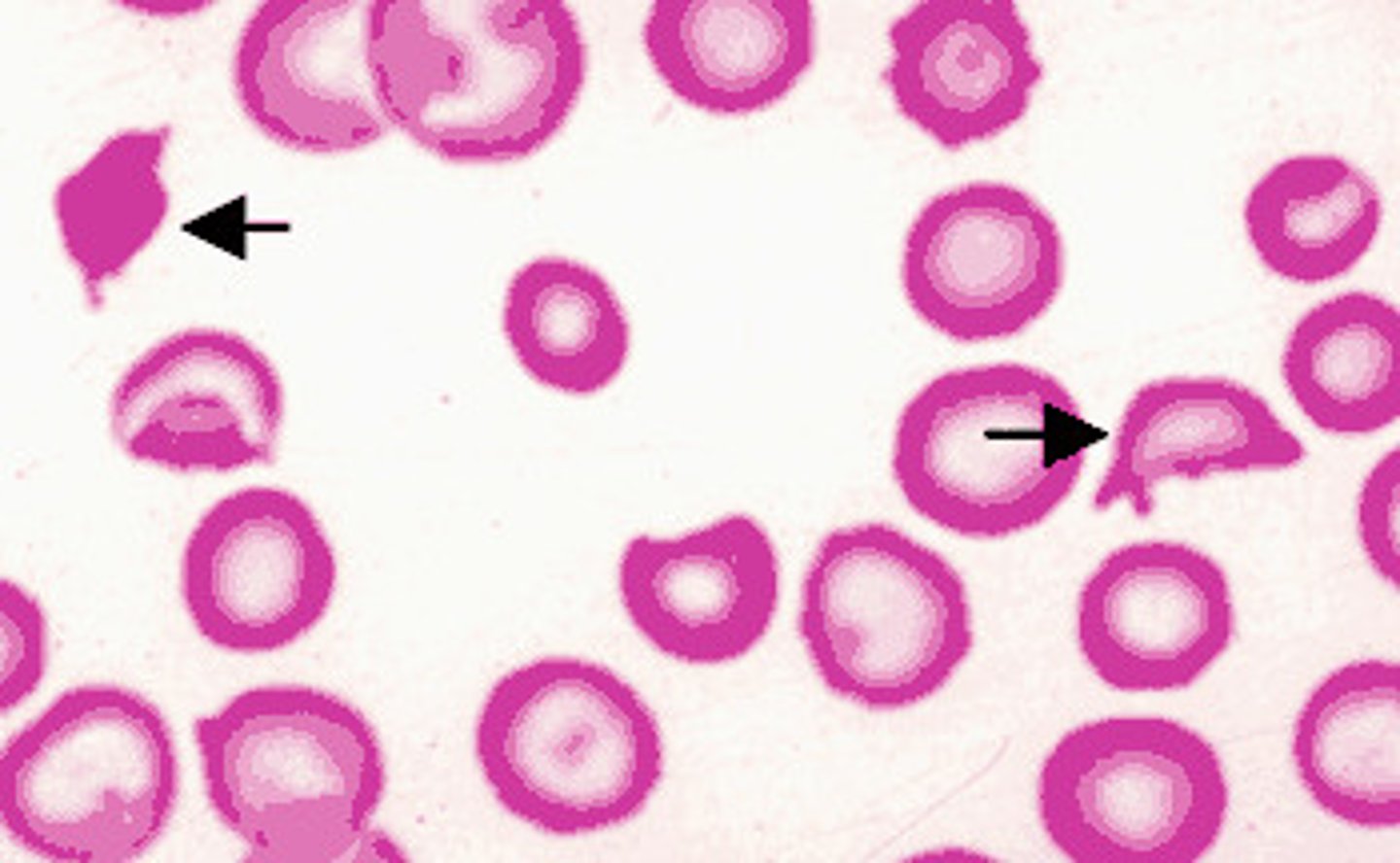
Schistocyte
fragmented RBCs that are usually angular
(cell shape)
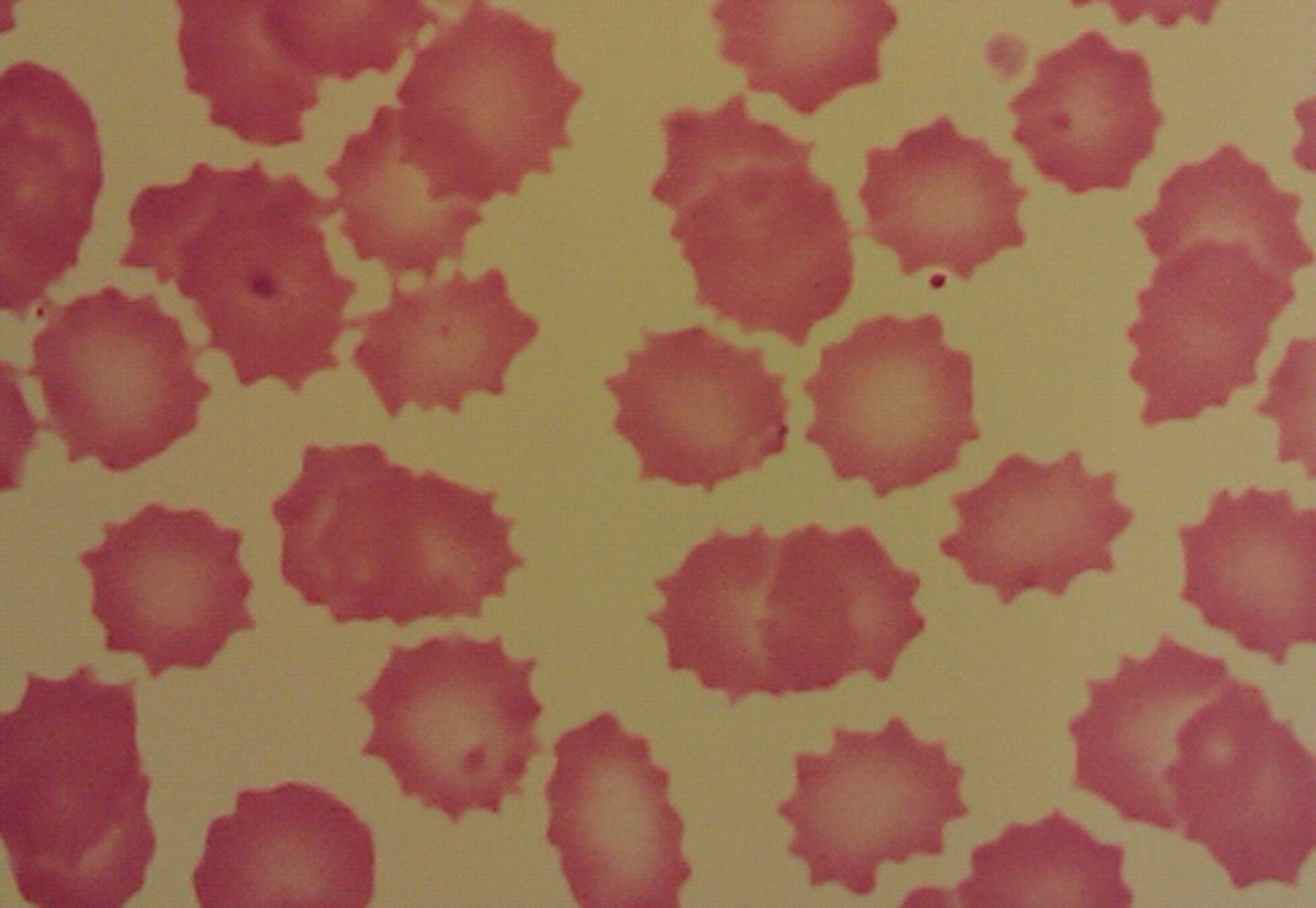
Echinocyte
-burr cell/crenated
-RBC with many (20-30) small, regular, blunt projections
(cell shape)
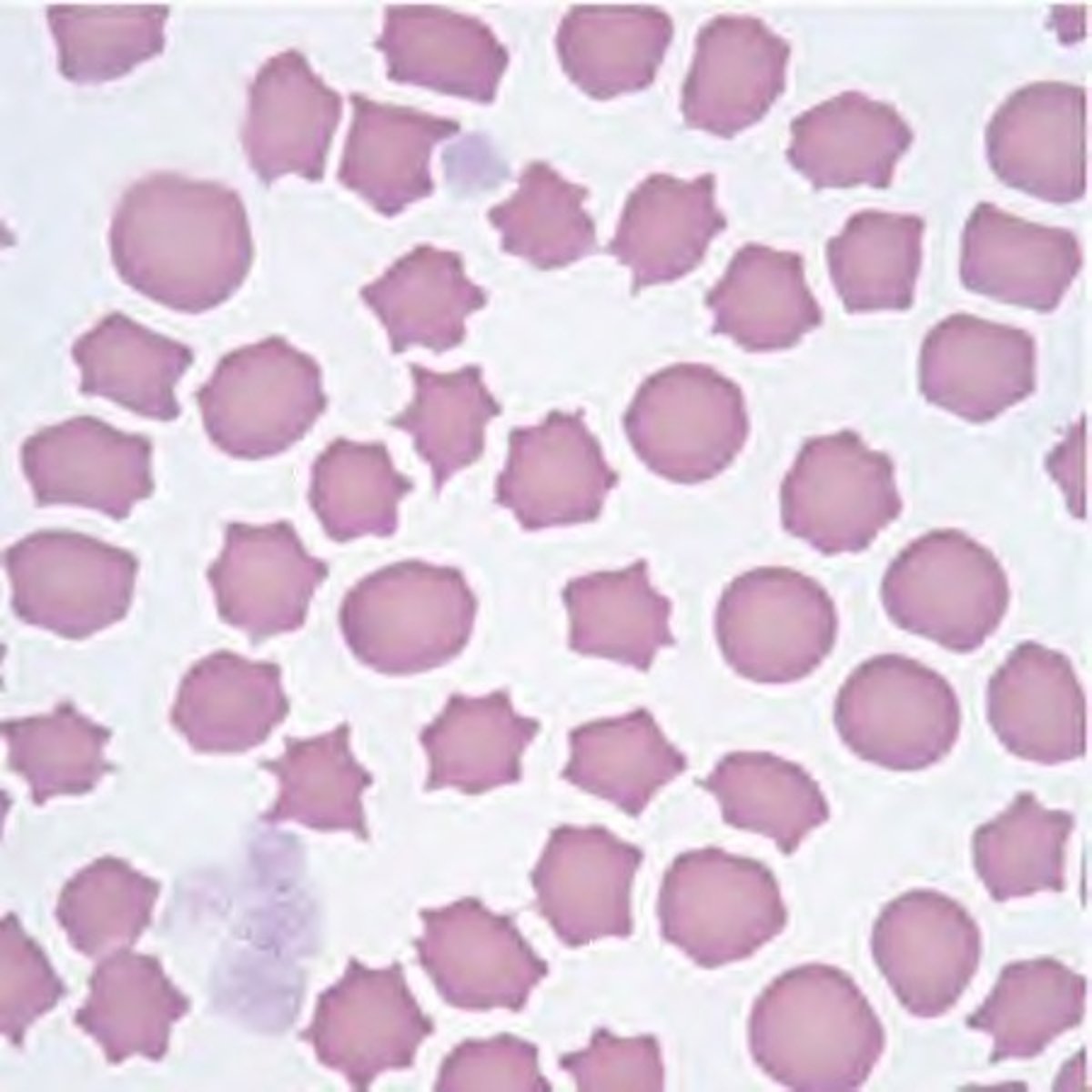
Acanthocyte
cell with irregularly distributed small projections
(cell shape)
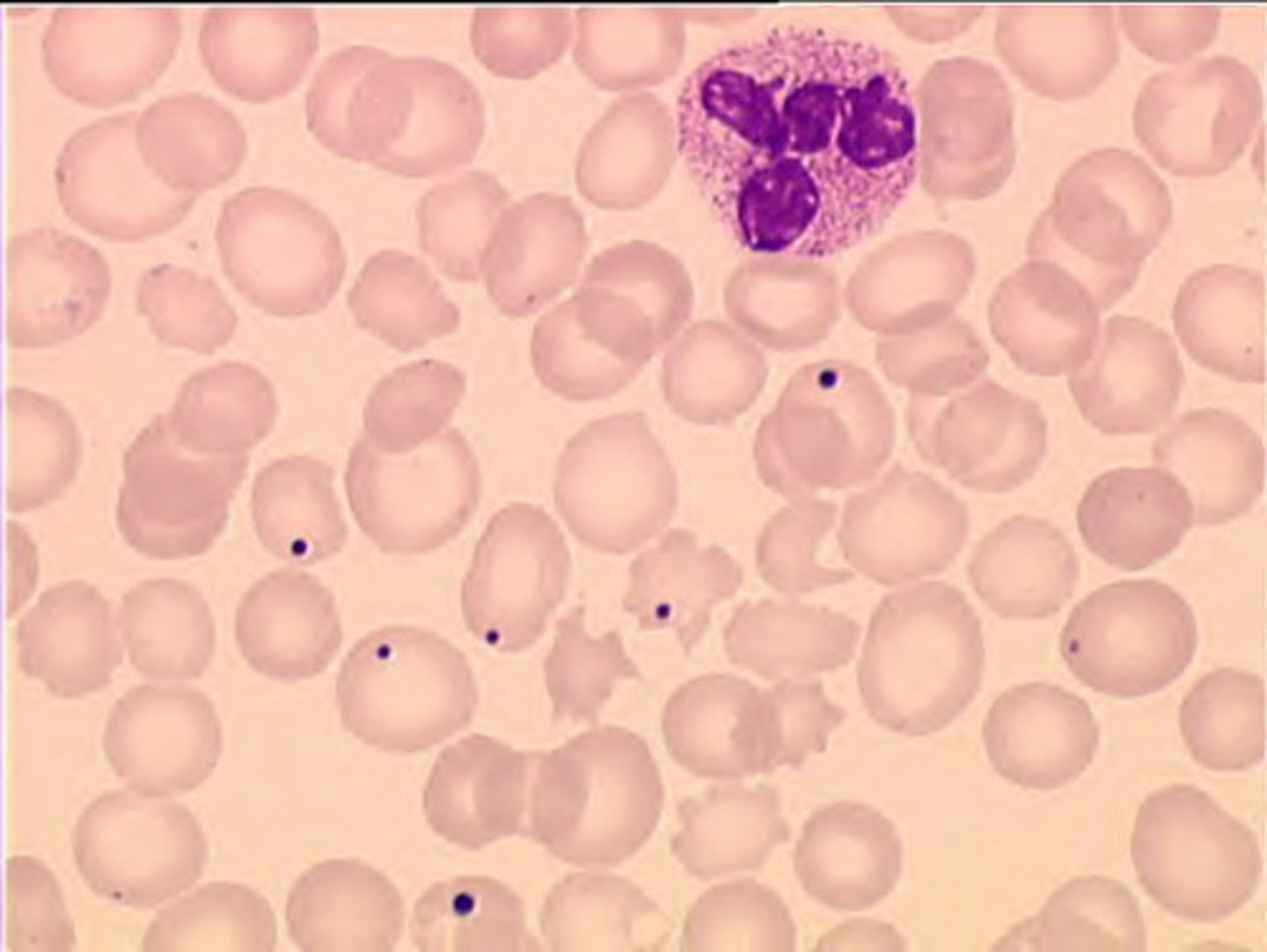
Howell-Jolly bodies
round dense staining inclusions, usually toward one edge of the cell; represents a nuclear fragment
(RBC inclusions)
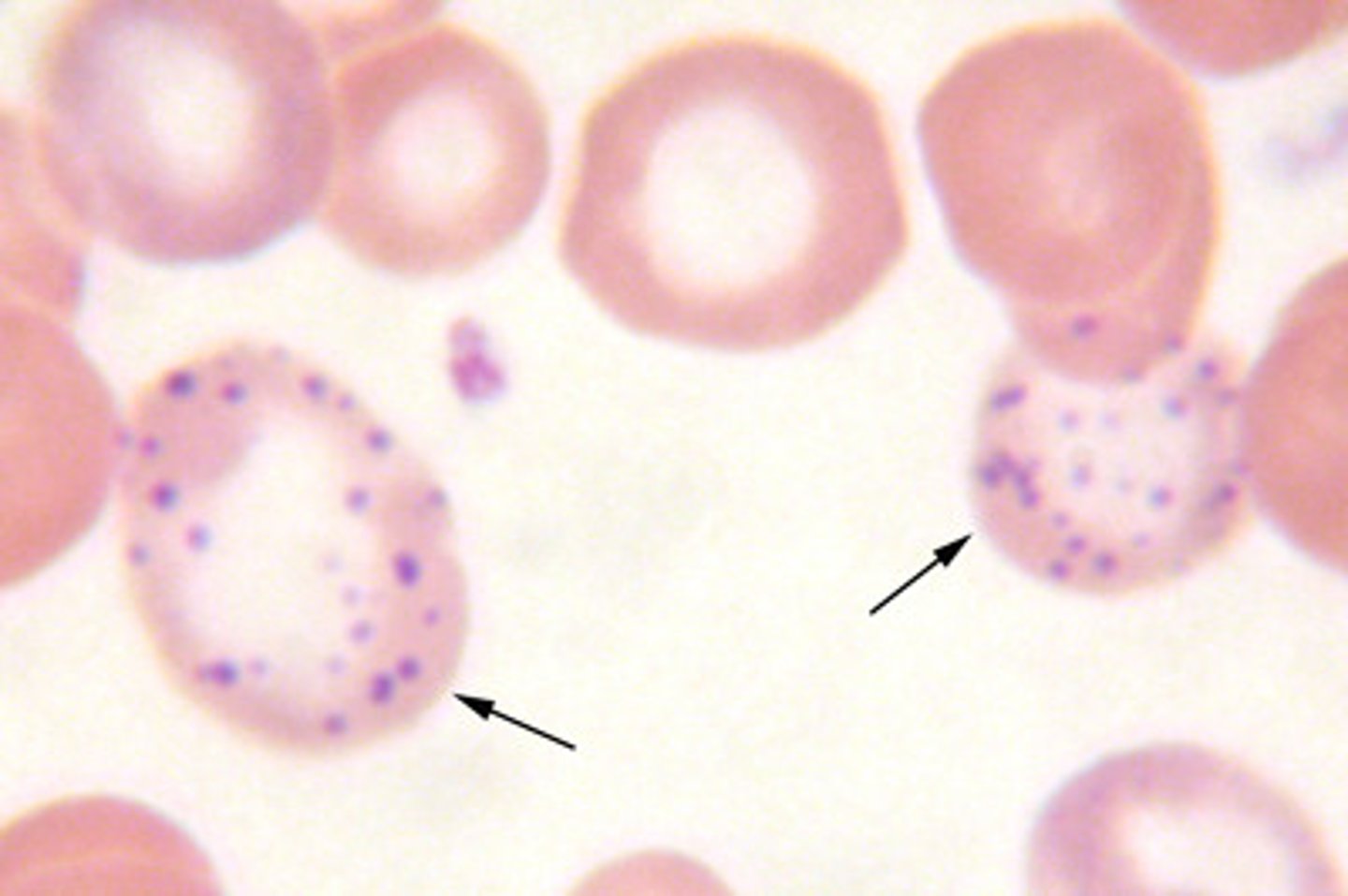
Basophilic stippling
(RBC inclusions)
the presence of small basophilic inclusions distributed throughout the RBC; represents abnormally staining ribosomes
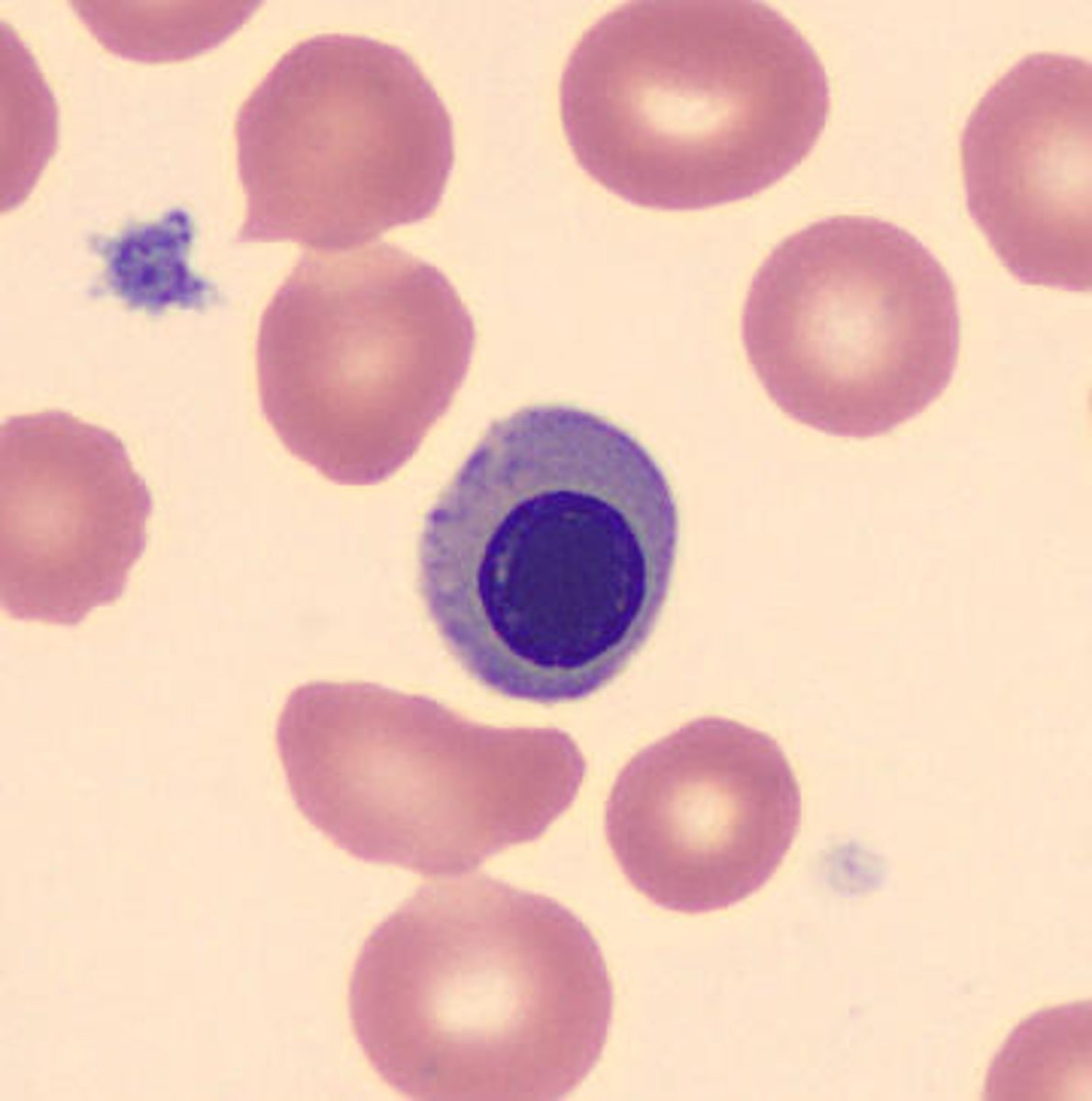
Nucleated RBCs (nRBCs)
(RBC inclusions)
RBC's that have not completed maturation and still have a nucleus
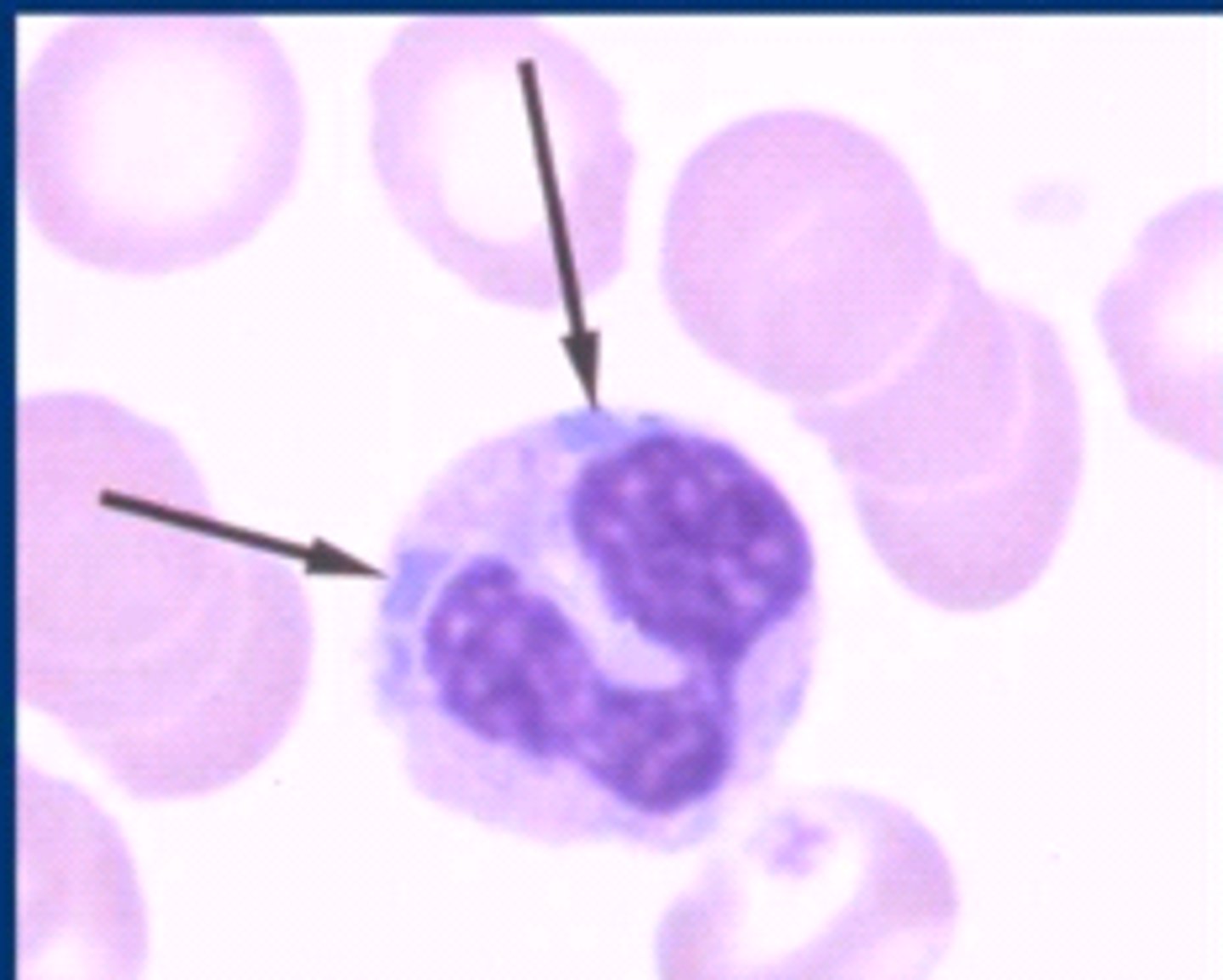
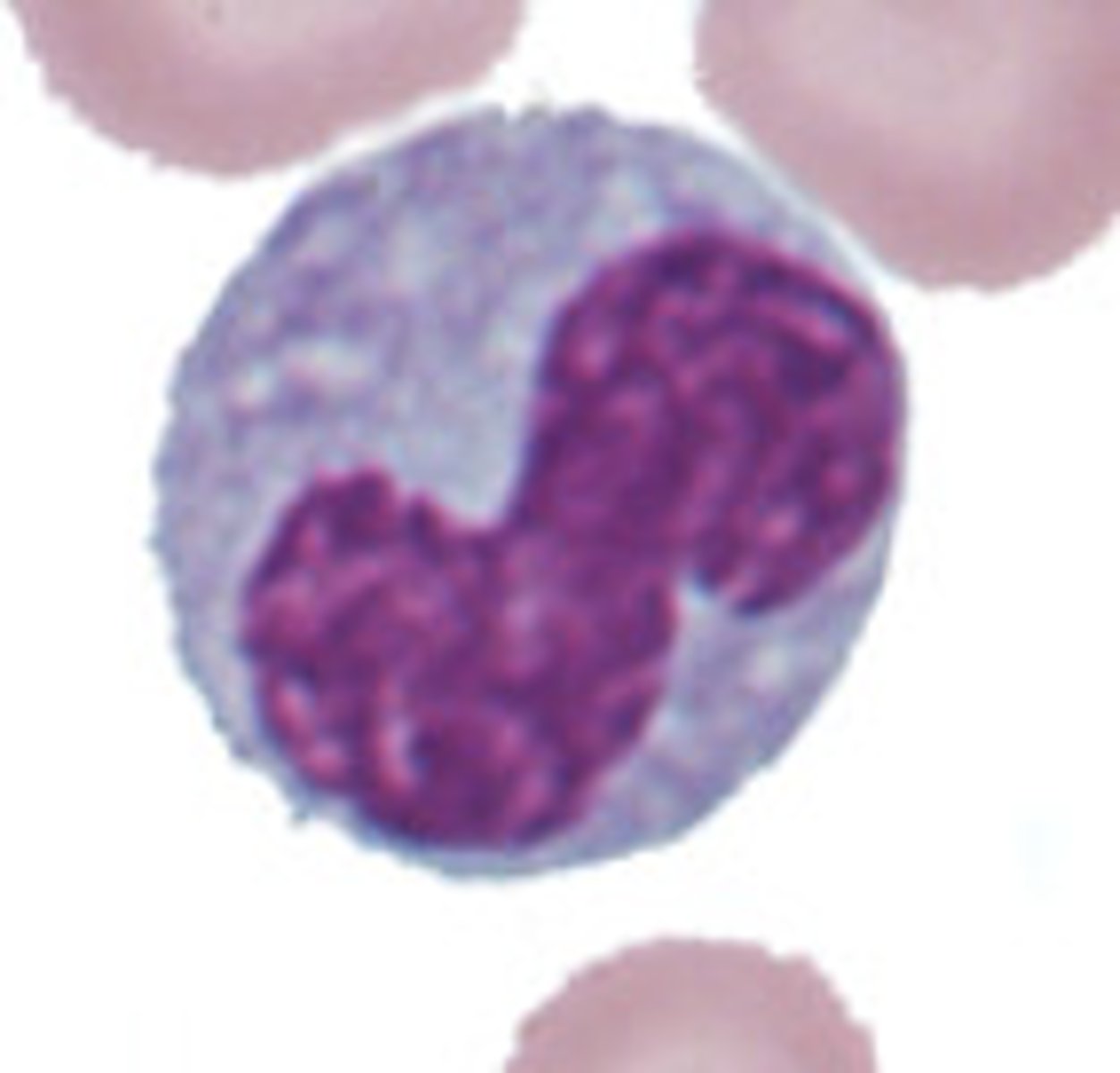
Cytoplasmic basophilia
Toxic changes in neutrophils
- streaky diffuse blue appearance to cytoplasm
Dohle bodies
Toxic changes in neutrophils
-round to linear blue aggregates in the cytoplasm