Biology 2e (Ch. 44 - Ecology and the Biosphere)
 Call Kai
 Learn
Learn Practice Test
 Spaced Repetition
 Match
Match Flashcards
 Knowt Play
1/90

There's no tags or description
Looks like no tags are added yet.
Name | Mastery | Learn | Test | Matching | Spaced | Call with Kai |
|---|
No analytics yet
Send a link to your students to track their progress
91 Terms
Abiotic
Nonliving components of the environment.
(Ex: Rocks, Moisture)
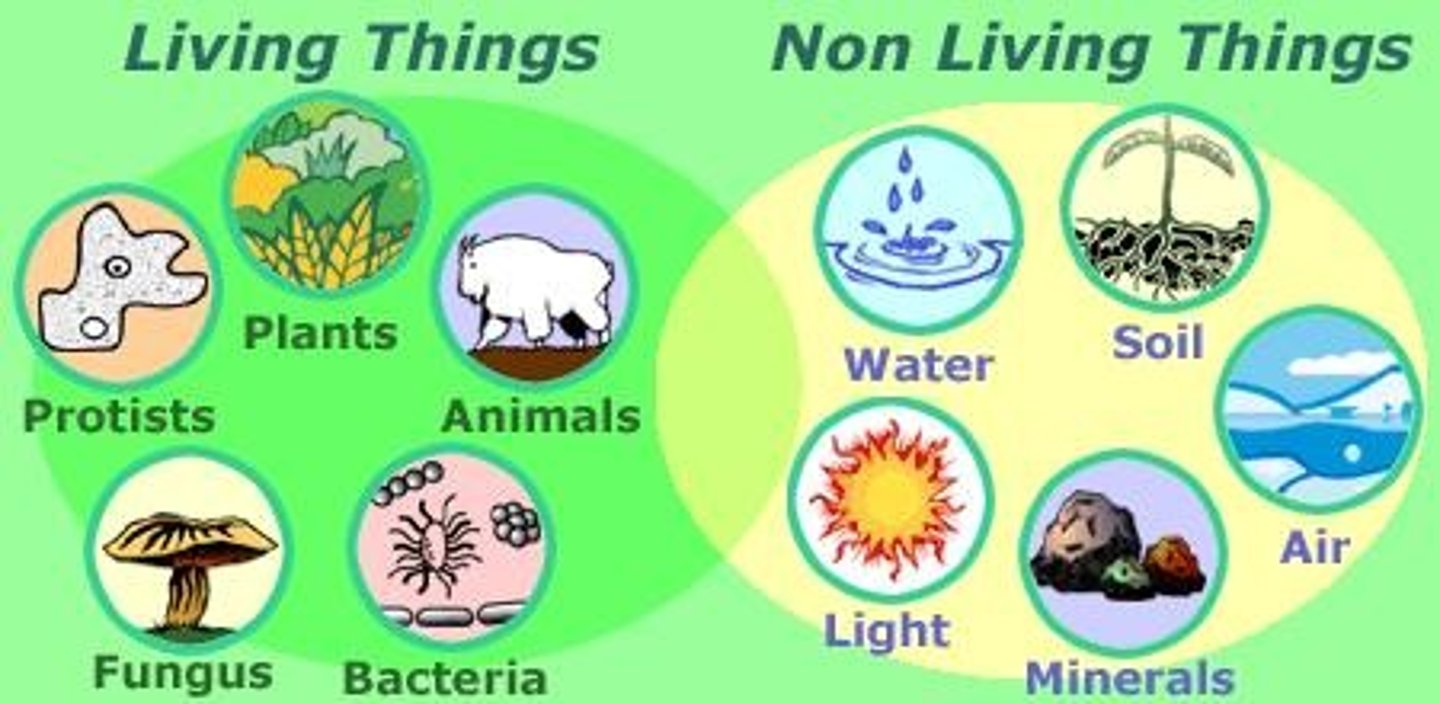
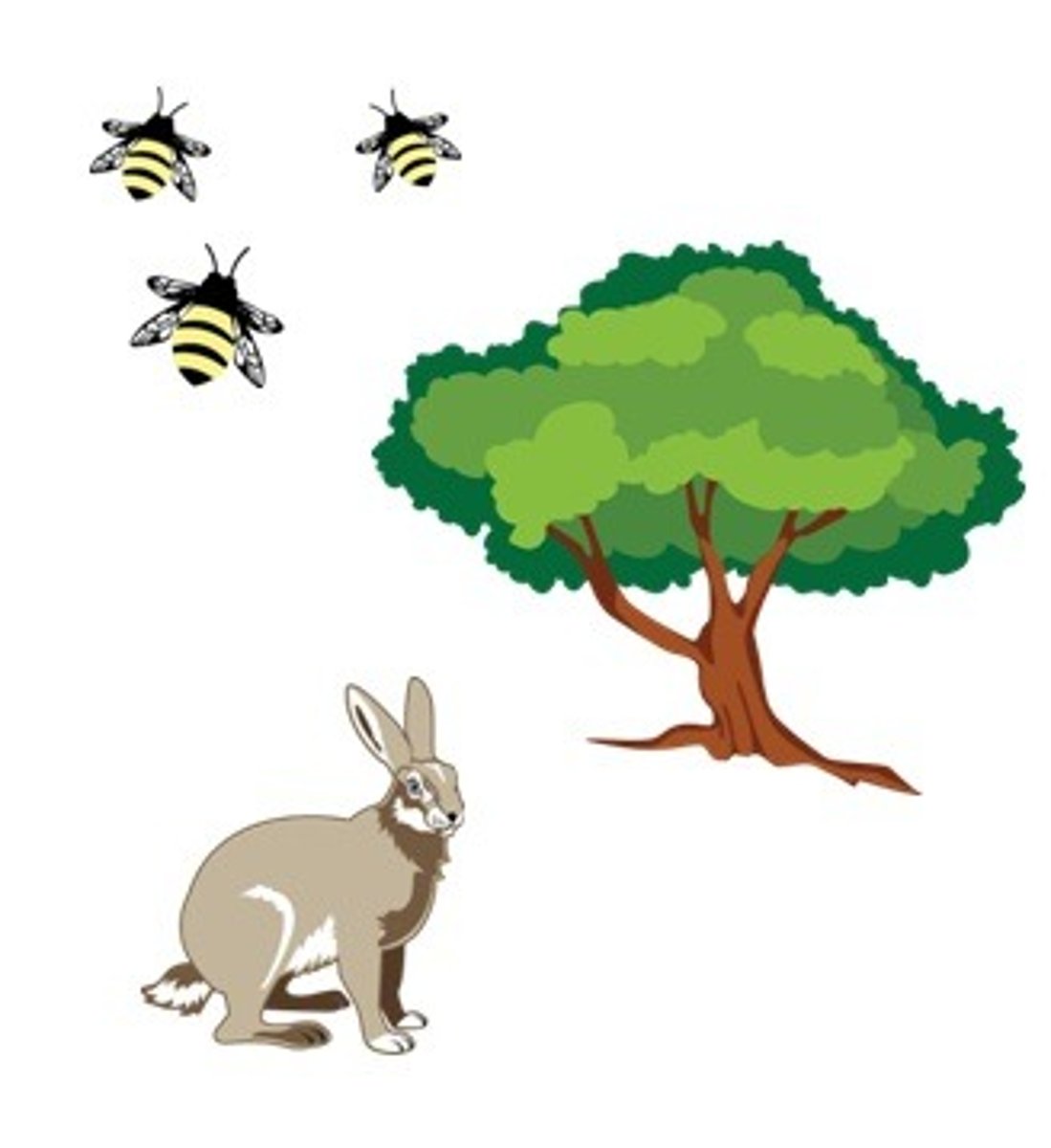
Biotic
Living components of the environment.
(Ex: Trees, Animals)
Which of the following is a biotic factor?
1. wind
2. disease-causing microbe
3. temperature
4. soil particle size
Disease-causing microbe
The study of nutrient cycling though the environment is an example of which of the following?
1. organismal ecology
2. population ecology
3. community ecology
4. ecosystem ecology
Ecosystem ecology
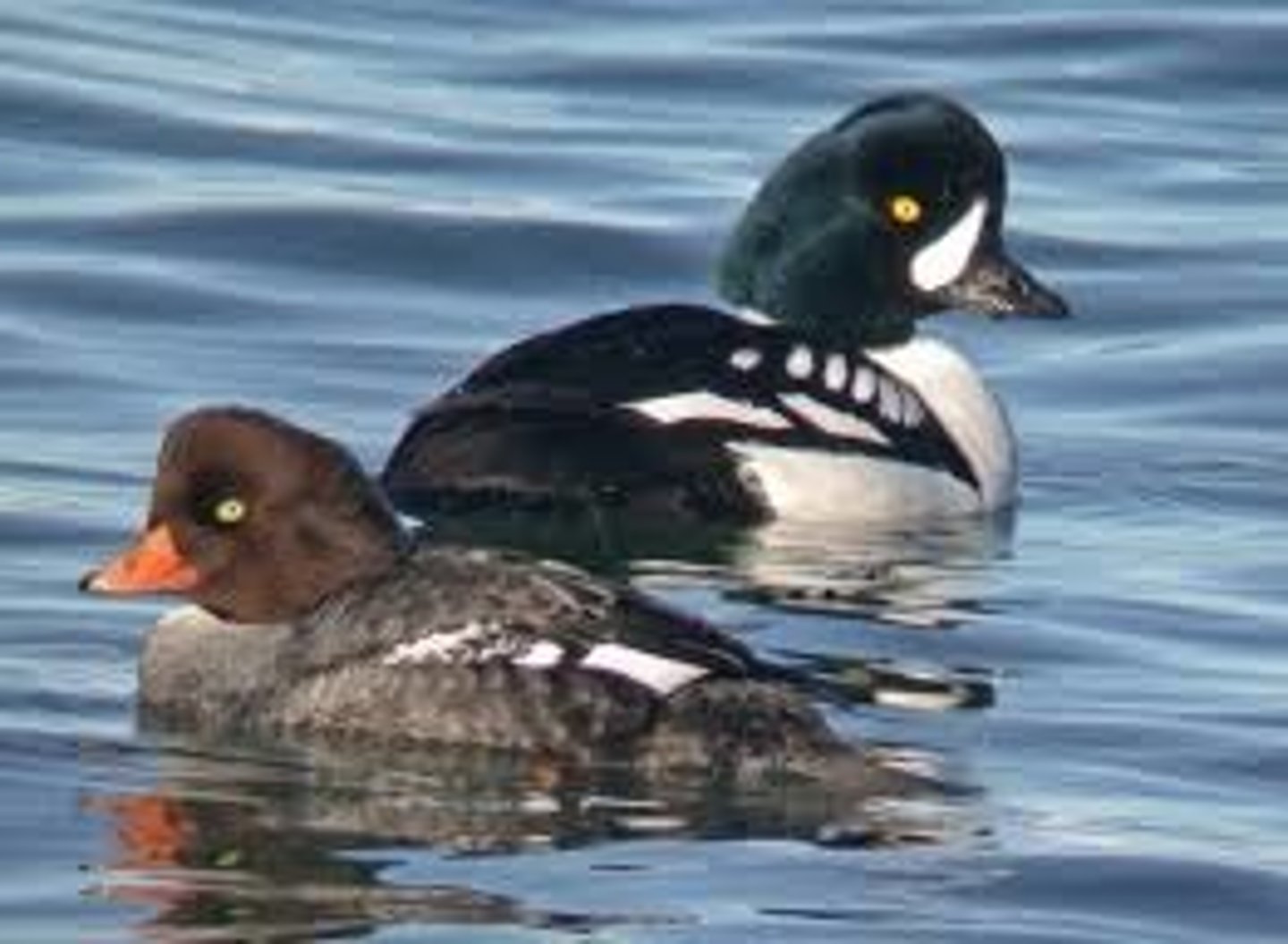
Conspecifics
Individuals that are members of the same species. (Only one specific species)
Ecology
The study of interaction between living things and their environment.
(Includes: Adaptations may be morphological, physiological, and behavioral.)
Heterospecifics
Individuals that are members of different species. (Interactions with different species)
Understory plants in a temperate forest have adaptations to capture limited ________.
Sunlight
An ecologist hiking up a mountain may notice different biomes along the way due to changes in all of the following except:
1. elevation
2. rainfall
3. latitude
4. temperature
Latitude
Biogeography
The study of the geographic distribution of living things and the abiotic factors that affect their distribution.
Biome
Ecological community (large area) of plants, animals, and other organisms that is adapted to a characteristic set of environmental conditions.
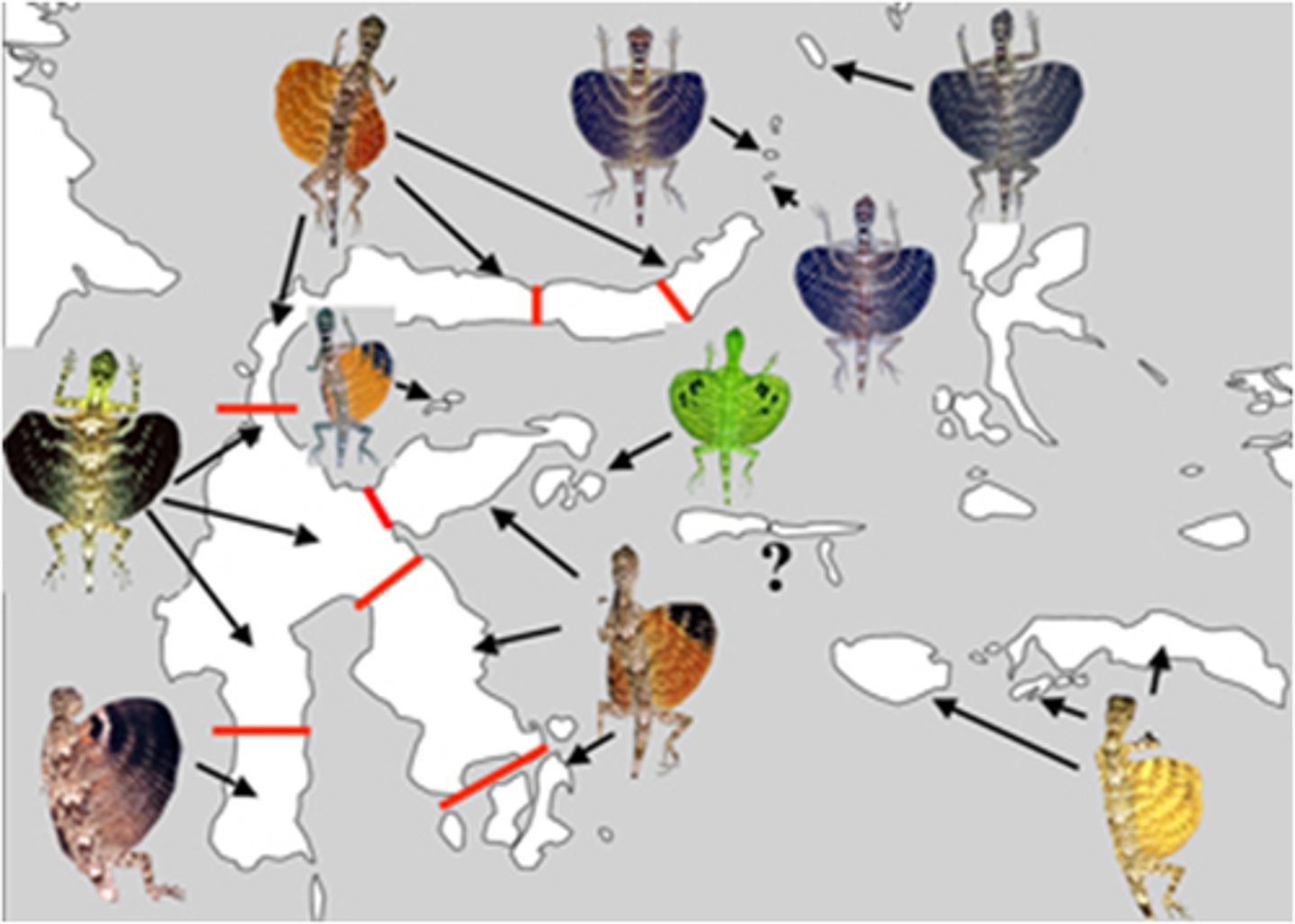
Endemic
Species naturally found only in a specific geographic area that is usually restricted in size.
(Ex: Venus flytrap)
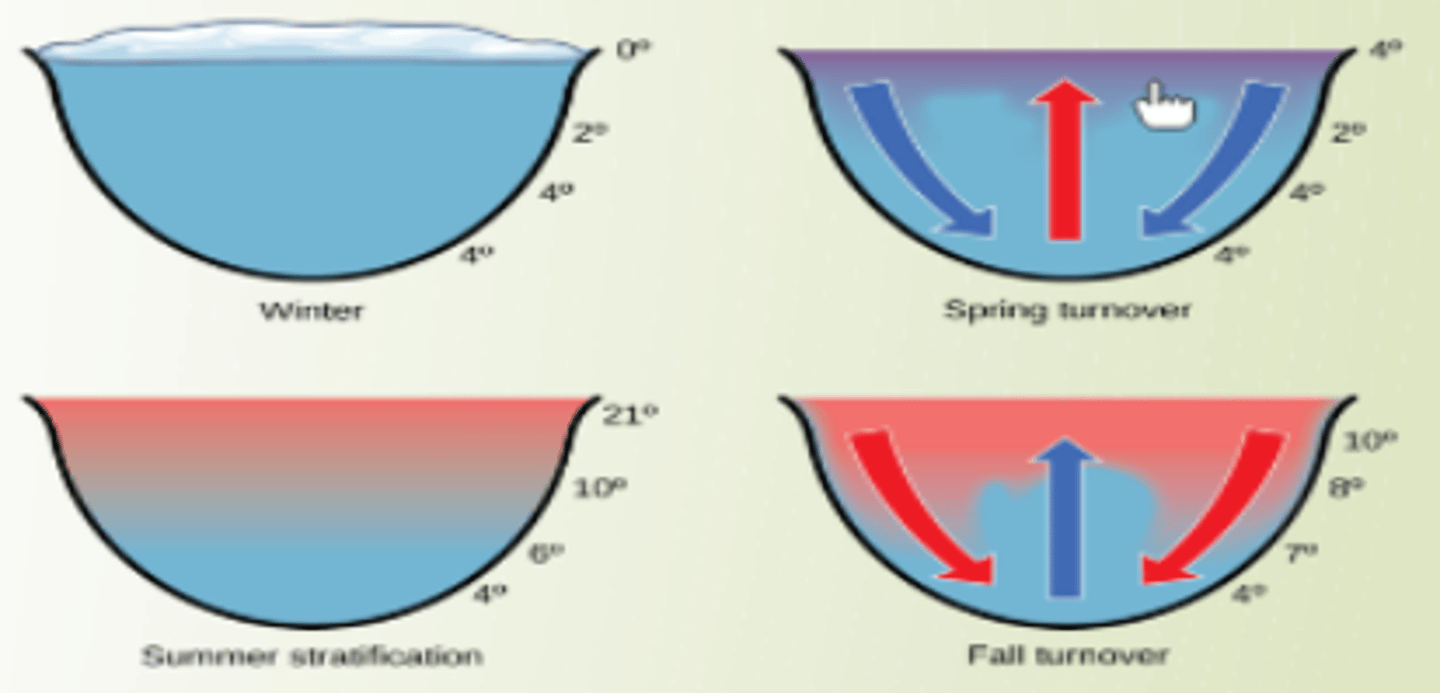
Fall and Spring Turnover
Seasonal process that recycles nutrients and oxygen from the bottom of a freshwater ecosystem (Only in freshwater!) to the top.
Above-Ground Biomass (AGB)
The total mass of aboveground living plants per area.
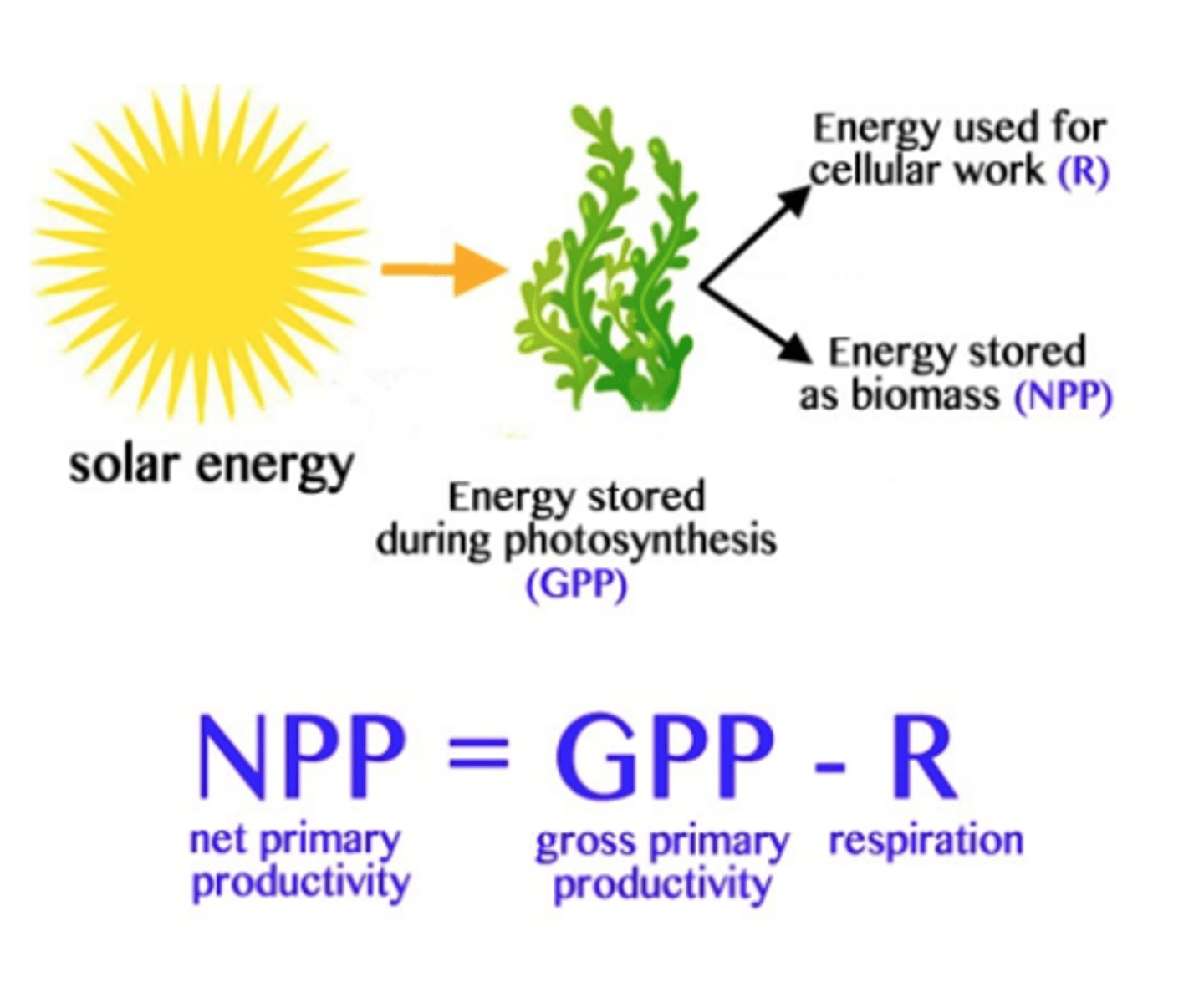
Net Primary Productivity (NPP)
Measurement of the energy accumulation within an ecosystem, calculated as the total amount of carbon fixed per year minus the amount that is oxidized during cellular respiration. (Estimate of all the organic matter available as food) [Total Carbon (C) - amount it oxidized)
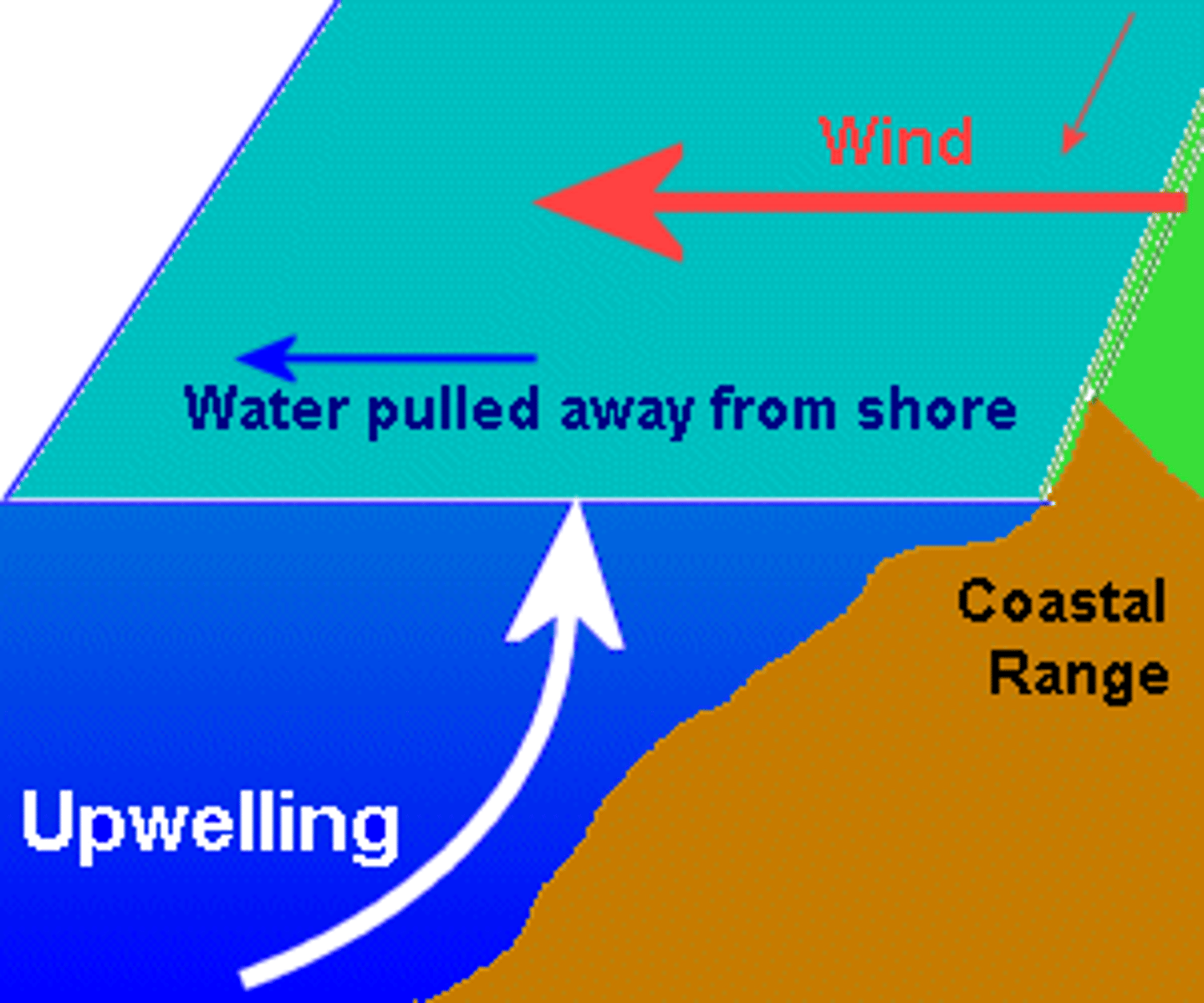
Ocean Upwelling
Rising of deep ocean waters that occurs when prevailing winds blow along surface waters near a coast.
(Can bring up dead organic matter to the surface)
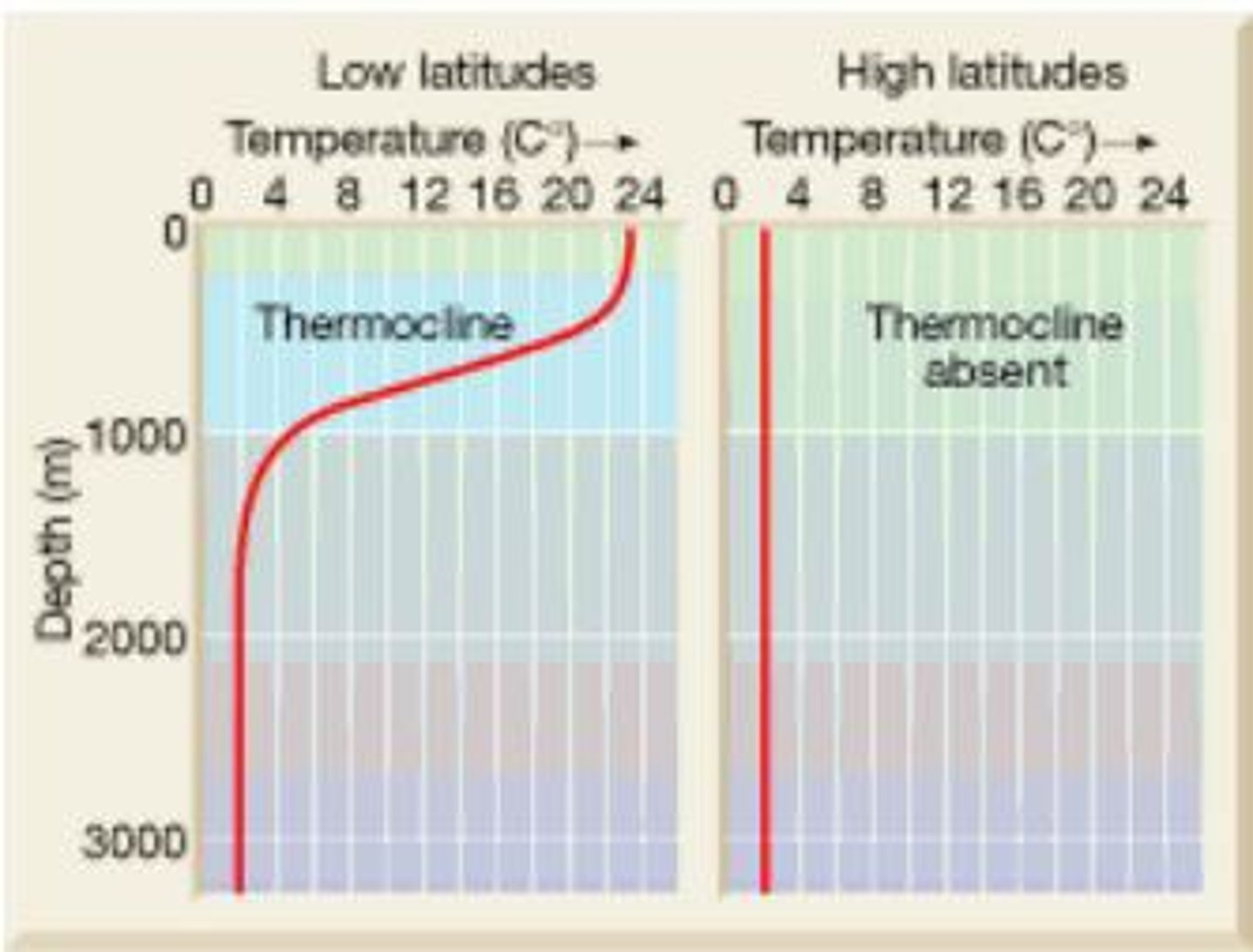
Thermocline
The layer of water with a temperature that is significantly different from that of the surrounding layers.
Which of the following biomes is characterized by abundant water resources?
1. deserts
2. boreal forests
3. savannas
4. tropical wet forests
4. Tropical wet forests
Which of the following biomes is characterized by short growing seasons?
1. deserts
2. tropical wet forests
3. arctic tundras
4. savannas
3. Arctic tundras
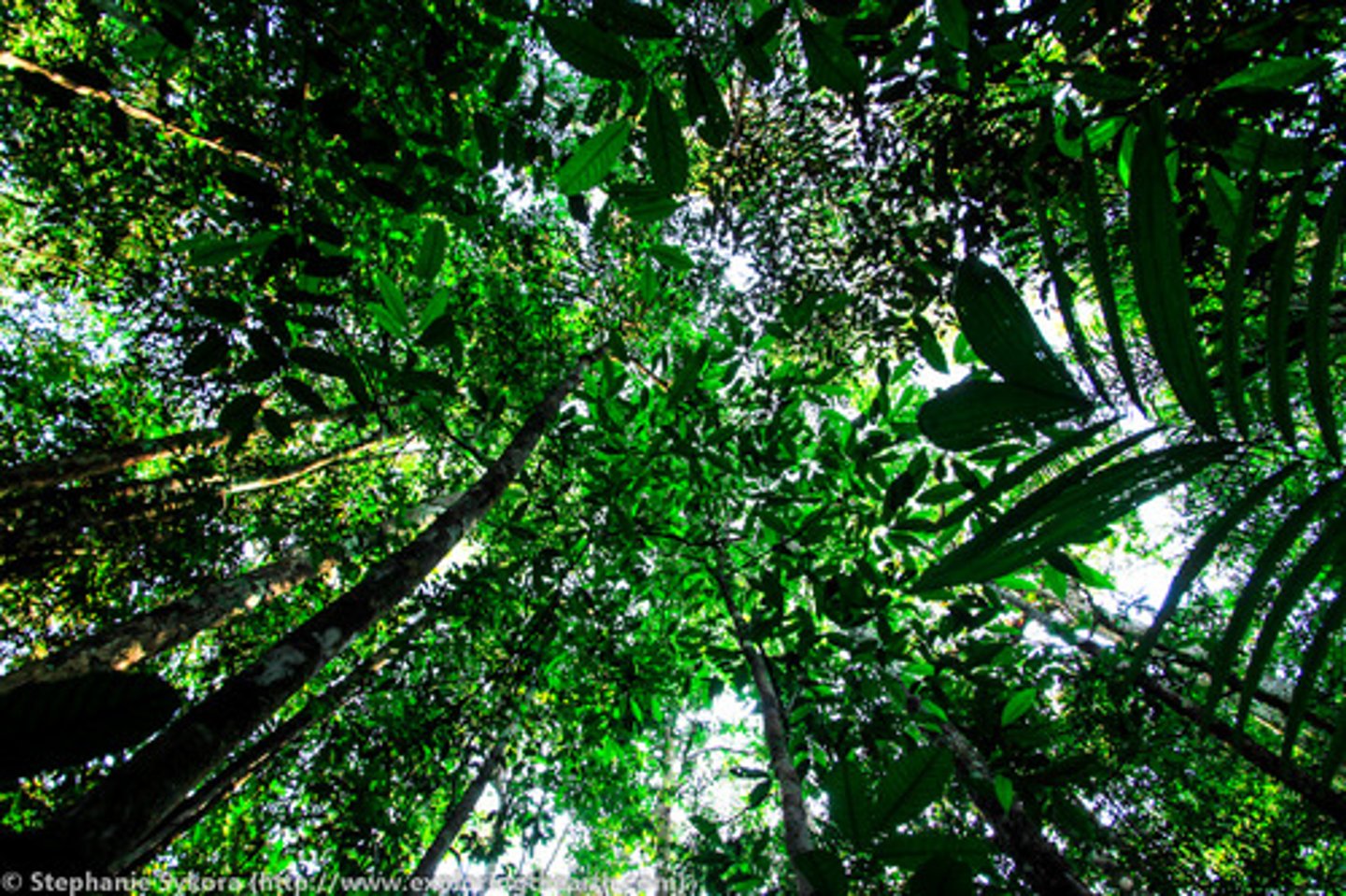
Canopy
Branches and foliage of trees that form a layer of overhead coverage in a forest.
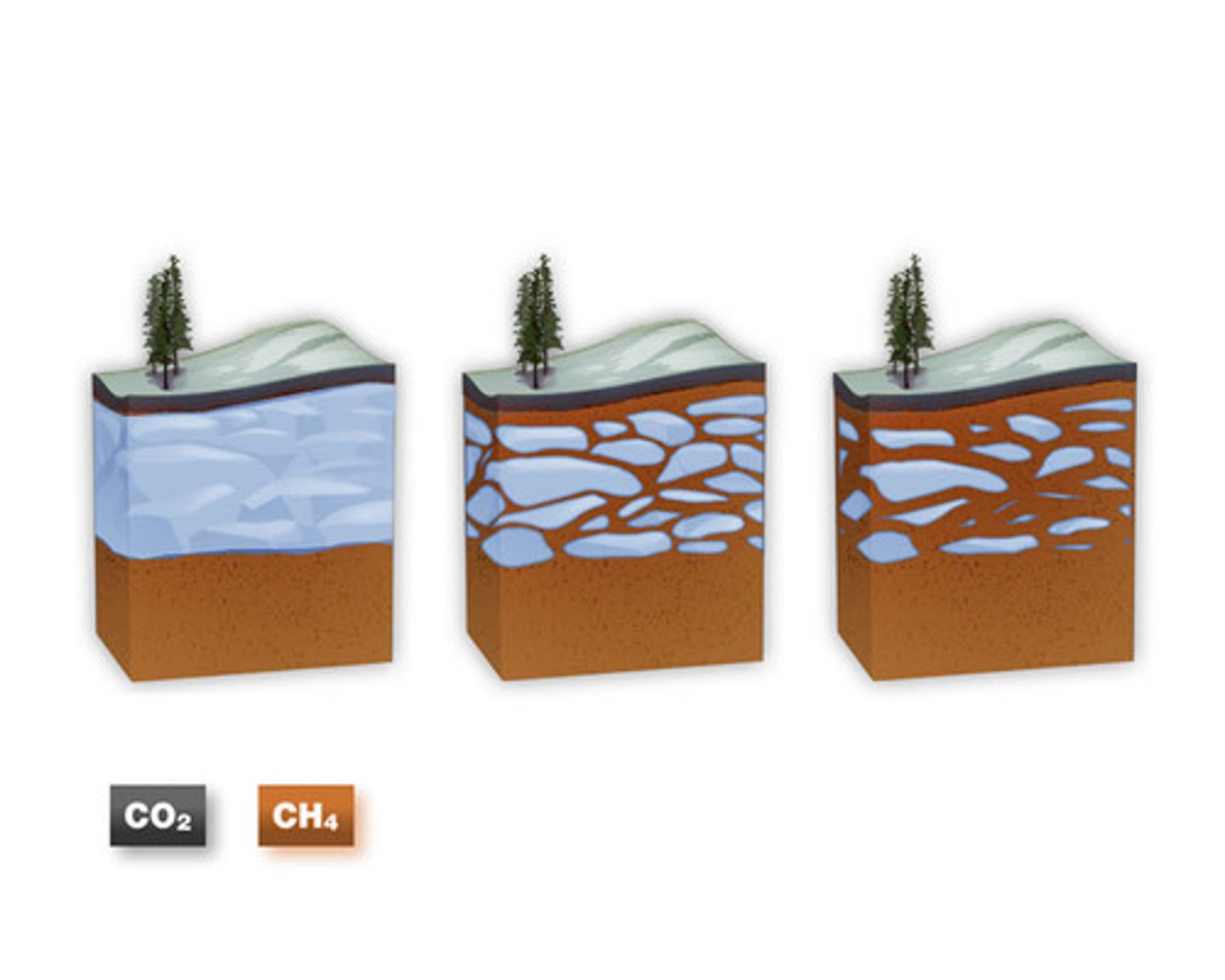
Permafrost
Perennially frozen portion of the Arctic tundra soil.
Which of the following statements about biomes is false?
1. Chaparral is dominated by shrubs.
2. Savannas and temperate grasslands are dominated by grasses.
3. Boreal forests are dominated by deciduous trees.
4. Lichens are common in the arctic tundra.
3. Boreal forests are not dominated by deciduous trees.
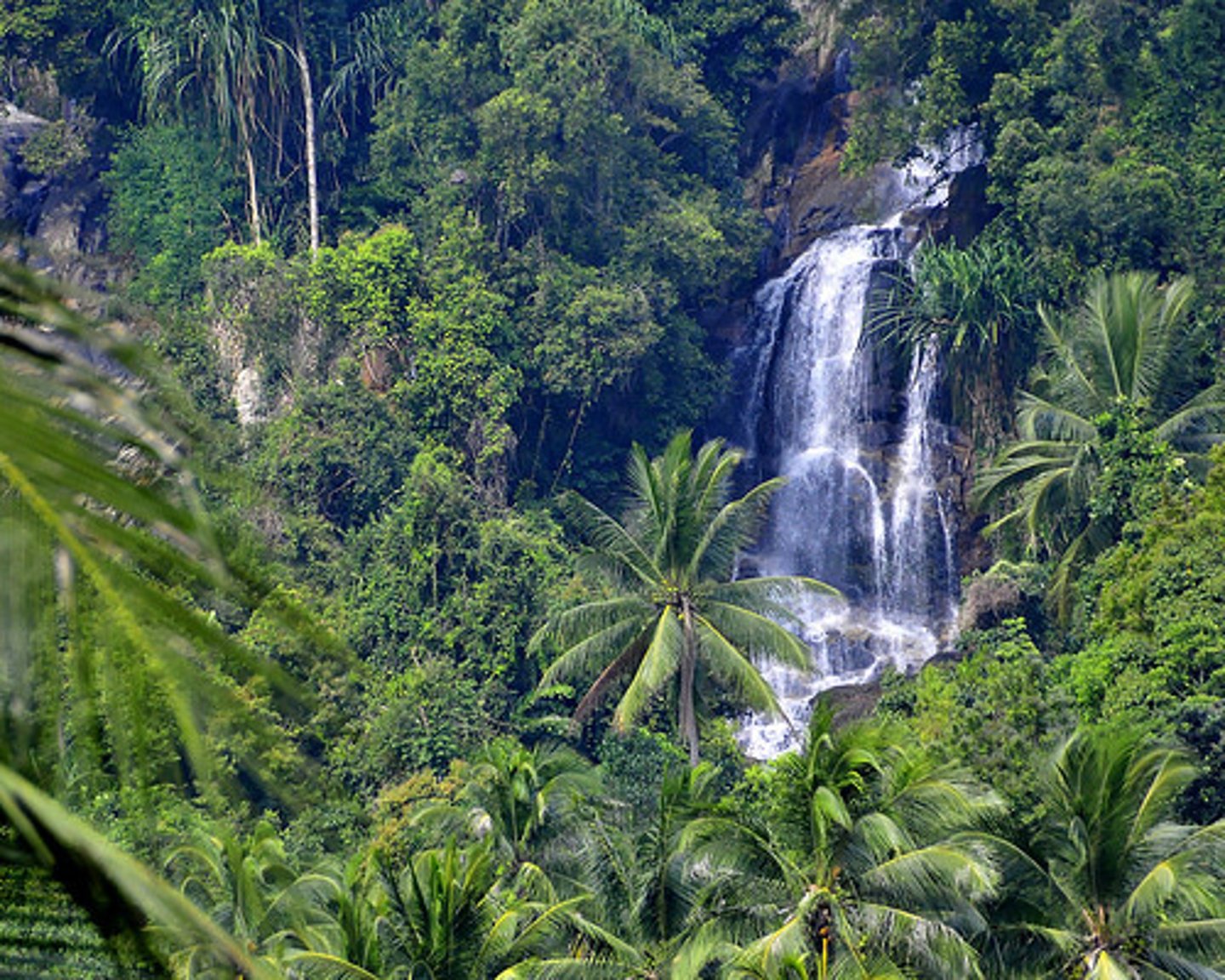
Tropical Wet Forest (tropical rainforests)
- This biome is found in equatorial regions.
- These forests are “evergreen” year-round. (Due to warm climate)
- Temperatures ranging from 20 °C to 34 °C (68 °F to 93 °F).
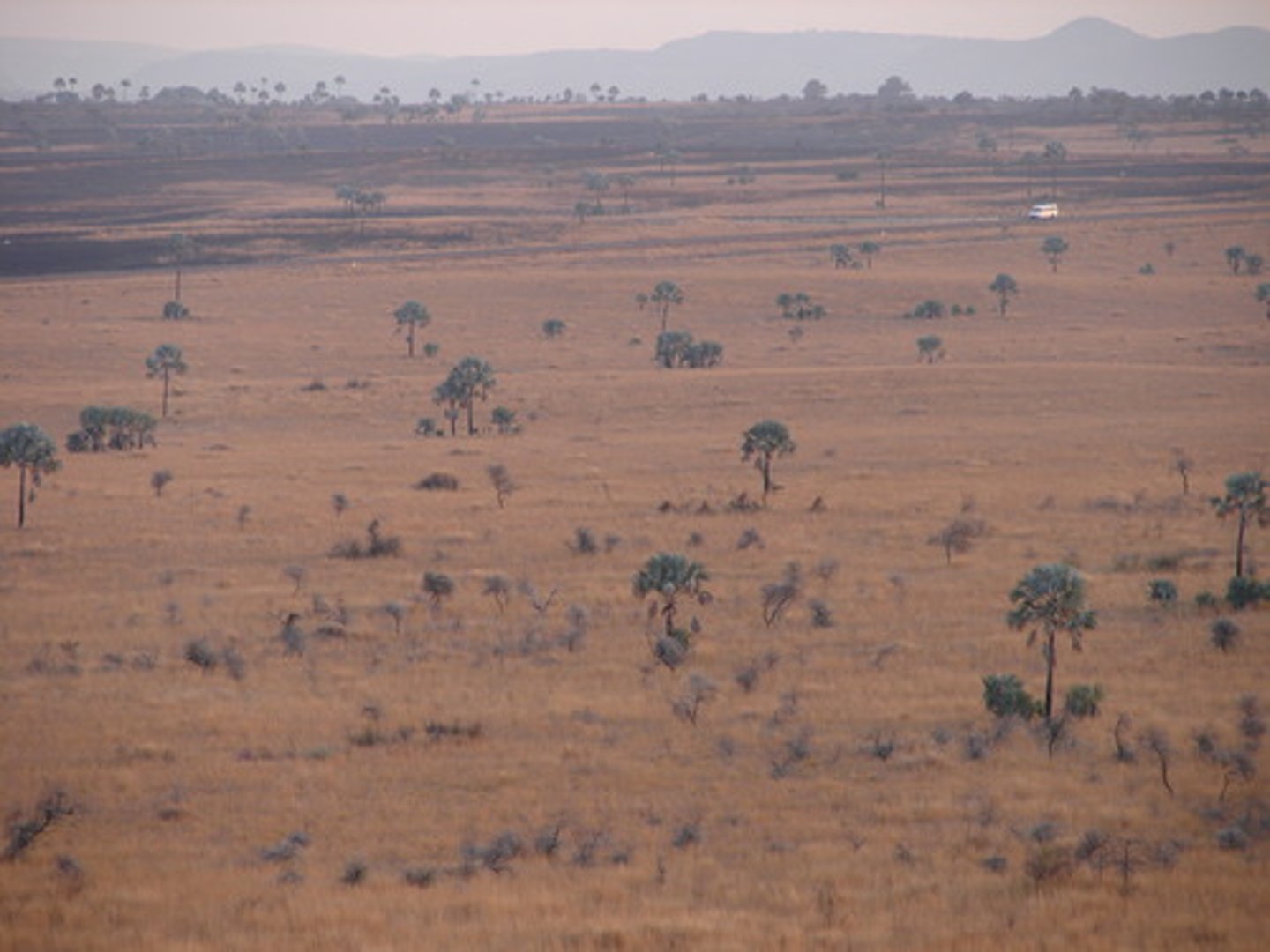
Savannas
- Grasslands with scattered trees, and they are located in Africa, South America, and northern Australia.
- Savannas have an extensive dry season; tree do not grow as well.
In which of the following regions would you expect to find photosynthetic organisms?
1. The aphotic zone, the neritic zone, the oceanic zone, and the benthic realm
2. The photic zone, the intertidal zone, the neritic zone, and the oceanic zone
3. The photic zone, the abyssal zone, the neritic zone, and the oceanic zone
4. The pelagic realm, the aphotic zone, the neritic zone, and the oceanic zone
2. The photic zone, the intertidal zone, the neritic zone, and the oceanic zone.
Where would you expect to find the most photosynthesis in an ocean biome?
1. aphotic zone
2. abyssal zone
3. benthic realm
4. intertidal zone
4. Intertidal zone.
A key feature of estuaries is:
1. low light conditions and high productivity
2. salt water and fresh water
3. frequent algal blooms
4. little or no vegetation
2. Salt water and fresh water
Abyssal Zone
The deepest part of the ocean at depths of 4000 m or greater.
- Very cold, has high oxygen content, and low nutrient content.
Algal Bloom
Rapid increase of algae in an aquatic system.
- Caused by a large input of nitrogen and phosphorus materials, like runoff from fertilizer.
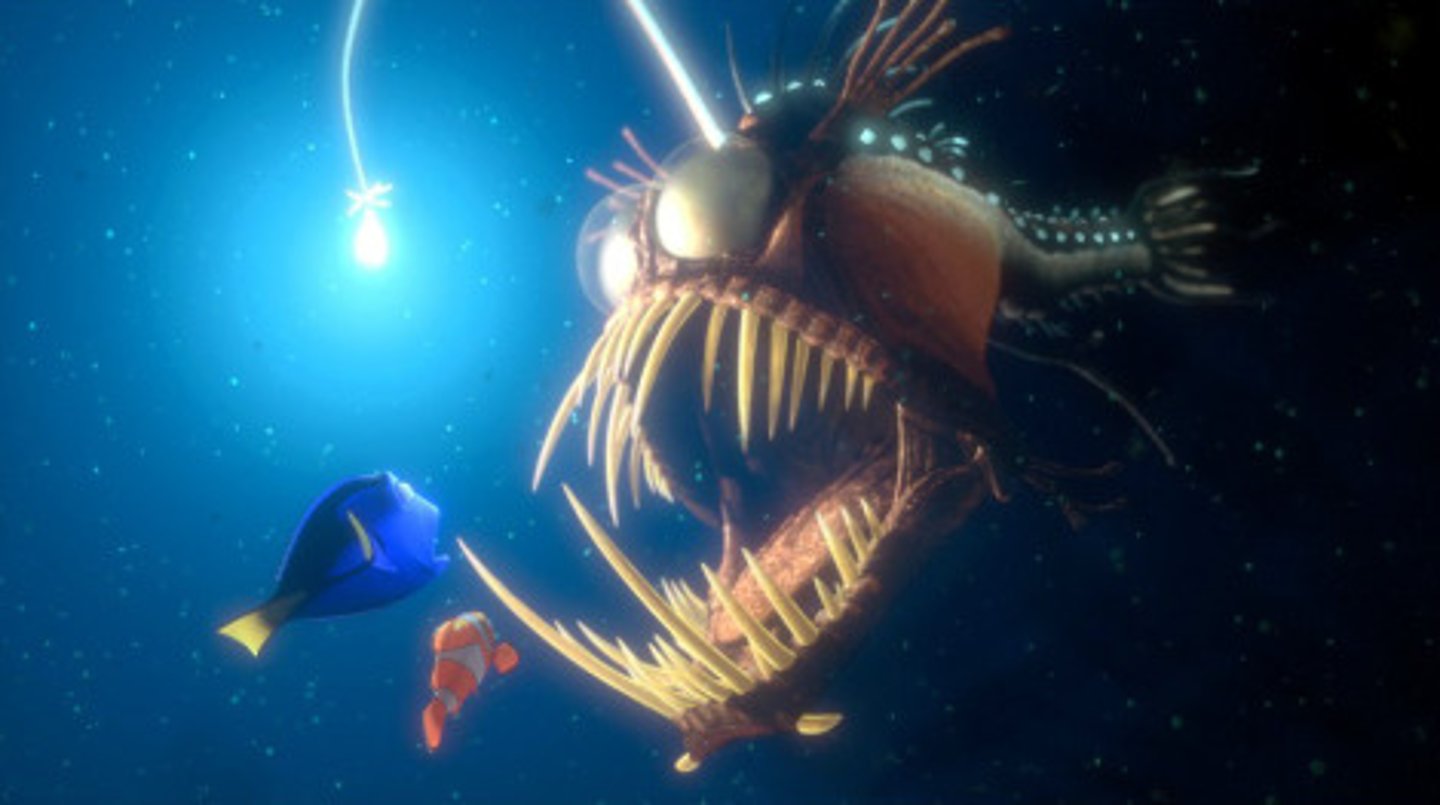
Aphotic Zone
Parts of the ocean where no light penetrates. (Below 200m)
Benthic Realm
(also, benthic zone) Part of the ocean that extends along the ocean bottom from the shoreline to the deepest parts of the ocean floor.
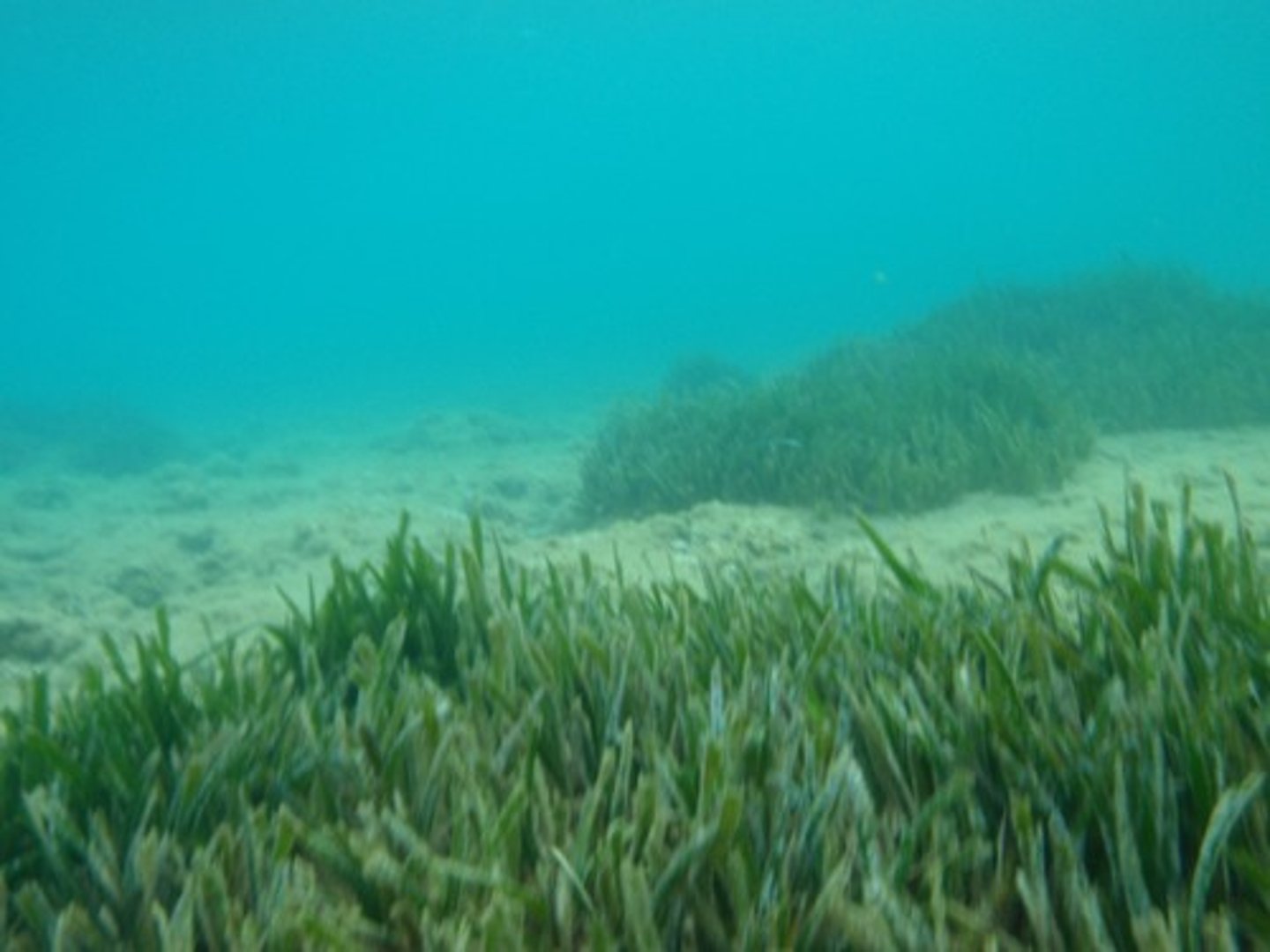
Channel
The width of a river or stream from one bank to the other bank.
Coral Reef
Ocean ridges formed by marine invertebrates living in warm, shallow waters within the photic zone.
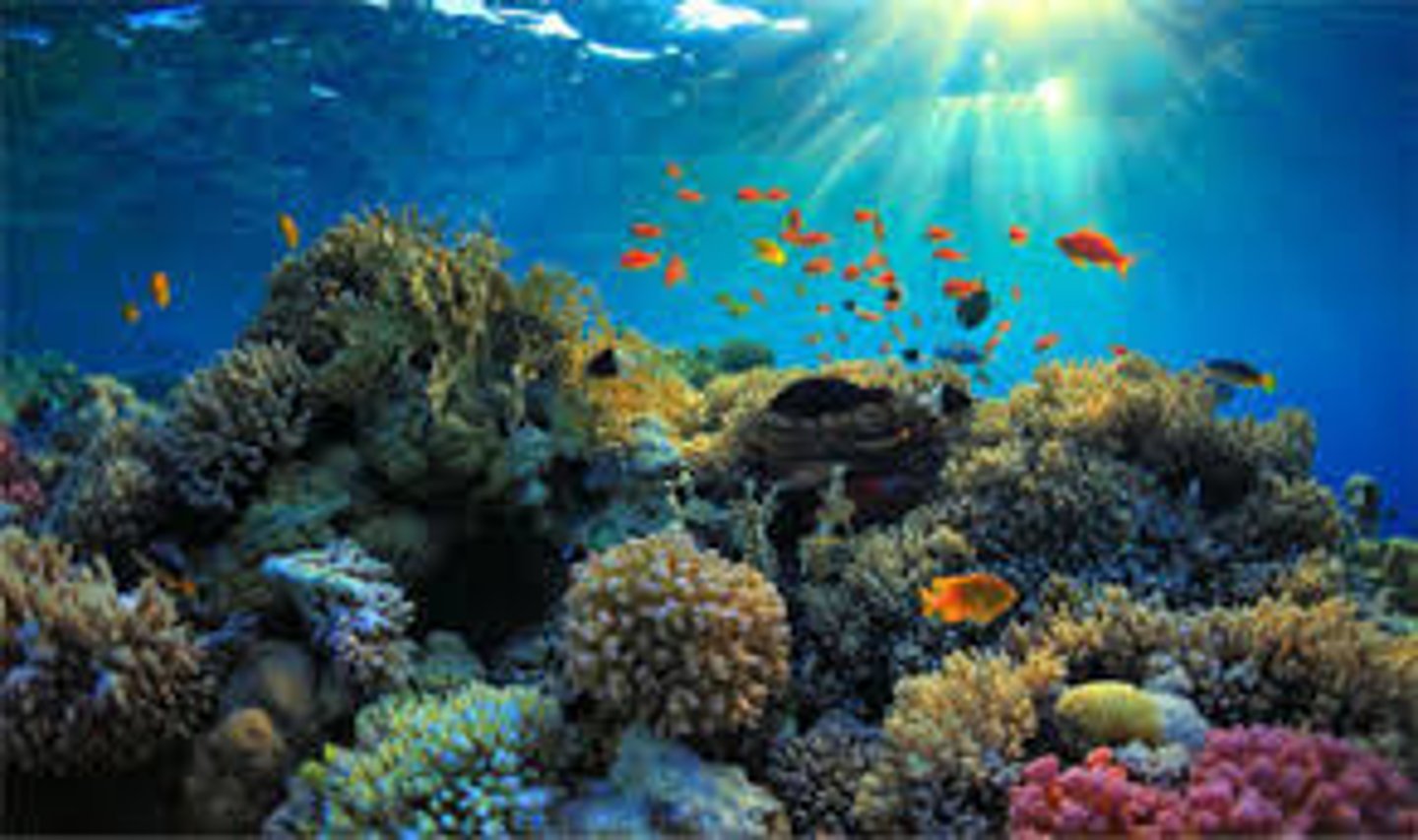
Cryptofauna
Invertebrates found within the calcium carbonate substrate of coral reefs.
Ecosystem Services
The processes by which life-supporting resources such as clean water, timber, fisheries, and agricultural crops are produced.
(Human benefits and services provided by natural ecosystems)
Emergent Vegetation
Wetland plants that are rooted in the soil but have portions of leaves, stems, and flowers extending above the water’s surface.
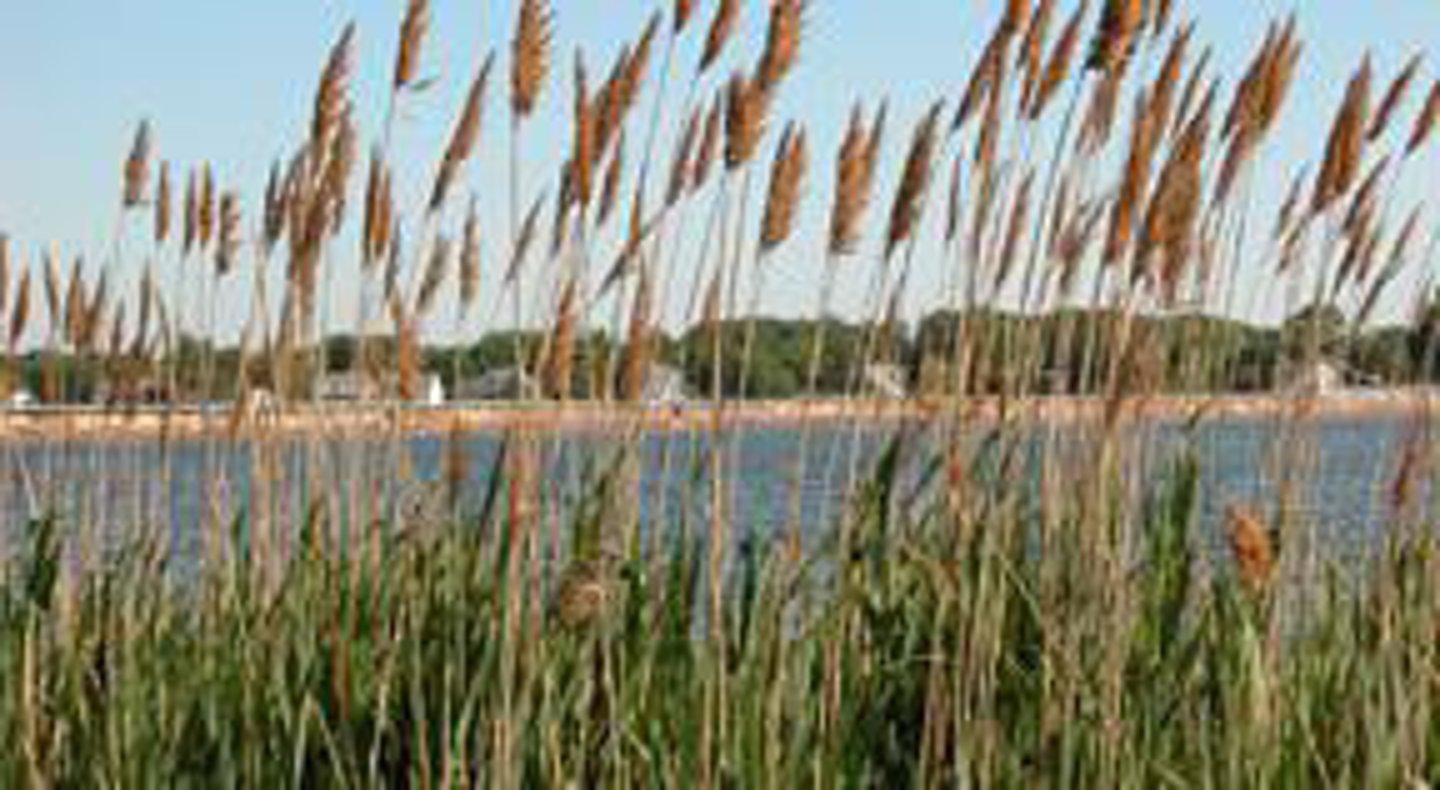
Estuary/Estuaries
Biomes where a source of fresh water, such as a river, meets the ocean. (Mixing of salt and freshwater)
- Many water organisms are born in these places.
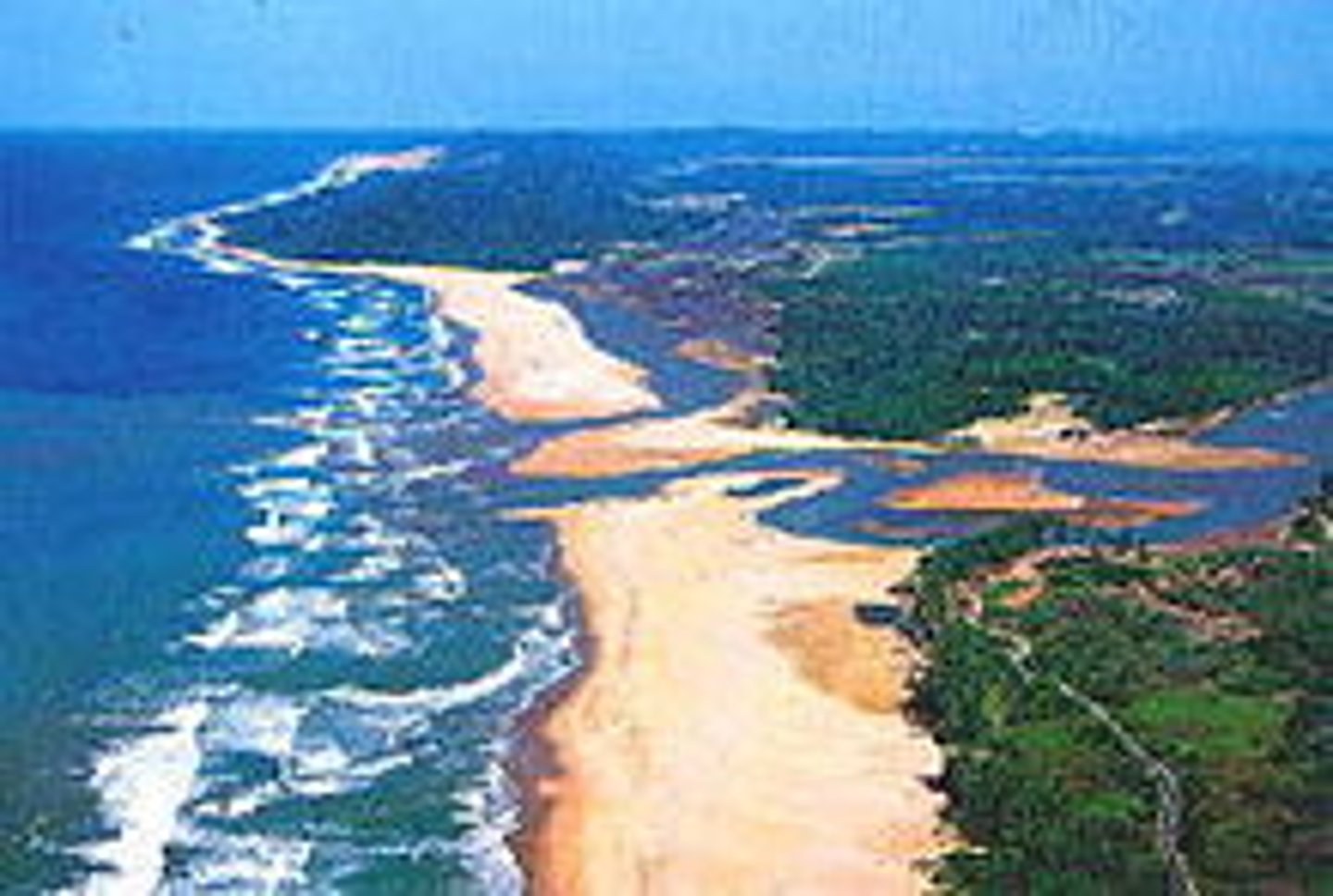
Intertidal Zone
Part of the ocean that is closest to land; parts extend above the water at low tide.
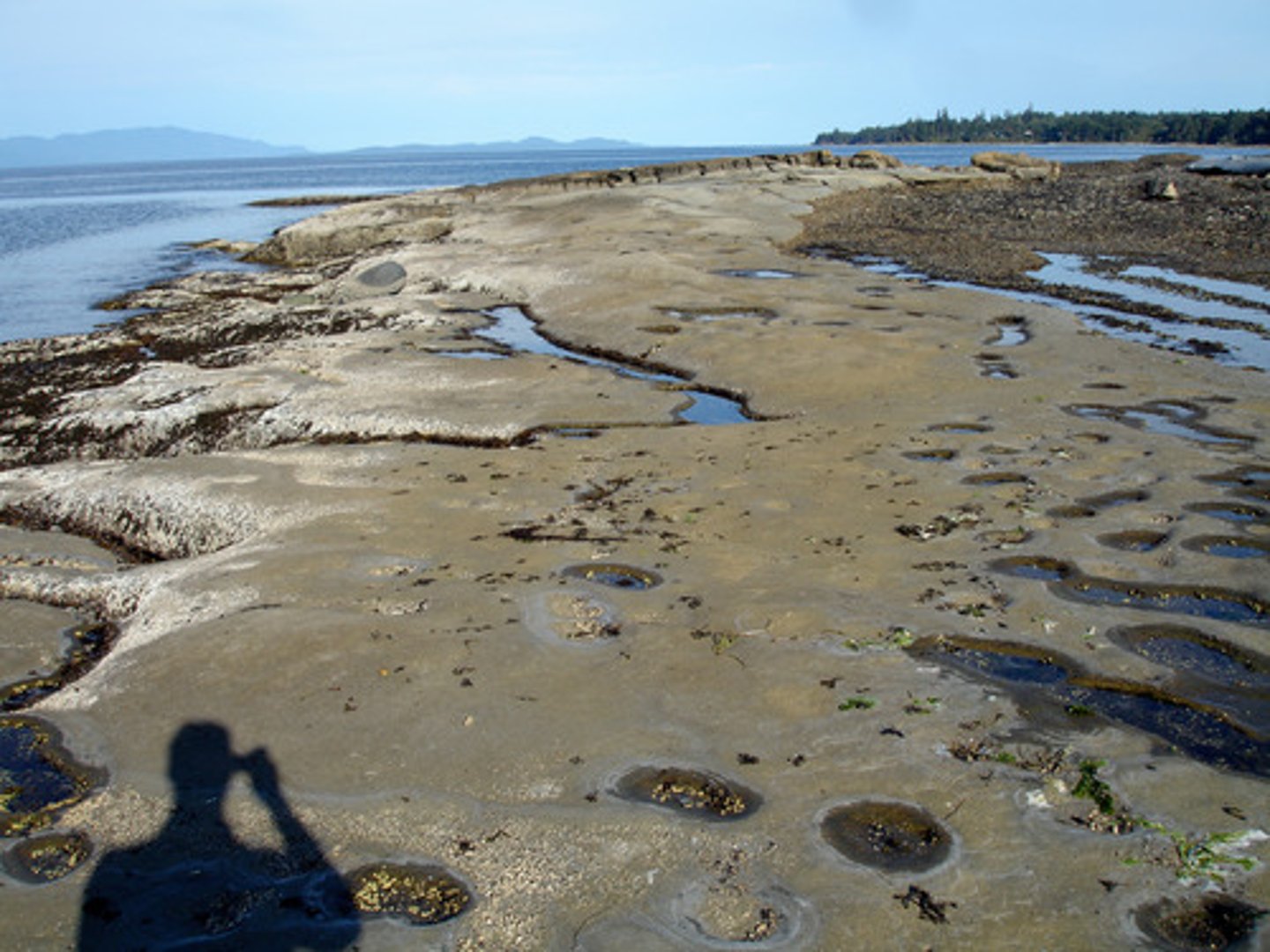
Neritic Zone
Part of the ocean that extends from low tide to the edge of the continental shelf.
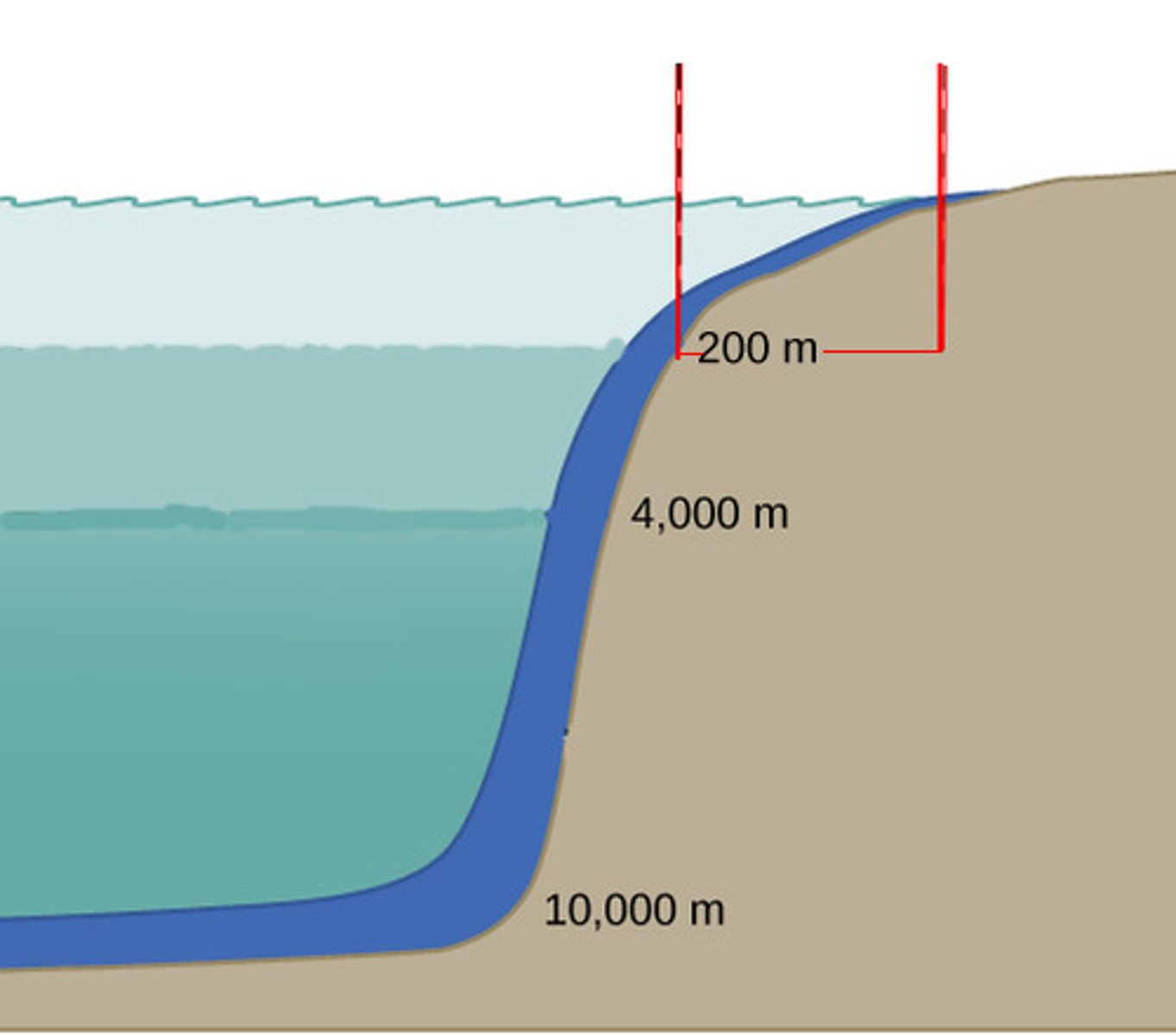
Oceanic Zone
Part of the ocean that begins offshore where the water measures 200 m deep or deeper.
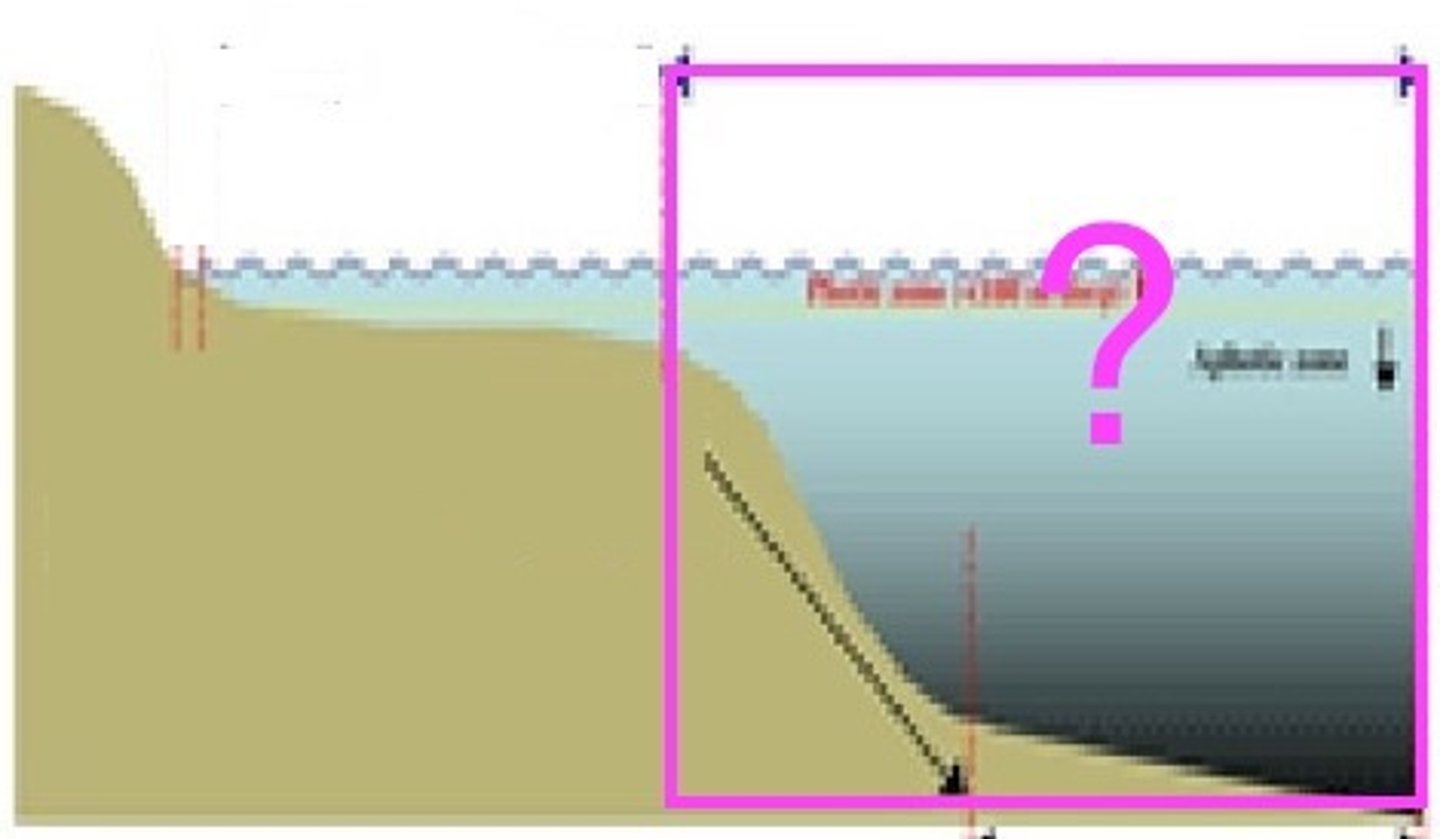
Pelagic Realm (Zone)
Open ocean waters that are not close to the bottom or near the shore.
Photic Zone
Portions of the ocean that light can penetrate.
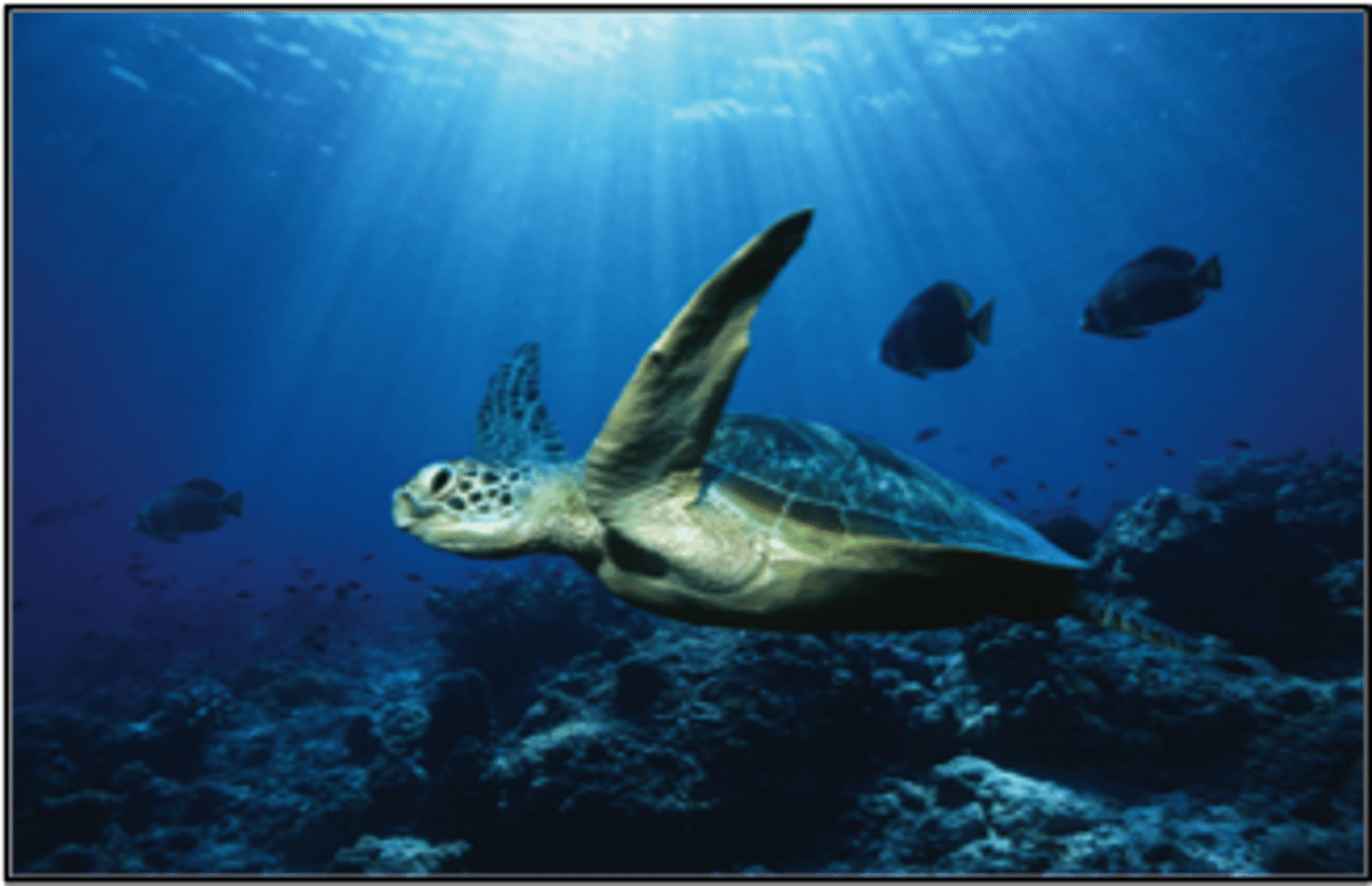
Planktivore
Animal species that eats plankton.
Predator
An organism that kills and consumes another organism.
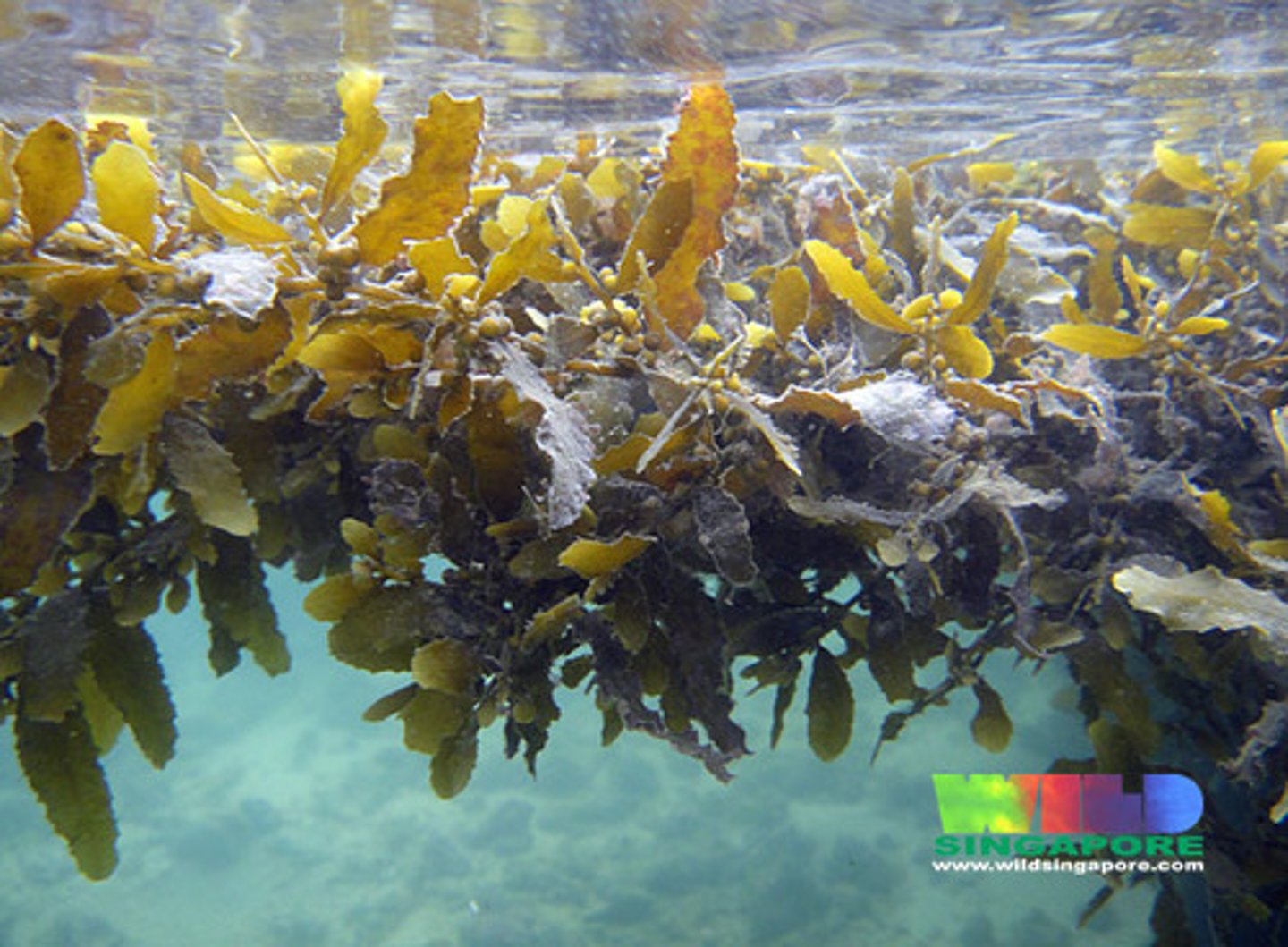
Sargassum
Type of free-floating marine seaweed.
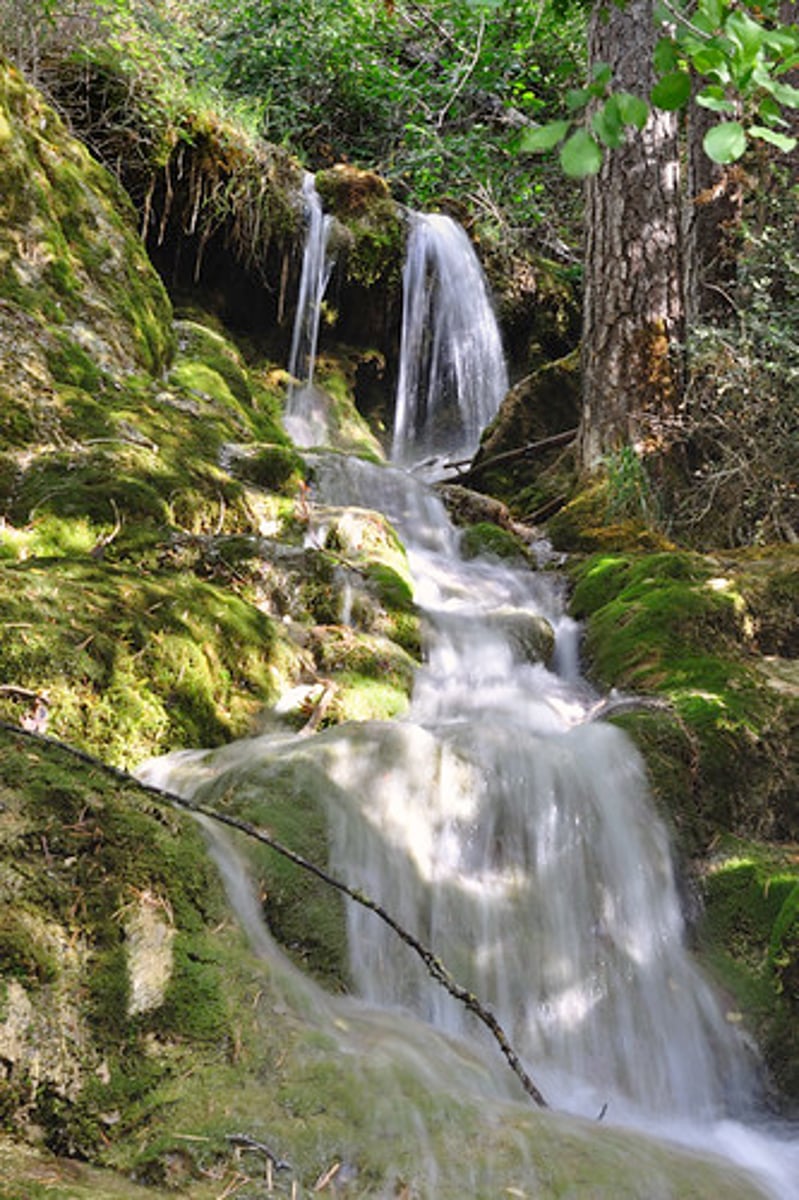
Source Water
A point of origin of a river or stream.
(Also known as headwater)
Clathrates
Frozen chunks of ice and methane found at the bottom of the ocean.
Climate
Long-term, predictable atmospheric conditions present in a specific area.
(Ex: Temperature and rainfall averages remain the same for long periods of time)
Global Climate Change
Altered global weather patterns, including a worldwide increase in temperature, due largely to rising levels of atmospheric carbon dioxide.
Greenhouse Effect
Warming of Earth due to carbon dioxide and other greenhouse gases in the atmosphere.
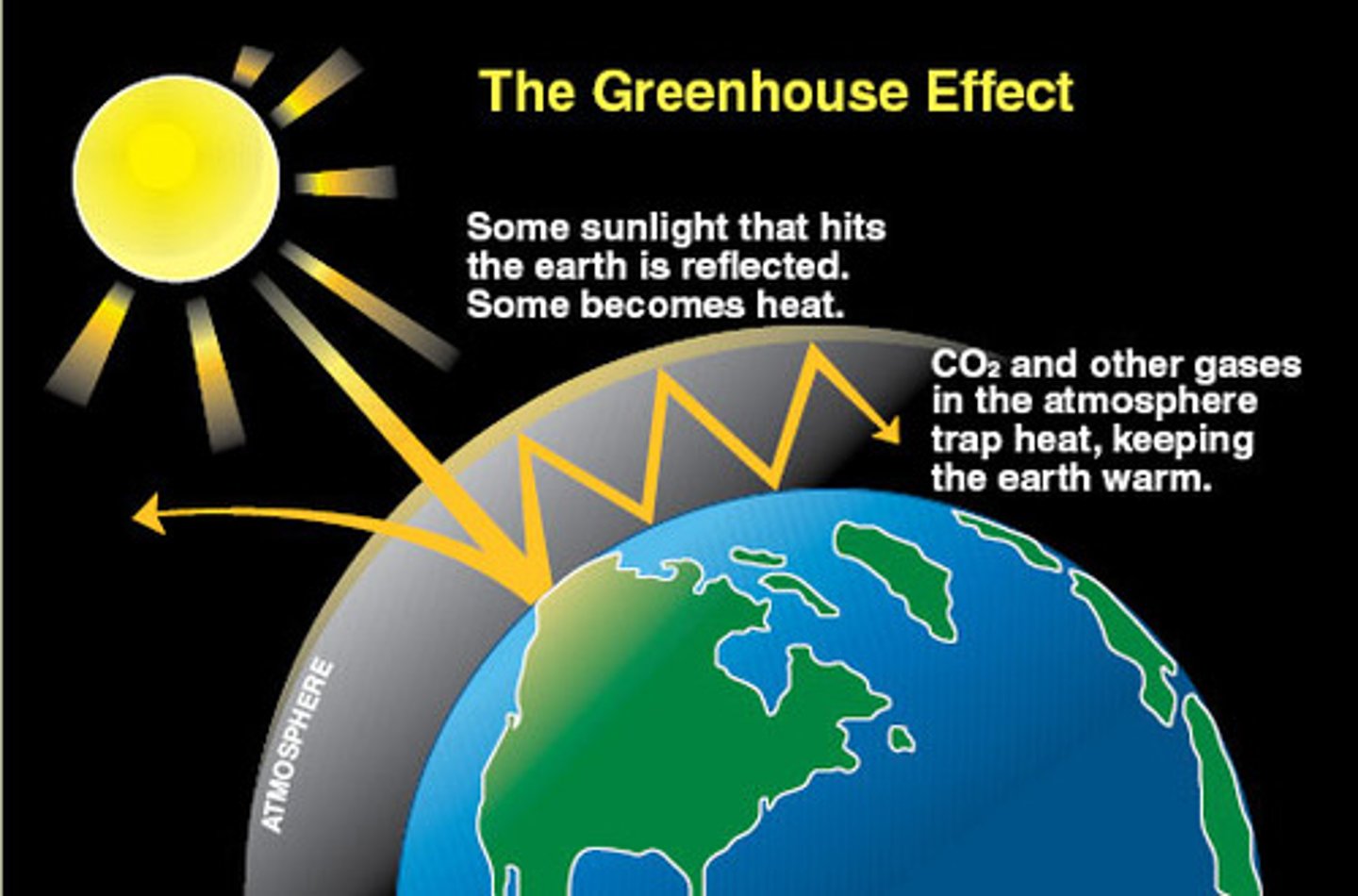
Greenhouse Gases
Atmospheric gases such as carbon dioxide and methane that absorb and emit radiation, thus trapping heat in Earth’s atmosphere.
Haze-Effect Cooling
The effect of gases and solids from a volcanic eruption on global climate. (Cools the Earth due to blocking sunlight)
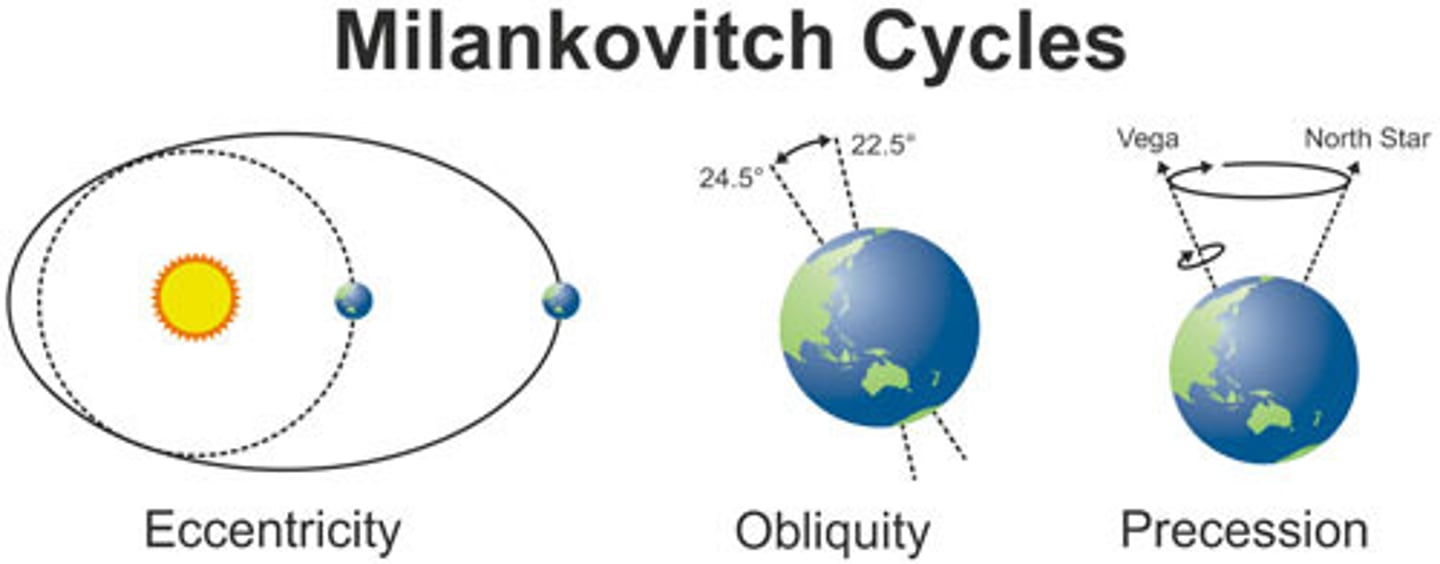
Milankovitch Cycles
Cyclic changes in the Earth’s orbit that may affect climate.
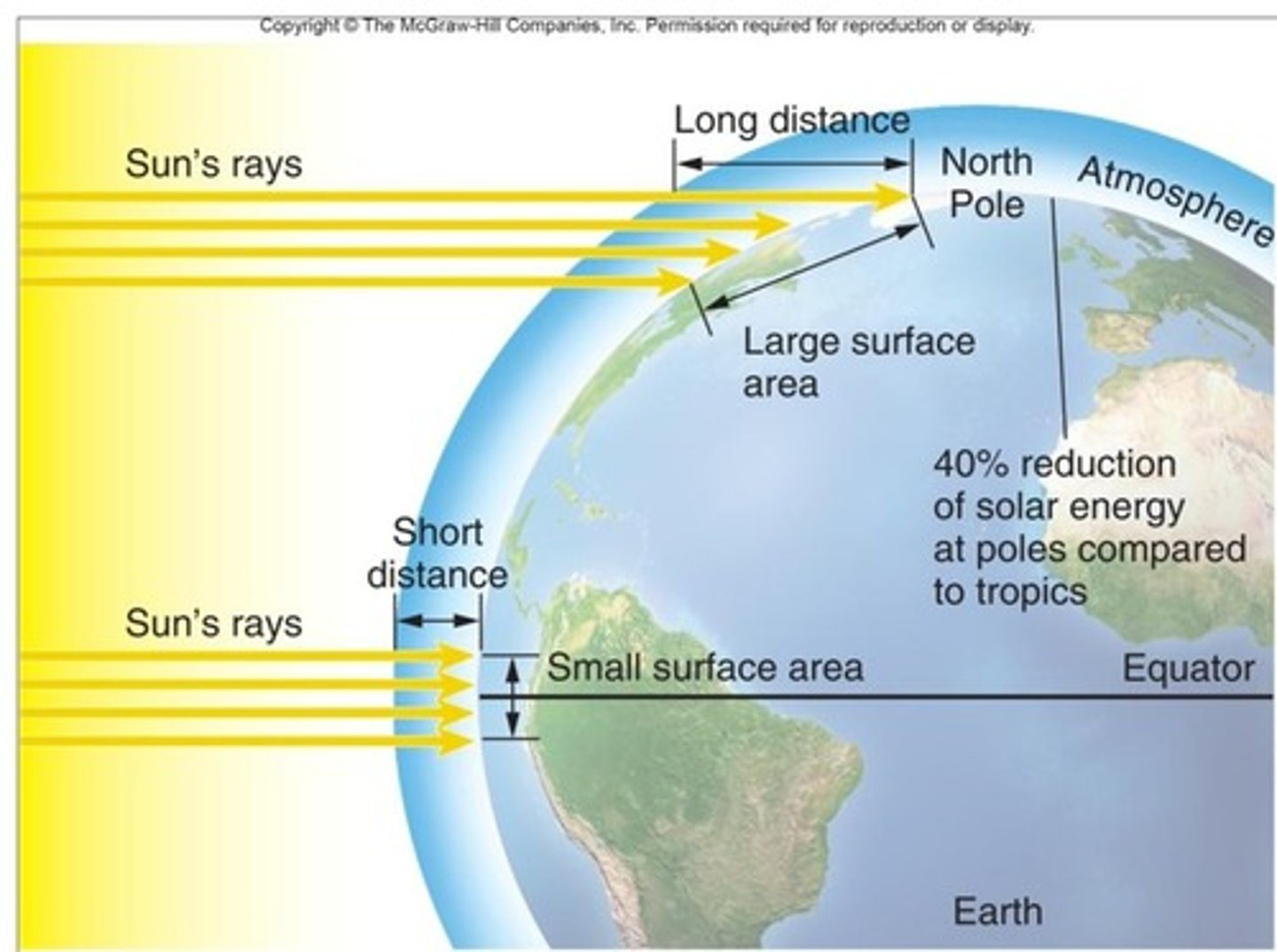
Solar Intensity
The amount of solar power energy the sun emits in a given amount of time.
(Ex: The poles receive less solar energy)
Which of the following is an example of a weather event?
1. The hurricane season lasts from June 1 through November 30.
2. The amount of atmospheric CO2 has steadily increased during the last century.
3. A windstorm blew down trees in the Boundary Waters Canoe Area in Minnesota on July 4, 1999.
4. Deserts are generally dry ecosystems having very little rainfall.
3. A windstorm blew down trees in the Boundary Waters Canoe Area in Minnesota on July 4, 1999.
Which of the following natural forces is responsible for the release of carbon dioxide and other atmospheric gases?
1. The Milankovitch cycles
2. Volcanoes
3. Solar intensity
4. Burning of fossil fuels
2. Volcanoes
Community Ecology
The study of how interactions between species affect community structure and organization. (All living things in a space at one time)
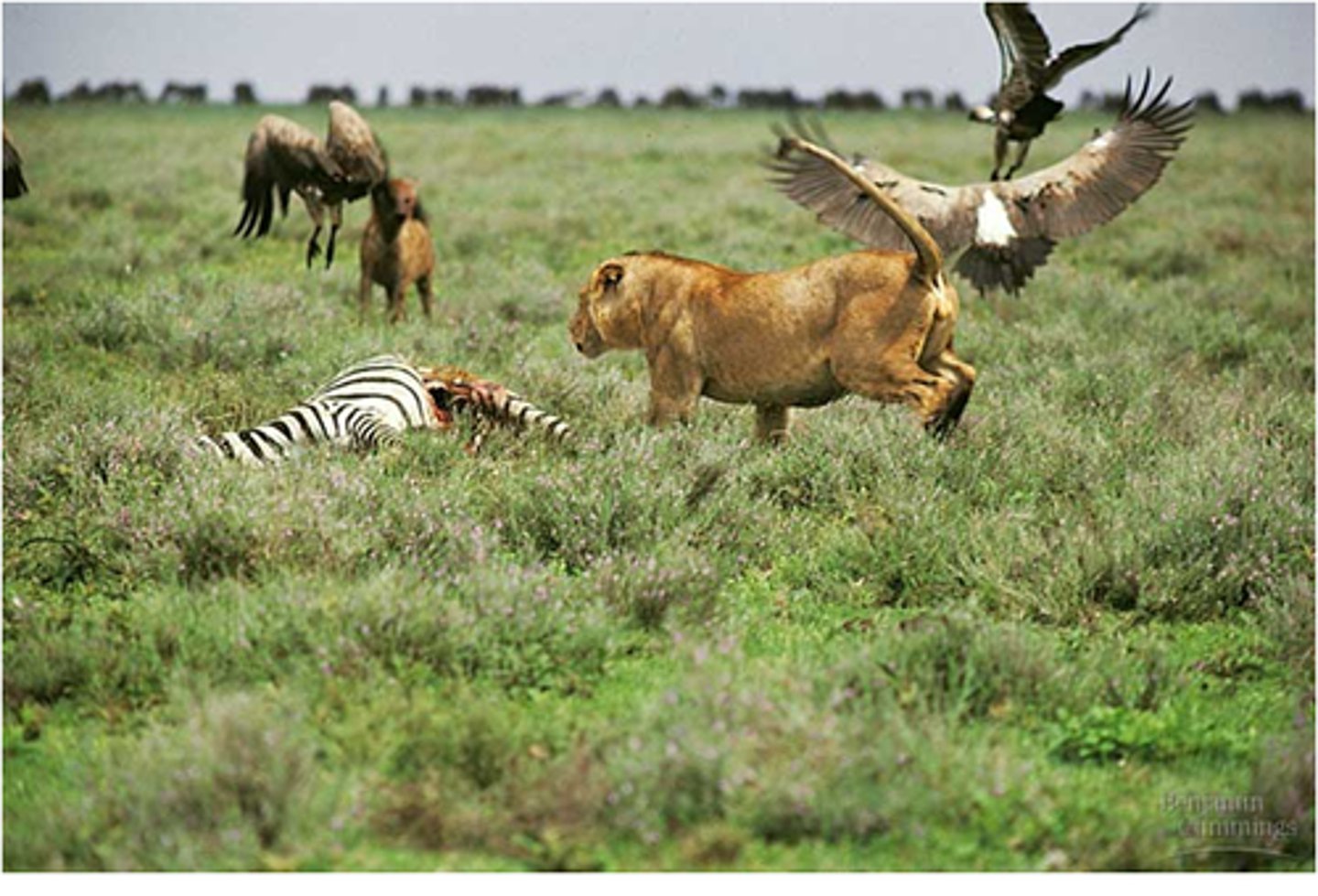
Population Ecology
The study of factors that cause populations to increase or decrease. (All ONE species in a space)
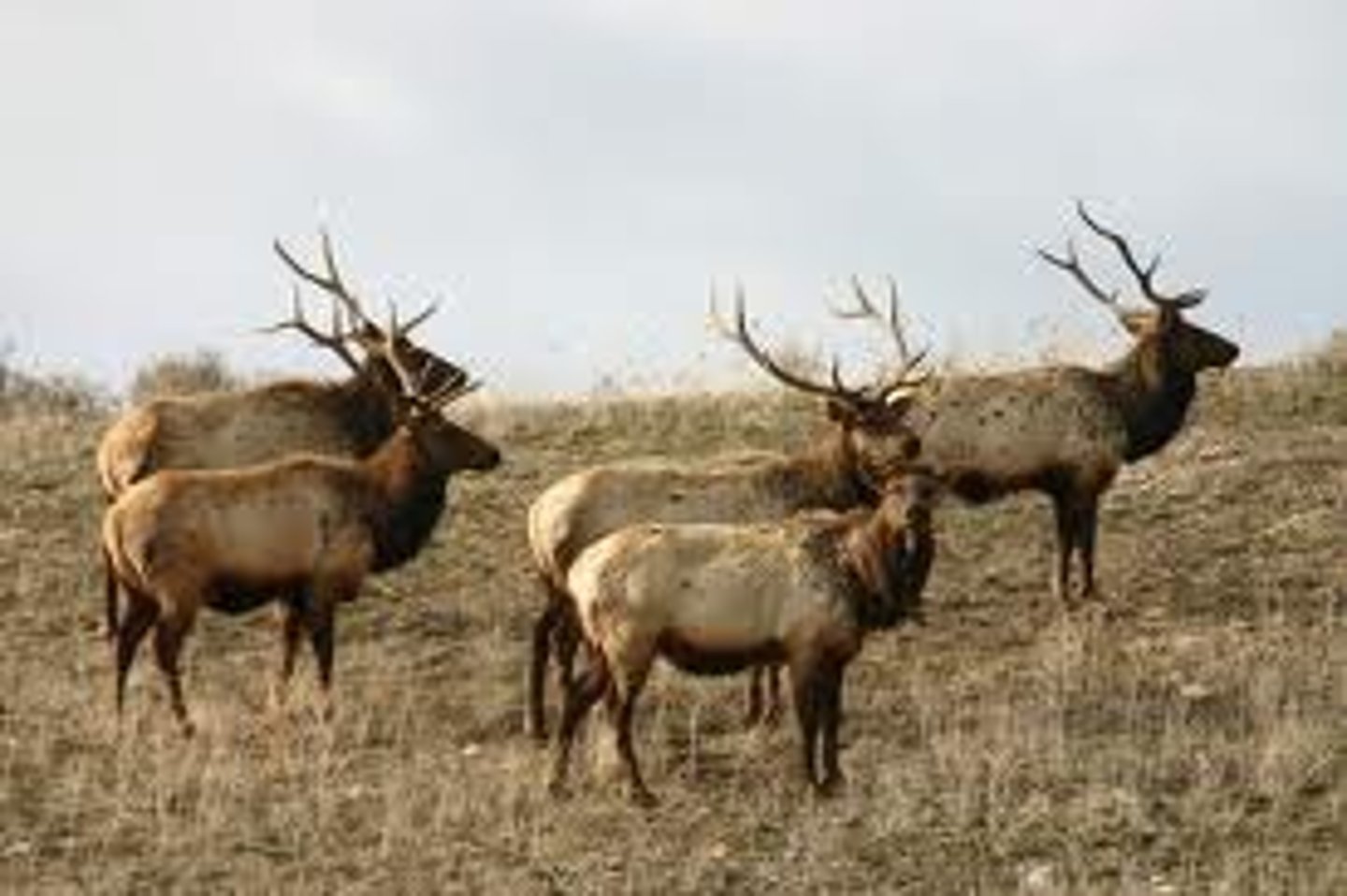
Biosphere
Consists of all life on Earth and all parts of the Earth in which life exists, including land, water, and the atmosphere.
Abiotic Factors
Nonliving components of environment.
- Varys mainly on latitude and elevation.
(Includes weather and temperature)
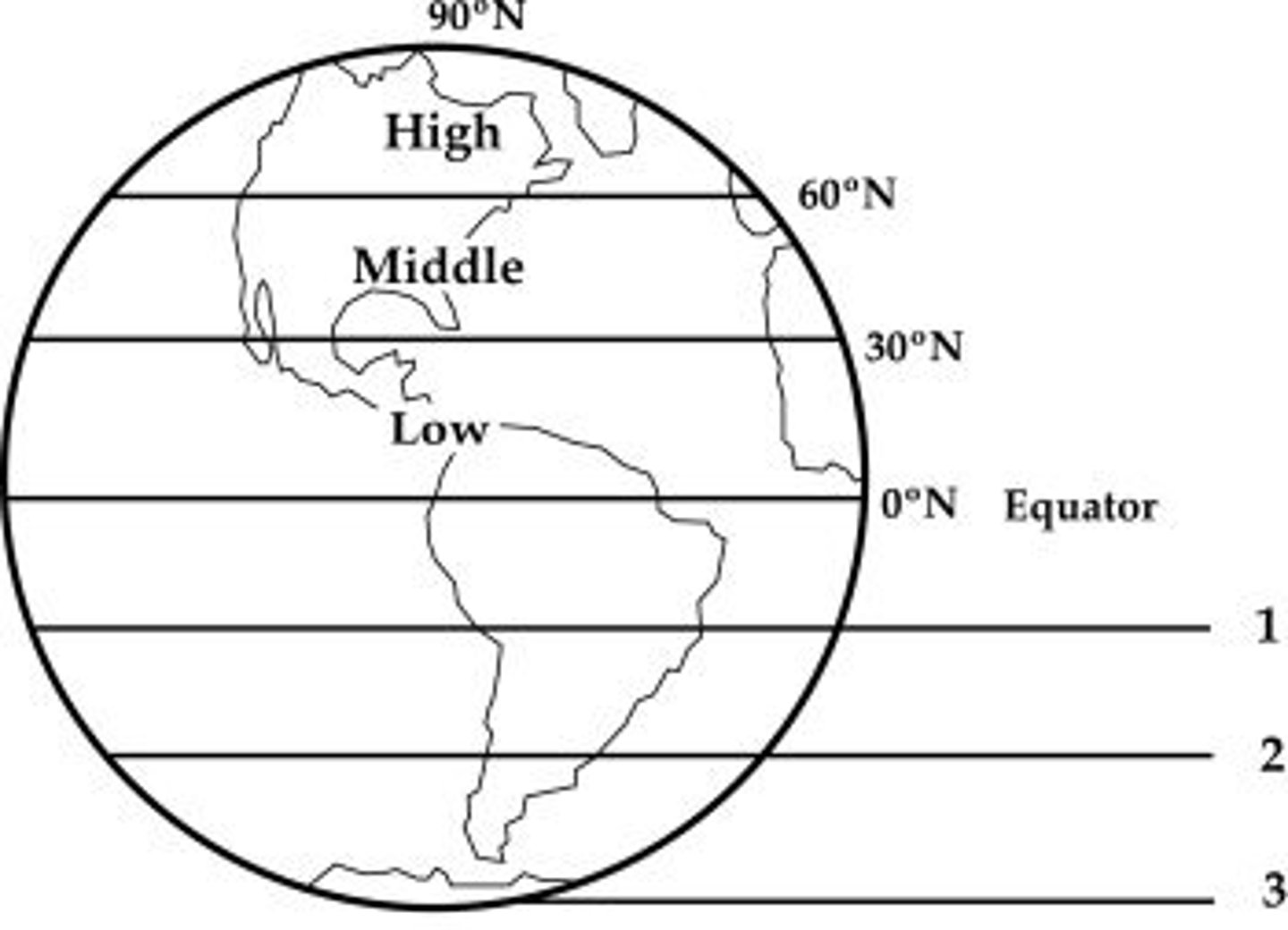
Latitude
Distance north or south of the Equator, measured in degrees.
- Creates and affects seasons.
Elevation
The height of land above sea level.
Generalists
A species with a broad niche that can tolerate a wide range of conditions and can use a variety of resources. (Ex: Raccoons)
Ephemeral
Lasting a very short time.
(Ex: Some flowers)
Australia
Smallest Continent (Separated from other continents)
- It contains many distinctive groups of plants and animals. (Between 600,000 and 700,000 species)
- About 3/4 of living plant and animal species are endemic and found only on this continent.
Migration
Form of relocation diffusion involving a permanent move to a new location. (Caused by temperature fluctuation)
Hibernation
Long-term torpor is an adaptation to winter cold and food scarcity. (Everything slows down to prevent using too much food and ensure survival)
Estivation
(Summer torpor.) Enables animals to survive long periods of high temperatures and scarce water supplies.
Terrestrial Organisms
Organisms that live on land.
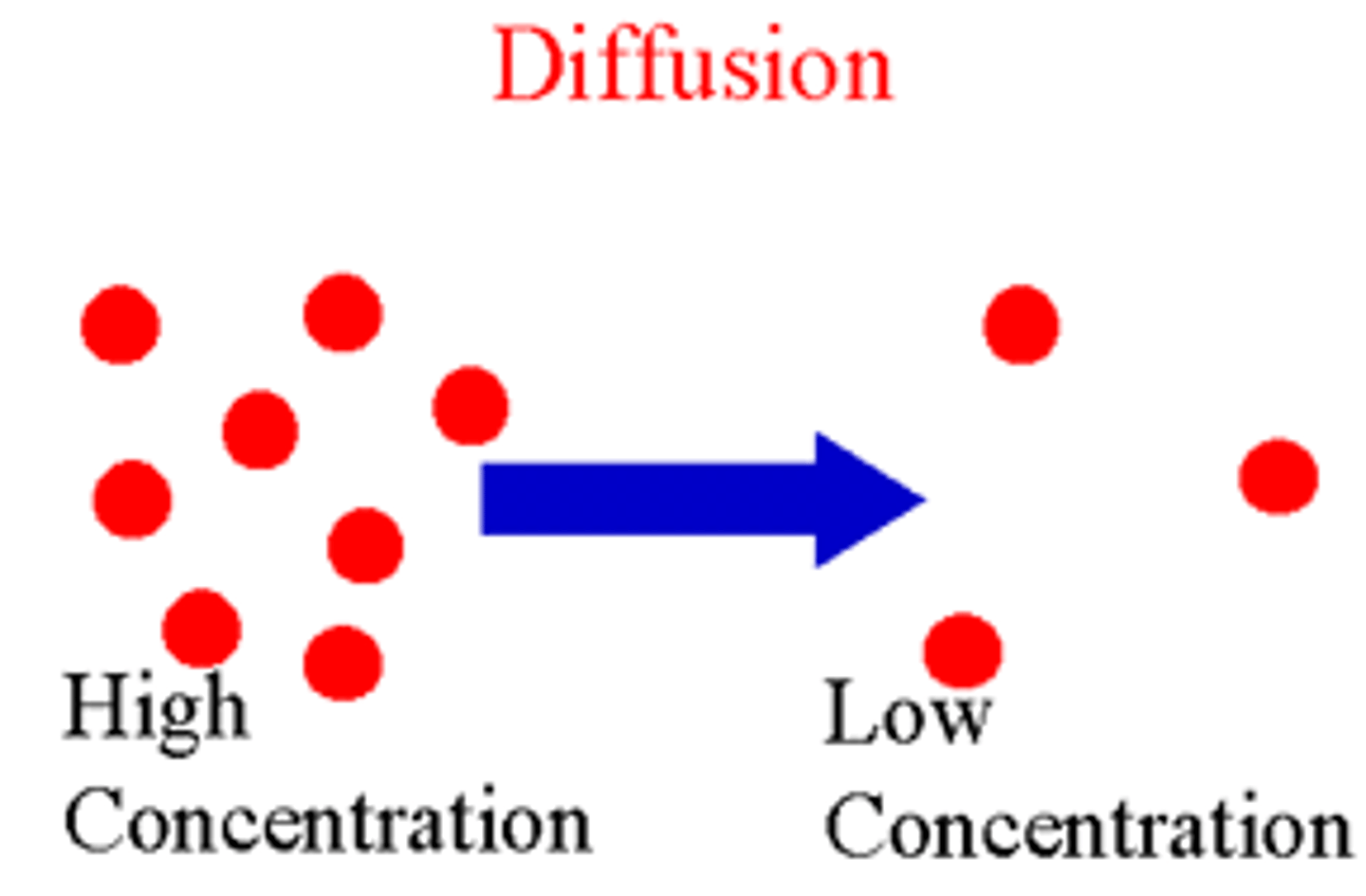
Diffusion
Movement of molecules from an area of higher concentration to an area of lower concentration.
(Organisms lose water to the environment due to simple diffusion)
Osmosis
Diffusion of water through a selectively permeable membrane.
(Freshwater organisms try to remove water at quicker rates)
(Saltwater organisms try to keep water to prevent dehydration - they get rid of salt at faster rates)
Inorganic Nutrients
Minerals are found in things such as water and plants.
- Animals get inorganic nutrients (like iron) from plants.
- Plants get inorganic nutrients from the soil and fungi.
Cold Water
- More dense (causes it to sink/be at the bottom of bodies of water)
- Holds more oxygen when cold
Jake Pine
Can only open when exposed to high temperatures, such as during a forest fire. (Helps rebuild forests)
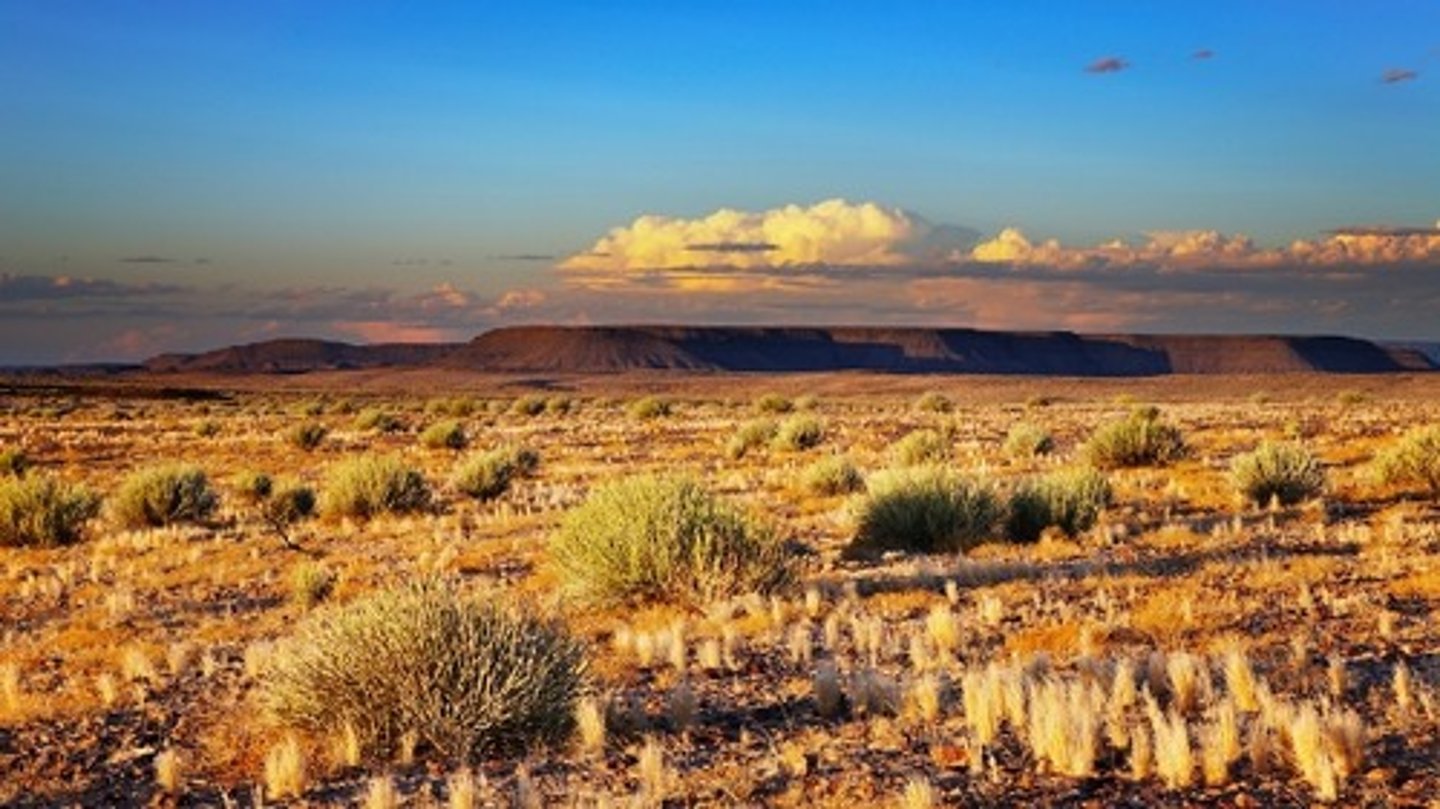
Subtropical Deserts
A biome prevailing at approximately 30° N and 30° S, with hot temperatures, extremely dry conditions, and sparse vegetation.
- Contains many dormant seeds and nocturnal animals to deal with the rain and temperatures.
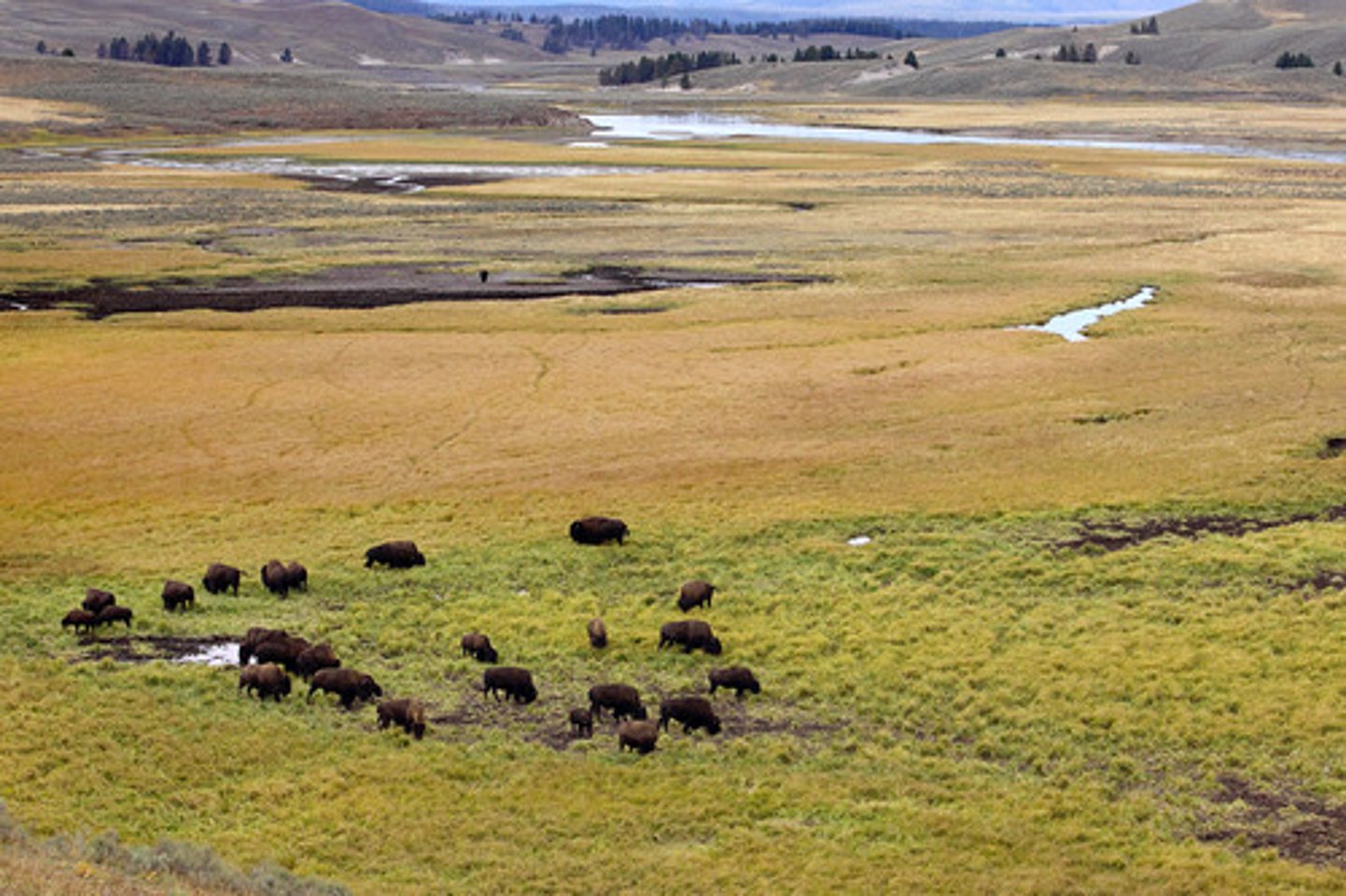
Temperate Grasslands
Dominated by grasses, trees and large shrubs are absent. Temperatures vary more from summer to winter, and the amount of rainfall is less than in savannas. Temperate grasslands have hot summers and cold winters.
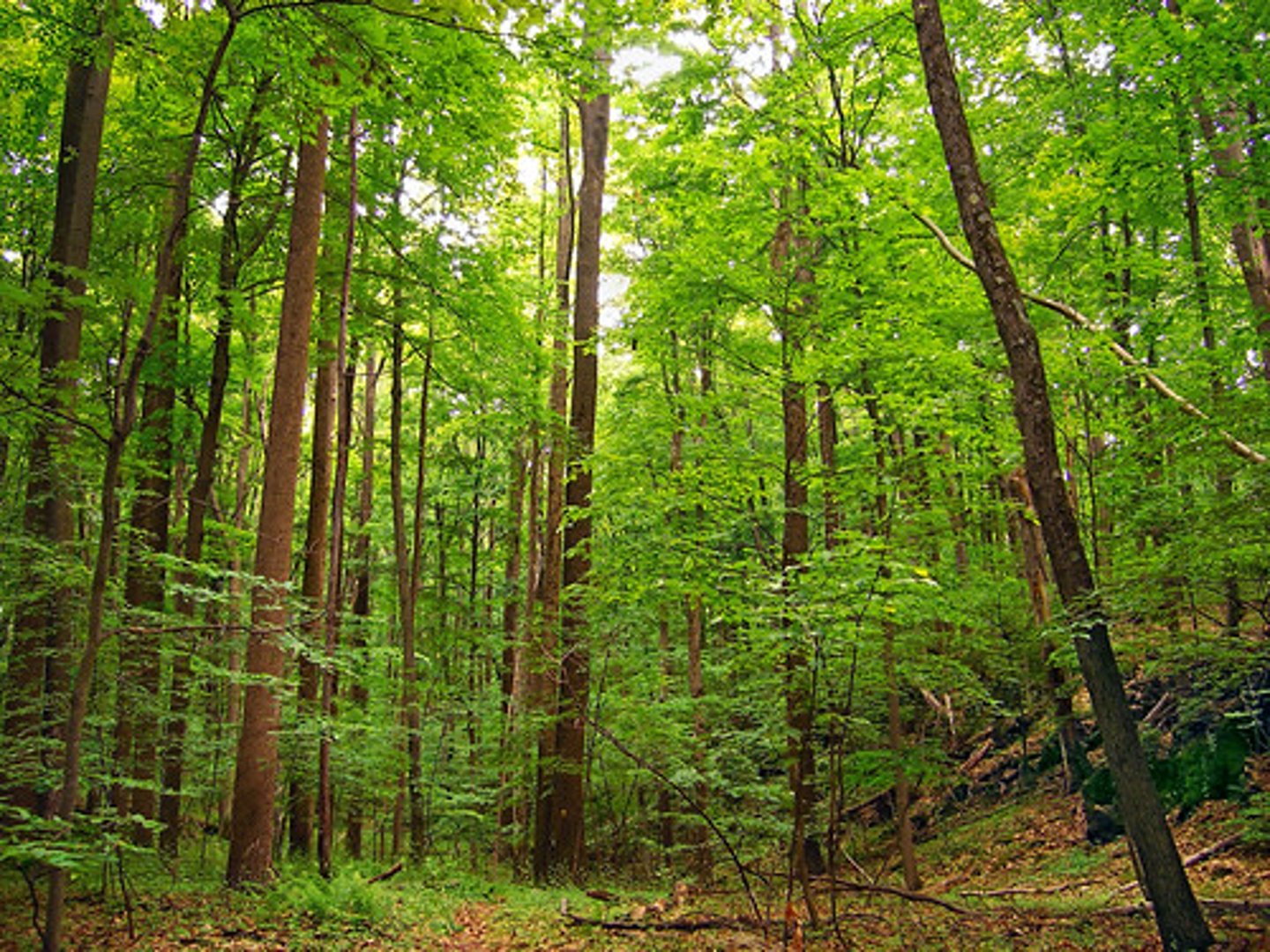
Temperate Forests
Forests exist between 25 and 50 degrees (Temperature varies on the season) latitude in both hemispheres. They typically have high humidity, heavy rainfall, large, tall trees, and wide leaves.
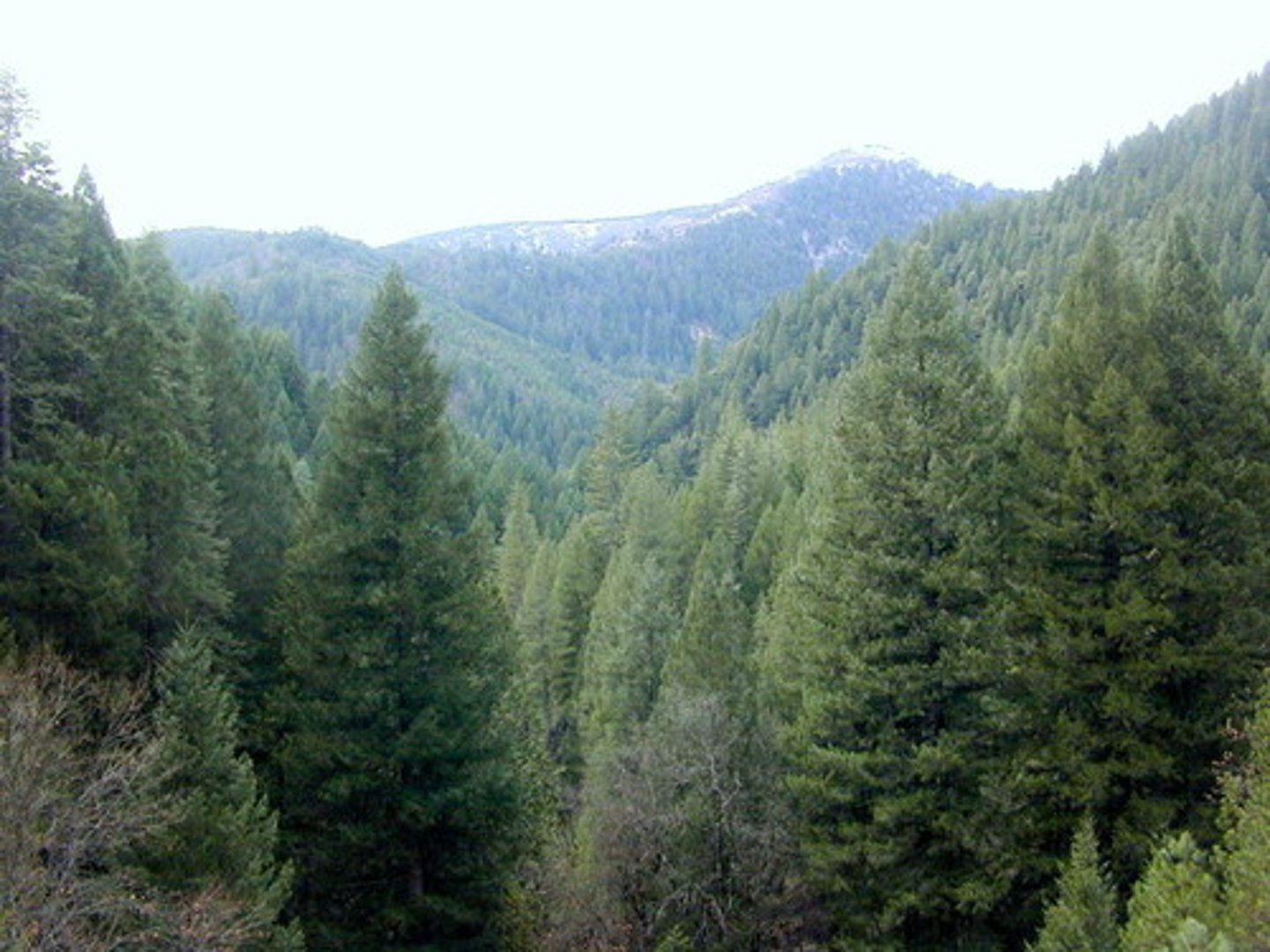
Boreal Forests
A forest made up primarily of coniferous evergreen trees that can tolerate cold winters and short growing seasons.
(Also known as taiga or coniferous forest)
Largest land Biome on Earth
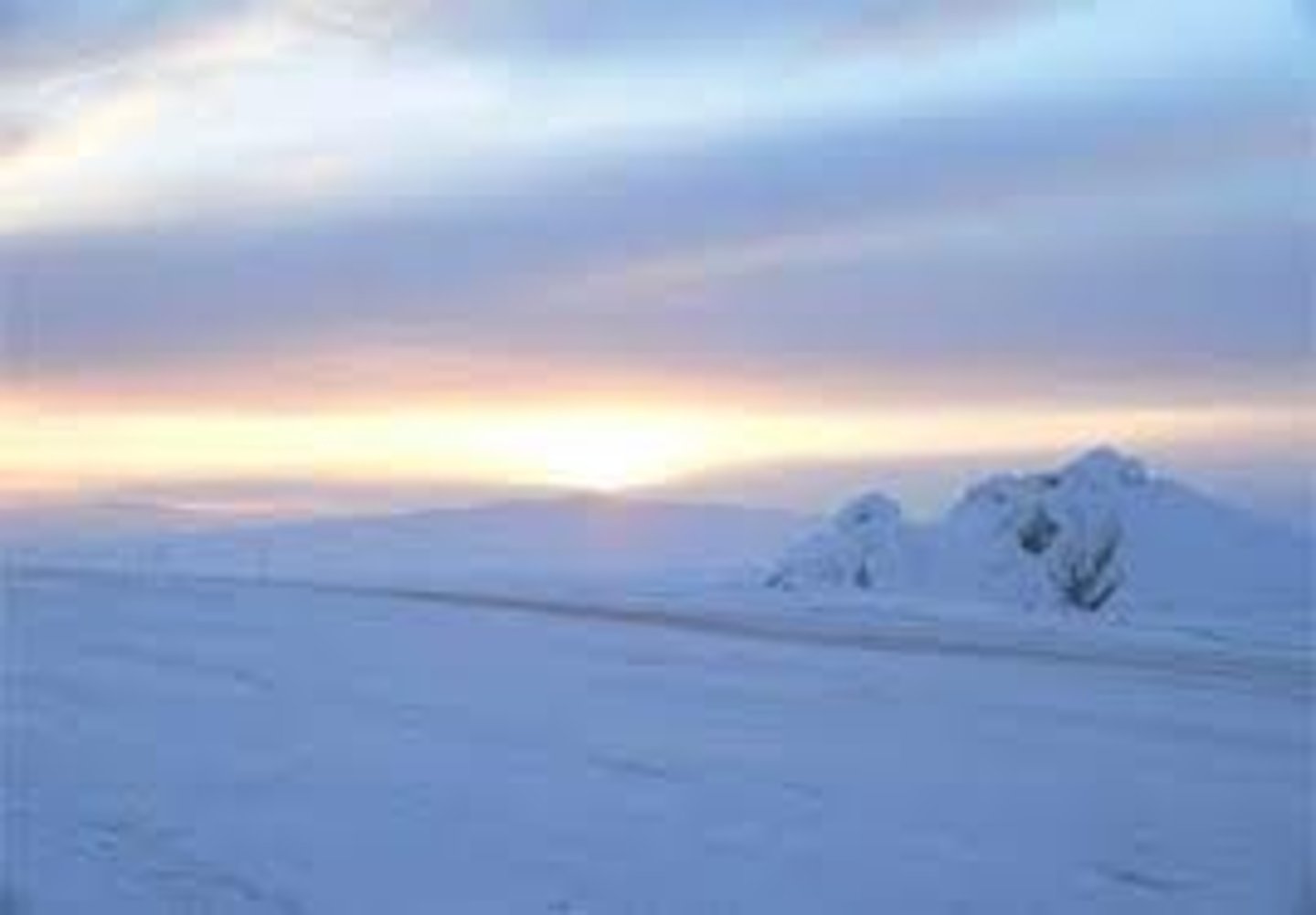
Arctic Tundra
This biome supports a low number of plant species, receives little rain, and plants have shallow root zones due to permafrost and wet soil. Short growing seasons and cold temperatures.
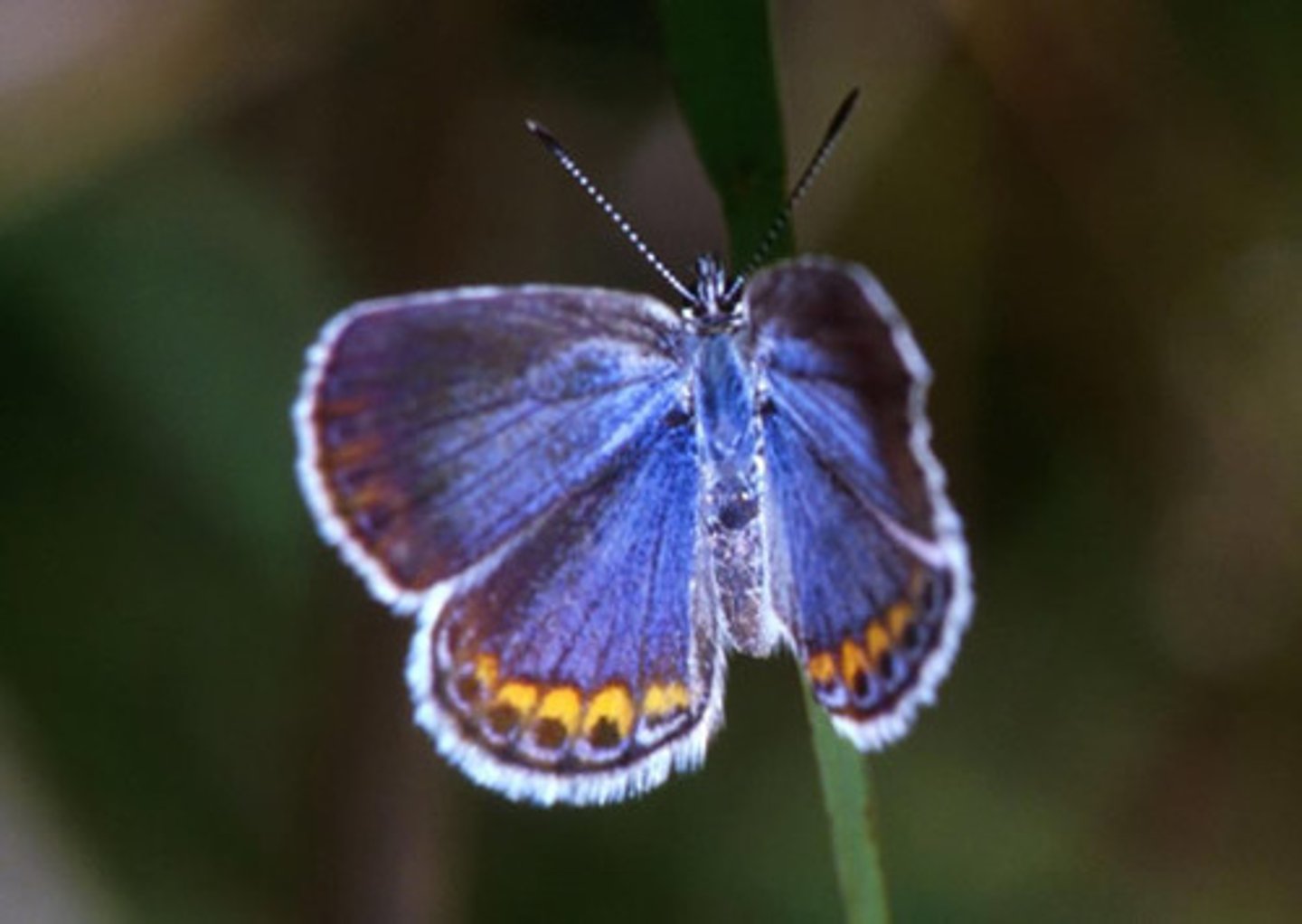
Karner Blue Butterfly (Lycaeides melissa samuelis)
The wild lupine (Lupinus perennis) is the only known host plant for the Karner blue butterfly.
Forest Gardenia (Gardenia brighamii)
A small tree with distinctive flowers. It is found only in small populations in five of the Hawaiian Islands. (Endemic species)
Chaparral
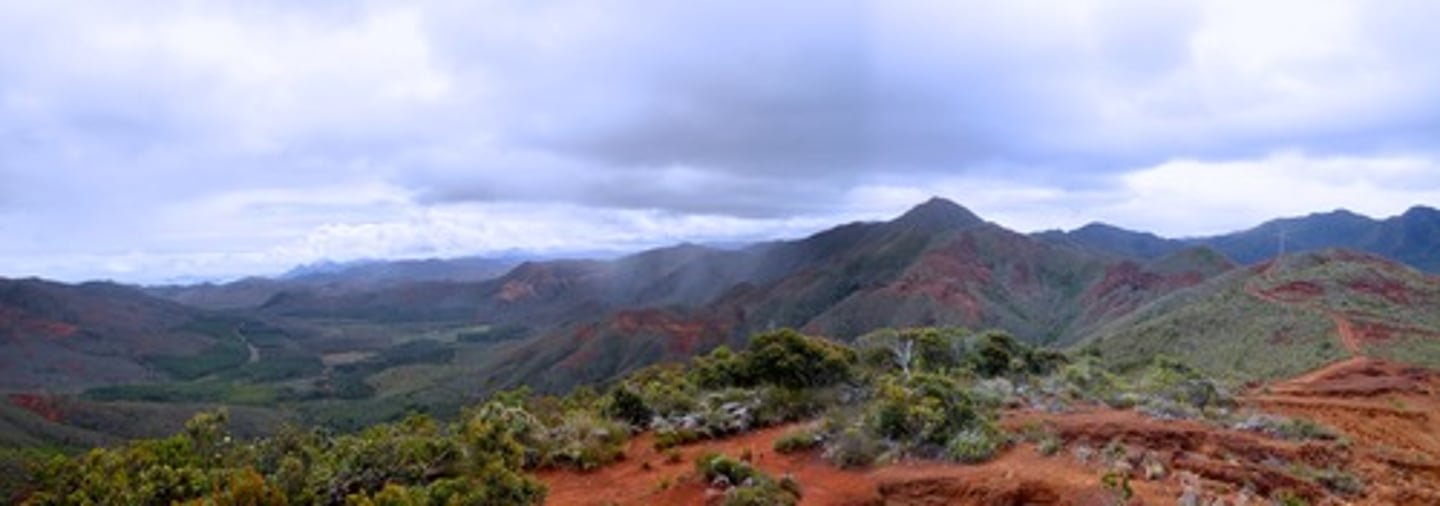
The majority of the rain falls in the winter. Summers are very dry and many chaparral plants are dormant during the summertime. The chaparral vegetation is dominated by shrubs adapted to periodic fires, with some plants producing seeds that only germinate after a hot fire.
Chemosynthetic bacteria
Use the geothermal energy (such as hydrogen sulfide) in hot springs or deep-sea vents to produce their food.
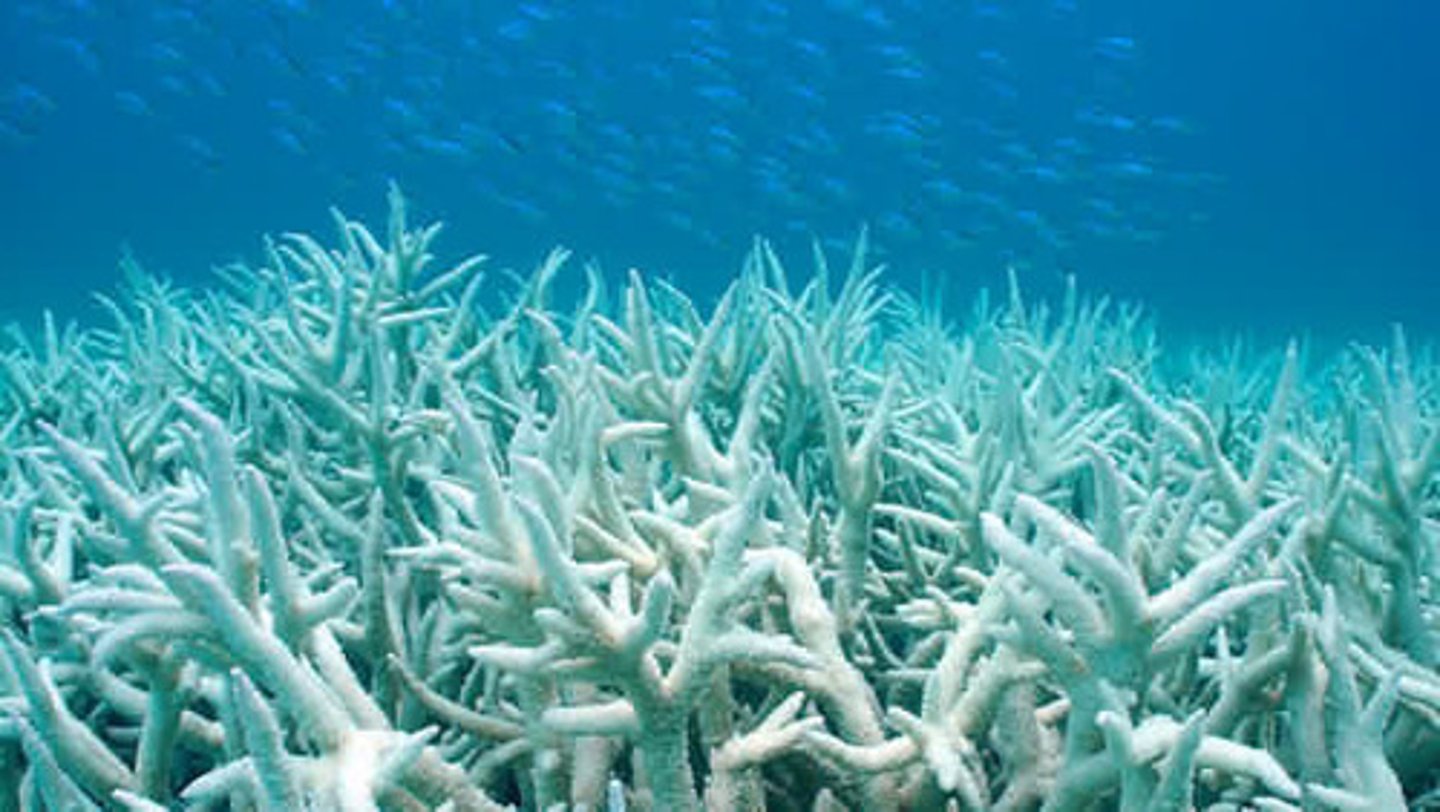
Bleaching
Excessive warmth (when ocean temperatures rise) causes reefs to expel their symbiotic, food-producing algae, resulting in reefs turning white, which causes them to die.
Dead Zones
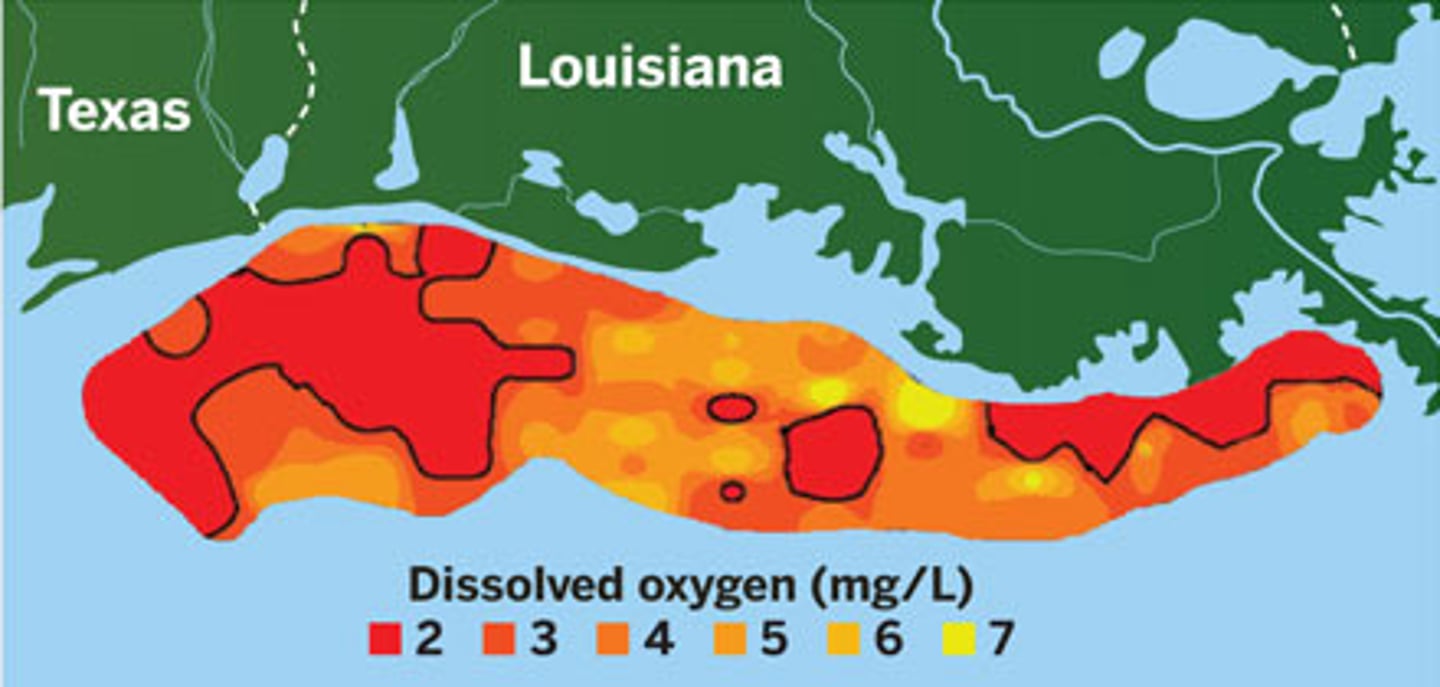
In a body of water, an area with extremely low oxygen concentration and very little life.
- Can be caused by decomposition of algae which sucks all the oxygen out of the water.
Wetlands
A lowland area, such as a marsh or swamp, that is saturated with moisture almost all the time, especially when regarded as the natural habitat of wildlife.
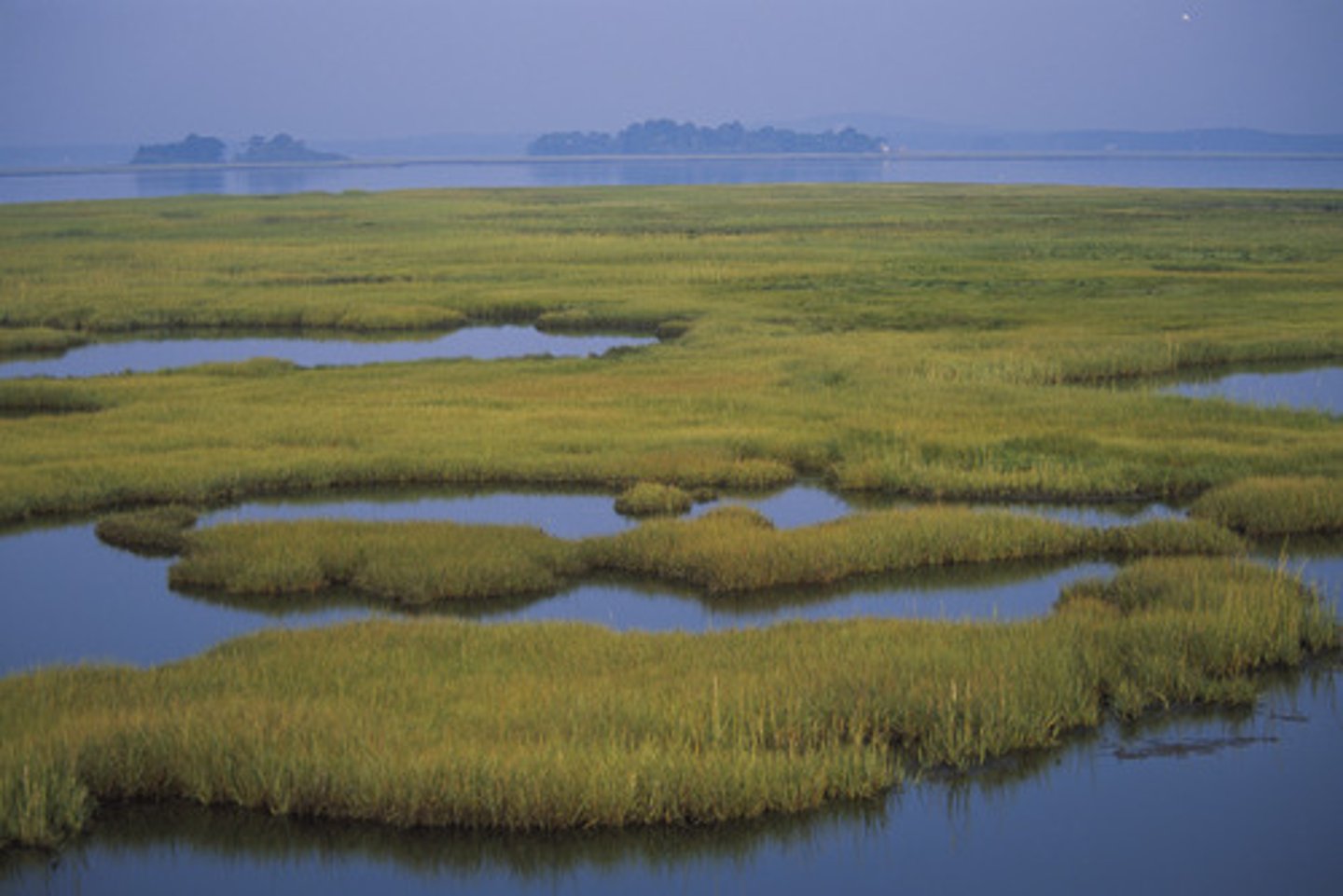
Freshwater Marshes or Swamps
They are characterized by a slow and steady water flow.
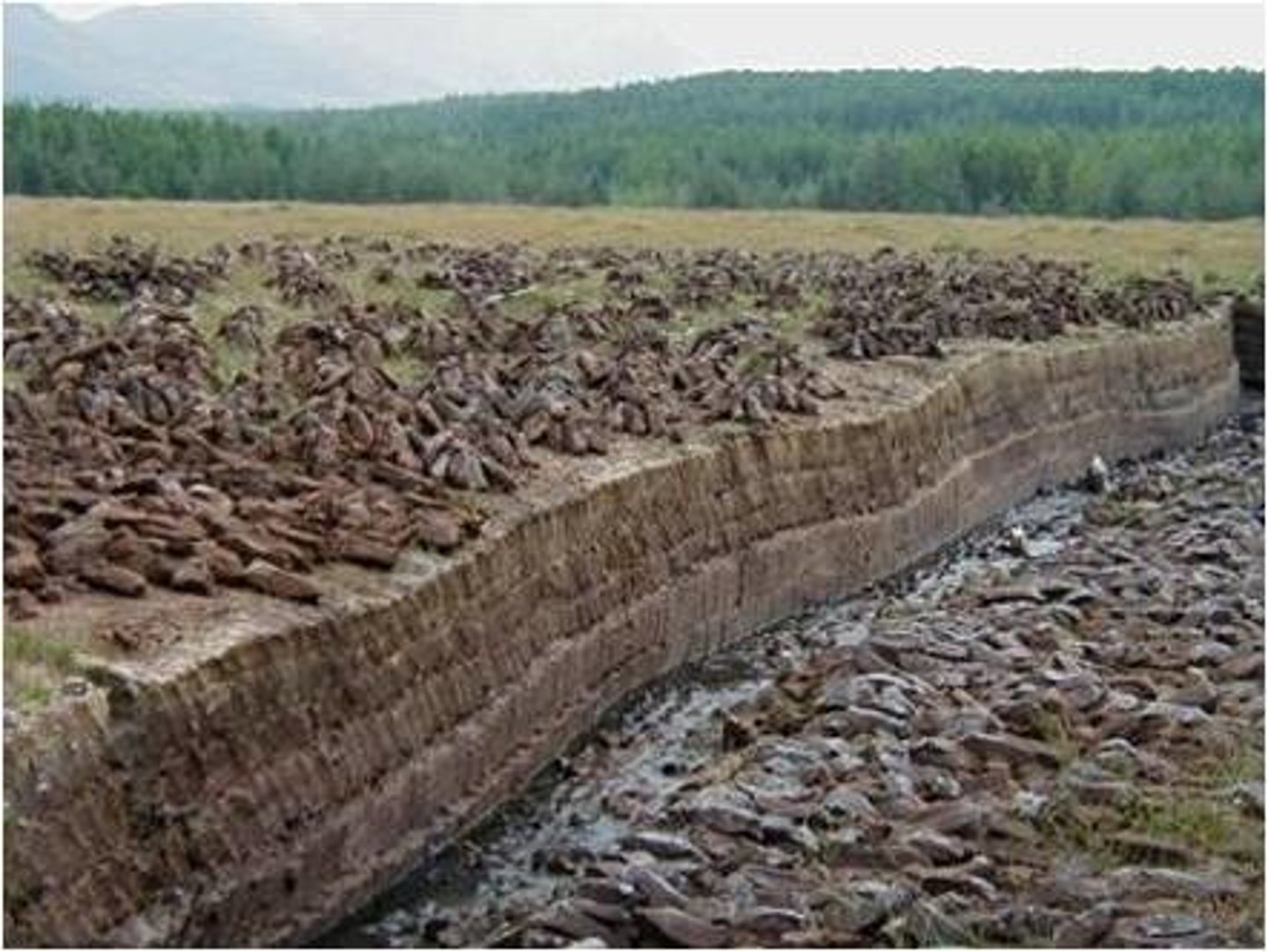
Bogs
Ponds are covered in thick floating mats of vegetation. The bottom is covered in clay bottoms with poor percolation or movement of water through pores in soil or rocks.
- Water is stagnant (still) and oxygen-depleted.
- Causes the pH of water to lower making nitrogen unavailable.
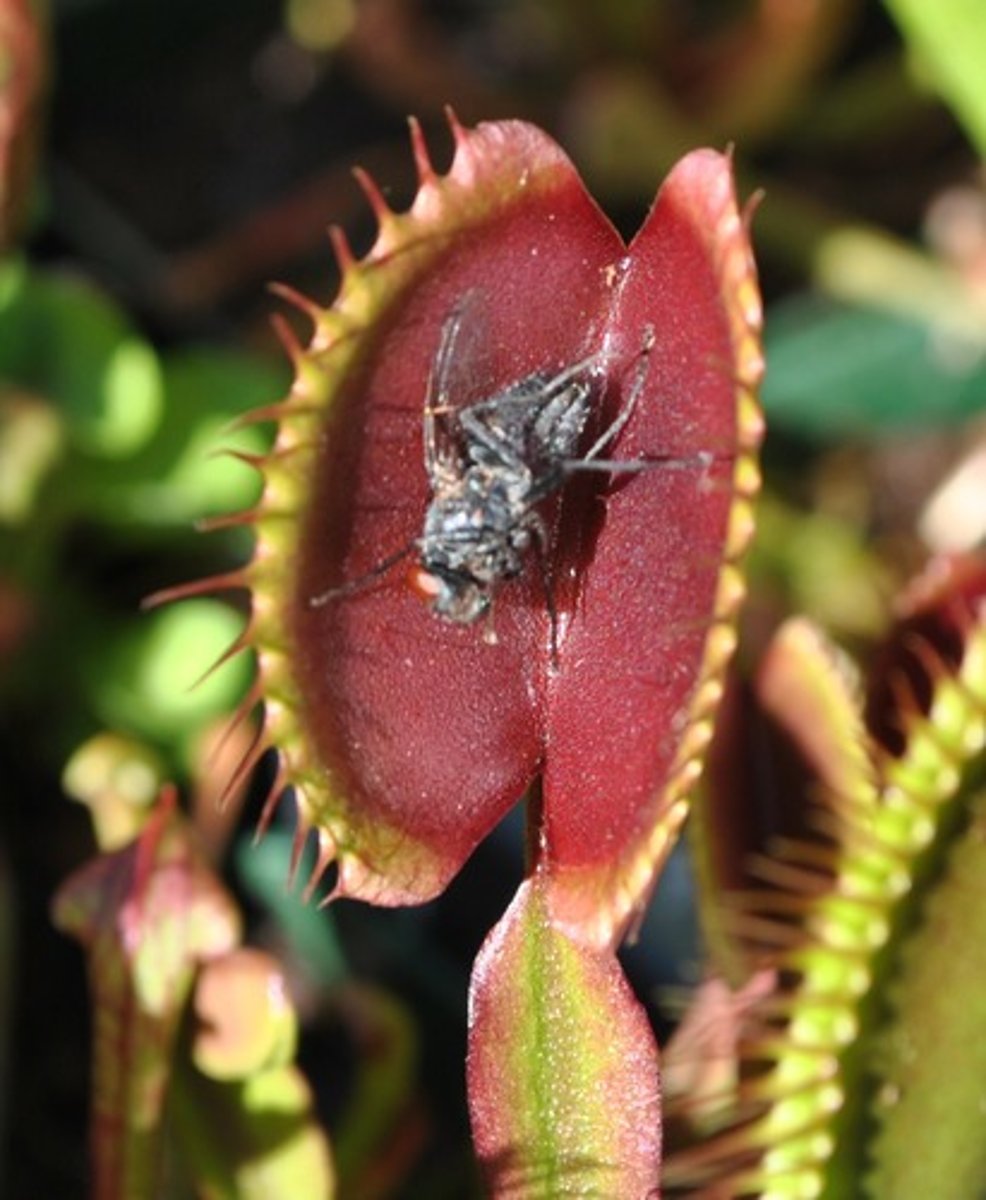
Bog Plants
Plants evolving to capture insects for nitrogen.
(Ex: Venus flytraps and Sundews)
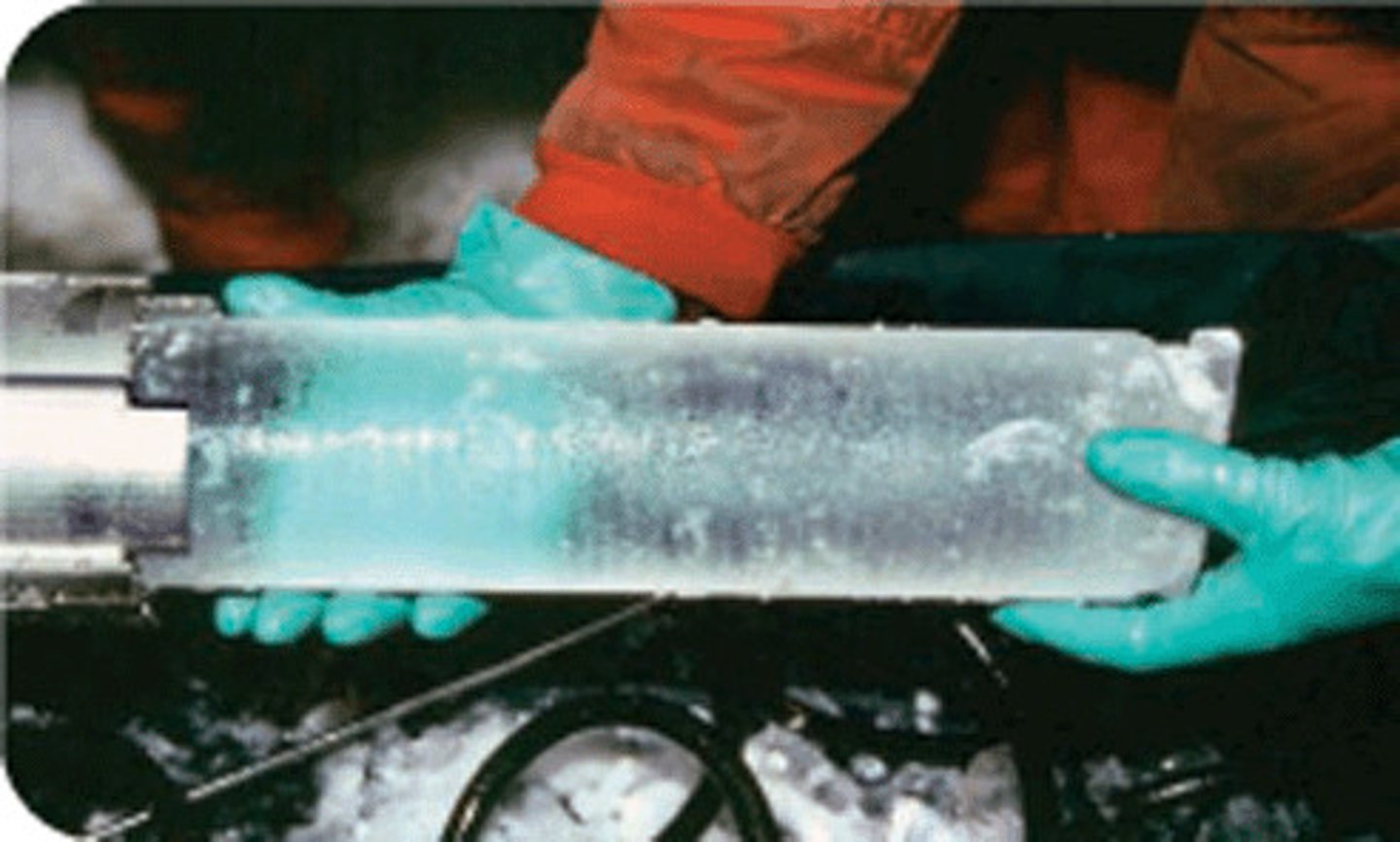
Ice Cores
Method for studying climate change by drilling cores in ice caps and glaciers that have built up over thousands of years.
- The deeper the sample, the earlier the time period.
Carbon Dioxide Levels/Cycles
Between 180 and 300 parts per million (ppm) by volume.