Geological History of Life Final Exam
 Call Kai
 Learn
Learn Practice Test
 Spaced Repetition
 Match
Match Flashcards
 Knowt Play
1/33

There's no tags or description
Looks like no tags are added yet.
Name | Mastery | Learn | Test | Matching | Spaced | Call with Kai |
|---|
No analytics yet
Send a link to your students to track their progress
34 Terms
Chordates
Includes 4 phylum: chordata, tunicata, conodonta, with cartilaginous rod-like notochord in dorsal position/cartilaginous axial skeleton, and phylum vertebrata, with bony or cartilaginous axial skeleton; vertebral column
phylum chordata (chordates)
early late cambrian-holoceneIncludes oldest chordates (yunanazoon, pikaia), marine, , evolved from arrow worms
Yunnanozoon
Earliest chordate, phylym chordata. Found in Chenxiang Fauna, Lower Cambrian. Elongate body, no well-defined head
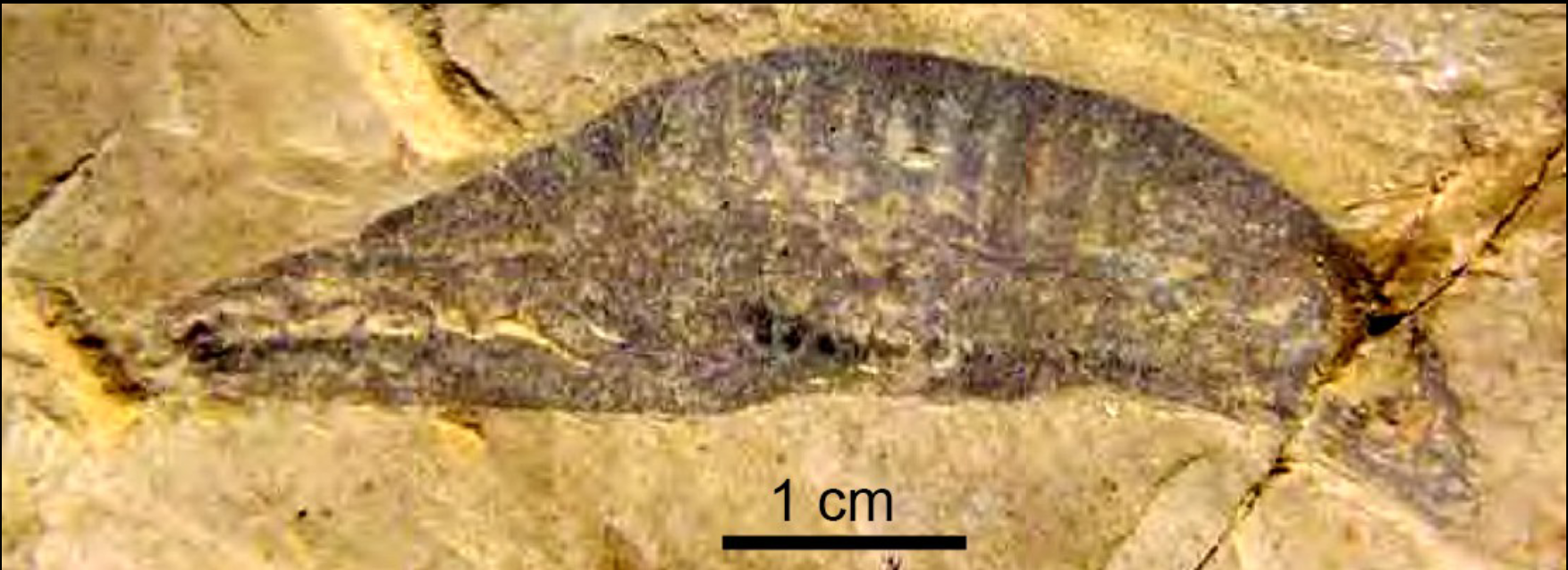
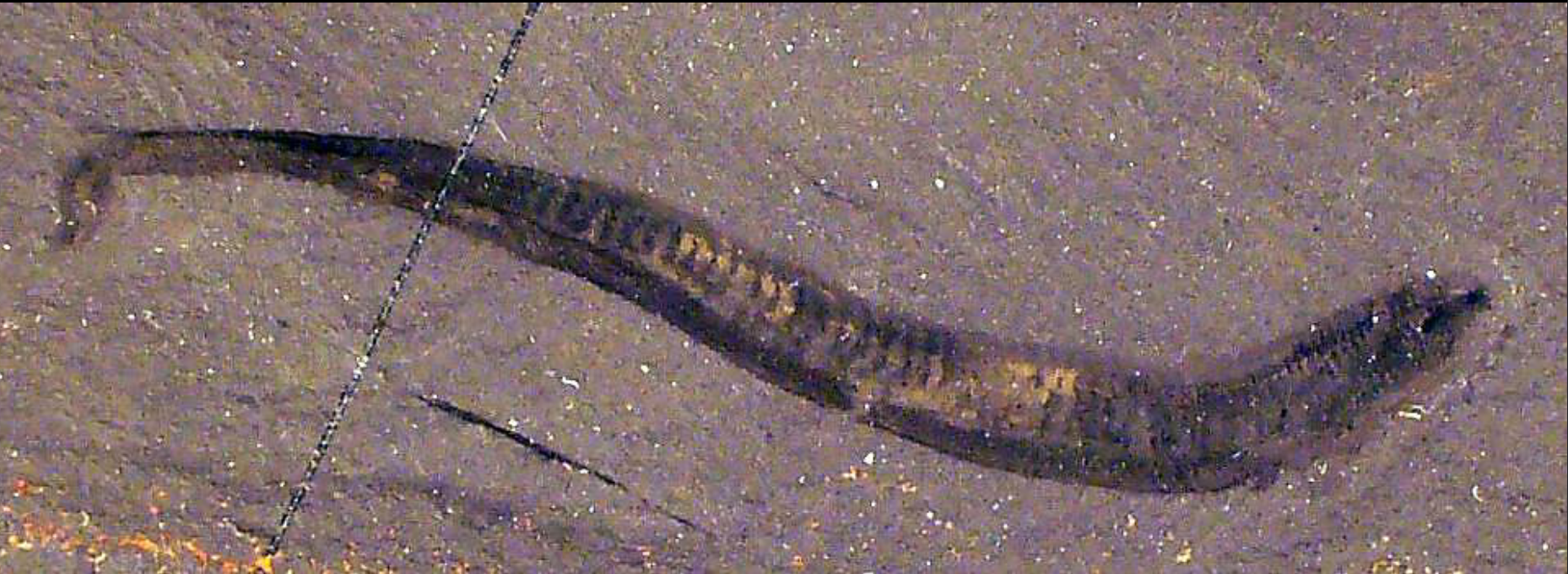
Pikaia
Early chordate, phylum chordata, Burgess Shale, Middle Cambrian
phylum tunicata (aka ascidians) (chordates)
early late cambrian-holocene, includes Cheungkongella, solitary, rarely colonial, marine, benthic/attached, ocassionaly planktic, calcitic/aragonitic/fluoritic spicules fossils from miocene-holocene
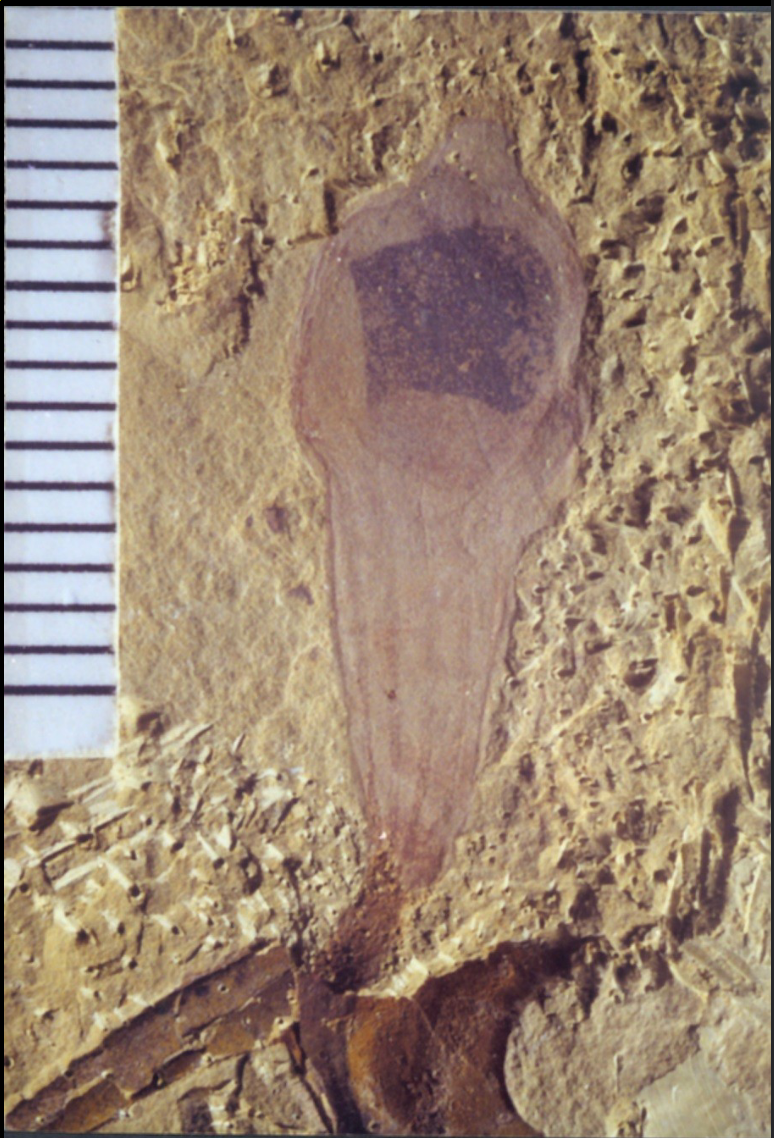
Cheungkongella
Earliest tunicate (ascidian), Chenjian Fauna, attached to sea floor, early cambrian
phylum conodonta (chordates)
Late cambrian-triassic, had francolite teeth (conodonts), head with 2 large eyes, evolved from worms
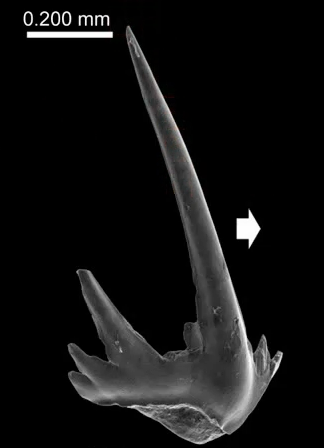
Conodont elements
coniform, ramiform, pectinoform
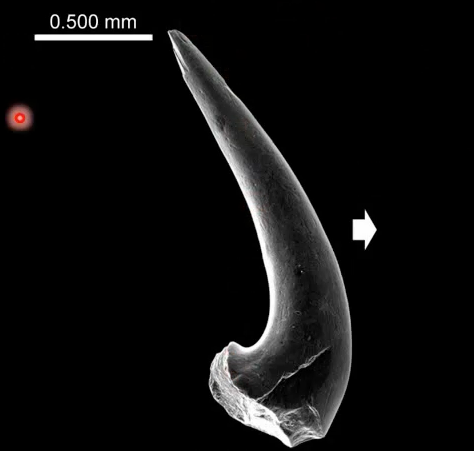
coniform conodont
cone-like, simplest
ramiform conodonts
denticles (multiple cusps), basal cavity
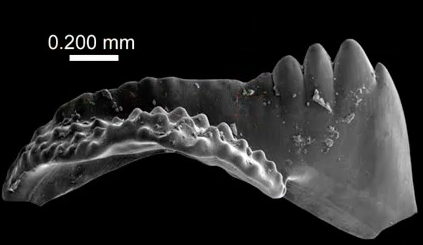
pectinoform conodonts
basal cavity, basal pit, most complex
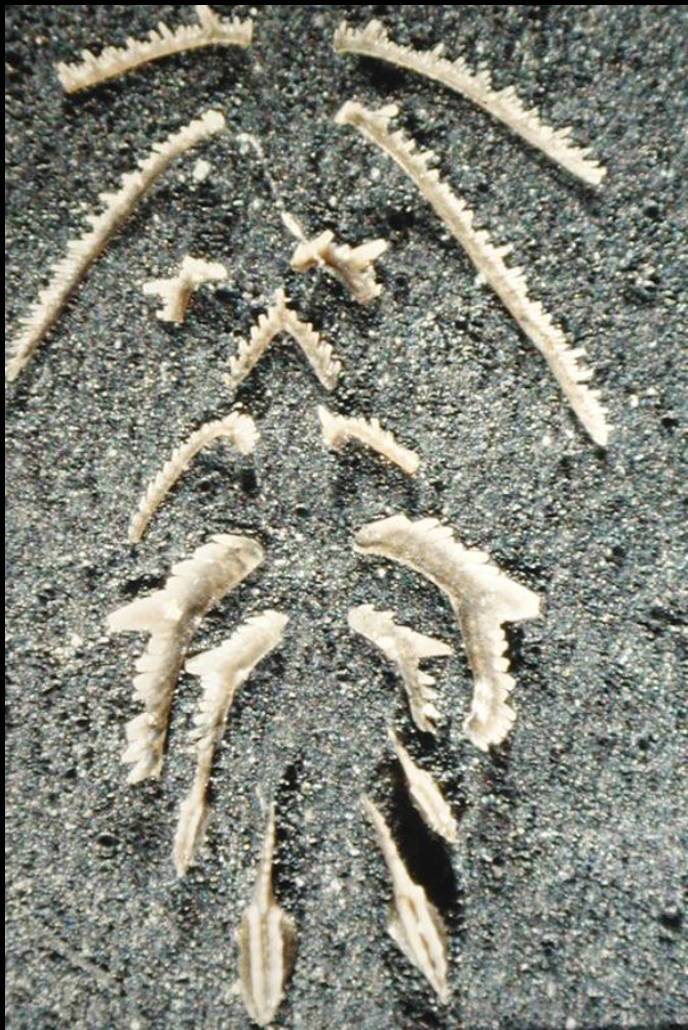
conodont chewing apparatus morphology
bilaterally symmetrical
Clydagnathus
Conodont animal (chordate, phylum conodonta) with head, lower carboniferous
phylum vertebrata (chordates)
Early cambrian-holocene, bony or rarely cartilaginous axial skeleton with vertebrae, head, and skull. Includes class agnatha, pisces, amphibia, reptilia, aves, and mammalia
class agnatha (phylum verbrata, chordates)
Early cambrian, ordovician-holocene, fishlike, jawless, marine, rarely freshwater. Modern lampreys and hagfishes
Class agnatha stratigraphical range (phylum vertebrata, chordates)
Paleozoic (ordovician-devonian)
Orders of class agnatha (phylum verbrata, chordates)
ostracoderms, thelodonts, heterostracans, osteostracans
Ostracoderm order (class agnatha, phylum vertebrata, chordates)
Ordovician-silurian, anterior bony plates, includes Sacambambaspis
Sacambambaspis
Lower ordovician, Bolivia, large plate-armoured filter feeder with eyes of the ostracoderm order (class agnatha, phylum vertebrata, chordate)
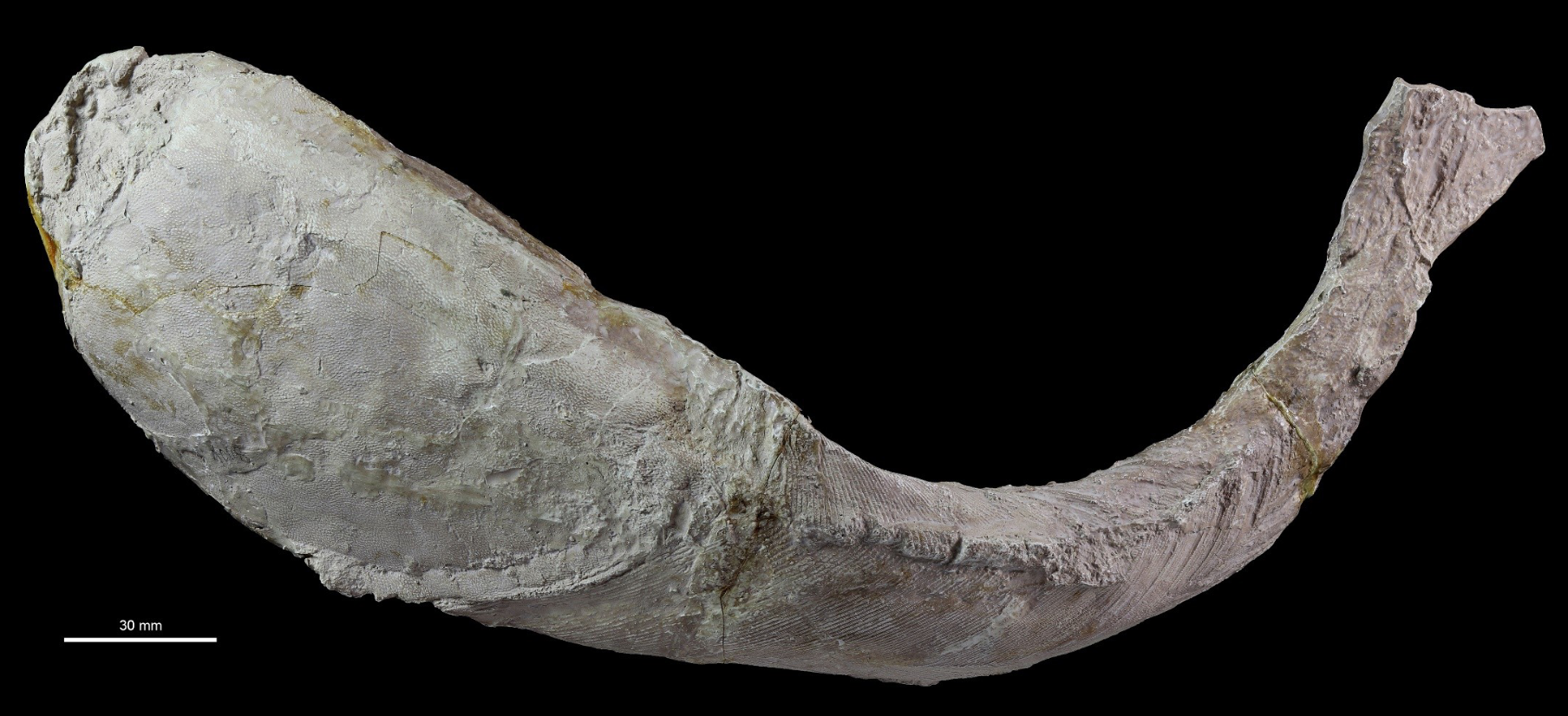
Thelodont order (class agnatha, phylum vertebrata, chordates)
Upper ordovician-devonian, covered with small scale-like sclerites, better swimmers, includes Loganella
Loganella
thelodont order (class agnatha, phylum vertebrata, chordates), lower Silurian, Scotland, covered with sclerites
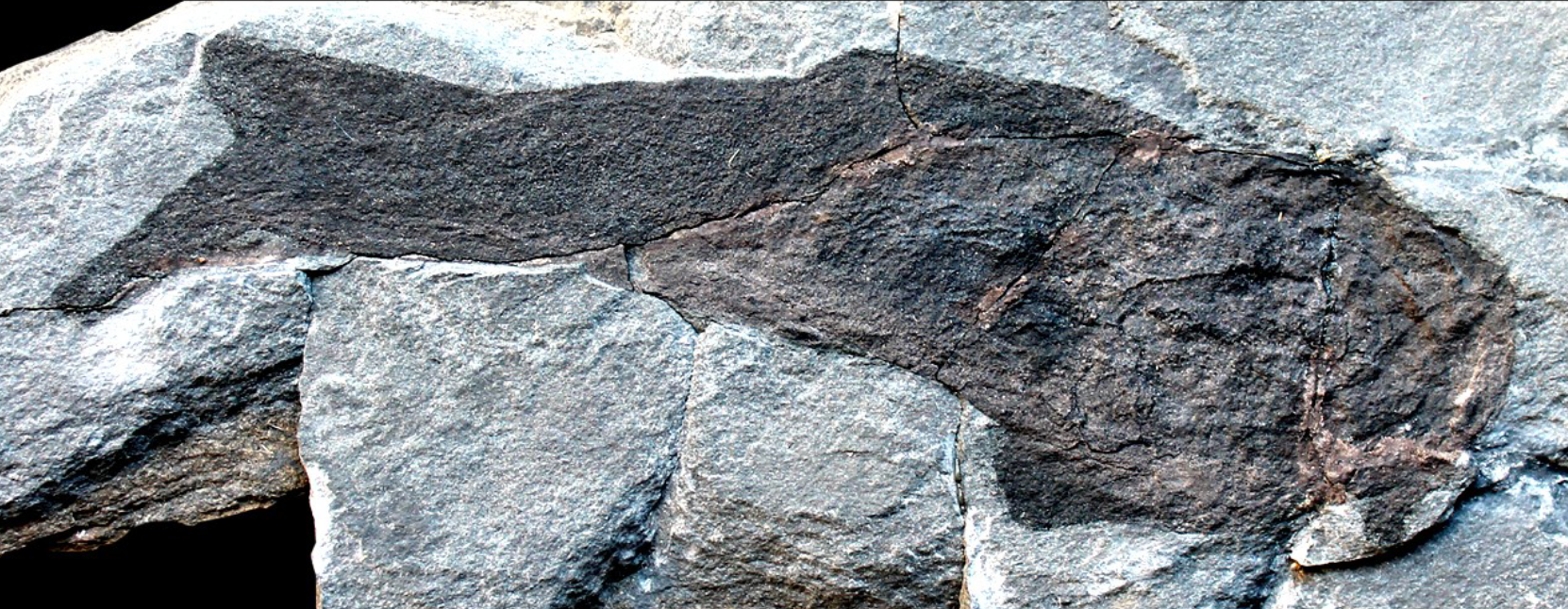
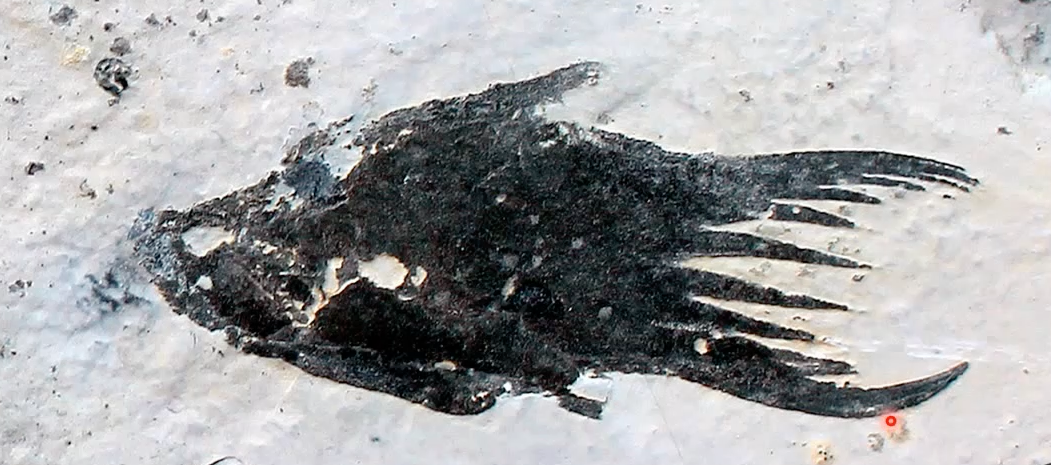
Furcacauda
thelodont order (class agnatha, phylum vertebrata, chordates), lower Devonian, Canada,
heterostracan order (class agnatha, phylum vertebrata, chordates)
silurian-devonian, articulated anteropr bony plates, includes Drepanaspis
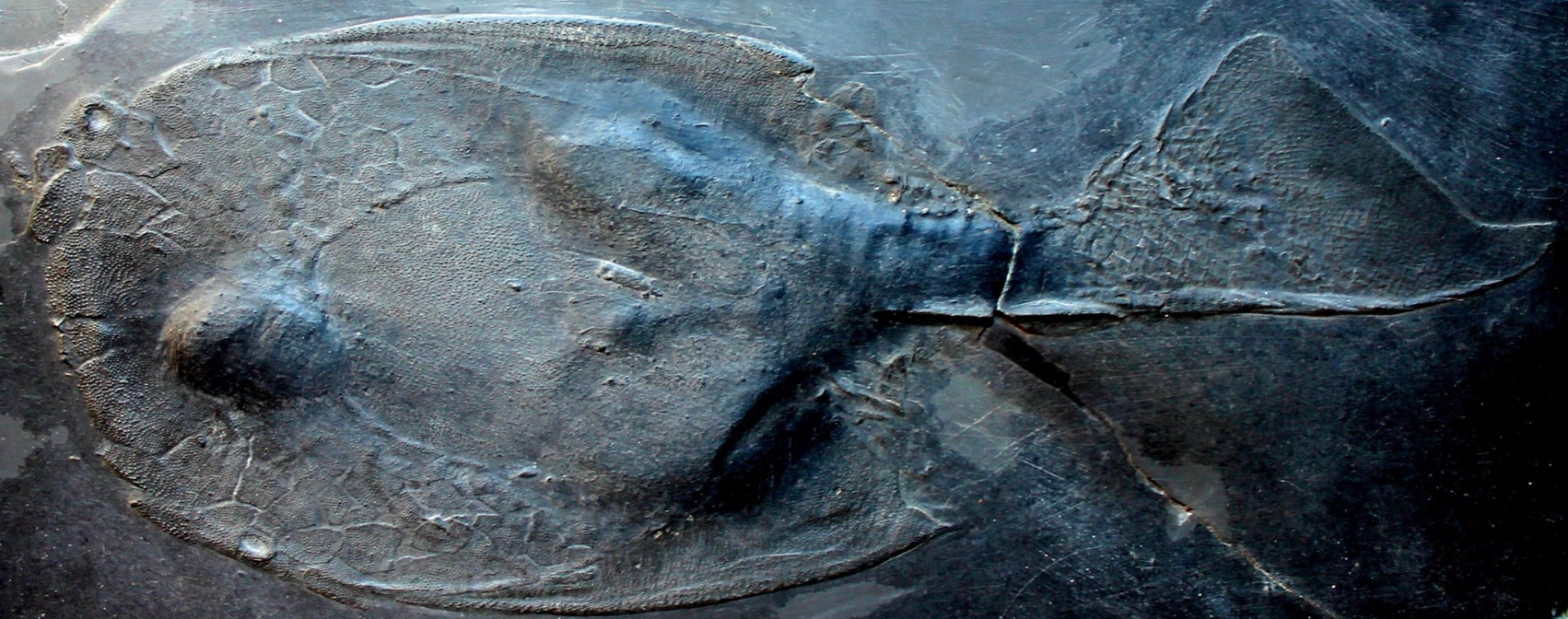
Drepanaspis
heterostracan order (class agnatha, phylum vertebrata, chordates), Germany, cephalic shield with ornamentation, benthic
Osteostracan order (class agnatha, phylum vertebrata, chordates)
late silurian-devonian, robust 1-piece cephalic shield, slow swimming, most abundant agnathan, includes Cephalaspis
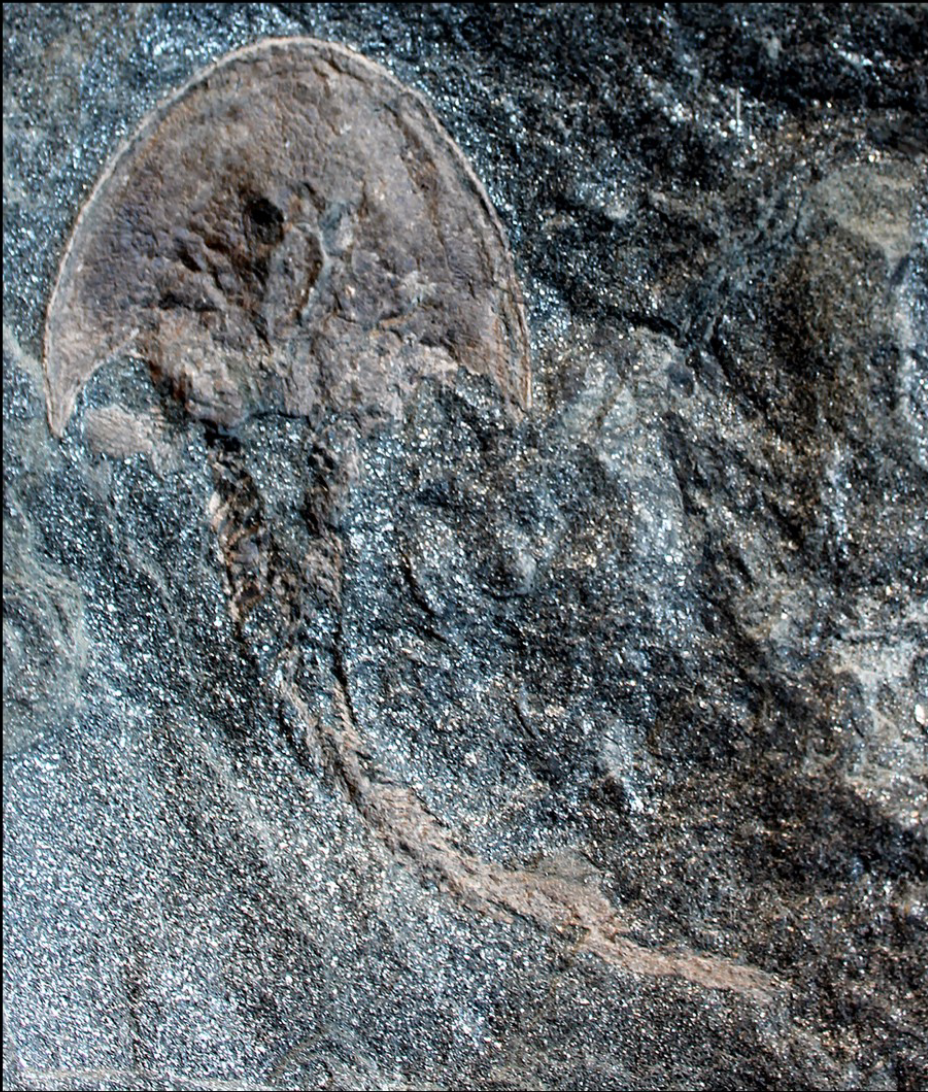
Cephalaspis
Osteotracan order (class agnatha, phylum vertebrata, chordates), lower devonian, Scotland, 2 vibration sensorial zones
subphylum gnathostomata (phylum vertebrata, chordates)
middle silurian- holocene, organisms with jaws that evolved from agnathan acnestors: class pisces, amphibia, reptilia, aves, and mammalia
class pisces (subphylum gnathostomata, phylum vertebrata, chordates)
middle silurian - holocene, aquatic, gills/lungs, egg reproduction, flight in some cases, preserved as teeth (ichtolyites) and inner ear (otolith) fossils
subclass acanthodii (class pisces, subphylum gnathostomata, phylum vertebrata, chordates)
middle silurian-lower permian, oldest fishes (so oldest gnathostomata), “spiny sharks", cartilagionous skeleton, paired bony fins, small scales, includes Acanthodes, Diplacanthus, Gyracanthus
Acanthodes
subclass acanthodii (class pisces, subphylum gnathostomata, phylum vertebrata, chordates), lower permian, Germany
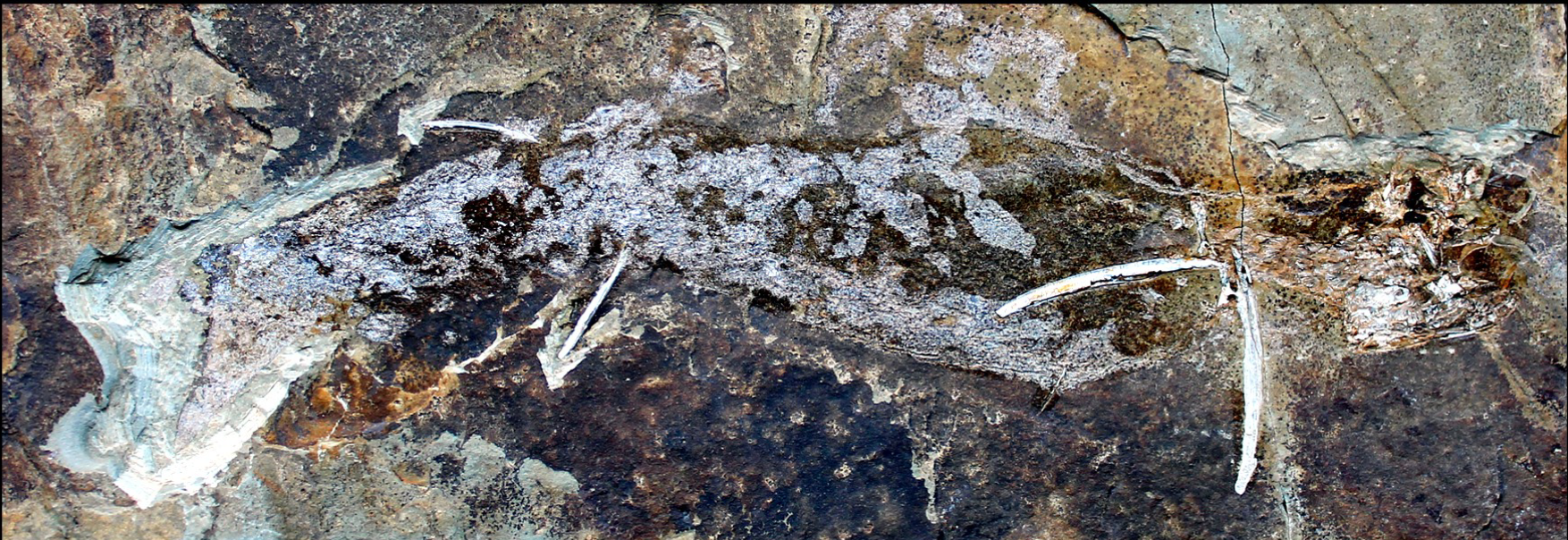
Diplacanthus
subclass acanthodii (class pisces, subphylum gnathostomata, phylum vertebrata, chordates), middle devonian, Scotland
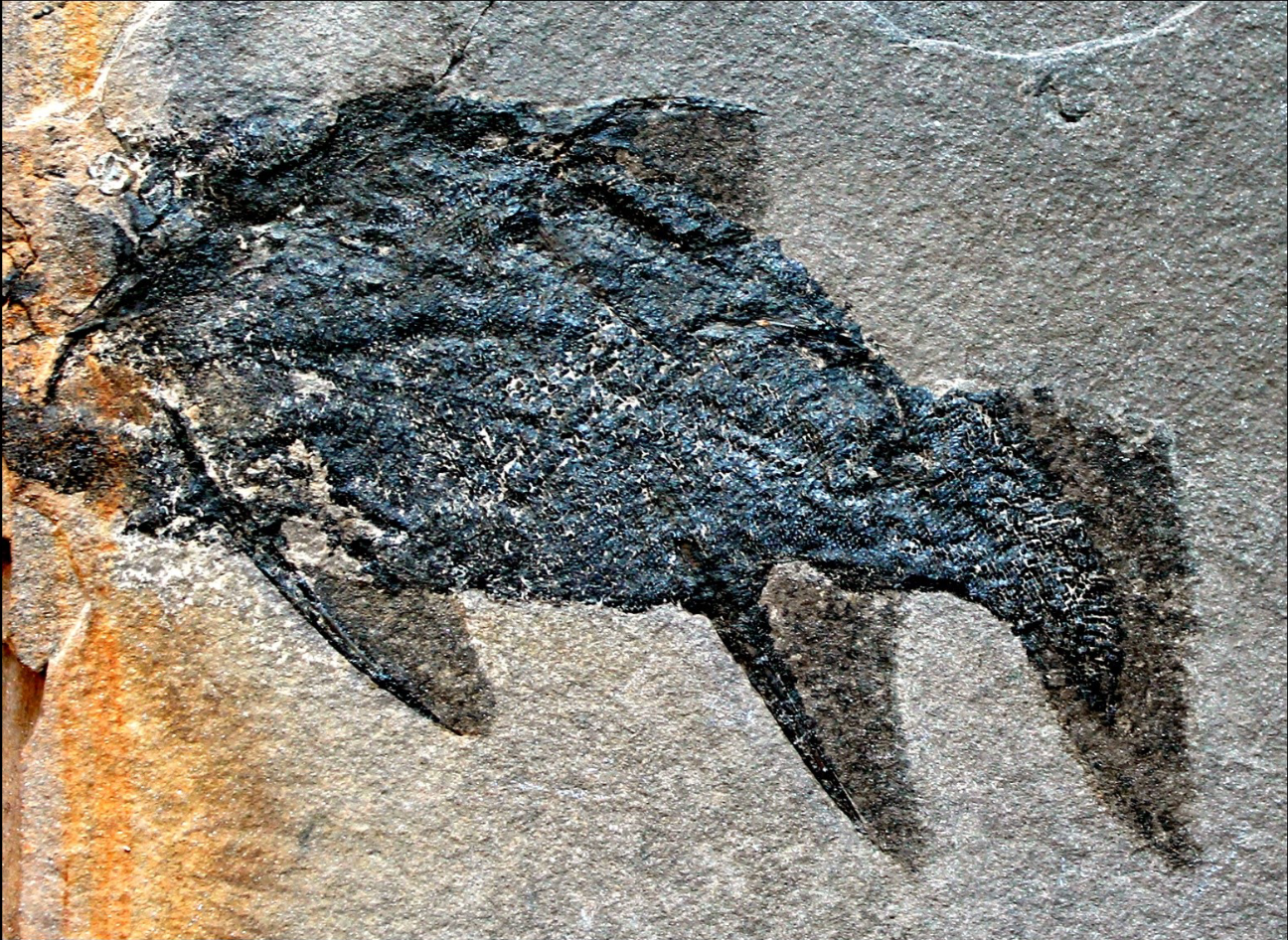
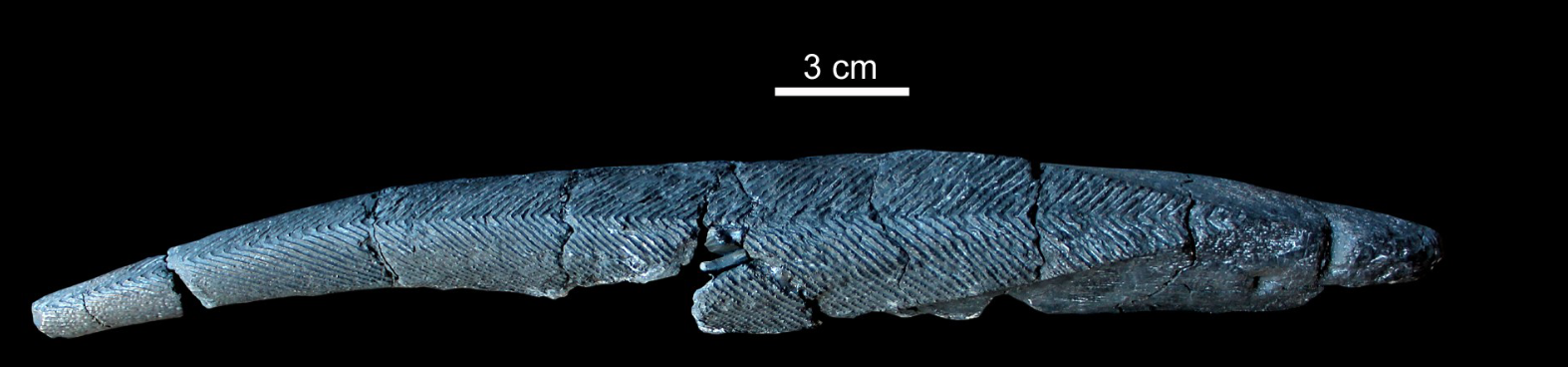
Gyracanthus
subclass acanthodii (class pisces, subphylum gnathostomata, phylum vertebrata, chordates), upper carboniferous, UK, gigantism
Subclass placodermi (class pisces, subphylum gnathostomata, phylum vertebrata, chordates)
larte silurian-devonian, cephalic shield could cover the fins, most dominant fish in the devonian, composed of 2 groups: arthrodires and antiarchs
Arthrodires