Differential Medical Assessment EXAM 1 Wasko
 Call Kai
 Learn
 Practice Test
 Spaced Repetition
 Match
 Flashcards
 Knowt Play
 Podcast
1/123

Earn XP
Description and Tags
Amy Wasko, College of Dupage, September 2026. (PS. She changes the course every semmester, only study this if the AMLS 4th Edition is outdated) (Update: Dude like she knows if you don't read, its scary but true do your work put in the time)
124 Terms
What is Verbal Communication? The 4 E’s of communication?
Verbal Communication is dynamic, its really any type of talking. / Engagement, Empathy, Education, Enlistment. These establish a connection with the patient.
What is Non-Verbal communication?
Patient might not want/or is able to talk so making facial expressions, gestures, having good body language and eye contact is a effective form of communication.
What is Clinical Reasoning?
A good understanding of Anatomy and Physiology as well as good judgement.
What is Clinical Decision making?
A working hypothesis of the nature of illness or any problem the patient might have (Not a diagnosis)
What is Pattern recognition?
When you recognize patterns in your calls. (The more something happens the more prepared and efficient you are with care)
What does Cognitive Bias mean?
Tunnel Vision, premature closure, confirmation bias
What is the Primary Survey?
Assesing the ABC’s, finding any life threats to make priorities in treatment
What is Level of Consciousness?
The patients mental status and brain function. Head trauma, Hypoglycemia, stroke, etc. can change LOC.
How do you check for a patient’s Neurological Status?
AVPU (Alert, Verbal, Pain, Unresponsive), A&Ox# (Alert and oriented times #), GCS (Glascow coma scale).
How do you determine Brain Function?
GCS (Glascow coma scale). Any score above 3 can be good even for trauma patients.
What is Chief complaint?
The concern the patient or family member called you for.
What is Cardinal Presentation?
The sign or symptom we see in the patient from our perspective.
What are the points in the glascow coma scale and whats the best score someone can have?
Eyes 4 - Verbal 5 - Motor 6 / Best score 15

What is Pulse pressure?
Normal pulse pressure is 30 to 40 mm hg, the difference between Systolic and diastolic BP’s.
What is cushing’s triad?
Hypertension with Increased Intercranial pressure, irregular breathing, widening pulse pressure and bradycardia
What are Extrinsic clues? Tactile Observation
body positioning, expressions of pain and abnormal respiratory effort.
What is levine sign?
when the patient is guarding their chest with their fist.
how does a decorticate patient present?
They are abnormally flexing towards the chest
how does a decerebrate patient present?
They are abnormally flexing towards the cerebellum.
What is OPQRST?
Onset — What were you doing when this started
Provocation — What makes the pain worse or better
Quality — describe the pain, is it sharp or dull or coming and going
Radiation — where is it and does it radiate anywhere else
Severity — Scale of 1-10 how much does it hurt
Time — how long has this been going on
What is SAMPLER? (study R, its new)
Signs & Symptoms
Allergies
Medications
Past medical history
Last oral intake
Events following up to right now
Risk factors
What the quality of visceral pain?
Pain from internal organs, very vague and hard to localize.
What is the quality of somatic pain?
It can be precisely located because it goes as deep as the muscle, known to be sharp or stabbing
What is referred pain and signs?
the pain radiates to a different spot from the original area
What is the secondary survey?
The head to toe examination, and vital signs.
What is pulsus paradoxus?
a fall in systolic blood pressure of more than 10 mm hg during inspiration compared to expiration, normally the difference is less than 10 mm hg.
How does a full body exam go / focused physical exam?
Its a head to toe examination that checks every body part.
What can Capnography tell you in relation to hypo or hyperventilation?
it gives a continuous readings of CO2, to see if you have a lot of CO2 or too little of CO2.
What can CAPNOMETRY tell you in relation to hypo or hyperventilation?
Its the measurement of CO2 without the waveform
What are some special populations in medical patients? What are some pulmonary system changes?
Older adults - Respiratory muscles weaken, causing respiratory fatigue or failure
Bariatrics - Respiratory disorders EX: pulmonary hypertension and cor pulmonale
What are some common cardiac problems in older adults?
Hypertension, MI, HF, Dysrhythmias and aneurysms.
What is sex?
The biological characteristics a person is born with
What is gender?
Internal sense of how someone identifies

Anatomy of the respiratory system

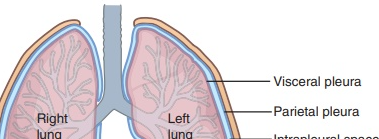
What and where is visceral pleura?
lines the lobes of the lungs

What and where is the parietal pleura?
lines the inside of the thoracic cavity
What is a surfactant?
its a chemical that coats the inner walls of the alveoli helping to keep the tiny punches open.
What is atelectasis?
A collapsed lung
Define the musculoskeletal support of respiration
The bones, muscles, and connective tissue work together to make ventilation happen
What is respiratory distress?
When theres little air than normal moving in and out of the lungs. Airway will be compromised if no work is done
What is respiratory failure?
When theres no air moving in and out of the lungs. Airway is compromised

The blood flow of the heart (Heart anatomy)

What does oxygen do in relation to metabolism?
It helps make energy and glucose
What does carbonic acid do in relation to metabolism?
it eliminates by-products like lactic acid to prevent acidosis
what is the purpose of chemoreceptors?
they sense changes in the composition of blood and body fluids
What is the normal PH of the human body?
Normal pH 7.35 - 7.45
What are the normal CO2 levels in the human body?
Normal paCO2 is 35 - 45 mm hg
What is the hypercapnic drive?
Normal respiration when CO2 becomes slightly elevated, we breathe.
What is the hypoxic drive?
Its the back up drive. when oxygen levels fall, this system stimulates breathing to get it back to normal
What is tidal volume?
the amount of air moved into or out of the lungs during a single breath, approx. 500mL
What is minute volume?
the amount of air moving in and out of the lungs in 1 minute minus dead space. Minute volume = Respiratory rate X Tidal volume.
What is dead space?
the portion of the respiratory system having no alveoli.
How does a respiratory disorder affect metal/neurological status?
It decreases level of consciousness and gives altered mental status because oxygen isnt getting to the brain
What are some lung sounds in a respiratory disorder/distress/failure?
Stridor, Rhonchi, Wheezing, Crackles, Diminished breath sounds, and pleural rub.
What is CPAP and what does it do?
A ventilatory technique used to apply a modest amount of continuous positive pressure to keep small airways open.
What are some upper airway conditions?
Croup, Epiglottitis, Foreign body aspiration, inhalation burn and upper airway swelling.
What are some lower airway conditions?
Bronchitis, asthma, pulmonary edema, emphysema, pneumonia,
Asthma?
Pathophys - its a common chronic inflammation of the bronchi by increased mucous production, and contraction of the bronchial smooth muscles, causing .
Signs Symptoms - wheezing, dyspnea, chest tightness, cough, congestion.
Diff. diagnosis - Bacterial pneumonia, COPD, RSV
Treatment - Albuterol via Nebulizer (HHNB), Suction, Prepare for intubation if necessary, In-Line Nebulized Albuterol
Epiglottitis?
Pathophys - Inflammation of the epiglottis, common in toddles but can happen to adults too.
signs - Sore throat, pain when swallowing, muffled voice, drooling, fever,
Diff diagnosis - croup, retropharyngeal/prevertebral abscess, Ludwig angina and peritonsillar abscess.
Treatment - don’t suction recklessly, only when it’s absolutely needed. You can close the airway if you arent careful, Supplemental O2, CPAP if applicable
Atelectasis?
Pathophys - collapsed lung caused by the alveolar lung spaces collapsing.
signs - Pneumonia, fever after chest or abdominal surgery, breath sounds are decreased, abnormally colored sputum
Diff diagnosis - none
Treatment - Encourage the patient to cough and breathe deeply, O2
Pneumonia?
Pathophys - A lung infection that causes fluid to collect in the alveoli. Causing inflammation leading to dyspnea, fever, productive cough and chest pain.
signs - Fever, Chills, Cough, Malaise, N&V, SOB, Tachycardia, Tachypnea, Hypoxia, Rales, Rhonchi, or Wheezing.
Diff diagnosis - Asthma, bronchitis, COPD,
epiglottitis, emphysema, CHF, angina, myocardial
infarction
Treatment - • Supplemental O2, Intubation, CPAP if applicable, IV Fluids
COPD?
Pathophys - airflow obstruction, mainly because of chronic bronchitis, loss of alveolar surface area. The alveolar walls thicken which impedes gas exchange.
Signs - dyspnea, cough, intolerance of
exertion, wheezing, productive cough, chest
pain/discomfort, diaphoresis, orthopnea. SPO2 less than 90%, Tachypnea, Peripheral or Central Cyanosis, Mental Status Changes
Diff diagnosis - asthma, bronchitis, emphysema,
pneumonia, cardiac causes, CHF, pulmonary
embolus, pulmonary HTN
Treatment - Supplemental O2, CPAP if applicable, Intubation, Suction if needed.
Pleural effusion?
pathophys - A collection of fluid between the visceral and parietal pleura, it decreases lung capacity and causes dyspnea.
signs - Dyspnea, Chest pain, cough and orthopnea
diff diagnosis - Pneumonia, pulmonary abscess, HF, Myocardial infarction, empyema, pulmonary embolism and hemorthorax
treatment - Position of comfort, O2 supplemental, analgesia as needed.
Pulmonary embolism?
pathophys - a sudden blockage of
an artery in the lung with a blood clot, air bubble,
fatty plaque, or tumor cells. Oxygen is then unable
to reach the alveoli
signs - Chest Pain, Dyspnea, Tachycardia, Syncope, Hemoptysis, New-Onset Wheezing, New Cardiac Arrhythmias, Thoracic Pain
treatment - Prepare for sudden cardiac arrest,
Supplemental Oxygen, Supportive Care,
Immediate transport
Pneumothorax?
pathophys - Air in the pleural space where a small amount of fluid is at. Between the visceral and parietal pleura
signs- Chest pain, dyspnea, tachypnea tachycardia, pulsus paradoxus, altered mental status, unilateral decreased breath sounds.
diff diagnosis - acute hemothorax, ACS, PE, Aortic dissection, acute pericarditis, esophageal rupture and acute cholecystitis.
treatment -
Aspiration?
Pathophys - The inhalation of anything other than
breathable gases.
signs - short of breath, feeding tube, fever or cough, changed mental status
treatment - Avoid gastric distention when ventilating, Monitor the patients ability to protect their own airway, Have suction ready, Be prepared for advanced airway placement.
what are some Airway obstructions?
The tongue, is the most common.
Peds - Coins, toys, pretty much anything small
Geriatric - food
Anaphylaxis?
pathophys - an extreme systemic form of an
allergic reaction involving two or more body
systems.
Signs - Headache, dizziness, confusion, anxiety, hives, flushed, hypotension, tachycardia, nausea, diarrhea, vomiting. Shortness of breath, hoarseness,
tightness in the throat and chest. Lump in the
throat, coughing and sneezing.
treatment - O2 and close monitoring
1. Pt’s showing signs of an allergic reaction WITHOUT
respiratory distress - BENADRYL
2. Pt’s showing signs of an allergic reaction WITH
respiratory distress – Oxygen, Epinephrine, and
Benadryl
what are some special populations of respiratory disorders?
Obstetrics - A pregnant patient has reduced respiratory reserve because
of the elevated oxygen demand on her system
Bariatric - Increase body mass can impede or complicate many
functions of the respiratory system.
Geriatrics - Aging patients can undergo many changes in the respiratory
system. This will ultimately impair the body's ability to
oxygenate the blood.

Anatomy of the lungs
PT.2

What is pleura?
• Visceral Pleura – Surrounds the lungs
• Parietal Pleura – Line the chest wall
What the general sensation of chest pain?
chest discomfort, burning, crushing, stabbing, pressure, heaviness, squeezing.
How does cerebral perfusion affect level of consciousness?
It can make someone confused.
Thrombi?
Clots that form from the deep vein system
Emboli?
Clots that break loose in the deep vein system
Pleuritic chest pain?
Sharp Localized pain that increases with a deep breath
Acute pulmonary edema?
An accumulation of fluid in the lungs, a consequence of CHF. Complication of all forms of heart disease, Ventricles are unable to fill or eject blood
Congestive Heart Failure?
Who get CPAP?
COPD patients
What is cardiac arrhythmia?
Finding an arrhythmia early may help diagnose and
speed up treatment of a major cause of chest pain. Can be life threatening if cardiac output is too low
What is aortic dissection?
Suspended from a fixed ligament, aging causes the medial layer to lose its elasticity and
the intimal layer to weaken. Excruciating, sharp, tearing, ripping pain. Comparison of blood pressure between R and L arms, a significant decrease suggest dissection.
What is cardiac tamponade?
Fluid accumulates inside the pericardial sac surrounding the
heart, restricting its movement and causing obstructive
shock
What is ACS (Acute coronary syndrome)?
A group of conditions that involve decreased blood
flow to the heart muscle and share atherosclerosis as
an underlying condition
What is an MI (Myocardial infarction)?
Caused by a blood clot or a thrombus that forms in a
narrowed coronary artery where the plaque has
ruptured, causing platelets to aggregate and a blood
clot to form
What is stable angina?
sually comes on with exercise or stress and lasts 3 to 5 minutes, occasionally up to 15 minutes. Can lead to an AMI if it
becomes unstable.
• NOT a common cardiac cause in the older adult population
What is unstable angina?
occurs at rest and is more severe than prior episodes
of angina. Lasts longer than 15 minutes, continues at rest, awakens the patient at night (nocturnal). The patient may describe the pain as increasing in duration and intensity over the past days.
What is NSTEMI?
A type of MI that is not associated with ST-segment elevation on EKG recordings.
What is nitroglycerin and how does it work?
lowers BP, a tablet 0.4 sublingual, decreases preload and cardiac oxygen consumption
What is pleurisy?
Painful respiration. Inflammation of the parietal pleura
(chest wall) and visceral pleura (lungs). Pleural friction rub.
How does pulmonary embolism play in bariatrics?
Decrease in mobility may contribute to
blood clots in the legs leading to a pulmonary embolism (PE).
How does pulmonary embolism play in obstetrics?
High risk for PE
The 3 P’s?
Pump(Heart), Pipes(Blood vessels), Plasma(Blood)
What is the cardiac cycle?
a complete heartbeat
what is stroke volume?
The hearts contractility allows it to increase or
decrease the volume of blood that it pumps with
each contraction
What is cardiac output?
he amount of blood that the
heart can pump in one minute is dependent on
contractility, preload, afterload, and heart rate
What is preload?
The stretch of the myocardial tissue by the blood in
the ventricle just before the start of contraction
What is afterload?
The force the ejected blood meets as it exits the ventricle
What is sterling’s law?
The greater the stretch, up to a point, the stronger
the cardiac contraction and the greater the output.
What is contractibility?
The force of cardiac contraction.
What is interstitial fluid?
Fluid that occupies between the cells