CVA Lab 1-4/Lecture 1-5 (Phylogenetic History)
 Call Kai
 Learn
Learn Practice Test
 Spaced Repetition
 Match
Match Flashcards
 Knowt Play
1/181

There's no tags or description
Looks like no tags are added yet.
Name | Mastery | Learn | Test | Matching | Spaced | Call with Kai |
|---|
No analytics yet
Send a link to your students to track their progress
182 Terms
deuterostomy, radial cleavage
Deuterostomata Synapomorphies
pharyngeal slits, dorsal hollow nerve cord
Pharyngeotremata Synapomorphies
notochord, post-anal tail, endostyle
Chordata Synapomorphies
dorsal and ventral aorta, myomeres
Somitichordata Synapomorphies
braincase, neural crest, complex sensory organs, tripartite brain, respiratory gills, hemoglobin, heart, muscular gut tube, neural placodes
Craniata Synapomorphies
vertebral column, radial fin muscles, 2 or more semicircular canals, dermal bone
Vertebrata Synapomorphies
cellular bone, paired muscular fins, heterocercal tail
Gnathostomata & Osteostraci Synapomorphies
three dorsal cephalic fields
Osteostraci Synapomorphies
jaws, three semicircular canals, appendicular skeleton, paired nostrils
Gnathostomata Synapomorphies
optic pedicel
Elasmobranchimorphi Synapomorphies
ceratotrichia, placoid scales
Chondrichthyes Synapomorphies
ring of armor on the anterior part of the trunk
Placodermi Synapomorphies
operculum
Teleostomi Synapomorphies
lungs, lepidotrichia, heavily ossified skeleton
Osteichthyes Synapomorphies
ganoid scales
Actinopterygii Synapomorphies
mobile jaws, swim bladder, loss of spiracle
Neopterygii Synapomorphies
cycloid and ctenoid scales, homocercal tail
Teleostei Synapomorphies
muscular lobed fins, cosmoid scales with thicker cosmine layer
Sarcopterygii Synapomorphies
intracranial joint
Actinistia Synapomorphies
labyrinthine teeth
Rhipidistia Synapomorphies
fusion of dorsal caudal and anal fins
Dipnoi Synapomorphies
four dactylous limbs
Tetrapoda Synapomorphies
pentadactyly
Neotetrapoda Synapomorphies
four or fewer digits in the hands
Amphibia Synapomorphies
short ribs, wrist and ankle bones completely ossified, amphibian papilla in inner ear
Lissamphibia Synapomorphies
2 3 4 5 4 phalangeal formula
Reptilomorpha Synapomorphies
amnion, astragalus ankle bone, two or more sacral vertebrae, keratinized skin
Amniota Synapomorphies
foot rotated under body
Sauropsida Synapomorphies
presence of a carapace and plastron
Testudines Synapomorphies
diapsid skull
Diapsida Synapomorphies
transverse cloacal slit, thin rod-like columella
Lepidosauria Synapomorphies
hemipenes
Squamata Synapomorphies
thecodont dentition
Archosauromorpha Synapomorphies
antiorbital fenestrae, 4th trochanter on femora
Archosauria Synapomorphies
intratarsal ankle joint
Crocodylomorpha Synapomorphies
mesotarsal ankle joint
Ornithodira Synapomorphies
elongation of manual digit IV to support wings
Pterosauria Synapomorphies
three or more sacral vertebrae, in-turned femoral head
Dinosauria Synapomorphies
curved femora, hollow limb bones
Theropoda Synapomorphies
synapsid skull condition
Synapsida Synapomorphies
upright posture, heterodont dentition
Therapsida Synapomorphies
dentary dominant in jaw, masseter muscle, cusps on posterior teeth, regionalized vertebral column
Cynodontia Synapomorphies
dentary-squamosal jaw joint, three inner ear bones, precise dental occlusion with diphyodont teeth (two sets)
Mammalia Synapomorphies
reversed triangular cusp pattern of occlusion, cloaca like reptiles to lay cleidoic egg
Monotremata Synapomorphies
tribosphenic molars, viviparity
Theria Synapomorphies
in-turned angular process on the dentary, marsupium, primitive five upper incisors
Metatheria Synapomorphies
placenta
Eutheria Synapomorphies
longitudinal section (l.s.)
What section is cut along the midline of the body?
cross section (c.s.)
What section is cut across the midline of the body?
mid-sagittal (between the eyes), frontal, and transverse (like a cross section)
What are the three planes of reference?
allometry
the study of relative growth in which the proportions of an animal change at a different rate
root (base)
the most recent common ancestor to all taxa in the tree
branch
ancestral populations through time
node
ancestral taxon split to form 2 descendent branches
tip
terminal taxon (individual, species, genera, etc.)
cladogenesis
evolutionary change and diversification resulting from branching off of new taxa from common ancestral lineages at nodes
anagenesis
evolutionary change that results in linear descent without branching or splitting
atavism
throwback structures that are present in ancestors but rarely show up in humans
morphological stasis
living members of groups that originally evolved hundreds of millions of years ago and have retained the same shape since
heterochrony
an evolutionary shift in the timing of the development of a structure or process relative to the ancestral condition
paedomorphosis
development of shape is truncated, adults of descendants have the morphology of juveniles of the ancestor
peramorphosis
development of shape is extended, when adults of descendant have a more developed morphology than ancestor (such as longer teeth in a smilodon)
Outgroup Analysis
method of establishing evolutionary patterns of change or stasis (= no change) using outgroups as indicators of the primitive states
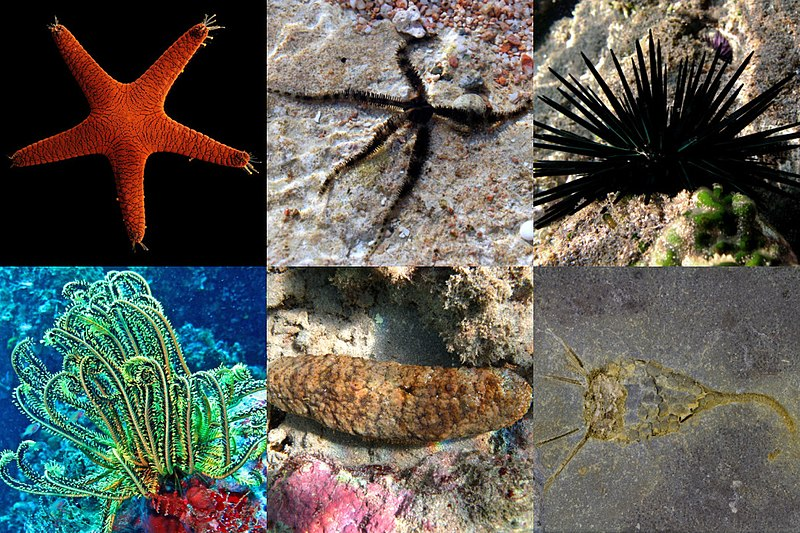
Deuterostomata
Echinodermata (Ex: star fish, sea stars) and all more derived.
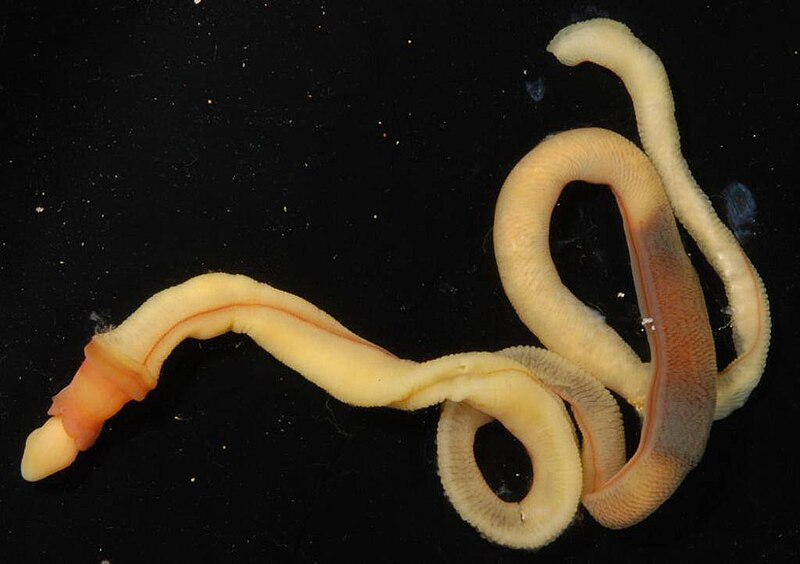
Pharyngotremata
Hemichordata (Ex: Acorn worms (Saccoglossus)) and all more derived.
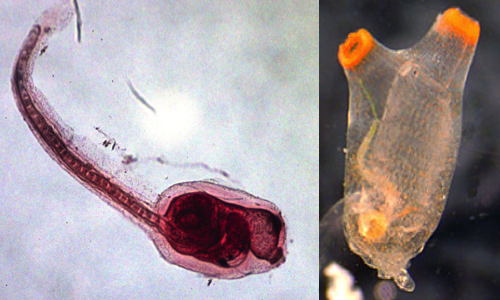
Chordata
Urochordata (Ex: Tunicates) and all more derived.
Somatichordata
Cephalochordata (Ex: Lancelet/Amphioxus) and all more derived
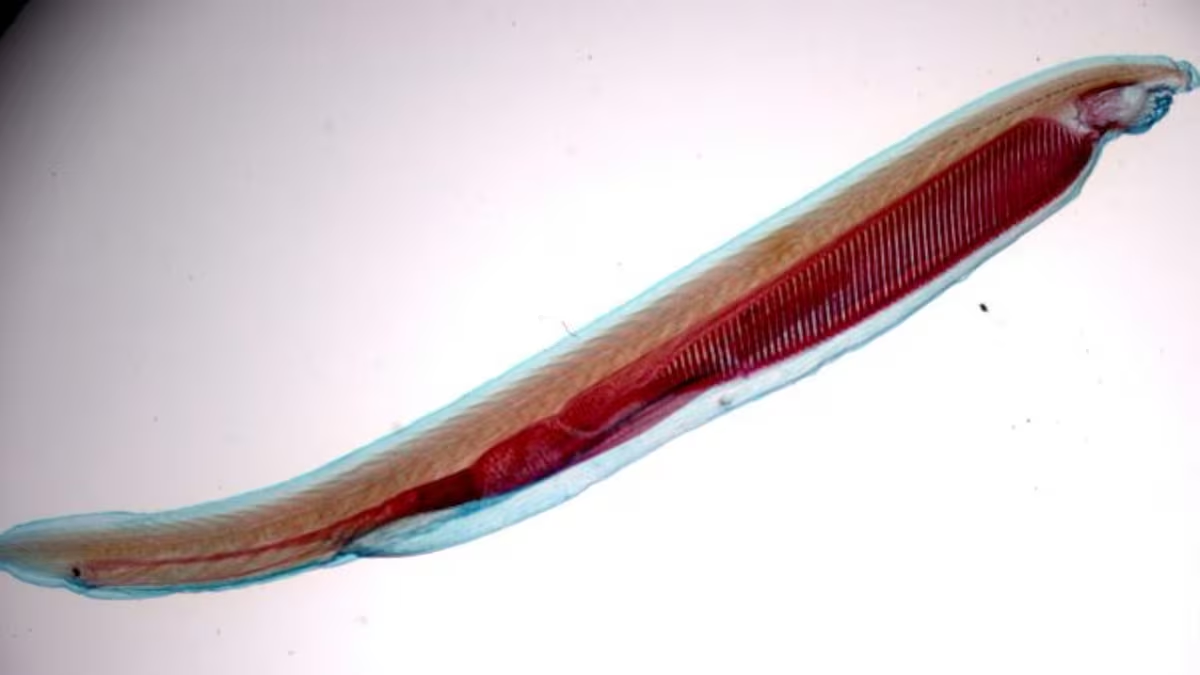
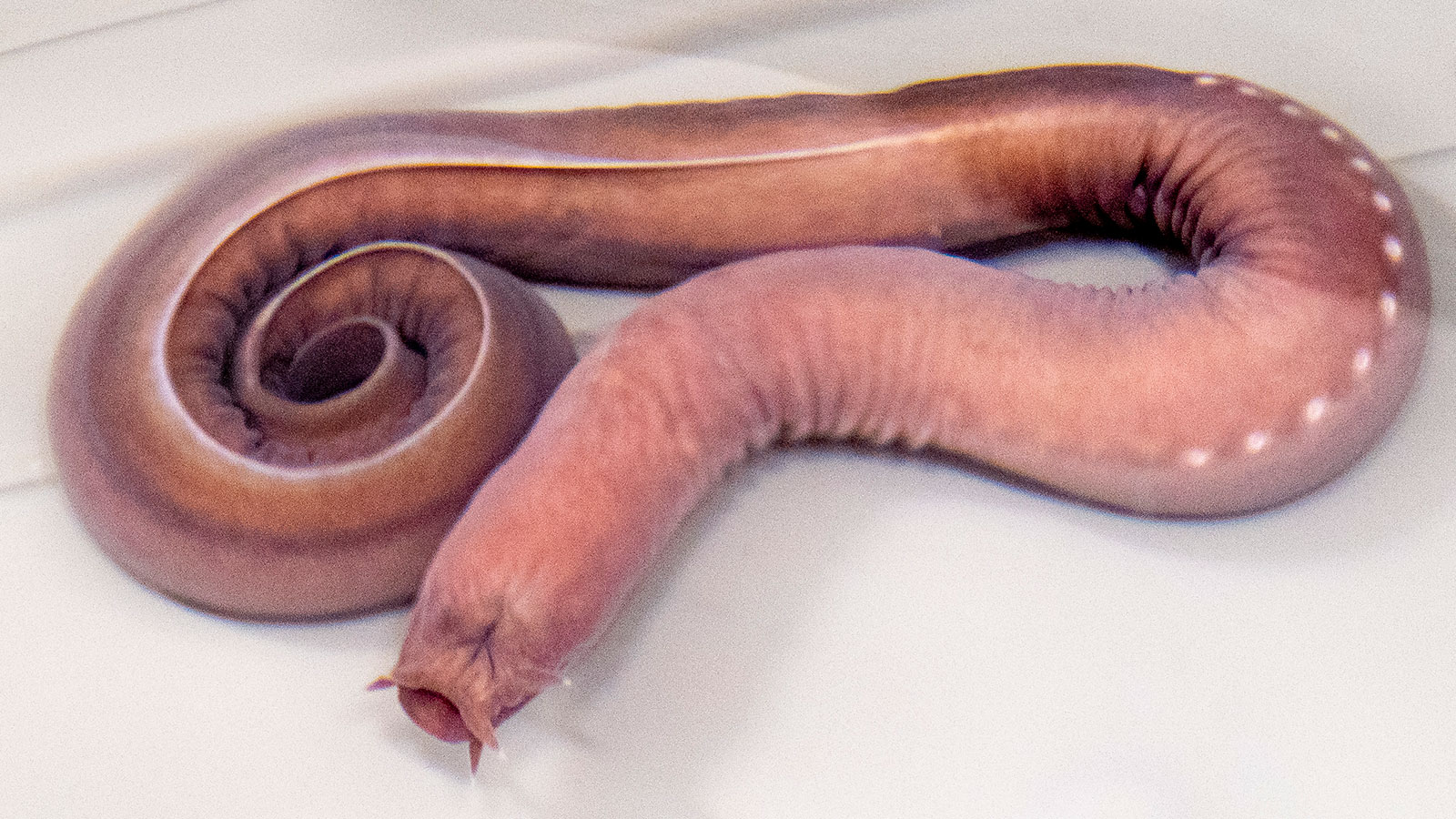
Craniata
Myxiniformes (Ex: hagfish) and all more derived (Ex: Dogfish brain, human blood smear)
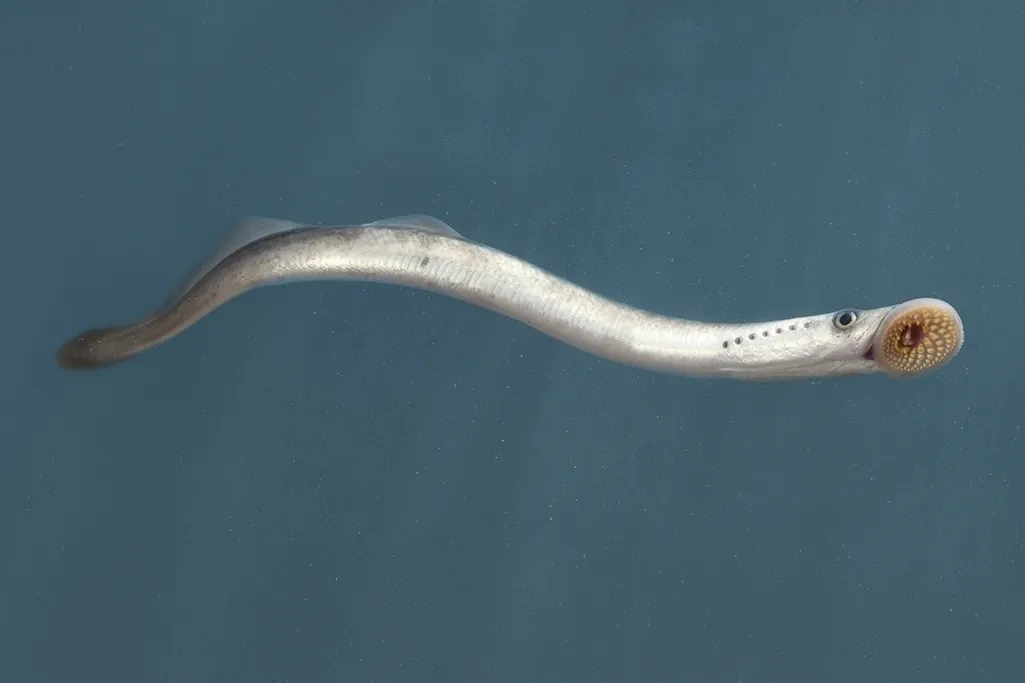
Vertebrata
Petromyzontiformes (Ex: lamprey) and all more derived
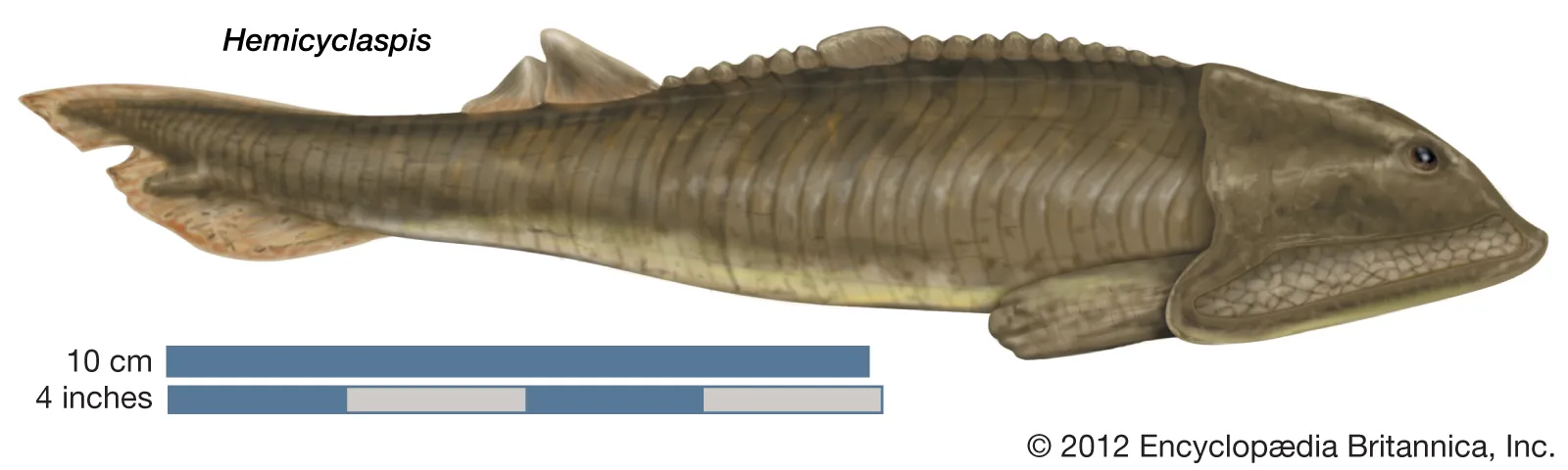
Osteostraci
Paleozoic jawless fishes (osteostracoderms)
Gnathostomata
Elasmobranchimorphi (Chondrichthyes/Placoderms) and all more derived
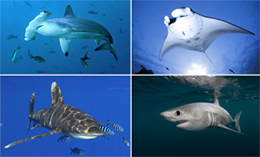
Elasmobranchimorphi
Sharks, rays, and chimaeras
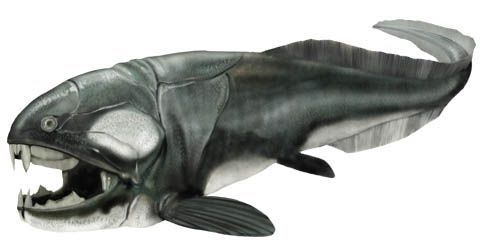
Placodermi
Paleozoic jawed fishes
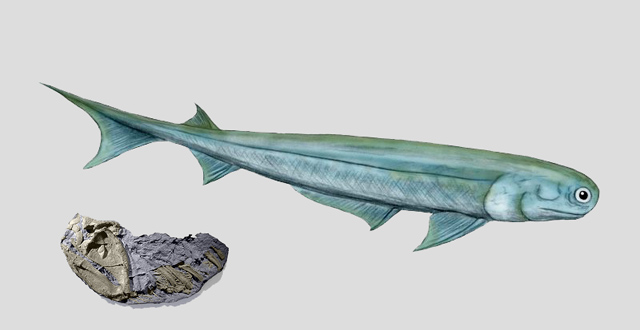
Teleostomi
Acanthodii and all more derived
Osteichthyes
Actinopterygii and all more derived
Actinopterygii
Neopterygii and other actinopterygians
Neopterygii
Teleostei and other neopterygians (gar and Amia)
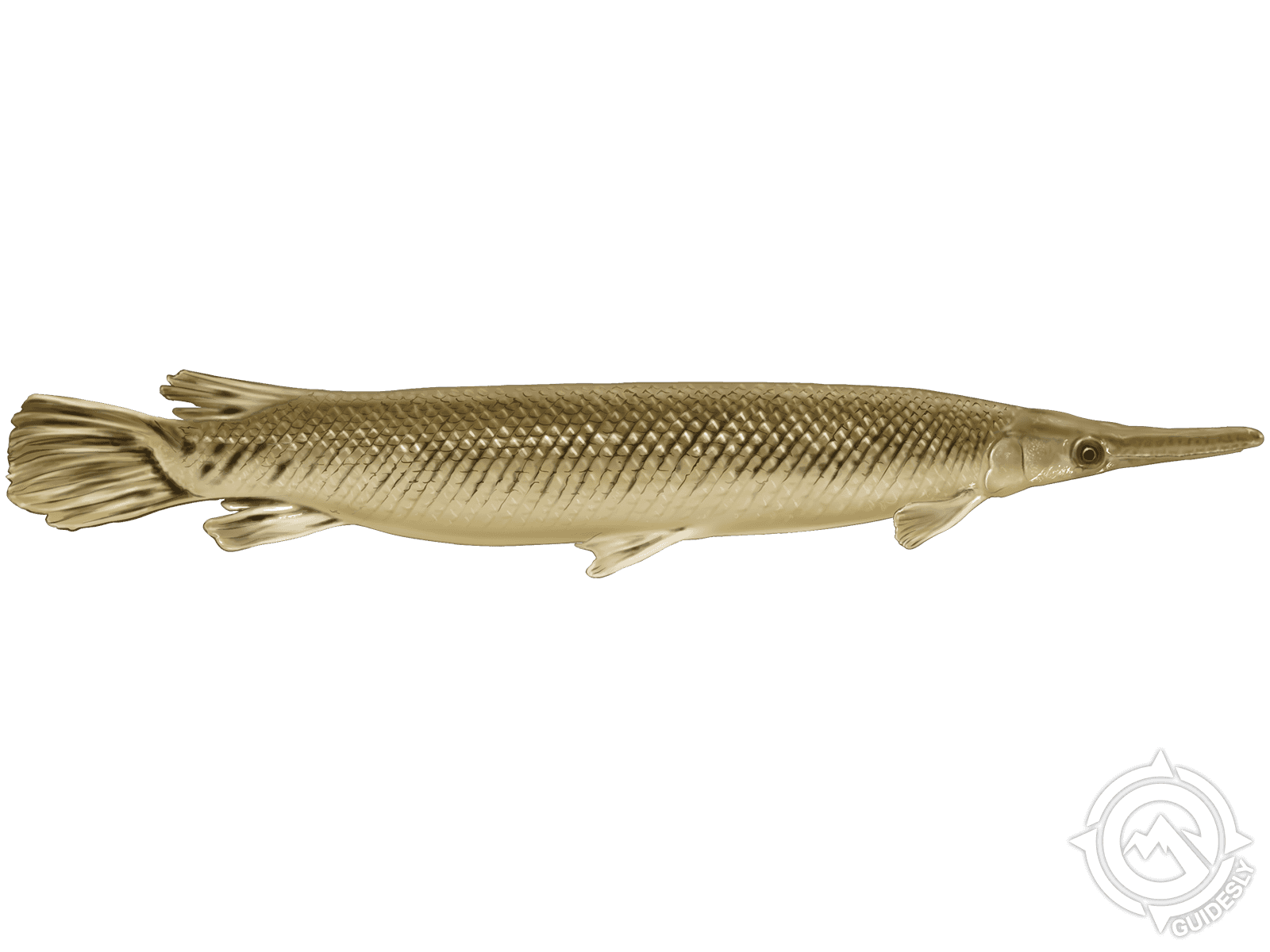
Teleostei
All extant neopterygians except gars and Amia
Sarcopterygii
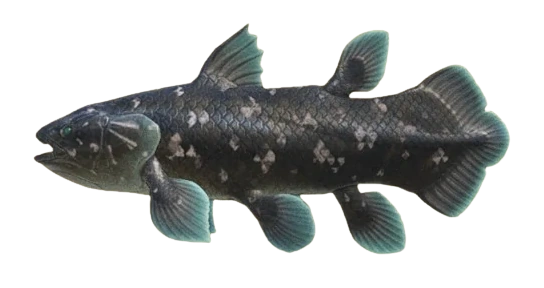
Actinistia (Ex: coelacanth) and all more derived
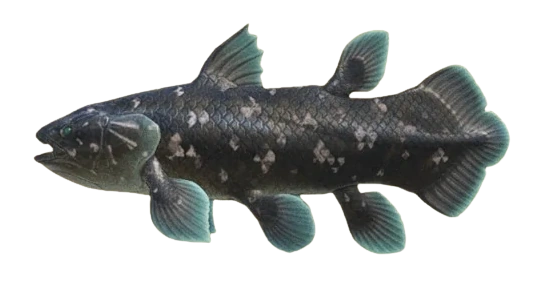
Actinistia
Coelacanths
Rhipidistia
Dipnoi (Ex: lungfish) and all more derived
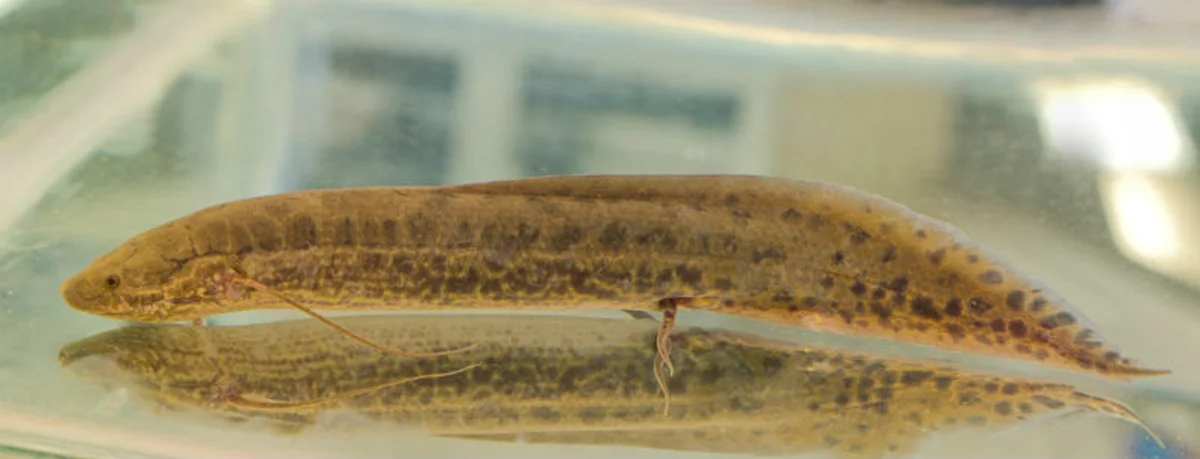
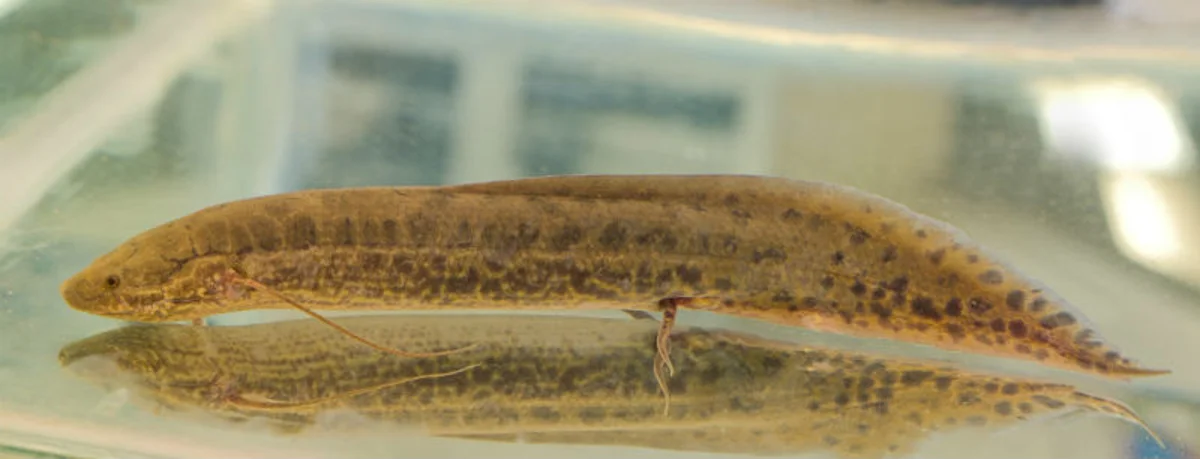
Dipnoi
Lungfish
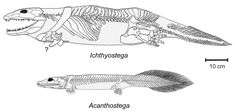
Tetrapoda
Acanthostegidae/Ichthyostegidae and all more
derived
Neotetrapoda
Amphibia and all more derived
Amphibia
Lissamphibia and other amphibians
Lissamphibia
Gymnophiona and Batrachia
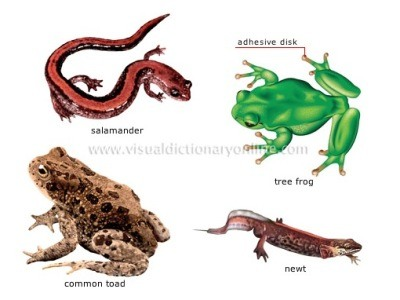
Gymnophiona
Caecilians
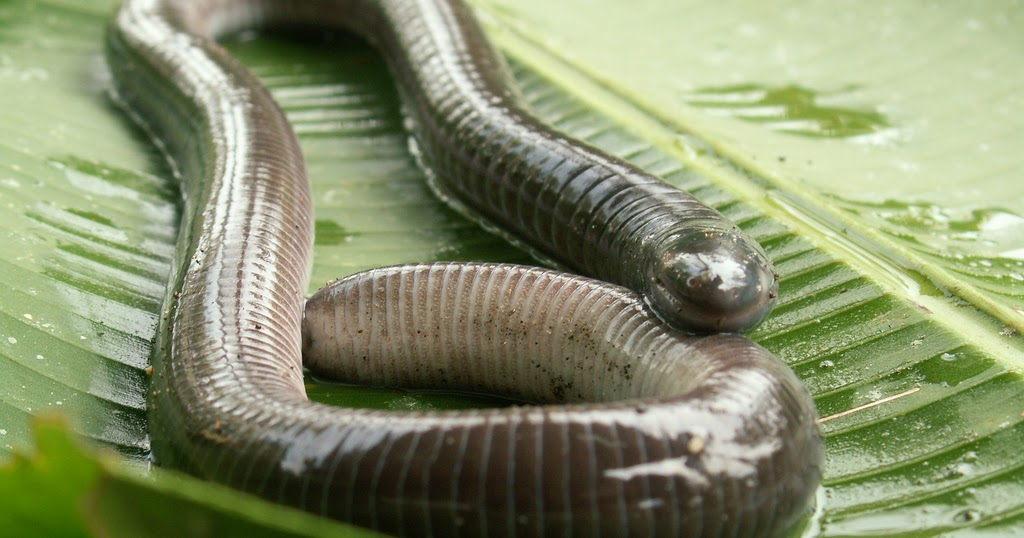
Batrachia
Anura and Caudata
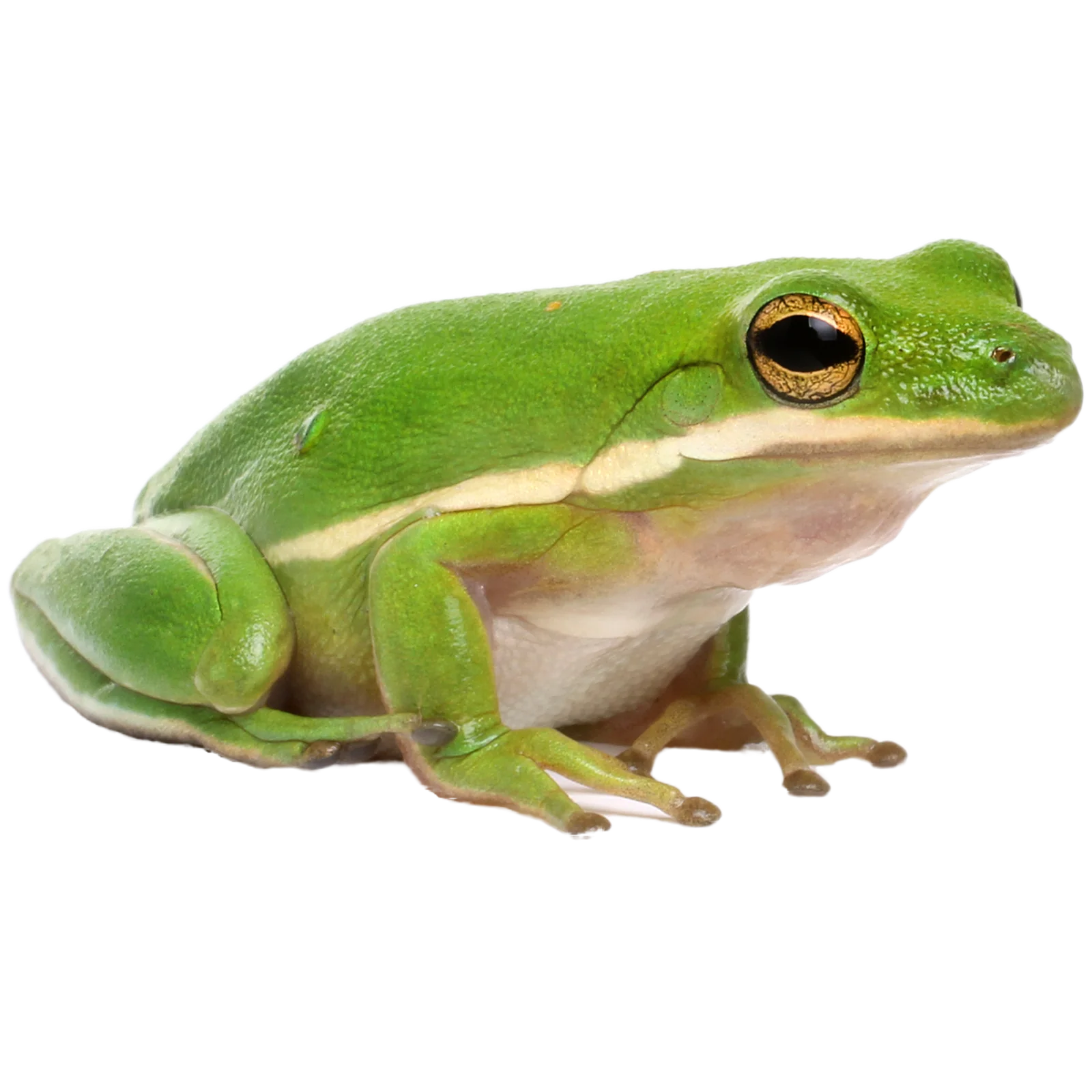
Anura
Frogs & toads
Caudata
Salamanders
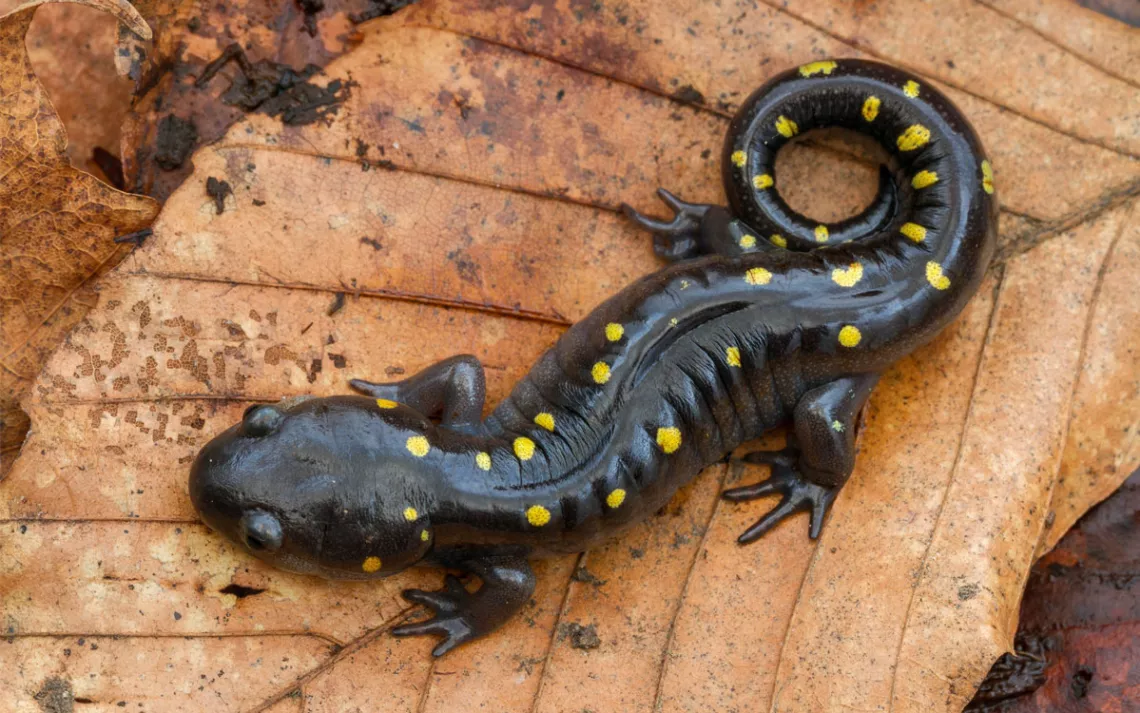
Reptilomorpha
Amniota and other reptilomorphs
Amniota
Sauropsida and Synapsida
Sauropsida
Testudines and Diapsida
Testudines
All extinct and extant turtles
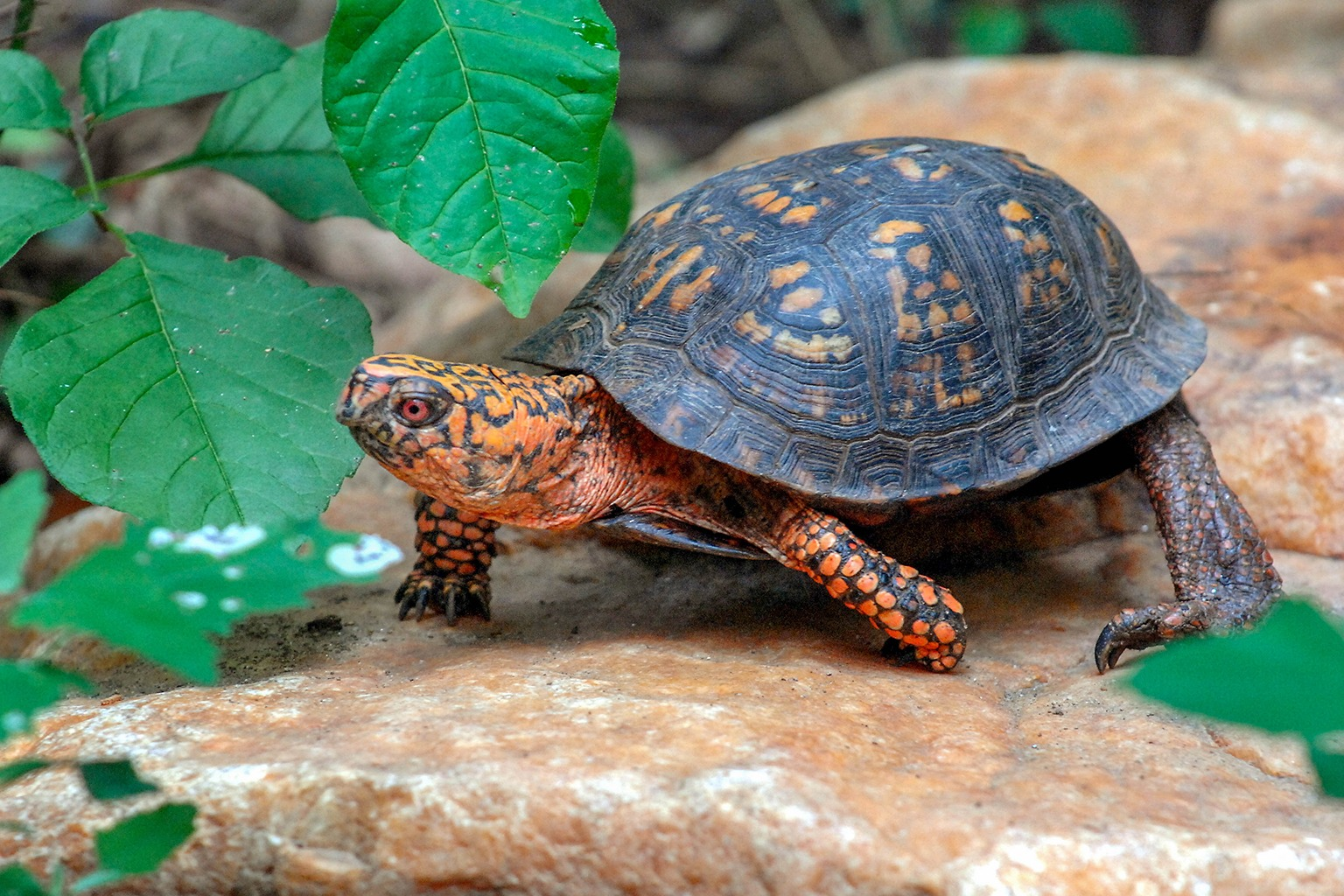
Diapsida
Lepidosauria and Archosauromorpha
Lepidosauria
Sphenodon and Squamata
Squamata
Lizards and snakes
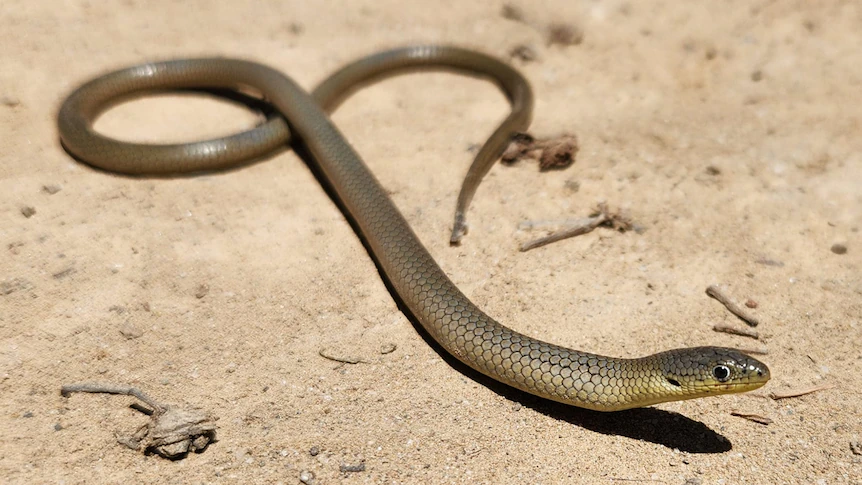
Archosauromorpha
Archosauria and other archosauromorphs
Archosauria
Ornithodira and Crocodylomorpha
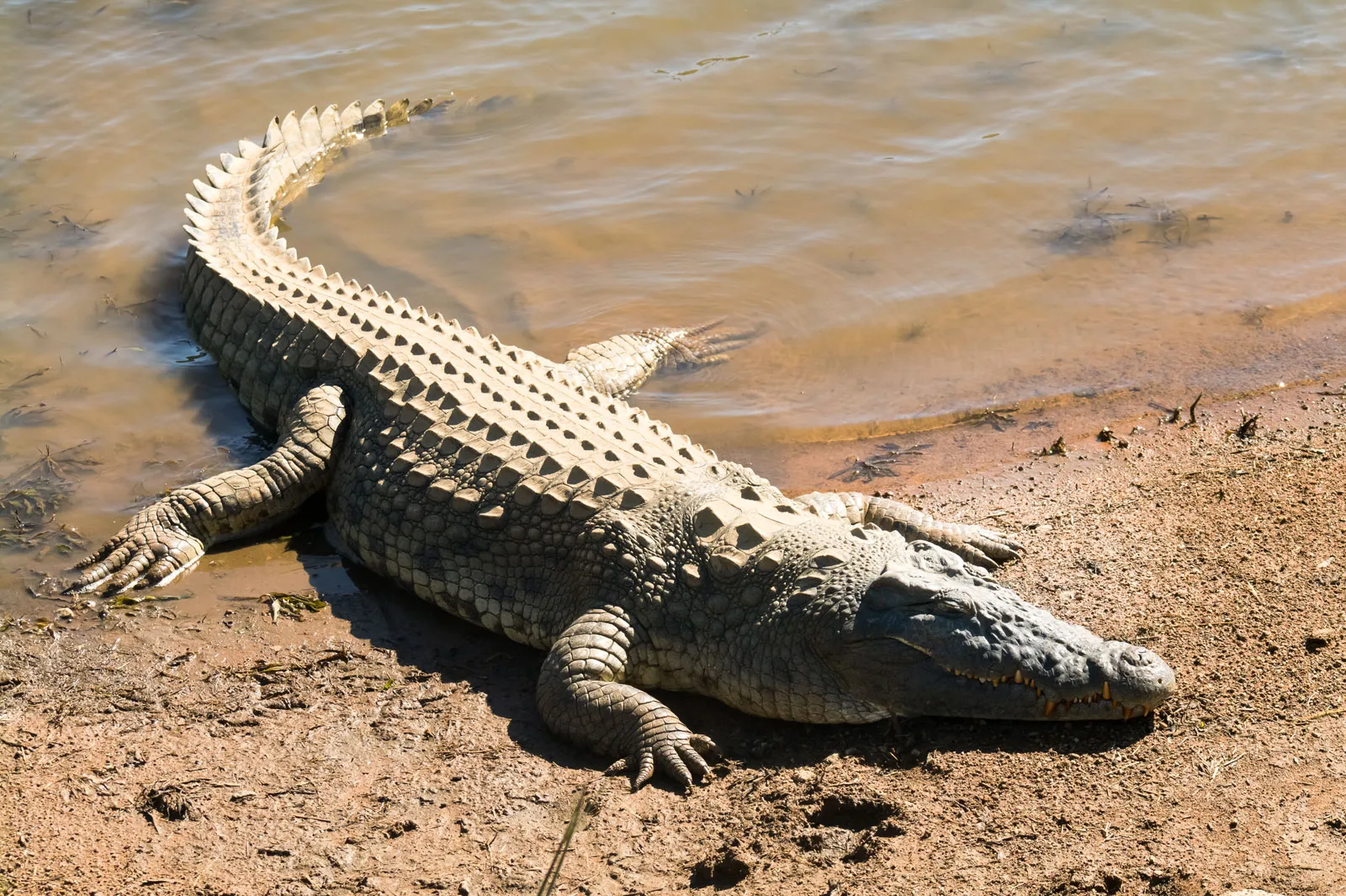
Crocodylomorpha
All extinct and extant crocodilians