World History Final Exam
 Call Kai
 Learn
Learn Practice Test
 Spaced Repetition
 Match
Match Flashcards
 Knowt Play
1/98

There's no tags or description
Looks like no tags are added yet.
Name | Mastery | Learn | Test | Matching | Spaced | Call with Kai |
|---|
No analytics yet
Send a link to your students to track their progress
99 Terms
Berlin Conference (1884-1885)
The meeting of European imperialist powers to divide Africa among themselves
Opium War
War between Britain and the Qing Empire that was, in the British view, occasioned by the Qing government's refusal to permit the importation of opium into its territories; the victorious British imposed the one-sided Treaty of Nanking on China.
India (colony)
Considered the "brightest jewel in the crown" of the British Empire; significant source of cotton, tea, and silk - most valuable of all Britain's colonies
United Nations (UN)
an organization of the world's countries that promotes peace and security around the globe, headquarters are in New York City
Israel
A Jewish state on the eastern shore of the Mediterranean, both in antiquity and again founded in 1948 after centuries of Jewish diaspora.
Iron Curtain
Winston Churchill's term for the Cold War division between the Soviet-dominated East and the U.S.-dominated West.
Truman Doctrine
President Truman's policy of providing economic and military aid to any country threatened by communism or totalitarian ideology
Marshall Plan
A United States program of economic aid for the reconstruction of democratic Europe (1948-1952)
NATO (North Atlantic Treaty Organization)
Military alliance created in 1949 made up of 12 non-Communist countries including the United States that support each other if attacked.
Mao Zedong
(1893-1976) Leader of the Communist Party in China that overthrew Jiang Jieshi and the Nationalists. Established China as the People's Republic of China and ruled from 1949 until 1976.
Space Race
A competition of space exploration between the United States and Soviet Union.
Sputnik
First artificial Earth satellite, it was launched by Moscow in 1957 and sparked U.S. fears of Soviet dominance in technology and outer space. It led to the creation of NASA and the space race.
John F. Kennedy
President during part of the Cold War and especially during the superpower rivalry and the Cuban Missile Crisis. Other events during his term of office were the building of the Berlin Wall, the Space Race, and early events of the Vietnamese war.
Nikita Khrushchev
A Soviet leader during the Cuban Missile Crisis. Also famous for denouncing Stalin and allowed criticism of Stalin within Russia.
Fidel Castro
Communist dictator of Cuba who came into power in 1959.
Ho Chi Minh
1950s and 60s; communist leader of North Vietnam; used guerrilla warfare to fight anti-communist South Vietnam and US
Strategic Arms Limitation Talks (SALT)
Negotiations between the United States and the Soviet Union that reduced the two nations' supply of long-range nuclear weapons, used during President Richard M. Nixon terms of office
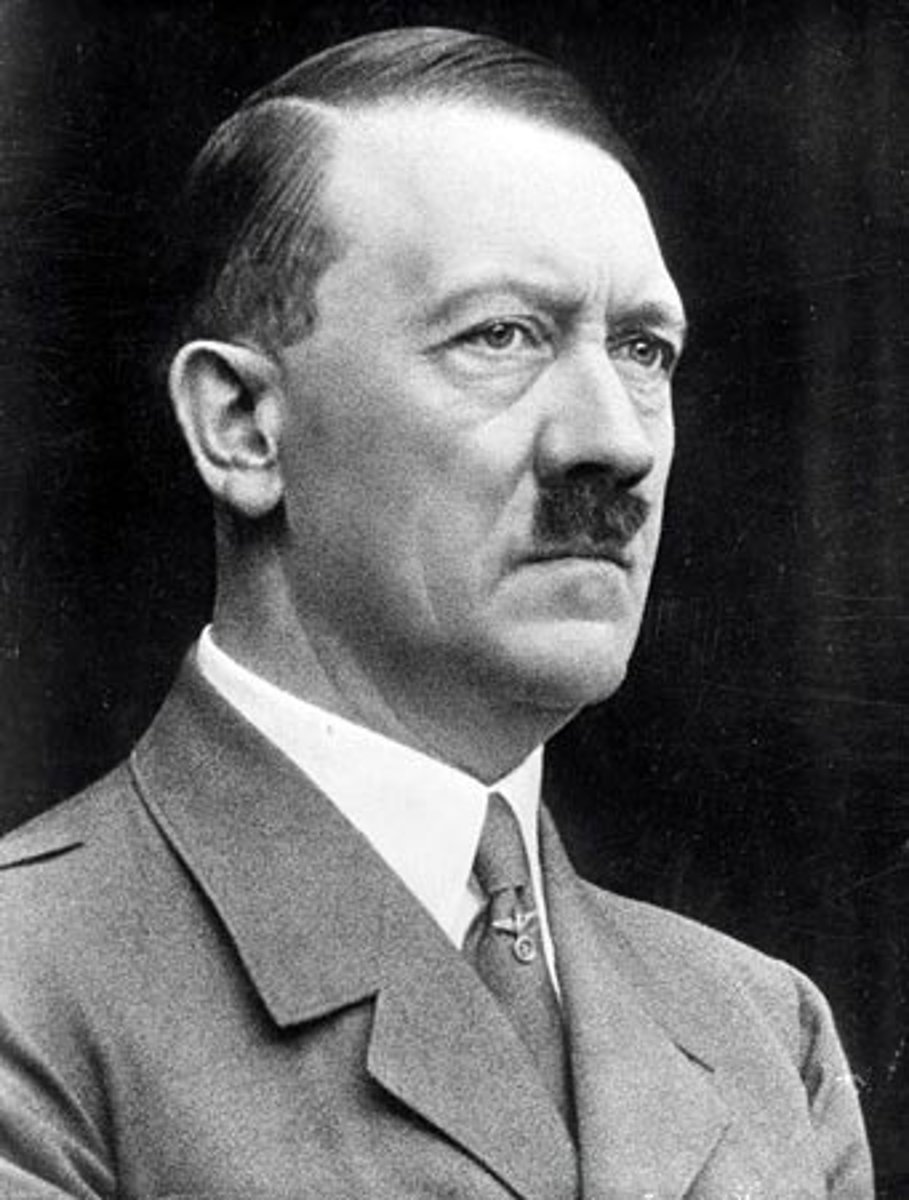
Adolf HItler
The dictator of Germany during world war 2
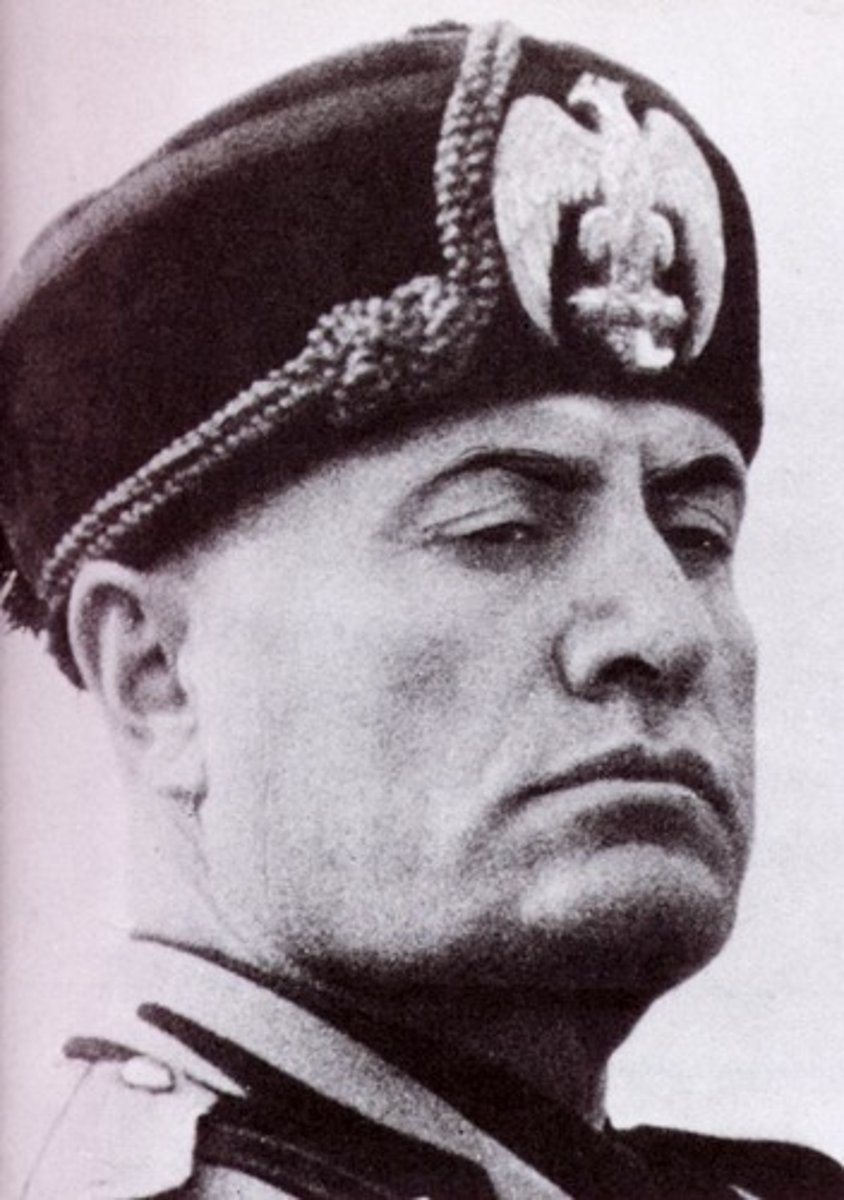
Benito Mussolini
The Dictator of Italy during world war 2
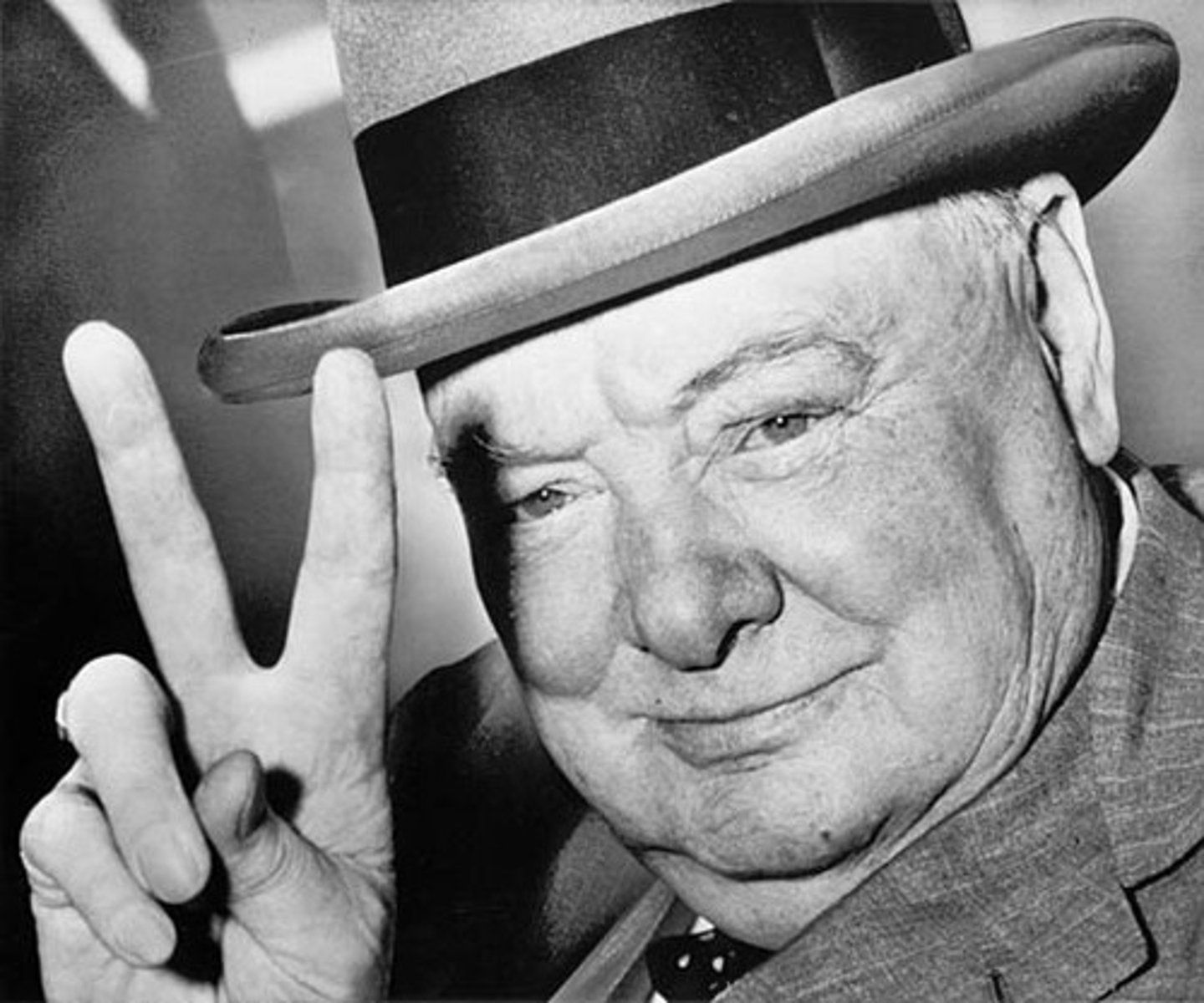
Winston Churchill
The Prime minister of Great Britain during world war 2
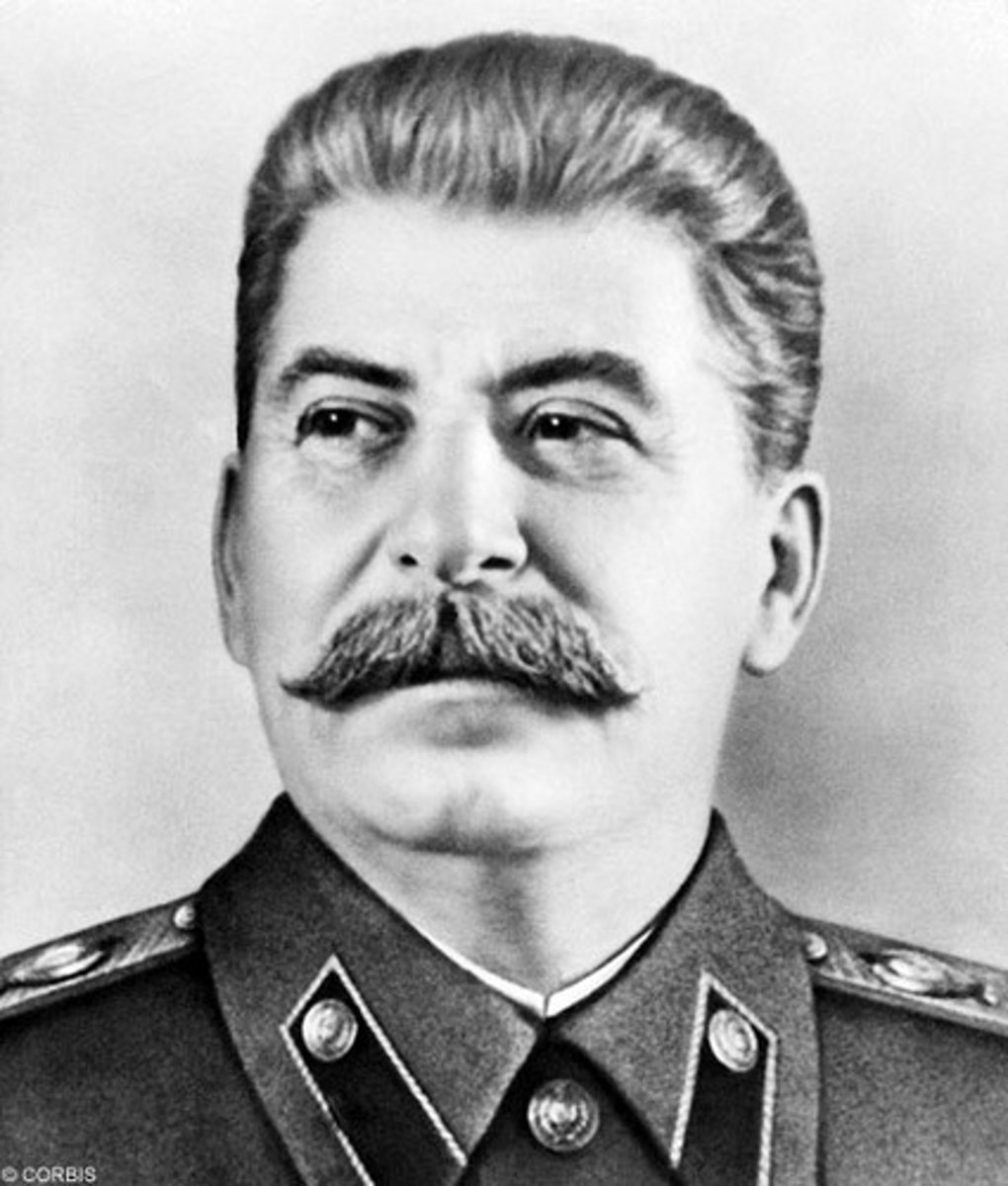
Joseph Stalin
The Dictator of the soviet union during world war 2
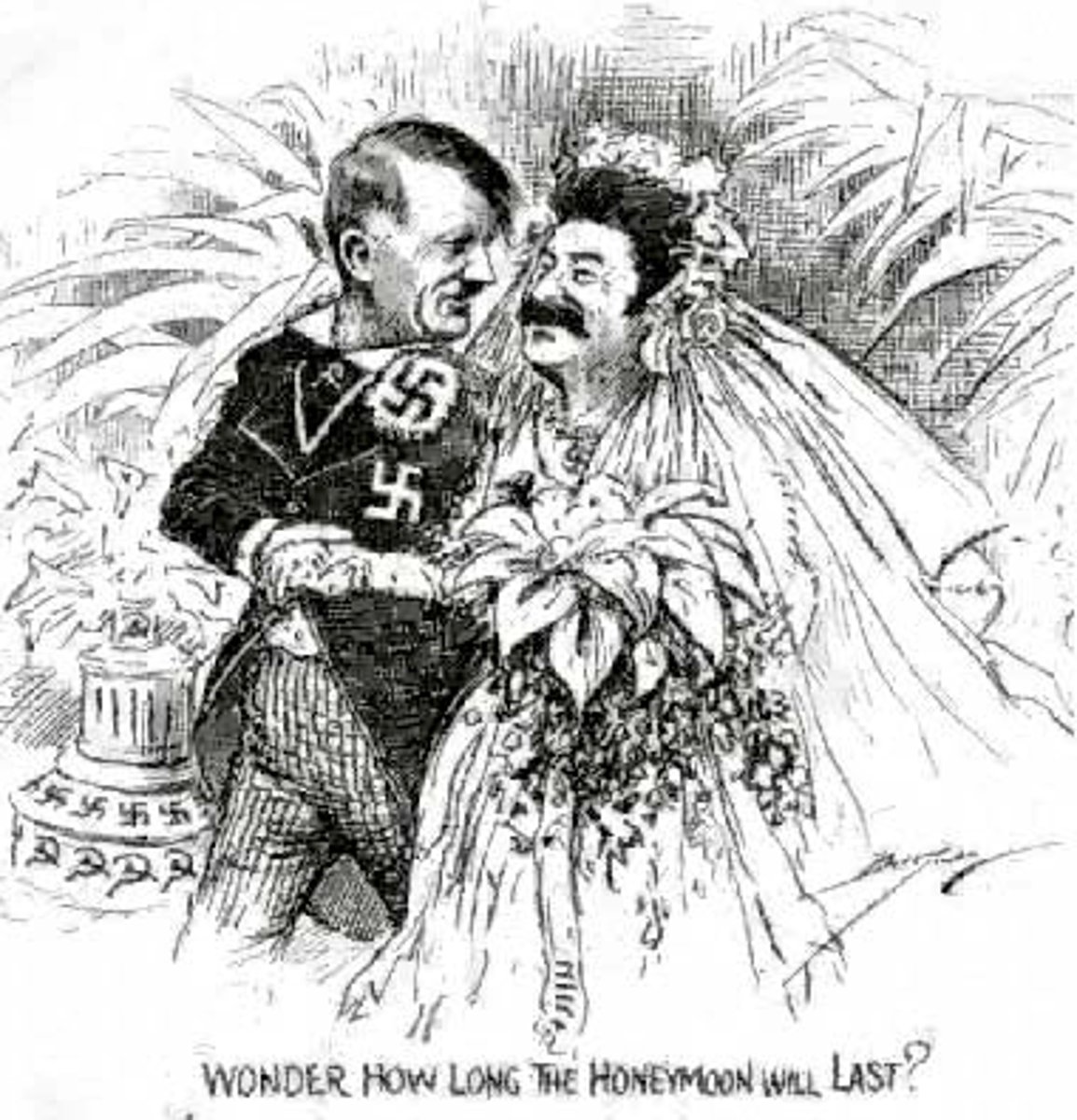
Non-Aggression Pact
Agreement between Germany and the USSR not to fight each other. They also agreed to divide Poland
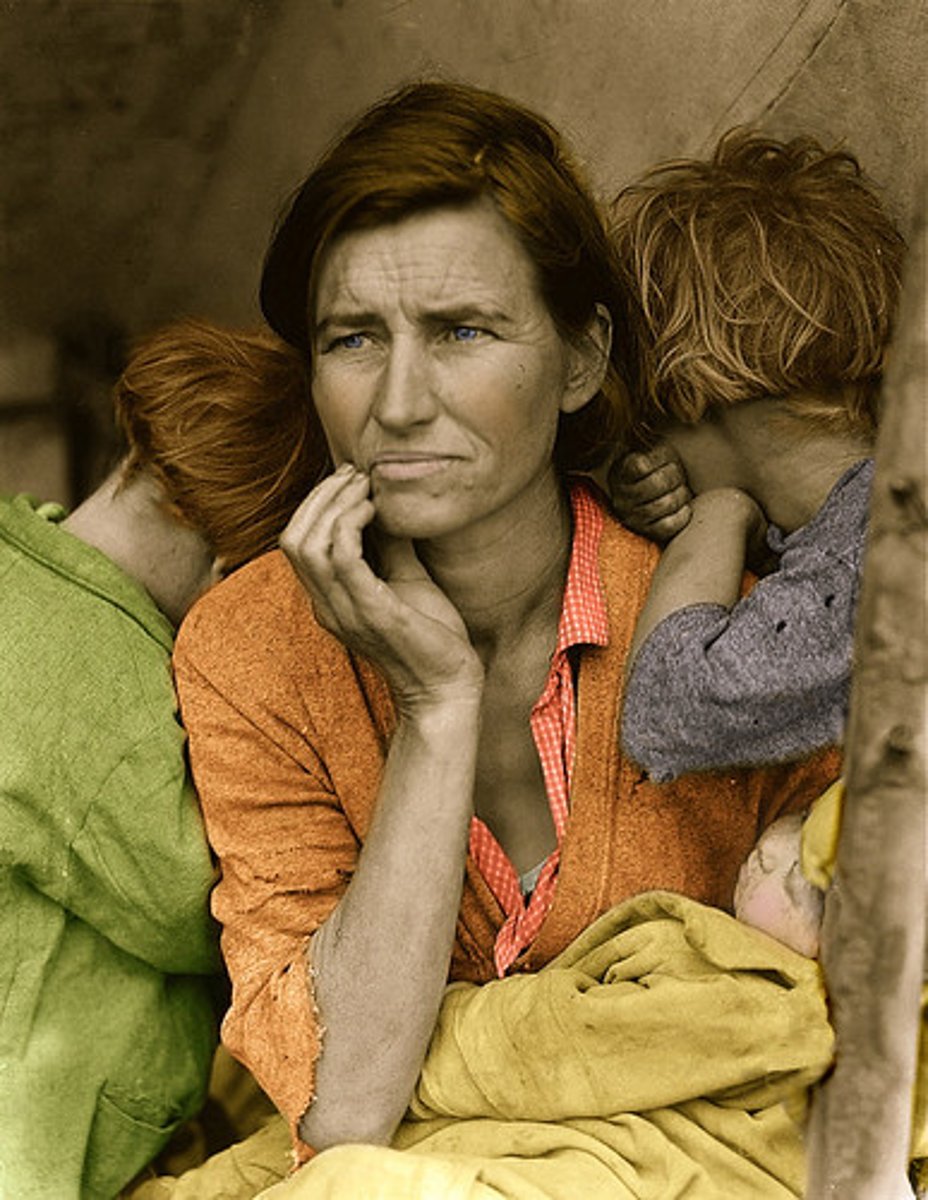
Great Depression
The economic crisis beginning with the stock market crash in 1929 and continuing through the 1930s
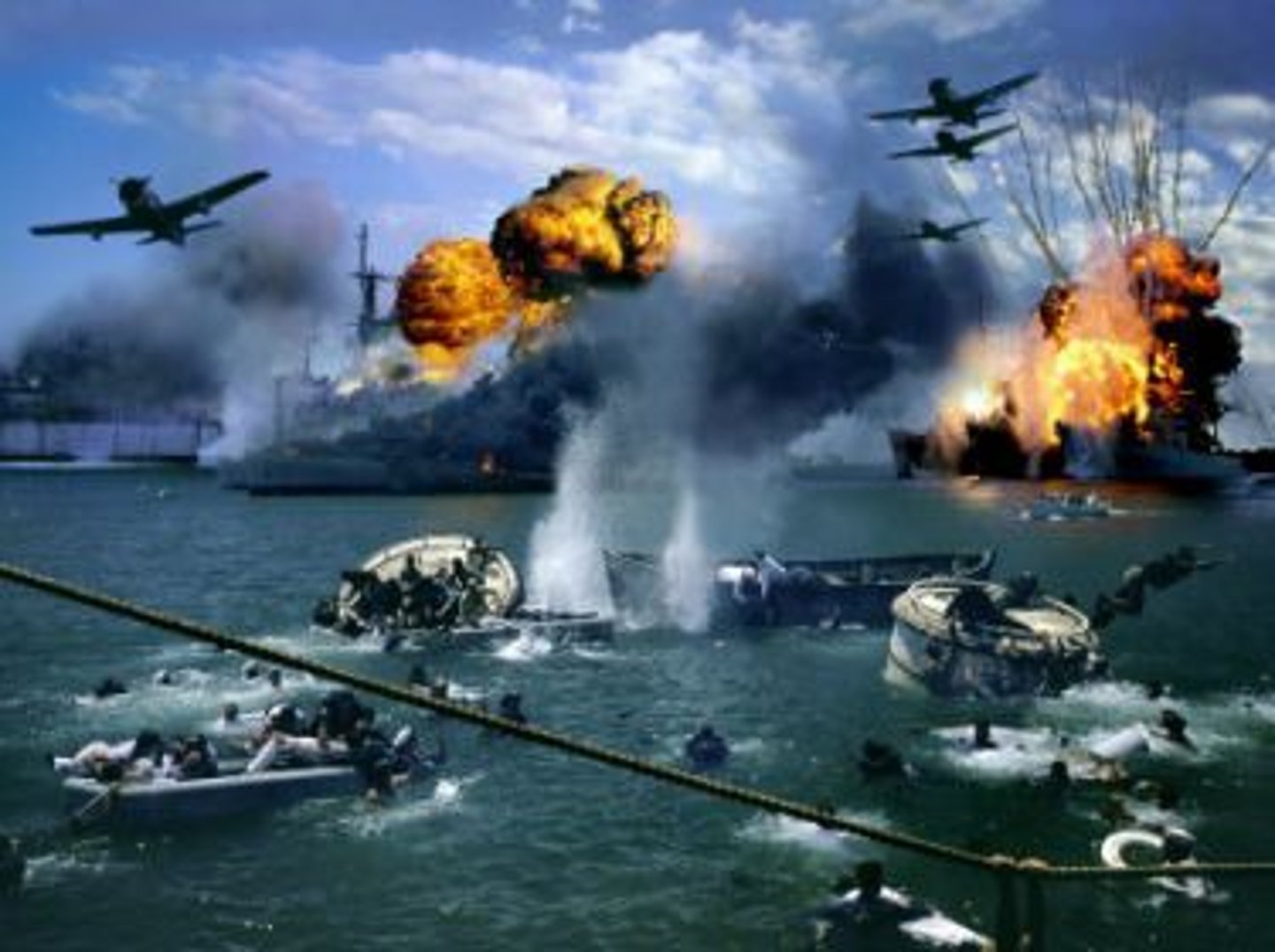
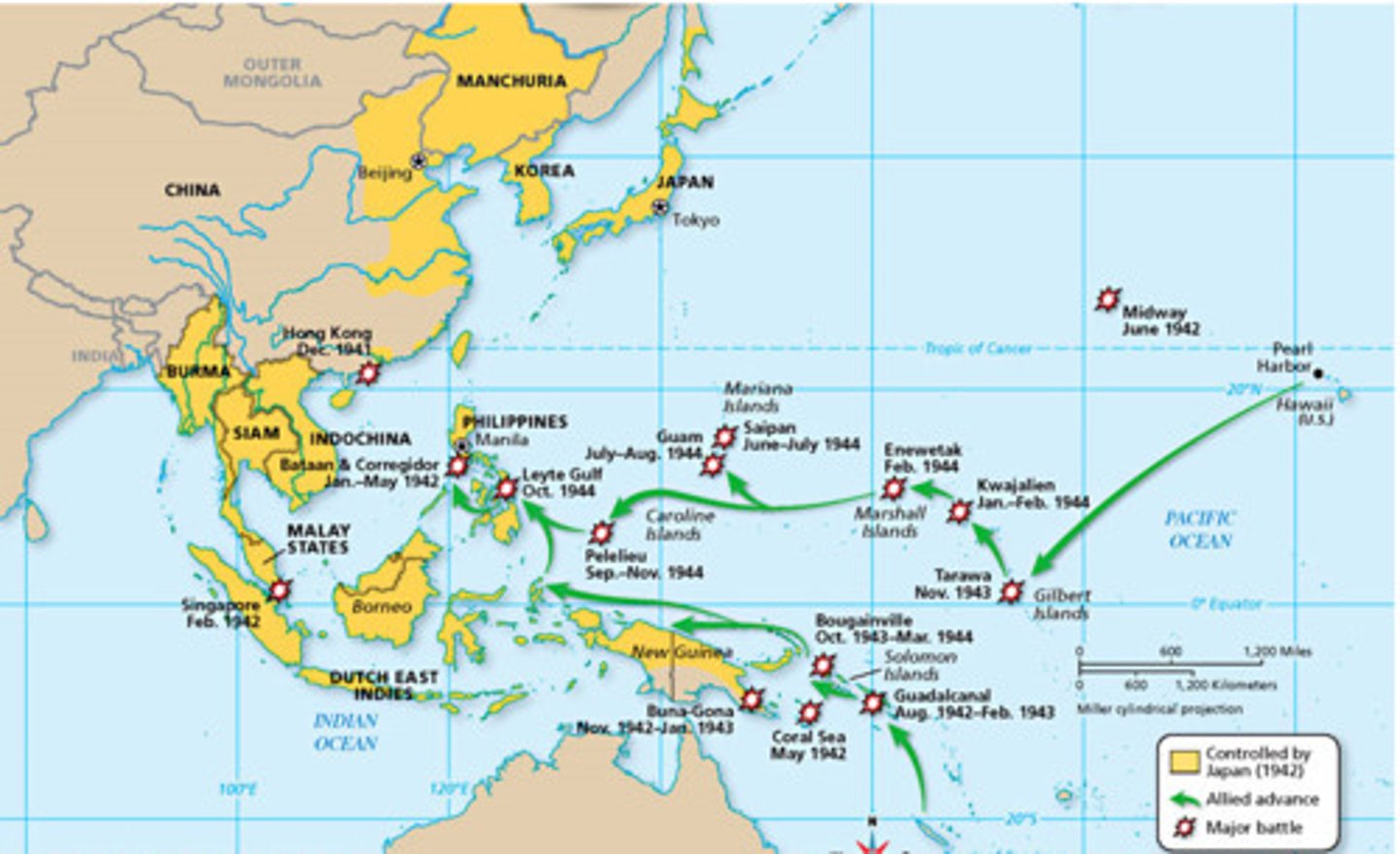
Pearl Harbor
Surprise attack by the Japanese on December 7, 1941 that resulted in the United States' entry into WWII
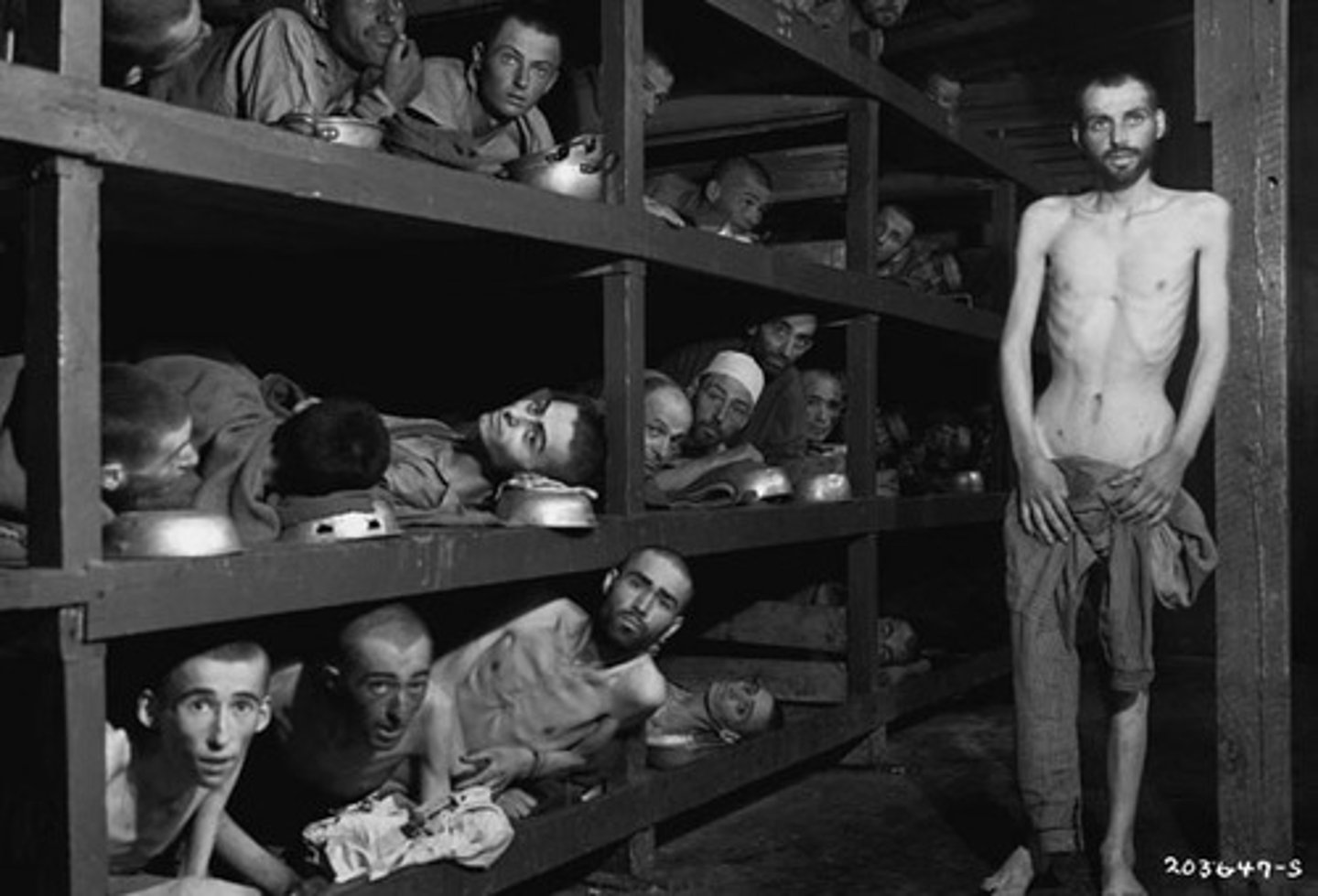
Holocaust
The Nazi campaign to exterminate the Jews during world war 2
Midway
The 1942 battle that was the turning point of the war in the pacific. With the loss of four air craft carriers, the Japanese advanced across the pacific was stopped.
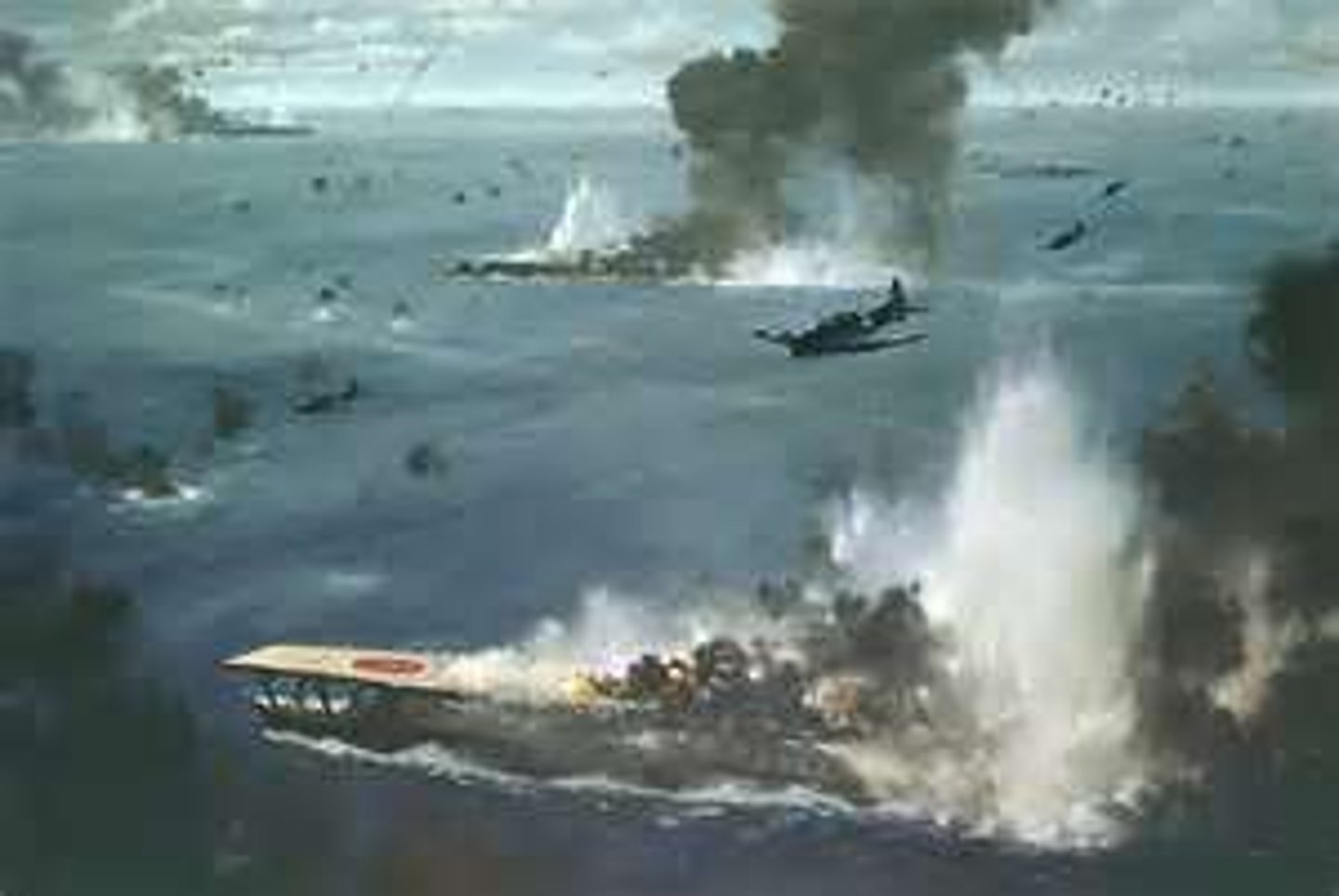
League of Nations
An international organization formed in 1920 to promote cooperation and peace among nations; failed to address invasions by Italy, Germany, and Japan
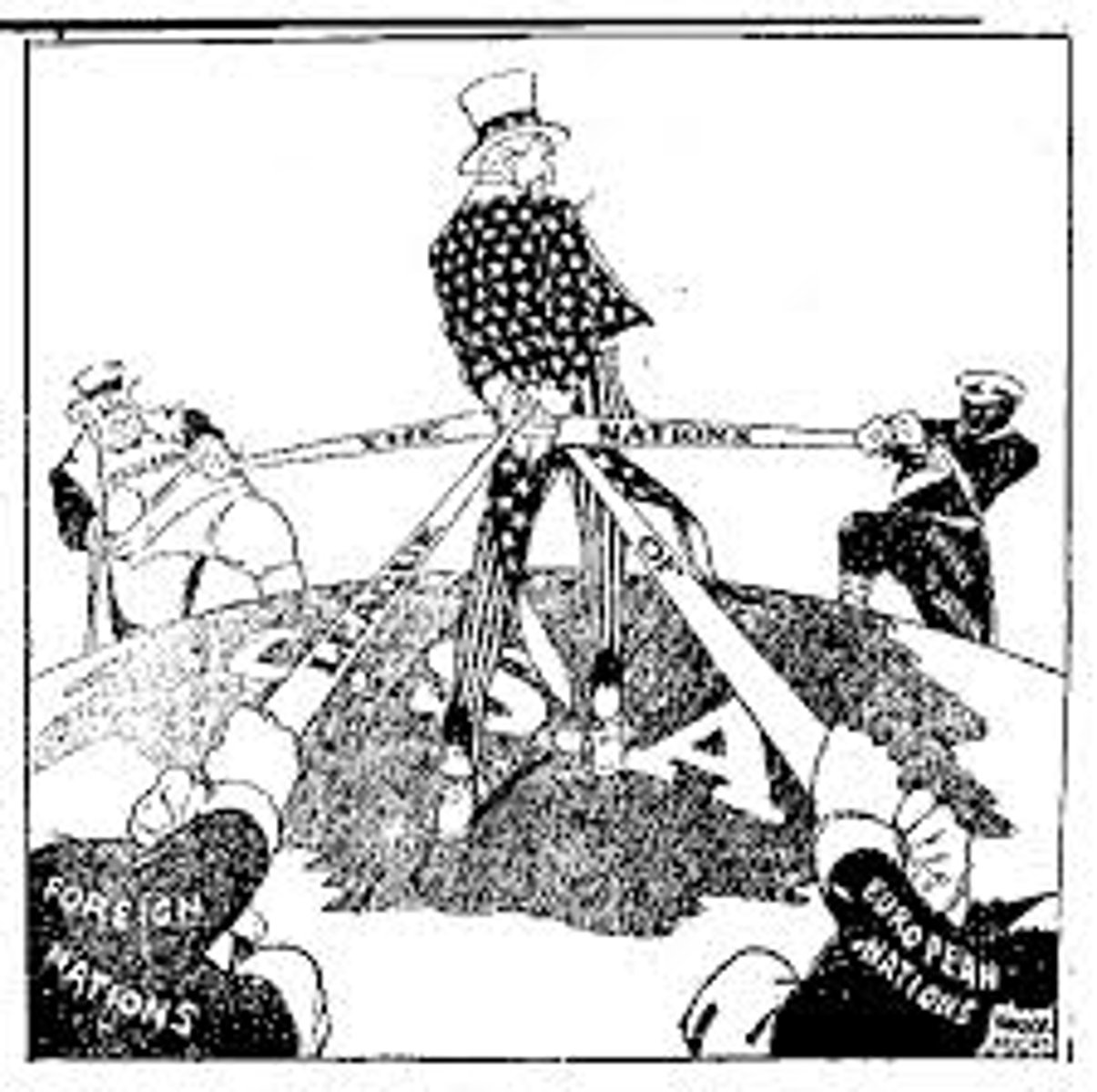
Appeasement
Accepting demands in order to avoid conflict
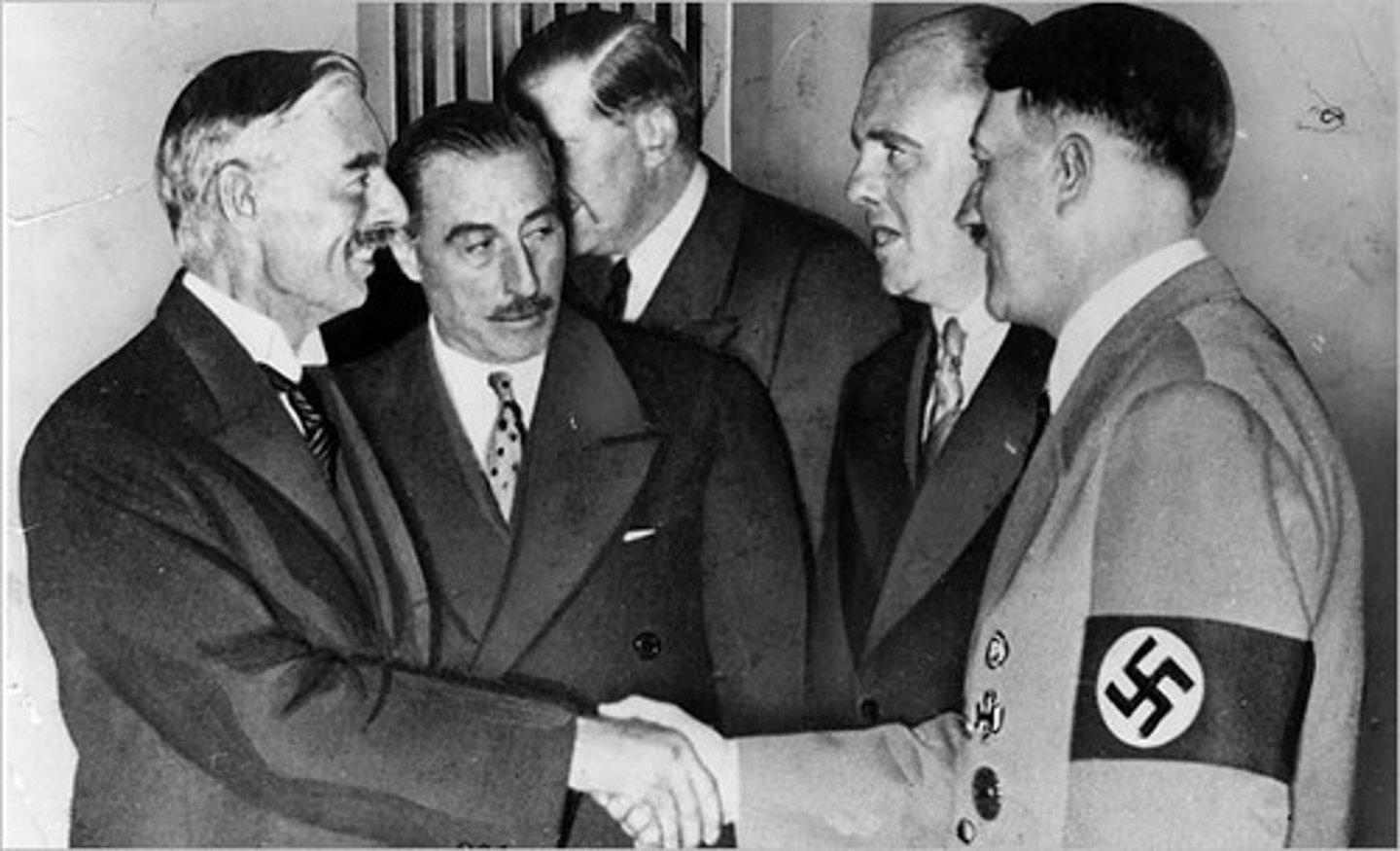
Harry Truman
The 33rd President of the US. Led the U.S. to victory in WWII making the decision to use atomic weapons for the first time.
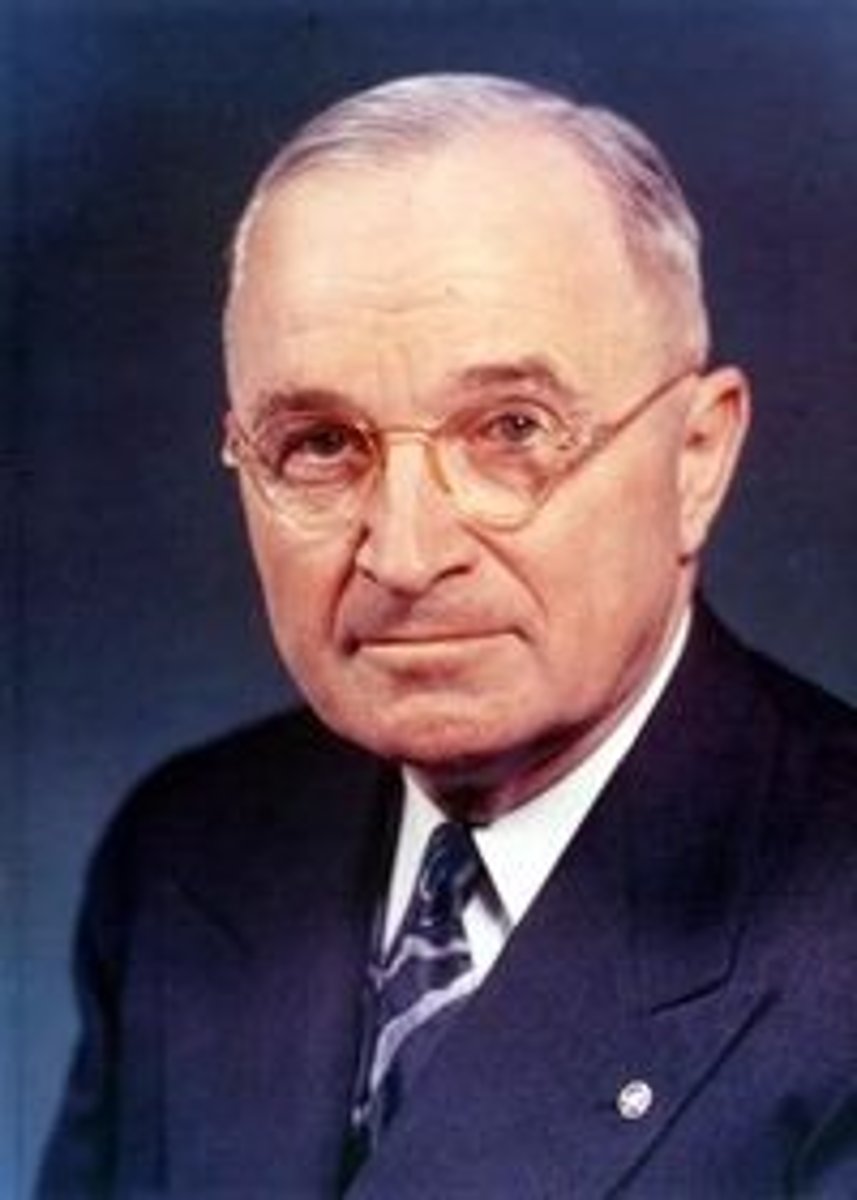
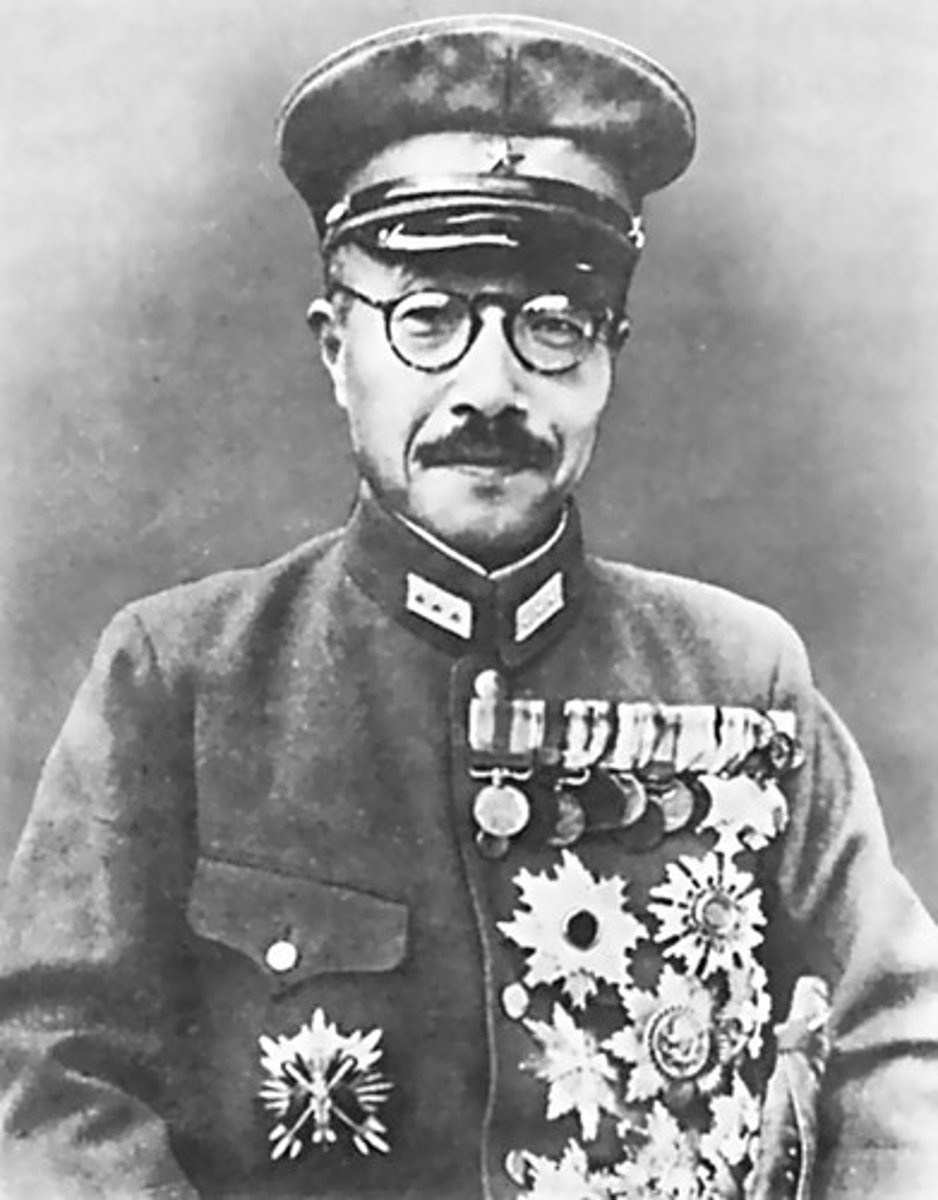
Tojo Hideki
Military leader of Japan leading up to, and during World War II
WWII began with
Hitler's invasion of Poland in 1939
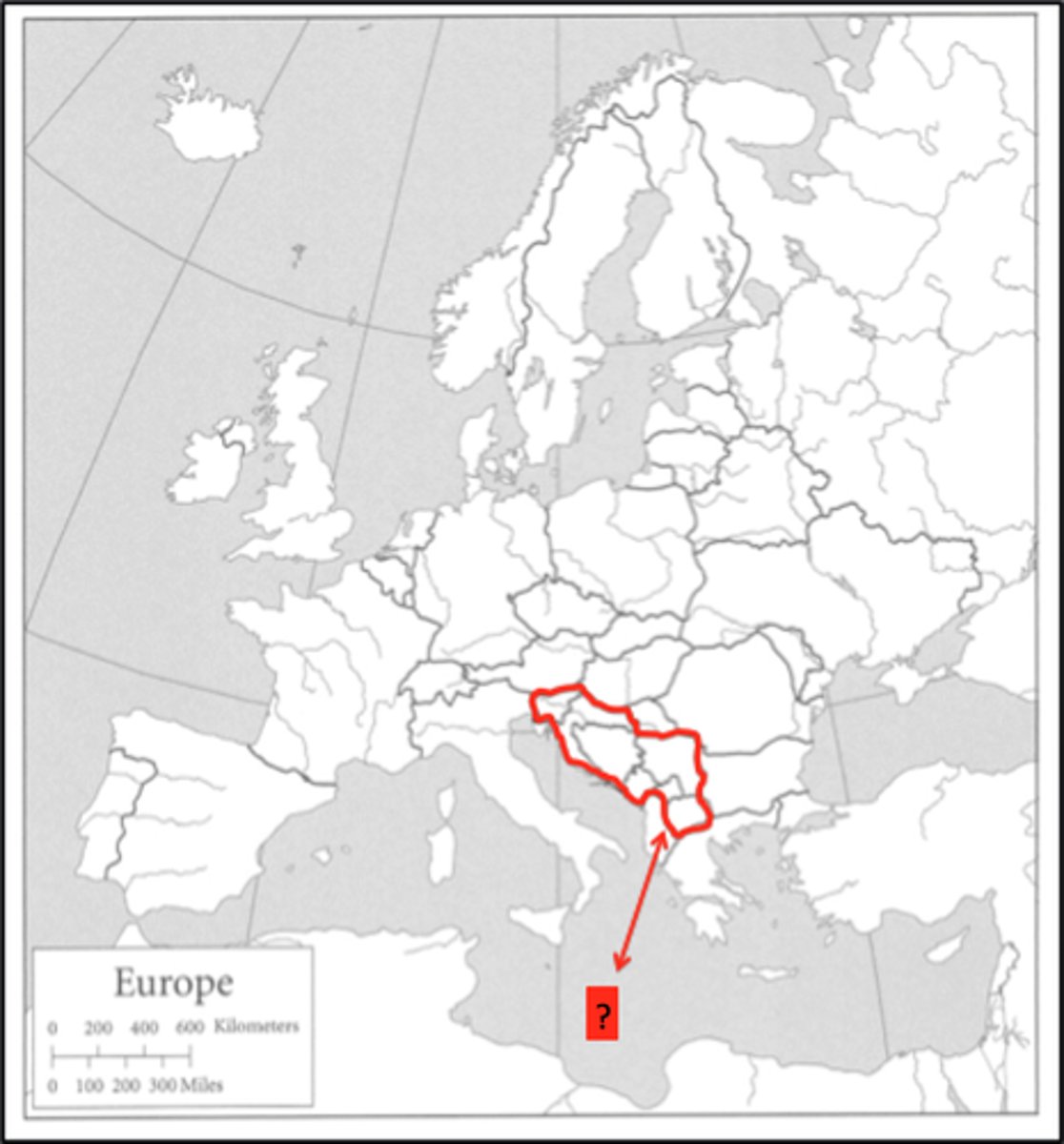
Cause of WWII
Treaty of Versailles leaving Germany angry and weak, desire for access to more resources by Japan, Germany, and Italy
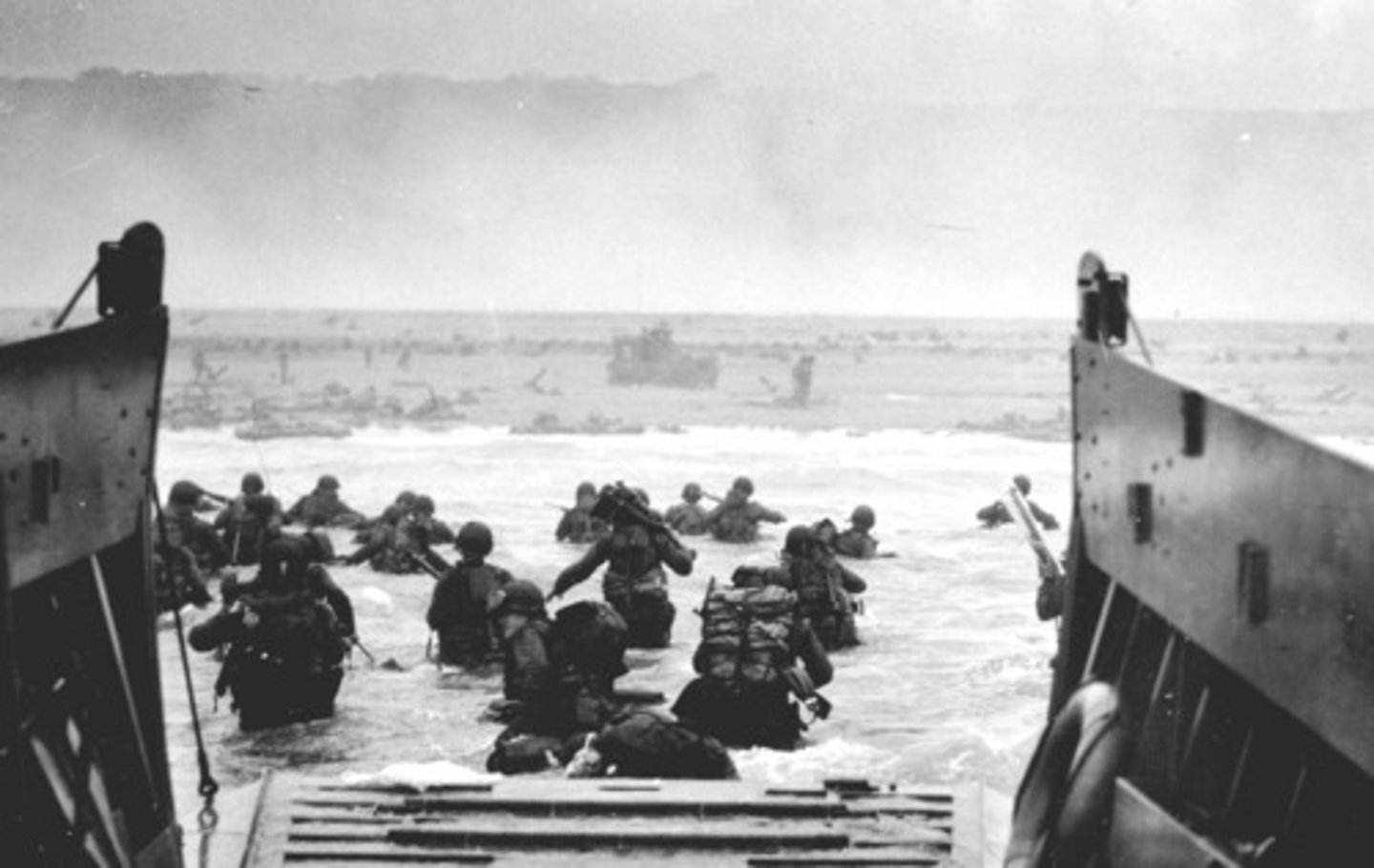
D-Day
Allied invasion of France on June 6, 1944
Island Hopping
A military strategy used during World War II that involved selectively attacking specific enemy-held islands and bypassing others
Albert Einstein, Manhattan Project
His letter to the US government helped initiate the U.S. effort to build an atomic bomb
Blitzkrieg
"Lighting war", typed of fast-moving warfare used by German forces against Poland in 1939, begin with bombing from an air force followed by grounds troops/tanks
Zimmerman Telegram
This was sent by Germans to encourage a Mexican attack against the United States. Intercepted by the US in 1917.
Schlieffen Plan
Plan of attacking and defeating France in the west and rushing east to fight Russia. - meant for Germany to avoid a two-front war
Treaty of Versailles (1919)
Treaty that ended World War I - most important part was the forced blame on Germany and other allies
Fourteen Points (1918)
A list of foreign policy goals which Woodrow Wilson hoped to achieve in the aftermath of World War I
League of Nations (1919)
A world organization of national governments proposed by President Woodrow Wilson and established by the Treaty of Versailles in 1919. It worked to facilitate peaceful international cooperation. Despite emotional appeals by Wilson, isolationists' objections to the League created the major obstacle to American signing of the Treaty of Versailles.
Spark that began WWI
Assassination of Archduke Franz Ferdinand
Germany and the Treaty of Versailles
Germany was blamed for the damage of the war and had to pay off the debt (reparations)
Enclosure Movement
The 18th century privatization of common lands in England, which contributed to the increase in population and the rise of industrialization.
Reasons the Industrial Revolution began in Great Britain
1) large deposits of natural resources (iron and coal)
2) lots of rivers to transport goods & provide power to mills
3) banks, money, & a government that encouraged trade and innovation
4) colonies that provided cheap raw materials and markets for industrial goods
Cotton Gin
A machine for cleaning the seeds from cotton fibers, invented by Eli Whitney in 1793 - made cotton a cash-crop and lead to an increase in slavery
Impact of Industrial Revolution
1) Farming methods improved so fewer farmers were needed and more food was produced.
2) People moved to cities to find jobs.
3) Cities became overcrowded and polluted.
4) There was not enough housing and there were very low wages.
5) Europe gained tremendous economic and military power
Factory Conditions
14 hour work days, machines were dangerous, coal mines were extremely dangerous, many people confined to a small space, dirty and unhealthy
Reforms
changes to bring about improvement
Capitalism
An economic system based on private property and free enterprise.
Adam Smith
Scottish economist who wrote the Wealth of Nations a precursor to modern capitalism.
Karl Marx
1818-1883. 19th century philosopher, political economist, sociologist, humanist, political theorist, and revolutionary. Often recognized as the father of communism. Analysis of history led to his belief that communism would replace capitalism as it replaced feudalism. Believed in a classless society.
Communism
a political theory derived from Karl Marx, advocating class war and leading to a society in which all property is publicly owned and each person works and is paid according to their abilities and needs.
Scientific Revolution
A major change in European thought, starting in the mid-1500s, in which the study of the natural world began to be characterized by careful observation and the questioning of accepted beliefs. - spread from questioning the Church to questioning government
Divine Right of Kings
the belief that the authority of kings comes directly from God
Louis XIV (Sun King)
Louis XIV of France ruled from 1643-1715, the longest reign in French history. He constructed Versailles, believed in divine right of kings, engaged in many wars, and established absolutism in France.
Peter the Great of Russia
part of the Romanov Dynasty; was an absolutist monarch who claimed the divine right to rule; he westernized & modernized Russia thus making it a great military power; created the first Russian Navy; divided Russia into provinces; and established St. Petersburg as the capital of Russia.
Elizabeth I
(1533-1603) Queen of England and Ireland between 1558 and 1603. She was an absolute monarch and is considered to be one of the most successful rulers of all time.
John Locke
17th century English philosopher who opposed the Divine Right of Kings and who asserted that people have a natural right to life, liberty, and property; inspired Thomas Jefferson and the Declaration of Independence
Voltaire
(1694-1778) French philosopher. He believed that freedom of speech was the best weapon against bad government. He also spoke out against the corruption of the French government, and the intolerance of the Catholic Church; believed in individual liberties such as freedom of speech and freedom of religion
Baron Montesquieu
French political philosopher who advocated the separation of executive and legislative and judicial powers (1689-1755); inspired the idea of checks and balances in government/separation of powers
Jean-Jacques Rousseau
"The Social Contract", people are born good but environment and education (power) corrupts them; must make a social contract with government based on the common good; argued in favor of direct democracy
Mary Wollstonecraft
British feminist of the eighteenth century who argued for women's equality with men, even in voting, in her 1792 "Vindication of the Rights of Women."; mother of Mary Shelley - author of Frankenstein
Impact of the Enlightenment
~Citizens began questioning government and demanded changes in government
~led to many revolutions (American, French, Haitian, and Latin American revolutions)
Absolute Monarchy
A system of government in which the head of state is a hereditary position and the king or queen has almost complete power
Declaration of Independence
the document recording the proclamation of the second Continental Congress (4 July 1776) asserting the independence of the colonies from Great Britain
First Estate
The first class of French society made up of the clergy of the Roman Catholic Church. - owned 10% of the land and paid very little in taxes
Third Estate
97% of the population (the rest of France) They consisted of the bourgeoisie, the san-culottes and the peasants; they paid high taxes and had no special privileges
Bastille
fortress in Paris used as a prison; French Revolution began when Parisians stormed it in 1789
Reign of Terror
This was the period in France where Robespierre ruled and used revolutionary terror to solidify the home front. He tried "rebels" and "traitors" and they were all judged severely and most were executed.
Maxmilien Robespierre
One of the most radical revolutionaries of the French Revolution. Leader of the French government that put King Louis XVI on trial. Created and ran the Reign of Terror.
Napoleon Bonaparte
Overthrew the French revolutionary government (The Directory) in 1799 and became emperor of France in 1804. Failed to defeat Great Britain and abdicated in 1814. Returned to power briefly in 1815 but was defeated and died in exile.
Continental System
Napoleon's efforts to block foreign trade with England by forbidding Importation of British goods Into Europe, blockade of Britain
Congress of Vienna
met in 1815 after the defeat of France to restore the European balance of power; (1814-1815 CE) Meeting of representatives of European monarchs called to reestablish the old order after the defeat of Napoleon.
Waterloo
Battle in Belgium that was Napoleon's final defeat
Mary I (Bloody Mary)
1553-1558 AD. Catholic queen of England married to Philip II of Spain. Daughter of Catherine of Aragon. Executed hundred of Protestants when they refused to convert.
Act of Uniformity 1559
The Act of Uniformity made Protestantism England's official faith, established a form of worship which is still followed in English Parish churches today and showed the country that Elizabeth was bent on following a middle road where religion was concerned.
Coup d'etat
a sudden overthrow of the government
Louisiana Purchase
territory in western United States sold by Napoleon to the United States
Powder Keg of Europe
The Balkans; they had a long history of nationalist uprisings and ethnic clashes. Nowhere was a dispute more likely to occur than on the Balkan Peninsula
division of labor
the assignment of different parts of a manufacturing process or task to different people in order to improve efficiency.
Rosie the Riveter
symbol of American women who went to work in factories during the war
Effects of the Great Depression
1) Closing of many banks
2) Many Americans were left unemployed.
3) Rise of totalitarian leaders in Europe
Kamikaze
Japanese suicide pilots who loaded their planes with explosives and crashed them into American ships.
Kristallnacht (Night of Broken Glass)
Mobs ransacked more than seven thousand Jewish shops and synagogues, 91 died, 30,000 were sent to concentration camps.
Nuremberg Trials
Trials of the Nazi leaders after WWII, showed that people are responsible for their actions, even in wartime
Cold War
A conflict that was between the US and the Soviet Union. The nations never directly confronted each other on the battlefield but deadly threats went on for years.
Richard Nixon
1968 and 1972; Republican; Vietnam: advocated "Vietnamization" (replace US troops with Vietnamese), but also bombed Cambodia/Laos, created a "credibility gap," Paris Peace Accords ended direct US involvement; economy-took US off gold standard (currency valued by strength of economy); created the Environmental Protection Agency, was president during first moon landing; SALT I and new policy of detente between US and Soviet Union; Watergate scandal: became first and only president to resign
Mohandas Gandhi
Leader of the Indian independence movement and advocate of nonviolent resistance. After being educated as a lawyer in England, he returned to India and became leader of the Indian National Congress in 1920.
Boycott
A refusal to buy or use goods and services.
Apartheid
Laws (no longer in effect) in South Africa that physically separated different races into different geographic areas.
Battle of Stalingrad
Unsuccessful German attack on the city of Stalingrad during World War II from 1942 to 1943, that was the furthest extent of German advance into the Soviet Union.
Manchuria
Province in northeast China invaded by Japan in September 1931
WTO (World Trade Organization)
organization through which member nations negotiate trading agreements and resolve disputes about trade policies and practices
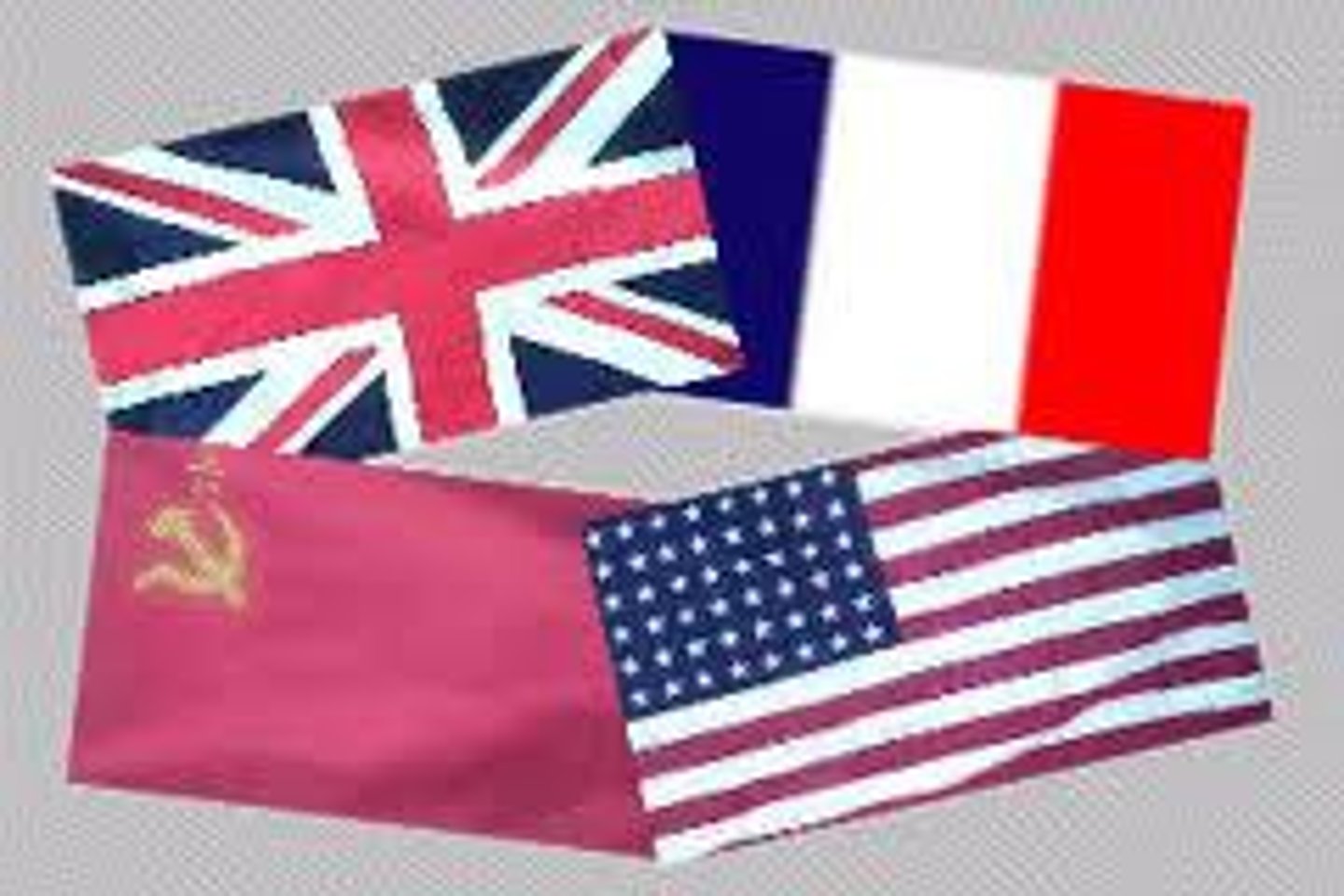
Big Three
allies during WWII; Soviet Union - Stalin, United Kingdom - Churchill, United States - Roosevelt
Nelson Mandela
ANC leader imprisoned by Afrikaner regime; released in 1990 and elected as first black president of South Africa in 1994.
Rwandan Genocide
The killing of more than 500,000 ethnic Tutsis by rival Hutu militias in Rwanda in 1994. The conflict between the dominant Tutsis and the majority Hutus had gone on for centuries, but the suddenness and savagery of the massacres caught the United Nations off-guard. U.N. peacekeepers did not enter the country until after much of the damage had been done.
OPEC
An international oil cartel originally formed in 1960. Represents the majority of all oil produced in the world. Attempts to limit production to raise prices. It's long name is the Organization of Petroleum Exporting Countries.
Vietnam War
A prolonged war (1954-1975) between the communist armies of North Vietnam who were supported by the Chinese and the non-communist armies of South Vietnam who were supported by the United States.; led to sizeable, passionate, and sometimes violent protests, especially as the war went on - seen as a failure in the US