Lesson 9.1 (TEKS 7.13A)
Due: Apr 19, 2026, 4:59 AM
 Call Kai
 Learn
Learn Practice Test
 Spaced Repetition
 Match
Match Flashcards
1/9

Earn XP
Description and Tags
The student is expected to identify and model the main functions of the systems of the human organism, including the circulatory, respiratory, skeletal, muscular, digestive, urinary, reproductive, integumentary, nervous, immune, and endocrine systems;
Name | Mastery | Learn | Test | Matching | Spaced | Call with Kai |
|---|

10 Terms
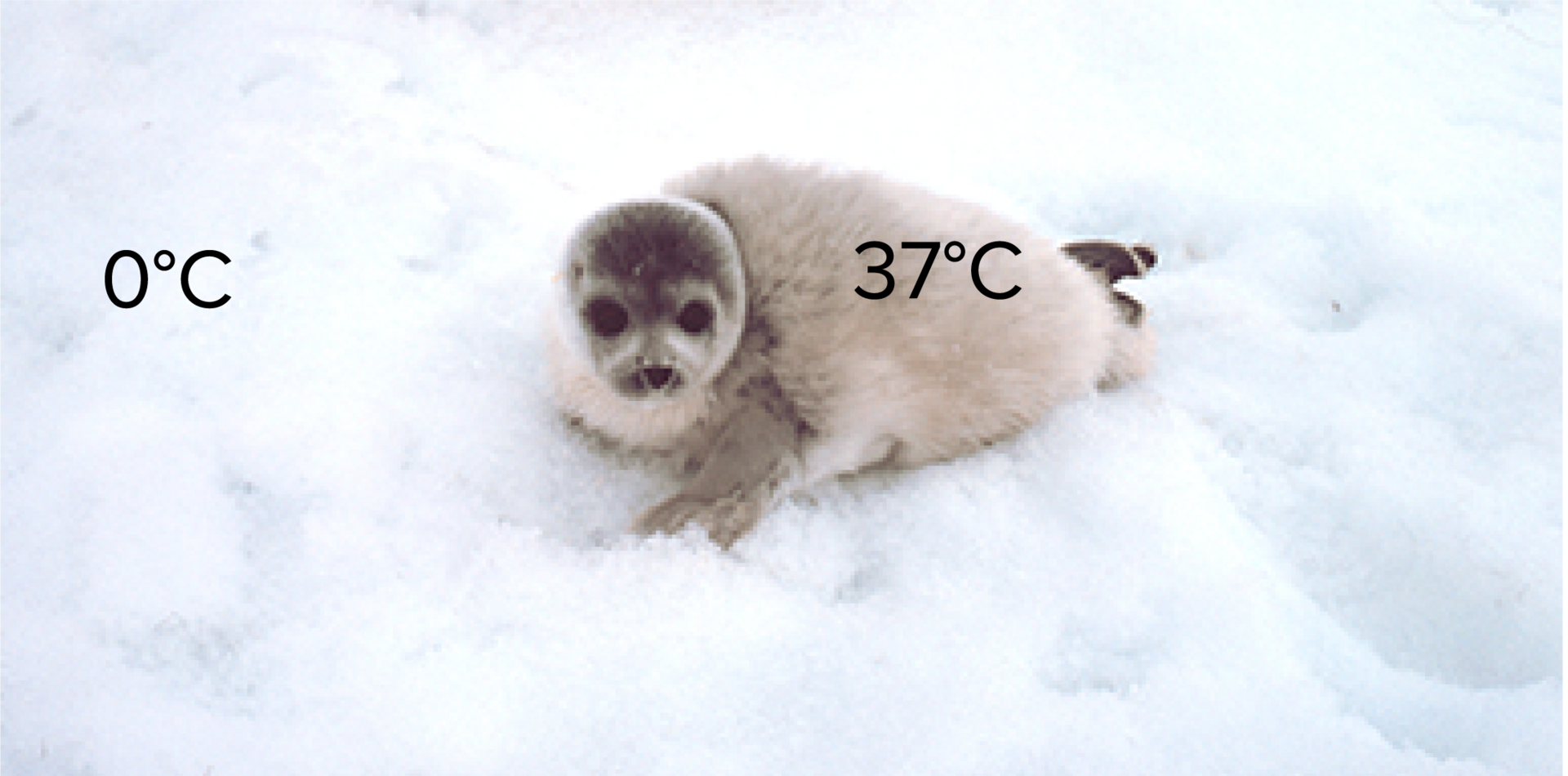
Homeostasis
an organism’s ability to maintain steady internal conditions when outside conditions change.
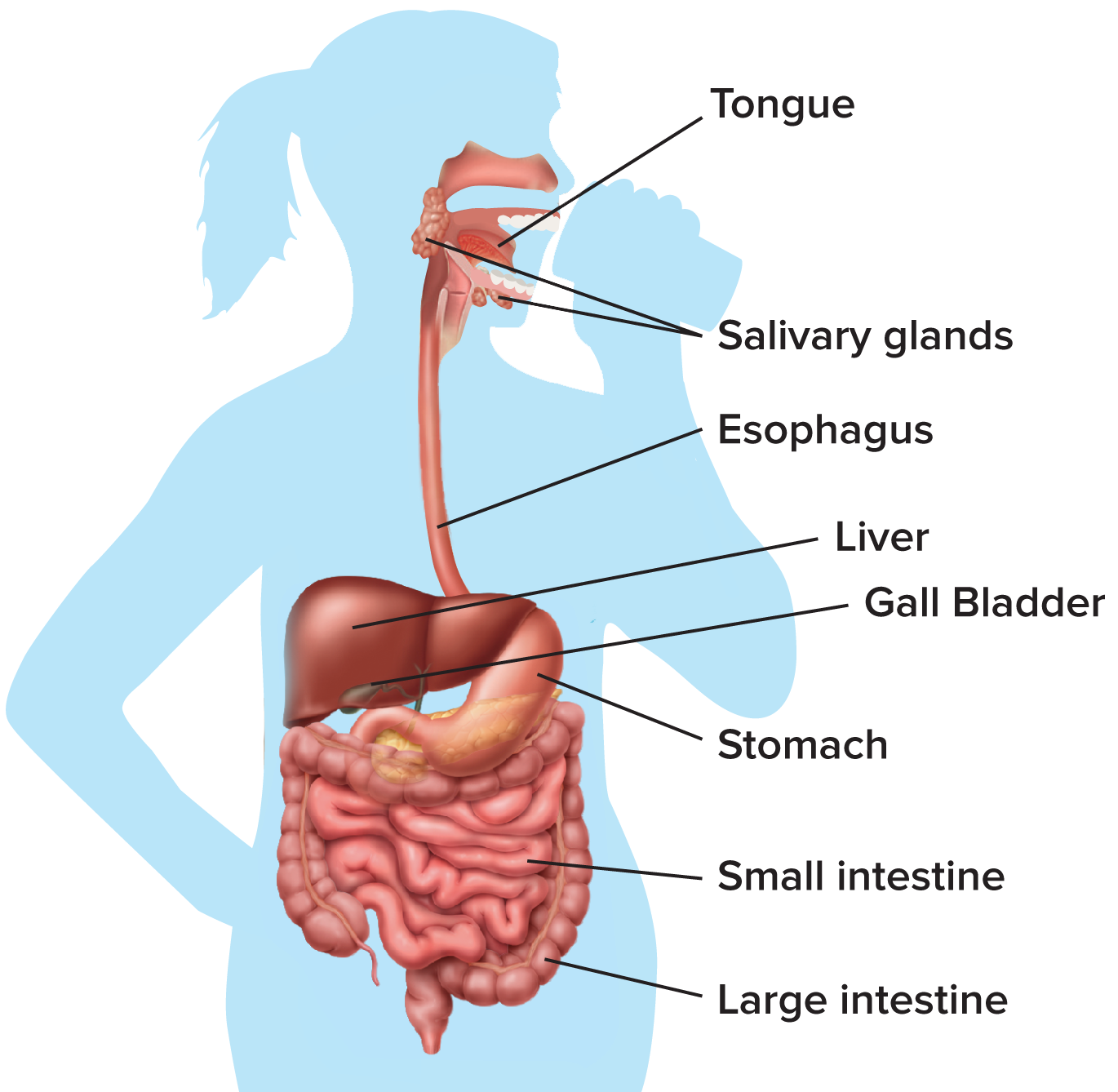
digestive system
the group of organs that work together to break down foods into substances that your cells can use.
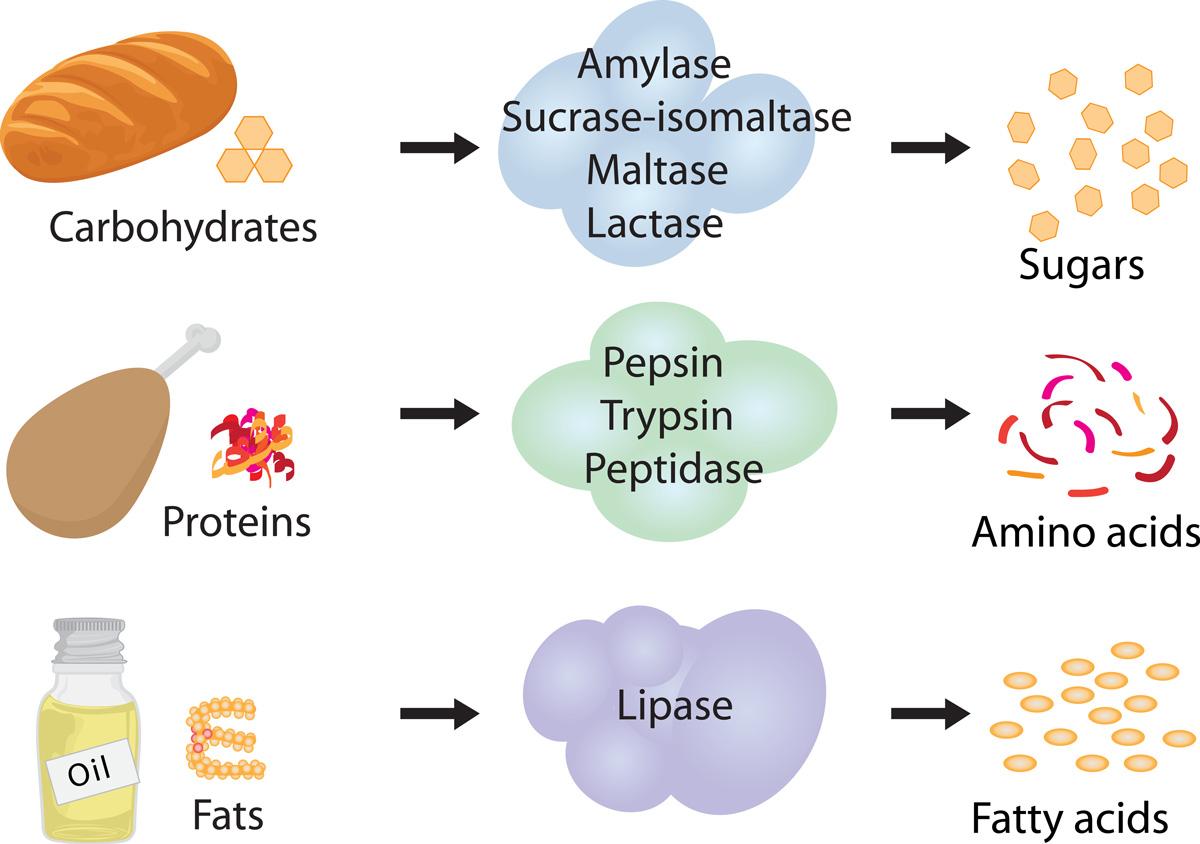
enzyme
protein that speeds up chemical reactions.
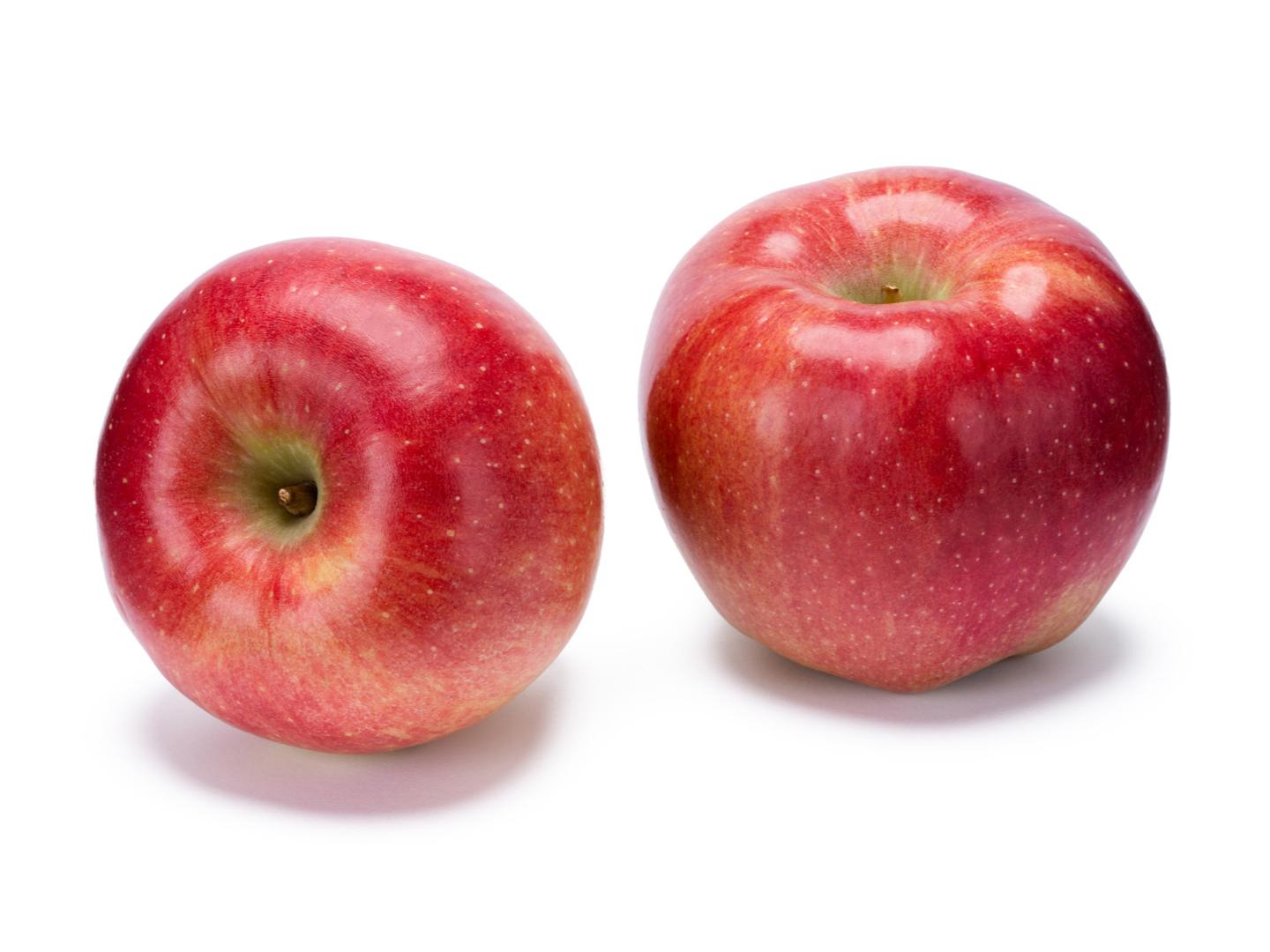
nutrient
a part of food used by the body to grow and survive.
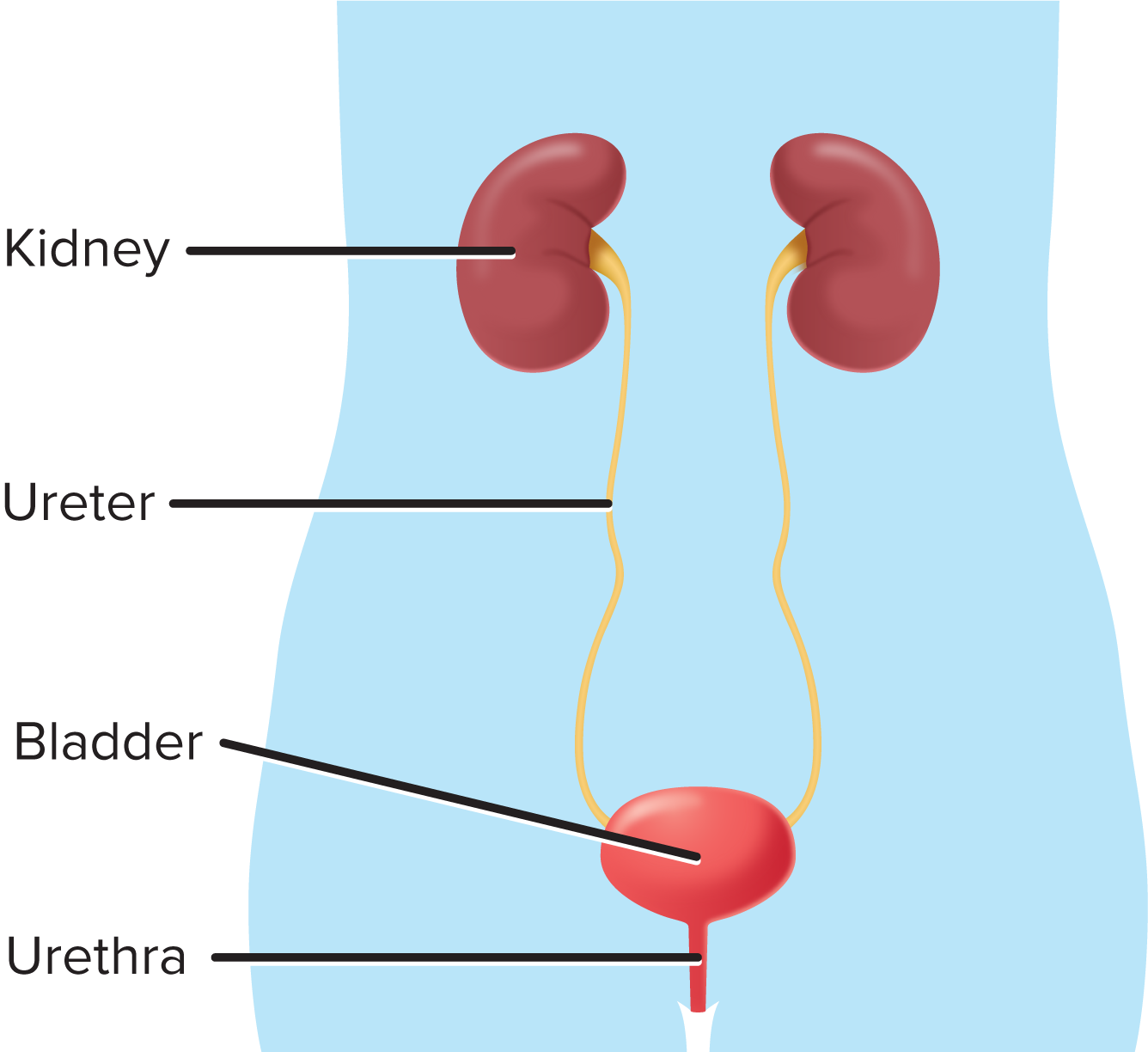
urinary system
the body organs that filter your blood, removing waste and excess water.
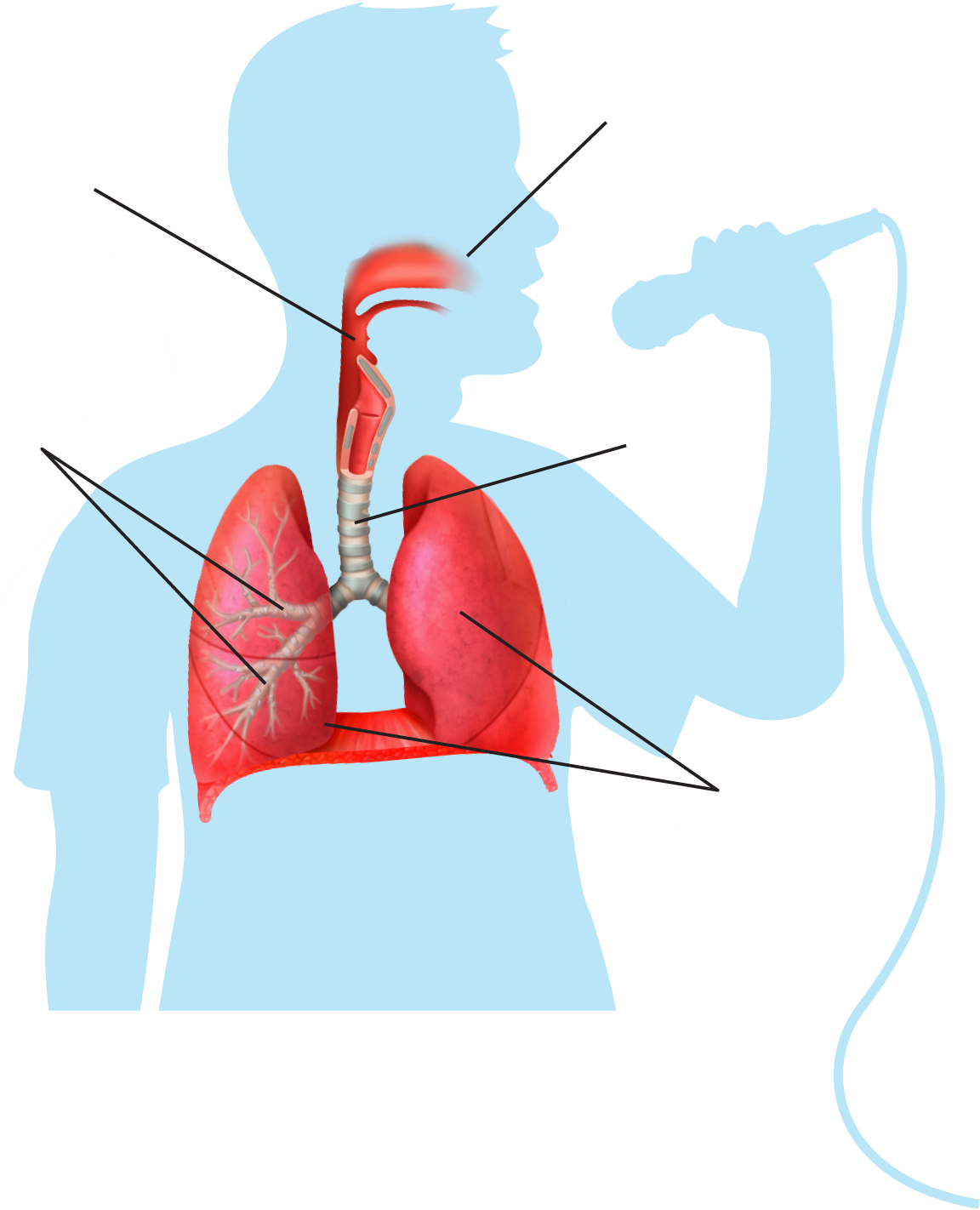
respiratory system
the organs that supply your blood with oxygen.
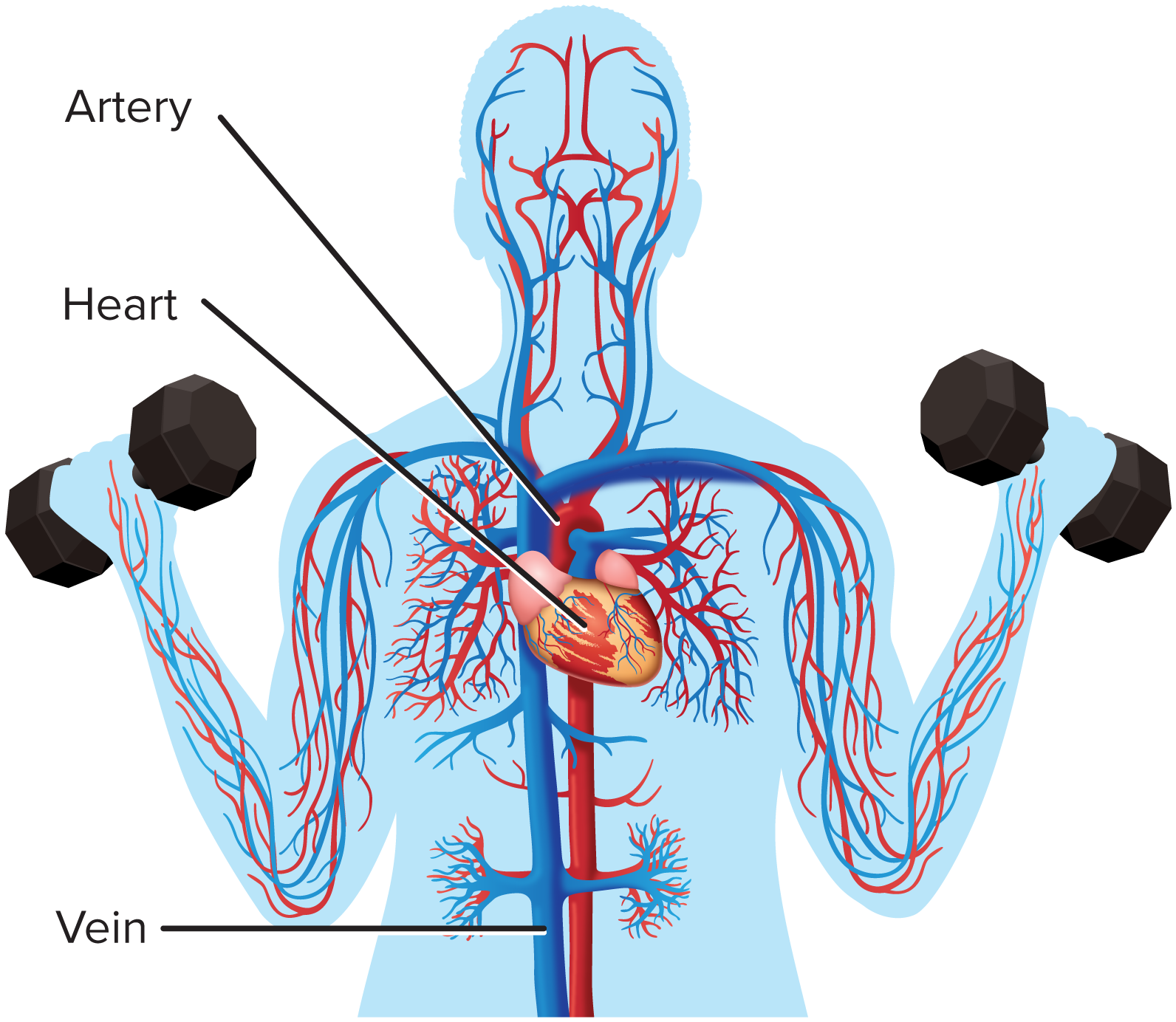
circulatory system
the group of organs and tissues that carry needed materials to cells and remove their waste products.
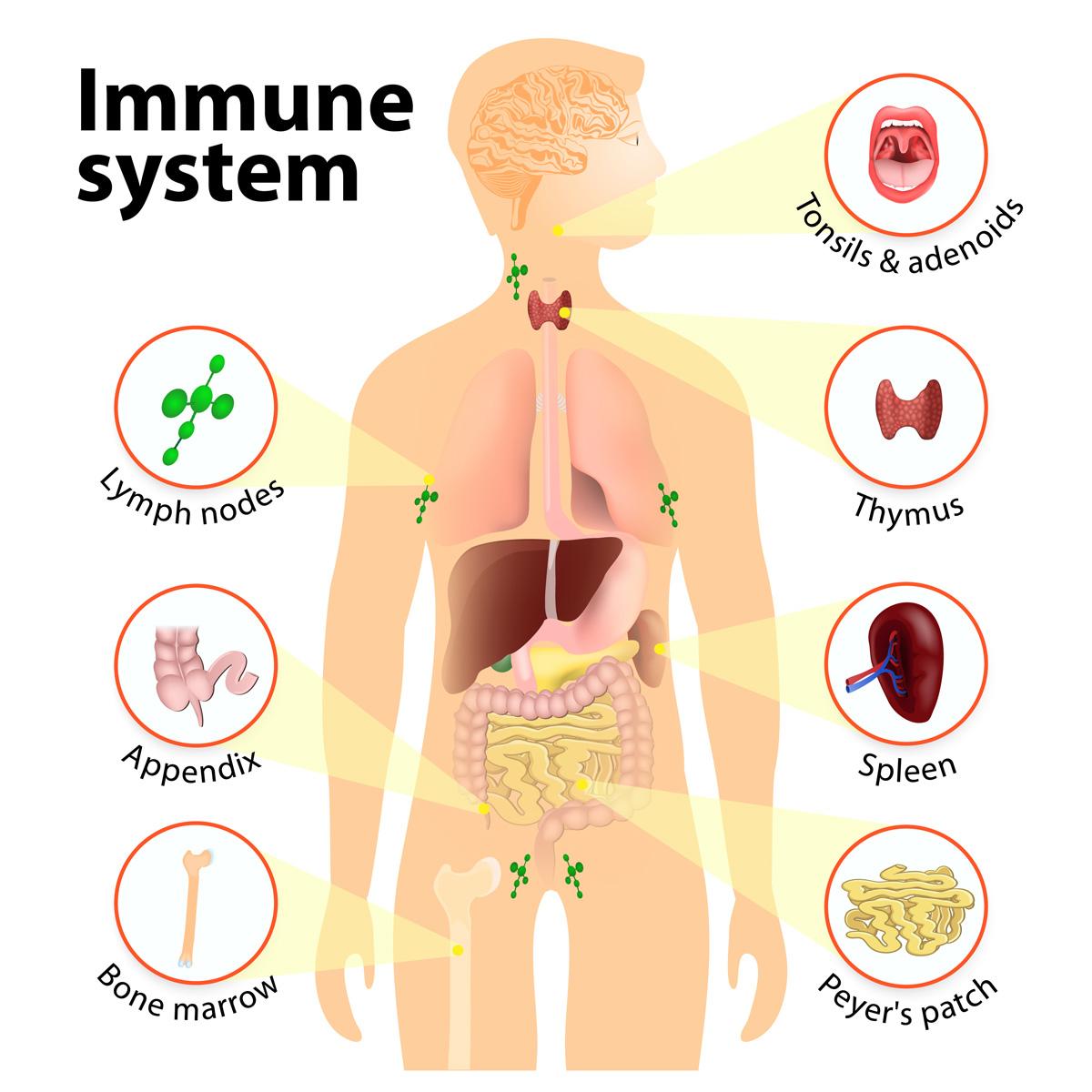
immune system
a combination of body defenses made up of the cells, tissues, and organs that fight pathogens in the body.
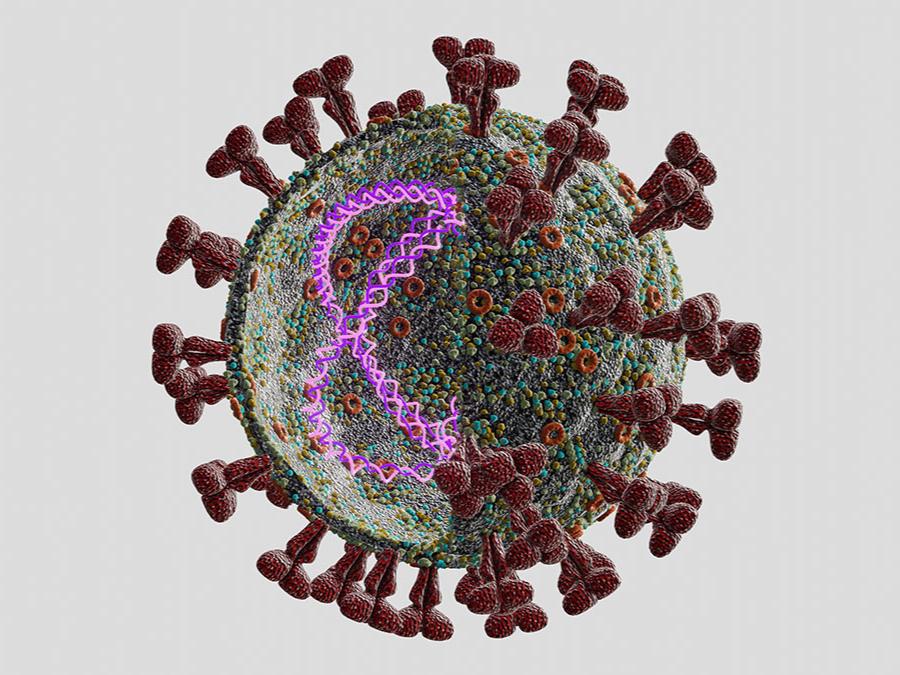
pathogen
an agent that causes disease.
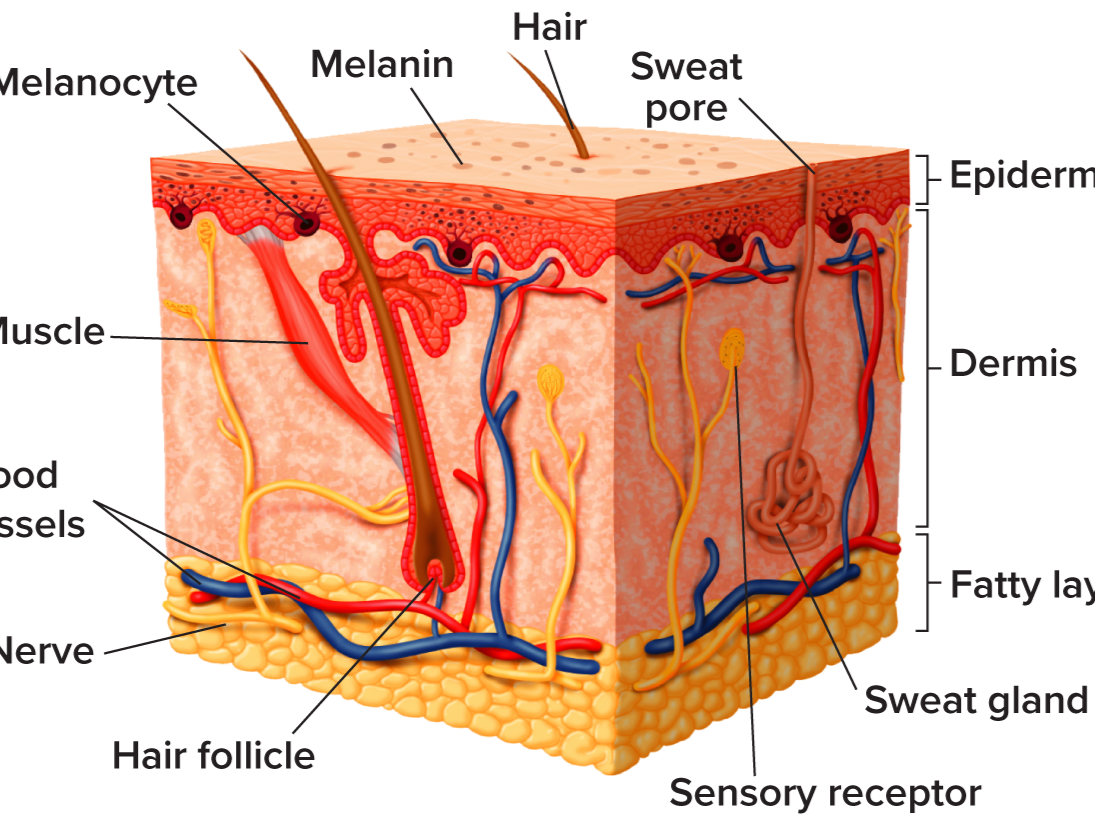
integumentary system
the organ system consisting of the skin, hair, nails, and exocrine glands.