West Coast EMT Ch. 34 Obstetrics and Neonatal Care
 Call Kai
 Learn
Learn Practice Test
 Spaced Repetition
 Match
Match Flashcards
 Knowt Play
1/147

There's no tags or description
Looks like no tags are added yet.
Name | Mastery | Learn | Test | Matching | Spaced | Call with Kai | Chat |
|---|
No analytics yet
Send a link to your students to track their progress
148 Terms
endometrium
inner lining of the uterus
Fertilization usually occurs when the egg is inside the ___________ ______.
fallopian tube
3 multiple choice options
The uterus produces ________________ during labor and helps to push the fetus through the birth canal.
contractions
In a pregnant woman, the breasts produce _____ that is carried through small ducts to the _________ to provide nourishment to the newborn once it is born.
milk
nipple
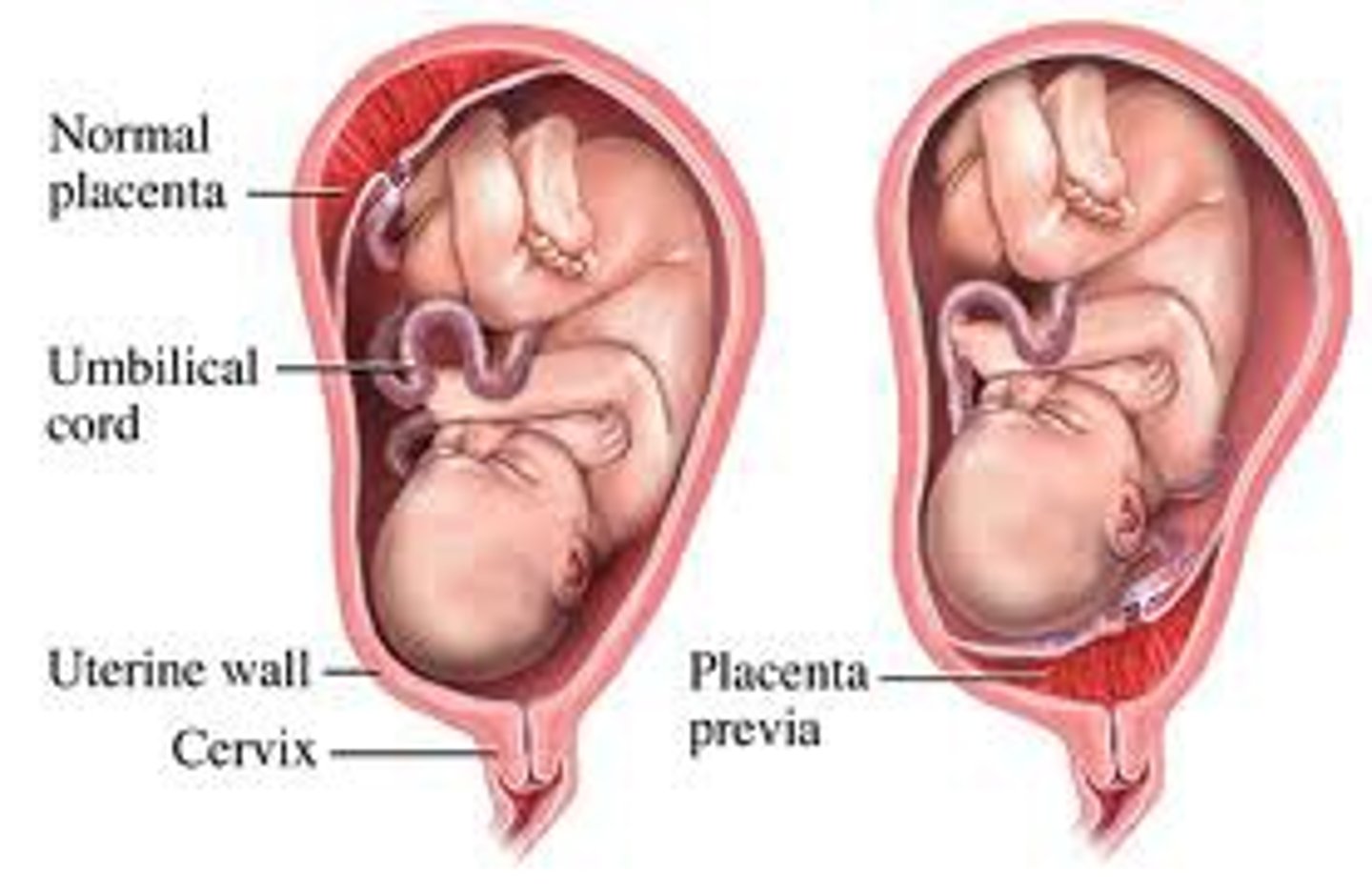
The _____________ is a disk-shaped structure attached to the uterine wall that provides nourishment to the fetus.
placenta
What should you massage after a childbirth to get the placenta out?
fundus
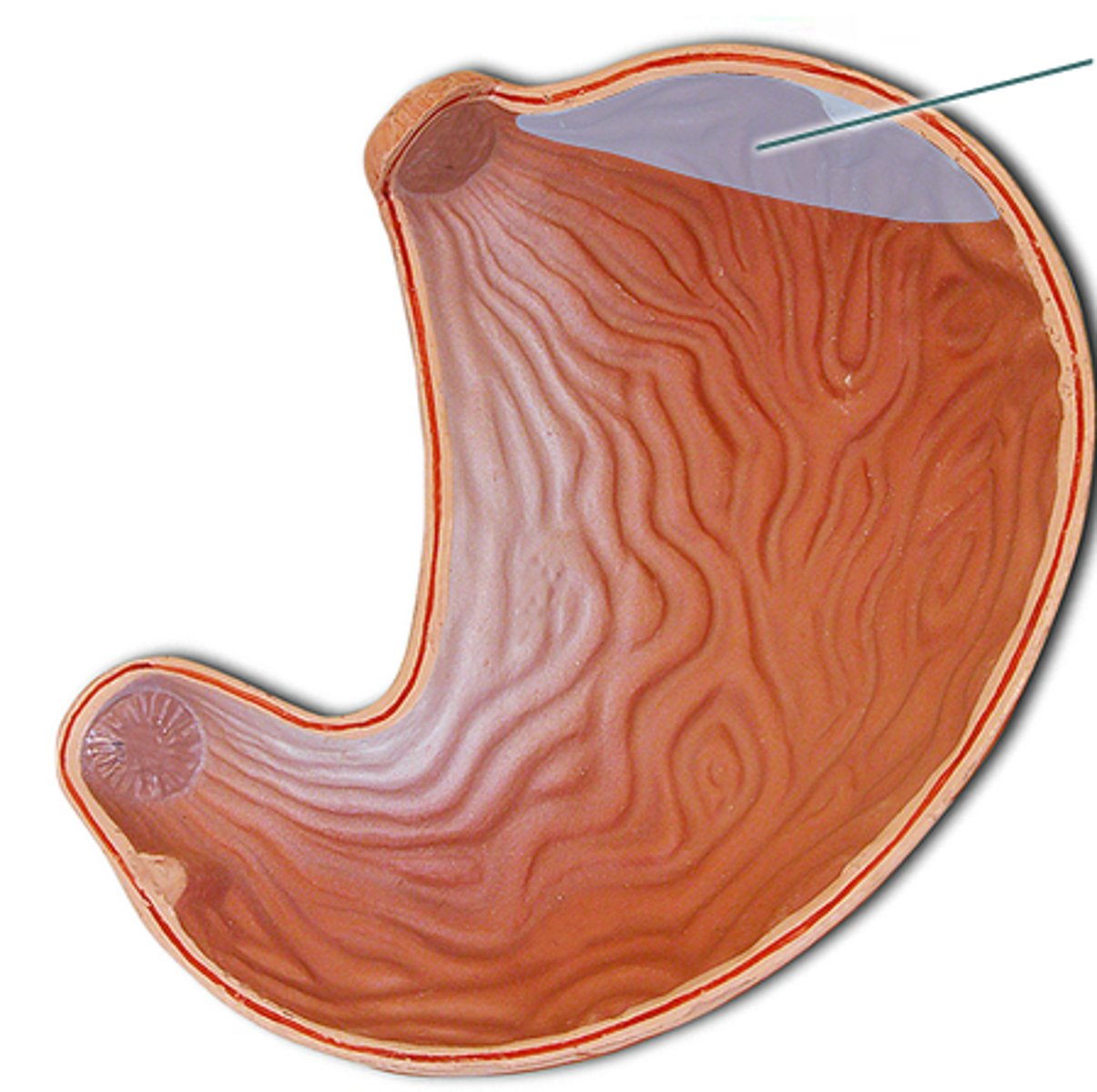
The fetus develops inside a fluid-filled, bag-like membrane called the ____________ _____.
amniotic sac
The umbilical arteries carry _________________ blood from the heart of the fetus to the placenta.
deoxygenated
What does the placenta do?
keeps the circulation of the woman and fetus separated but allows substances to pass between them
The umbilical vein carries _______________ blood from the placenta to the heart of the fetus.
oxygenated
How much amniotic fluid is in the amniotic sac?
500-1000 mL
What does the amniotic sac do?
insulate and protect the floating baby
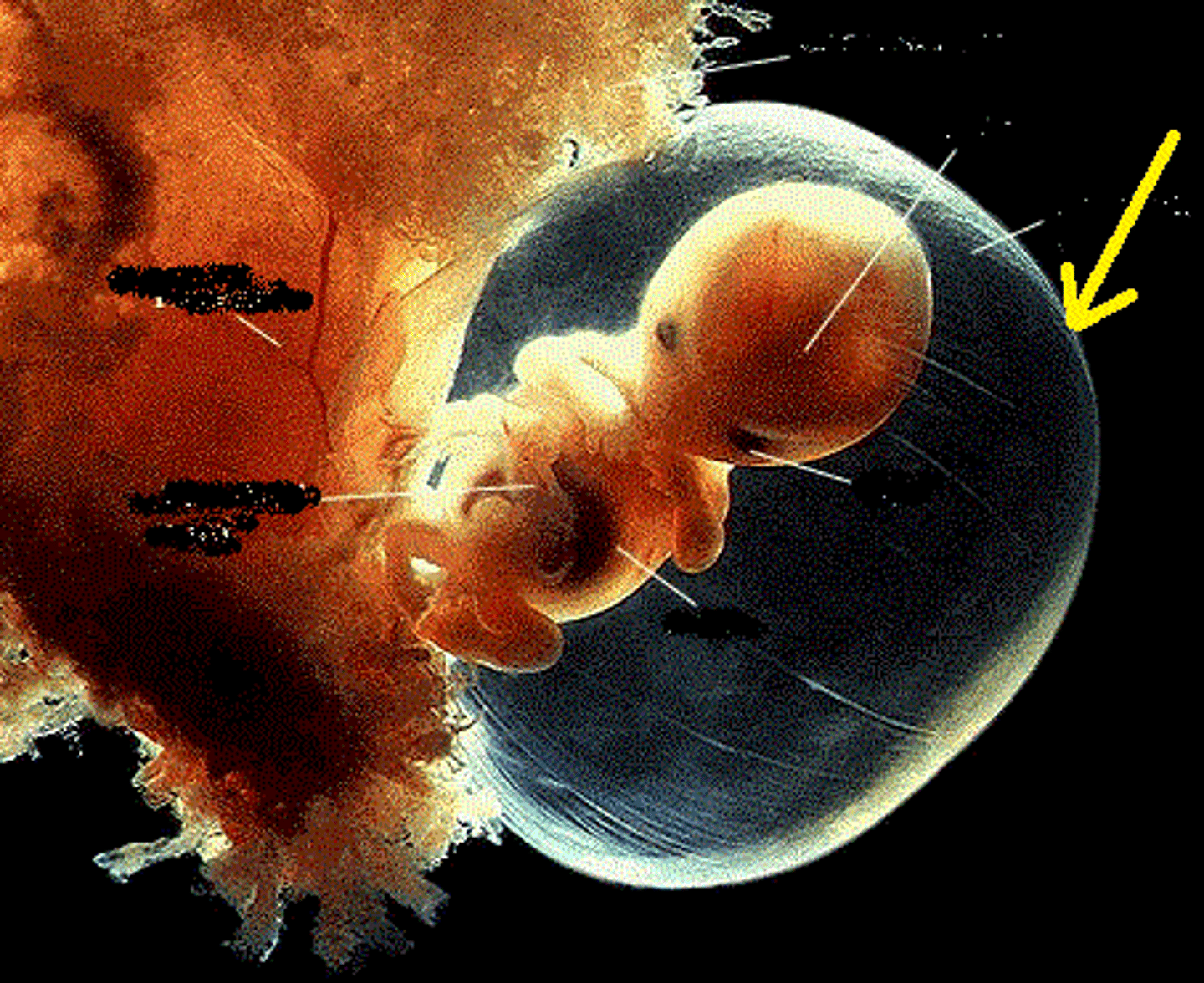
When is the amniotic sac ruptured?
beginning of labor
What do you do if the amniotic sac is still intact after baby is delivered?
pinch and twist the sac to break the water
In the reproductive system, hormone levels ______________ to support fetal development and prepare the body for childbirth.
increase
Should you bring the placenta with you to the hospital?
yes
2 multiple choice options
Rapid uterine growth occurs during the _________ ___________ of pregnancy.
second trimester
What happens to respiratory capacity during uterine growth?
-increased resp. rate
-decreased minute volumes
Blood volume may eventually increase as much as ____% by the end of the pregnancy.
50%
Does red blood cell count increase during pregnancy?
yes
What increases to protect against excessive bleeding during delivery?
speed of clotting
By the end of pregnancy, the pregnant patient's heart rate increases up to ____% to accommodate the increase in blood volume.
20%
Pregnant women are at an increased risk for _______________________ reflux, nausea, vomiting, and potential ______________ because of changes that occur in the GI tract.
gastroesophageal
aspiration
Certain hormones affect the musculoskeletal system by making the joints "__________" or ______ stable.
Certain hormones affect the musculoskeletal system by making the joints “looser” or less stable.
In the third trimester, changes in the body's center of gravity increase the risk of ______ and ______.
slips
falls
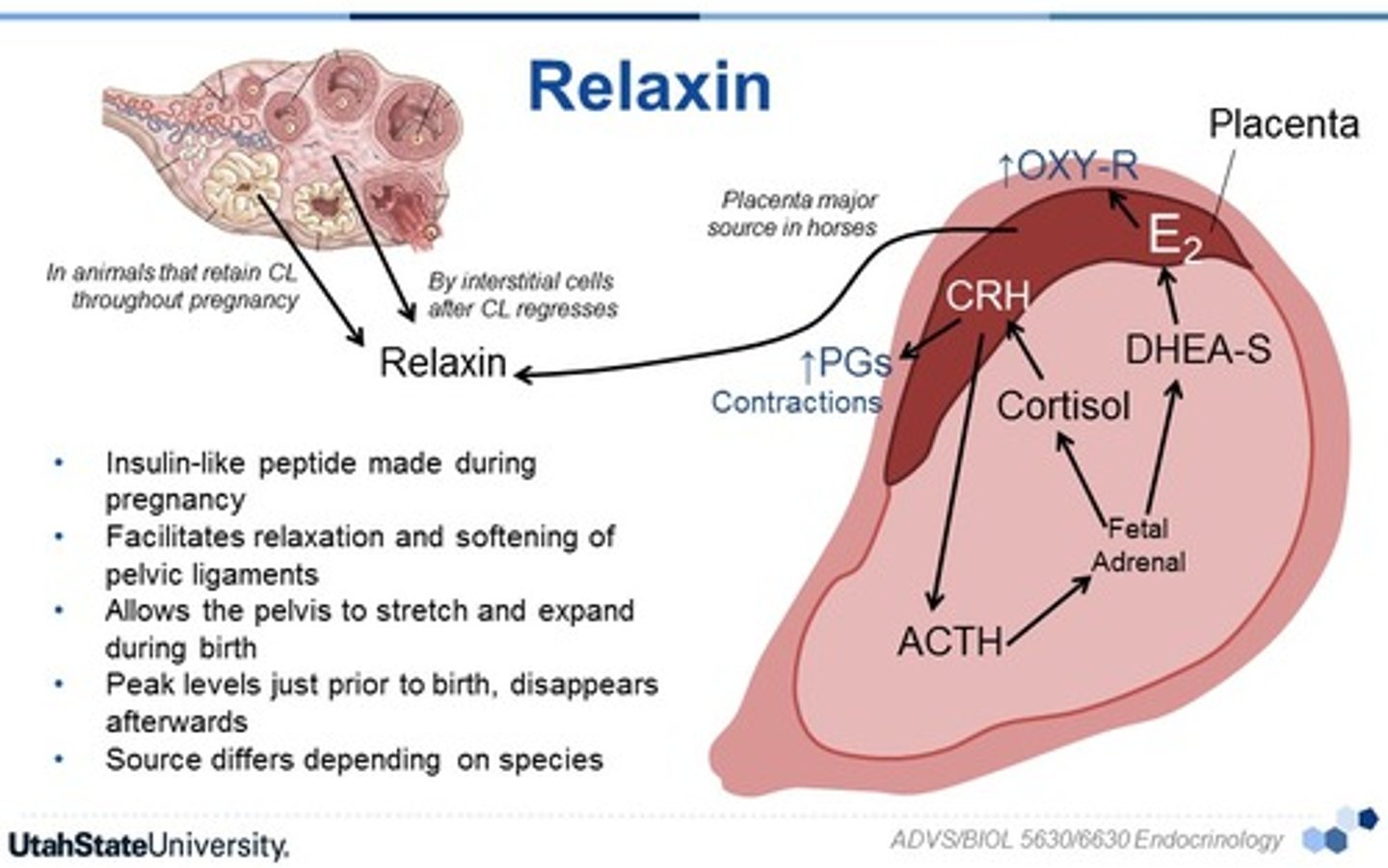
relaxin
hormone that increases the flexibility of the pubic symphysis during pregnancy
Cardiac output is significantly _______________ by the end of the pregnancy.
increased
2 multiple choice options
Patients who already have diabetes prior to becoming pregnant may find it hard to __________ ________ ___________ as fetal demand increases.
regulate blood glucose
gestational hypertension
high bp in the absence of other systemic effects
-higher than 140/90
-severe when higher than 160/110
_________________, or pregnancy-induced hypertension, can develop after the 20th week of gestation.
Preeclampsia
S/S of preeclampsia
-severe hypertension
-severe headache
-visual impairments
-edema in extremities
-upper abdominal pain
-dyspnea
-chest pain
-anxiety
-altered mental status
Eclampsia is characterized by seizures that occur as a result of ________________.
hypertension
To treat eclampsia:
-lay on left side
-maintain airway
-give O2
-suction if emesis
-rapid transport
-call ALS
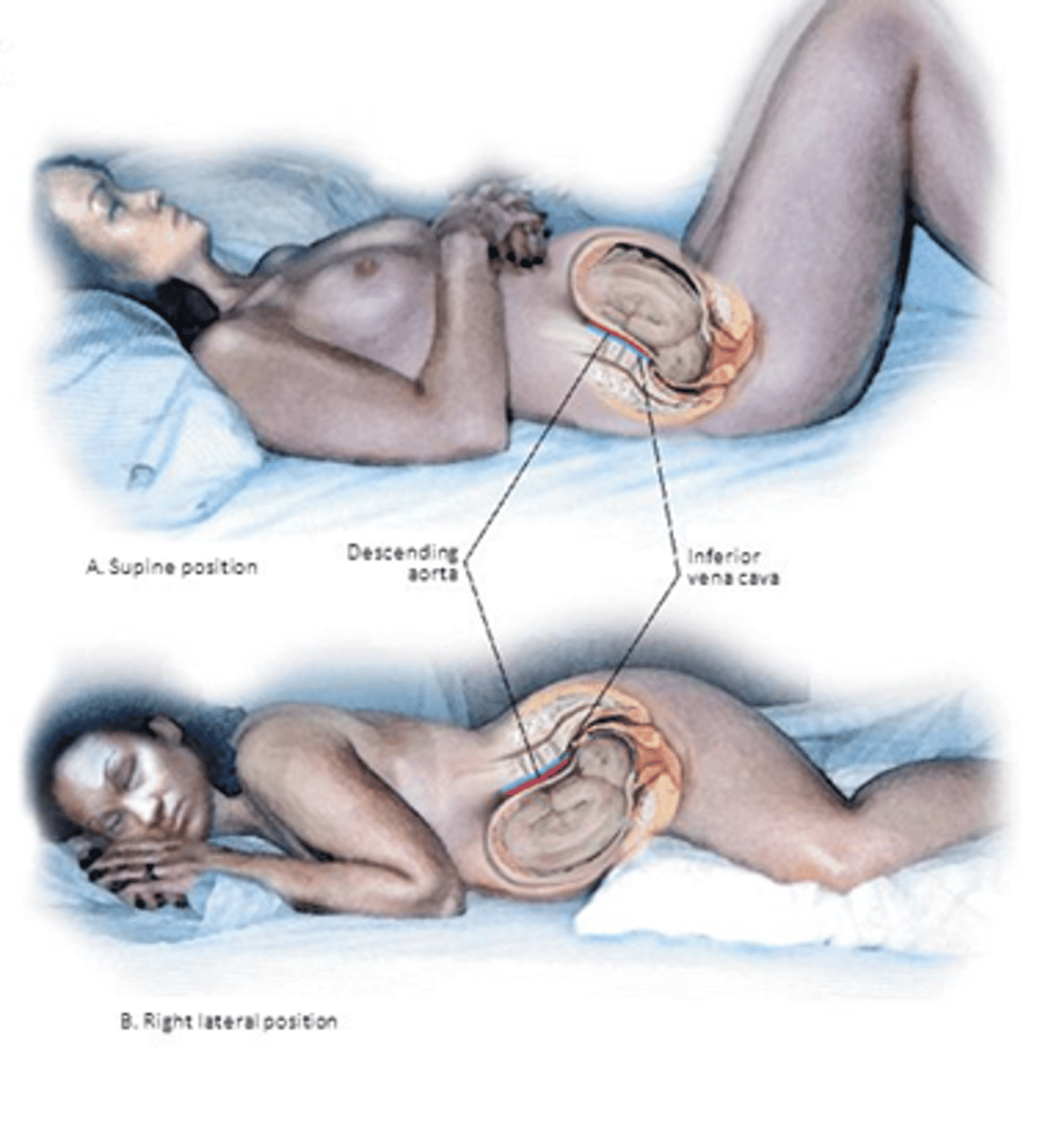
Transporting the patient on her left side can also prevent ________ _______________ syndrome.
supin hypotensive
What is supine hypotensive syndrome caused by?
compression of descending aorta and inferior vena cava by uterus w/ baby when patient is supine
Internal bleeding may be a sign of an ___________ pregnancy, when an embryo develops outside the uterus, most often in a fallopian tube.
ectopic
What is sudden onset of abdominal pain and vaginal bleeding in the first trimester be considered as?
ectopic pregnancy until proven otherwise
If a woman has missed a menstrual cycle and complains of sudden, severe, unilateral pian in the lower abdomen, what do you suspect?
possible ectopic pregnancy
What is hemorrhage from the vagina in early pregnancy a sign of?
miscarriage
What is hemorrhage from the vagina in late stages of pregnancy a sign of?
-abruptio placenta
-placenta previa
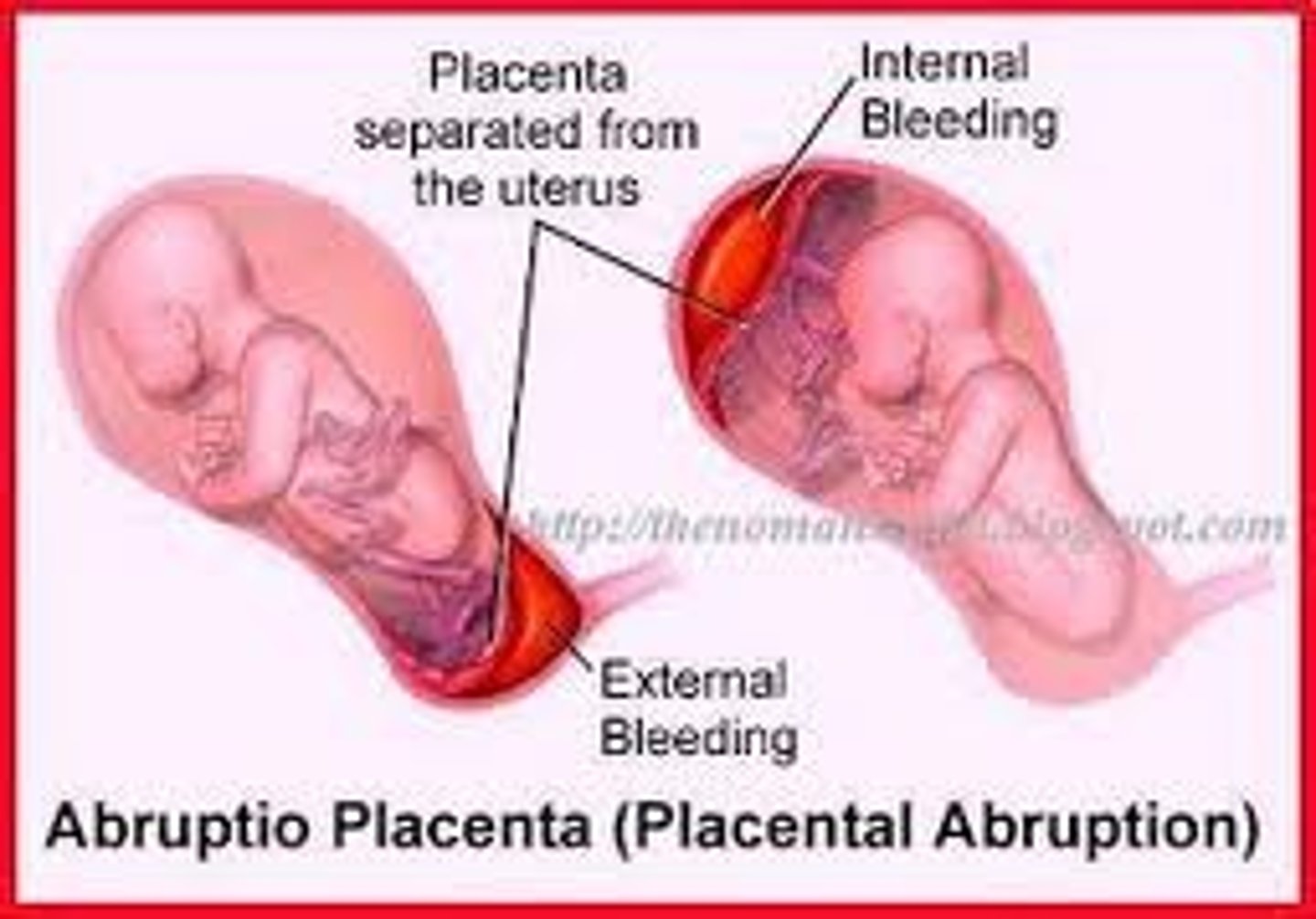
abruptio placenta
placenta separates prematurely from wall of uterus
-most commonly caused by hypertension or trauma
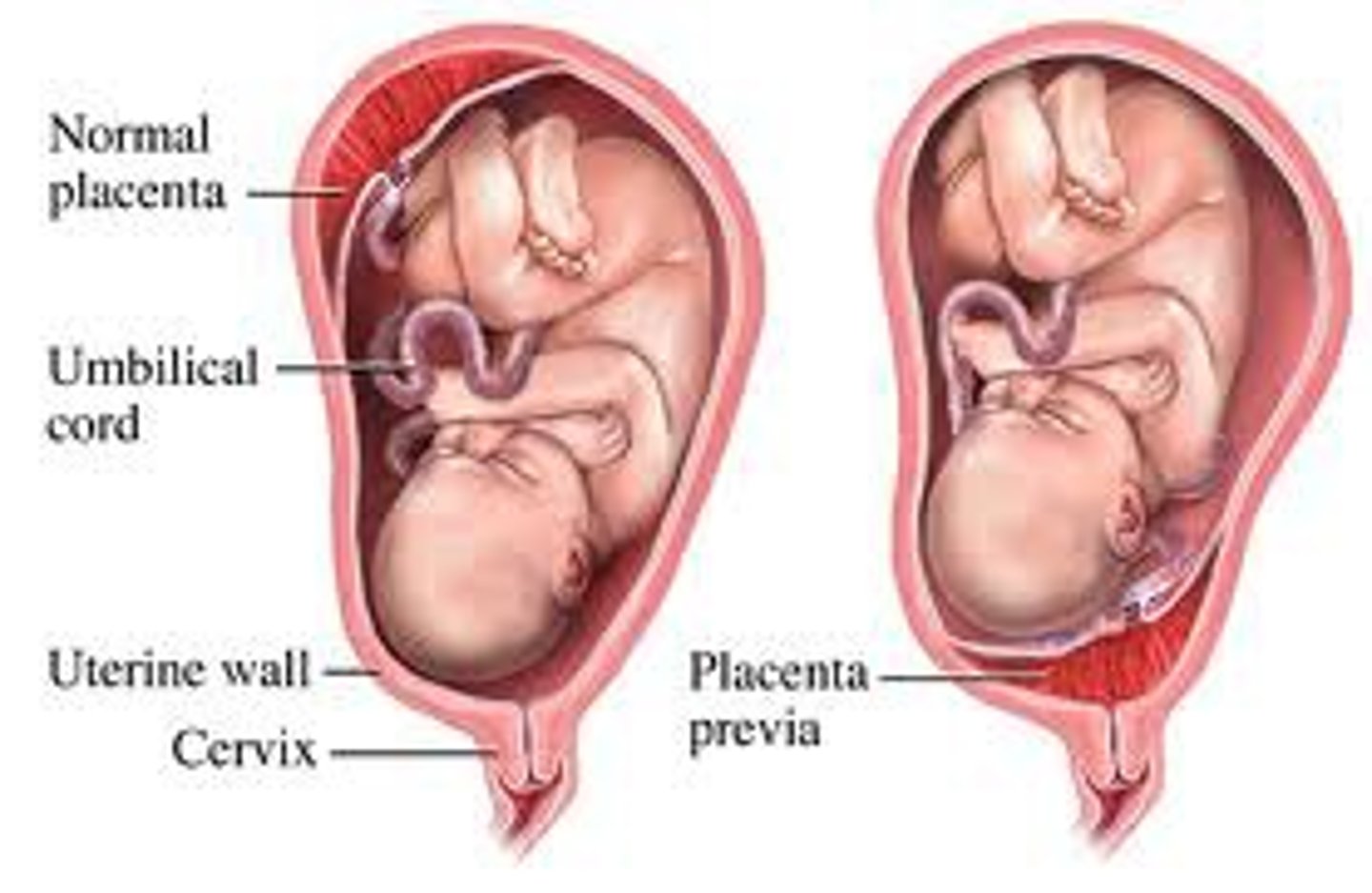
placenta previa
placenta develops over and covers the cervix
S/S of abruptio placenta
-bright red vaginal bleeding
-severe abdominal pain
-can't feel baby moving inside
When does abruptio placenta usually occur?
third trimester
Any ____________ from the vagina in a pregnant woman is a serious sign and should be treated promptly in the hospital.
bleeding
1 multiple choice option
What are complications of placenta previa?
-disseminated intravascular coagulation (DIC)
-hemorrhage
-low fetal birth weight
S/S of placenta previa
painless, heavy vaginal bleeding
_______________ abortion (miscarriage) is the loss of a pregnancy prior to ____ weeks of gestation without any preceding surgical or medical intervention.
Spontaneous
20
What are the most serious complications of spontaneous abortion?
bleeding and infection
After spontaneous abortion, bring any ________ that passes through the vagina to the hospital.
tissue
-it's the fecking baby that's why
Abuse during pregnancy increases the chance of _______________ abortion, _____________ delivery, and _____ birth weight.
spontaneous
premature
low
Pregnant patients who are abused are often ________ and may not be _________ as to how their injuries may have occurred.
scared
honest
effect of addiction on fetus
-prematurity
-low birth weight
-severe respiratory distress
-death
fetal alcohol syndrome
condition of infants born to women who have abused alcohol
clues of addicted pt
-presence of drug paraphernalia
-empty bottles
-statements made by pt or family/bystanders
When a substance abuse baby is born, what might it need?
immediate resuscitation
Pregnant women also have an increased risk of ___________ compared with nonpregnant women.
falling
In most cases of trauma, the only chance to save the fetus is to adequately .....
resuscitate the woman
When a pregnant woman is involved in a motor vehicle crash or a similarly violent mechanism of injury (MOI), severe ______________ may result from injuries to the pregnant uterus.
hemorrhage
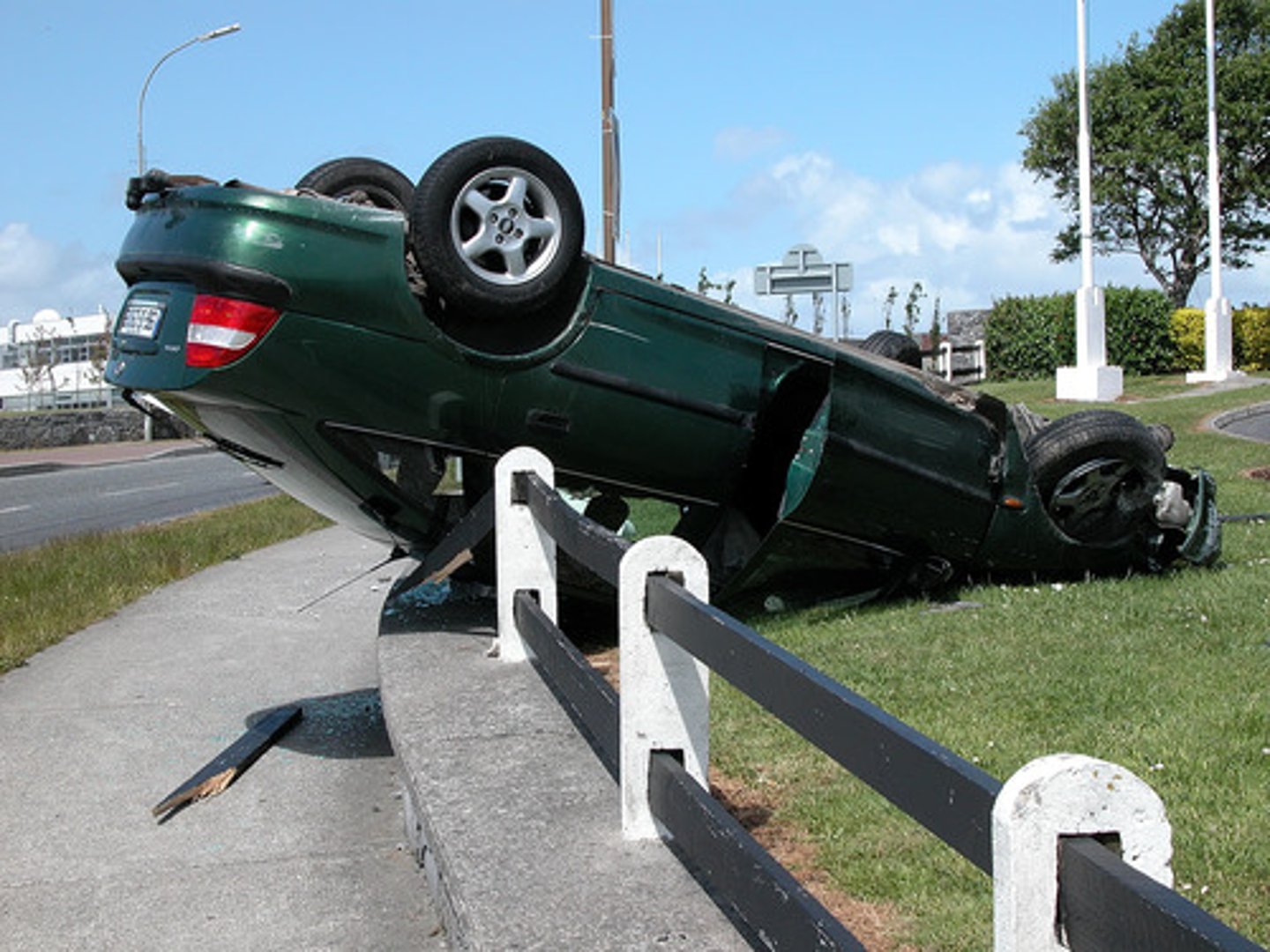
Suspect abruptio placenta when the MOI is blunt trauma to the ____________ and the patient’s signs and symptoms are suggestive of shock.
abdomen
Improper positioning of the _____ ______ can result in injury to a pregnant woman and the fetus if they are involved in a motor vehicle crash.
seat belt
If a woman is in the last month or two of pregnancy, compressions during CPR may need to be applied a little __________ on the sternum than usual.
higher
If transporting a pregnant woman by backboard, tilt 30 degrees to the ______.
left
Pregnant ______________ may not know they are pregnant or may be in denial about it.
teenagers
During an uncomplicated birth, life-threatening conditions involving the woman’s ____________ and ____________ are not usually an issue.
airway
breathing
If delivery is imminent, you must prepare to deliver at .....
the scene
The ideal place to deliver an infant is in the security of your ______________ or the privacy of the woman's ______.
ambulance
home
If delivery is not imminent, prepare the patient for ______________, and perform the remainder of the assessment en route to the emergency department.
transport
rapid transport for pregnant pts with:
-significant bleeding/pain
-hypertension
-seizure
-altered mental status
PLEDGEBOW (questions for pregnant pt)
Prenatal care?
Last menstrual cycle?
Expected due date?
Drugs/allergies?
Gravida? (# of pregnancies) Parra? (# of kids)
Expected complications?
Break? (amniotic sac)
Odor/color? (amniotic fluid)
When? (breaking of amniotic sac)
What do you ask about when speaking of contractions?
frequency?
duration?
The closer the contractions get and the longer they are.....
the baby is coming out soon
Green amniotic fluid is due to.......
meconium (fetal stool)
If you see crowning, where are you delivering?
on scene
The presence of meconium can indicate newborn ___________, and it is possible for the fetus to aspirate meconium during delivery.
distress
low blood pressure can indicate
shock
For a pregnant patient with a complaint unrelated to childbirth, be sure to include the ______________ _________ of the patient in your radio report.
pregnancy status
3 stages of labor
1. dilation of cervix
2. delivery of fetus
3. delivery of placenta
When baby comes out, immediately check for
the umbilical cord
The onset of labor starts with
contractions of the uterus
false labor (Braxton-Hicks contractions)
-contractions not regular and don't increase intensity or frequency
-pain and contractions start and stay in lower abdomen
-physical activity/change in position may alleviate pain and contractions
-bloody show is brownish
-leakage of fluid
The first stage begins with the onset of ________________ and ends when the _________ is fully ___________.
contractions
cervix
dilated
1 multiple choice option
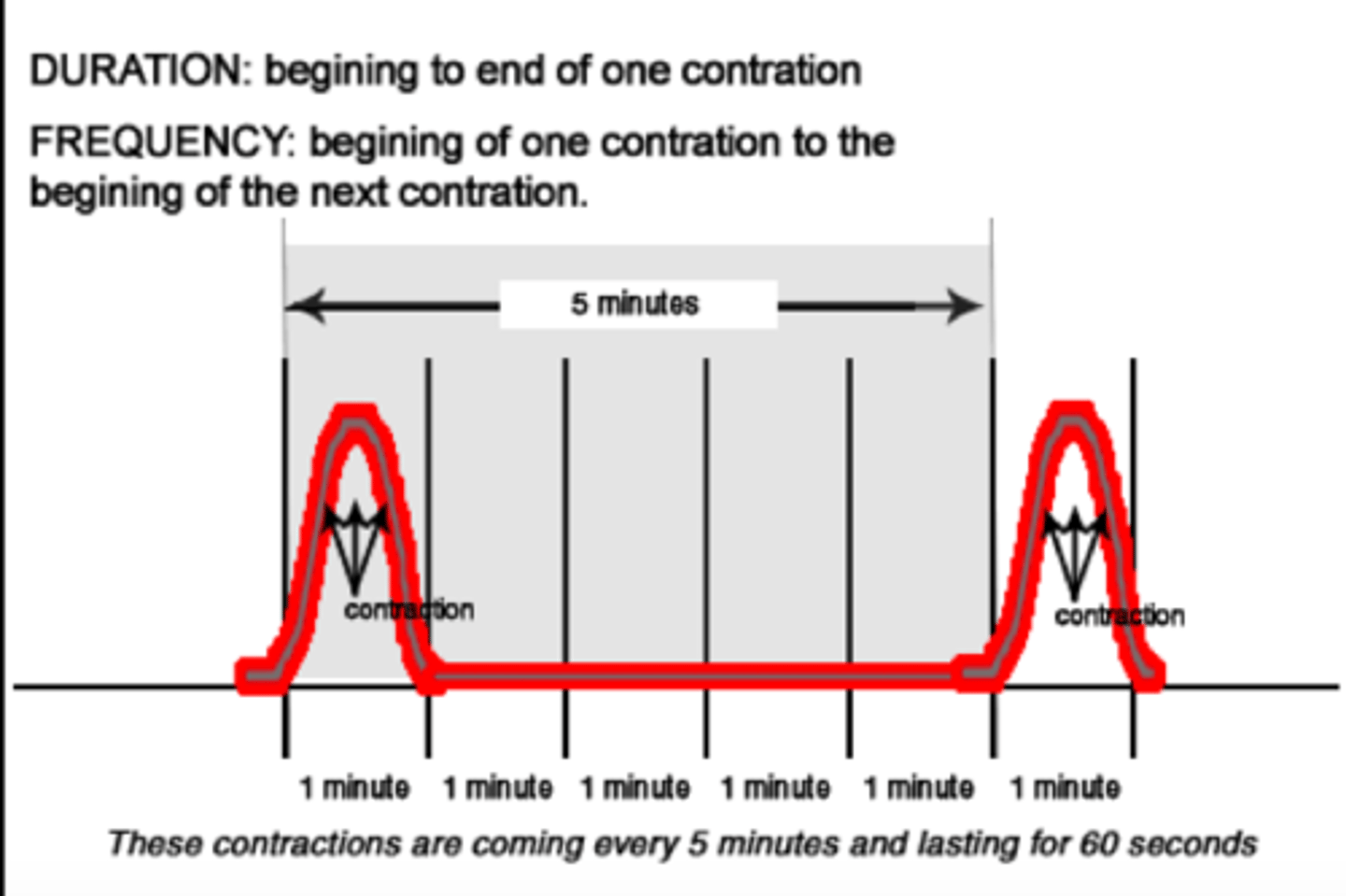
duration of contraction
beginning to end of one contraction
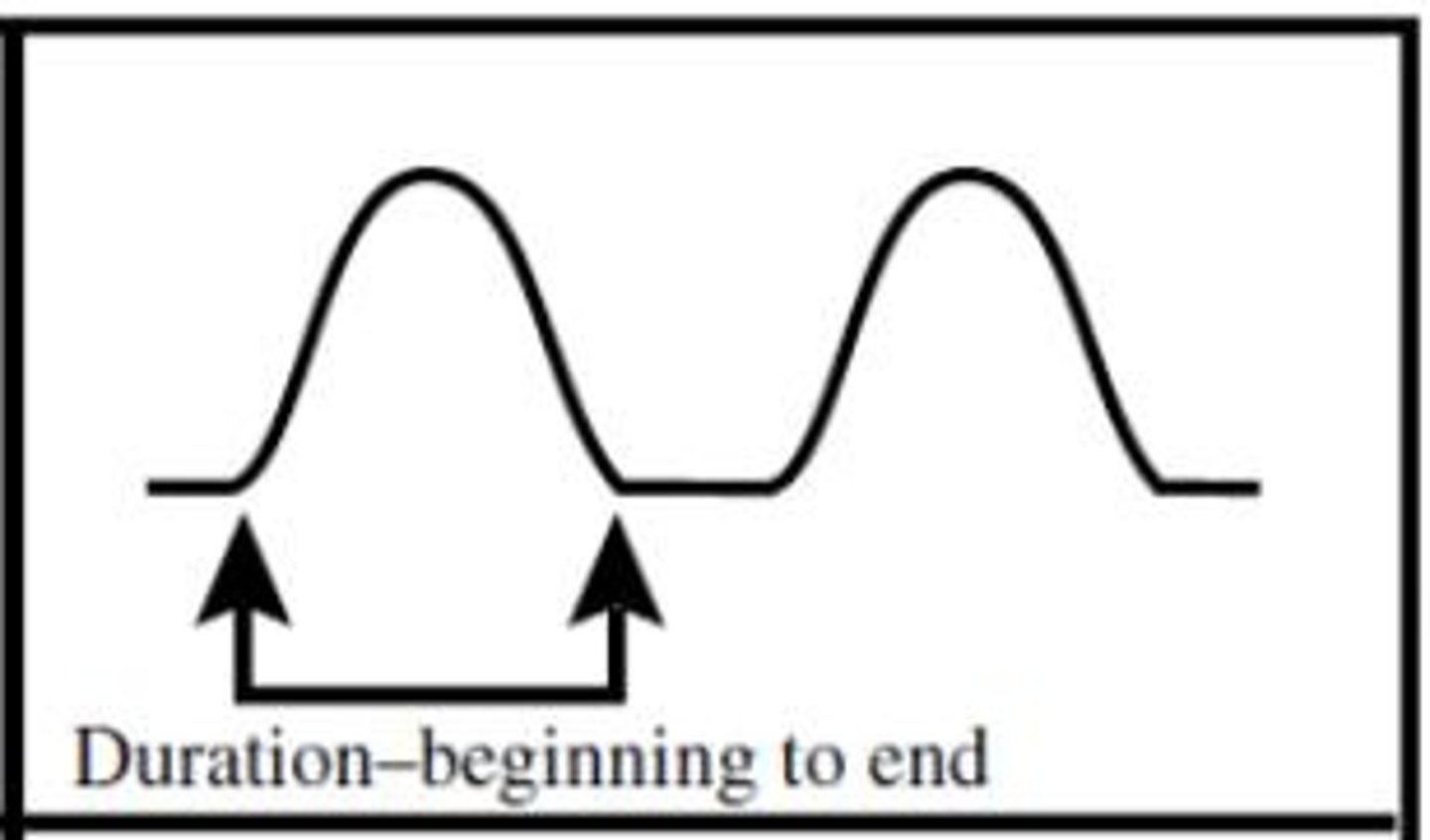
frequency of contractions
beginning of one contraction to the beginning of the next
Labor is generally longer in a ________________ than in a _________________.
primigravida (first time pregnancy)
multigravida (pregnant more than once)
During 3rd stage of labor, the placenta must _______________ ____________ from the uterine wall.
completely separate
Can you transport while waiting for placenta delivery?
yes
1 multiple choice option
During the 2nd stage of labor, the perineum will begin to ________ significantly, and the top of the fetus's _______ should begin to appear at the vaginal opening (crowning).
bulge
head
Once labor has begun, it ________ be slowed or stopped.
can't
3 multiple choice options
Your emergency vehicle should always be equipped with a
sterile OB kit
When delivering, place pt on a firm surface that is padded with
blankets, sheets, and towels
When delivering, support the ....... with pillows and blankets.
head, neck, and upper back
When delivering, have her keep her legs and hips _________, with her feet ______ on the surface beneath her and her knees _________ ________.
flexed
flat
spread apart
When delivering, put on a protective face shield and gown. As time allows, place __________ or _________ on the floor around the delivery area to help soak up body _________ and to ___________ the woman and the newborn.
towels or sheets
fluids
protect
When delivering, remind pt to take _______, ________ breaths during each contraction but not to strain.
quick, short
When delivering the head, place your sterile gloved hand over the .......... of the head to control the delivery of the head.
emerging bony parts
When delivering the head, be careful that you don't poke your finger into the newborn's ______ or the ________________.
eyes
fontanelles
As soon as the head is out, check the
umbilical cord
What is the largest part of a fetus?
the head
When delivering, support the _______ and _________ _______ as the shoulders deliver. Do not ______ the fetus from the birth canal.
head
upper body
pull