cell differentiation/chromosomes test review
 Call Kai
 Learn
Learn Practice Test
 Spaced Repetition
 Match
Match Flashcards
 Knowt Play
1/52

There's no tags or description
Looks like no tags are added yet.
Name | Mastery | Learn | Test | Matching | Spaced | Call with Kai |
|---|
No analytics yet
Send a link to your students to track their progress
53 Terms
what is cell differentiation?
the process of unspecialized cells becoming specialized to do specific jobs
what are examples of cell differntiation?
white blood cells
fat cells
nuerons
why do cells specialize?
for cells to be able to do certain jobs for the cell (communicating w/ other cells, aiding organism, etc)
allow different cells to perform different functions to help the overall survival/function of the organism
totipotent defintition
stem cells that are formed from its first few cell divisions
can develop into ANY other cell type AND placenta
totipotent ex
fertilized egg/zygote
multipotent definition
limited in potency, can only become the cell type within a specific tissue, multiple cells
multipotent ex
brain, hair follicles, muscles (in adults)
pluripotent definition
formed from totipotent stem cells as they start to differentiate (divide more and more), which eventually makes them pluripotent
can develop into MOST (not all) of the body’s cell types, NOT placenta
pluripotent ex
blastocyst, umbilical cord
what are differentiated cells?
cells that result from cell differentiation and that are specialized to do a specific function
ex. red blood cells, skin cells, neurons
independent assortment definition
happens during anaphase 1 and 2
chromosomes separate without regard for other non-homologous chromosomes
what are the phases of meiosis in order?
PMAT + cytokinesis
PMAT 2 + cytokinesis 2
prophase I
chromosomes condense ans thicken
chromosomes also line up with their homologous pairs
metaphase I
chromosomes move to the middle of the cell (in pairs); NOT in a single file line
anaphase I
chromosome pairs are pulled from the spindle fibers
telophase I
2 newly formed cells (nuclei)
cytokinesis I
splitting the cytoplasm
prophase II
doesnt have homologous pairs
doesnt cross over
metaphase II
chromosomes line up in the middle in a SINGLE FILE
anaphase II
sister chromatids are separated by the spindle fibers
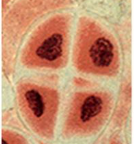
telophase II
nuclei/cells reform
2 cells divide to create 4
cytokinesis II
completely splits cytoplasm
what leads up to the formation of haploid cells in meiosis?
meiosis starts out with diploid, which is then divided through PMAT to make haploid
haploid definition
1 set of chromosomes
diploid definition
2 sets of chromosomes
meiosis v mitosis
meiosis
creates sex cells, genetic diversity
unique cells, PMATx2
sexual reproduction, makes haploids
both
goes through PMAT
mitosis
creates human cells (somates)
repairs damaged cells
PMATx1
asexual reproduction
identical cells
creates diploids
what is a rule about haploids?
haploids can only match with another haploid
meiosis in males
sperm can only be produced AFTER puberty
creates 4 gametes (sperm) each cycle of meiosis
division is symmetrical
meiosis in females
females only born with a certain amount of cells for life
creates 1 oocyte/egg (that is fertilized)
the other 3 cells that are produced are polar bodies + not fertile/viable
division is asymmetrical
meiosis in female v male ex
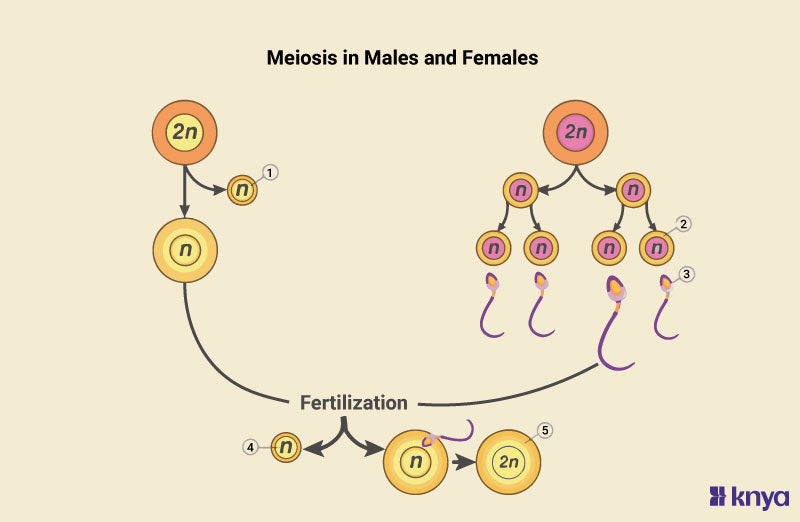
asexual v sexual reproduction
asexual
ex. mitosis (DNA replication)
46 chromosomes
goes through PMAT x1
sexual
ex. meiosis (DNA duplicates)
46 chromosomes
goes through PMAT x2
internal fertilization
sperm fertilizes egg inside female body
ex. mammals, birds, reptiles
external fertilization
egg/sperm releases outside of the body, (usually in water)
ex. fish, amphibians
what are the advantages of internal fertilization?
higher survival rate
works on land
parental care (more of it)
what are the disadvantages of internal fertilization?
fewer offspring
more energy per offspring
risk to parents
what are the advantages of external fertilization?
lots of offspring
less energy per offspring
what are the disadvantages of external fertilization?
low survival rate
wasted gametes
works only in aquatic environments
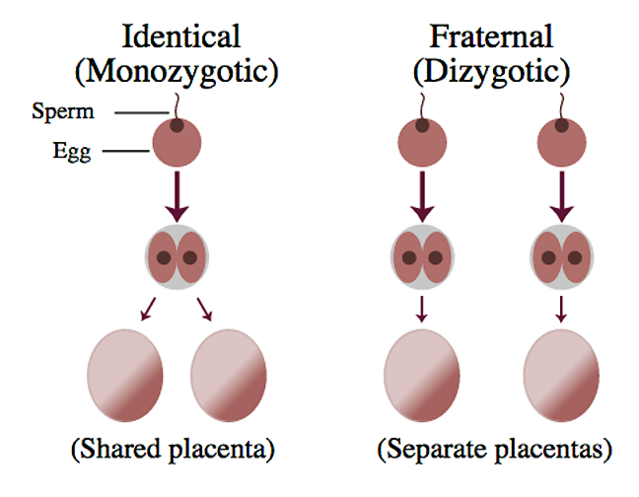
what is the difference between monozygotic and dizygotic twins?
monozygotic = 1 egg, identical
dizygotic = 2 eggs, fraternal
monozygotic v dizygotic twins ex
what are chromosomes made up of?
made up of 2 identical chromatids
DNA and proteins
when does the formation of chromosomes happen?
during prophase I
how many chromosomes does a human have?
46 in total, can vary if there is chromosome anomalies
female chromosomes
XX
male chromosome
XY
how does nondisjunction occur?
when homologous pairs don’t separate properly and if they don’t go into different cells (meiosis I)
sister chromatids are supposed to slide apart and if they don’t, that is nondisjunction (meiosis II)
how is sex determined?
by chromosomes
SRY Gene (if active, male)
prophase 1 picture
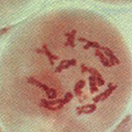
anaphase II picture
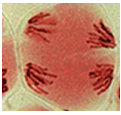
metaphase II picture
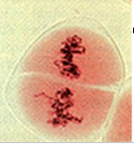
cytokinesis/telophase II picture
what are 2 events in meiosis that lead to genetic diversity?
independent assortment
crossing over
after fertilization, is a cell a diploid or haploid?
diploid
the purpose of meiosis is to ___ chromosomes and ___ genetic material
reduce, recombine