Unit 2 - Ideas for Research
 Call Kai
 Learn
Learn Practice Test
 Spaced Repetition
 Match
Match Flashcards
 Knowt Play
1/11

Earn XP
Description and Tags
Name | Mastery | Learn | Test | Matching | Spaced | Call with Kai |
|---|
No analytics yet
Send a link to your students to track their progress
12 Terms
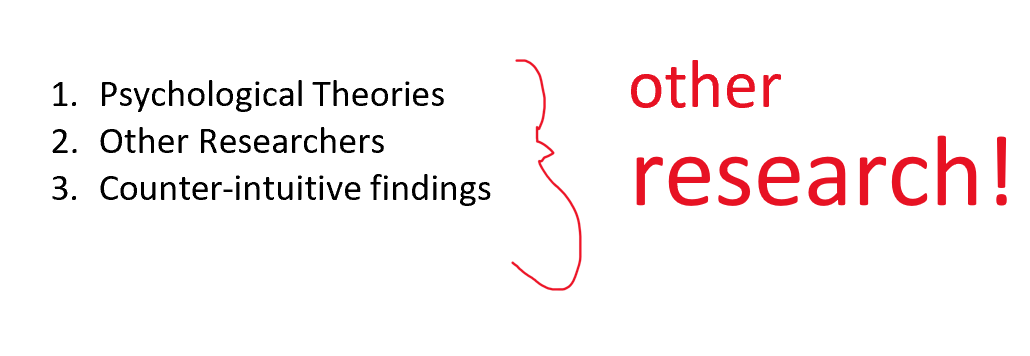
Where do research ideas come from?
Your experience
Casual observation of others and the world
Practical problems- like homelessness
Many from OTHER RESEARCH!
Psychological theories
Other researchers (reading works, conversations)
Counter-intutitive findings (believing the opposite is true)

Where do ideas come from?
The spectrum of trustworthiness
Academic Literature Review
Old School search strategy

The spectrum of trustworthiness
____________________ - The idea that some research sources are more trustworthy than others
From LEAST TO MOST trustworthy:
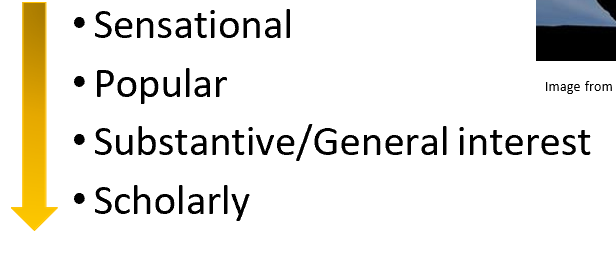
Sensational
Popular
Substantive News/general interest
Scholarly
Sensational sources
References to sources are usually obscure
Often in newspaper format
Written by variety of authors
Elementary, inflammatory language geared to gullible audience
Support from pseudoscientific sources
Commercially published to play to popular trends
Flashy, astonishing headlines
Examples: National Enquirer, Globe, Star, Weekly World News

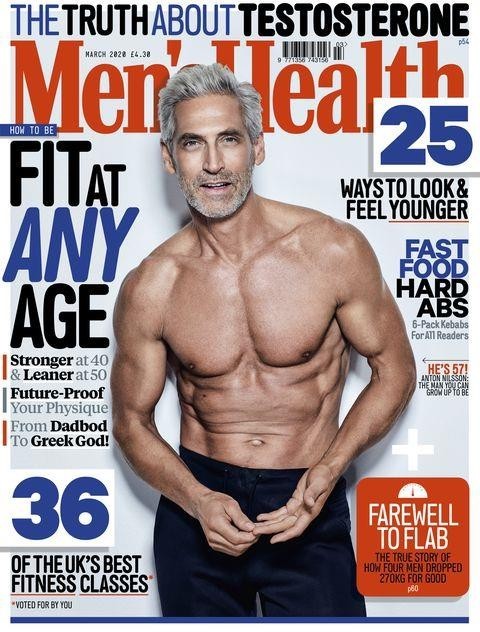
Popular sources
Often have a slick, attractive appearance with many photographs
Sources are rarely, if ever, cited
Written by a wide range of authors who may or may not have expertise in an area
Written in simple language with short articles geared to audience with minimal education
Research may be mentioned, but it may come from an obscure source
Published commercially with the intent to entertain the reader, sell products, or promote a viewpoint
Examples: Parents, Women’s/Men’s Health Reader’s Digest
Substantive news/general interest sources
Attractive appearance, usually with photographs
Sources are sometimes cited
Articles written by members of editorial staff, scholar, or free-lance writer
Language geared to educated audience, but no specialty assumed
Do not report original research, report on research in format geared to a general audience
Published by commercial publishers or individuals, but some from professional organizations
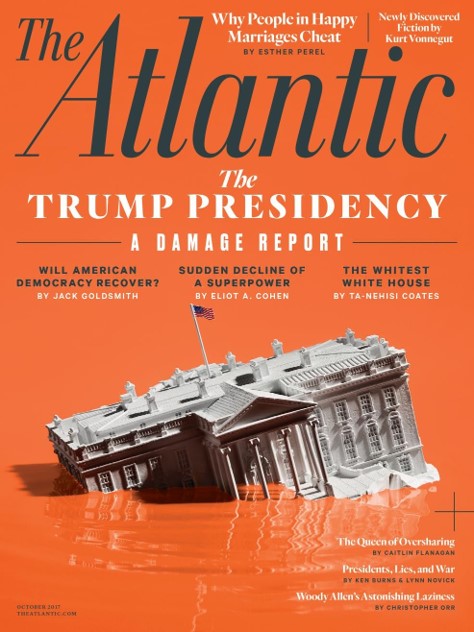
Examples: National Geographic, Scientific American, New York Times, The Atlantic
Scholarly sources
Sober, serious look with graphs and tables
Reference citations always provided
Written by a scholar in the field or someone who has done research in the field
Language of the discipline, assuming a scholarly background of the reader
Report original research
Many, but not all, published by professional organizations
Examples: Journal of Personality and Social Psychology, Child Development, Journal of Experimental Psychology
Academic Literature Review
Source for research ideas and to support the research ideas we have developed. Even within the academic literature, there are varying degrees of trustworthiness
Peer-reviewed journals, some of the best have rejection rates of 90%
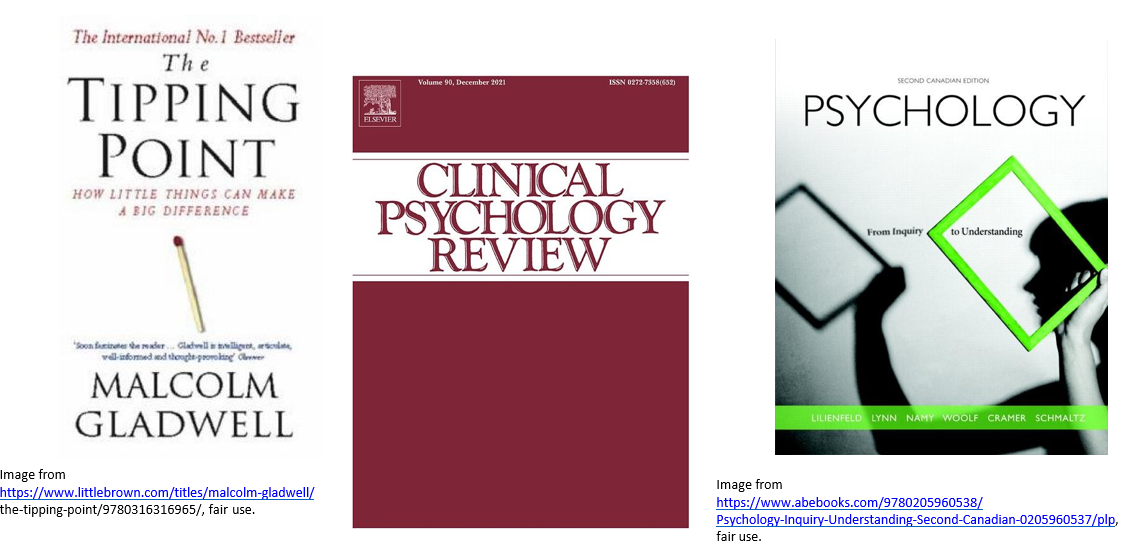
Clinical Psychology Review, Journal of Pediatric Psychology
Others have less rejection
Psychological Reports, Bulletin of Psychonomic society, Journal of Social Psychology
Predatory journals
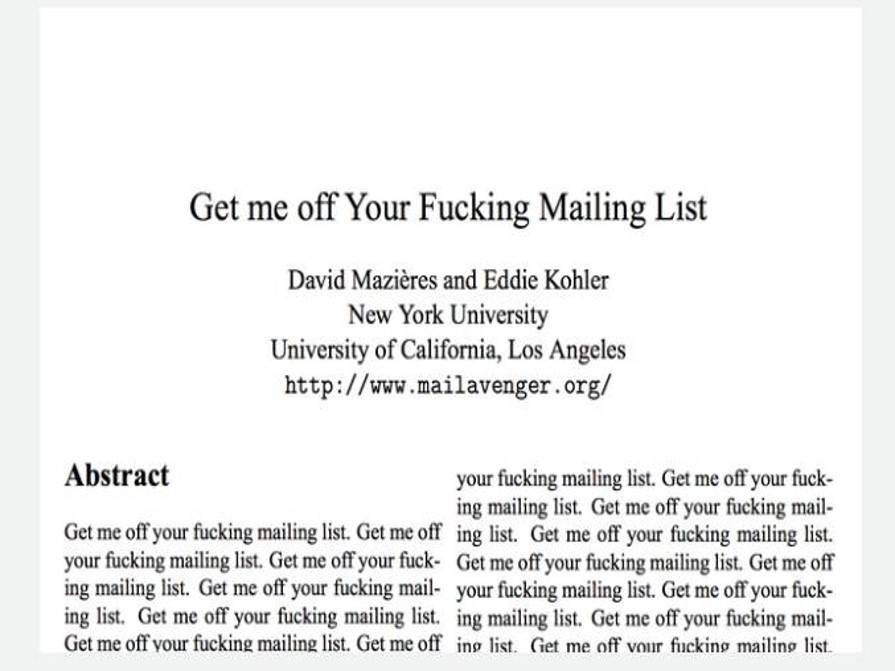
_________________ publish literally anything and lots of people in academia are filled with these requests to submit things/publish in these journals
Bottom feeders of the academic world
Reputable journals don’t ask authors to submit to them– its meant to be the other way around
People have submitted gibberish articles that make no sense or things that are clearly wrong
Get me off your f*ing mail list,

Secondary sources
__________________ - Some sources are summarizing sources, or textbooks (like intro to psych textbook into a concise summary)… can be very good
These sources don’t generate any of their own resource, but summarizes research done by others
Issues with secondary sources
__________________________ can sometimes misconstrue what primary sources say.
Example: Little Albert… -- he was classically conditioned to fear white rabbits and white rats
Some introductory textbooks get details wrong– some say that Little Alberts fear went away, but it didn’t go away his mother just pulled him from the experiment.
Old School Search Strategy
__________________ - Back in the day… looking in libraries
A good way to look for sources is to look for other sources cited in it
Google Scholar is a good source that generates a large collection of articles from academic literature
A best strategy is to look at who has cited the articles published, and look at the others who cited that article because it can be useful