Anatomy Quiz 3: Facial Arteries/Veins, Eye, Ear, Nose and Sinus
 Call Kai
 Learn
Learn Practice Test
 Spaced Repetition
 Match
Match Flashcards
 Knowt Play
1/212

There's no tags or description
Looks like no tags are added yet.
Name | Mastery | Learn | Test | Matching | Spaced | Call with Kai |
|---|
No analytics yet
Send a link to your students to track their progress
213 Terms
levator palpebrae superioris
identify E
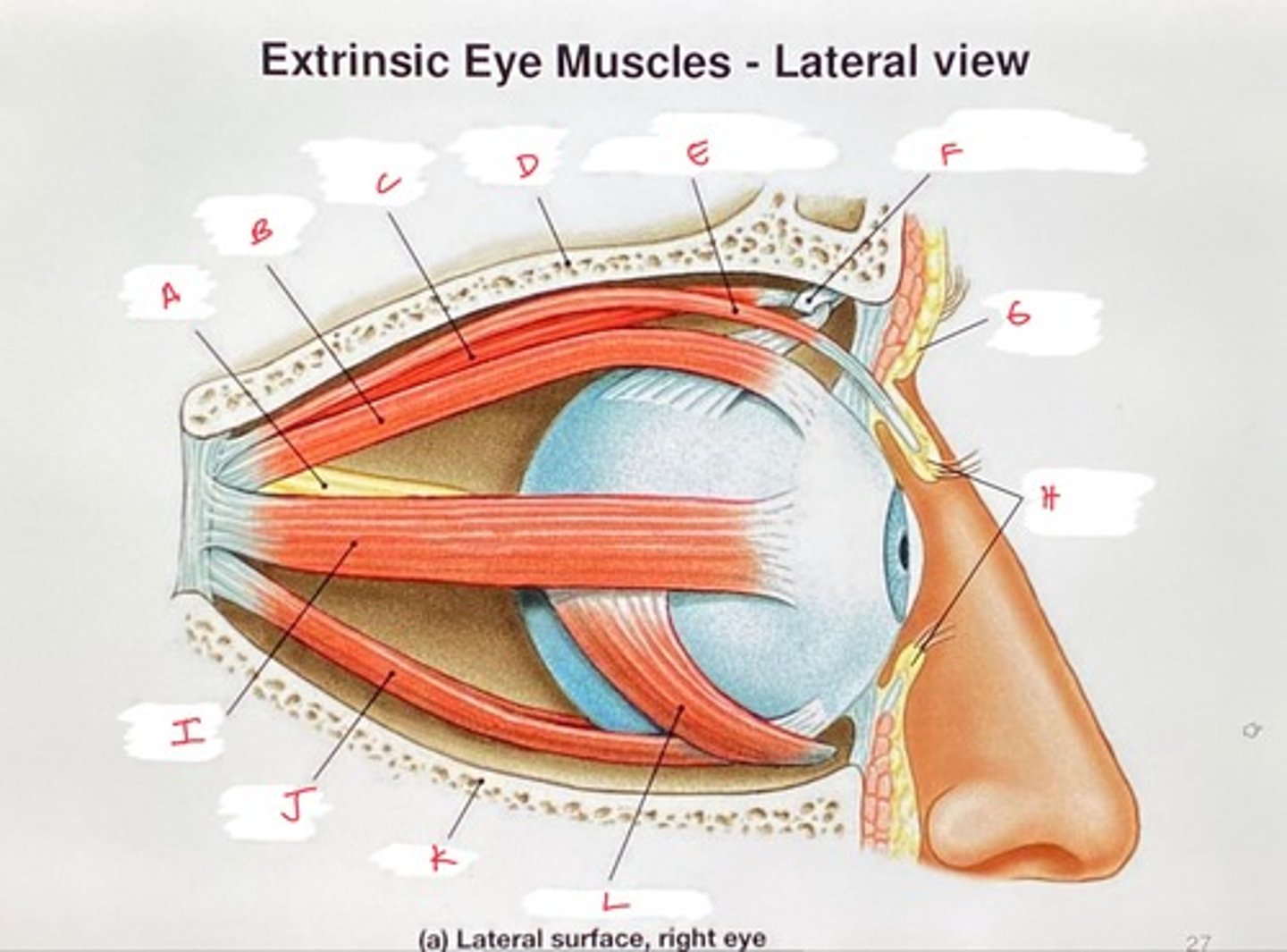
superior rectus; up and in
identify muscle; which direction does the pupil move?
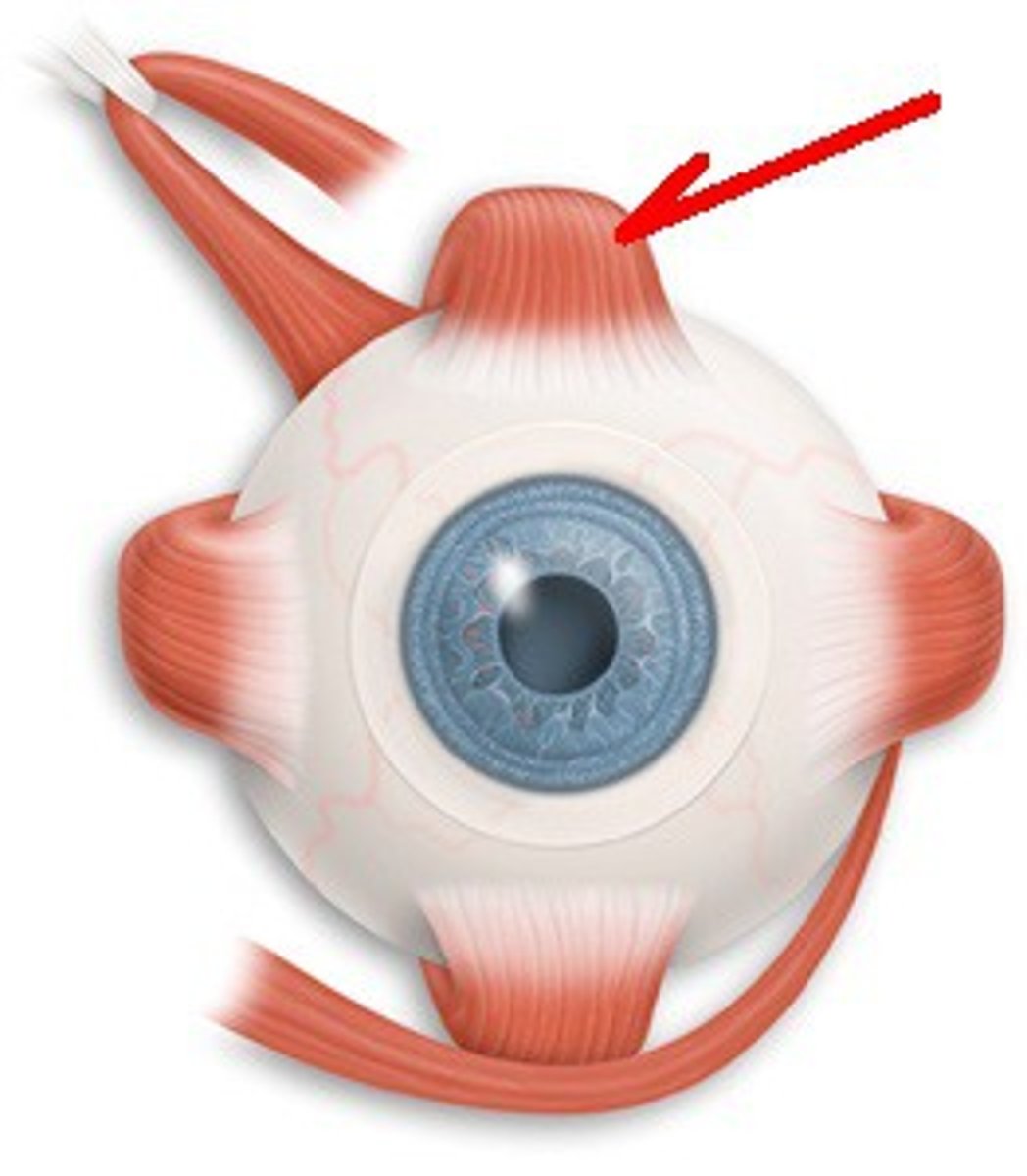
inferior rectus; down and in
identify muscle; which way does the pupil move?
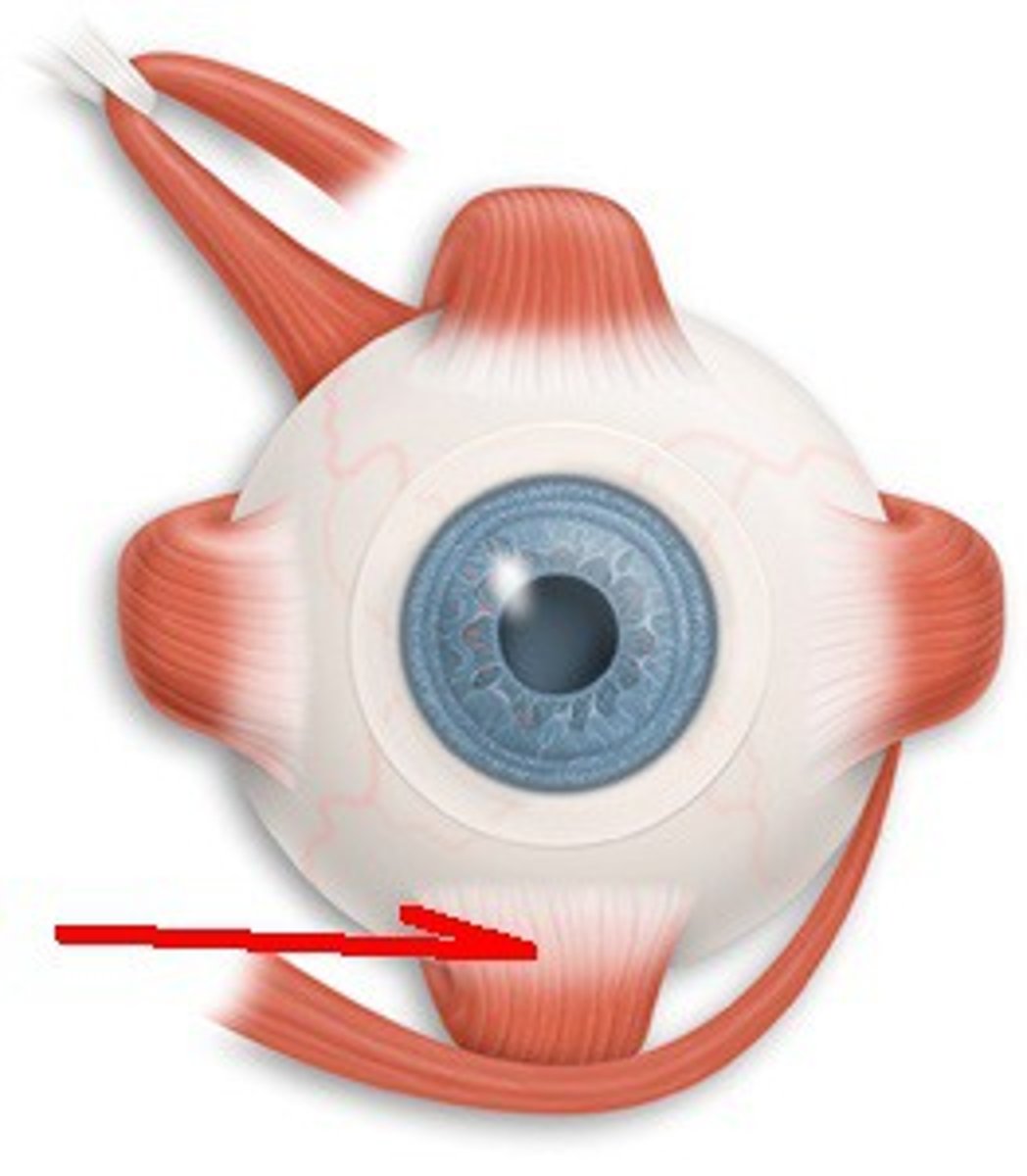
lateral rectus; out/laterally
identify muscle (right eye); which way does the pupil move?
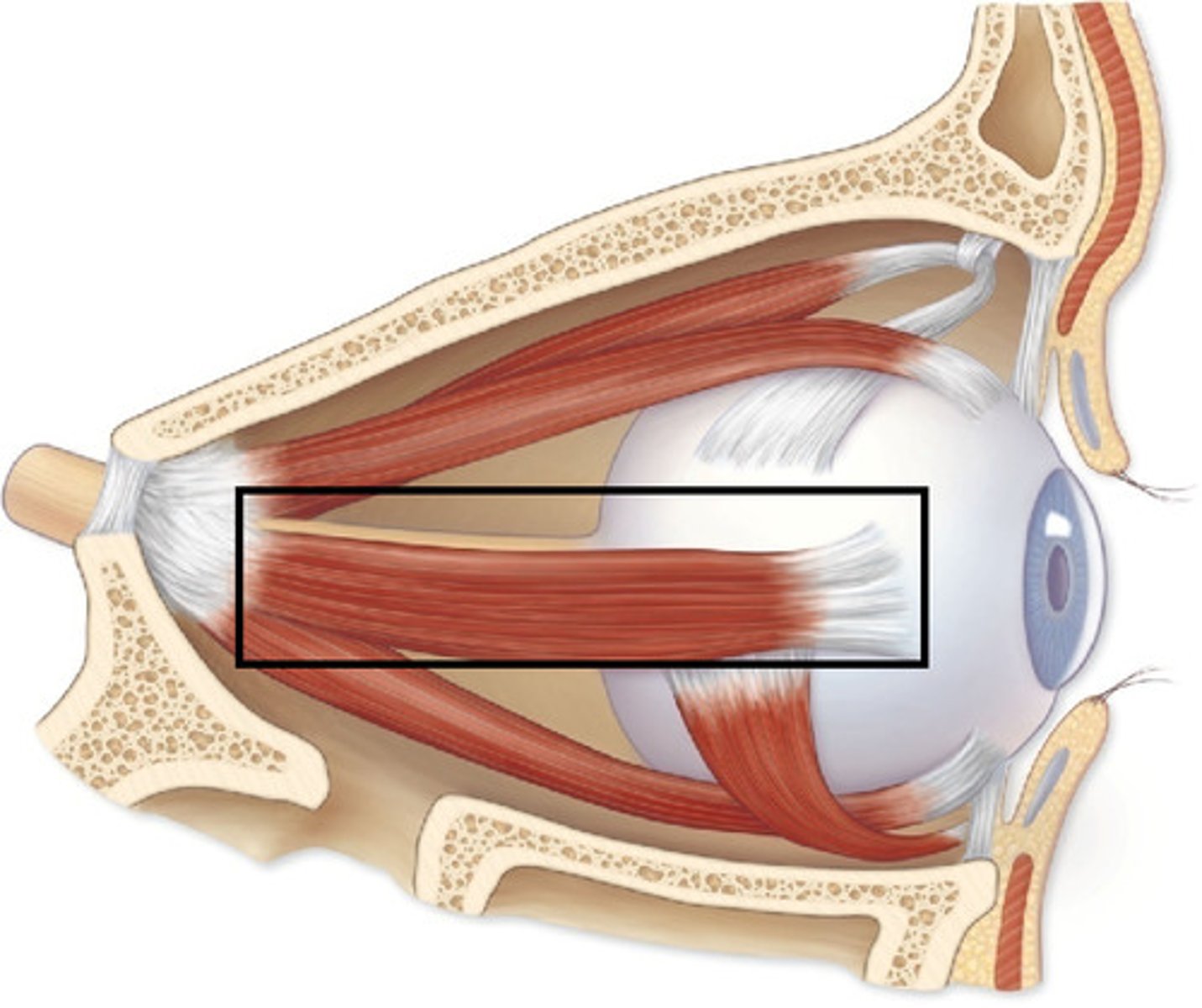
medial rectus; in/medially
identify D (right eye); which way does the pupil move?
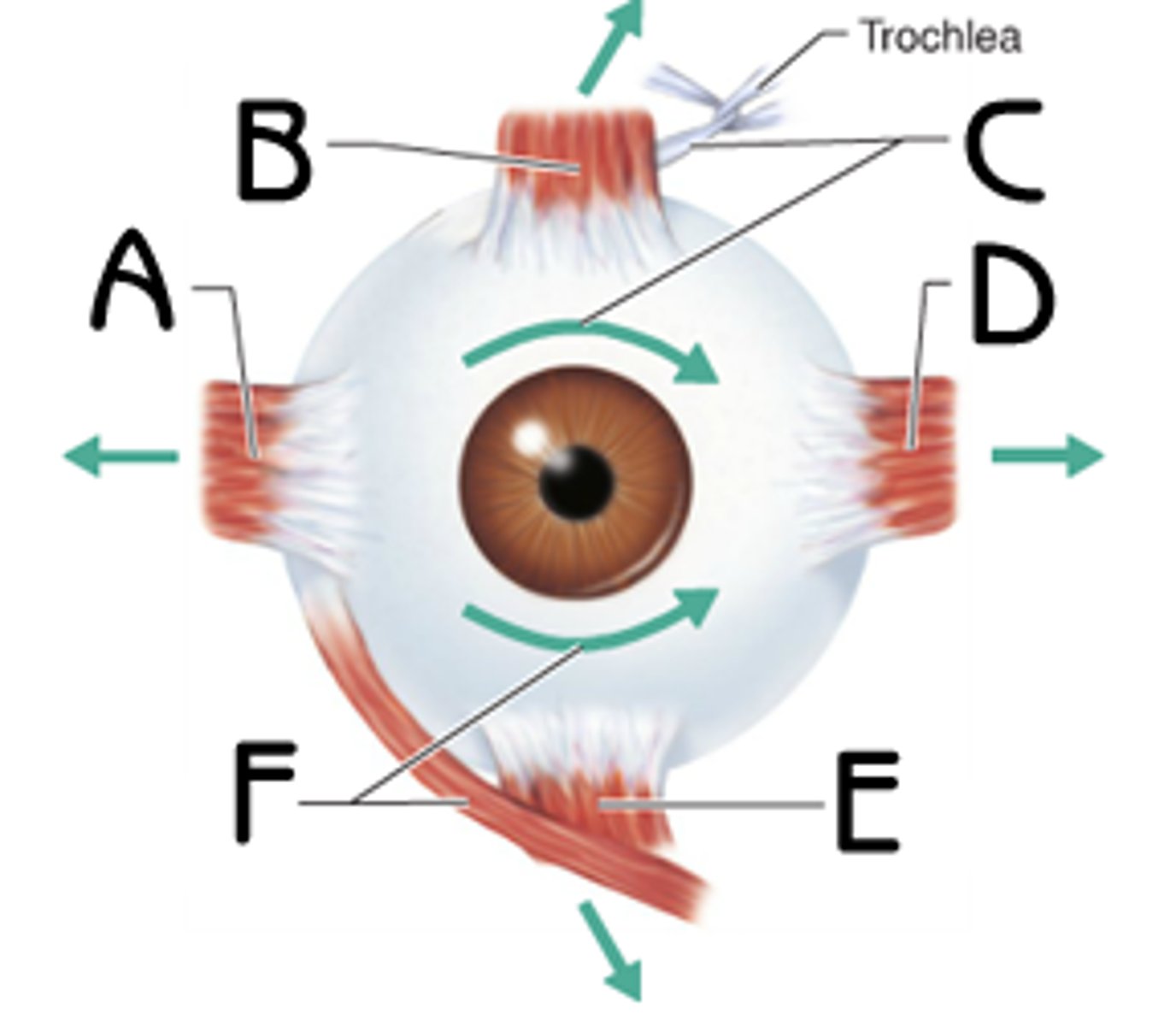
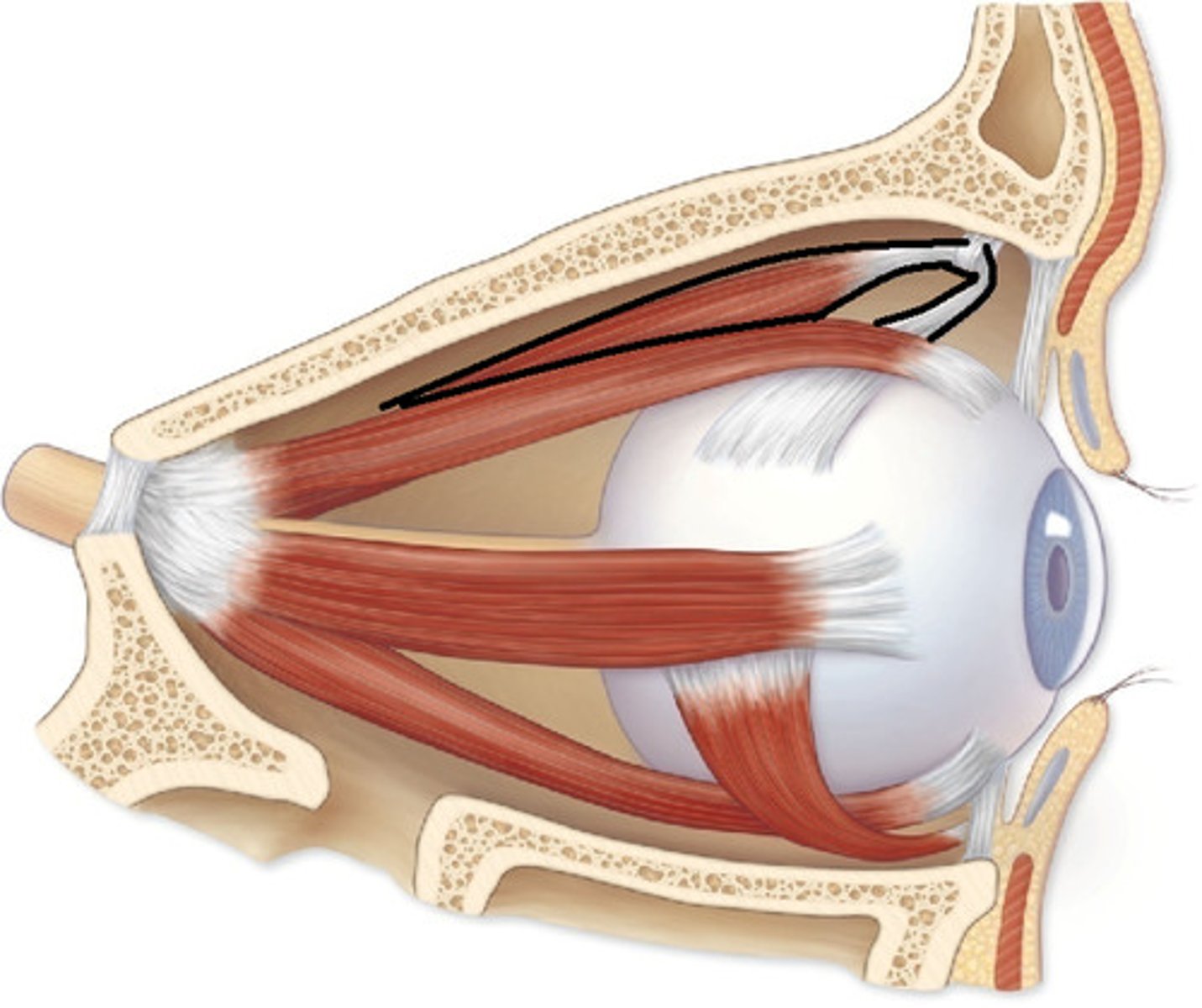
superior oblique; down and out
identify muscle; which way does the pupil move?
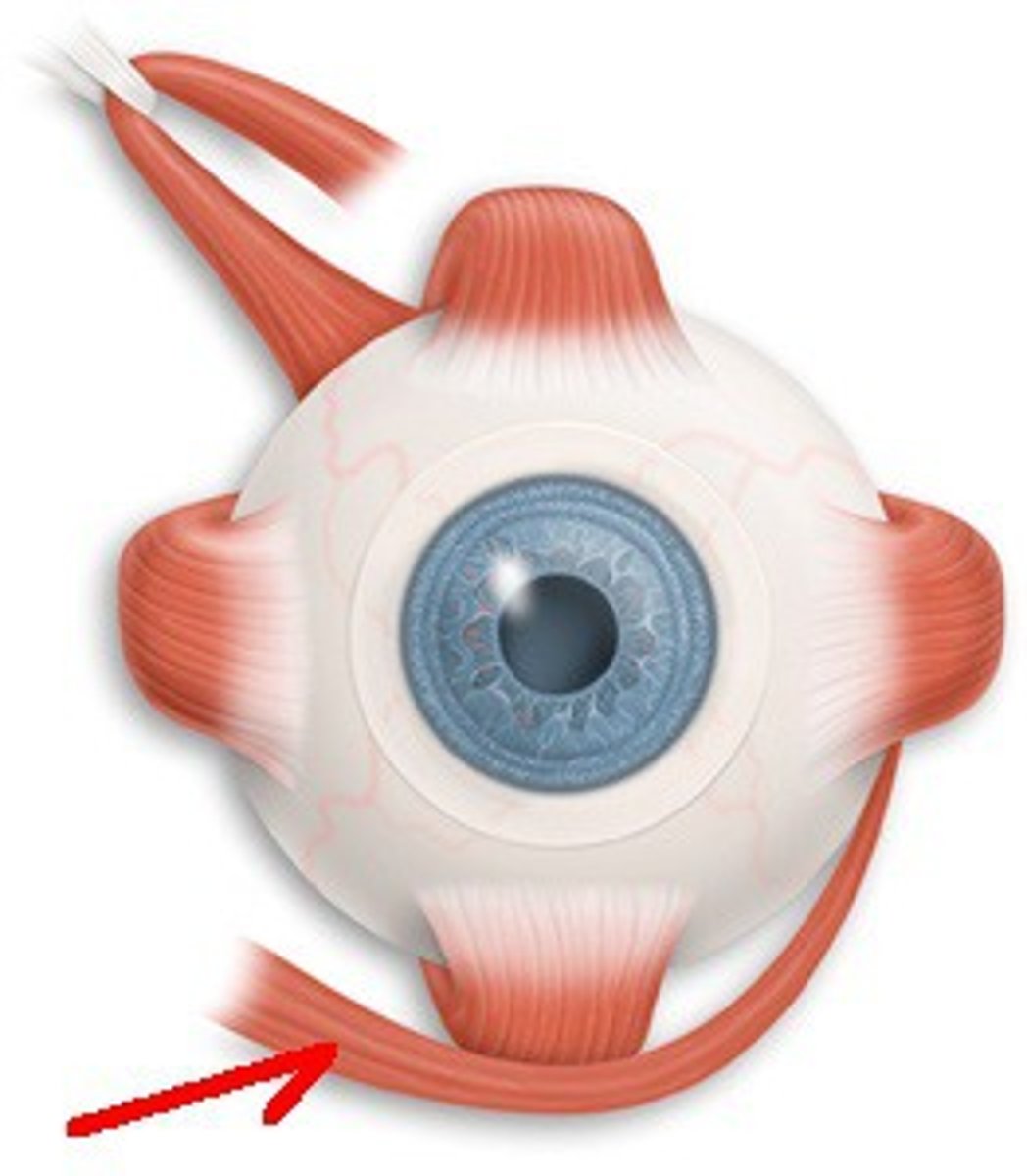
inferior oblique; up and out
identify muscle; which way does the pupil move?
sclera
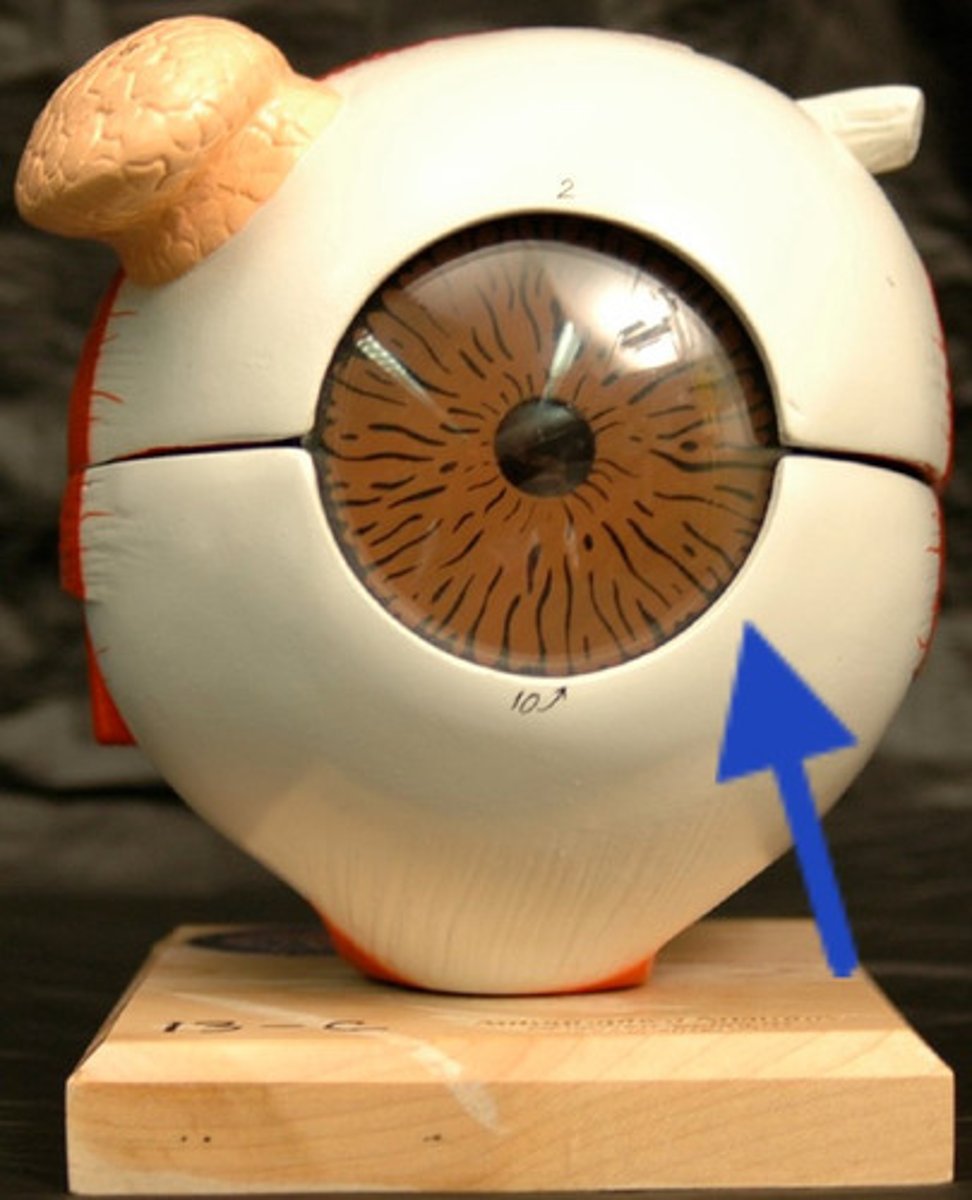
cornea
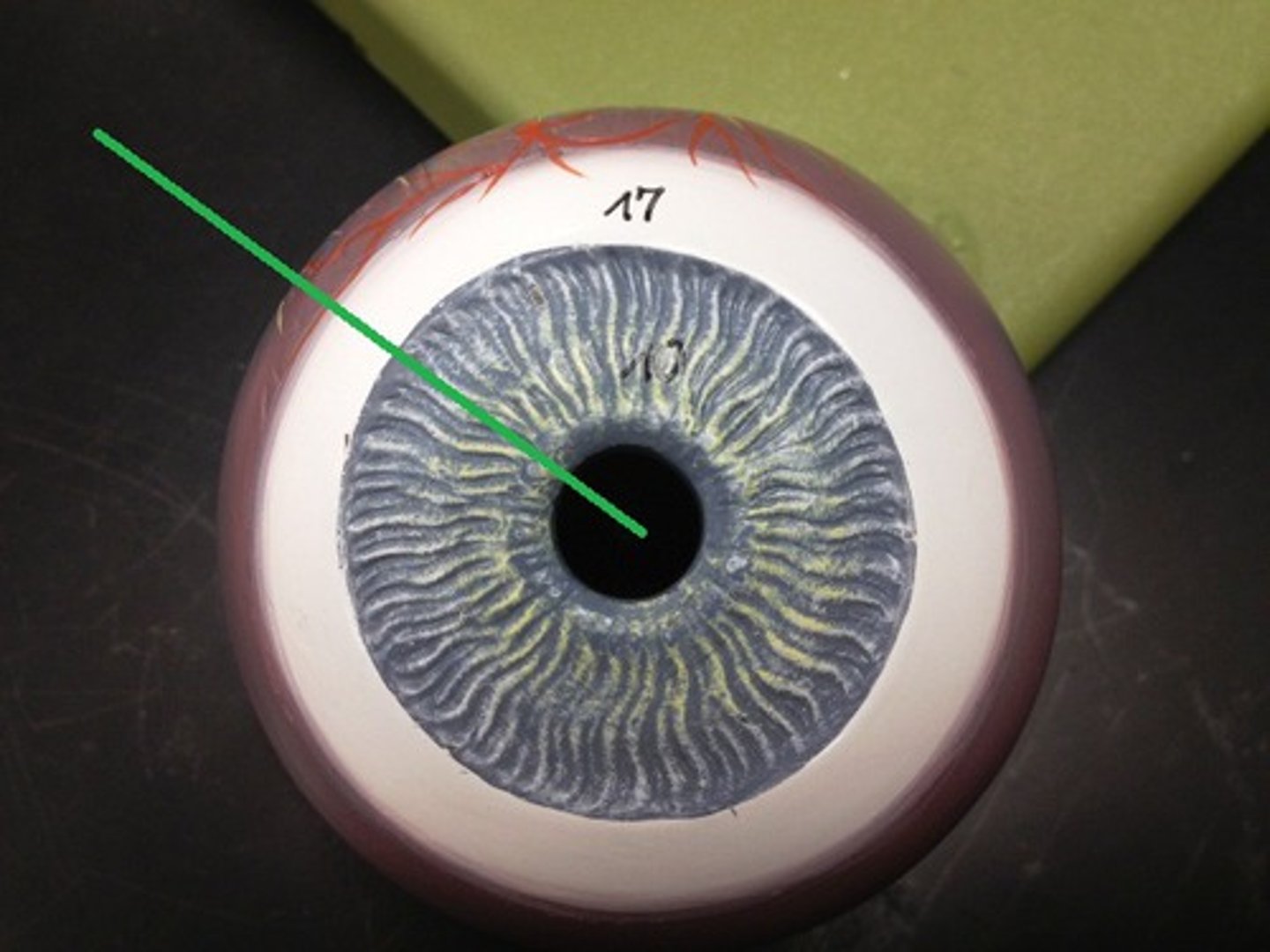
identify red part of eye
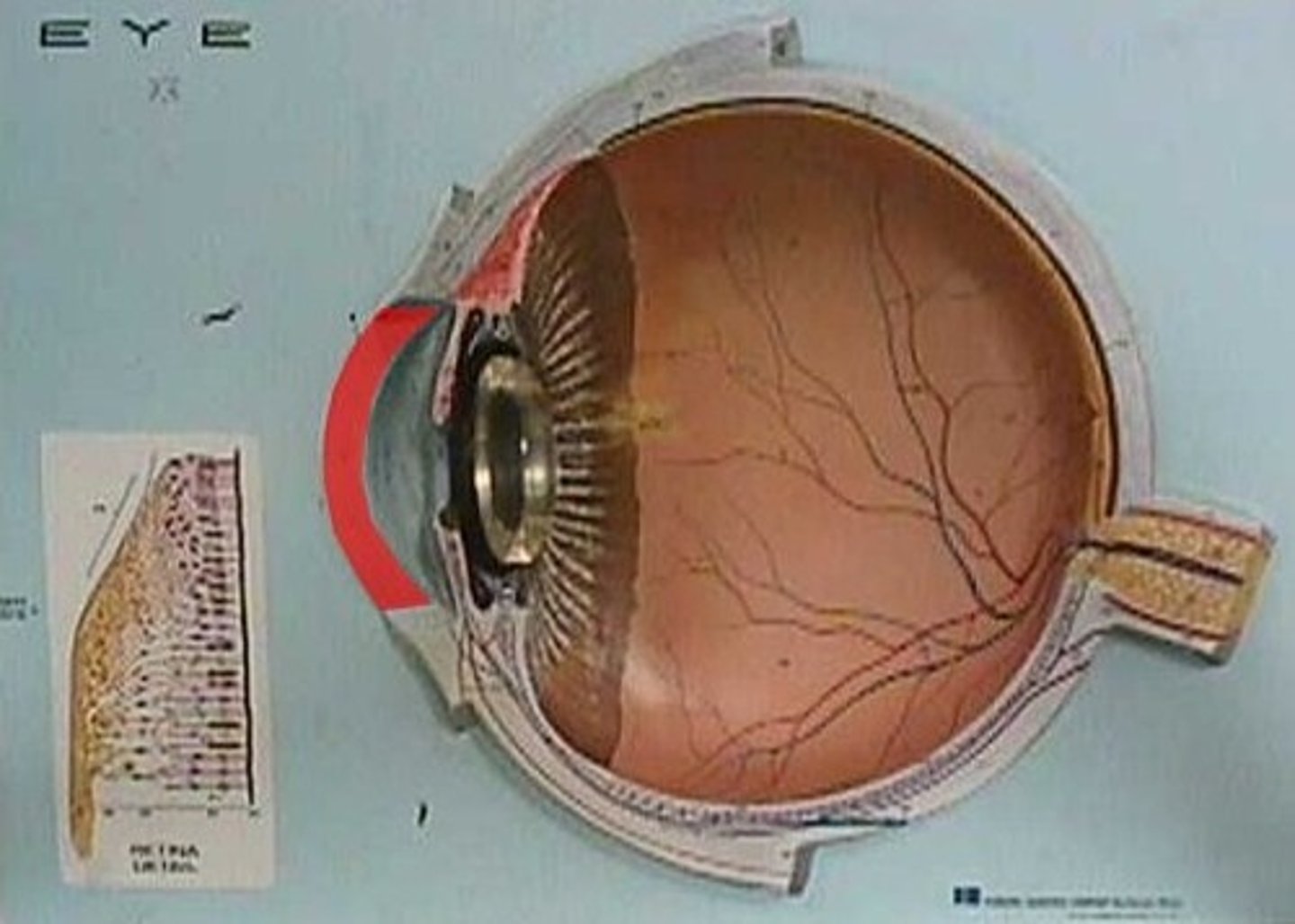
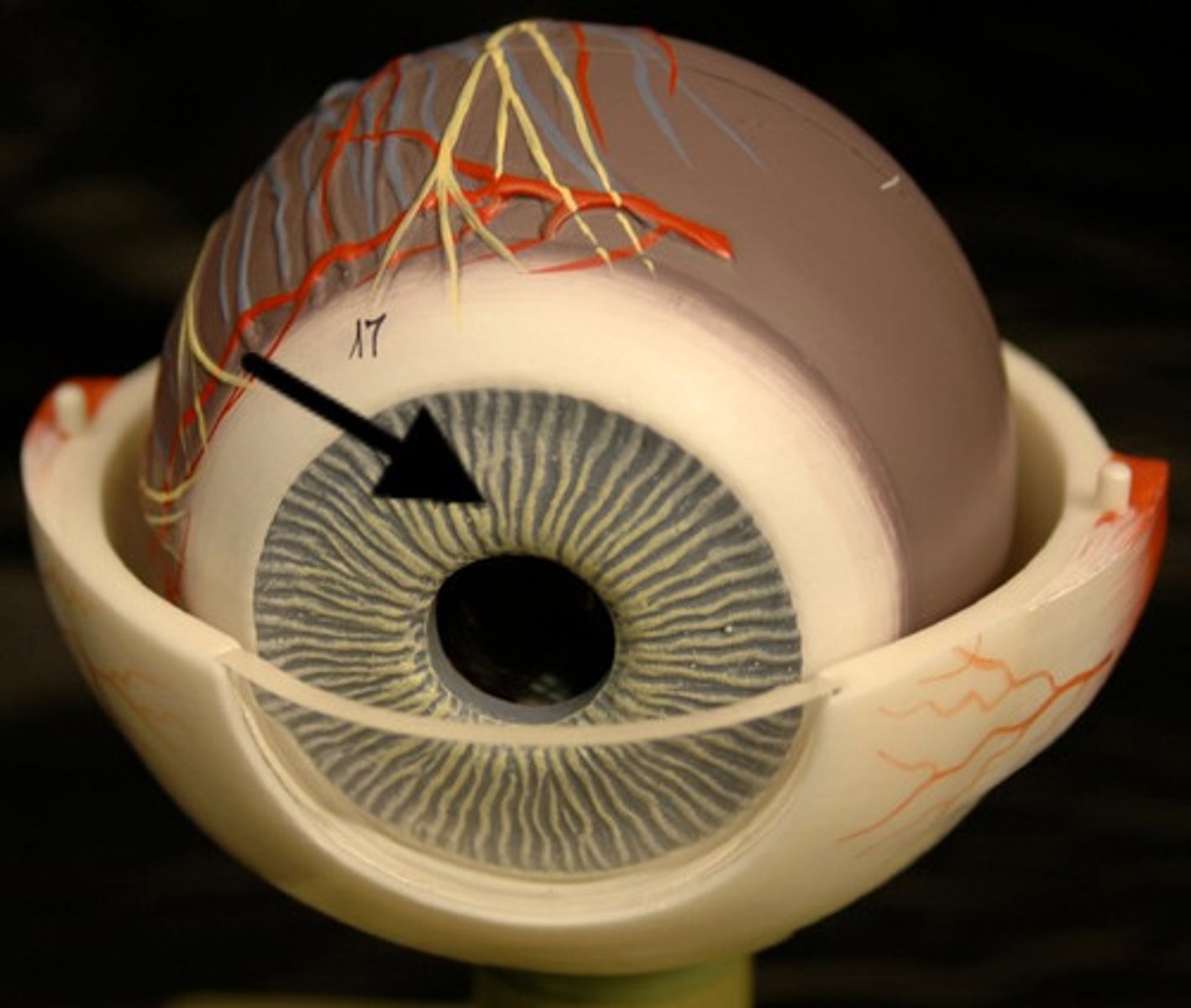
iris
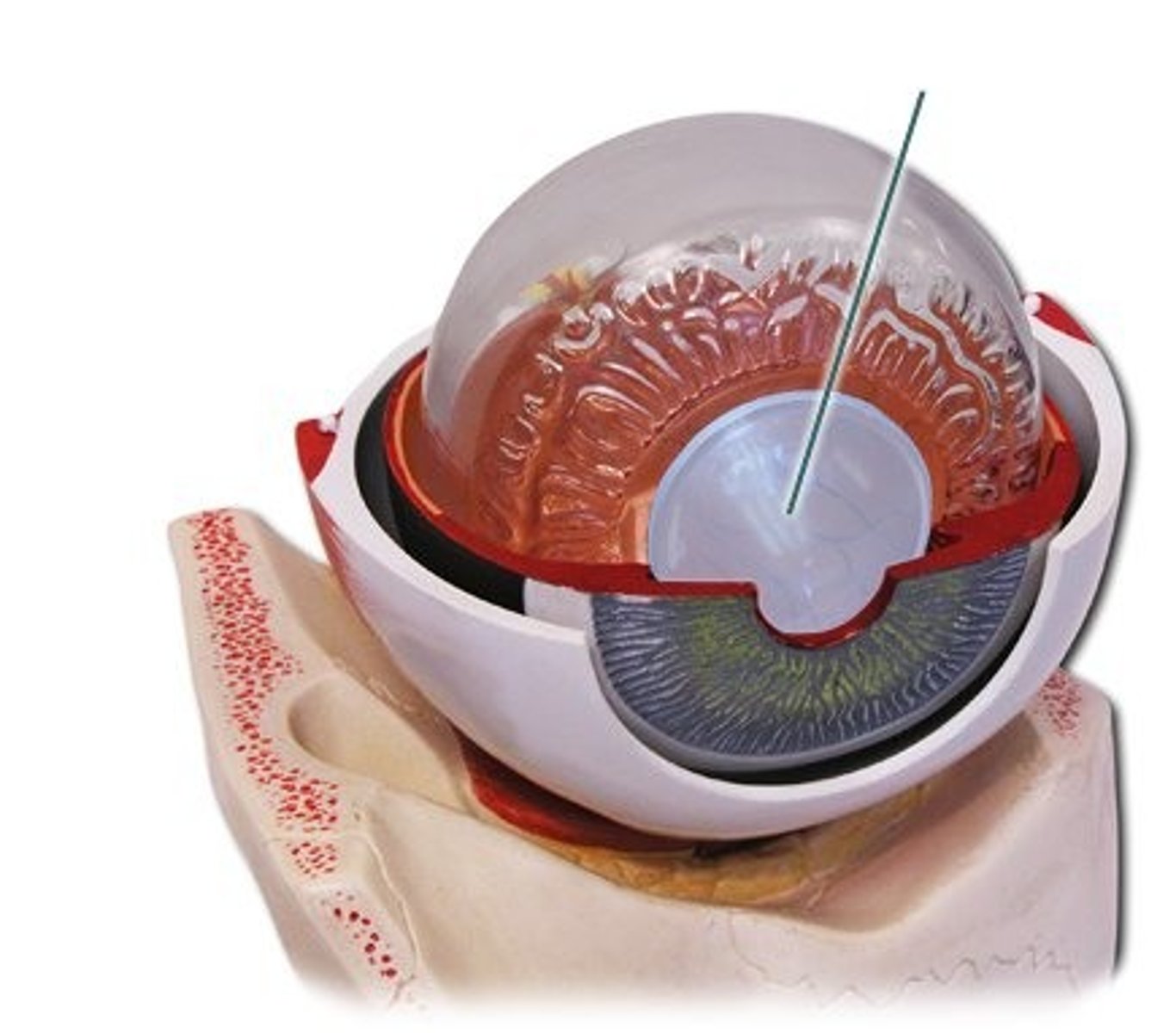
lens
pupil
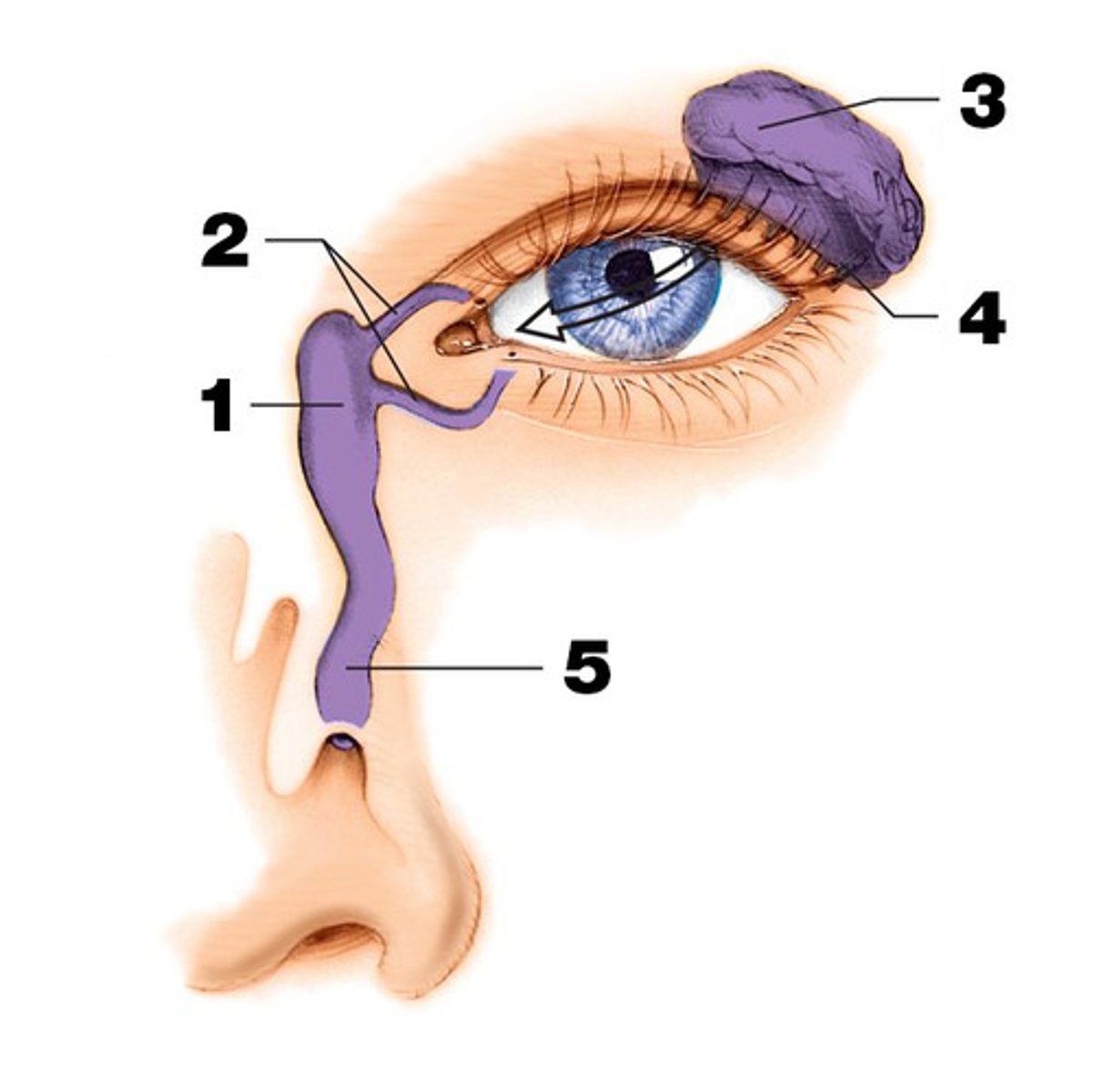
lacrimal glands
B
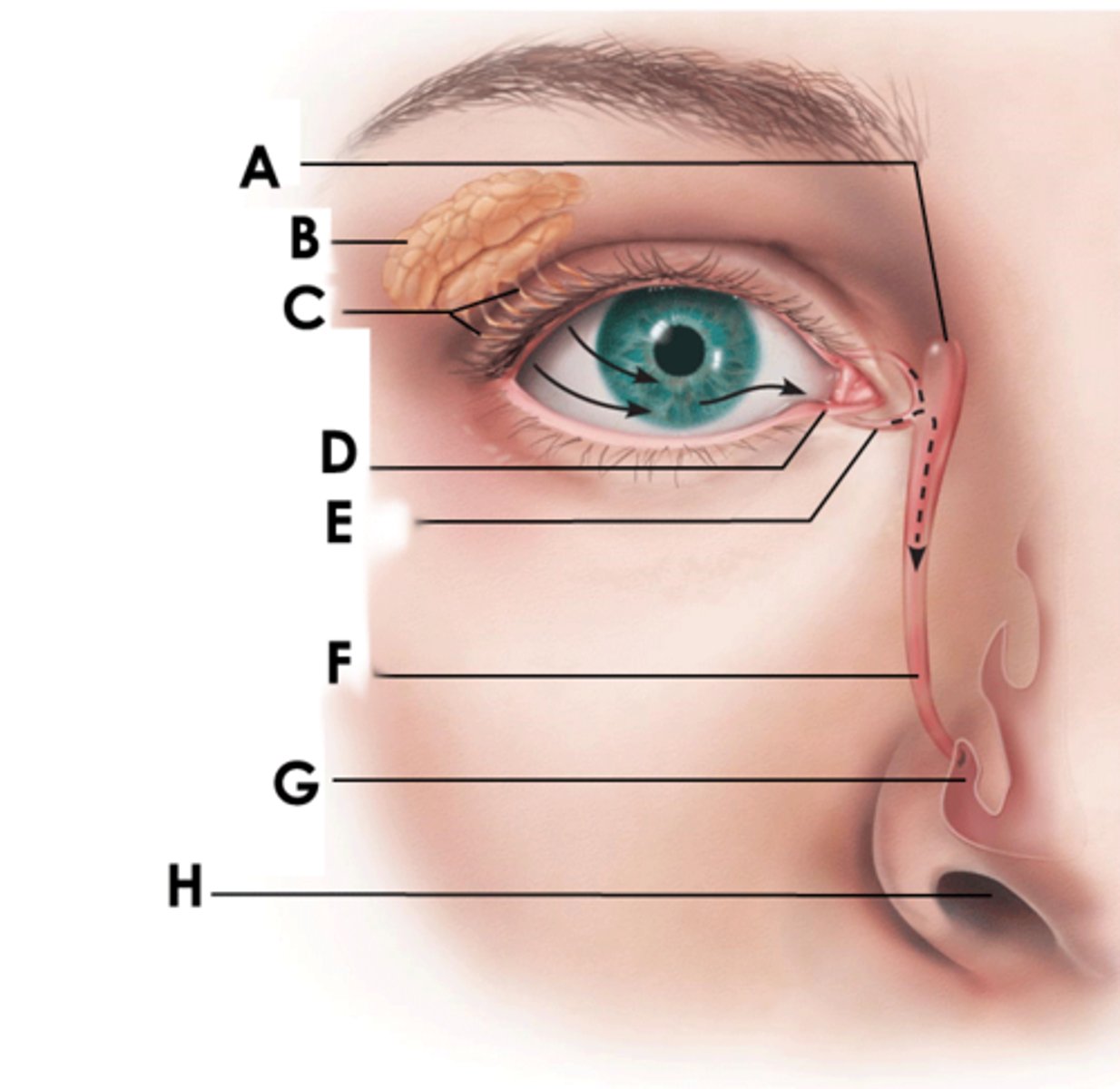
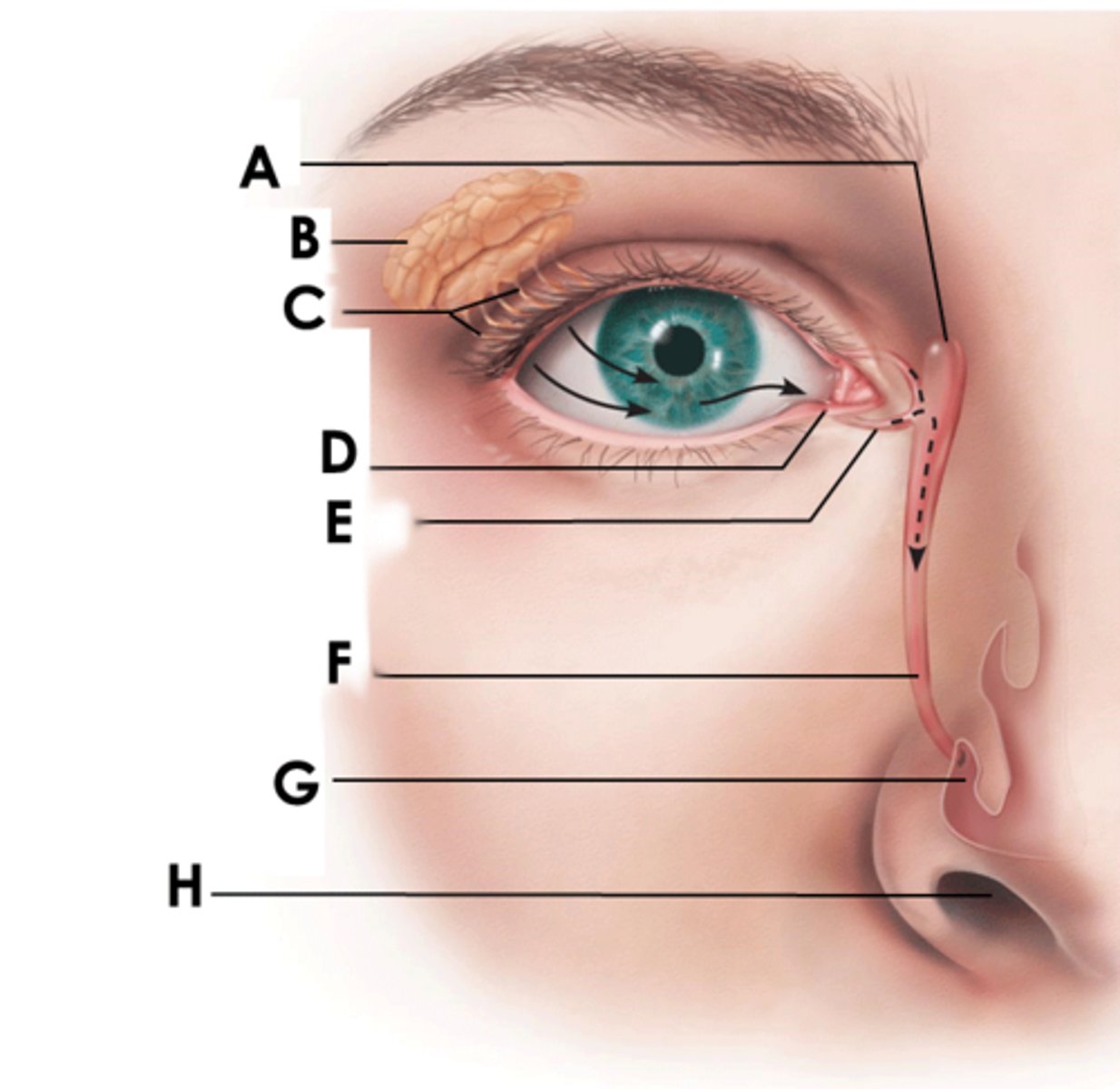
lacrimal ducts
C
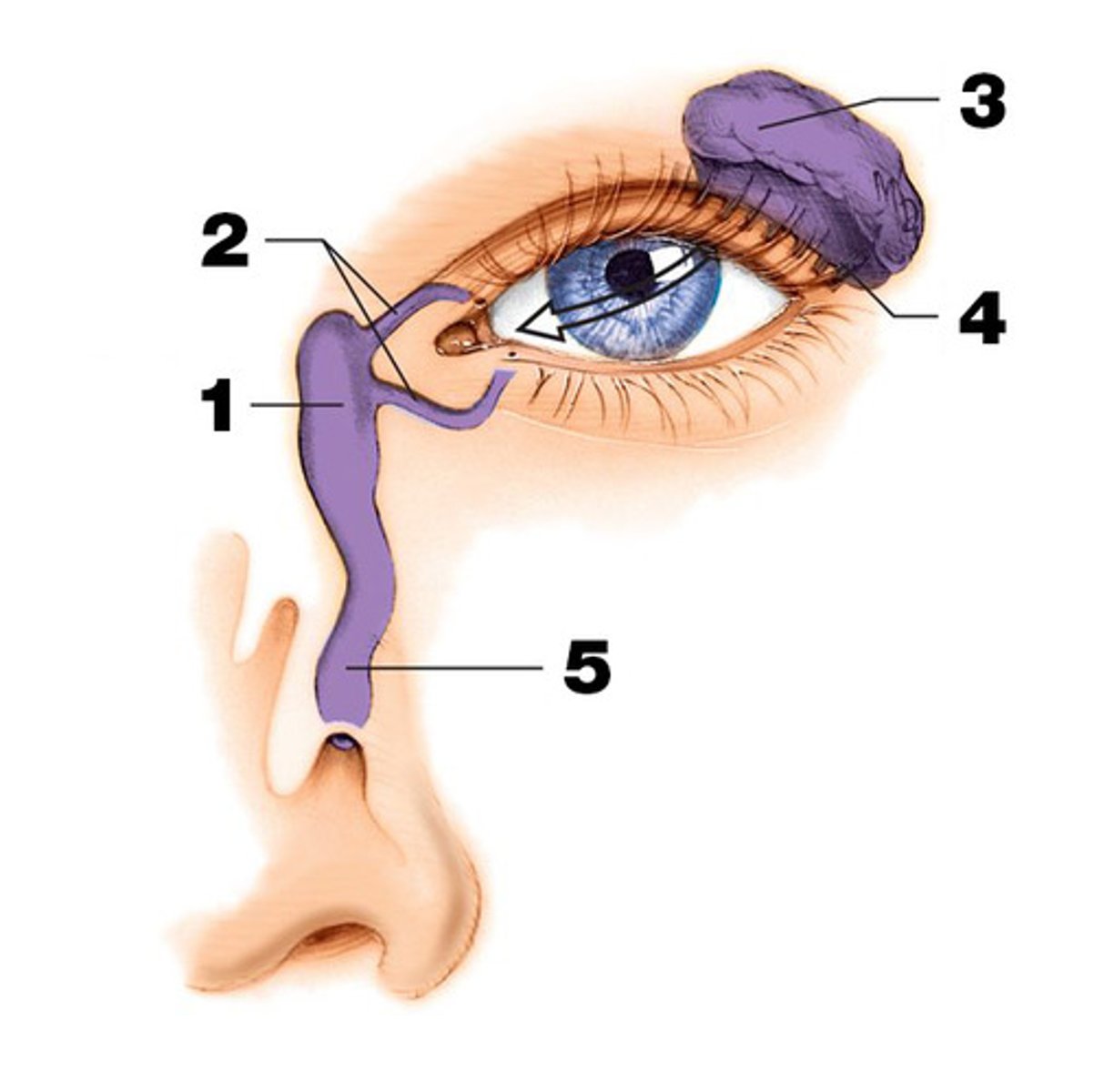
lacrimal canaliculi
2
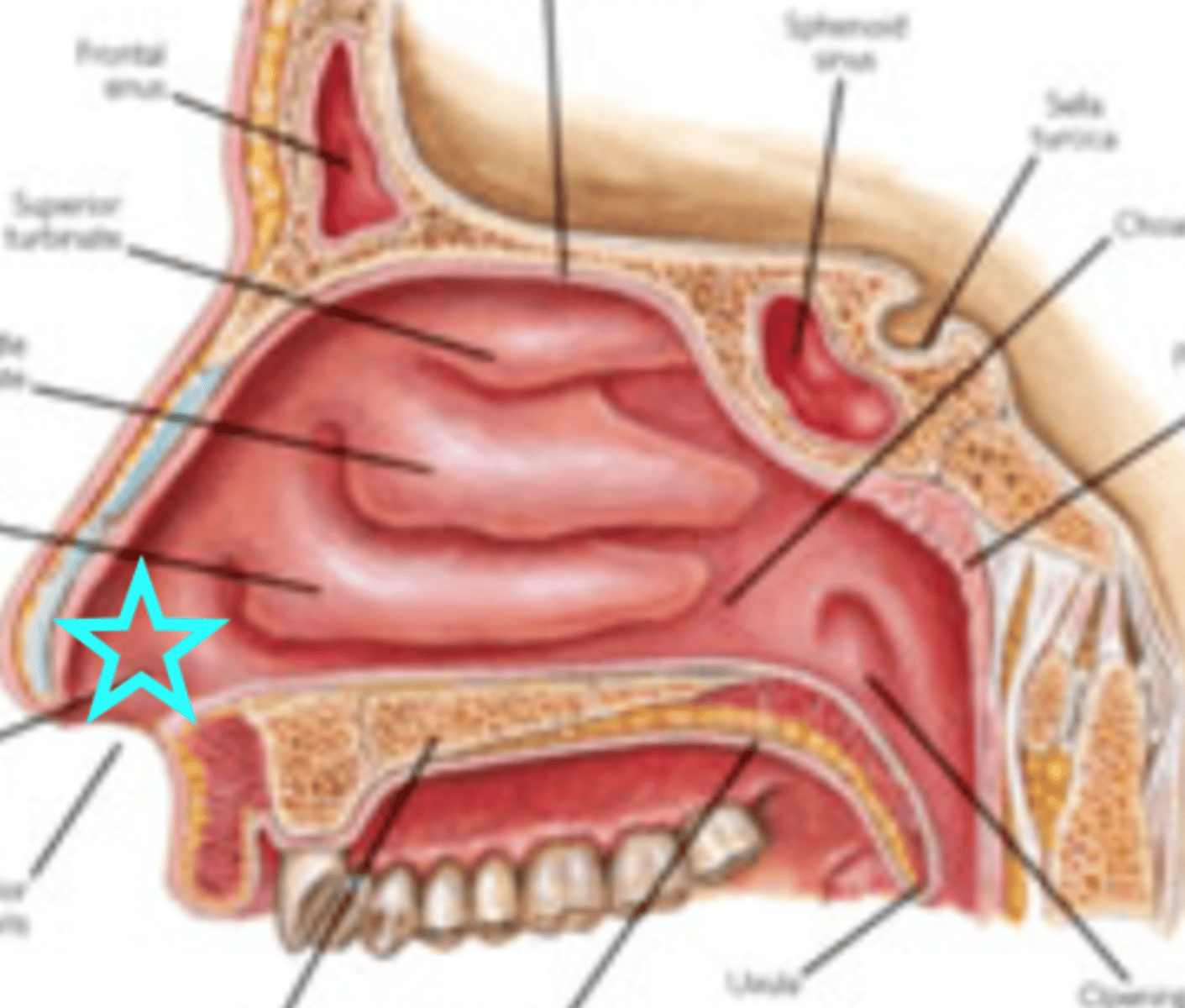
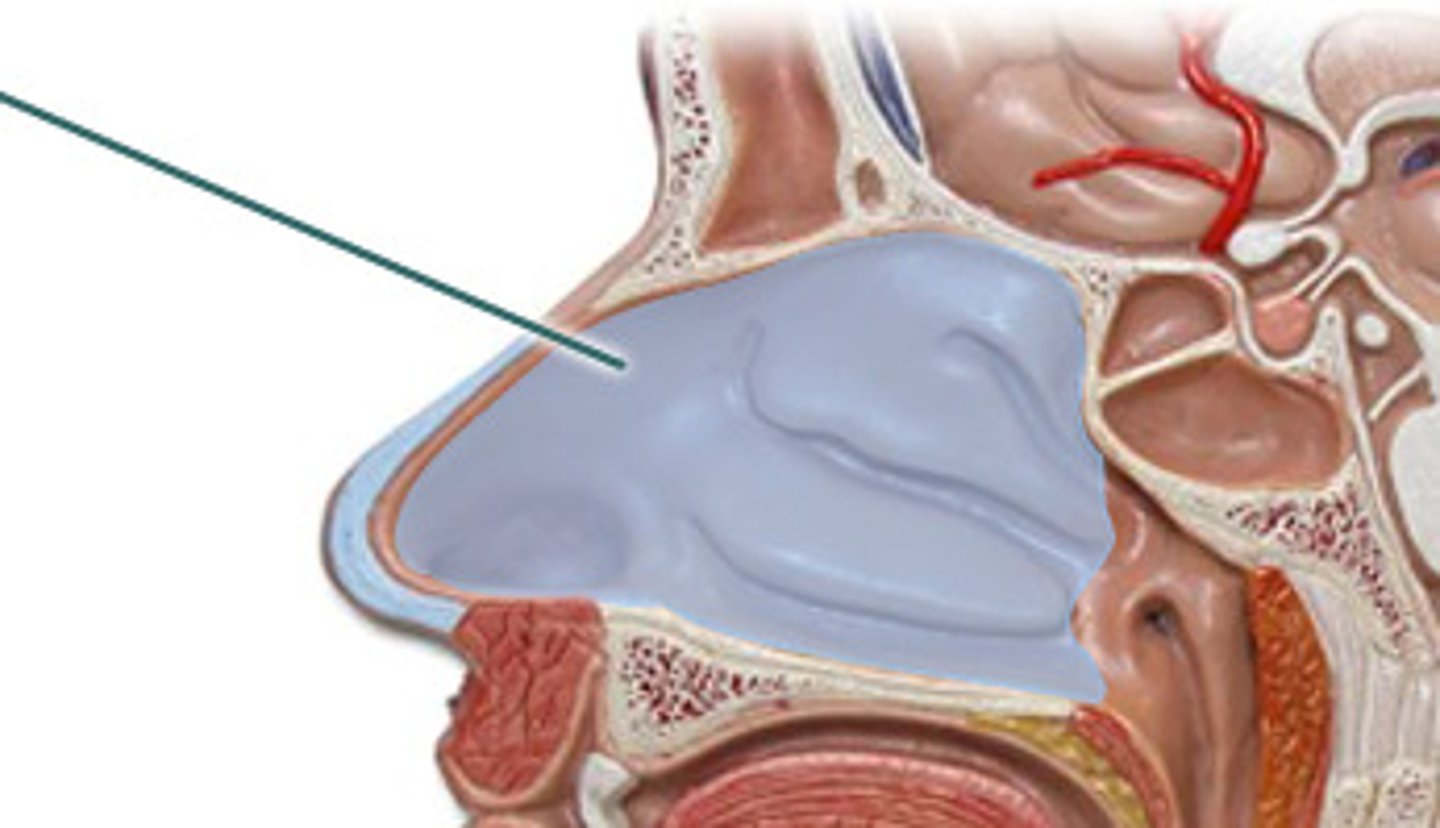
nasal vestibule
"entrance"
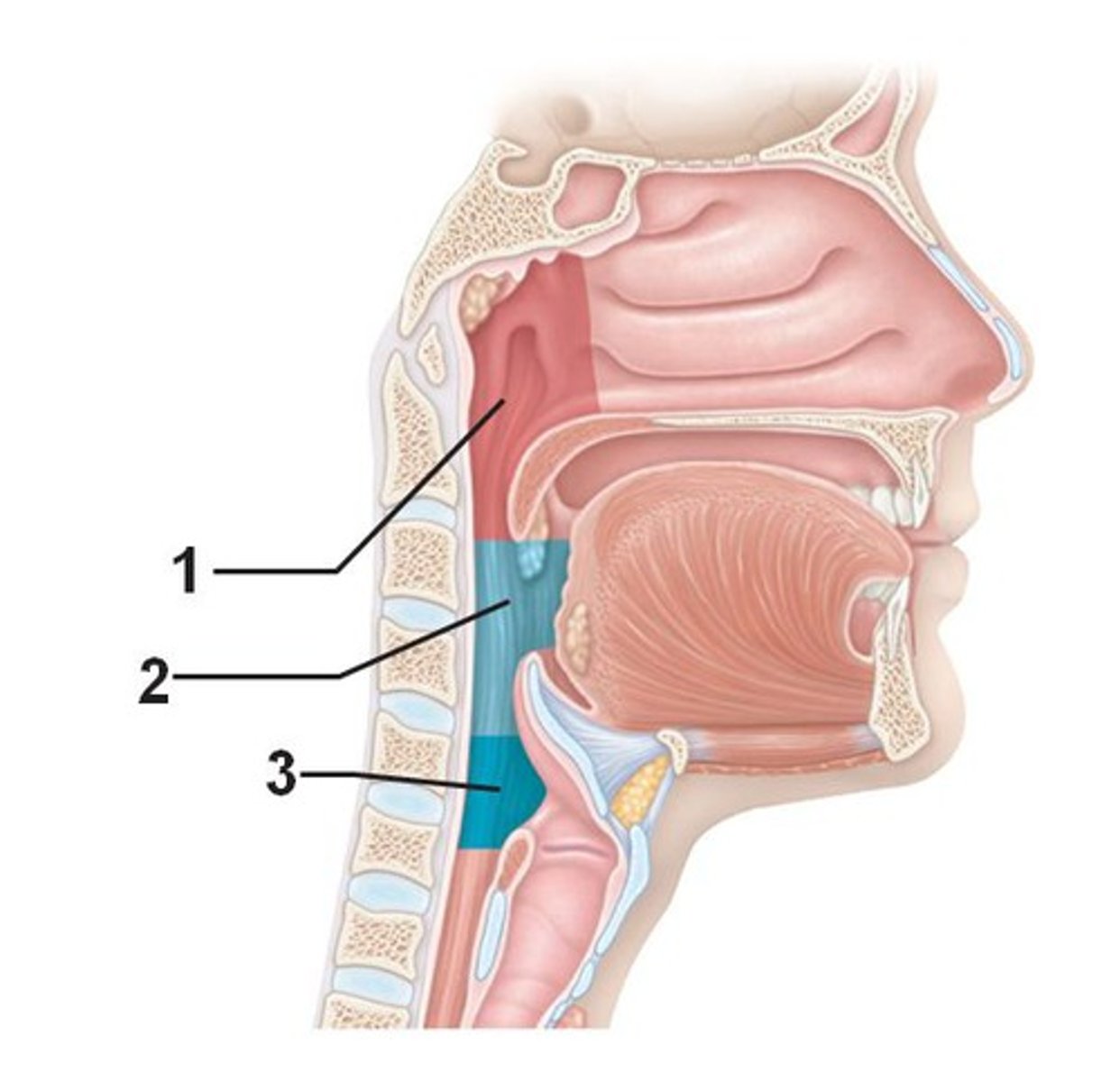
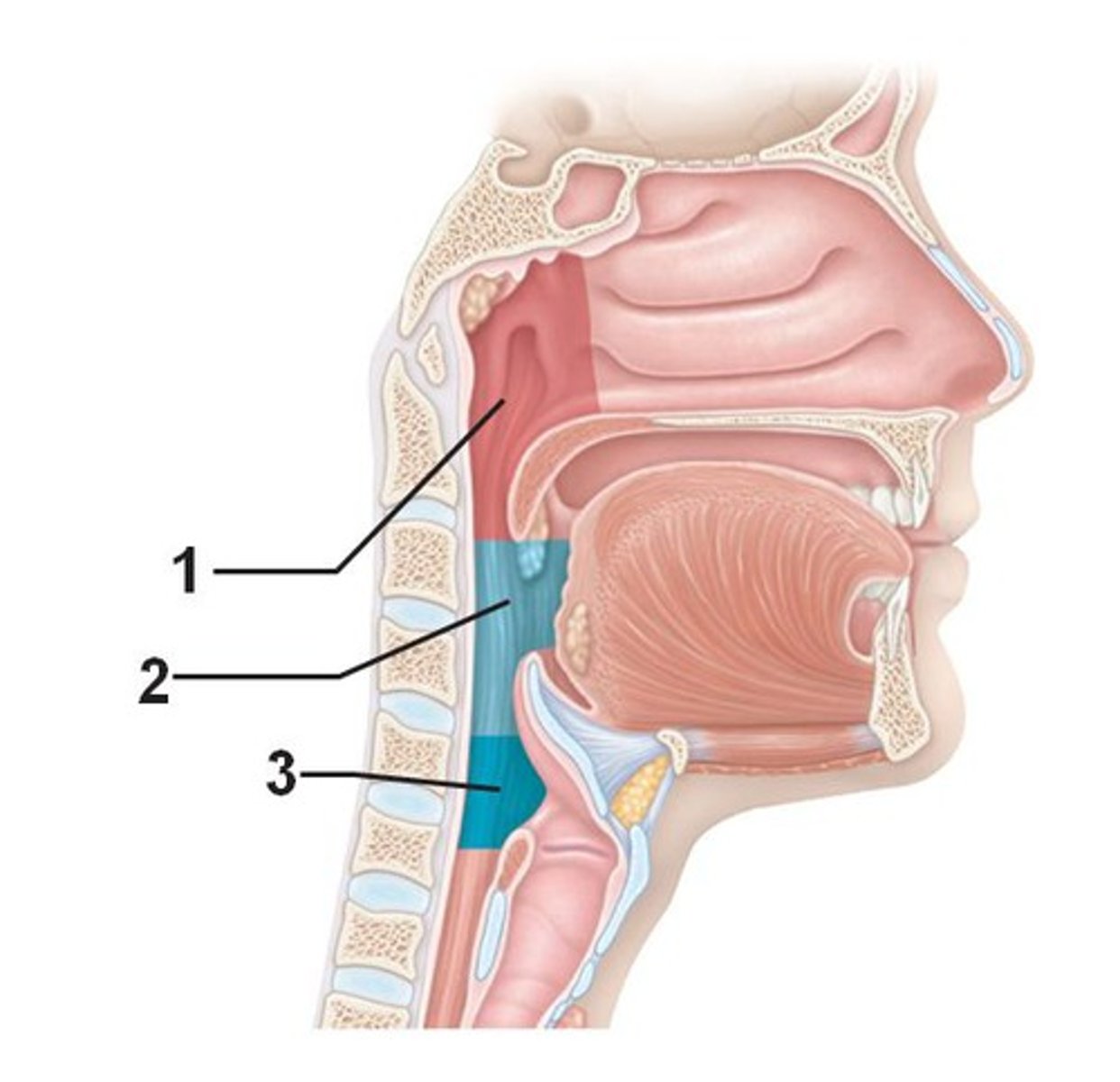
nasopharynx
1
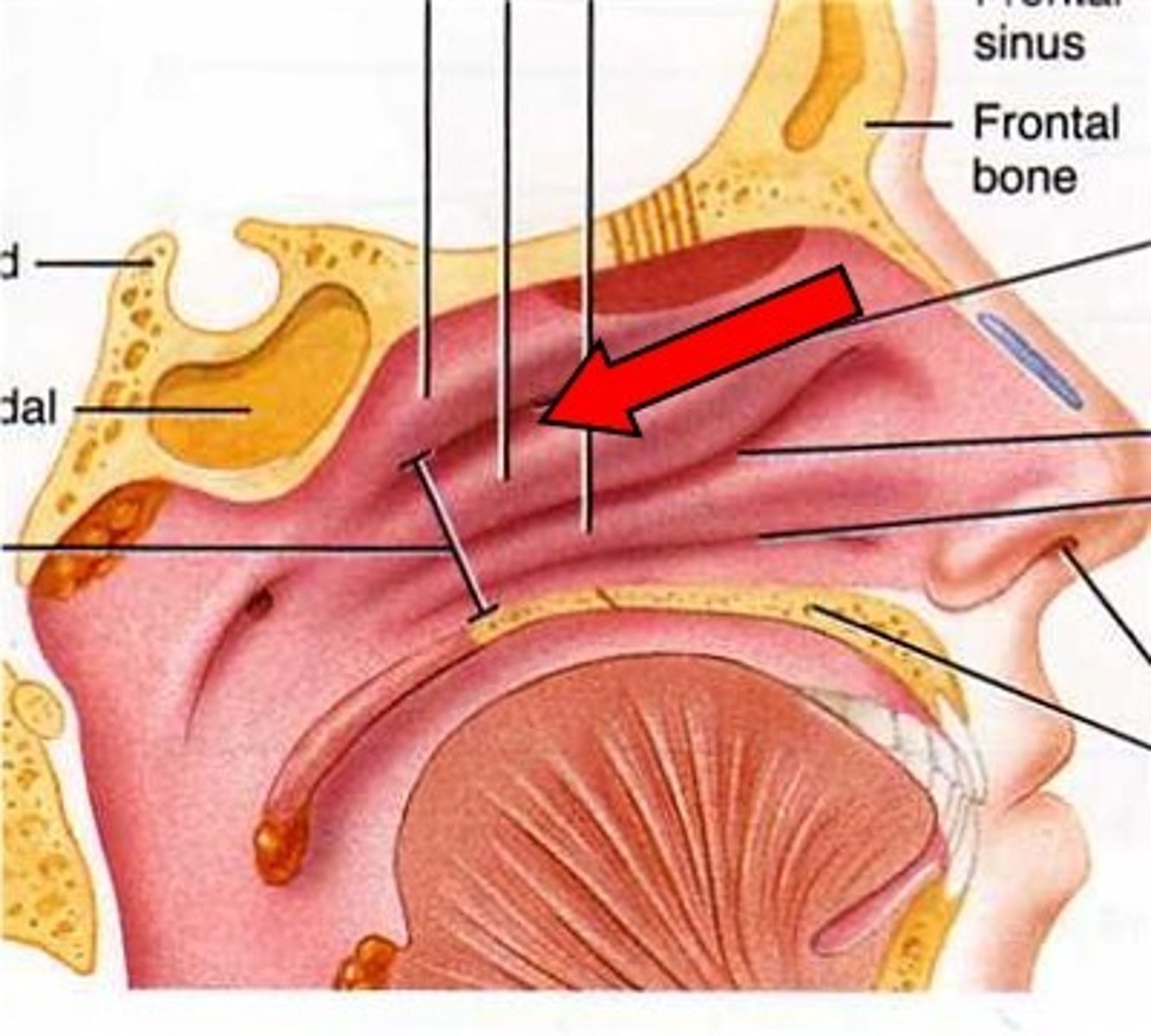
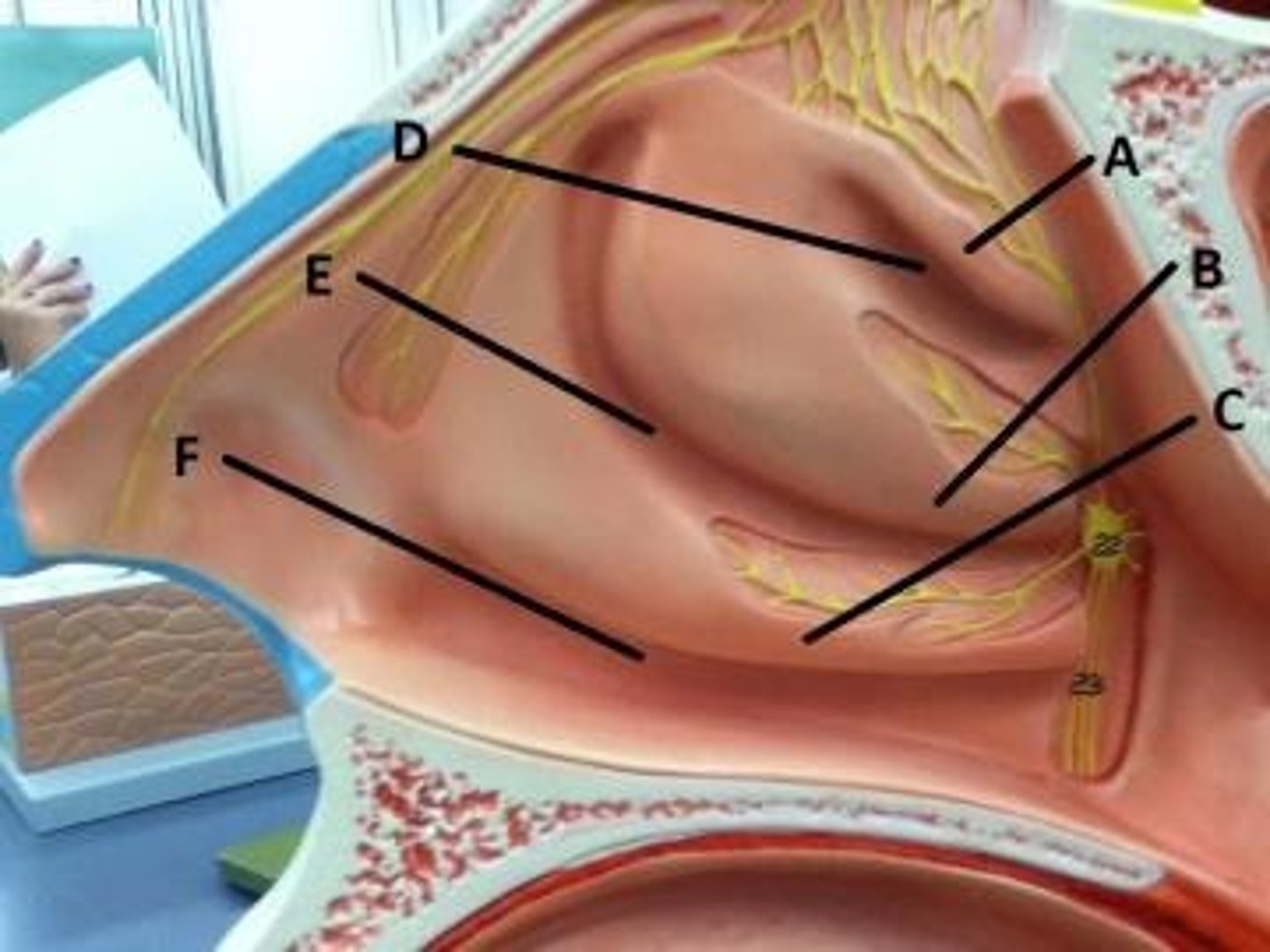
superior nasal meatus
red arrow
inferior nasal meatus
F
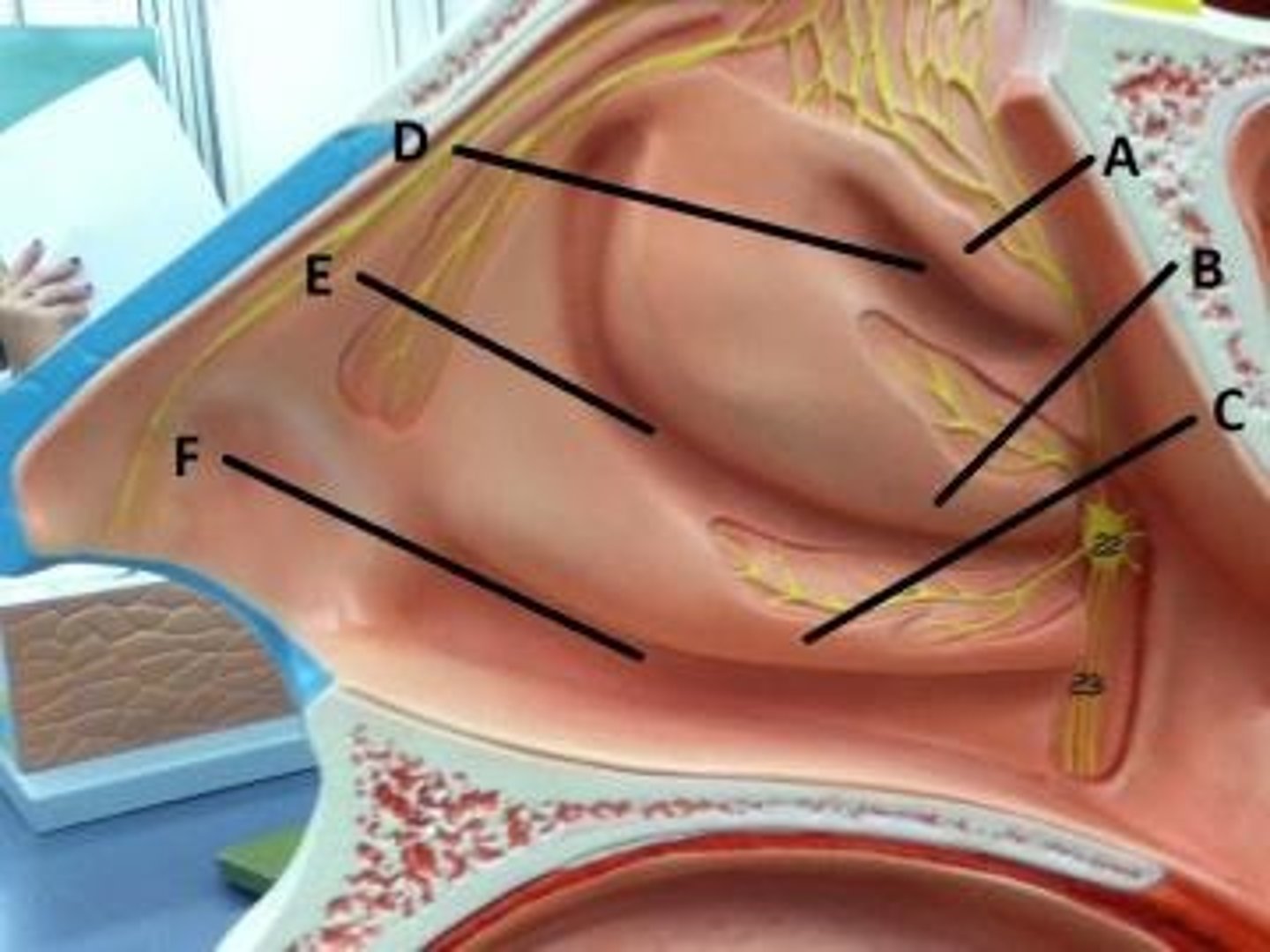
middle nasal meatus
E
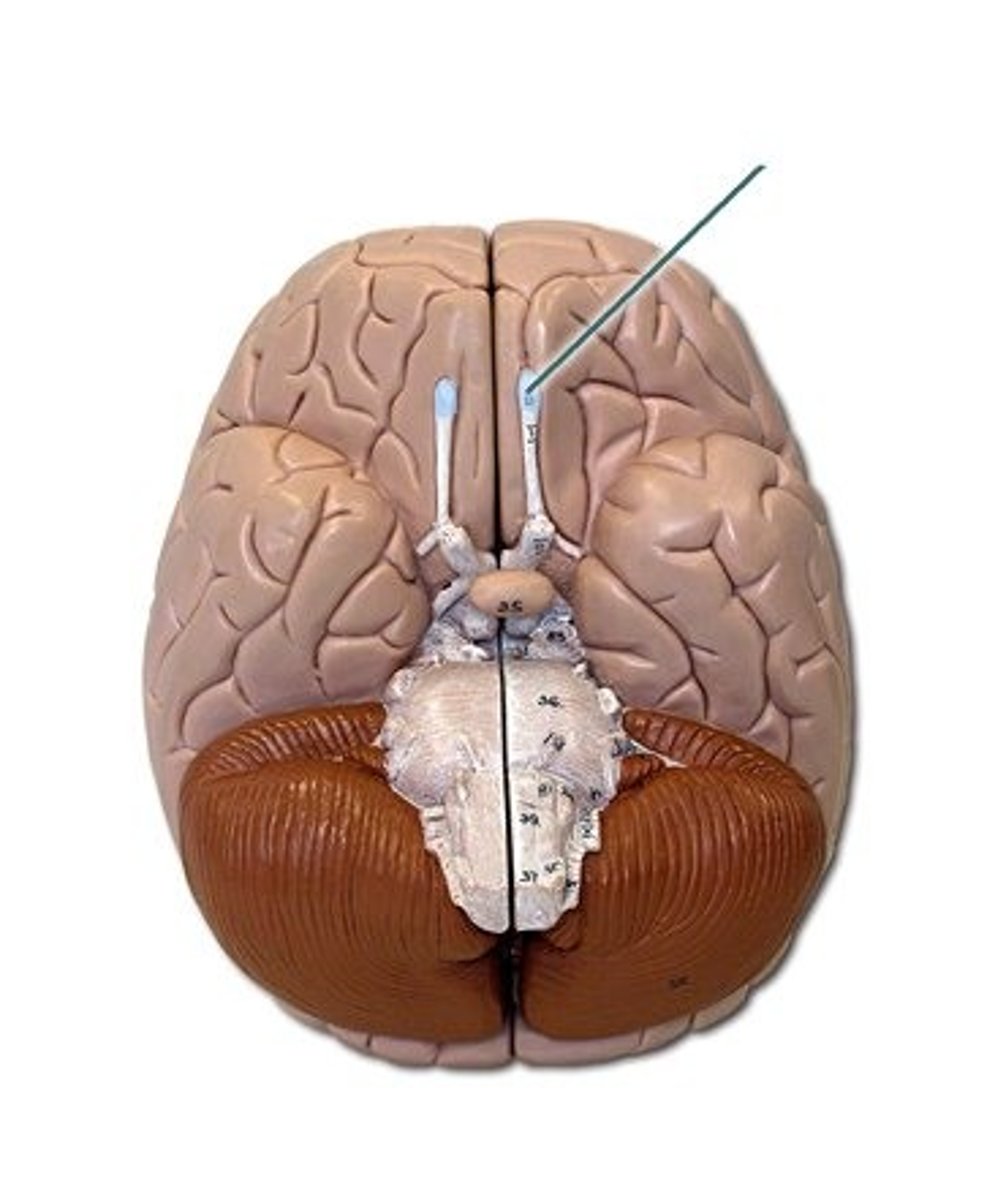
olfactory bulb
name the structure, not the nerve
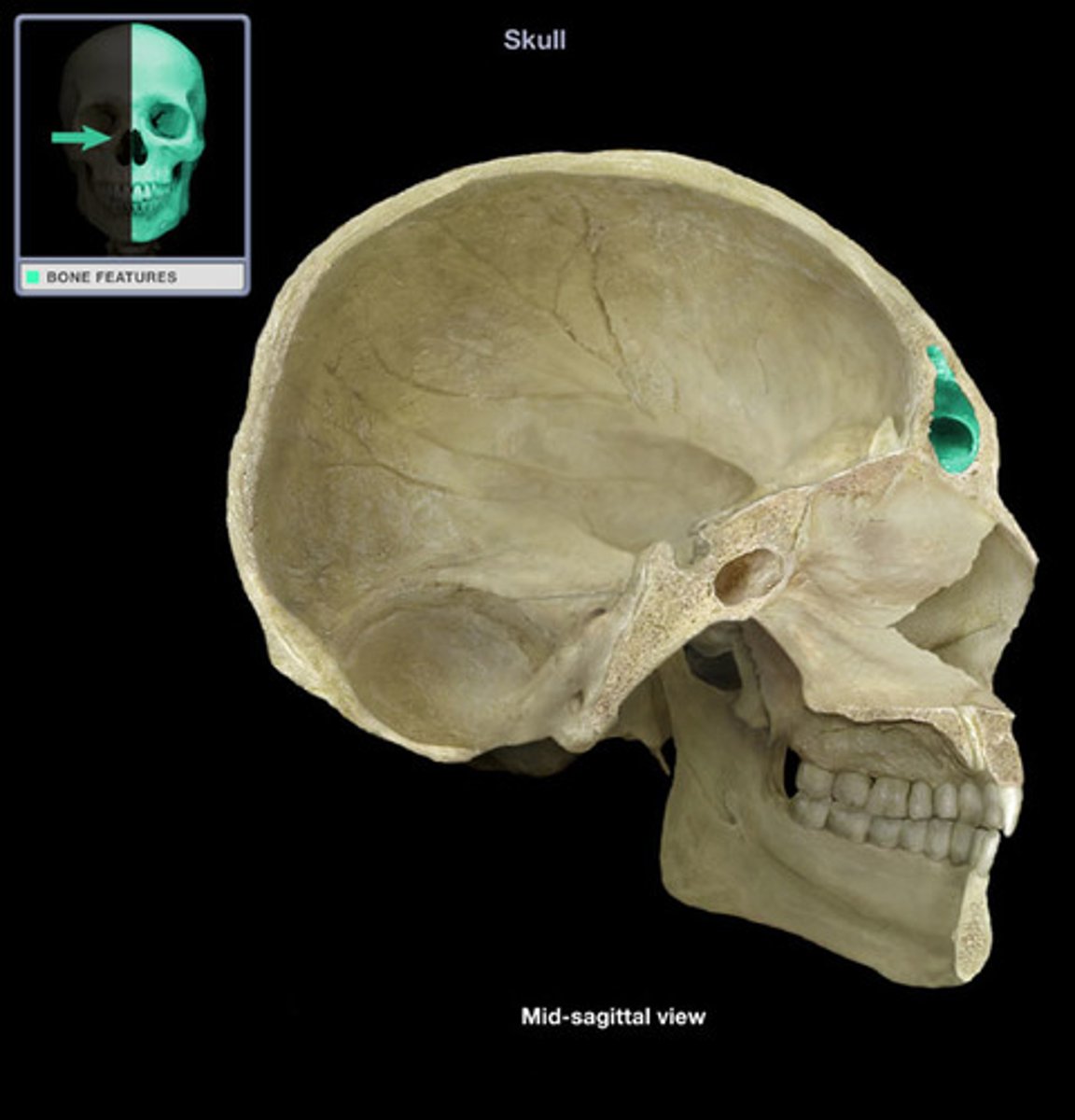
frontal sinus
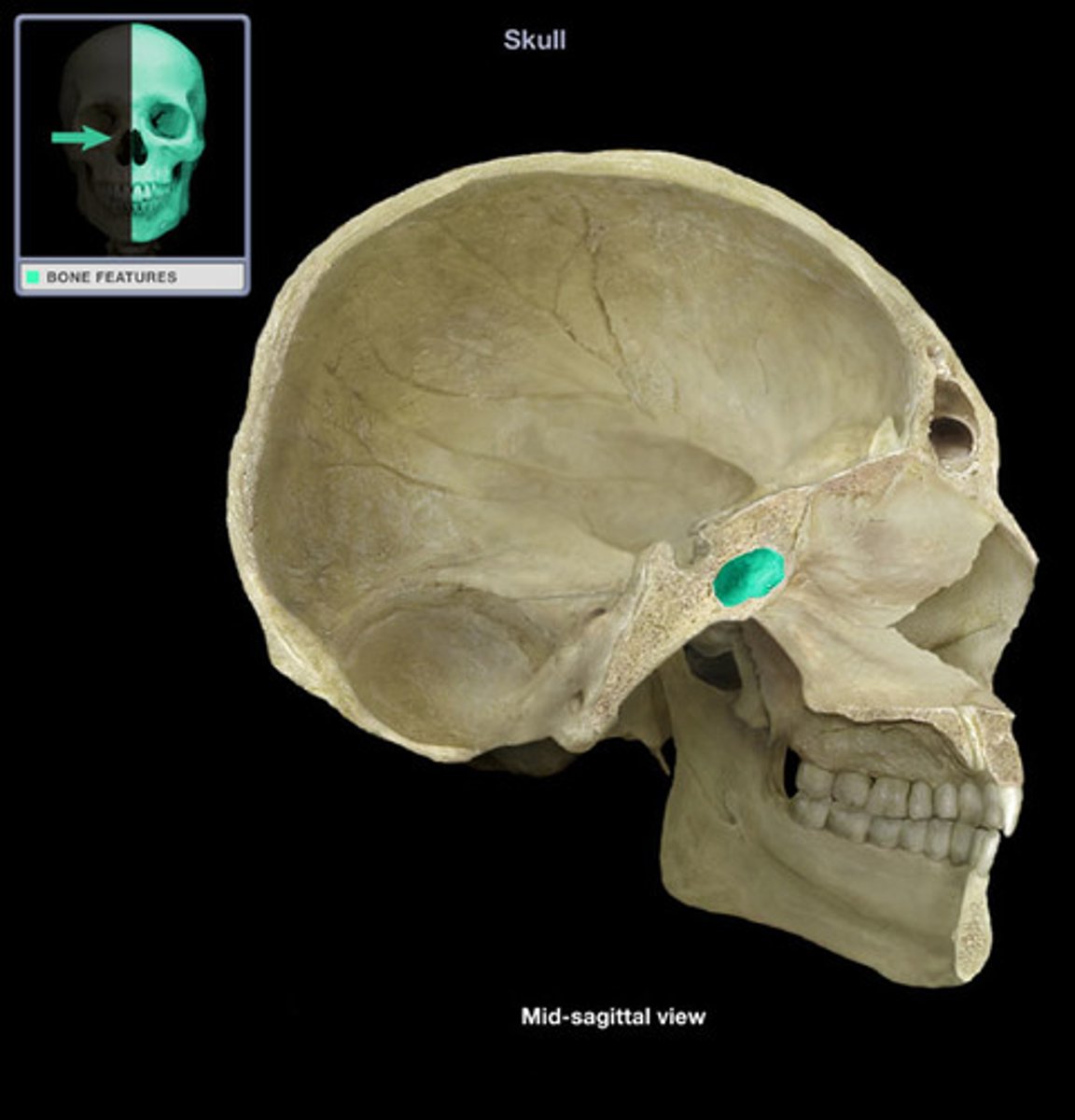
sphenoid sinus
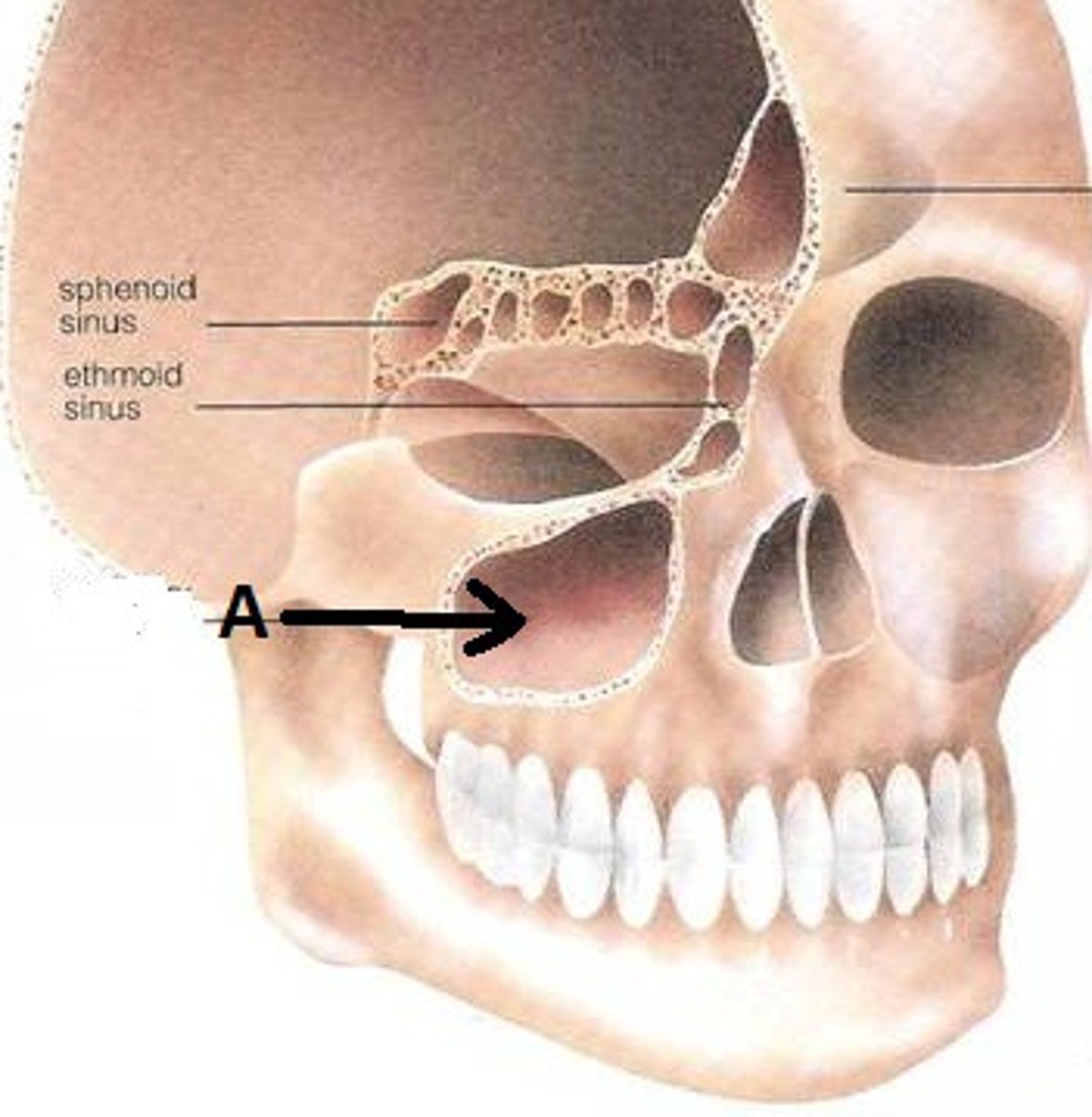
maxillary sinus
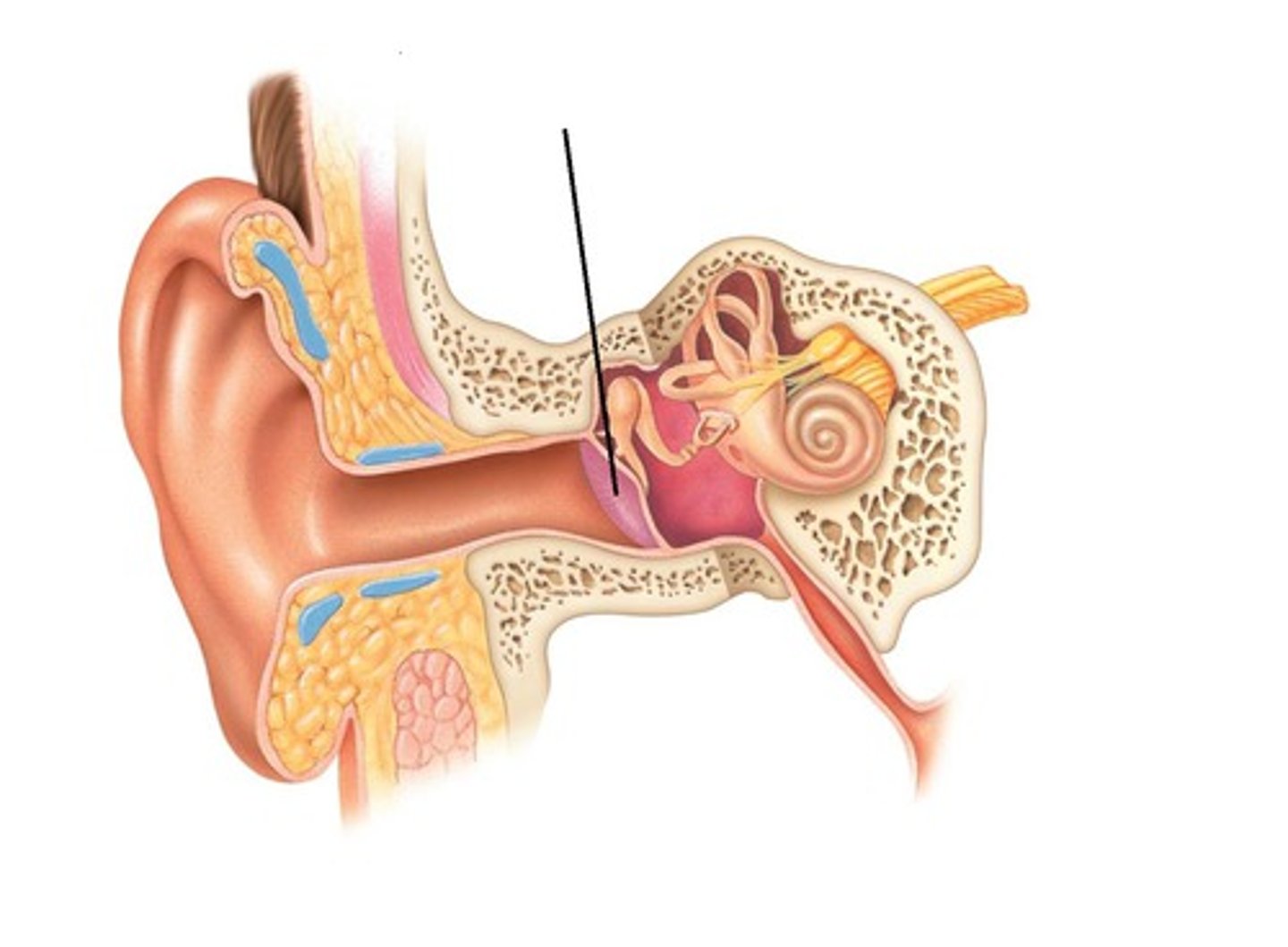
tympanic membrane
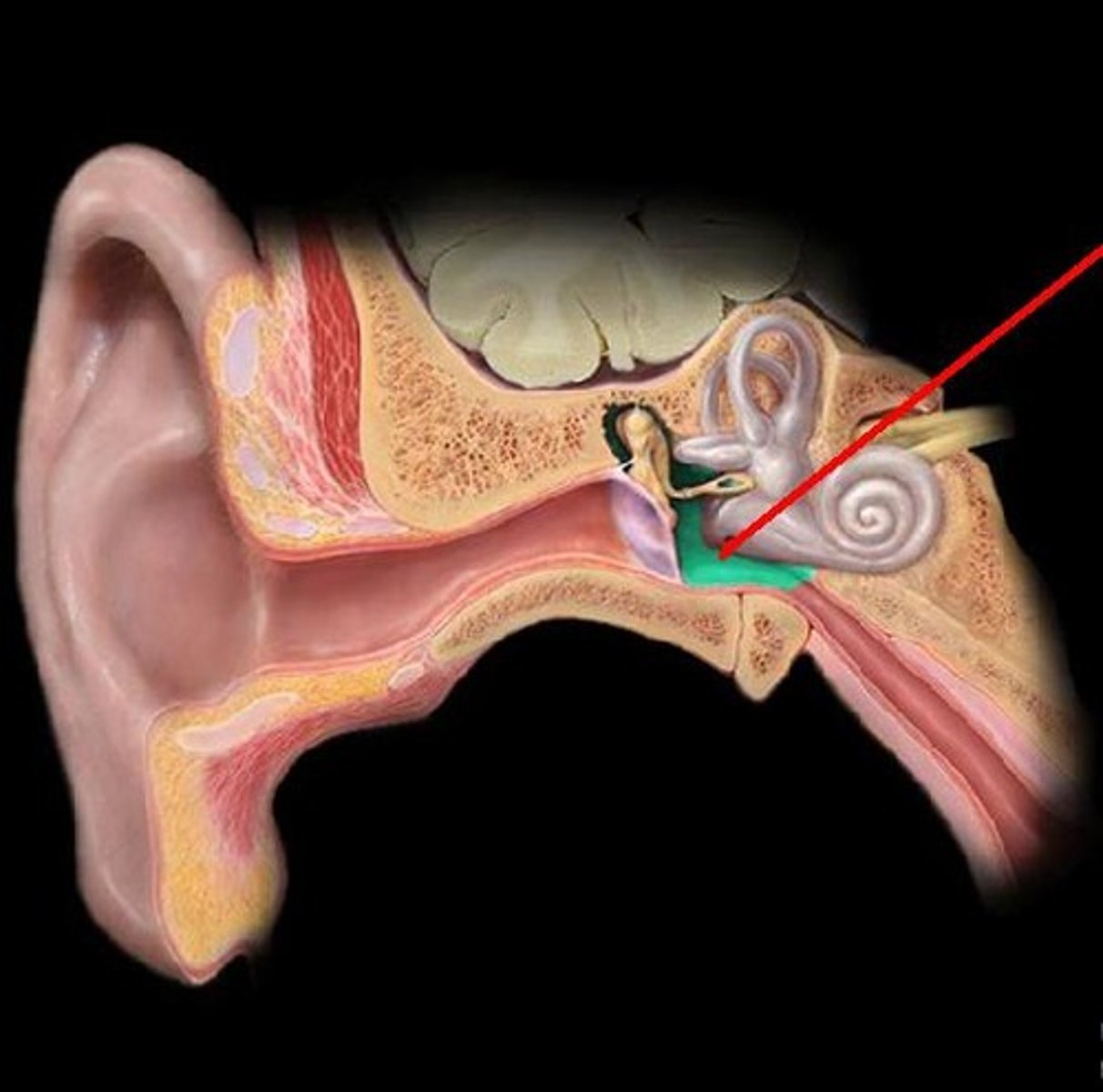
tympanic cavity
pharyngotympanic tube
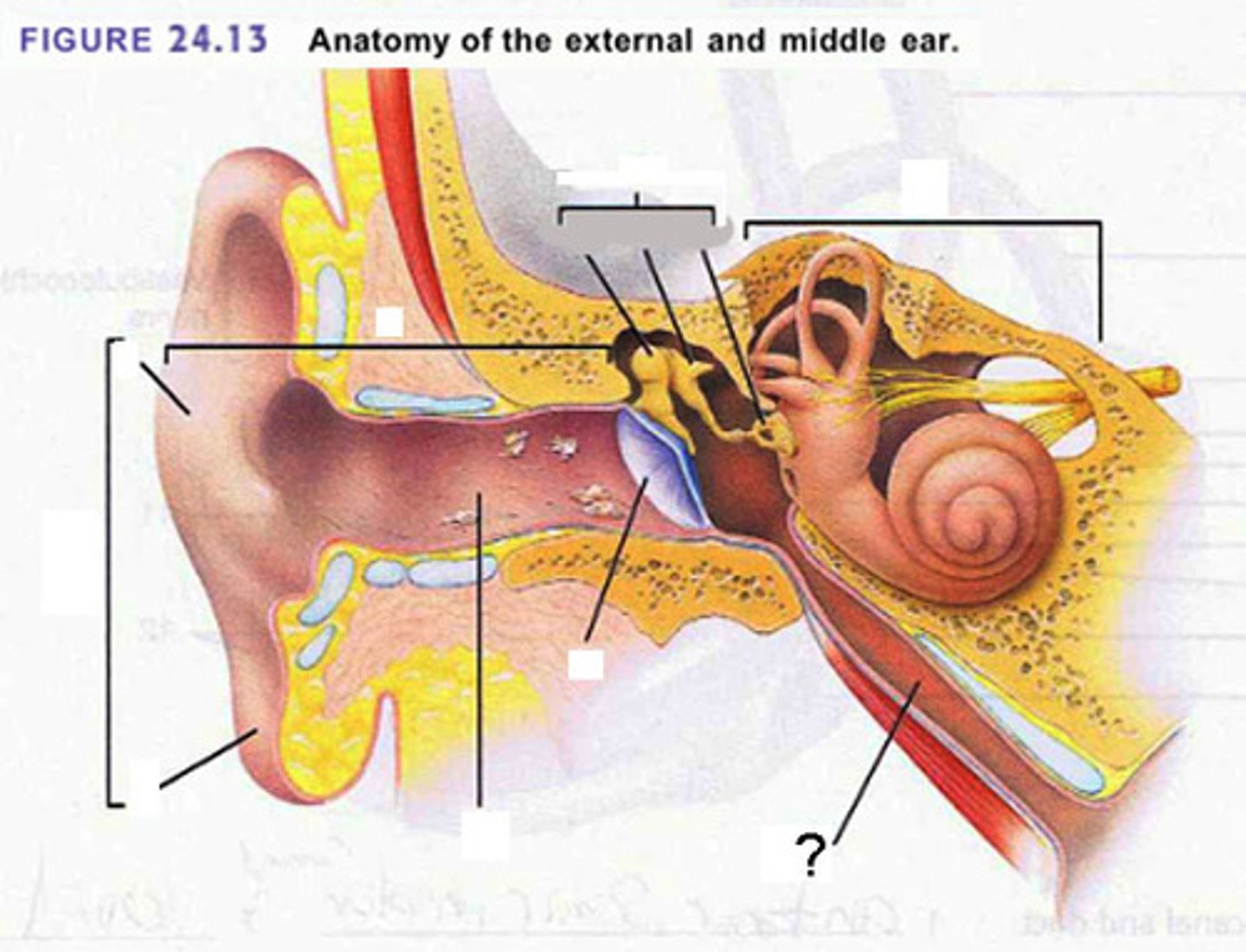
identify the ? mark
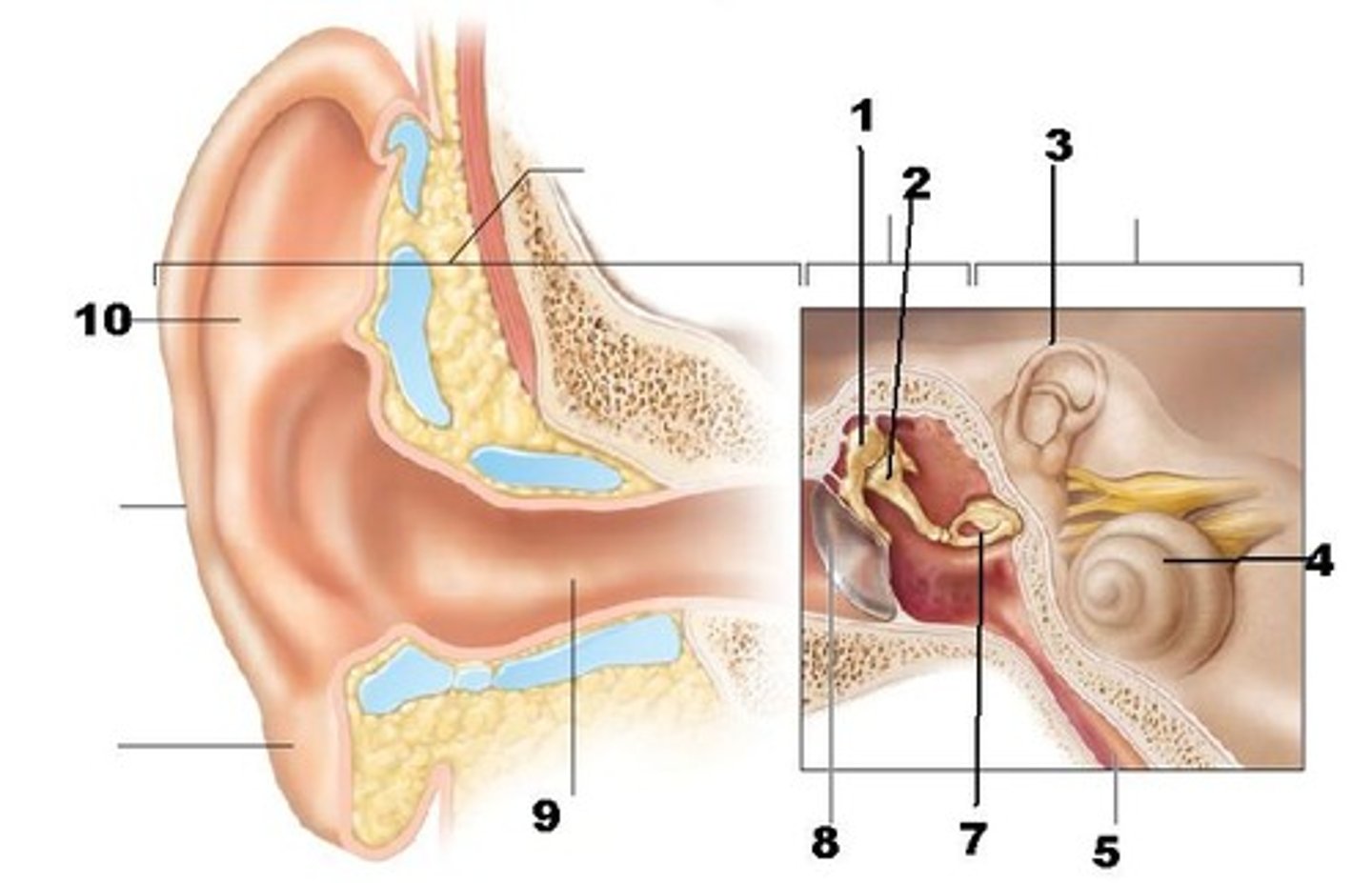
malleus
1
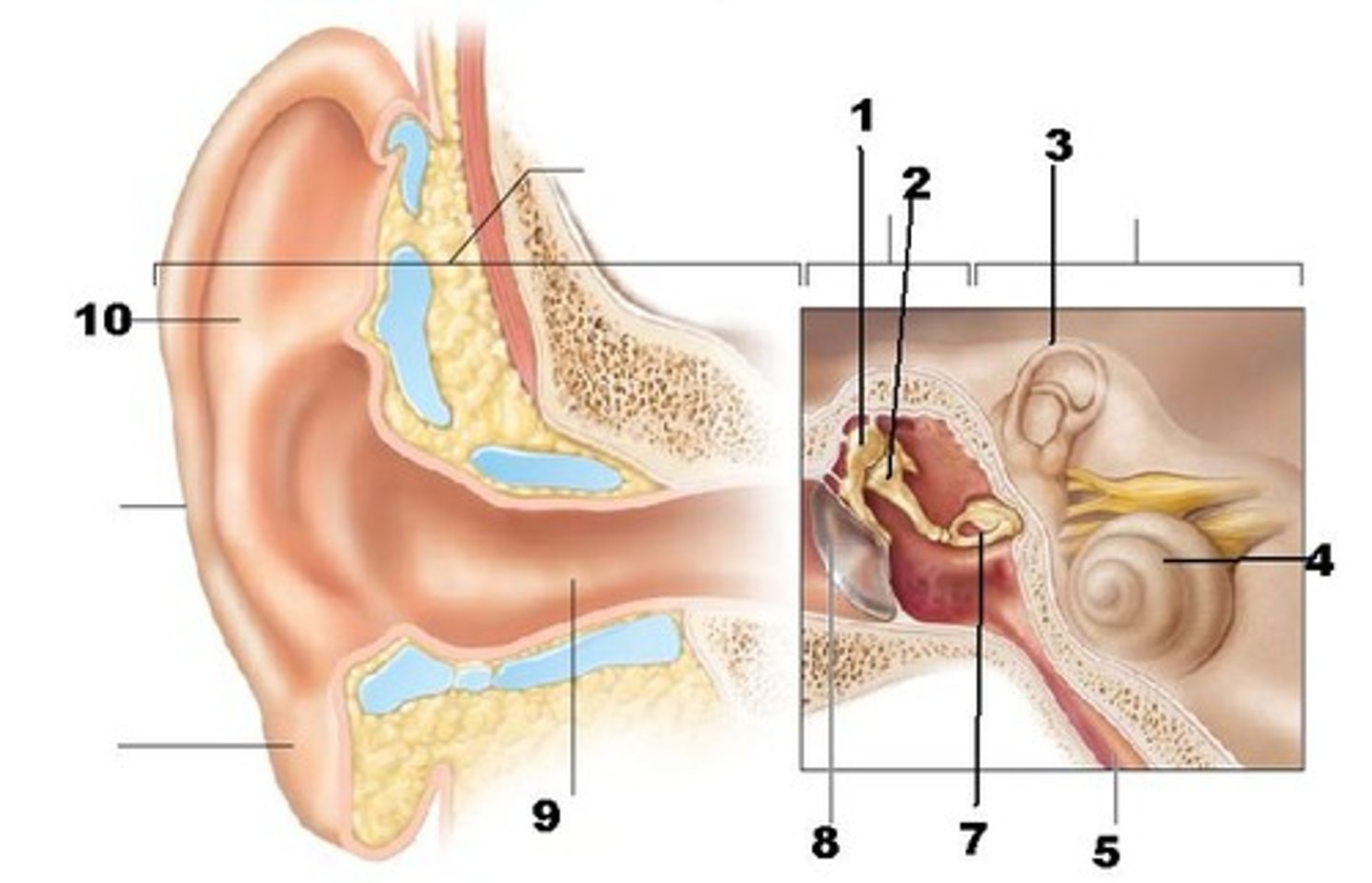
incus
2
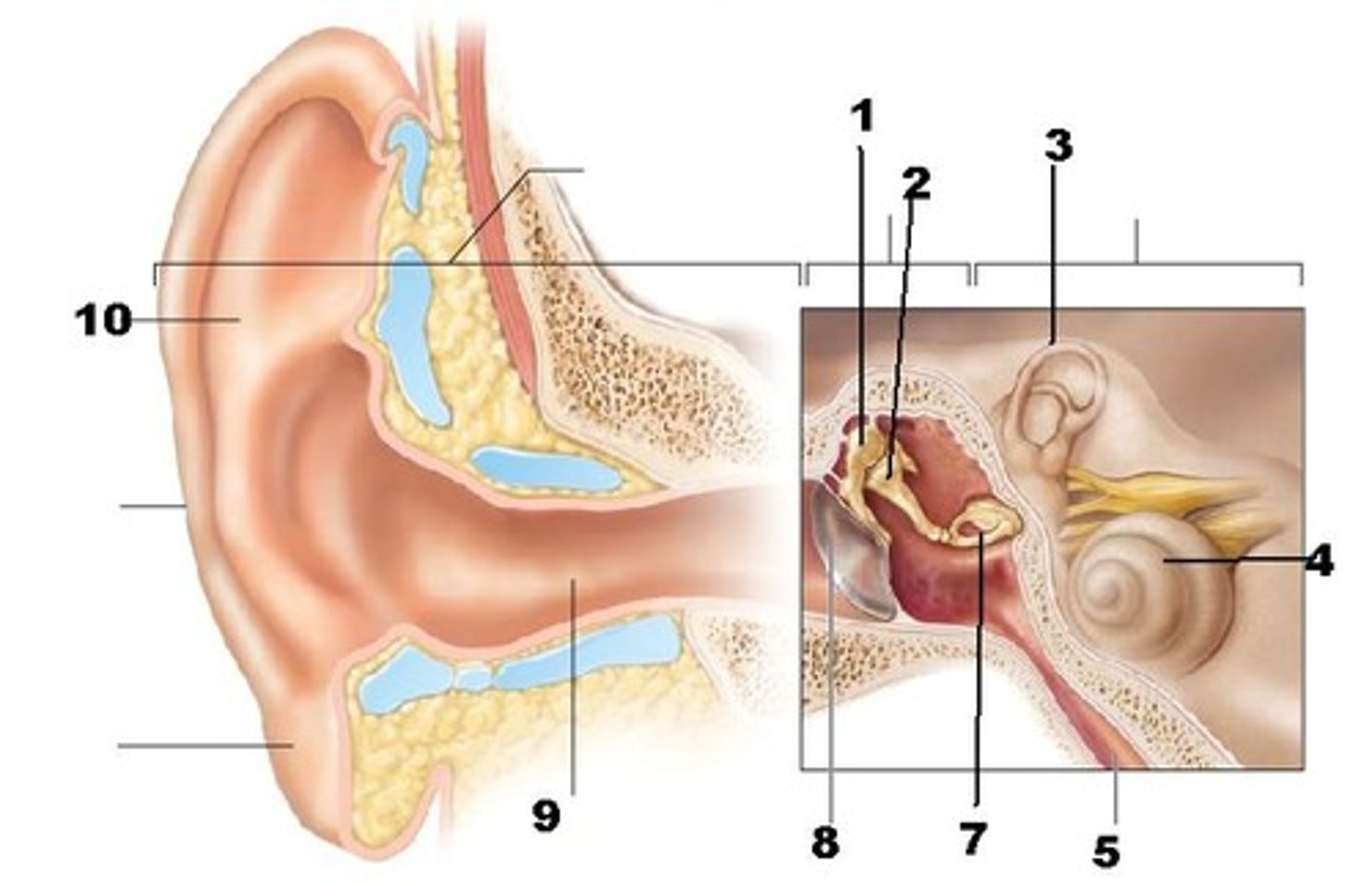
stapes
7
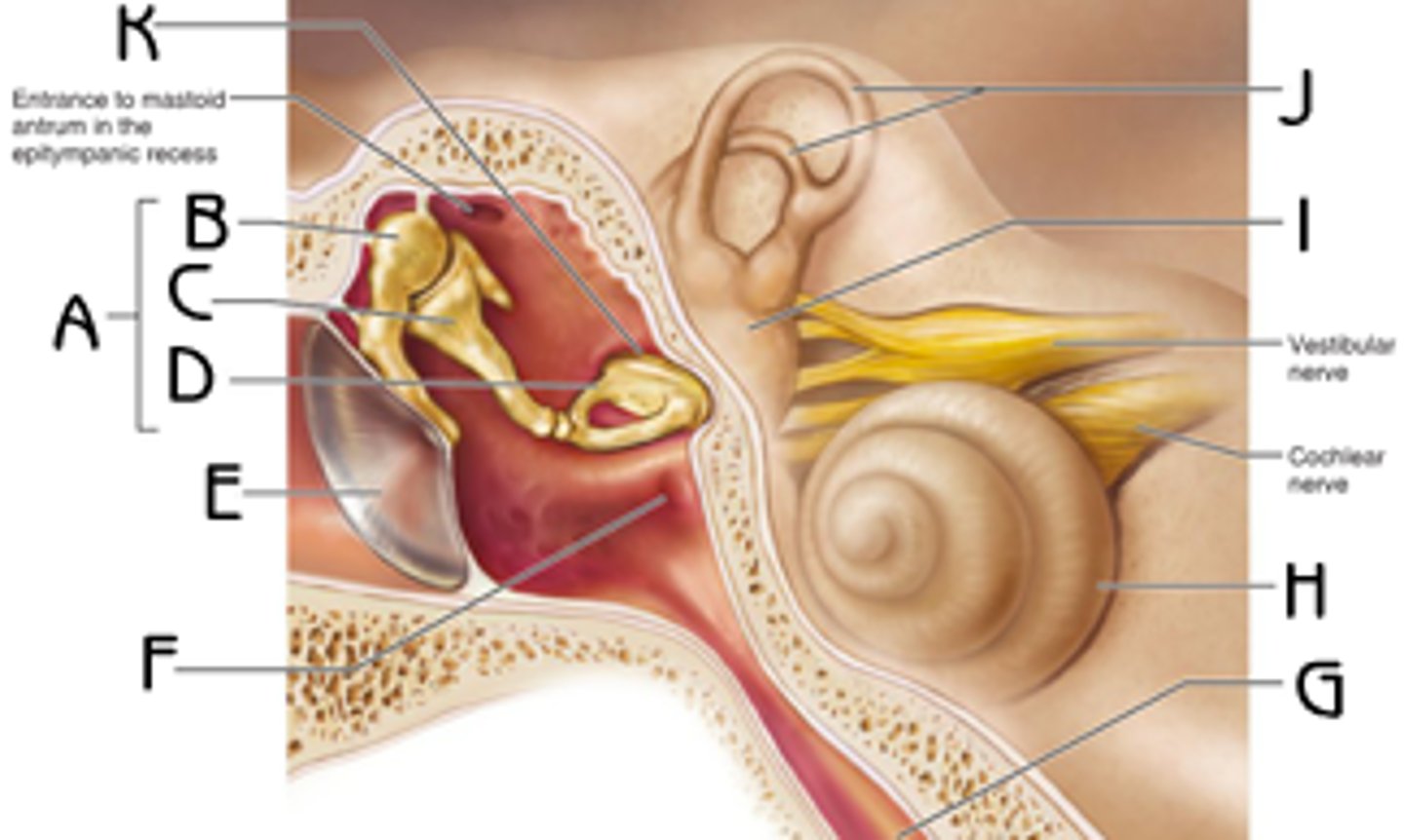
oval window
K
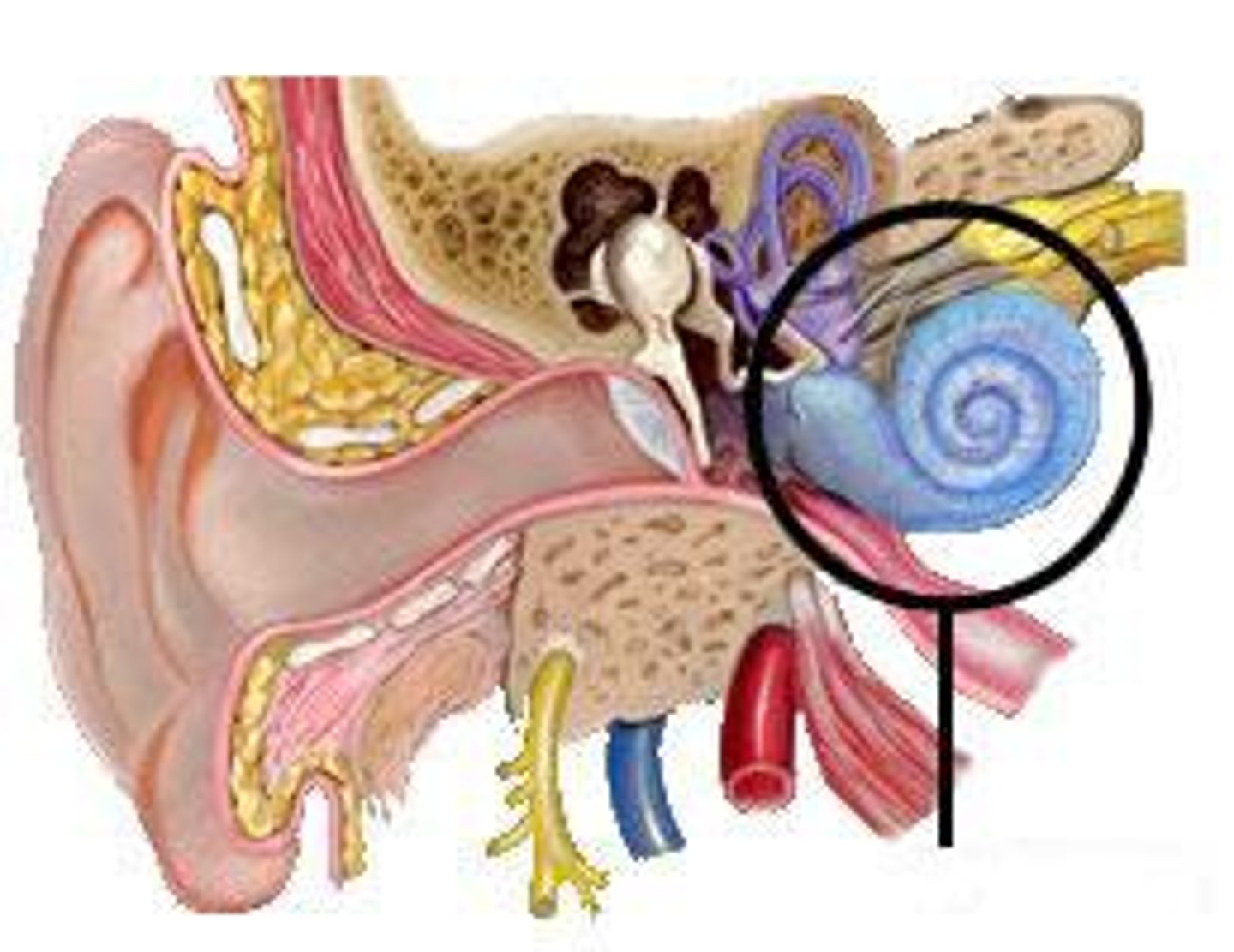
cochlea
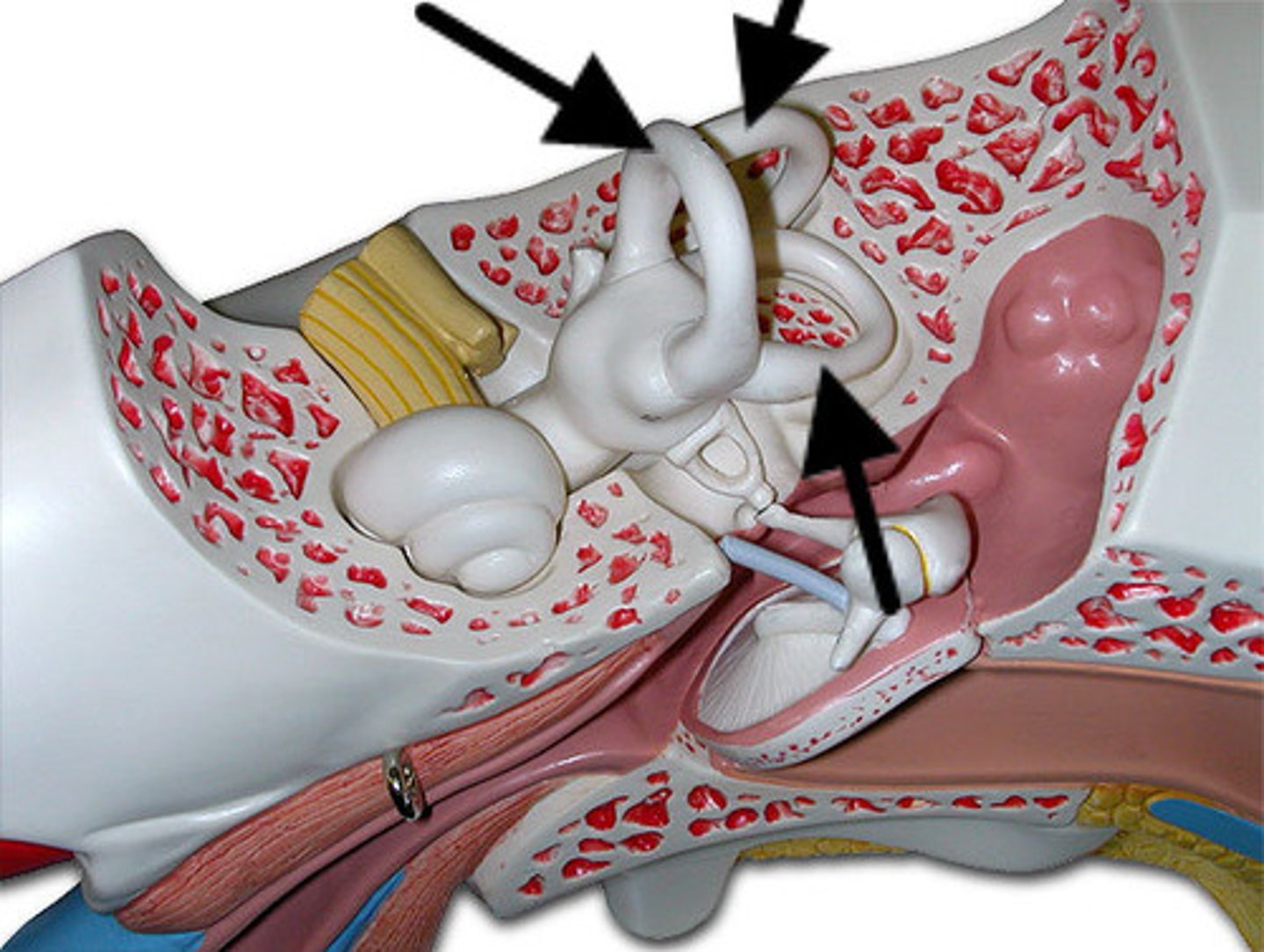
semicircular canals
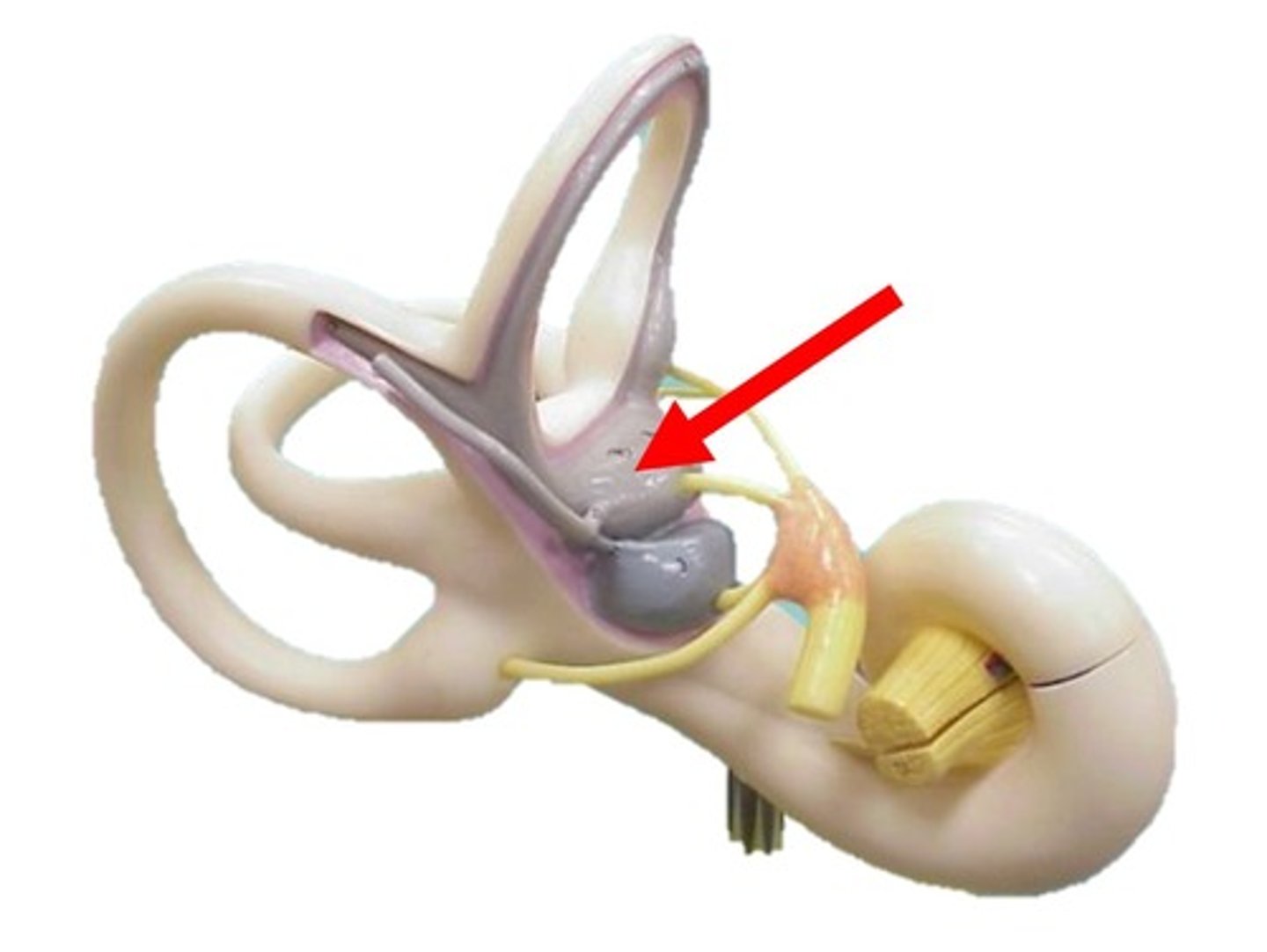
utricle
saccule
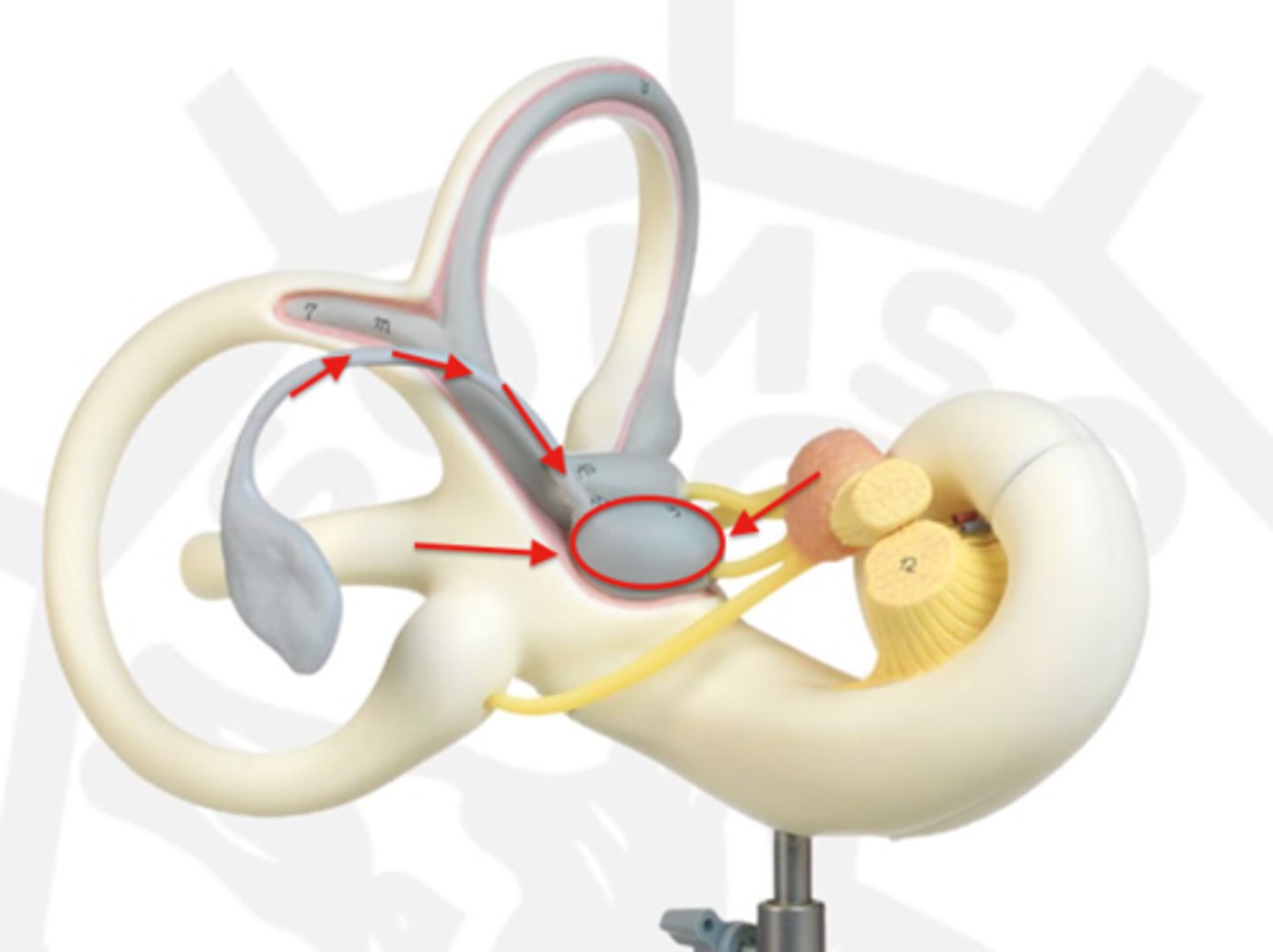
round window
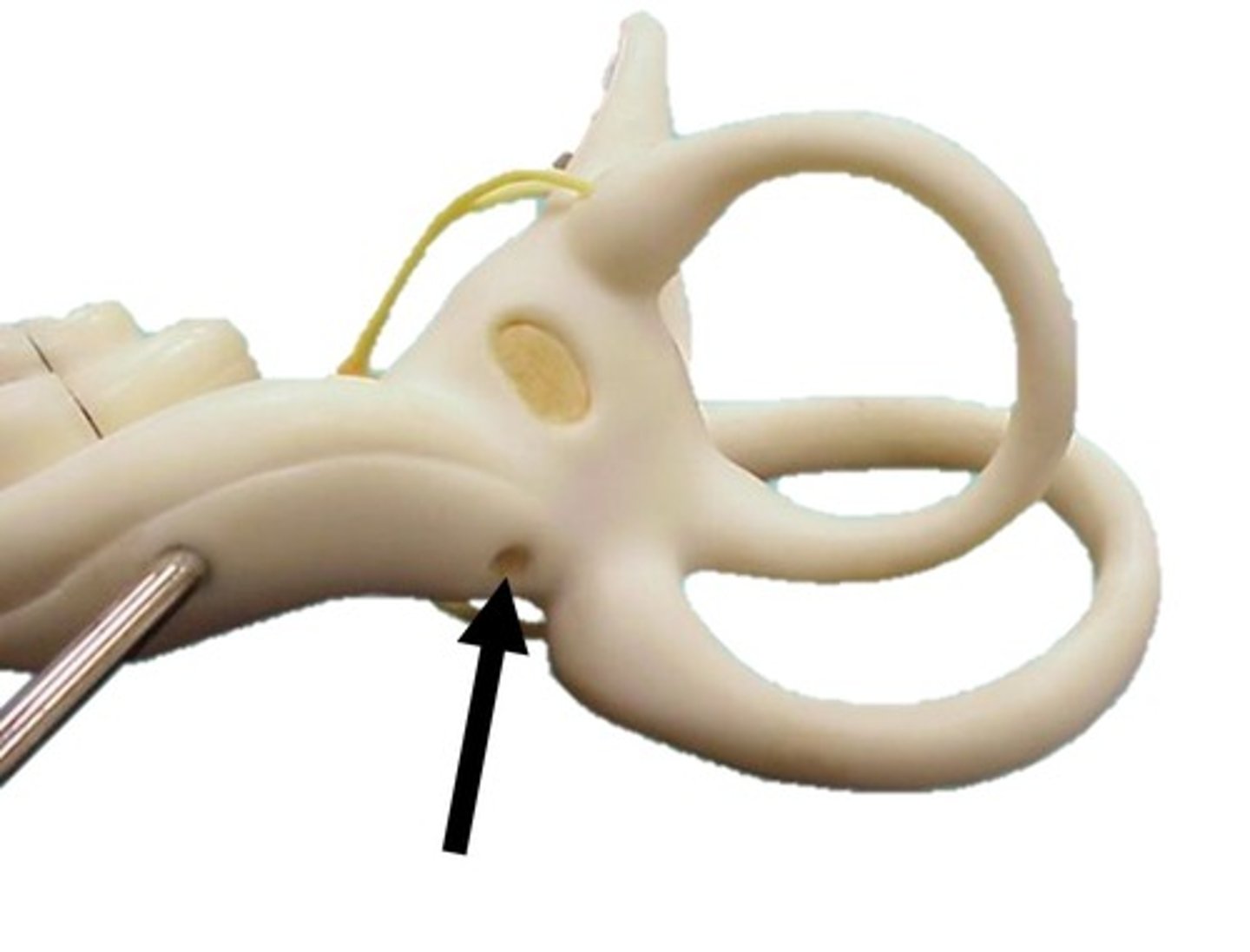
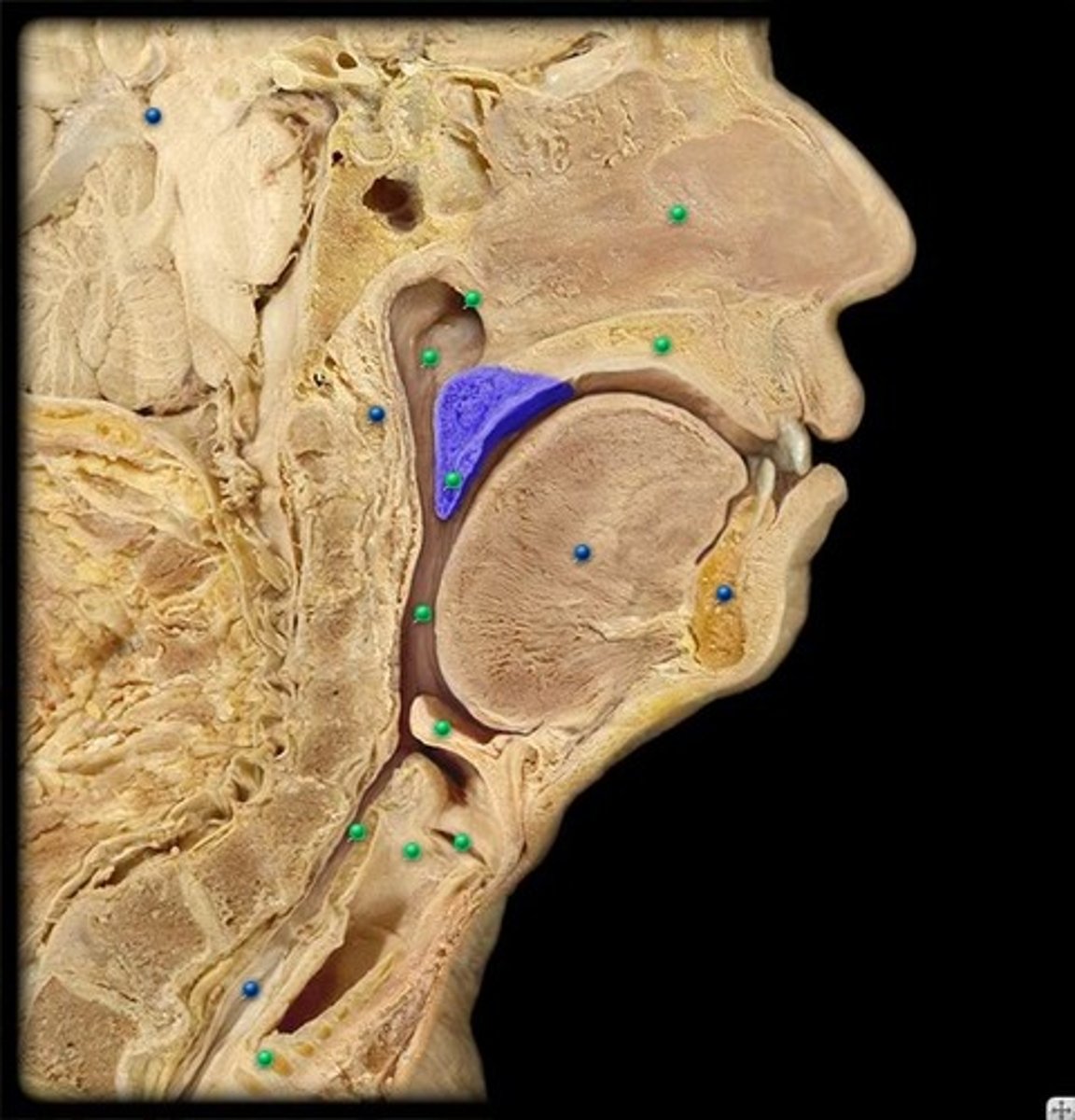
oropharynx
2
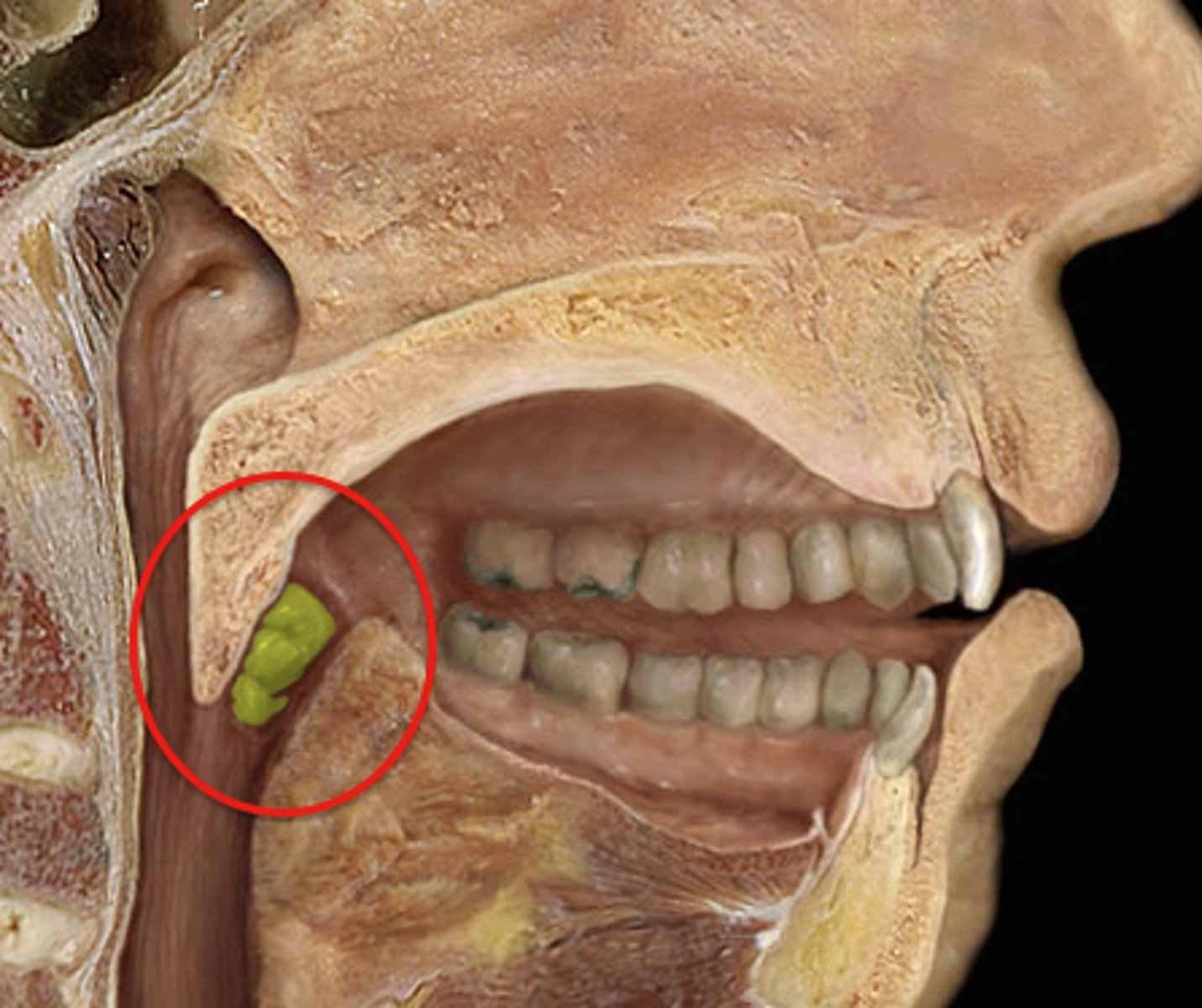
palatine tonsils
tongue
F
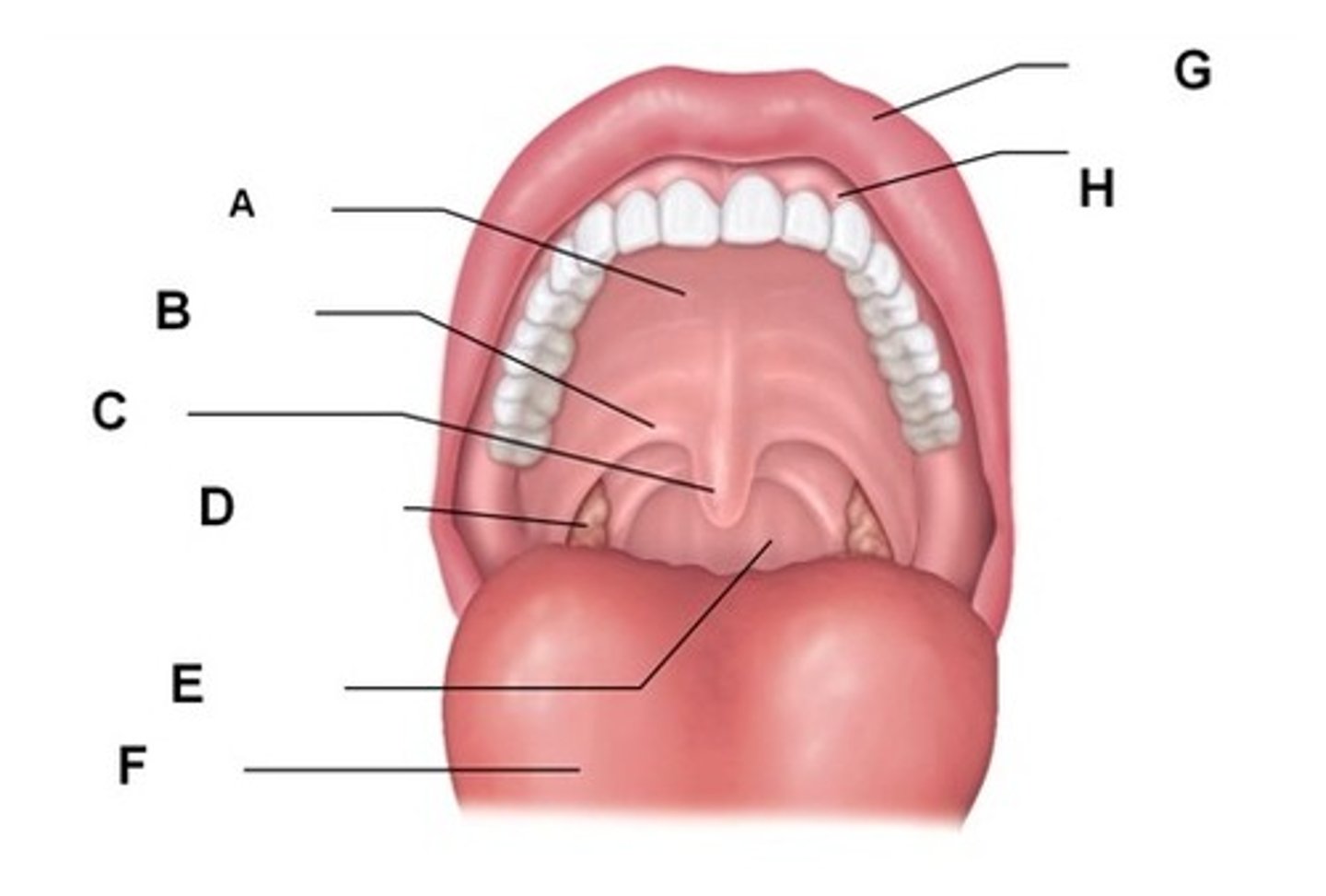
incisors; 8
how many do adults have?
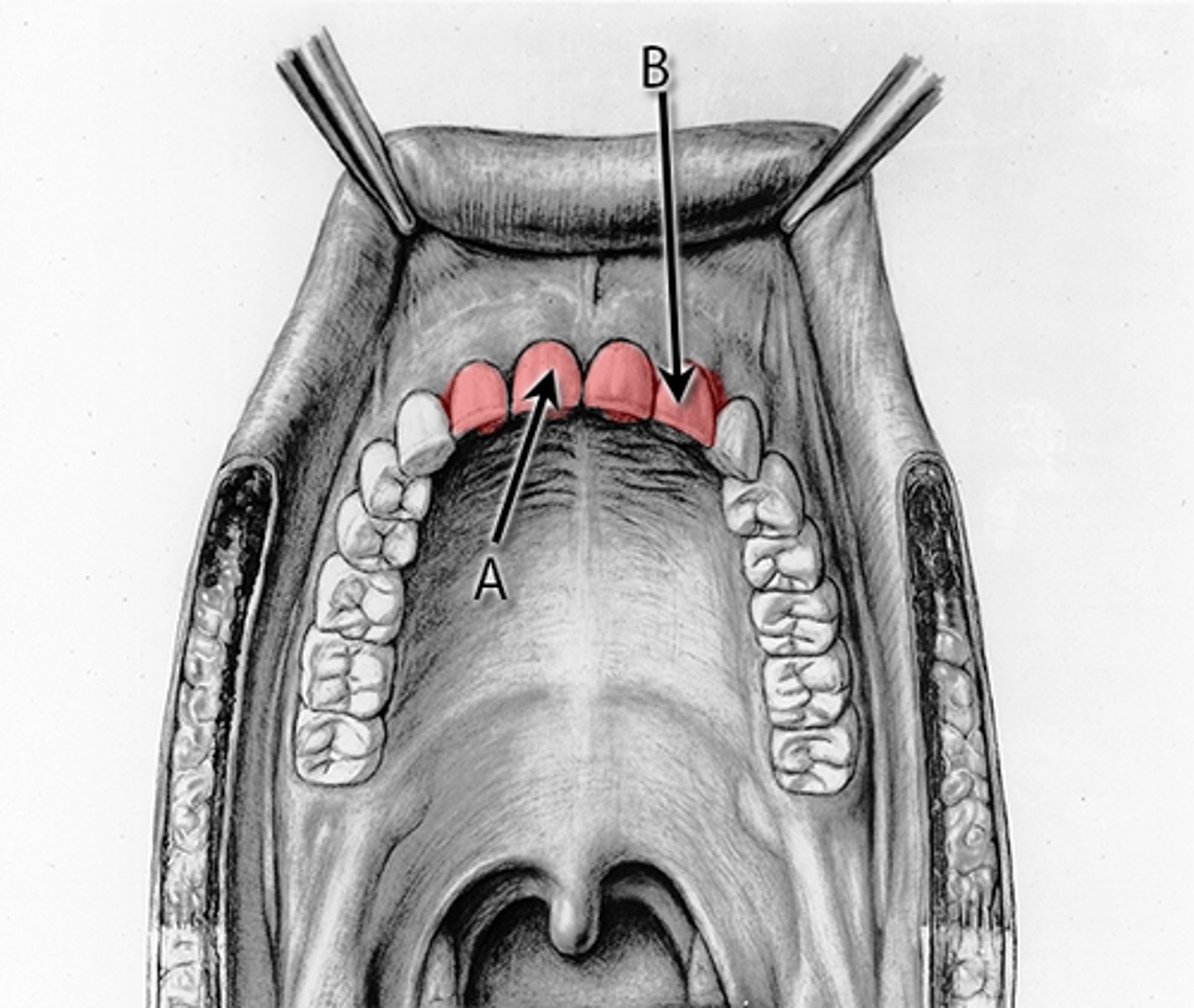
canines; 4
how many do adults have?
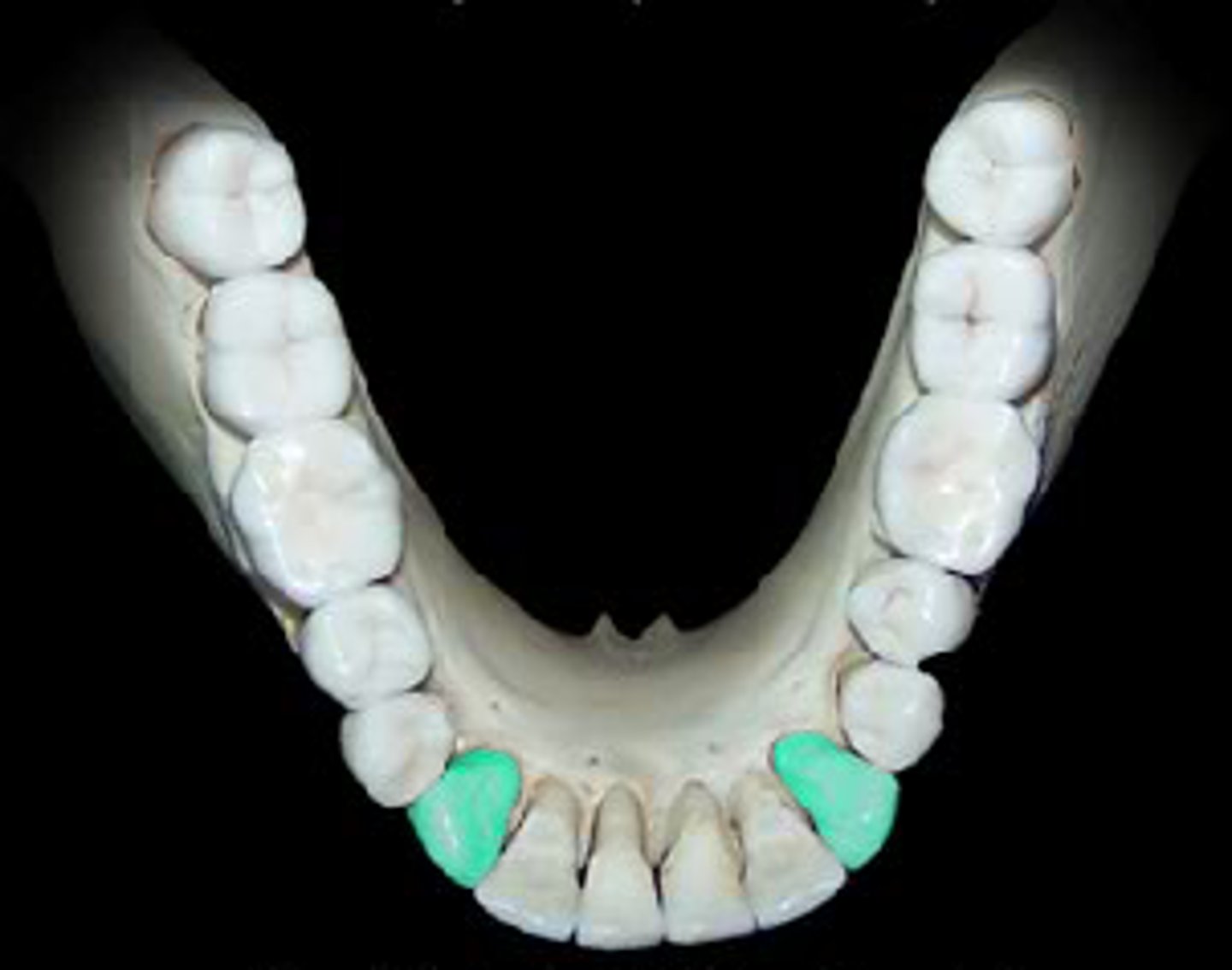
premolars; 8
how many do adults have?
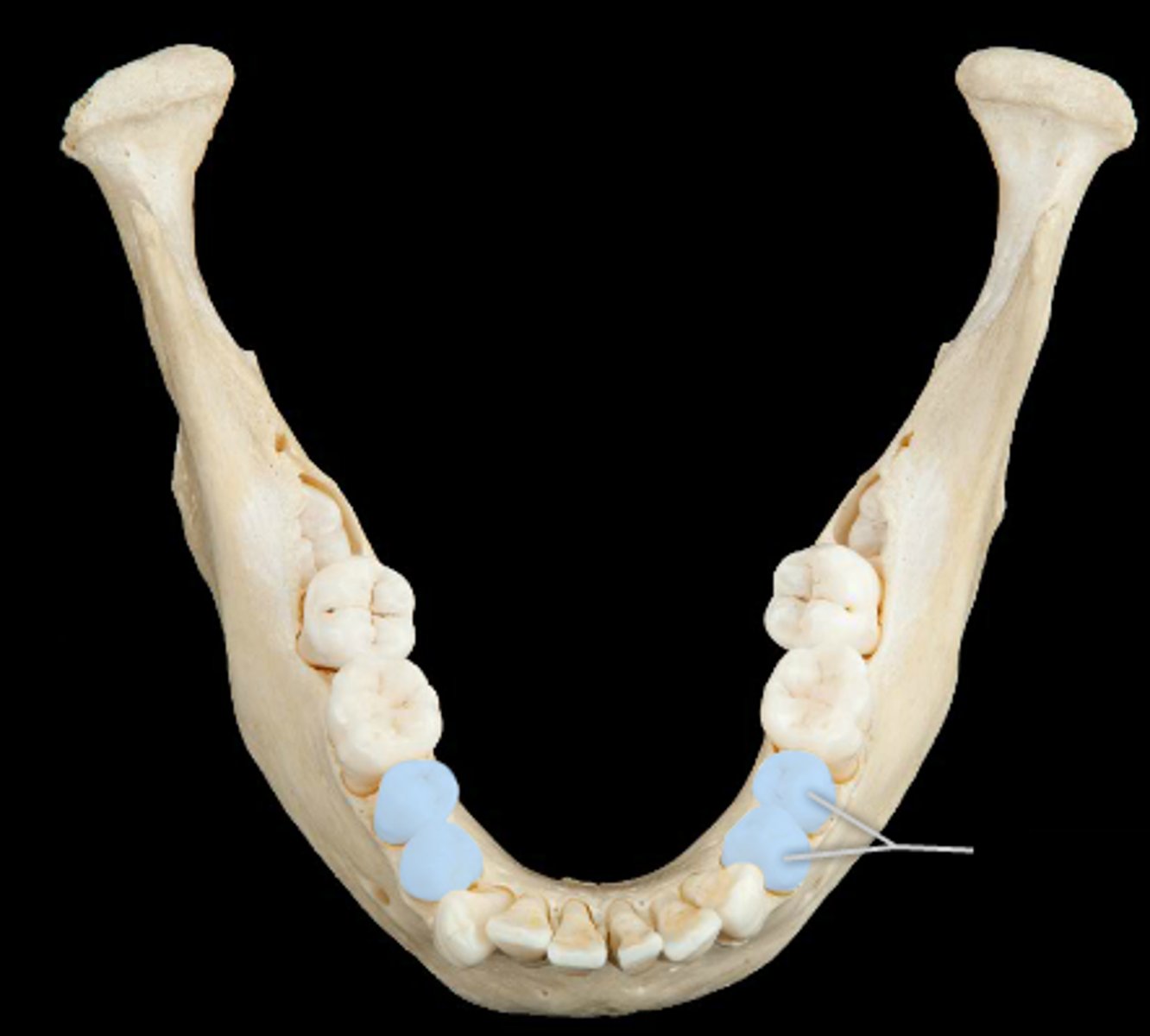
molars; 12
how many do adults have?
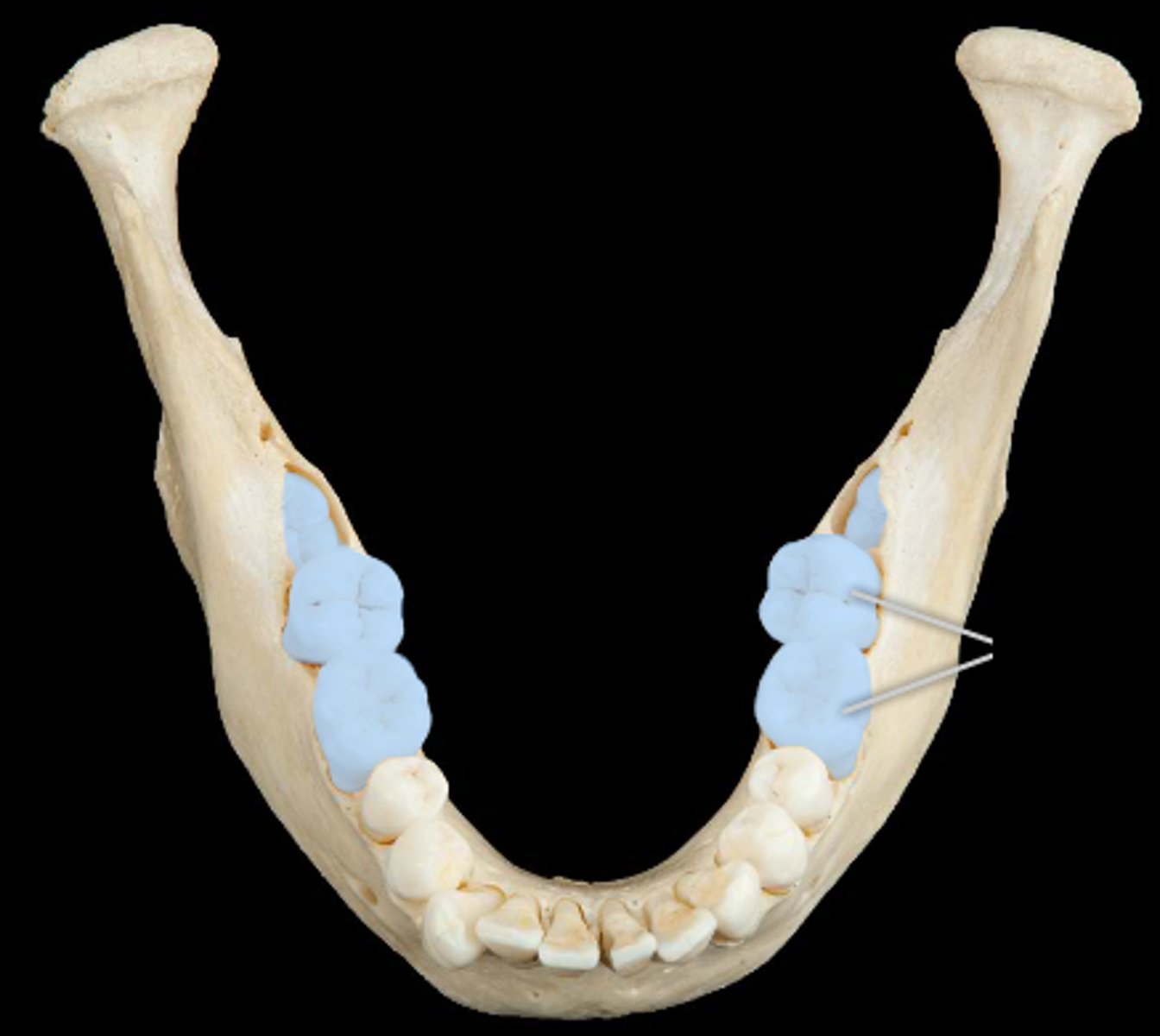
nasal cavity
hard palate
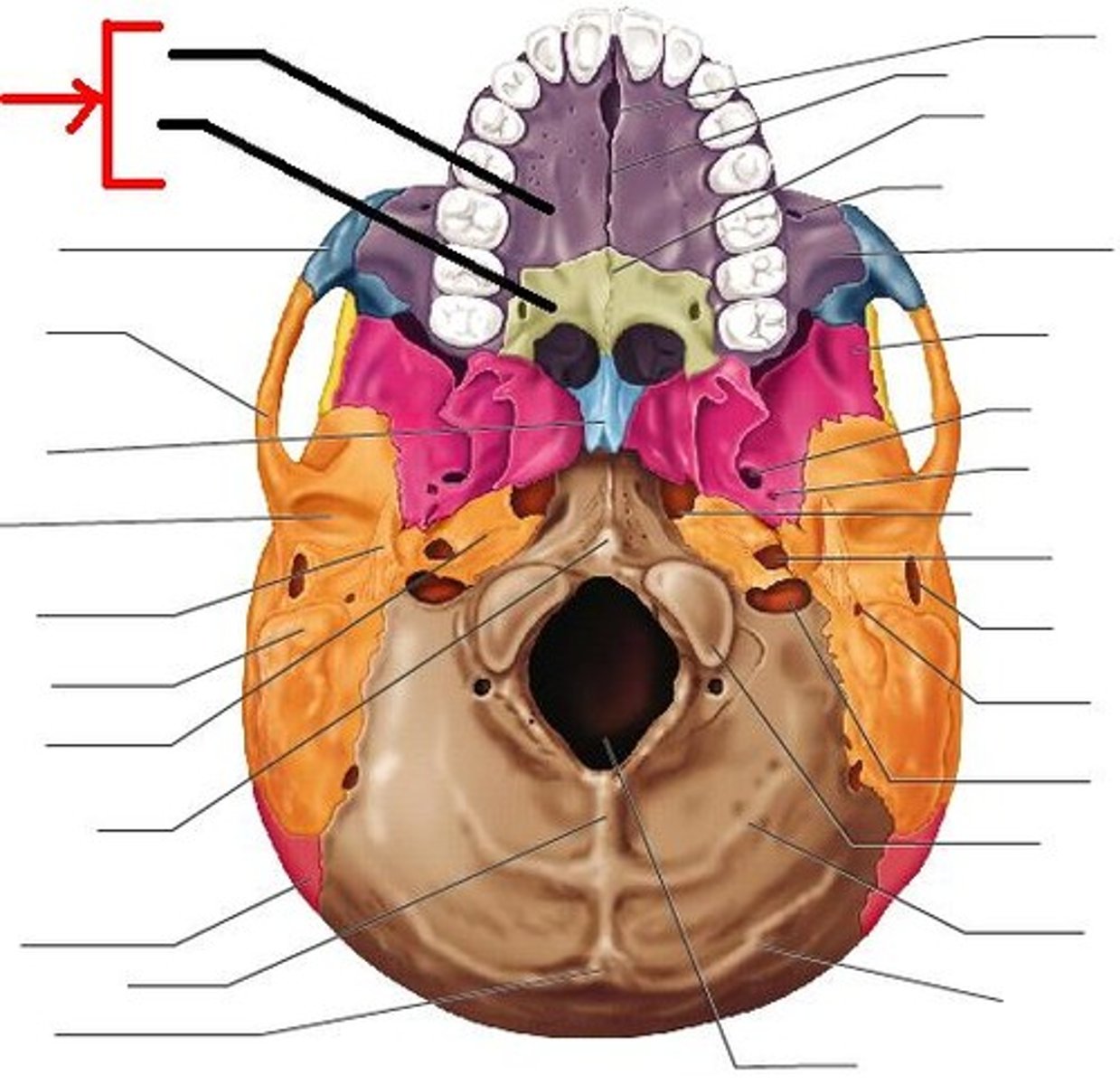
soft palate
uvula
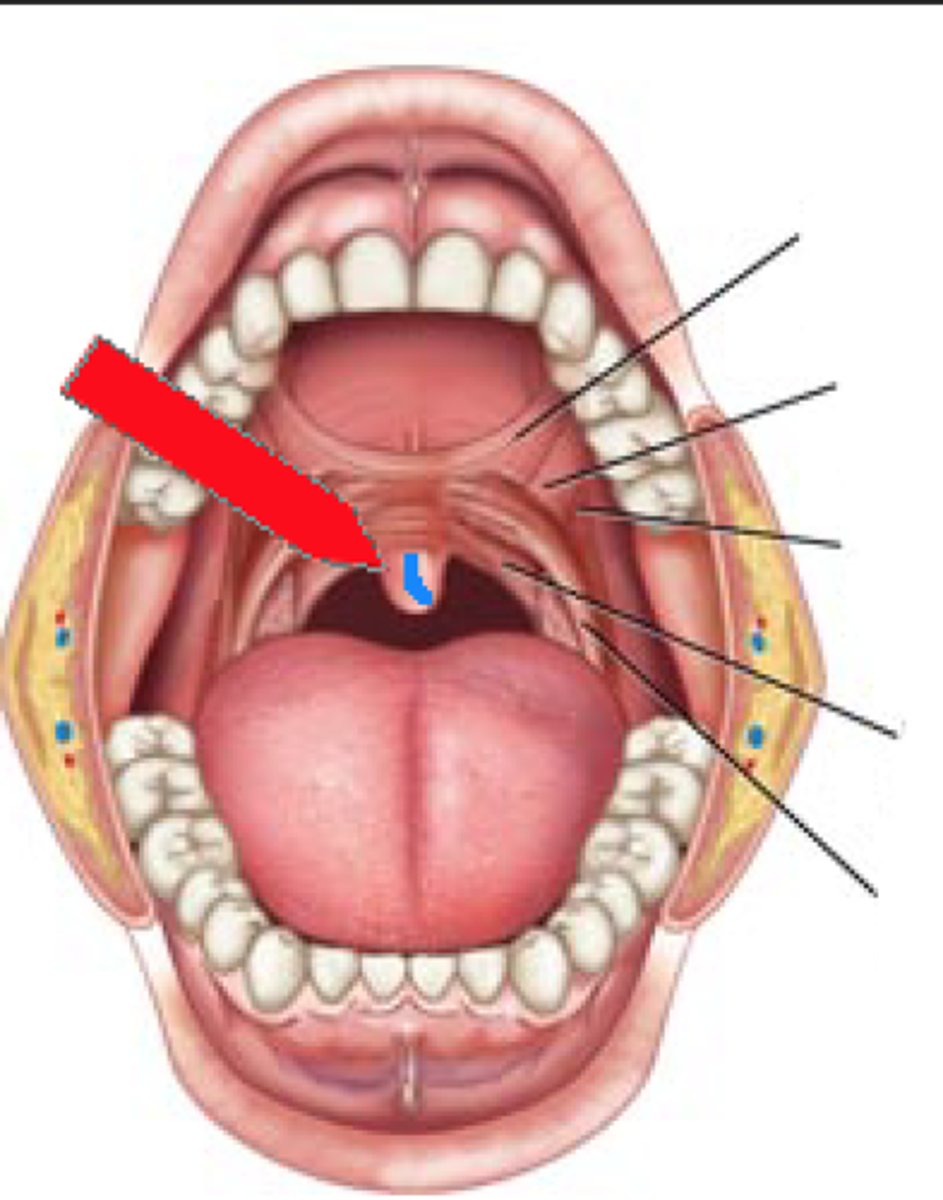
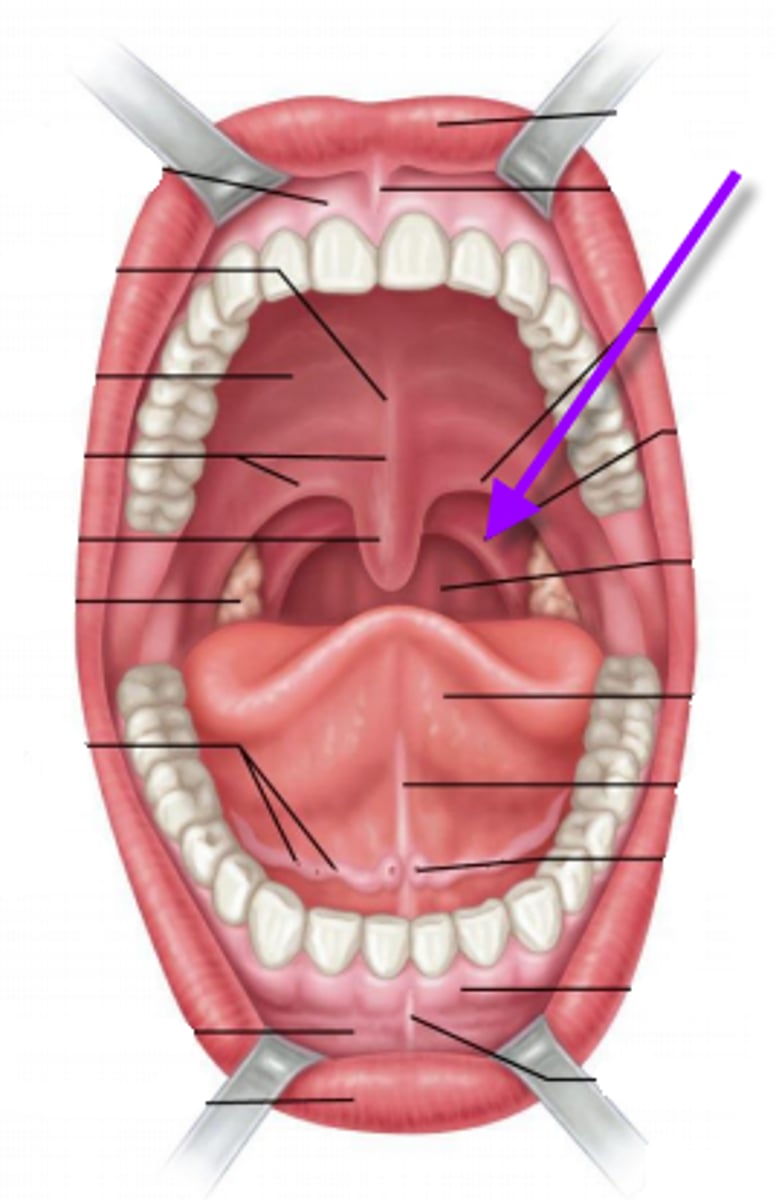
palatoglossal arch
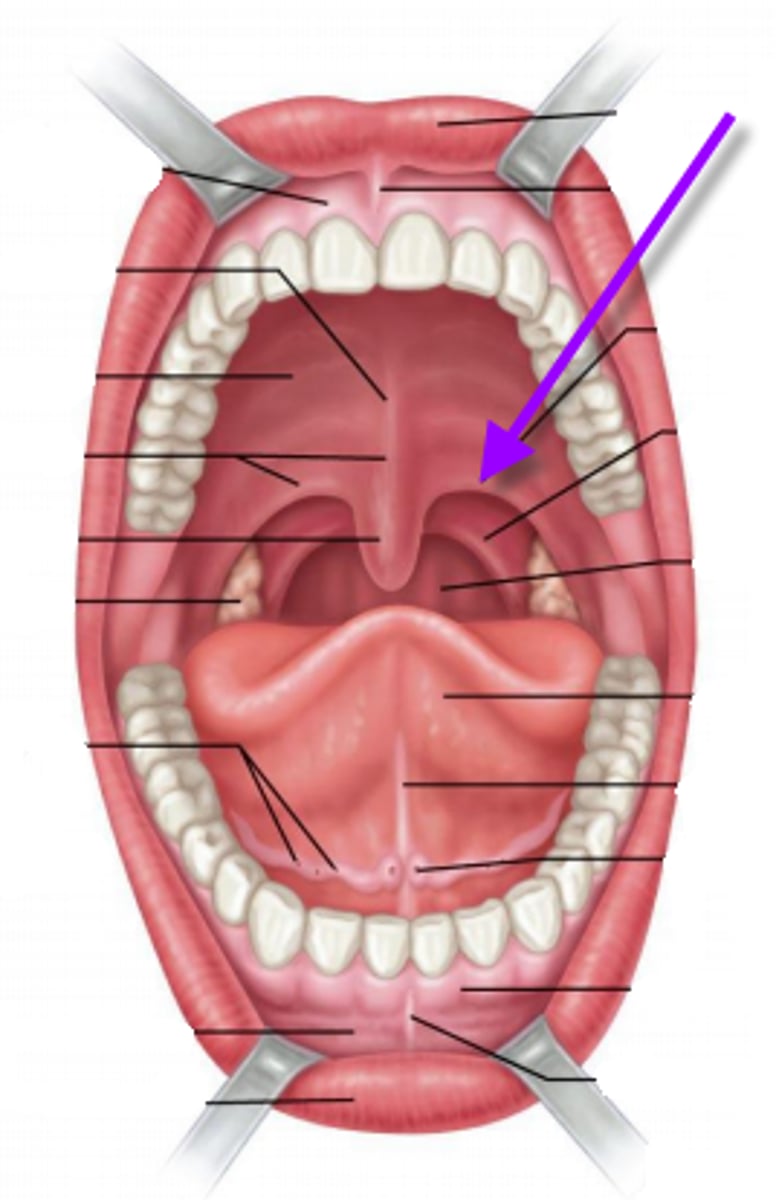
palatopharyngeal arch
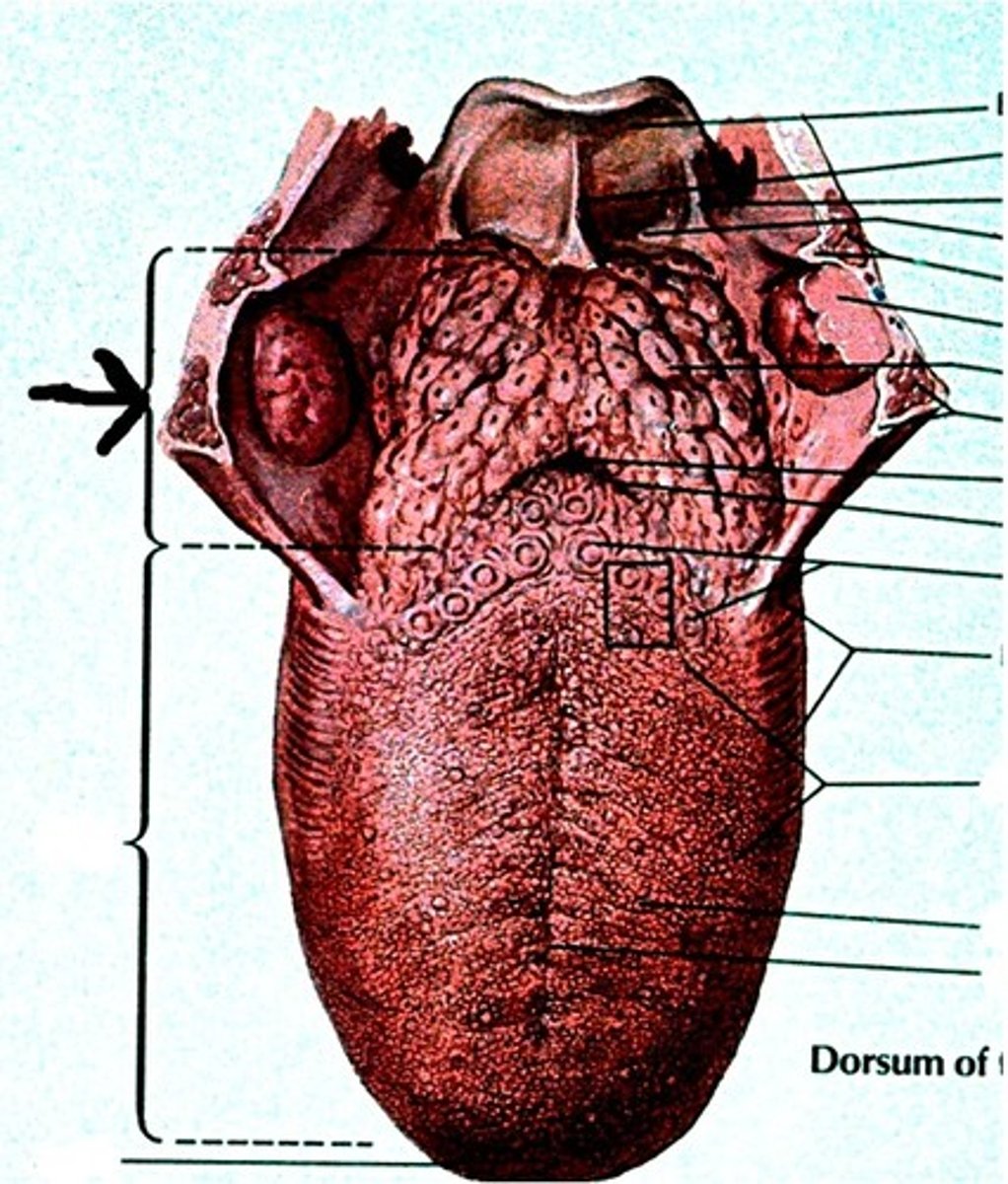
root of tongue
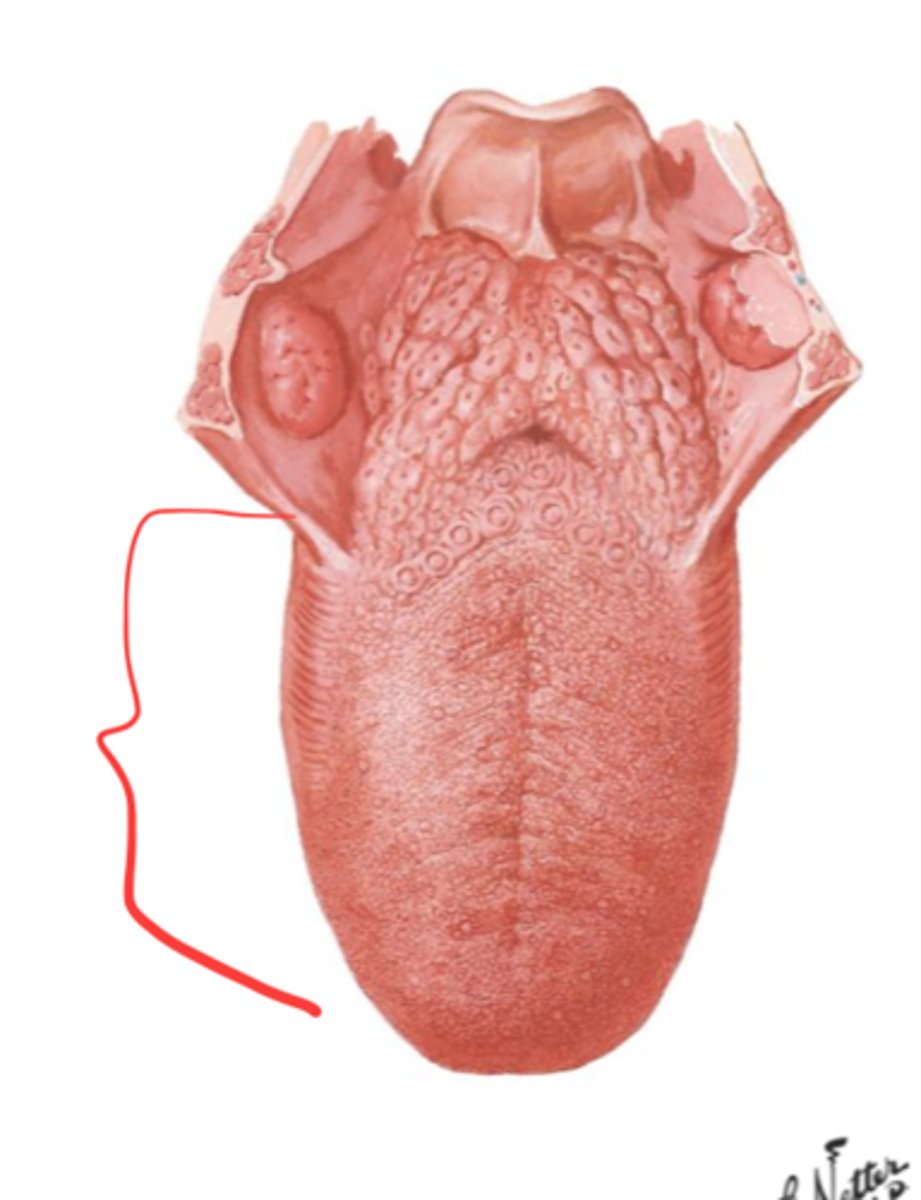
body of tongue
apex of tongue
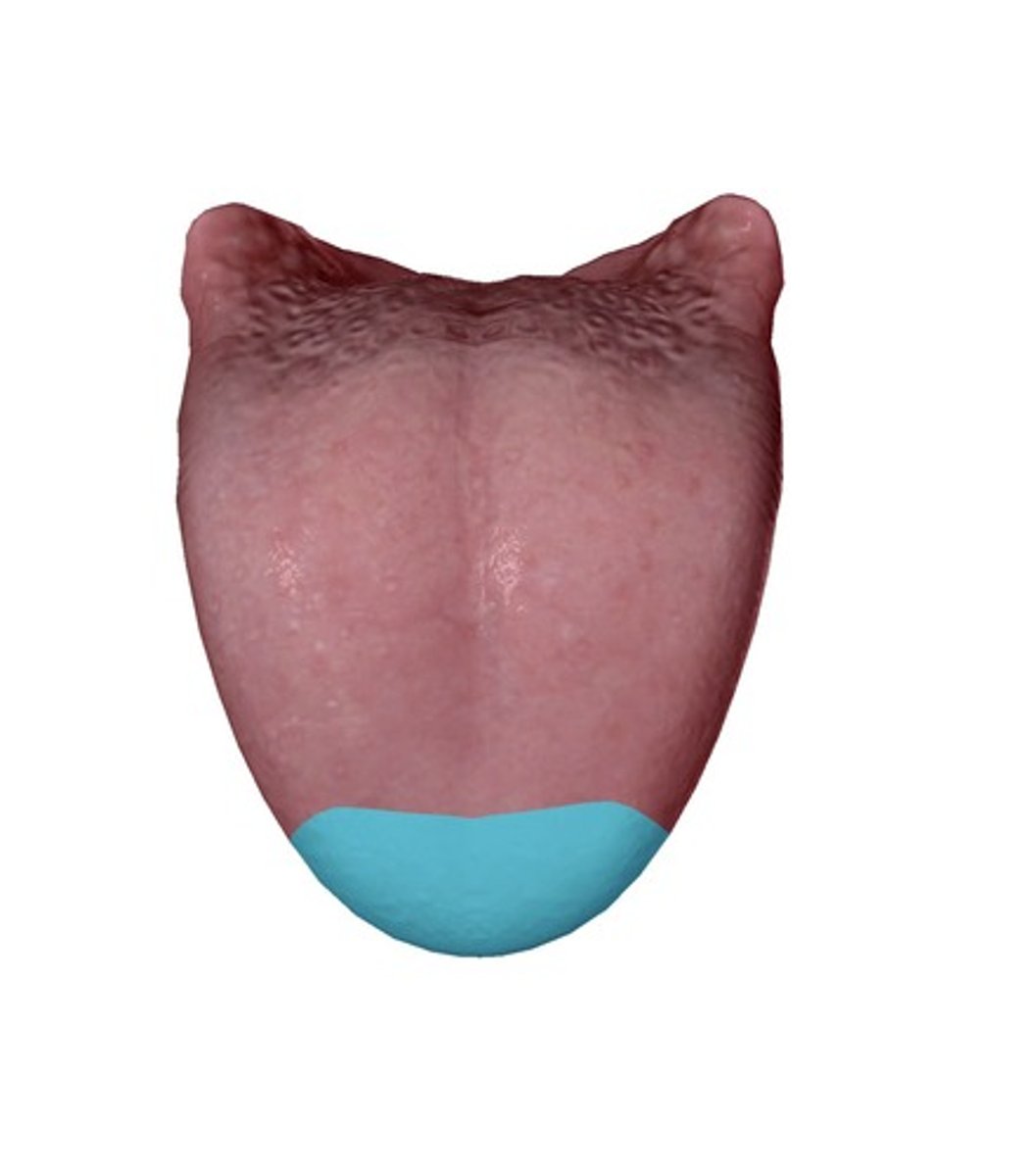
vallate papillae
1
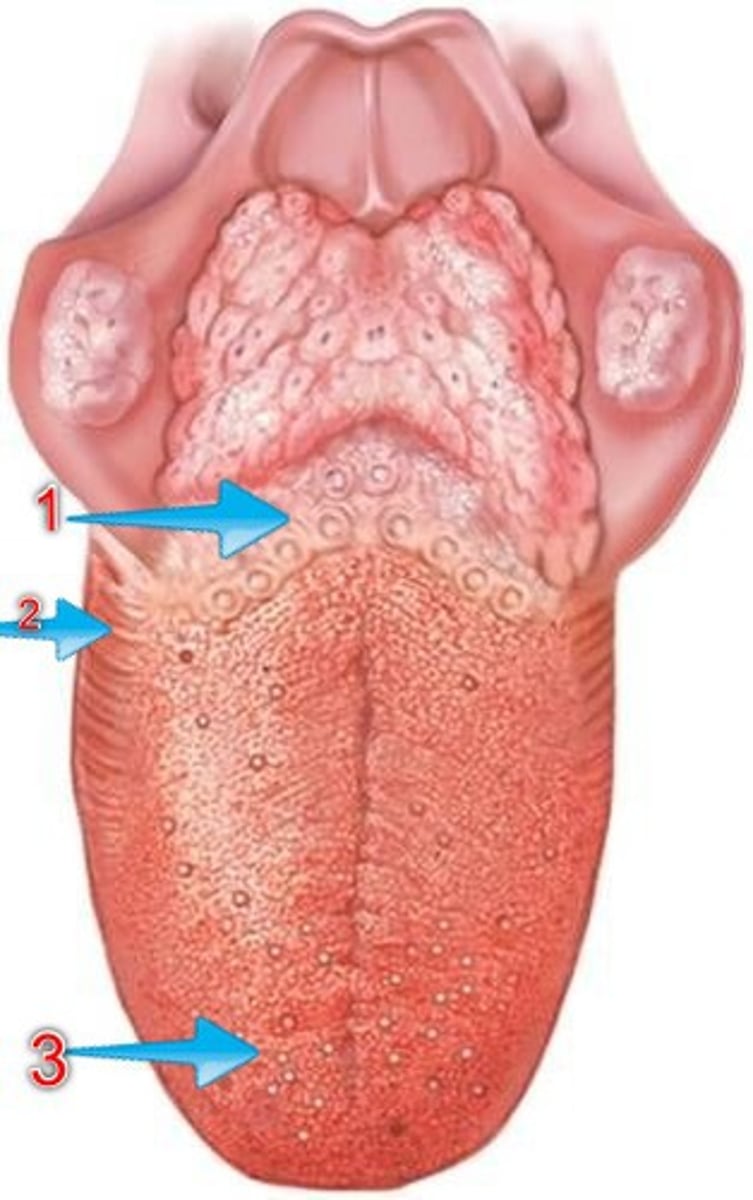
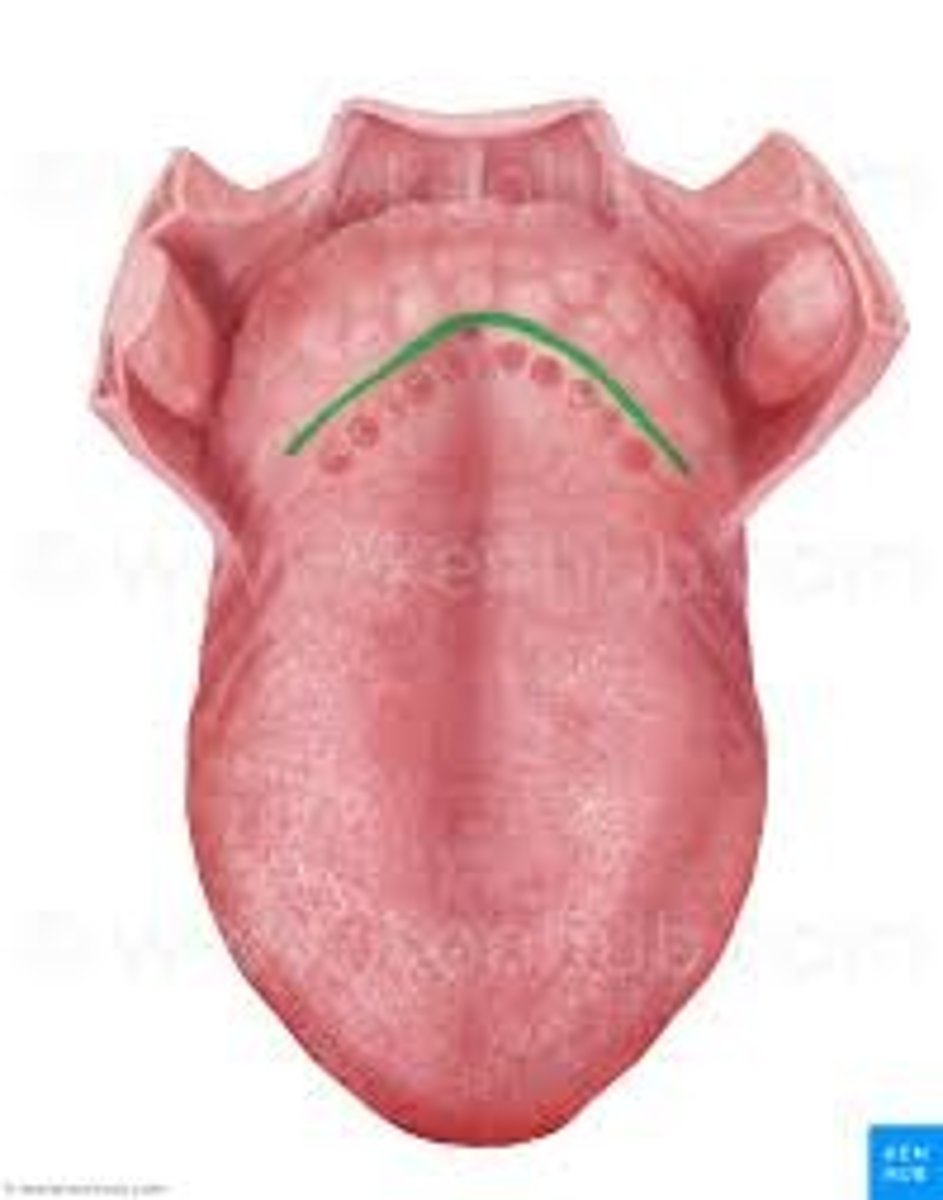
terminal sulcus
lingual tonsils
area behind B
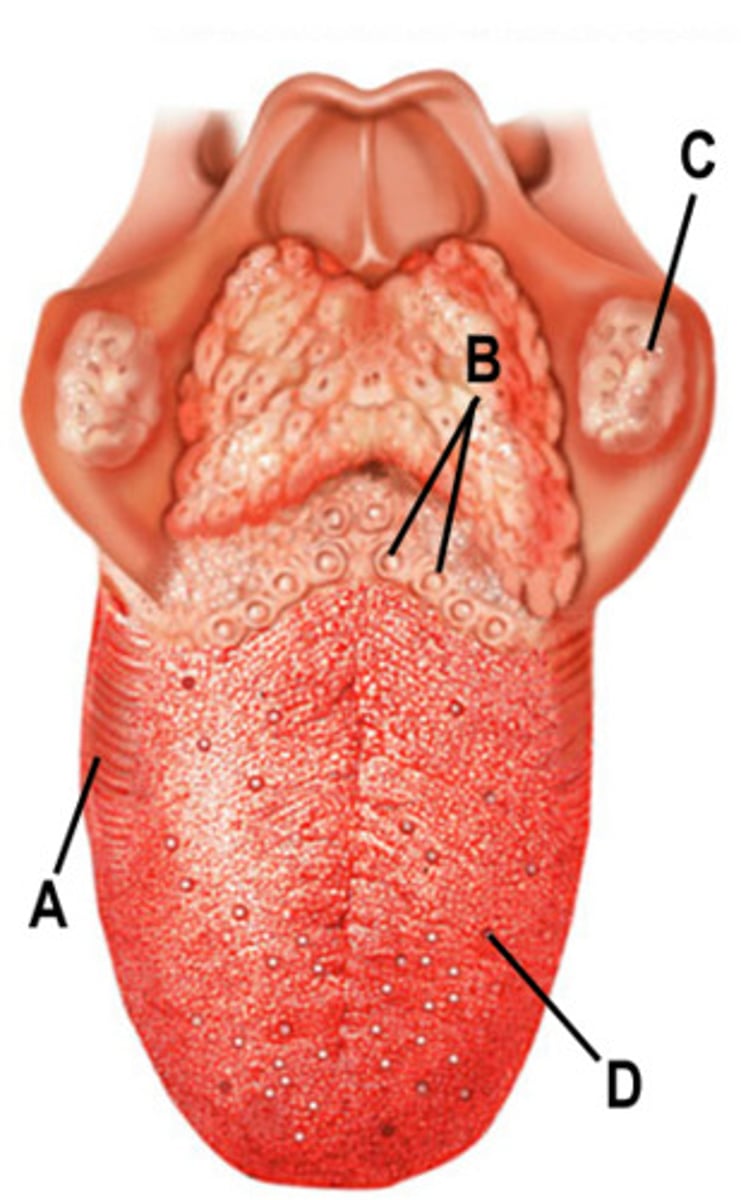
genioglossus
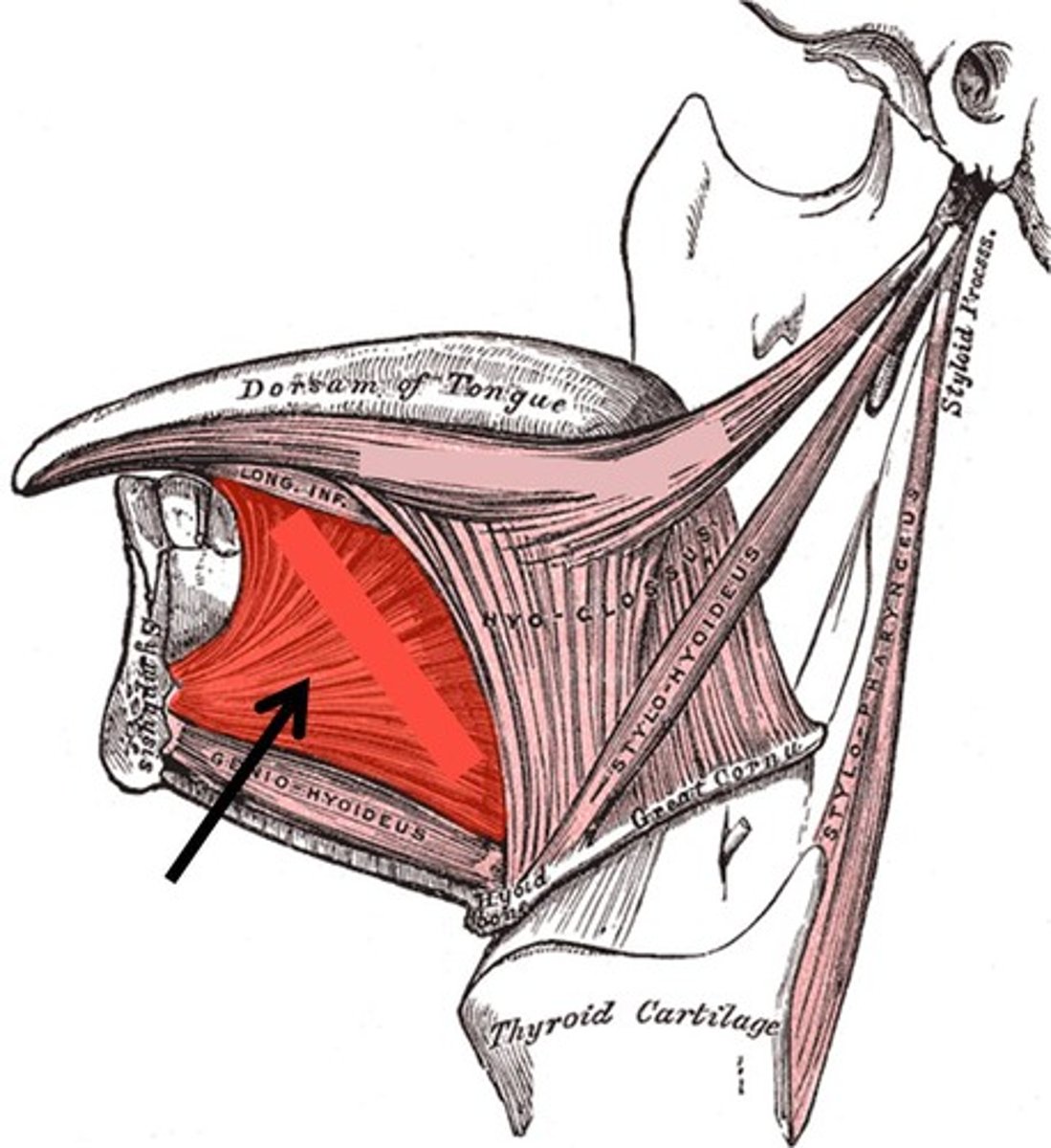
hyoglossus
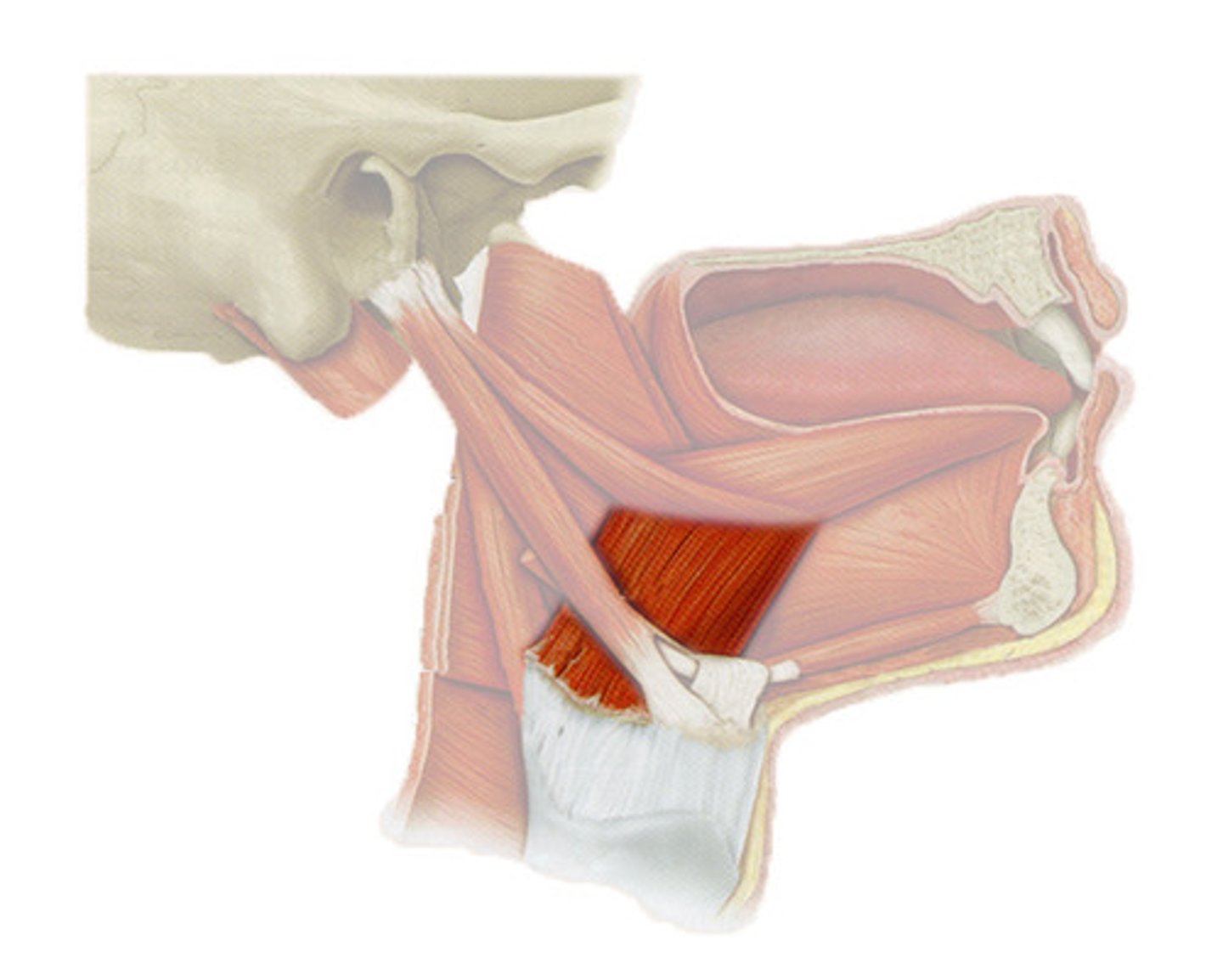
styloglossus
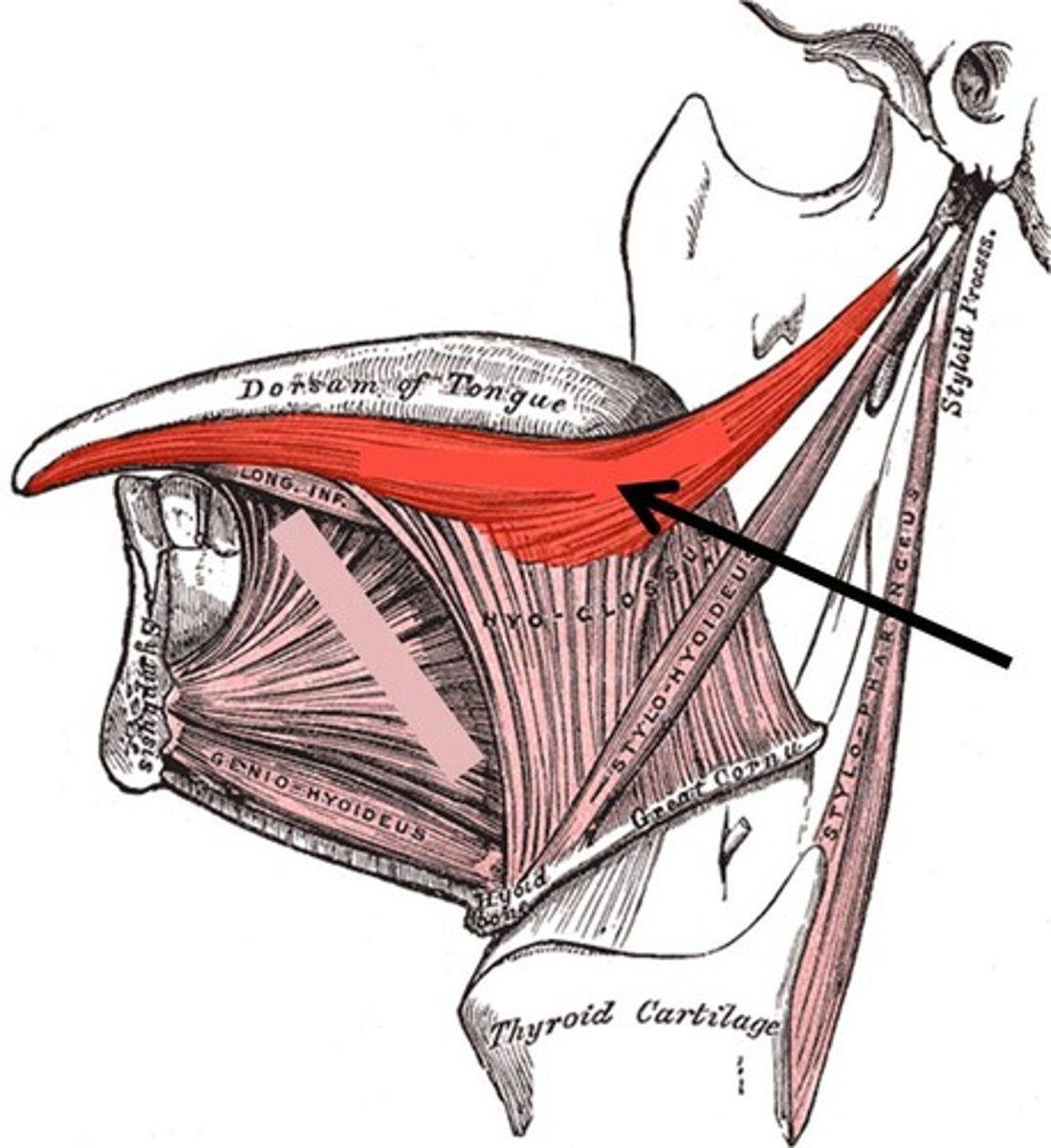
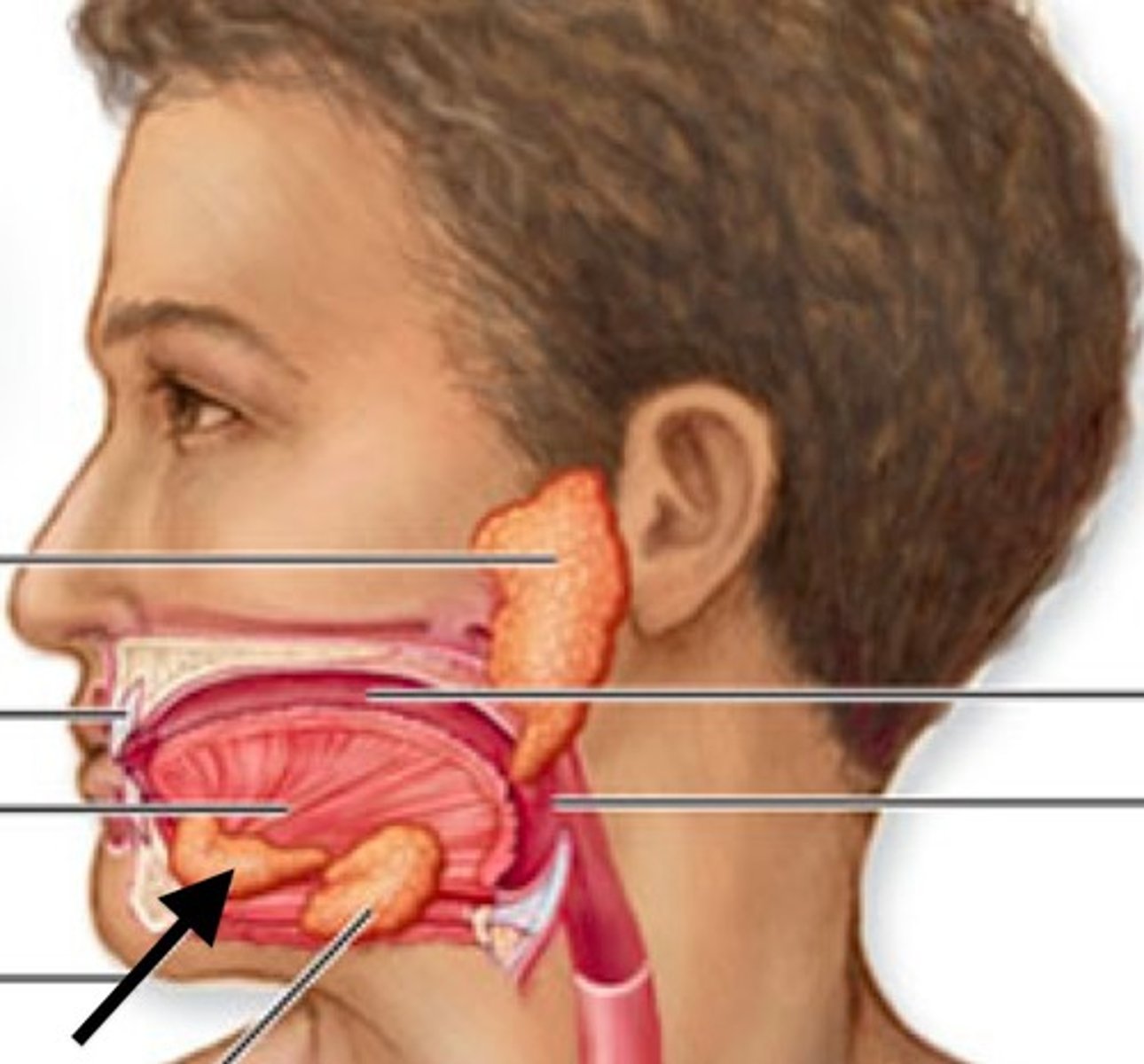
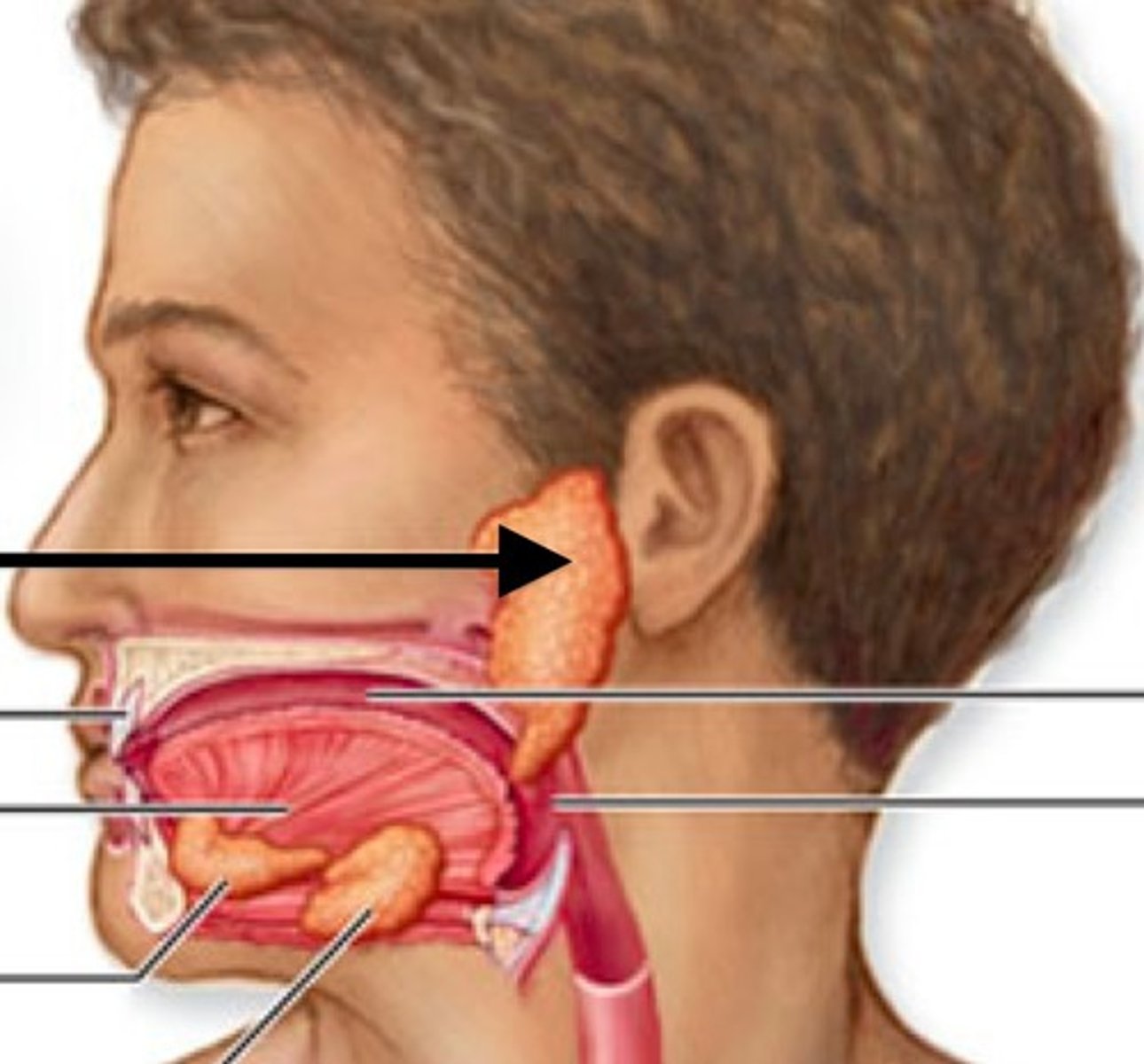
submandibular gland
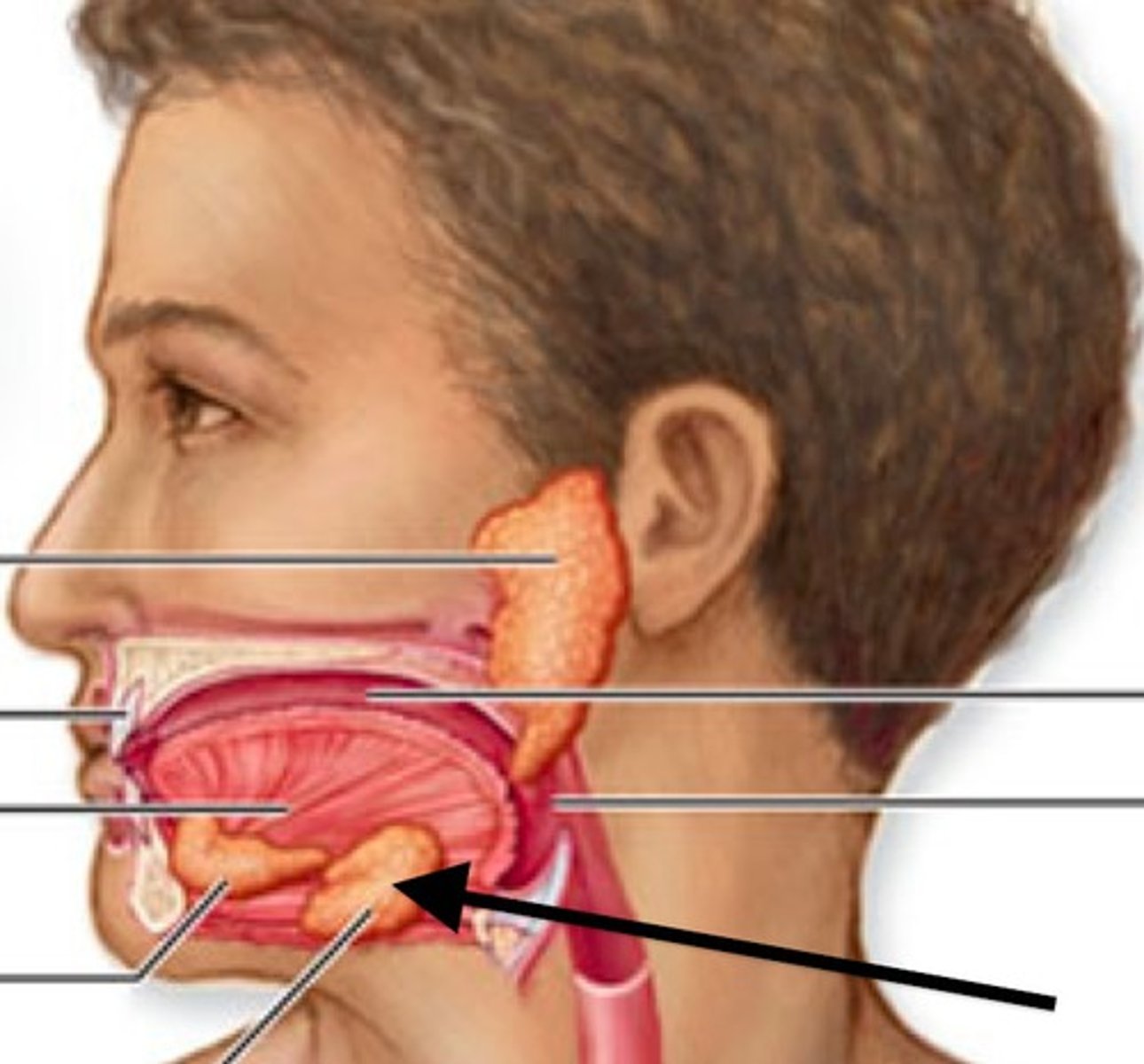
sublingual gland
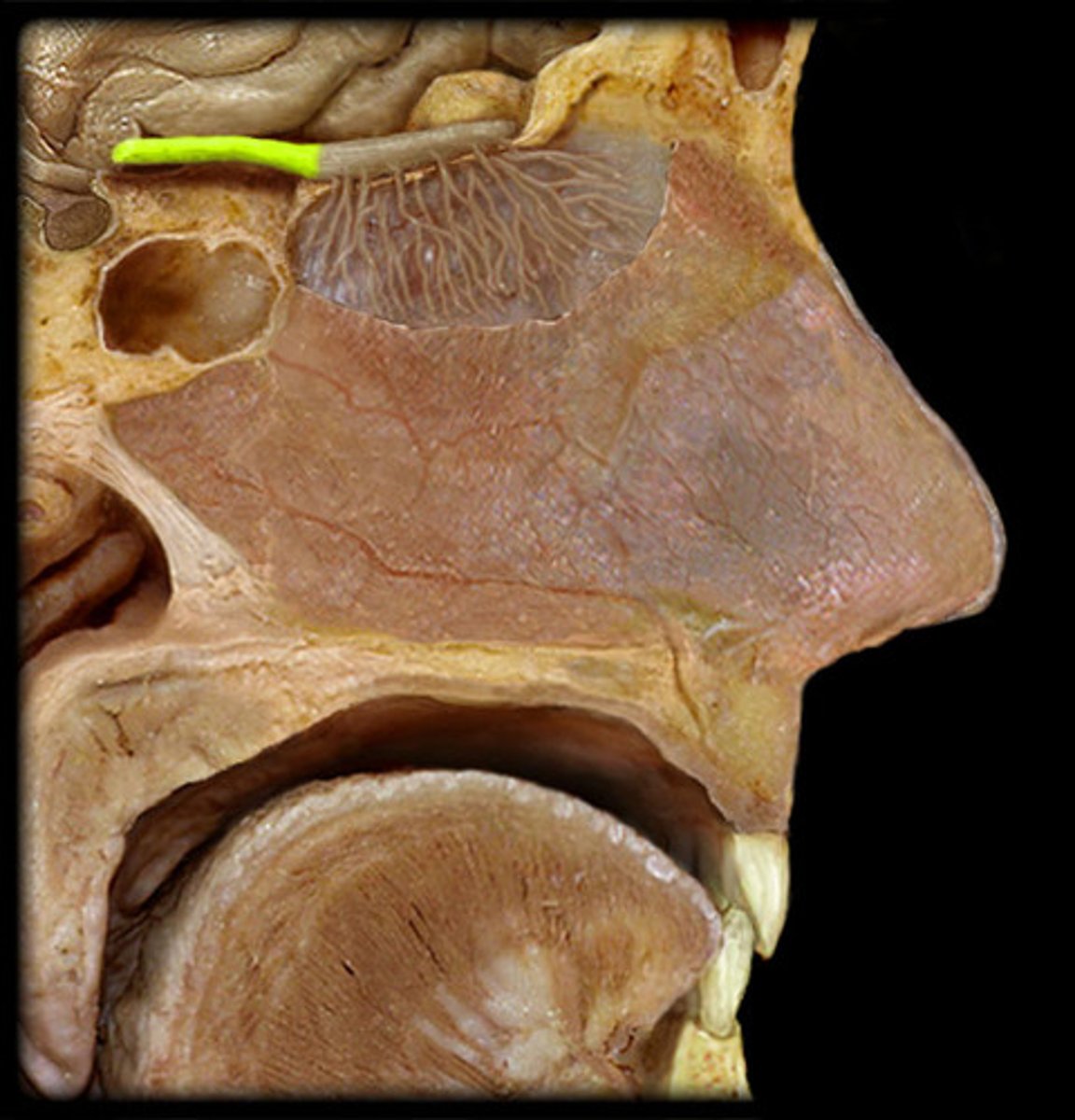
olfactory tract
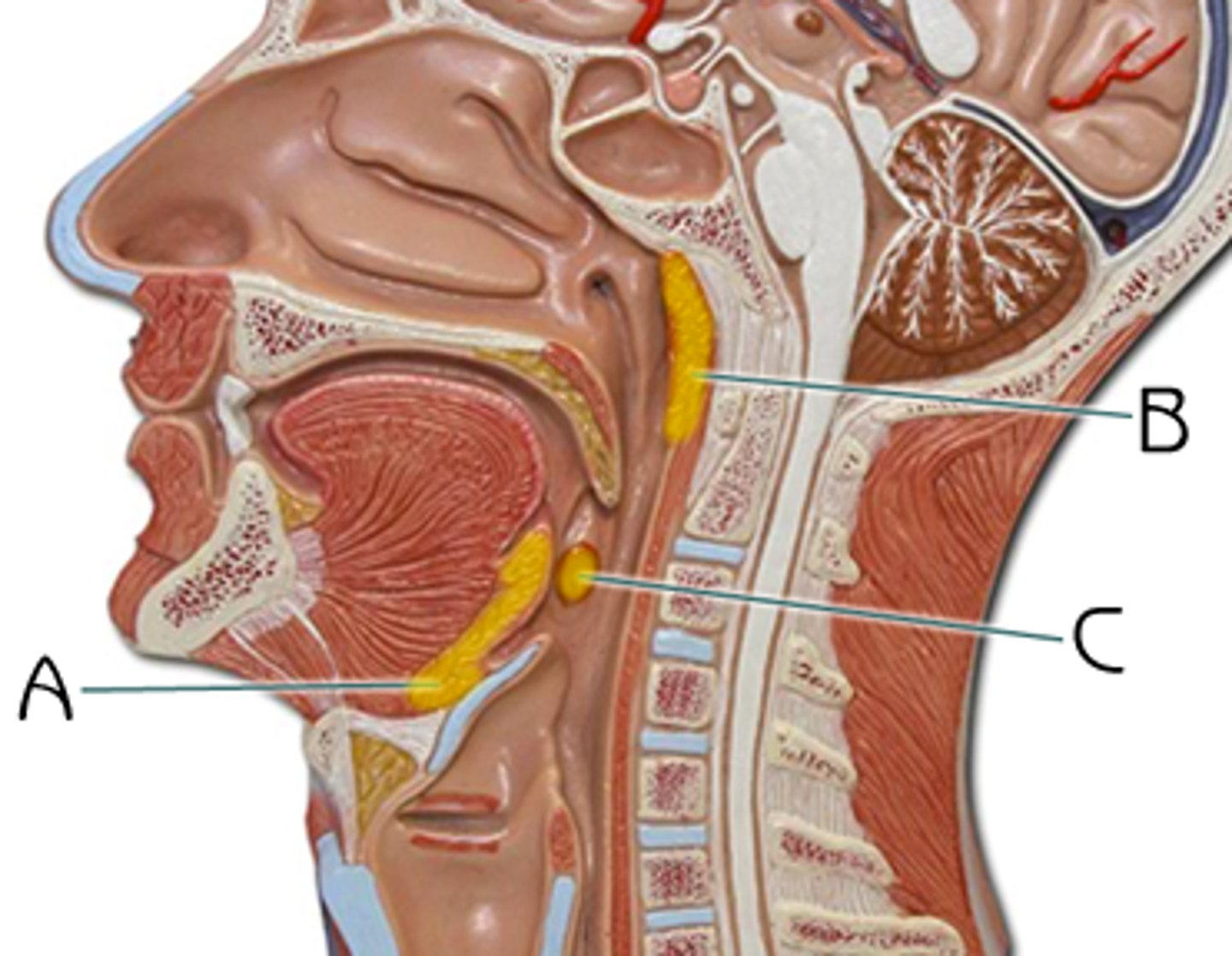
pharyngeal tonsils
B
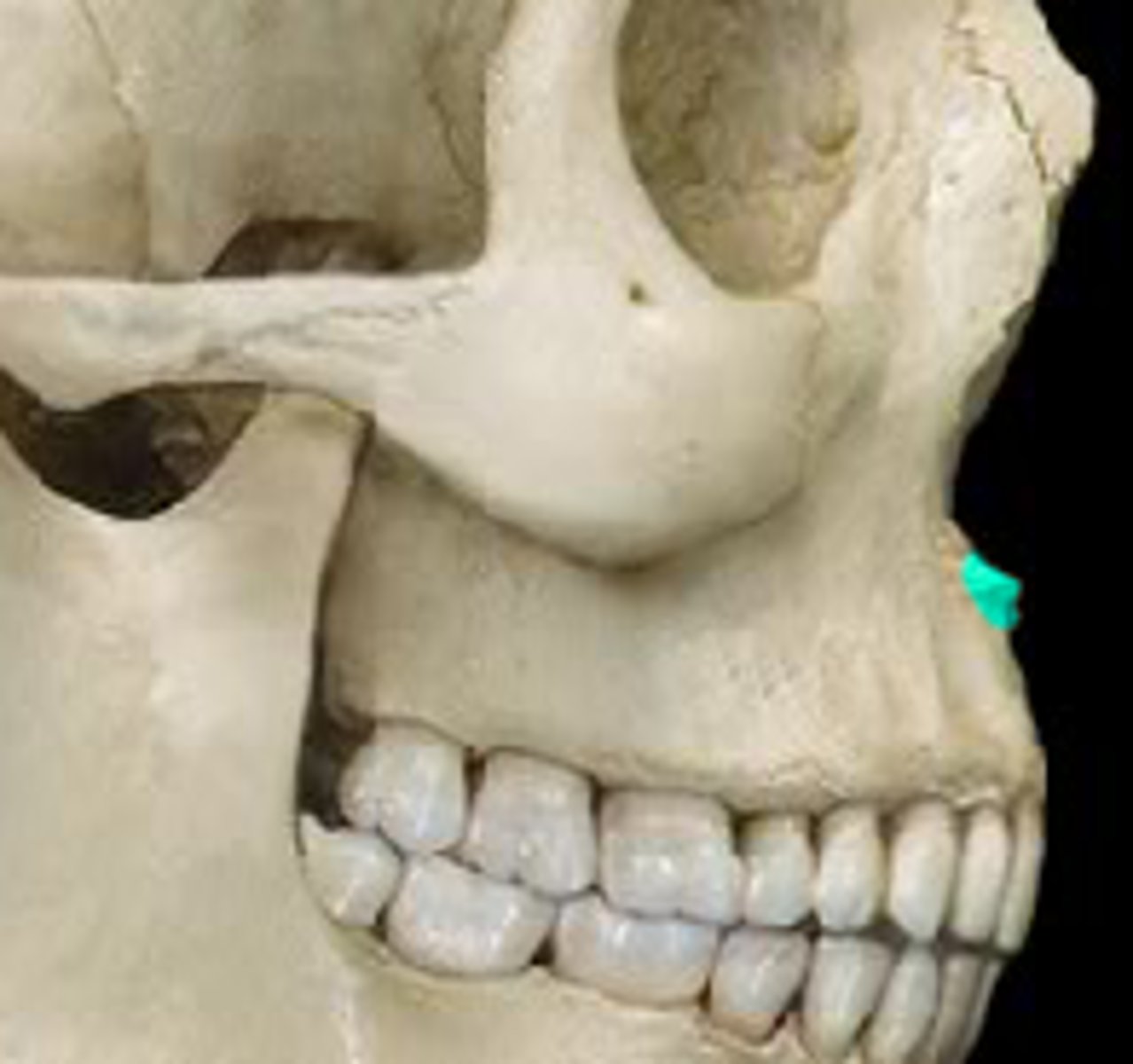
nasal spine
lacrimal sac
1
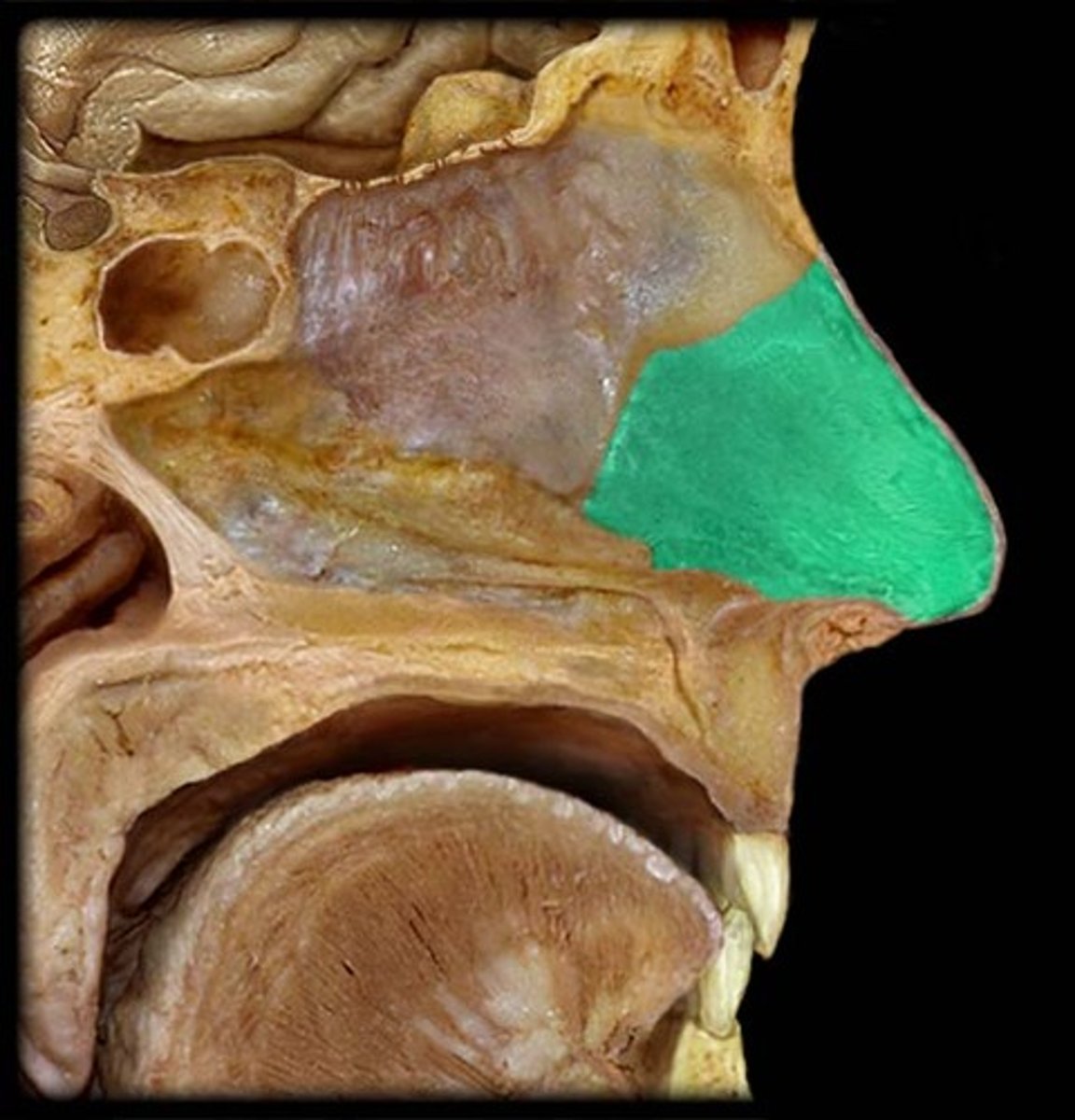
septal cartilage
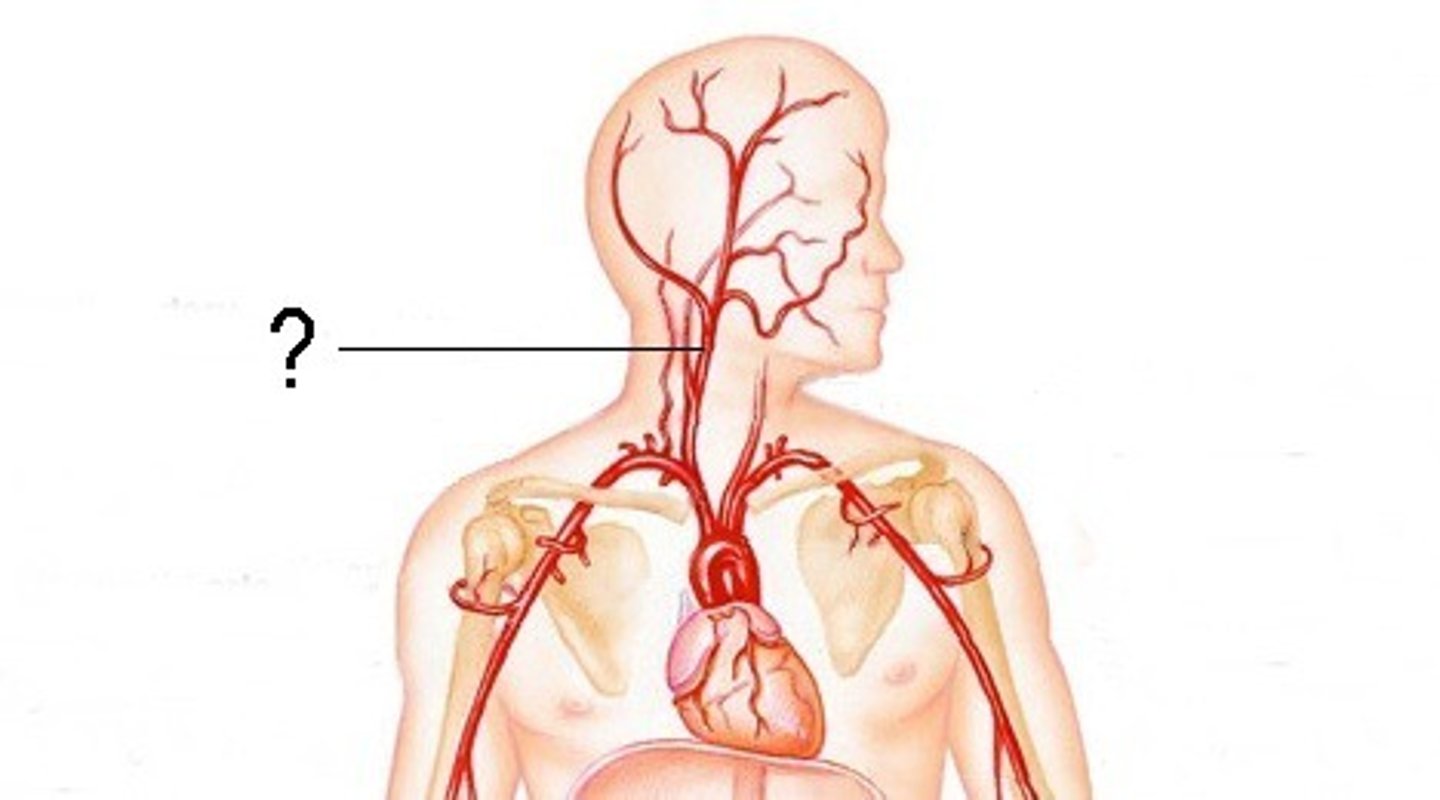
external carotid artery
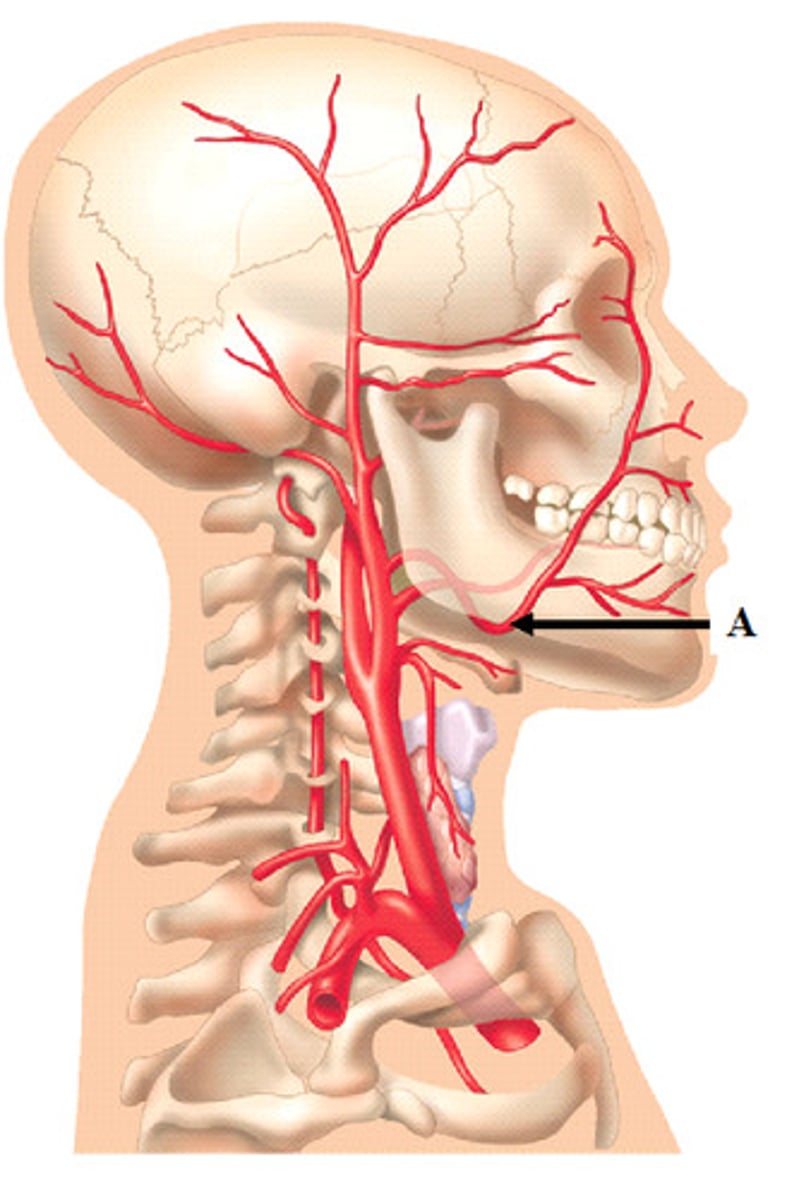
facial artery
posterior auricular artery
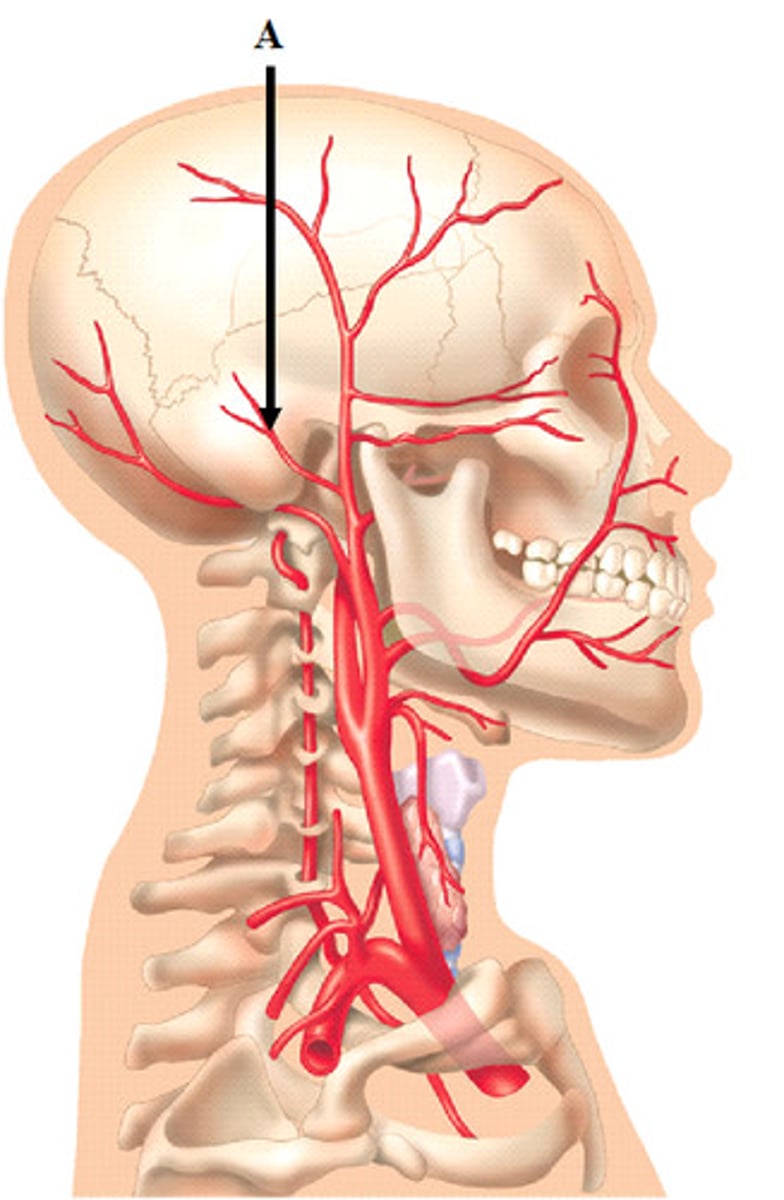
maxillary artery
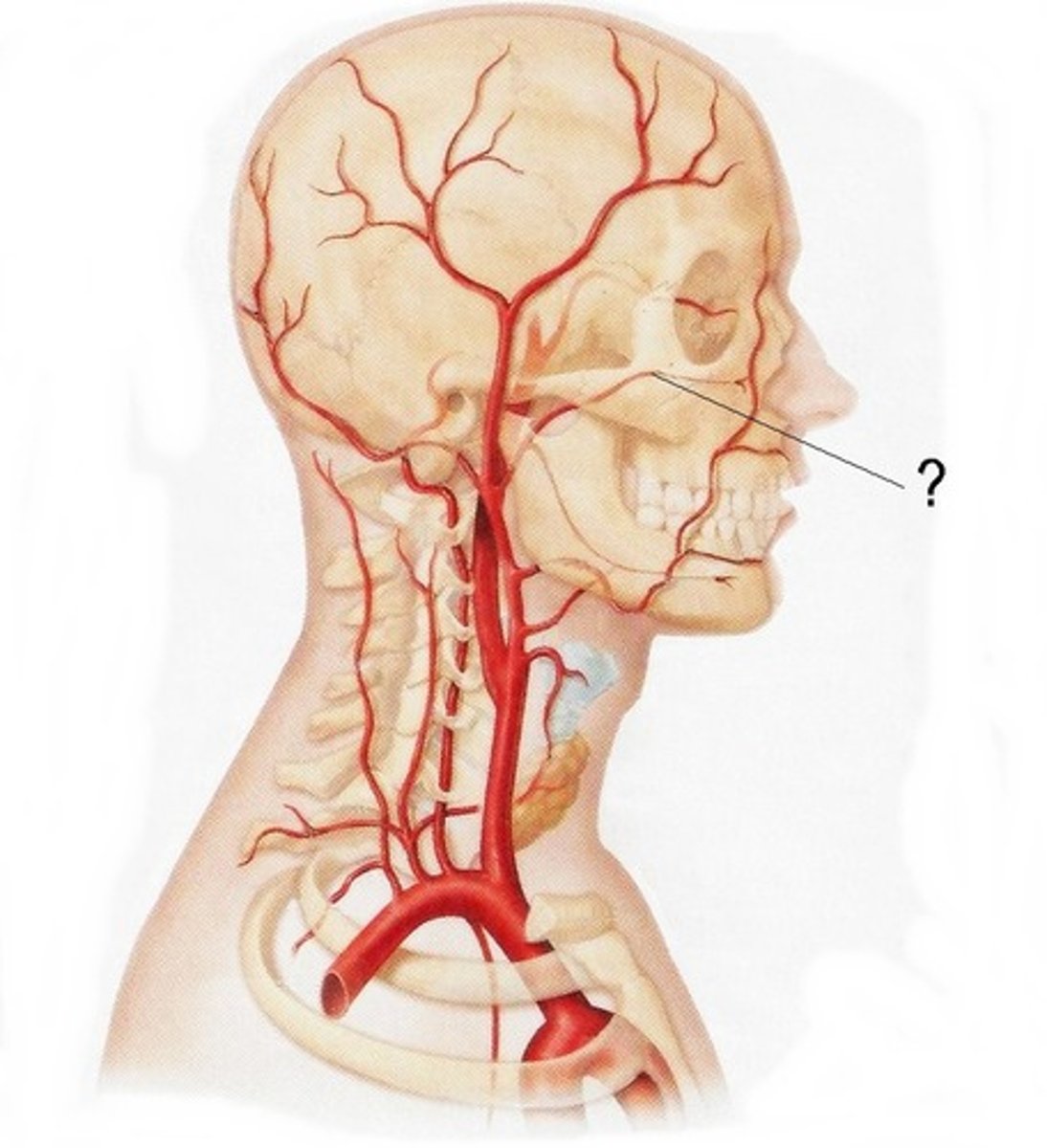
superficial temporal artery
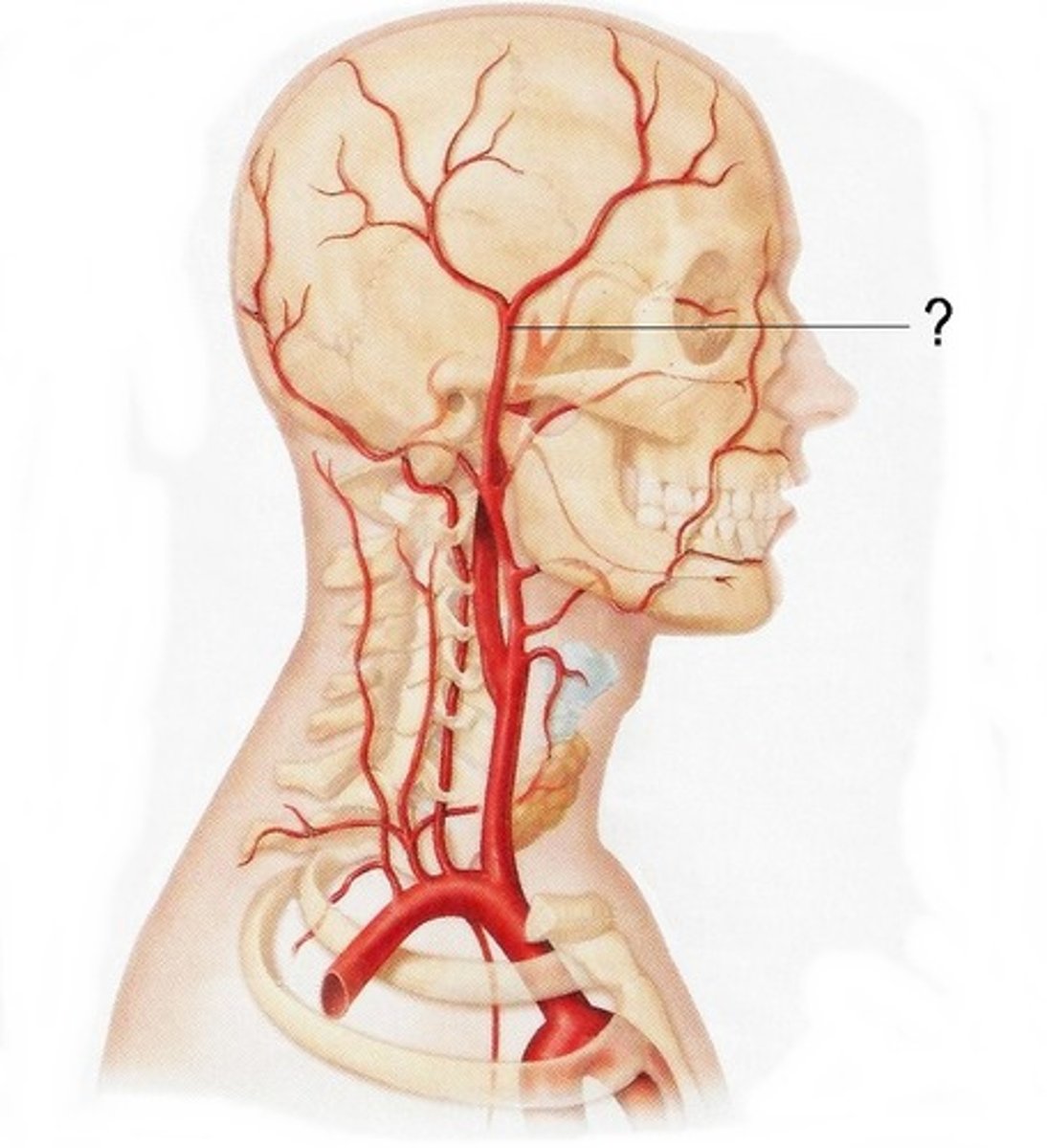
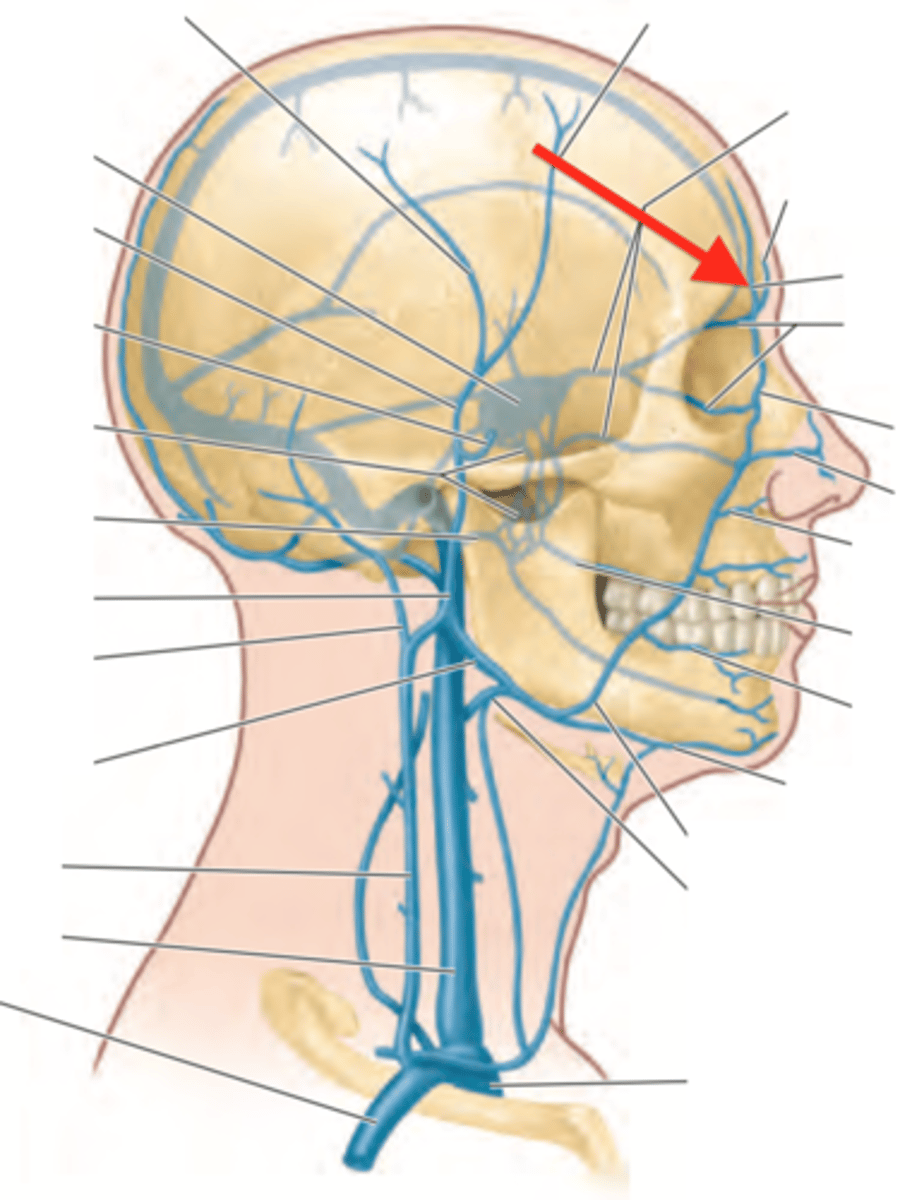
superficial temporal veins
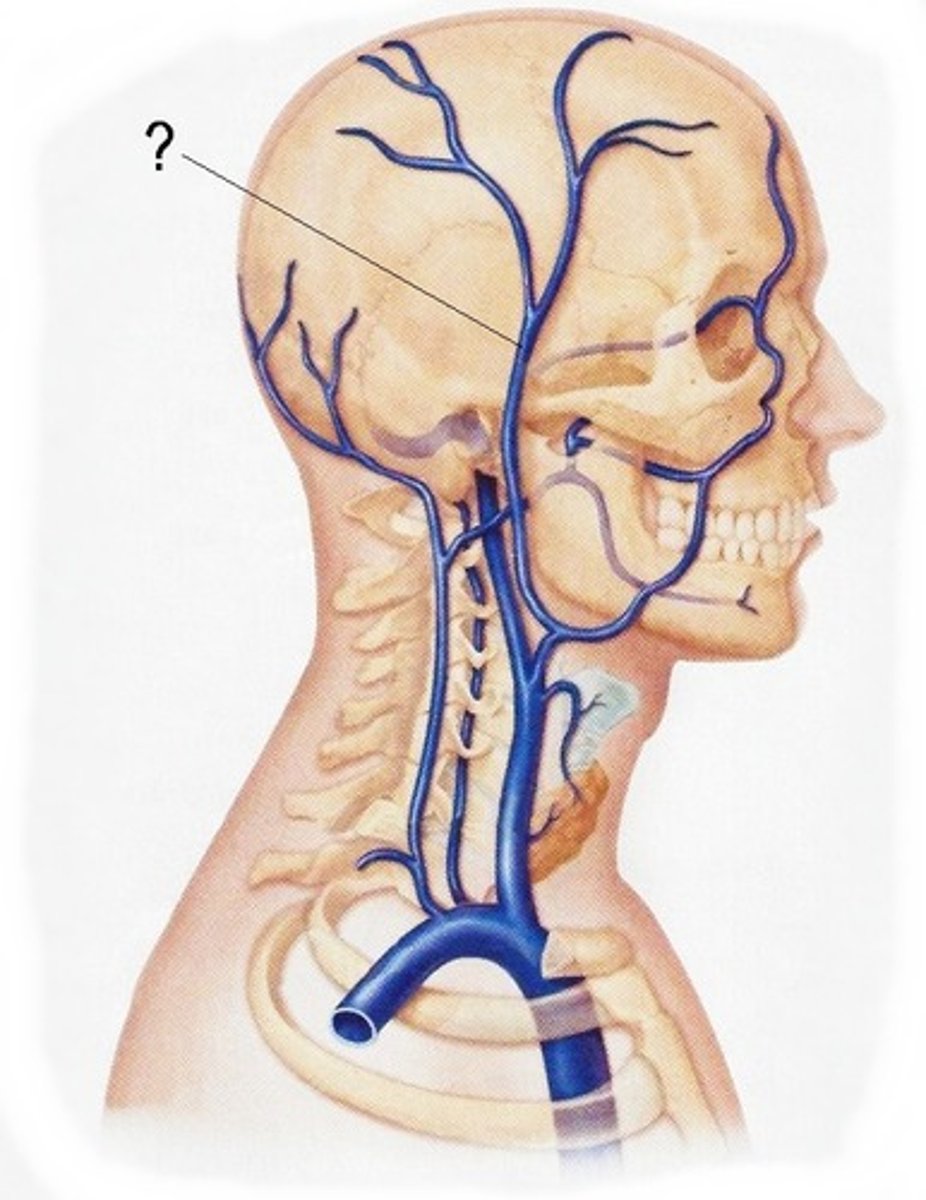
posterior auricular veins
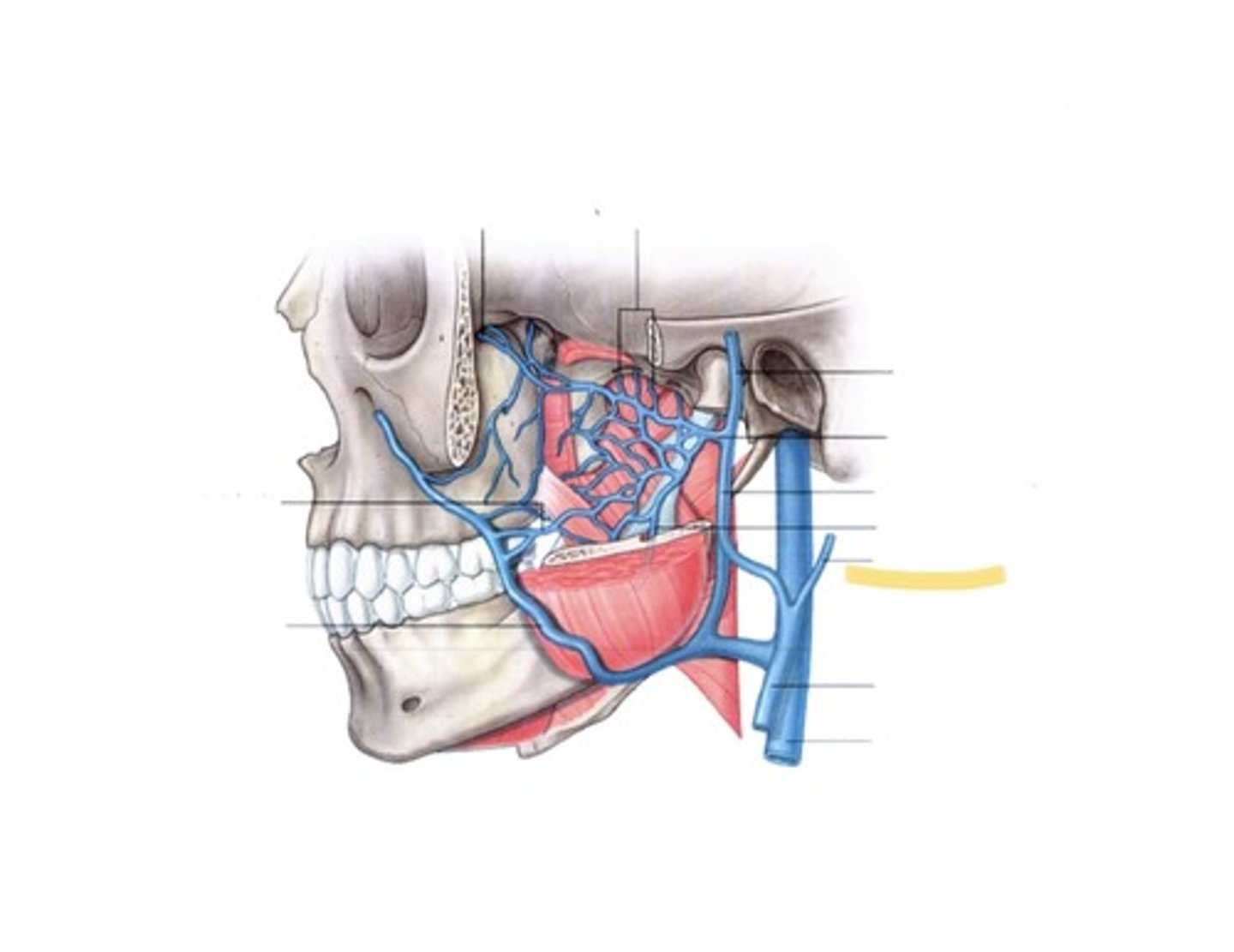
retromandibular vein
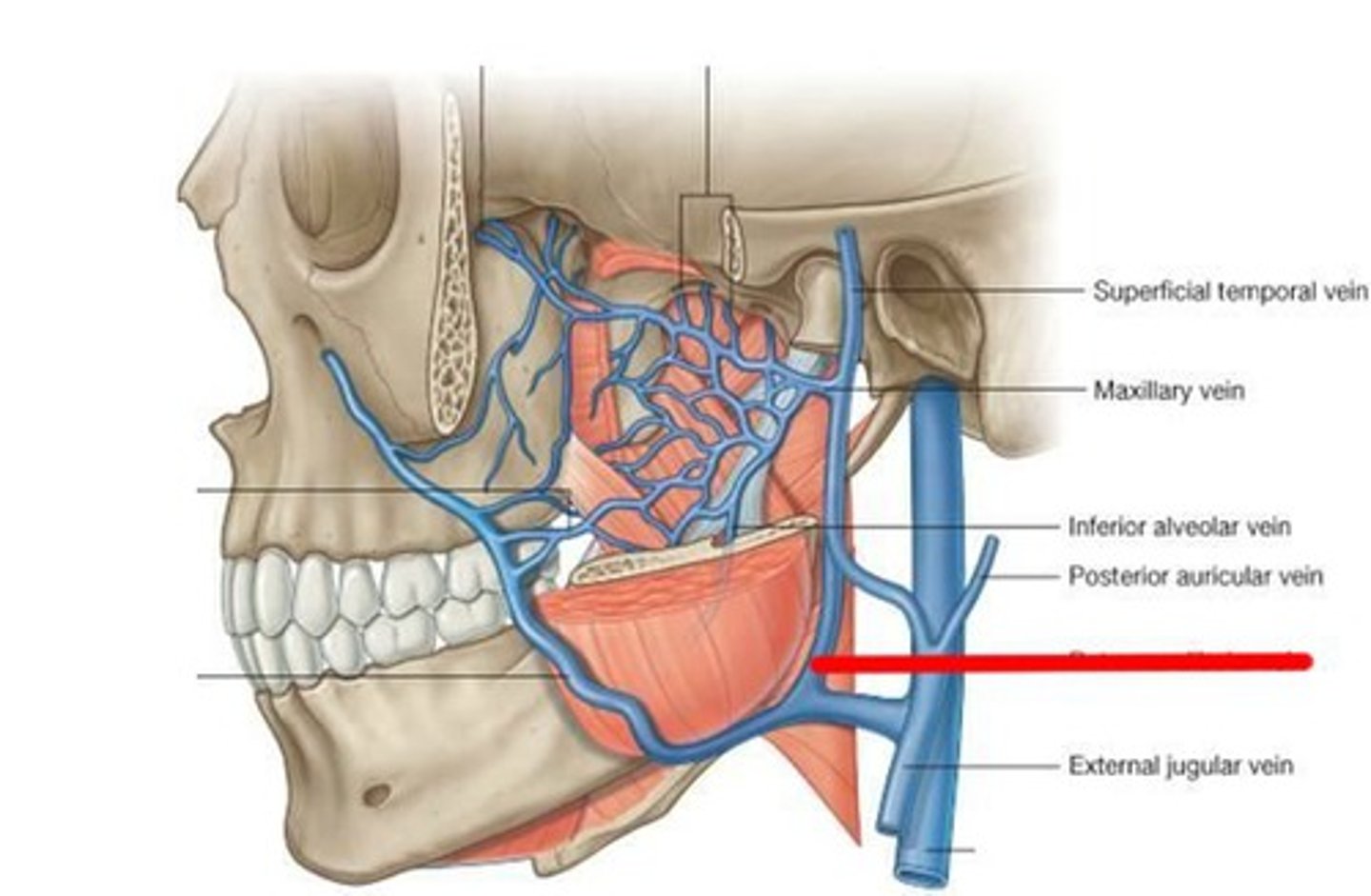
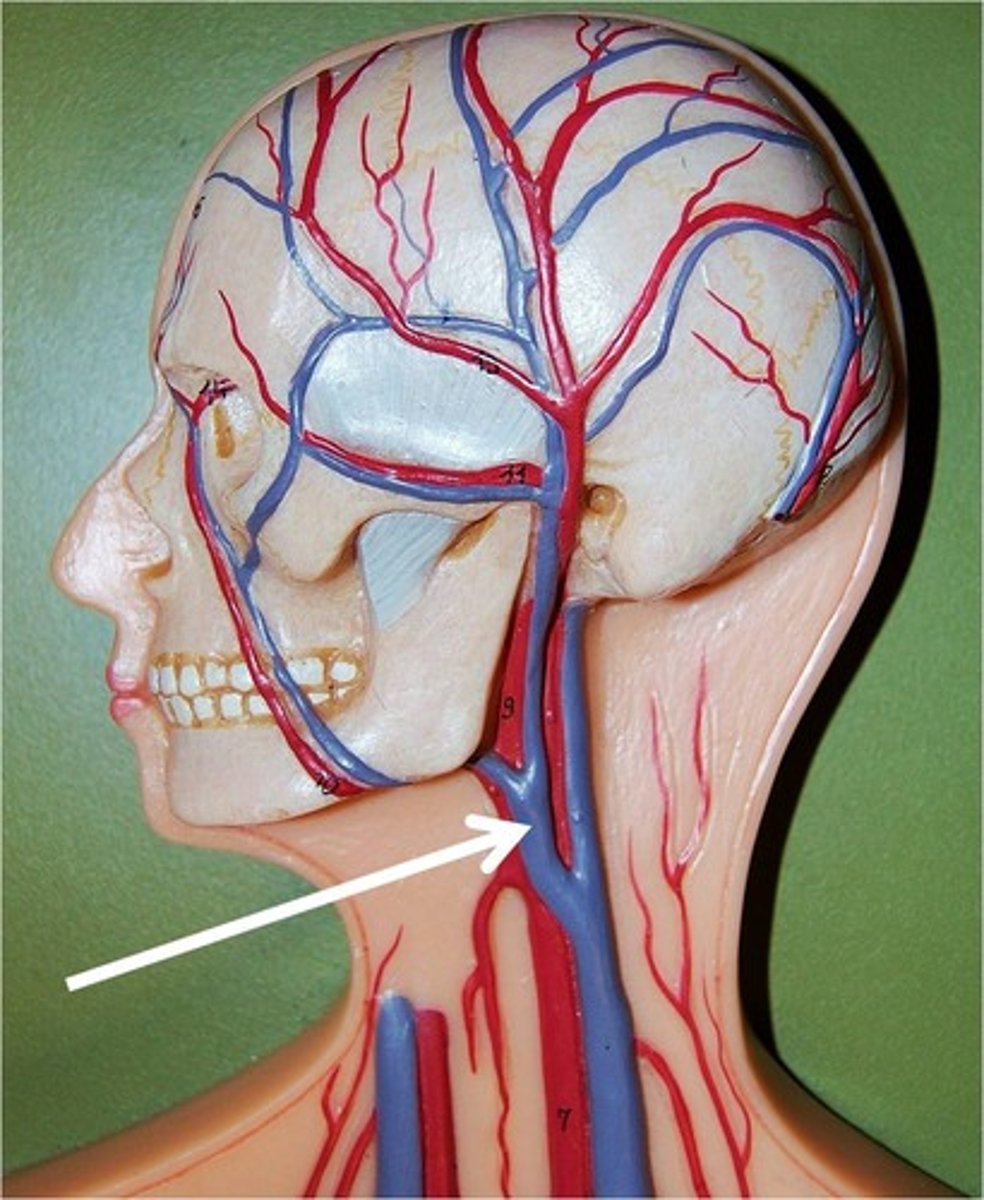
external jugular vein
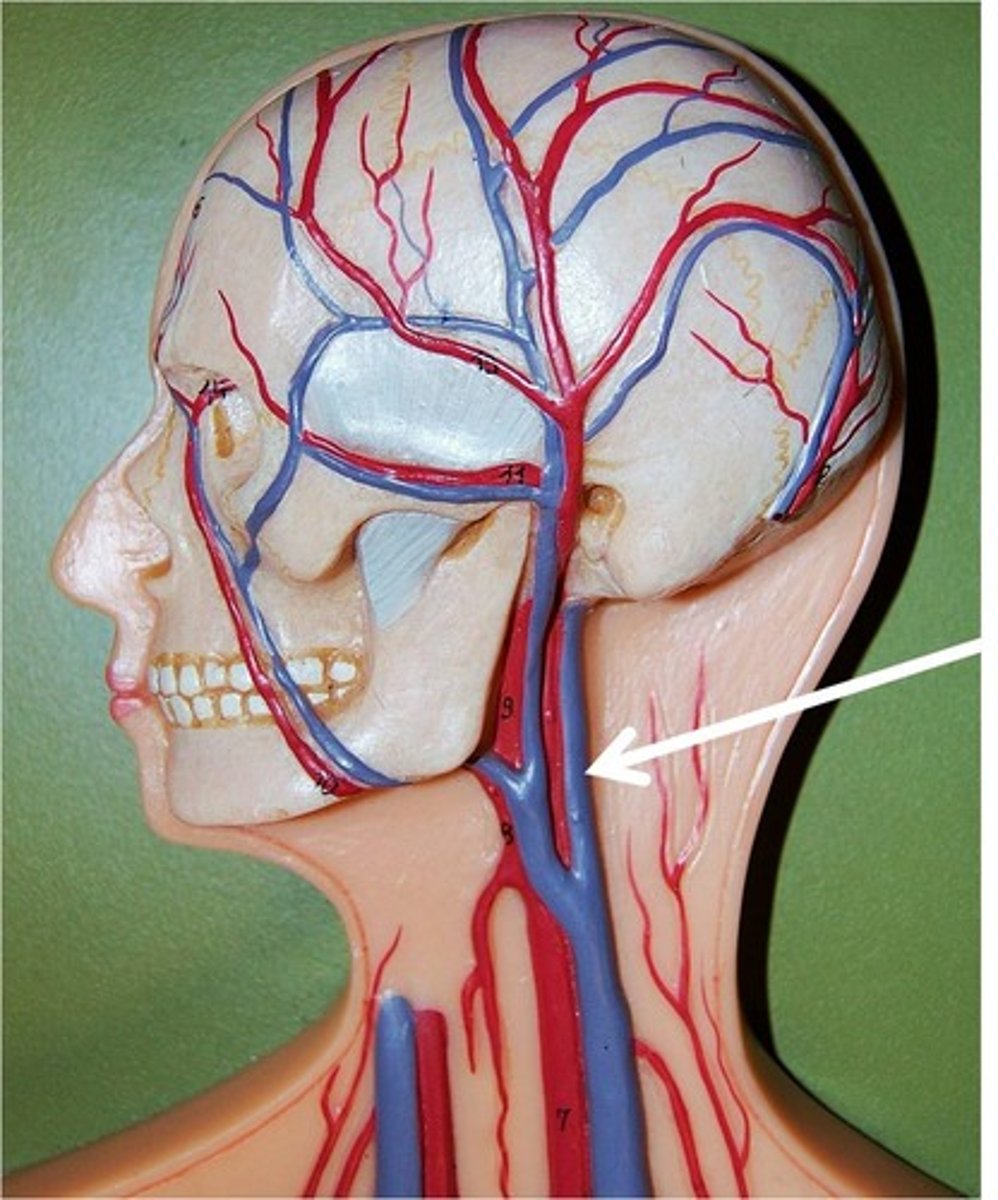
internal jugular vein
facial vein
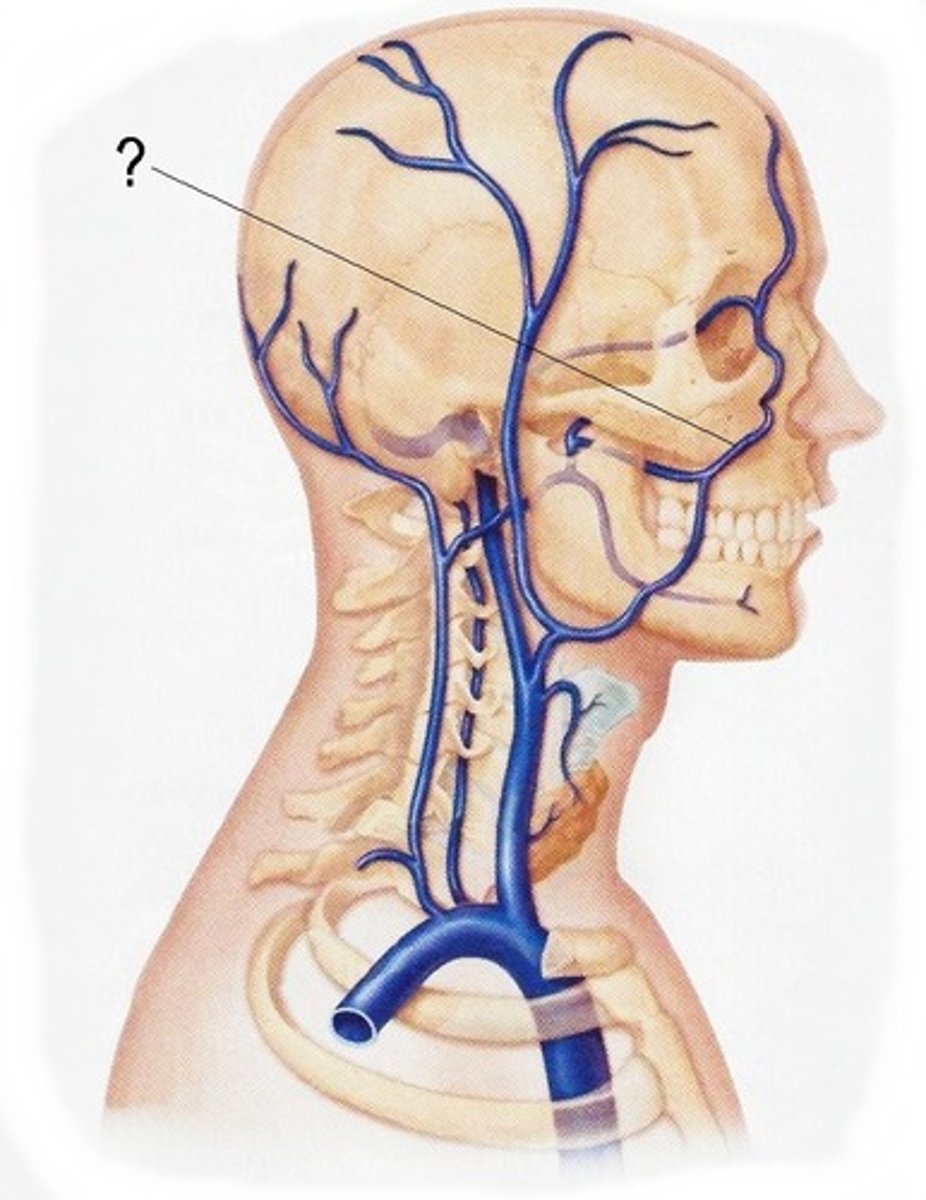
supraorbital vein
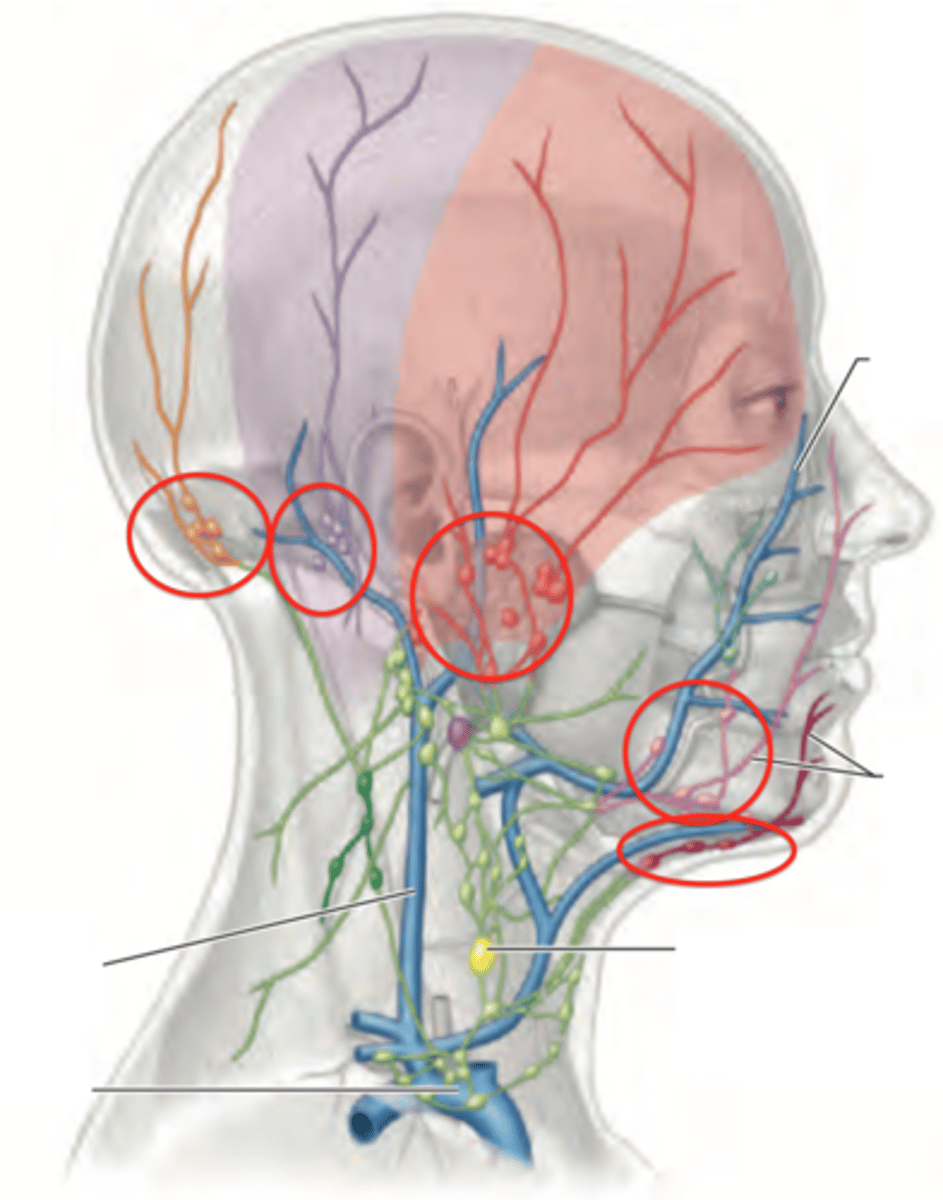
Pericervical collar
parotid gland
parotid duct
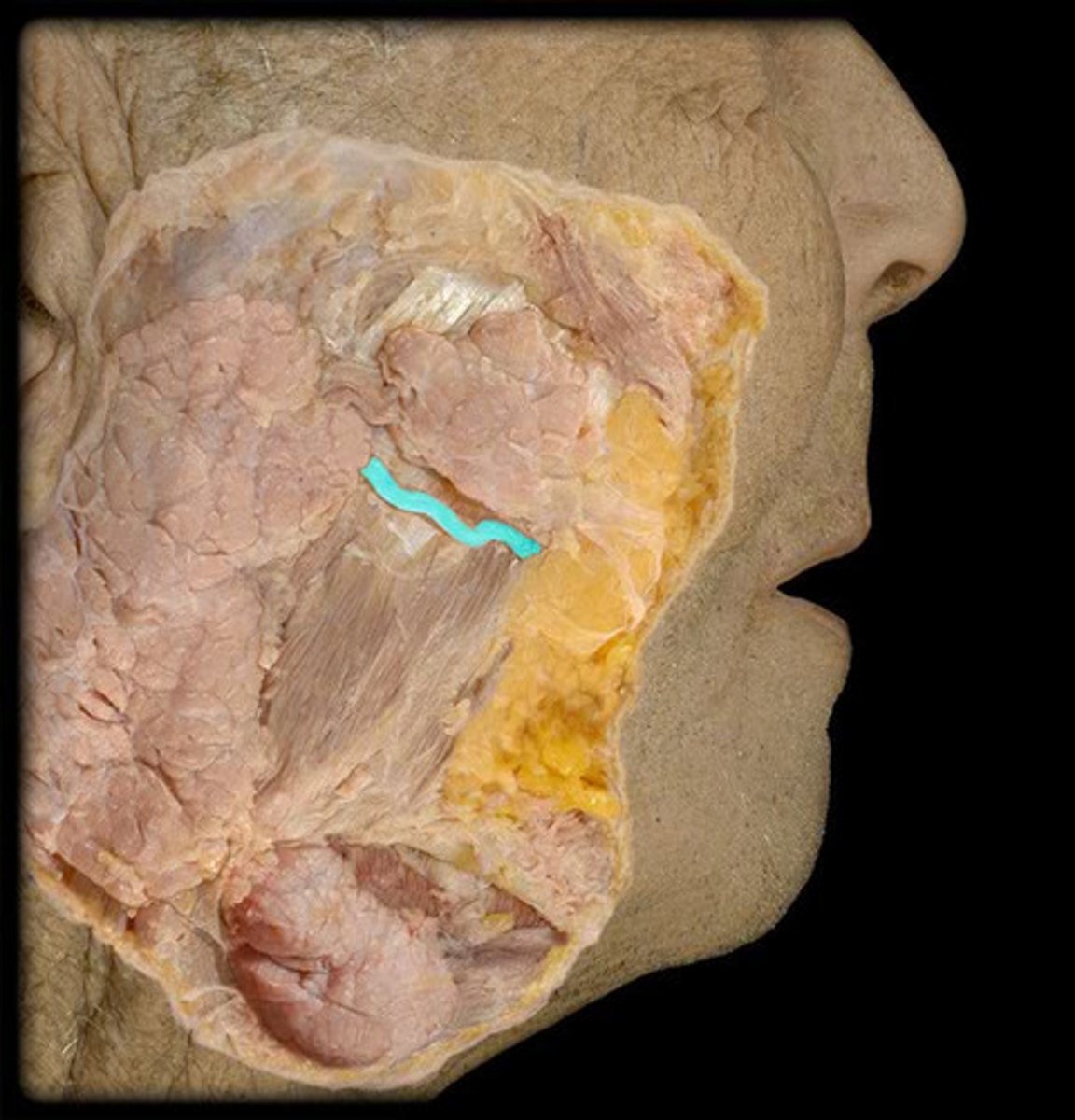
sphenoid, frontal, zygomatic, maxilla, palatine, lacrimal, and ethmoid
what makes up the bony orbit?
Inferior Oblique + Superior Rectus
left abduction, right adduction
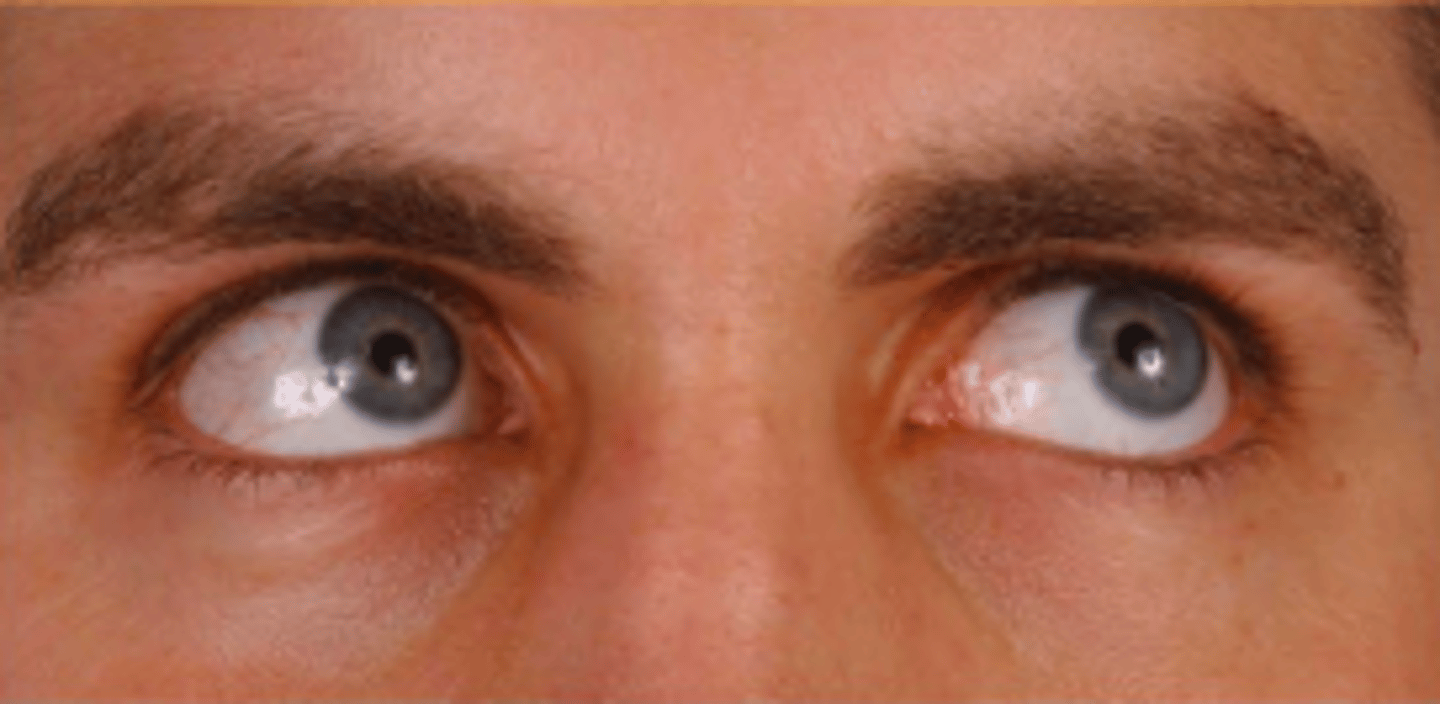
Superior Rectus + Inferior Oblique
left adduction, right abduction
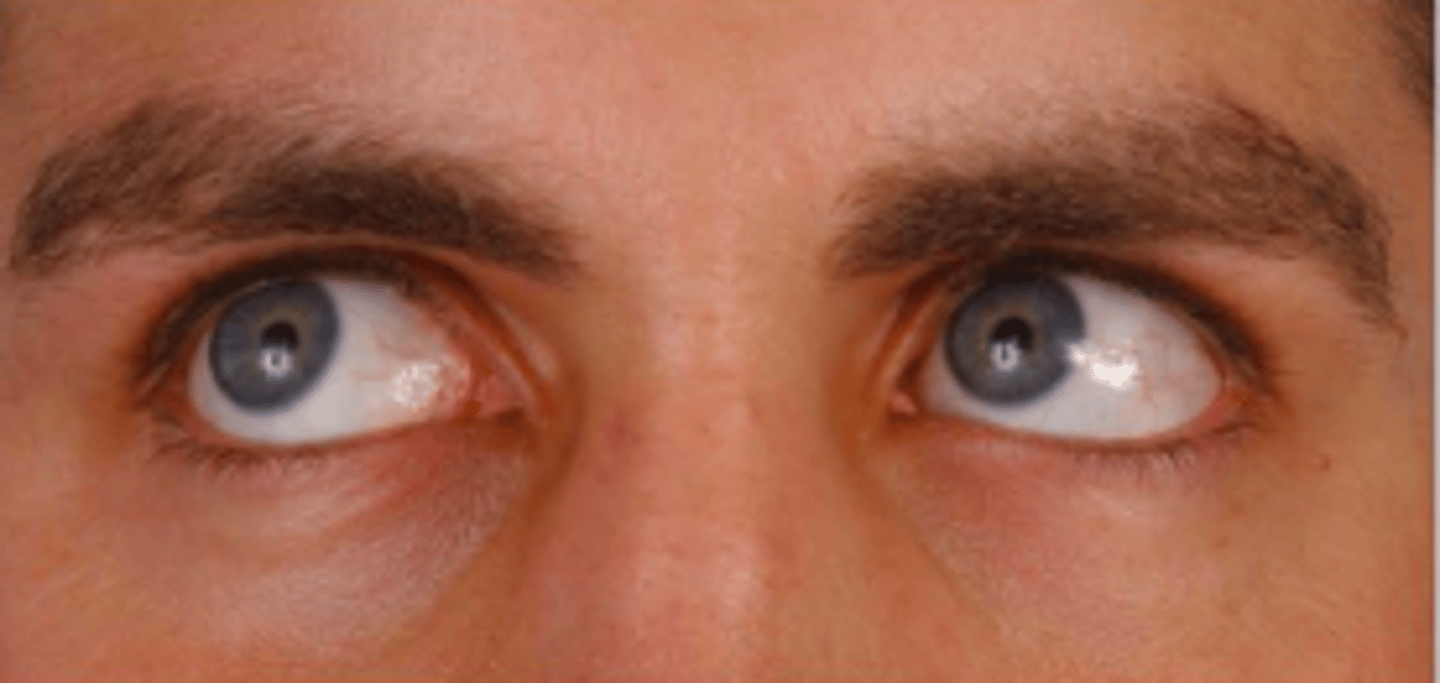
Superior Rectus + Inferior Oblique
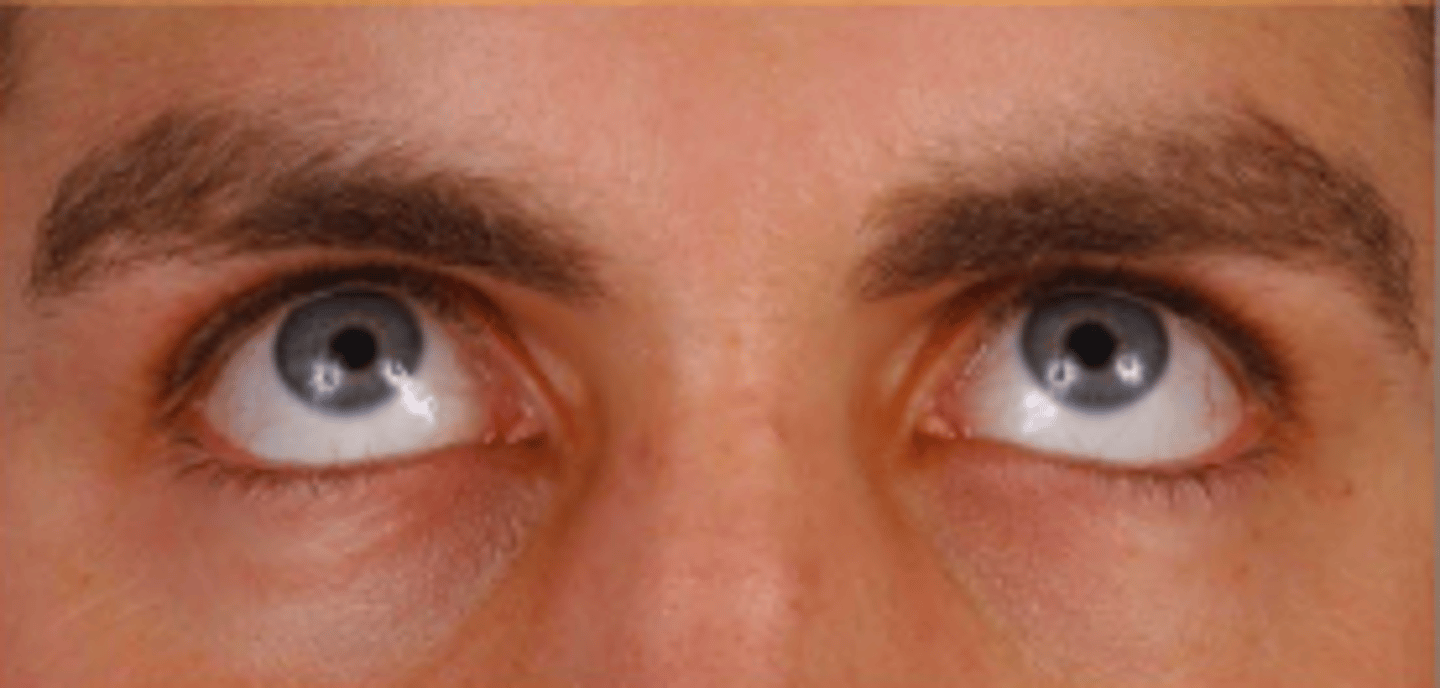
Lateral Rectus + Medial Rectus
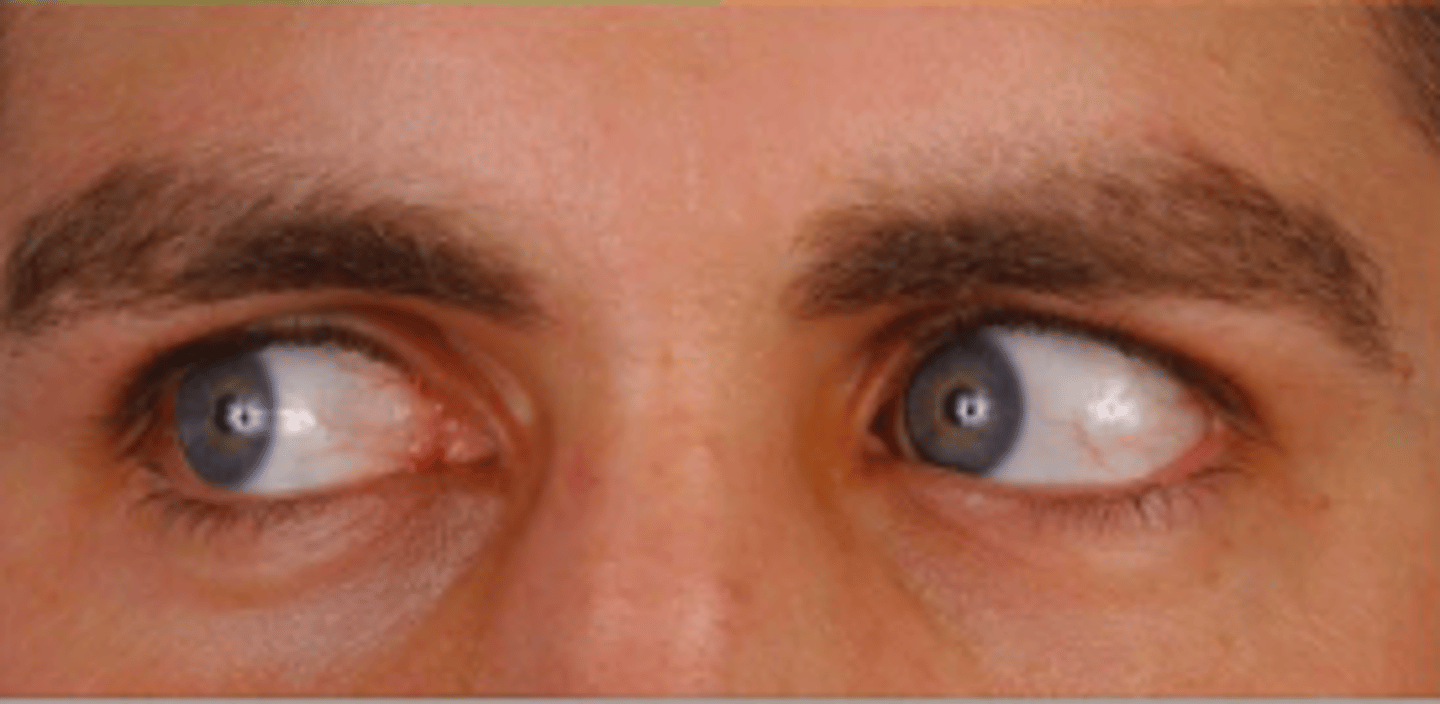
Superior Oblique + Inferior Rectus
right abduction, left adduction
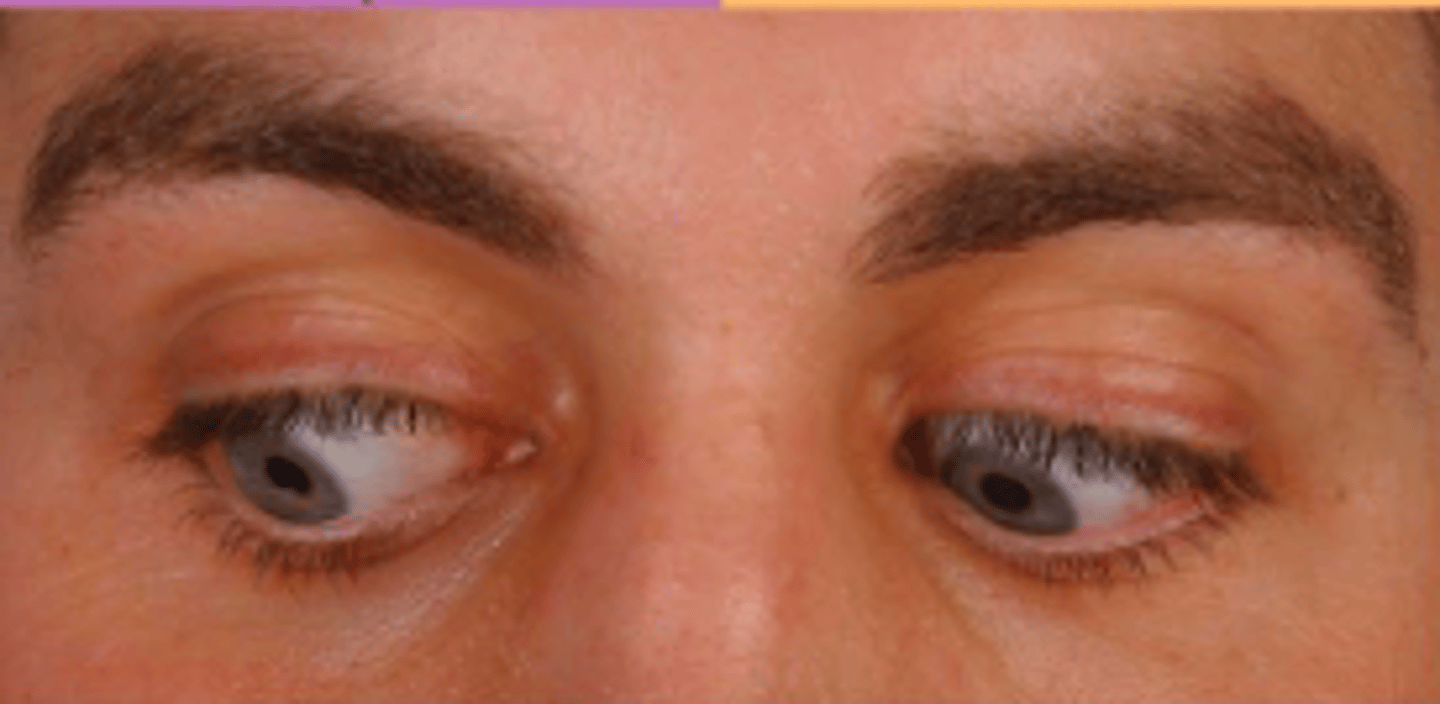
Superior Oblique + Inferior Rectus
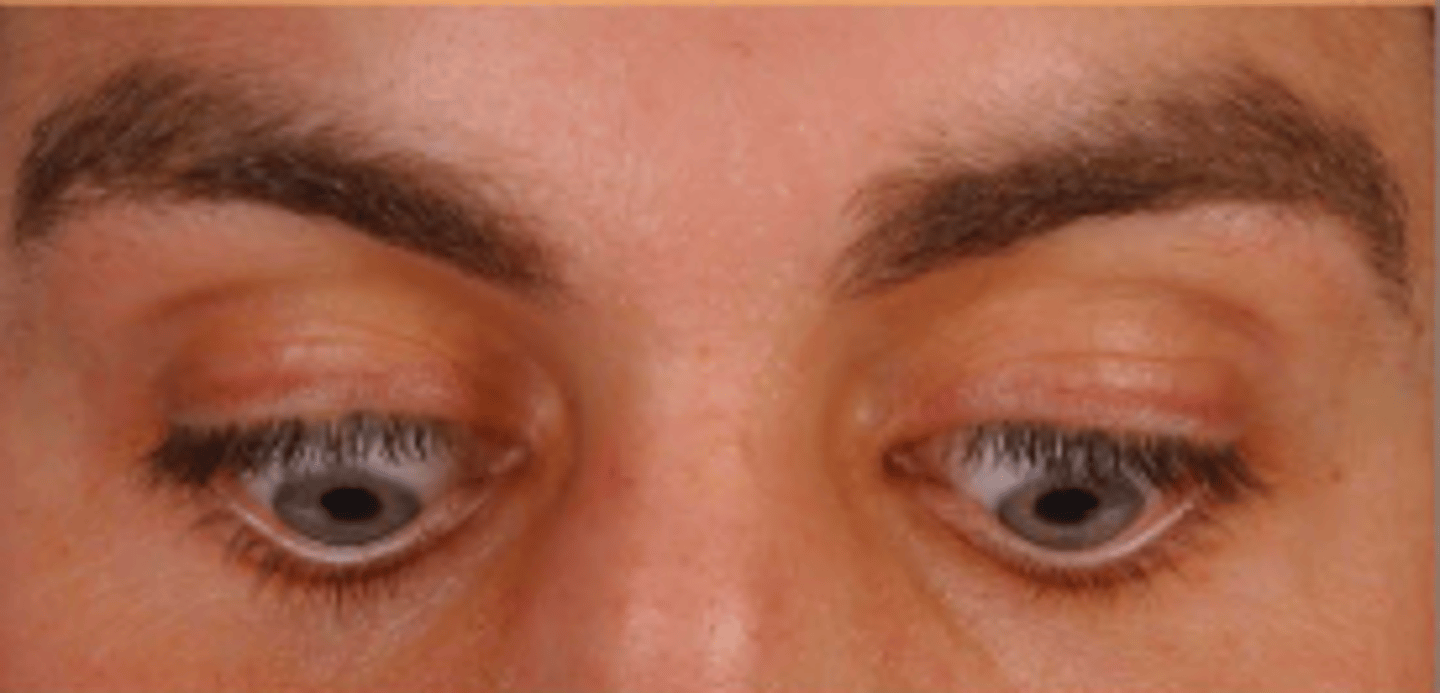
Inferior Rectus + Superior Oblique
right adduction, left abduction
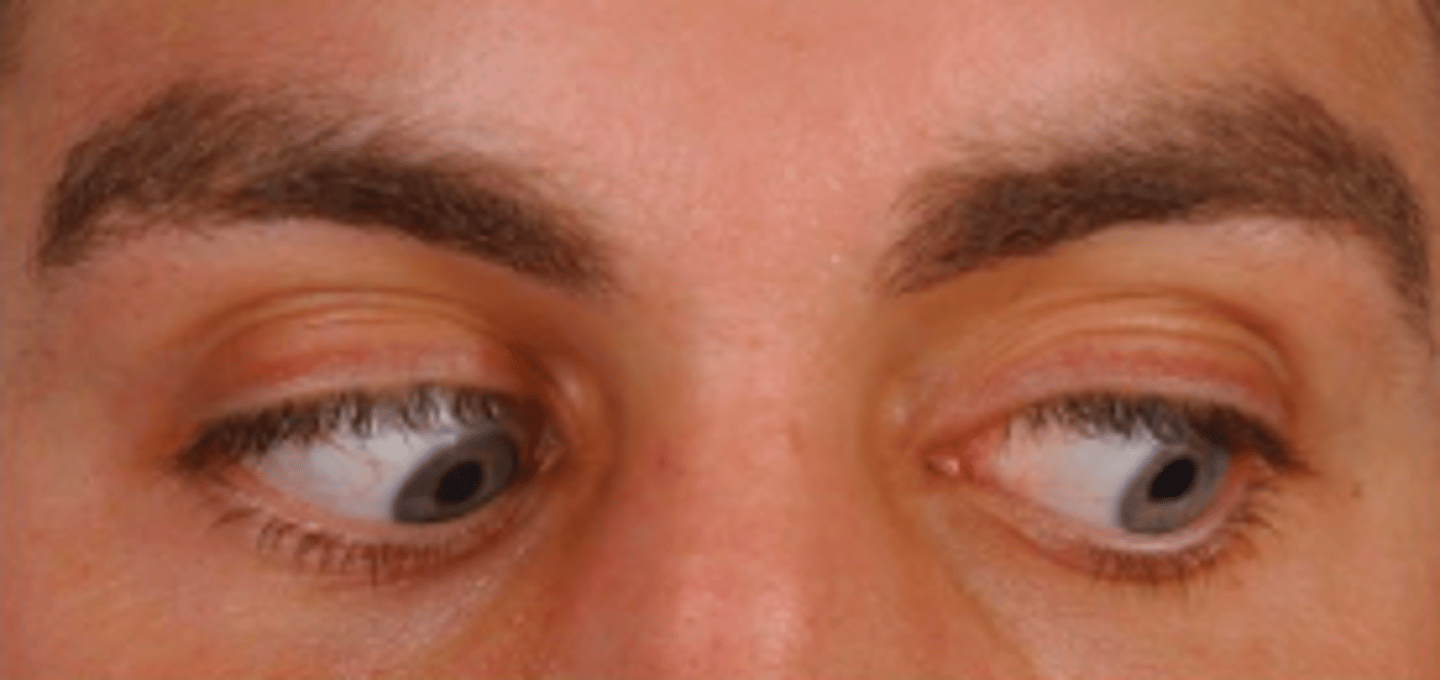
(LR6SO4)AO3
- lateral rectus: abducens (CNVI)
- superior oblique: trochlear (CNIV)
- medial rectus: oculomotor (CNIII)
- superior rectus: oculomotor (CNIII)
- inferior rectus: oculomotor (CNIII)
- inferior oblique: oculomotor (CNIII)
Innervation Formula
Medially
how does the superior oblique/rectus move the top of the eye?
Laterally
how does the inferior oblique/rectus move the top of the eye?
Adduct
how does the medial rectus move the pupil?
Abduct
how does the lateral rectus move the pupil?
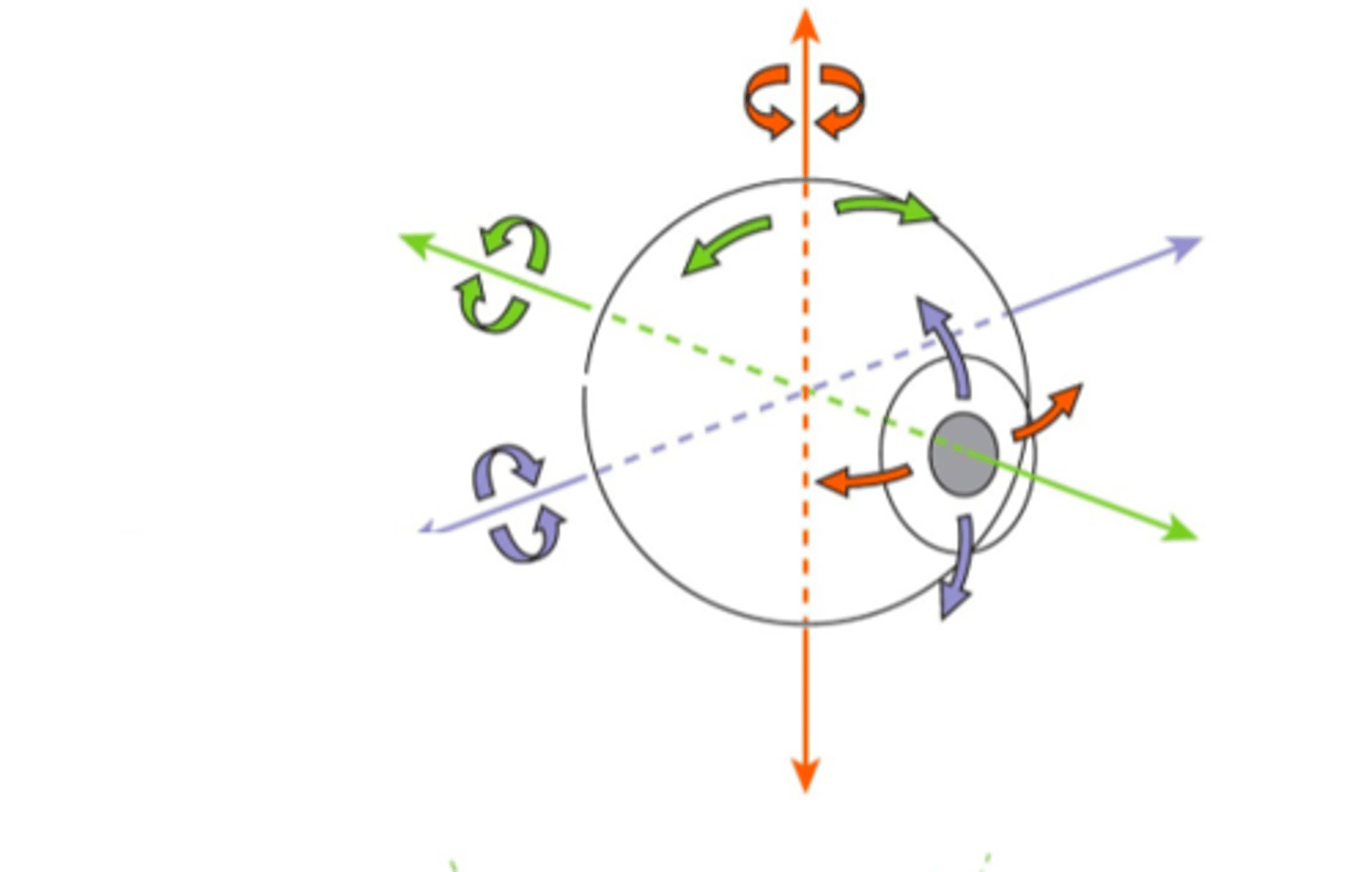
Transverse axis
elevation and depression (purple)
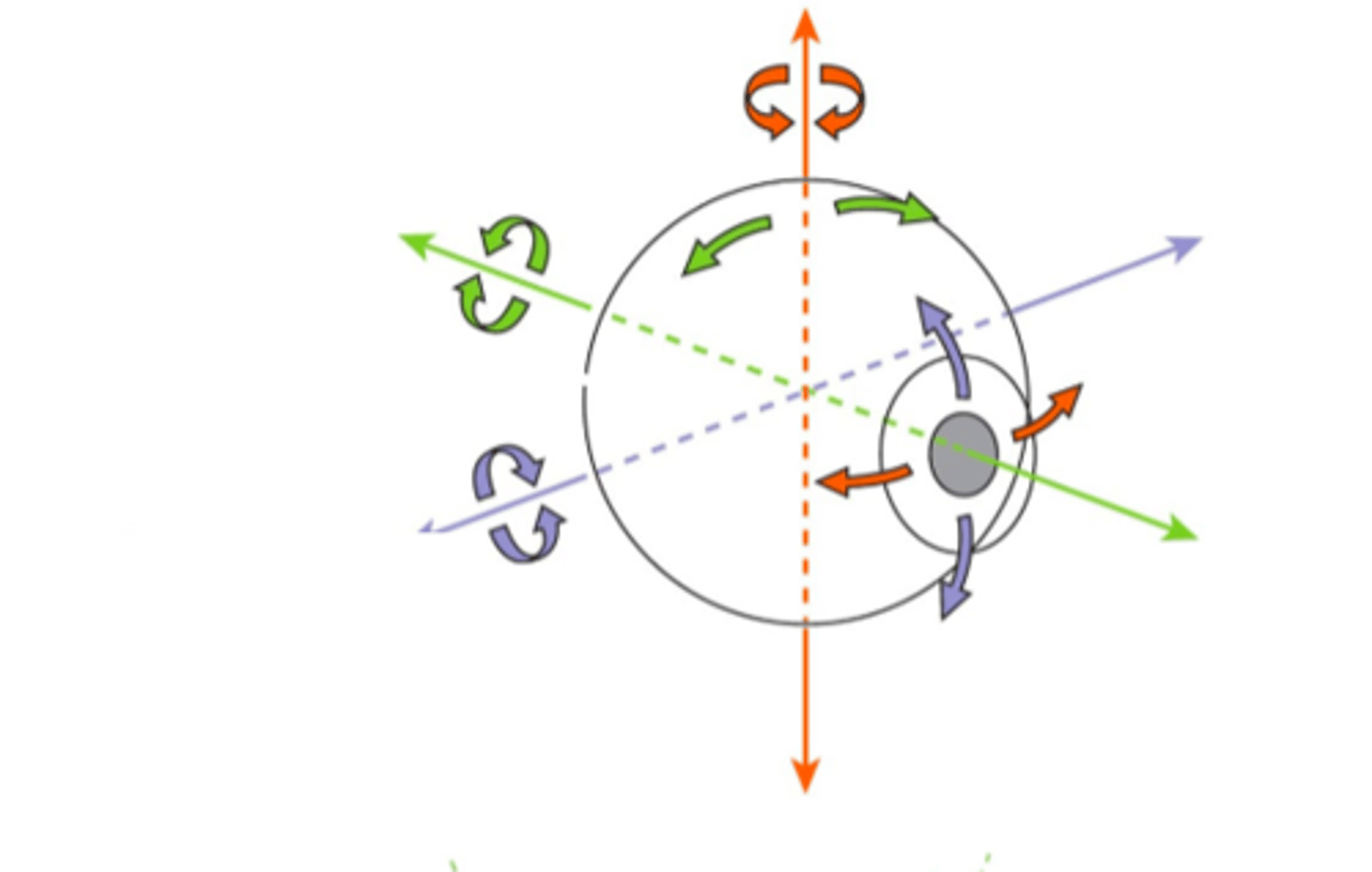
Vertical axis
abduction and adduction (orange)
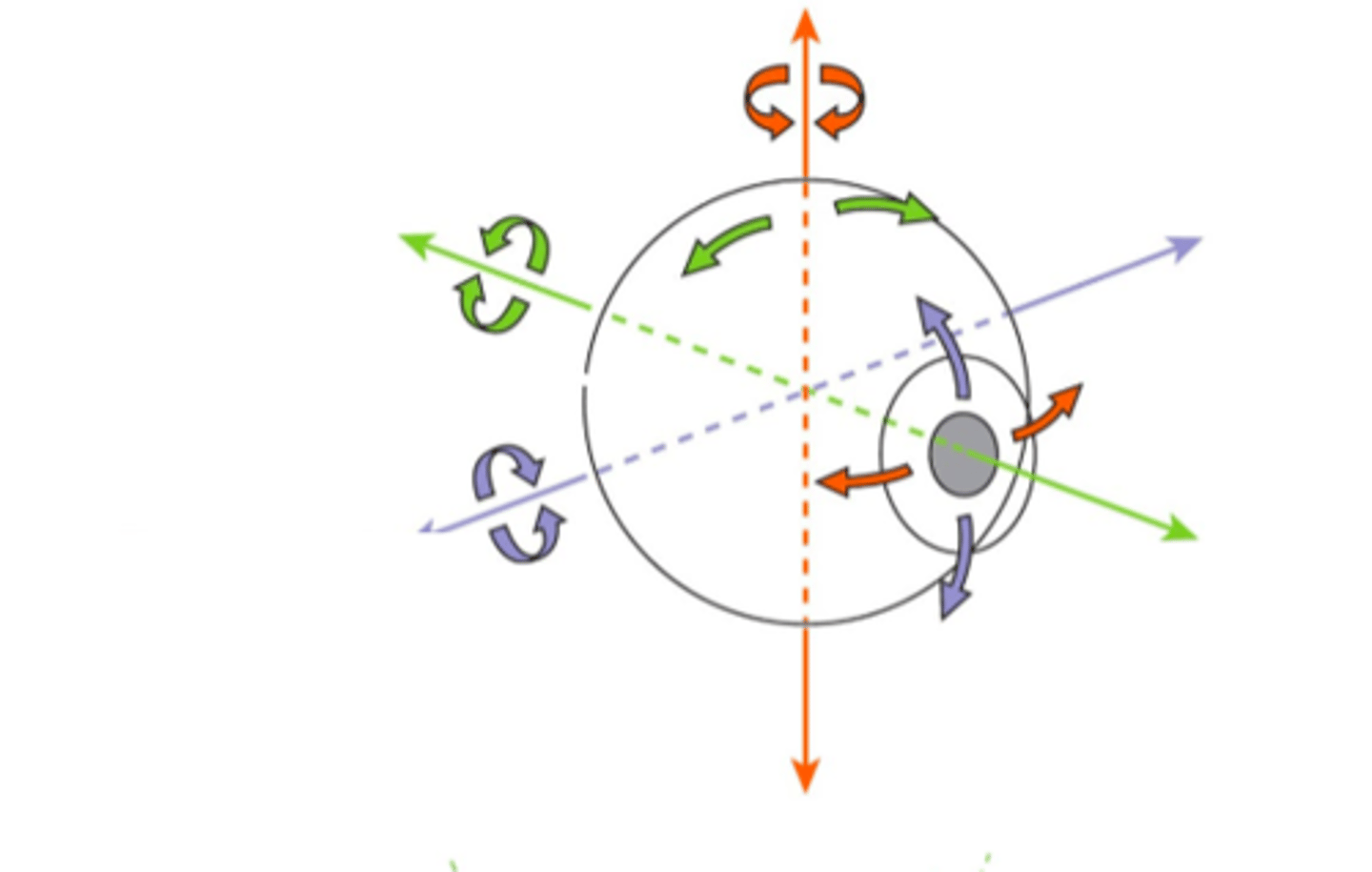
A-P axis
lateral and medial rotation (eyeball) (green)
superior rectus
superior oblique
What makes the TOP of the Eye move in?
inferior rectus
inferior oblique
What makes the TOP of the Eye move out?
floor of orbit: maxilla and zygomatic bones
- may fall into maxillary sinus
Where would a blowout fracture break?
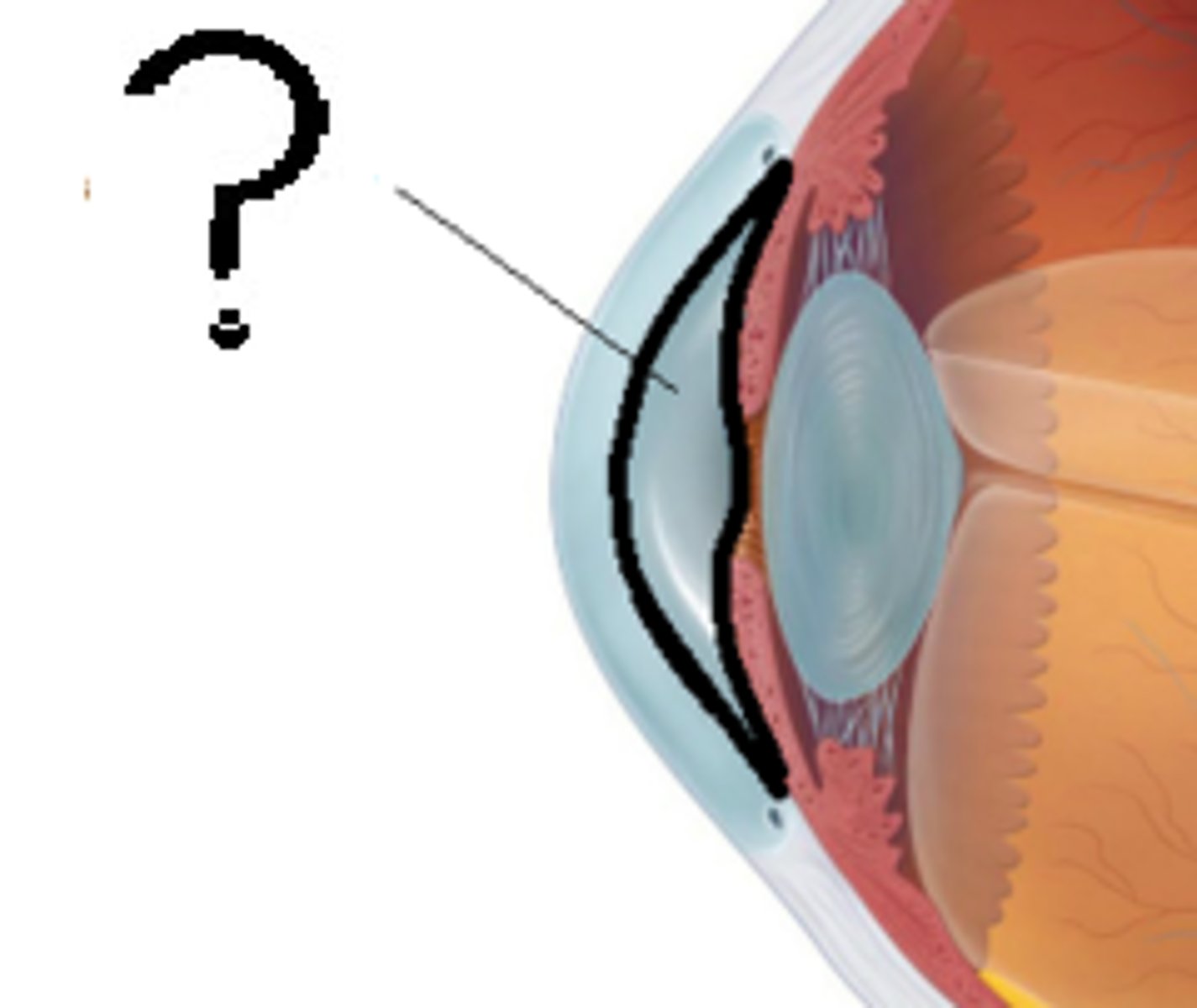
Anterior Chamber of Eye