Power/Product/Quotient Rules of Derivatives
 Call Kai
 Learn
Learn Practice Test
 Spaced Repetition
 Match
Match Flashcards
 Knowt Play
1/11

There's no tags or description
Looks like no tags are added yet.
Name | Mastery | Learn | Test | Matching | Spaced | Call with Kai |
|---|
No analytics yet
Send a link to your students to track their progress
12 Terms
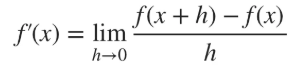
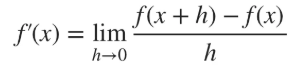
definition of the derivative
measures the rate at which the function's value changes as its input changes. It is defined as the limit of the average rate of change of the function over an interval as the interval shrinks to zero.
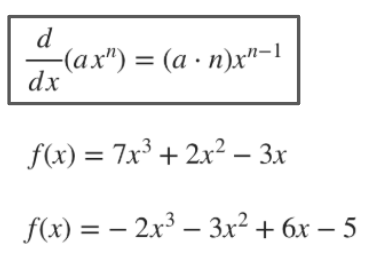
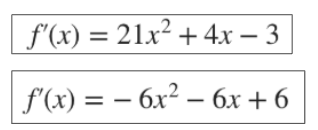
power rule
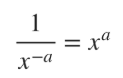
negative exponent rules
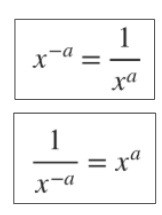
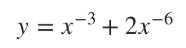
negative exponents for power rule
keep other values in the numerator/denominator, only moves the x’s and exponents
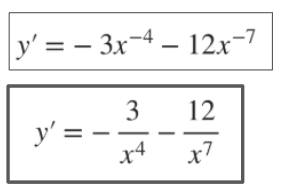
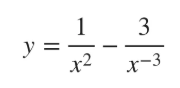
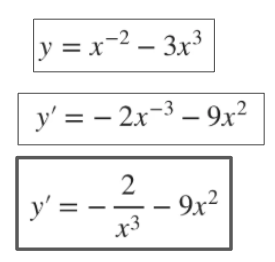
starting as fractions negative exponent power rule
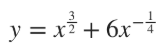
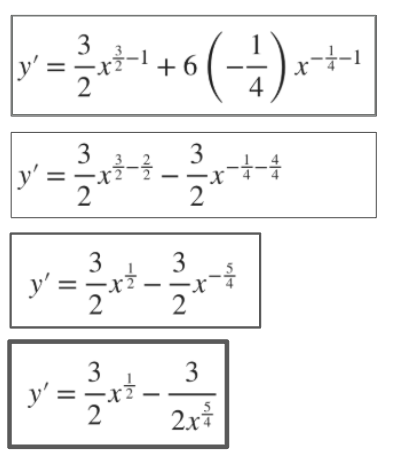
fraction exponent power rule: bring the exponent down to multiply it by the coefficient, and subtract 1 from the exponent
make sure to move all negative exponents in the end solution to the denominator
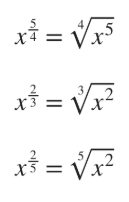
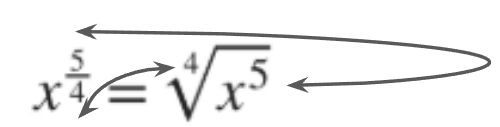
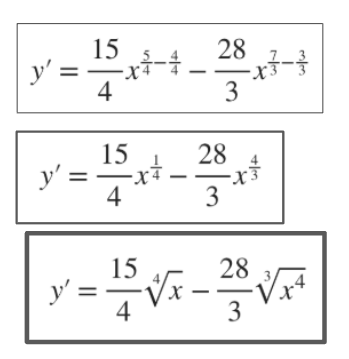
breaking fractional exponents down into roots: the numerator becomes the value under the root and the denominator becomes the root
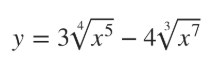
root derivative example
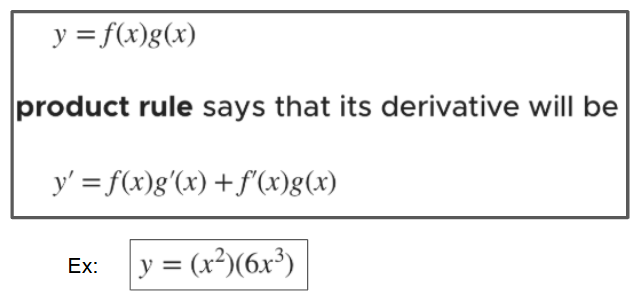
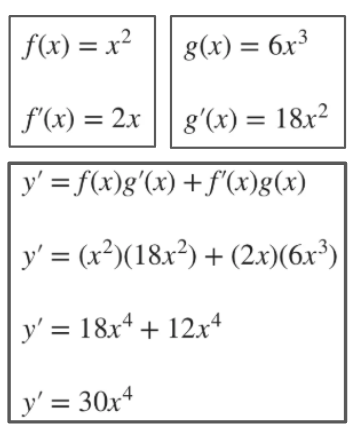
derivative product rule for two functions
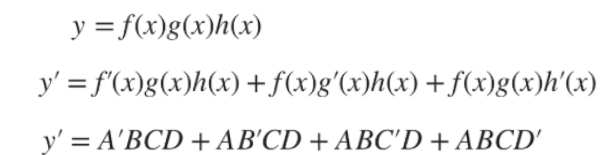
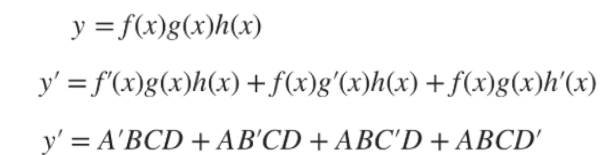
product rule for three+ functions
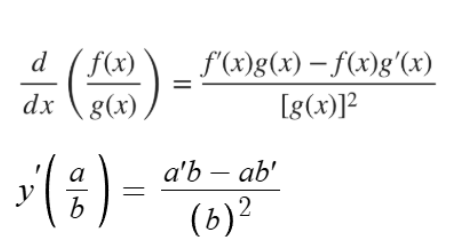
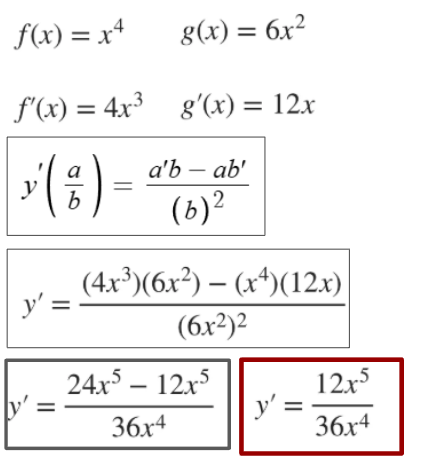
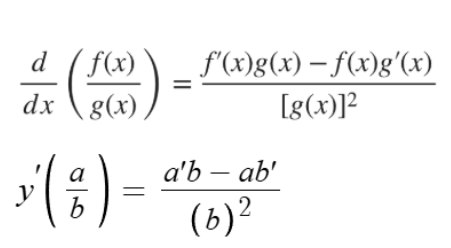
quotient rule
***the numerator may be a constant, still apply product rule with a
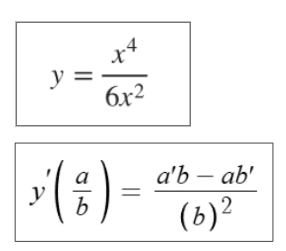
quotient rule example