Structural Kinesiology Total Mayhem
 Call Kai
 Learn
Learn Practice Test
 Spaced Repetition
 Match
Match Flashcards
 Knowt Play
1/62

Name | Mastery | Learn | Test | Matching | Spaced | Call with Kai |
|---|
No analytics yet
Send a link to your students to track their progress
63 Terms
proximal
closer to the trunk
distal
farther from the trunk
medial
closer to the midline
lateral
farther from the midline
anterior
front side of the body (ventral)
posterior
back side of the body (dorsal)
superior
above
inferior
below
superficial
near the surface
deep
away from the surface
plantar
bottom of the foot
dorsal
top of foot
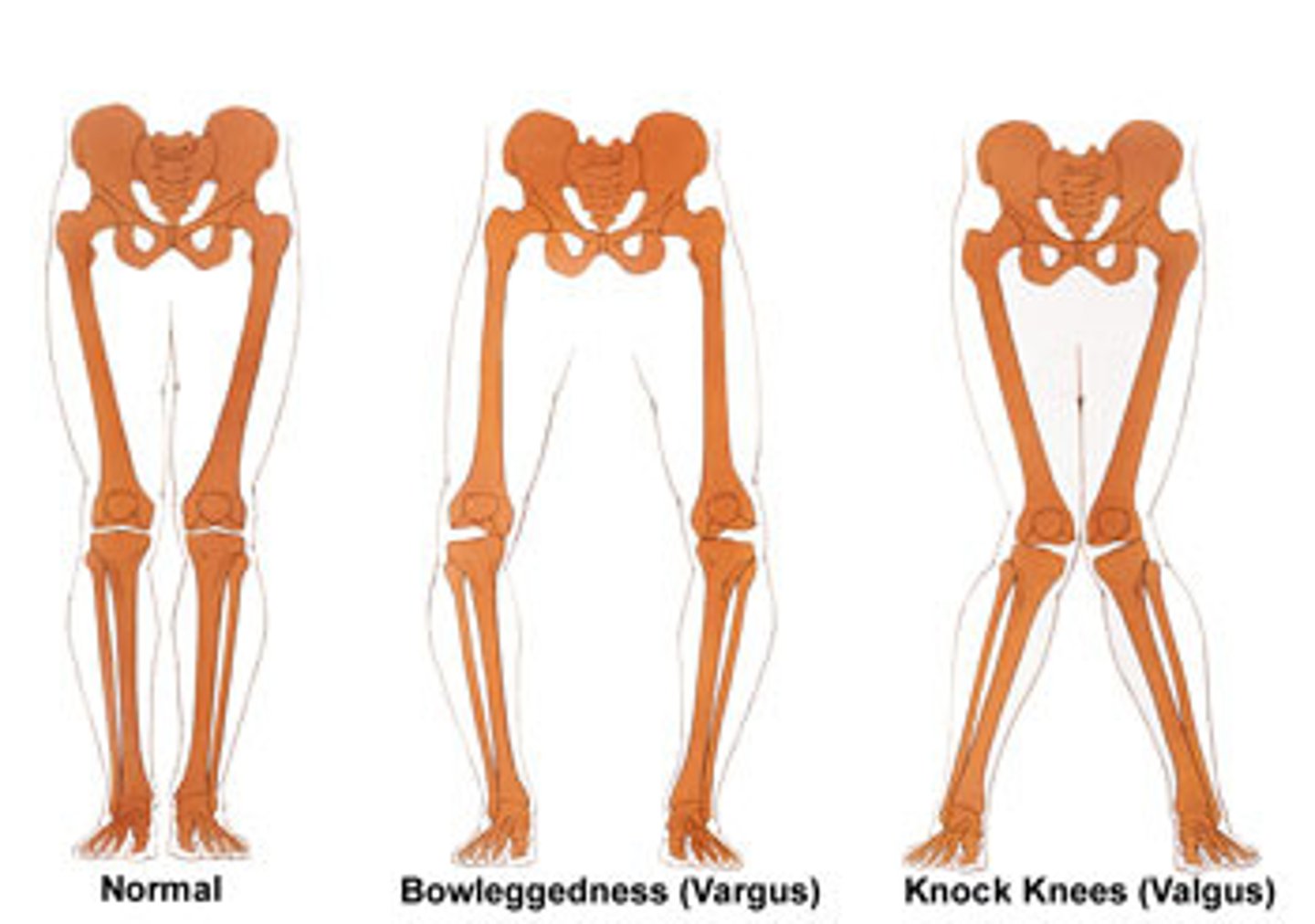
varus
distal segment (foot) deviates toward midline relative to proximal segment
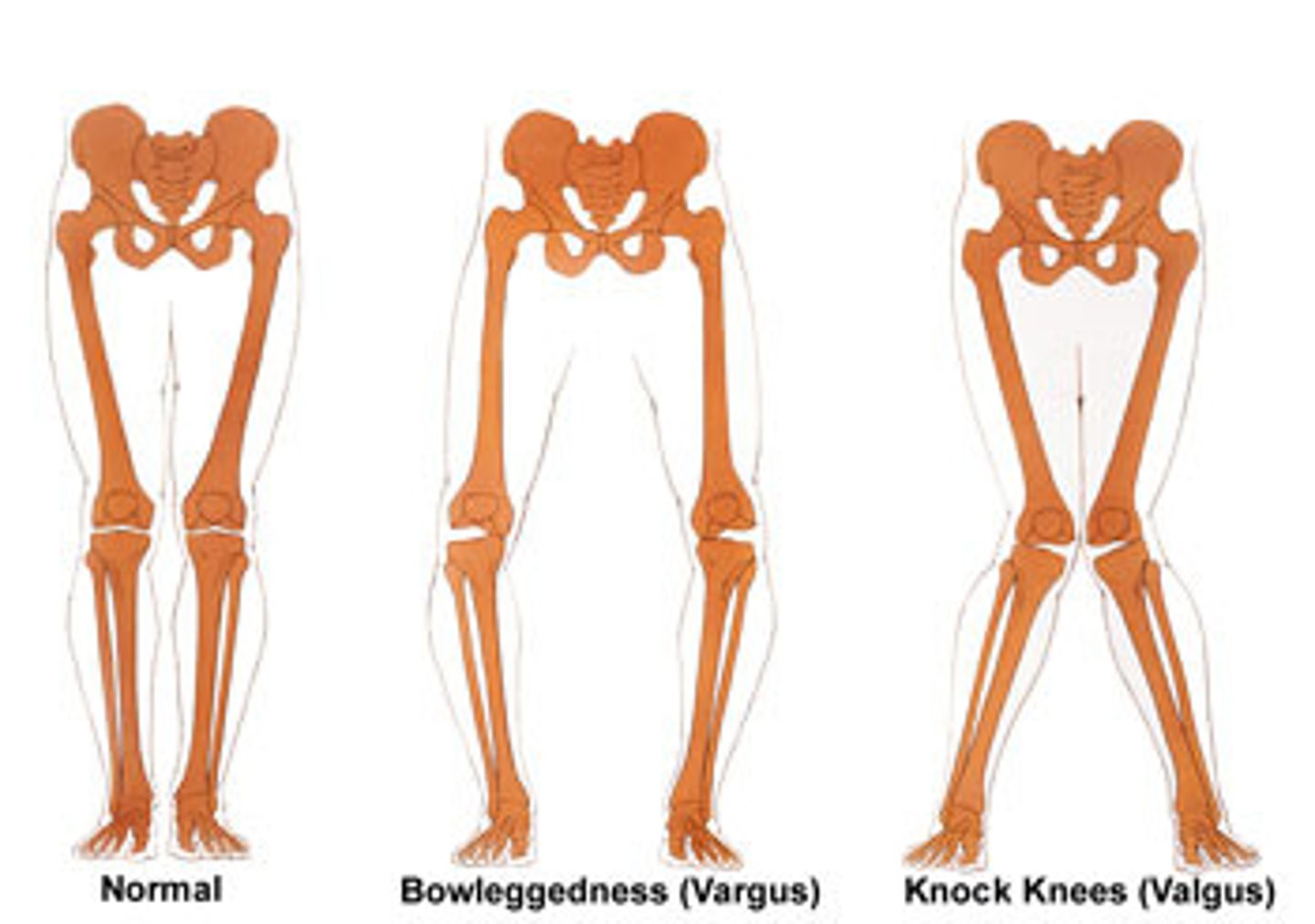
valgus
distal segments (foot) deviate away from midline relative to proximal segment
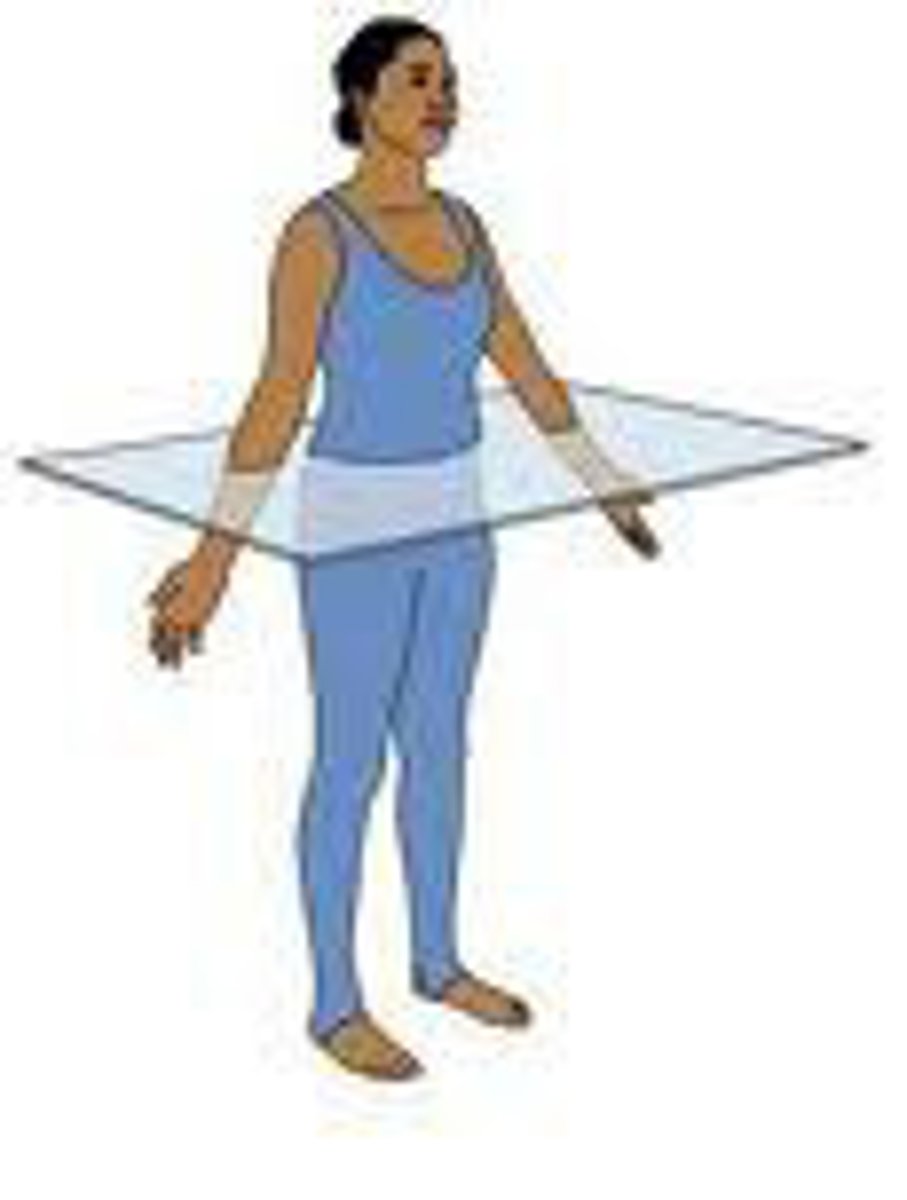
transverse plane
divides the body into superior and inferior parts
actions seen in full from above looking down
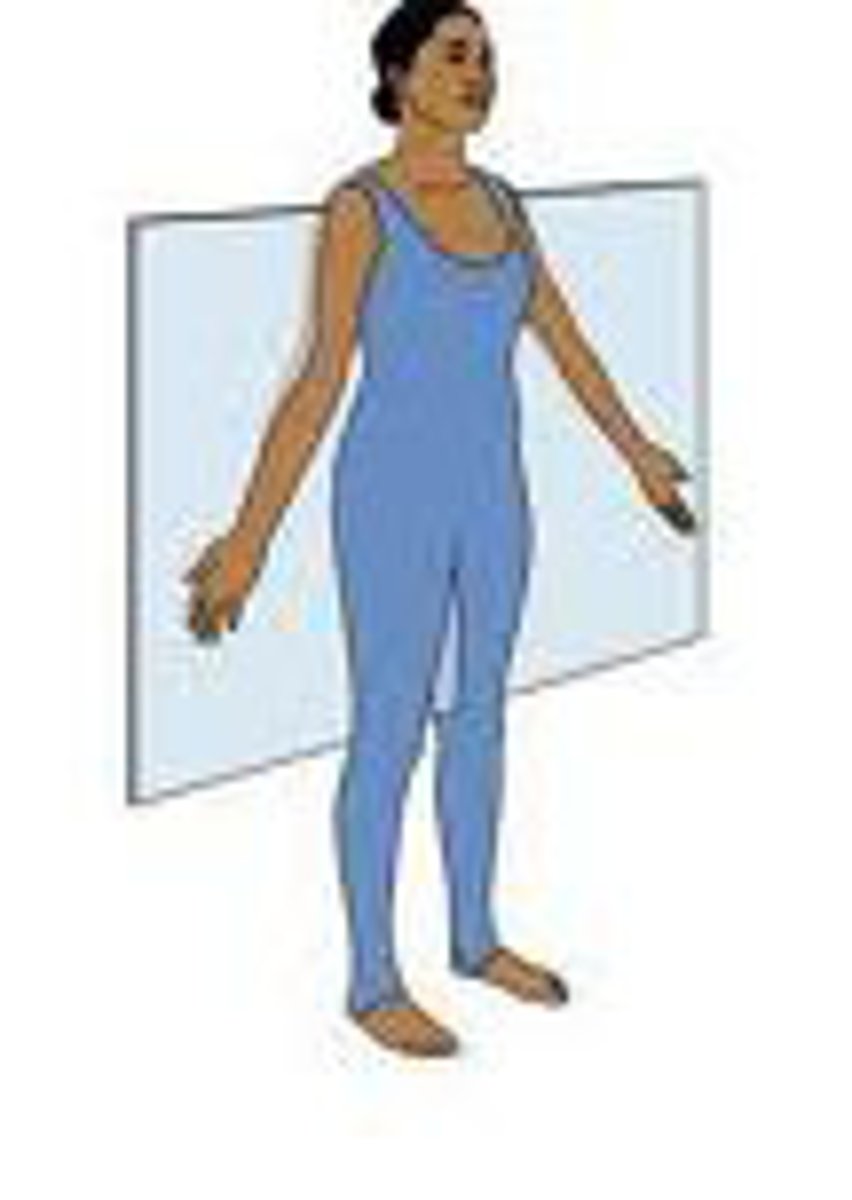
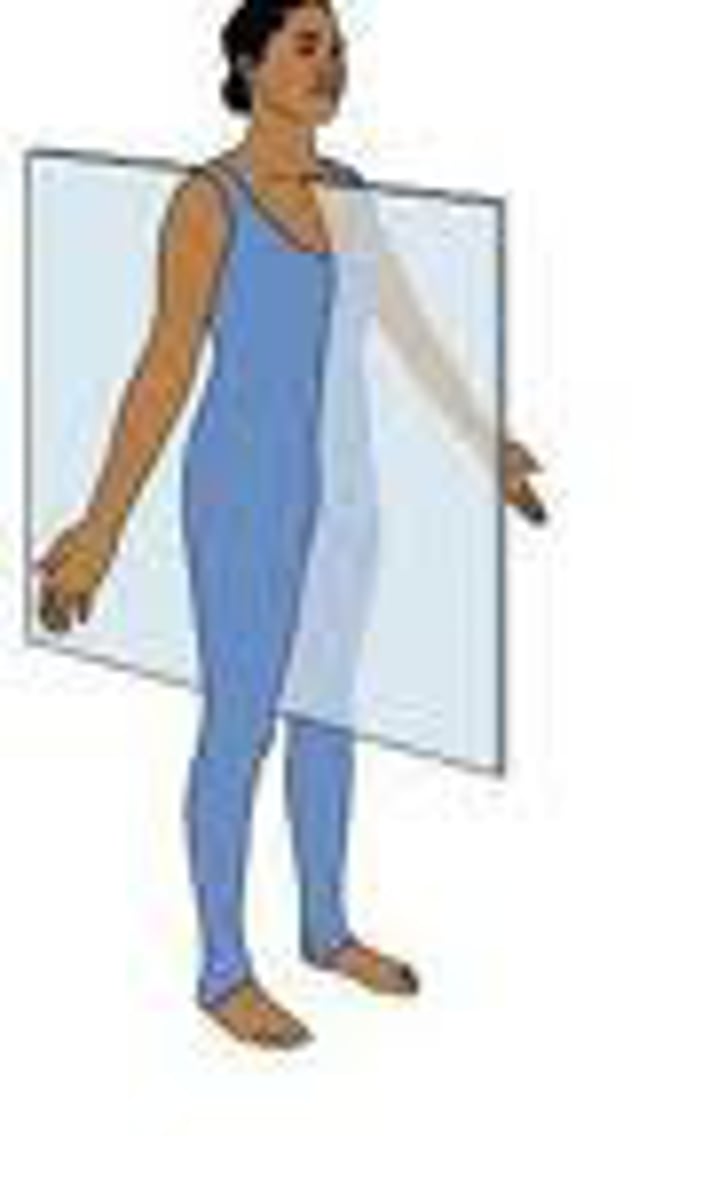
frontal plane
divides the body into front and back portions
actions seen in full from the front
sagittal plane
divides body into left and right
actions seen in full from the side
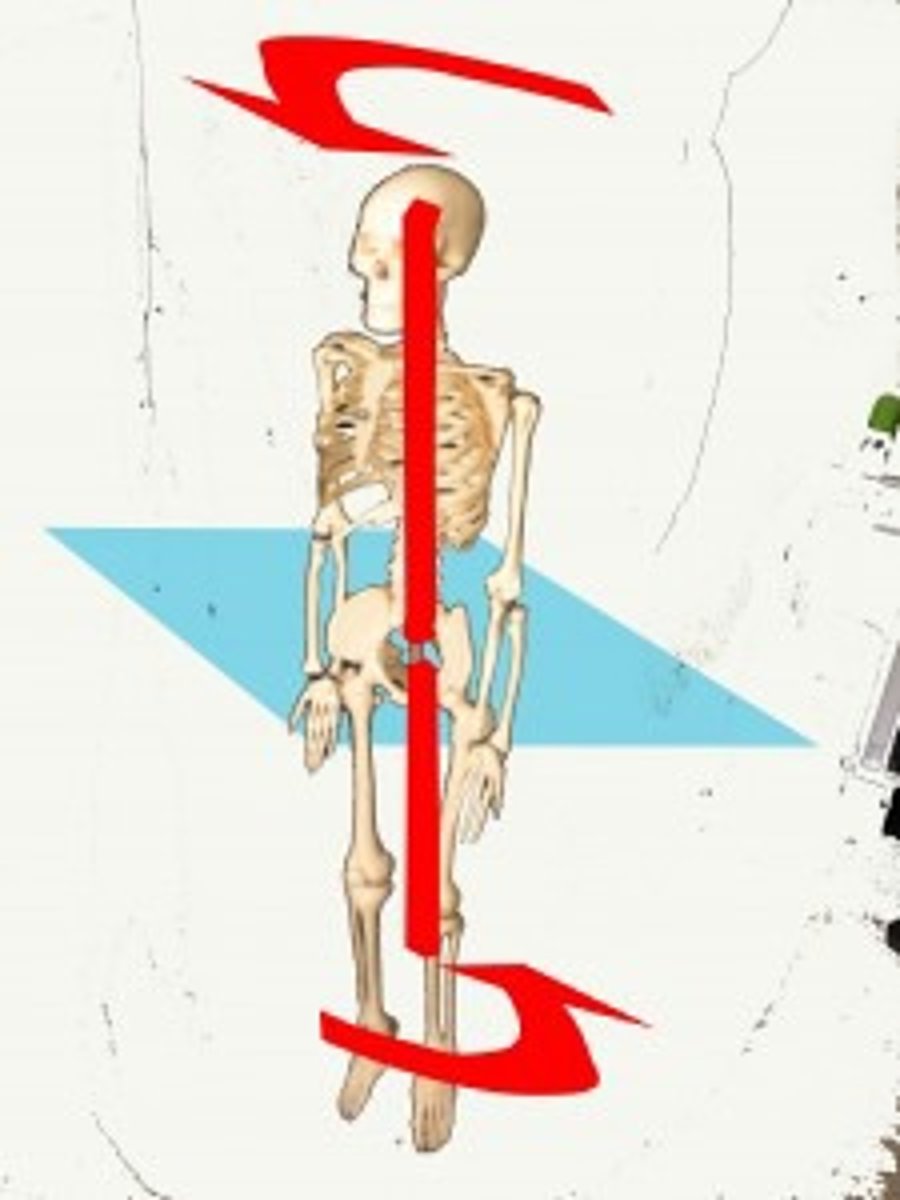
longitudinal axis
perpendicular to transverse plane
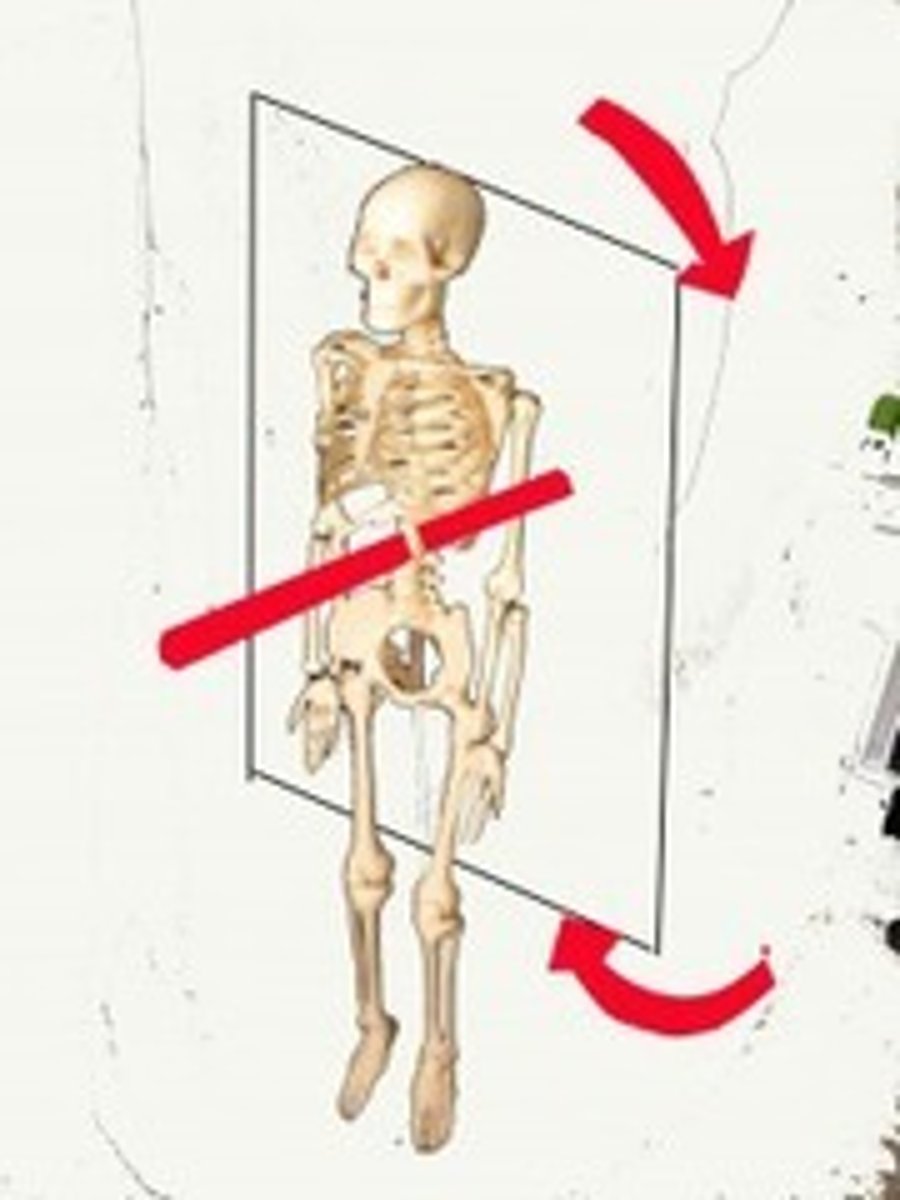
sagittal axis
perpendicular to frontal plane
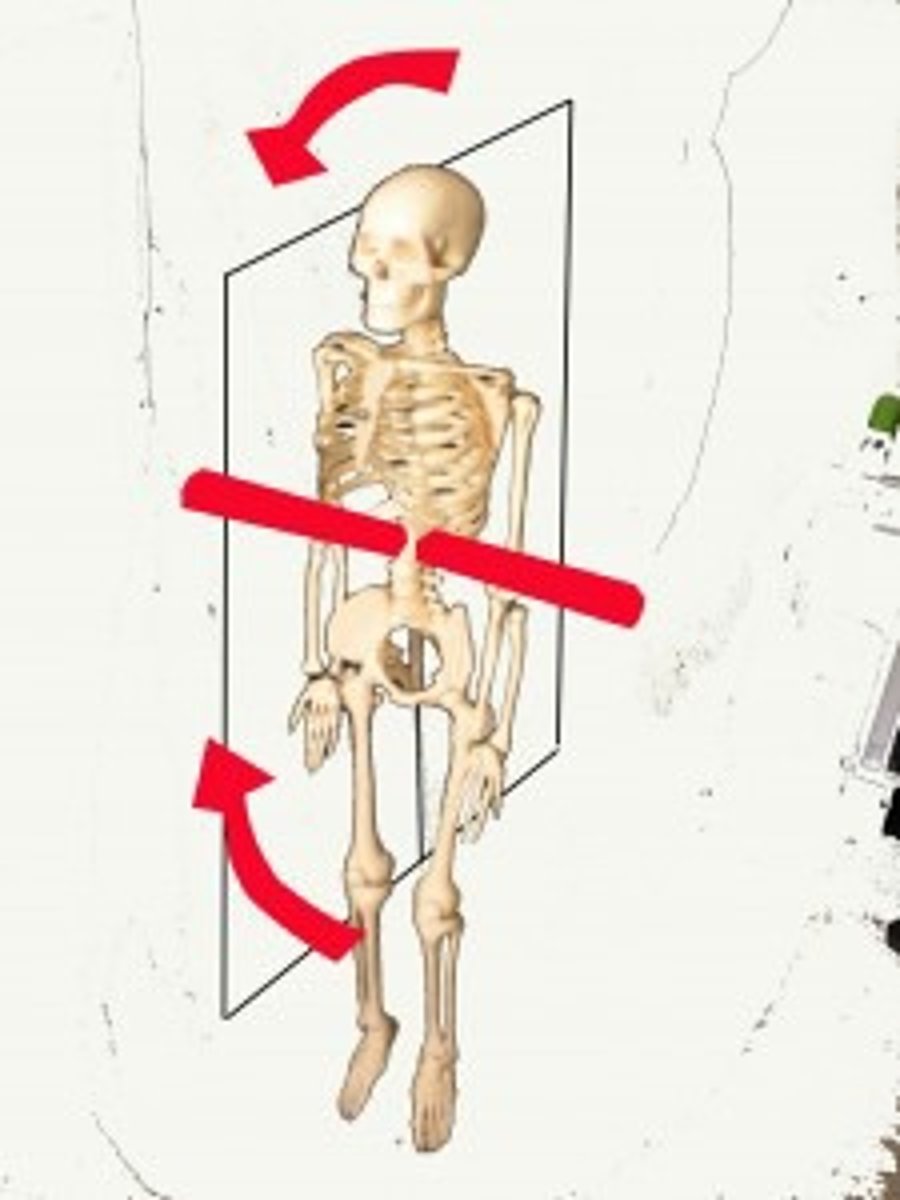
frontal axis
perpendicular to the sagittal plane
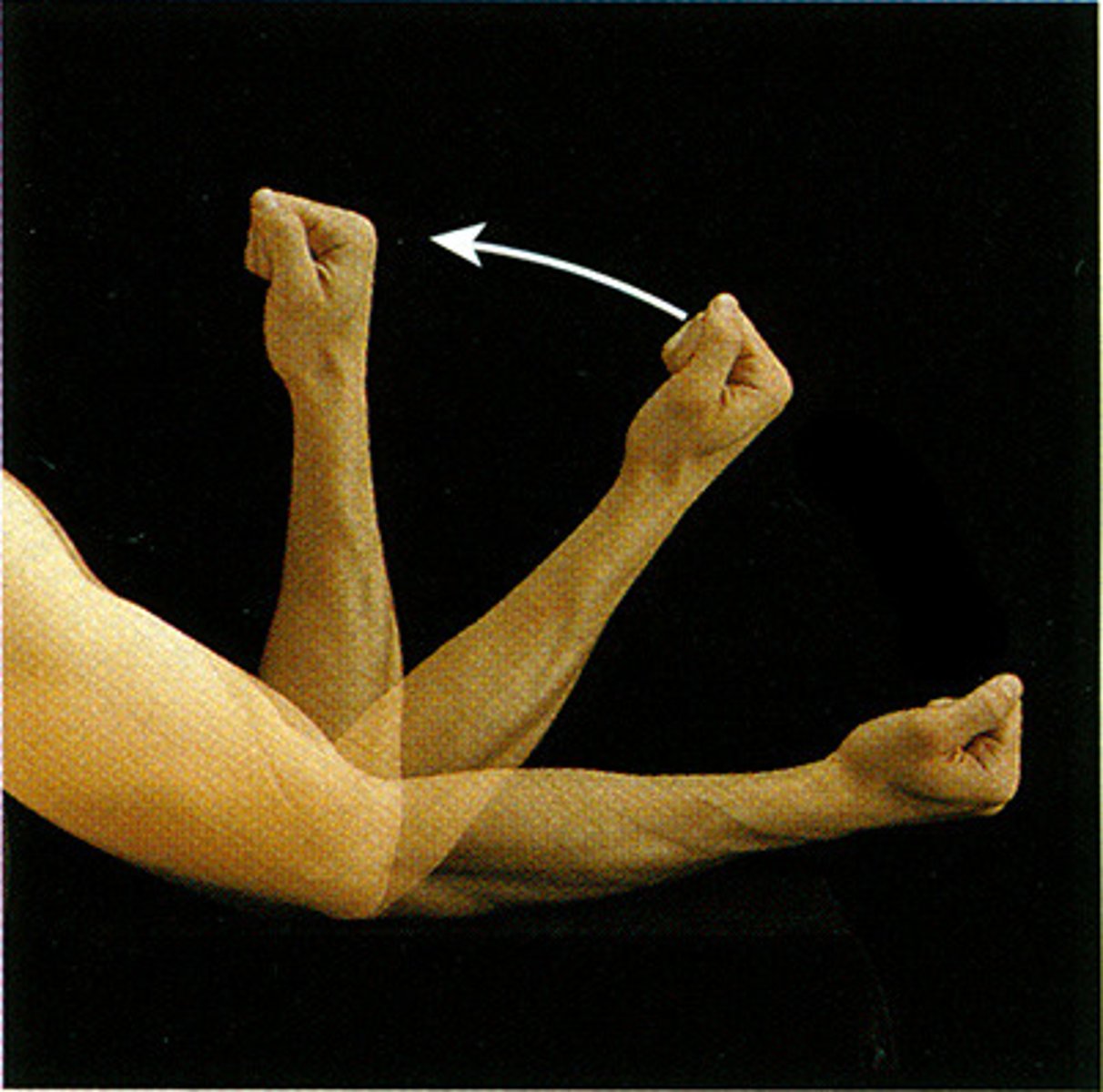
flexion
decrease angle between two segments
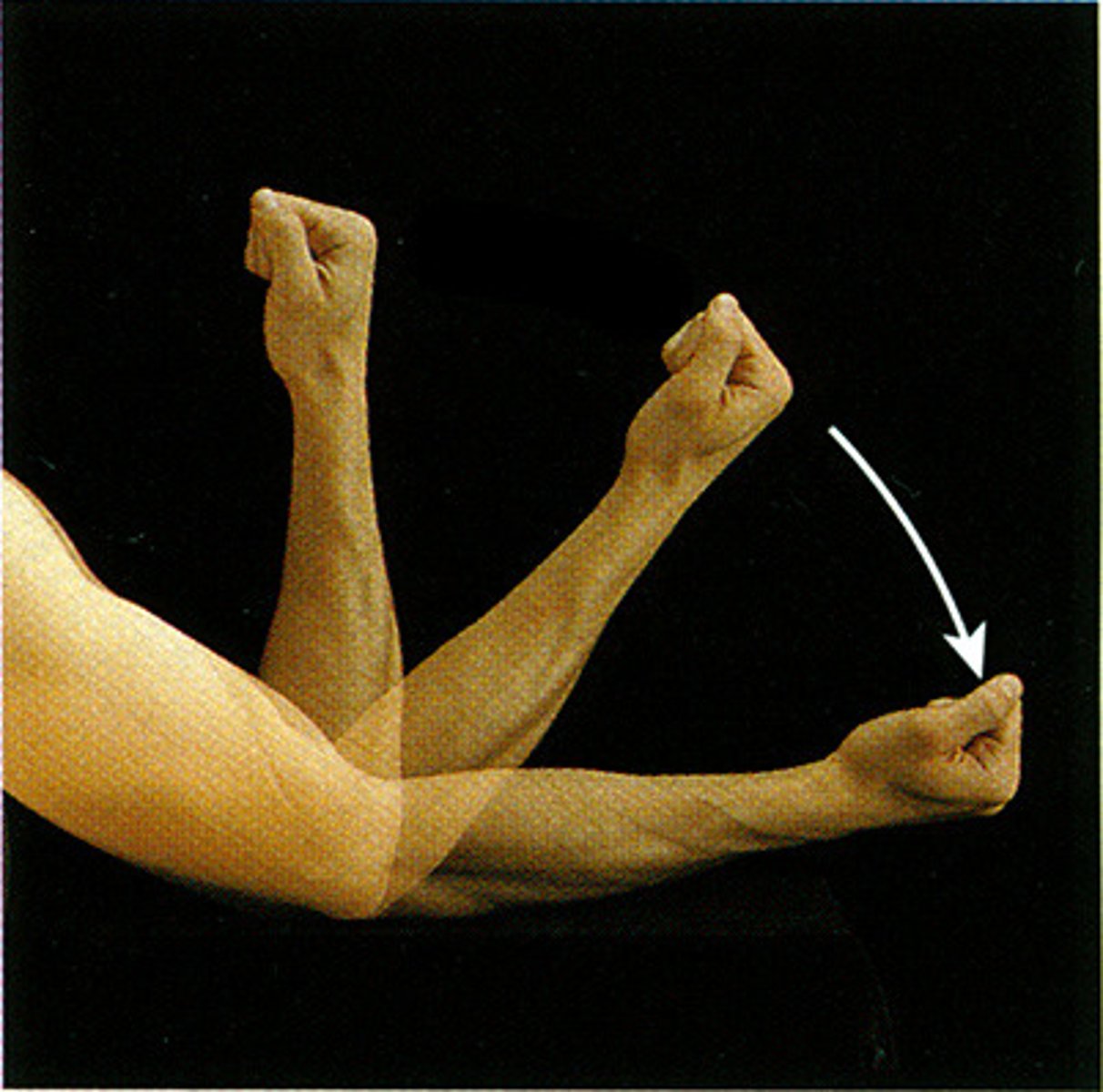
extension
increase angle between two segments
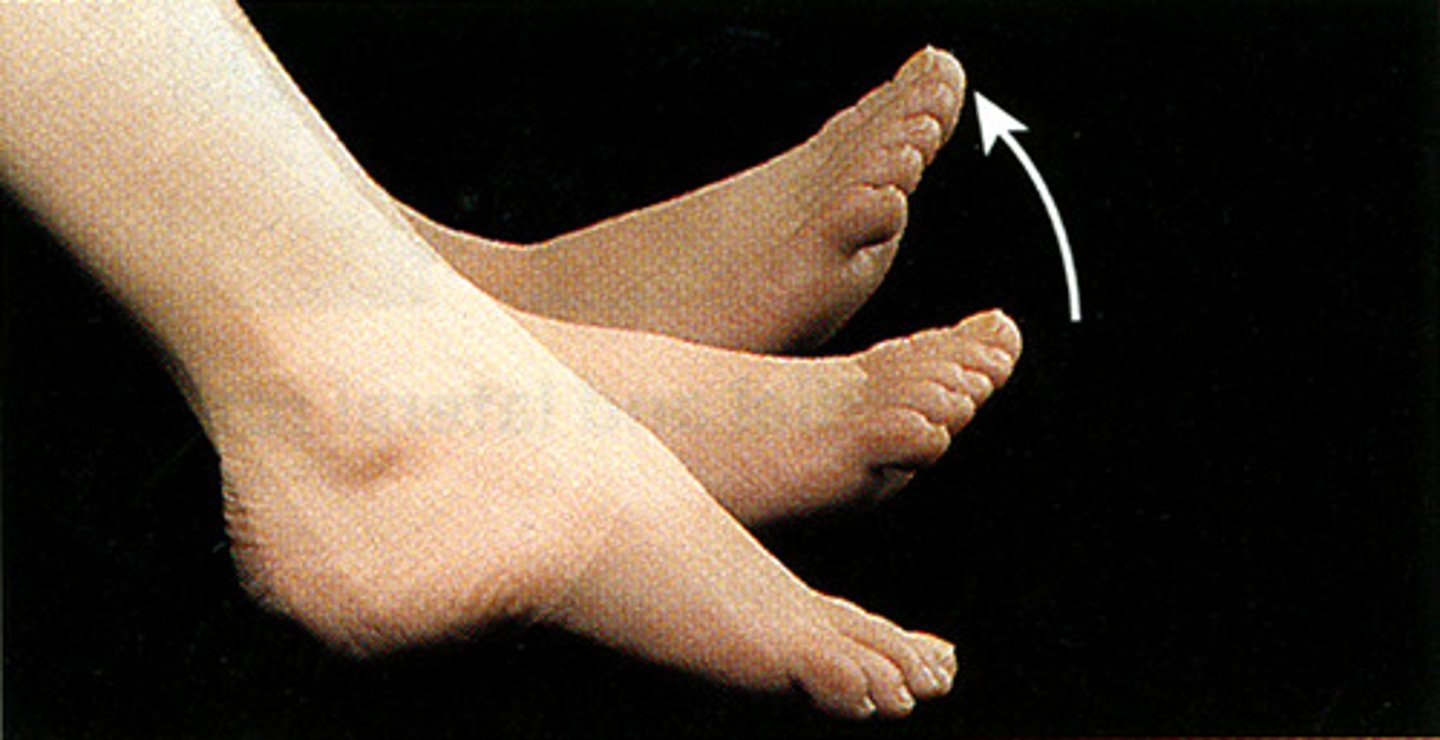
Dorsiflexion
pull toes toward shin
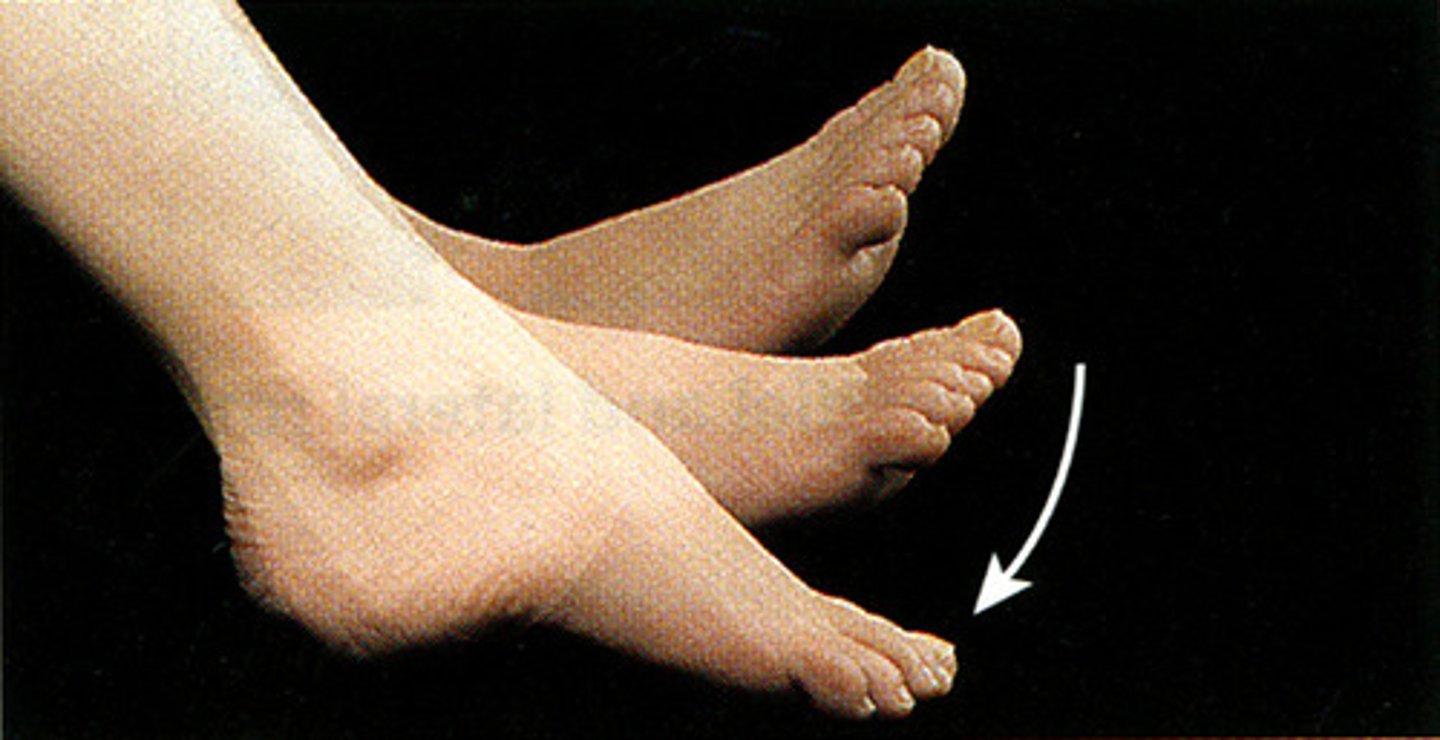
plantar flexion
point toes away from shin
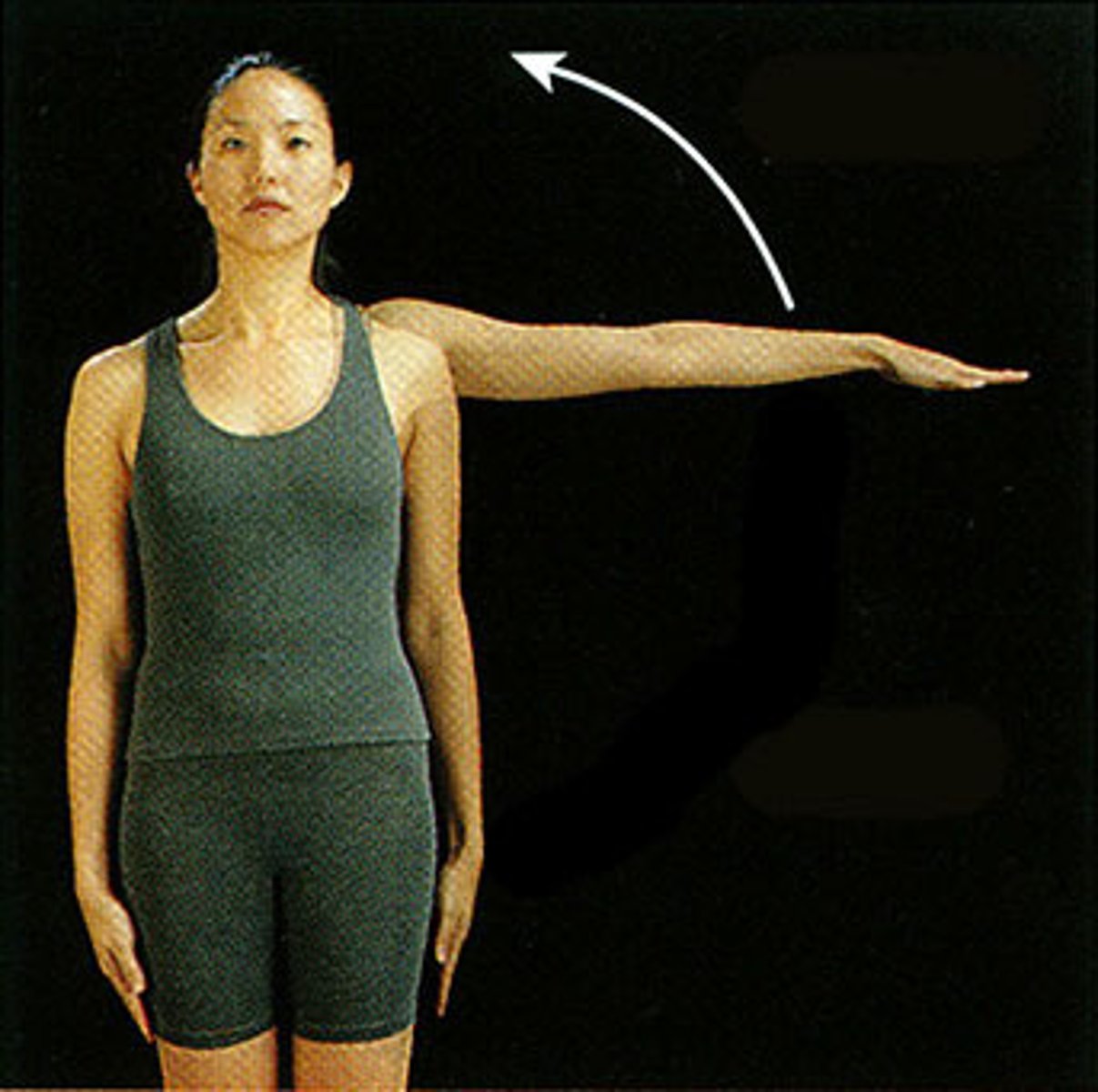
abduction
move away from midline (outwards)
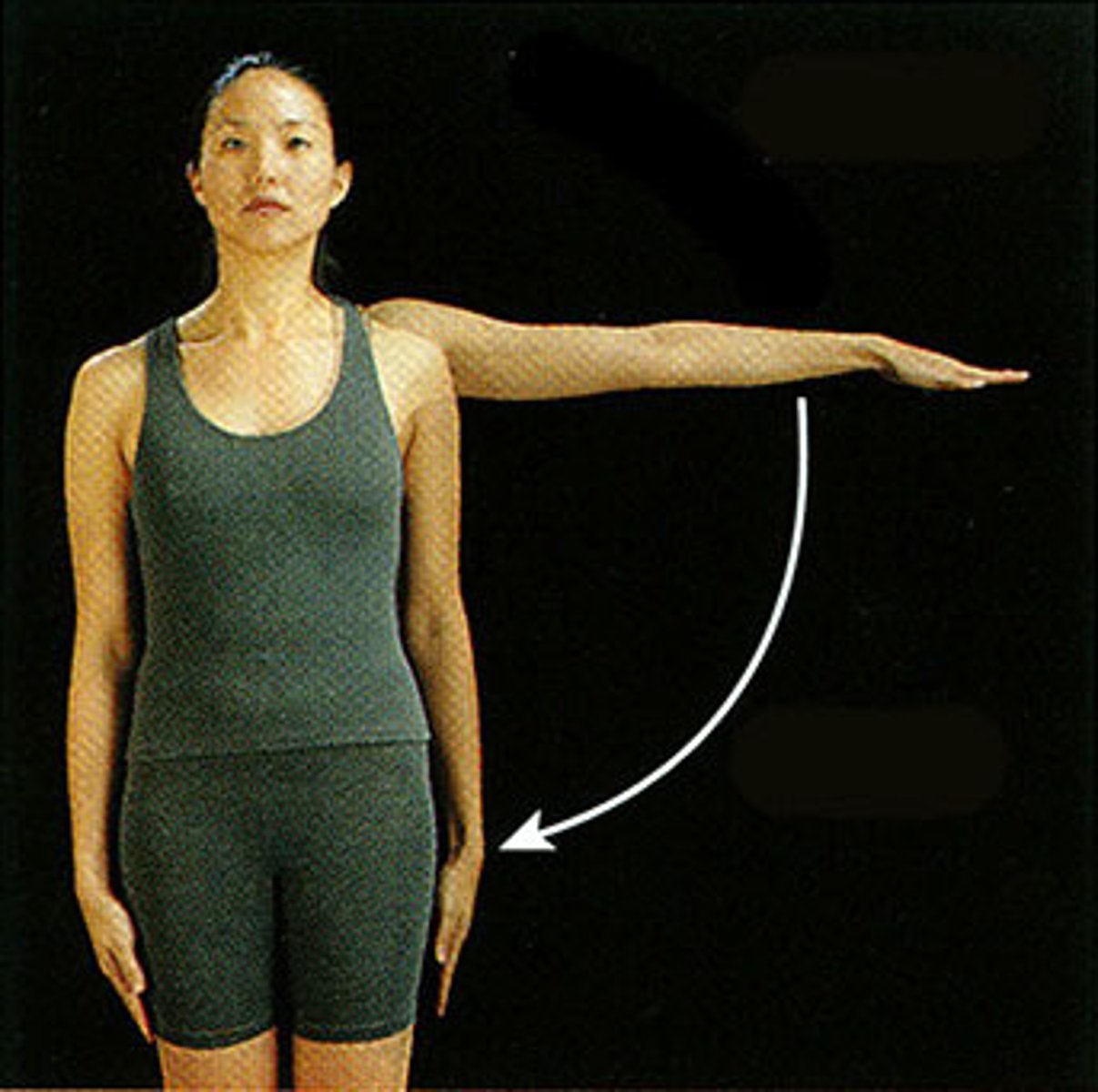
adduction
move toward midline (inward)
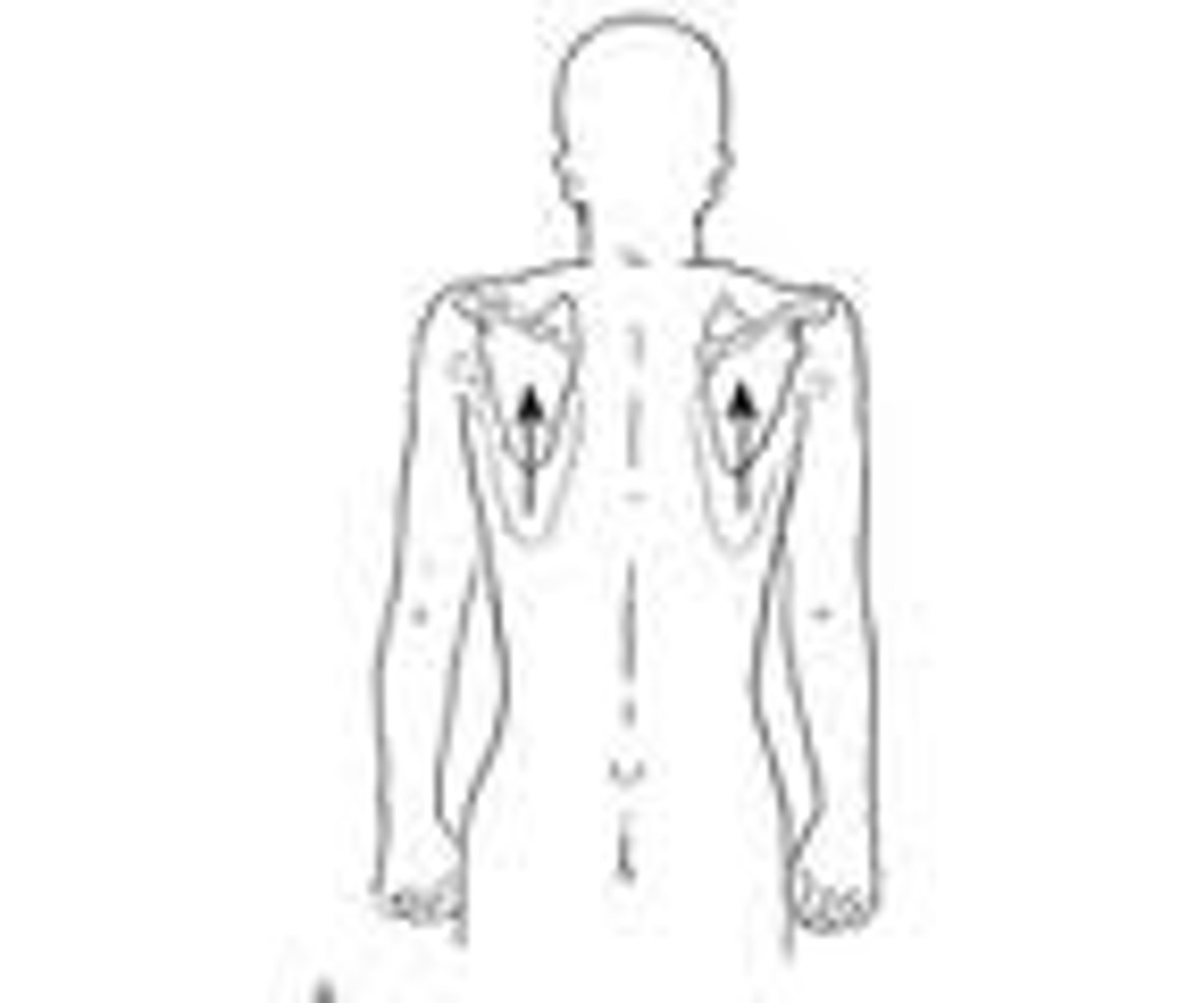
elevation
move scapula superiorly
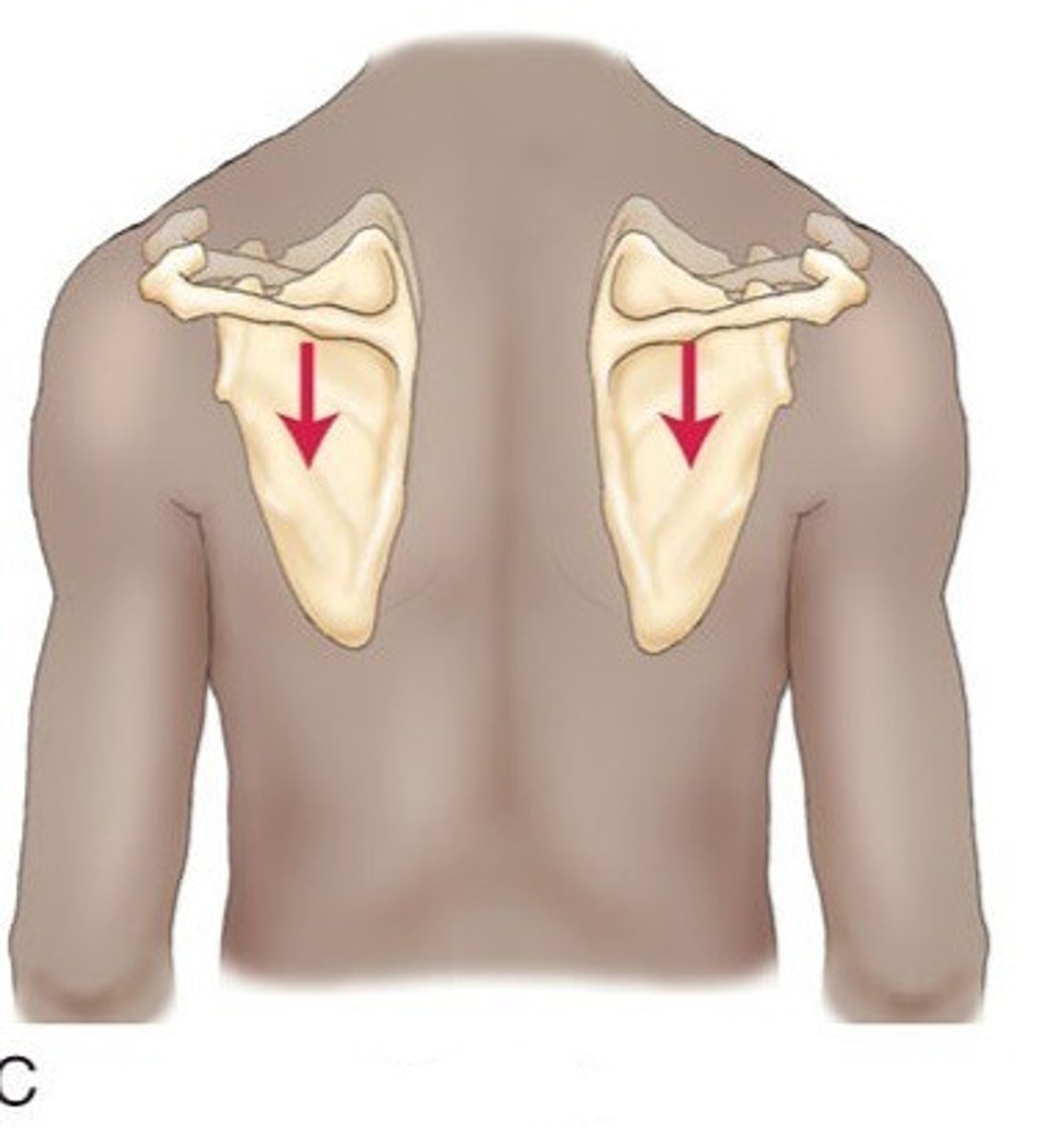
depression (scapula)
move scapula inferiorly
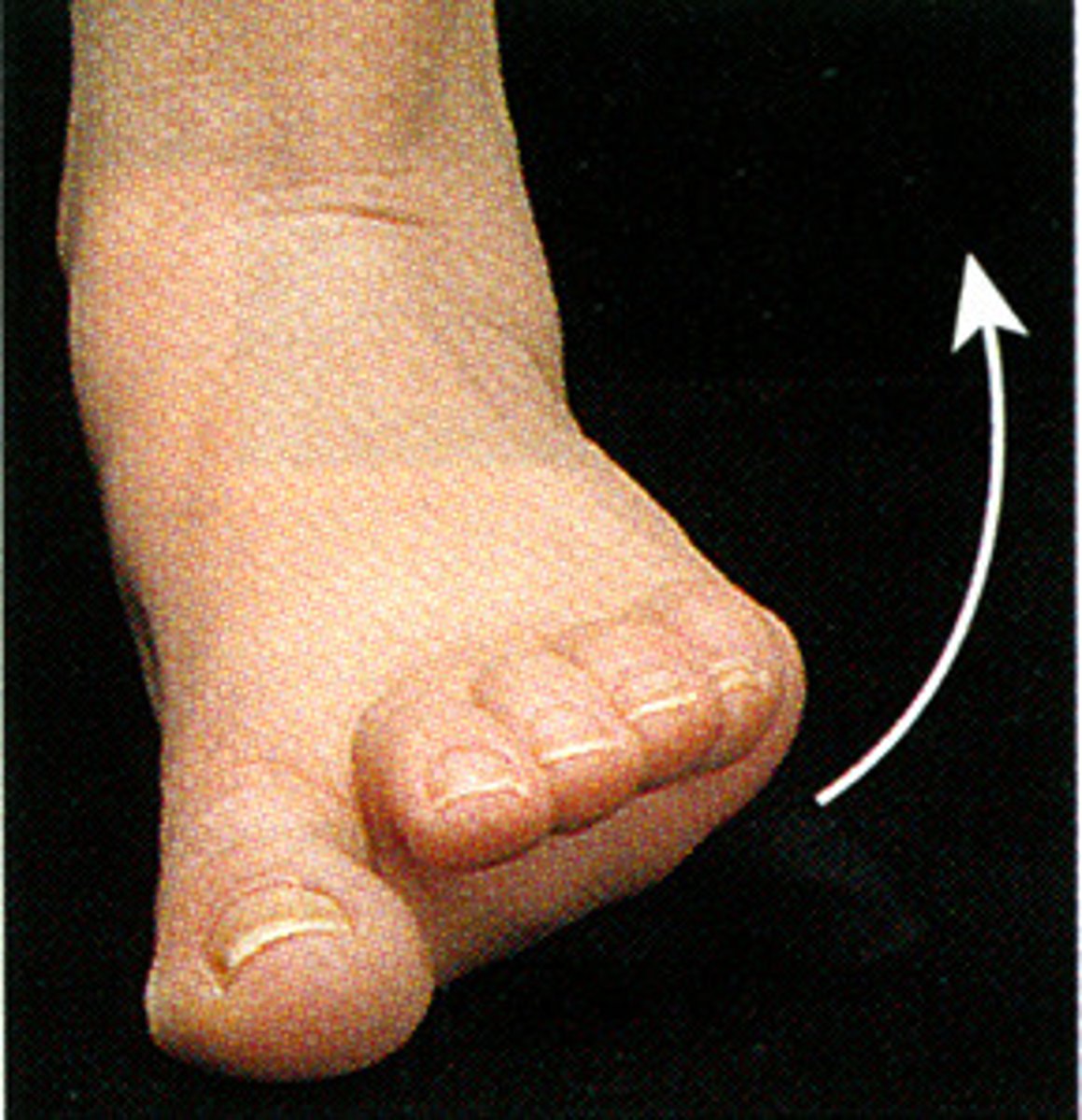
inversion
lift medial border of foot
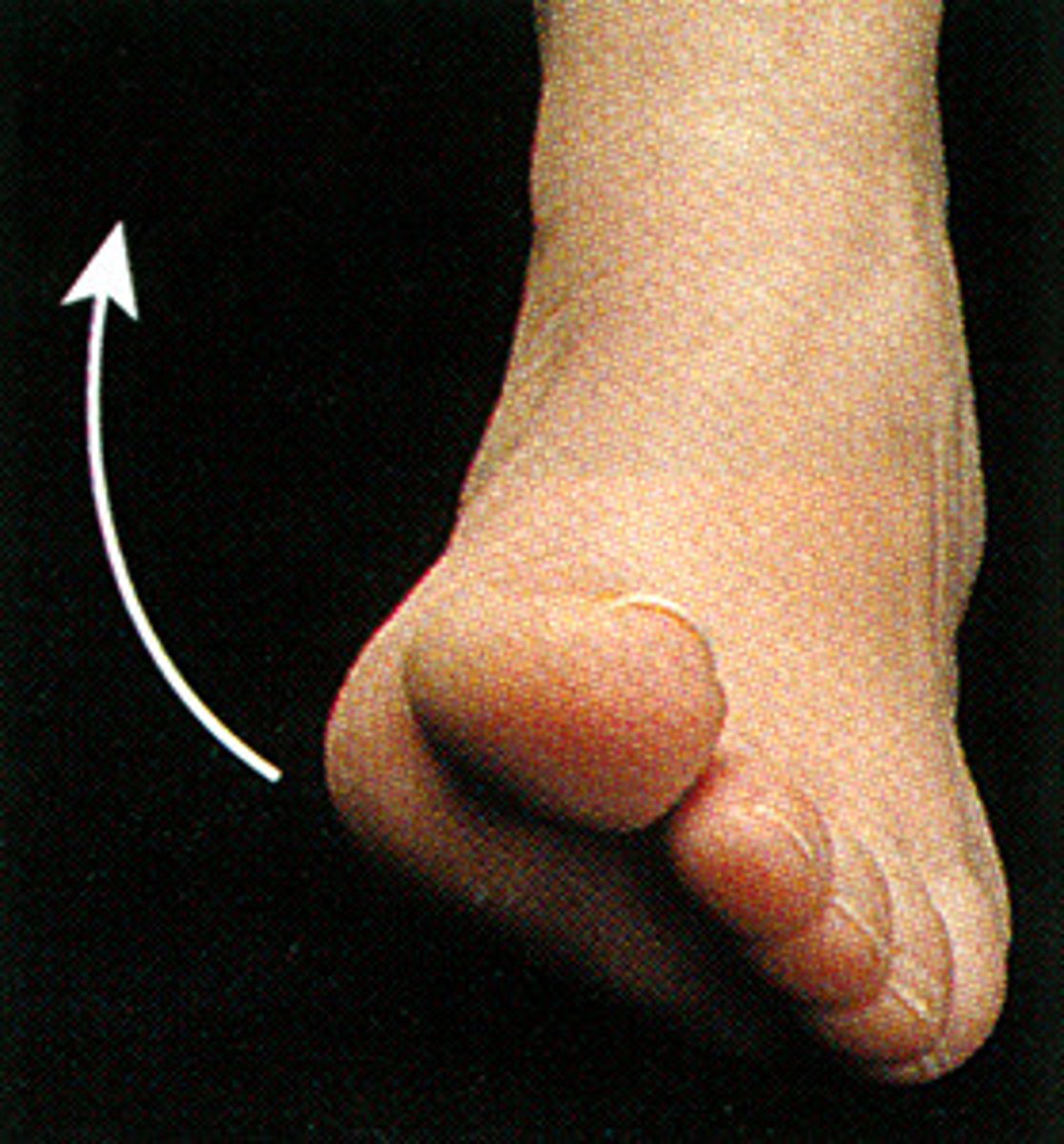
eversion
lift lateral border of foot
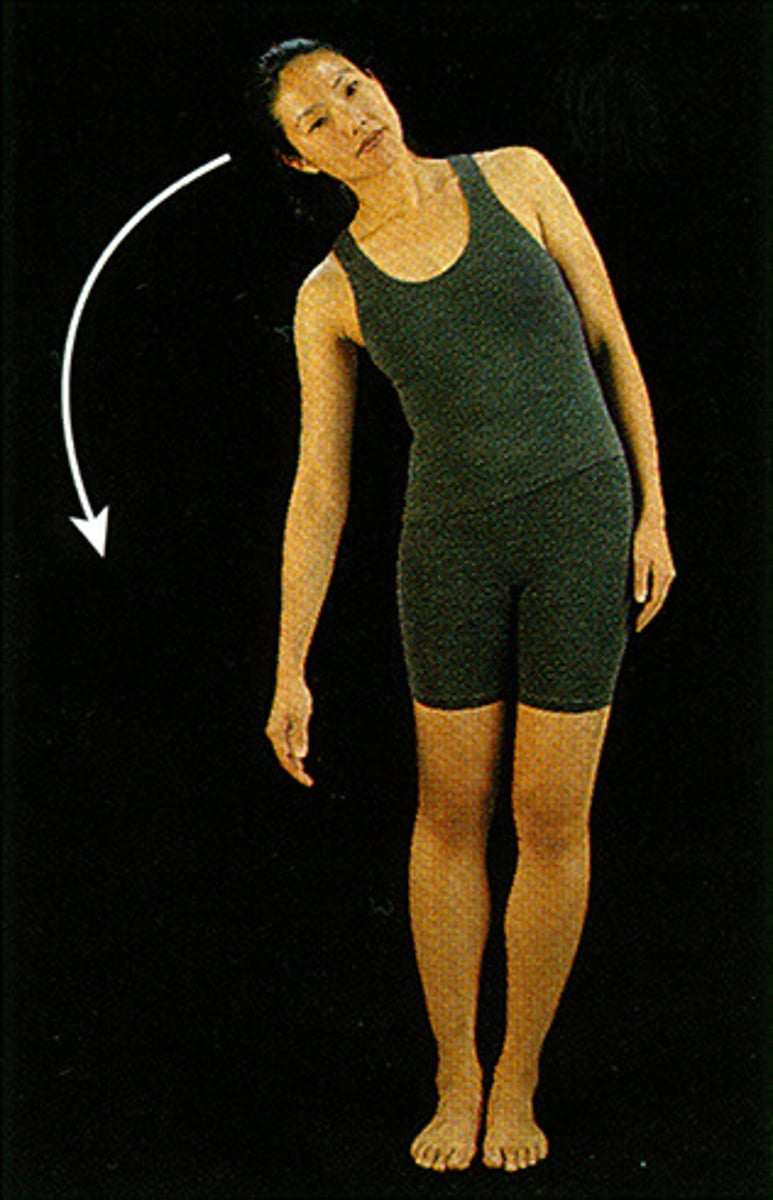
lateral flexion of trunk
bending the vertebral column
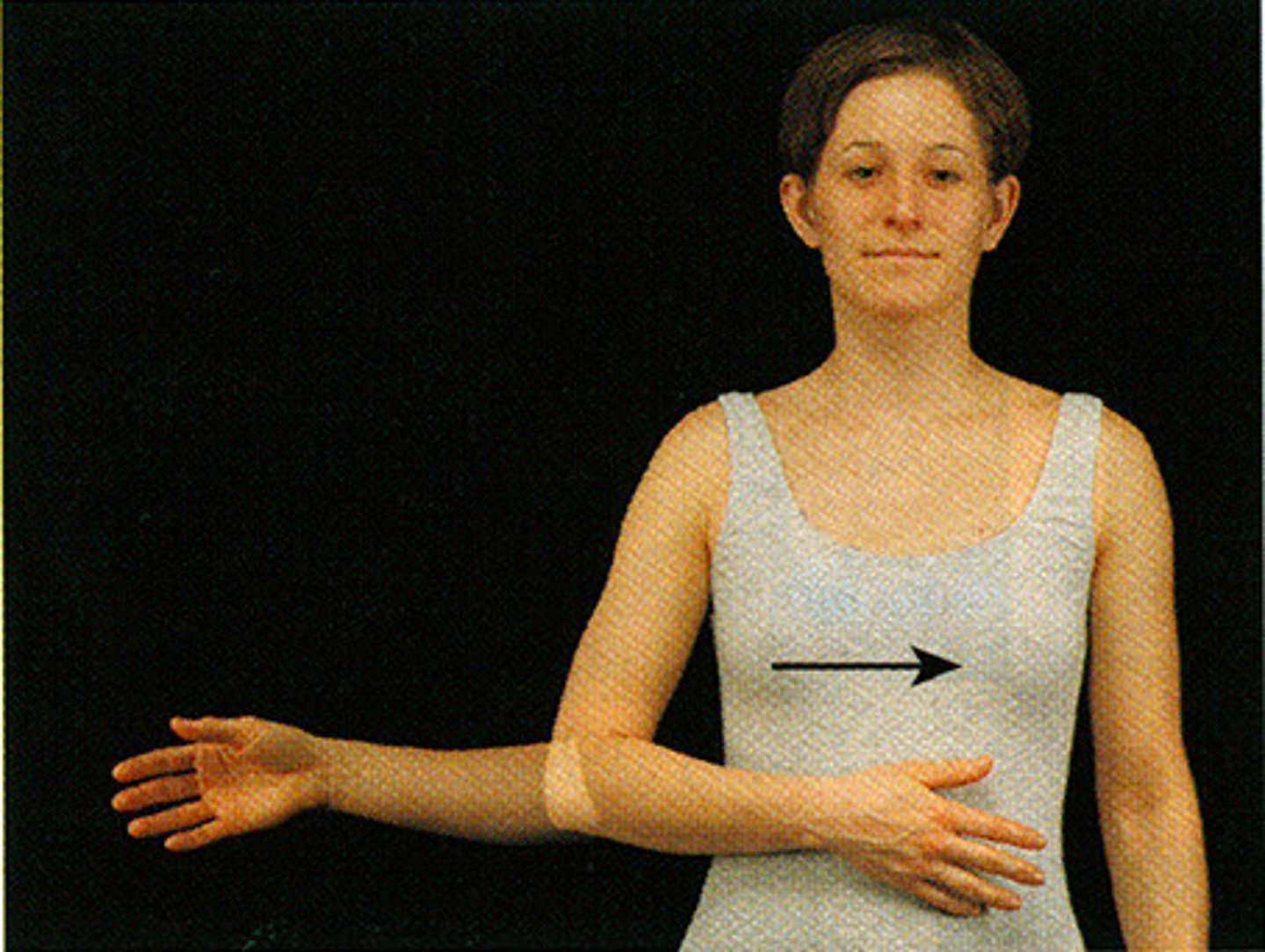
internal (medial) rotation
anterior surface of segment rotates medially or inward
external (lateral) rotation
anterior surface of segment rotates laterally or outward
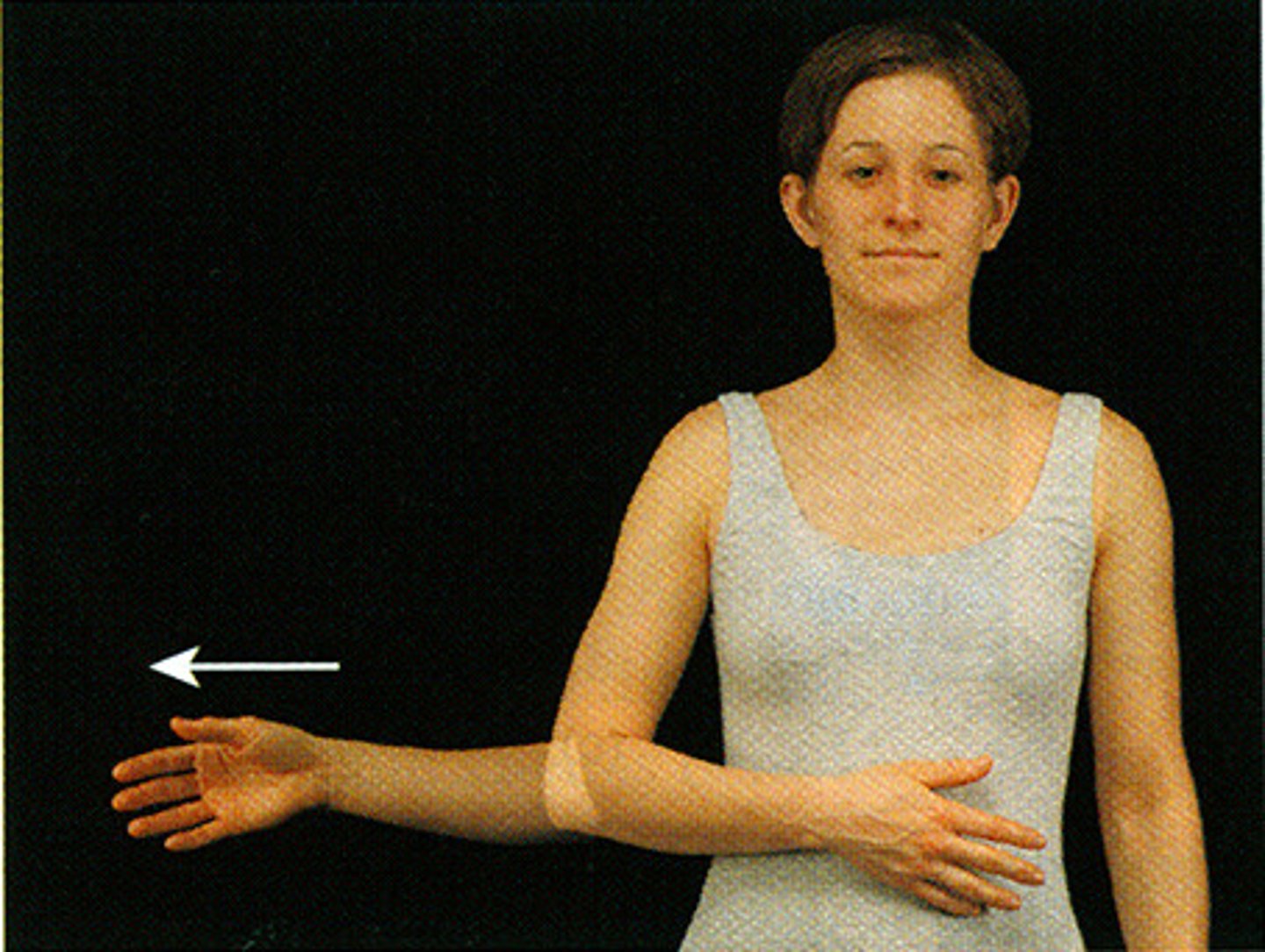
supination
Palm up
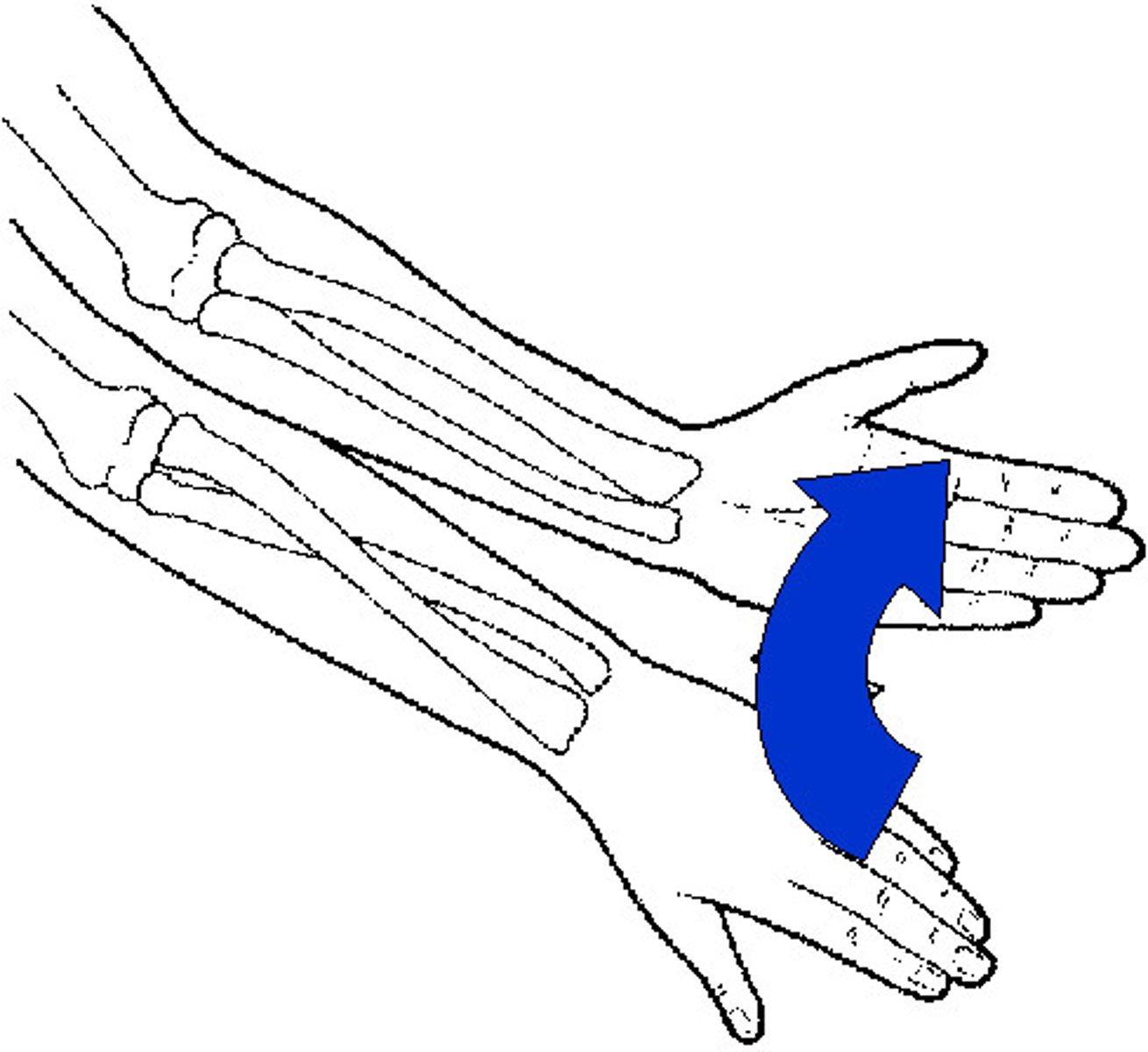
pronation
palm down
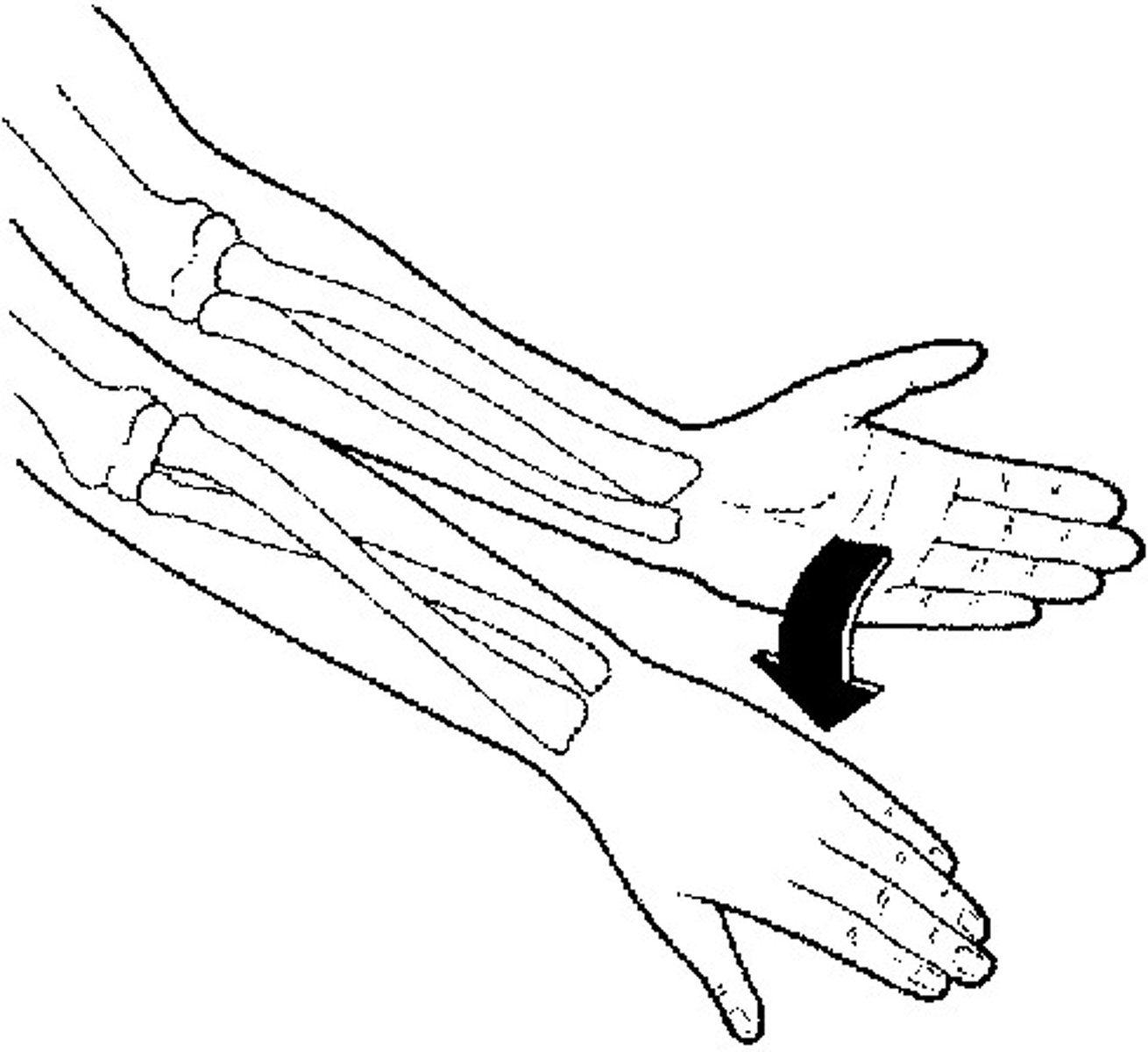
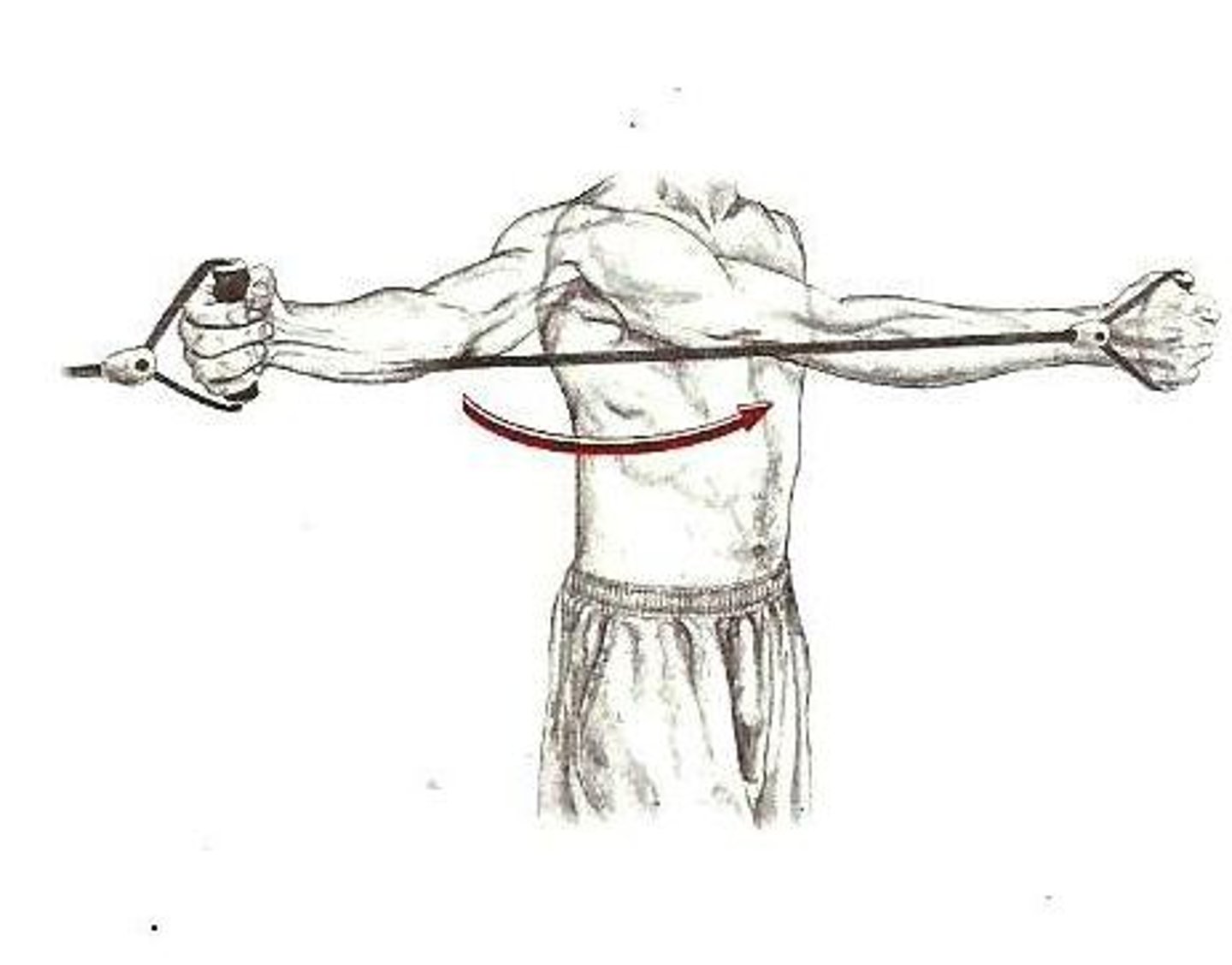
horizontal abduction
move arm away from the midline in the transverse plane
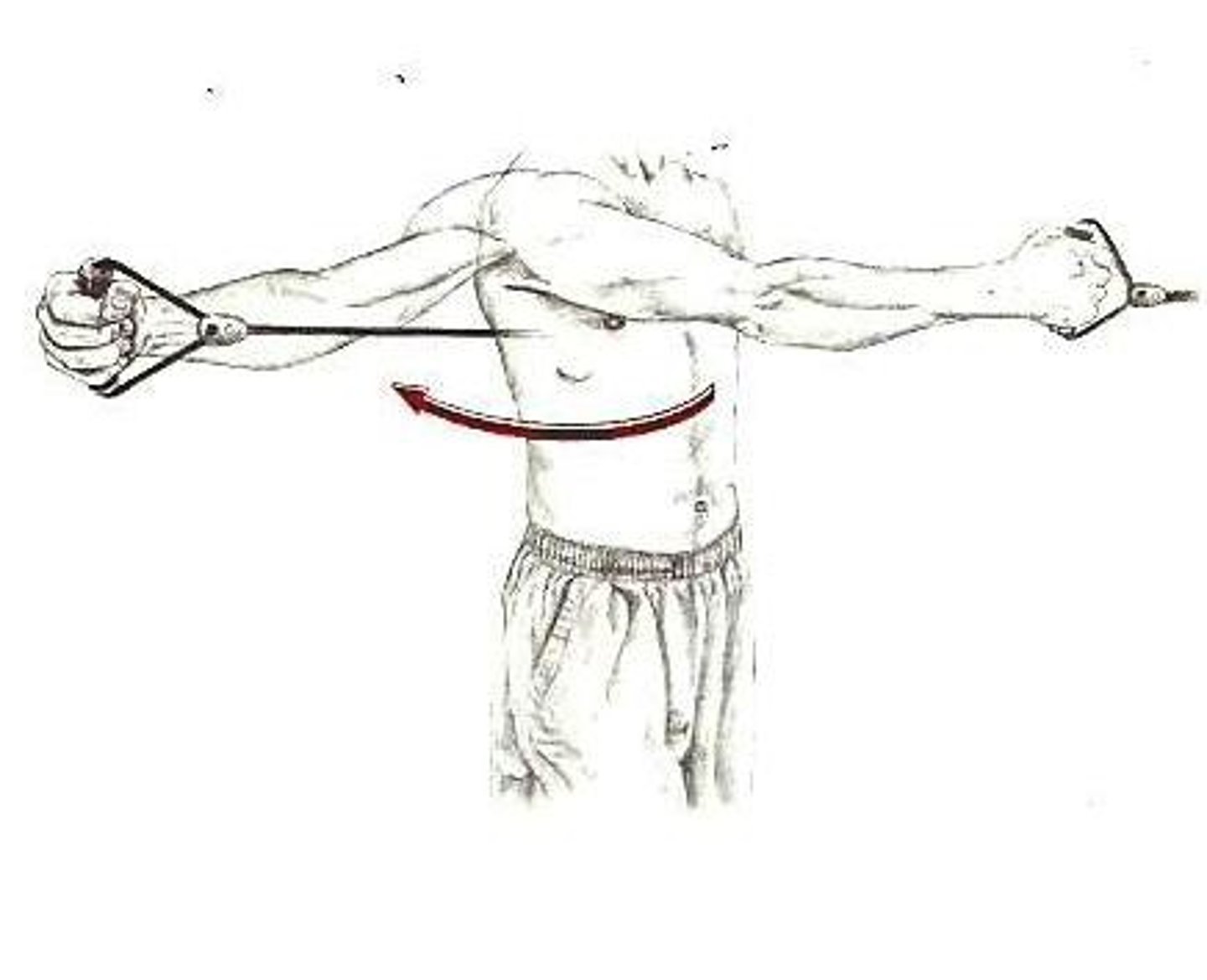
horizontal adduction
move arm toward the midline in the transverse plane
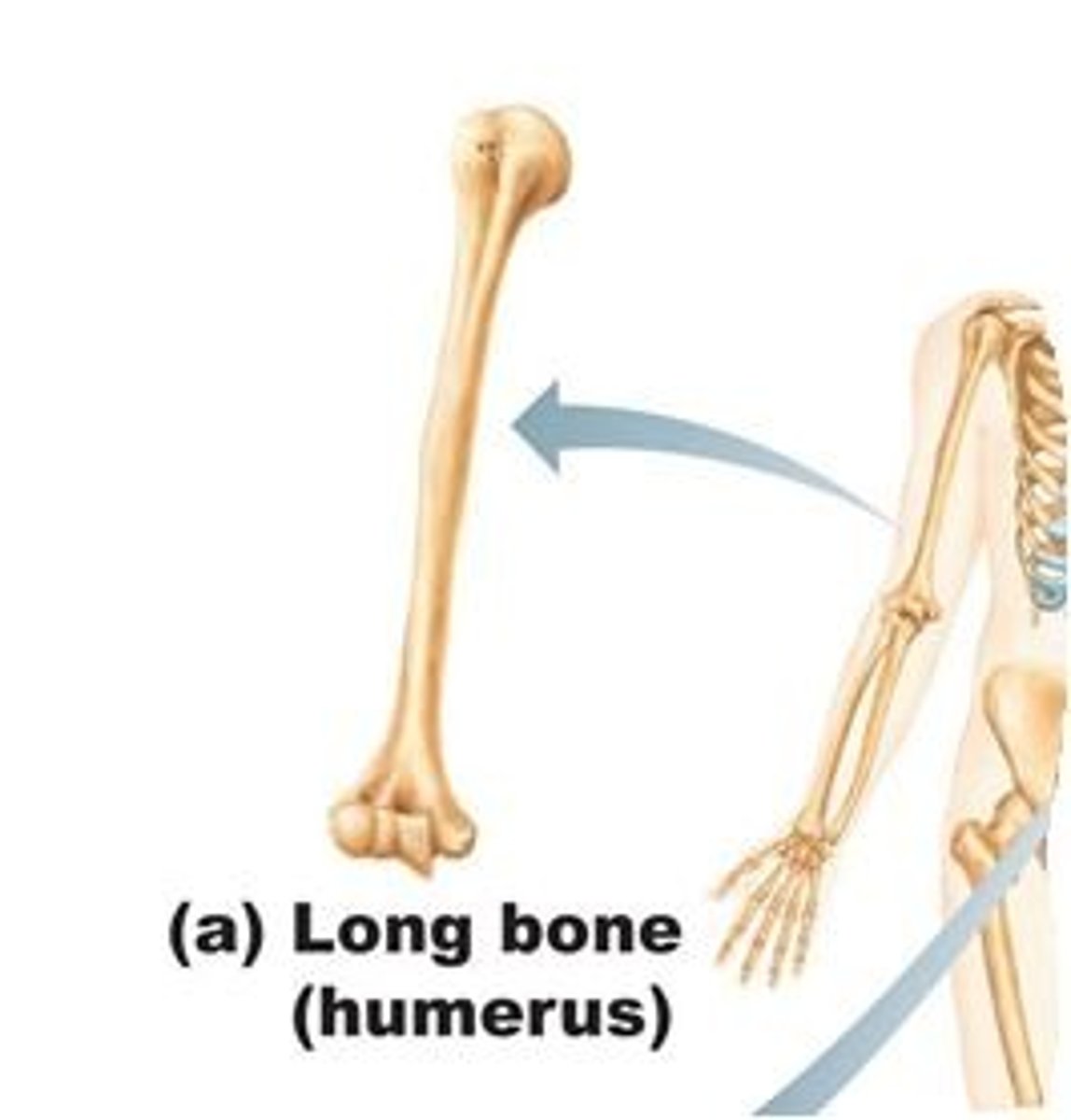
long bones
Composed of a long cylindrical shaft with relatively wide, protruding ends
shaft contains the medullary canal
Ex. phalanges, metatarsals, metacarpals, tibia, fibula, femur, radius, ulna, & humerus
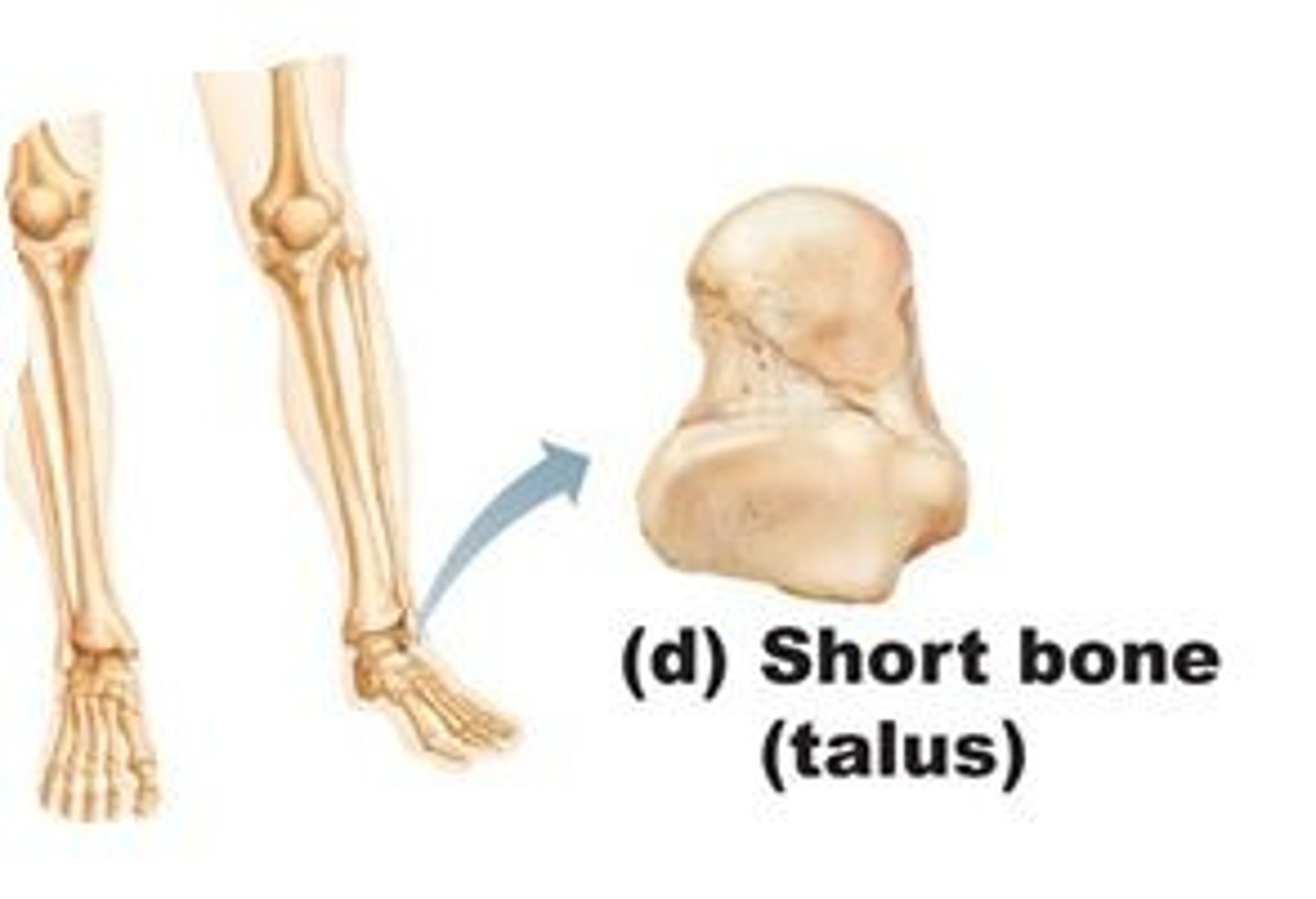
short bones
Small, cubical-shaped, solid bones that usually have a proportionally large articular surface in order to articulate with more than one bone
ex: carpals and tarsals
flat bones
Usually have a curved surface & vary from thick where tendons attach to very thin
Ex. ilium, ribs, sternum, clavicle, & scapula
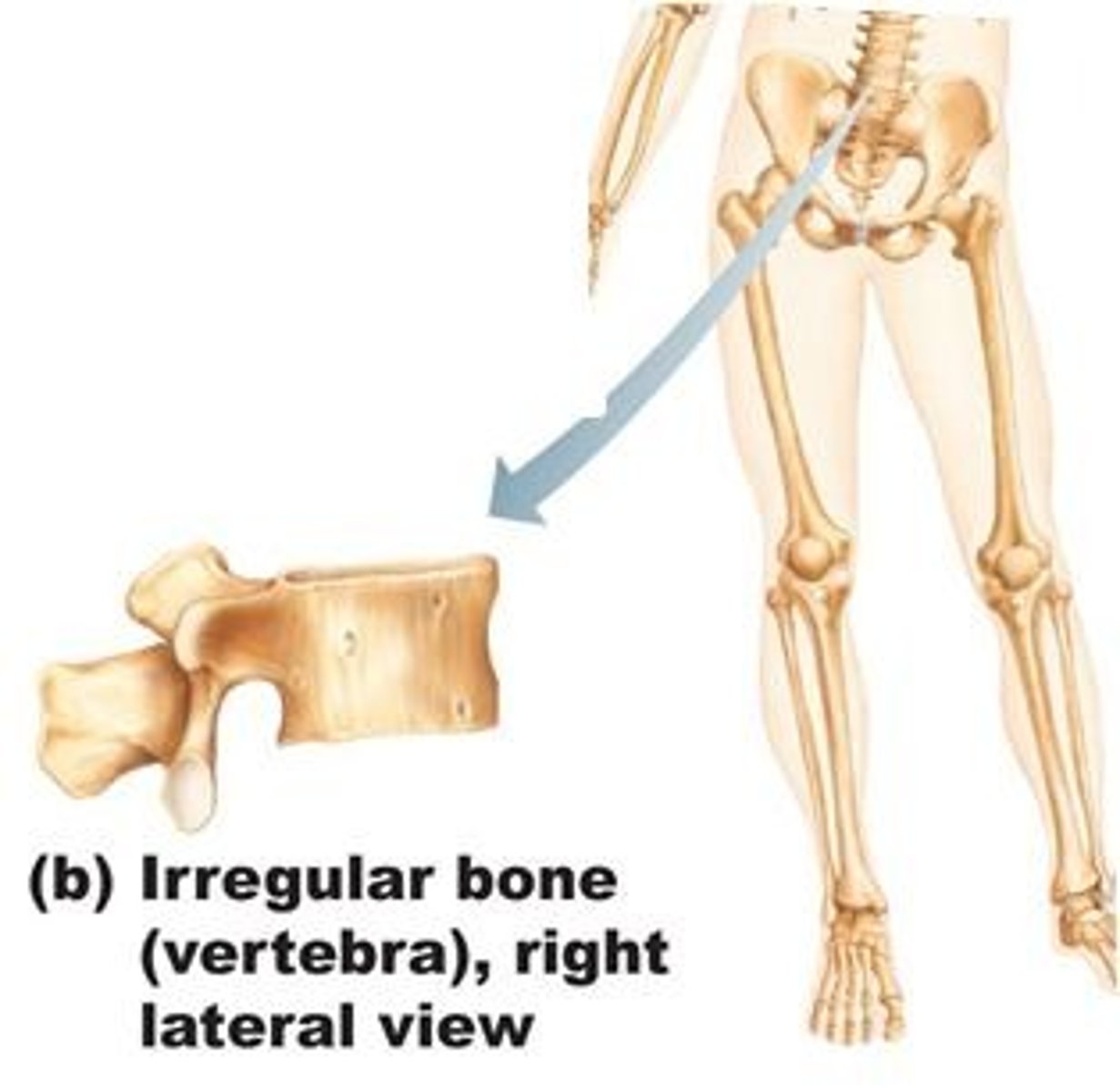
irregular bones
Include bones throughout entire spine & ischium, pubis, & maxilla
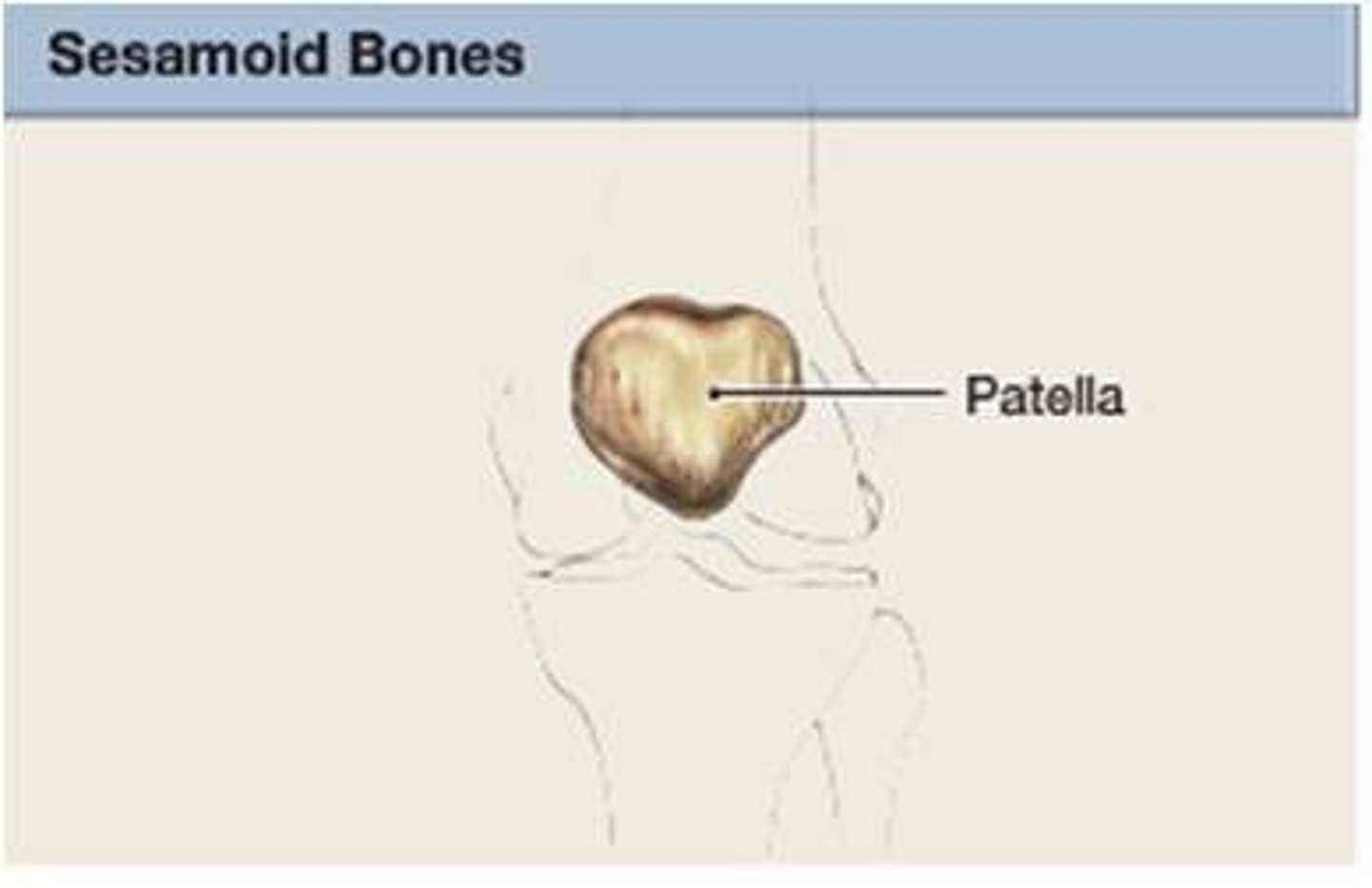
sesamoid bones
patella, 1st metatarsophalangeal
functions of muscle
1. energy converters: chemical (ATP) to mechanical (force)
2. the body's internal force generators
3. actuators that generate and control motion and maintain posture
4. pumps that help move and regulate the flow of blood and other fluids
5. temperature regulators
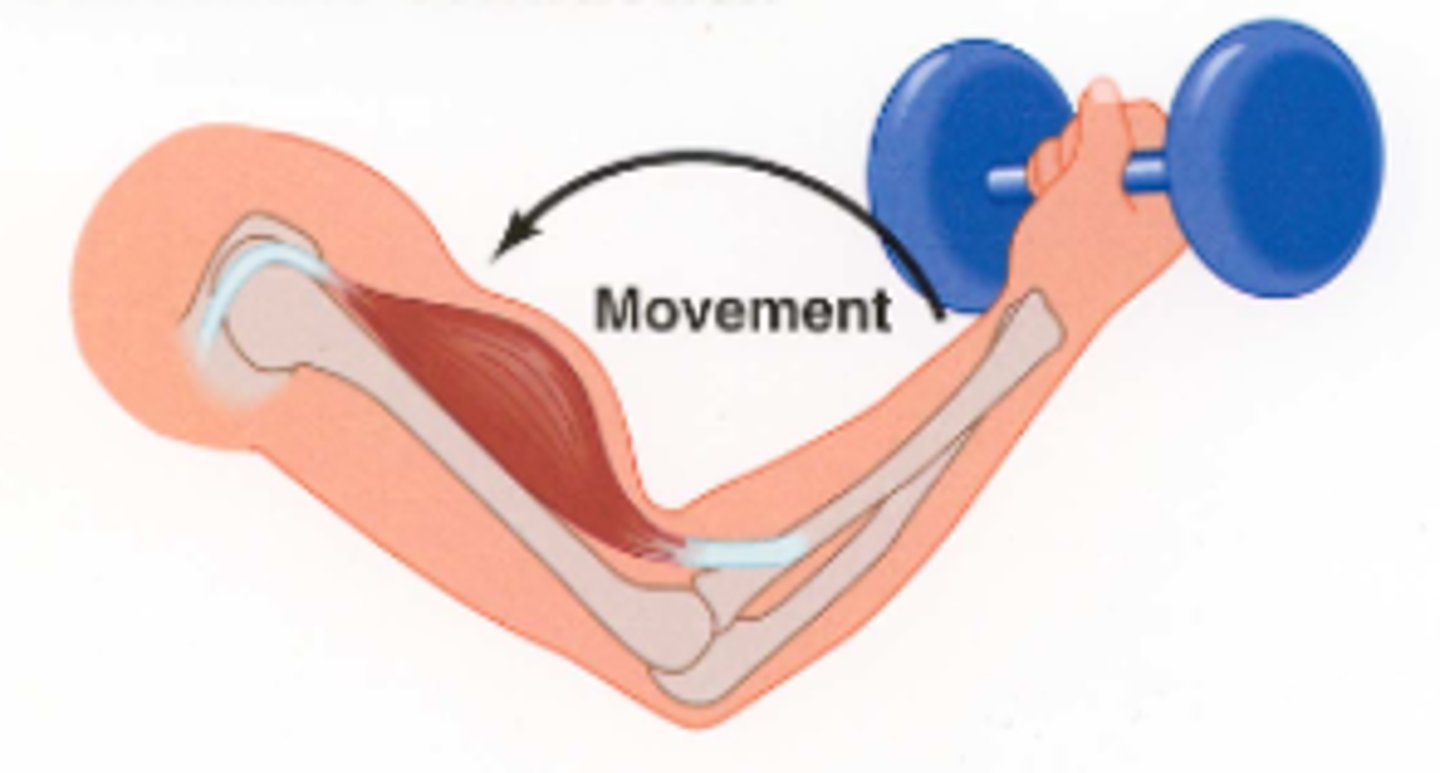
concentric contraction
muscle shortens
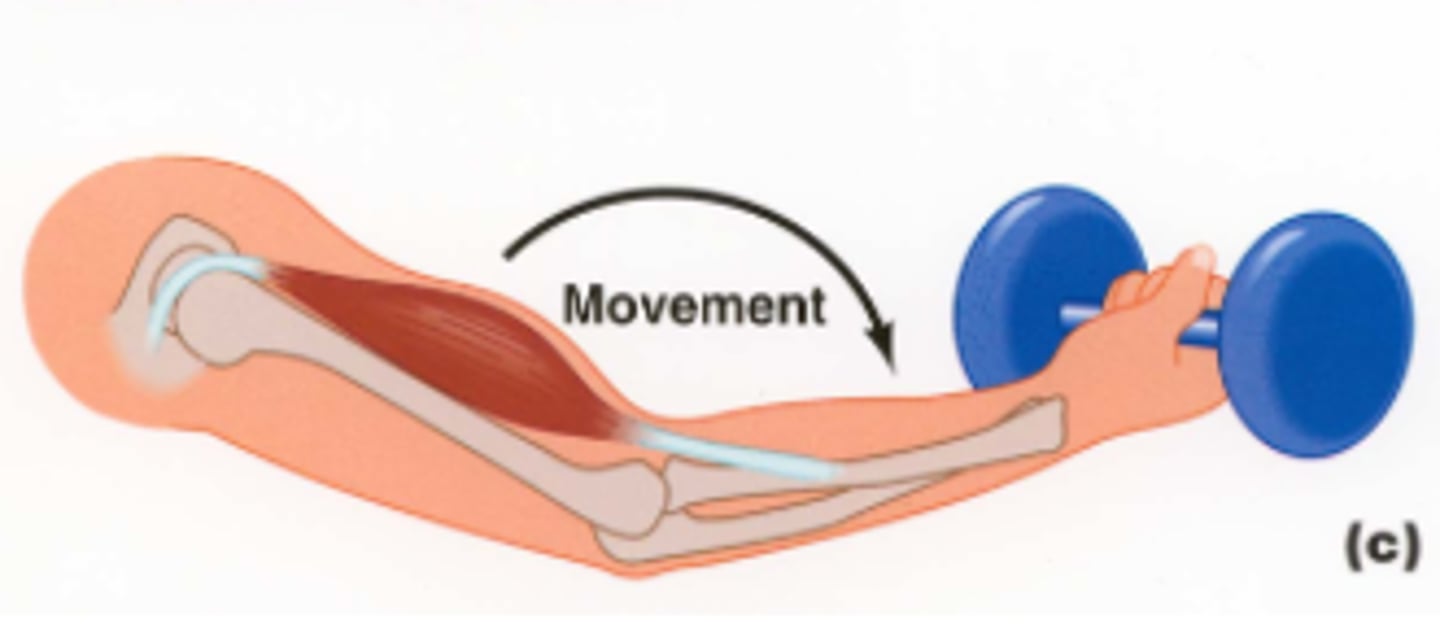
eccentric contraction
muscle lengthens
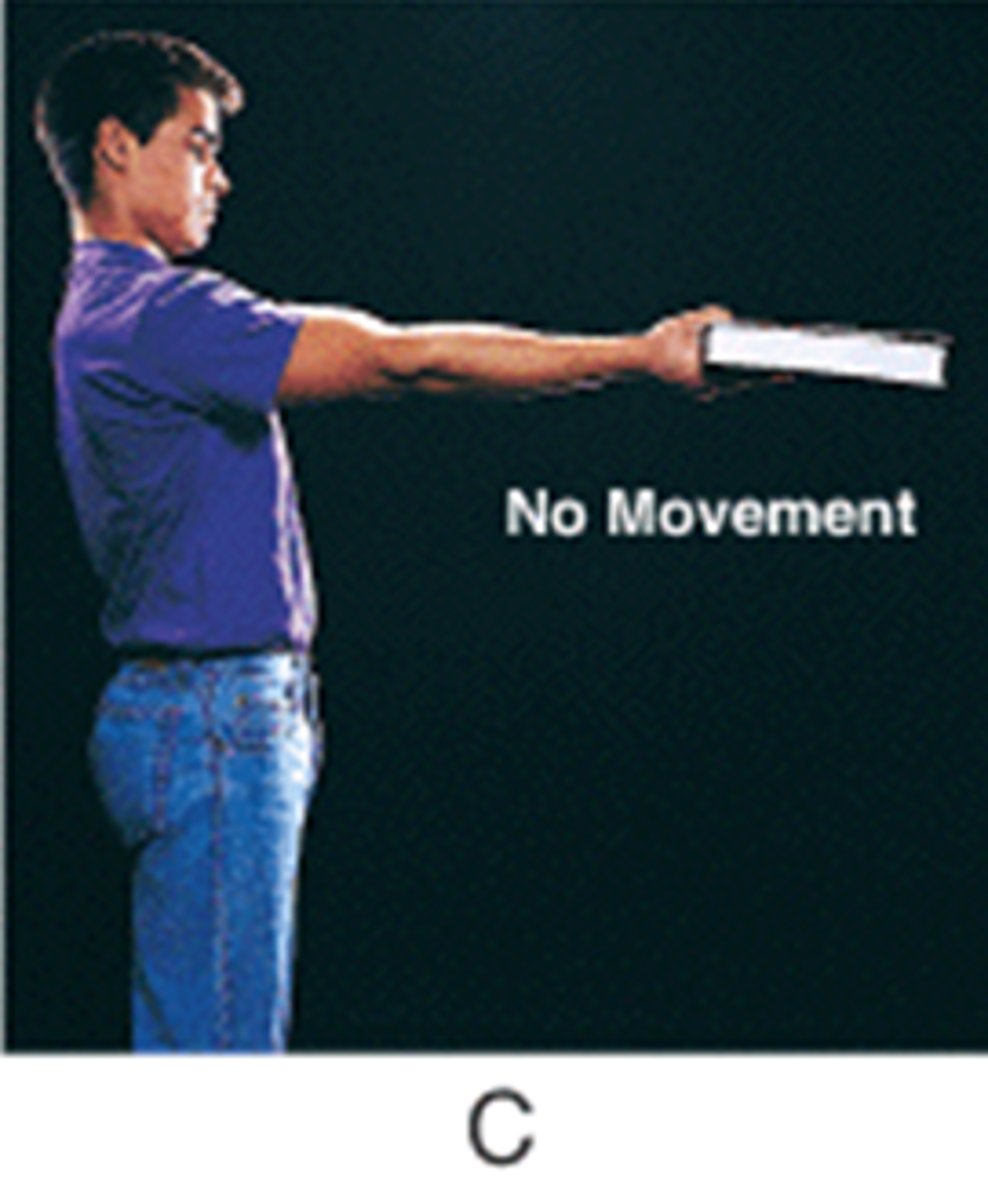
isometric contraction
stays the same length
agonist (prime mover)
muscle performing a given action. for example, elbow flexion - biceps brachii
synergists
muscles contributing to the same function contractions are additive. for example, biceps brachii, brachialis, and brachioradialis are synergistic muscles
osteoarthritis
degenerative arthritis - low grade inflammation, excessive cartilage wear, decline in synovial fluid
My eyes are ____ to my nose
lateral
My feet are ____ to my knees
distal
My heart is ___ to my ribs
deep
My head is ____ to my left lung
superior
My right arm is _____ to my left leg
contralateral
My abs are ____ to my spine
anterior
The transverse plane cuts the body into _____ and _____.
superior; inferior
The sagittal plane cuts the body into ___ and ___.
right; left
The frontal plane cuts the body into ___ and ____.
anterior; posterior
What actions are performed in the transverse plane?
internal/external rotation
supination/pronation
horizontal abduction/addiction
What actions are performed in the sagittal plane?
flexion/extension
What actions are performed in the frontal place?
abduction/adduction
elevation/depression
inversion/eversion
radial/ulnar deviation
lateral flexion
Which end of the muscle is the more stable end?
origin
1 multiple choice option
Which end of the muscle is typically the more distal end of the muscle?
insertion
1 multiple choice option