Unit 7 Nomenclature + aromaticity + activation/deactivation identification
 Call Kai
 Learn
Learn Practice Test
 Spaced Repetition
 Match
Match Flashcards
 Knowt Play
1/30

There's no tags or description
Looks like no tags are added yet.
Name | Mastery | Learn | Test | Matching | Spaced | Call with Kai |
|---|
No analytics yet
Send a link to your students to track their progress
31 Terms
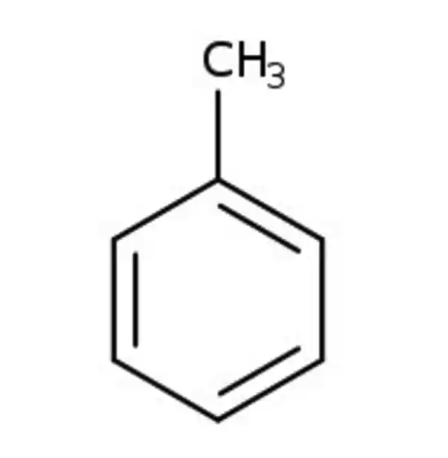
toluene structure
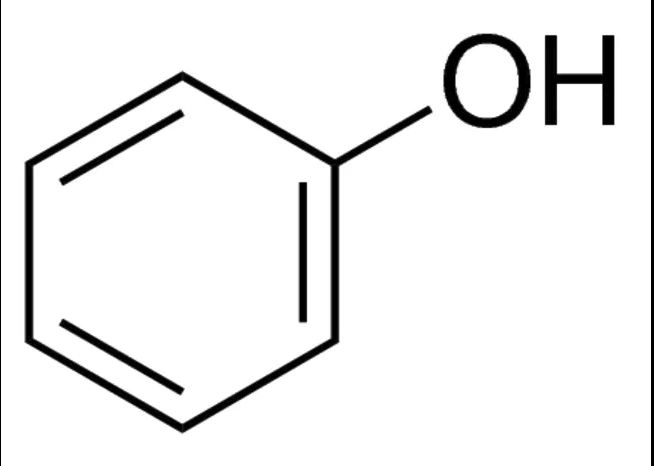
phenol
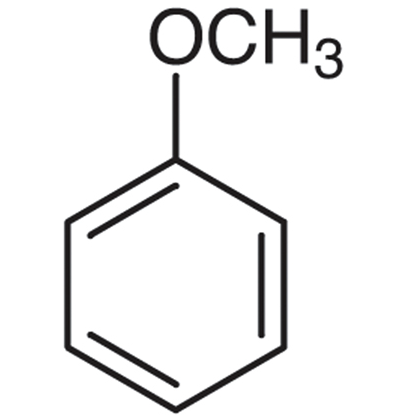
anisole
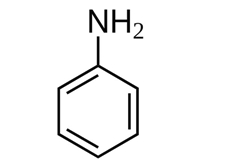
aniline
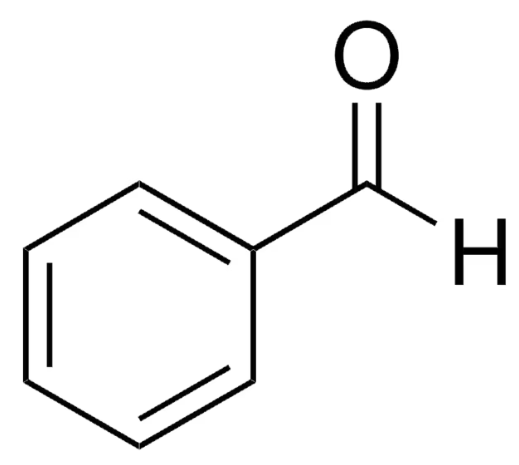
benzaldehyde
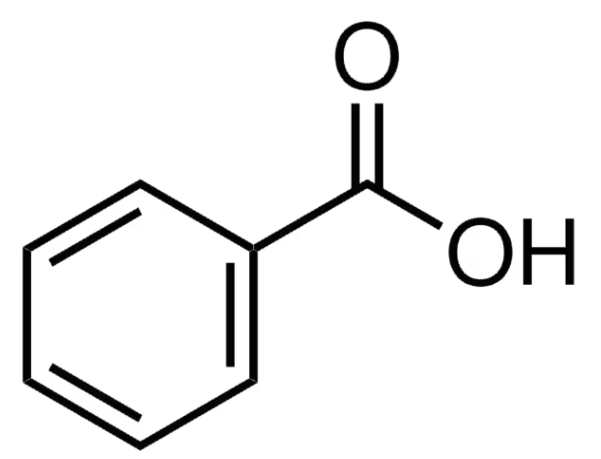
benzoic acid
if using common name of substituted benzene with multiple functional groups, which one gets #1 when numbering the chain?
the group that is part of the common name of the benzene
propane = ___ # of carbons in chain
3 carbons
pentane = ___ # of carbons in chain
5 carbons
ethane = ___ # of carbons in chain
2 carbons
butane = ___ # of carbons in chain
4 carbons
heptane = ___ # of carbons in chain
7 carbons
ortho =
next to main functional group
meta =
2 away from main functional group
para =
3 away from main functional group
first rule for aromaticity
must be ring comprised of continuously overlapping p orbitals (all carbons are sp2)
second criteria for aromaticity
ring must contain an odd number of pairs of pi electrons (do not count cations) DO count lone pairs participating in pi system
antiaromatic if…
meets first criteria (continuous pi system), but fails second (odd number of pairs of pi electrons)
nonaromatic if…
fails first criteria (continuous pi system/all sp2 C)
a lone pair on sp2 element exists in p orbital IF
the lone pair can participate in a pi system and can be delocalized
CANNOT perform friedel-crafts on _____ or ______ ______ ring / CAN on weakly _______ or activated ring
CANT on: moderately or strongly deactivated
CAN on: weakly deactivated
if halogen on benzene…
weak deactivator BUT ortho, para director
moderate deactivator
groups that withdraw electron density from the ring via resonance (usually if there is a pi bond/triple bond to a electronegative element)
strong deactivator
very powerfully electron withdrawing
such as multiple halogens as this creates only inductive effect without resonance → Cl3
NO2
NR3 (puts positive charge on nitrogen creating strong inductive effect as nitrogen is highly electron poor)
strong activator
lone pair next to the ring that can easily donate electron density
moderate activator
lone pair next to ring but it is tied up in resonance outside of the ring as well so it is less participatory in the pi system
weak activator
alkyl groups (side chains)
CH3
Tert-butyl
ethane
activators direct to …
ortho and para (para is usually major product though due to sterics)
deactivators direct to …
meta position EXCEPT for halogen deactivators
ortho para directors always beat …
meta directors (deactivators)
strong activators always beat …
weak activators