Principles of Biomedical Science PLTW Final Review
 Call Kai
 Learn
Learn Practice Test
 Spaced Repetition
 Match
Match Flashcards
 Knowt Play
1/46

Earn XP
Description and Tags
Name | Mastery | Learn | Test | Matching | Spaced | Call with Kai |
|---|
No analytics yet
Send a link to your students to track their progress
47 Terms
What are the basic levels of organization in the human body, going from smallest to largest?
Chemical, cellular, tissue, organs, organ systems, organism
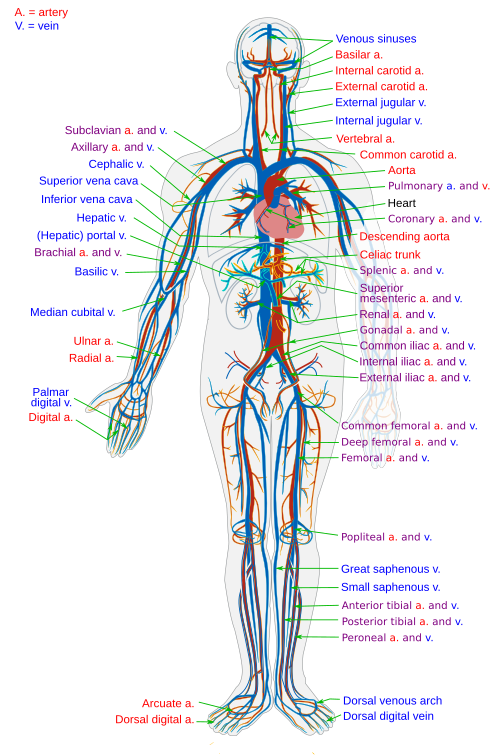
What organ system is this, what is it’s key organs, and what is it’s function?
The circulatory system. The circulatory system’s notable organs are the heart, blood vessels, and blood. The circulatory system’s function is to transport oxygen, nutrients, and hormones to cells, and removes waste products.
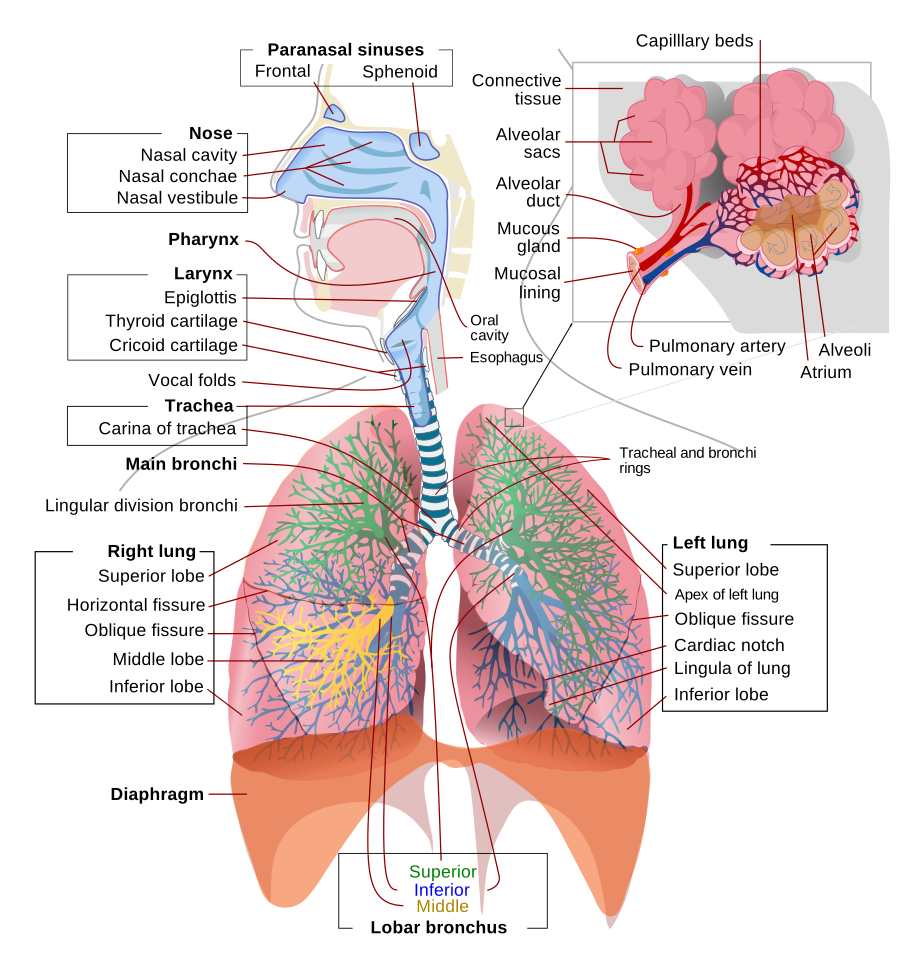
What organ system is this, what is it’s key organs, and what is it’s function?
It’s the respiratory system. The respiratory system’s key organs are the lungs, trachea, bronchi, and the diaphragm. The respiratory system’s function is to take in oxygen and eliminate carbon dioxide from the body
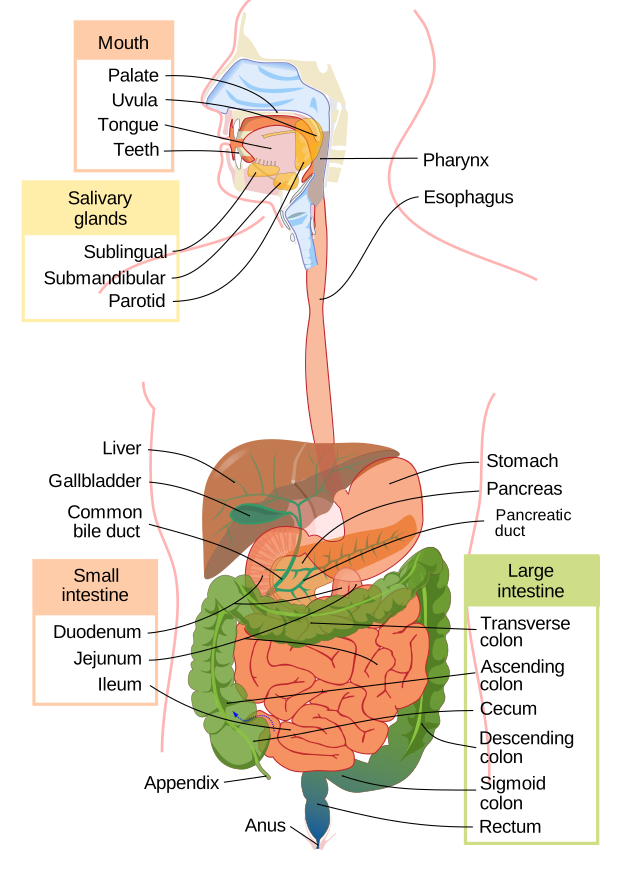
What organ system is this, what is it’s key organs, and what is it’s function?
The digestive system. The digestive system’s key organs are: the stomach, intestines, liver, and esophagus. The digestive system’s function is to digest food, absorb vital nutrients, and eliminate solid waste.
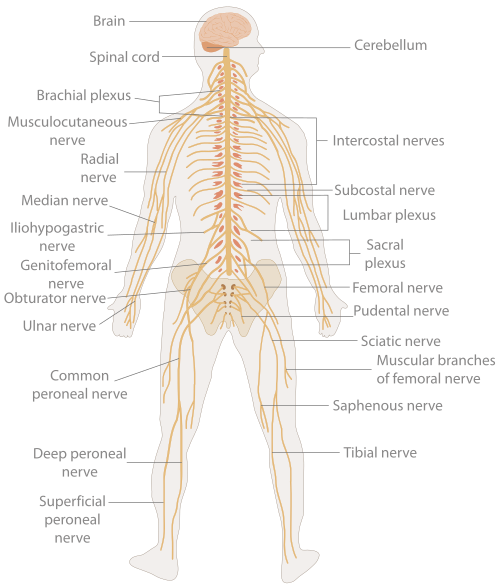
What organ system is this, what is it’s key organs, and what is it’s function?
The nervous system. The nervous system’s key organs are: the brain, spinal cord, and nerves. The nervous system’s function is to control the body’s responses, processes sensory information, and coordinates movement.
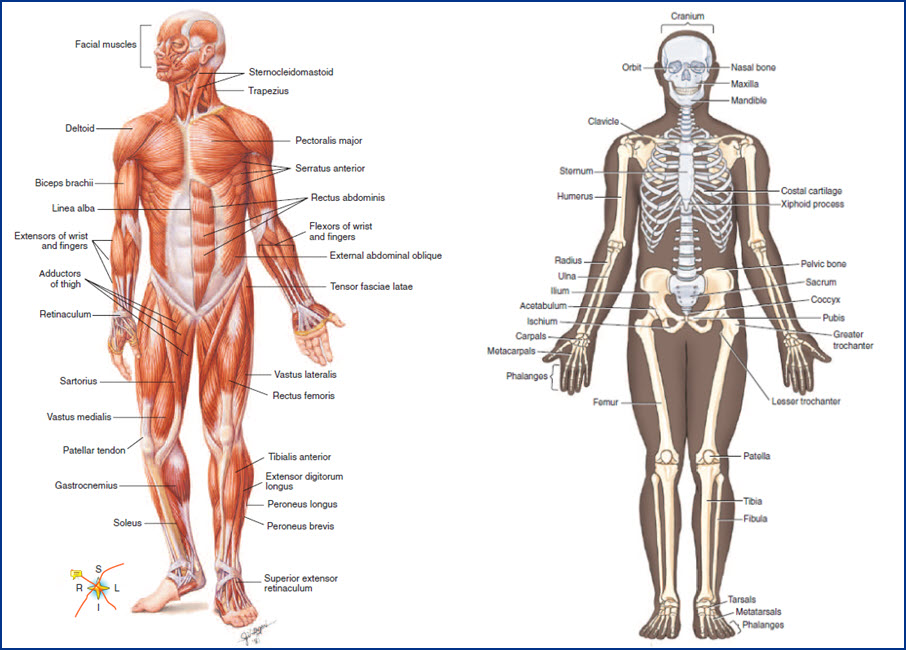
What organ system is this, what is it’s key organs, and what is it’s function?
The musculoskeletal system. The musculoskeletal system’s key ‘organs’ are: bones, muscles, ligaments, and tendons. The musculoskeletal system’s function is to provide structure, protect organs, and enable physical movement.
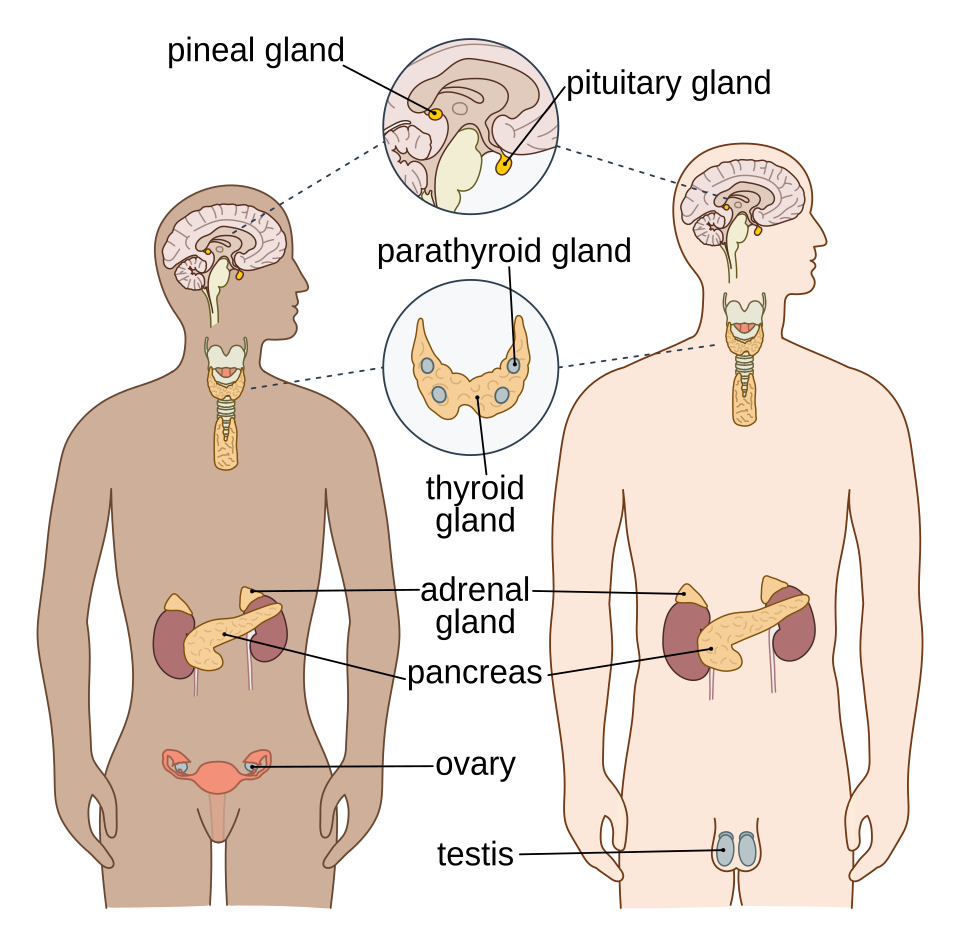
What organ system is this, what is it’s key organs, and what is it’s function?
The Endocrine system. The key organs of the endocrine system are: the thyroid, pituitary gland, adrenal glands, and the pancreas. The endocrine system’s function is to produce hormones that regulate metabolism, growth, and reproduction.
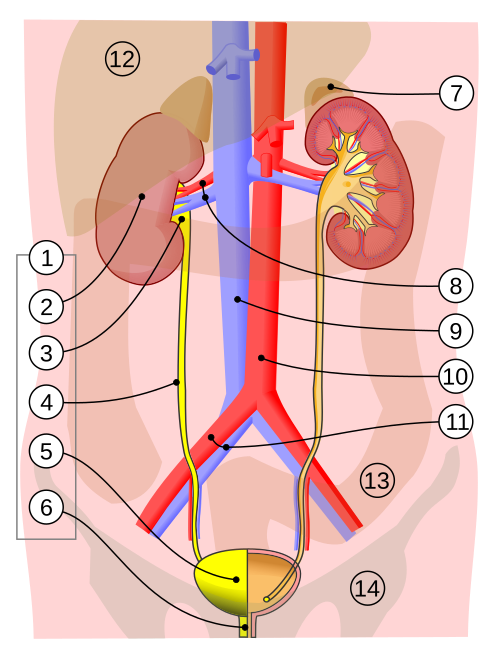
What organ system is this, what is it’s key organs, and what is it’s function?
The urinary system/excretory system. The key organs of the urinary system is are: the kidneys, bladder, and ureters. The urinary system’s function is to filter blood and removes liquid waste and excess water from the body.
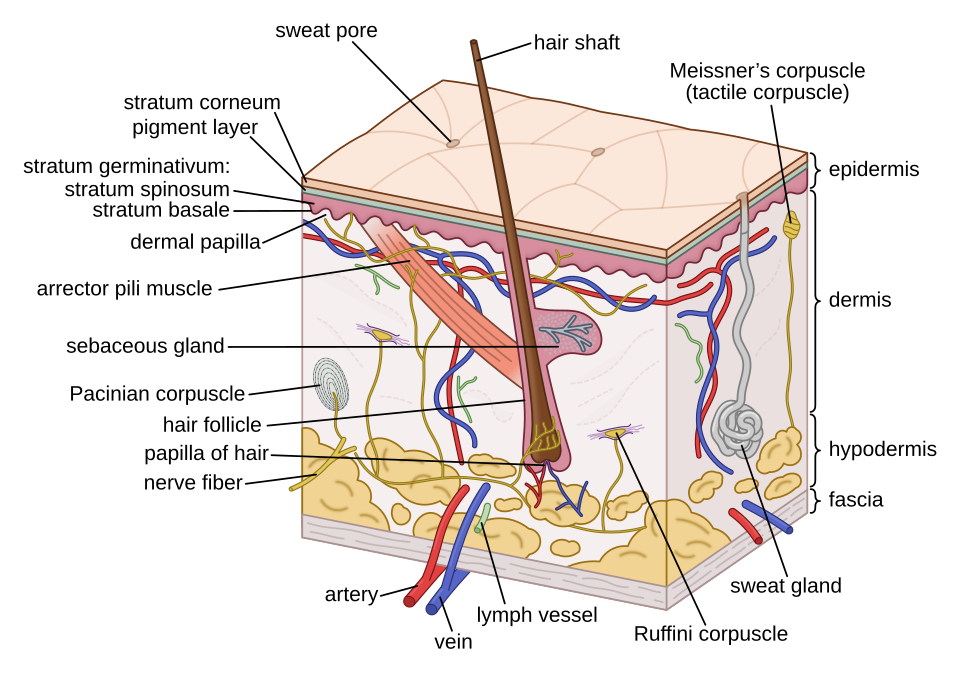
What organ system is this, what is it’s key organs, and what is it’s function?
The integumentary system. The integumentary systems key organs are: skin, hair, and nails. The integumentary systems key function is to protect the body from external damage, regulate temperature, and prevent dehydration.
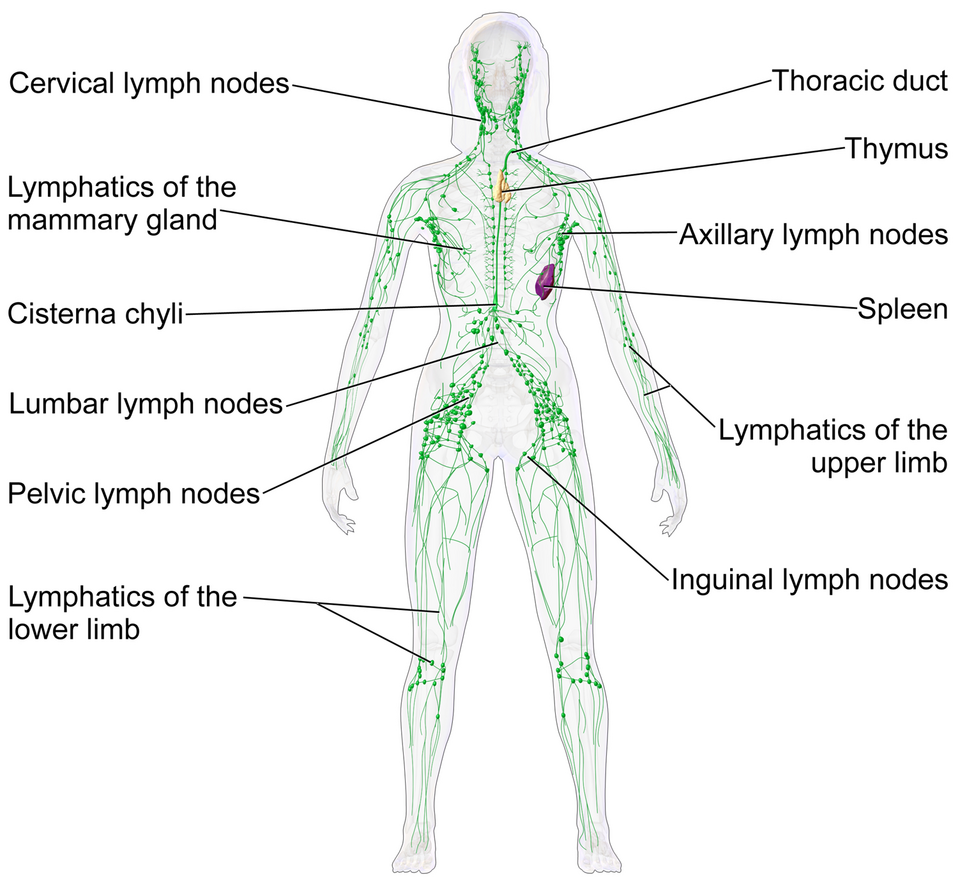
What organ system is this, what is it’s key organs, and what is it’s function?
The lymphatic system. The lymphatic system’s key organs are: lymph nodes, spleen, thymus. The lymphatic system’s function is to defend against infections and drains excess fluid from tissues.
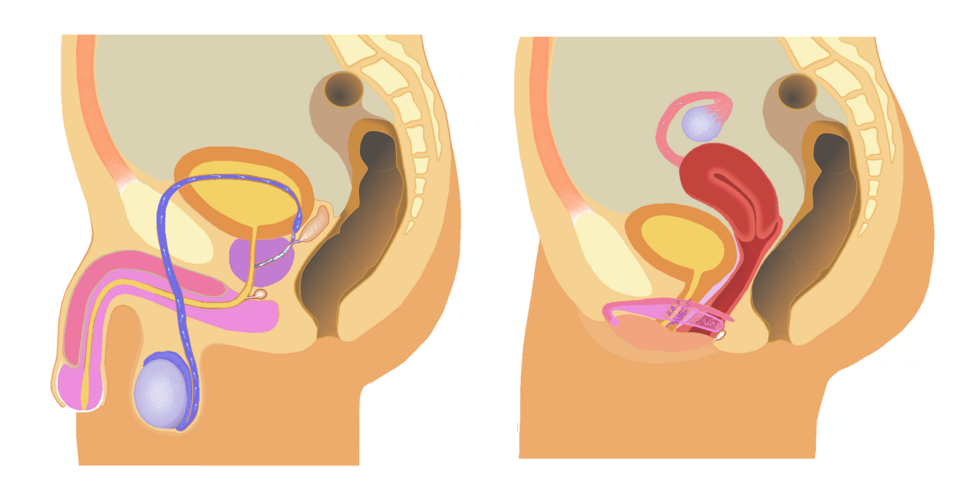
What organ system is this, what is it’s key organs, and what is it’s function?
The reproductive system. The reproductive system’s key organs are: the ovaries/testes, uterus, and fallopian tubes. The function of the reproductive system is to produce sex cells and hormones to allow for human reproduction.
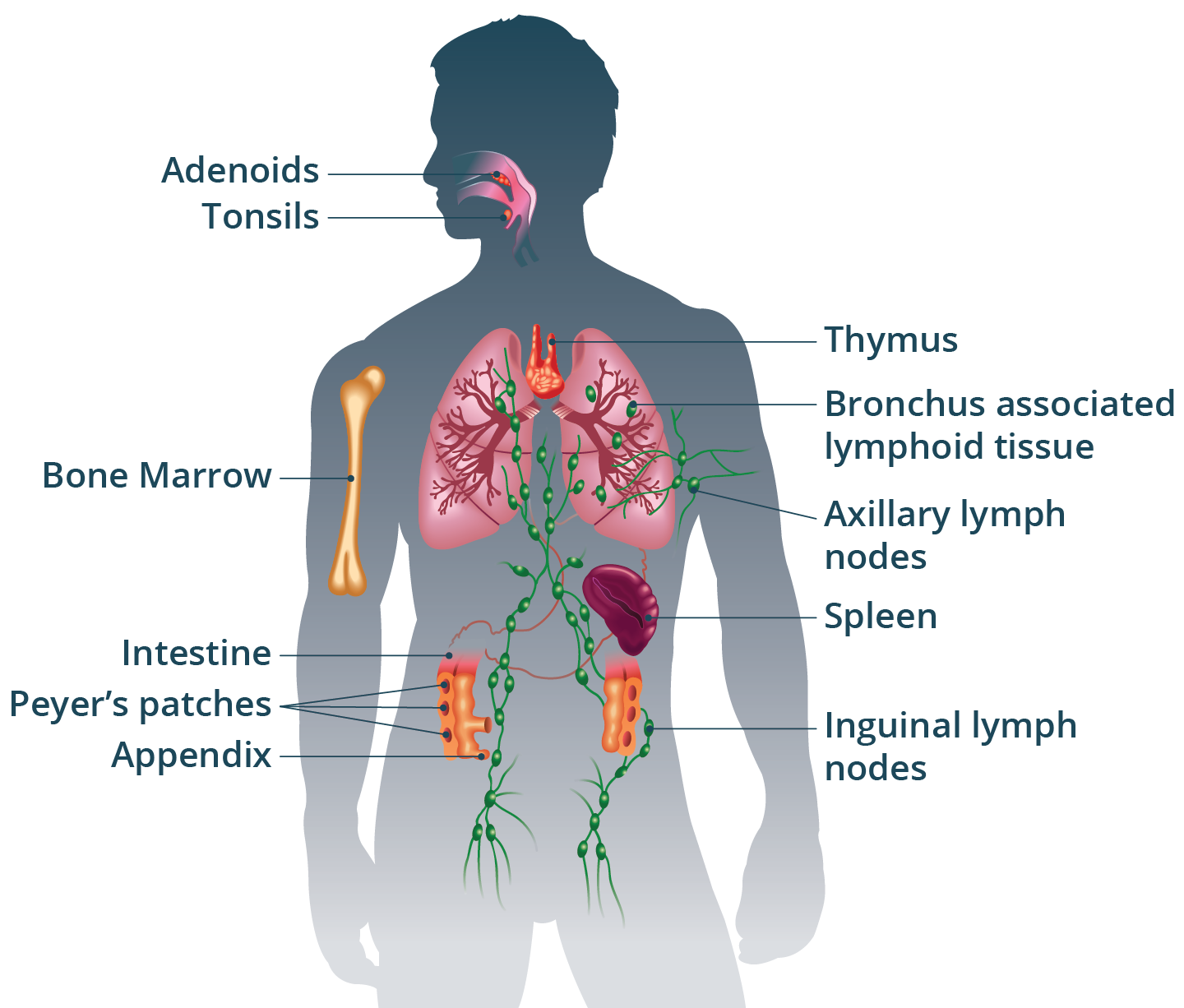
What organ system is this, what is it’s key organs, and what is it’s function?
The immune system. The immune system’s key organs are: white blood cells, bone marrow, and antibodies. The immune system’s function is to identify and neutralize harmful pathogens
What are the six primary pieces of evidence that may be obtained from a crime scene?
Hair/fiber, fingerprints, blood spatter patterns, saliva, digital evidence, and DNA.
What are the Roles of a Medical Examiner?
To determine the manner, cause, and mechanism of death
Analyzing toxicology in blood and urine
Identifying evidence of disease
Identifying evidence of injury
What is the definition of Manner of Death?
The definition of Manner of death is the overarching reason a person died, categorized broadly as natural or unnatural.
What is the definition of Cause of Death?
The definition of Cause of Death is the specific reason for death, such as a stroke, cardiac arrest, or a gunshot wound.
What is the definition of Mechanism of Death?
The definition of Mechanism of Death is the specific physiological way the body died, such as exsanguination (bleeding out), asphyxiation (deprivation of oxygen), or lack of blood flow to the brain.
What is the Glaister Equation?
The Glaister Equation is a formula used to approximate the time since death. The Glaister calculation approximates that the body loses 1.5 degrees Fahrenheit every hour.
What is the formula for time since death?
98.4°F - the body temperature ÷ T (If the ambient temperature is <32°F, then T = 1.5, but if the ambient temperature is ≥32°F, , then T = 0.75)
What is the link method, and how is it used?
The link method is forming logical links between crime scene activity and the likely places additional evidence could be found at the scene. It is used to find associations between evidence.
How is the zone method used?
The zone method is used on crime scenes that are comprised of readily definable zones, such as in houses or buildings
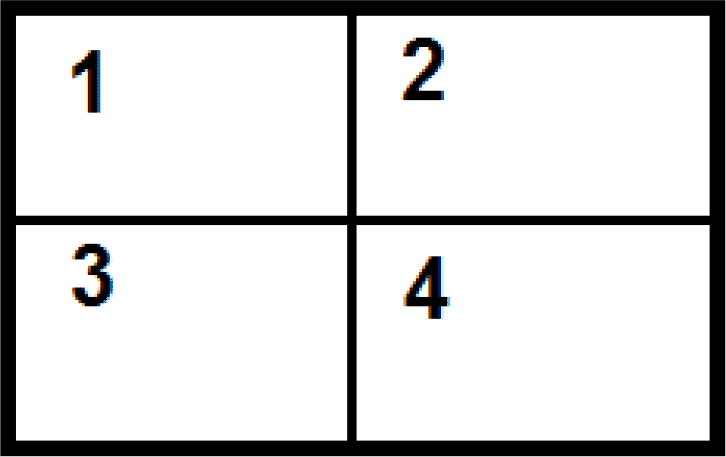
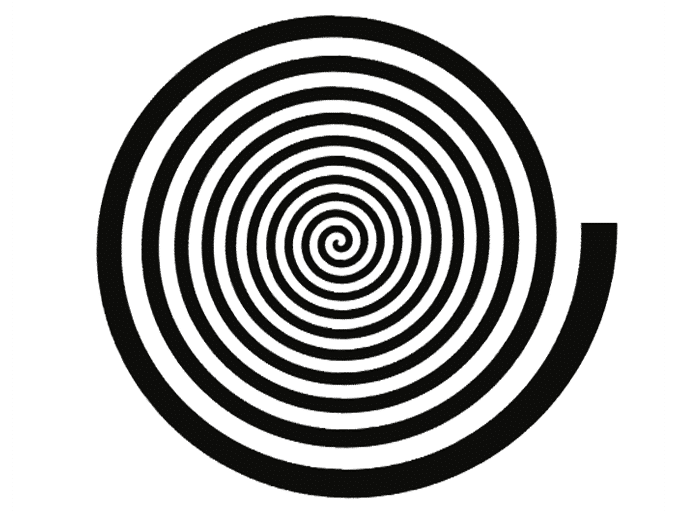
How is the Spiral method used?
The Spiral method is used on crime scenes with no physical barriers, such as open water. The Spiral method can either begin at a critical point of the crime scene (outward spiral) or the outer-edge of the crime scene (inward spiral).
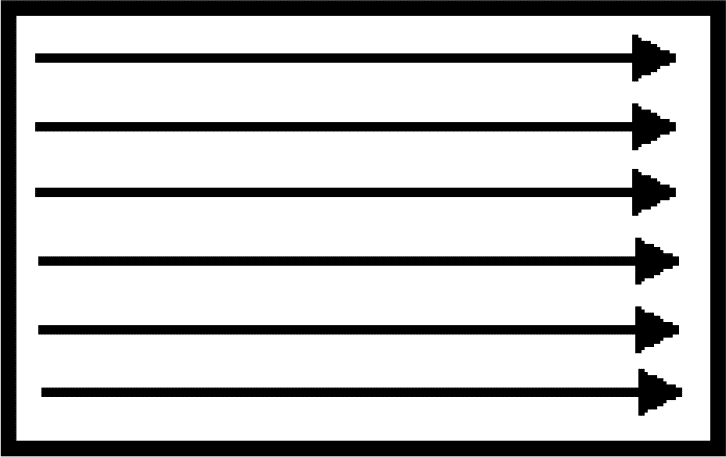
How is the line (strip) method used?
The line (strip) method is used on large, outdoor crime scenes. Search members are arranged at regular intervals and are usually arm’s length away before proceeding to search.
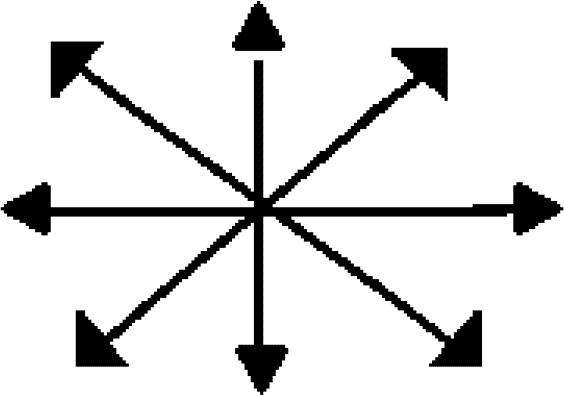
How is the Wheel/Ray method used?
The wheel/ray method is used on small, circular crime scenes. Investigators start at a critical point then travel outward in straight lines from the point.
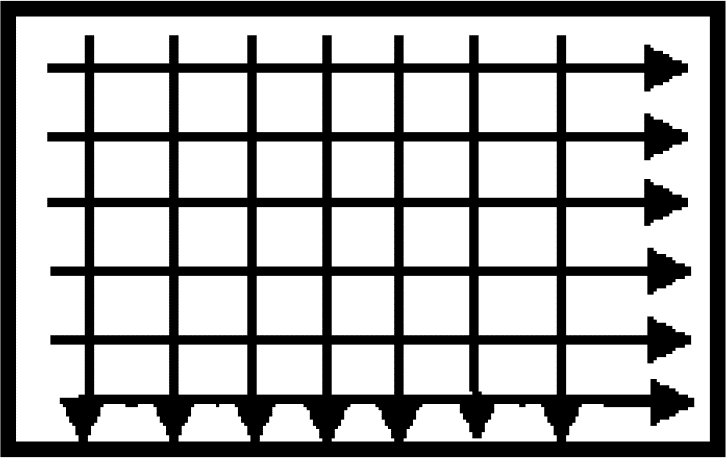
How is the grid method used?
Similar to the line (strip) method, the grid method is used on large, outdoor crime scenes. Once the first line pattern is complete, searchers realign on the other line pattern.
What should be included on a Crime Scene Sketch?
A scale, an evidence list, and a legend.
What is a polygraph test?
A lie detector test, to see if someone is being honest
A change in what biological activities may indicate an individual is lying?
A change in heart rate, blood pressure, respiration rate, or skin conductivity may indicate an individual is lying.
What are the four common ethical perspectives?
The four common ethical perspectives are: justice, virtue, outcome, and care.
What is the leucocrystal violet (LCV) test?
LCV reacts with hemoglobin and turns a violet color. It is usually used on porous surfaces.
What is a luminol test?
Luminol glows bright blue in the dark when it comes in contact with blood. However, many other substances will cause it to react.
What is a Kastle-Meyer test?
This test uses a compound known as phenolphthalein, which reacts with iron carried by hemoglobin.
What are the eight blood types?
A+, A-, B+, B-, AB+, AB-, O+, O-
What is the positive in blood typing?
It is the RhD antigen.
What is bloodstain pattern analysis?
Bloodstain pattern analysis is the examination and interpretation of bloodstains at a crime scene. Analysts examine the size, shape, distribution, and location of the bloodstains to form opinions about what did or did not happen.
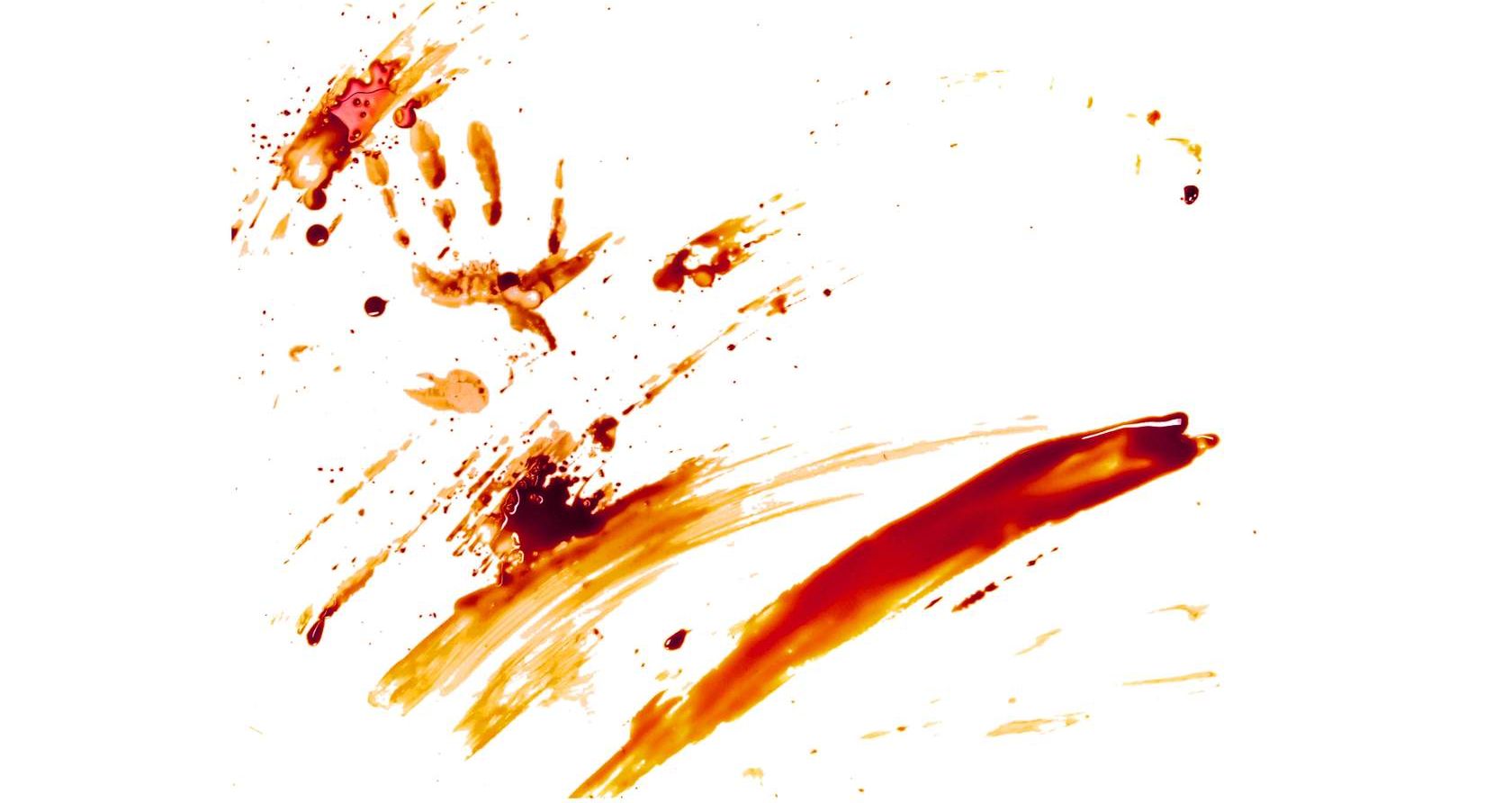
What is a transfer?
Transfers occur when a blood source comes into contact with a surface. Smudges, smears, or bloody fingerprints or handprints on furniture or doors could indicate a struggle in the room.
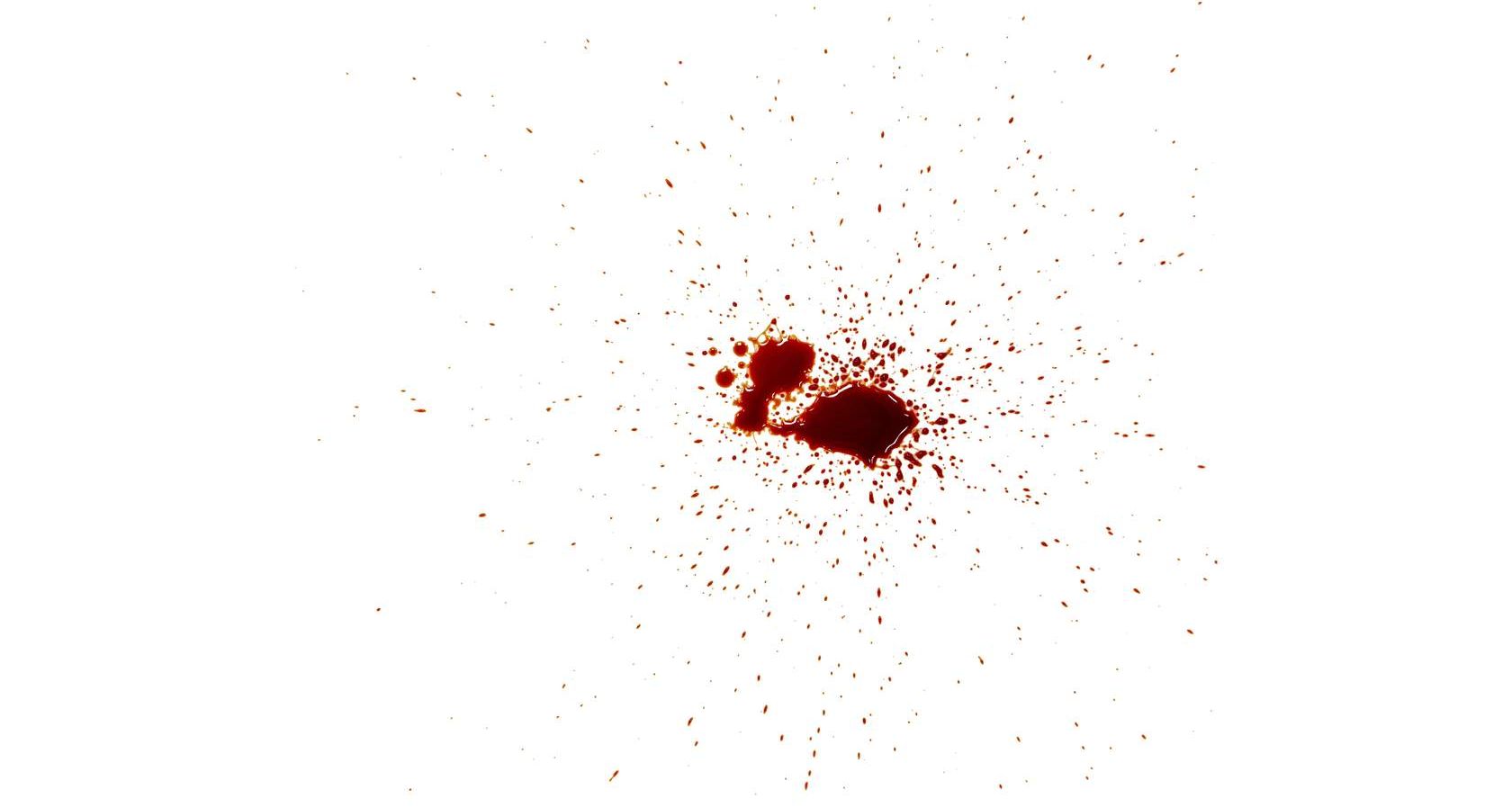
What is a spatter?
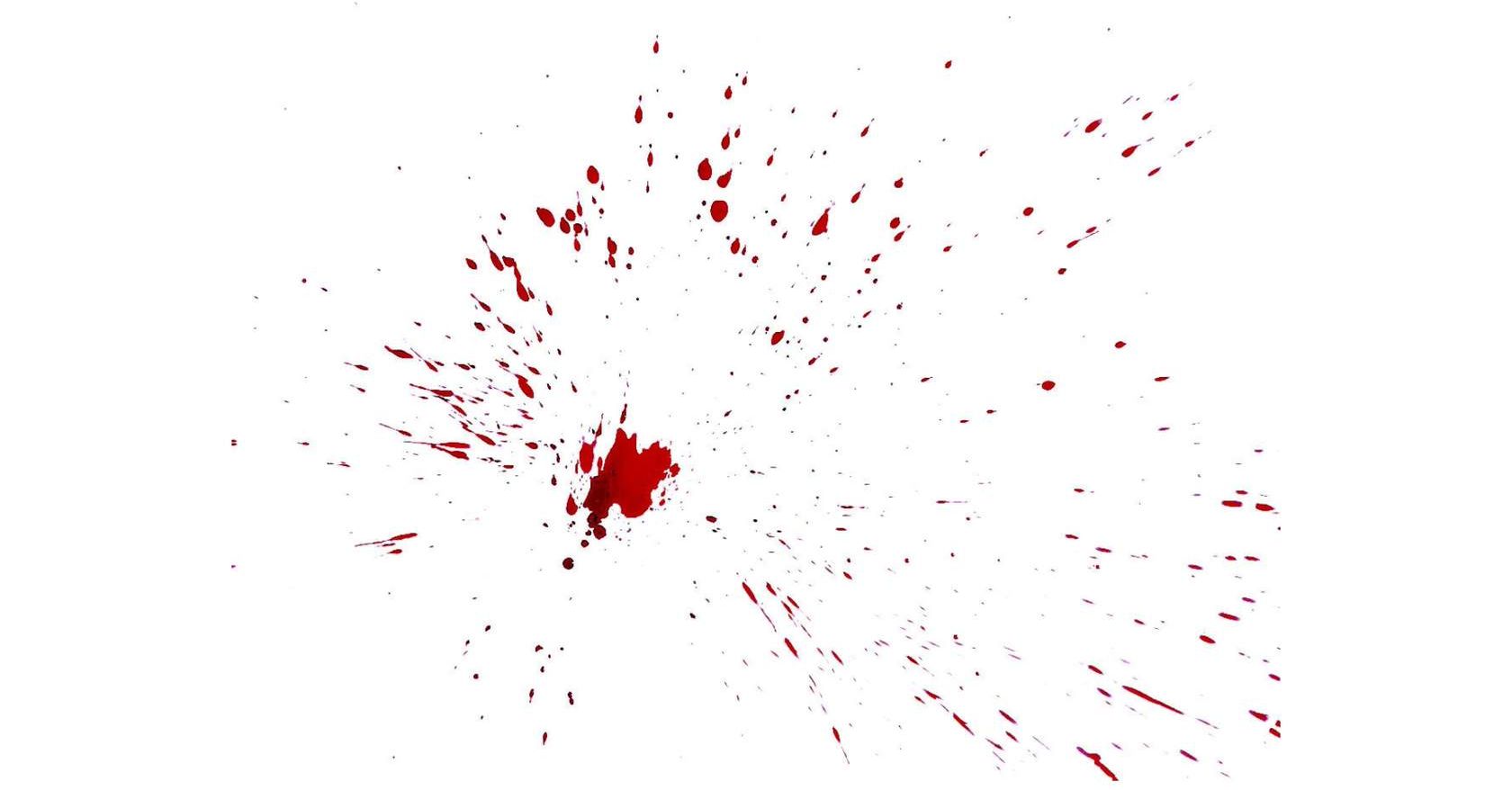
Spatters are produced when a source of liquid blood travels through the air before landing on a target surface.
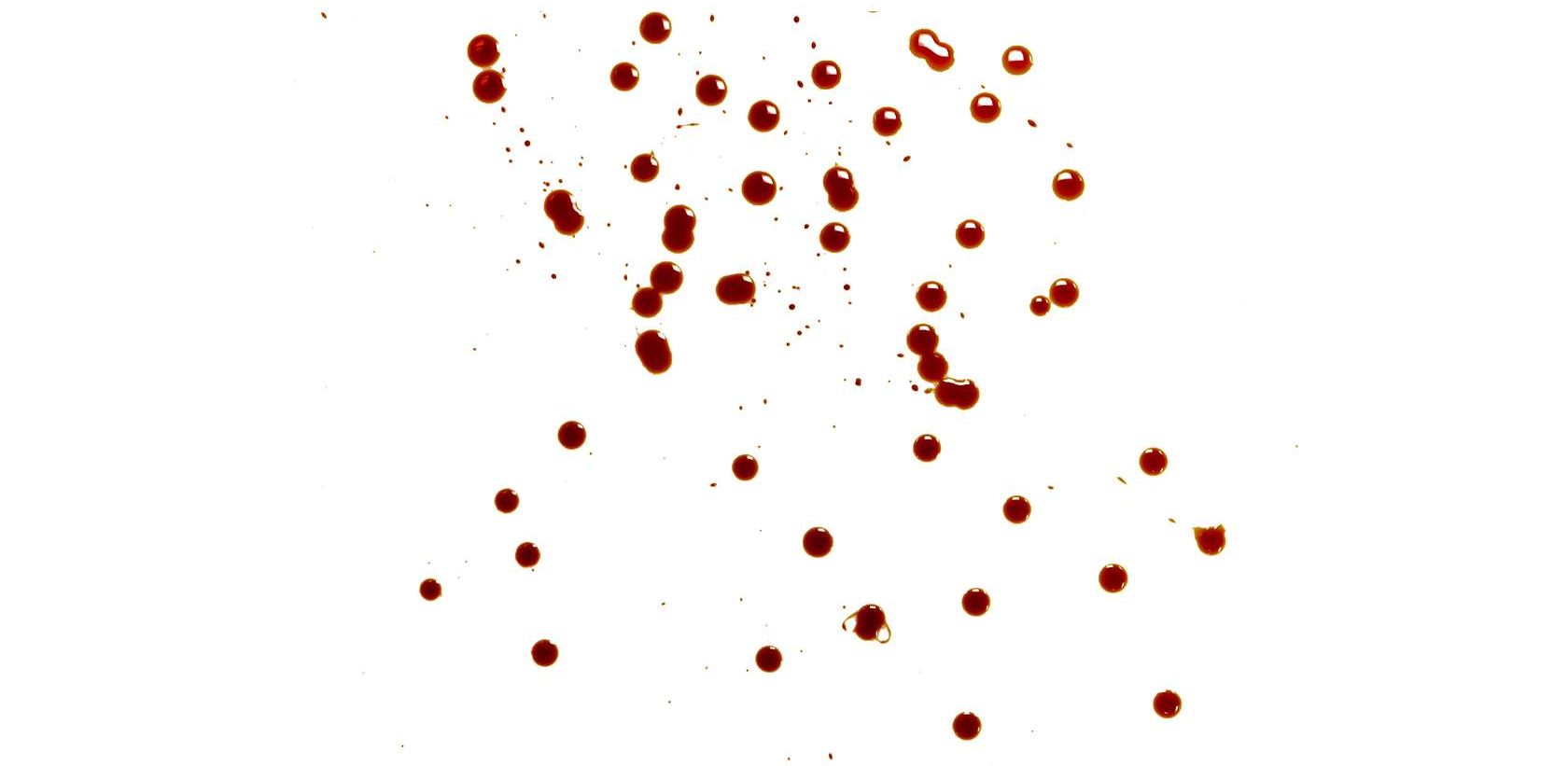
What are falling droplets?
When a droplet of blood is dropped directly from above and strikes a horizontal surface at 90°, it produces a circular stain.
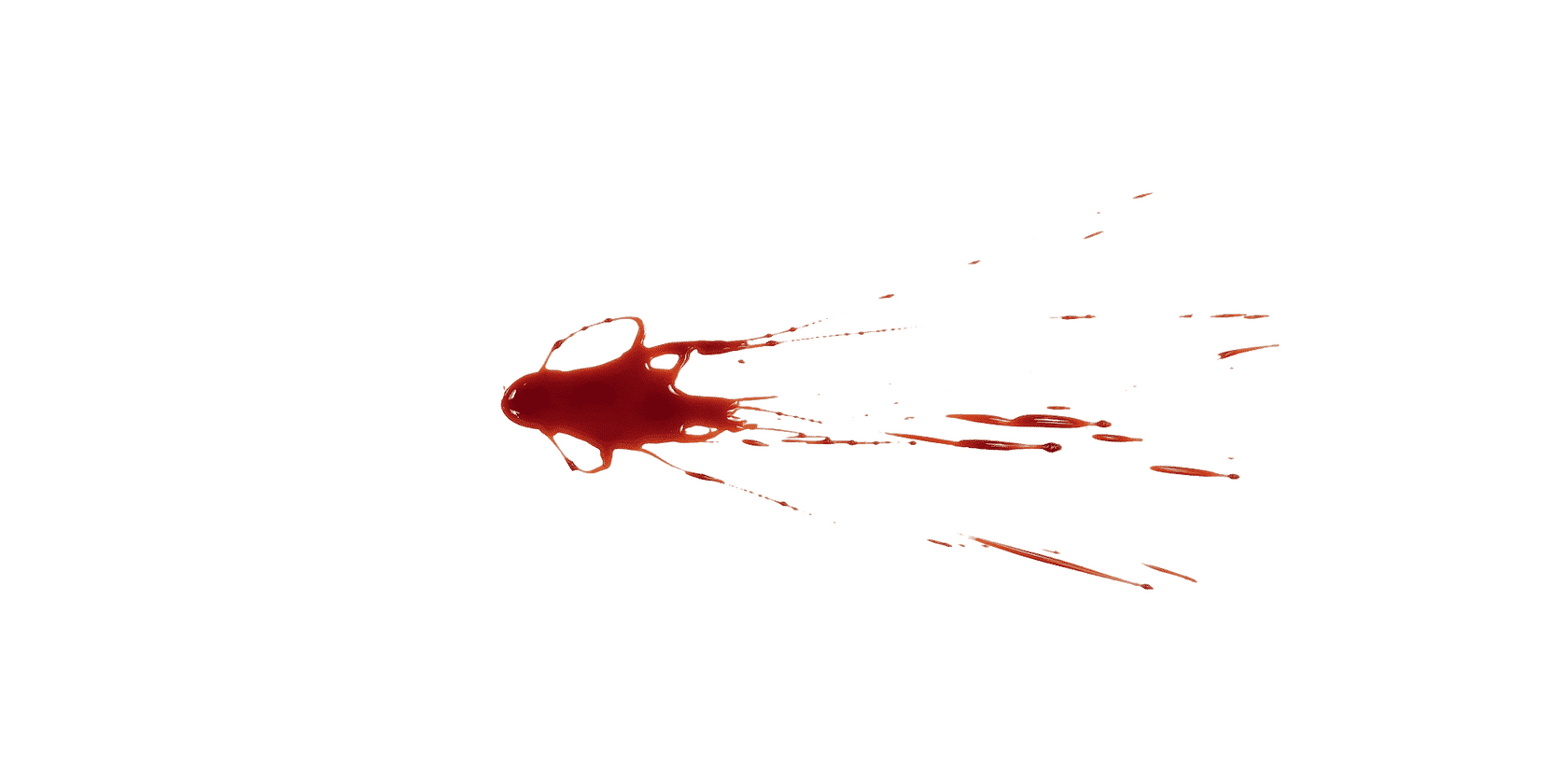
What does force and direction mean when in relation to a bloodstain?
Spatters with an elliptical or elongated shape struck the surface at an angle. This often means that an external force was applied that provided horizontal velocity, speed in a given direction, to the droplets. The more elongated the droplet, the faster they were moving. The tail of each droplet indicates the direction it was moving it when it struck the surface.
What is a radial spatter?
A radials spatter is indicative that there was an impact (the larger pool), which sent blood droplets traveling away from the impact at high speed. This indicates that the impact occurred with significant force.
What is Chargaff’s rule?
There is always an equal amount of Adenine and Thymine, as well as an equal amount of Cytosine and Guanine in all organisms.
What is the key difference between Eukaryotic cells and Prokaryotic cells in relation to DNA?
In Eukaryotic cells, DNA is stored in a nucleus, while in Prokaryotic cells, DNA is stored in a nucleoid.
How many chromosomes are in a healthy human cell?
There are 46 chromosomes in a healthy human cell, while there 23 chromosomes in gamete (sex) cells.
What are histone proteins?
Histones are small proteins that DNA winds around when forming chromosomes.
What is the conversion factor for converting µL to mL?
1 mL / 1000µL
What is DNA Gel Electrophoresis?
DNA gel electrophoresis is a standard laboratory technique used to separate, identify, and purify DNA fragments based on their size.
What is a restriction enzyme?
A restriction enzyme (also known as restriction endonuclease) is a protein isolated from bacteria that acts as “molecular scissors,” splitting double-stranded DNA at highly specific recognition sequences.