Cells, organelles, and cytoskeleton chap 2
 Call Kai
 Learn
Learn Practice Test
 Spaced Repetition
 Match
Match Flashcards
 Knowt Play
1/92

There's no tags or description
Looks like no tags are added yet.
Name | Mastery | Learn | Test | Matching | Spaced | Call with Kai |
|---|
No analytics yet
Send a link to your students to track their progress
93 Terms
cells are the…
unit of life; building blocks of all living organism
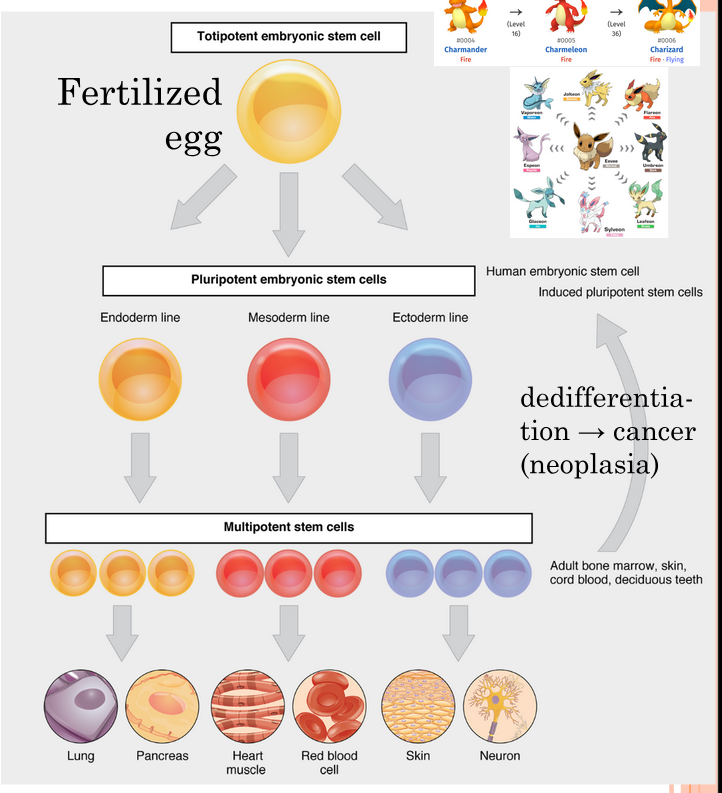
stem cells
totipotent, pluripotent, differentiated
cells can grow by
hypertrophy (1 cell become bigger), hyperplasia (1 cell divides into 2 cells, apoptosis (cells die)
generalized cell
all cells have some common structures and functions
humans cells have 3 basic parts:
plasma membrane
nucleus
cytoplasm
organelle
subcellular structure that has one or more specific jobs to perform in the cell, much like an organ does in the body.
plasma membrane
acts as a physical barrier between the external environment and the inner cell organelles. The plasma membrane is a selectively permeable membrane, which permits the movement of only certain molecules both in and out of the cell.
separate intra- from extra- cellular environment/fluids
nucleus
responsible for storing the cell's hereditary material or the DNA. It is responsible for coordinating many of the important cellular activities such as protein synthesis, cell division, growth and a host of other important functions.
cytoplasm
intracellular fluid containing organelles; water-based cellular fluid
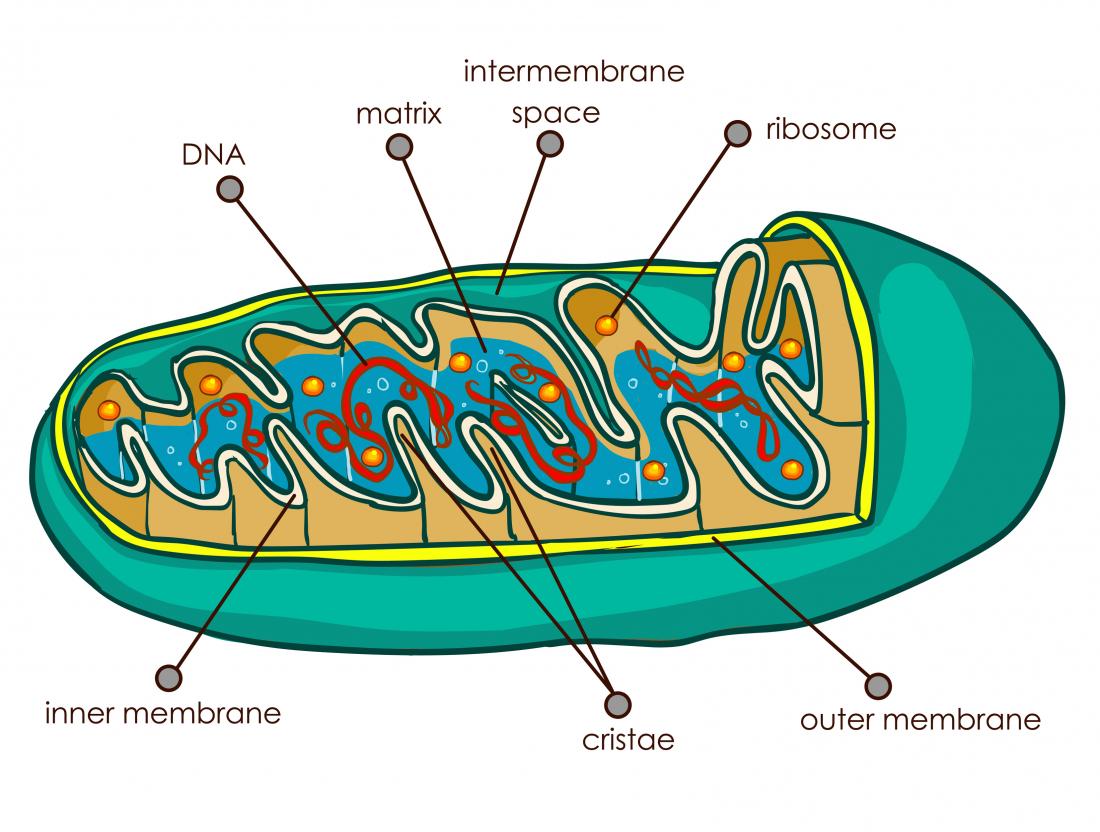
mitochondria
membrane-bound cell organelles (mitochondrion, singular) that generate most of the chemical energy needed to power the cell's biochemical reactions. Chemical energy produced by the mitochondria is stored in a small molecule called adenosine triphosphate (ATP).
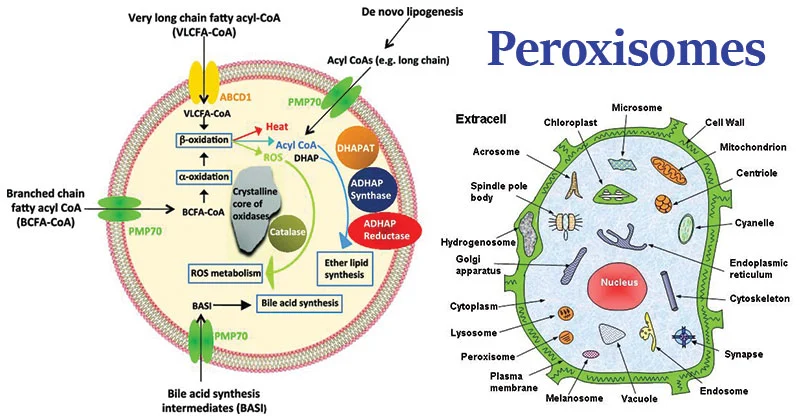
peroxisomes
specialized for carrying out oxidative reactions using molecular oxygen. They generate hydrogen peroxide, which they use for oxidative purposes—destroying the excess by means of the catalase they contain.
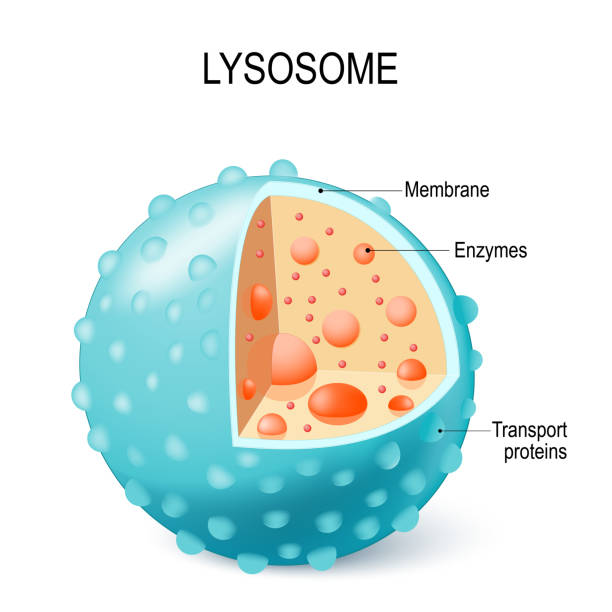
lysosomes
membrane-bound cell organelle that contains digestive enzymes. Lysosomes are involved with various cell processes. They break down excess or worn-out cell parts.
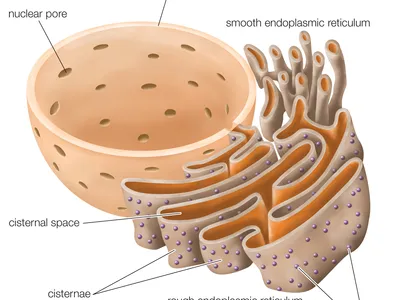
rough endoplasmic reticulum
general its function is to produce proteins for the rest of the cell to function. The rough endoplasmic reticulum has on it ribosomes, which are small, round organelles whose function it is to make those proteins.
smooth endoplasmic reticulum
meshwork of fine disk-like tubular membrane vesicles, part of a continuous membrane organelle within the cytoplasm of eukaryotic cells, that is involved in the synthesis and storage of lipids, including cholesterol and phospholipids, which are used in the production of new cellular membrane
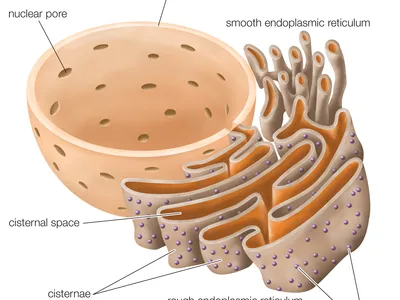
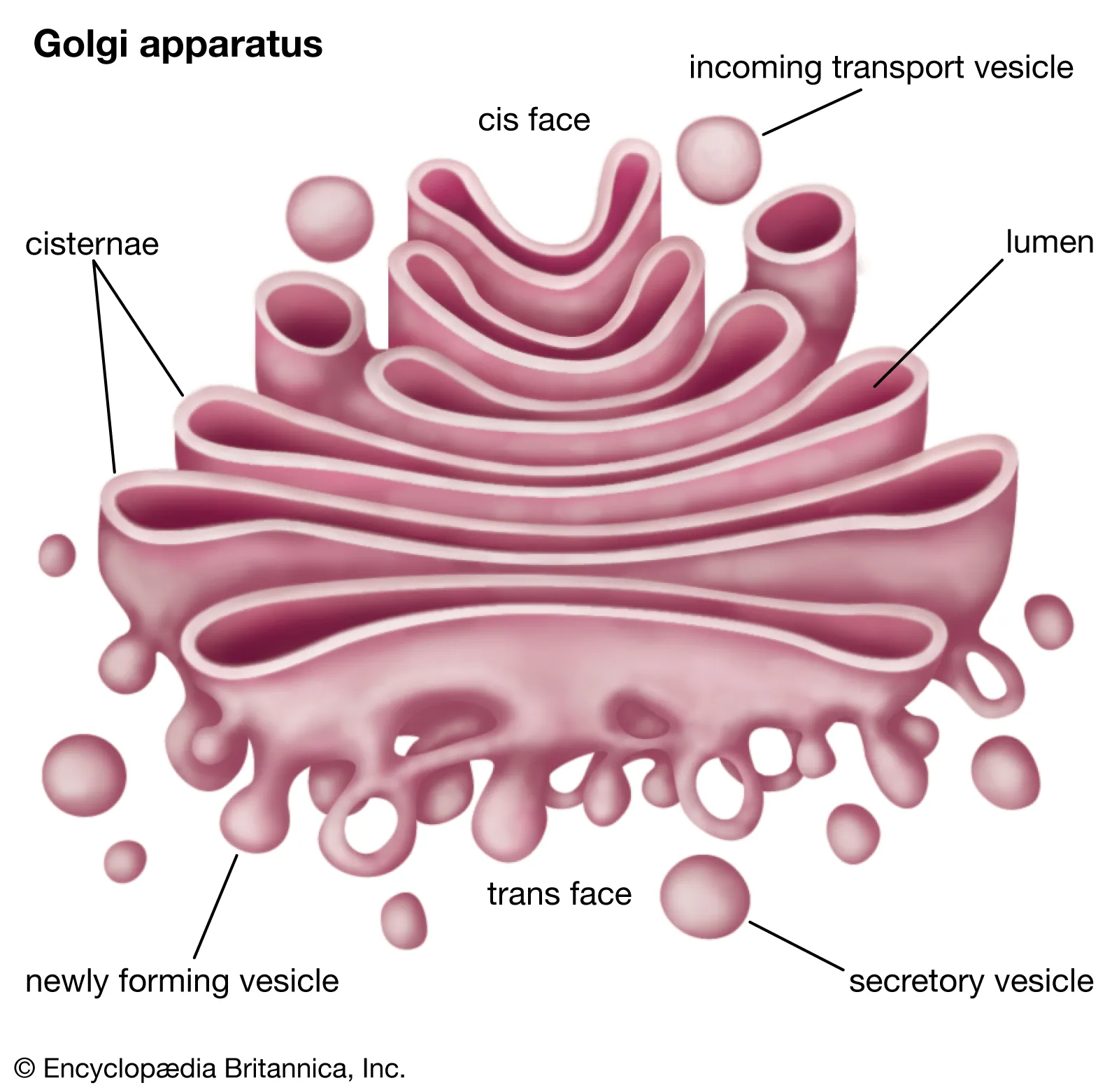
golgi apparatus
“Golgi body”
a cell organelle that helps process and package proteins and lipid molecules, especially proteins destined to be exported from the cell.
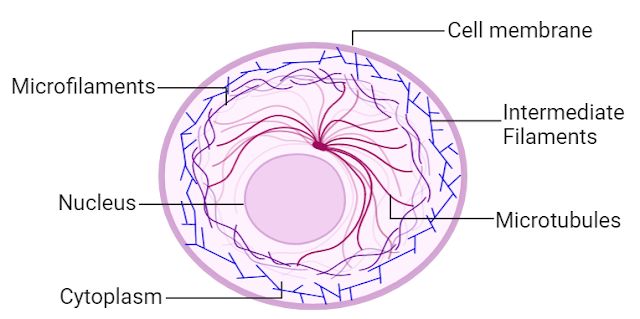
cytoskeleton
Microtubules and Filaments. The cytoskeleton is a structure that helps cells maintain their shape and internal organization, and it also provides mechanical support that enables cells to carry out essential functions like division and movement. Provides cell w/ internal framework
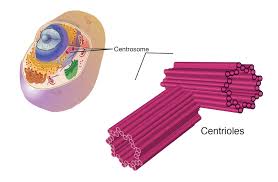
centrioles
organizing microtubules in the cytoplasm. The position of centriole is responsible for the position of the nucleus and is responsible for the spatial arrangement of the cell. Hence, they are crucial for cell division.
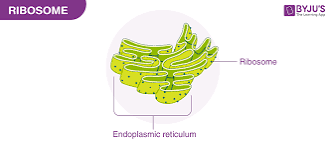
ribosomes
an intercellular structure made of both RNA and protein, and it is the site of protein synthesis in the cell. The ribosome reads the messenger RNA (mRNA) sequence and translates that genetic code into a specified string of amino acids, which grow into long chains that fold to form proteins.
totipotent
multicellular organisms originate from a single cell
all cells of the same organism contain the same DNA
as cells differentiate they lose capacity to divide (mitosis, hyperplasia).
cell to cell communication
cells do not live in isolation
cells pass signals to one another, coordinating activities
cells sense n respond to the environment via molecules (transporters, receptors, glycoproteins, adherence proteins, etc.) at surface level
basis for processes
cell differentiation
endocrine signaling (hormones, endocrine system)
neural signaling (nervous system)
phospholipid unit
amphipathic (both hydrophilic and lipophilic)
cell membrane has transporters, glycolipids, glycoproteins, cholesterol, receptors
functions of membrane protein
transport
receptors for signal transduction (differential gene expression)
attachment to cytoskeleton and extracellular matrix
enzymatic activity
intercellular joining
cell-cell recognition
protein (rods) throughout cytosol
microtubules (MT)
Intermediate filaments (IF)
microfilaments (MF)
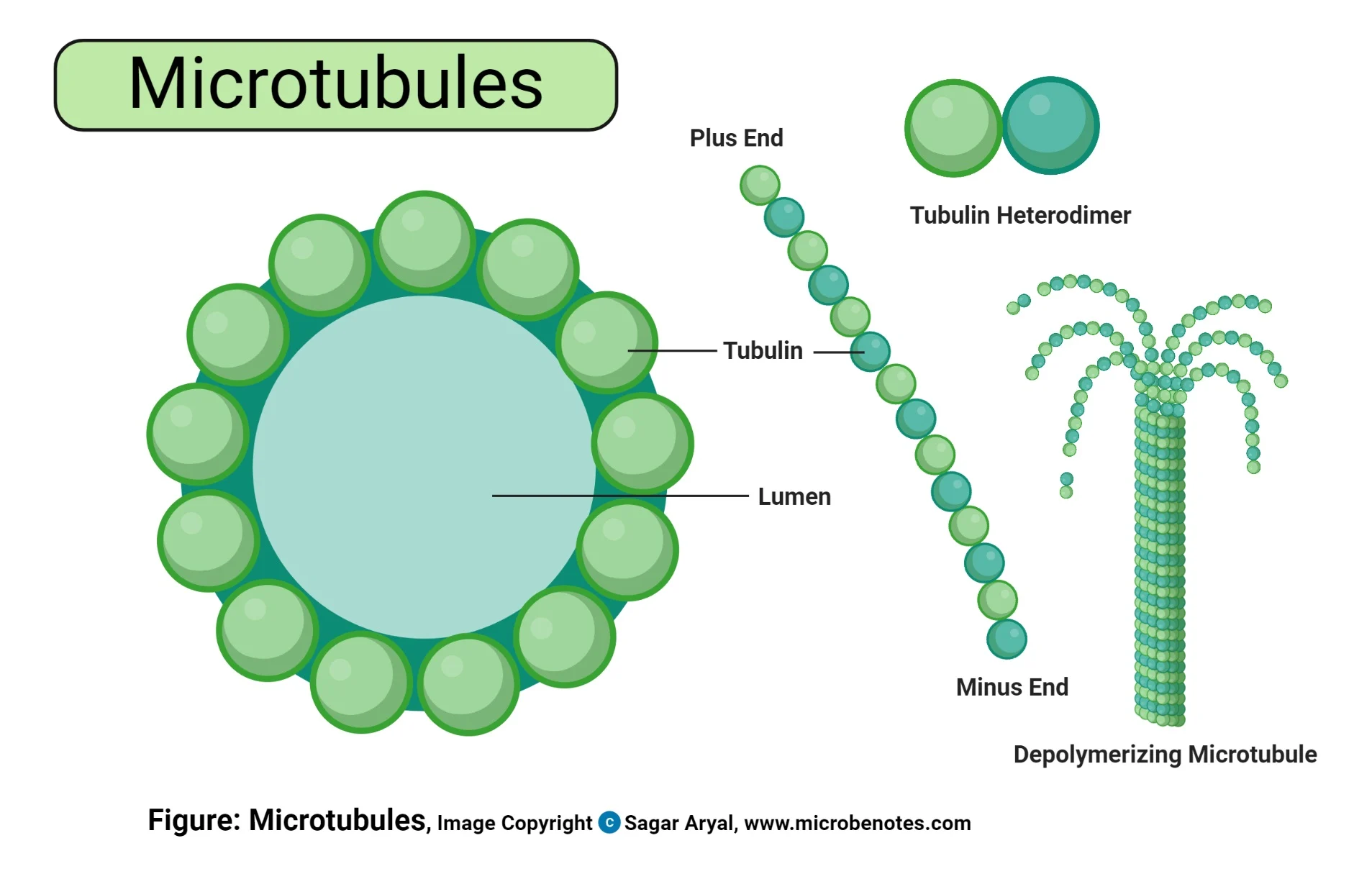
microtubules
A narrow, hollow tube-like structure found in the cytoplasm (the fluid inside a cell) of plant and animal cells. Microtubules help support the shape of a cell. They also help chromosomes move during cell division (important in mitosis) cell organelles to move inside the cell (distribution of organelles like vesicles).
“highways of cell transport”
help flow fluid when present as projections of cellular membrane
Microfilaments, as well as microtubules, can reform and disassemble quickly and help cells to change their shape and move i.e. it provides flexibility to the cell.
intermediate filaments
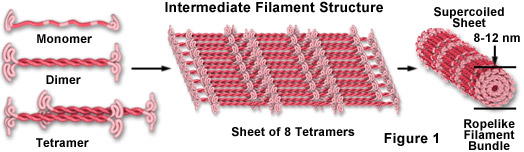
form an elaborate network in the cytoplasm of most cells, extending from a ring surrounding the nucleus to the plasma membrane
tough, insoluble ropelike protein fibers
resist pulling forces on the cell and attach to desmosomes
The intermediate filament can not disassemble and reform quickly.
microfilaments
also called actin filaments, are protein filaments in the cytoplasm of eukaryotic cells that form part of the cytoskeleton. They are primarily composed of polymers of actin, but are modified by and interact with numerous other proteins in the cell.
used for structure and support in the cell. They also are involved in separating cells during cell division, allowing for motility and changes in cell shape, endocytosis and exocytosis.
Microfilaments, as well as microtubules, can reform and disassemble quickly and help cells to change their shape and move i.e. it provides flexibility to the cell.
actin
MT, IF, MF. Cytoskeleton in an axon.
cells use these structures as their own cytoskeleton to transport vesicles, mobilize, replicate, and divide
cellular projections
found in specialized cells, not all
found at apical region
relevant functionality
microvilli
use for movement
microvilli
finger-like projections containing actin. increase surface area of cell. Aka sterocilia (NOT CILIA)
cilia
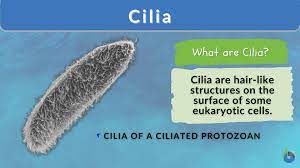
microtubules - provides the means for locomotion of protozoans of the phylum Ciliophora. Cilia may be fused in short transverse rows to form membranelles or in tufts to form cirri
move microbes and debris up and out of the airways. Scattered throughout the cilia are goblet cells that secrete mucus which helps protect the lining of the bronchus (in the lungs) and trap microorganisms.
flagella
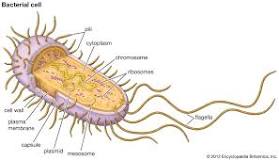
microtubules; organelles for bacterial locomotion. extend from the cytoplasm to the cell exterior and are composed of three major structural elements, the basal body, the hook and the filament
helps to propel a cell through the liquid. Some special flagella are used in few organisms as sensory organs that can sense changes in pH and temperature.
cell differentiation
Unspecialized cells (after replication) become specialized in structure and function to perform certain tasks in the body
cell differentiation depends on environmental cues and gene expression
as cells differentiate they lose capacity to divide (mitosis, hyperplasia).
Despite this ALL CELLS HAVE THE SAME DNA
nucleic acids
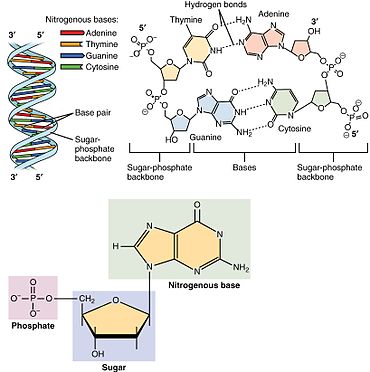
deoxyribonucleic acid (DNA) and ribonucleic acid (RNA)
carry genetic info which read in cells to make RNA and proteins by which living things function
nucleotide
bases that are foundation of gentic code w/ instructions on how to build n maintain human body from conception to old age.
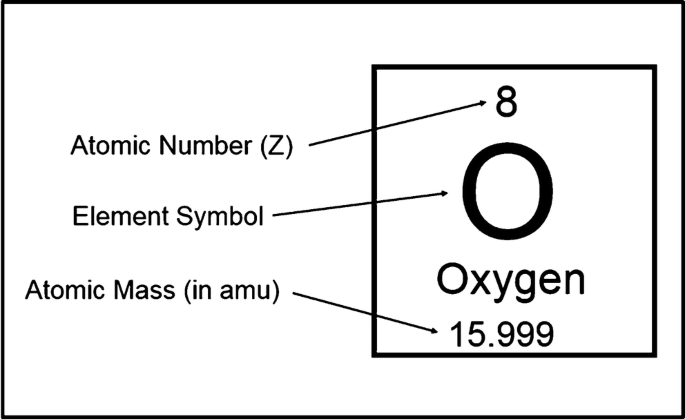
atomic number
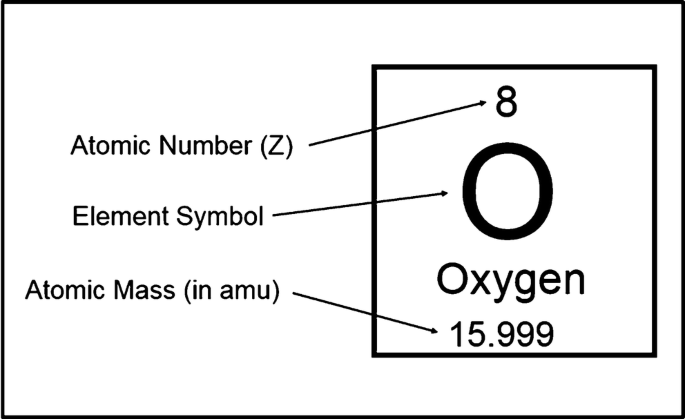
number of protons in nucleus of atom
mass number
sum of number of protons and neutrons in its nucleus
isotope
one of the diff forms of an element, distinguished from 1 another by diff #s of neutrons.
isotopes that contains more than usual # of neutrons referred to as heavy isotope which tend to be unstable and unstable isotopes are radioactive
radioactive isotope
isotope whose nucleus readily decays giving off subatomic particles n electromagnetic energy. Differs in half life (time it takes for ½ of any size sample of isotope to decay)
molecule vs compound
molecule: more or less stable grp of 2 or more atoms held tgt by chemical bond. may be same element
compound: molecule made up of 2 or more atoms of diff elements
covalent bond strength
strong. electrons shared in orbital
ionic bond
strong. electrons transfered from one atom to another resulting in electrostatic attraction b/w oppositely charged ions
hydrogen bond
weak; electrostatic attraction b/w slightly pos H n slightly neg N or O atoms
Van der Waals interactions
Weakest. Transient electrostatic interaction b/w 2 atoms, each of which is in nonpolar covalent bond
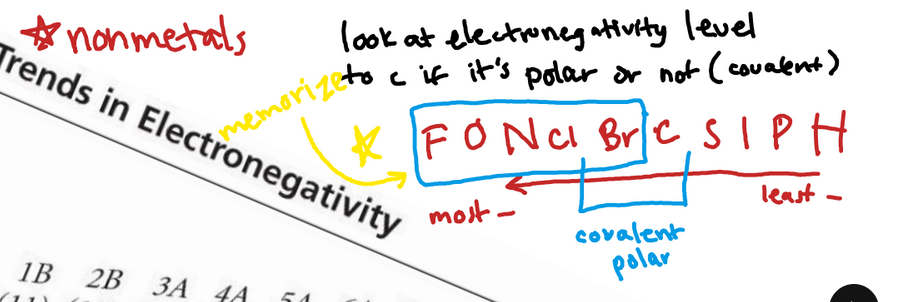
nonpolar covalent
Bonds b/w elements that are not too far off electronegativity -wise
order from most to least electronegative:O < C < N ~ H
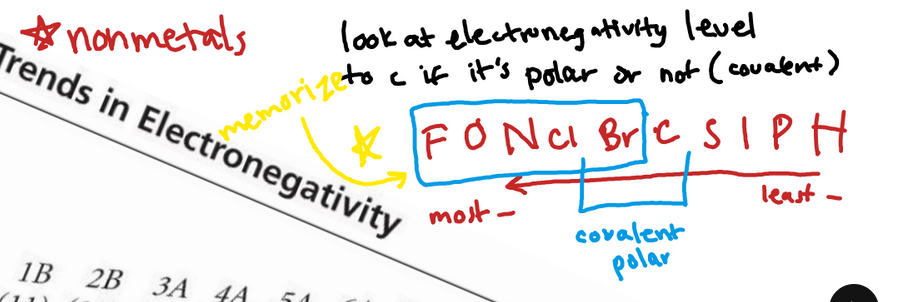
polar covalent
Bonds b/w elements that ARE electronegativity -wise different
order from most to least electronegative:O < C < N ~ H
kinetic energy
form of energy powering any type of matter in motion
potential energy
energy of position, or the energy matter possesses bc of positioning or structure of its components
chemical energy
form of potential energy in which energy is stored in chemical bonds
forms of energy important to human function
mechanical energy: stored in physical systems such as machines, engines, and human body directly powers movement of matter
radiant energy: energy emitted and transmitted as waves rather than matter. Body uses ultraviolet energy of sunlight to convert a compound in skin cells to Vitamin D, essential for human function. Human eye evolved to see wavelengths that comprise colors of rainbow, from red to violet (visible light range)
electrical energy: supplied by electrolytes in cells and body fluids, contributing to voltage changes that help transmit impulses in nerve and muscle cells.
synthesis reaction
chemical reaction that results in synthesis (joining) of components that were formerly separated.
exchange reaction
chemical reaction in which both synthesis and decomposition occur. Chemical bonds are both formed and broken
decomposition
bonds b/w components of larger molecule are broken, having smaller products
factors that influence the rate of chemical reactions
atoms in reactants have easy access to each other = faster rxns
gases react faster bc it takes more energy to separate particles of a substance
some elements r more reactive than others (like hydrogen compared to helium which is more stable) so the rxn is faster
chem rxns occur quicker in higher temp bc more thermal energy to make particles move faster, more likely to come in contact w each other n react.
decrease space and increase in concentration inc speed of rxn bc more molecules r touching to react.
catalysts and enzymes speed up rxns
catalysts
substance that increases rate of chem rxn w/o itself undergoing change. Chem agent. Increase rate n force that atoms, ions, n molecules collide increasing probability of their valence shell e- interact.
enzyme
catalyst composed of protein or ribonucleic acid. lowers energy needed to be invested in chemical rxn.
activation energy
threshold level of energy needed to break bonds in reactants. Once bonds r broken, new arrangements can form. W/o enzymes as catalysts, larger investment of energy is needed. to start chem rxns
organic vs inorganic compounds
organic compounds have H and C, while inorganic doesnt
water
lubricant n cushion
a heat sink: absorbs n dissipates heat but does not experience corresponding increase in temp.
component of liquid mixtures: mixture is combination of 2 or more substances (EACH HAVING OWN CHEMICAL IDENTITY). Cells in body need to be kept moist in water based liquid called a solution.
universal solvent
hydrophilic vs. hydrophobic
hydrophilic=love water
hydrophobic= hate water
-ic = love, phobic = hate
colloid
mixture that’s somewhat like a heavy solution. Particles consist of tiny clumps of molecules large enough to make liquid mixture opaque (large enough to scatter lite)
suspension
liquid mixture which a heavier substance is suspended temporarily in a liquid, but over time, settles down. Separation of particles from a suspension is called sedimentation. Ex: blood test sedimentation rate (sed rate) that measures how quickly red blood cells in test tube settle out of watery portion of blood (plasma)
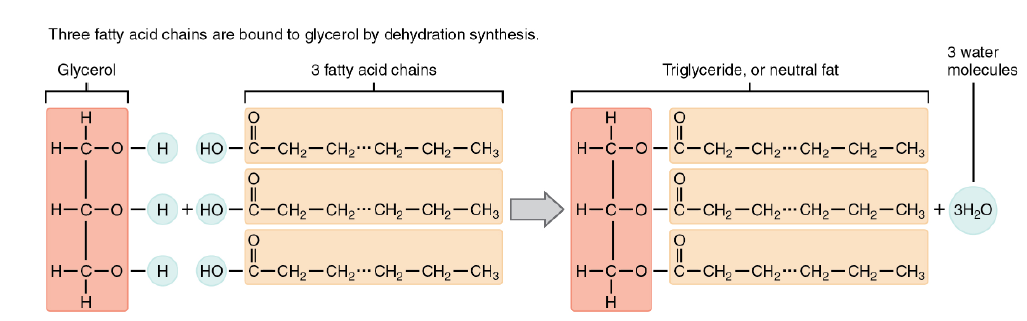
dehydration synthesis
1 reactant gives up H atom n another reactant hives up hydroxyl in synthesis of new product. Water the byproduct. Condensation rxn.
hydrolysis
molecule of water disrupts compound, breaking its bonds. Water split to H and OH.
acid
substance that releases hydrogen ions (H+)
base
substance that releases hydroxyl (OH-) or accepts H+ present in solution
pH
“potential/power of hydrogen”
relative acidity or alkalinity of solution indicated by H.
0-7. Lower the number below 7, more acidic, greater concentration of H+. Human blood pH ~ 7.35-7.45, identified as 7.4. Slightly basic pH makes blood able to reduce acidity from CO2.
buffer
cells of body depend on homeostatic regulation of acid-base balance and one of mechanism to keep this is internal release of buffers into bodily fluids.
A solution of weak acid and its conjugate base.
acidoses
excessive acidity of blood n other bodily fluids. Caused by metabolic problems that reduce level or function of buffers that act as bases, or promote production of acids. Caused by situations n disorders that reduce effectiveness of breathing, esp ability to exhale so CO2 and H+ build up in bloodstream.
alkalosis
blood and other body fluids are too alkaline (basic). Respiratory alkalosis, CO2 lvls fall too low, lung disease, aspirin overdose, shock, anxiety causes respiratory alkalosis. Reduces normal concentration of H+
carbohydrate
molecule composed of carbon, hydrogen, and oxygen. Referred to as “saccharides” meaning sugars. Has 3 forms: mono, di, and polysaccharides
present in very small amounts of cell’s structure. Carb molecules bind w/ proteins to produce glycoproteins and others combine w/ lipids to produce glycolipids. Both found in membrane that encloses contents of body cells.
monosaccharide
monomer of carbohydrates. 5 monosaccharides are important for body: glucose, fructose, galactose (hexose sugars bc has 6 C’s), ribose and deoxyribose (pentose containing 5 C’s).
disaccharide
formed via dehydration synthesis, bond linking them is glycosdic bond. (glyco=sugar). sucrose, maltose, lactose. Instead of digestive tract they split into their component monosaccharides via hydrolysis.
polysaccharides
few thousand or more monosaccharides
starches: polymers of glucose. occur in long chains called amylose or branches chains called amylopectin both stored in plant-based foods and relatively easy to digest
glycogen: polymer of glucose built stored in tissues of animals, esp muscle n liver. Not considered dietary carbs bc little glycogen remain in animal tissues after slaughter but human body stores excess glucose as glycogen in muscles n liver.
cellulose: polysaccharide that’s primary component of the cell wall of green plants, component of plant food referred to as fiber. Not digestable but make u feel full, promotes healthy digestive tract, reduce risk of heart disease n possibly forms of cancer.
ATP produced by the breakdown of…
glucose which can be ussed by all cells; break down organic compounds for fuel.
Adenosine triphosphate (ATP)
composed of ribose sugar, an adenine base, and 3 phosphate grps. ATP releases free energy when its phosphate bonds are broken n supplies r ready energy to the cell. More ATP produced in presence of O2.

lipids
highly diverse grp of compounds made up mostly of hydrocarbons. Few O atoms they have r at periphery of the molecule. Nonpolar hydrocarbons make all lipids hydrophobic. Lipids don’t form true solution in water but emulsifies (mixture of solution that doesn’t mix well)
triglycerides
one of the most common dietary lipid grps, found most abundant in body tissues. Fat. Formed from synthesis of glycerol backbone at core (3 C atoms), & 3 fatty acids (long chains of hydrocarbons w/ carboxyl grp n a methyl grp at opposite ends)
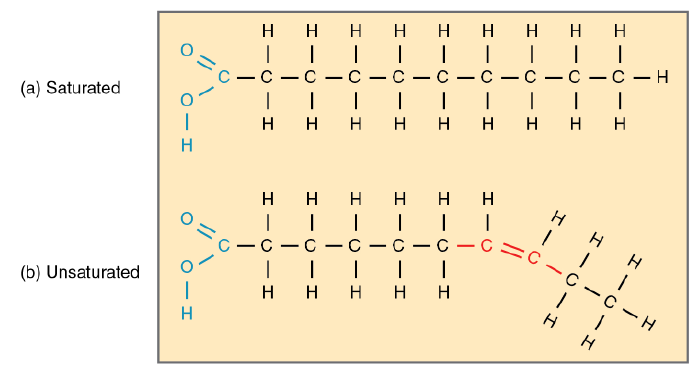
saturated vs. unsaturated
unsaturated fatty acid chains have double C bonds while saturated doesn’t. Those double C bonds in unsaturated makes fatty acid kinked at bond n unable to pack tgt tightly so it’s a liquid at room temp while saturated fat is solid at room temp
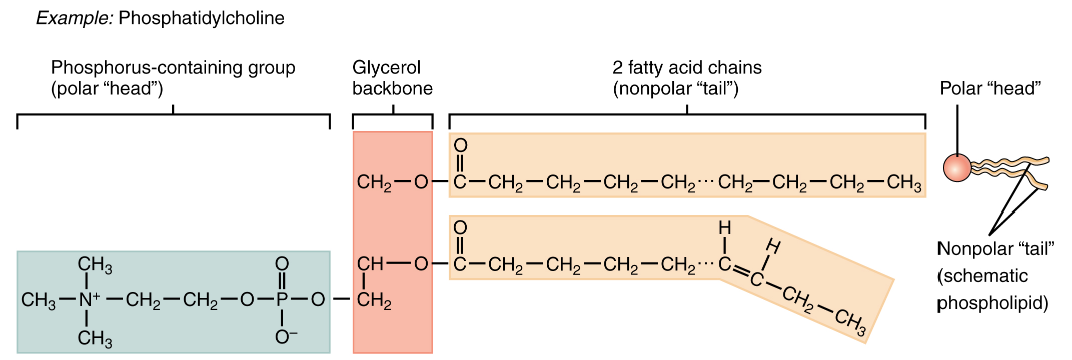
phospholipids
bond b/w glycerol component of lipid n phosphorous molecule. Diglyceride tail (nonpolar, hydrophobic). Phosphorus containing head (polar, hydrophilic)
steroid
steorl. has 4 hydrocarbon rings bonded to variety of other atoms n molecules. Cholesterol (synthesized by liver) important for bile acid which emulsify dietary fats.
prostagladins
signaling molecule, derived from unsaturated fatty acids, sensitive to nerve pains, regulate blood pressure n inflammation reducing heart disease risk.
protein
organic molecule composed of amino acids linked by peptide bonds.
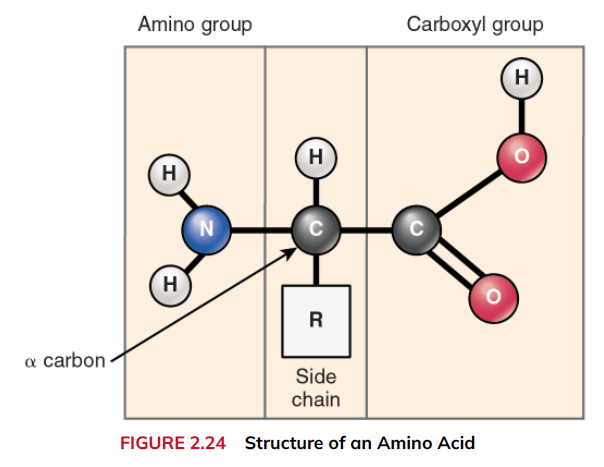
amino acid
molecule composed of amino grp, carboxyl grp, variable side chain. 20 diff amino acids to make up thousands diff proteins. Structure: Hydrogen atom, alkaline amino grp NH2, acidic carboxyl grp COOH, a variable grp (r grp)
have both acid n base so they make excellent buffers, helping body regulate acid base balance.
peptide bond
covalent bond b/w 2 amino acids formed by dehydration synthesis. Peptide = short chain of amino acid.
primary structure
sequence of amino acids; peptide bond. Make up secondary structure.
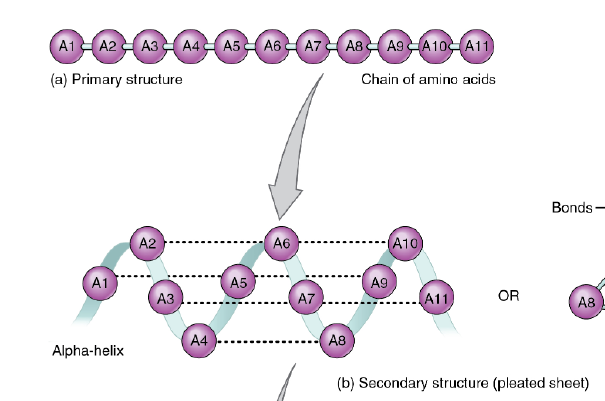
secondary protein structure
regular repeated folding pattern; backbone hydrogen bonding interactions. Form when bonding occurs b/w amino acids w/ different properties at diff regions of polypeptide. Most common is spiral called alpha-helix.
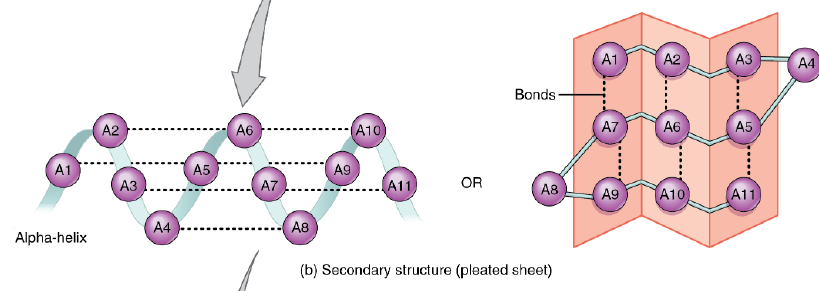
tertiary protein structure
side chain covalent and non covalent interactions. Compact 3-dimensional shape. amino acids that’s very distant in primary chain can b brought close via hydrogen bond or disulfide bonds (for proteins w/ cysteine
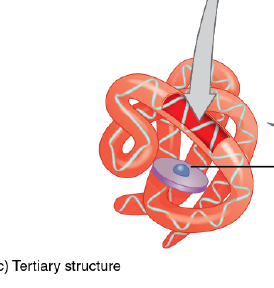
disulfide bond
covalent bond b/w sulfur atoms in polypeptide
denaturation
change in strucutre of molecule thro physical or chemical means. Denatured proteins lose functional shape n no longer carry out their job.
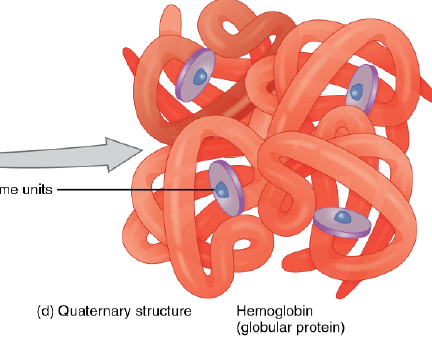
quaternary structure
association between two or more polypeptide chains within one protein
side chain covalent and non covalent interactions
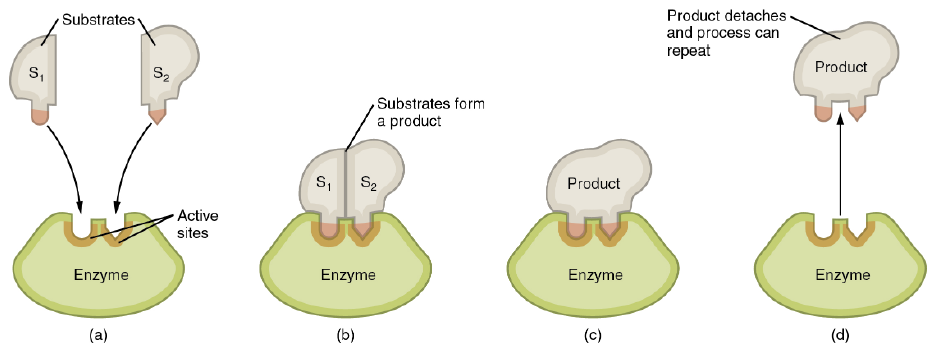
substrate
reactant in enzymatic rxns. Occurs in regions of enzyme known as active sites. Enzyme catalyzes just 1 type of chemical rxn (specificity)
phosphorylation
addition of phosphate grp to organic compound resulting in ATP