Biology - Unit 2: Classification
 Call Kai
 Learn
Learn Practice Test
 Spaced Repetition
 Match
Match Flashcards
 Knowt Play
1/22

There's no tags or description
Looks like no tags are added yet.
Name | Mastery | Learn | Test | Matching | Spaced | Call with Kai |
|---|
No analytics yet
Send a link to your students to track their progress
23 Terms
How can organisms be classified into groups?
based on the features that they share
What is a species?
a group of organisms that can reproduce to produce fertile offspring
What is the binomial system of naming species?
an internationally agreed system in which the scientific name of an organism is made up of two parts showing the genus and species
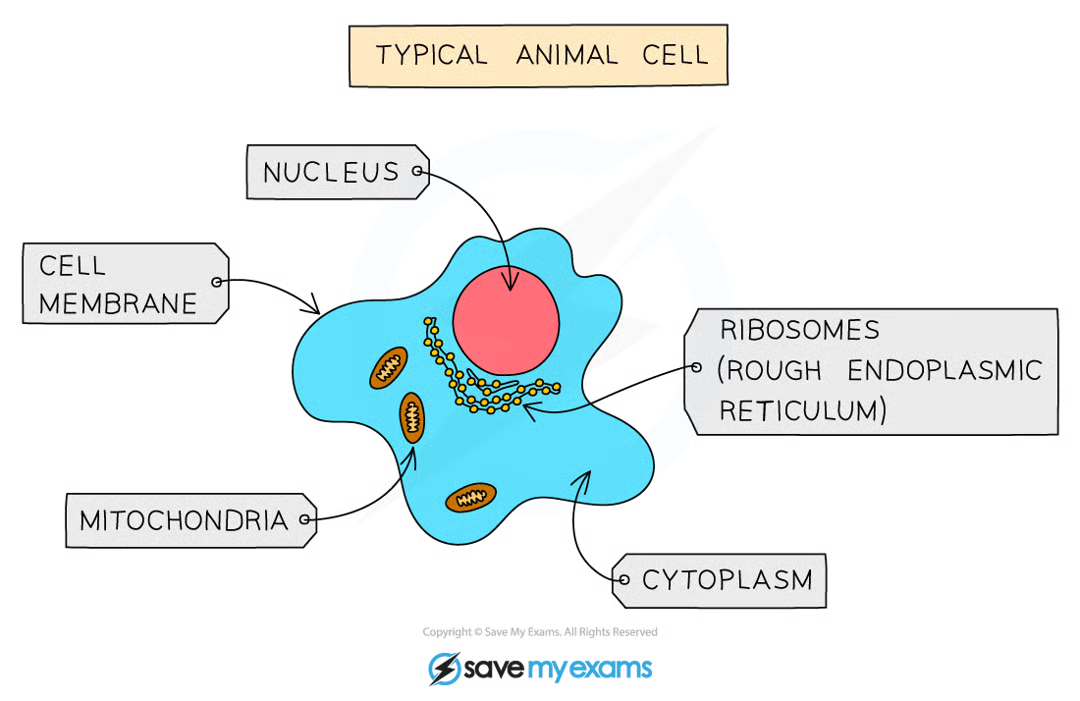
what is the main features of animals?
multicellular
contains nucleus but cell walls and chloroplasts are absent
feed on organic substances made by other living things
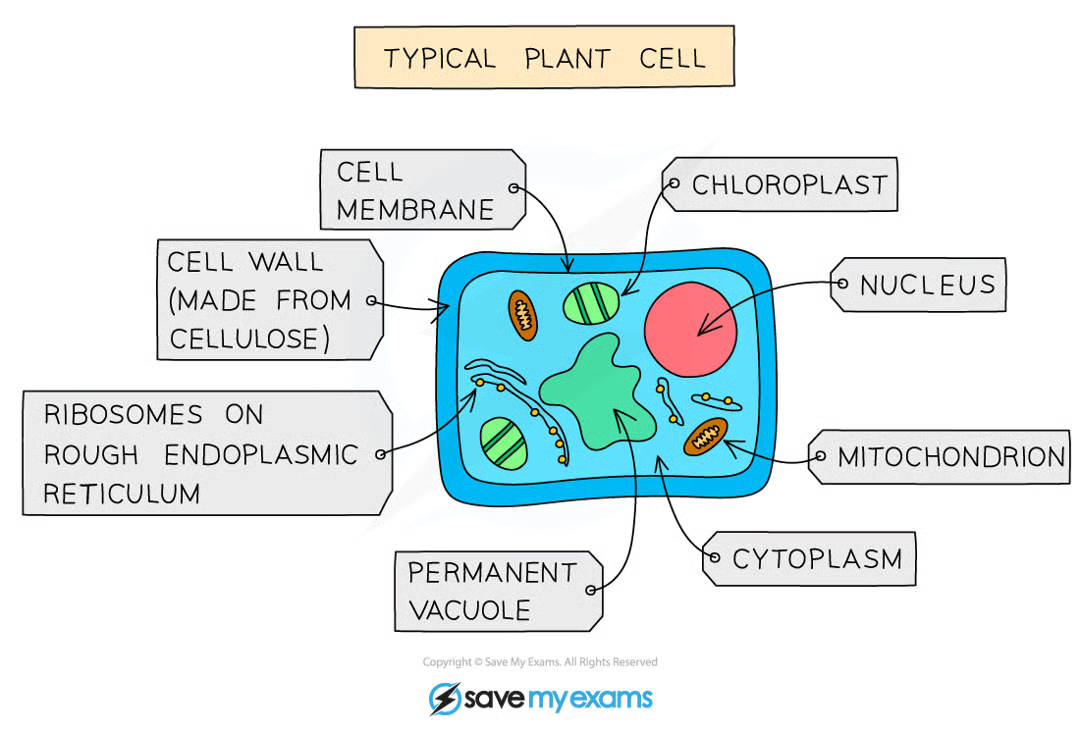
what are the main features of plants?
multicellular
cells contain a nucleus, chloroplasts and cellulose cell walls
feed by photosynthesis
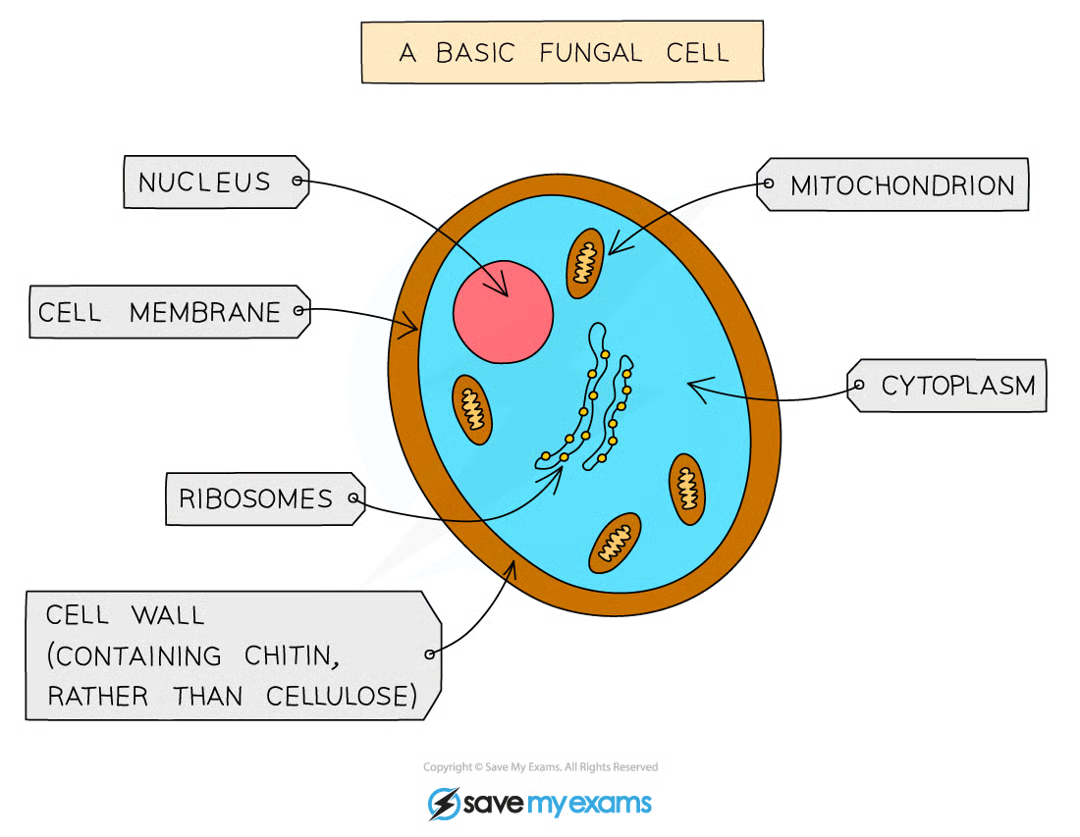
what are the main features of fungi?
usually multicellular
cells have nuclei and cell walls made from chitin
do not photosynthesise but feed by saprophytic (on dead or decaying material) or parasitic (on live material) nutrition
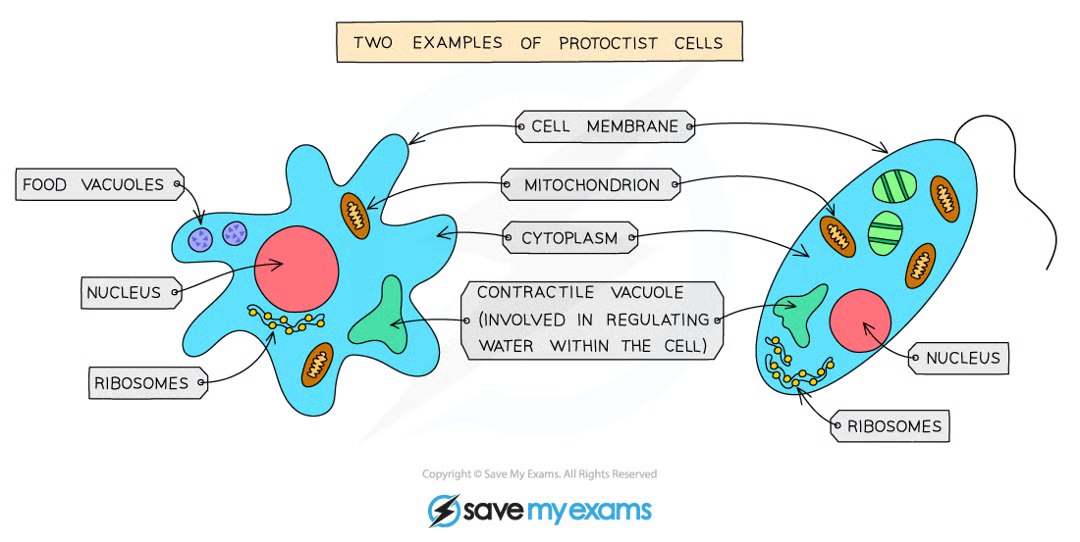
what are the main features of protocists?
most are unicellular but some are multicellular
all have a nucleus, some may have cell walls and chloroplasts
some protocists photosynthesise and some feed on organic substances made by other living things
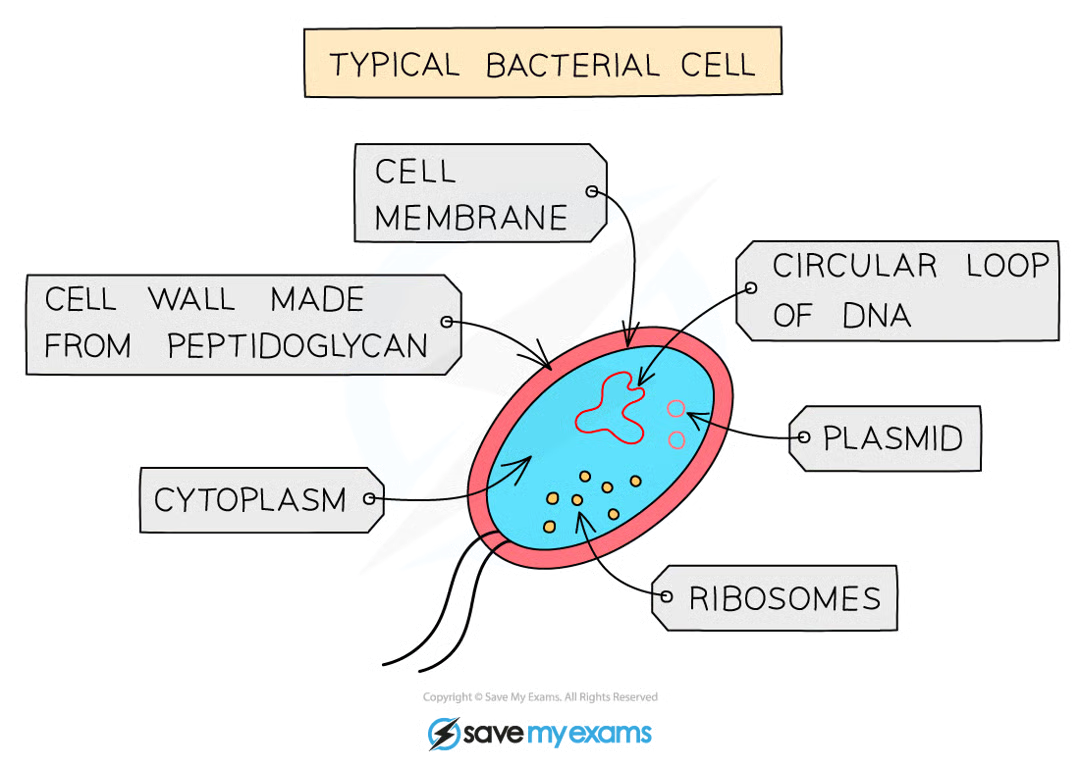
what are the main features of prokaryotes?
often unicellular
cells have cell walls made of peptidoglycan and cytoplasm but no nucleus or mitochondria.
what are the main features of mammals?
fur/hair on skin
give birth to live young
have placenta
produces milk to feed young
external ears visible
endothermic
what are the main features of birds?
feathers cover skin
have 2 legs and 2 wings, instead of forelimbs
lay eggs with hard shell on land
have a beak
endothermic
what are the main features of reptiles?
dry, fixed scales on skin
lay eggs with rubbery shell on land
cold-blooded
what are the main features of amphibians?
smooth, moist skin
lays eggs without shells in water
adults live on land (no gills), larvae live in water (have gills)
cold-blooded
what are the main features of fish?
loose, wet scales on skin
lays eggs without shells in water
gills to breathe
what are the main features of myriapods?
body consists of many segments
each segment contains at least one pair of jointed legs
one pair of antennae
what are the main features of insects?
3 part body: head, thorax, abdomen
3 pairs of jointed legs
2 pairs of wings (may be non-functional and/or underdeveloped)
one pair of antennae
what are the main features of arachnids?
2 body parts: cephalothorax and abdomen
4 pairs of jointed legs
no antennae
what are the main features of crustaceans?
more than 4 pairs of jointed legs
chalky exoskeleton formed from calcium
breathe through gills
2 pairs of antennae
what are the main features of ferns?
have leaves called fronds
don’t produce flowers but reproduce by spores produced on the underside of fronds instead.
what are the main features of flowering plants?
reproduce sexually by means of flowers and seeds.
seeds are produced inside the ovary found at the base of the flower
can be divided into 2 groups — monocotyledons and dicotyledons
what are the main features of monocotyledons?
flowers of monocotyledons contain petals in multiples of 3.
leaves from monocotyledons have parallel leaf veins.
what are the main features of dicotyledons?
flowers from dicotyledons contain petals in multiples of 4 or 5.
leaves from dicotyledons have reticulated (branched) leaf veins
where can viruses replicate?
viruses can ONLY replicate in living cells.
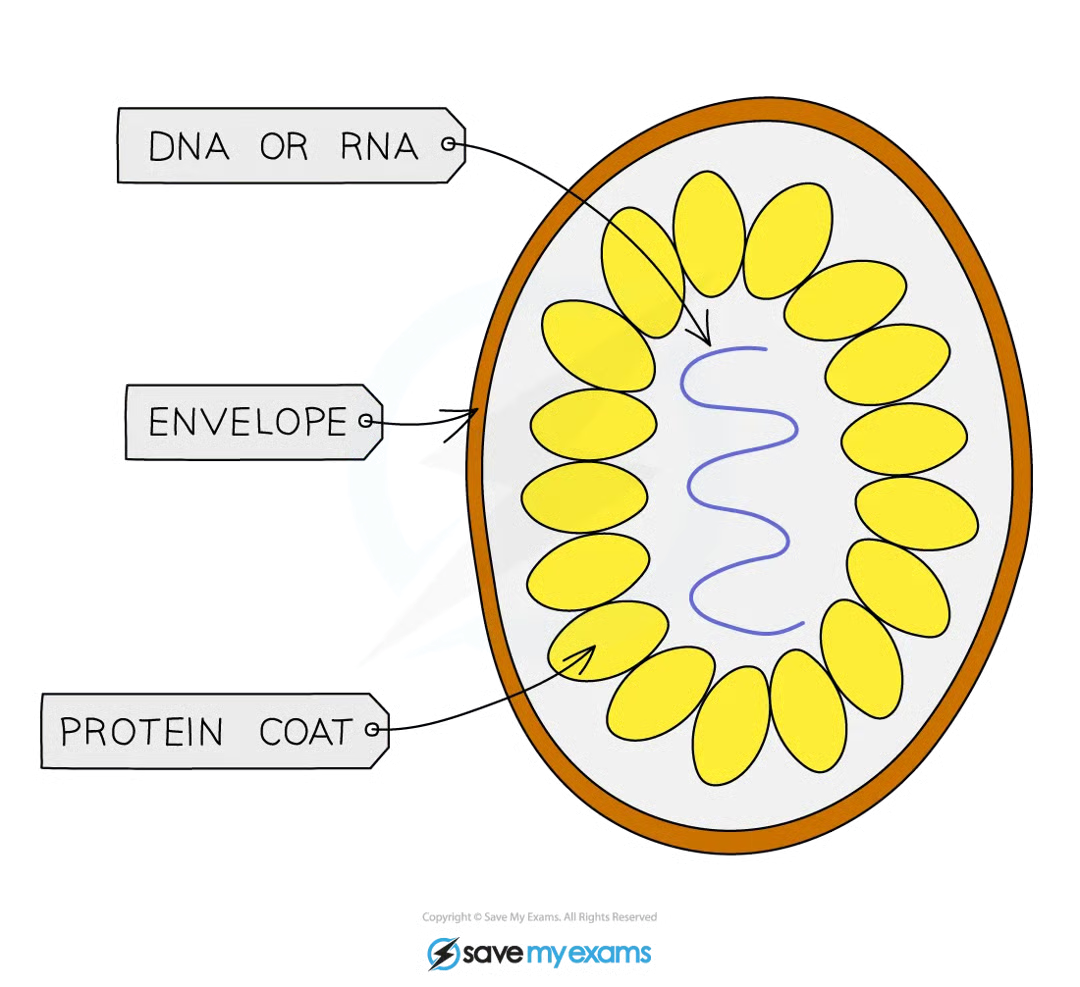
what are the main features of viruses?
genetic material (RNA or DNA)
protein coat
outer envelope