Lecture 22: Beef Nutrition 2
 Call Kai
 Learn
Learn Practice Test
 Spaced Repetition
 Match
Match Flashcards
 Knowt Play
1/40

There's no tags or description
Looks like no tags are added yet.
Name | Mastery | Learn | Test | Matching | Spaced | Call with Kai |
|---|
No analytics yet
Send a link to your students to track their progress
41 Terms
environmentla effects on nutrient needs for beef cattle:
effective temp:
based on air temp, moistore, and air speed
can affect energy needs of cattle
key point: cold stress increases energy requirements beyond maintenance
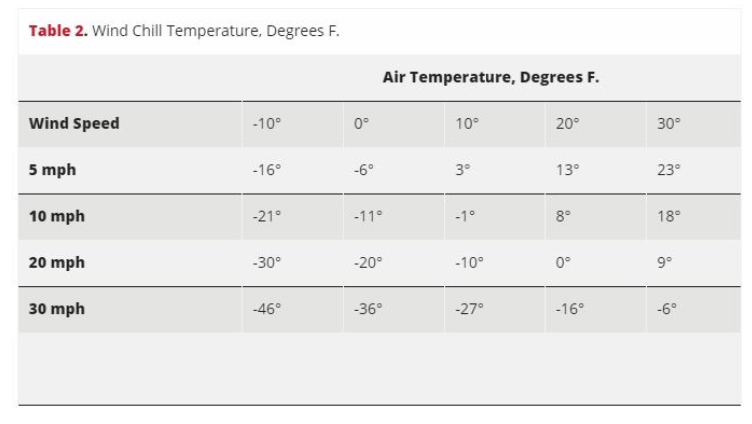
wind chill and beef cattle
lower critical temperature (LCT)
depends on hair coat, moisture, eind
energy increases 1% per degree below LCT (dry)
energy increases 2% per degree below LCT (wet)
key point: cold, wet conditions dramatically increase energy needs in beef cattle - want cows to be at BCS of 5-6 going into winter
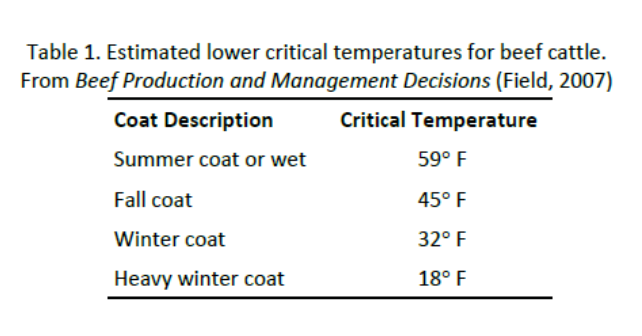
estimated lower critical temps for beef cattle
environmental adjustments (NRC)
NRC factors to account for: BCS
amount of body fat = insulation
heat production from feed
forages = more heat production
grains = more energy production —> increases heat production on poor quality forage diets
key point: diet type influences ability to cope with cold stress
body condition scoring for beef cattle
beef cows 1-9 scale
focus on palpation and visual fat deposition pints
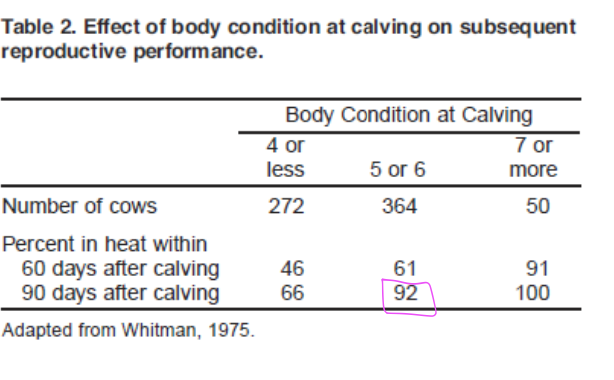
target BCS —> 5-7 at breeding and calving
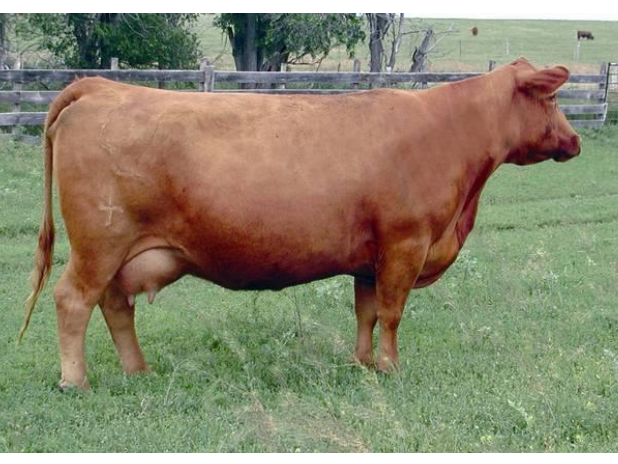
red angus BCS 6
BCS and cow performance
BCS reflects fat reserves
BCS affects:
time to first estrus —> shorter interval to first heat with a higher BCS
colostrum quality —> higher with higher cow BCS
calf immunity —> higher IgG levels for calves born to cows with higher BCS
key point: BCS is better indicator than BW in ruminants (chnges in gut fill)
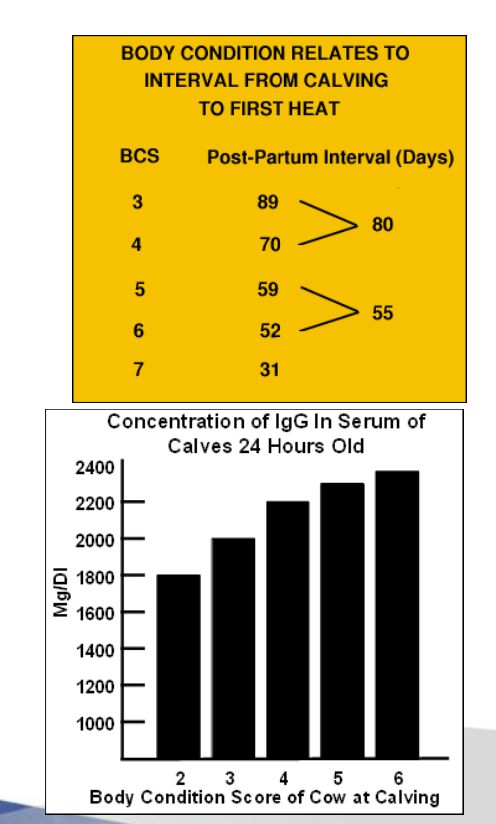
BCS charts in beef cattle
what is the ideal BCS for beef cow at calving?
5-7
low or high BCS =
decreased preg rate
BCS should be between 5 and 7
heifers target BCS:
6
after calving, ideal to group cows based on:
BCS
can feed according tp how much condition is needed
feeding heifers, weaned calves, stocker calves, and finishing cattle
how do we manage nutrition across production stages?
heifer development
target 65% BW at breeding (mature)
target 85% BW at calving (mature)
puberty target: 14-15 months
BW is most important factor affecting puberty
heifer example
mature size = 1100 lbs
target: 715 lbs at breeding (1100 x .65)
target: 935 lbs at calving (1100 x .85)
heifer nutrition basics:
key points:
avoid overfeeding energy
around 11% CP
NEg based on ADG target
preconditioning of weaned calves
process to reduce stress and improve health before feedlot entry
strategy to reduce health issues in the feedlot, improve growth post weaning, and enhance overall profit
preconditioning components
health and welfar:
castration
dehorning
deworming
vaccination
two sets od respiratory (MLV) and clostridial vaccines
bunk training
feed and using water troughs
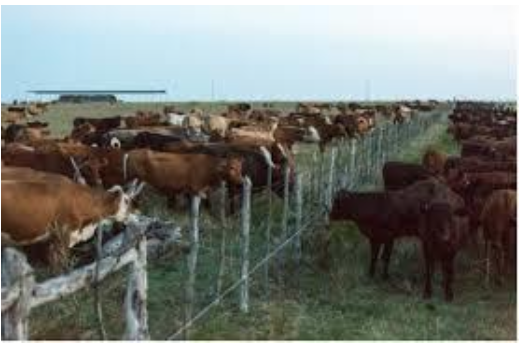
30-45 days low-stress weaning prior to shipping (use fence line weaning)
value-added calf
preconditoined
individual ID
source/age verified
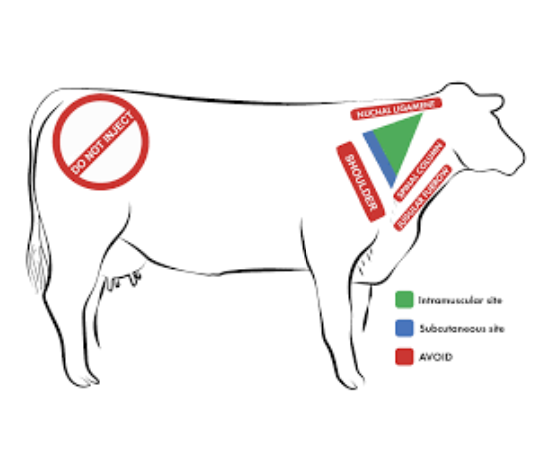
proper injection practices
should be front of shoulder to decrease muscle site blemishes
typical return = >$30/calf
energy needs for stockers
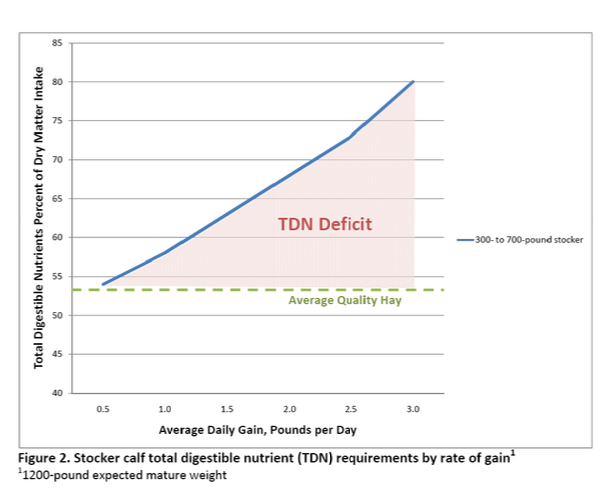
when is supplementation needed
ADG>0.5 lbs/d
with low quality hay
winter or late summer
grain supplementation ranges
1-2.5 lbs/d/animal
energy needs for stockers
stocker = mostly pasture, occasional supplementation
backgrounding —> dry lot —> hay and grain mix
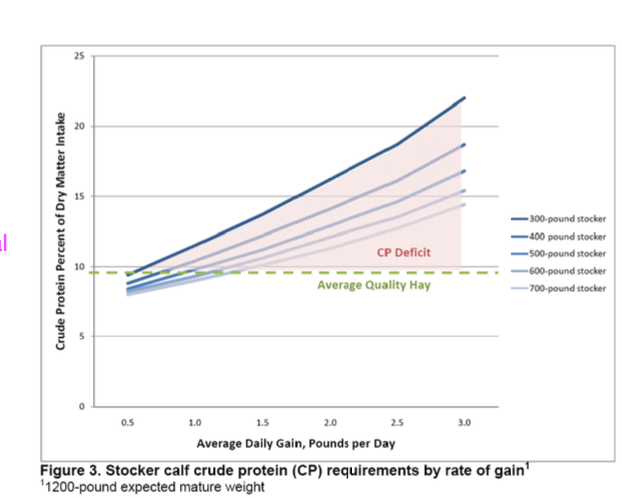
what should the level of CP be in the overall diet of growing stocker cattle?
12-16 percent
protein needs for stockers
forage CP
>8% to maintain rumen microbes
<8% likely results in CP deficiency
diet target = 12-16% CP
supports adequate growth
UIP often needed - ensure that some essential AA reach animal
supplementing urea
do not use with high forage diets (forage digested too slwoly relative to energy content for urea to be utilized)
can use with high energy diets
key point: protein often limits growth on low-quality forage
CP for stockers
feedlot diet overview:
enter around 700-800 lbs BW
high grain diet risks
risk of acidosis
laminitis
liver abscesses
nutrient composition
CP = 9-14%
(first diet could be higher CP —> then step down CP in final diet)
mineral needs
supplement Ca (grain low in Ca)
transition to feedlot diet
goal: adapt rumen micorbes
adapt to new substrate: forage (cellulose, hemicellulose) —> grain (starch)
needs to occur over 3-4 weels
maintain intake!!
prevent acidosis
slow diet adjustments
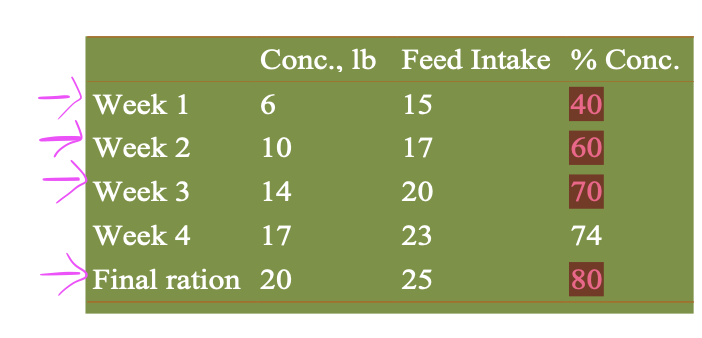
diet adaptation strategy
start: 60% forage/40% concentrate
end: 90% concentrate
key point: gradual transition prevents rumen upset
feedbunk management
consistency is key
feed is fresh and delivered on time
monitor intake
feed ad libitum, but minimize waste
want a little feed left to ensure that cattle are eating all they can!
nutritional diseases list
mineral issues:
grass tetany —> Mg deficiency
K increases in forages and can interfere with Mg absorption, Mg low in spring
urinary calculi —> grain high in P (upset Ca:P ratio)
nitrate toxicity
nitrate —> nitrite in rumen —> absorbed and forms methemoglobin (inhibits O2 transport)
pasture fertilization —> plants accumulate nitrates
weeds
mycotoxin toxicity
corn feeds, corn silage
calves most sensitive, decreased DMI and growth
sulfur toxicity
sulfer-associated polioencepholomalacia
rumen disorders:
acidosis (usually acute) lactic acid accumulation
bloat —> frothy or free gas
sulfur toxicity
sources: disteller’s grains
risk: high variability in sulfur content
disease: sulfer-associated polioenchalomalacia
requirement vs toxic levels in sulfer-associated polioencephalomalacia
required: 0.18-0.24%
considered toxic: 0.4-0.5%
mechanism of sulfer-associated polioencephalomalacia
high dietary sulfur —> increases metabolic demand for thiamine —> results in secondary thiamine deficiency
time course for sulfer-associated polioencephalomalacia
1-4 weeks
growth promotants
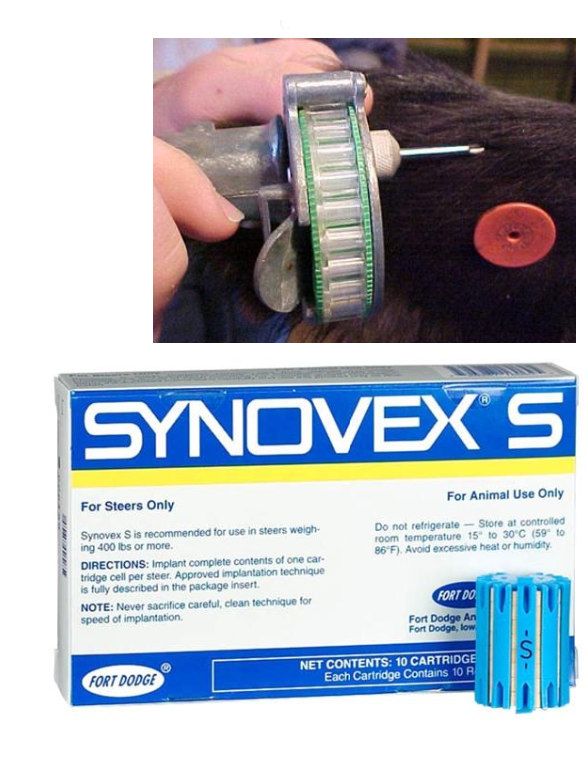
hormonal implants
estrogenic —> estradiol, progesterone, zerenol
androgenic —> testosterone, trenbolone acetate
use at any stage of growth or finishing
increase ADG by 15-20%
MGA (melengesterol acetate)
progesterone analog
suppresses estrus in heifers (decrease DMI)
beta-agonists
Optaflexx/ractopamine repartitioning agent (more muscle deposition)
coccidiostats
young cattle/feedlot cattle to control naturally occuring coccidiosis
improve aDG and feed efficiency
ionophotes
shift rumen fermentation
type of abx not used in humans
modify rumen microbes
decrease acetate and methane, increase proprionate
direct metabolism towards deposition of muscle instead of fat
benefits of ionophores
increase feed efficiency
decrease acidosis
summary of beef nutrition 2
environment and BCS strongly influence requirements
nutrition varies by production stage
feedlot transitions must be gradual
many diseases are nutritoin-related and preventable