ch. 8 - Appendicular Skeleton; Pectoral Girdle
 Call Kai
 Learn
Learn Practice Test
 Spaced Repetition
 Match
Match Flashcards
 Knowt Play
1/71

There's no tags or description
Looks like no tags are added yet.
Name | Mastery | Learn | Test | Matching | Spaced | Call with Kai |
|---|
No analytics yet
Send a link to your students to track their progress
72 Terms
how many bones is there in the appendicular skeleton ?
126 bones
what connects the limbs to the bones along the axis of the body ?
girdle
what attaches the upper limbs to the trunk?
pectoral girdle (chest)
what attaches the lower limbs to the trunk ?
pelvic girdle
what does the pectoral girdle consist of?
the clavicle anteriorly and the scapula posteriorly
what does the sternal end of the clavicle articulate to?
manubrium and first rib
what does the acromial end of each clavicle articulate with?
the scapula
the mobility of the upper limbs results from…
only the clavicle attaching to the axial skeleton. the Scapula can move freely
whats the function of the conoid tubercle of the clavicle?
its located near the acromial end and it provides attachment for a ligament that runs to the scapula’s coracoid process
where are the scapulae located?
between ribs 2-7
the grouped upper limb bones
arm / brachium
forearm
hand
the grouped hand bones
carpals
metacarpals
phalanges
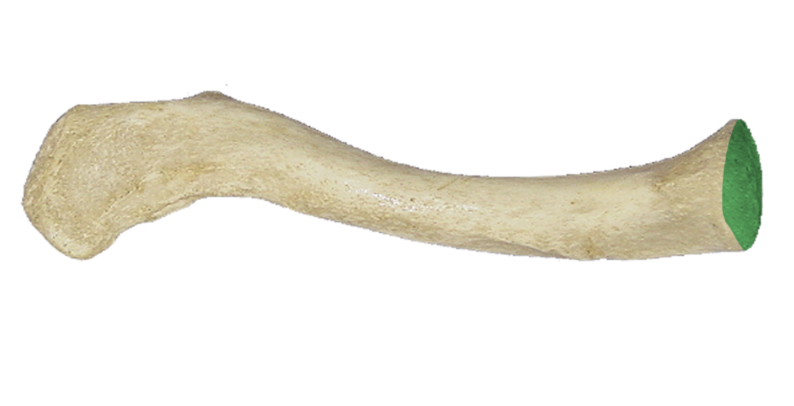
sternal end of clavicle. articulates with manubrium and first rib
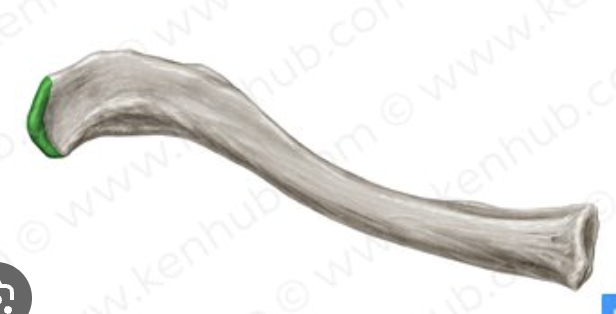
acromial end of clavicle. articulates with the scapula
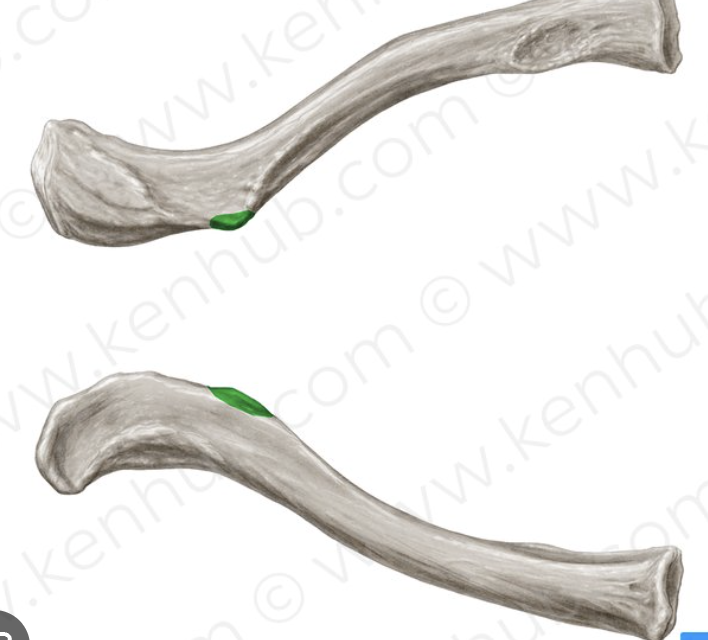
conoid tubercle. near the acromial end. provides attachment for a ligament that runs to the scapulas coracoid process
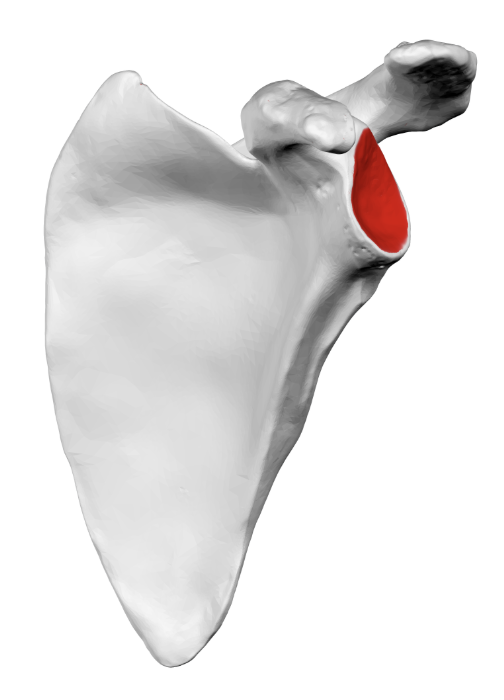
glenoid cavity. articulates with humerus forming shoulder joint
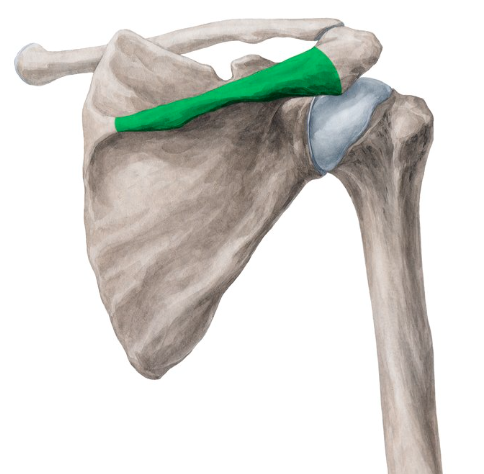
spine
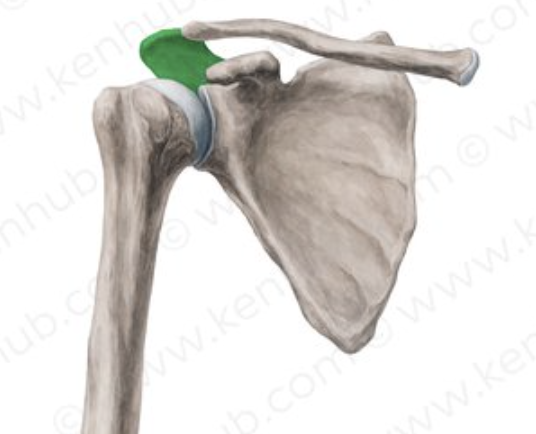
acromion process. articulates with the acromial end of the clavicle
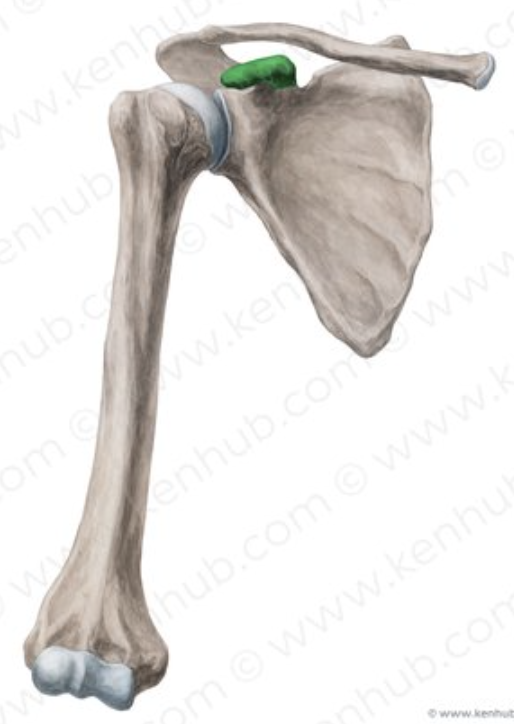
coracoid process.
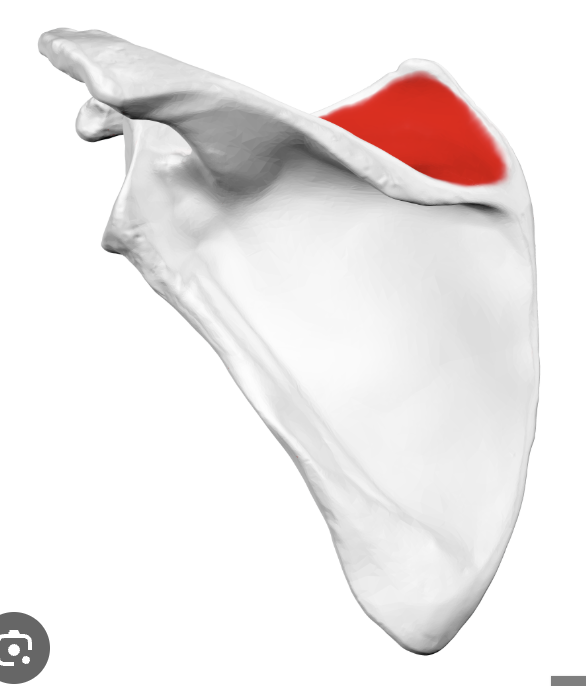
supraspinous fossa
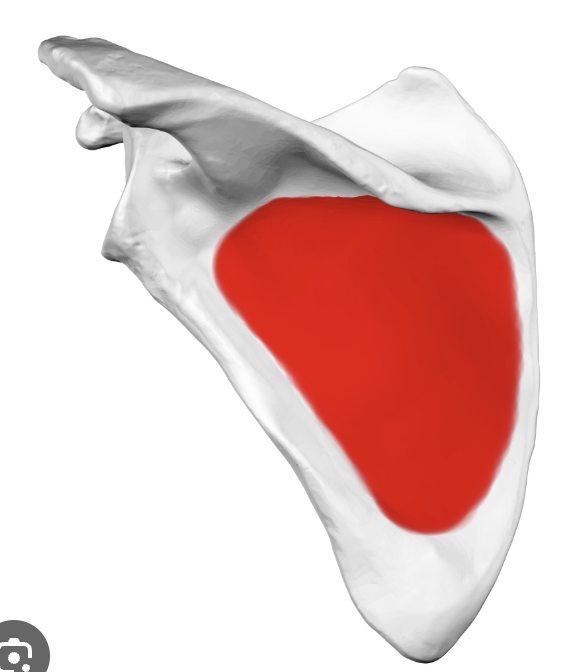
infraspinous fossa
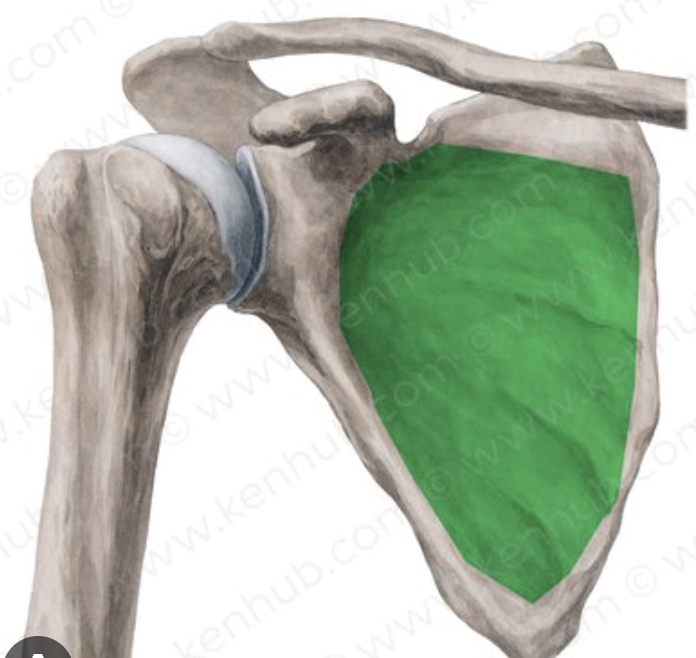
subscapular fossa
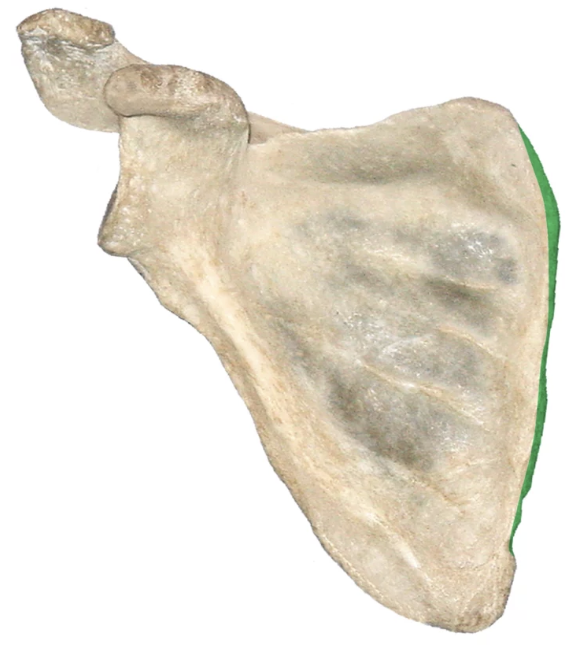
medial border
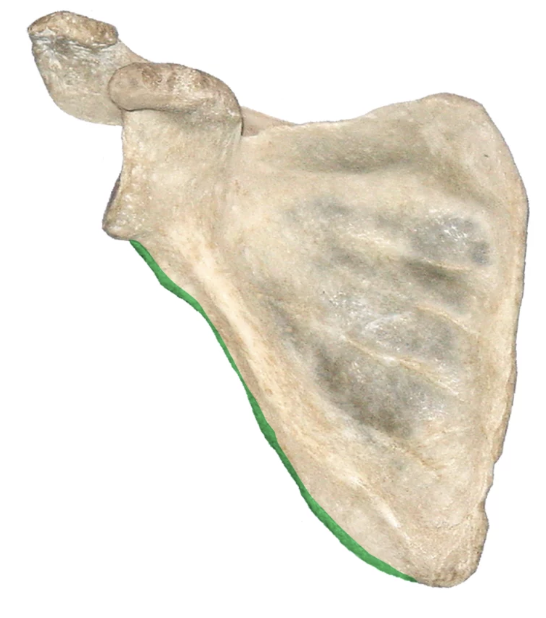
lateral border
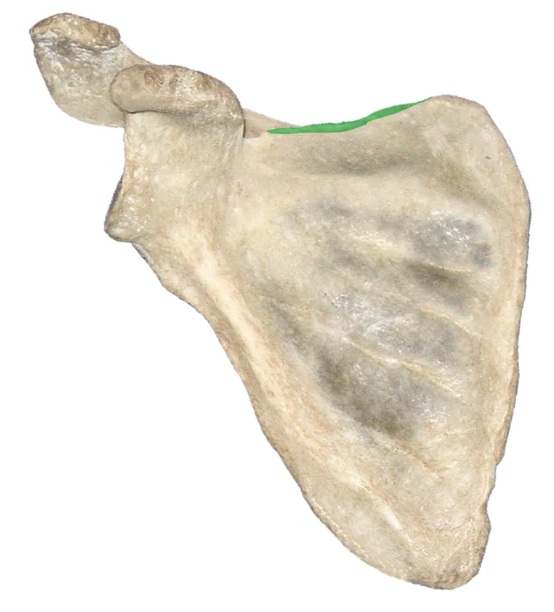
superior border
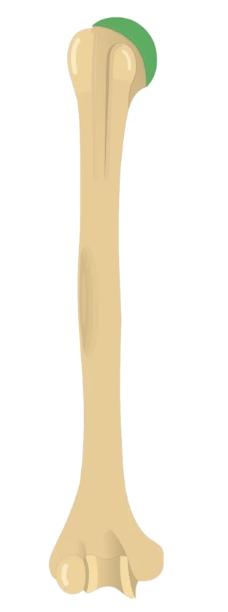
head of humerus. articulates with glenoid cavity
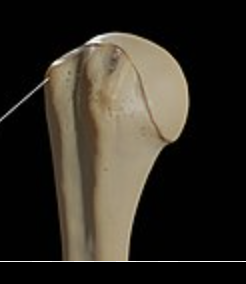
greater tubercle. attachment sites for muscles
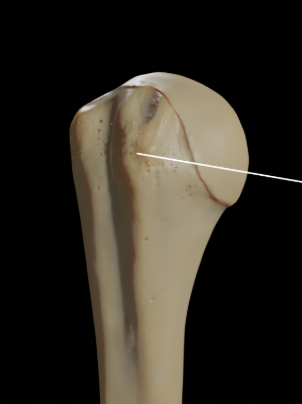
lesser tubercle. attachment sites for muscles
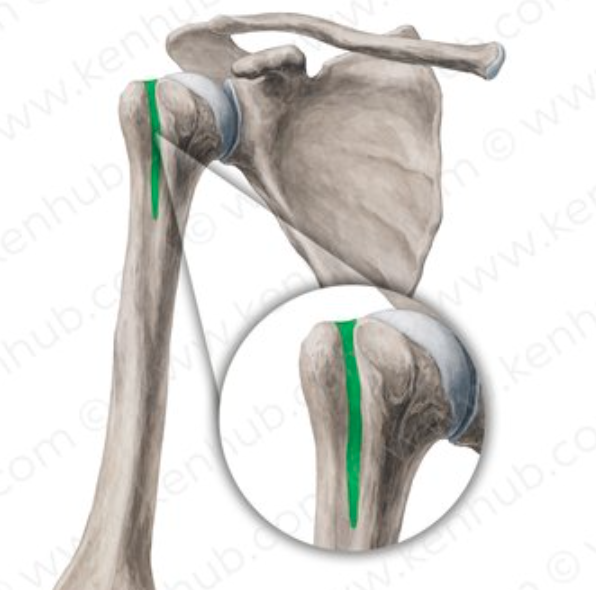
intertubercular groove
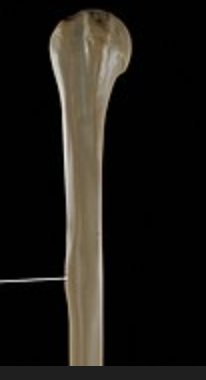
deltoid tuberosity. attachment site for deltoid muscle
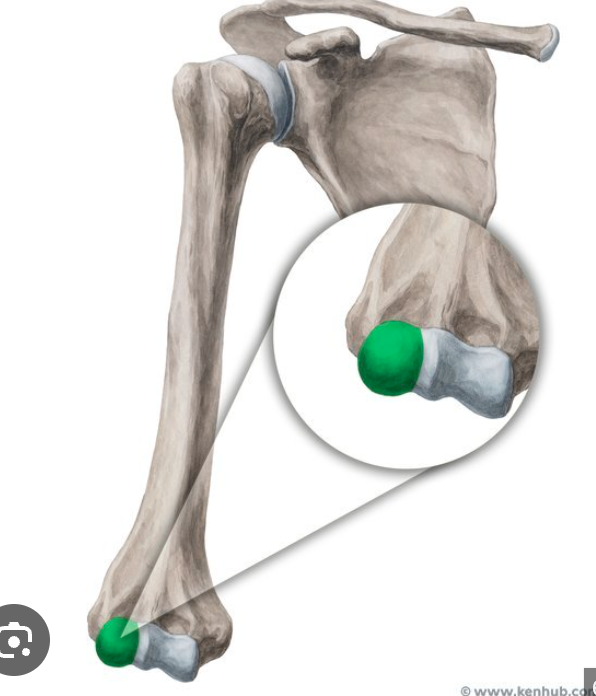
capitulum. articulates with radius
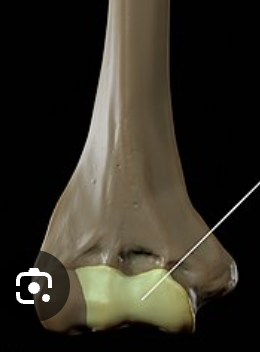
trochlea. articulates with ulna
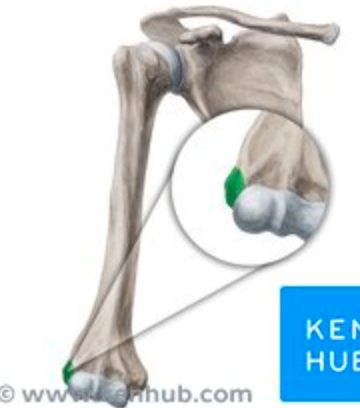
lateral epicondyle. attachment site for muscles of the forearm
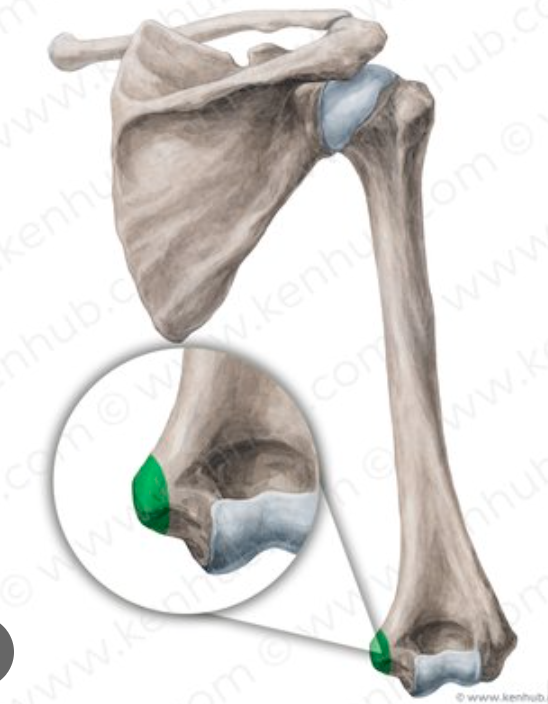
medial epicondyle. attachment site for muscles of the forearm
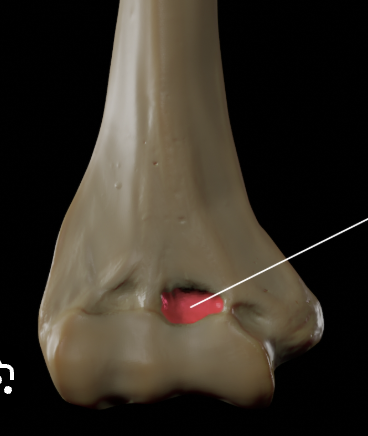
coronoid fossa. receive the similarly named projections of the forearm bones during movement
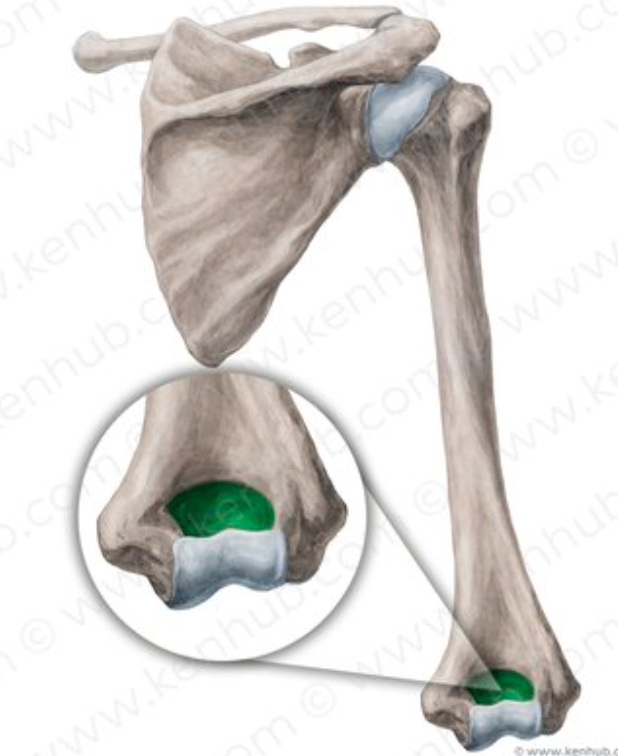
olecranon fossa. receives the olecranon process from the ulna
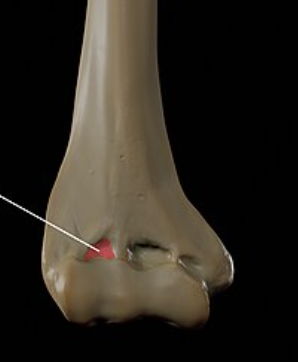
radial fossa.
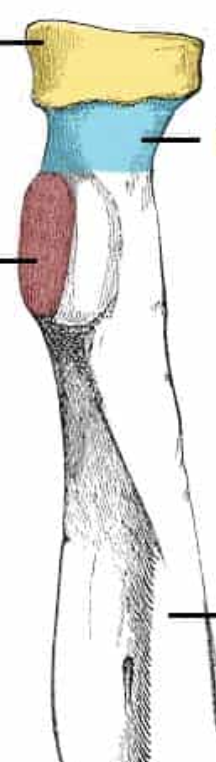
whats the yellow?
the radius head
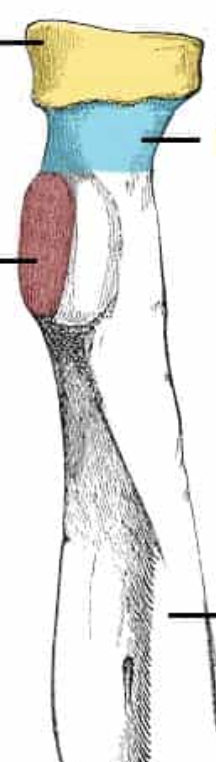
whats the blue?
the radius neck
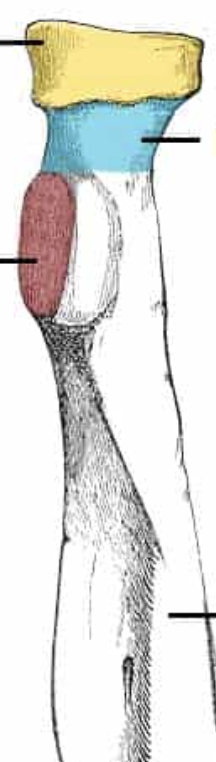
whats the red
radial tuberosity. site of attachment of the bicep muscles
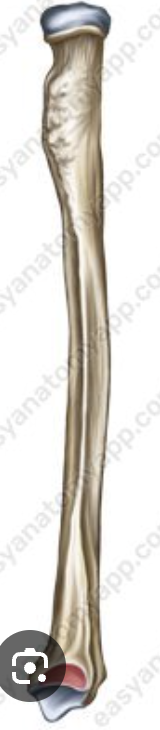
whats the red
ulnar notch
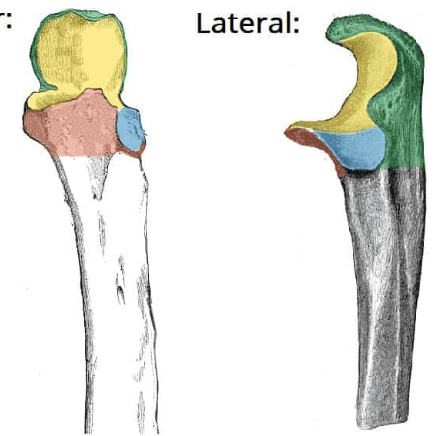
whats the yellow
trochlear notch
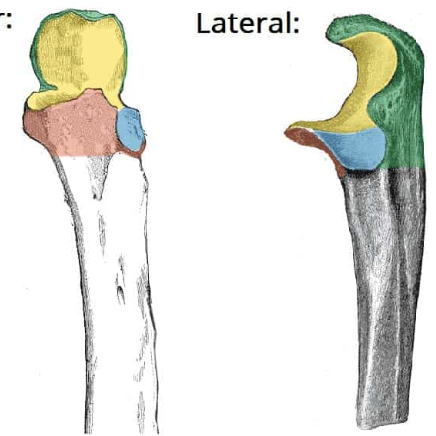
whats the green
olecranon process
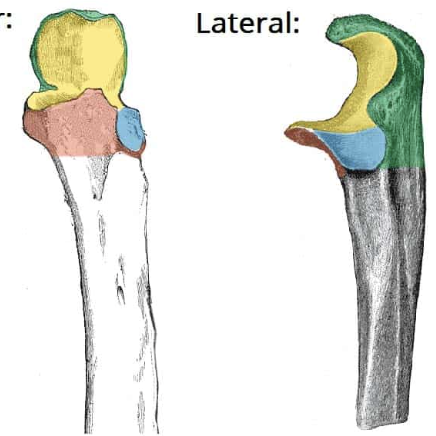
whats the red?
coronoid process
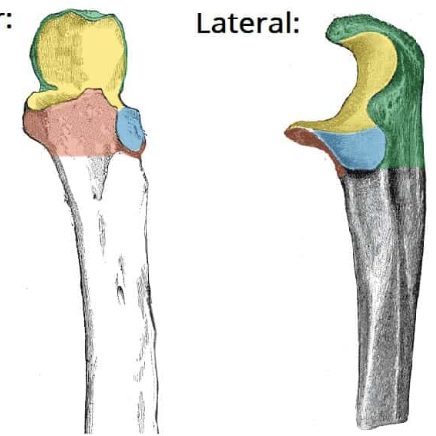
whats the blue?
radial notch
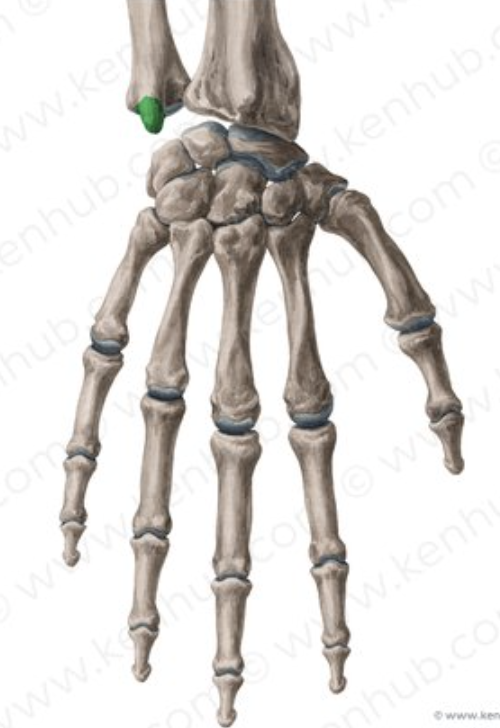
styloid process of ulna
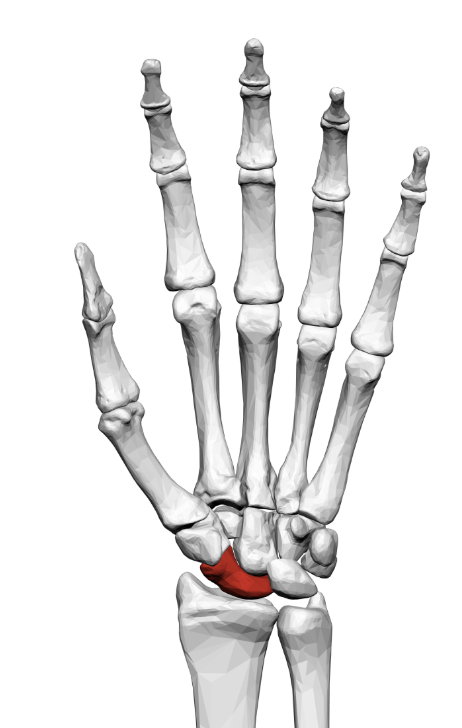
scaphoid carpal
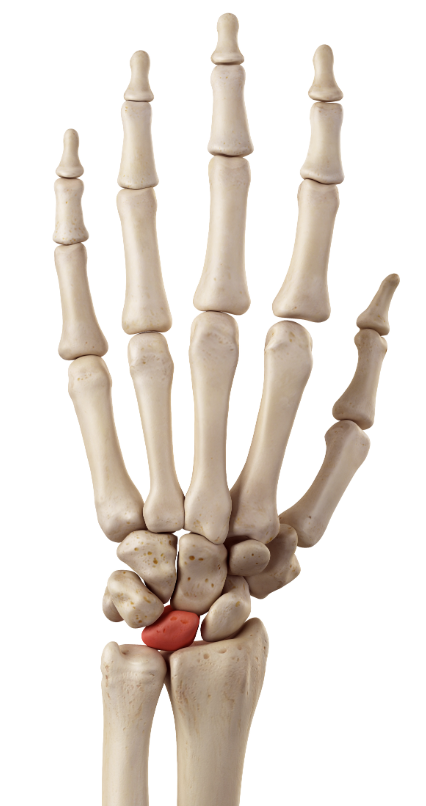
lunate carpal
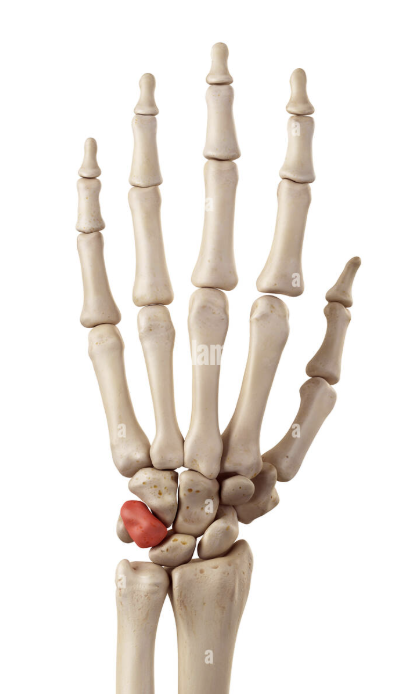
triquetrum carpal
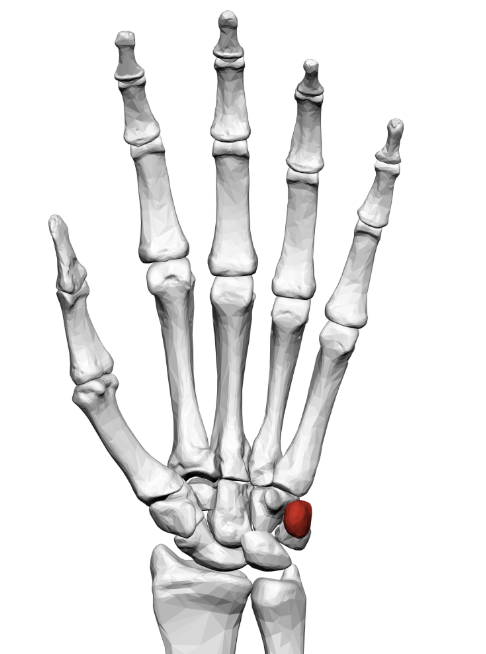
pisiform carpal
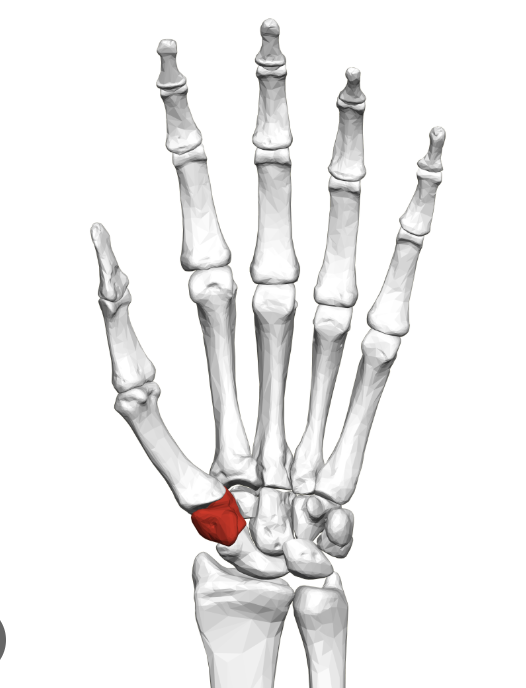
trapezium carpal
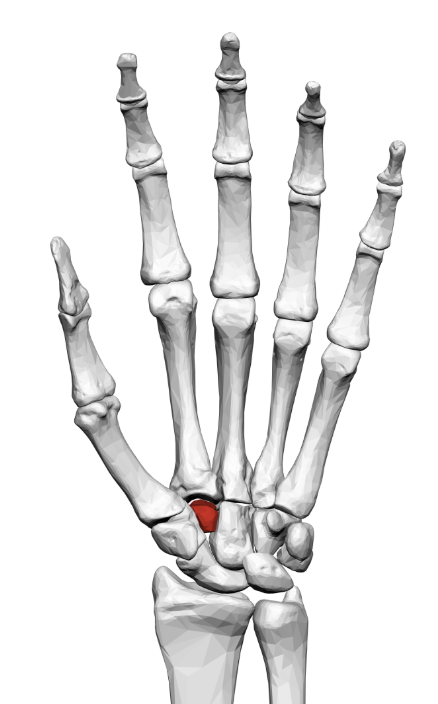
trapezoid carpal
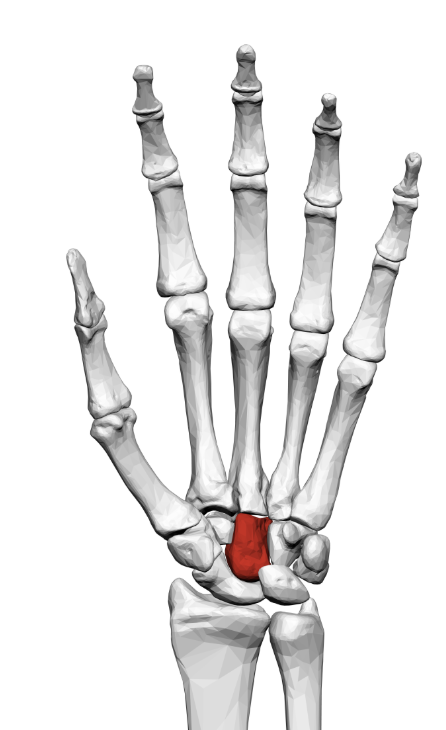
capitate carpal
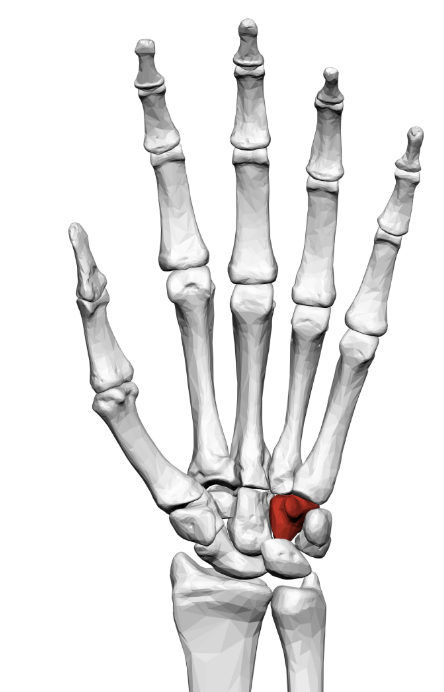
hamate carpal
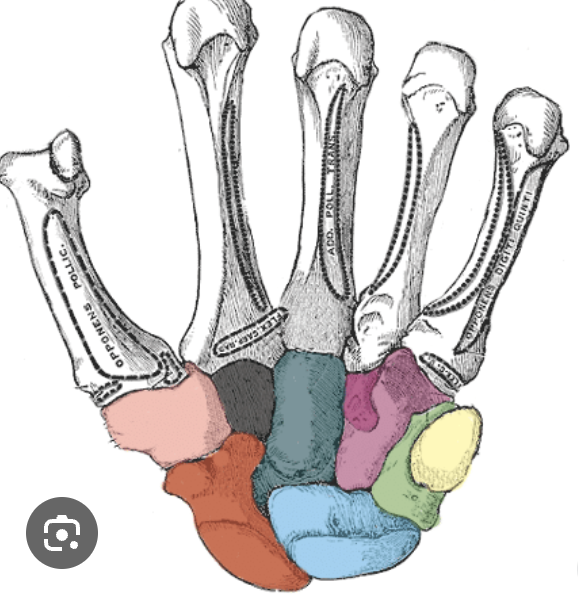
whats the peach?
trapezium
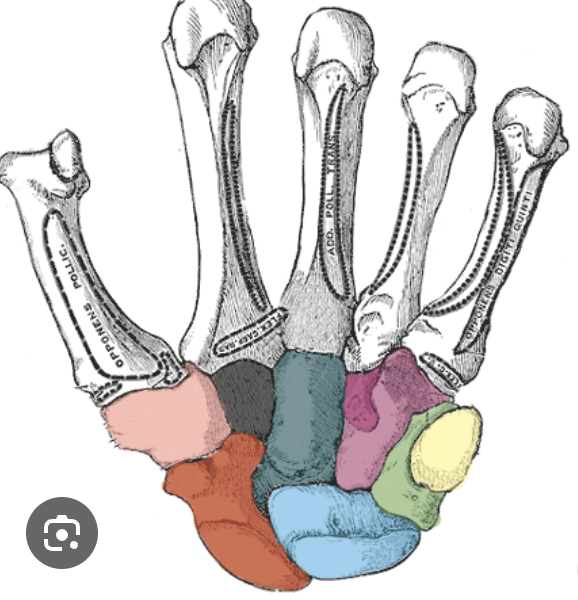
whats the black
trapezoid
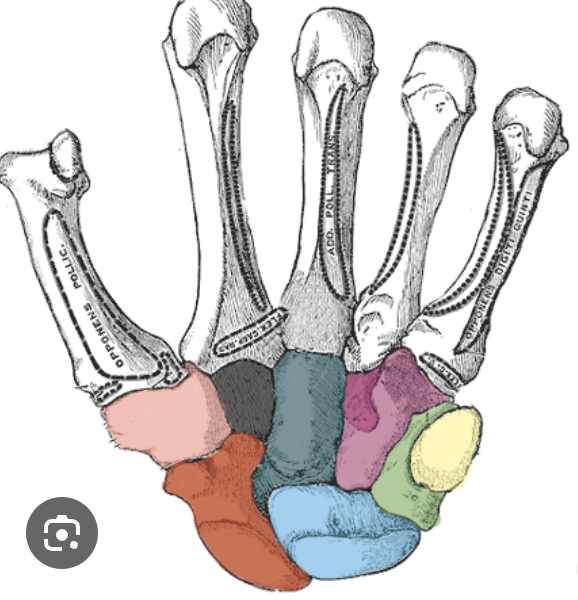
whats the dark green?
capitate
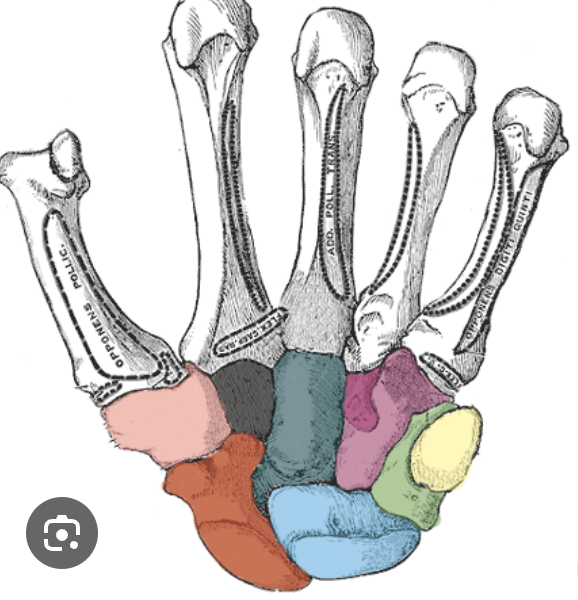
whats the pink
hamate
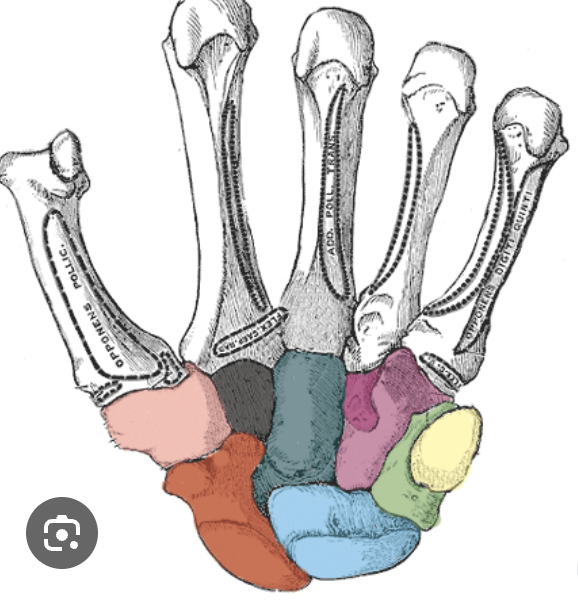
whats the orange ?
scaphoid
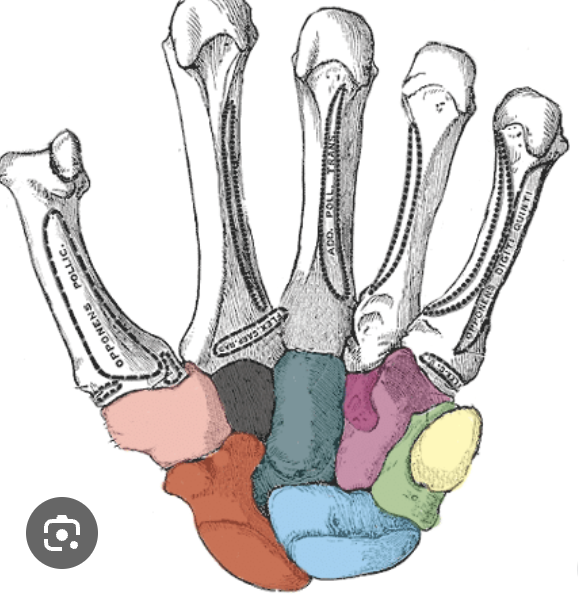
whats the blue?
lunate
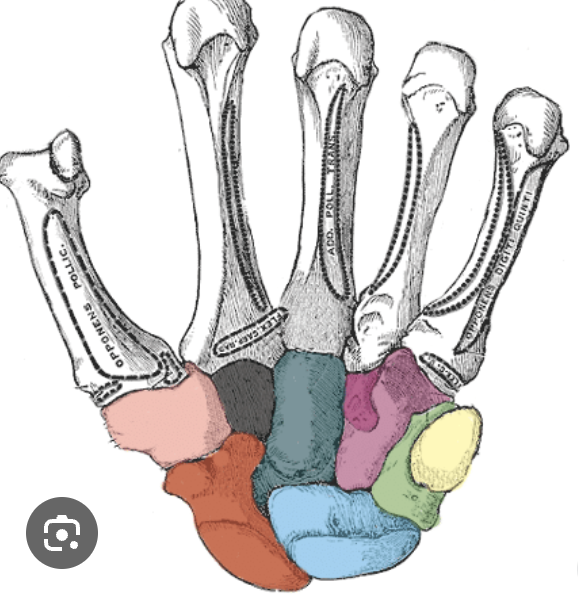
whats the green?
triquetrum
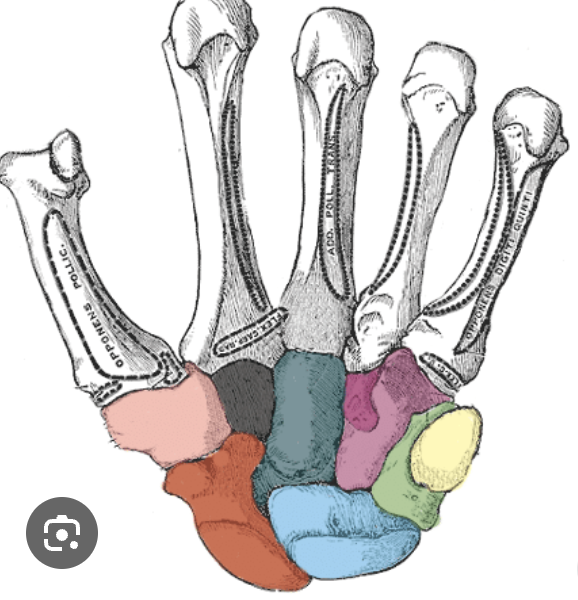
whats the yellow?
pisiform
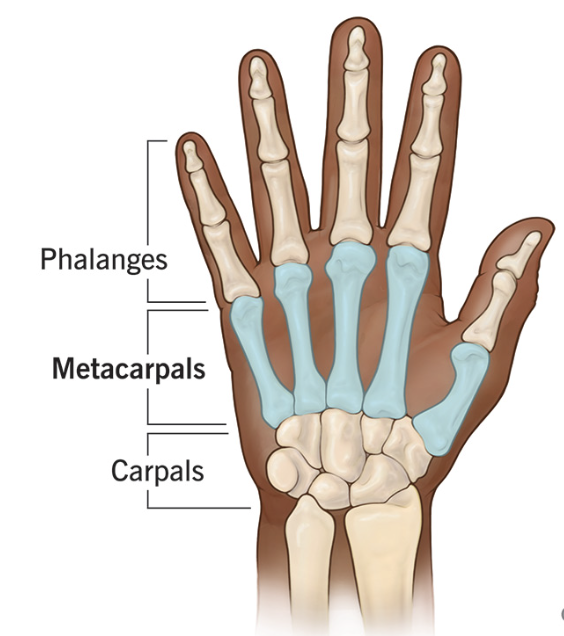
count the metacarpals from right to left.
i, ii, iii, iv, v
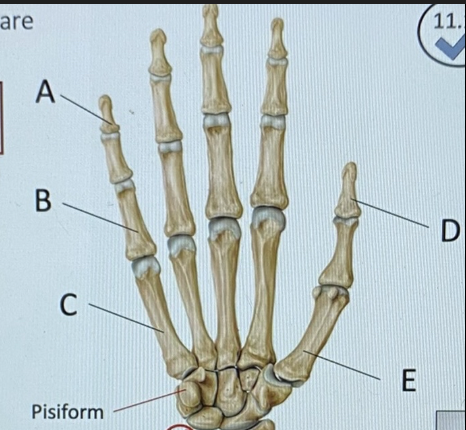
whats b ?
proximal phalanx V
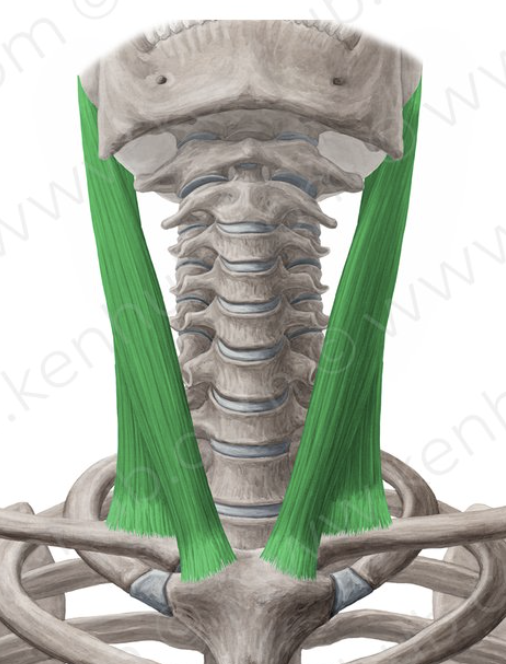
sternocleidomastoid muscle rotates head to opposite shoulder. Origin is sternum and clavicle. insertion is mastoid process
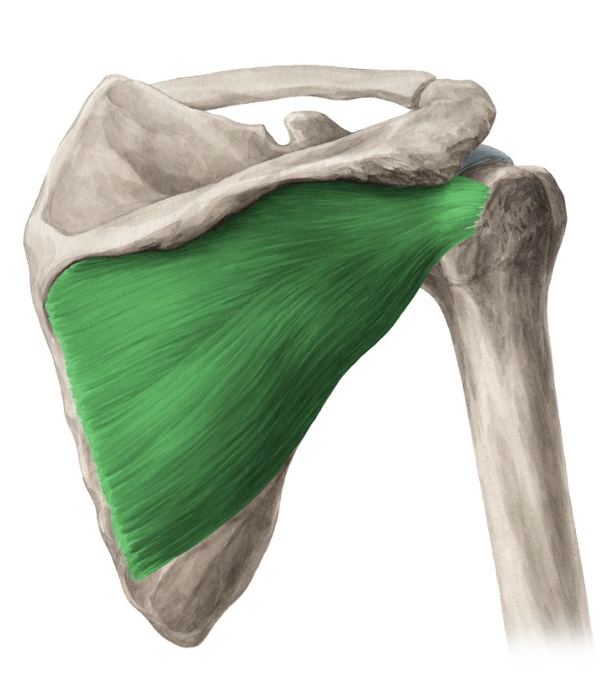
infraspinatus muscle external/lateral rotation. origin is infraspinous fossa. insertion is greater tubercle of humerus
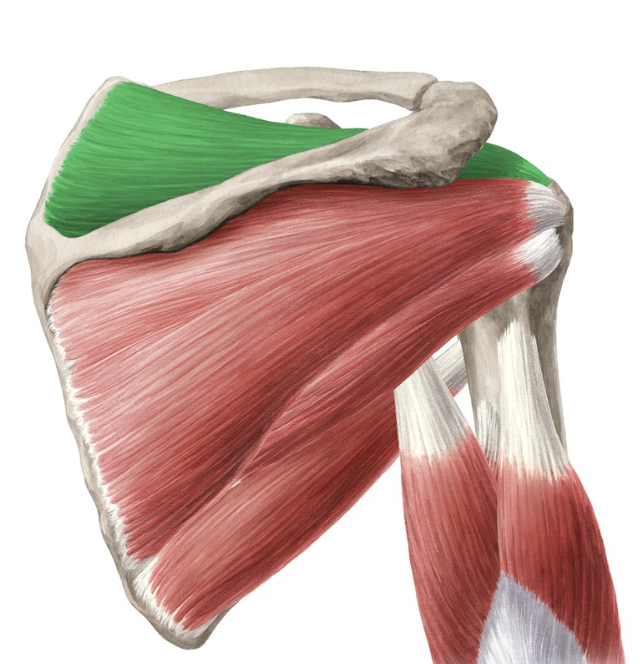
supraspinatus muscle abducts arm. origin is supraspinous fossa. insertion is greater tubercle of humerous
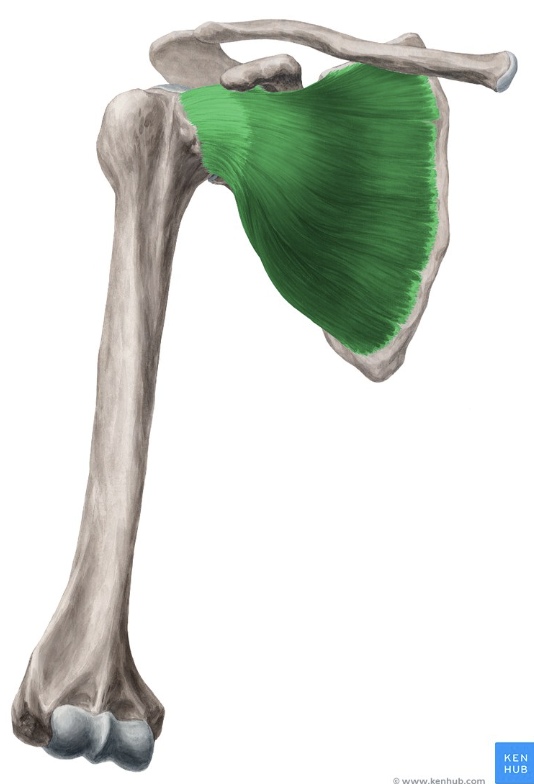
subscapularis muscle medially (internal) rotates arm. origin is subscapular fossa. insertion is lesser tubercle of humerus.
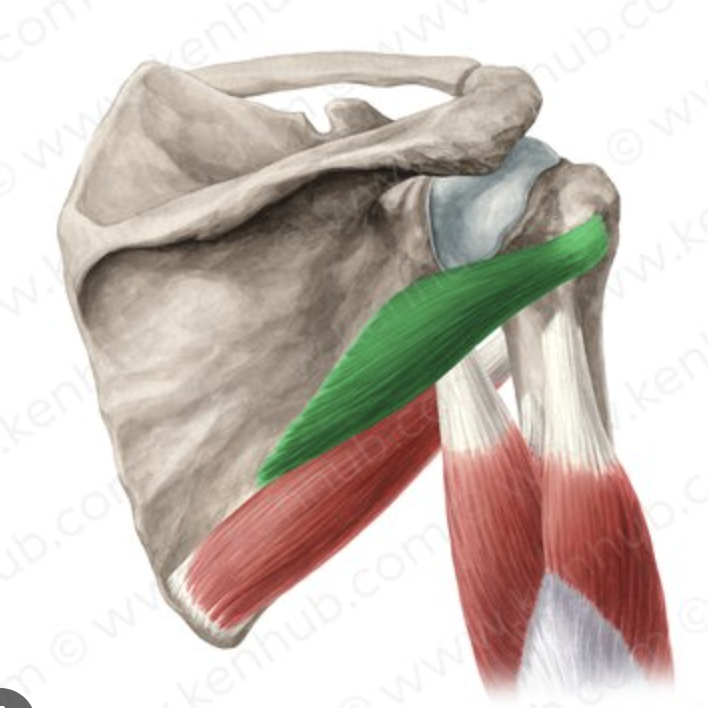
teres minor laterally rotates and adducts arm. origin is infraspinous fossa. insertion is greater tubercle
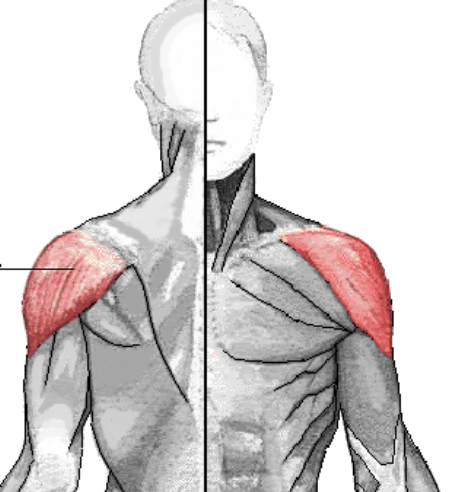
deltoid muscle abducts, flexes, extends and rotates arm. origin is clavicle, acromion, and scapula. insertion is deltoid tuberosity
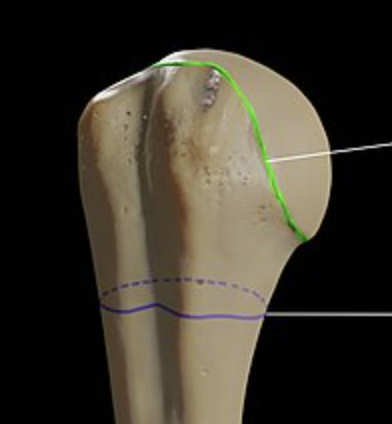
whats the green?
anatomical neck of humerus
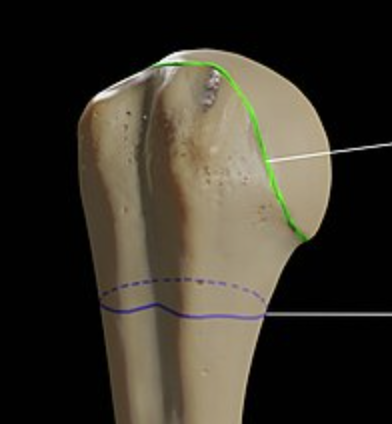
whats the purple?
surgical neck of humerus