Endocrinology Lab: Diabetes Management, Glucagon Use, and Athletic Blood Sugar Protocols
 Call Kai
 Learn
Learn Practice Test
 Spaced Repetition
 Match
Match Flashcards
 Knowt Play
1/25

There's no tags or description
Looks like no tags are added yet.
Name | Mastery | Learn | Test | Matching | Spaced | Call with Kai | Chat |
|---|
No analytics yet
Send a link to your students to track their progress
26 Terms
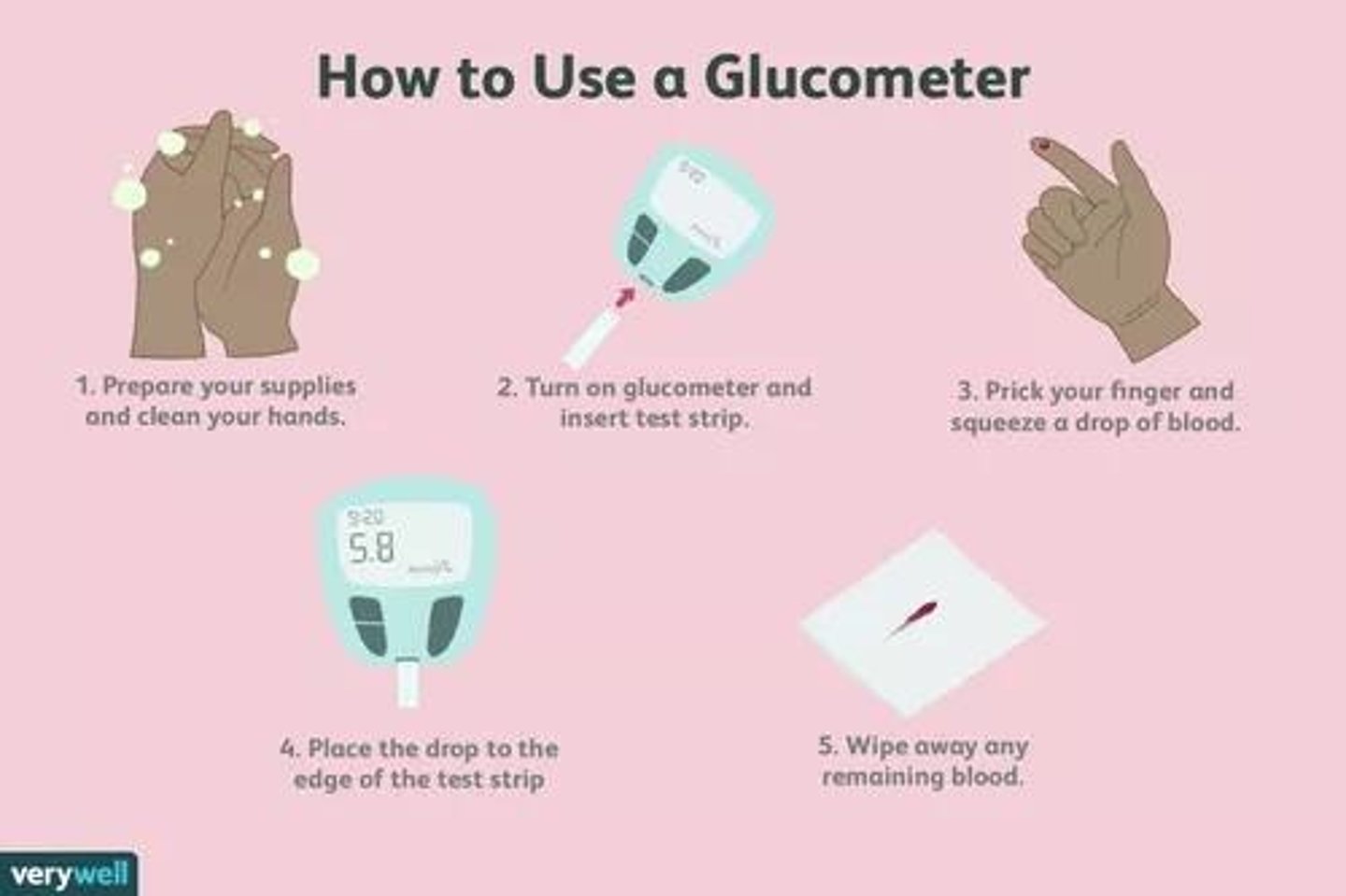
Glucometers
Devices used to measure blood sugar levels, important for monitoring diabetes.
Symptoms indicating low blood sugar in non-diabetics
Lightheadedness, dizziness, pre-syncope, syncope, seizures.
Blood Sugar Goals Pre-Exercise
Minimum: 100 mg/dL, Maximum: 250 mg/dL.
Ideal Blood Sugar During Exercise
120-180 mg/dL.
Glucagon
A hormone used to raise blood sugar levels during a hypoglycemic emergency.
Steps to give a glucagon injection
Mix powder and liquid, clean injection site, inject into buttock, upper arm, or thigh, call emergency services after administering.
Emergency response after glucagon injection
Call 911 if the person remains unconscious after 15 minutes and provide glucose once alert.
Causes of low blood sugar episodes
Too much insulin, missed meals, illness, or new medications.
Pre-practice carbohydrate intake for athletes
Athletes should consume carbohydrates 30 minutes to 1 hour before exercise.
Carbohydrate options for athletes
Examples include glucose tablets, sports drinks, or energy bars.
Post-workout carbohydrate intake for diabetic athletes
Diabetic athletes should consume carbohydrates to replenish energy after exercise.
Management of blood sugar readings before exercise
If readings are low (e.g., 80 mg/dL), provide carbohydrates before exercise.
Case study: 16-year-old quarterback with Type 1 diabetes
Monitor blood sugar closely, provide carbohydrates if symptoms of low blood sugar occur.
Signs of high blood sugar
Symptoms include nausea, vomiting, and increased thirst.
Pathophysiology of high blood sugar
Occurs when insulin is insufficient to manage glucose levels, leading to hyperglycemia.
Recommended actions for high blood sugar
Administer insulin as prescribed and monitor blood sugar levels regularly.
Importance of hydration during exercise
Maintaining hydration helps prevent complications related to high blood sugar.
Role of glucose in sports nutrition
Glucose provides quick energy for athletes, especially during high-intensity activities.
Emergency Action Plan (EAP) for diabetes
A plan outlining steps to take in case of a diabetic emergency, including contact information for medical personnel.
Signs of dehydration in athletes
Symptoms include dry mouth, fatigue, and dizziness.
Importance of regular blood sugar monitoring
Helps manage diabetes effectively and prevent emergencies.
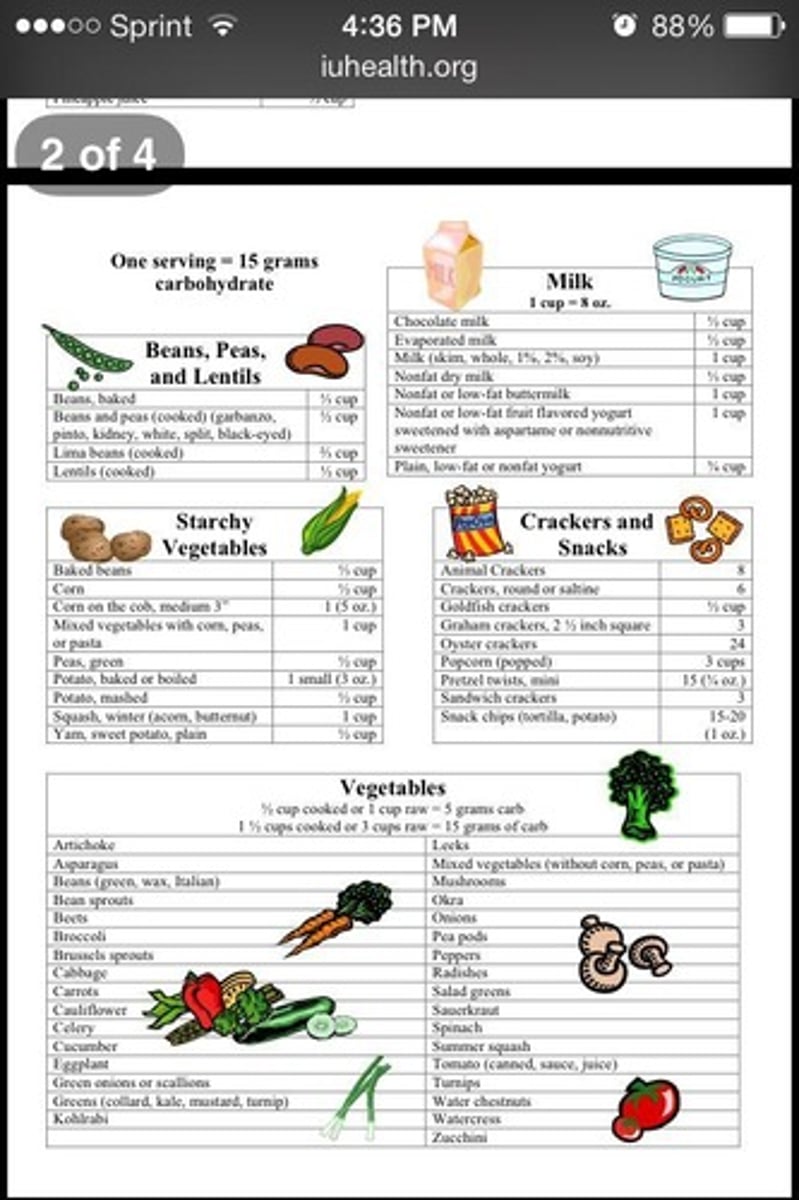
Long-acting carbohydrate sources
Include foods like crackers and cheese or sandwiches for sustained energy.
Immediate actions after glucagon administration
Stay with the person until help arrives and monitor their condition.
Role of the athletic trainer (ATC)
To assess and manage athletes' health, especially those with chronic conditions like diabetes.
Signs of hypoglycemia
Include shakiness, sweating, confusion, and irritability.
Recommended carbohydrate intake during exercise
Athletes may need to consume carbohydrates during prolonged exercise to maintain energy levels.